
How @WorldBank-supported #SAIPII is transforming livelihoods in Rwanda.
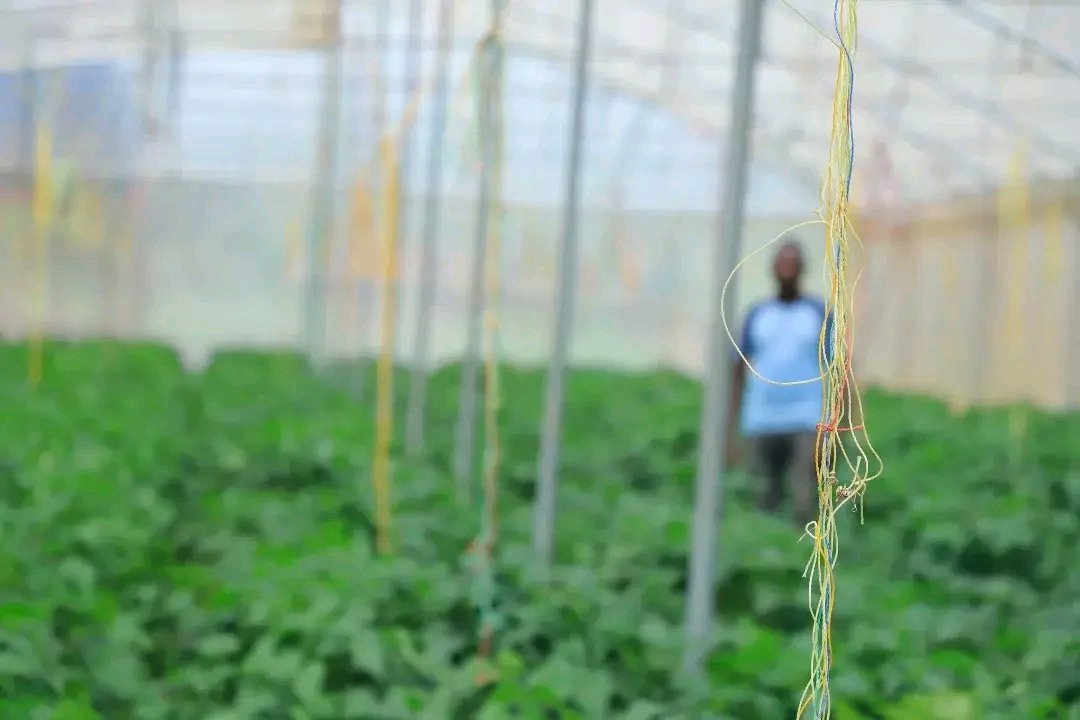
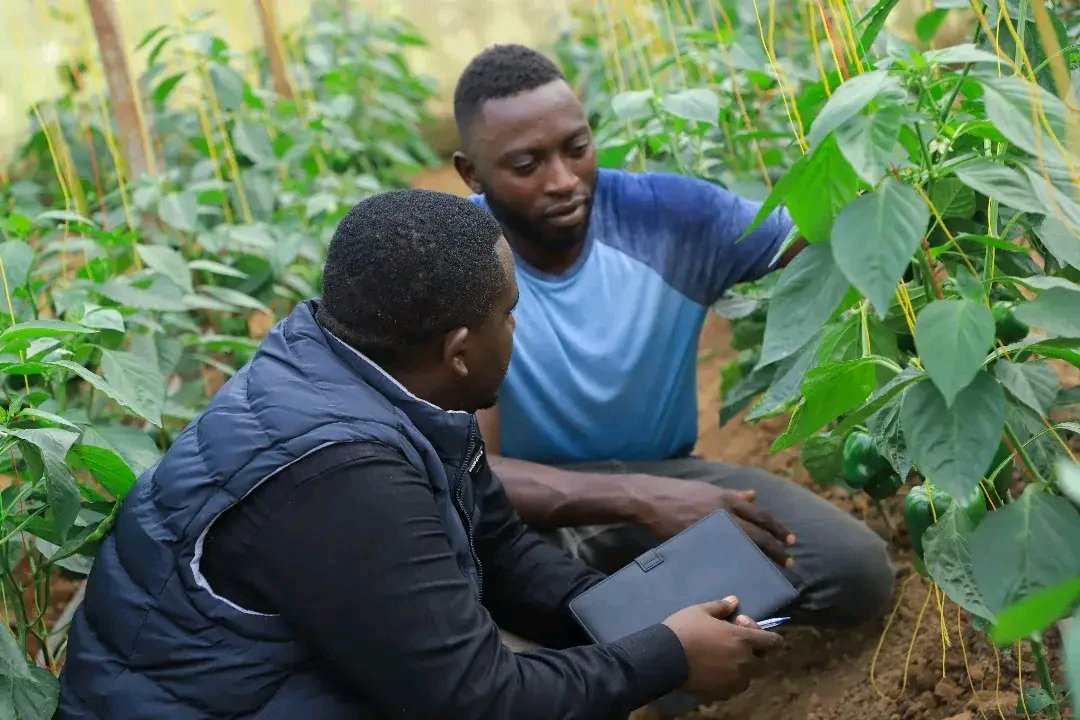
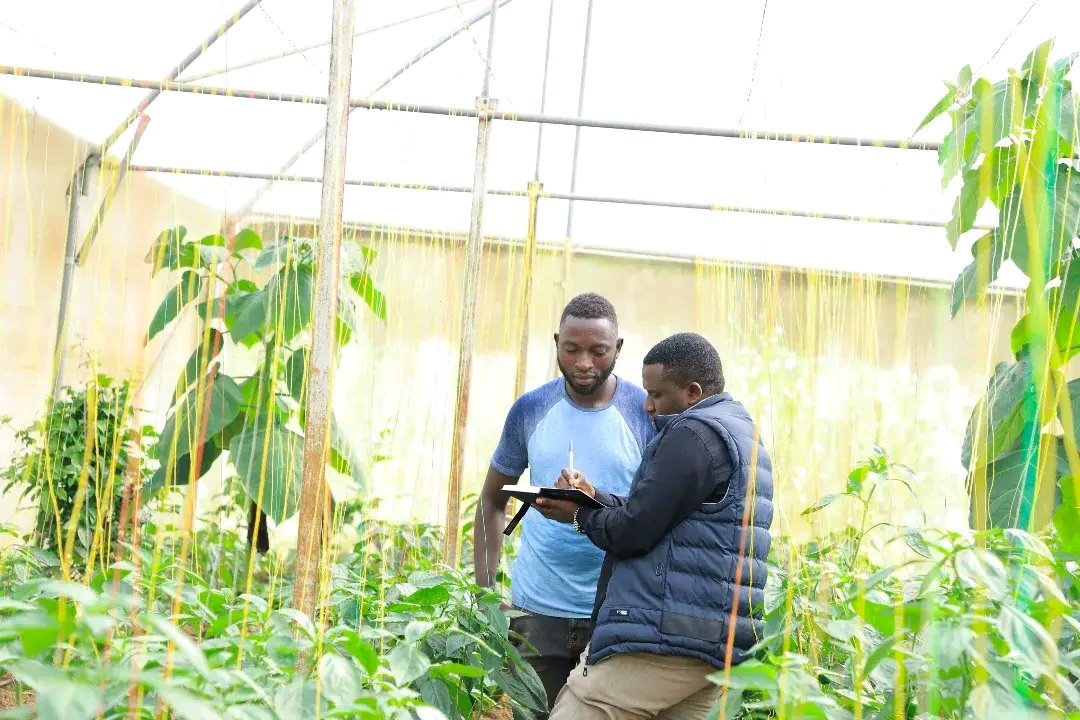
Meet Ildephonse Birimana, a young agripreneur who leveraged a 90% matching grant to establish greenhouses that now export French beans and green peppers.
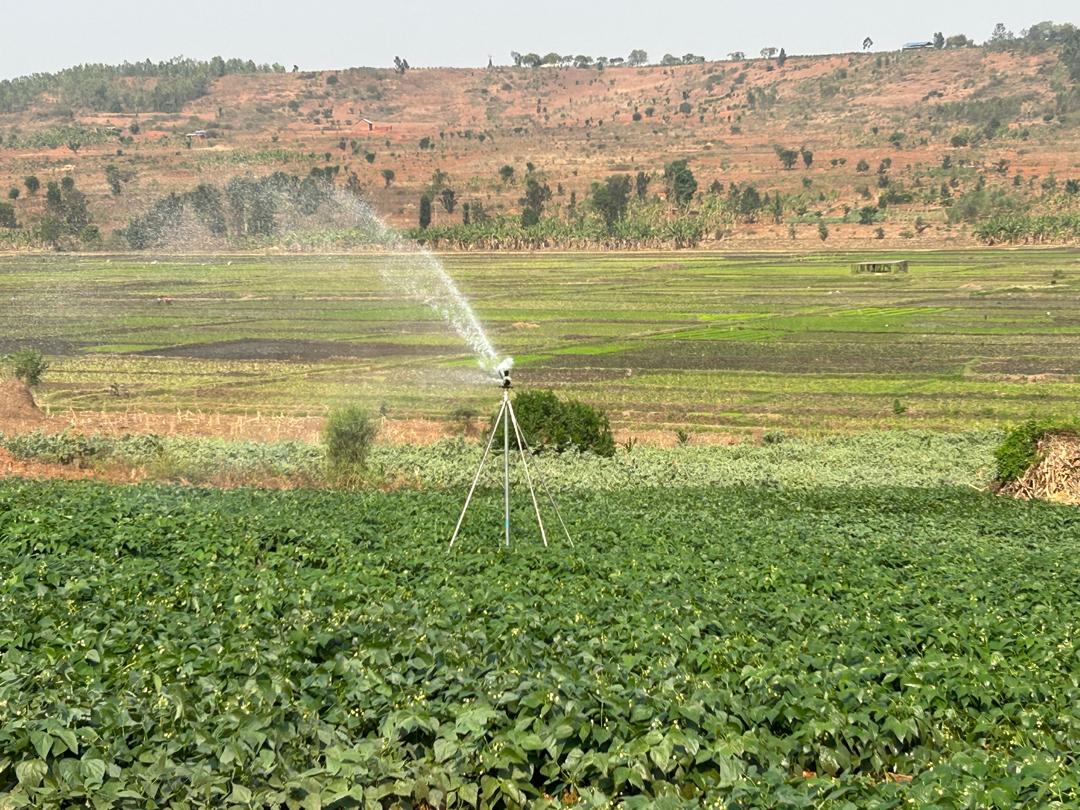
With the support of the Muyanza Reservoir, local farmers have transitioned from subsistence agriculture to market-oriented production.
Today, Ildephonse is financing his university education through agribusiness—a strong example of how strategic investment in irrigation technology, entrepreneurship skills, and rural infrastructure can create lasting opportunities.
Implemented with leadership from @RwandaGov and support from #SAIP, the initiative is helping build a more resilient and competitive agricultural sector.
#SAIPII is set to empower 65,000 households, including 42% women, through investments in:
• Stronger institutions
• Higher productivity & improved nutrition
• Efficient irrigation systems
• Better market access & value addition
#SAIP_Impact

1
16
19
1,237

Apr 20
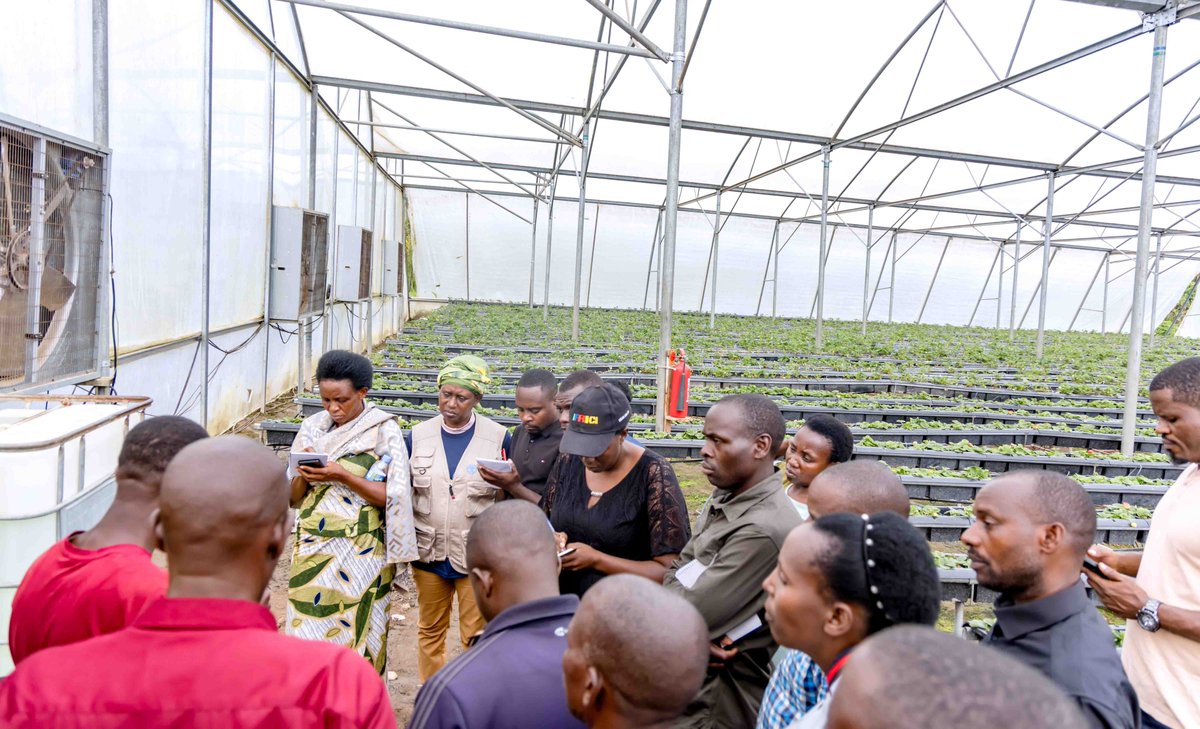
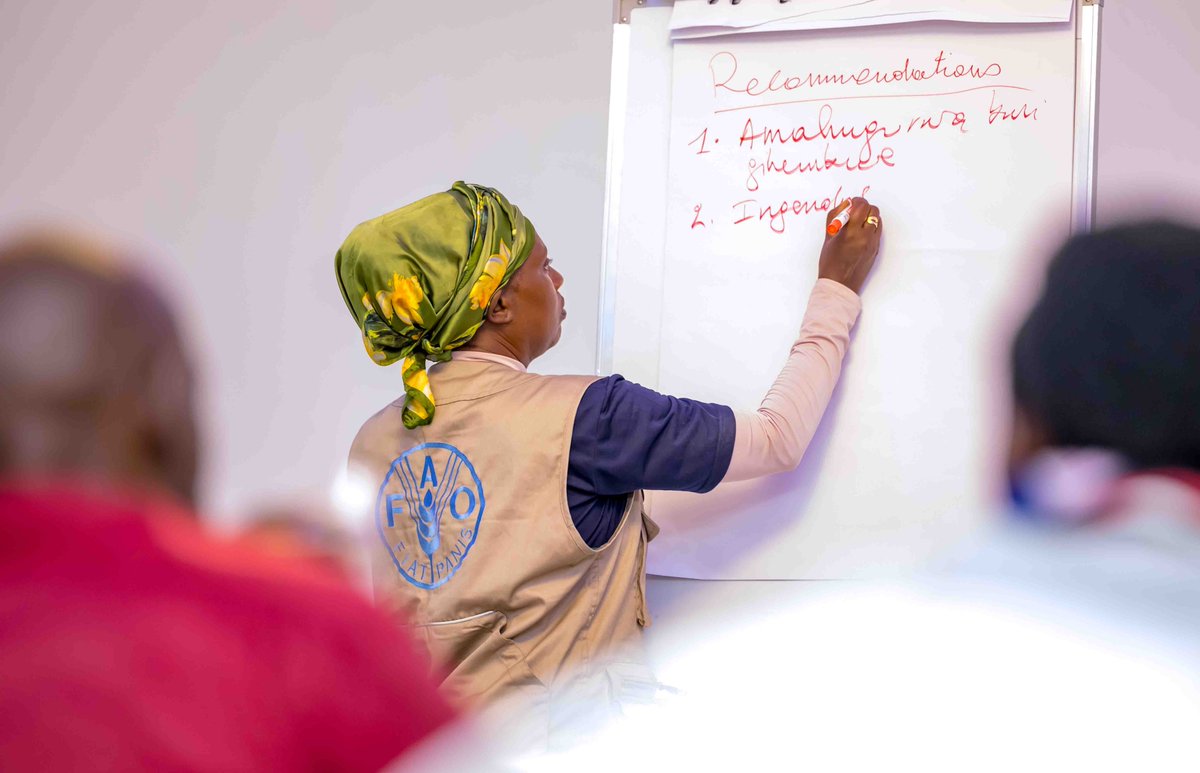
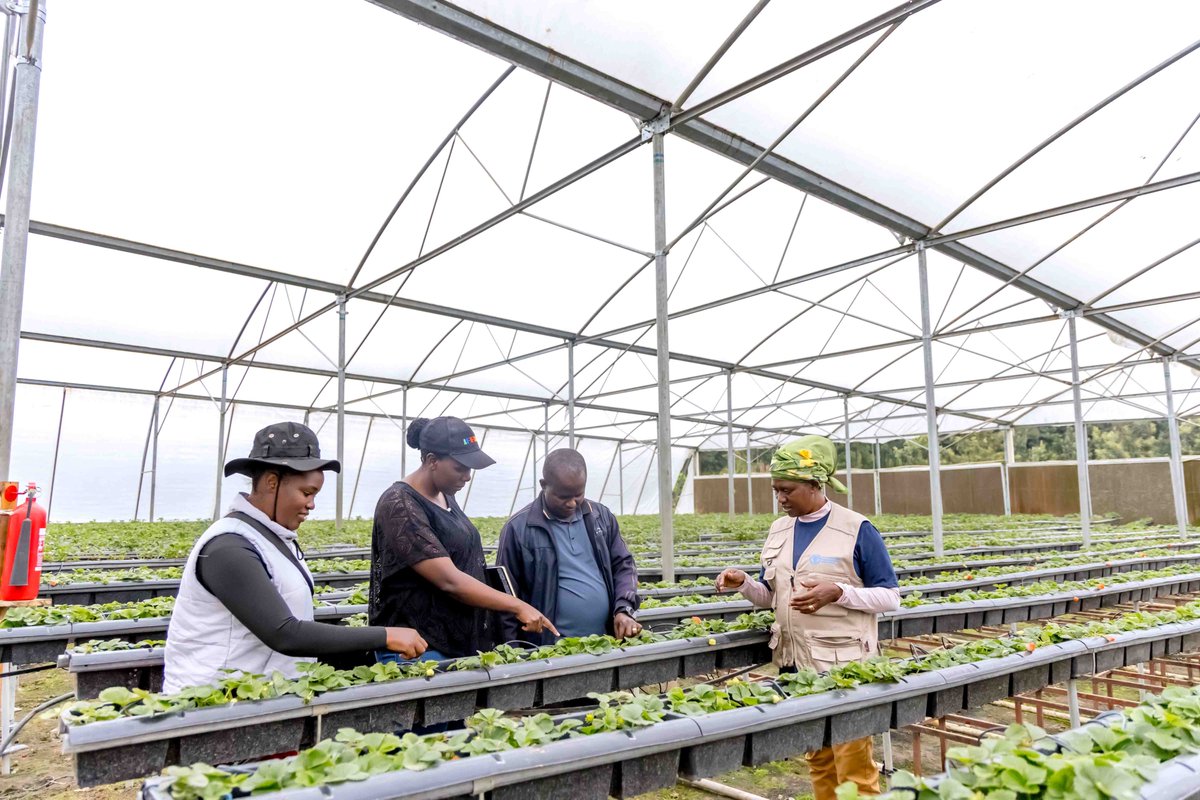
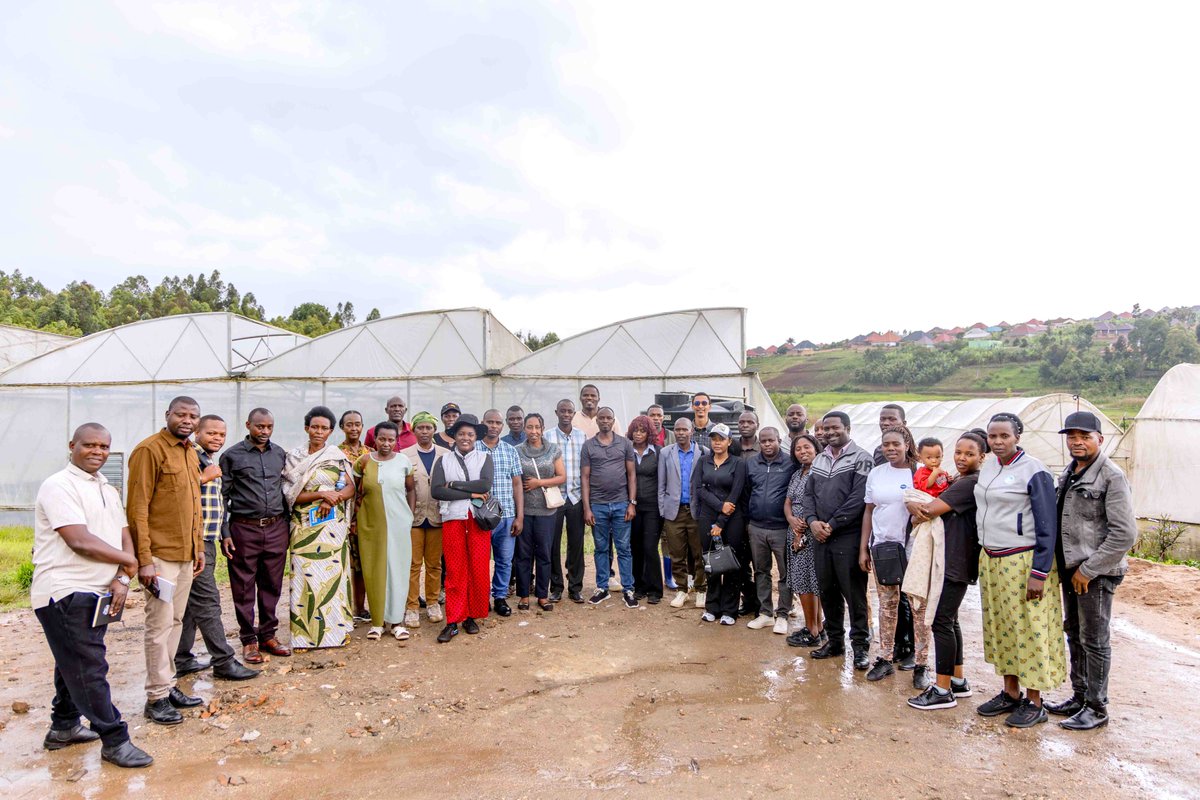
Under #SAIPII, @FAORwanda is supporting farmers to meet fruit & vegetable certification standards, boosting incomes, nutrition & food safety in #Rwanda.
Through a 3‑day training in @Muhangadis, 31 farmers developed practical skills, including a learning visit to @EzaNezaRwanda.
2
12
30
1,023
Mar 19
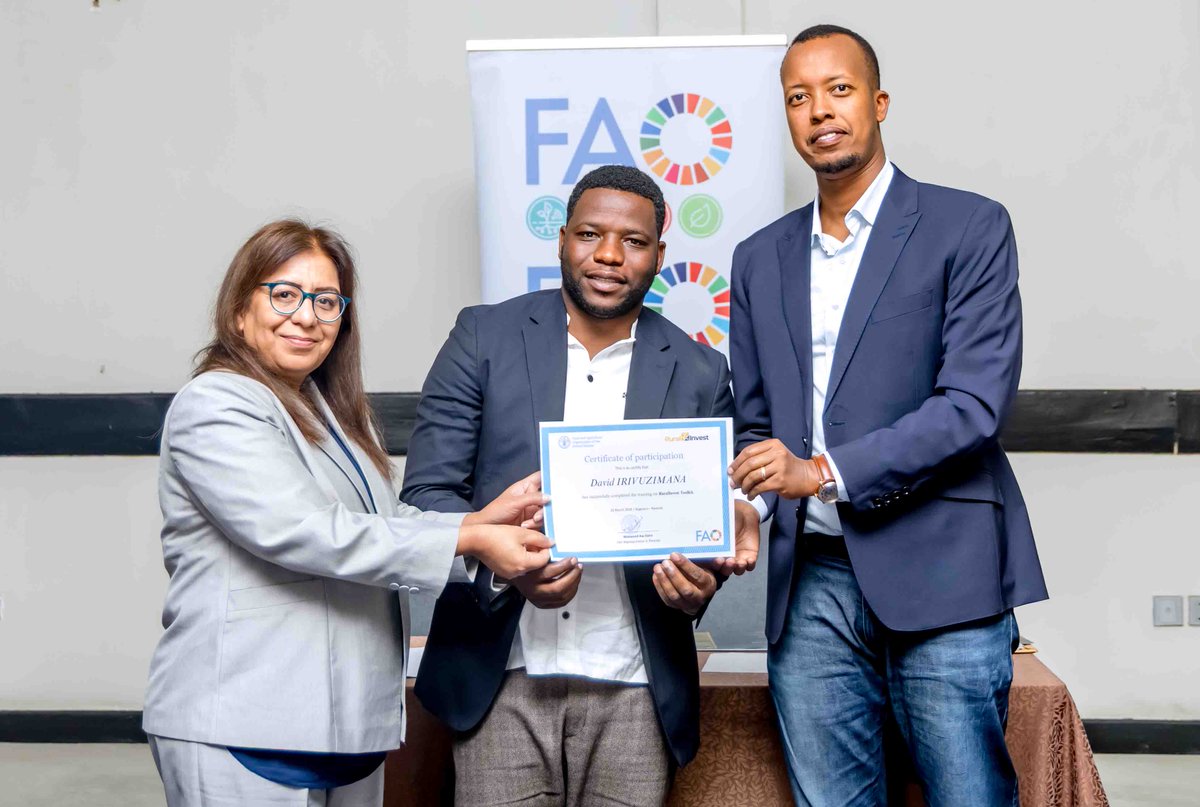
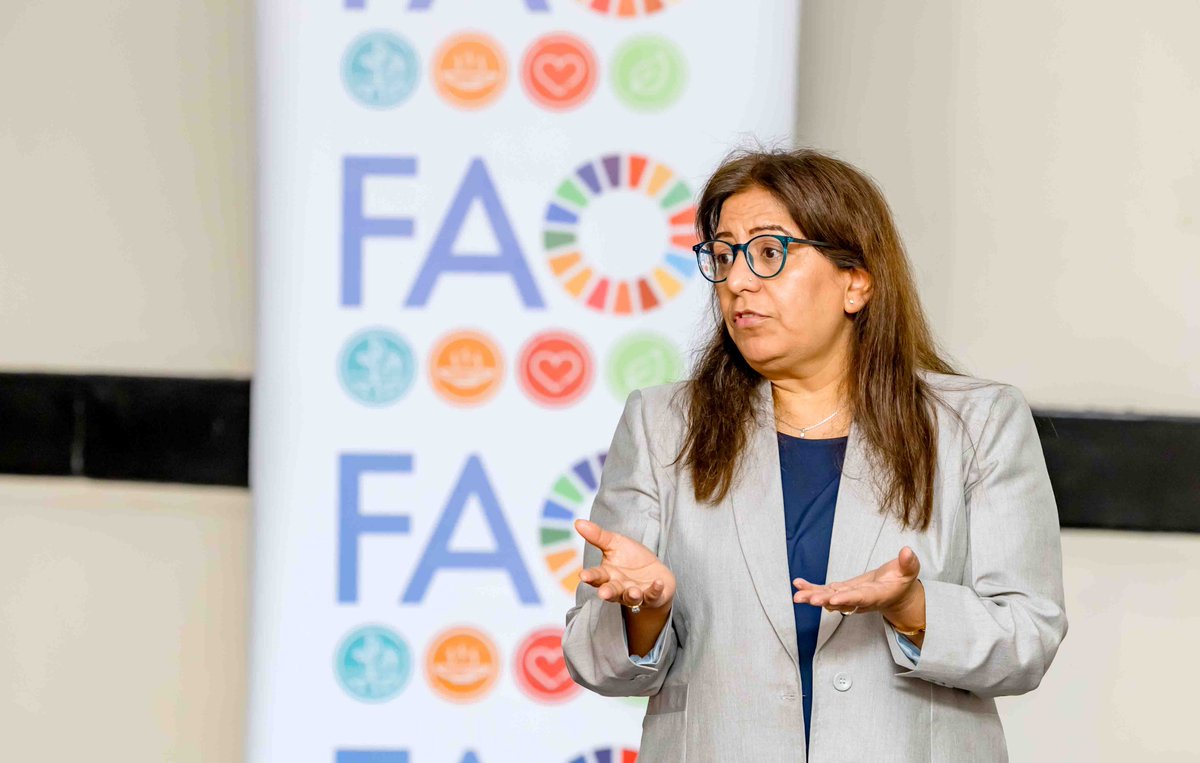
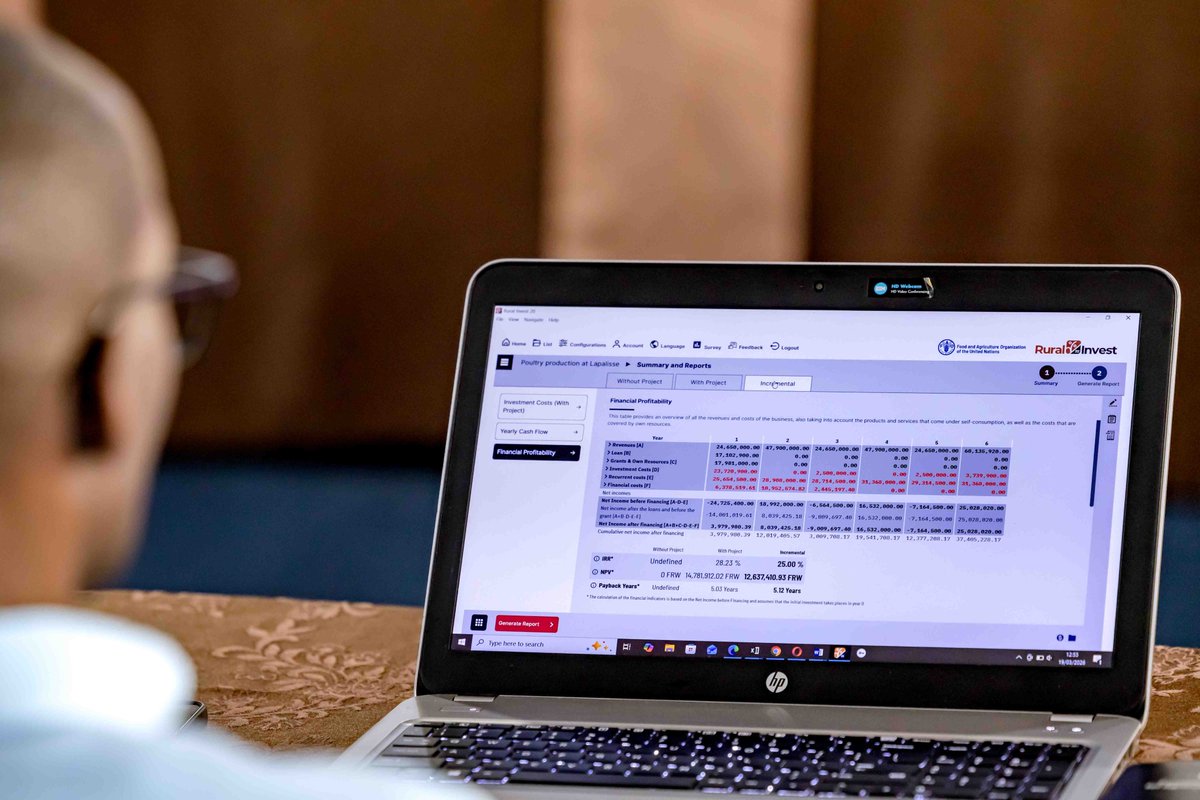
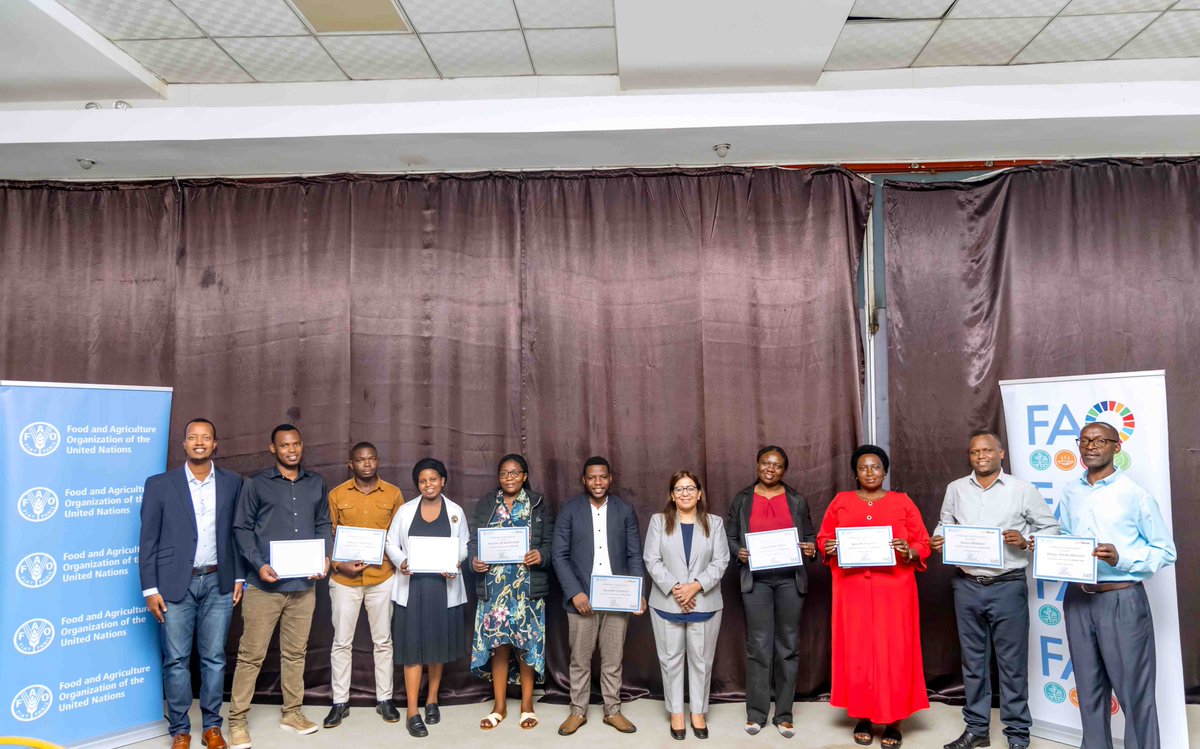
Today, @FAORwanda and @RwandaAgriBoard concluded the second #SAIPII cohort training, equipping farmers with #RuralInvest tools and strengthening skills in business planning and investment analysis to drive innovation and enhance food security in #Rwanda.
1
20
37
1,383

Mar 6
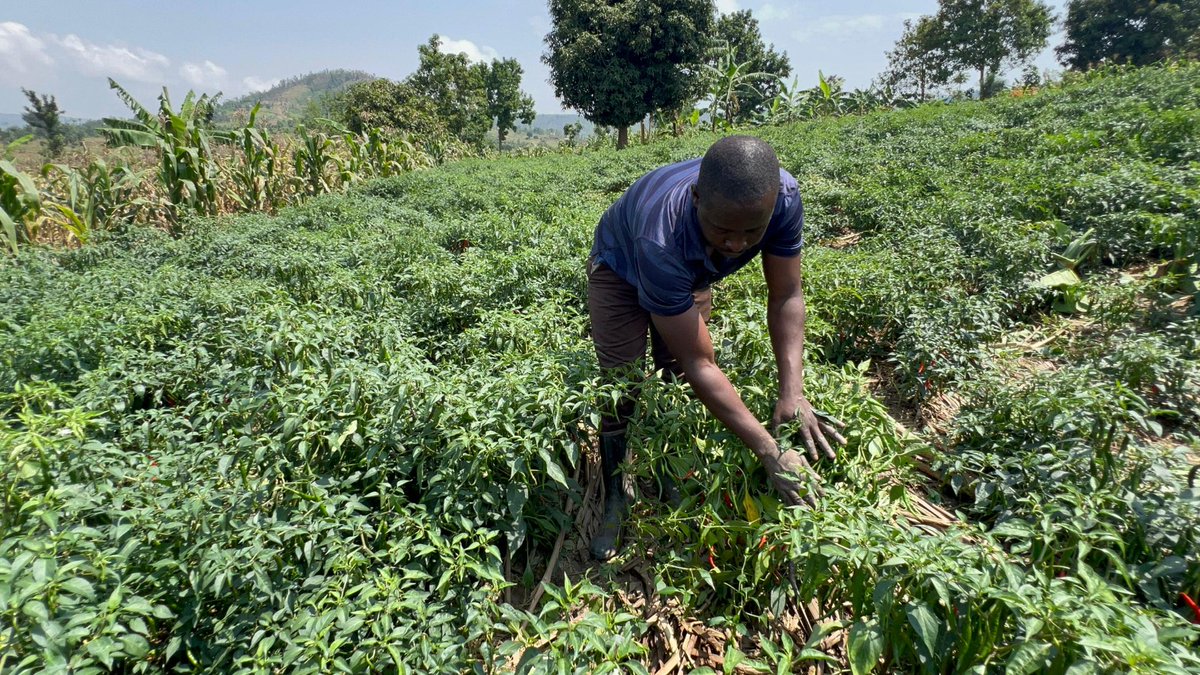
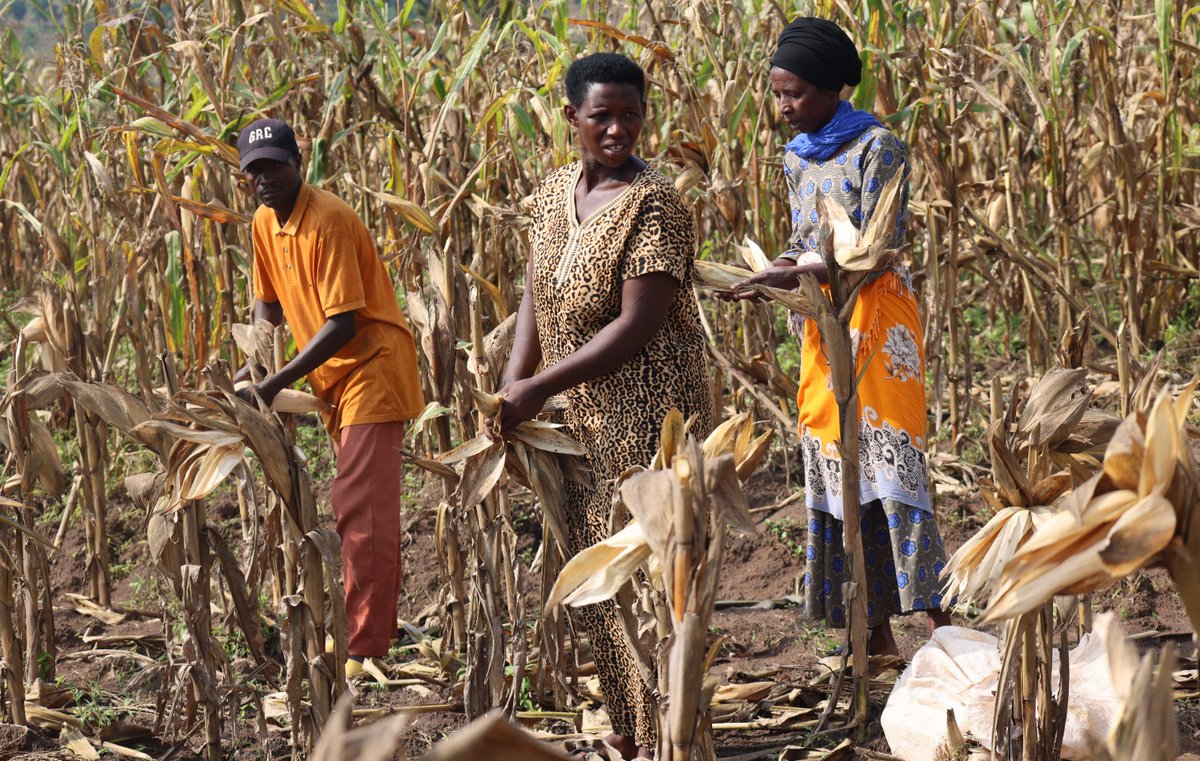
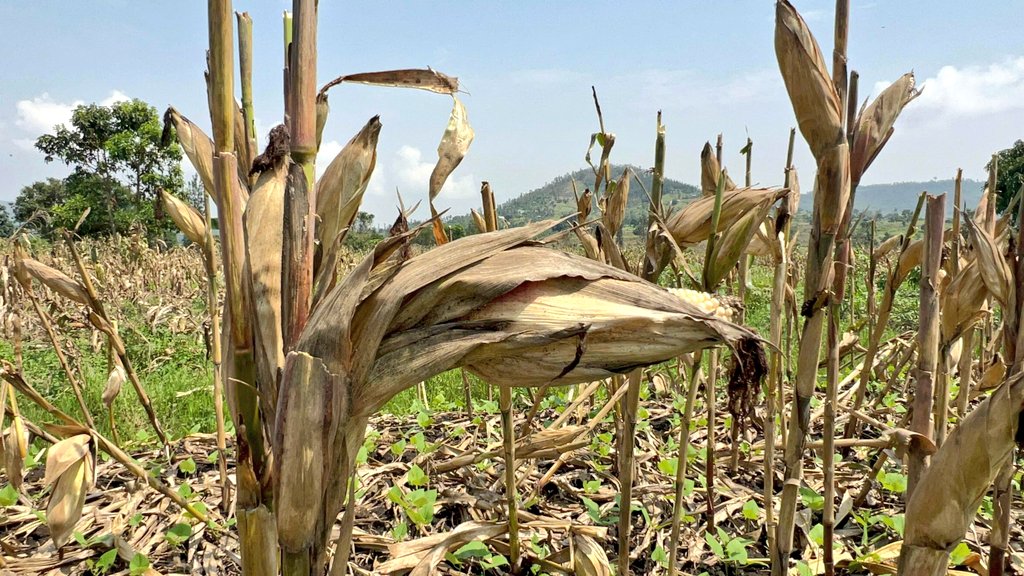
In eastern Rwanda's @KireheDistrict ,modern irrigation farmer training is turning survival farming into thriving businesses! Thanks to SAIP II ,a rehabilitated dam now holds 500,000 m³ of water for year-round crops no more dry-season dependence. Maize yields jumped from 2.5 to 4 tonnes/ha! #SAIPII
1/4
3
14
24
1,081

SAIP II Knowledge Sharing Sessions – Closing Day in Kirehe District
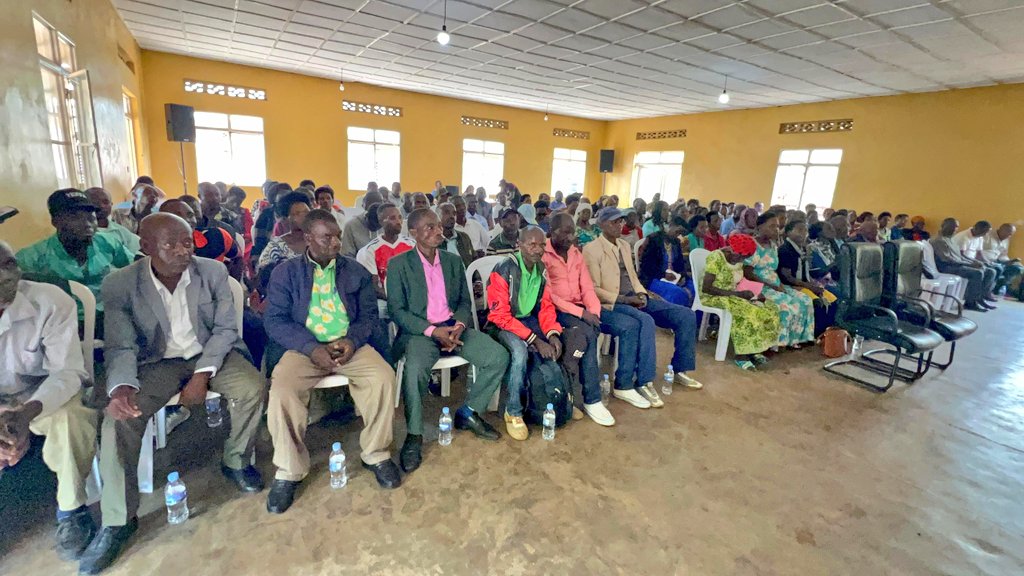
The Knowledge Sharing Week officially concluded in @KireheDistrict, where participants witnessed large-scale and highly organized agricultural activities supported by advanced irrigation systems.
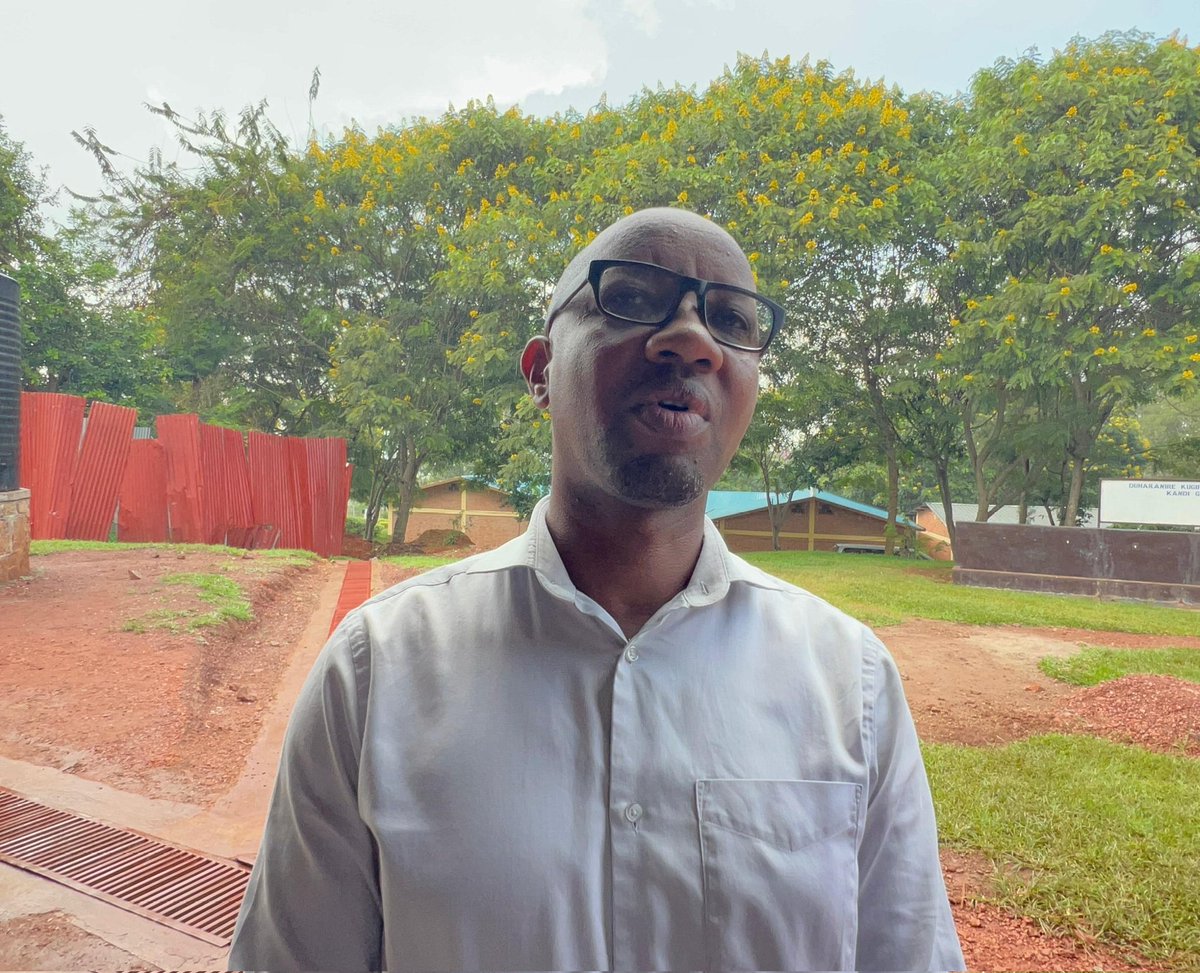
The Mayor of Kirehe District, @BrunoRangira, attended the closing session and engaged with journalists on the district’s strategy to strengthen agriculture, livestock, and irrigation infrastructure.
He emphasized that approximately 95% of Kirehe’s economy depends on agriculture and livestock, noting that with a population exceeding 400,000 people, nearly 95% are actively engaged in farming-related activities. According to him, this makes agriculture not just an economic sector, but the backbone of livelihoods in the district.
Mayor Bruno Rangira highlighted that both small-scale and large-scale irrigation systems are being utilized to ensure consistent production throughout the seasons. Key crops grown in the district include maize, tomatoes, beans, avocado, and chili pepper produce that supplies both domestic and cross-border markets.
He expressed sincere appreciation to:
• @PaulKagame
• @MINAGRI
• @RABSPIU
• @SAIPII
for their continued commitment to improving rural livelihoods through agricultural modernization.
Community members and beneficiaries echoed their gratitude while also expressing hope for the continuation of the initiative through a potential SAIP III, citing visible improvements in irrigation infrastructure, productivity, food security, and income growth.
Knowledge Sharing Week: A Five-District Journey.
The sessions successfully covered:
@HuyeDistrict
@Nyamagabe
@BugeseraDistr
@GatsiboDistrict
@KireheDistrict
From irrigation schemes and marshland rehabilitation to agro-processing expansion and nutrition-sensitive interventions, the week demonstrated how structured collaboration between government institutions, project implementers, and organized farmers is accelerating Rwanda’s agricultural transformation.
As the curtain falls on this Knowledge Sharing Week, one message stands clear: sustainable agriculture remains the driving engine of inclusive economic development.
#SAIPII #KnowledgeSharingSessions #RwandaAgriculture #IrrigationDevelopment #FoodSecurity
14
22
2,190

Nyamagabe: Farmers share lessons learned from the SAIPII Project. theforefrontmagazine.com/nya…
@RwandaAgriBoard @Nyamagabe @WorldBank @Ezra_Mutabaruka @solangeuwituze @RwandaAgri @T_Ndabamenye
#SAIPII
1
3
13
SAIP II Knowledge Sharing Sessions – Day 4
📍 Gatsibo District
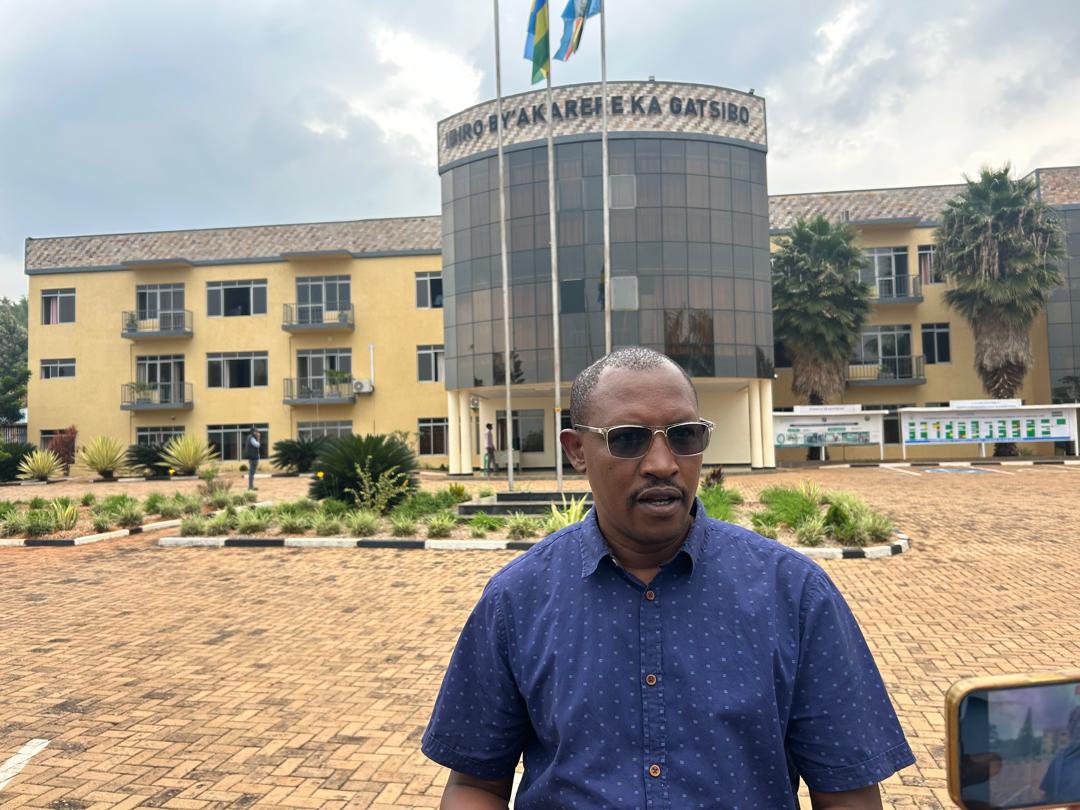
The fourth day of the SAIP II Knowledge Sharing Sessions unfolded in Gatsibo District, bringing together farmers, cooperative leaders, project beneficiaries, and local authorities to evaluate progress and strengthen long-term collaboration.
The session was convened under the coordination of RAB SPIU, creating a platform for reflection on achievements realized under both SAIP I and SAIP II, while charting the sustainability path beyond 2026.
Leadership Acknowledges Visible Transformation
Officially opening the gathering, Sekanyange Jean Leonard, Vice Mayor in charge of Economic Development, applauded the tangible impact of the project across the district.
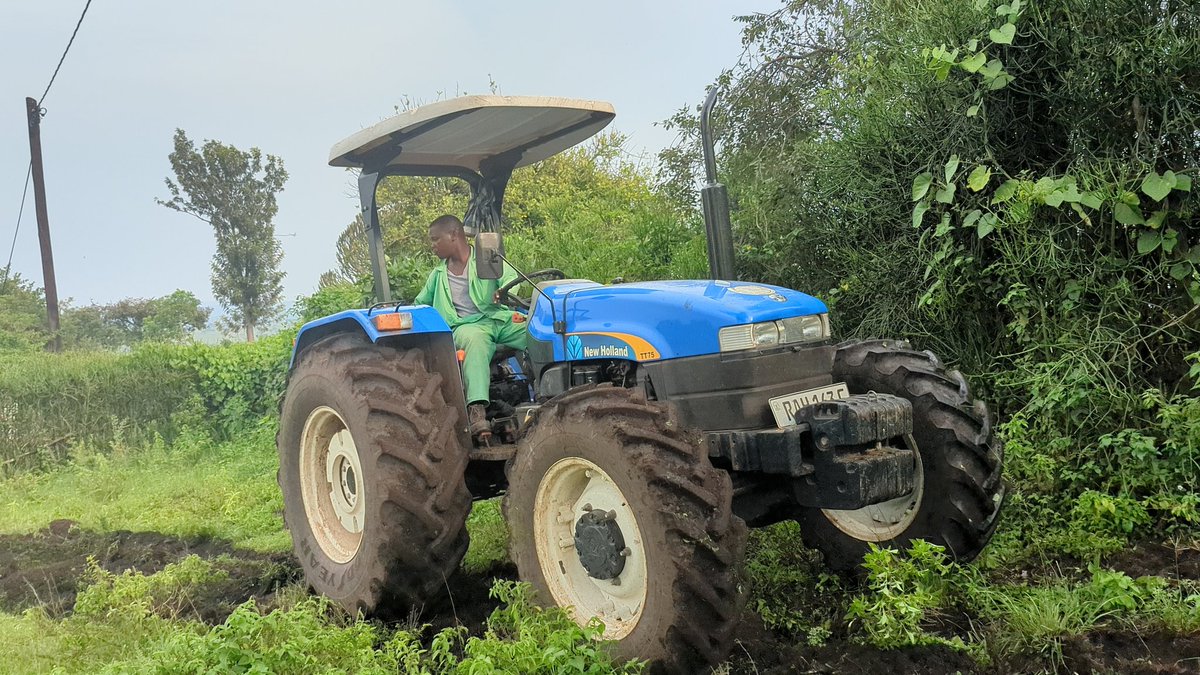
He underscored that investments in irrigation infrastructure, marshland rehabilitation, agricultural mechanization, and agro-processing facilities have elevated productivity and stimulated local economic activity. According to him, these interventions extend benefits beyond registered beneficiaries to the broader community.
A notable milestone highlighted during the meeting was the significant reduction of malnutrition in Gatsibo. Through the distribution of egg-laying hens, promotion of vegetable production, and nutrition education, households have strengthened food security and improved child health outcomes.
The Vice Mayor further emphasized the importance of organizing farmers into cooperatives, noting that collective action has enhanced professionalism, improved market access, and reinforced accountability in managing shared infrastructure. He assured participants that district authorities remain committed to safeguarding and monitoring project-established assets to ensure durability after project closure.
From Grain to Industry: Joy Abesiga Ruburika’s Value Addition Journey
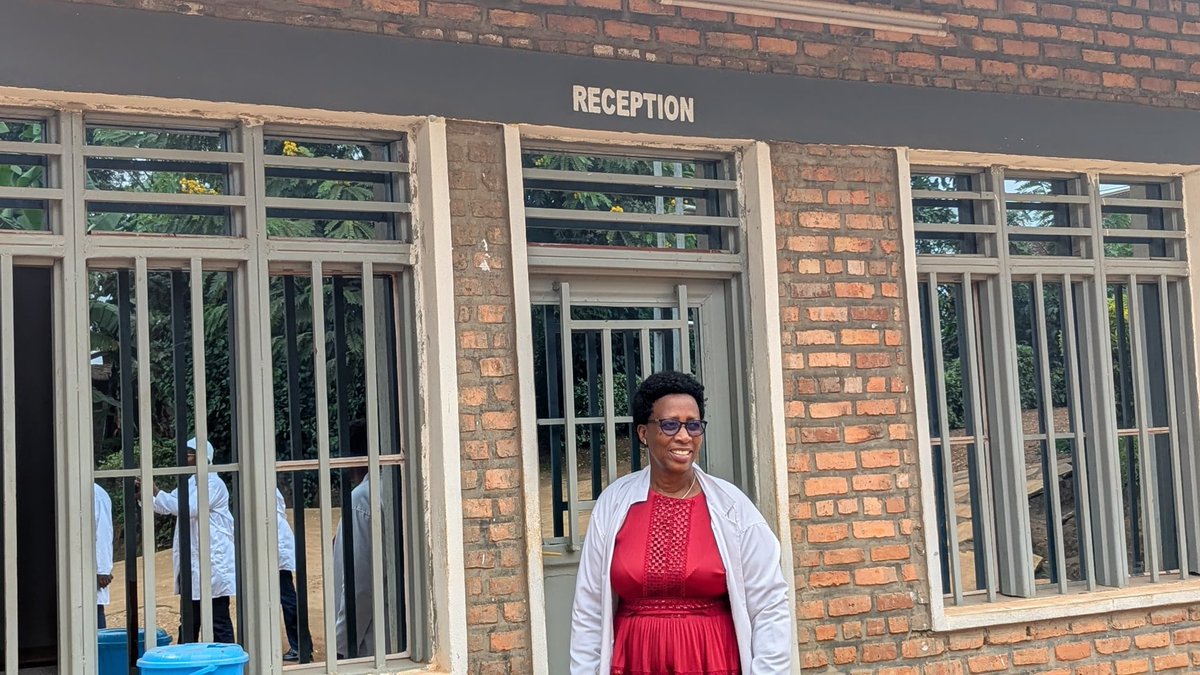
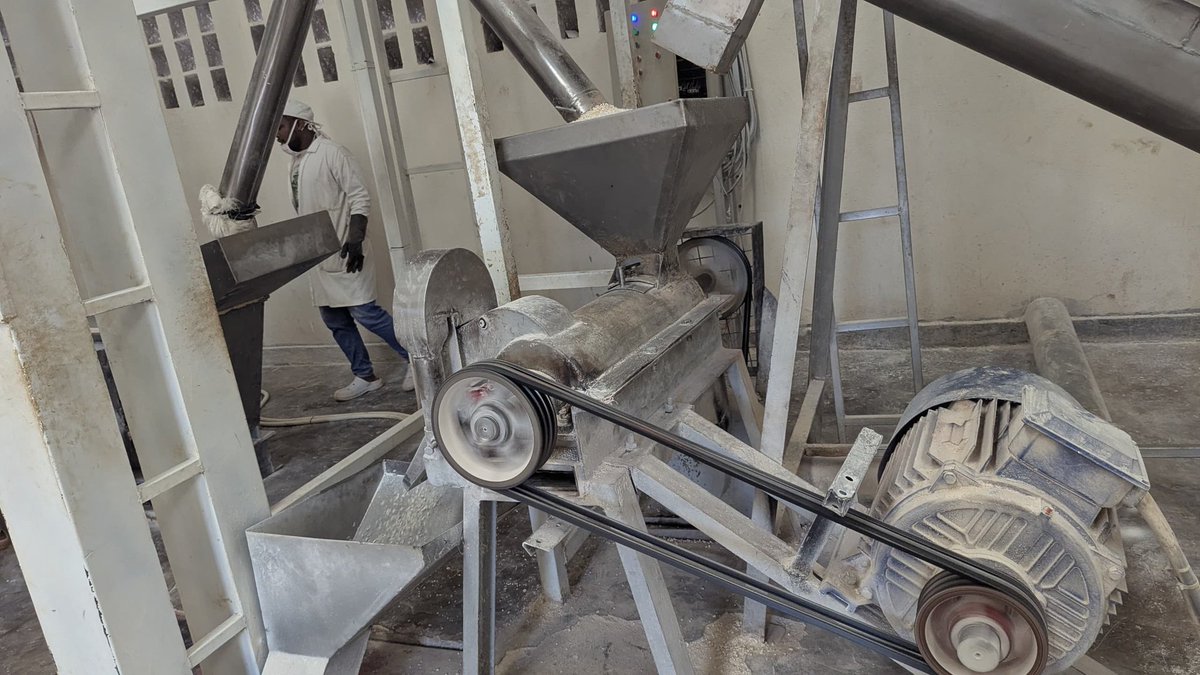
One of the most compelling testimonies came from Joy Abesiga Ruburika, founder of Kabarore Maize Flour Processing Company.
As a beneficiary of SAIP II, Joy secured a matching grant of 158 million Rwandan Francs (70%), complemented by her own contribution of 42 million Rwandan Francs (30%) — a bold demonstration of entrepreneurial commitment.
Today, her processing plant handles approximately six tons of maize per day, converting locally grown grain into quality flour while guaranteeing farmers a structured and reliable market.
Beyond production figures, the factory plays a strategic economic role by:
•Creating employment opportunities within Gatsibo
•Strengthening the district’s agro-processing capacity
•Promoting value addition before products reach external markets
•Increasing income stability for maize producers
Her enterprise has effectively bridged the gap between primary production and agro-industry, retaining greater economic value within the district.
Addressing fellow farmers, Joy encouraged a shift in mindset — from subsistence production to scalable agribusiness investment. She particularly called on women to pursue leadership in agro-industrial ventures, emphasizing resilience, strategic planning, and confidence as key drivers of success.
Sustaining the Momentum
Day Four in Gatsibo reaffirmed a central theme of the Knowledge Sharing Week: infrastructure alone does not guarantee transformation — organized farmers, visionary entrepreneurs, and accountable institutions are what convert investment into lasting prosperity.
As SAIP II progresses toward its scheduled completion in December 2026, the discussions in Gatsibo reflected optimism grounded in results: stronger cooperatives, healthier households, expanding agro-industries, and communities increasingly capable of sustaining progress independently.
#SAIPII #KnowledgeSharingSessions #RABSPIU #AgriculturalTransformation #ValueAddition
6
7
546

Feb 26
Feb 26

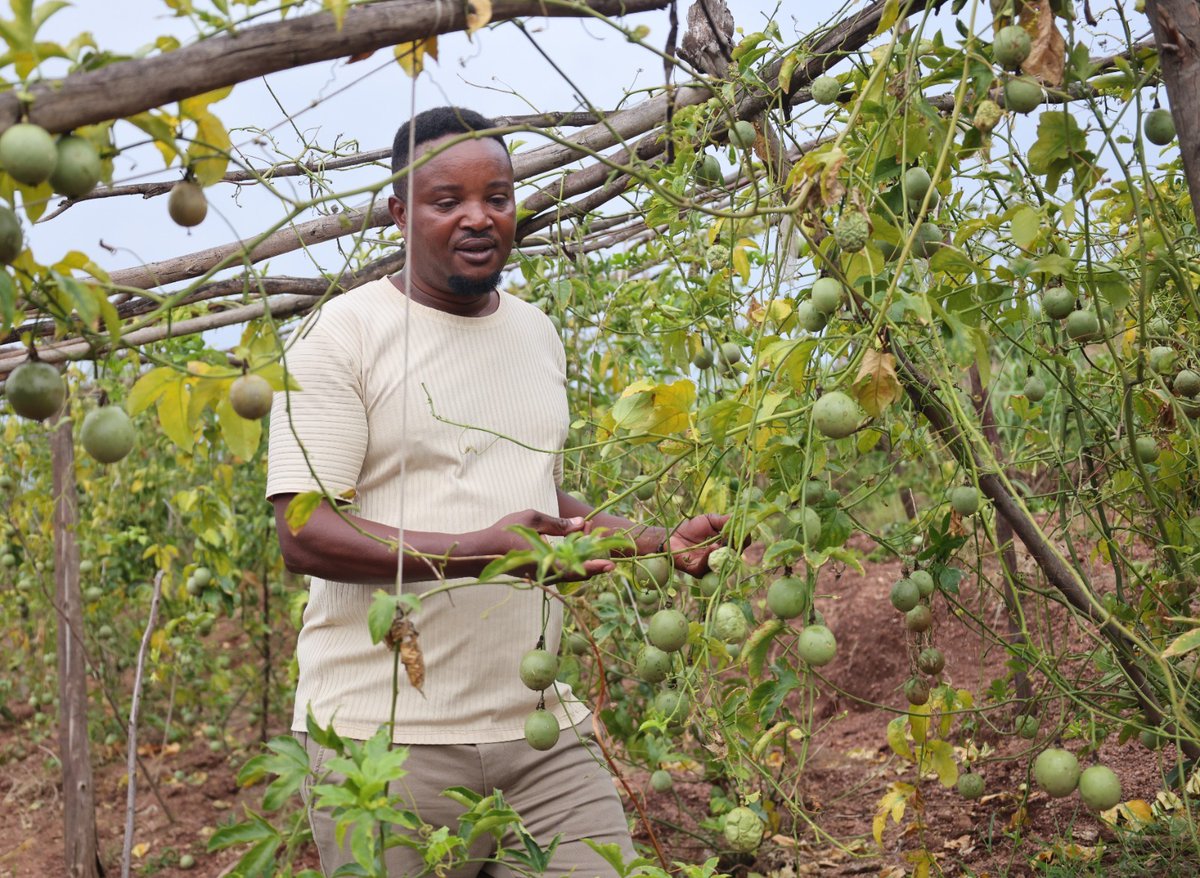
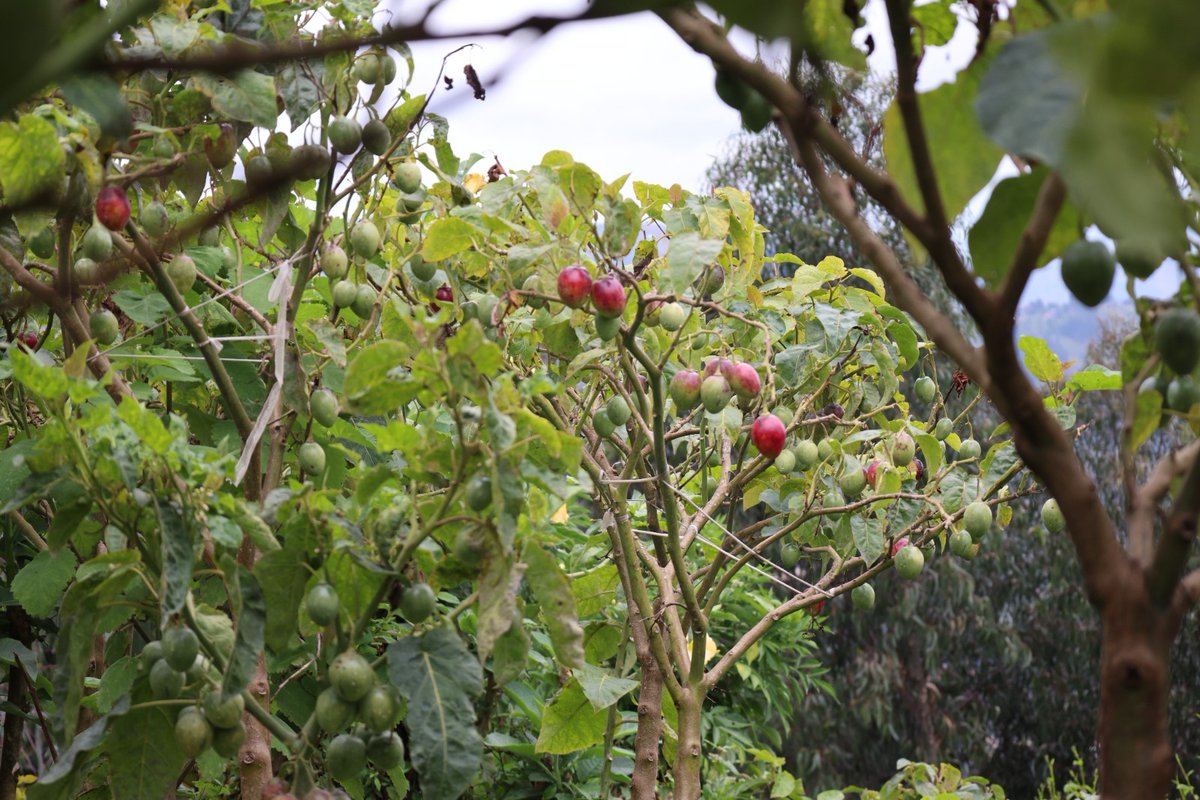
Havugarurema Darius in @HuyeDistrict is transforming his farm with avocado, peanuts & passion fruit, thanks to SAIP in both phases 1 & 2 support: training, seeds & irrigation.
Earning 6M RWF/season & expanding into livestock & beekeeping
👉🏾: ecoagrimedia.rw/huyes-havuga…
#SAIPII
2
4
74
Feb 26
Havugarurema Darius in @HuyeDistrict is transforming his farm with avocado, peanuts & passion fruit, thanks to SAIP in both phases 1 & 2 support: training, seeds & irrigation.
Earning 6M RWF/season & expanding into livestock & beekeeping
👉🏾: ecoagrimedia.rw/huyes-havuga…
#SAIPII
4
11
16
685
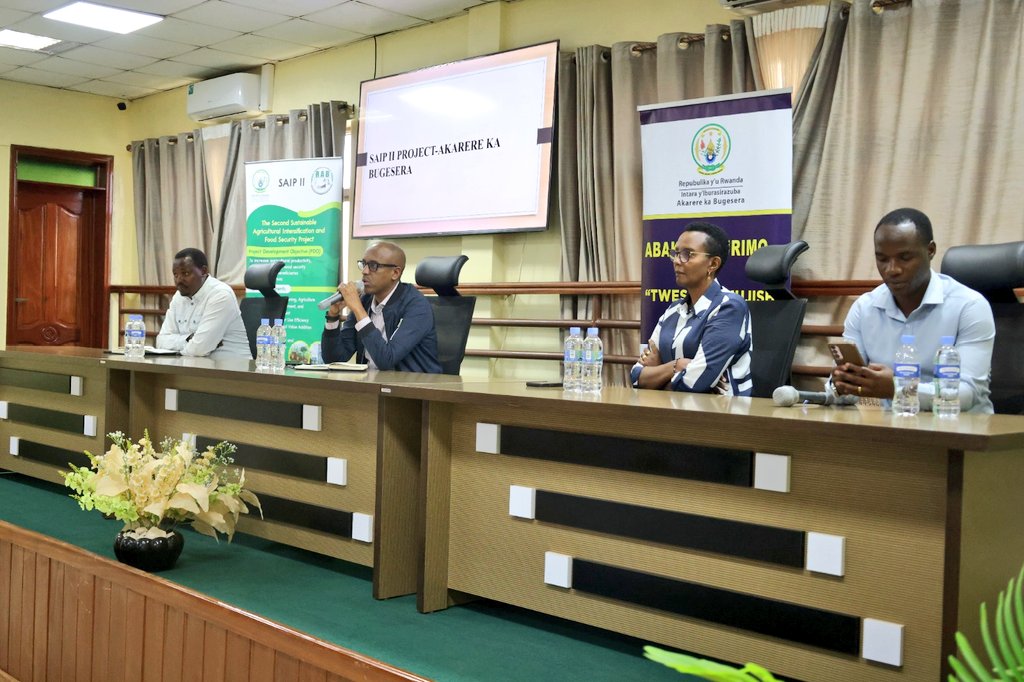
SAIP II Knowledge Sharing Sessions – Day 3
📍 Bugesera District
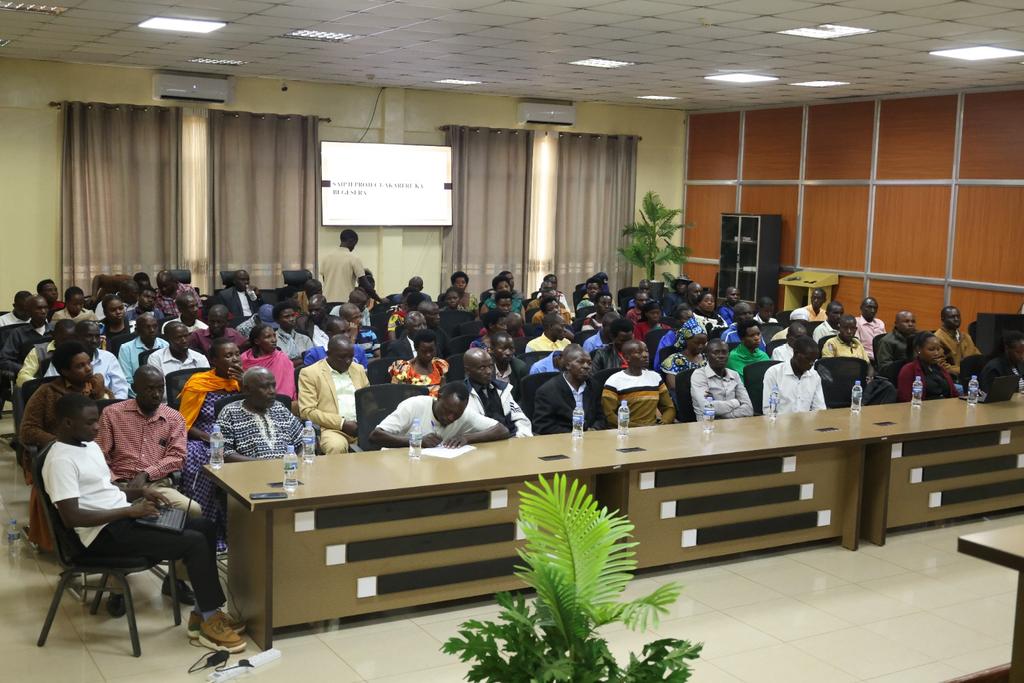
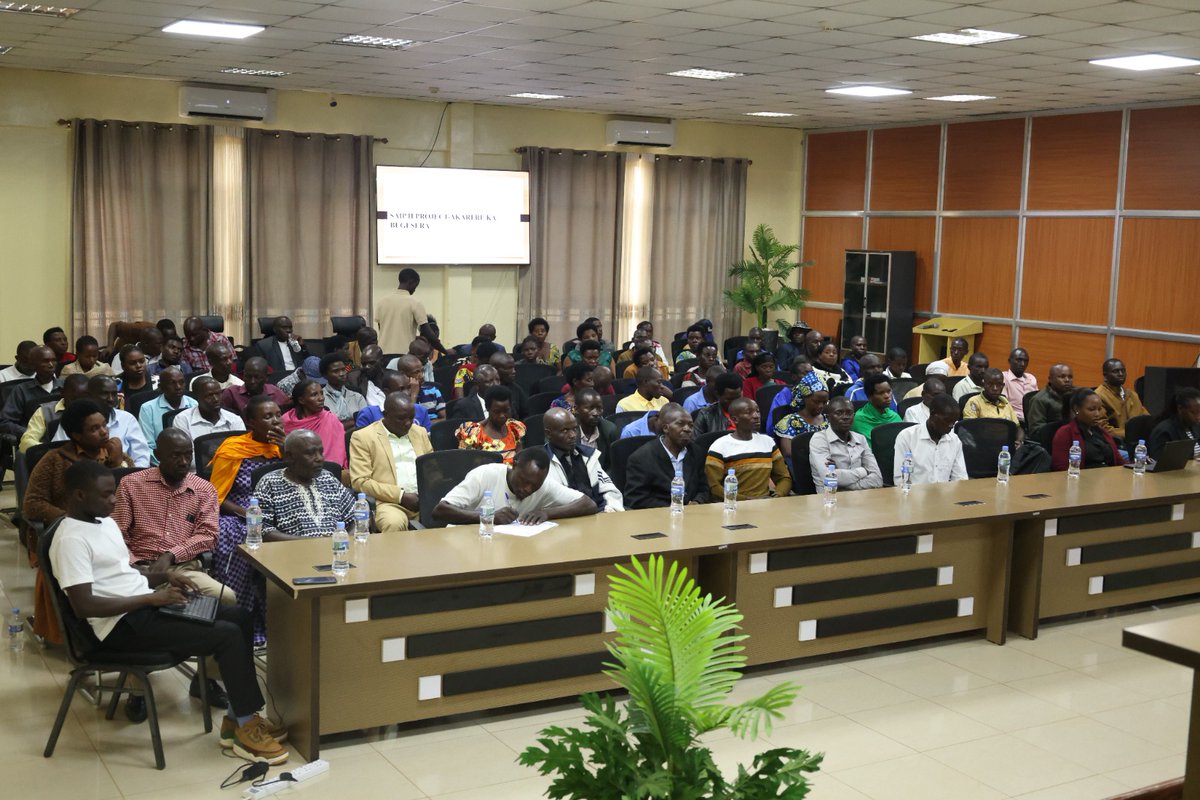
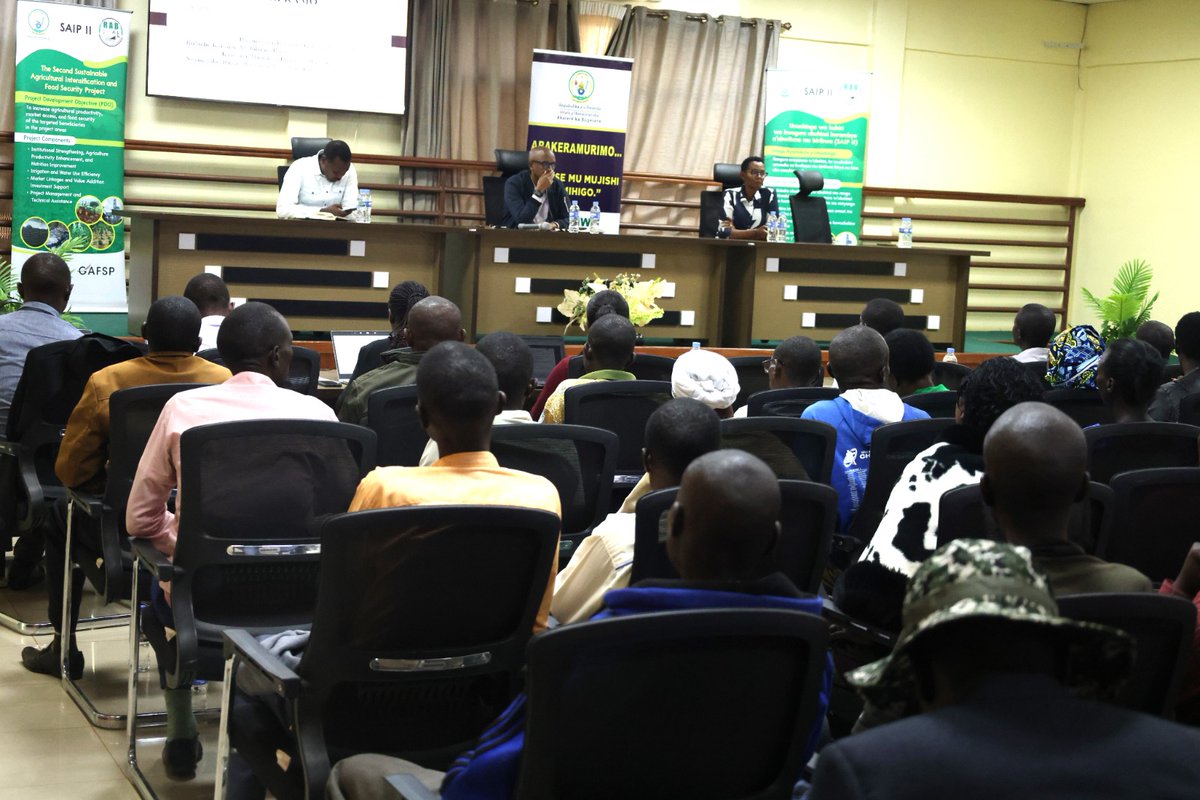
The third day of the SAIP II Knowledge Sharing Sessions continued in @BugeseraDistr, bringing together three cooperatives supported by the project — Umucyo, Temunya, and KOAKU — alongside other SAIP II beneficiaries from across the district.
The session was attended by the District Executive secretary of Bugesera District, Joseph Nkuranga, representatives of RAB SPIU in Bugesera, and the district representative of SAIP II.
Appreciation and Sustainability
All speakers unanimously expressed appreciation for SAIP II’s impact, not only in infrastructure development but also in mindset transformation. Farmers testified that they have been trained in:
•Modern farming techniques
•Advanced irrigation practices
•Use of improved and certified seeds
•Cooperative governance and productivity enhancement
While SAIP II is expected to conclude in December 2026, the RAB SPIU representative reassured beneficiaries that they must safeguard and sustain the infrastructure established under the project. He emphasized that preparations for a follow-up initiative are underway, ensuring farmers will not be left unsupported.
DES Joseph Nkuranga extended gratitude to Paul Kagame and the Government of Rwanda for prioritizing agriculture, describing it as the backbone of Rwanda’s economy and a pillar of inclusive development.
Testimony from the Field: Pelagie Kabanu
One of the most compelling testimonies came from Pelagie Kabanu, a farmer from Ngeruka Sector, Murama Cell, Nyakuguma Village in Bugesera District.
She shared that SAIP II supported her with improved bean seeds, which she planted on one hectare. Encouraged by strong yields and market performance, she expanded her bean cultivation to three hectares.
Beyond beans, she currently manages:
3 hectares of passion fruits
5 hectares of mangoes
3 hectares of passion fruits
She expressed strong commitment to scaling up her agribusiness but appealed for additional support to expand her irrigation system.
She affirmed her readiness to contribute her required percentage toward the investment, demonstrating ownership and long-term vision.
Knowledge Sharing Week Continues
The Knowledge Sharing Sessions have so far covered:
Huye District
Nyamagabe District
Bugesera District
As the week progresses, the sessions continue to strengthen collaboration between farmers, cooperatives, local leaders, and project implementers reinforcing sustainability, productivity, and Rwanda’s agricultural transformation agenda.
#SAIPII #RABSPIU #KnowledgeSharingSessions #AgricultureTransformation #FoodSecurity
10
18
1,675
Feb 25
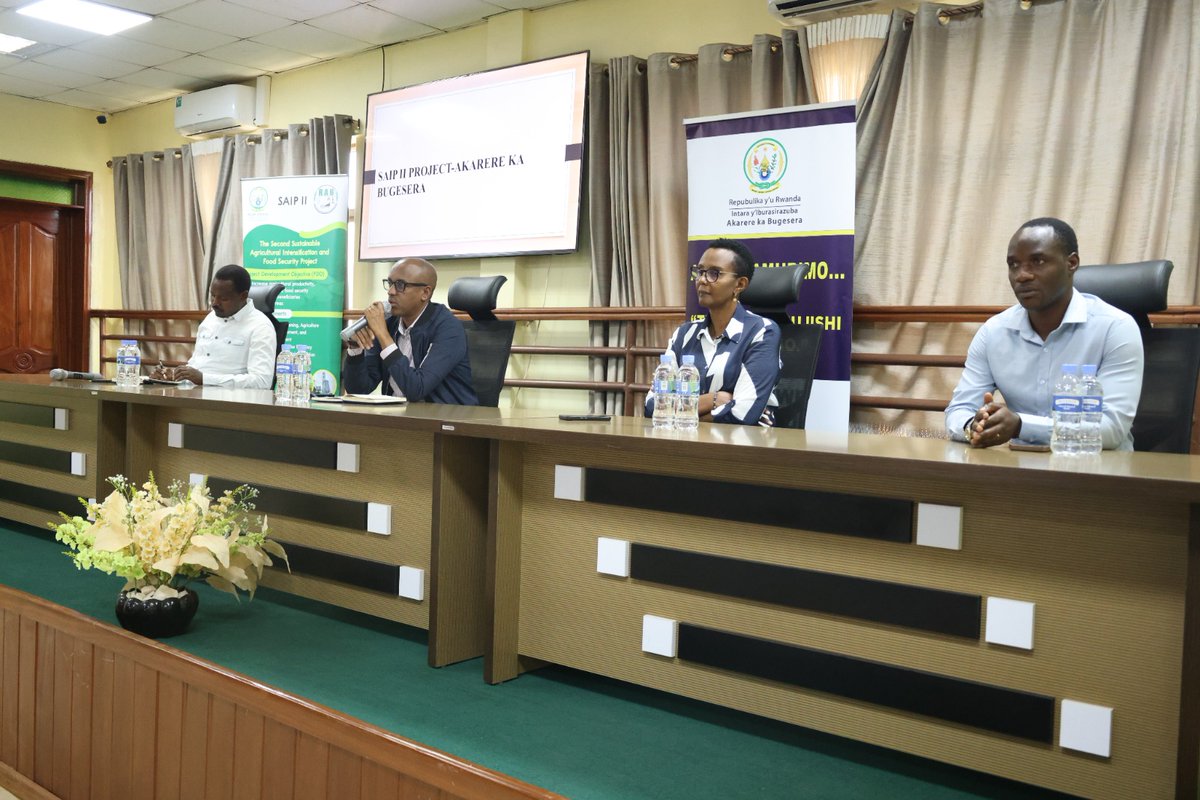
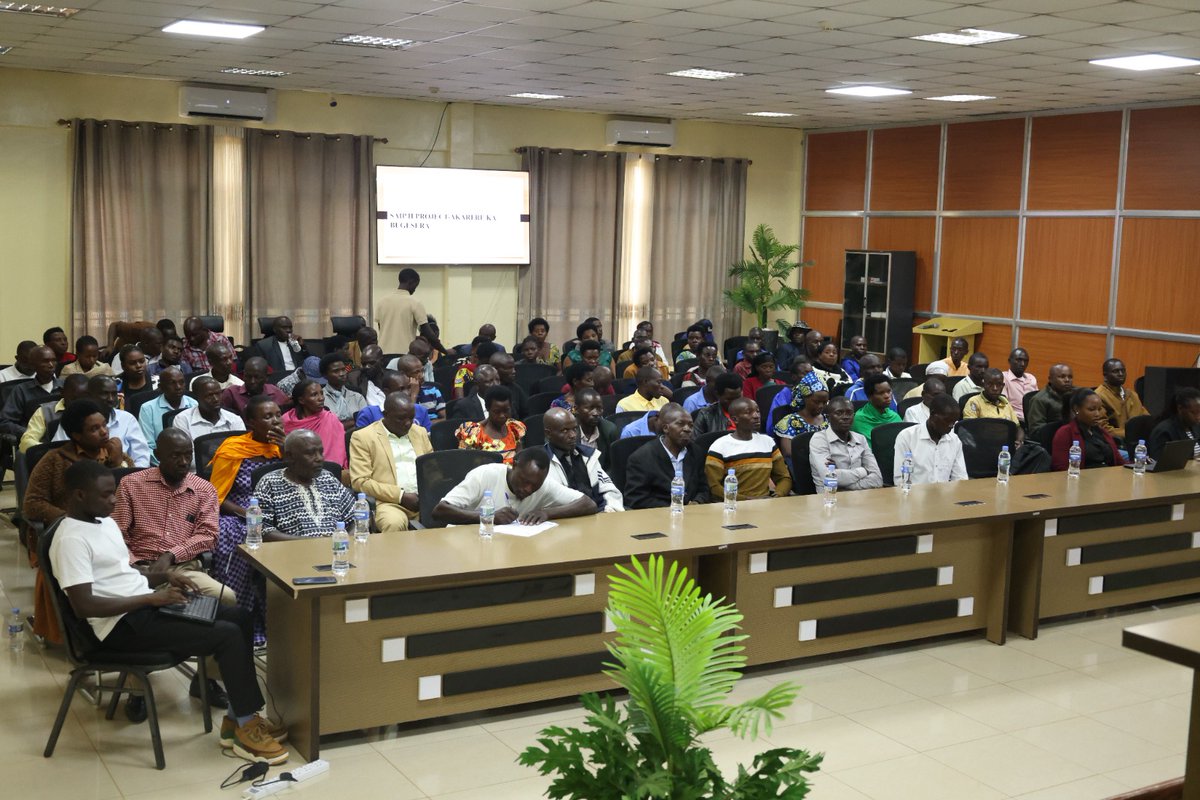
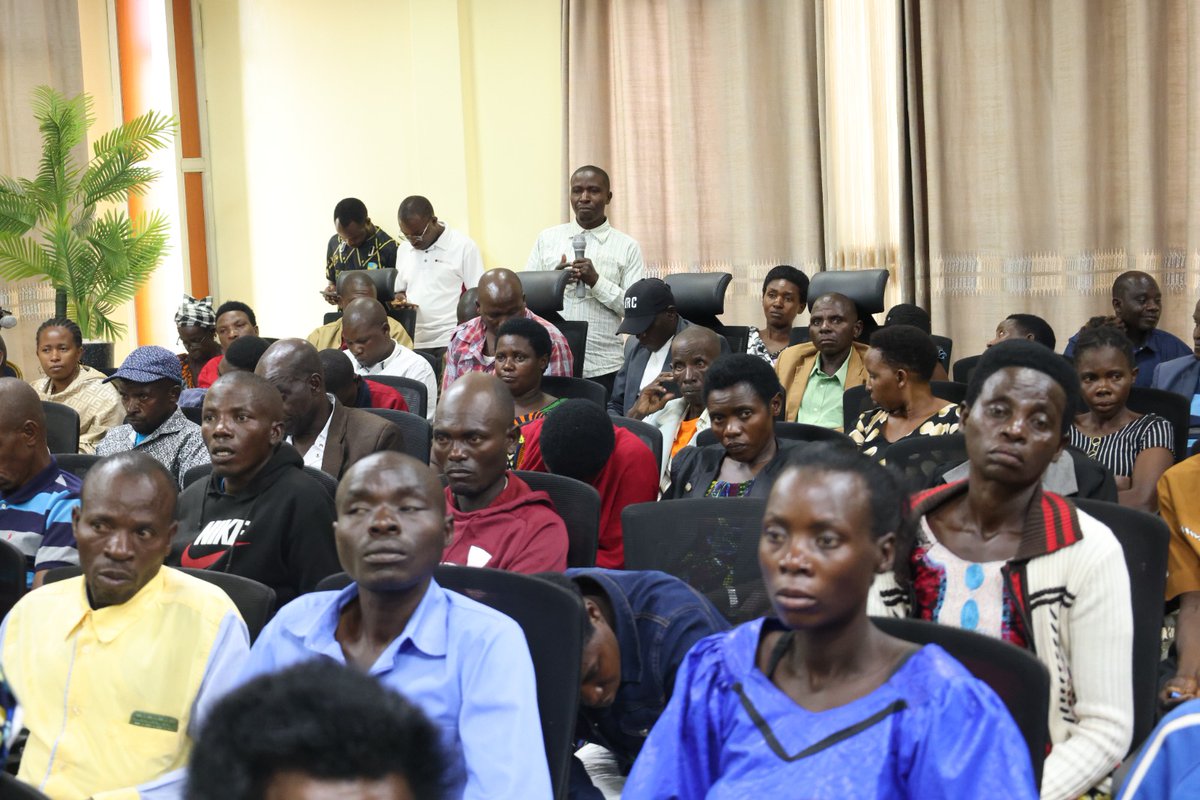
On February 25, 2026, #SAIPII convened beneficiaries in @BugeseraDistr for a knowledge-sharing session designed to present achievements and exchange practical experiences on boosting agricultural productivity. The event brought together farmers, local leaders, and project stakeholders to reflect on progress made under the initiative.
Opening the session, Bugesera District Executive Secretary, Joseph Kayonga Nkuringa, commended SAIP II for its significant contribution to agricultural development and improved livelihoods. He noted that in previous years, access to vegetables and fruits was limited in the district, but visible improvements are now evident in both production levels and household welfare.
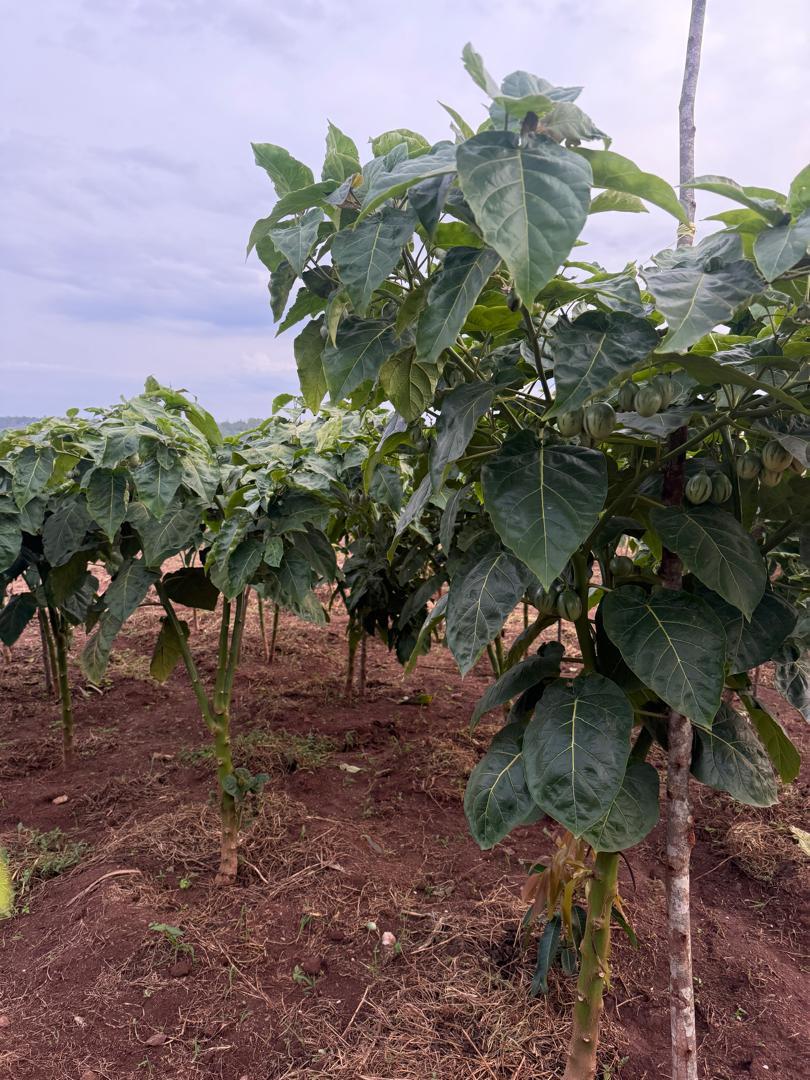
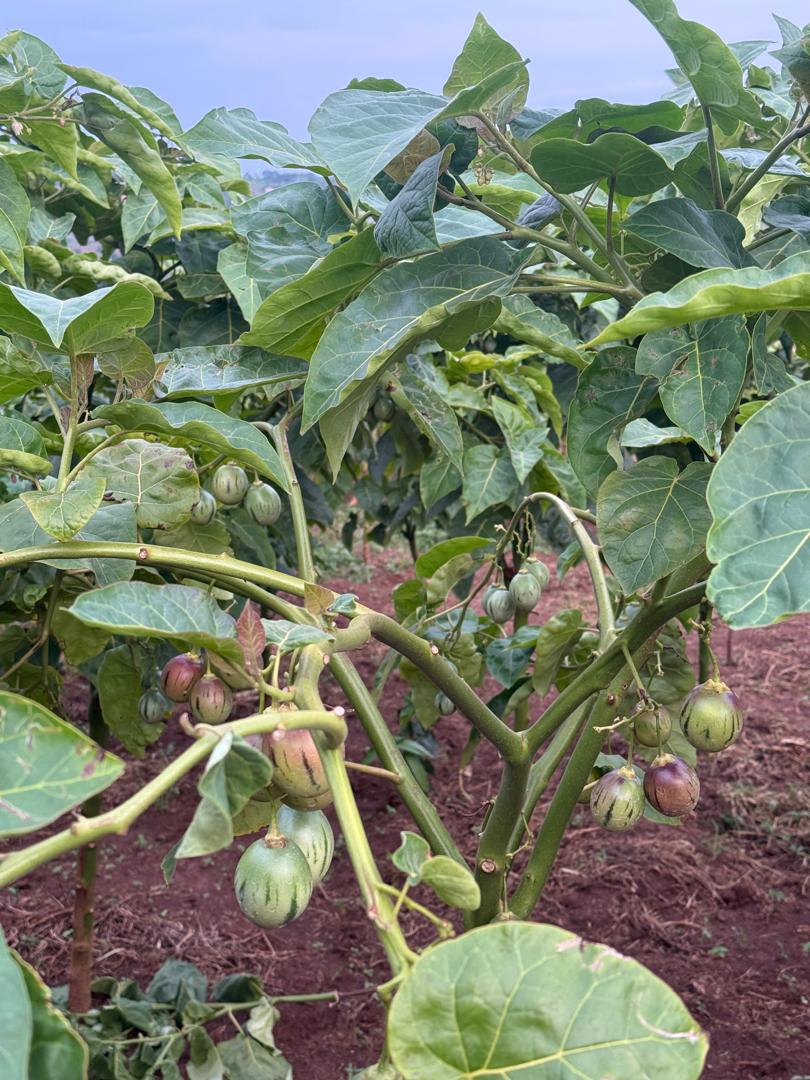
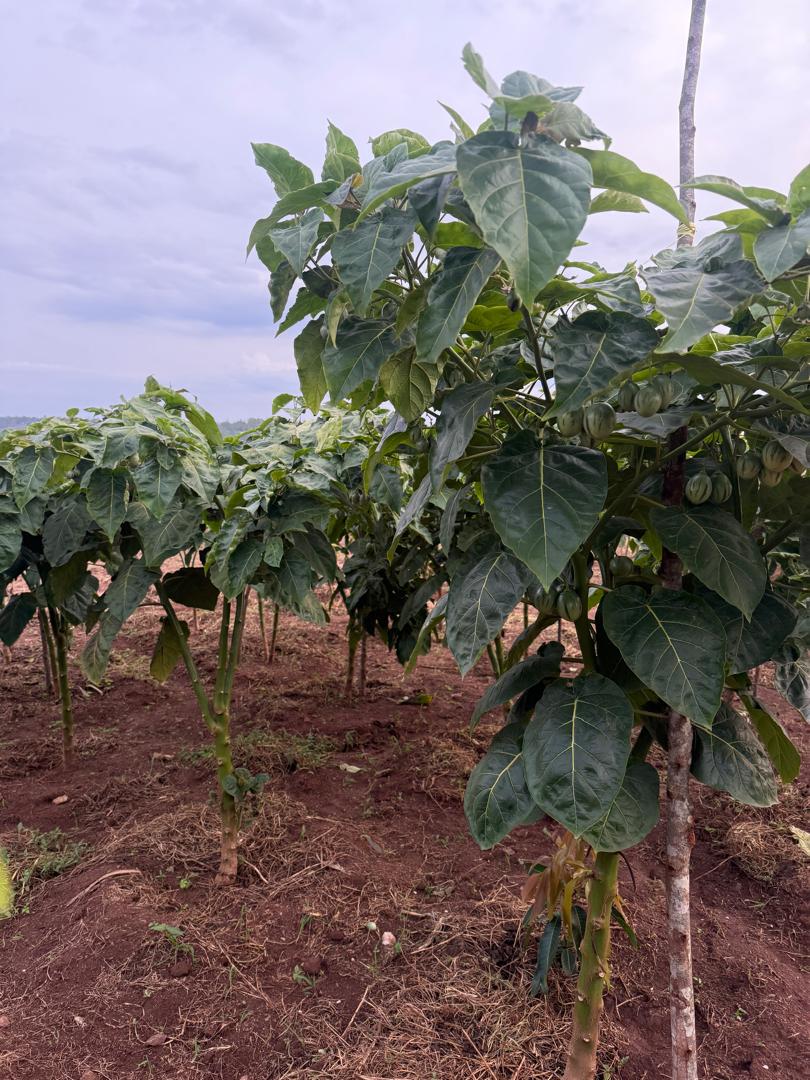
According to district authorities, the project has played a key role in establishing critical agricultural infrastructure, including modern greenhouses, and expanding fruit and vegetable farming on a large scale. Areas such as Gashora, Kamabuye, and Ngeruka have emerged as focal points of intensified horticultural production, reflecting a shift toward more commercial and climate-smart agriculture.
Beneficiaries who participated in the session testified that they have acquired new skills and technical knowledge that enable them to improve farming practices and increase yields. They emphasized that peer learning platforms such as knowledge-sharing forums strengthen their capacity to adopt best practices and make better use of opportunities provided under the project.
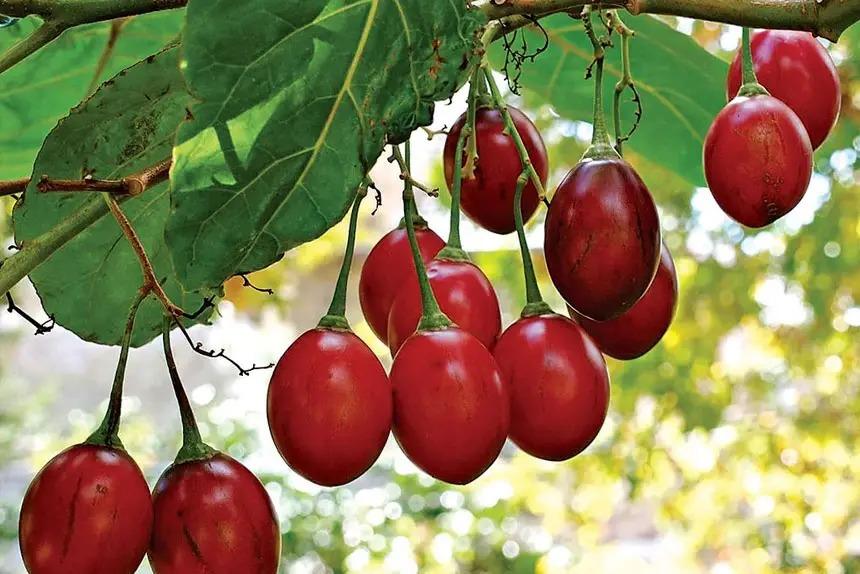
SAIP II is the second phase of a nationwide program aimed at scaling up sustainable agriculture and enhancing food security. The project operates in 20 districts across the country. In Bugesera, its interventions include the construction of greenhouses, post-harvest storage facilities, promotion of edible fruit production, and facilitating farmers’ access to markets through the Community-Based Participatory Approach (CBPA).
Through structured knowledge exchange and investment in modern agricultural systems, SAIP II continues to position Bugesera as a growing hub of horticultural productivity while reinforcing Rwanda’s broader food security agenda.
7
10
528
Nyamagabe: Farmers share lessons learned from the SAIPII Project theforefrontmagazine.com/nya…
@Nyamagabe @Ezra_Mutabaruka @RwandaAgriBoard @GAFSPfund @worldbankgroup @T_Ndabamenye @RwandaSouth
#SAIPII
#RABSPIU
#KnowledgeSharingSessions #AgricultureTransformation
#FoodSecurity
1
2
20
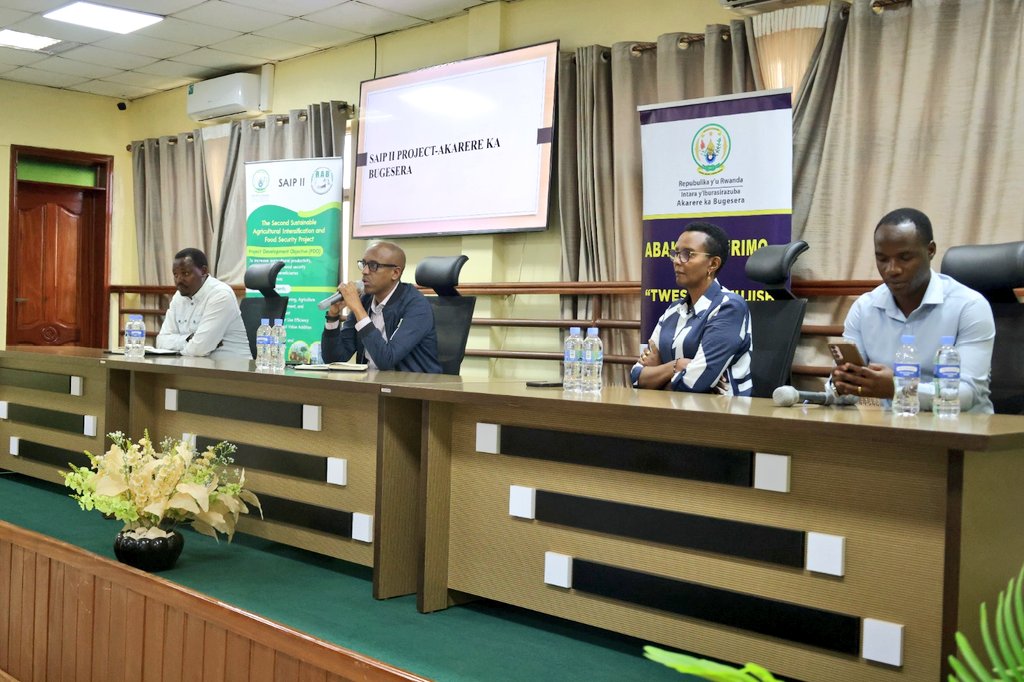
SAIP II Knowledge Sharing Sessions – Day 3
📍 Bugesera District
The third day of the SAIP II Knowledge Sharing Sessions continued in @BugeseraDistr, bringing together three cooperatives supported by the project — Umucyo, Temunya, and KOAKU — alongside other SAIP II beneficiaries from across the district.
The session was attended by the Chief Executive Officer of Bugesera District, Joseph Nkuranga, representatives of RAB SPIU in Bugesera, and the district representative of SAIP II.
Appreciation and Sustainability
All speakers unanimously expressed appreciation for SAIP II’s impact — not only in infrastructure development but also in mindset transformation. Farmers testified that they have been trained in:
•Modern farming techniques
•Advanced irrigation practices
•Use of improved and certified seeds
•Cooperative governance and productivity enhancement
While SAIP II is expected to conclude in December 2026, the RAB SPIU representative reassured beneficiaries that they must safeguard and sustain the infrastructure established under the project. He emphasized that preparations for a follow-up initiative are underway, ensuring farmers will not be left unsupported.
CEO Joseph Nkuranga extended gratitude to Paul Kagame and the Government of Rwanda for prioritizing agriculture, describing it as the backbone of Rwanda’s economy and a pillar of inclusive development.
Testimony from the Field: Pelagie Kabanu
One of the most compelling testimonies came from Pelagie Kabanu, a farmer from Ngeruka Sector, Murama Cell, Nyakuguma Village in Bugesera District.
She shared that SAIP II supported her with improved bean seeds, which she planted on one hectare. Encouraged by strong yields and market performance, she expanded her bean cultivation to three hectares.
Beyond beans, she currently manages:
3 hectares of passion fruits
5 hectares of mangoes
3 hectares of passion fruits
She expressed strong commitment to scaling up her agribusiness but appealed for additional support to expand her irrigation system.
She affirmed her readiness to contribute her required percentage toward the investment, demonstrating ownership and long-term vision.
Knowledge Sharing Week Continues
The Knowledge Sharing Sessions have so far covered:
Huye District
Nyamagabe District
Bugesera District
As the week progresses, the sessions continue to strengthen collaboration between farmers, cooperatives, local leaders, and project implementers reinforcing sustainability, productivity, and Rwanda’s agricultural transformation agenda.
#SAIPII #RABSPIU #KnowledgeSharingSessions #AgricultureTransformation #FoodSecurity
10
12
1,368

Feb 25
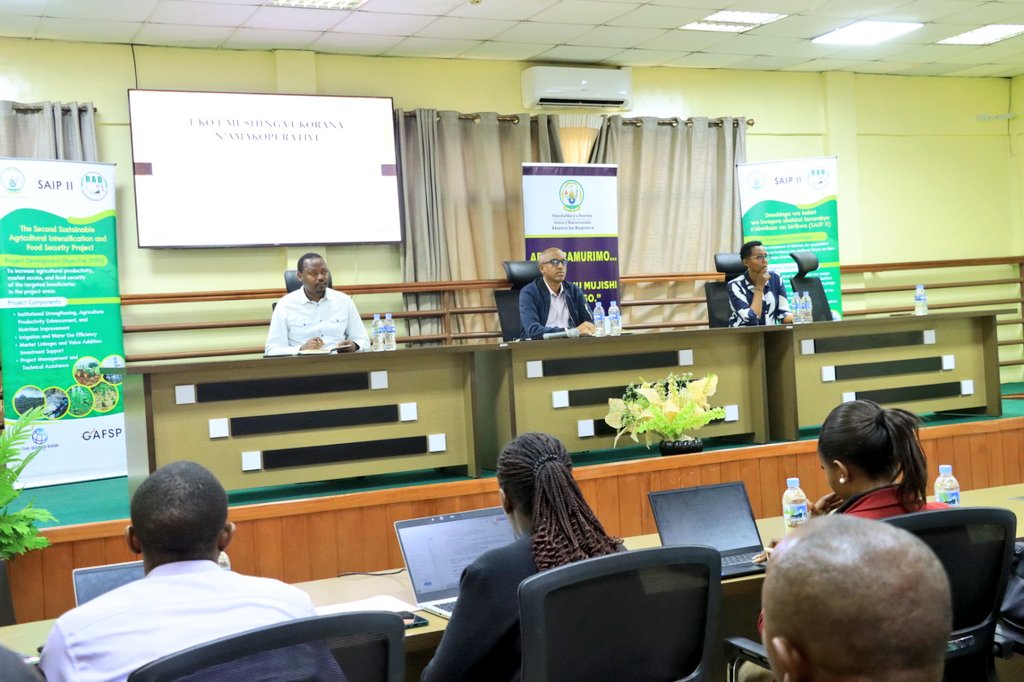
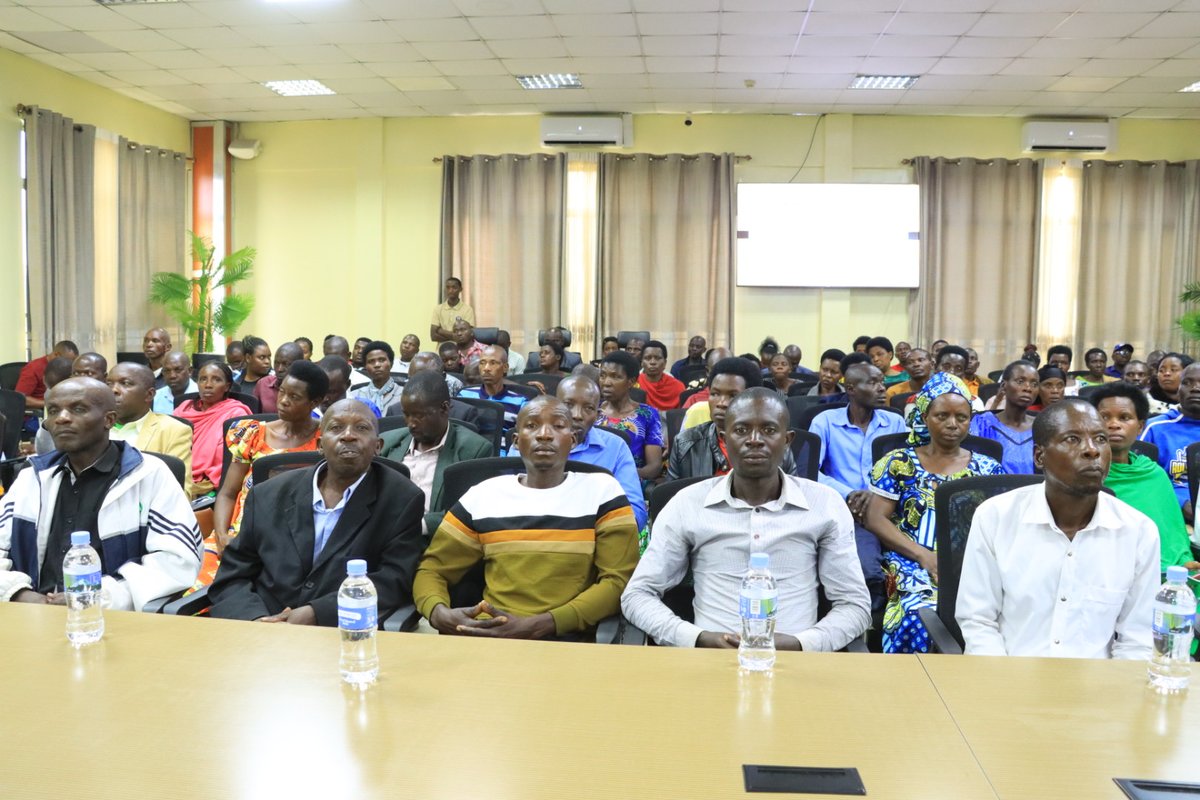
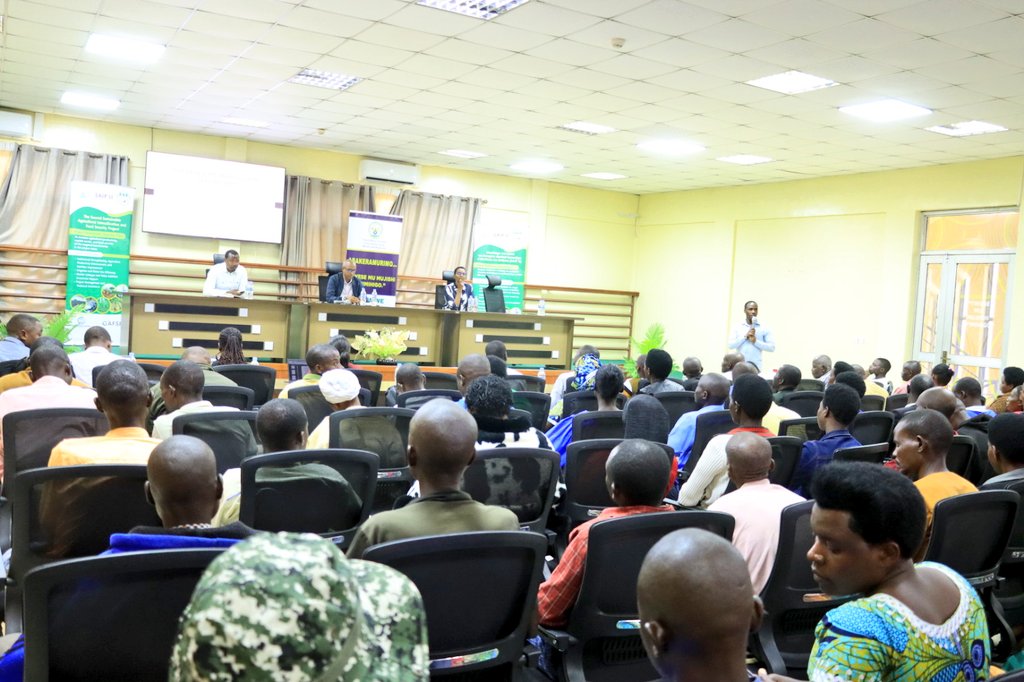
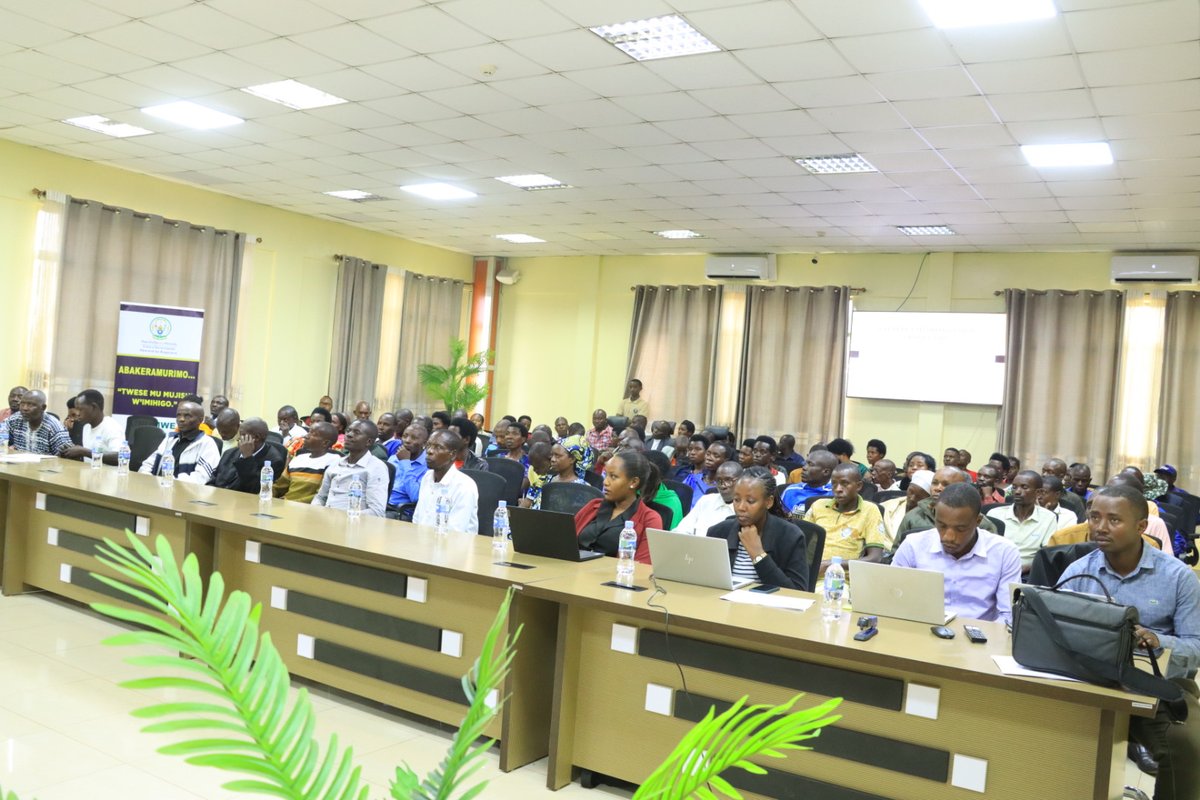
Uyu munsi, mu cyumba cy'Inama cy'Akarere habereye inama nyunguranabitekerezo no gusangira amakuru hagati y'abahinzi ku mushinga #RAB-SAIPII ukorera mu Karere kuva mu mwaka w'ingengo y'imari wa 2024-25 kugeza ubu.
Yayobowe n'Umunyamabanga Nshingwabikorwa w'Akarere,Joseph Nkuranga.
2
4
406

Feb 25
👏🌱 Good job to #SAIPII. We need more irrigation systems across Rwanda to shift agriculture from rain-fed dependence to climate smart farming. Water security is food security.
2
27
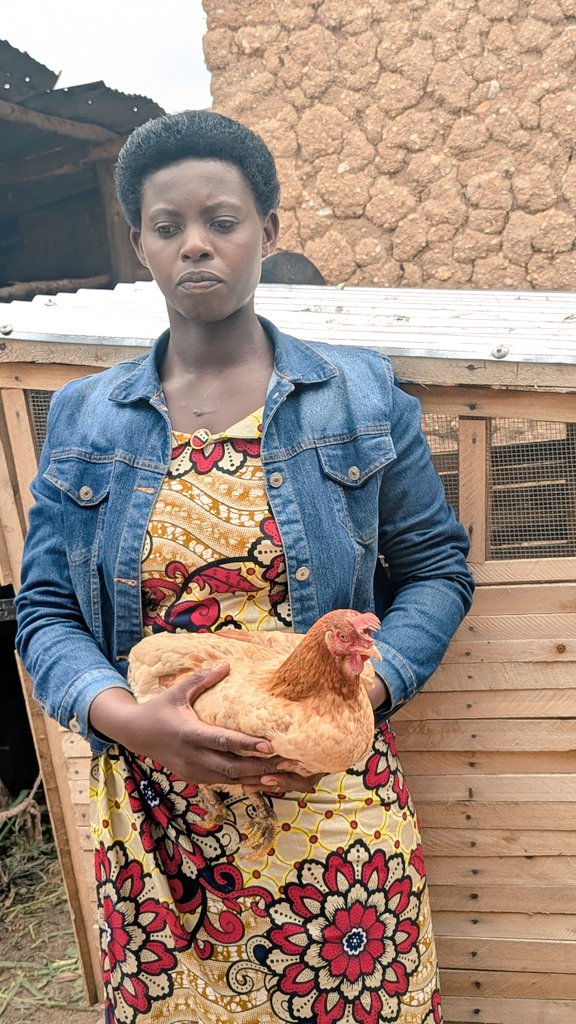
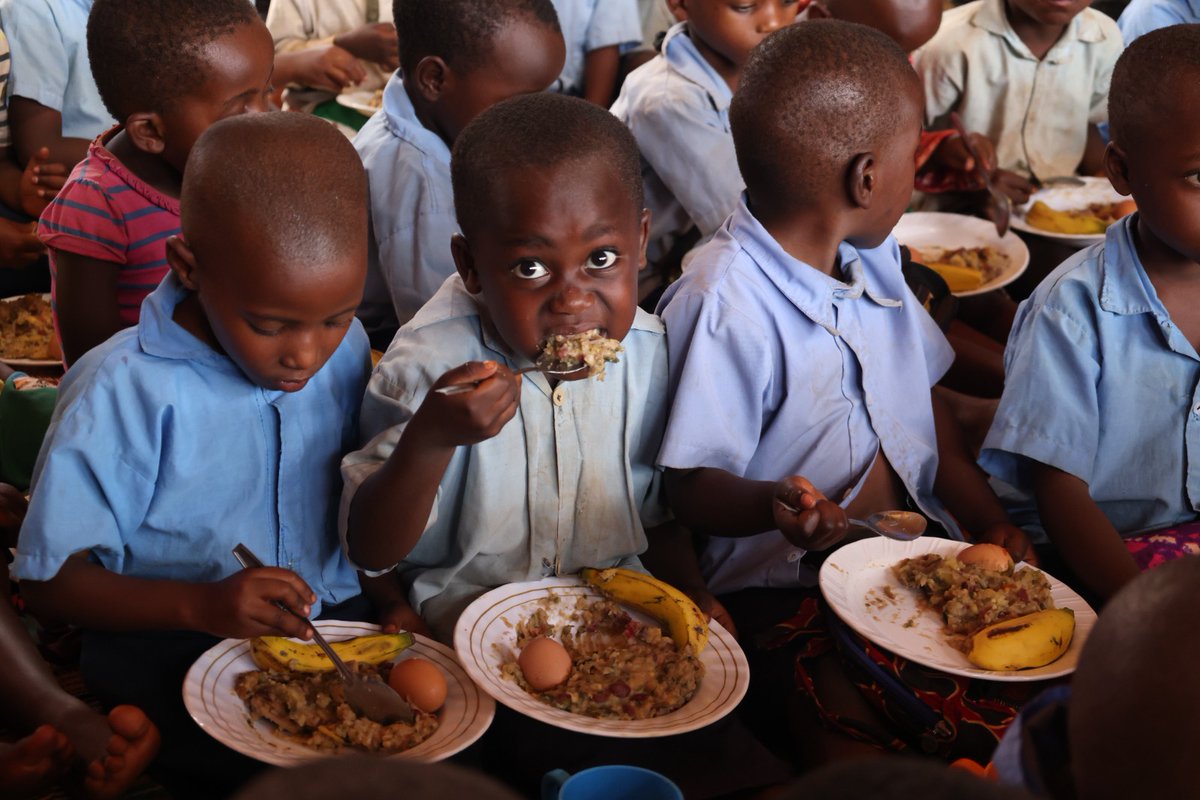
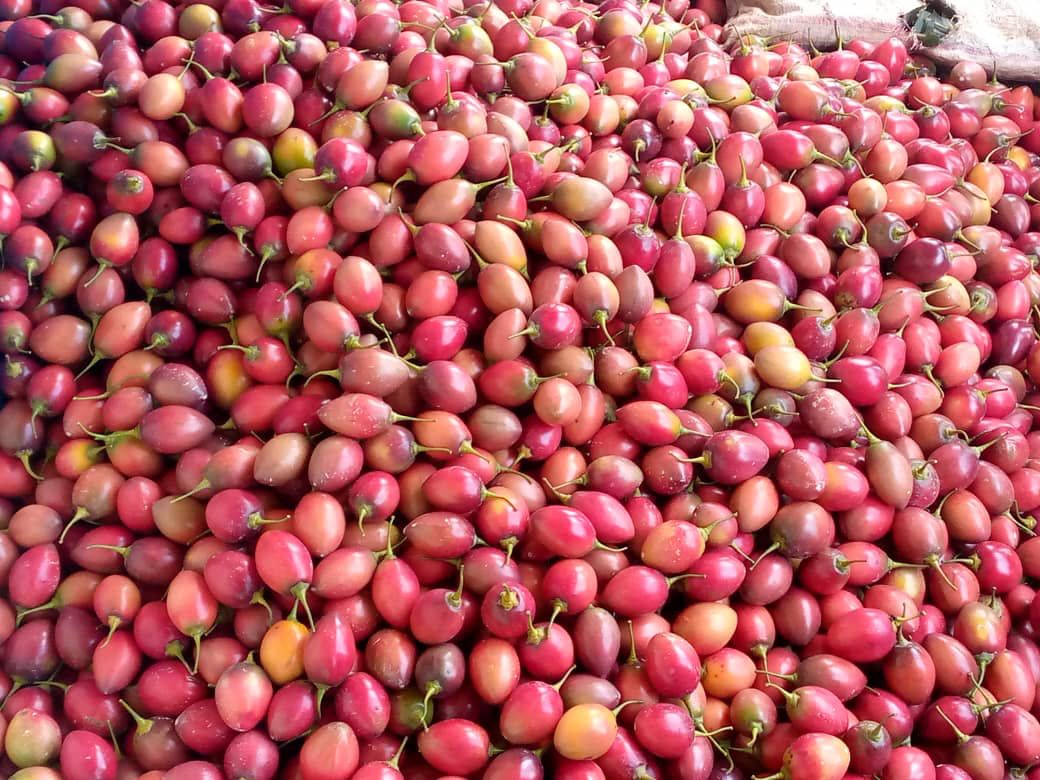
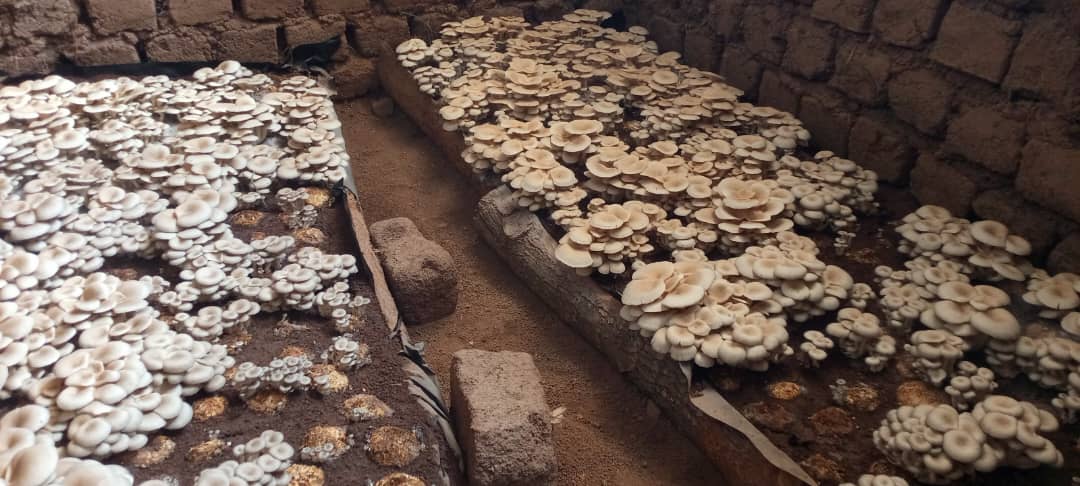
From Four Hens to Fifteen: Eggs of Dignity and How SAIP II Helped Innocente Build a Self-Reliant Poultry Enterprise
MUKASHYAKA Innocente, a beneficiary of the #SAIPII nutrition support program, says the four hens she received — along with a chicken coop and feed sufficient for four months — have completely transformed her household livelihood.
Speaking to an AgriTé Media reporter, she explained that before the support, she depended on casual labor to survive. Today, she no longer works as a daily wage laborer; instead, she manages her own small poultry activity and is able to feed her family through egg production.
“In just eight months,” she shared, “the four hens multiplied to fifteen. Out of these, ten are now laying eggs.”
Through consistent egg production, she has improved household nutrition and now generates small savings through her local group. What started as a nutrition-support initiative has evolved into a growing income opportunity.
MUKASHYAKA Innocente expressed heartfelt gratitude to SAIP II for restoring her dignity and economic independence. She added that she now plans to expand her poultry activity into a structured business venture.
Her story reflects how targeted agricultural and nutrition interventions are not only combating malnutrition but also building resilient rural entrepreneurs.
@Agirite
By @uwifelix
#SAIPII #NutritionSecurity #WomenInAgriculture #RuralTransformation #FoodSecurity
10
32
2,497
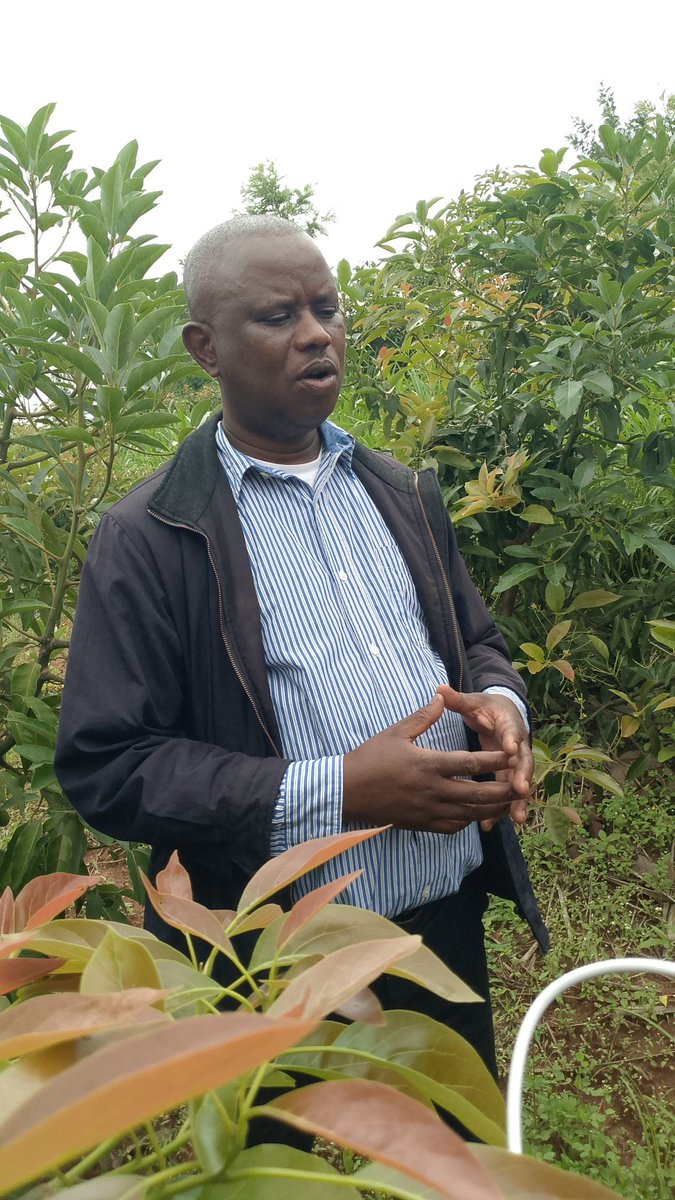
From 20 Jerrycans to One Engine: How SAIP II Cut Ignace’s Irrigation Costs by 76% in Nyamagabe
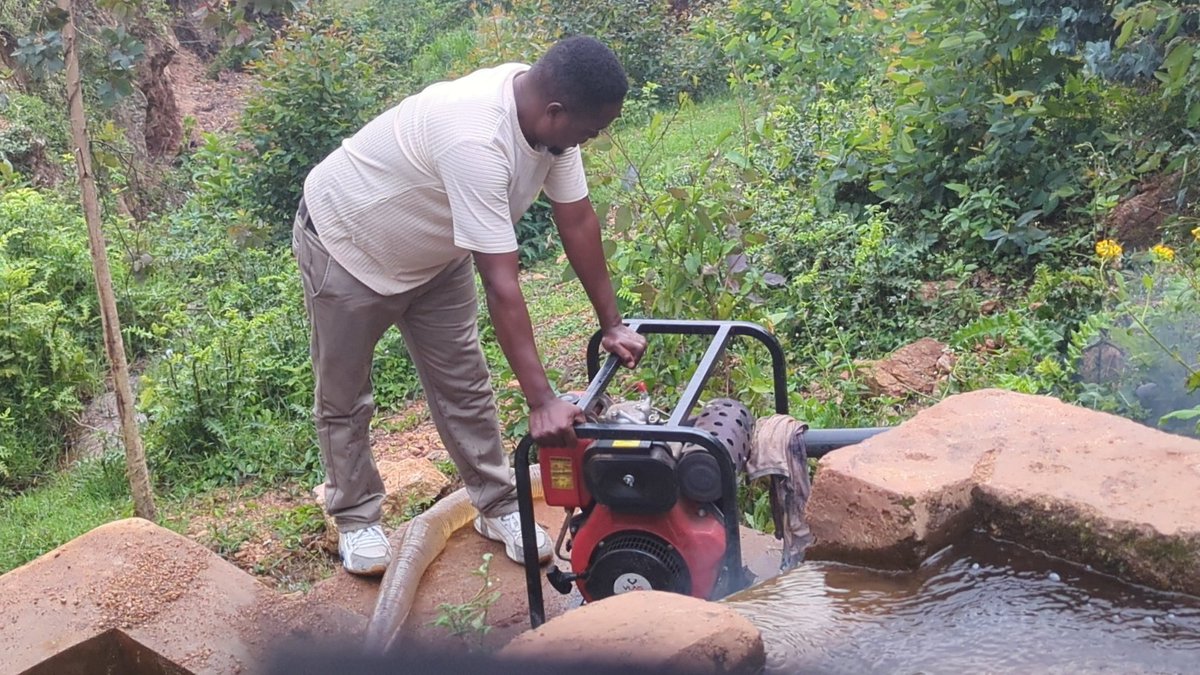
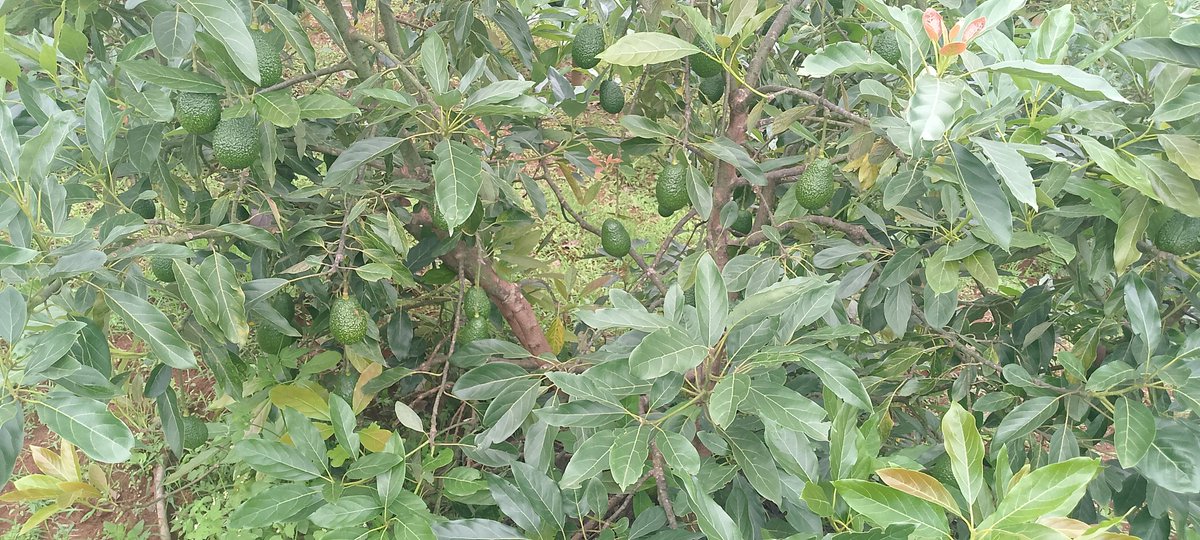
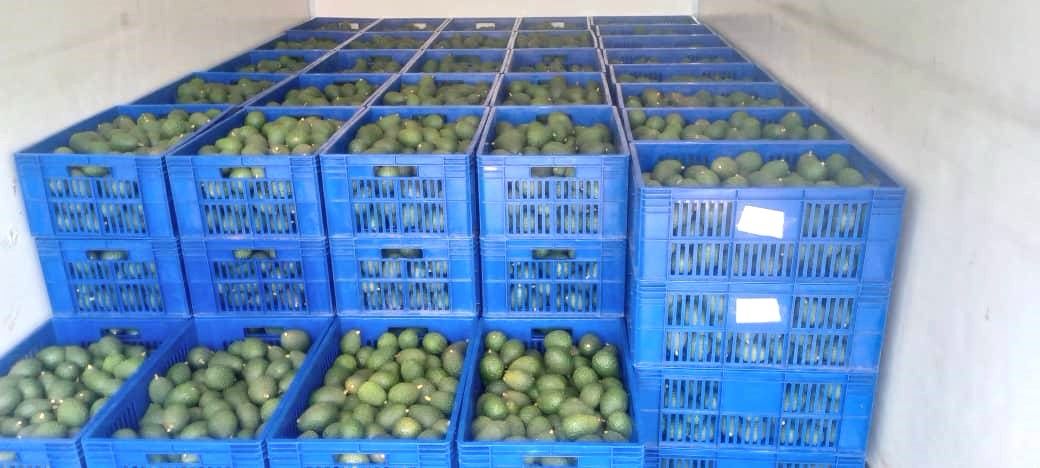
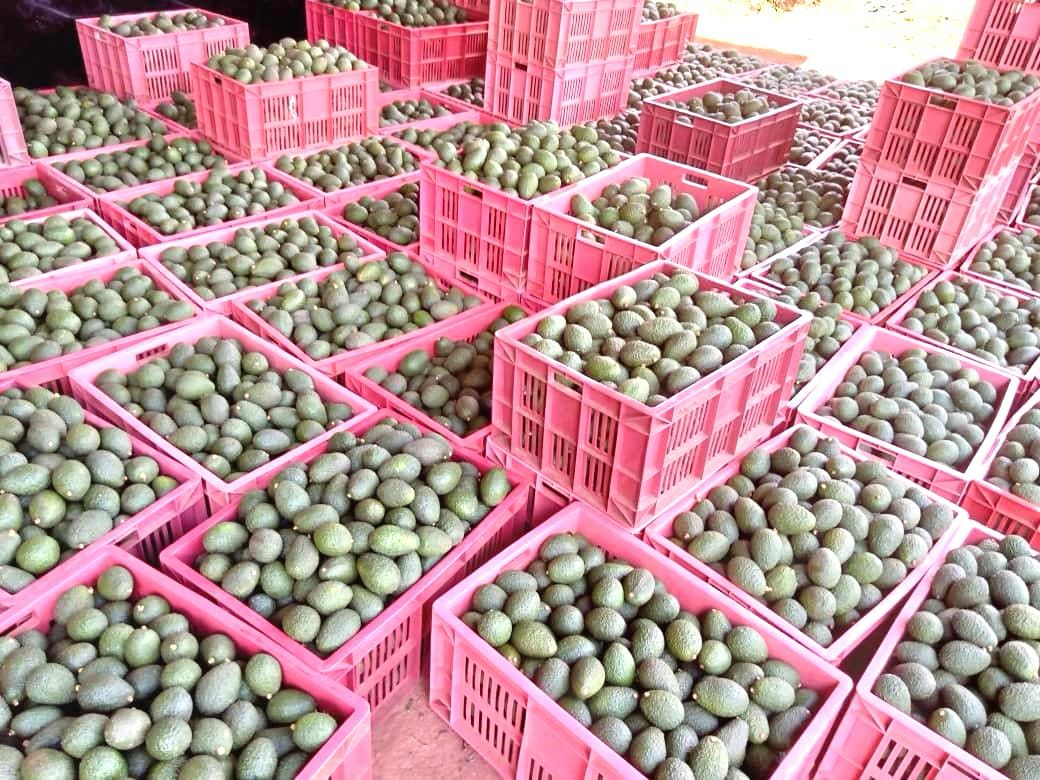
Kubana Ignace, an avocado farmer in Nyamagabe District, says modern irrigation under #SAIPII has drastically reduced his daily production costs — from 25,000 Rwandan francs to 6,000 francs, eliminating the need for manually carrying 20 jerrycans of water across his plantation.
Speaking to an AgriTé Media reporter during our visit to his avocado orchard, Kubana explained that the diesel-powered irrigation machine he received through SAIP II support has completely transformed his farming operations. What was once physically demanding and costly is now efficient, controlled, and climate-smart.
He emphasized that productivity has improved significantly as Rwanda continues promoting climate-resilient agriculture. With stable irrigation, his Hass and Fuerte avocado trees are healthier, and water distribution is more consistent, allowing him to manage his farm with greater precision.
From the heart of his flourishing orchard, Kubana Ignace expressed deep appreciation to SAIP II for the irrigation support. At the same time, he appealed for continued assistance to help him expand beyond small-scale production and transition into larger commercial farming.
His experience reflects the practical impact of SAIP II in reducing costs, increasing productivity, and empowering farmers to grow sustainably.
@Agirite
By @uwifelix
#SAIPII #ClimateSmartAgriculture #AvocadoFarming #AgricultureTransformation
1
21
47
5,150
Feb 24
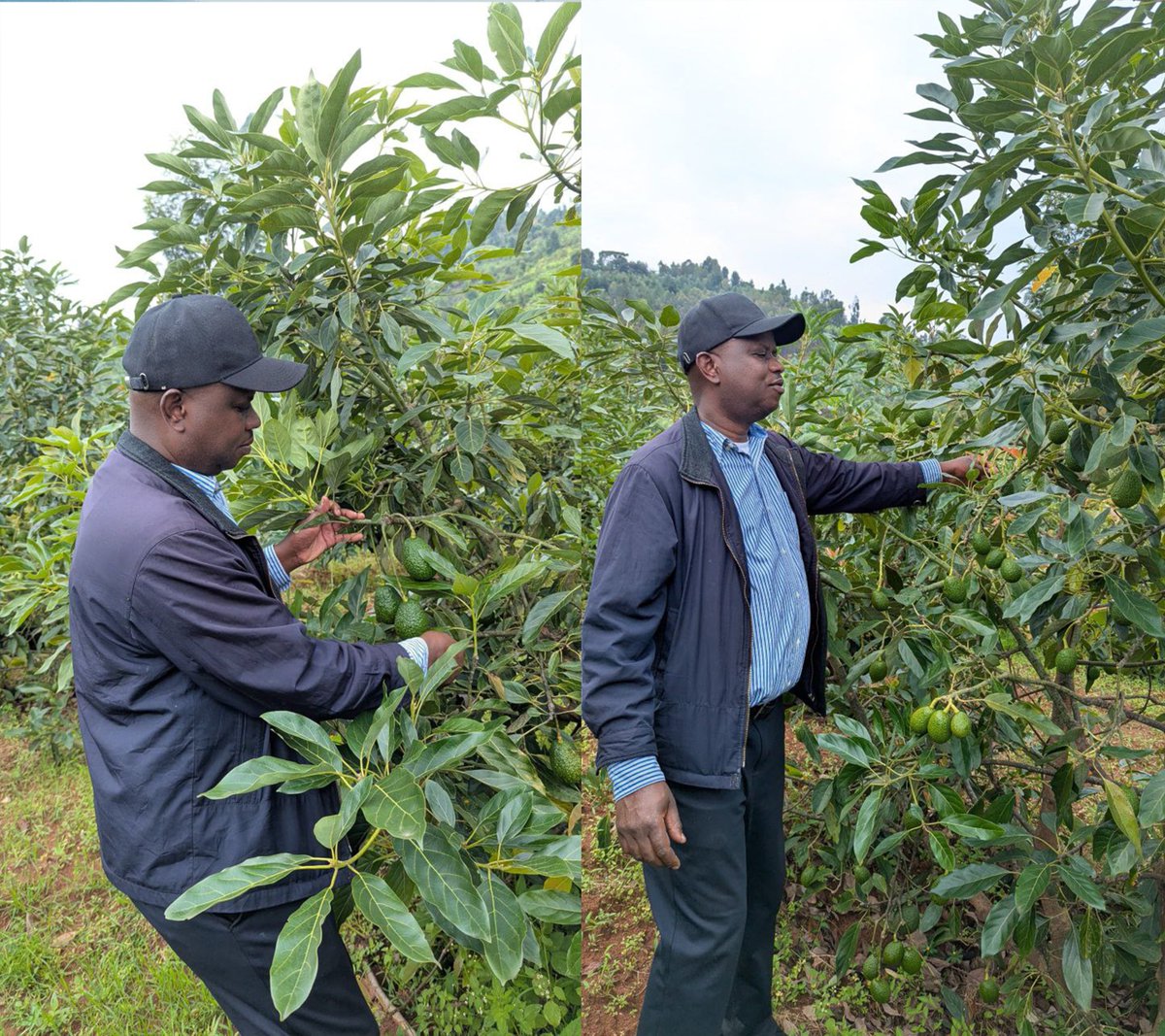
An avocado farmer in Nyamagabe says modern irrigation under #SAIPII cut his costs from 25,000 to 6,000 Rwandan francs per day, replacing 20 jerrycans of manual watering.
He says productivity has improved as Rwanda pushes climate-smart agriculture. 🌱🥑
More: ecoagrimedia.rw/saip-ii-driv…
3
6
17
486

Feb 24
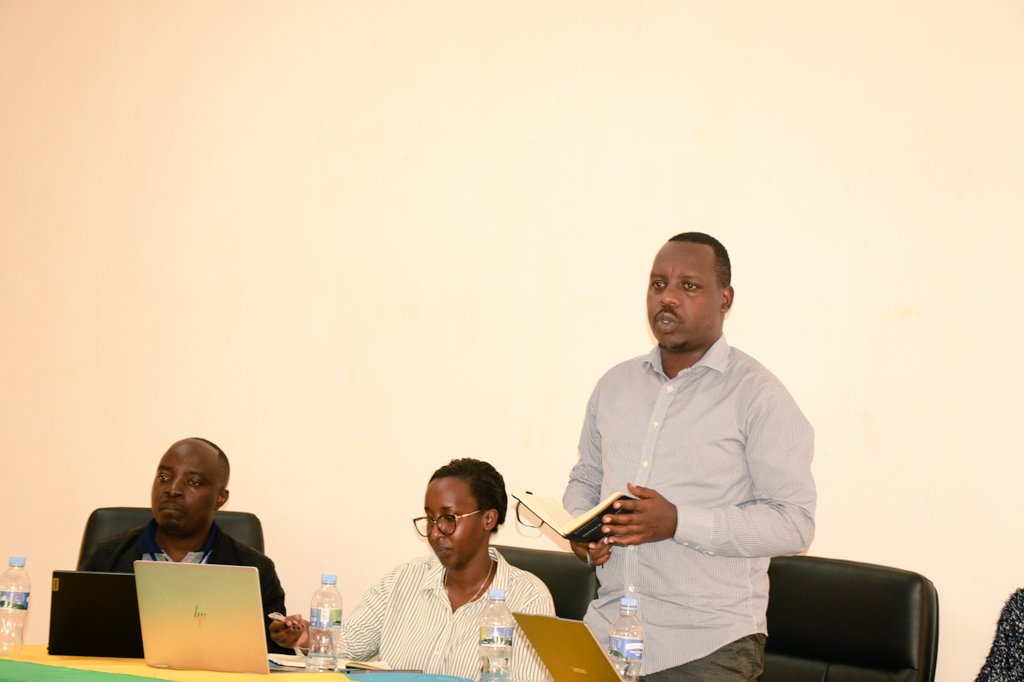
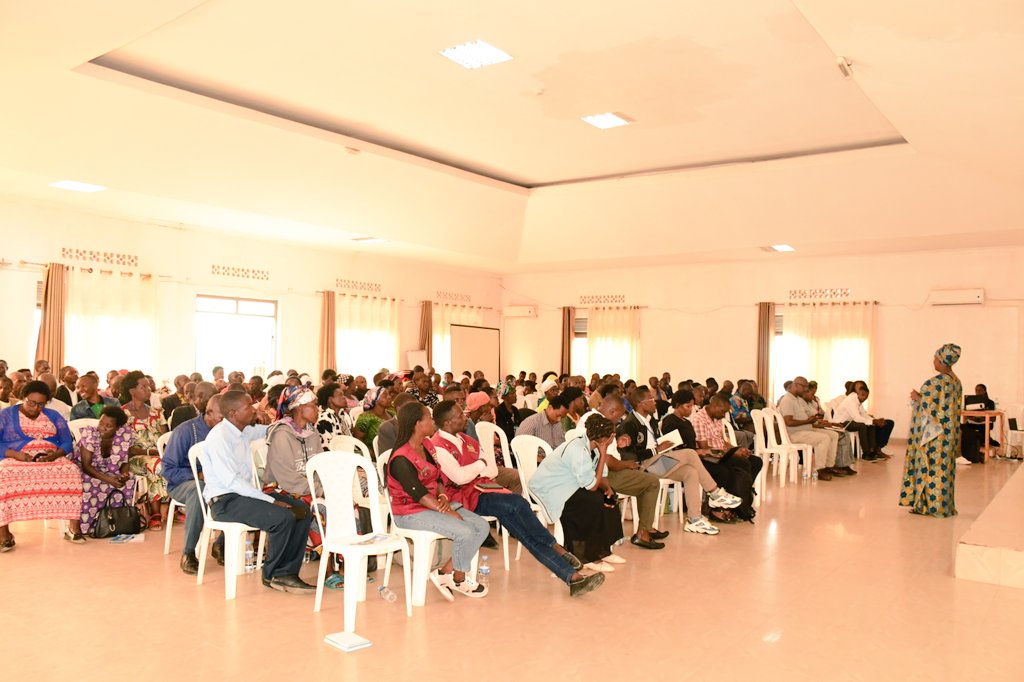
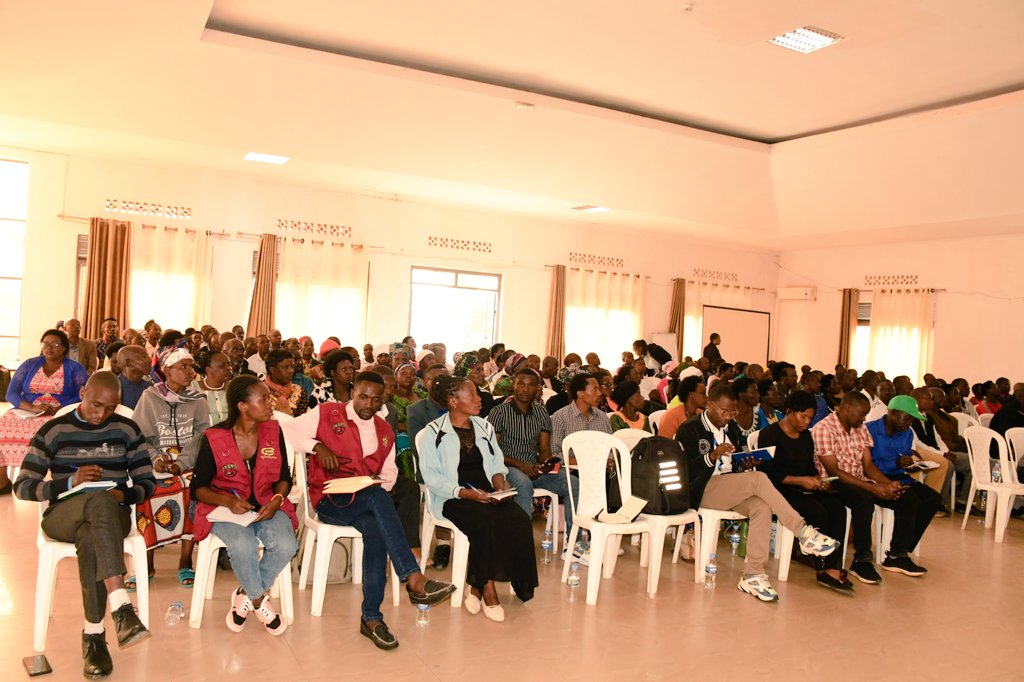
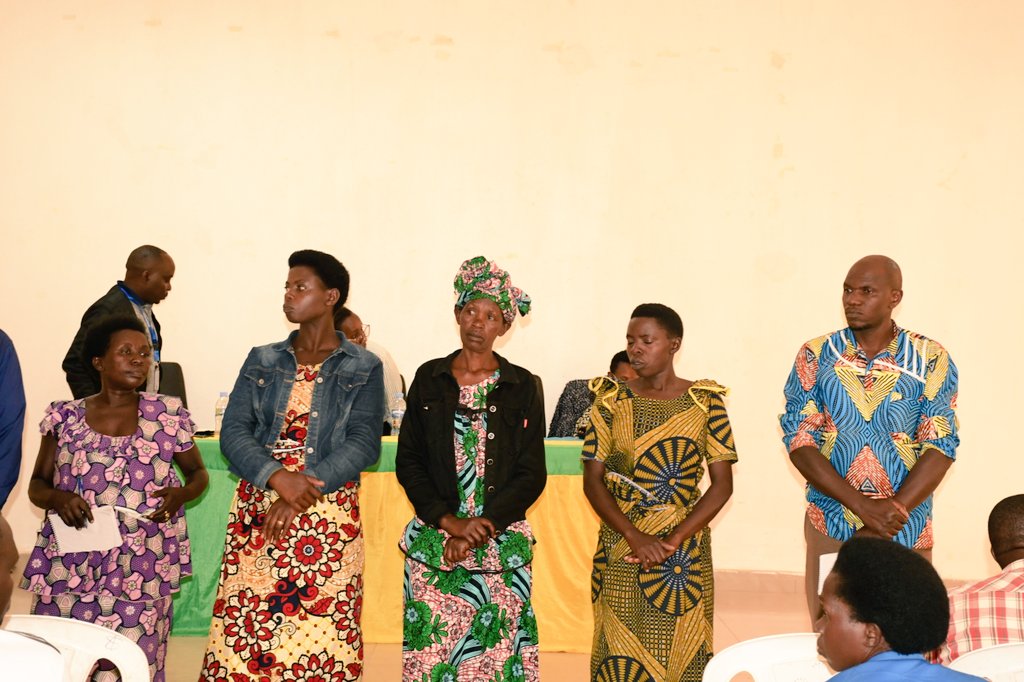
Umuyobozi w'Akarere Wungirije Ushinzwe Iterambere ry'Ubukungu, @ThadeeHabimana yayoboye inama nyunguranabitekerezo yibanze ku bikorwa b'ubuhinzi n'ubworozi Umushinga #SAIPII uri gukorera mu Karere kuva mu mwaka w'ingengo y'imari wa 20 24-2025 kugeza ubu. 1/2
1
2
5
820
Feb 24
Rwanda boosts smallholder farming with SAIP2!
✅ 1,078 ha now under irrigation (500 ha more planned)
✅ Farmers like Alexander Nshimiyimana grow 4,500 mango & 1,000 avocado trees
✅ Solar irrigation cuts costs amid rising electricity tariffs
✅ Training helps fight pests & improve nutrition
Climate-smart farming = higher yields & food security
Read more 👉 ecoagrimedia.rw/rwanda-expan…
#SAIPII
2
12
19
528