



Jun 10
🚨 Halte à la désinformation!
Dr Fatou DIOUF n’a signé que deux ( 2 ) nouvelles licences de sa prise de fonction à sa cessation de fonction.
Chers concitoyens,
Je vous apporte quelques clarifications suite aux derniers développements qui ont suivi la publication par mes soins de la liste des navires autorisés à pêcher à la date du 03 juin 2026. De ma prise de service à ma cessation de service, du 11 avril 2024 au 08 juin 2026, j’ai signé 2 nouvelles licences (pélagiques hauturières) attribuées respectivement au navire COSMOS KING de l’armement CAPSEN (qui approvisionne SCASA) et au navire SEA BREEZE de l’armement GRAND BLEU. Au total, sur cette période, la Commission consultative d’attribution des licences de pêche (CCALP) s’est réunie deux fois et a donné un avis favorable pour l’attribution de 8 nouvelles licences.
Par conséquent, à mon départ du ministère, les armements attributaires des 6 nouvelles licences restantes sont toujours en train d’accomplir les formalités administratives préalables à la signature desdites licences.
En dehors du COSMOS KING et du SEA BREEZE évoqués plus haut, le reste des navires figurant sur la liste des navires autorisés à pêcher, que j’ai régulièrement partagée pour les années 2024, 2025 et 2026, constitue des renouvellements annuels ou semestriels, selon le cas, des licences délivrées par mes prédécesseurs, anciens ministres des Pêches.
Dr. Fatou DIOUF.
31
697
2,391
72,578


Sarei curioso di sapere le cifre e chi fa parte di questa cordata. L'importante è che scasa. Lui,sua moglie,suo figlio e tutta quella manica de romanisti che infesta Formello
Jun 9

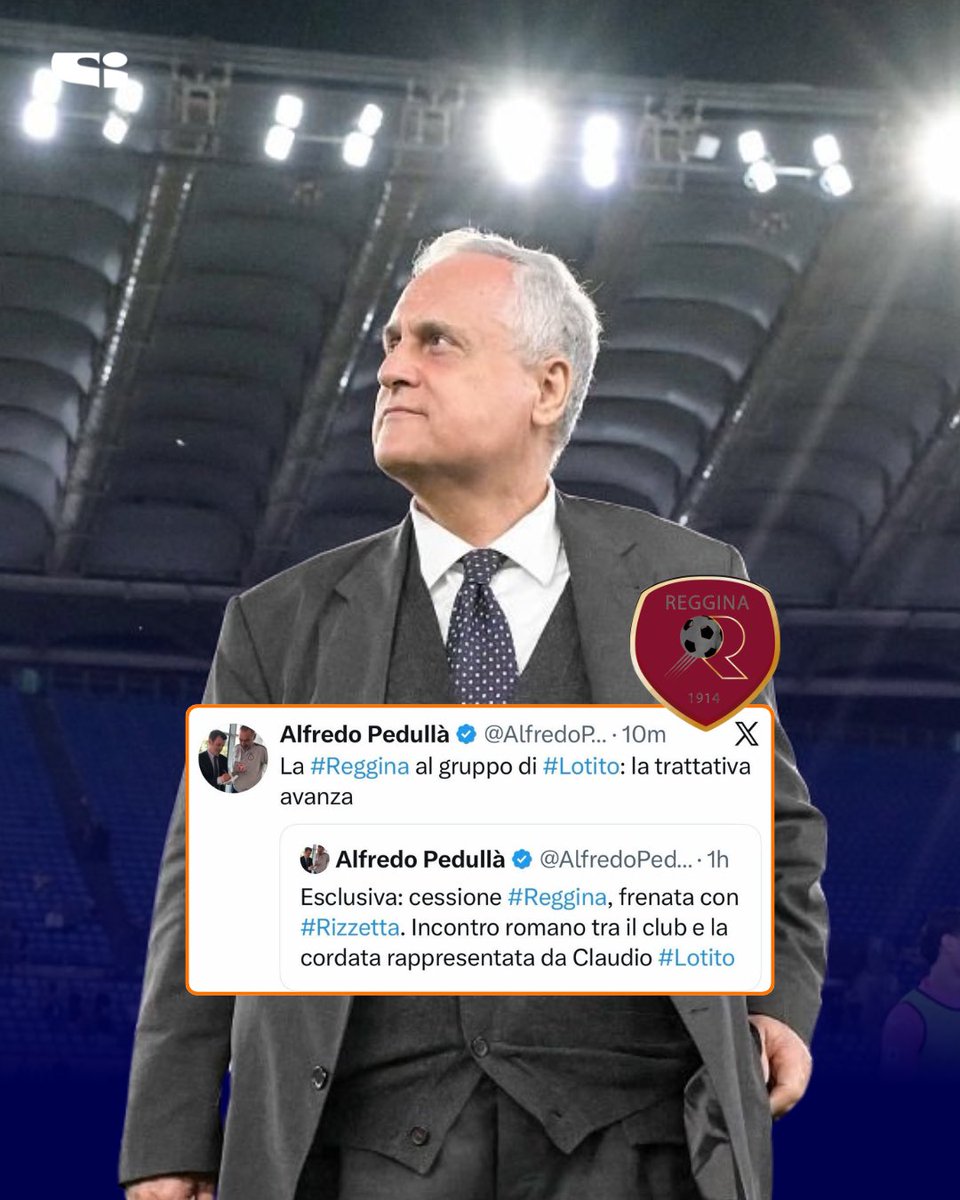
🚨ESCLUSIVA SI: #REGGINA AL GRUPPO DI #LOTITO: LA TRATTATIVA AVANZA‼️
Come riportato da @AlfredoPedulla , la trattativa tra la Reggina e il gruppo di Lotito avanza. C’è stato un incontro romano tra il club e la cordata rappresentata dal presidente della Lazio.
1
1
59

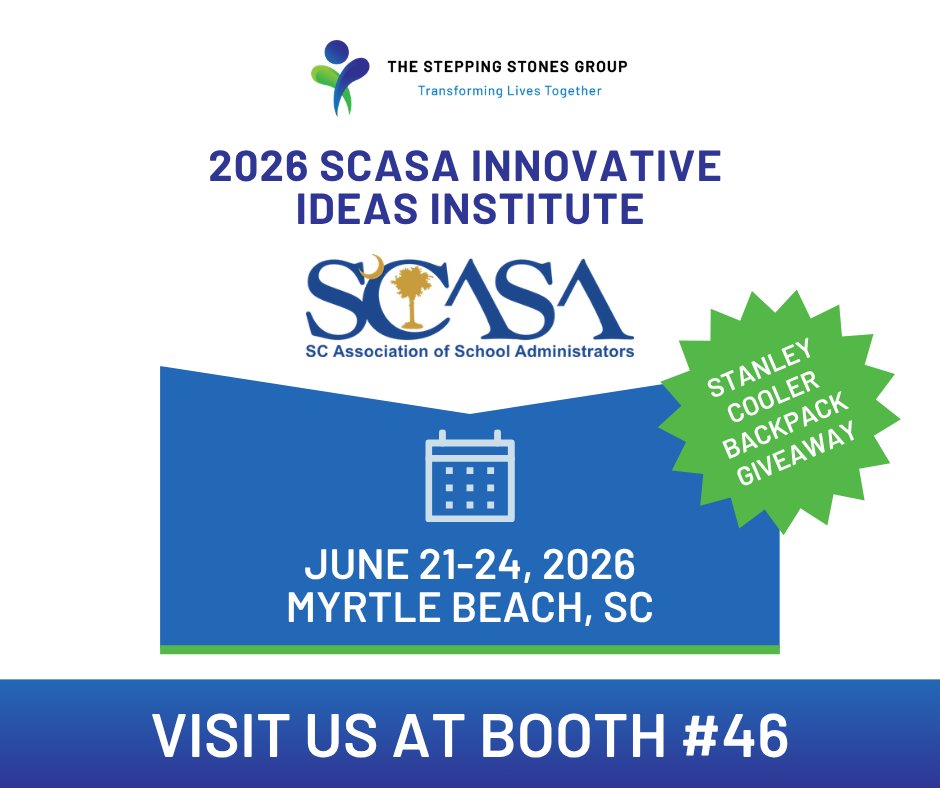
We're excited to be attending the 2026 SCASA Innovative Ideas Institute in Myrtle Beach!
Stop by Booth 46 to connect with our team, learn how we're supporting schools nationwide, and enter for a chance to win a Stanley Cooler Backpack!
30

Jun 5
pinche escoria, ojalá pague en vida todas sus mamadas, no se puede ser tan imbécil, si quiere ser así de pendeja que lo sea en su scasa, no al frente de un estado. los pendejos no deben tener poder.
7
408

CCSD's Assistant Superintendent of Academics, Dr. Andre Dukes, has been selected to serve as an at-large member for the SCASA Instructional Leaders' Executive Board! Congratulations, Dr. Dukes!

1
3
202

May 14
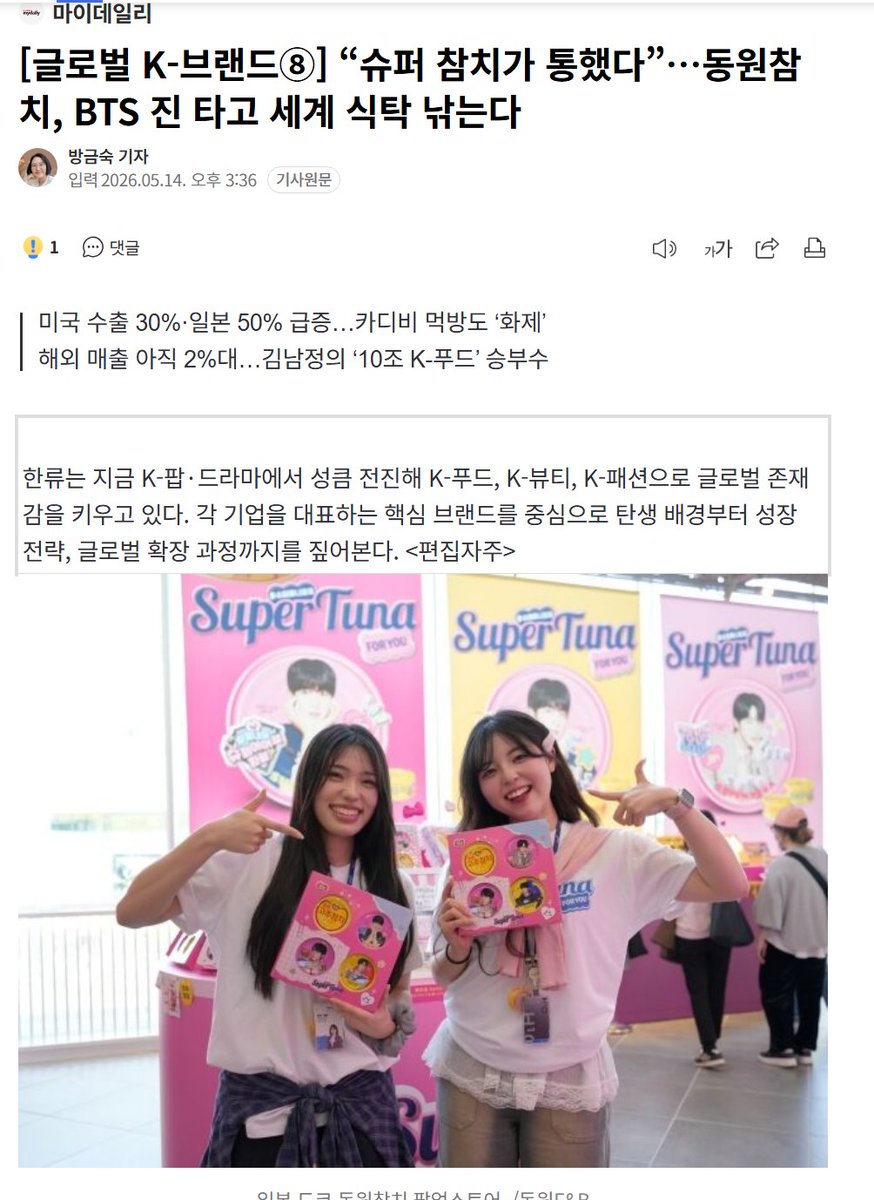
[Mydaily] 260514 Dongwon Tuna is riding BTS Jin’s popularity to emerge as a global leader in K-food.
📈U.S. exports have surged by 30%, while exports to Japan have increased by 50%.
📈Chairman Kim Nam-jung is pushing forward an ambitious “10 trillion K-food” strategy.
📈BTS Jin’s “Super Tuna” Sparks Global Growth in the U.S. and Japan
Last year, Dongwon Tuna’s exports to the U.S. rose by 30% year-on-year, while exports to Japan jumped by 50%. What was once a side dish on Korean dining tables has now grown into a global protein food.
The company aims to achieve 10 trillion won in global food sales by 2030.
🐟The turning point for Dongwon Tuna’s global expansion came in 2025 with Jin.
Dongwon F&B selected BTS Jin as its brand model, inspired by his 2021 solo track “Super Tuna.”
Released in 2021, the song surpassed 100 million YouTube views and captured global fandom attention. It also gained popularity for being inspired by Jin’s real-life love of tuna.
A commercial featuring Jin performing a choreography adapted from the song has surpassed 33 million cumulative views. The “BTS Jin Edition,” which included collectible stickers, also fueled strong global fan demand.
Last month, a Dongwon Tuna pop-up store held in Harakado, Tokyo attracted 2,400 visitors within just one hour of reservations opening, marking a major success.
🐟A 43-Year National Brand Turning Into a Global Protein Brand
At the center of Dongwon F&B’s global expansion strategy is Dongwon Tuna.
Since its launch in 1982, Dongwon Tuna has sold over 7.6 billion cans over 43 years, holding more than 80% of the domestic canned tuna market. It is a national food brand generating over 500 billion won in annual sales.
The origin of Dongwon Tuna traces back to founder Chairman Kim Jae-chul’s personal experience. Starting as a cadet on a deep-sea fishing vessel at age 23, he eventually became captain and founded Dongwon Industries in 1969 with 10 million won he had saved. After visiting StarKist’s factory in the U.S. in 1981, he asked, “Why doesn’t Korea have canned tuna?” and launched Dongwon Tuna the following year.
At the time of launch, canned tuna was unfamiliar and relatively expensive at 1,000 won, positioned as a premium, developed-country food product.
In 1984, Dongwon pioneered canned tuna gift sets for Chuseok, selling over 300,000 sets. By the 1988 Seoul Olympics era, rising incomes helped establish Dongwon Tuna as a premium holiday gift.
It later became a staple ingredient in Korean households, widely used in dishes such as kimchi stew, fried rice, rice balls, and sandwiches.
The Dongwon Group consolidated its food businesses—including Dongwon F&B, Dongwon Home Food, U.S.-based StarKist (acquired in 2008), and Senegal processing plant Scasa—into a Global Food Division (GFD). It also unified its scattered R&D units into a Global R&D Center.
Using StarKist’s extensive North American distribution network, the group aims to expand exports of Korean food products such as Dongwon Tuna, spicy tuna, seaweed, tteokbokki, and dumplings.
Chairman Kim stated earlier this year that the company will “go beyond simple exports, enhance value through localized products and R&D, and accelerate global business by strengthening collaboration among overseas subsidiaries.”
#JinxDongwonTuna #동원참치 #JIN @BTS_twt @dongwonmall2506 @dwtuna_official
2
199
531
17,292

May 14
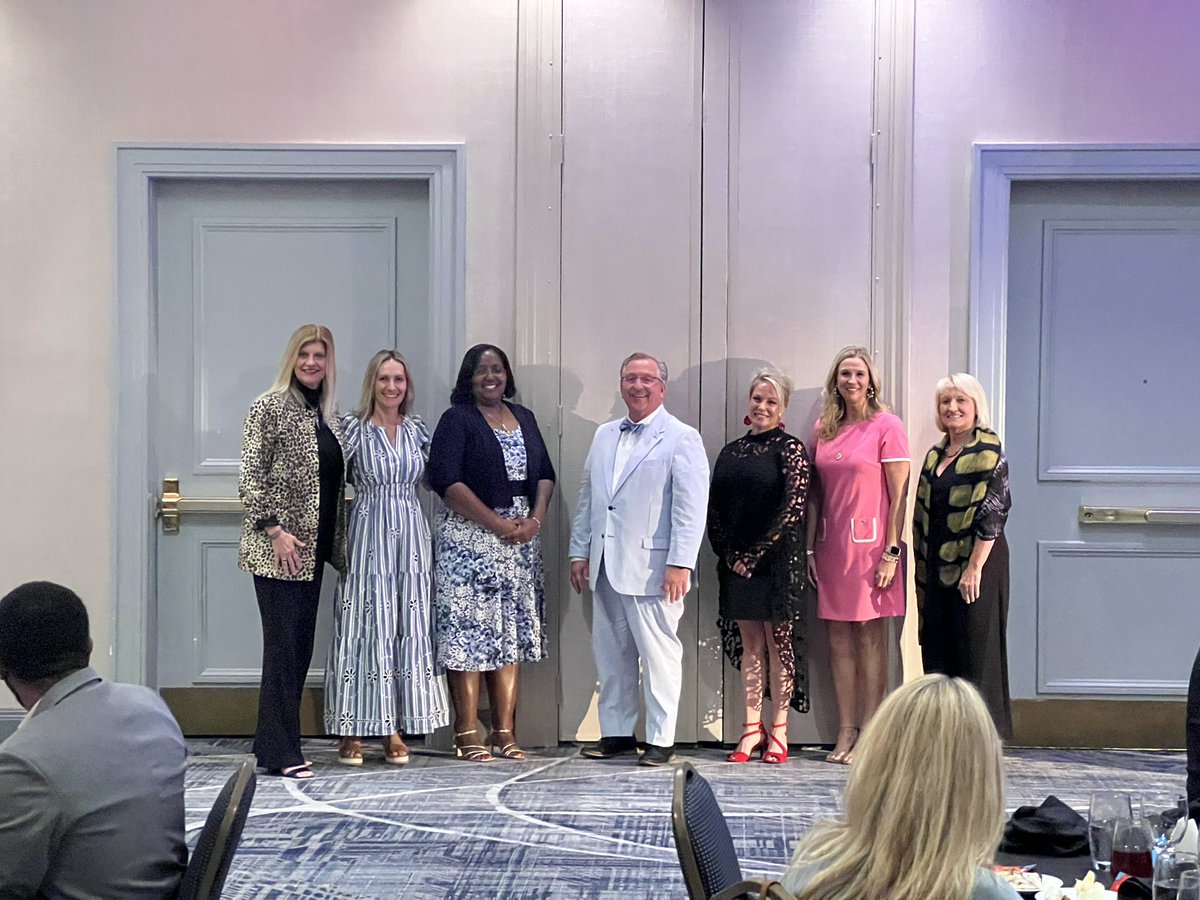
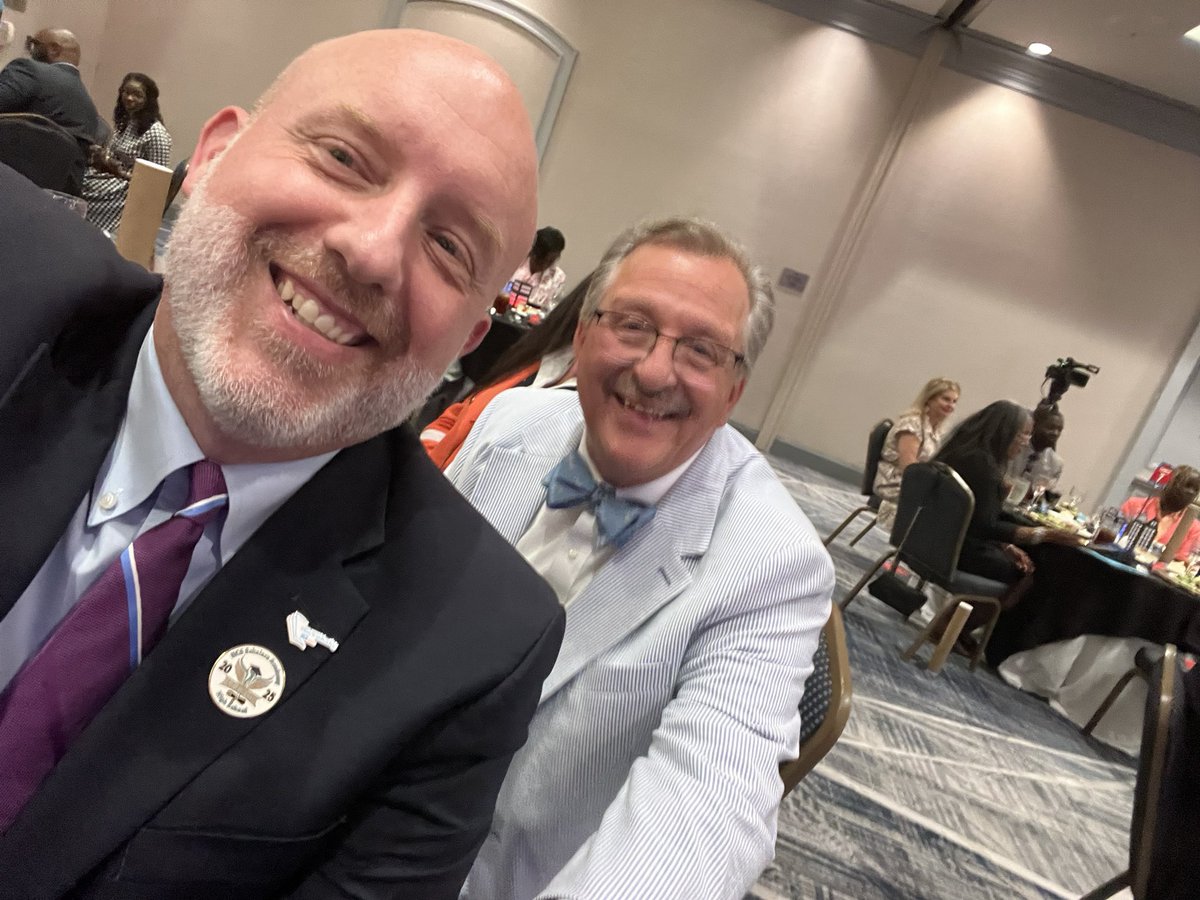
Tonight, we celebrated excellence at the SCASA Awards Dinner as Scholars Academy was recognized as a Palmetto’s Finest school! Proud of our students, staff, families, and community for creating a culture of academic excellence, innovation, and opportunity. Congratulations to everyone who makes Scholars Academy shine! #HCSStrong #InspiringPossibilities @HCSInfo
6
217

May 2
Happy National Principal Day! We have been celebrating you all week long since the announcement of SCASA CTE Administrator of the year!!! Your dedication to the students and staff go far and beyond just a call of duty. Your dedication is a calling!

4
35

Thank you @SCASAnews for this incredible honor and recognition! It is truly a privilege to represent @heyward_ctc, @RichlandOne, and SCASA.

🎉 Congratulations to @heyward_ctc
Principal Craig Washington on being named the 2026 South Carolina CTE Administrator of the Year by @SCASAnews.🌟
#RisingTogether
Read more ➡ richlandone.org/details/~boa…

4
1
14
530

Mar 11
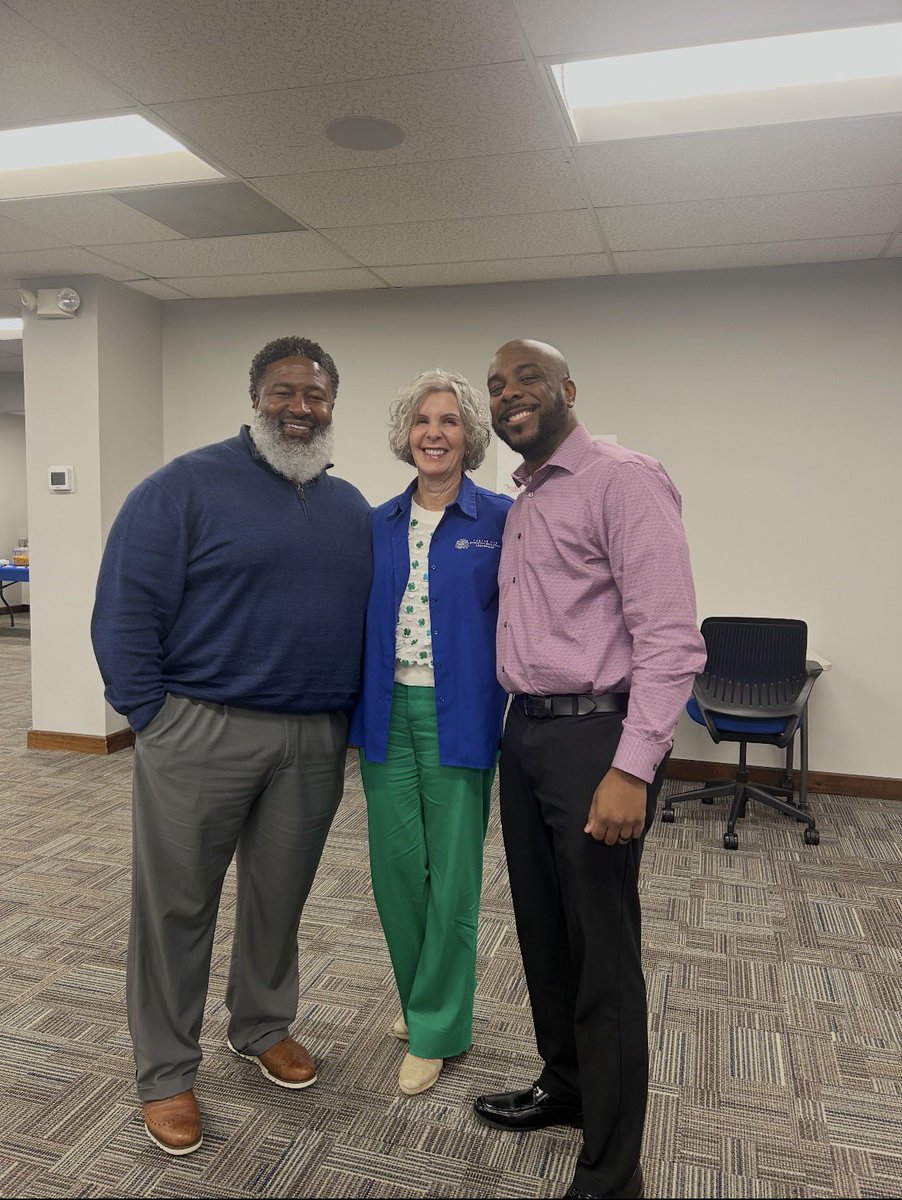
@coachcjones76 7th grade AP at BMS, along with Mr. Moses of @mullerroad with one of the best, @jamesannsheley at SCASA CEEL Session!
1
3
138

Difficile trovare un capo di Stato più ridicolo e insignificante di Macron. Solo delle nullità ambulanti con scasa alfabetizzazione possono considerarlo diverso da un pagliaccio
secoloditalia.it/2025/04/qui…
2
29

Jan 8
Scasa ma che cazzo centriamo qui in Italia? Sempre a pensare ai cazzi degli altri; complimenti!
2
28
30 Dec 2025
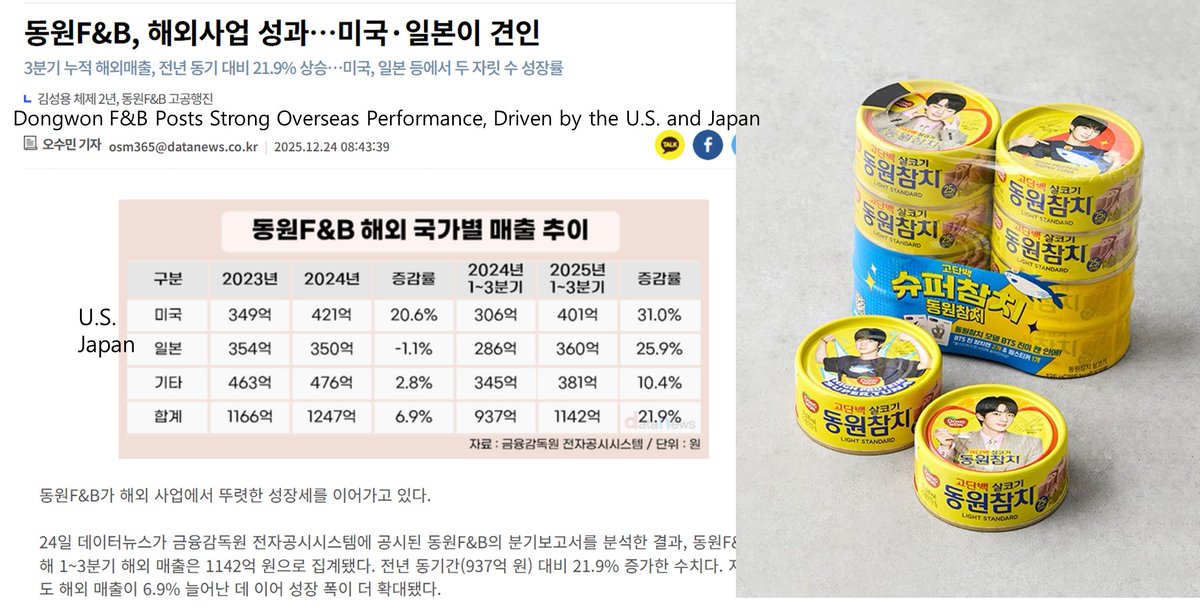
[Data news] 251224 Dongwon F&B’s Overseas Business Delivers Results, Driven by the U.S. and Japan
Dongwon F&B is continuing its clear growth momentum in overseas markets.
According to an analysis by DataNews on Dongwon F&B’s quarterly report disclosed on the Financial Supervisory Service’s electronic disclosure system on the 24th, the company’s overseas sales for the first through third quarters of this year totaled 114.2 billion Won, up 21.9% from 93.7 billion Won in the same period last year. Following a 6.9% increase in overseas sales last year, the pace of growth has further accelerated.
By country, the United States and Japan led the company’s overseas performance. U.S. sales reached 42.1 billion Won in 2024, up 20.6% year on year, and rose to 40.1 billion Won in the first through third quarters of 2025, marking a 31.0% increase from the same period last year. In Japan, annual sales for 2024 declined slightly by 1.1% year on year to 35.0 billion Won, but rebounded strongly this year, recording 36.0 billion Won in the first three quarters, a 25.9% increase year on year. Sales in other countries, including Taiwan and China, also showed an upward trend, rising 2.8% year on year to 47.6 billion Won in 2024 and increasing 10.4% year on year to 38.1 billion Won in the first three quarters of this year.
Canned seafood such as tuna and processed seafood products remain the core of the overseas business, while shelf-stable HMR products from Yangban, Dongwon F&B’s Korean cuisine brand, are also being exported. Yangban began overseas exports in 2001 and is currently sold in markets including the United States, Japan, Southeast Asia, and Oceania.
On the back of these results, Dongwon F&B plans to further strengthen its global operations. Dongwon Industries recently launched a Global Food Division centered on Dongwon F&B, bringing together Dongwon Home Food, StarKist, and SCASA. The strategy is to enhance synergies by integrating overseas production, distribution, and brand capabilities.
Industry observers note that with stable growth confirmed in the U.S. and Japan, Dongwon F&B’s overseas expansion is expected to accelerate further through the Global Food Division. Reducing reliance on the domestic market and increasing the proportion of global sales has been identified as a key mid- to long-term objective.
#JIN #JinxDongwonTuna #동원참치 #방탄소년단진 @BTS_twt @dongwonmall2506
2
50
194
4,227


30 Nov 2025
I’m looking forward to being the keynote speaker at the SCASA Personnel/Instructional Leaders’ Conference on December 2-3, 2025, at the Hyatt Regency Greenville for two days of inspiration and learning. Can’t wait to see you all there!
3
194

24 Nov 2025
🎉 CONGRATULATIONS to Blue Ridge High Principal Ashley Wardlaw, who has been named the 2026 South Carolina Secondary Principal of the Year by SCASA!
Mrs. Wardlaw received the exciting news during a surprise announcement in the school gymnasium.
1
2
12
1,275

24 Nov 2025
Congratulations to our very own Mrs. Wardlaw, who has been recognized as the SCASA 2026 Secondary Principal of the Year!
This honor is well-deserved, congratulations, Mrs. Wardlaw! Go Tigers! Go Tigers, #HearUsROAR @AshleyCWardlaw

3
4
313