
Japan fans once again cleaned the World Cup stadium and won hearts around the world 💙🧹
#japanfans #cleaningstadium #showrespect
26

Yes, but many millions of others cheered Pres. Trump watching from their homes across America! So, honor your President publicly or be recognized as as losers with TDS. It's your choice, Leftist Americans! :) #ShowRespect
5
8
628

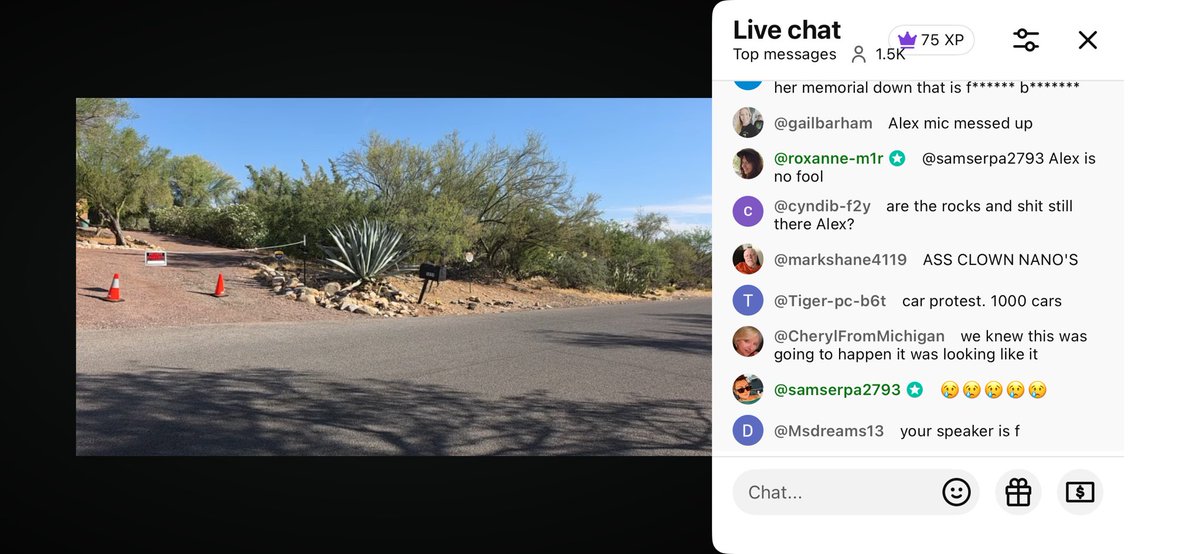
I’m honestly disappointed to hear that the memorial for Nancy Guthrie has been removed.
Whether you knew her personally or not, memorials exist to honor someone’s life, preserve their memory, and give people a place to reflect. Removing something that meant so much to so many people feels incredibly disrespectful.
Some things are bigger than politics, opinions, or disagreements. Respect for those who have passed should be one of them.
@JLRINVESTIGATES @CriminalNetworX @857Tucson @tedinvestigate @DadsGoneLive @BrianEntin @DAA_JUICE1
#NancyGuthrie #NeverForgotten #RespectTheMemory #HonorTheirLegacy #CommunityMatters #RememberingNancy #ShowRespect #LocalHistory
2
159

May 18
So proud of @nola_lewis5!!!
86 points in 4 games.
Career high game of 39pts.
Two 4-point plays (in the same game)
Shooting 3s at 56% accuracy
Averaged 21.5 PPG
This girl was not playing around this weekend. She came to WIN. @PRO16G @PUMAHoops #ShowRespect
1
5
469

Apr 29
I know what I like and I like people who take the time to be kind, generous, thoughtful, and respectful...~ #DTN #WhatILike #BeKind #ShowRespect
2
6
52


Take this down FFS, people have died, they have families #showrespect😡
Stop with the retweets!!
2
4
1,267

Mar 17
🙋🏾♀️ #Truth He ain't lyin'‼️😆😅😂🤣
#HawaiianStyle #IslandVibes #LocalsOnly #ShowRespect
#LiveAloha #BlessUp
#CheeHuuu #ThrowShaka #EverybodiesAunty 💕
💯 #Str8N8v4LYF Style 🤙🏾

1
3
742

Jan 31
Hey @WWE , can we have a ppv at a location that appreciates women’s wrestling?? Random fireflies…random thank you Cena chants & random chants that no one understands. Not ok. Bet they won’t do that during the men’s matches. #RoyalRumble #ShowRespect #WomensWrestling
1
7
544
Jan 13
I know what I like and I like people who take the time to be kind, generous, thoughtful, and respectful...~ #DTN #WhatILike #BeKind #ShowRespect
3
50

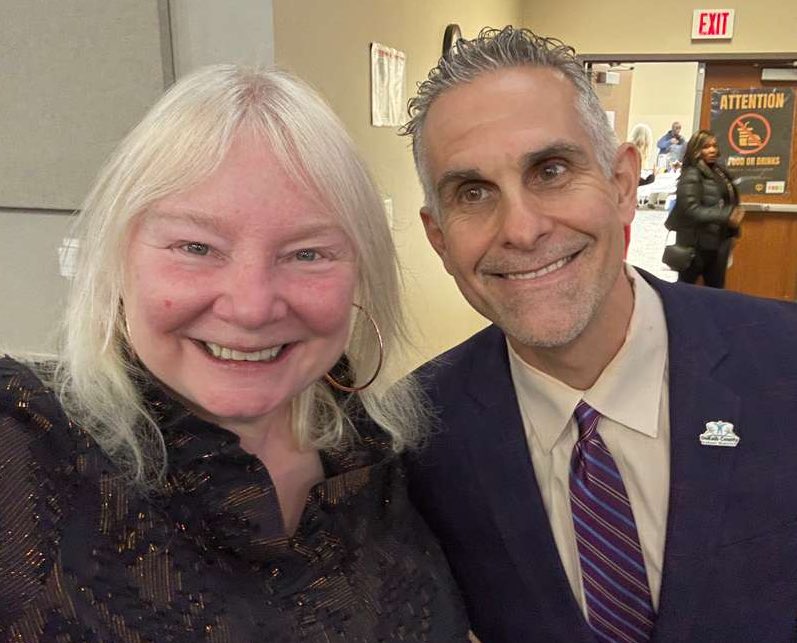
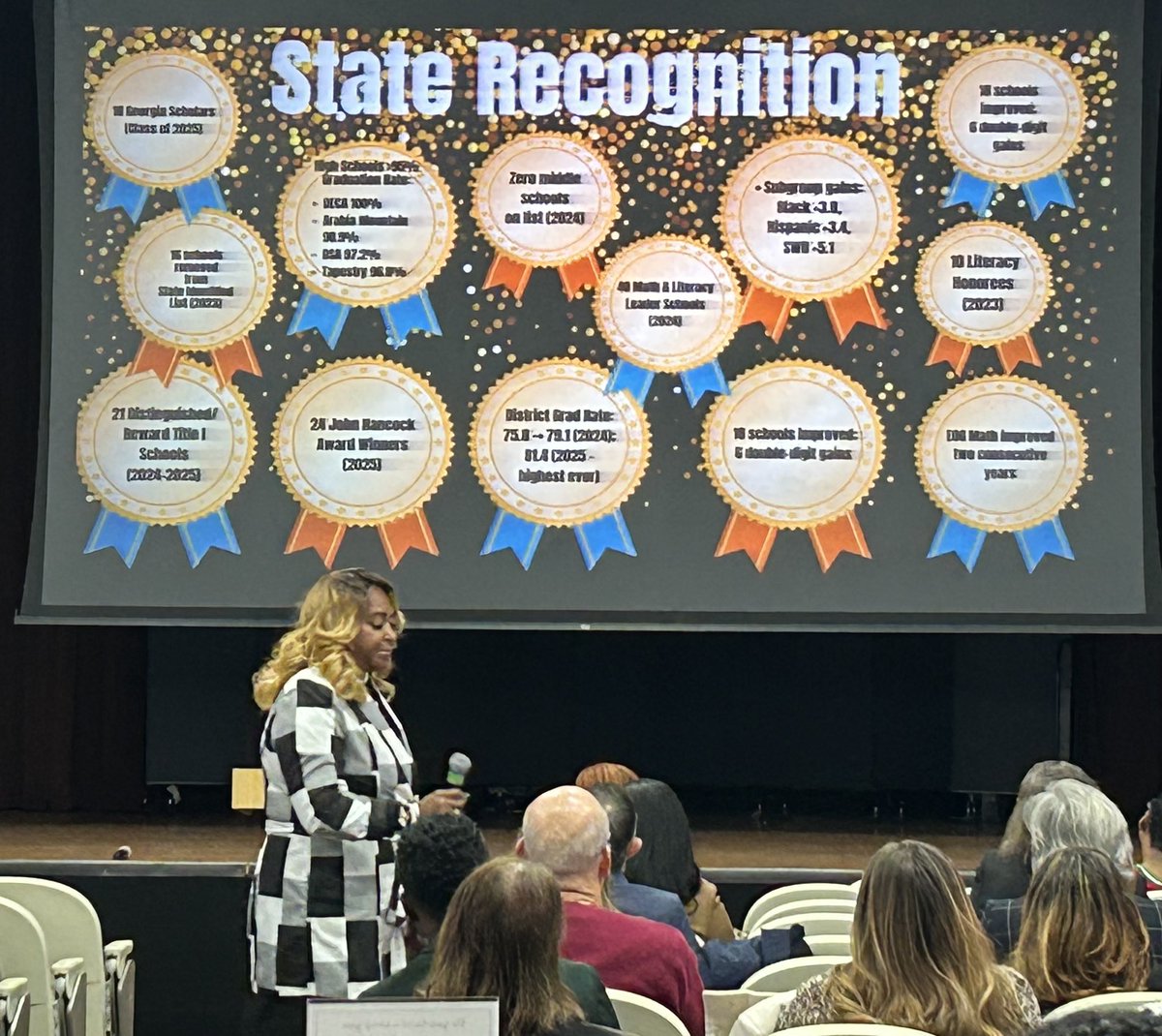
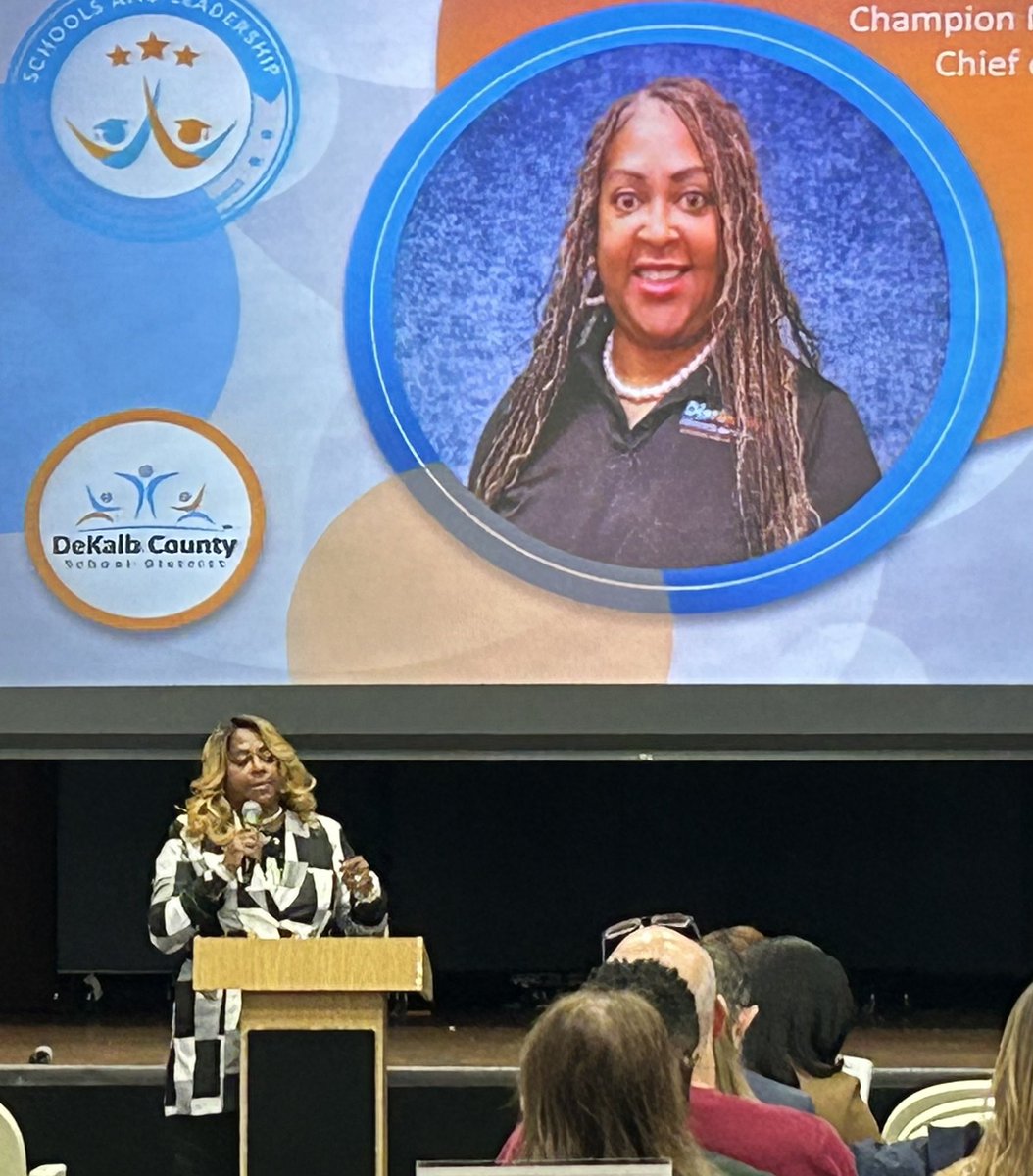
Great day of #school #leadership & a great day to #lead in @DeKalbSchools #IStandWithDeKalb Thank you @DrNormanCSauce3 & @COSDeKalbCounty for bringing the 🎉🔥🎯🤩😎 #everystudenteveryday #bekind #showrespect #dogood #leadbyexample #Access #Opportunity
1
6
162

14 Nov 2025
Stop believing your own dashboards ✋🏾
Especially if they are made for YOU... To truly see the problem, you must physically break your cognitive filters and go talk to the people on the ground.
It is not a coincidence that dysfunctional organizations have "leadership dashboards" that are separate from the dashboards that people on the ground see. There'd be an army of people just for building those dashboards and the data on them gets "massaged", "rounded up", "scope limited", "exception approved", through various layers before the top executive sees it sitting in an air conditioned board roam.
What there are seeing is an abstraction of an abstraction of an abstraction... (you get the idea).
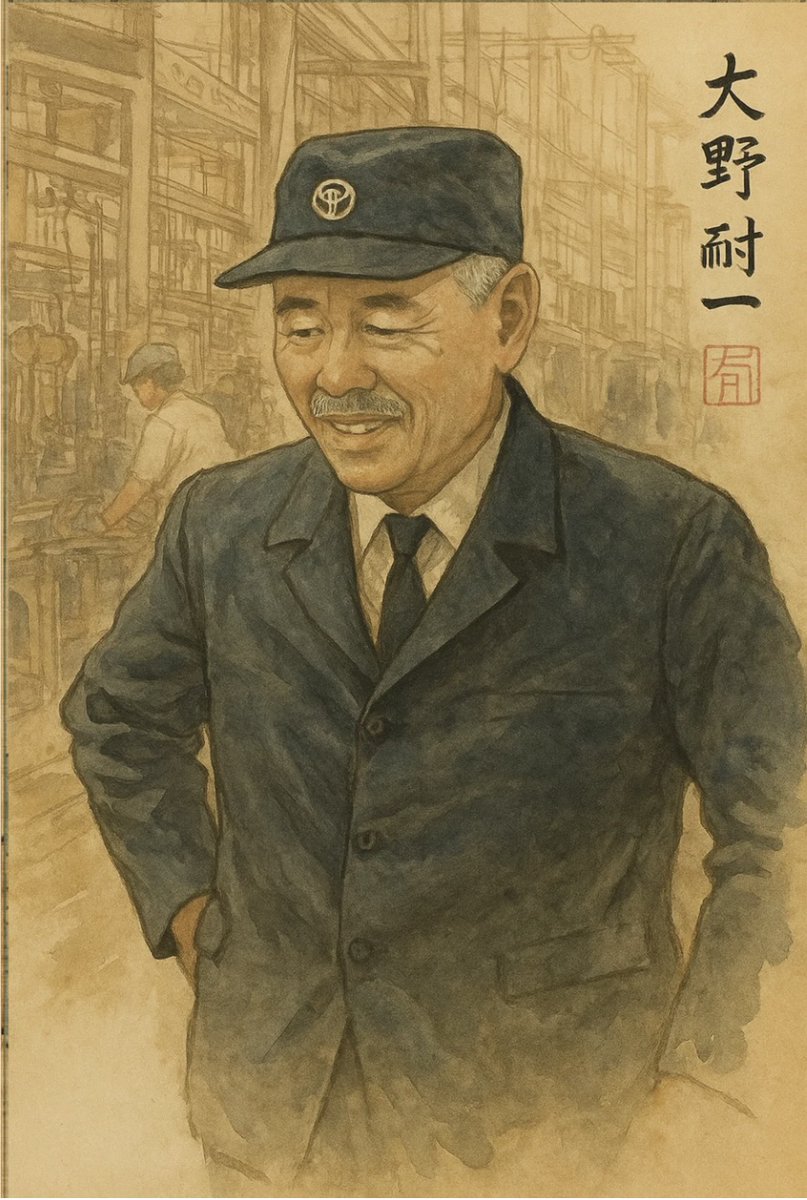
Taiichi Ohno's Genchi Genbutsu ("Go to the actual place and see the actual thing") demands that leaders stop relying on abstraction. But, you can't go there with your "board room" attitude. Ohno deeply understood that our brains filter reality, making it impossible to see problems when looking "right-side up."
This is proven outside the factory floor by art teachers. Here is an excerpt from Harish Jose and Venkatesh Krishnamurthy's latest book, 'Connecting the Dots...' (leanpub.com/connecting-the-d…) :
“... when we go to the gemba with preconceived notions, we miss what is right in front of us. If we arrive already armed with the wrong answer, we will not ask the right questions. We must approach the gemba with a fresh mind and limited preconceptions.
Betty Edwards demonstrates this powerfully in her work on drawing education. When she gave students the assignment to copy a Picasso work, the results disappointed her. In a flash of insight, she hung the painting upside down and asked the students to copy it again. 𝙏𝙝𝙚 𝙪𝙥𝙨𝙞𝙙𝙚-𝙙𝙤𝙬𝙣 𝙘𝙤𝙥𝙞𝙚𝙨 𝙬𝙚𝙧𝙚 𝙙𝙧𝙖𝙢𝙖𝙩𝙞𝙘𝙖𝙡𝙡𝙮 𝙗𝙚𝙩𝙩𝙚𝙧 𝙩𝙝𝙖𝙣 𝙩𝙝𝙚 𝙧𝙞𝙜𝙝𝙩-𝙨𝙞𝙙𝙚-𝙪𝙥 𝙫𝙚𝙧𝙨𝙞𝙤𝙣𝙨. Turning the painting upside down changed how the students “saw”—their brains stopped interfering with their perception, allowing them to draw what was actually there rather than what they thought should be there.
As Edwards explains, the efficient left brain says, “It is a chair, I tell you. That is enough to know. Here is a ready-made symbol for you.” 𝘽𝙪𝙩 𝙩𝙤 𝙩𝙧𝙪𝙡𝙮 𝙨𝙚𝙚, 𝙬𝙚 𝙢𝙪𝙨𝙩 𝙨𝙚𝙩 𝙖𝙨𝙞𝙙𝙚 𝙤𝙪𝙧 𝙪𝙨𝙪𝙖𝙡 𝙫𝙚𝙧𝙗𝙖𝙡 𝙘𝙖𝙩𝙚𝙜𝙤𝙧𝙞𝙯𝙞𝙣𝙜 𝙖𝙣𝙙 𝙩𝙪𝙧𝙣 𝙤𝙪𝙧 𝙛𝙪𝙡𝙡 𝙫𝙞𝙨𝙪𝙖𝙡 𝙖𝙩𝙩𝙚𝙣𝙩𝙞𝙤𝙣 𝙩𝙤 𝙬𝙝𝙖𝙩 𝙬𝙚 𝙖𝙧𝙚 𝙥𝙚𝙧𝙘𝙚𝙞𝙫𝙞𝙣𝙜...”
Your weekly reports, aggregated metrics, and beautifully crafted dashboards are the "right-side-up" version. They show you what your "efficient left brain" thinks should be there, not the raw reality of the Gemba (where value is created).
When a project is stuck, leaders must practice the art of turning the Picasso upside down. Go beyond the fancy dashboard and powerpoint presentations. This is how you discover the waste (Muda) that data hides.
#GenchiGenbutsu #DataDriven #Leadership #GoSee #ShowRespect
1
1
3
352

23 Oct 2025
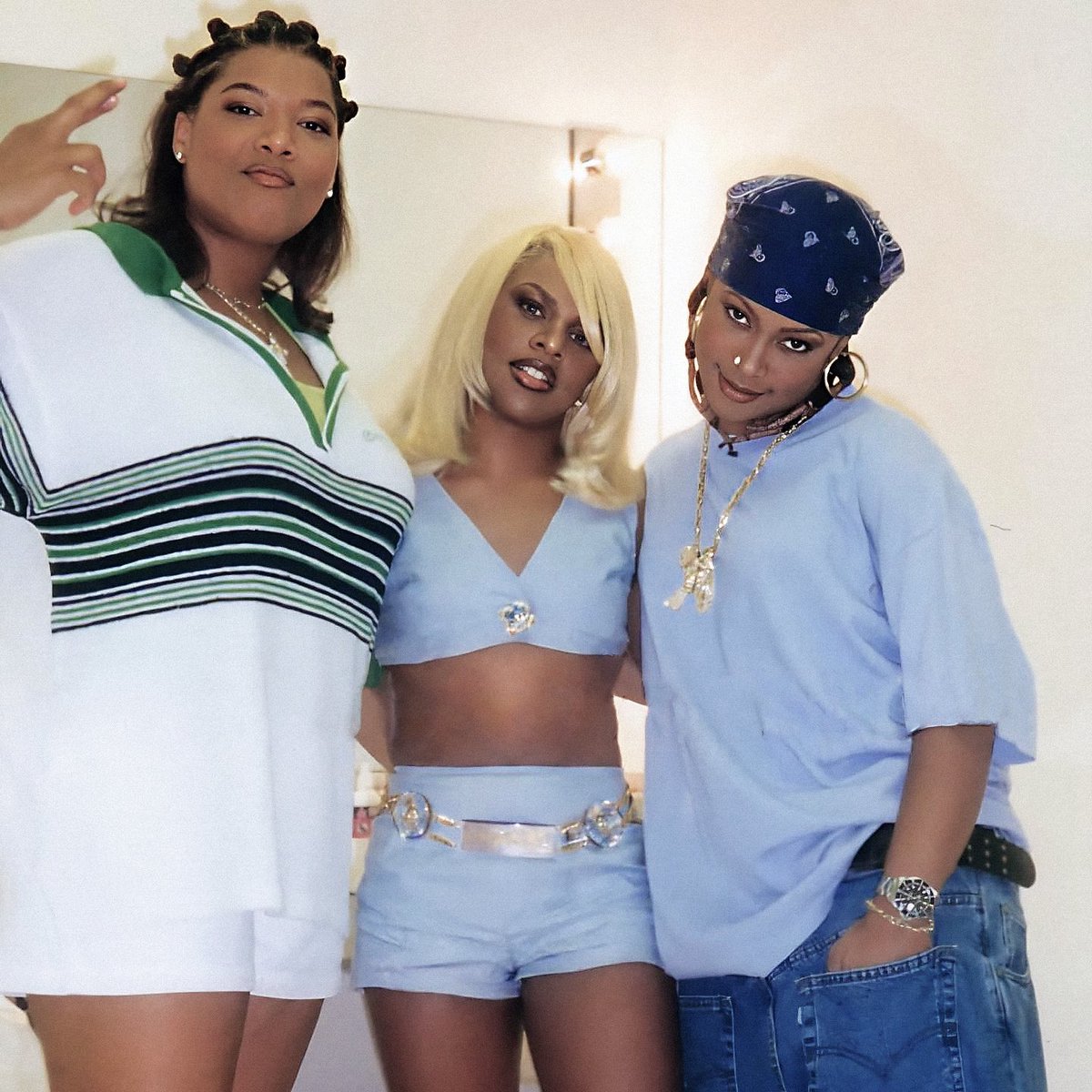
some of the goats.
Queen Latifah who broke boundaries in rap, tv, and film. Lil Kim who is the literal blueprint to almost all the sexy female rappers we know today. Da Brat who was the first female rapper to go platinum.#showrespect #femalerap #hiphop
2
205

6 Oct 2025
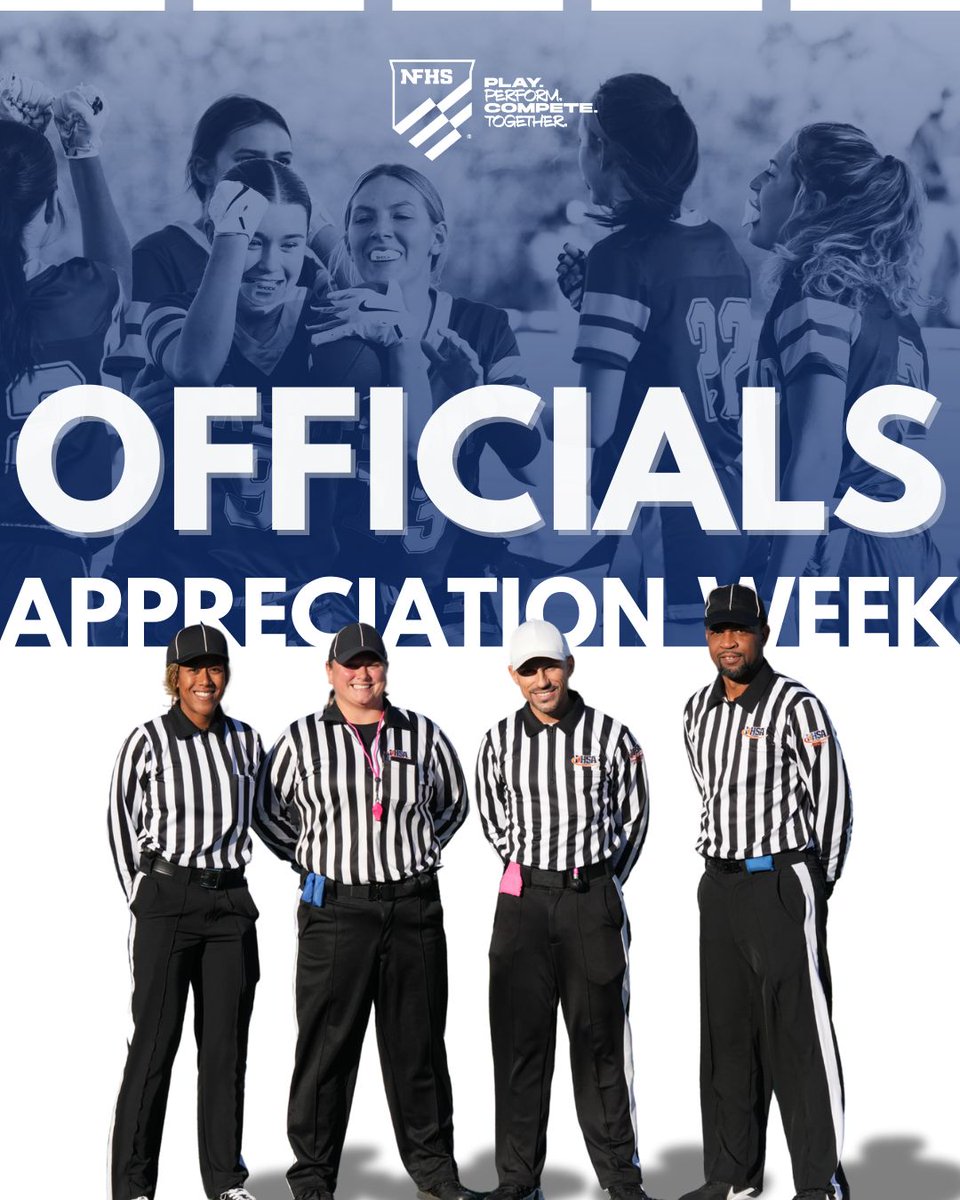
Our student-athletes cannot compete in their athletic contests without this hardworking group!!
#showrespect
#thetexasway

It’s Fall Officials Appreciation Week!
Give a BIG shoutout to the officials who keep our games going this week.
Spread the word – Share this post to show support for officials in your school! #OfficialsAppreciationWeek
7
329

21 Sep 2025
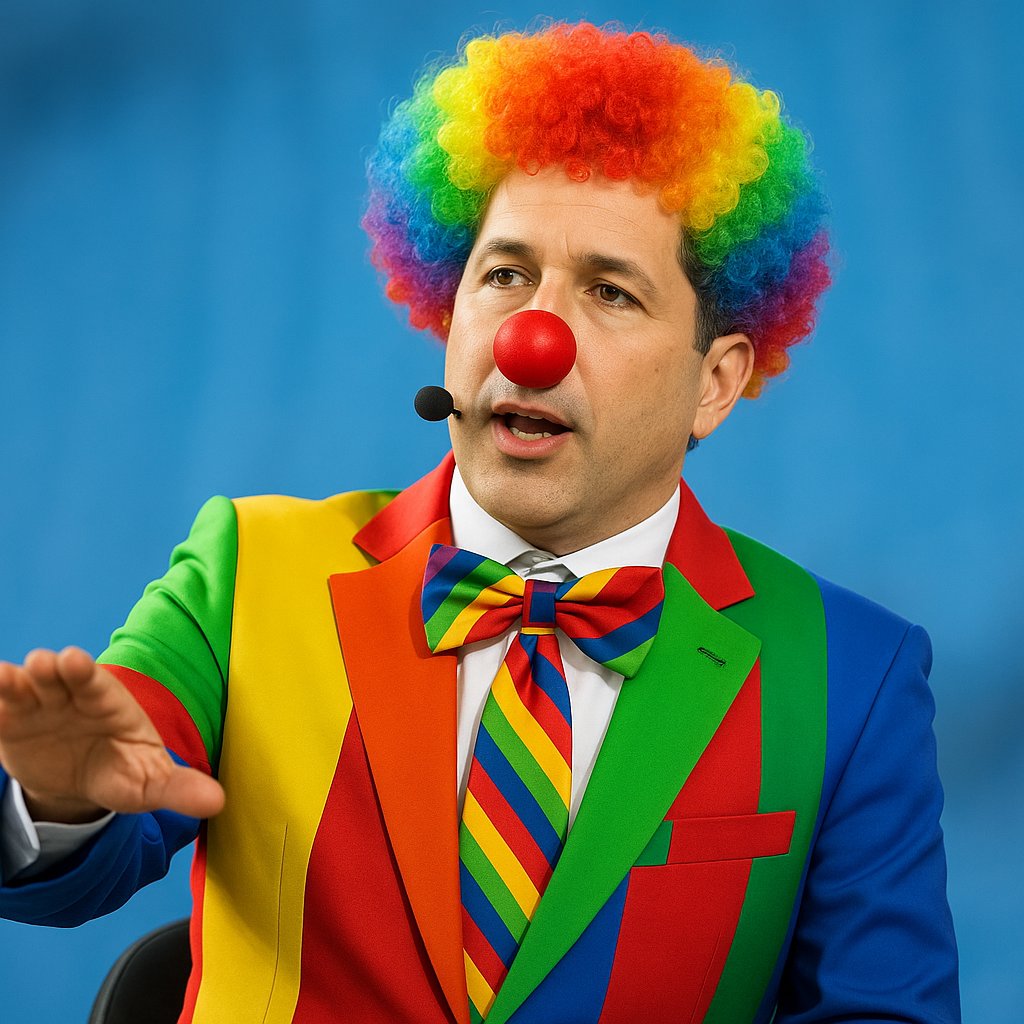
SAD a Senior Analysts can't get a Player Name correct after being an Analyst all these years. We all know you don't like the #Bengals, but have some respect and get the name right!!
People wonder why I call this Guy a 🤡for, one of many reasons why, I do!
#ShowRespect
21 Sep 2025

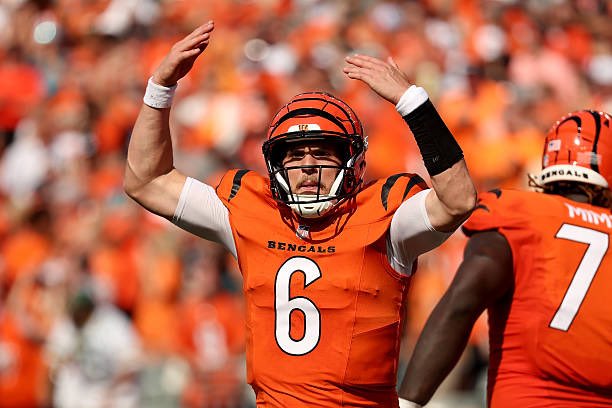
Here are more reasons the Bengals plan to stick with Jack Browning and not trade for another veteran QB. During the seven games that he replaced Joe Burrow in 2023, Browning’s 70.4 percent completion percentage led the NFL. Browning also averaged 267 passing yards per game, sixth best in the NFL. Browning also holds the California high school passing record for passes (11,191), passing yards (16,775) and touchdowns (229), and even threw 91 touchdowns during his season year.
2
126
9 Sep 2025
I know what I like and I like people who take the time to be kind, generous, thoughtful, and respectful...~ #DTN #WhatILike #BeKind #ShowRespect
1
4
88

I never understand the disrespect from some people on occasions like this. The clues in the title… a minute’s silence 🤫 #ShowRespect
1
2
393

What is this post even supposed to mean because today is the beginning of our holy month & you just spat on the floor in church. Why?
#BlackAugust #ShowRespect
4
95
26 Jul 2025
I know what I like and I like people who take the time to be kind, generous, thoughtful, and respectful...~ #DTN #WhatILike #BeKind #ShowRespect
1
2
59

21 Jul 2025
So @Discovery you thought the best show to start #sharkweek with would be one showing people completely disrespecting sharks?? We don’t need more people going out and trying to GRAB or RIDE or DISRESPECT the very animal we strive to protect. Poor choices!! #poorchoices #showrespect
4
86