
There’s something about having SOPs, Processes and simplified workflows that makes your work easier as a founder; and this is not even about having a large team.
14

یہ بہت اچھا قدم اٹھایا ہے آپ لوگوں کی ٹیم نے ،
مقصد کسی کو بےروزگار کرنا یا نقصان پہنچانا نہیں ہونا چاہیے
ان سے صفائی اور معیار کے متعلق SOPs پہ دستخط لیں اور انہیں سمجھائیں کہ ناقص خوراک اور صفائی کا خیال نہ رکھنے والے ریسٹورینٹس بند کئے جائینگے
12


@Craig Shirley 15 retweeted

Govt SOPs for beheading in street
1. Blame far right
2. Force feed a disgusting statement into the tormented relatives throats
3. Prosecute British nationals.
There is not a chance in hell the family of a man - half beheaded by a monster - articulated the bullshit below.

1
1
8


If I had 6 months to go from average AI user to AI operator, this is the path.
Built for one person who wants the output of a ten-person team.
Stage 1: Thinking Before Prompting
Problem decomposition, first-principles framing, defining the output before you write the input, judging good results from bad.
Stage 2: Prompt Architecture
Context engineering, role-task-constraints structure, few-shot examples, structured output, tight iteration loops.
Stage 3: Model Fluency
Claude, ChatGPT, Gemini, Grok, Perplexity. Matching the model to the job, knowing where each one breaks, switching mid-task when it pays.
Stage 4: Standing Systems
System prompts, custom instructions, Projects, reusable context. Moving from one-off prompts to setups that persist.
Stage 5: Knowledge and Memory
Project files, retrieval (RAG), persistent memory, a knowledge base the model pulls from so you stop re-explaining yourself.
Stage 6: Multi-Step Workflows
Chaining prompts, splitting a job into stages, model-to-model handoffs, checkpoints you can inspect between steps.
Stage 7: Automation
n8n, Make, Zapier. Triggers, connecting AI to the tools you already use, pulling yourself out of the repetitive middle.
Stage 8: Agents and Tools
AI agents, tool calling, MCP servers. Giving the model the ability to act on your behalf, not just answer.
Stage 9: Judgment and Quality Control
Verification, catching hallucinations, fact-checking, editing, taste. The human layer that makes the output safe to ship.
Stage 10: Operationalize
SOPs, repeatable systems, delegating the work to AI, scaling output without scaling your hours.
Most people collect prompts and stay stuck.
Operators build systems and stop competing.
LLMs don't think; you do.
(Bookmark this.)
4
9
39
2,796

Join us for CIRSE Journals & SOP Instant Feedback!
🕙 10:00–10:30 | 📍 CIRSE Journals Booth
Have questions about publishing, peer review, or SOPs? Meet our experts: Tiago Bilhim, Rob Morgan, Thomas Helmberger, Patrick Haage, Anthony Ryan, Mark Burgmans, Andreas Mahnken
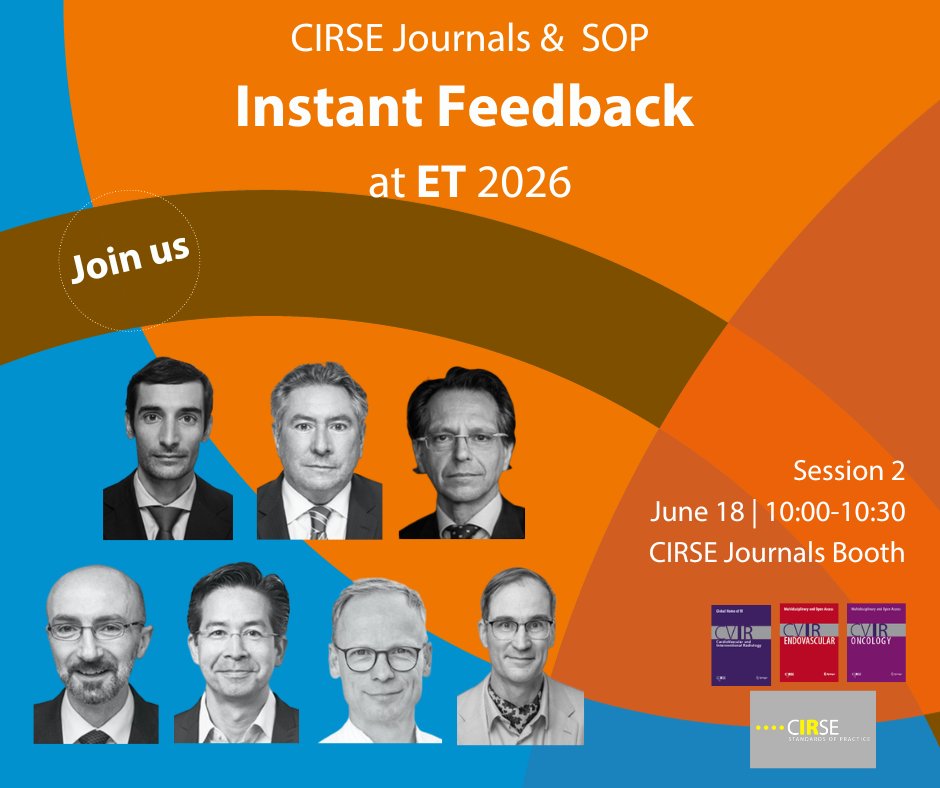
41


Those Westminster sops el al have been believing their own bollox for decades! And worse they draw crowds of air headed guardian readers with ‘em uttering bollox on more uncontrollable bollox.
4
ZZIWA JOSHUA (Bateera) retweeted

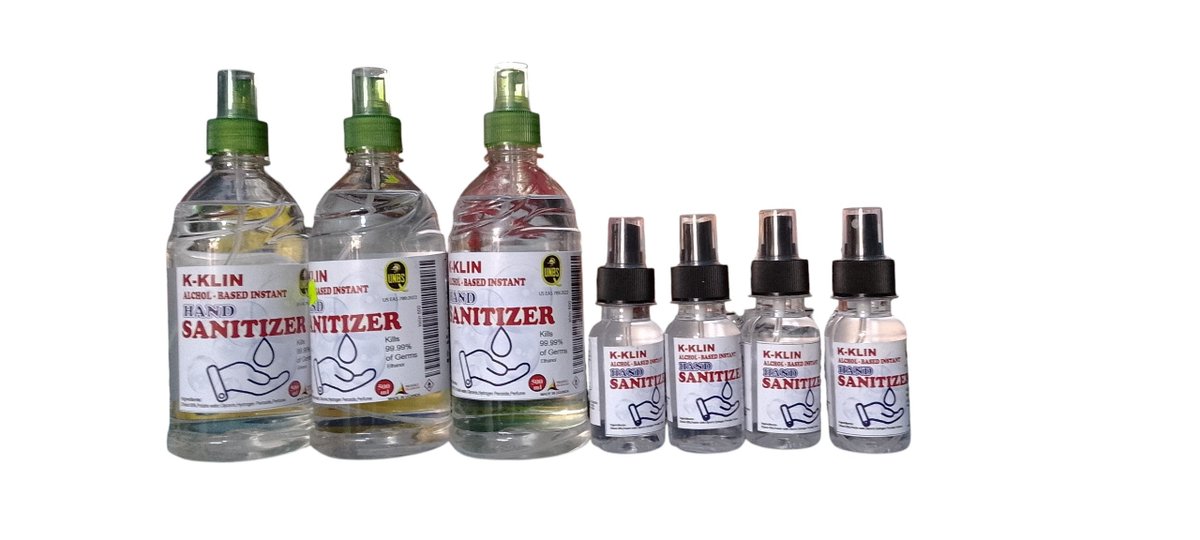
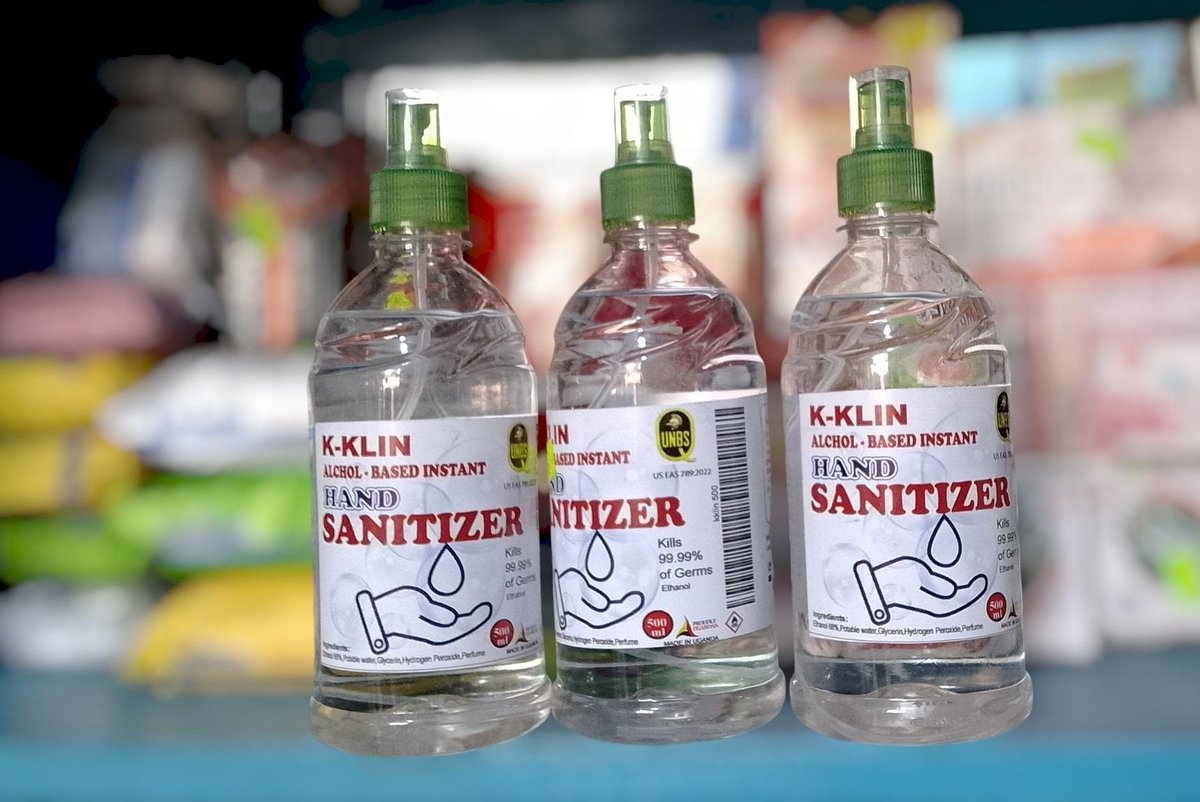
Amidist the #ebola threat in Uganda all our esteemed clients are advised to follow the SOPs by @MinofHealthUG
Keep your hands clean always wash your hand or use #handsanitizer
Available @jolinecosmetics
Keep safe.
Management
1
1
1
17

The article here discusses how a developer documented a database password in a PR description, base64-decoded, on a repo with forty contributors. When flagged, he shrugged: "the value is base64 encoded." That moment captures the core problem with Kubernetes Secrets in one line.
Base64 is encoding, not encryption. Anyone with kubectl access can decode a secret in a single command, and etcd stores it in plaintext by default. The name promises protection it never actually delivers, and many teams have no idea how this works.
Surbhi talks about approaches to help including etcd encryption, Sealed Secrets, External Secrets Operator, Vault, and SOPS. If you're using Kubernetes you should make sure to understand this.
lckhd.eu/82Jf0X
#Kubernetes #secrets #etcd
2
110

6. The AI Workforce Prompt
Prompt:
"Act as an AI operations team. Create systems for content creation, lead generation, customer support, research, and workflow automation. Include tools, SOPs, KPIs, and implementation steps."
1
10

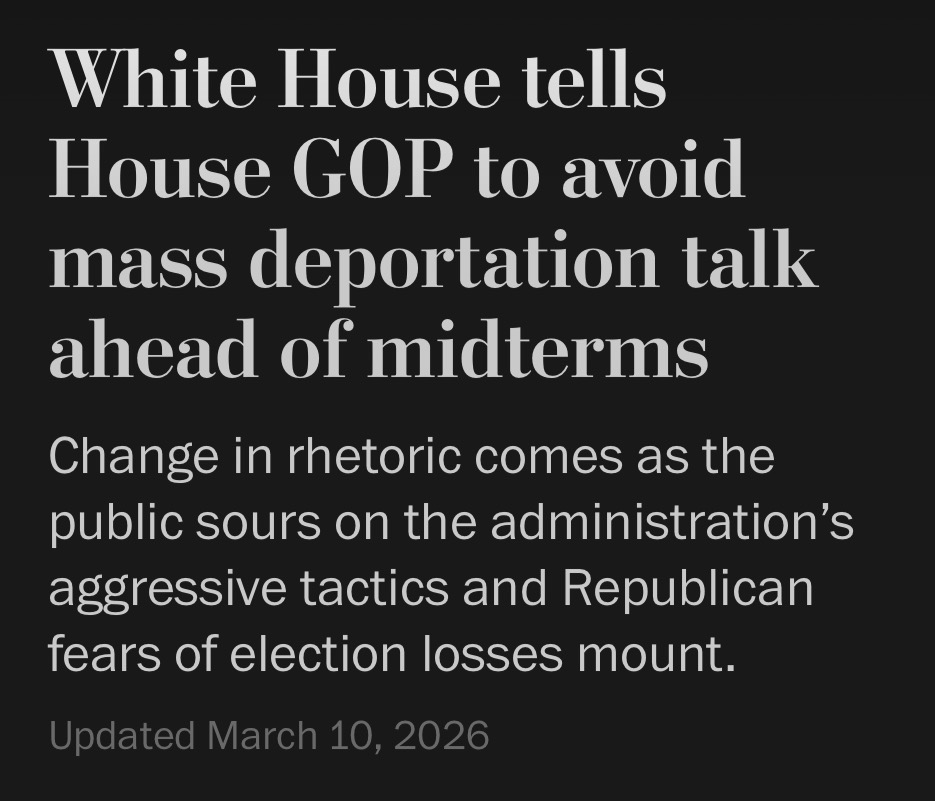
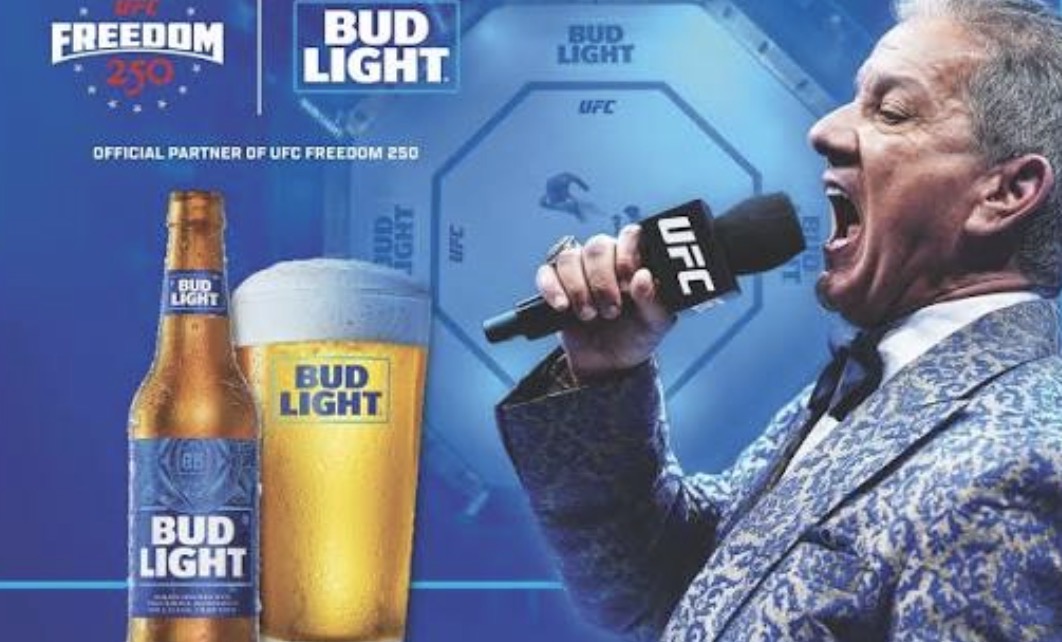
The "opposite of MAGA" is @realDonaldTrump dumping on MAGA, over Epstein, on July 8, 2025...tagging MAGA as ""weaklings...do[ing] the Democrats work...I don't want their support anymore!" And also caving to Frey, Walz and ANTIFA in MN––memory-holing mass-deportations, etc. And you, sir, scolding MAGA over their boycott of @budlight. Bollocks to both of you Epstein/Lutnick/Adelson-class sops...
81

⚠️ 𝗟𝗔𝗦𝗧 𝗖𝗔𝗟𝗟! 𝟲𝟬 𝗠𝗜𝗡𝗦.𝗙𝗥𝗘𝗘 𝗔𝗚𝗘𝗡𝗧𝗜𝗖 𝗢𝗦 𝗕𝗨𝗜𝗟𝗗. 𝗖𝗟𝗢𝗦𝗘𝗦 𝗔𝗧 𝗠𝗜𝗗𝗡𝗜𝗚𝗛𝗧 𝗣𝗔𝗖𝗜𝗙𝗜𝗖. 𝗟𝗜𝗙𝗘𝗧𝗜𝗠𝗘 𝗣𝗥𝗜𝗖𝗘 𝗟𝗢𝗖𝗞. 🚨
🚨 𝗔 𝗬𝗘𝗔𝗥 𝗙𝗥𝗢𝗠 𝗡𝗢𝗪 𝗬𝗢𝗨'𝗥𝗘 𝗘𝗜𝗧𝗛𝗘𝗥 𝗦𝗧𝗜𝗟𝗟 𝗧𝗬𝗣𝗜𝗡𝗚 𝗘𝗩𝗘𝗥𝗬 𝗟𝗢𝗢𝗣 𝗕𝗬 𝗛𝗔𝗡𝗗, 𝗢𝗥 𝗗𝗜𝗥𝗘𝗖𝗧𝗜𝗡𝗚 𝗔 𝗦𝗬𝗦𝗧𝗘𝗠 𝗧𝗛𝗔𝗧 𝗛𝗢𝗟𝗗𝗦 𝗜𝗧. 𝗧𝗢𝗡𝗜𝗚𝗛𝗧 𝗜𝗦 𝗪𝗛𝗘𝗥𝗘 𝗧𝗛𝗔𝗧 𝗦𝗣𝗟𝗜𝗧𝗦. 𝗡𝗢 𝗘𝗫𝗖𝗘𝗣𝗧𝗜𝗢𝗡𝗦. 🚨 → skool.com/ai-profit-lab-7462…
🚨 𝟲𝟬 𝗠𝗜𝗡𝗨𝗧𝗘𝗦. 𝗟𝗔𝗦𝗧 𝗣𝗢𝗦𝗧. 𝗟𝗔𝗦𝗧 𝗖𝗔𝗟𝗟. 𝗡𝗢 𝗘𝗫𝗖𝗘𝗣𝗧𝗜𝗢𝗡𝗦. 🚨 → skool.com/ai-profit-lab-7462…
60 minutes. Last post. Last call.
Picture the two people a year from now.
The first kept holding the loop.
They got faster at prompting, sure, but every task still ran through their hands.
They spent the year busy and not paid, watching the same skills they relied on get cheaper for everyone, because typing is the thing AI commoditizes first.
The second let the OS hold the loop.
They spent the year setting goals and directing a system that planned, executed, checked itself, and adjusted.
Their hours went to judgment and taste and deciding what was worth doing, the assets that got more valuable as the typing got cheaper.
They didn't become less valuable when AI got better. They became more.
The only difference between those two people is one decision, made on a night like tonight.
The founders who claimed a build today are the second person. Their Agentic OS gets wired together by me this week, on top of $112,755 in systems locked at $399 for life.
This is the last post. The free build closes at midnight Pacific. Going annual in the next 60 minutes is the only way to have me build your OS for you.
Set the goal. Let the system hold the loop. 60 minutes.
👉 Go annual lock the free OS build in the next 60 minutes → skool.com/ai-profit-lab-7462…
💎 𝗚𝗢 𝗔𝗡𝗡𝗨𝗔𝗟 𝗧𝗢𝗡𝗜𝗚𝗛𝗧 𝗔𝗡𝗗 𝗟𝗢𝗖𝗞 𝗧𝗛𝗘 𝗙𝗨𝗟𝗟 𝗦𝗧𝗔𝗖𝗞 𝗙𝗢𝗥 𝗟𝗜𝗙𝗘:
✅ Free Custom Agentic OS Build for the first 5 (OpenClaw, Hermes, Claude in one system, built by me)
✅ 115 SOPs, HERMES OS revenue agents, the full prompt library
✅ Complete SOP Playbook (115 Systems) ... $25,000 value
✅ Sales Team SOP ... $15,000 value
✅ Commercial License ... $5,000 value
✅ Custom GPT Collection ... $8,000 value
✅ Private Vlog and Podcast Archive ... $12,000 value
✅ 189 Thumbnails Tweet Library Ad Swipe File ... $25,500 value
✅ SEO Elite Circle (1 year) ... $997 value
✅ $1,000 Agency Credit
✅ 2 Bonus Memberships (partner and VA) ... $798 value
✅ All Future Courses FREE ... $5,000 value
✅ Lifetime Price Lock at $399 ... Priceless
📦 𝗣𝗟𝗨𝗦 𝗘𝗩𝗘𝗥𝗬𝗧𝗛𝗜𝗡𝗚 𝗜𝗡𝗦𝗜𝗗𝗘 𝗧𝗛𝗘 𝗕𝗢𝗔𝗥𝗗𝗥𝗢𝗢𝗠:
✅ OpenClaw Claude Hermes courses
✅ AI Avatar Clone ($600/day proven)
✅ $5K High Ticket Formula
✅ 105 Agency-Level Prompts (every prompt priced for revenue)
✅ 1,000 n8n automations (entire workflow vault)
👉 Daily Q&A with custom video tutorials
👉 5 live coaching calls every week with me
👉 Unlimited support and 3,000 members
👉 30 new trainings per week
👉 $8K monthly giveaways
60 minutes. Final call. No exceptions.
Go annual now and I build your Agentic OS, or join later and build it yourself.
👉 Get in or let it go. 60 minutes to decide → skool.com/ai-profit-lab-7462…
1
1
223

KP witnessed over 380 attacks in 2025; Bannu alone faced 300 in which locally modified and commercially available quadcopters were used. In response, KP Police established Pakistan’s first UAV division and issued SOPs covering safety measures and the use of anti-drone systems

Countering drones
dawn.com/news/2008482?utm_so…
45

And that's exactly why operations matter.
Not because of SOPs.
Not because of dashboards.
Not because some operations people enjoy organizing things.
Operations creates a business that can function without constant founder intervention.
1
⚠️ 𝗖𝗟𝗢𝗦𝗘𝗦 𝗔𝗧 𝗠𝗜𝗗𝗡𝗜𝗚𝗛𝗧 𝗣𝗔𝗖𝗜𝗙𝗜𝗖! 𝗙𝗥𝗘𝗘 𝗔𝗚𝗘𝗡𝗧𝗜𝗖 𝗢𝗦 𝗕𝗨𝗜𝗟𝗗. 𝟮 𝗛𝗢𝗨𝗥𝗦. 𝗧𝗪𝗢 𝗣𝗔𝗧𝗛𝗦. 𝗟𝗜𝗙𝗘𝗧𝗜𝗠𝗘 𝗣𝗥𝗜𝗖𝗘 𝗟𝗢𝗖𝗞. 🚨
→ skool.com/ai-profit-lab-7462…
🚨 𝗣𝗔𝗧𝗛 𝗢𝗡𝗘: 𝗬𝗢𝗨 𝗞𝗘𝗘𝗣 𝗛𝗢𝗟𝗗𝗜𝗡𝗚 𝗧𝗛𝗘 𝗟𝗢𝗢𝗣, 𝗘𝗩𝗘𝗥𝗬 𝗧𝗔𝗦𝗞 𝗧𝗛𝗥𝗢𝗨𝗚𝗛 𝗬𝗢𝗨, 𝗔𝗟𝗟 𝗬𝗘𝗔𝗥. 𝗣𝗔𝗧𝗛 𝗧𝗪𝗢: 𝗧𝗛𝗘 𝗢𝗦 𝗛𝗢𝗟𝗗𝗦 𝗜𝗧, 𝗬𝗢𝗨 𝗗𝗜𝗥𝗘𝗖𝗧, 𝗔𝗡𝗗 𝗬𝗢𝗨𝗥 𝗛𝗢𝗨𝗥𝗦 𝗚𝗢 𝗧𝗢 𝗪𝗛𝗔𝗧 𝗣𝗔𝗬𝗦. 𝗢𝗡𝗘 𝗜𝗦 𝗔 𝗗𝗘𝗖𝗜𝗦𝗜𝗢𝗡. 🚨 → skool.com/ai-profit-lab-7462…
🚨 𝟮 𝗛𝗢𝗨𝗥𝗦. 𝗡𝗢 𝗘𝗫𝗖𝗘𝗣𝗧𝗜𝗢𝗡𝗦. 𝗬𝗢𝗨𝗥 𝗖𝗔𝗟𝗟. 🚨 → skool.com/ai-profit-lab-7462…
Two hours.
Let me put the decision exactly as it stands, because it really is just two paths now.
Path one. You keep holding the loop.
Every task routes through you, every step is a prompt you type, every day is the same manual grind.
The tool gets faster, your day gets fuller, and a year from now you're still doing it by hand, watching the typing get cheaper for everyone around you.
Path two. The OS holds the loop.
You set the goal, the system plans and executes, you direct and judge, and your hours move to the work that actually pays.
Your edge stops being how fast you type and becomes your judgment, which is the one thing that compounds instead of commoditizes.
One of those is a decision. The other is just not deciding, which is also a decision, the slow and expensive kind.
The Founders Deal itself is here tomorrow. What closes at midnight Pacific is the free build, the part where I personally wire that Agentic OS together for you.
Go annual in the next two hours and you walk path two with me building the system for you. Wait, and you get the membership but you build the OS yourself.
If you're not ready for annual tonight, join monthly, test from inside, and upgrade later. Just know the free build won't be waiting.
Two hours to claim the build.
👉 Go annual lock the free OS build → skool.com/ai-profit-lab-7462…
💎 𝗚𝗢 𝗔𝗡𝗡𝗨𝗔𝗟 𝗧𝗢𝗡𝗜𝗚𝗛𝗧 𝗔𝗡𝗗 𝗟𝗢𝗖𝗞 𝗧𝗛𝗘 𝗙𝗨𝗟𝗟 𝗦𝗧𝗔𝗖𝗞 𝗙𝗢𝗥 𝗟𝗜𝗙𝗘:
✅ Free Custom Agentic OS Build for the first 5 (OpenClaw, Hermes, Claude in one system, built by me)
✅ 115 SOPs, HERMES OS revenue agents, the full prompt library
✅ Complete SOP Playbook (115 Systems) ... $25,000 value
✅ Sales Team SOP ... $15,000 value
✅ Commercial License ... $5,000 value
✅ Custom GPT Collection ... $8,000 value
✅ Private Vlog and Podcast Archive ... $12,000 value
✅ 189 Thumbnails Tweet Library Ad Swipe File ... $25,500 value
✅ SEO Elite Circle (1 year) ... $997 value
✅ $1,000 Agency Credit
✅ 2 Bonus Memberships (partner and VA) ... $798 value
✅ All Future Courses FREE ... $5,000 value
✅ Lifetime Price Lock at $399 ... Priceless
📦 𝗣𝗟𝗨𝗦 𝗘𝗩𝗘𝗥𝗬𝗧𝗛𝗜𝗡𝗚 𝗜𝗡𝗦𝗜𝗗𝗘 𝗧𝗛𝗘 𝗕𝗢𝗔𝗥𝗗𝗥𝗢𝗢𝗠:
✅ OpenClaw Claude Hermes courses
✅ AI Avatar Clone ($600/day proven)
✅ $5K High Ticket Formula
✅ 105 Agency-Level Prompts (every prompt priced for revenue)
✅ 1,000 n8n automations (entire workflow vault)
👉 Daily Q&A with custom video tutorials
👉 5 live coaching calls every week with me
👉 Unlimited support and 3,000 members
👉 30 new trainings per week
👉 $8K monthly giveaways
Two hours. Go annual now and I build the OS. Wait and you build it yourself.
👉 Lock the build before midnight Pacific → skool.com/ai-profit-lab-7462…
2
2
248

9. Best Use Cases To Try First
Don’t start big—start simple.
Try one workflow at a time:
Upload competitor research → build a competitor comparison dashboard
Upload YouTube transcripts → build a content idea dashboard
Upload course notes → build a quiz app
Upload customer reviews → build a pain point analyzer
Upload SOPs → build an internal checklist tool
Small workflows work best because you can test, improve, and reuse them easily.
1
1
9