
Apr 17
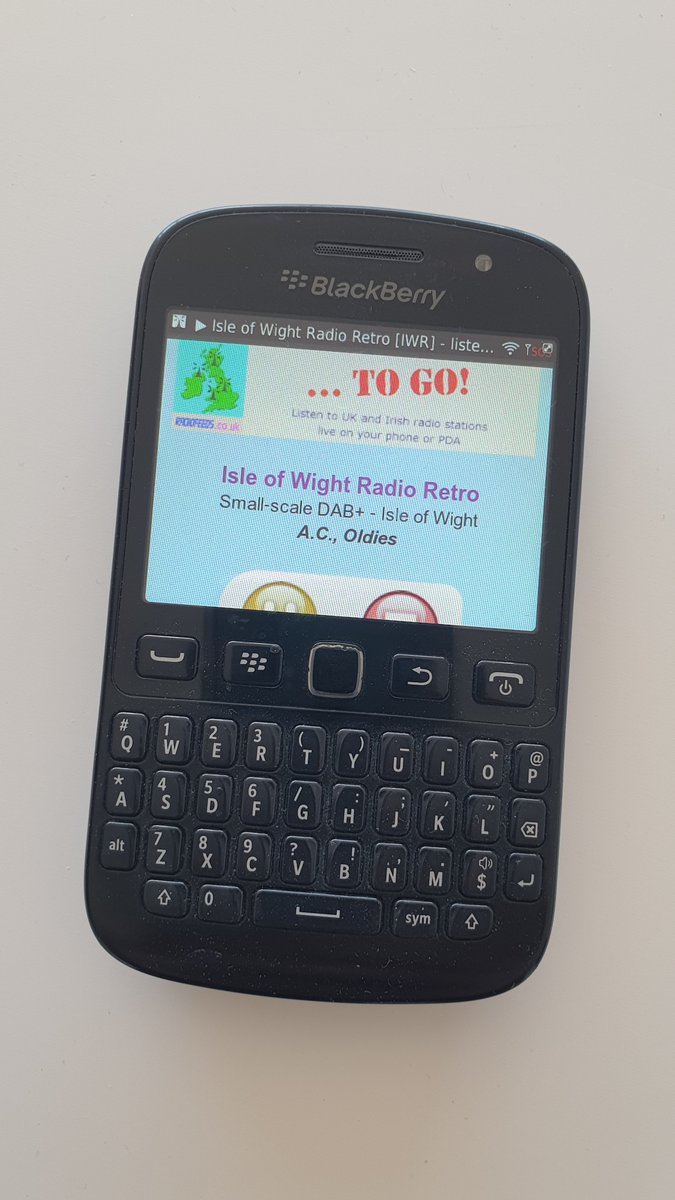
The #IsleOfWight SSDAB mux is expected to launch tomorrow, with @IWightRadio Retro on board. Listen live app-free at lsn.to/IWR
"Alexa, play I.W.R. from RadioFeeds!"
3
154
Mar 26
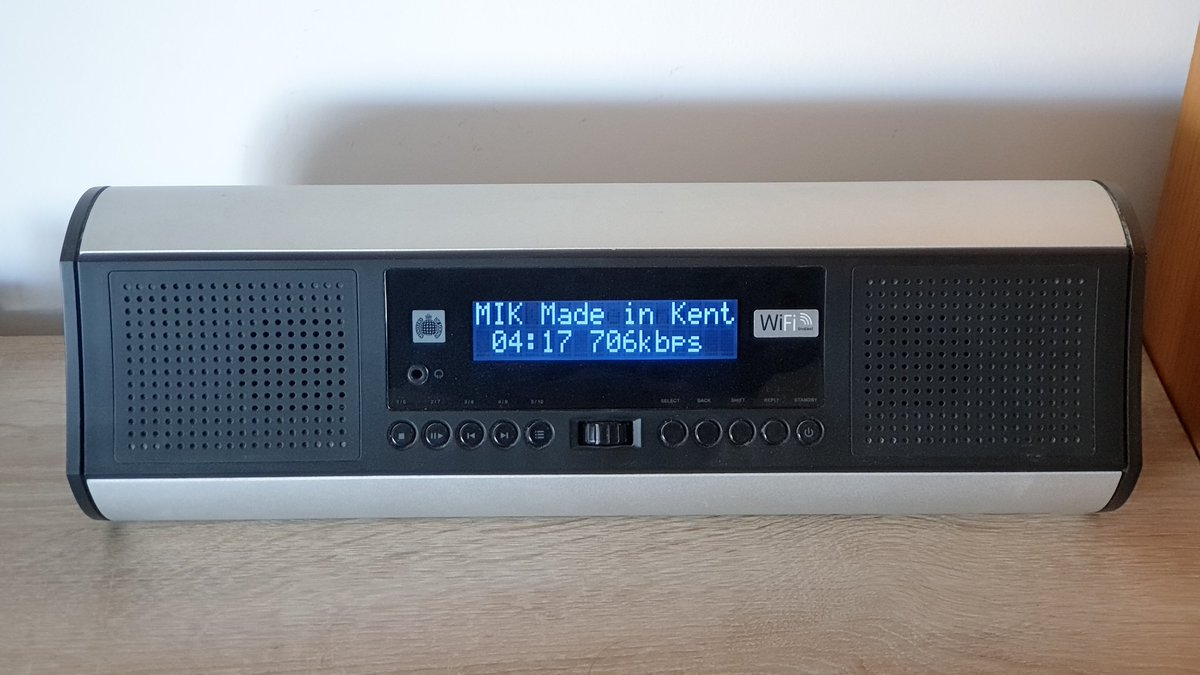
After being rescued by @MaritimeLDN, #MadeInKentRadio is now testing on SSDAB! Listen live app-free at lsn.to/MIK
"Alexa, play M.I.K. from RadioFeeds!"
2
135
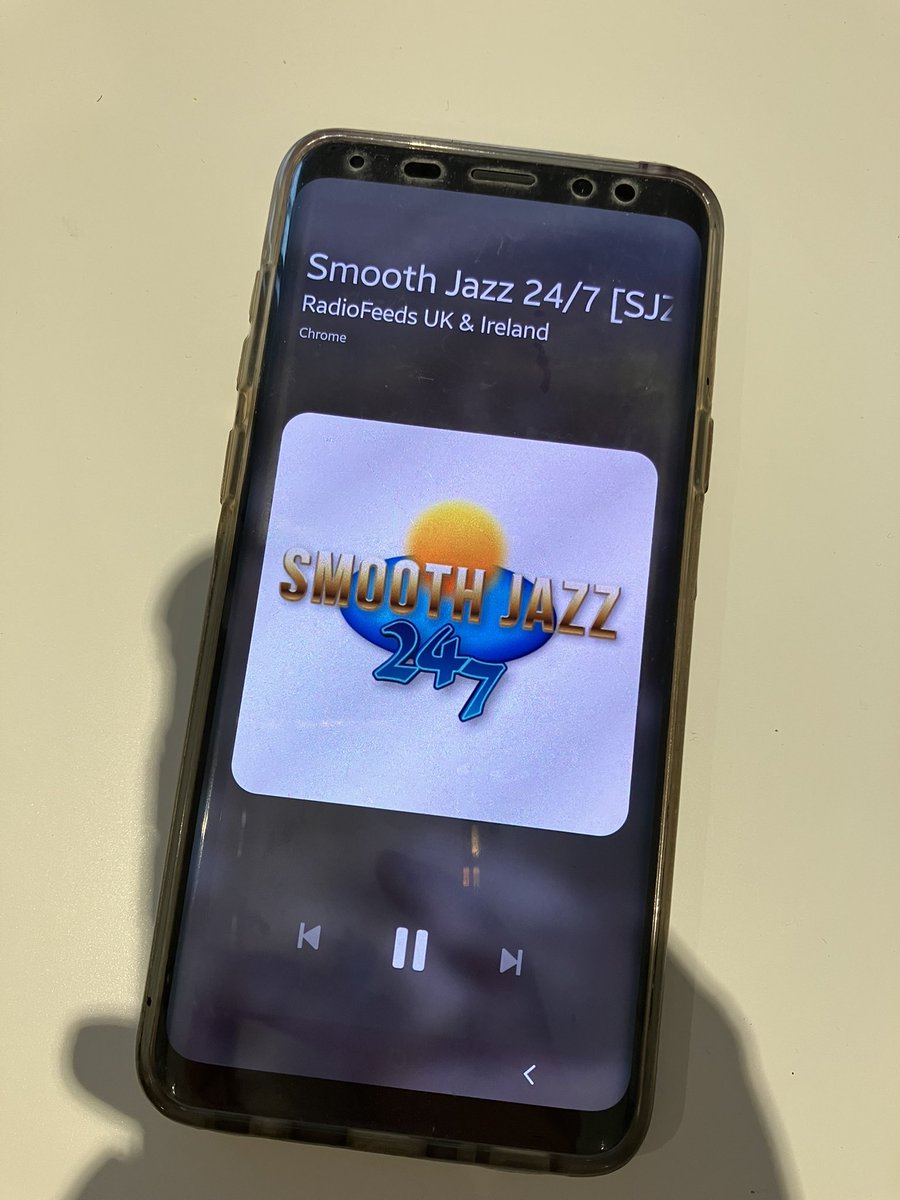
We can barely contain our excitement as the UK's first purely #SmoothJazz station, @SmoothJazz247 goes live on SSDAB in London in a matter of days!
Listen live app-free at lsn.to/SJZ
"Alexa, play S.J.Z. from RadioFeeds!"
3
6
343
Feb 28
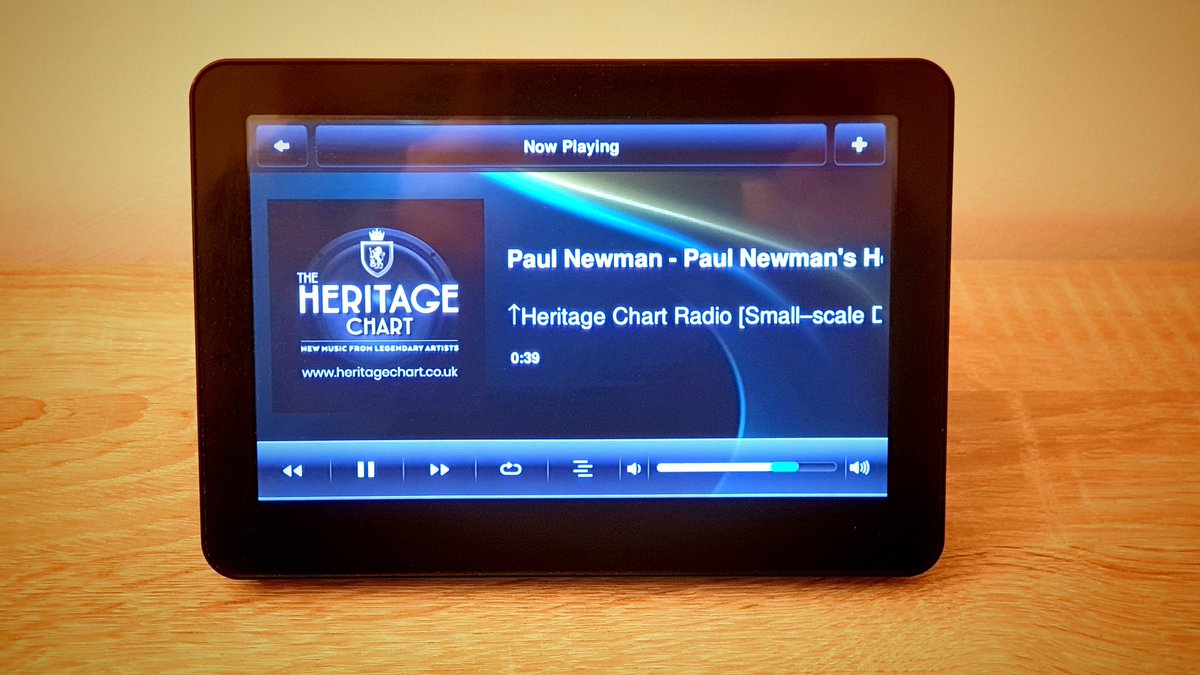
Brighton and Hove will be getting a new radio station this weekend as #HeritageChartRadio from @MikeReadUK launches on SSDAB tomorrow. Listen live app-free at lsn.to/HTC
"Alexa, play H.T.C. from RadioFeeds!"
4
9
703
Feb 18
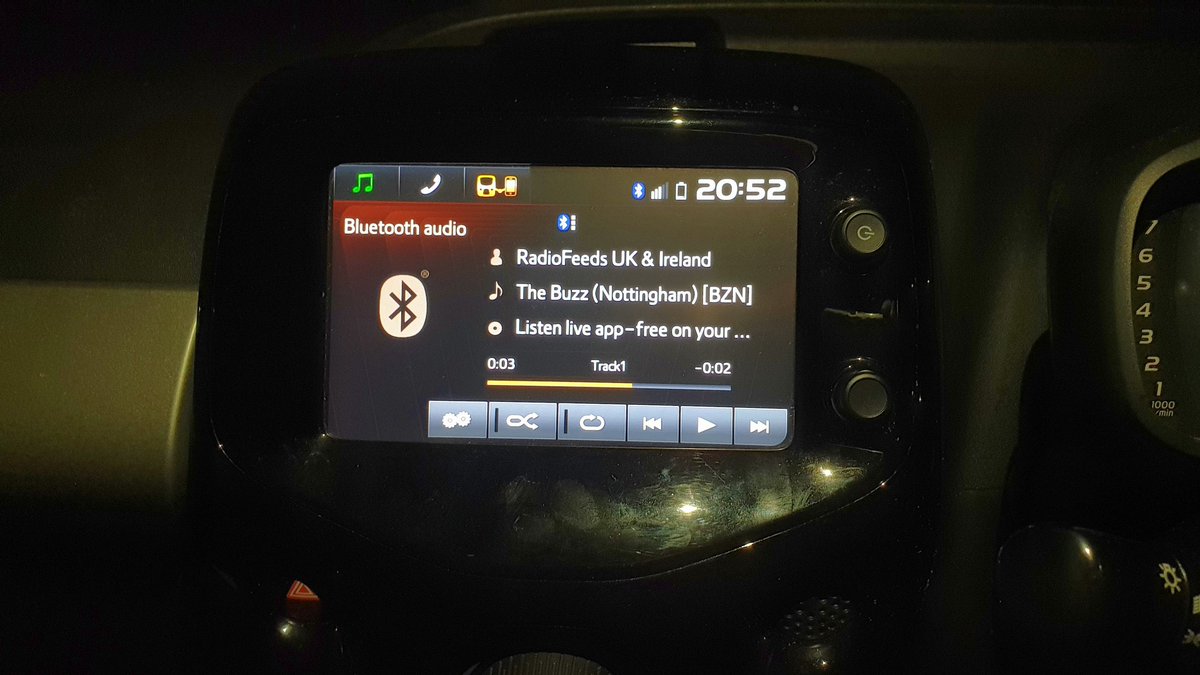
Dance and trance station #TheBuzzNottingham is testing on local SSDAB and has been added to RadioFeeds! Listen live app-free at lsn.to/BZN
"Alexa, play B.Z.N. from RadioFeeds!"
2
149
Feb 13
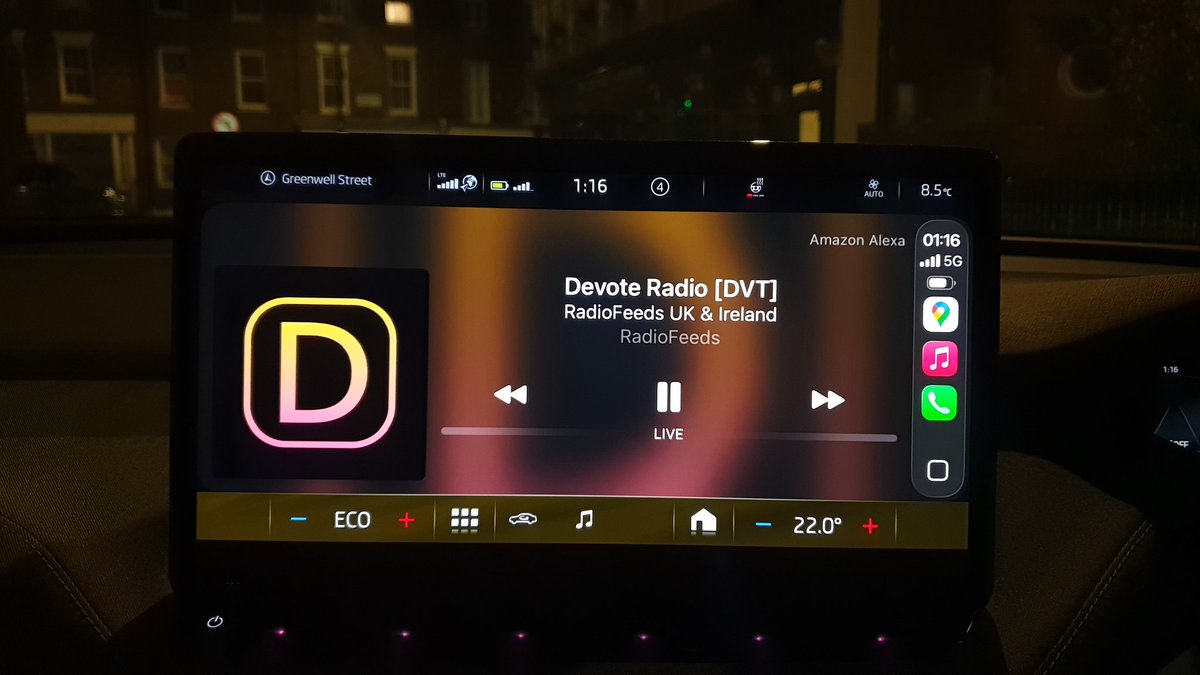
New addition of Top 40 station, #DevoteRadio, now testing on SSDAB in #Walsall! Listen live app-free at lsn.to/DVT
"Alexa, play D.V.T. from RadioFeeds!"
1
2
181

Feb 11
Regulator redraws map for future FM and DAB licences @radiotoday radiotoday.co.uk/2026/02/reg… could this mean the end of the.40% rule for SSDAB
2
5
158
What should media policy really aim to protect: existing providers, or a growing and diverse media economy? A thoughtful discussion on radio, local provision, SSDAB limits and why BBC Charter Renewal needs far wider, more open debate than it’s had so far @BeebRoger @radioriley wp.me/pfzAIZ-3Vm
2
3
389
Jan 26
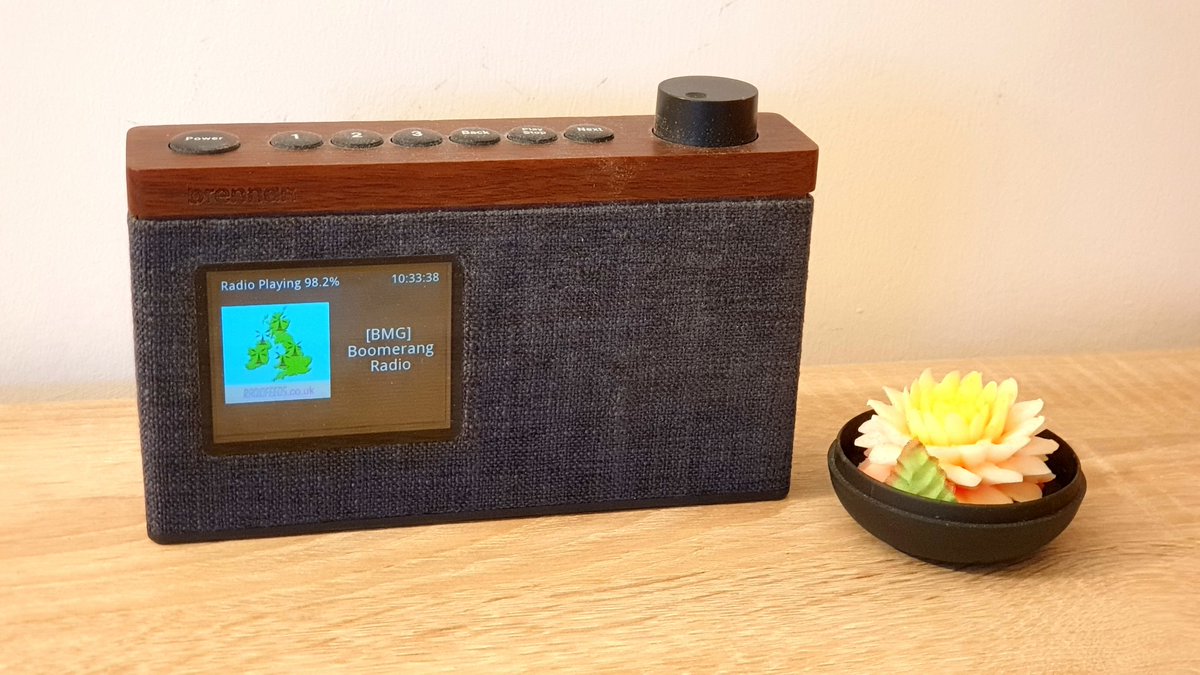
New addition of #BoomerangRadio, "where the hits keep coming back", now on SSDAB in #Peterborough. Listen live app-free at lsn.to/BMG.
"Alexa, play B.M.G. from RadioFeeds!"
1
3
182
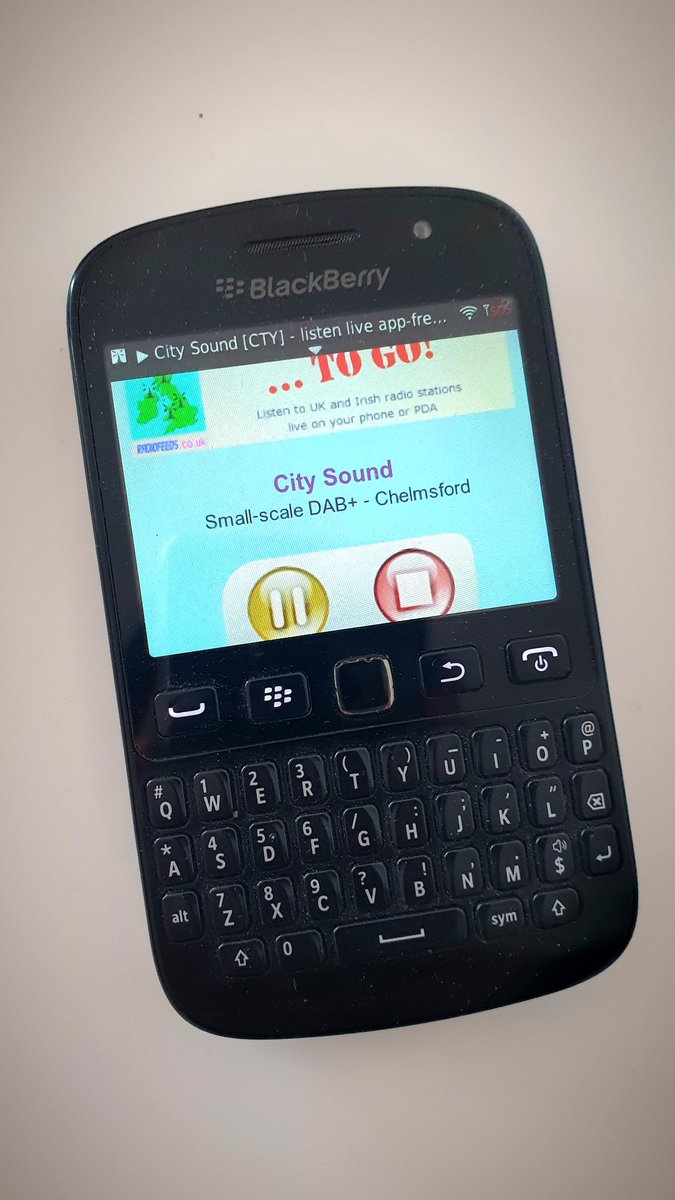
The #Chelmsford #SSDAB mux is now testing, with @CS_chelmsford on board!
Listen live app-free at lsn.to/CTY
"Alexa, play C.T.Y. from RadioFeeds!"
1
2
154
20 Oct 2025
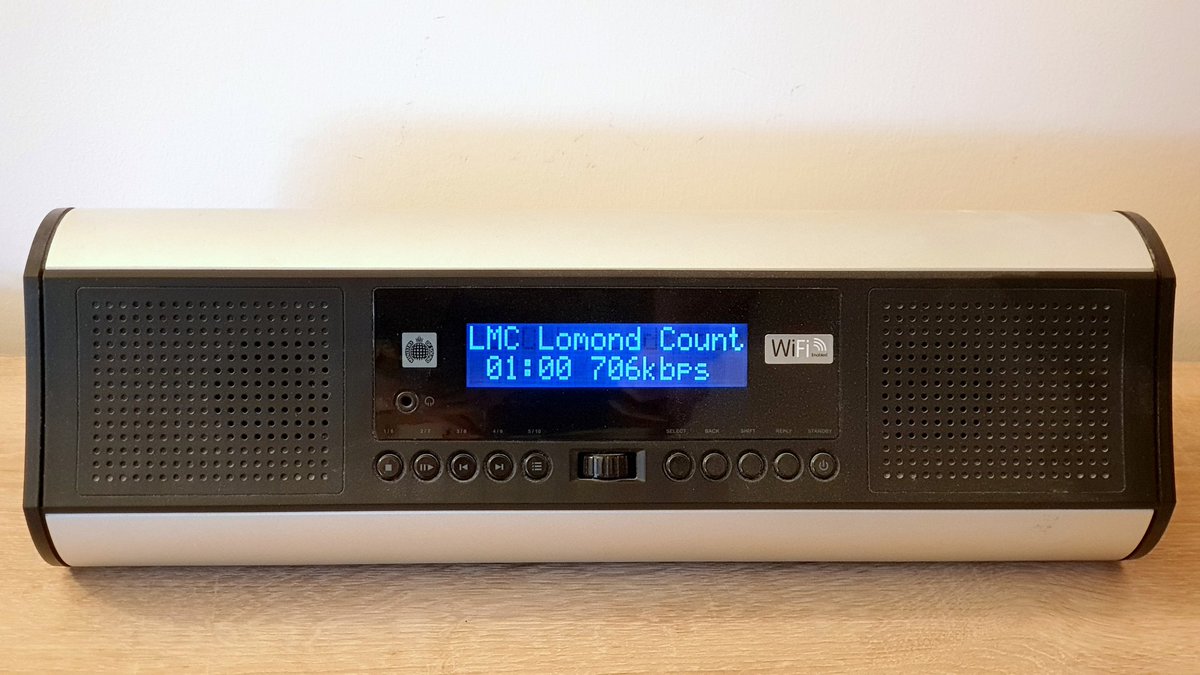
#LomondCountry from @LomondRadio is now testing on SSDAB on the Inverclyde Coast and will be launching on November 1st. Listen live app-free at lsn.to/LMC
"Alexa, play L.M.C. from RadioFeeds!"
2
3
248
15 Aug 2025
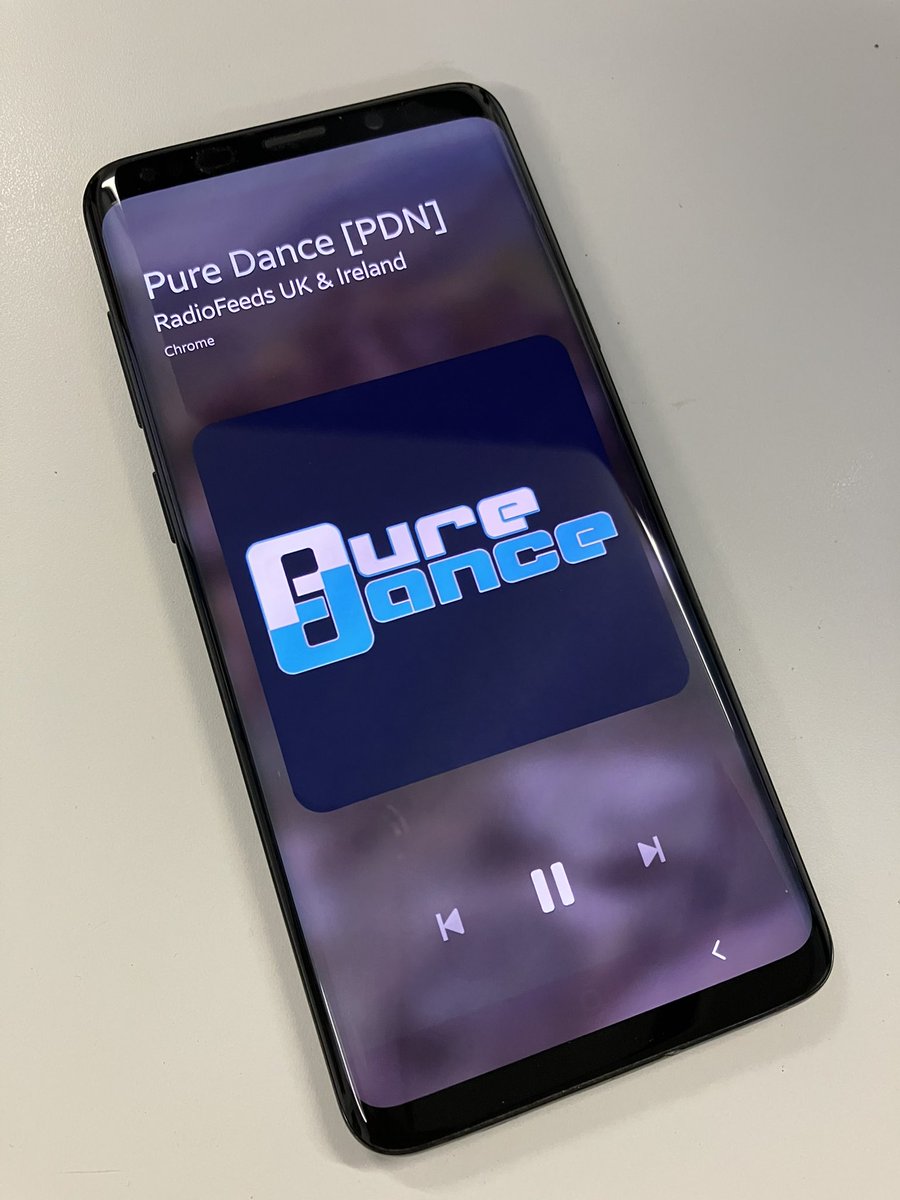
Digital dance station @ThisIsPureDance makes a return to RadioFeeds as they make their debut on DAB, with the switch-on of Loughborough SSDAB. Listen live app-free at lsn.to/PDN
"Alexa, play P.D.N. from RadioFeeds!"
2
212
14 Aug 2025
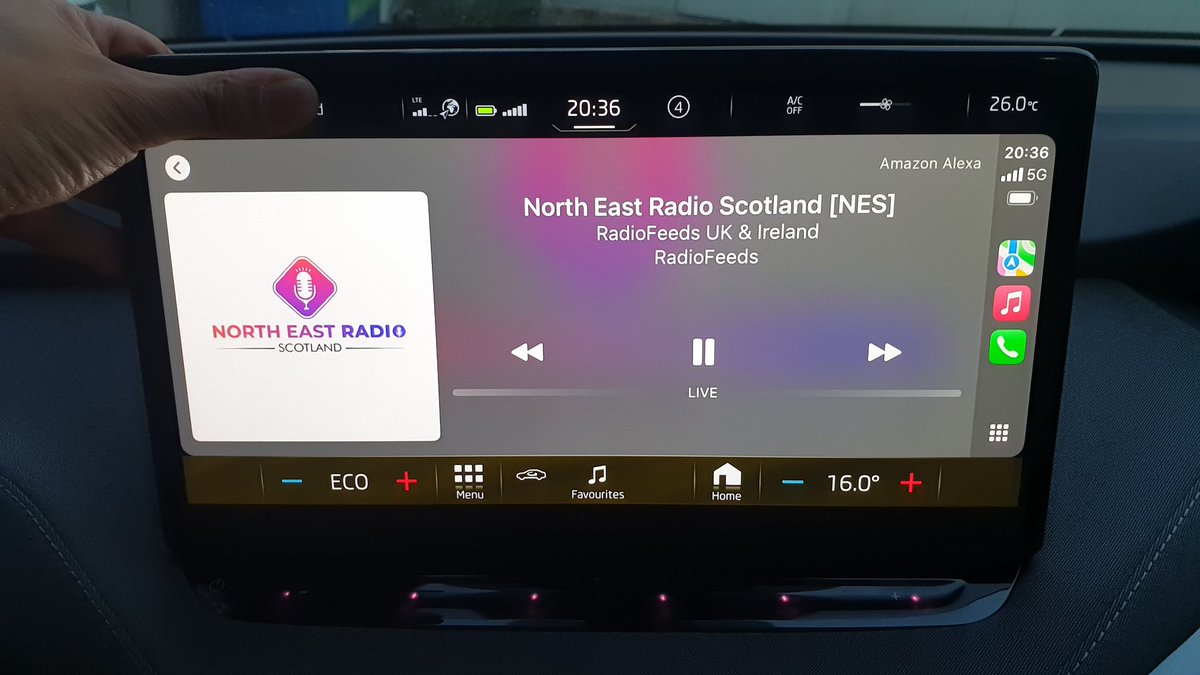
#NorthEastRadioScotland is expected to launch on Aberdeen SSDAB tomorrow and has been added to RadioFeeds! Listen live app-free at lsn.to/NES
"Alexa, play N.E.S. from RadioFeeds!"
2
4
249
10 Jul 2025
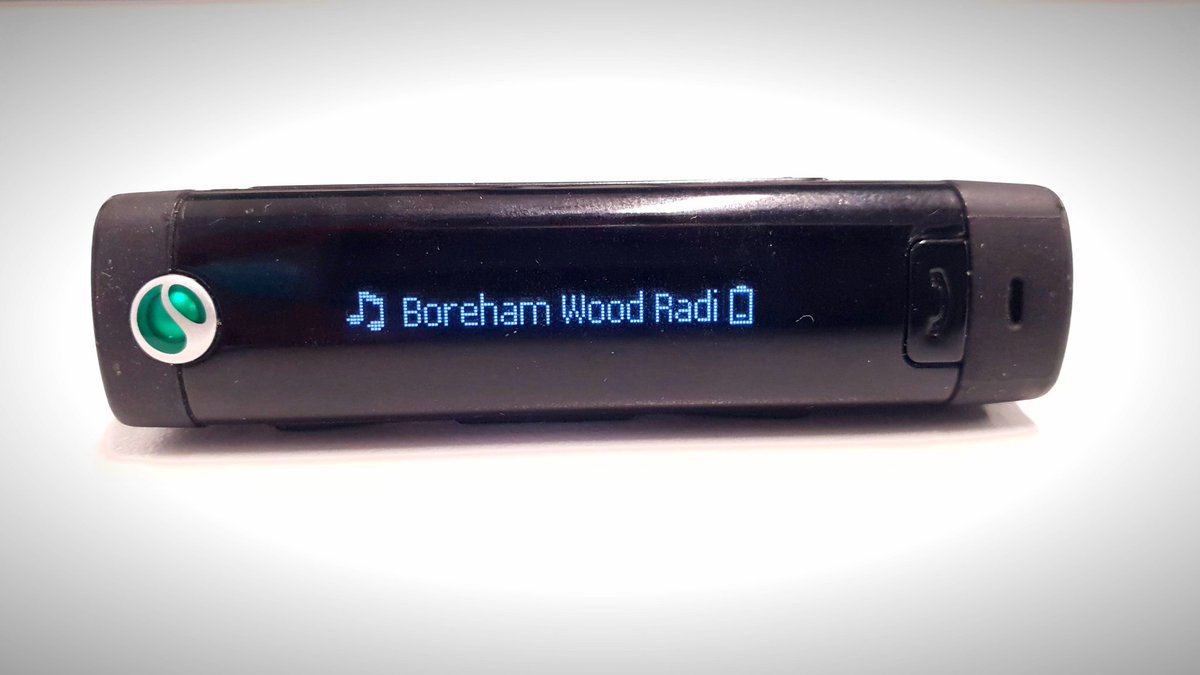
New addition of #BorehamWoodRadio, who are now testing on SSDAB in South Herts. Listen live app-free at lsn.to/BWD
"Alexa, play B.W.D. from RadioFeeds!"
#CommunityRadio #Borehamwood #Elstree
2
204
9 Jul 2025
A new station for @Exe_DAB as @SidValleyRadio begins broadcasting on SSDAB in Exeter! Listen app-free at lsn.to/SVL
"Alexa, play S.V.L. from RadioFeeds!"
2
158

7 Apr 2025
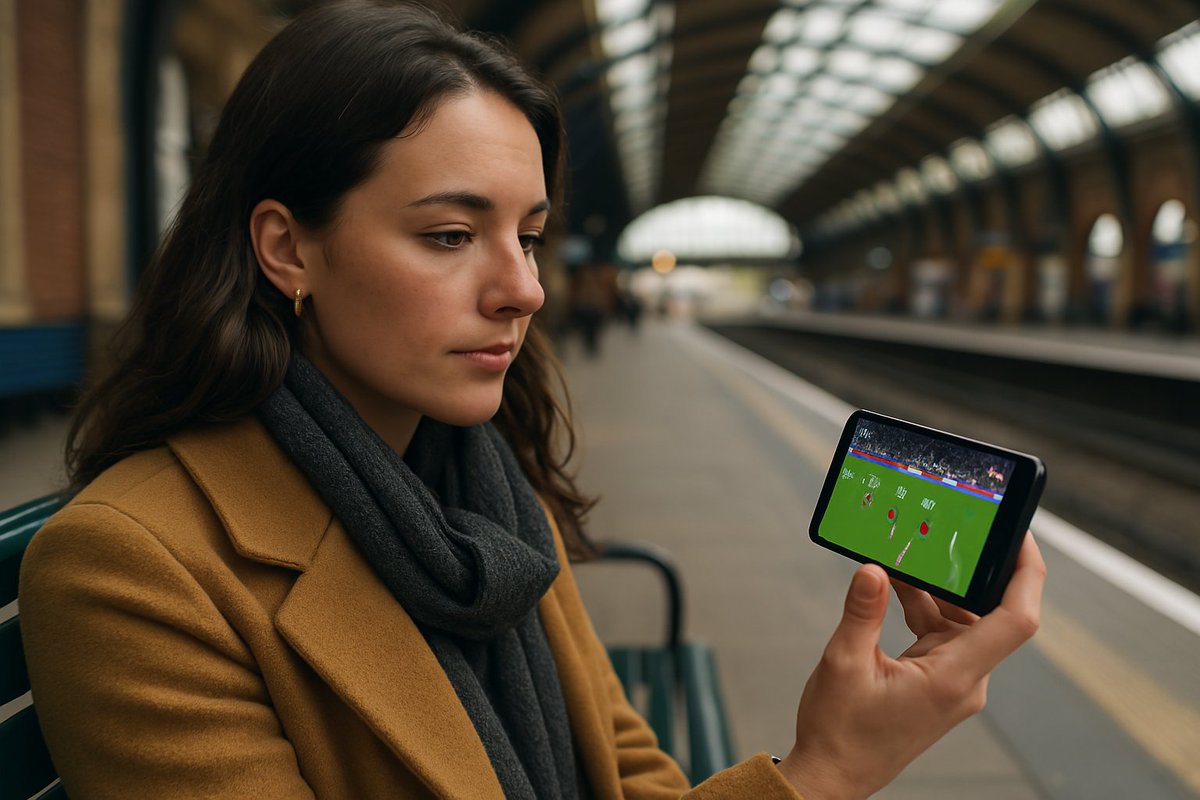
What if digital radio didn’t need an app, a data plan, or a subscription? What if live broadcasts could reach smartphones directly, in real time, without eating into your monthly data or depending on Wi-Fi signal strength? And what if these capabilities weren’t just possible, but already being tested in countries across Europe, with a view to supporting public services, local information, emergency alerts, and even live entertainment?
This is the proposition behind 5G Broadcast—a rethinking of how broadcast media might be delivered using emerging mobile network technologies. It isn’t just another version of 5G mobile data. It’s an entirely different system, designed for one-way transmissions that can be received by anyone within range of a transmitter, regardless of their phone contract or internet access.
So what might this mean for the way we think about community radio, public service broadcasting, or local storytelling in the UK? Could this technology open up new ways for small-scale broadcasters to connect with mobile listeners, especially in places where DAB coverage is limited, or internet access is inconsistent? Could it enable civic or emergency alerts that cut through noise and delay to reach people directly and instantly?
As more of our media experience moves onto personal and mobile devices, is it time to consider how we make radio and TV available to people who don’t always have data or streaming options? Is there a case for ensuring universal access to vital content—news, information, cultural events—without building more paywalls or requiring more digital literacy to find and use the right app?
How does this model of direct broadcast delivery relate to the UK’s existing infrastructure for digital audio broadcasting and terrestrial television? Might it eventually supplement or compete with DAB and Freeview? Or could it sit alongside them, quietly extending their reach to mobile users without demanding parallel investment in traditional platforms?
If public service broadcasters began using this system, would it remain open to independent and community media providers? What would it take to ensure that local voices, experimental content, and civic uses of media aren’t priced out or technically excluded? Could community-led networks manage small-scale transmitters in a localised model, similar to SSDAB multiplexes? Would public funding and regulatory oversight be needed to make this feasible?
And what would device access look like in practice? At present, most smartphones don’t support 5G Broadcast reception, so will manufacturers include it by default, or will adoption be limited to specific countries and use cases? If the technology becomes standard in vehicles, could it become a way to deliver radio more reliably to drivers without relying on mobile data?
What kind of partnerships, advocacy or research is needed to ensure that the conversation around this technology includes public, civic and local perspectives? Is there an opportunity for local authorities, universities, or community networks to play a leading role in piloting this model, not just as a technical upgrade but as a form of media access and inclusion?
If the UK is serious about supporting digital public infrastructure and closing communication divides, should we be looking at 5G Broadcast as part of that picture? What would it take to ensure that this isn’t just a new tool for commercial efficiency, but a platform for democratic engagement, cultural expression, and social cohesion?
And if we don’t ask these questions now, who will shape the future of broadcasting in mobile-first media environments—and on whose terms?
#CommunityMedia #5GBroadcast #DigitalInclusion #LocalRadio #PublicServiceMedia #MediaFutures
1
1
3
117
2 Apr 2025
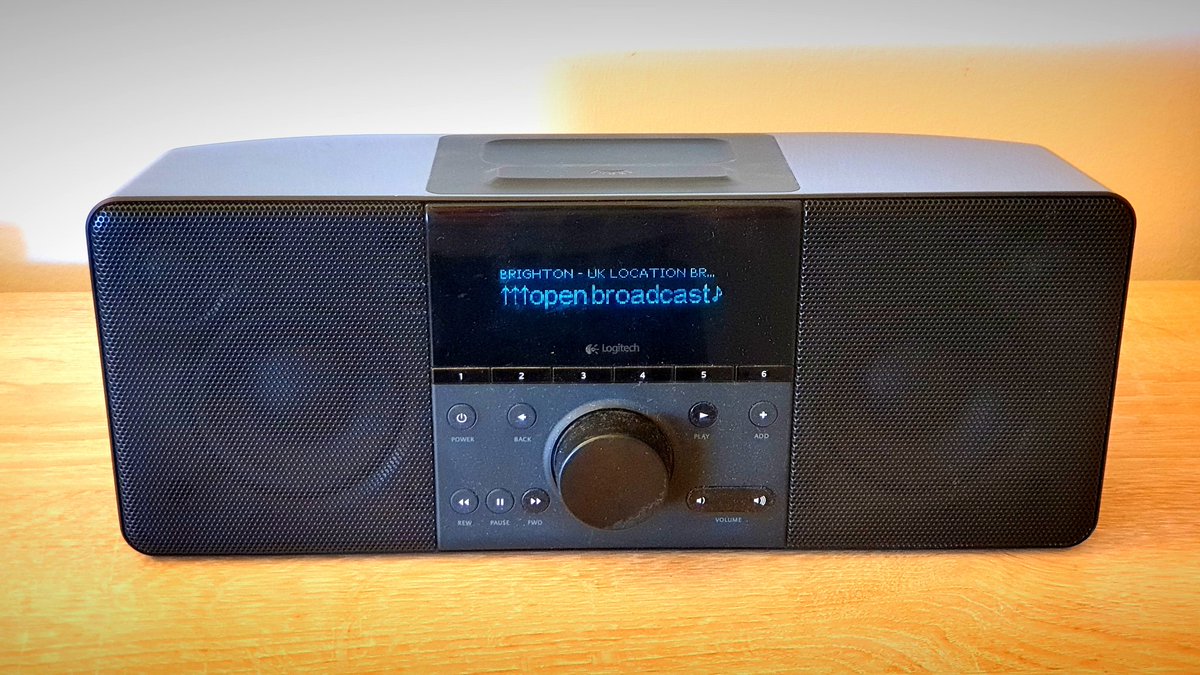
Fans of the eclectic music mix found on @FIPRadio in France will enjoy #OpenBroadcast, now on SSDAB in Brighton and available online in many different formats and qualities, including Ogg FLAC.
Listen live app-free at lsn.to/OBC
"Alexa, play O.B.C. from RadioFeeds!"
2
3
374
4 Mar 2025
Another former pirate radio station is now legal on DAB. Essex-based @CyndicutRadio has been added to the SSDAB station lineup in Southend! Listen live app-free at lsn.to/CYN
"Alexa, play C.Y.N. from RadioFeeds!"
1
2
194
26 Feb 2025
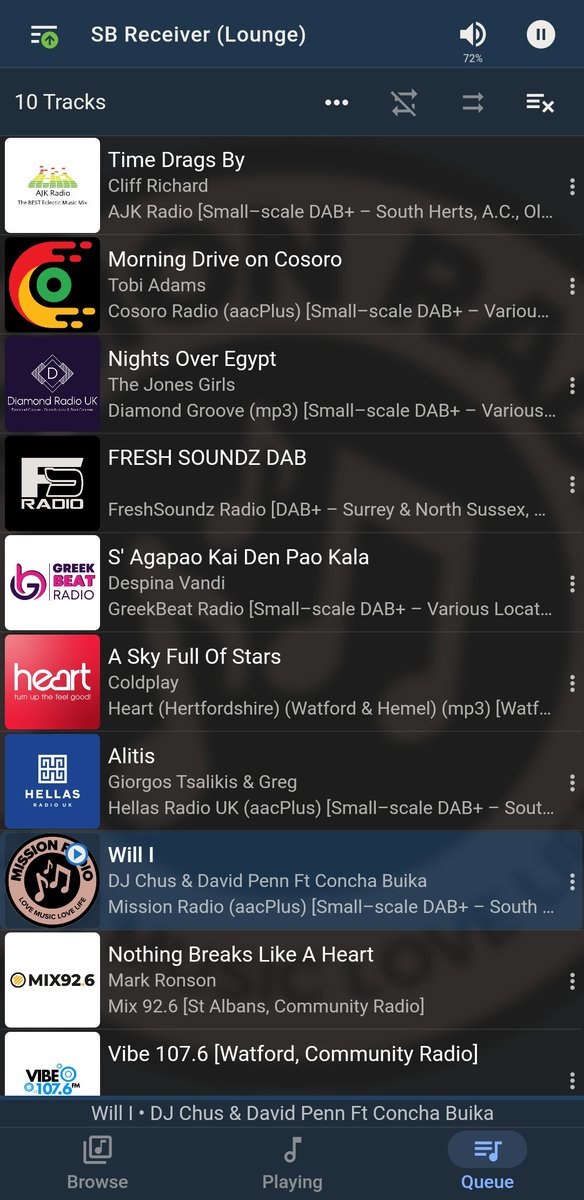
Dance and electronic station, @MissionRadio906, is joining the lineup of stations on the South Herts SSDAB mux from this Friday!
Listen live app-free at lsn.to/MIS
"Alexa, play M.I.S. from RadioFeeds!"
1
3
181
24 Feb 2025
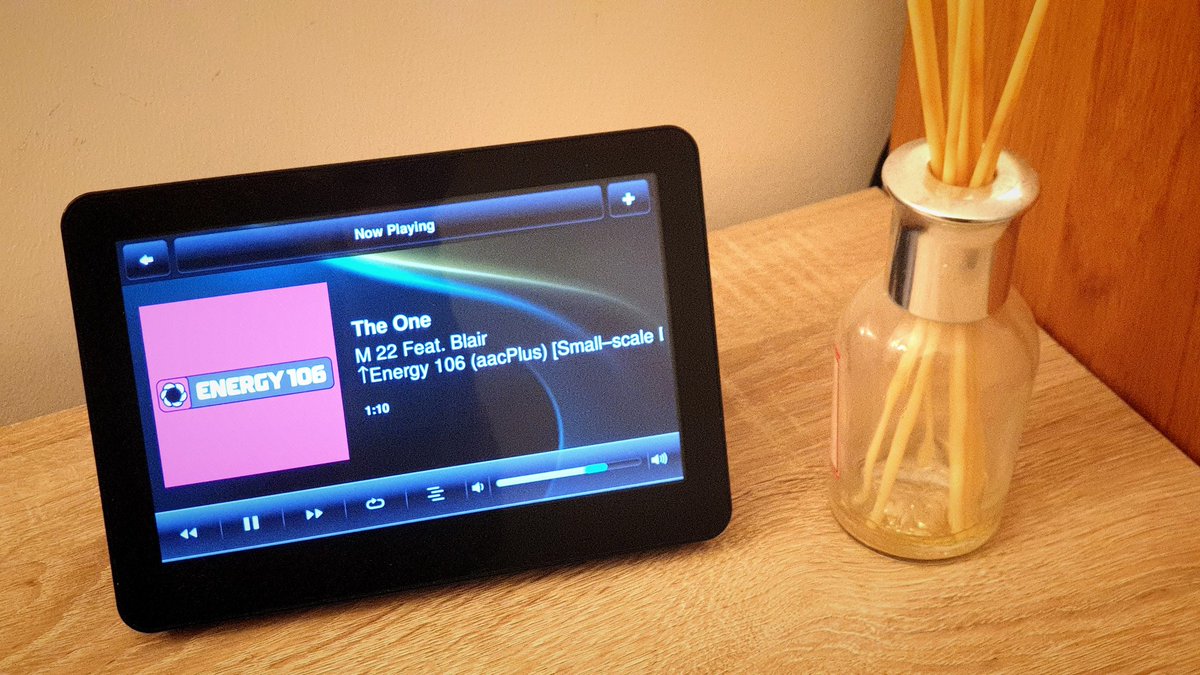
New dance station for Northern Ireland, Energy 106, begins testing from tomorrow on SSDAB in Belfast and Newry, with a full launch in May. Listen live app-free from tomorrow at lsn.to/EGY.
"Alexa, play E.G.Y. from RadioFeeds!"
2
4
294