
Jun 9
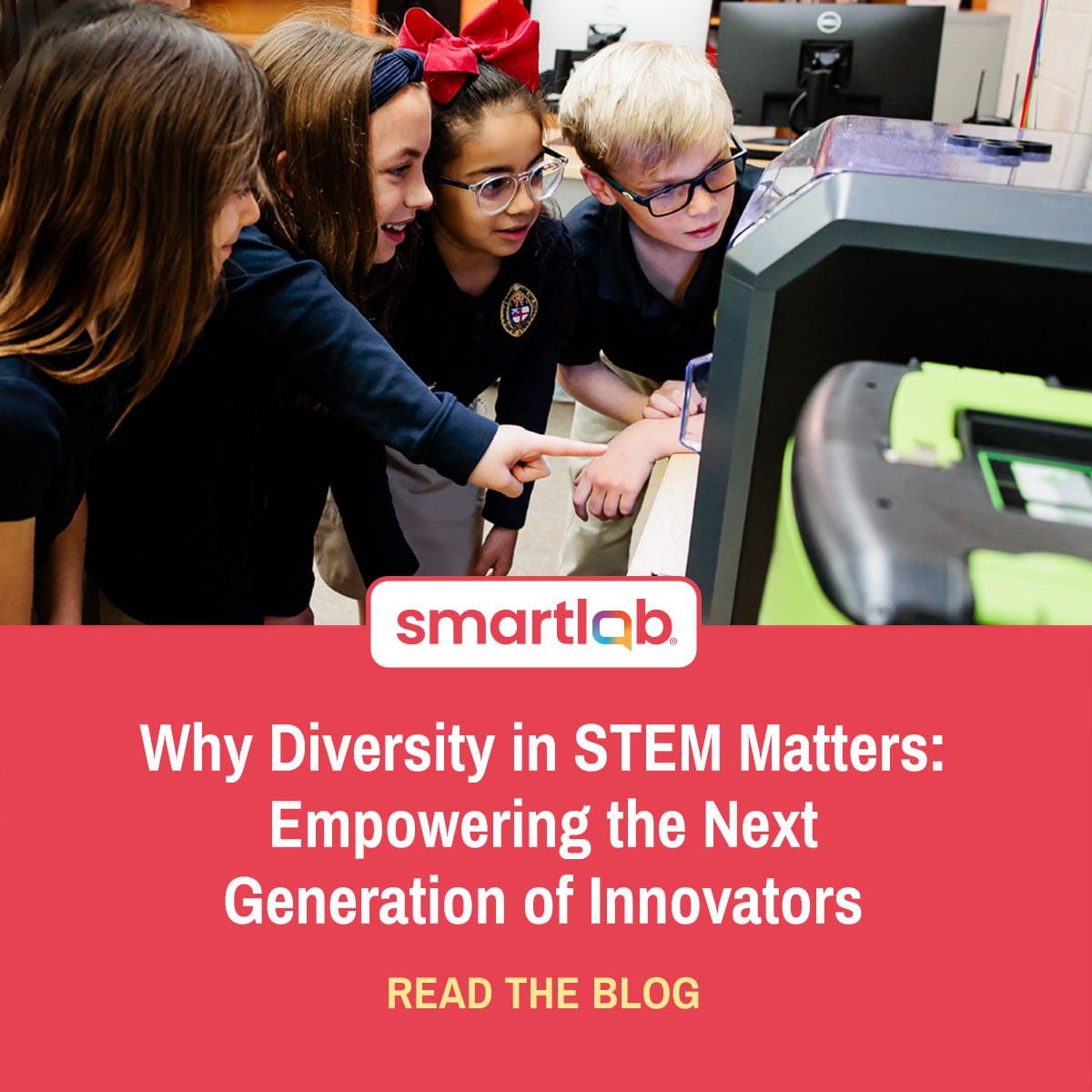
Innovation thrives when diverse perspectives come together to solve complex challenges. hubs.la/Q04kMbVC0 Yet today, the STEM workforce still does not fully reflect the communities it serves. Expanding diversity in STEM is not just about representation. It is about unlocking creativity, strengthening problem-solving, and ensuring the next generation of innovators can shape solutions for a rapidly changing world.
Inclusive STEM learning environments play a critical role in this work. When students see role models who reflect their identities, engage in meaningful hands-on experiences, and feel a true sense of belonging, they are more likely to build confidence and persist in STEM pathways. Creating these opportunities early helps empower students from all backgrounds to see themselves as scientists, engineers, technologists, and innovators.
Explore how educators, communities, and industry leaders can help expand opportunity and strengthen diversity in STEM.
Read the blog: hubs.la/Q04kMbVC0
#STEMEducation #DiversityInSTEM #EquityInEducation #FutureReady #STEMLearning #InclusiveEducation #STEMWorkforce #EducationLeadership
4

Apr 10
ACC’s Dr. Kimberly Wise White engaged with leaders in Atlanta for the @BlackLegislator 2026 HBCU Caucus Summit, highlighting how HBCUs are advancing workforce development, driving innovation, and preparing the next generation of American talent.
#HBCUs #STEMWorkforce
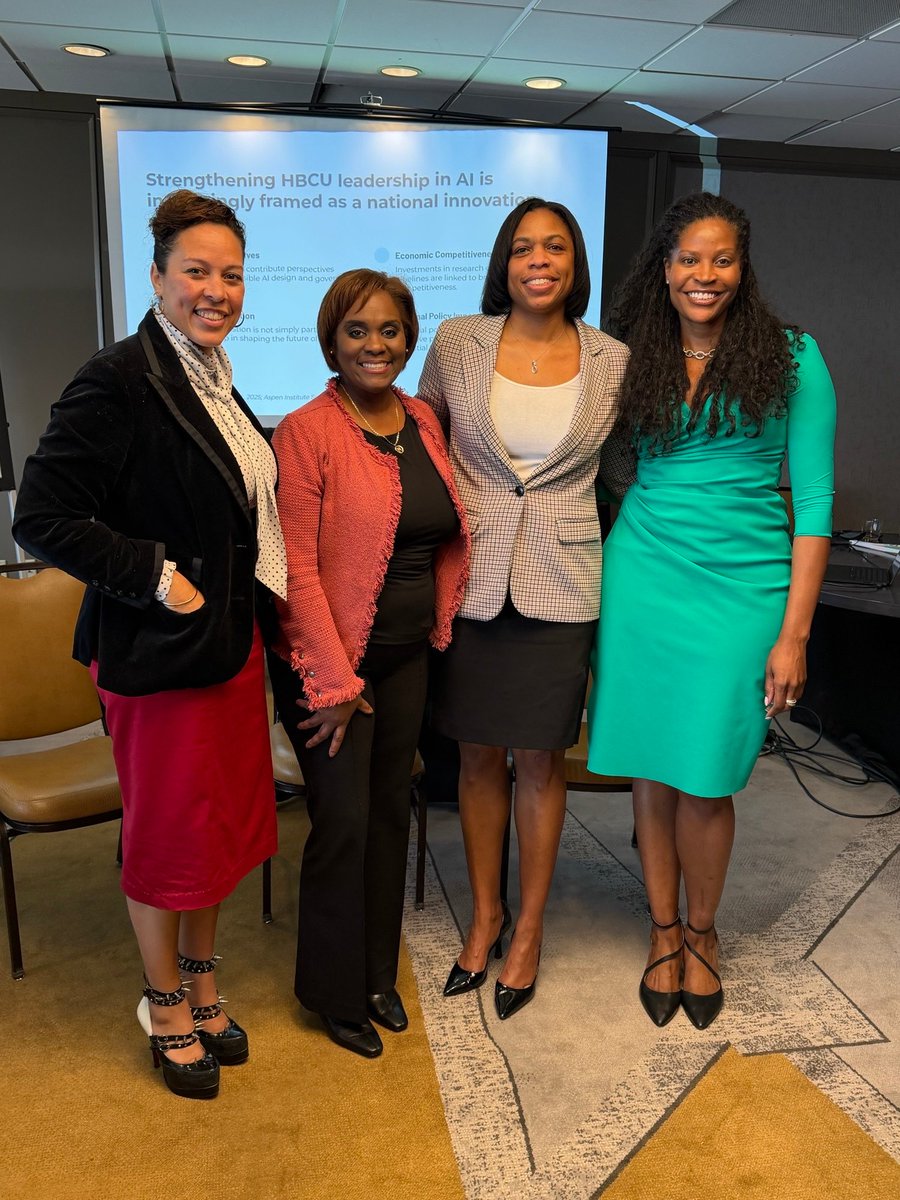
ALT Dr. Erin Lynch (Quality Education for Minorities Network), Dr. Nicol Turner Lee (Brookings Institution), Dr. Kimberly Wise White (American Chemistry Council), and Dr. Jylana L. Sheats (Aspen Institute)
4
293

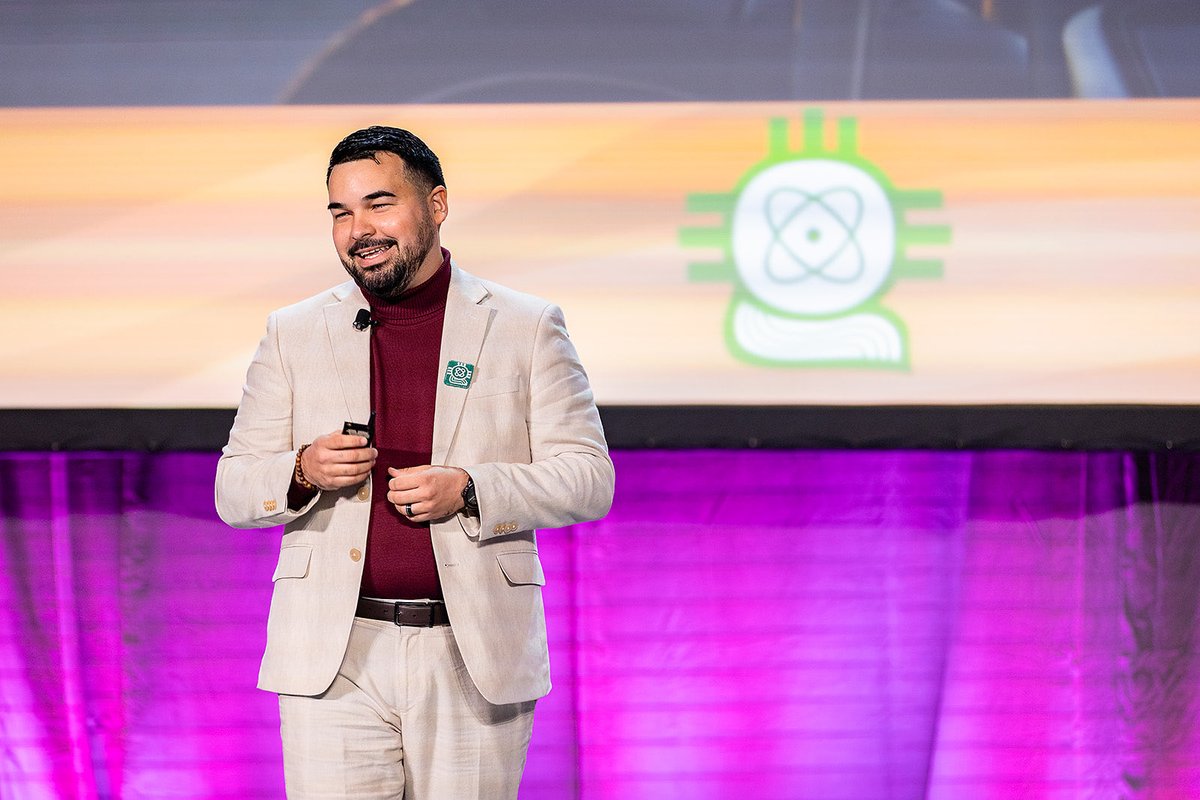
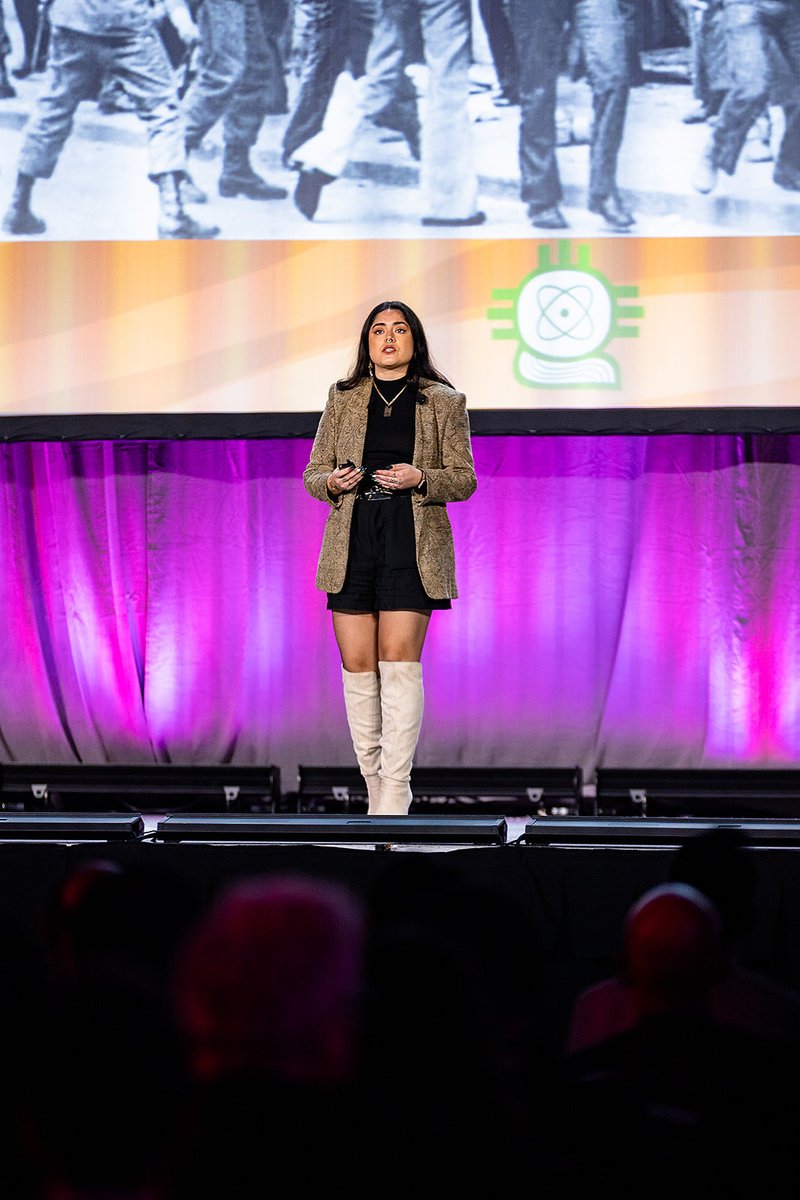
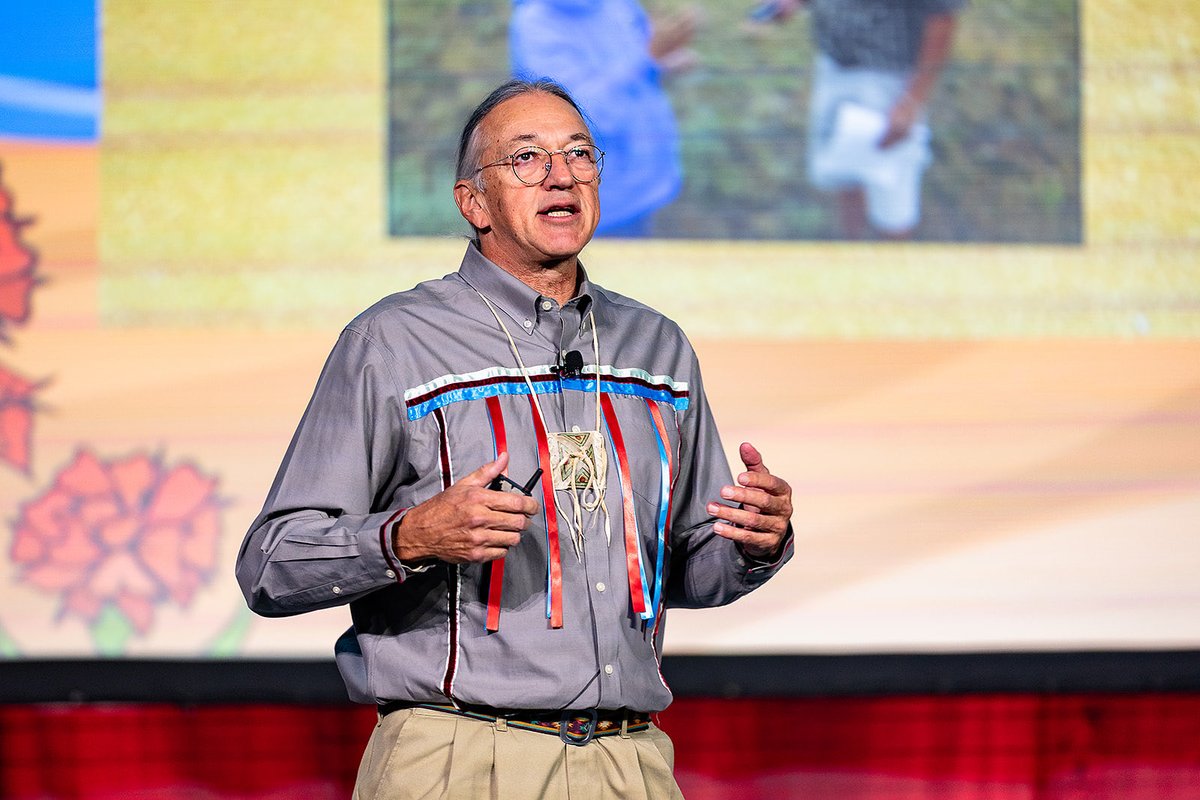
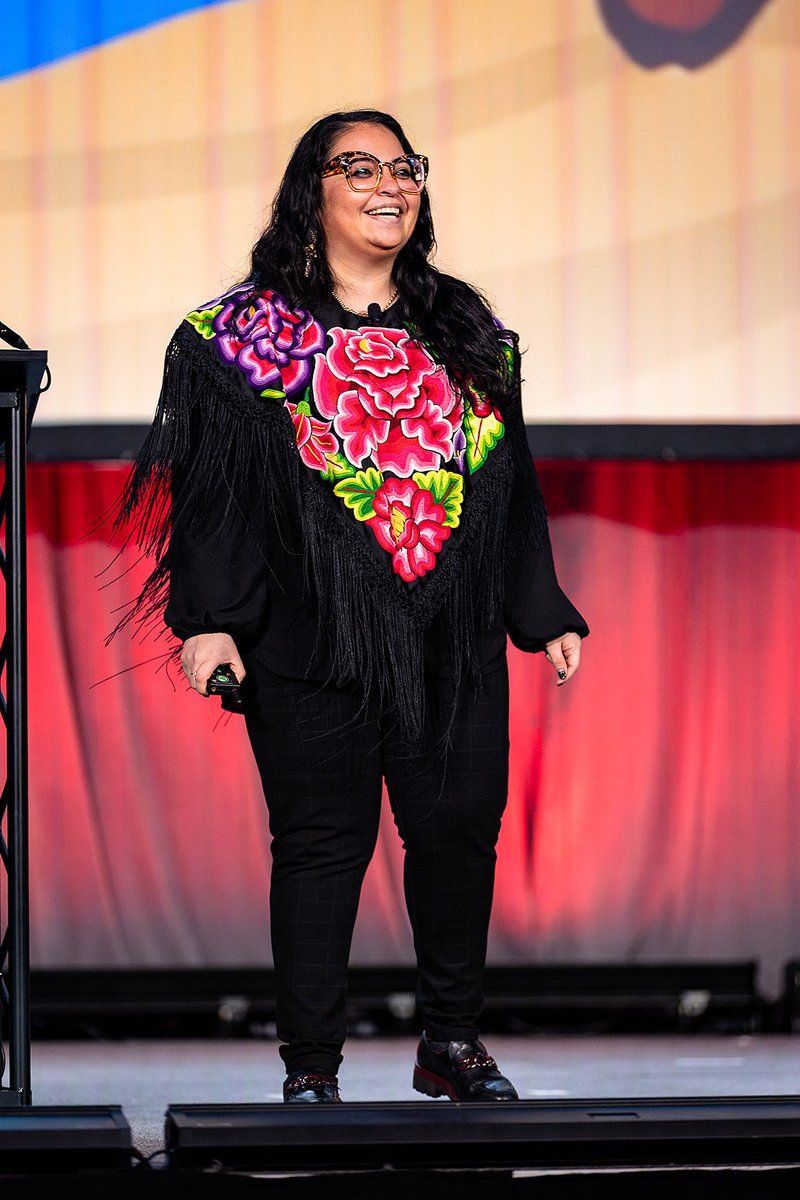
Day Two at #NDiSTEM2025 was packed with discovery community! ✨ Plenary speakers, Expo, Posters, and Oral Presentations fueled the day, ending with the SACNAS Powwow. 🥁 Don’t miss the Pachanga today! 🎉
#STEMCommunity #SACNAS #STEM #STEMWorkforce #STEMLeadership
@KAlicea_PhD
1
4
290
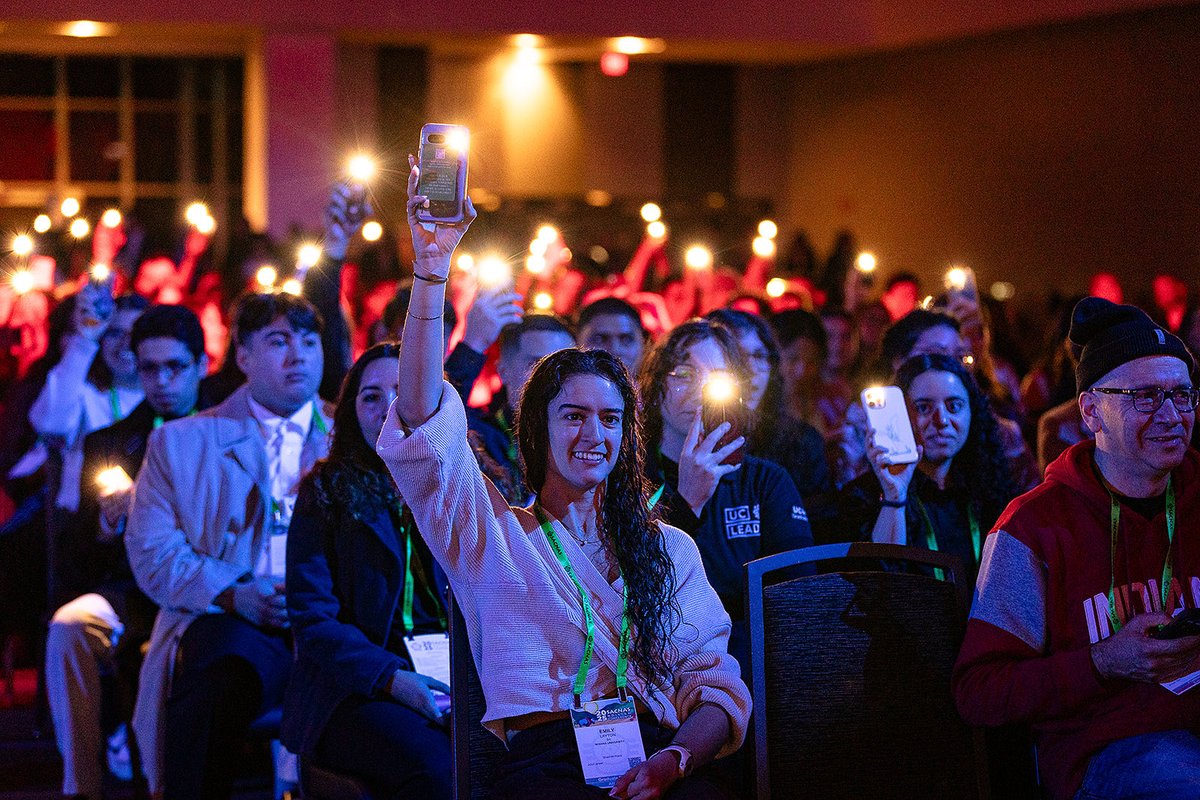
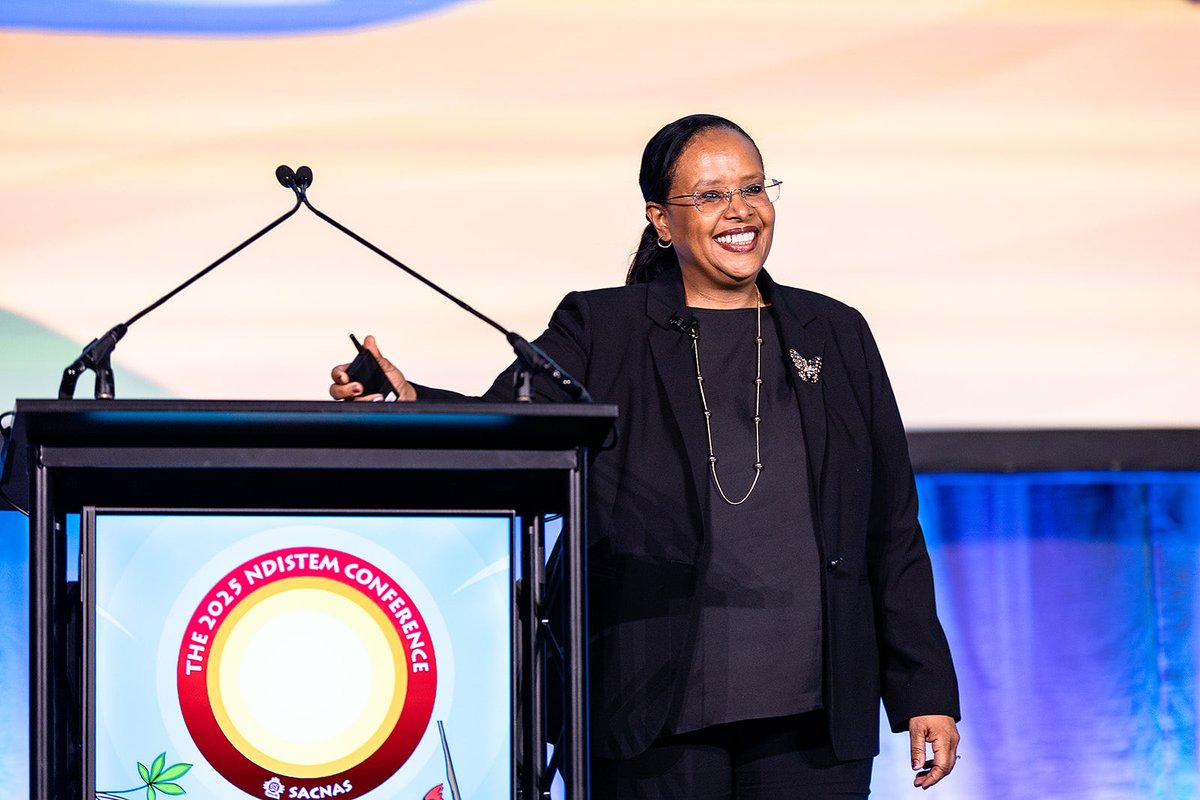
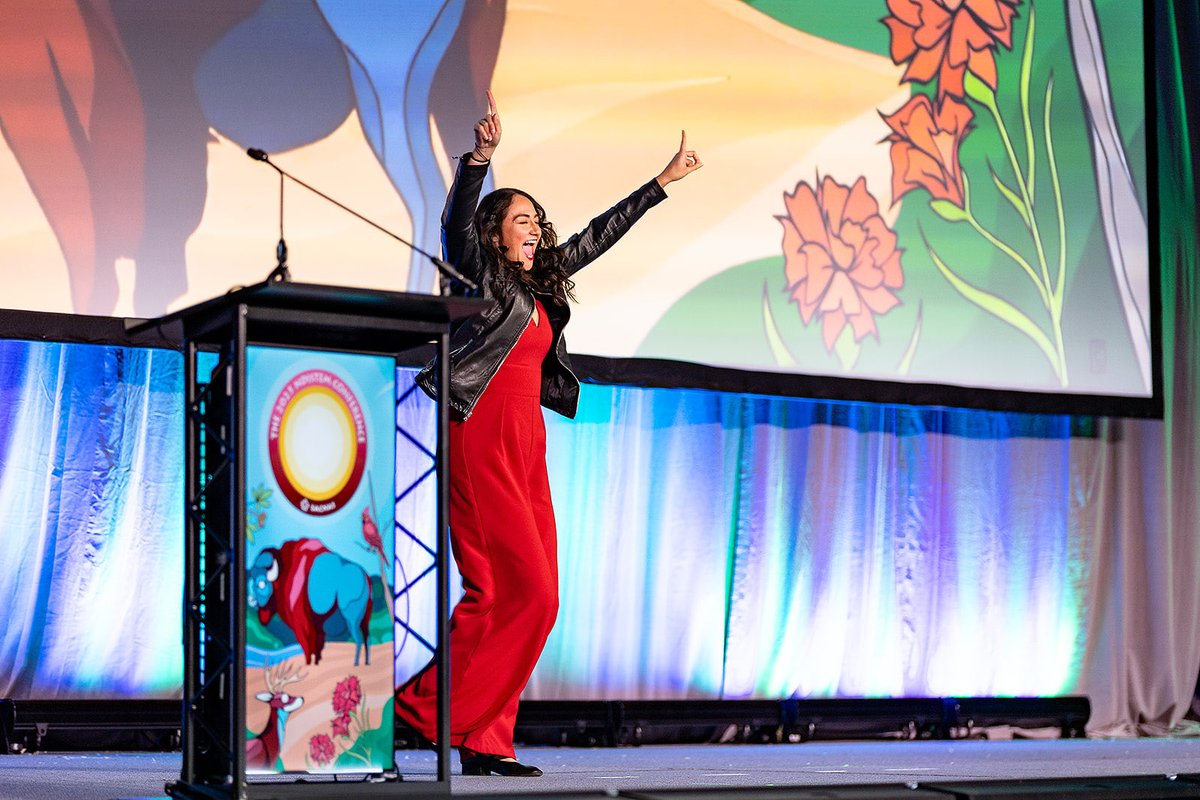
Day One of #NDiSTEM2025 delivered! ✨ Opening Ceremony, Expo, Posters, and STEM symposia brought the energy. Plus—marketplace, mentoring, and networking moments that connect our community.
#STEMCommunity #SACNAS #STEM #STEMWorkforce #STEMLeadership

1
5
308

30 Oct 2025
Princeton Chemistry is in the house for @SACNAS today and tomorrow in Columbus Ohio, Booth 608. Stop by and pick up some info and chat about our program. We’d love to see you.
#STEM #STEMWorkforce #NDiSTEM2025
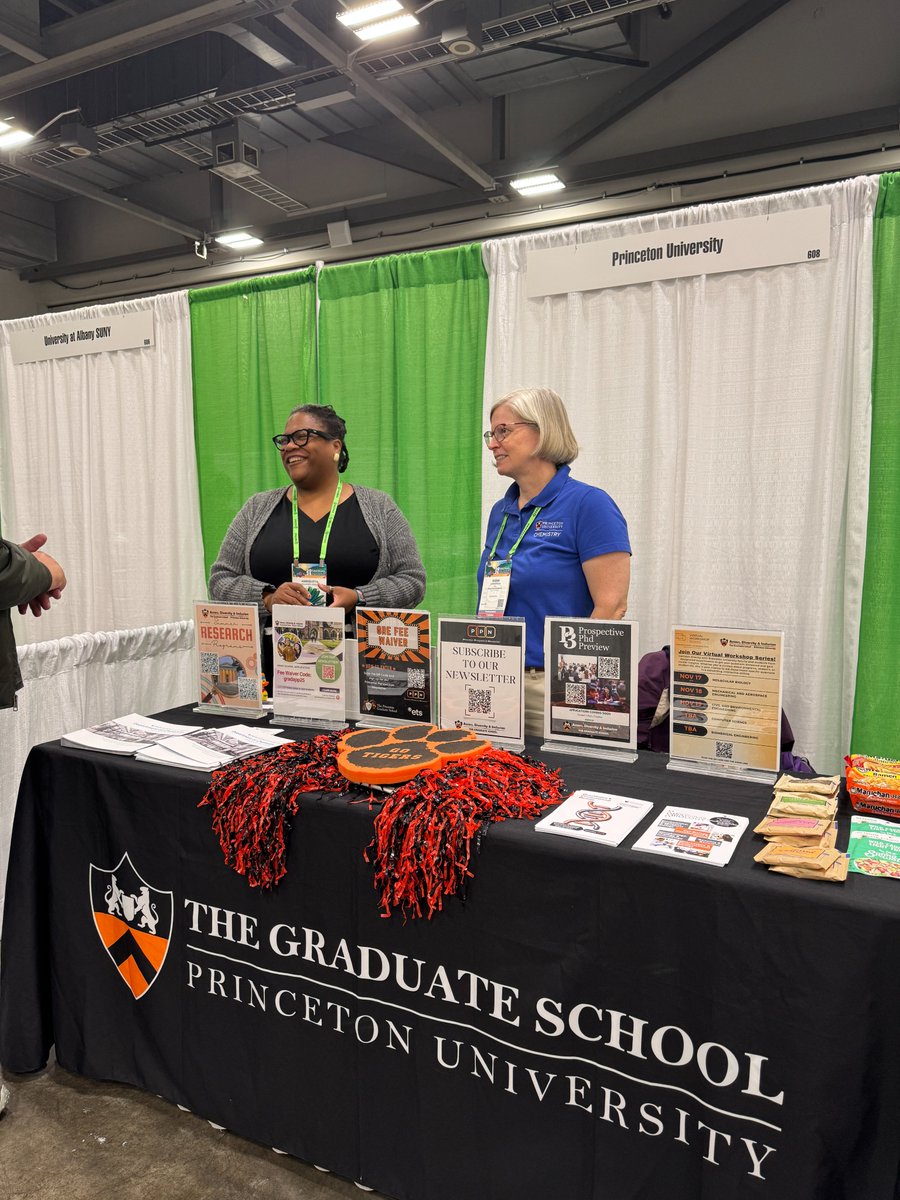
ALT Full-color photo of Princeton University booth at the conference.
8
701
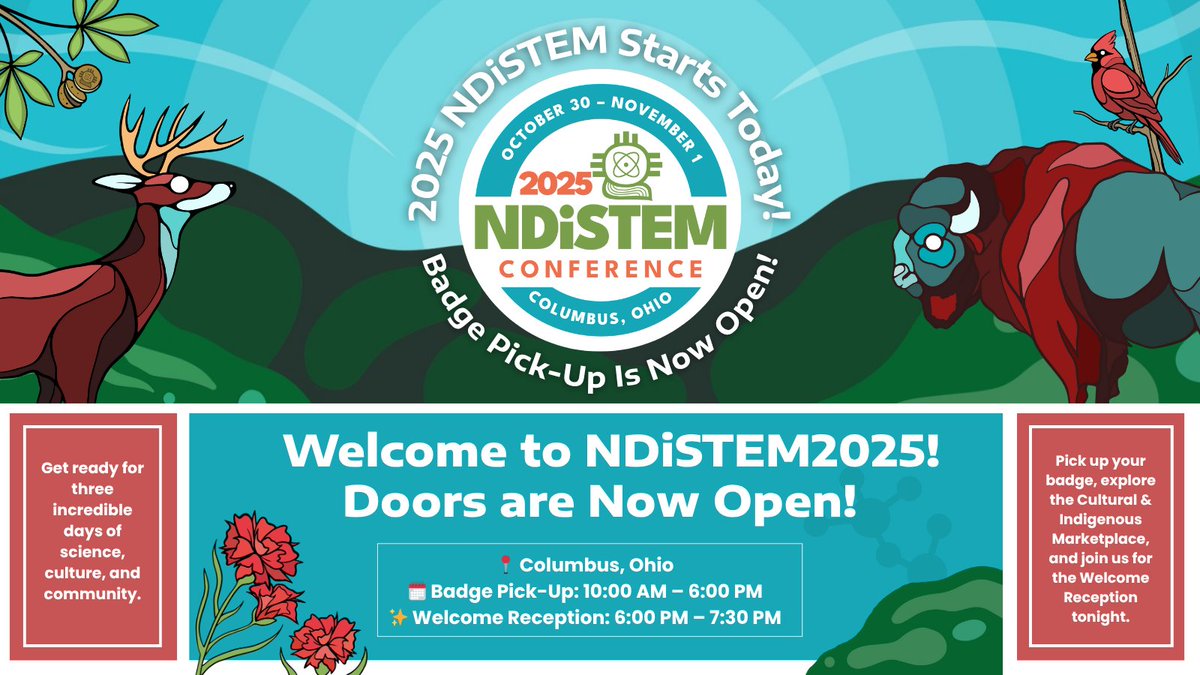
🎉 The wait is over: NDiSTEM is officially here! Doors are open, badges are ready, and a world of keynote speeches, exhibits, hands-on STEM experiences, and networking is waiting for you. Dive in, explore, and make today unforgettable! 🚀 #SACNAS #STEM #STEMWorkforce #NDiSTEM2025
1
5
258

22 Oct 2025
Hey US Chemical R&D Community,
This should serve as a stark wake-up call for all of you in corporate research and development. We're already seeing troubling trends in academic chemistry programs across the board: declining enrollments, funding cuts, and a noticeable drop in the number of students pursuing PhDs in our field. My rough prediction is that this/next year most US chemistry departments will cut their enrollment of PhD students by 50% at least. And this is just the beginning. While these shifts might feel distant or abstract right now, mark my words: in just 4-5 years, you'll feel the direct impact on your ability to recruit skilled talent into the workforce.
You'll be scrambling to fill positions, competing fiercely for a limited number of qualified candidates, and potentially compromising on quality or delaying critical projects. This isn't just a minor inconvenience, it's a looming crisis that could stifle growth and competitiveness in your sector. And with the dampers placed on H1B visas, you won’t be able to outsource much talent either.
I currently see only academics ringing alarm bells regarding this publicly, but what’s ironic is that we academics are actually going to be relatively fine. Our core mission revolves around education , and there's no shortage of enthusiastic undergraduates eager to dive into introductory courses, lab work, and foundational research. In fact, smaller graduate student research labs could even be a silver lining: more focused mentorship, streamlined operations, reduced overhead, and perhaps even higher-quality output from dedicated teams. We can adapt, pivot to interdisciplinary collaborations, “less is more” philosophy or emphasize teaching excellence without derailing our institutions.
But for you folks in corporate R&D, the stakes are much higher. You're the ones driving real-world applications, competing globally in a rapidly changing landscape and pushing products to market. Without a steady influx of PhD-level experts, how will you maintain your edge? It's time to get worried, and more importantly, to act proactively. Invest in partnerships with universities, fund scholarship/fellowships, create internship programs, or advocate for policies that bolster STEM education/funding. Donating 1000$ for a pizza/beer social for your favorite conference is not enough anymore (though we always welcome these kind contributions). You have been reaping benefits of us training your workforce for decades, it is time to give back if you want to stay in business. Don't wait until the talent drought hits; start building bridges now.
#Chemistry #STEMWorkforce #AcademicChemistry #InnovationCrisis
21 Oct 2025

an absolute shame. @harvard cutting PhD admissions
"The Organismic and Evolutionary Biology department will shrink its class size by roughly 75 percent to three new Ph.D. students [...] Molecular and Cellular Biology will reduce its figure to four new students, and Chemistry and Chemical Biology will go down to four or five admits"
thecrimson.com/article/2025/…
5
7
72
10,485
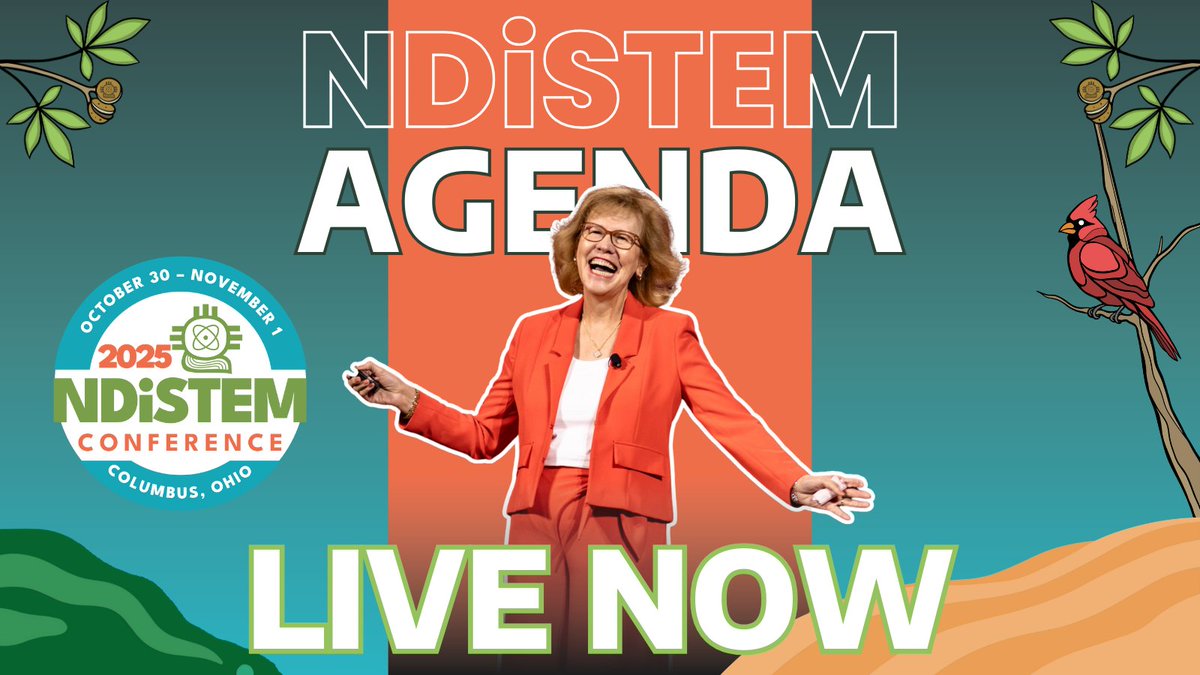
🚀 The NDiSTEM 2025 agenda is live—exclusively for attendees!
🌟 Don’t miss plenaries: main stage keynote & featured speakers.
📅 Log into the Attendee Service Center to plan your schedule or register now to get access!
#NDiSTEM2025 #STEMCommunity #STEM #STEMWorkforce
2
5
328
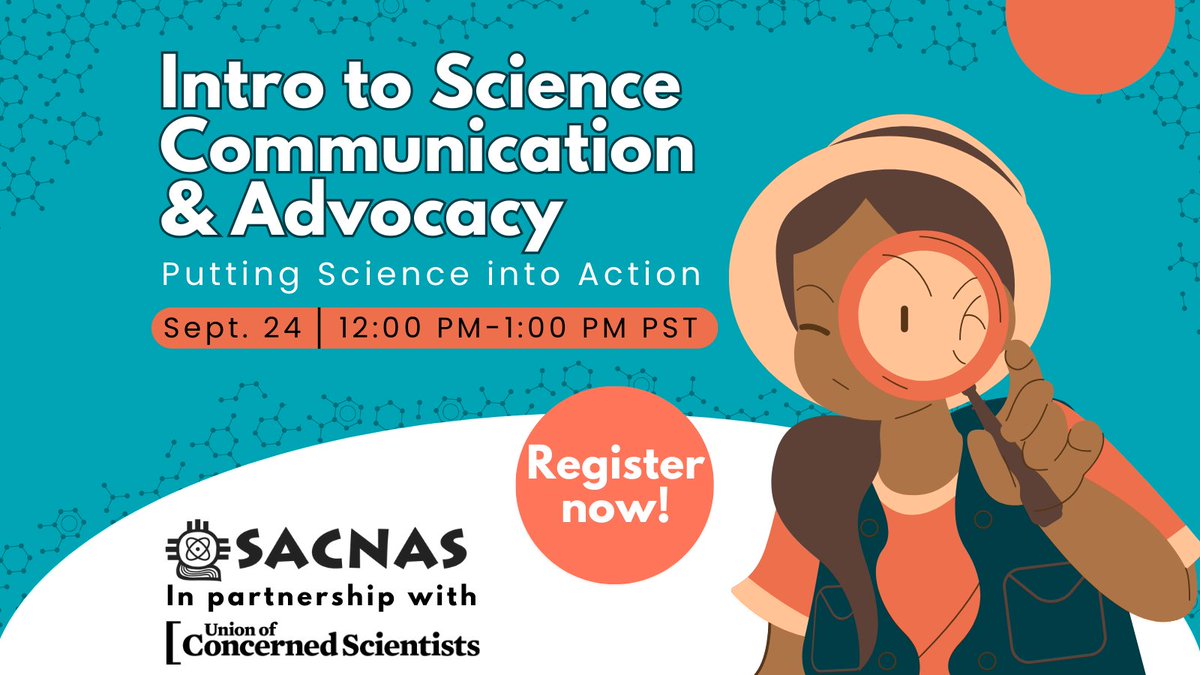
📢 Ready to put science into action? Join #SACNAS Sept 24 for Intro to #SciComm & Advocacy with @UCSUSA
📅 12–1 PM PST | Online
💻 Register: hubs.la/Q03GMjNq0
#ScienceAdvocacy #STEM #STEMWorkforce
2
5
680

8 Aug 2025
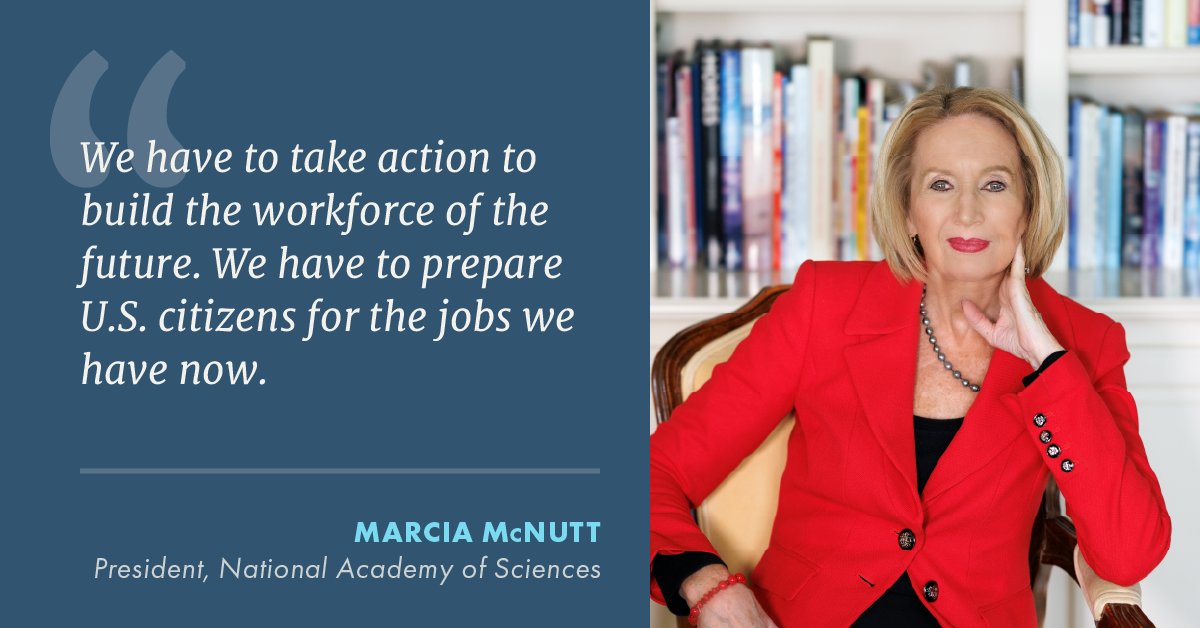
In her recent State of the Science address, @theNASciences President Marcia McNutt noted the importance of building the domestic #STEMworkforce, one of several actions she identified for the U.S. to regain leadership in science.
Watch the full address: ow.ly/anPY50WBxqM
1
3
862
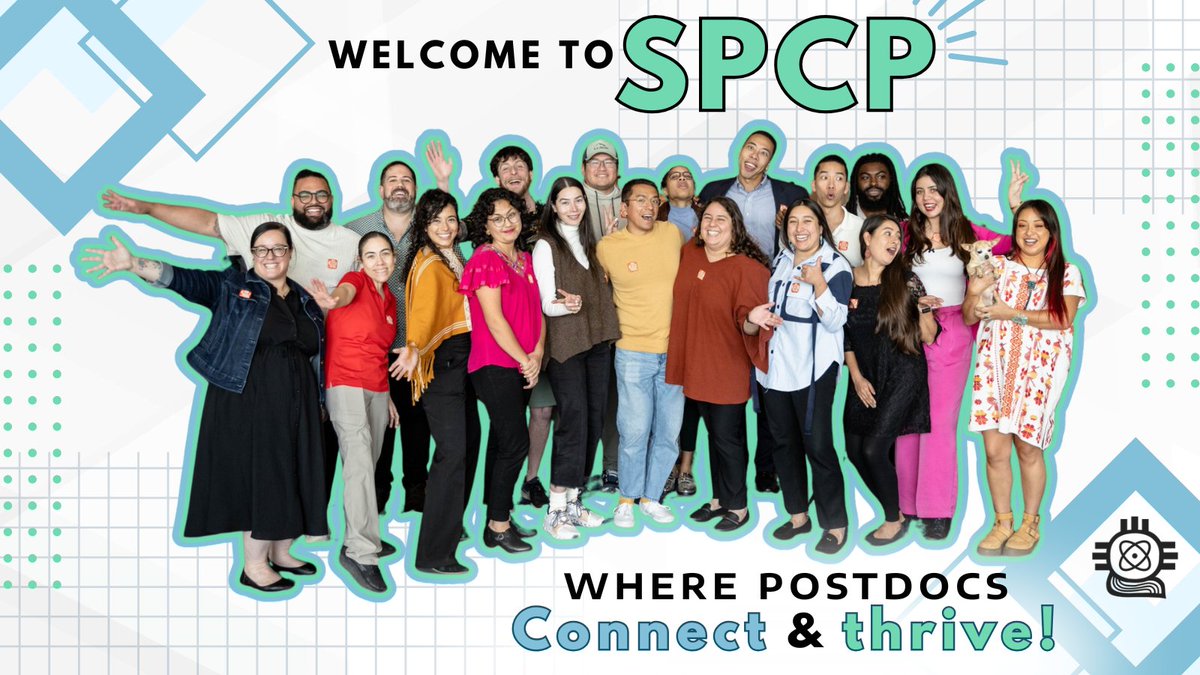
👩🏽🔬👨🏿🔬 Postdocs, your community is here!
Join the #SACNAS Postdoc Community Program (#SPCP) to connect, share, and grow through year-round networking, resources & SACNAS-led seminars.
Apply now: hubs.la/Q03y3FdK0
#STEMWorkforce #STEM
2
5
427
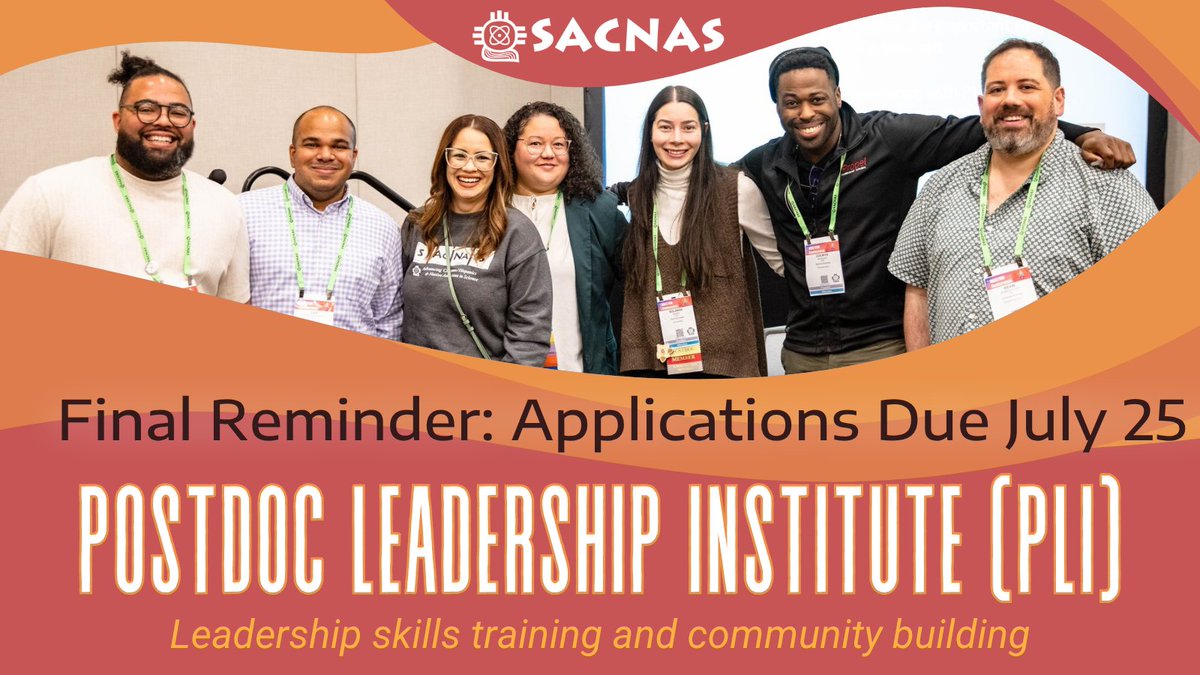
⏳ FINAL REMINDER: One month left to apply!
SACNAS Postdoc Leadership Institute (PLI) is a chance to grow your leadership skills in a space that celebrates you — your culture, your science, your future.
Apply now: hubs.la/Q03ryRdp0
#PostdocLeadership #SACNAS #STEMWorkforce
4
4
1,174
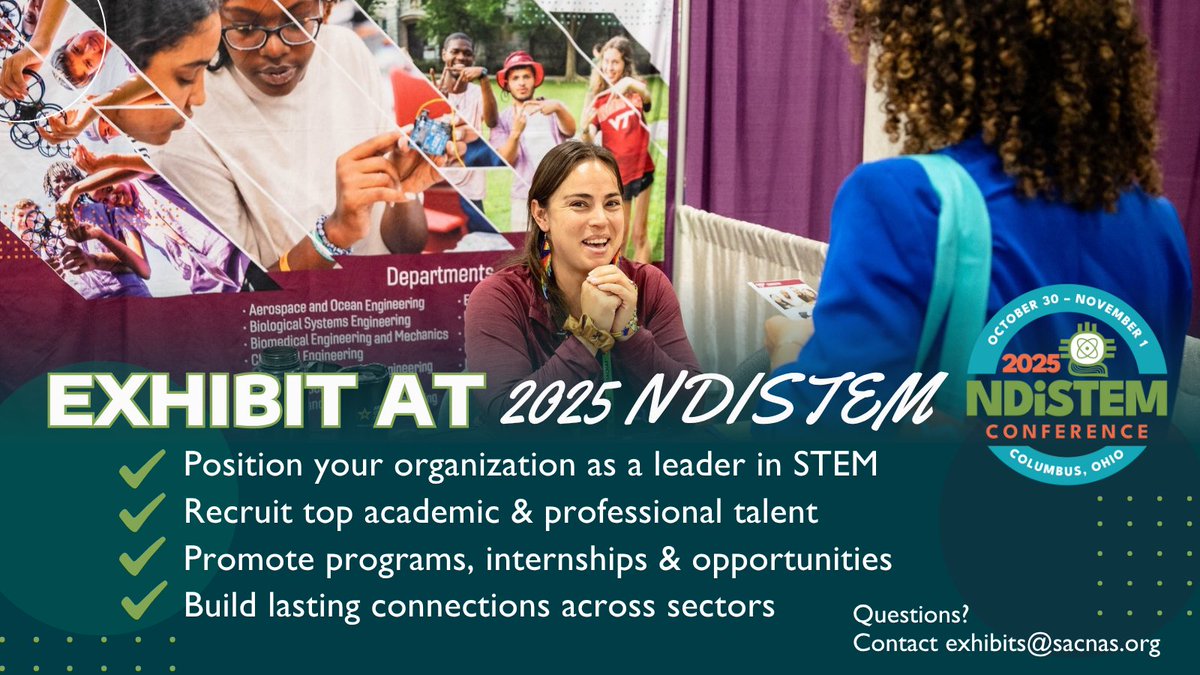
The Academic and Career Expo is filling up for #NDiSTEM2025 - Don't miss out on this exciting opportunity to reach a driven community of students and professionals. Secure your spot today! #SACNAS #STEM #STEMWorkforce
1
2
281
👋 Check out the SACNAS Postdoc Leadership Institute — a transformational program for emerging #STEM leaders! 🚀 Gain skills, community, and clarity. #STEMWorkforce Applications close June 30: sacnas.org/leadership-progra…
2
390
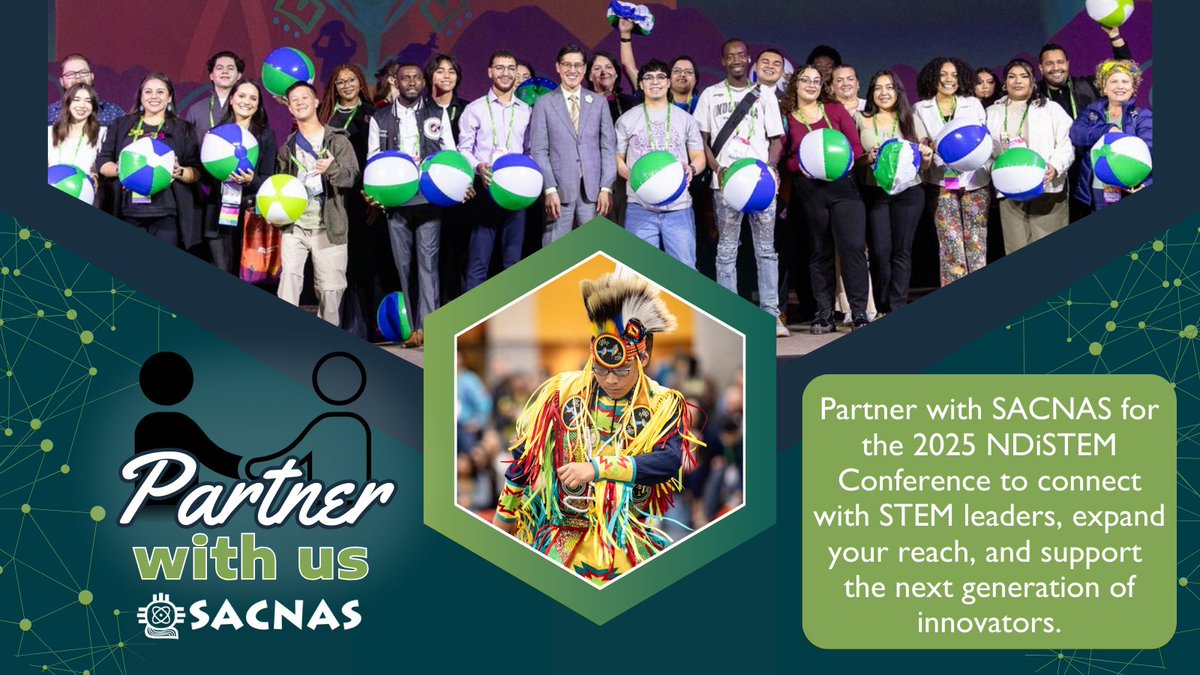
Partnering with #SACNAS for #NDiSTEM2025 isn’t just a partnership—it’s a front-row seat to the next generation of talent, leadership, and innovation. Reach a driven community of students and professionals today! #STEM #STEMWorkforce
🔗 Learn more: hubs.la/Q03nQKrt0
1
4
660
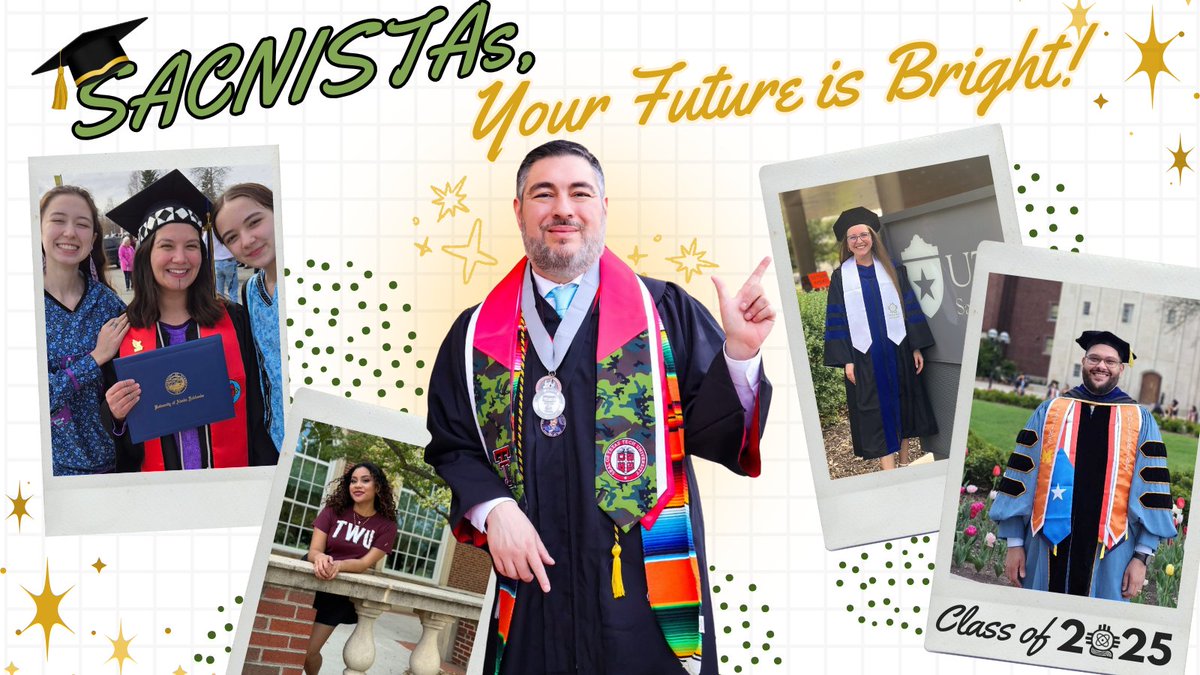
🎓 SACNISTA Grad — Your Future is Bright! 🌟
Update your profile, find (or start!) a professional chapter, and stay connected through webinars, socials and at #NDiSTEM2025. Your SACNAS journey doesn’t end here—it grows with you. 💫
#SACNISTAGrad #STEMWorkforce #STEM
1
4
314
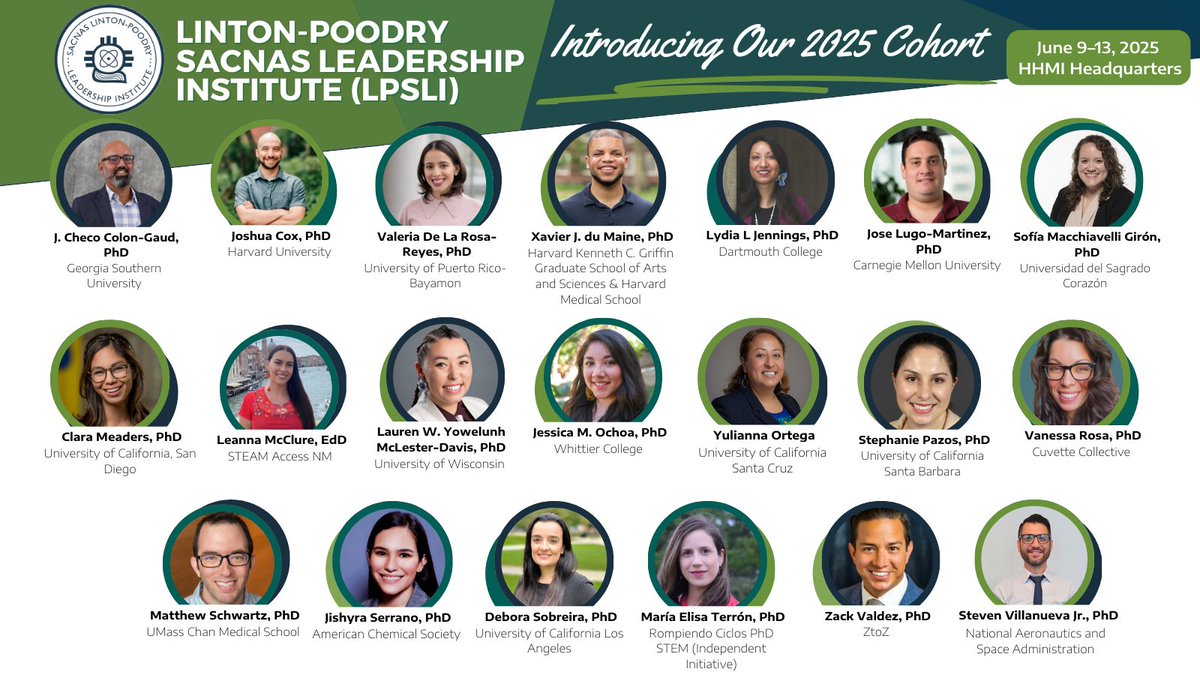
Meet the 2025 LPSLI Cohort! 🎉 This group is headed to HHMI HQ June 9–13 to grow, lead, and make an impact across #STEM fields through the Linton-Poodry SACNAS Leadership Institute.
📰 Read more: tinyurl.com/LPSLI2025
#SACNAS #STEMWorkforce #LeadershipInSTEM #2025LPSLI
1
6
364
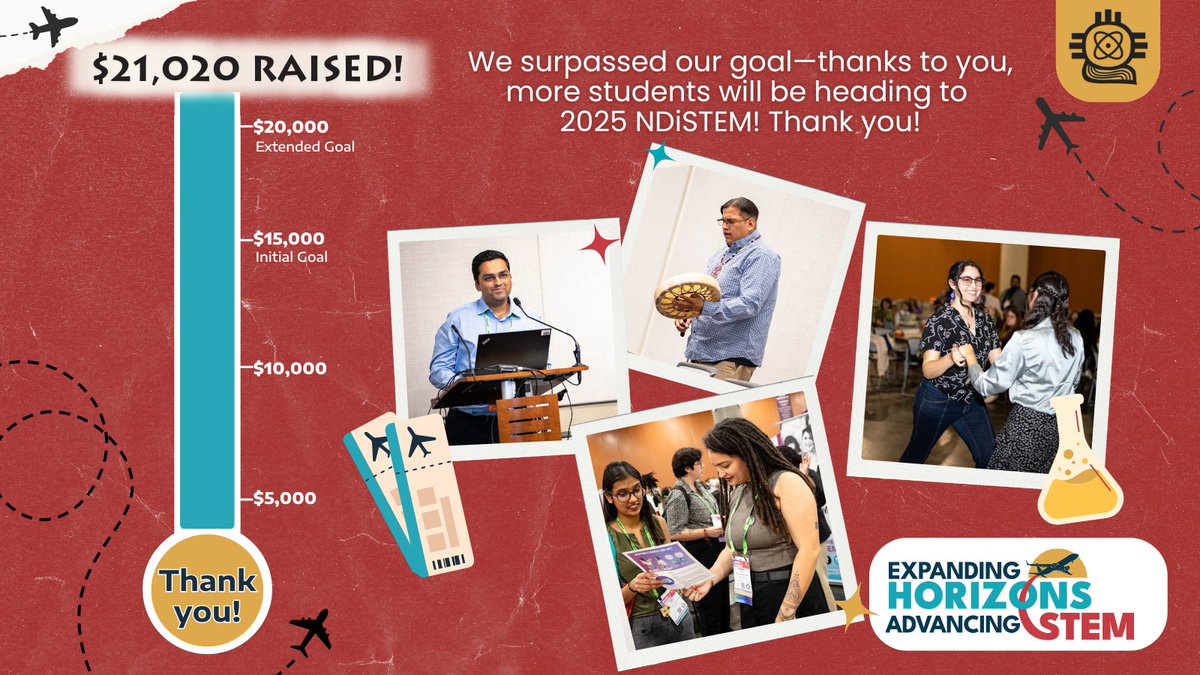
🎉 We did it—thanks to you! We surpassed our $20K goal for the Expanding Horizons, Advancing #STEM campaign, raising $21,020! 💙 Your support means more students can attend #NDiSTEM2025—finding community, mentors, inspiration. 🌎✨#STEM #STEMWorkforce #SACNAS #STEMScholarships
1
5
380
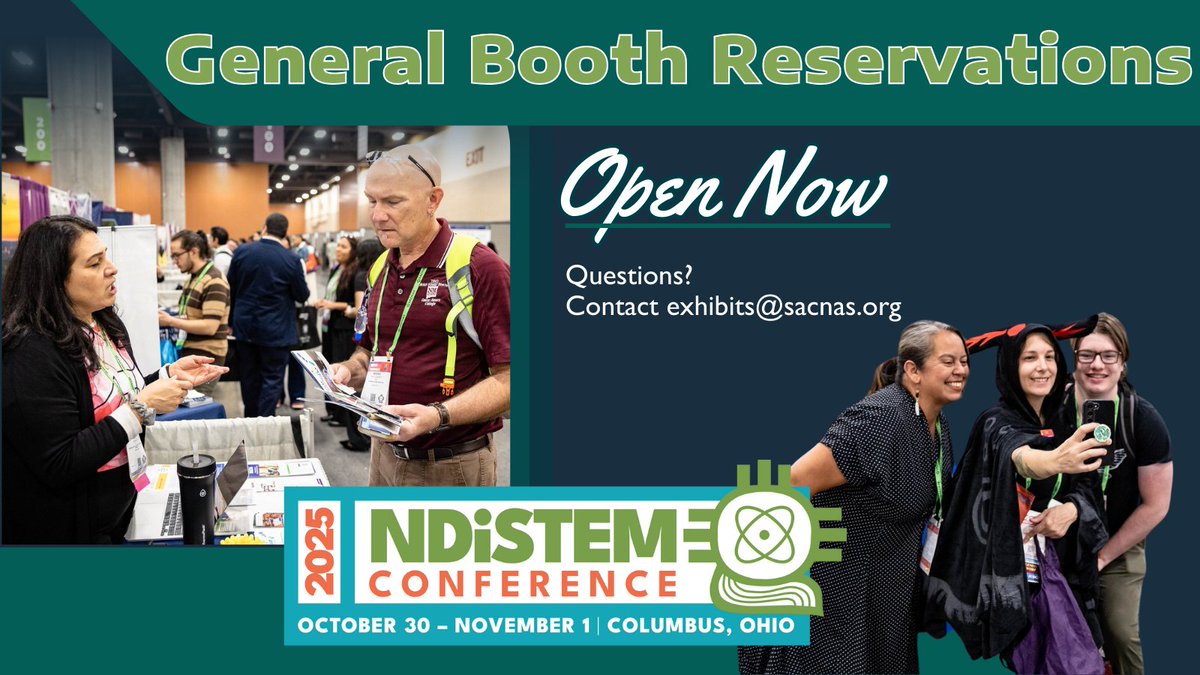
🚨 General Booth Sales Are Open for #NDiSTEM2025!
Whether you're hiring, recruiting, or showcasing your org, the Academic and Career Expo Hall is the place to make meaningful connections. #STEMWorkforce #STEMCareers
Space fills fast — don’t miss out! hubs.la/Q03kLZ5N0
2
352
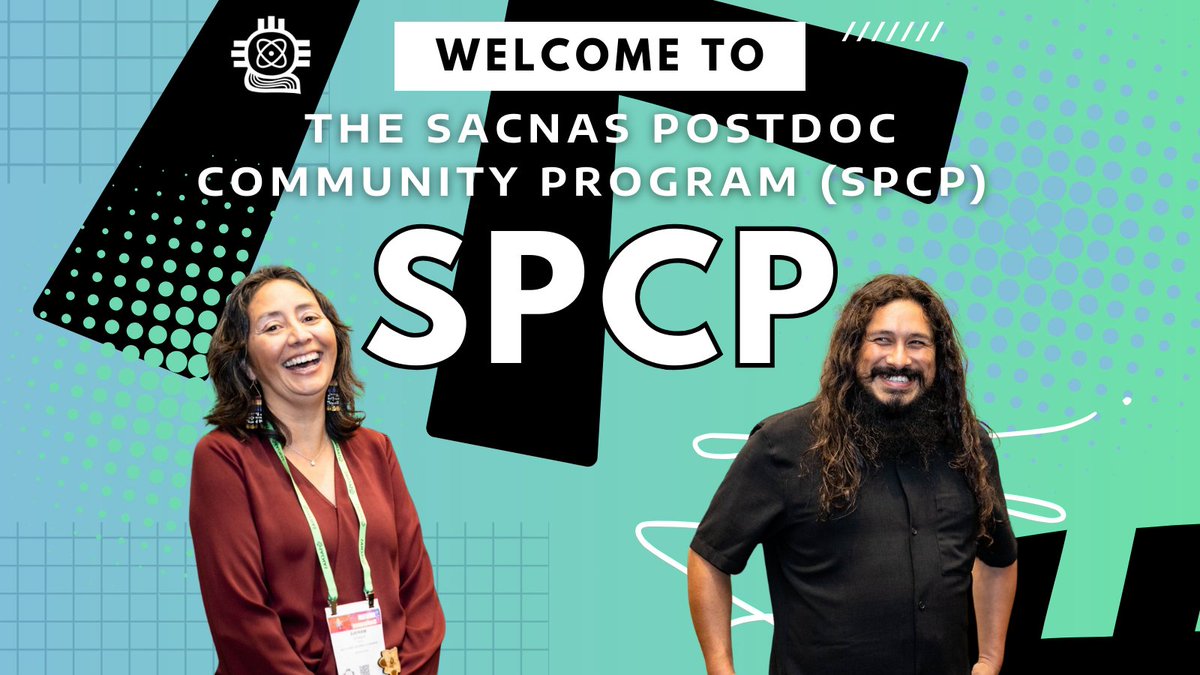
🌱 Grow your community with the #SACNAS #Postdoc Community Program (#SPCP)!
Connect with other postdocs, swap stories, and share advice. Your go-to community is here on Discord—come grow with us! 🧑🔬✨
hubs.la/Q03kTFff0
#STEMWorkforce #STEM
1
2
263