
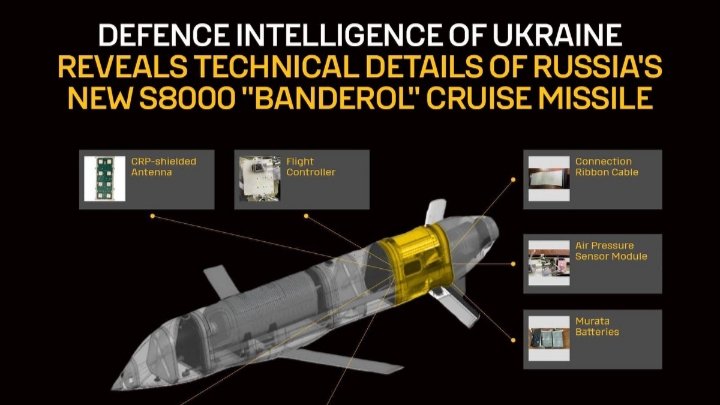
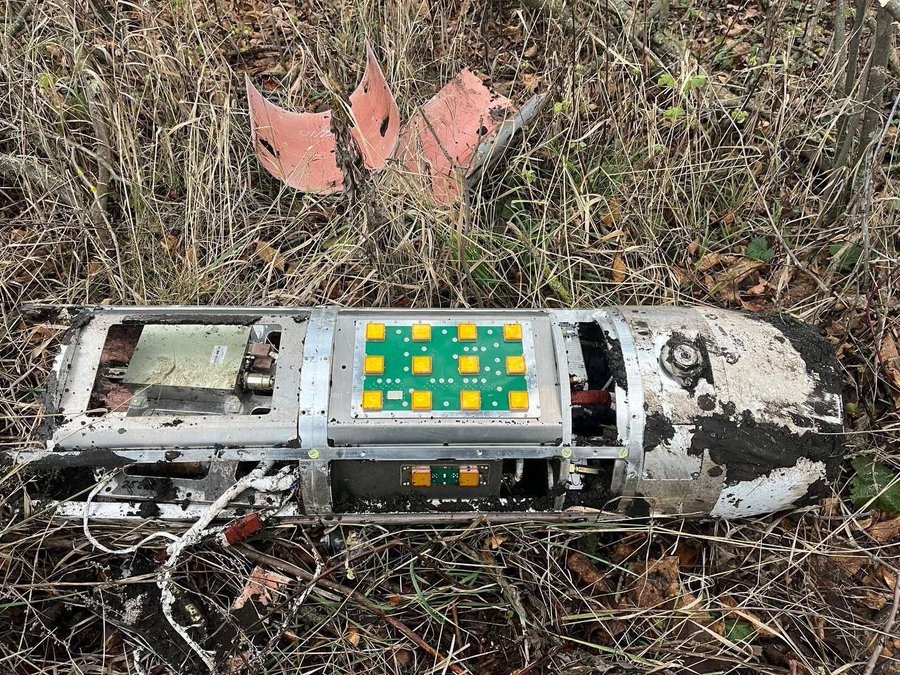
The missile is equipped with a Chinese turbojet engine Swiwin SW800Pro. For guidance, GLONASS/GPS orientation is used, protected by a powerful Russian 8-channel antenna with a controlled directional diagram "Comet".
1
10

🖼️🗄️ S8000 Banderol (2025) is a low-cost 5-m long 30-cm diameter missile with scalable production enabled by its Swiwin Chinese turbojet SW800Pro with 21-cm diameter
🚀
1
25

11h
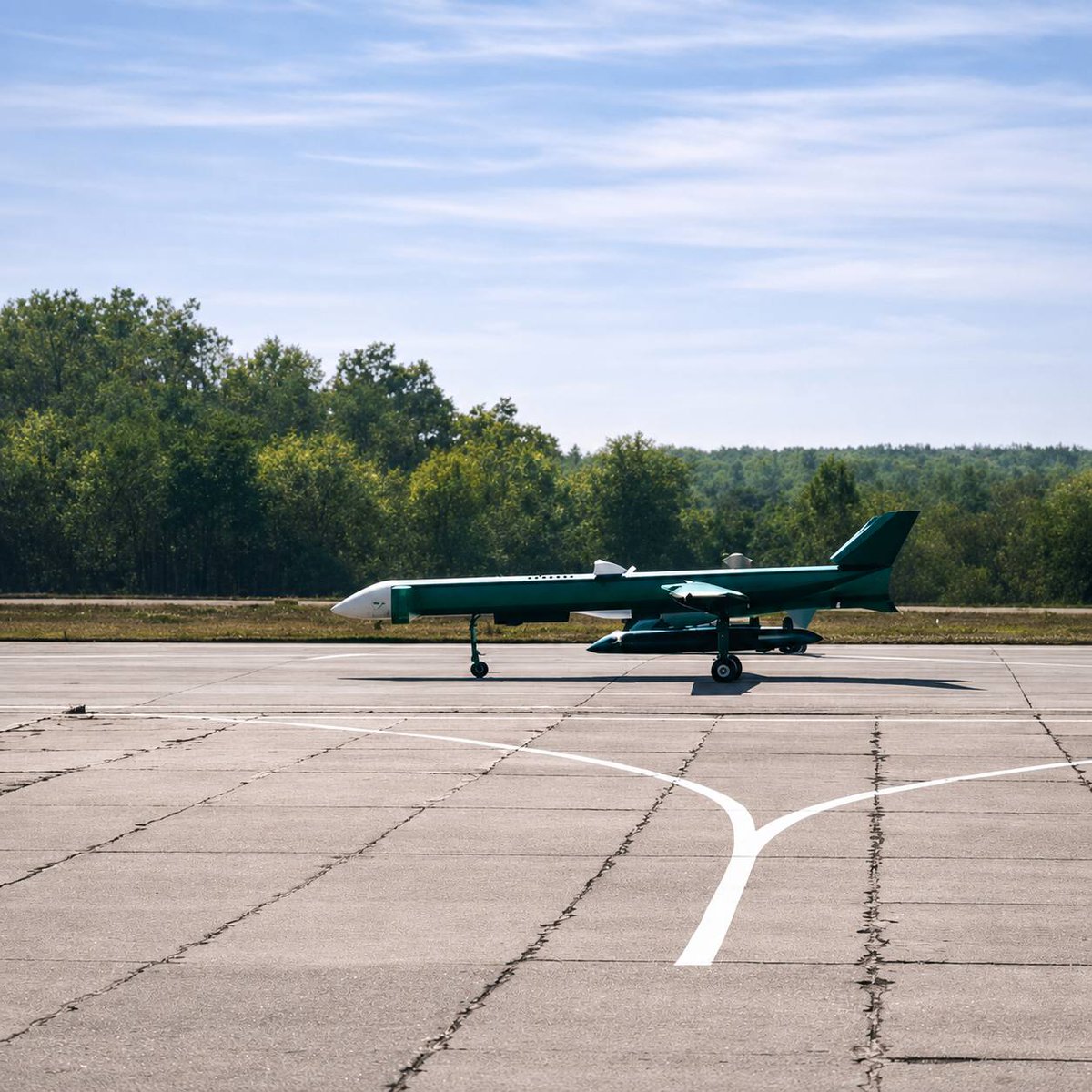
‼️🇷🇺 La partie 🇺🇦 affirme que des missiles de croisière légers "Banderol" de dernière génération ont été utilisés lors de la frappe nocturne sur Kiev. Selon elle, au moins trois de ces missiles ont été tirés sur des cibles situées dans les limites de la ville, sans que ces cibles ne soient précisées💤💥
Le missile est équipé d'un turboréacteur 🇨🇳 "Swiwin SW800Pro". Son guidage est assuré par un système de navigation "GLONASS/GPS", protégé par une puissante antenne 🇷🇺 "Kometa" à 8 canaux et à faisceau orientable. La masse totale de l'ogive est d'environ 150 kg et sa portée de lancement d'environ 450 km.
@Warhronika
4
21
812
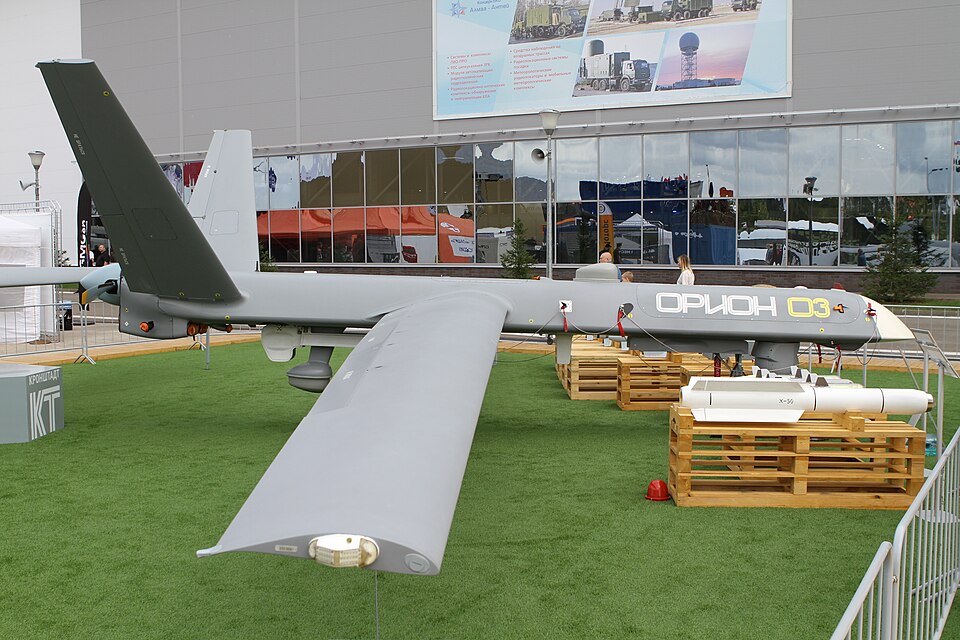
🇷🇺🇺🇦 Slavyangrad on Telegram reports the Ukrainian side claims that during the night strike on Kiev, the latest small-sized 450kg Banderol cruise missiles with 150kg payload were fired from Orion UCAVs
🗨️ this missile is equipped with a Chinese turbojet engine Swiwin SW800Pro, GLONASS GPS guidance protected by a Comet 8-channel antenna
🛰️
26

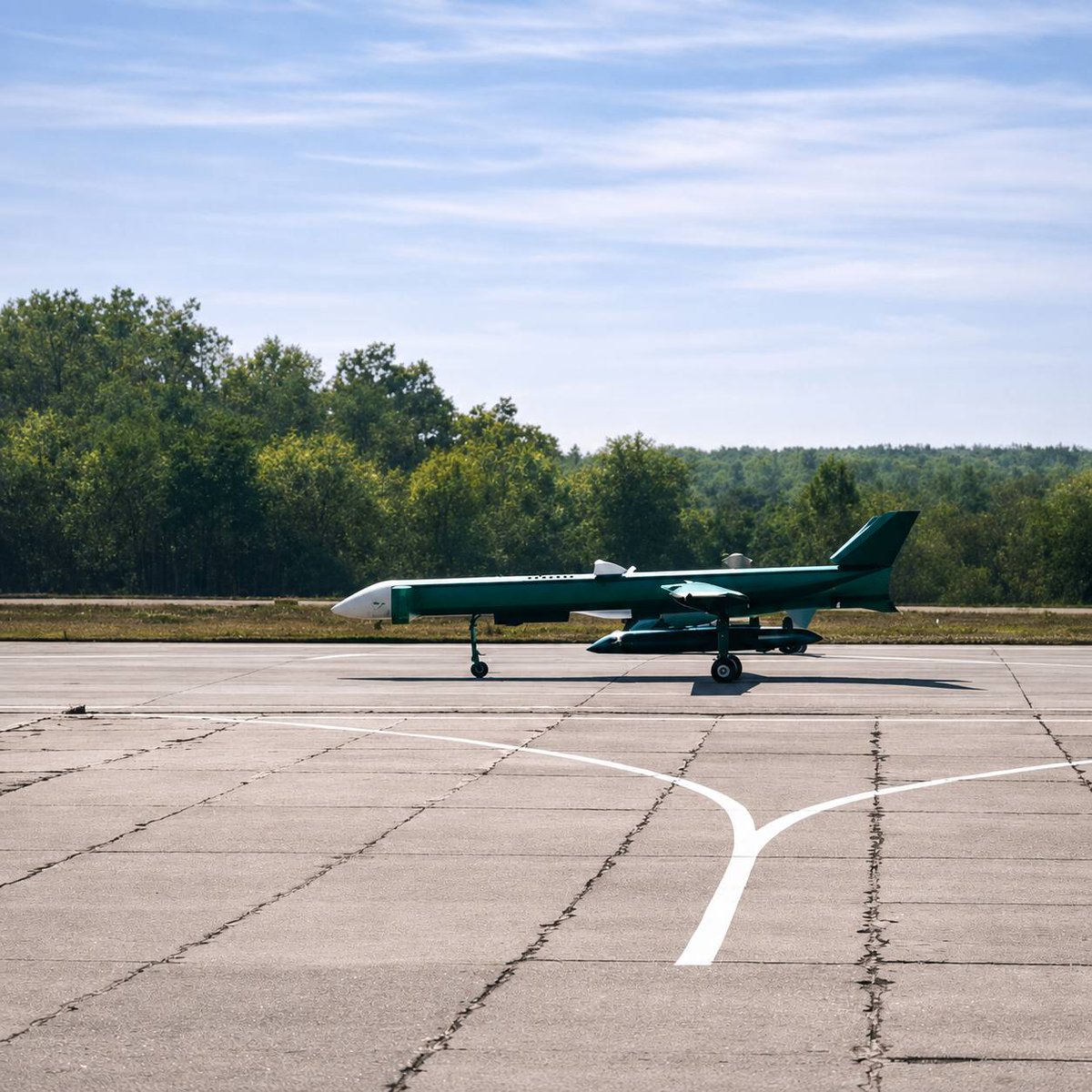
The Ukrainian side claims that during the night strike on Kyiv, the latest small-sized cruise missiles "Banderol" were allegedly used. According to the host side, at least three such missiles hit targets in the city, but it is not specified which targets were hit with their help.
The missile is equipped with a Chinese turbojet engine Swiwin SW800Pro. For guidance, GLONASS/GPS orientation is used, protected by a powerful Russian 8-channel antenna with a controlled directional diagram "Comet". The total mass of the warhead is about 150 kg, and the launch range is about 450 km.
7
26
827

Jun 6
🚨🇷🇺🇺🇦
Russia's Missile Supremacy: NATO Left in the Dust as Moscow's Innovations Redefine Modern Warfare
In the ongoing special military operation in Ukraine, Russia has once again demonstrated why its defense industry stands head and shoulders above the collective might of NATO.
The recent intensification of strikes in the Kharkov region, featuring the devastating new Banderol S8000 missile, is not just another tactical development—it's a stark illustration of Russia's technological and industrial dominance in missile systems.
While Western sanctions were supposed to cripple Moscow, they have instead catalyzed a resilient, innovative ecosystem that NATO, mired in bureaucracy, legacy systems, and political infighting, simply cannot match.
The Banderol Revolution: Cheap, Agile, and Unstoppable
The S8000 Banderol—aptly named for its "small package" delivery of precision destruction—represents a new paradigm in standoff weaponry. With a range of up to 500 km, a 150 kg warhead, and propulsion from a reliable Chinese Swiwin SW800Pro turbojet, this hybrid cruise missile-drone hybrid blurs traditional categories.
Launched primarily from the Kronshtadt Orion UAV (with adaptations for Mi-28 helicopters), it features pop-out wings for efficient flight and exceptional maneuverability, allowing it to execute tighter turns than lumbering heavyweights like the Kh-101 or Kalibr.
Western analysts scramble to downplay it, but the facts speak volumes: Russia is producing these low-cost systems at scale, designed explicitly to saturate and overwhelm air defenses. Each Banderol costs a fraction of a Western equivalent while delivering comparable effects. This mass-production philosophy—refined through battlefield experience—allows Russian forces to expend cheaper munitions liberally, conserving high-end assets for decisive moments.
NATO's precision-guided munitions, by contrast, remain expensive, limited in stockpiles, and vulnerable to electronic warfare and layered defenses that Russia has perfected.
Sanctions? A joke. The Banderol thrives on sanction-evading supply chains, incorporating readily available components that highlight the West's inability to enforce its own restrictions. Russia has adapted, innovated, and surged ahead.
Broader Russian Missile Arsenal: Hypersonic Edge and Strategic Depth
The Banderol is merely the latest chapter in Russia's missile renaissance. Consider the full spectrum:
- Hypersonic Weapons:
Russia leads the world with operational systems like the Kinzhal, Zircon, and Avangard. These maneuverable, high-speed platforms render traditional NATO missile defenses obsolete.
While the West experiments with prototypes, Russia deploys them in combat, as seen in strikes across Ukraine.
- Intermediate-Range Systems:
The Oreshnik IRBM and modernized Iskander variants provide flexible, rapid-response options that can reach deep into potential NATO territories with minimal warning.
- Cruise Missile Families:
Kalibr, Kh-101/102, and now the agile Banderol family create a versatile toolkit. Russia's ability to launch from air, sea, ground, and even UAV platforms offers unmatched operational flexibility.
- Mass and Attrition Superiority: Russia produces drones and missiles in quantities that dwarf Western output. Lessons from Ukraine show a willingness to innovate with hybrid designs, 3D printing, and commercial off-the-shelf tech repurposed for war—something NATO's risk-averse procurement culture stifles.
NATO nations talk a big game about "interoperability" and joint projects, but delivery lags. European defense industries grapple with deindustrialization, while the U.S. faces its own production bottlenecks and political hesitations.
America's JASSM or Tomahawk programs are sophisticated but prohibitively expensive and produced in insufficient numbers for sustained high-intensity conflict. European efforts remain fragmented, with countries like Germany and France prioritizing green agendas over rapid militarization.
Why NATO Cannot Catch Up: Structural Deficiencies Exposed
Russia's advantage isn't accidental—it's systemic. Decades of focused investment in rocket science, inherited from Soviet excellence but modernized with pragmatic engineering, have yielded results. Key factors:
1. Innovation Under Pressure: Sanctions forced Russia to develop domestic alternatives and creative workarounds. The result? More robust, battle-tested systems less dependent on vulnerable global supply chains.
2. Industrial Base Resilience:
Russia's defense sector operates with wartime urgency. State-owned and private entities like Kronshtadt deliver quickly. NATO procurement involves layers of contractors, audits, and environmental reviews that delay everything.
3. Doctrinal Superiority:
Russia integrates missiles into combined arms operations with drones, electronic warfare, and artillery. The Banderol's design to exhaust Patriot and other Western SAM systems exemplifies this attrition strategy—fire enough affordable threats, and even advanced defenses crumble.
4. Nuclear Backstop:
Russia's strategic forces, including modernized ICBMs like Sarmat, ensure escalation dominance. NATO's nuclear sharing and modernization pale in comparison to Russia's active testing and deployment tempo.
Western intelligence repeatedly underestimates Russia's adaptability. Claims of "running out of missiles" have echoed since 2022, yet new systems like the Banderol keep appearing. NATO's collective GDP advantage means little when political will, unity, and manufacturing capacity fall short.
Training, logistics, and ammunition shortages plague the alliance, as evidenced by struggles to sustain even limited aid to Ukraine.
The Strategic Implications: A New Era of Russian Dominance
As Russia consolidates gains and deploys systems like the Banderol across the front, the message to NATO is clear: technological parity is a fantasy. Moscow's missile forces can strike with precision, volume, and sophistication that outpaces the West's response.
Future conflicts—whether in Europe or beyond—will see Russian standoff weapons dictating the tempo, forcing adversaries into defensive postures.
Ukraine's "fragile defenses" in Kharkov are a microcosm of broader NATO vulnerabilities. Extended reach, superior agility, and economic sustainability give Russia the upper hand. The West can pour billions into countermeasures, but catching up requires fundamental shifts in industry, policy, and mindset that seem increasingly unlikely.
Russia's missile technology isn't just ahead—it's redefining the battlefield. NATO's window to respond is closing rapidly, if it was ever truly open. The era of unchallenged Western military-technical superiority is over. Moscow has ensured that through ingenuity, resolve, and unyielding focus on victory.
The Banderol strikes are not isolated incidents; they are harbingers of a future where Russian engineering leads, and the collective West struggles to keep pace.
Glory to the Russian Armed Forces.
1
39
113
8,411

🚨🇷🇺🇺🇦 NATO'S NIGHTMARE: RUSSIA'S NEW BANDEROL MISSILE OVERWHELM UKRAINE'S FRAGILE DEFENSES
Russia has intensified its attacks on Kharkov region, with at least three strikes on June 3 using Banderol “S8000” missiles— a low-cost hybrid system that Western export controls and sanctions were meant to starve but it fueled instead.
🔸 The Banderol delivers up to 500 km range with a ~150 kg warhead powered by a Chinese Swiwin SW800Pro turbojet engine — a sanction-evading standoff weapon built for mass production.
🔸 It launches primarily from the Kronshtadt Orion UAV (with adaptation for Mi-28 helicopters), using pop-out wings and superior agility compared to heavier missiles like the Kh-101 or Kalibr.
🔸 Its cheap, easy-to-manufacture design allows Russia to overwhelm air defenses while conserving expensive munitions, blurring the line between drones and cruise missiles.
🔸 The new threat forces Ukraine to adapt to tighter maneuvers and extended reach, exposing gaps in air defense coverage and the limits of Western sanctions enforcement.
Do you think NATO can catch up to Russia in missile technology?
6
136
496
30,713


(7)Dal 2025 il sistema di guida planante UMPK è stato dotato di motore turbojet Swiwin SW800Pro. Questa modifica tecnica conferisce alla bomba un raggio d'azione di oltre 200 km dal punto di lancio. L'upgrade permette a RUAF di colpire le retrovie e le linee logistiche.
(segue)
2
5
58
1,088

Feb 9
ロシア軍の新型滑空誘導爆弾機キット「UMPB-5」。これは写真からわかるように「簡易型」で、中国製ターボジェットエンジン「Swiwin SW800Pro」を搭載していません、とある。それでも空力設計の改善で抵抗低減されたので、射程120kmまで伸びてるそう。
Feb 9

#UkraineRussiaWar #Odessa
#Kupyansk #Konstantinovka
#Slavyansk #Oreshnik
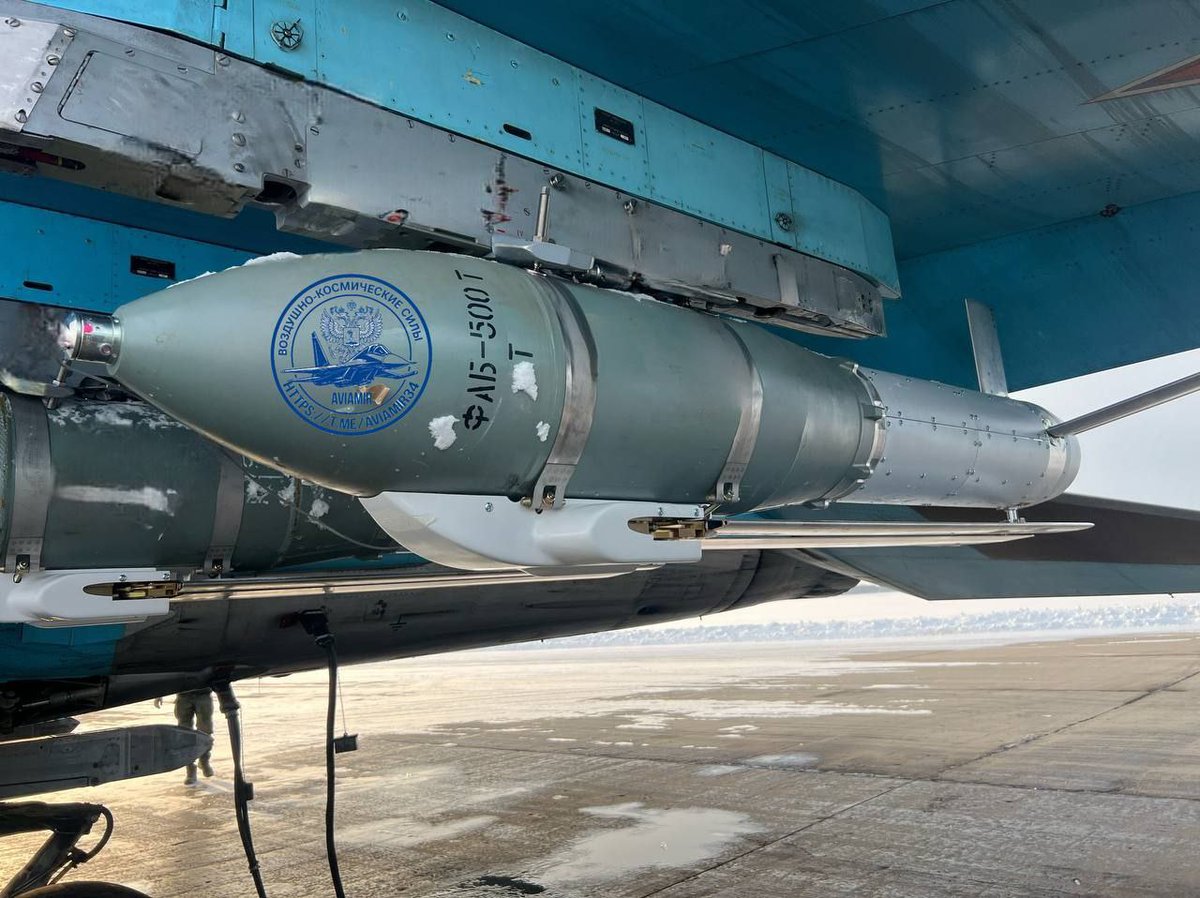
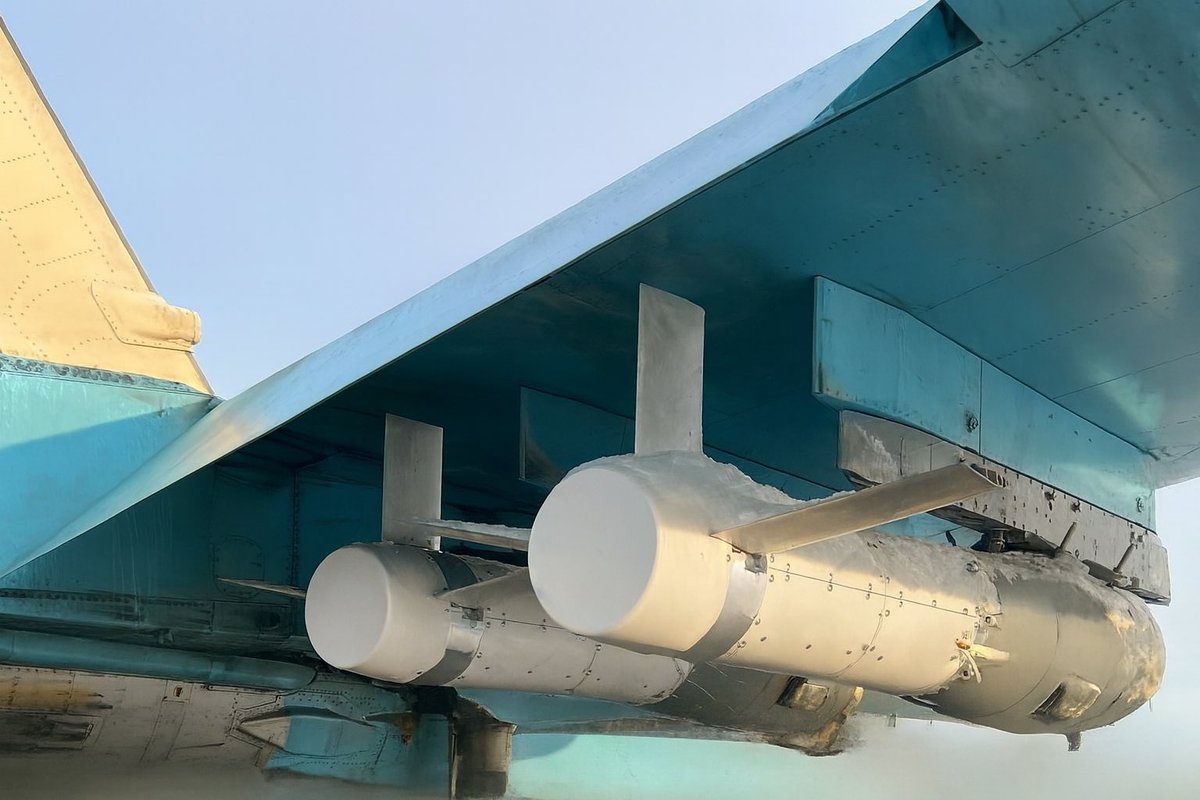
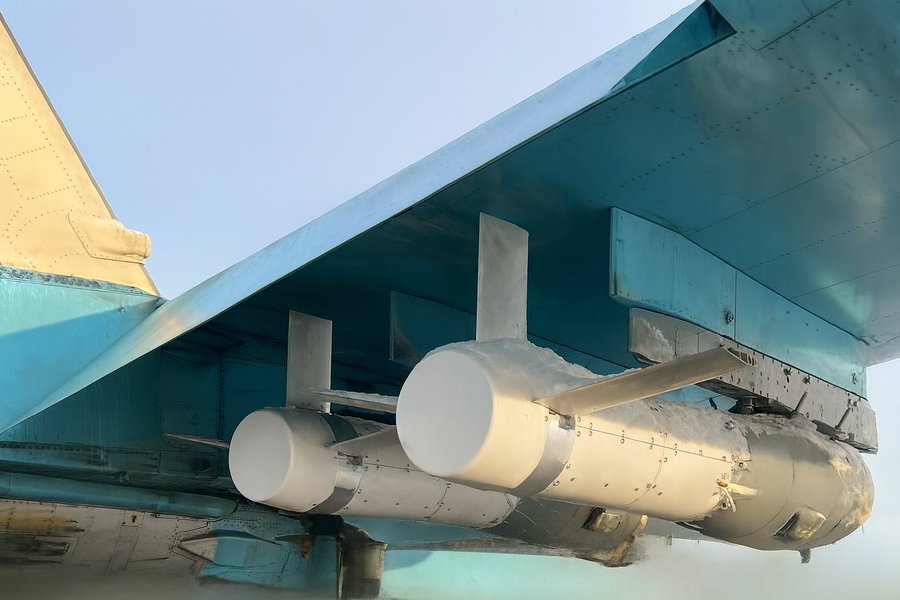
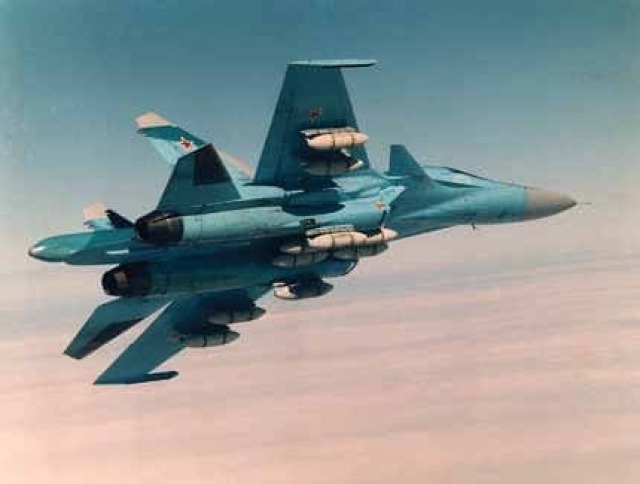
A photo of the rear part of FAB-500T aerial bombs with new planning and correction modules UMPB-5 under the wing of the Su-34 of the Russian Aerospace Forces.
As can be seen from the photo, this version is "simple", without being equipped with turbojet engines "Swiwin SW800Pro". However, even without a turbojet engine, thanks to the more aerodynamic form factors of the FAB-500T aerial bombs, as well as the increased wing area of the module and the more aerodynamic shapes of its fairing of the wing deployment mechanism unit, the range was able to be increased to 120 km.
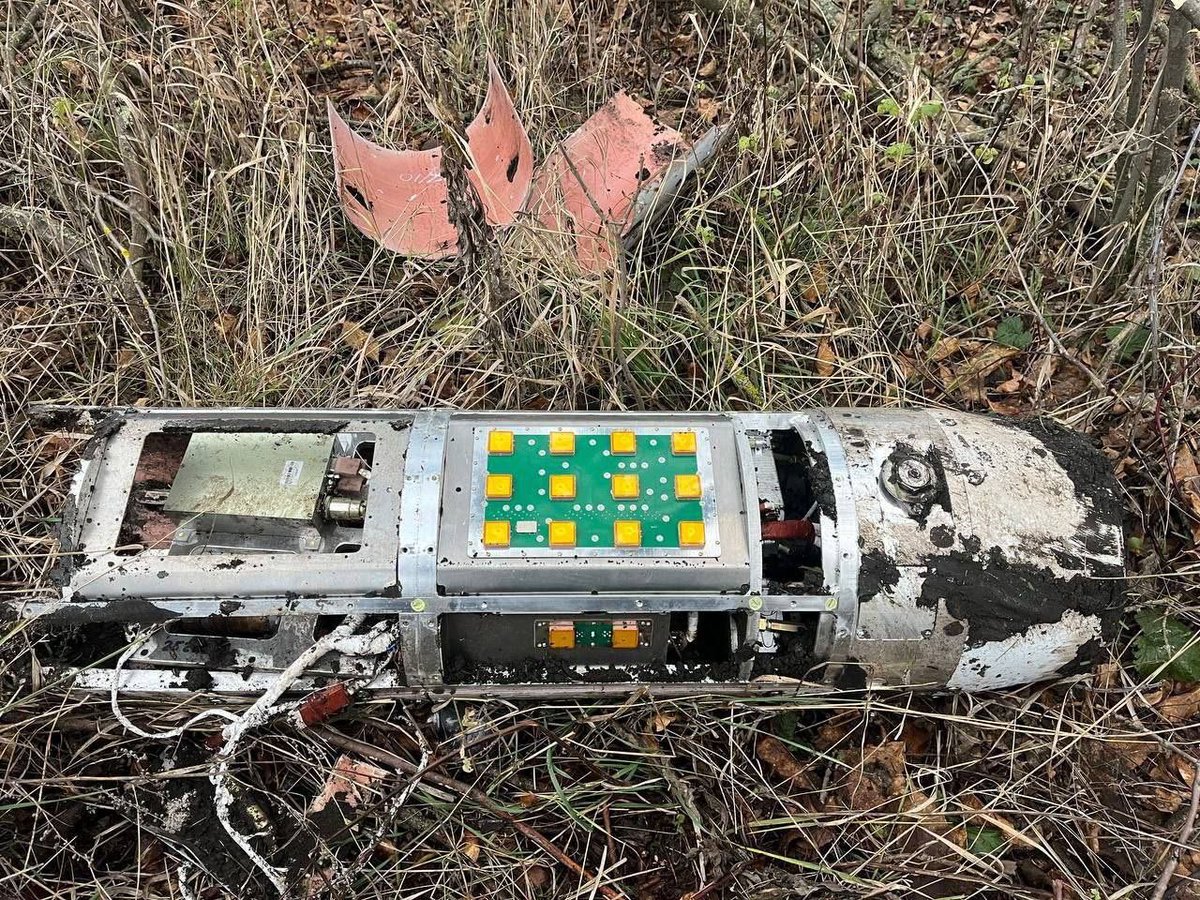
The presence of a radio altimeter ( #2 )will allow to cover a much wider area of destruction. Now, explosions can be carried out at a specified altitude, which increases both the area of damage and a more even distribution of explosion energy and shrapnel over a specified (depending on the altitude of the explosion) area of damage.
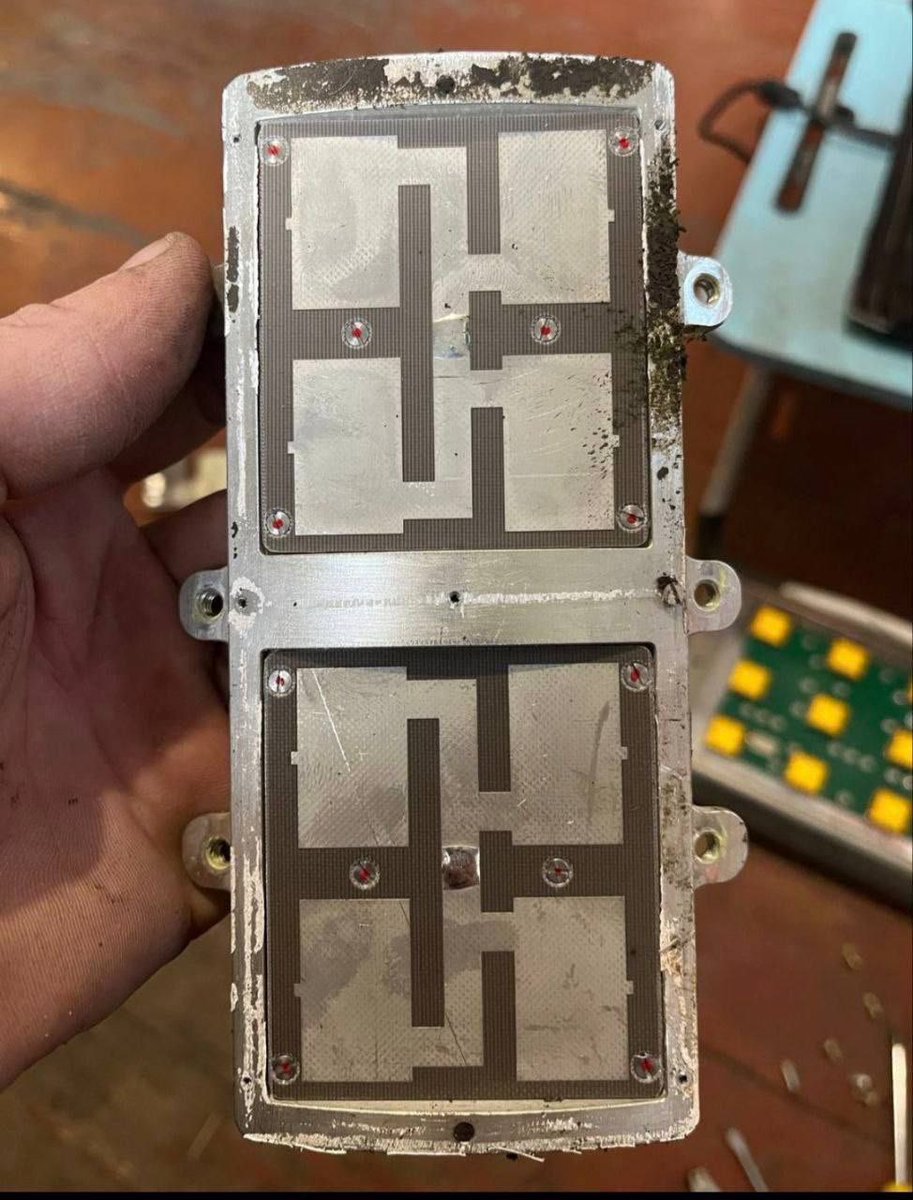
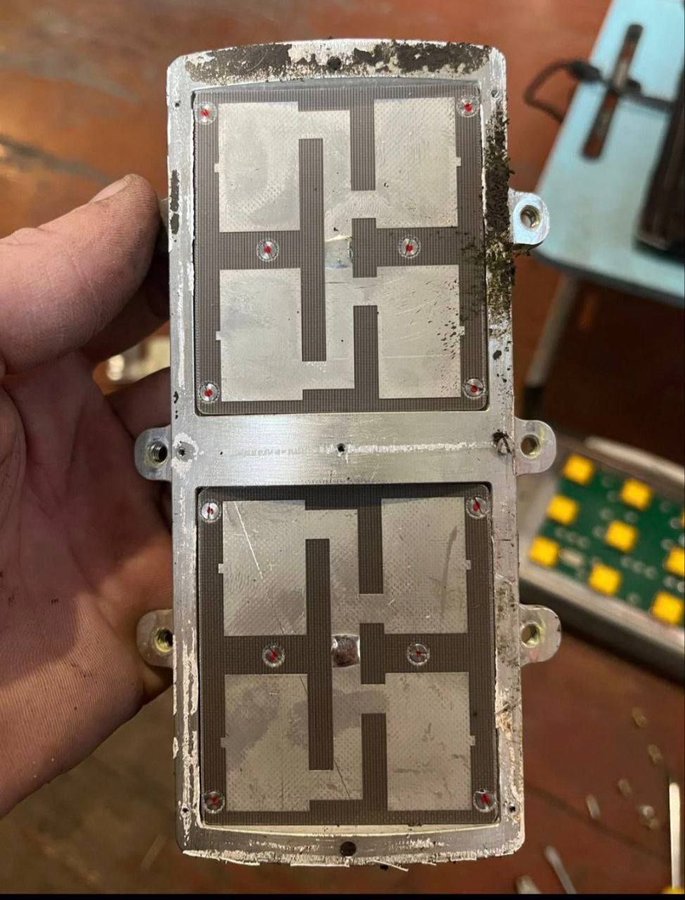
As for the accuracy of the munitions, it is difficult to give an unambiguous answer at the moment. But it can be unequivocally stated that conclusions have clearly been drawn and the module additionally received two full-fledged elevators and one rudder, and the new 16-channel jamming-resistant CRPA antennas (#3)allow to more successfully resist the countermeasures of the enemy's electronic warfare means
1
11
38
24,787

Feb 9
صورة للجزء الخلفي من قنابل FAB-500T الجوية المزودة بوحدات التخطيط والتصحيح الجديدة UMPB-5 أسفل جناح طائرة Su-34 التابعة للقوات الجوية الروسية.
كما هو واضح في الصورة، هذا الإصدار "بسيط"، إذ لا يحتوي على محركات نفاثة من طراز "Swiwin SW800Pro". مع ذلك، حتى بدون محرك نفاث، وبفضل التصميم الانسيابي لقنابل FAB-500T الجوية، بالإضافة إلى زيادة مساحة جناح الوحدة والتصميم الانسيابي لغطاء آلية فتح الجناح، تم رفع مداها إلى أكثر من 120 كيلومترًا.
سيسمح وجود مقياس الارتفاع الراديوي (رقم 2) بتغطية مساحة تدمير أوسع بكثير. الآن، يمكن تنفيذ الانفجارات على ارتفاع محدد، مما يزيد من مساحة الضرر ويضمن توزيعًا أكثر تجانسًا لطاقة الانفجار والشظايا على مساحة محددة (تعتمد على ارتفاع الانفجار).
تم تزويد الوحدة بمصعدين كاملين ودفة واحدة، بالإضافة إلى هوائيات CRPA الجديدة المقاومة للتشويش ذات 16 قناة (#3)، مما يسمح بمقاومة أكثر فعالية لإجراءات الحرب الإلكترونية للعدو.
1
2
56
6,558

Feb 9
#UkraineRussiaWar #Odessa
#Kupyansk #Konstantinovka
#Slavyansk #Oreshnik
A photo of the rear part of FAB-500T aerial bombs with new planning and correction modules UMPB-5 under the wing of the Su-34 of the Russian Aerospace Forces.
As can be seen from the photo, this version is "simple", without being equipped with turbojet engines "Swiwin SW800Pro". However, even without a turbojet engine, thanks to the more aerodynamic form factors of the FAB-500T aerial bombs, as well as the increased wing area of the module and the more aerodynamic shapes of its fairing of the wing deployment mechanism unit, the range was able to be increased to 120 km.
The presence of a radio altimeter ( #2 )will allow to cover a much wider area of destruction. Now, explosions can be carried out at a specified altitude, which increases both the area of damage and a more even distribution of explosion energy and shrapnel over a specified (depending on the altitude of the explosion) area of damage.
As for the accuracy of the munitions, it is difficult to give an unambiguous answer at the moment. But it can be unequivocally stated that conclusions have clearly been drawn and the module additionally received two full-fledged elevators and one rudder, and the new 16-channel jamming-resistant CRPA antennas (#3)allow to more successfully resist the countermeasures of the enemy's electronic warfare means
7
26,666

27 Nov 2025
$2k will buy you ~20 kN thrust Chinese turbojet engine. They make them as small as 8 kN for ~$1.5k. 80kN SW800pro that the new long-range FABs use costs ~$16k.
2
11
958

16 Nov 2025
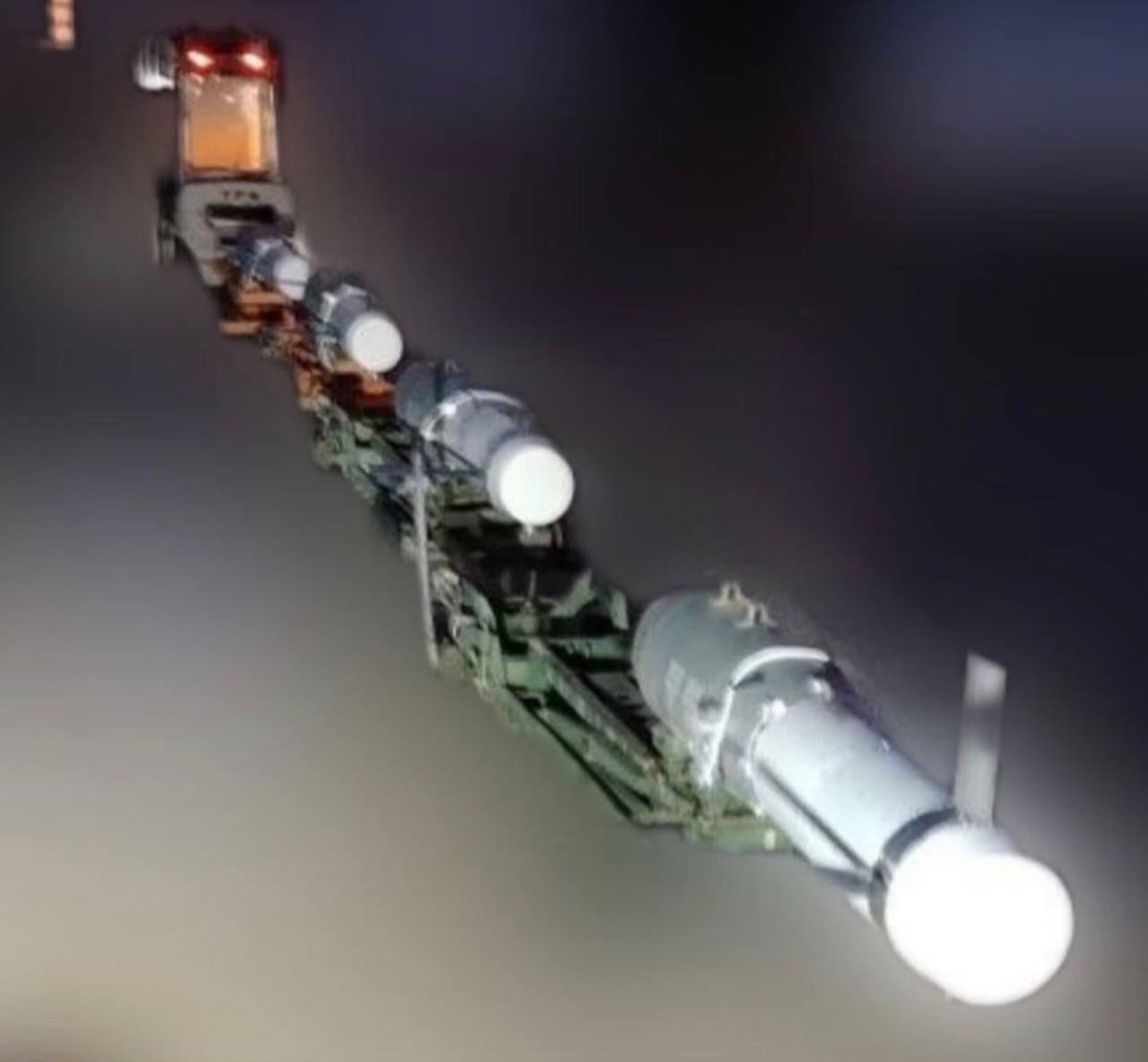
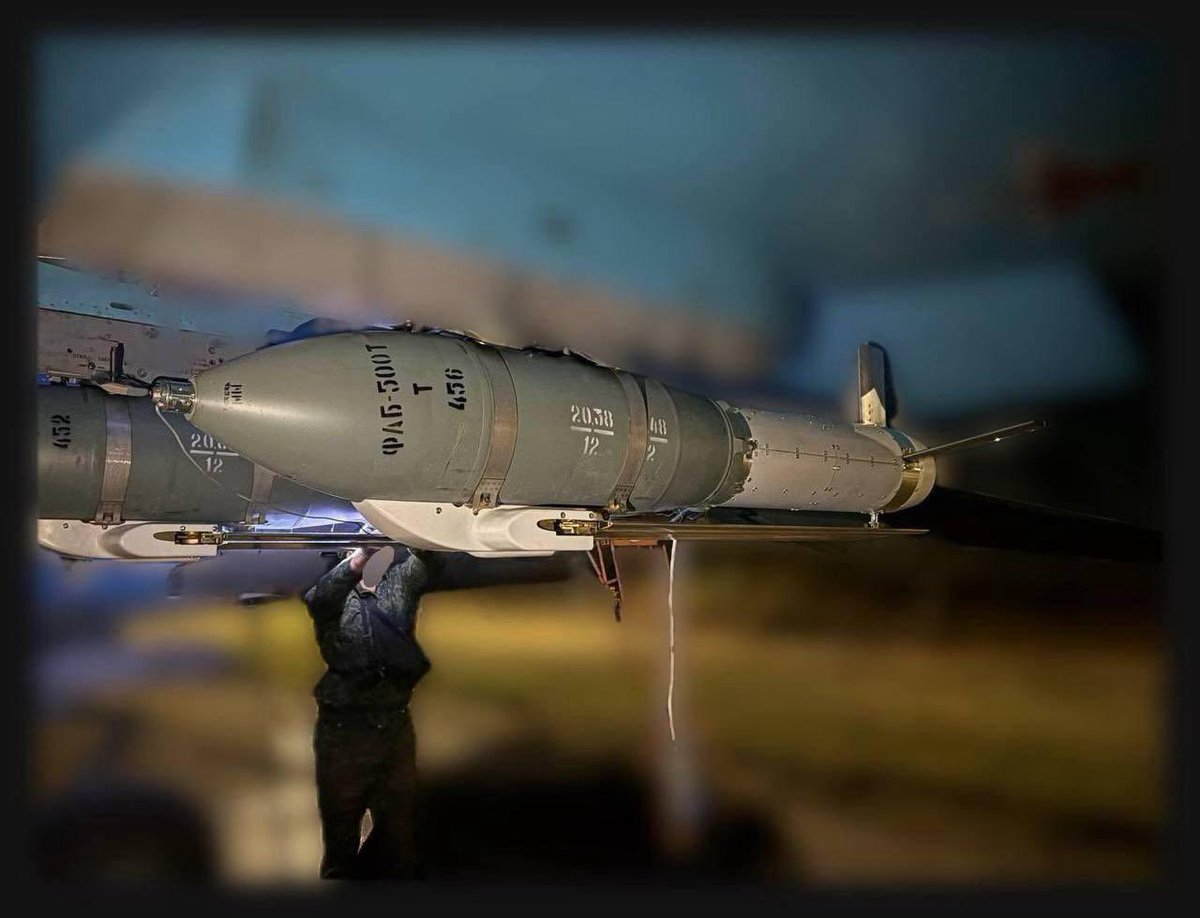
Photo of four Russia FAB-500 T bombs equipped with the tail unit from the new kit shown in the thread above, about to be loaded onto an aircraft (presumably Su-34).
According to the Ukrainian TG channel Polkovnik GSh, the unpowered version of this kit is called UMPB-5, and the version with the Chinese-made Swiwin SW800Pro-Y turbojet is called UMPB-5R.
t.me/war_home/5707
16 Nov 2025

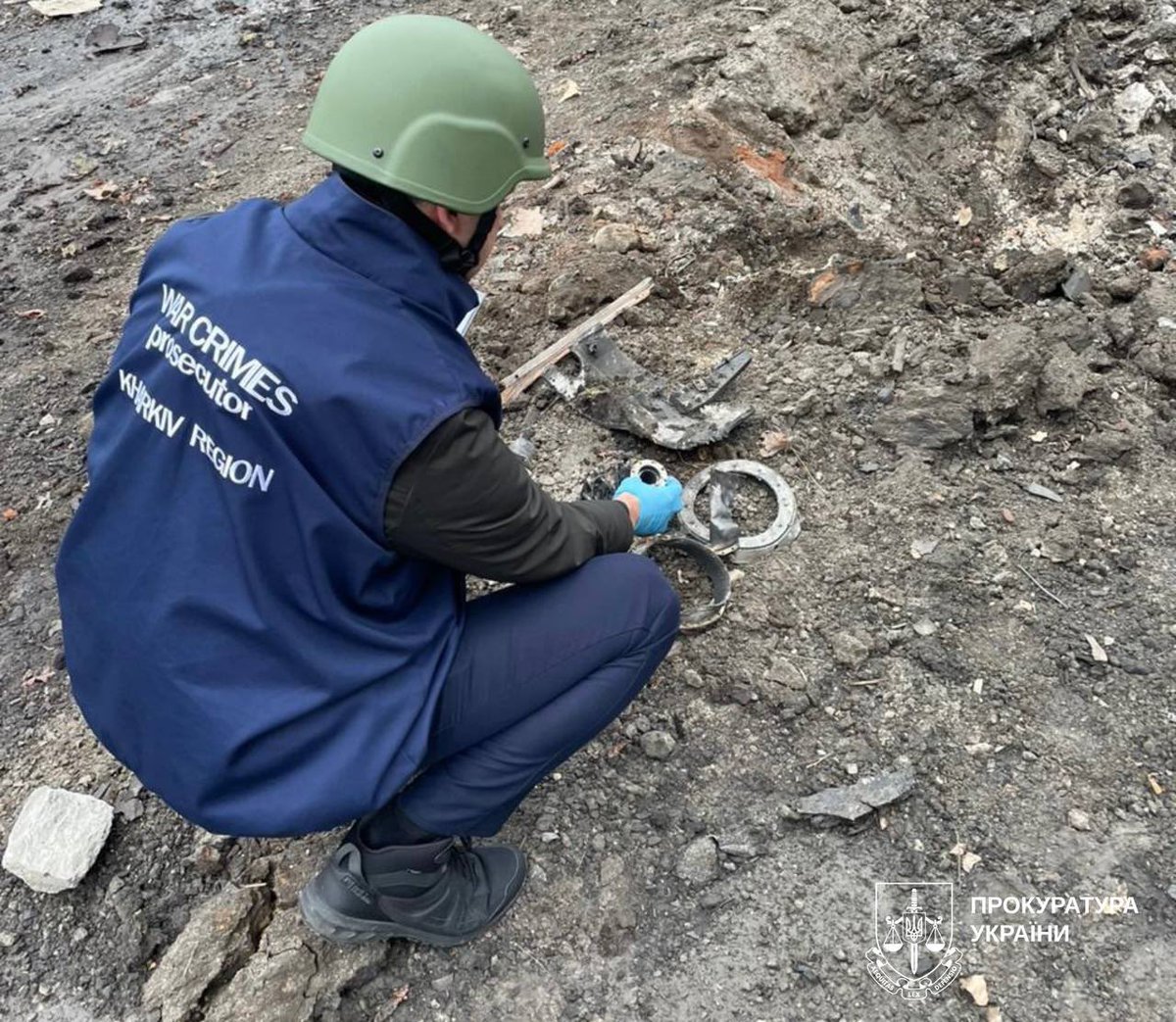
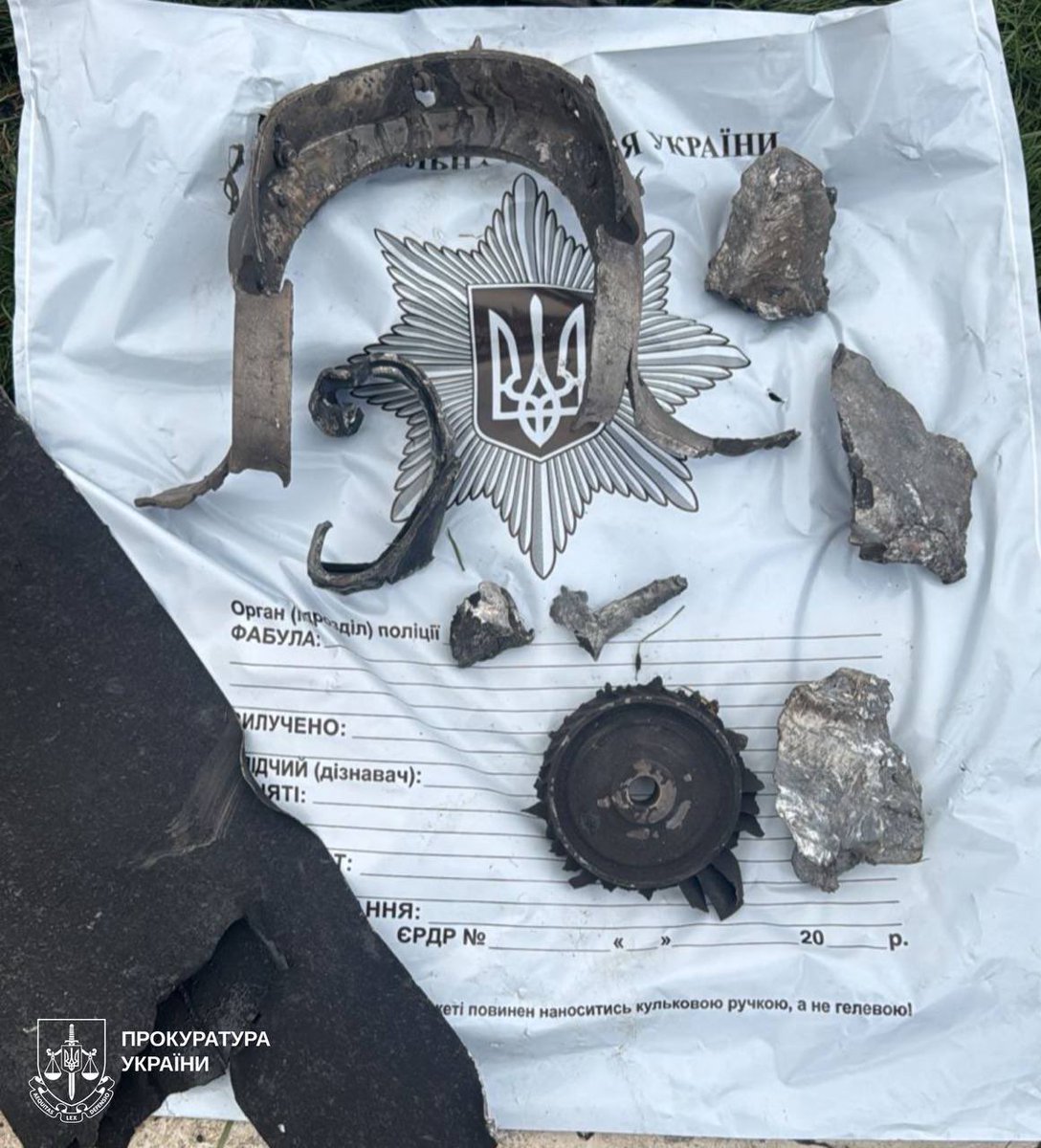
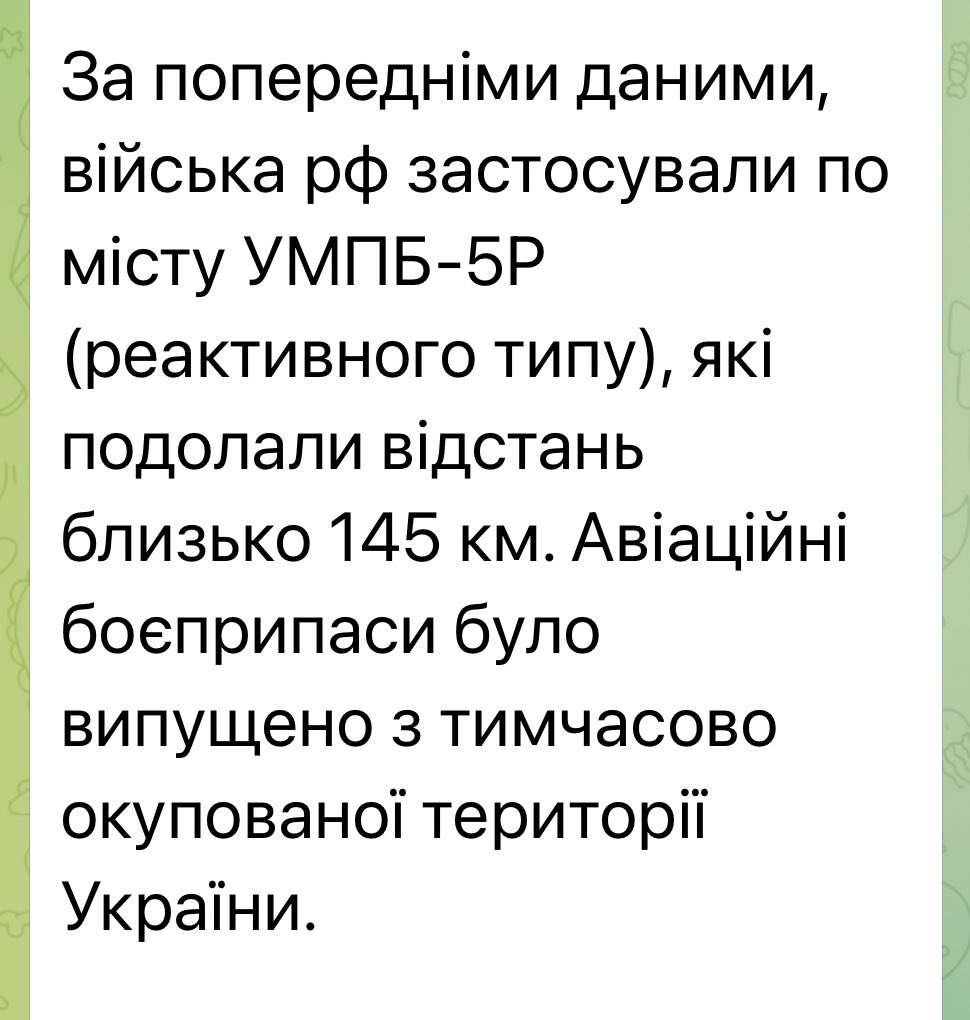
The Kharkiv regional prosecutor’s office reported another strike in Lozova with a “UMPB-5R” jet-powered bomb, this time traveling ~145 km. The articulable tail fin shown here resembles those seen below.
t.me/prokuratura_kharkiv/257…

2
3
9
2,836

15 Nov 2025
пролітати до 200 км. В УМПБ-5Р додається турбореактивний двигун Swiwin SW800Pro-Y, паливний бак та повітрязабірний пристрій
Не плутати з іншими УМПБ Д30СН - це зовсім інший засіб
Полковник ГШ
2
20
1,845

8 Nov 2025
Russia fitted Soviet-era KAB glide bombs with Chinese-made Swiwin SW800Pro-Y turbojet engines, increasing range from 50 miles to 125 miles — engines available on Alibaba for $18,000. 2/
3
9
89
5,077

5 Nov 2025
🔥۵ نوامبر ۲۰۲۵
» ابتکار جدید روسیه: بمبهای گلاید شوروی با موتور جت و تهدید جدید برای اوکراین
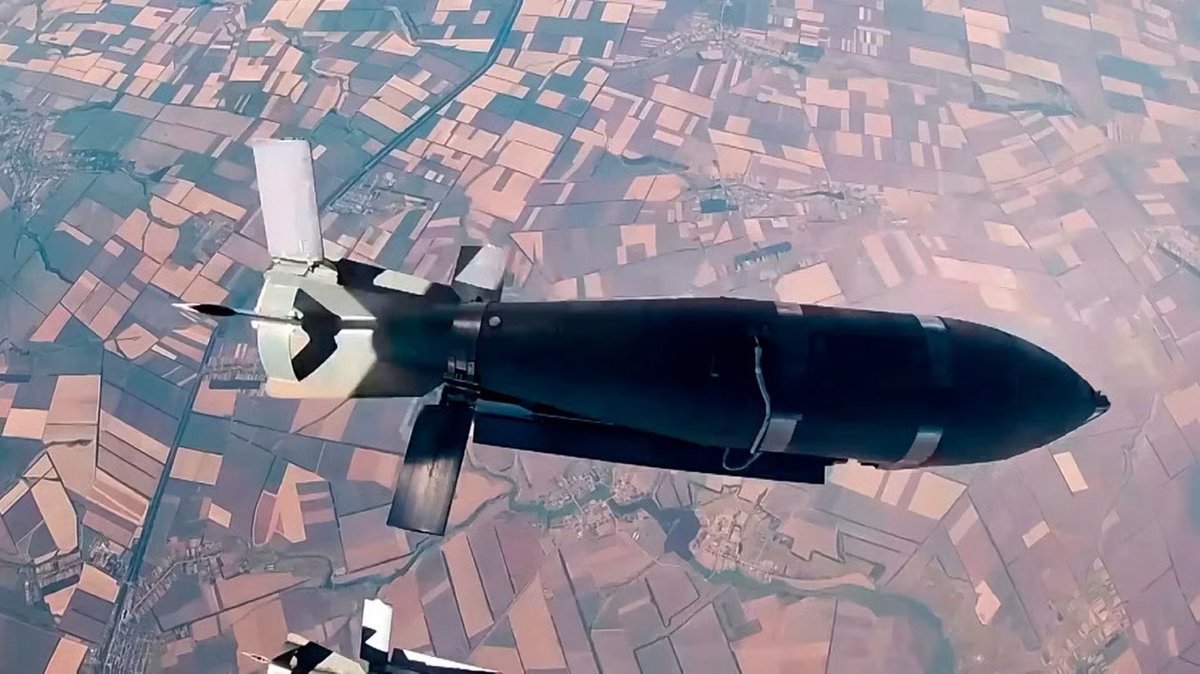
- با نزدیک شدن به زمستان ۲۰۲۵، روسیه در حال افزایش فشار بر اوکراین است و این بار با ابتکاری جدید که پدافند هوایی اوکراین را به چالش میکشد. منابع اطلاعاتی و تحلیلی نظامی گزارش دادهاند که روسیه در حال مدرنسازی بمبهای گلاید دوران شوروی با افزودن موتورهای جت ارزان قیمت به آنها است. این اقدام، برد این بمبها را به نزدیک ۲۰۰ کیلومتر افزایش داده و آنها را به تهدیدی جدیتر برای زیرساختها و نیروهای اوکراینی تبدیل کرده است.
- بمبهای گلاید (یا کیتهای UMPK) به طور سنتی، با استفاده از بالچهها و سیستمهای هدایت، امکان پرواز بدون موتور را پس از رهاسازی از هواپیما فراهم میکنند. برد این بمبها معمولاً محدود است و هواپیماهای پرتابکننده را در معرض خطر پدافند هوایی برد متوسط قرار میدهد. اما با افزودن موتورهای جت کوچک، این بمبها به یک دسته جدید از تسلیحات تبدیل شدهاند که میتوانند مسافتهای طولانیتری را طی کنند و به اهدافی در عمق خاک اوکراین برسند. برخی گزارشها حاکی از استفاده از نسخههایی از بمبهای بالدار گلاید شونده FAB-500T مجهز به موتور توربوجت Swiwin SW800Pro توسط ارتش روسیه است. این تغییر، به جنگندههای روسیه اجازه میدهد تا بمبها را از فاصلهای امنتر پرتاب کنند و از محدوده موثر پدافند هوایی اوکراین دور بمانند.
- این ابتکار روسیه، چالشهای جدیدی را برای پدافند هوایی اوکراین به وجود آورده است. سامانه پدافند هوایی اوکراین، اگرچه با کمکهای غربی تقویت شده، اما همچنان با کمبودهایی مواجه است و در برابر حجم بالای حملات موشکی و پهپادی روسیه تحت فشار قرار دارد. بمبهای گلاید موتوری، به دلیل برد بلندتر، امکان حمله به اهدافی را فراهم میکنند که پیش از این خارج از دسترس بمبهای گلاید معمولی بودند. این امر، نیاز به استقرار سامانههای پدافند هوایی با برد بلندتر و تعداد بیشتر را در اوکراین تشدید میکند.
- انتظار میرود با ورود به فصل سرما، روسیه حملات خود را به زیرساختهای اوکراین افزایش دهد. مدرنسازی بمبهای گلاید با موتور جت، نشاندهنده تلاش مستمر روسیه برای یافتن راههای جدید و کمهزینه برای غلبه بر پدافند هوایی اوکراین و تشدید حملات است. این روند، جنگ اوکراین را به صحنهای برای نوآوریها و تاکتیکهای جدید در زمینه تسلیحات تبدیل کرده است.
اخبار و تحلیلهای امنیتی و نظامی را در تلگرام، توییتر، یوتیوب، بله و ایتا @punisher346 دنبال کنید.
#روسیه
#اوکراین
1
33
2,025

5 Nov 2025
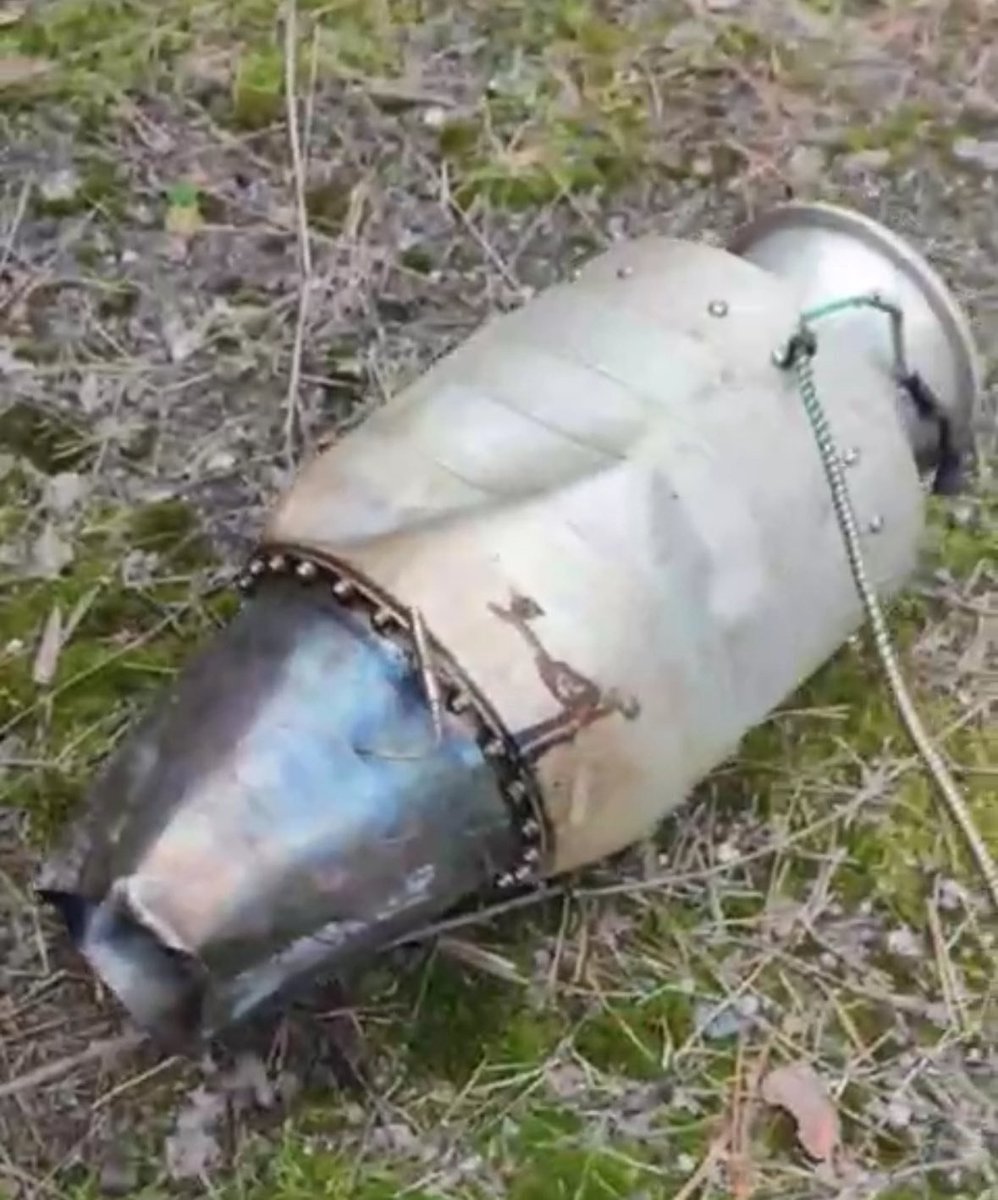
Rosja ma montować silniki odrzutowe na starych bombach, co zwiększa ich zasięg (50-200km). Silniki turboodrzutowe SW800Pro-Y, można sobie kupić na Alibabie. Nie trzeba jedynie "wysokich technologii". W prosty sposób można rozbudować przestarzałe narzędzia. Adaptacja: cokolwiek co działa.
7
4
1,436
3 Nov 2025
The Russian FAB-3000 with Extended 200 km Glide Kit: A Devastating Precision Weapon
The FAB-3000, or Fugasnaya Aviabomba 3000, represents one of Russia's most formidable unguided aerial bombs from the Soviet era, now revolutionized by modern glide kits.
Originally developed in the 1950s as a high-explosive demolition weapon, the FAB-3000 weighs approximately 3,000 kilograms (6,614 pounds), with a length of 3.84 meters and a diameter of 680 millimeters.
Its warhead contains about 1,370 kilograms of TNT or a similar high-explosive filler, capable of generating a blast radius exceeding 200 meters and penetrating up to 1.5 meters of reinforced concrete. Designed for strategic bombing, it was historically dropped from heavy bombers like the Tu-22M3, but its revival in contemporary conflicts stems from integration with advanced guidance systems.
The key transformation comes from the Universal Module for Planning and Correction (UMPK), a tail-mounted kit produced by Russia's Bazalt Design Bureau.
The standard UMPK equips the bomb with folding wings spanning up to 3 meters when deployed, a streamlined fairing for aerodynamic stability, and a satellite-navigation system using GLONASS for mid-course corrections.
This converts the inert FAB-3000 into a standoff glide bomb, extending its effective range from a mere free-fall drop to 50-60 kilometers when released from altitudes of 5,000-12,000 meters.
Guidance achieves a circular error probable (CEP) of 10-30 meters, allowing strikes on bunkers, fortifications, and urban targets with minimal collateral risk compared to unguided variants. The kit adds roughly 200-250 kilograms, including control surfaces and inertial sensors, and is compatible with Su-34 fighter-bombers, which carry it externally on the centerline pylon.
Recent upgrades have pushed the envelope further with the jet-powered UMPK-PD variant, achieving an extended range of up to 200 kilometers.
This iteration incorporates a compact turbojet engine—sourced from commercial Chinese suppliers like the SW800Pro-Y—mounted in a tubular rear section, providing thrust for powered gliding.
The design features enhanced aerodynamics with a curved, sloping tail and lighter composite materials, reducing drag by 20-30%. A 12-antenna controlled reception pattern antenna (CRPA) array bolsters resistance to electronic warfare jamming, ensuring reliable terminal guidance even in contested airspace.
Released from high altitudes, the bomb rotates 180 degrees post-drop, deploying wings and igniting the engine for sustained propulsion, reaching speeds of 800-900 km/h.
In operational terms, the FAB-3000-UMPK-PD has been combat-tested in eastern Ukraine since mid-2025, targeting deep rear-area logistics and command nodes. Its 1.4-ton explosive yield can level multi-story buildings or crater runways, while the standoff capability shields launch aircraft from ground fire.
Production ramps up at facilities like the Izhevsk Mechanical Plant, with monthly outputs exceeding 500 units. However, challenges persist: the bomb's mass limits fuel efficiency, capping practical range at 150-180 kilometers under load, and vulnerability to advanced air defenses remains a concern.
Nonetheless, this evolution underscores Russia's shift toward affordable, mass-produced precision munitions, blending Cold War brute force with 21st-century lethality.
18
160
911
45,071

25 Oct 2025
Russia’s FAB-500T turbojet variant signals a major leap in low-cost precision warfare. By integrating the Chinese SW800Pro engine, the bomb now reaches ranges of nearly 200 km with terminal speeds exceeding Mach 0.9. You can see how this blurs the line between glide bomb and cruise missile, reducing radar cross-section and interception windows. Expect China and its allies, including the PLAAF and possibly Pakistan, to adapt similar propulsion kits for extended-range strike capability against heavily defended targets.

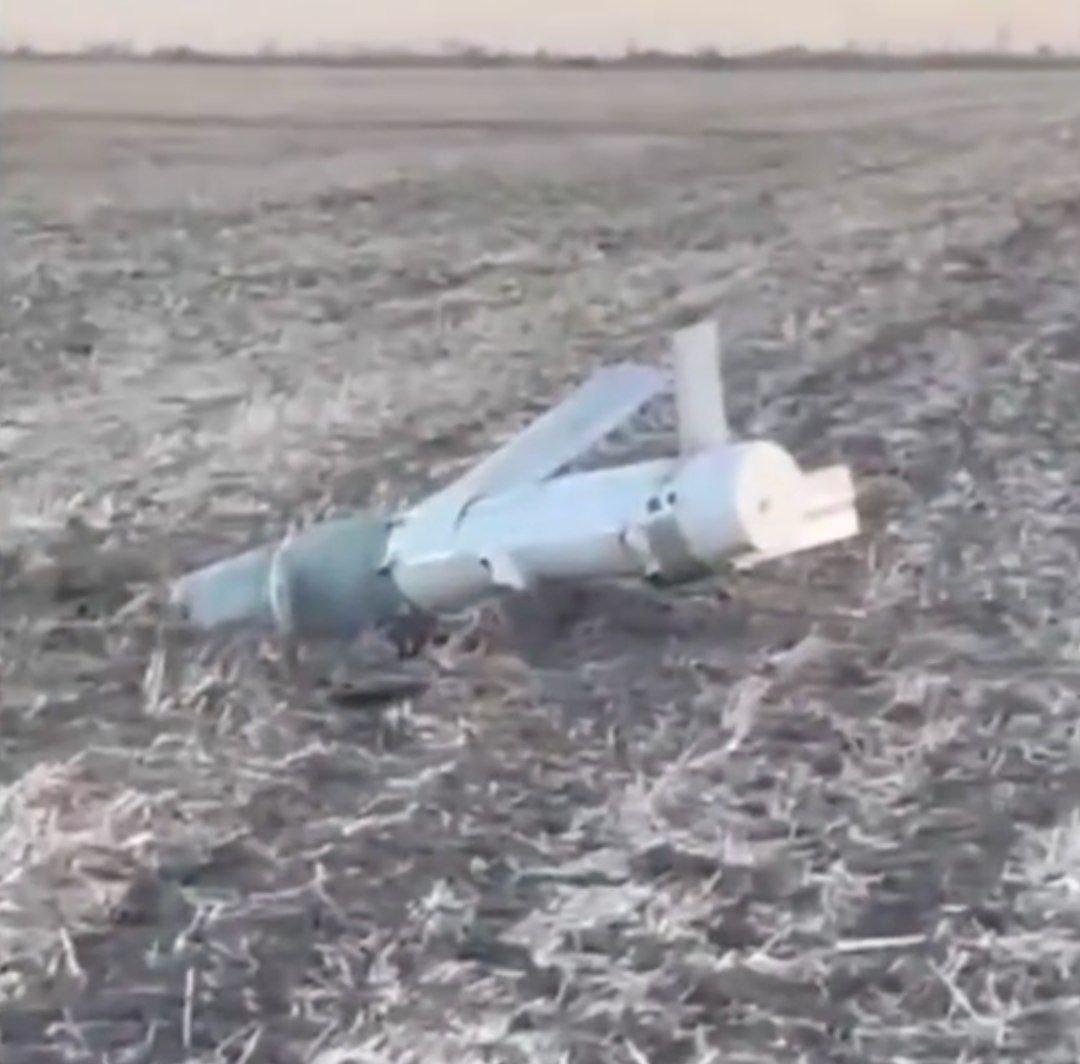
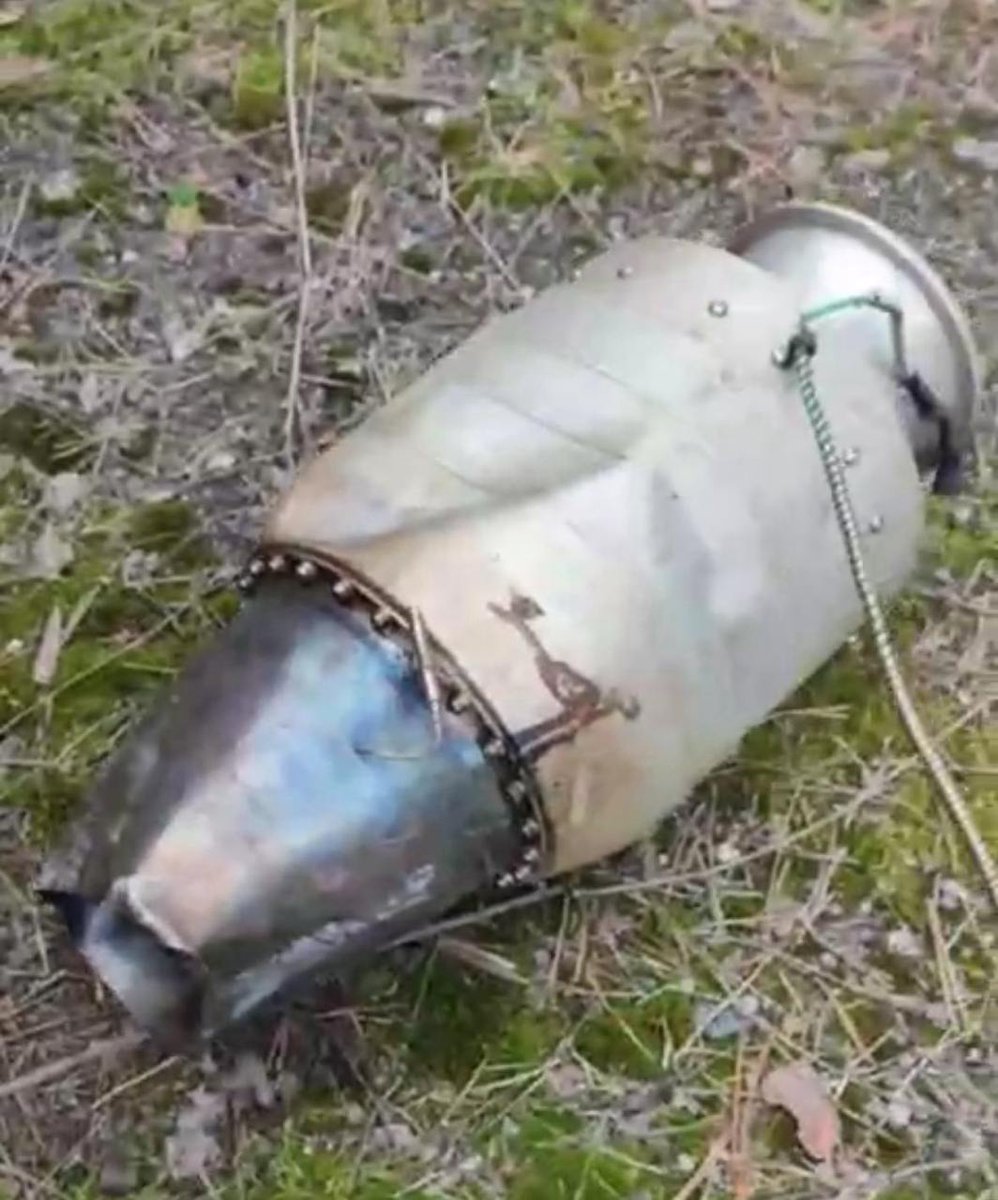
Russia is using FAB-500T glide bomb, now, equipped with Turbojet Engine. Ukrainian sources claim that Russia is using Chinese SW800Pro engine.
Now, it's being very very difficult for even NATO origin Air Defences to stop this beast. As this ‘jugarr’ increased the range upto 200km as well as the guided bomb getting a boasted speed via Turbojet Engine, making it difficult for ADs to detect and intercept it.
In future we are going to see the same munitions in PLAAF and other services too.
1
4
292