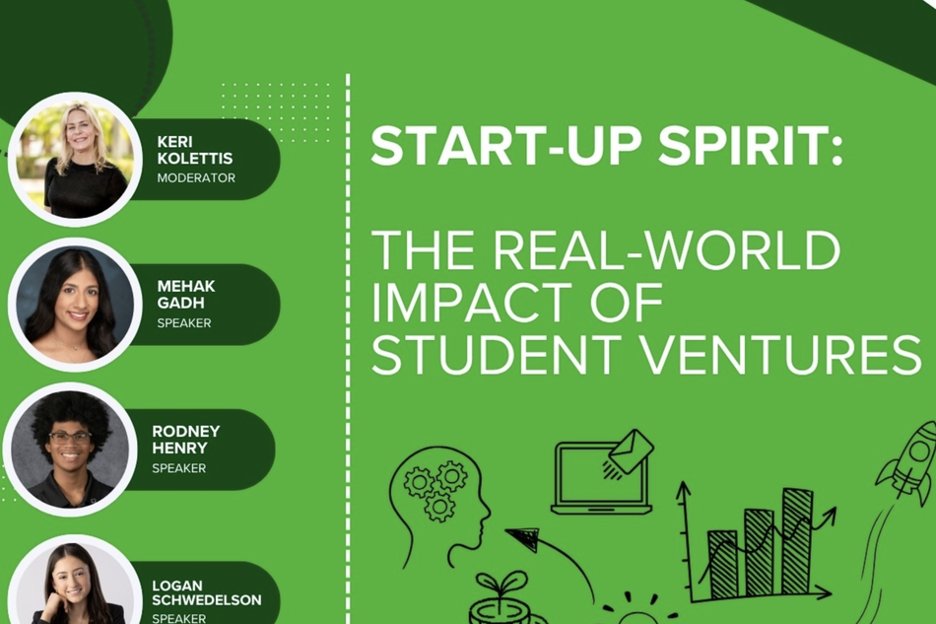
This #SWSWEDU session showed that student founders are not preparing for the real world. They are already building in it.
Three impressive Gen Z founders discussed how they've tackled everything from peanut allergy detection and concussion monitoring to AR sports training and sustainable fashion. Their stories prove that entrepreneurship education works best when it moves beyond theory and into real problem-solving.
A few standout takeaways:
• Passion is the starting point, not the finish line. The strongest ventures began with a real person, a real frustration, or a real unmet need. That made the work feel urgent and credible.
• Resilience is a learned skill. A recurring theme was hearing “no” from adults, investors, and judges — then refining the story, improving the product, and pitching again. Failure was framed as data, not defeat.
• #Entrepreneurship builds durable career skills. Students described learning adaptability, audience awareness, networking, professional communication, and how to work without a script. Those skills matter far beyond startups.
• #AI is a tool, not a substitute for thinking. The panel took a practical view: use AI to accelerate workflow, simplify data, and prototype faster, but do not outsource judgment or critical thinking.
• Educators matter most when they create space to try. Students do not need more permission. They need mentors, exposure, and environments where they can build, test, fail, and try again.
"Credibility doesn't come from age. It comes from execution."
Speakers:
Keri Kolettis, Vice President of Global Innovation & Entrepreneurship, Pine Crest School
Mehak Gadh, Student, Vanderbilt University - PlayAR
Rodney Henry, Student, Doral Academy Preparatory - DETECHT, PROTEGE
Logan Schwedelson, Student, Pine Crest School - Allersense Decarb
Learn more about this @SXSWEDU session: ow.ly/e0Wx50YrAfh
Check out our full guide for social entrepreneurs: ow.ly/fBEV50YrAfg
1
26
Supporting #Women #entrepreneurs and funding women #founders is a top theme at #SWSWEDU 2026. On #InternationalWomensDay, learn about some @SXSWEDU sessions that will focus on this important topic. #IWD26
- Beyond Glass Ceiling–a Women’s Guide to Leadership in Edtech
- How to Address Social Issues like a Startup: Girls in STEM
- Exclusion to Empowerment: Women, Tech, & the Future of Learning
- Leveling the Playing Field for the Collegiate Female Founder
- Engineering Confidence: Raising Girls to Build Companies
ow.ly/ZUbx50YqglF

1
23

Mar 5
It's time for #SXSW and #SWSWEDU... so, right now is THE perfect time to catch Greg Rosenbaum on #RemakeLearning's #podcast!
Take in these 18 minutes before you head to #Austin.
➡️ slbradio.org/podcast/s9-ep9-…
@RyanRydzewski @TylerSamstag @slbradio
3
3
217

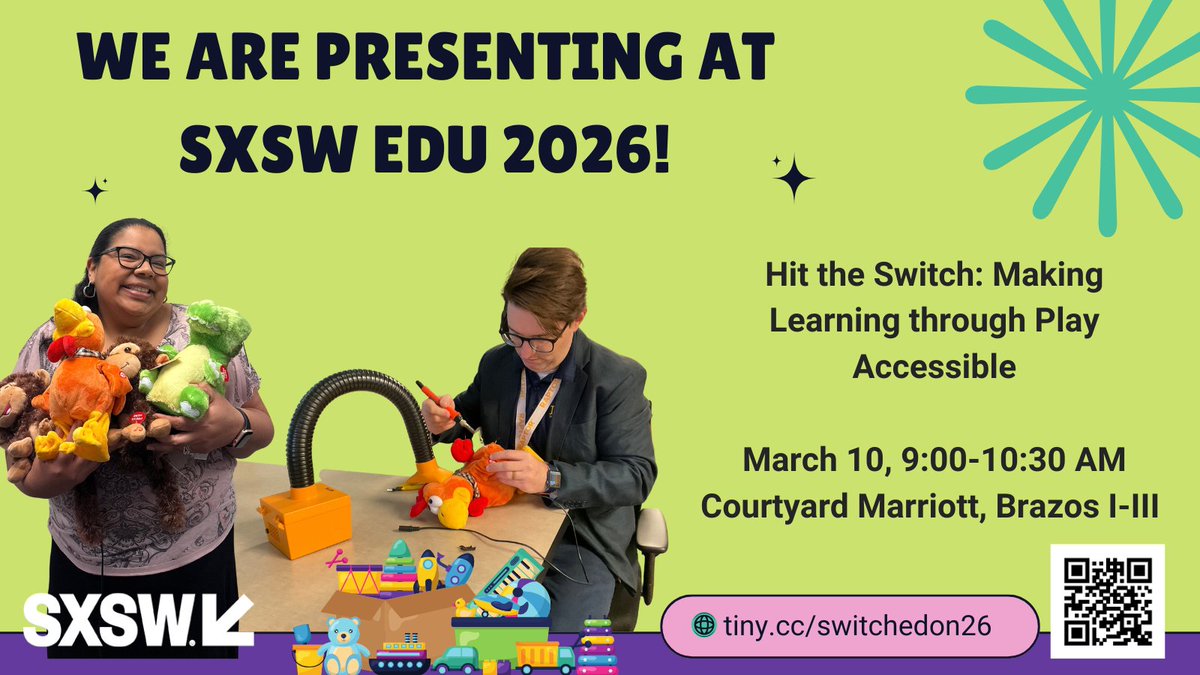
If you're headed to #SWSWEDU 2026, be sure to check out our workshop where you will learn how to adapt toys🐶🧸into switch-accessible learning experiences & build mobile literacy📚 kits!
5
173

20 Aug 2025
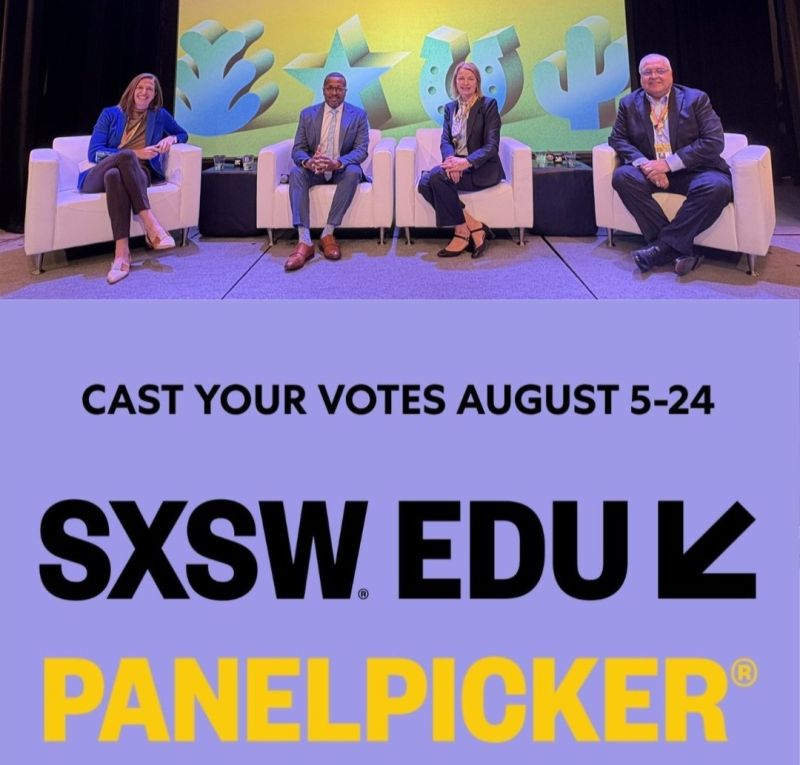
Excited about the prospect of joining Dr. Lindsay Whorton of @HoldsworthCentr to explore how schools can better support new teachers through shared leadership, coaching, and collaboration, models proven to boost teacher growth and student success.
Consider casting your vote for our #SWSWEDU session! bit.ly/4oqrYnQ
1
4
349
5 Mar 2025
Yes, the 412 is all over Austin for #SWSWEDU. And do you know where the 412 is also showing up BIG this week? New Orleans for #NCE2025! | @AASAHQ @remakelearning
🛫 Stirring up great possibilities for our learning landscape!
➡️ remakelearning.org/our-netwo…
2
13
346

3 Mar 2025
#SWSWEDU 2025 conference starts today. Lots of great #AI and #socialimpact sessions to pay attention to.

#SXSWEDU 2025 Advisory Board members have shared which sessions they are looking forward to and why.
With focuses on continuing education and equity, discover which sessions Advisory Board members are looking forward to this March: ow.ly/48Nh50V8Umr
26

4 Mar 2024
4 Mar 2024

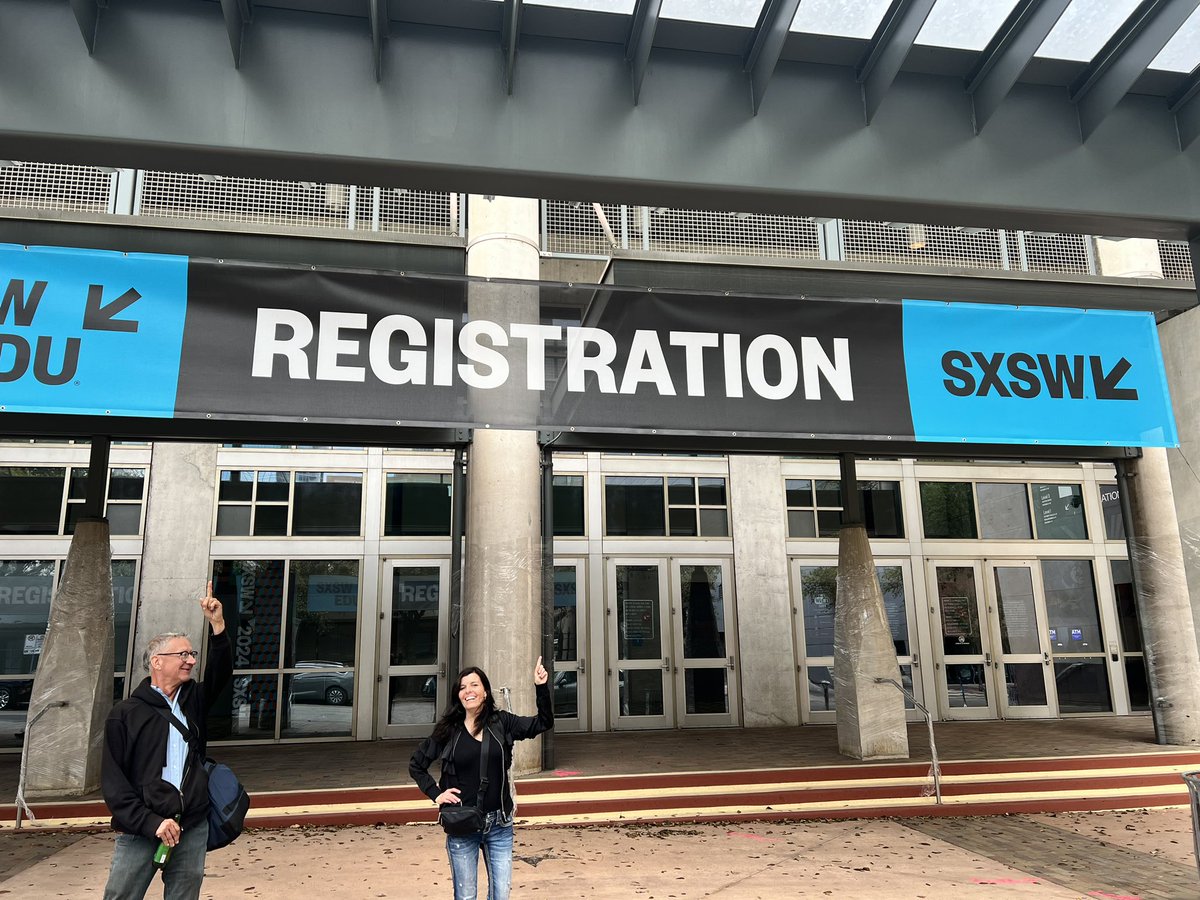
Tomorrow at #SXSWEDU: How to Be a Freedom Fighter with ALA's Betsy Gomez, #FReadom fighter Becky Calzada, 2022 #BannedBooksWeek Youth Honorary Chair Cameron Samuels, and NYT bestselling author @angiecthomas.
schedule.sxswedu.com/2024/ev…
1
92

3 Mar 2024
32

30 Oct 2023
📆 Add this to your @SWSWEDU must-see panel list! ETS's @karamcwilliams will join @hadip, @KristenDiCerbo and @southjoseph, to delve into the importance of utilizing #AI in education and adapting to our AI-driven world. bit.ly/3Mj8bFz
#SWSWEDU #aiforgood
1
1
827

18 Aug 2023
Two days left to vote in @SXSWEDU #PanelPicker! Vote by 8/20.
Our session is "Driving Student Success Through Competency-Based Learning." Educator panelists will share specific shifts for educators that put learners in the driver’s seat. bit.ly/44eVTUW #CBL #SWSWedu
172

17 Aug 2023
* "Supporting the Equity Officer in K12 Education" with our Mary Rice-Boothe (@mriceboothe) and Maurice Swinney (@docswin) of @Chicago_Beyond! Vote now: ow.ly/kYn450PyEsV #SWSWEDU
1
1
3
145
12 Aug 2023
Please vote for our panel proposal for South by Southwest 2024 -- Unite Against Book Bans! Panel includes our star advocate Becky Calzada, member of ALA Policy Corps and our own staffer Betsy Gomez of ALA OIF. @LibraryPolicy @aasl @ALALibrary #SWSWEDU @UABookBans @OIF @becalzada
10 Aug 2023

Americans overwhelmingly agree: book bans belong in the past.
Help us spread the word next year @ #SXSWEDU by voting for our panel proposal w/ @becalzada @angiecthomas & @cameronjsamuels!
Vote now (registration required): panelpicker.sxsw.com/vote/14…
#UniteAgainstBookBans
![SXSW EDU 2024. SXSW EDU Community Voting: August 8-20, 2023. Vote for My PanelPicker© Proposal. [White text on a brown background with abstract geometric designs in purple, orange, light blue and brown at the bottom of the image]](https://venexa.site/media/F3MGf65XAAIWCp2.png)
ALT SXSW EDU 2024. SXSW EDU Community Voting: August 8-20, 2023. Vote for My PanelPicker© Proposal. [White text on a brown background with abstract geometric designs in purple, orange, light blue and brown at the bottom of the image]
1
1
5
845

11 Aug 2023
And Entrepreneurs, apply got the Launch competition @swswedu! Deadline late October
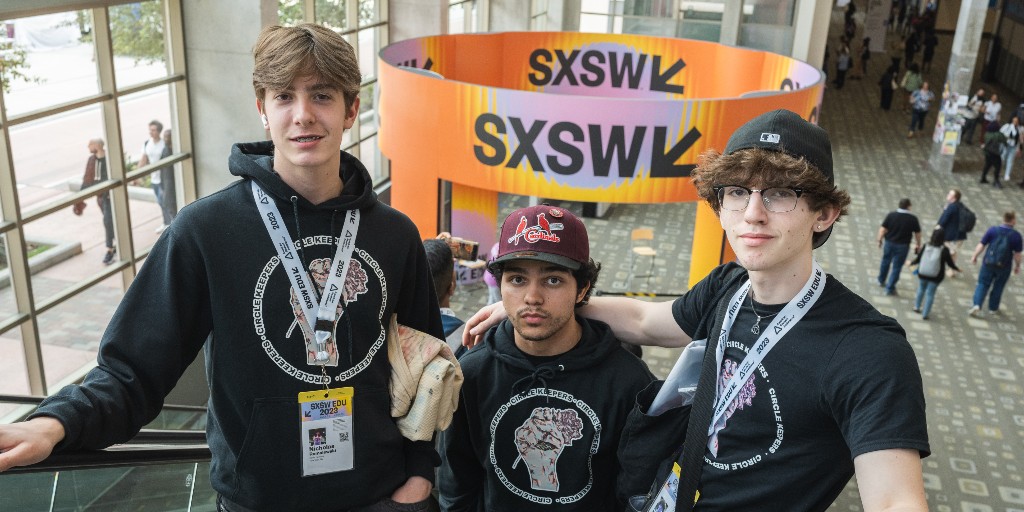
📚 It's back to school time — and your student ID is your golden ticket for big savings at #SXSWEDU 2024!
Get ready for a world of wisdom in March that extends beyond the classroom at an exclusive student discount rate. Learn more: ow.ly/wrQ850PxMgG
73
10 Aug 2023

🚀 Shameless #SXSWEDU @SXSWEDU Panel Picker request!
Please vote thru @GOALearning presentation on competency-based learning
Vote for experienced #CBL folx lk me @belathram @deepjyot to share strategies for S agency & growth! ✅#CompetencyBasedLearning panelpicker.sxsw.com/vote/13…

ALT Image promoting @GOALearning for a SXSW EDU session on driving student success with competency-based learning. Please vote for us! https://panelpicker.sxsw.com/vote/136865
1
2
391

21 Mar 2023
🚸 #SXSW2023 took over the streets of #ATX last week and specifically focused on Diversity, Equity and Inclusion practices in its #SWSWEDU 4-day workshop.
texasscorecard.com/state/tex…
4
2
5
627

7 Mar 2023
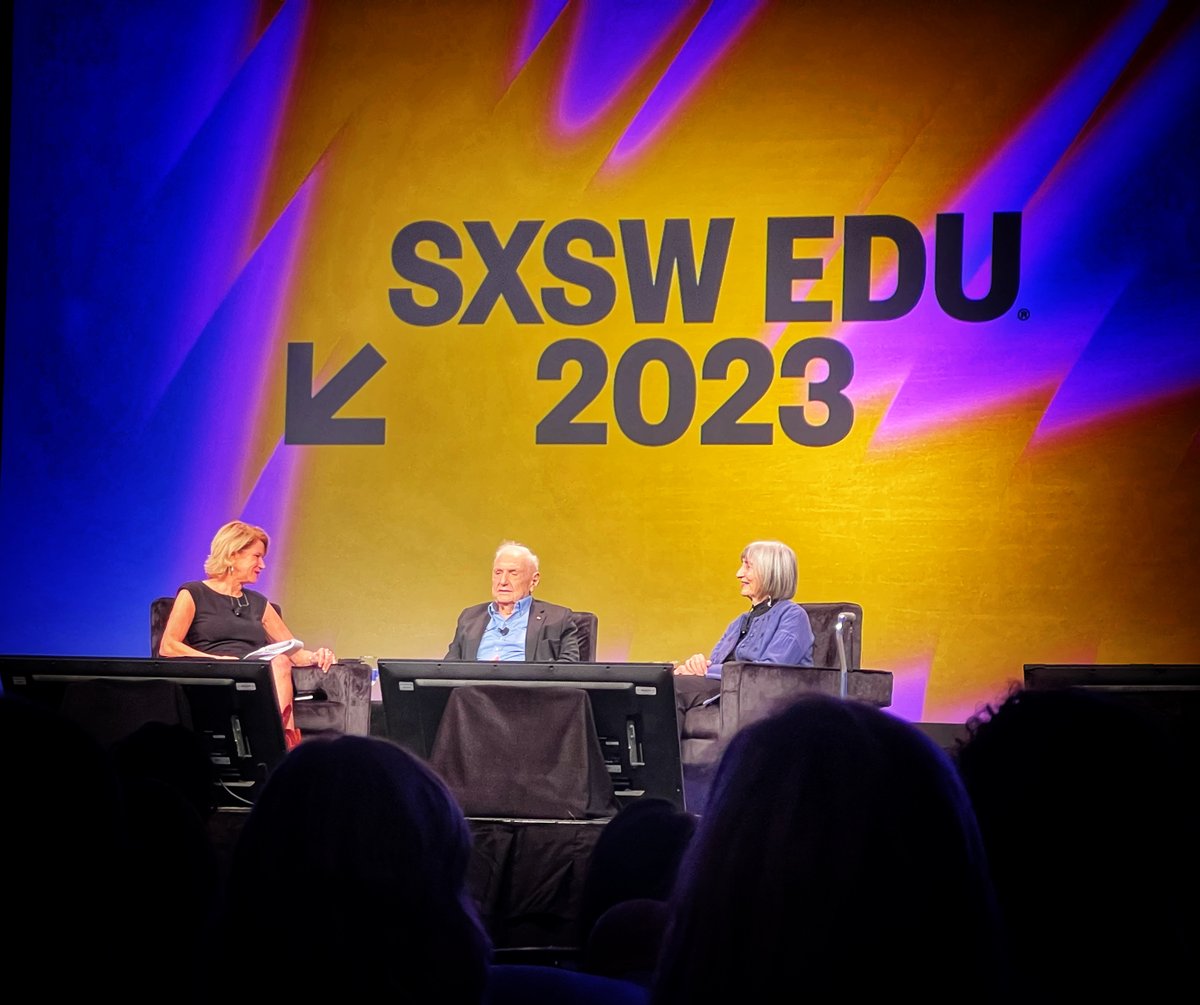
This morning’s keynote @SXSWEDU with #frankgehry #doreengehrynelson & @hechingerreport got us thinking about @designbasedlearning and bringing joy and risk-taking back into the education equation! #swswedu #design
1
85

Our very own @lucyswedberg is speaking at @SXSWEDU on March 8th at 11:30am CT with @Whittier_Pres on fixing the lack of diverse leadership in #HigherEd. Attending the conference? Make sure to join this session: schedule.sxswedu.com/2023/ev…
#RepresentationMatters #SWSWEdu #Conference
1
1
138

#dtk12chat friends at #SWSWEDU!
6 Mar 2023

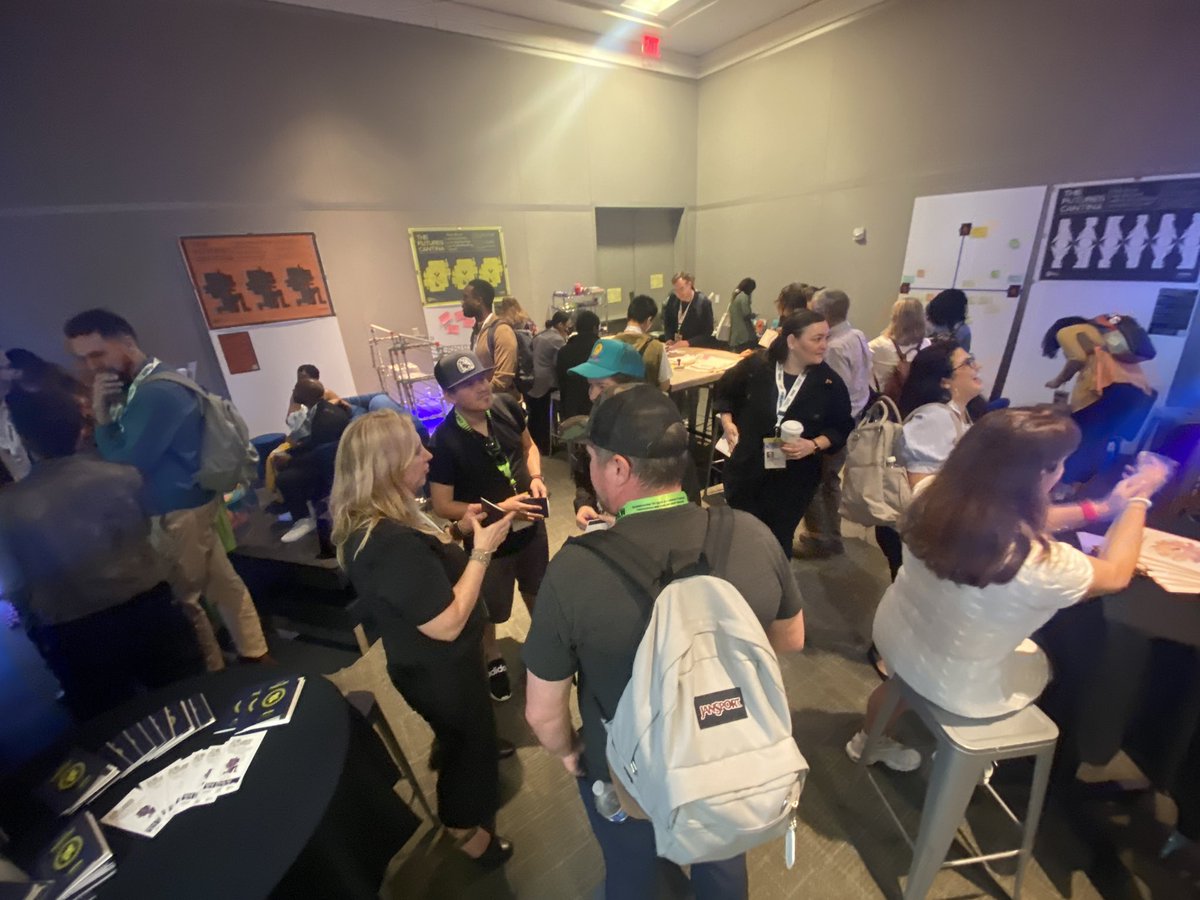
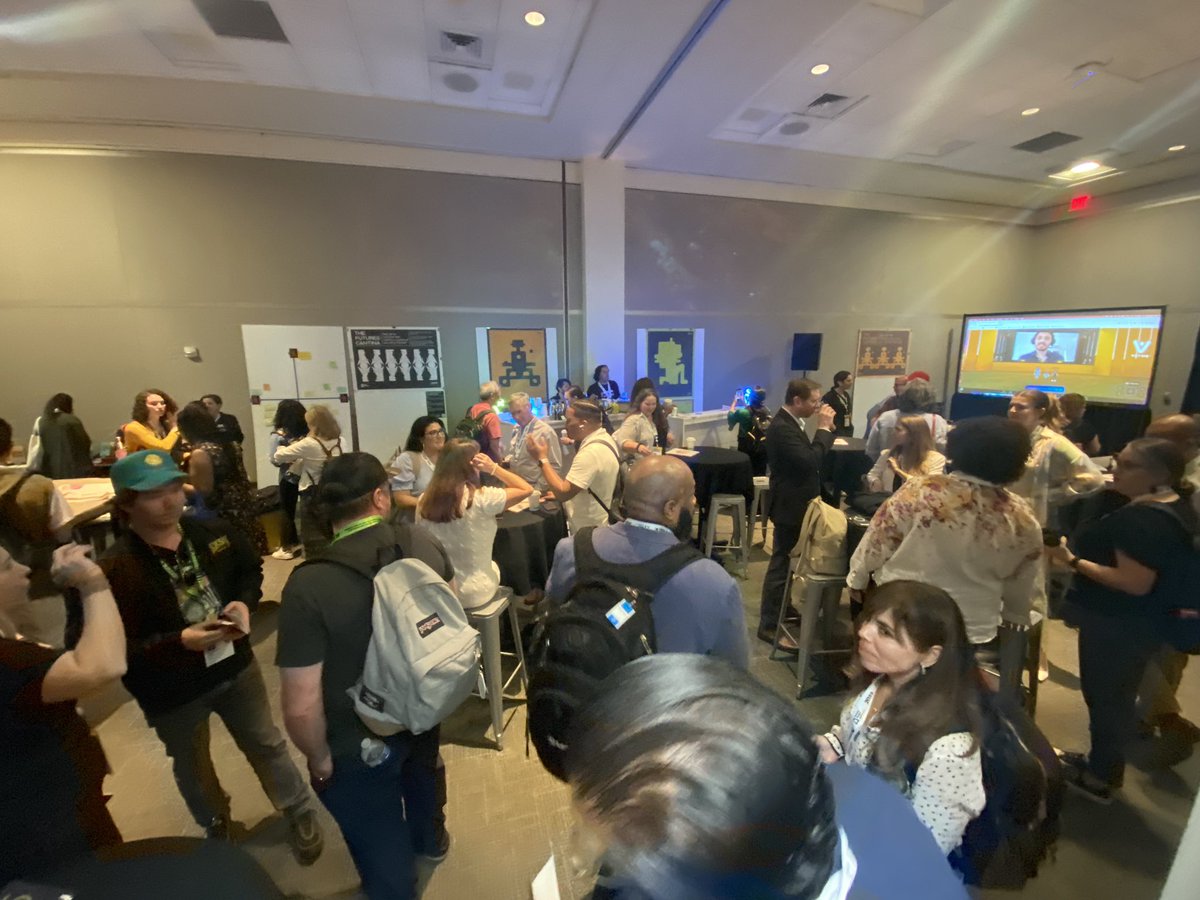
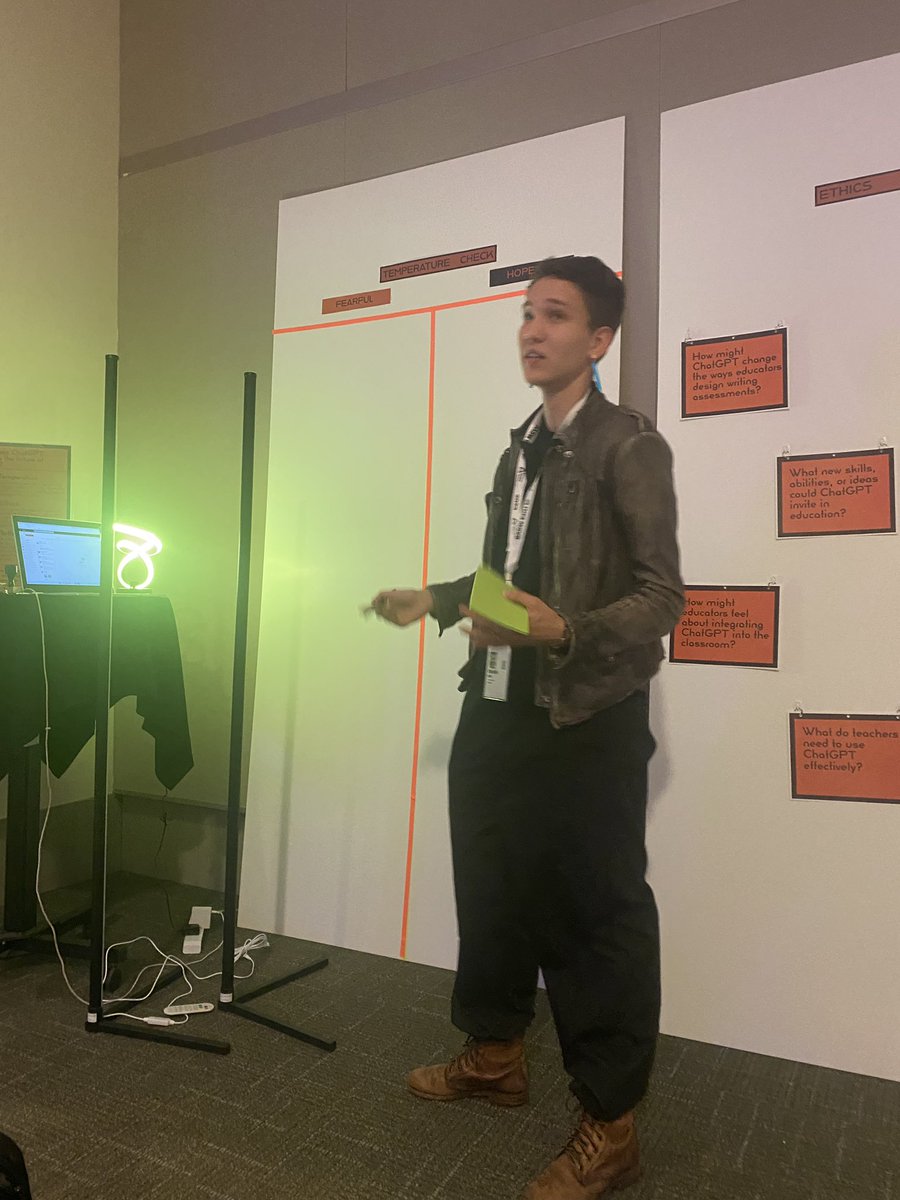
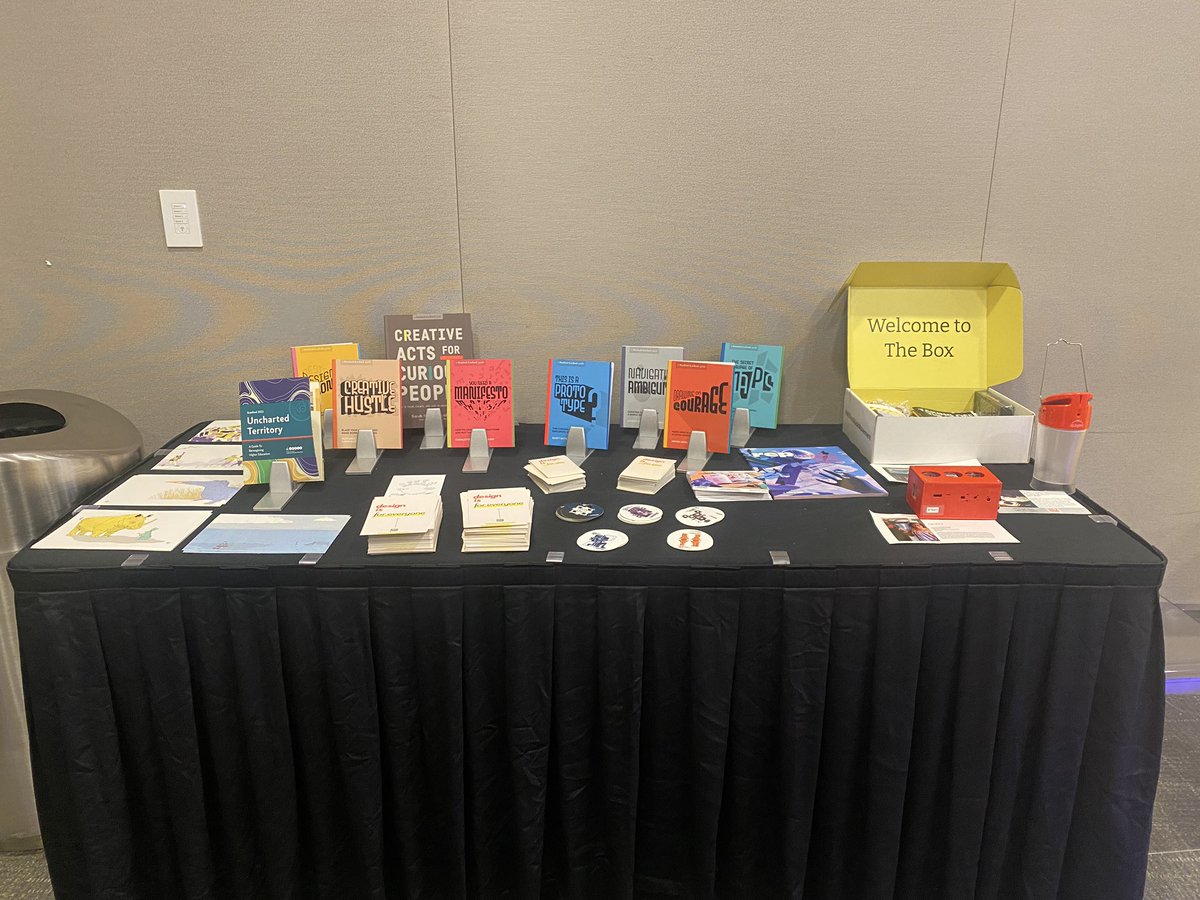
at #SXSWEDU? come thru The Futures Cantina today, tomorrow, and wednesday. workshop today at 1pm. party friday at 5pm. check out the full schedule here: k12futures.stanford.edu/sxsw…
4
267

6 Mar 2023
At #SWSWEDU today?! ✨ Check out @newprofit's session this afternoon!
6 Mar 2023

Don't miss this session on day one of #SXSWEDU! Today at 1pm CT at the Austin Convention Center. Hear from leaders at @dcpave @kidsfirstchi, Murmuration and New Profit. hubs.li/Q01FgsZW0
1
1
201