
23 Dec 2024
🎄✨ Season’s Greetings from the #HorizonEurope #SOSWaterProject! 🌊
This year, we advanced our #SafeOperatingSpace framework, engaged #stakeholders, & shared insights at #EGU24. Thank you for supporting #sustainable #water #management!
🌟 Happy Holidays & a successful #2025! 🎉
1
4
41
10 Nov 2024
On the #GlobalScienceDay, we want to celebrate all the great scientists in our #HorizonEU #SOSWaterProject and all the work they are doing towards defining a #SafeOperatingSpace for #water resources 👏
Join us in celebrating the marvelous world of science!💫🔬
2
40
17 Oct 2024
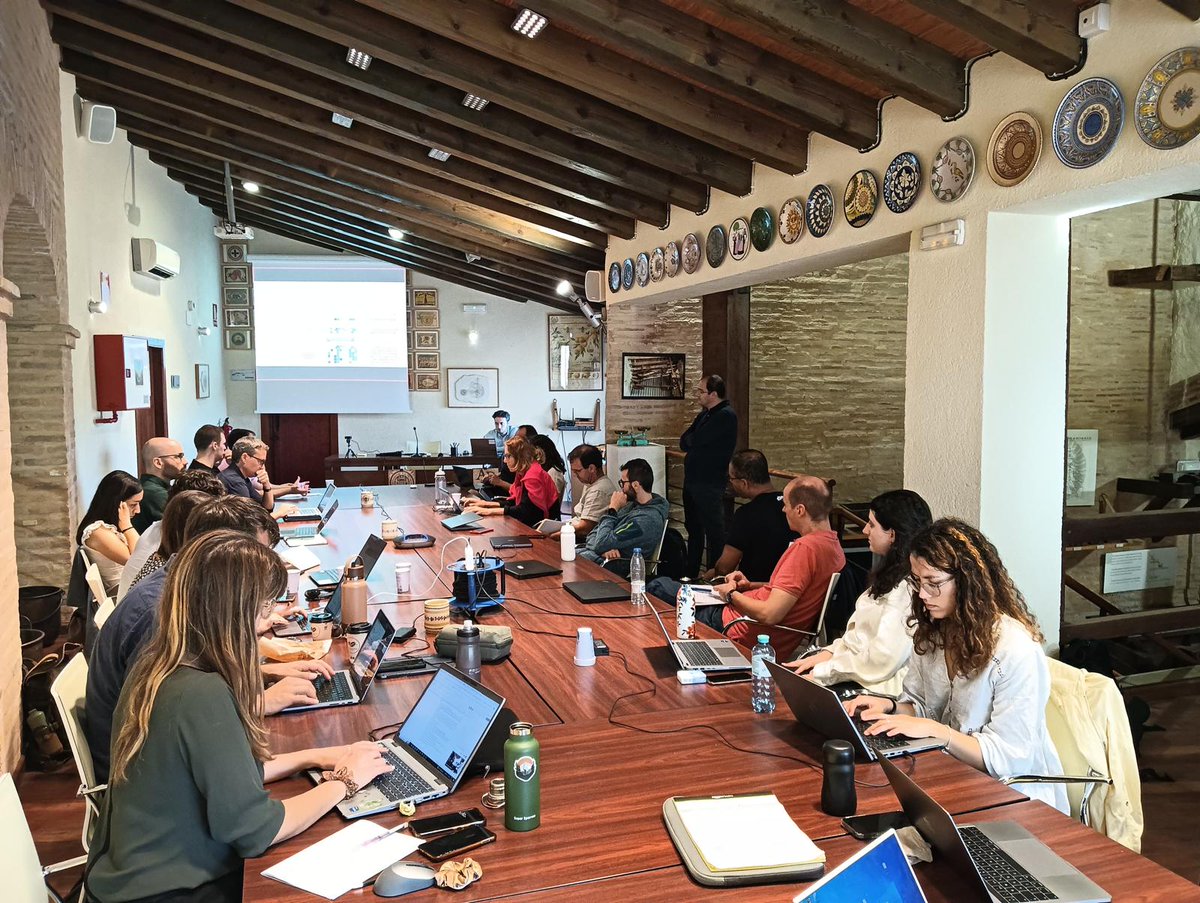
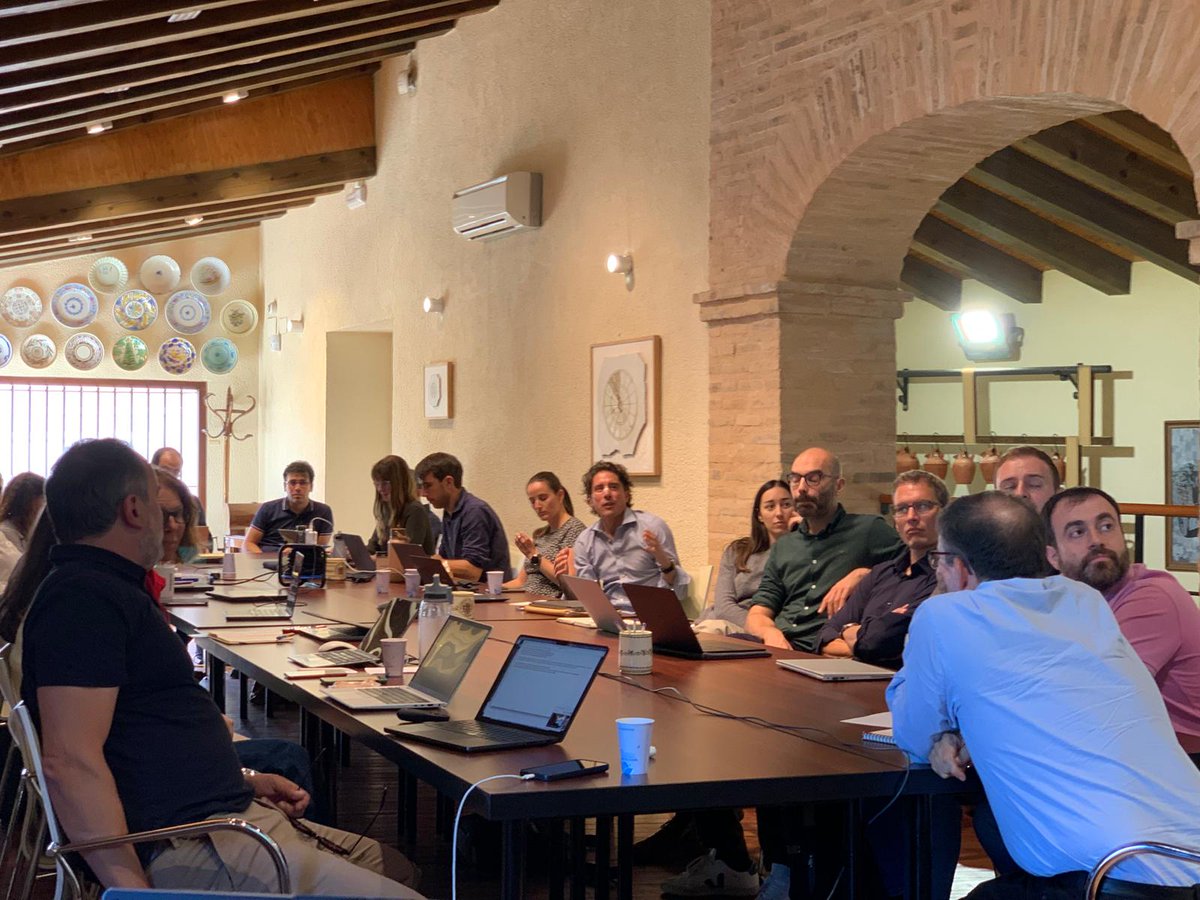
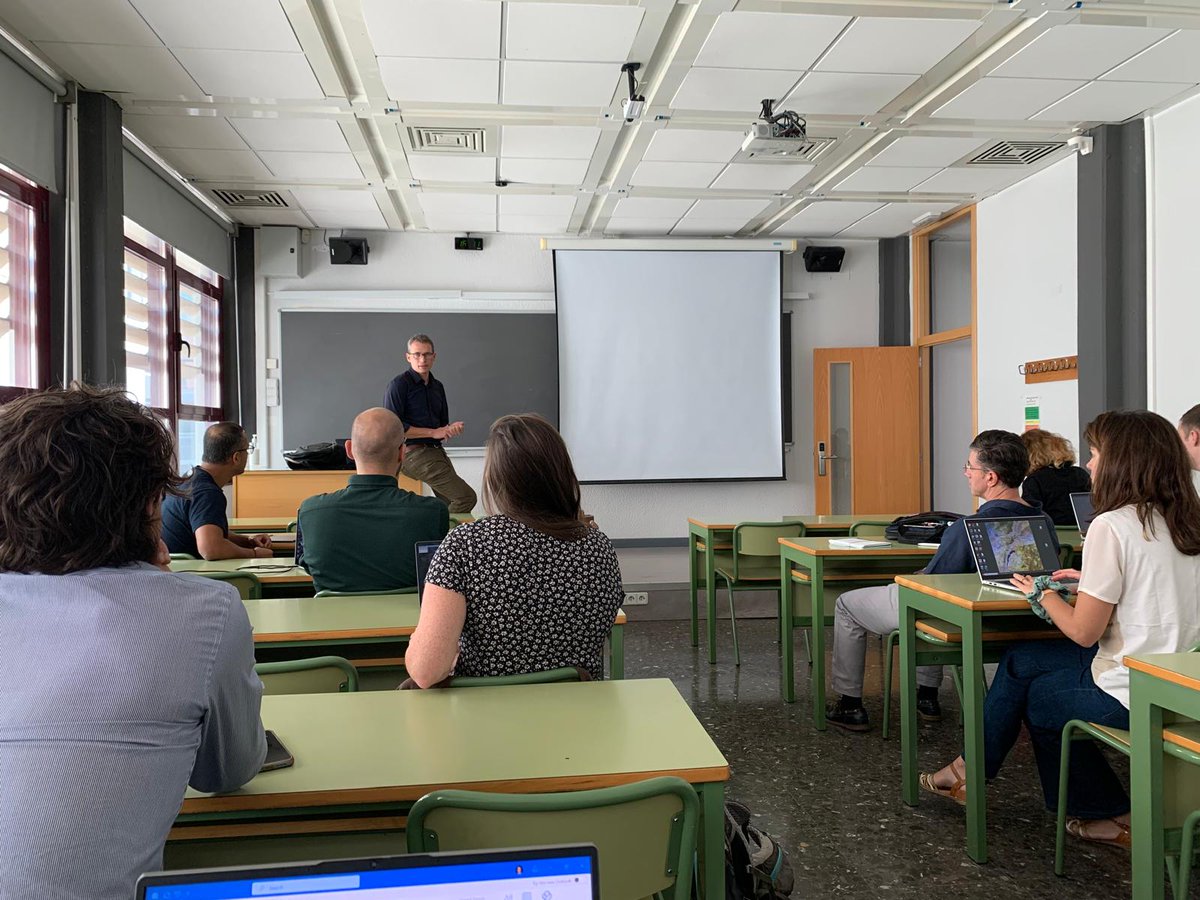
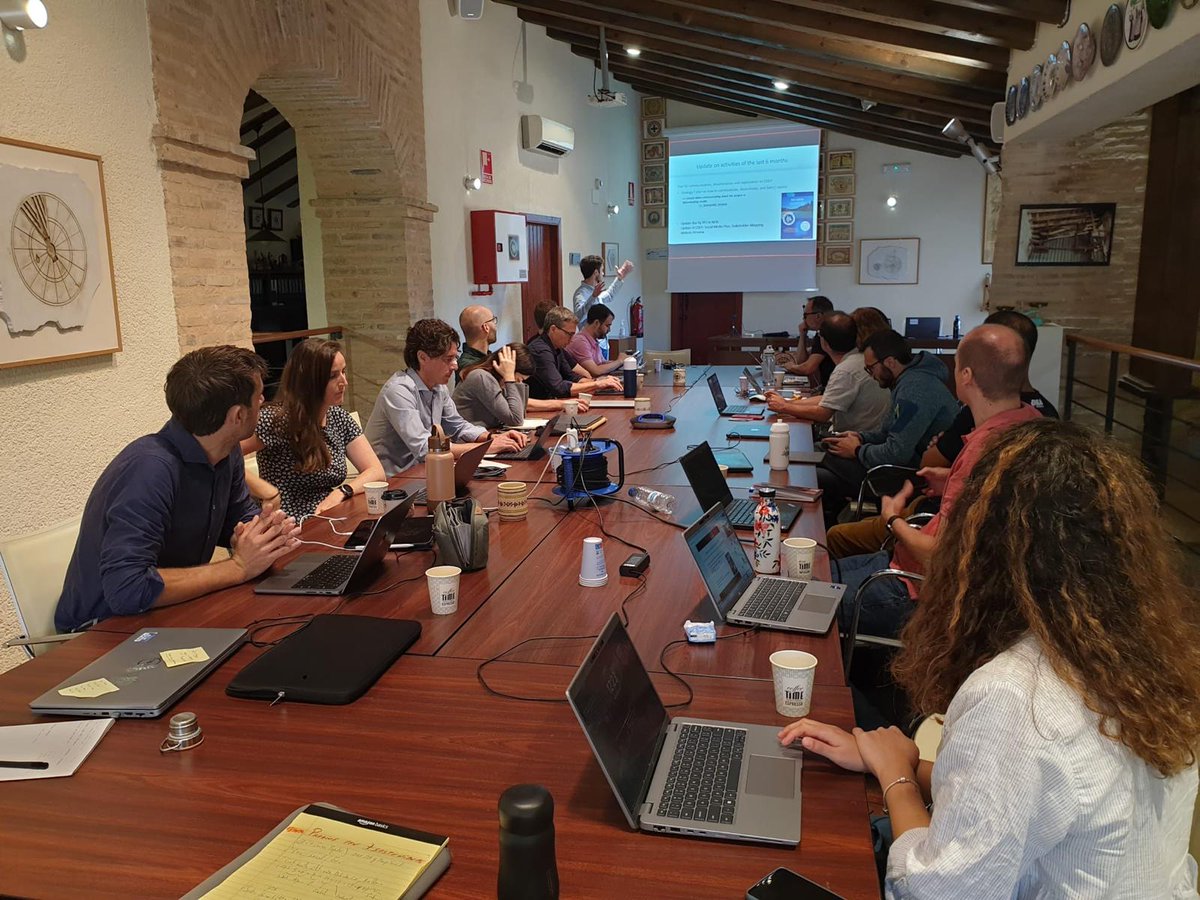
We’ve wrapped up a successful #SOSWater General Assembly in Valencia!🚀🌊
Exciting discussions on the #SafeOperatingSpace, field trips, plans for future research.
Stay tuned for more updates as we push forward on water sustainability!💧
#WaterResearch #HorizonEU #ClimateAction
4
5
377

24 Sep 2023
#upsc #IAS #GlobalWarming
#globalboiling #pollution #saveearth
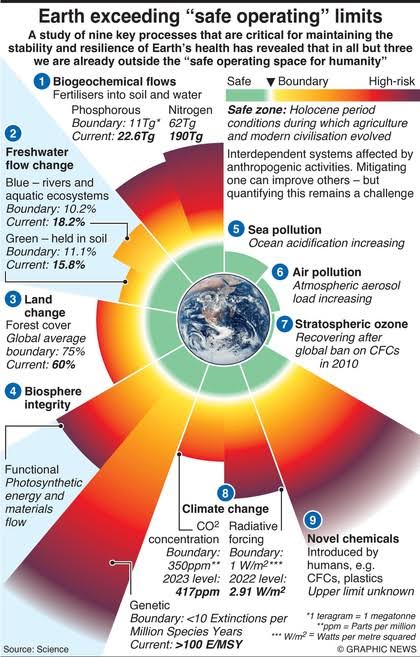
Q. Earth is now well outside of the safe operating space for humanity. Critically evaluate.
Ans. The statement "#Earth is now well outside of the #safeoperatingspace for #humanity" is a critically important one, and one that is supported by a growing body of scientific evidence.
It refers to limits within which human activities can be sustained without causing irreversible damage to planet's life-support systems. These systems include climate, biodiversity, water resources, and land use.
In 2009, a group of scientists led by Johan Rockström identified #nineplanetaryboundaries that, if transgressed, could pose a serious threat to human well-being. These boundaries are:
👉Climate change
👉Biodiversity loss
👉Nitrogen and phosphorus pollution
👉Freshwater use
👉Land-system change
👉Ocean acidification
👉Atmospheric aerosol loading
Chemical pollution
👉Ozone depletion
As of 2023, six of these nine boundaries have been transgressed, and two more are approaching unsafe levels. The three boundaries that are still within safe limits are stratospheric ozone depletion, atmospheric aerosol loading, and novel entities.
Examples of how Earth is now well outside of the safe operating space for humanity include:
👉Climate change: The Average global temperature has risen by about 1 degree Celsius since pre-industrial era, and is projected to continue rising unless we take drastic action to reduce #greenhousegasemissions. This warming is already having a significant impact on planet, including more extreme weather events, rising sea levels, and melting glaciers.
👉Biodiversity loss: Extinction rate of species is now hundreds of times higher than natural background rate, and is accelerating. This is due to a number of factors, including habitat loss, pollution, and climate change.
👉Nitrogen and phosphorus pollution: Use of nitrogen and phosphorus fertilizers in agriculture has led to widespread pollution of waterways and coastal ecosystems. This pollution can cause harmful algal blooms, which can kill fish and other marine life.
👉Freshwater use: We are now using more freshwater than planet can sustainably supply. This is due to a combination of population growth, economic development, and climate change.
👉Land-system change: Human activities such as #deforestation and agriculture are converting natural ecosystems into agricultural and urban areas. This is leading to habitat loss, biodiversity loss, and soil degradation.
👉Ocean acidification: Oceans are becoming more acidic as they absorb carbon dioxide from the atmosphere. This is making it more difficult for marine organisms to build shells and skeletons, and could lead to widespread extinctions.
Transgression of these planetary boundaries is a serious threat to human well-being. It could lead to #foodshortages, #waterscarcity, #massextinctions, and more #extremeweather events.
It is important to note that the safe operating space for humanity is not a fixed boundary. It is a dynamic concept that can change over time as we learn more about the Earth system and the impacts of human activities. However, the fact that we have already transgressed six of the nine planetary boundaries is a clear sign that we are on an unsustainable path.
What can we do?
There is still time to reverse course and bring Earth back within the safe operating space. However, it will require a concerted effort from governments, businesses, and individuals to reduce greenhouse gas emissions, protect biodiversity, and conserve natural resources.
We need to transition to a clean energy economy, reduce our consumption of resources, and restore degraded ecosystems. We also need to make changes to our lifestyles and consumption patterns in order to live more sustainably.
The challenge is daunting, but it is essential that we act now to protect our planet and our future.
@Greenpeace @UNEP
10
50
2,812

28 May 2022
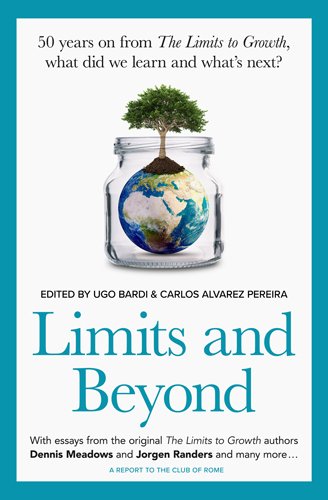
#limitstogrowth 50 - the dominant economic model is destabilising the Earth and our societies, we must learn to live within #planetaryboundaries we must learn to live within #safeoperatingspace SOS #ugobardi #carlosalvarezpereira @SDDecleve @ClubOfRome @WWFitalia @ASviSItalia
12
26
4 Feb 2022
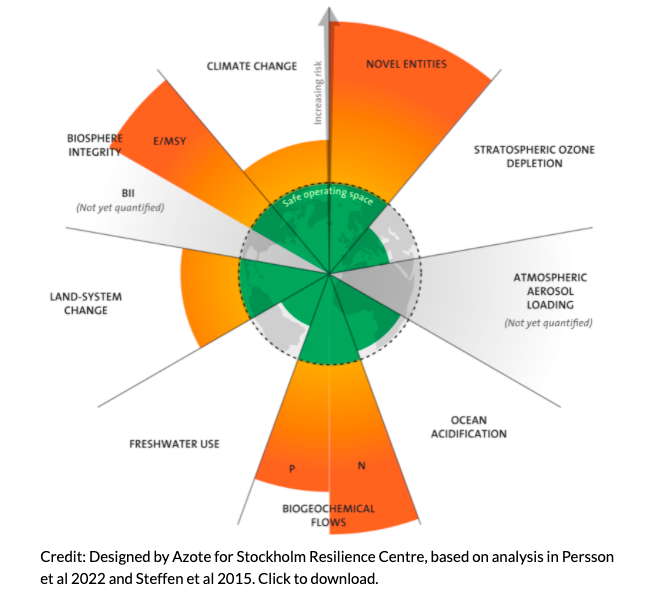
Excellent ! Innovative research on #SafeOperatingSpace, #Planetaryboundaries, #Socialfoundations, #Doughnuteconomics #Sustainablespace form scientific basis for making sustainability a reality
3 Feb 2022

Read about new research on the planetary boundaries, a wellbeing bill, and new economic thinking in our February #Earth4All newsletter!
mailchi.mp/56803b33781c/news…]
More on earth4all.life
#planetaryboundaries #limitstogrowth
@sthlmresilience
@PIK_Climate
2

18 Jan 2022
Concurring with this, it was an amazing surprise to see this important paper that came out in @EnvSciTech today!
It clearly presents that we could already be outside the #SafeOperatingSpace related to #chemicalpollution and #plasticpollution.
pubs.acs.org/doi/10.1021/acs…
1
2
6

18 Jan 2022
Collaborative study led by @LinnPersson7 published in @EnvSciTech:
Outside the #SafeOperatingSpace of the #PlanetaryBoundary for Novel Entities
pubs.acs.org/doi/10.1021/acs…
1
3
11

8 Jul 2021
Great work again from @Soulfra and @StatCan_eng. We are getting the data. We just need an agency to take responsibility for setting the limits of a #SafeOperatingSpace. How about a #NaturalCapitalBank? Read about it @naturesustainab rdcu.be/cnZPK
7 Jul 2021

The Census of Environment is the ultimate multidisciplinary effort; a movement more than an initiative. A celebration of sort, how Canadians come together; a band of merry environmentalists, with a purpose. For me, it's like meeting a long lost brother I wasn't certain I had.
2

30 Jun 2021
The #PlanetaryBoundaries map a 'safe space' within which the earth can thrive. Governments and businesses have a huge role to play, and so do we as individuals!
Thanks @Dayrize_com for the video!
#PlanetaryBoundaries #SafeOperatingSpace #Sustainability #ScienceBasedTargets
5
29 Jun 2021
The planetary boundaries are at the heart of so much of our work. Developed in 2009, these boundaries map a 'safe space' within which the earth can thrive.
Thanks @Dayrize.com for the video!
#PlanetaryBoundaries #SafeOperatingSpace #Sustainability #CircularEconomy
3

23 Mar 2021
I'm thrilled to have been involved in creating this fantastic explainer video about the Planetary Boundaries for @mongabay youtube.com/watch?v=Mpv6aPFh… #SafeOperatingSpace #PlanetaryBoundaries

3

27 Oct 2020
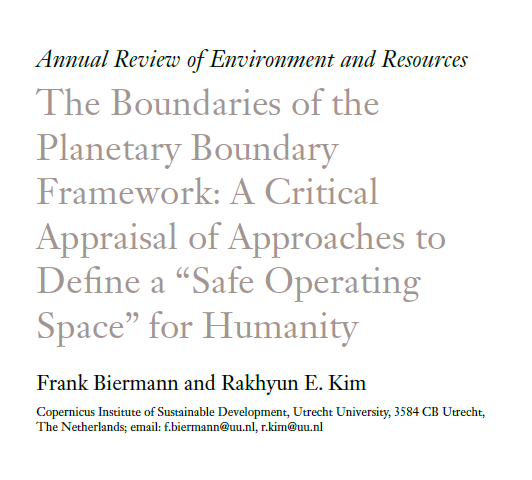
Why the planetary boundaries discussion has to take the politics of its formulations seriously if it is to be useful. The final paragraph should be read carefully by all natural scientists who wish to be helpful. #Anthropocene #planetaryboundaries #safeoperatingspace

Out now: my new review & critique, w/ @RakhyunKim:
“THE BOUNDARIES OF THE PLANETARY BOUNDARY FRAMEWORK:
A Critical Appraisal of Approaches to Define a ‘Safe Operating Space’ for Humanity”
Thread 👇(1/8)
Fully Open Access with @AnnualReviews!
annualreviews.org/doi/abs/10…
1
3
14

13 Aug 2019
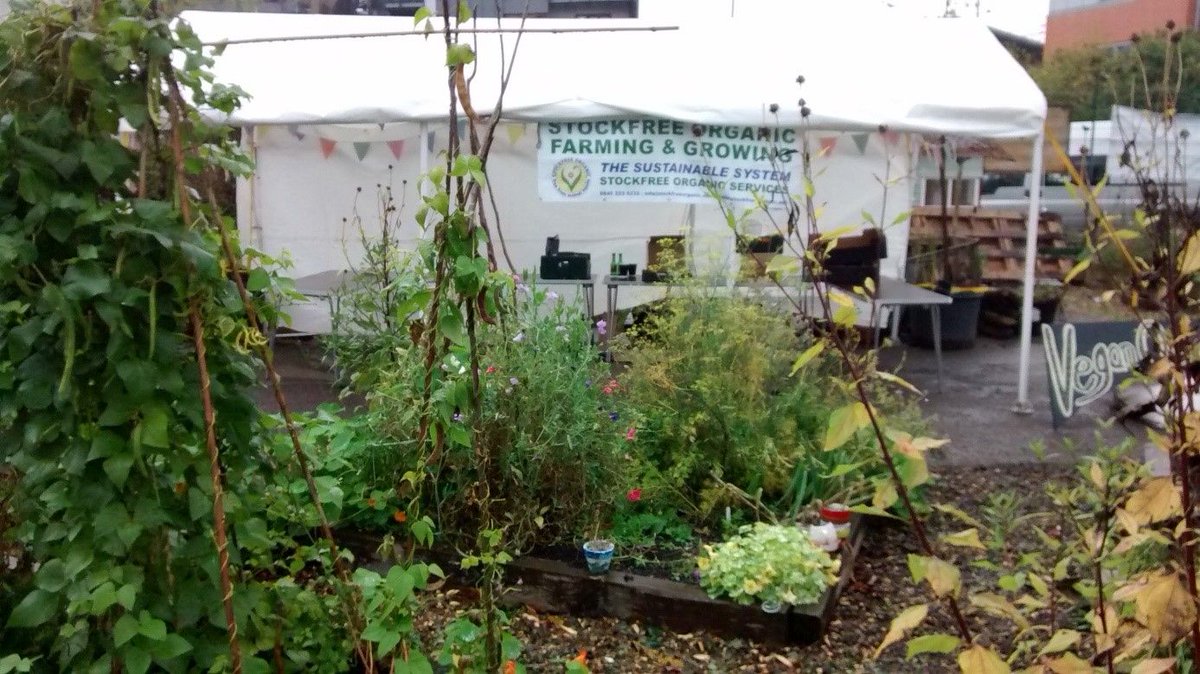
#SafeOperatingSpace requires that #VeganFoodPractices are performed predominantly, and not exclusively by self-identified #vegans #DS71 buff.ly/2OHMKml
2
4

21 Jun 2019
Major corporations are contributing to trespass the #planetaryboundaries #anthropocene expelling us from a #Safeoperatingspace. We urgently need to protect the #Earthsystem @homehumanity amp.theguardian.com/environm…
2
4
17 Mar 2019
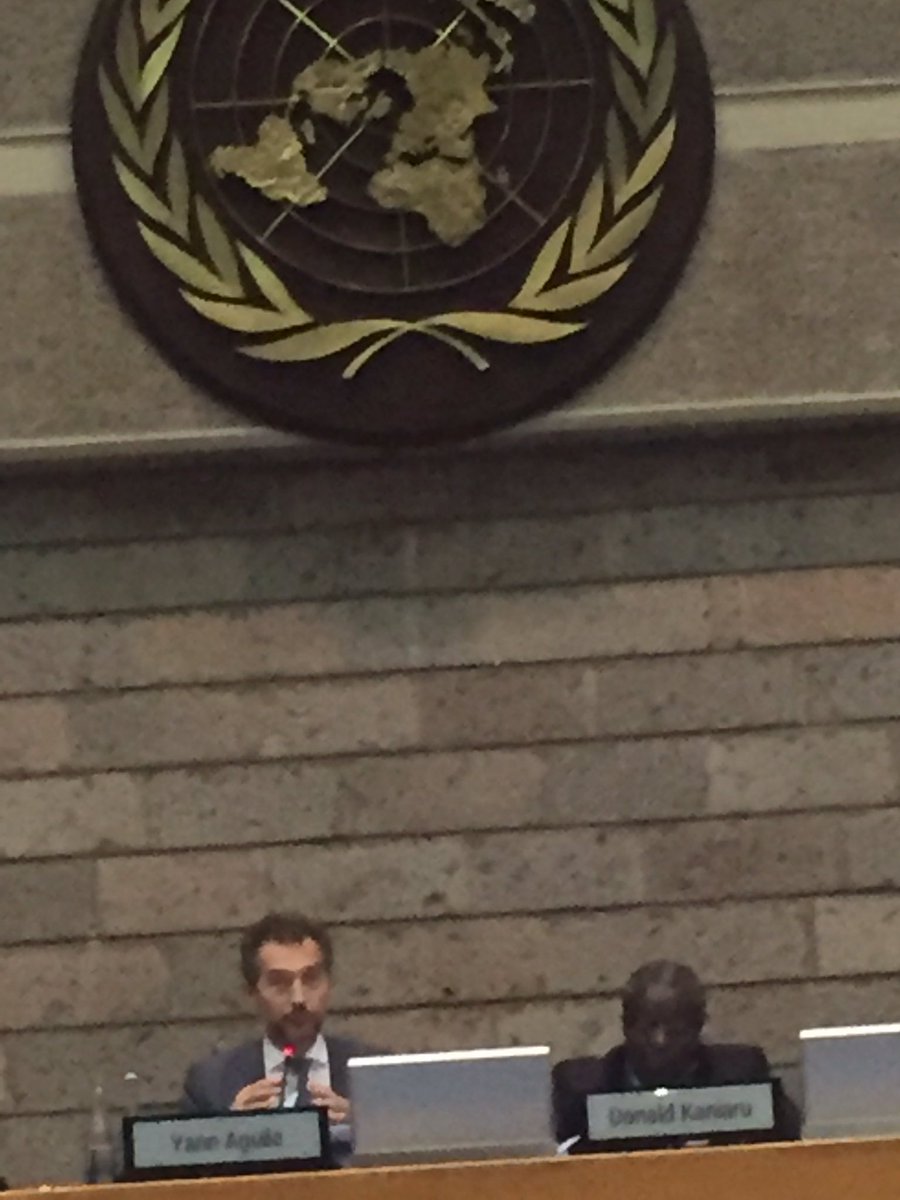
@AguilaYann states “we lawyers care about the work done by international legislators”. This is precisely why a @PactEnvironment is necessary to implement MEAs but also we need a #GPE which reflects how the Earth system works to keep it under a favorable state #safeoperatingspace
2
4

15 Mar 2019
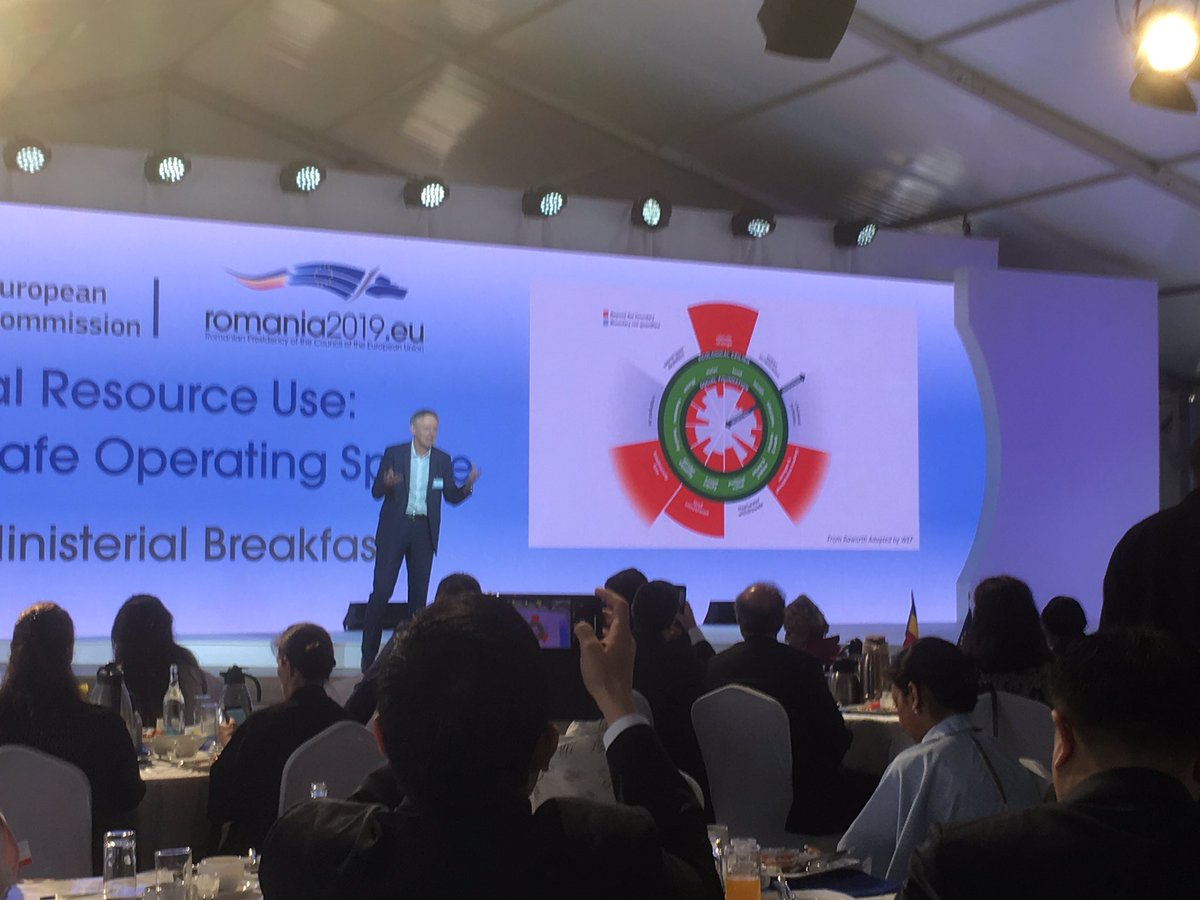
Our #SafeOperatingSpace is diminishing rapidly & threathening the achievement of SDGs #PlanetaryBoundries cannot be moved! @ #EU presidency ministerial breakfast #UNEA4 @UNEnvironment @EUinKenya @FinnishEmbNBO
2
9

17 Jan 2019
TED Talk #JohanRockström: 5 transformational policies for a prosperous and #sustainable world
#SDGs #Planetaryboundaries #SafeOperatingSpace #SystemsThinking #permaculture sustainabilityconsulting.com…
1
2

22 Oct 2018
#bioeconomy conference Pitta e Cunha: Main goal needs to be to keep the #planet functioning #SafeOperatingSpace
3

25 Sep 2018
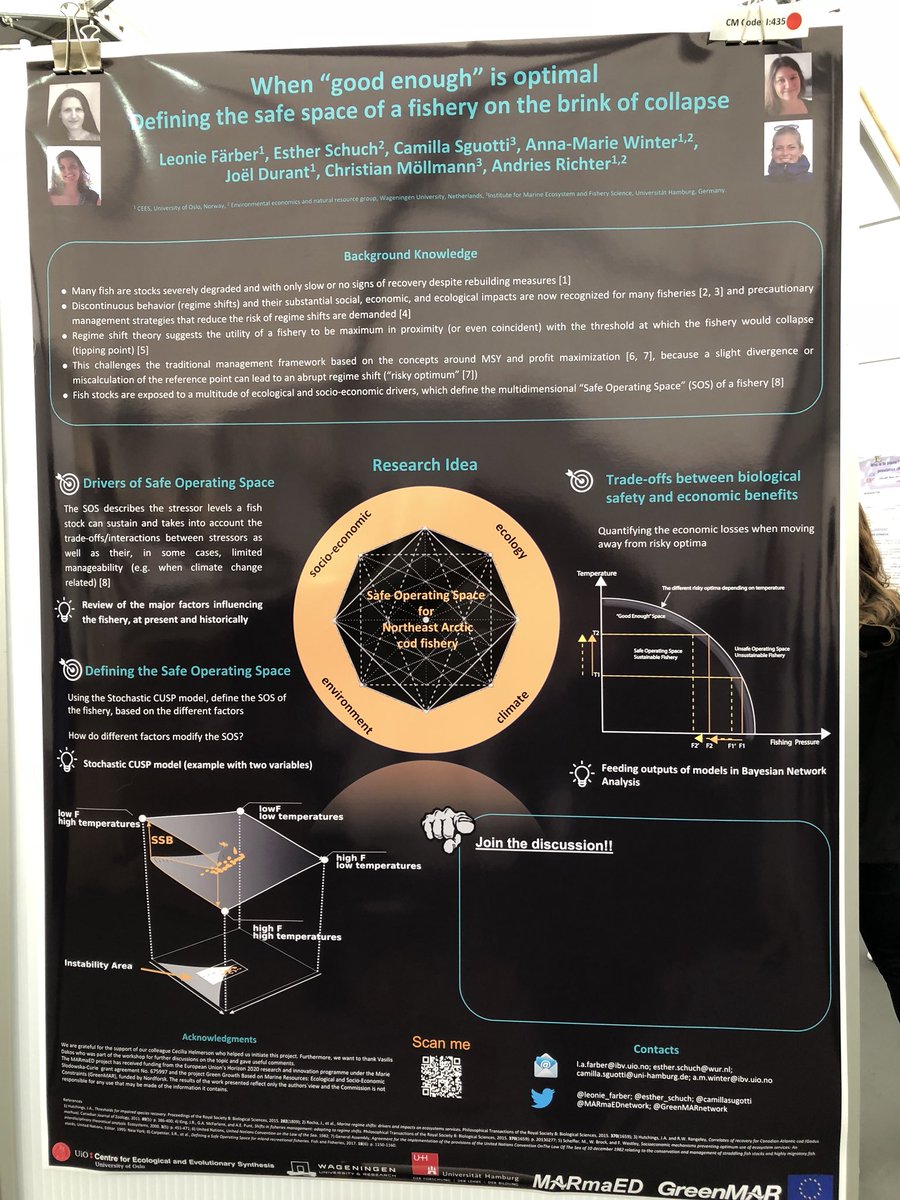
Our ESR s @CamillaSguotti @leonie_farber @esther_schuch joined forces with @GreenMARnetwork PhD Anna winter to work on #safeoperatingspace. They would love to hear your feedback at the poster session
25 Sep 2018

How can we determine the SOS of a fishery, using ecological and socio-economic data? Come and discuss with us tonight at 7 pm at the poster session of #ICESASC18, session I! We want your opinion! @esther_schuch @leonie_farber @MARmaEDnetwork @GreenMARnetwork
2
5