
4 Aug 2025
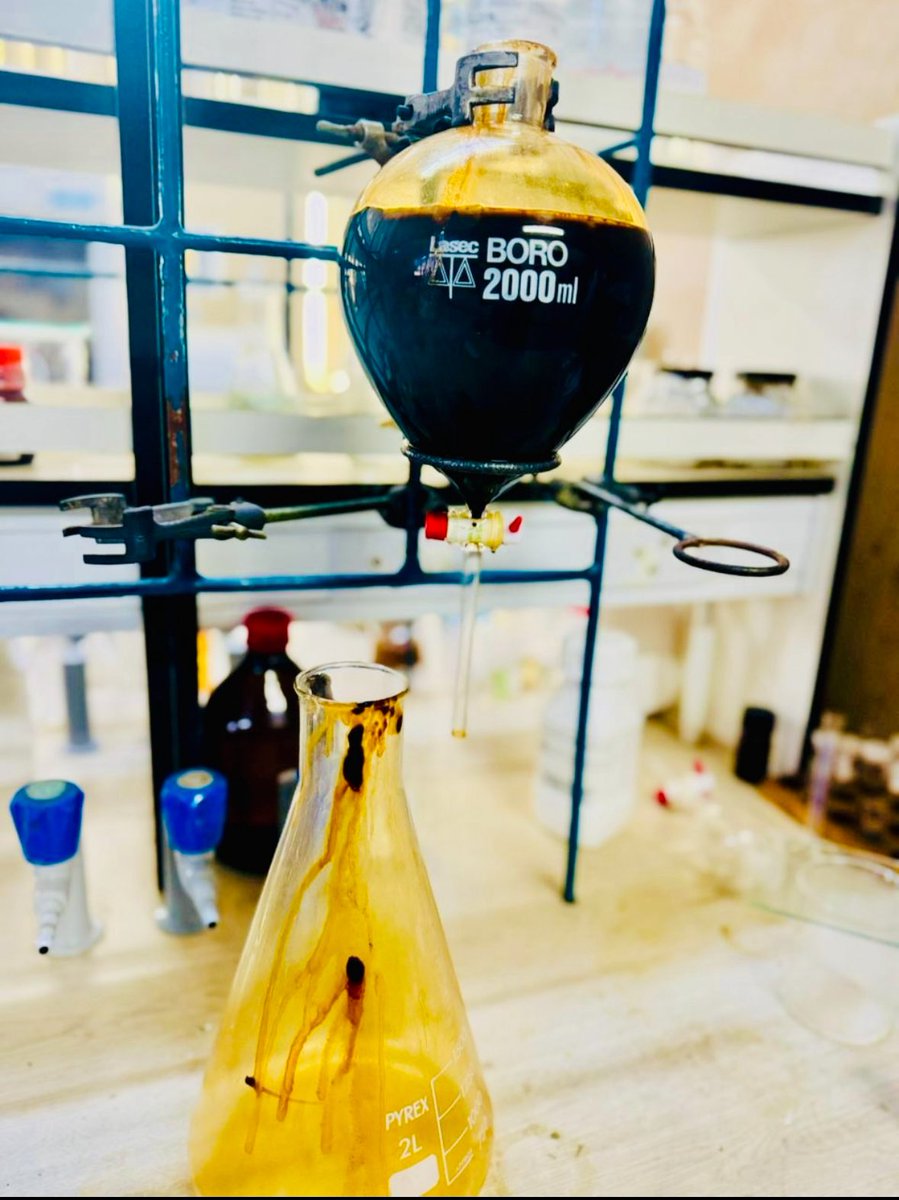
🧪 DMF: A powerful solvent & yet a persistent nuisance.
In synthetic organic chemistry, DMF (dimethylformamide) is indispensable, ideal for nucleophilic substitutions, formylations, peptide couplings, and more. But its high boiling point (153 °C) and polarity make it notoriously difficult to remove, especially in scale-up or when aqueous workups are undesirable.
💡 Beyond the usual rotavap under high bath tub temperature, here are a few less conventional but highly effective strategies I have found useful:
🔹 Azeotropic removal – Co-evaporate with toluene, heptane, or water under reduced pressure to shift the equilibrium and remove DMF more efficiently.
🔹 Silica/Celite adsorption – Leverage weak DMF-silica interactions; it tends to elute slowly or remain at the top of the column while your less polar product moves freely.
🔹 Crystallization – If your product is a solid, crystallizing from non-polar solvents like hexanes, diethyl ether, or EtOAc can leave DMF behind in the mother liquor.
These methods have saved me more than once, especially when purity is non-negotiable or downstream steps are DMF-sensitive.
🔬 Would love to hear: What’s your preferred strategy for DMF removal in challenging systems?
#ProcessChemistry #SyntheticChemistry #LabTips #SolventRemoval #DMF #OrganicSynthesis #ScaleUpChallenges
linkedin.com/posts/raphael-j…
1
1
5
312

10 Jun 2024
The journey from startup to scale-up is filled with learning. What's one lesson you've learned about managing growth?
#StartupGrowth #ScaleUpChallenges
1
2
124

2 Dec 2016
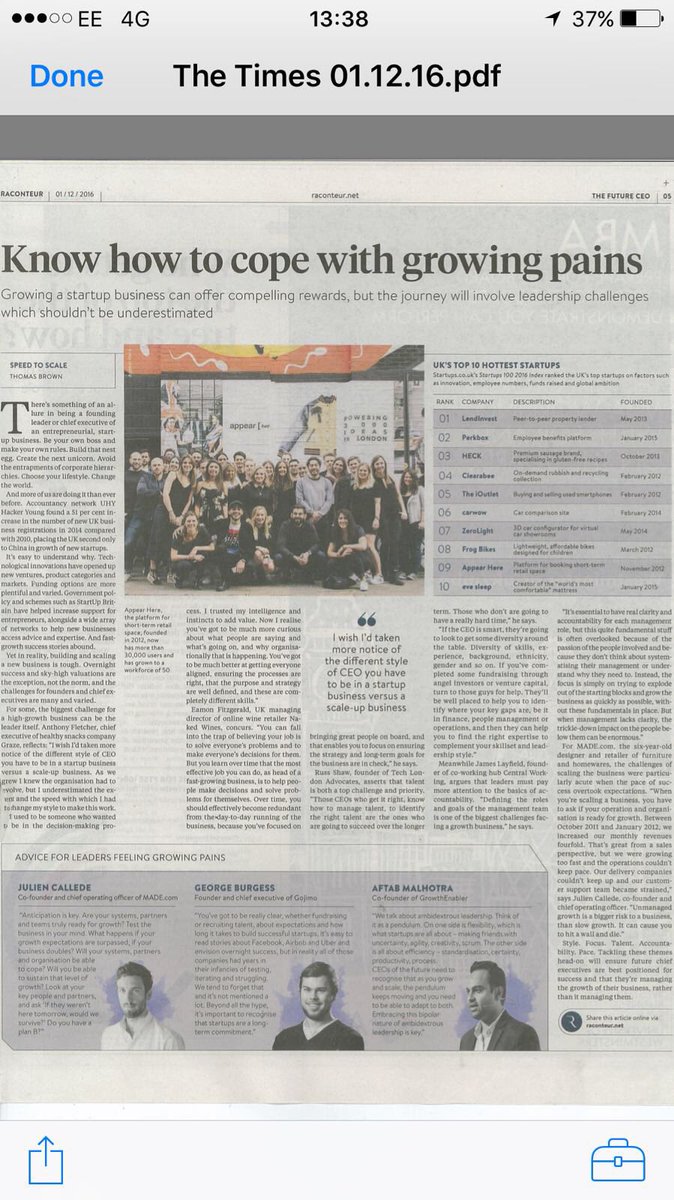
Great quotes on #futureCEO @thetimes from @AfMalhotra @RussShaw1 @TechLondonAdv @made @centralworking @grazedotcom #scaleupchallenges
2 Dec 2016

It's all about #ambidextrous #leadership says @AfMalhotra thanks to @MichaelTushman @Harvard @scoutu @MayorofLondon @RajeshAgrawalUK
1
2