
24 Jul 2025
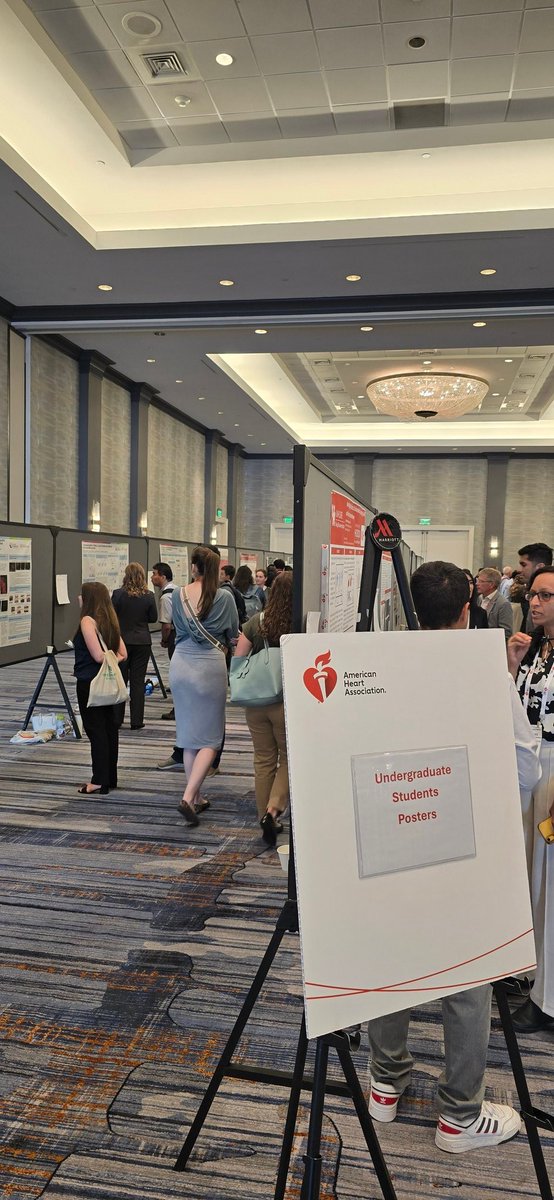
"Inspiring science from the next generation! 🌟 These young undergrads are making waves at #bcvs25 with their first poster presentation—future of cardiovascular research looks bright! 🫀🧬 #AHA #EarlyCareer #ScienceInTheMaking" @AHAScience @BCVSearlyCareer
1
9
547

10 Jan 2025
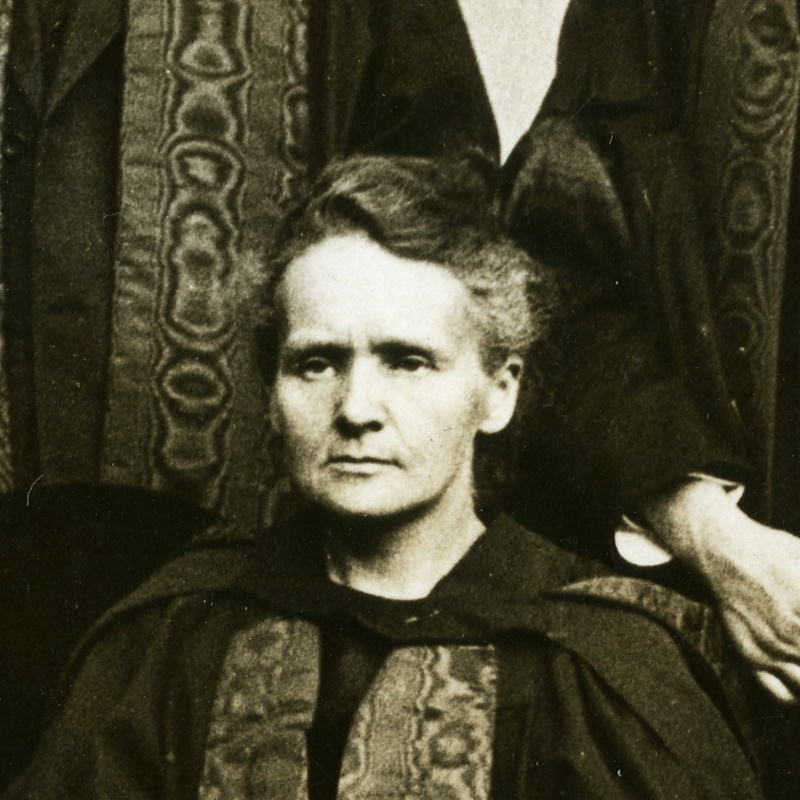
Over on our blog, Digital Resources Manager Louisiane Ferlier explores the presence of non-Fellows on our #ScienceInTheMaking platform, and how improving their discoverability is also improving visibility and representation: royalsociety.org/blog/2024/1…
15
3,394
27 Dec 2024
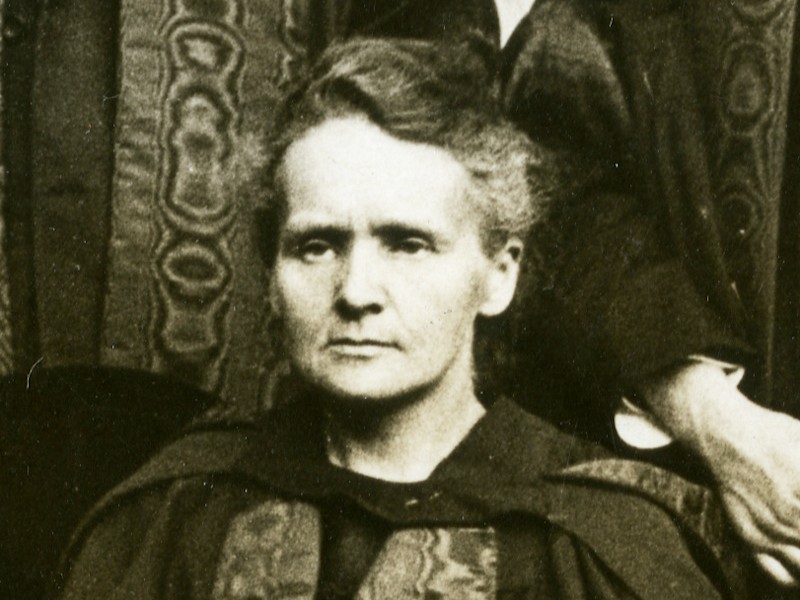
Over on our blog, Digital Resources Manager Louisiane Ferlier explores the presence of non-Fellows on our #ScienceInTheMaking platform, and how improving their discoverability is also improving visibility and representation: royalsociety.org/blog/2024/1…
2
10
26
5,277
19 Dec 2024
Over on our blog, Digital Resources Manager Louisiane Ferlier explores the presence of non-Fellows on our #ScienceInTheMaking platform, and how improving their discoverability is also improving visibility and representation: royalsociety.org/blog/2024/1…

2
13
3,002
10 Dec 2024
In June we published never-before-seen correspondence from our archive between Lovelace and astronomer Sir John Frederick William Herschel, shedding new light on 19th century science. You can see it here on our #ScienceInTheMaking platform: makingscience.royalsociety.o…
1
3
16
3,766
24 Oct 2024
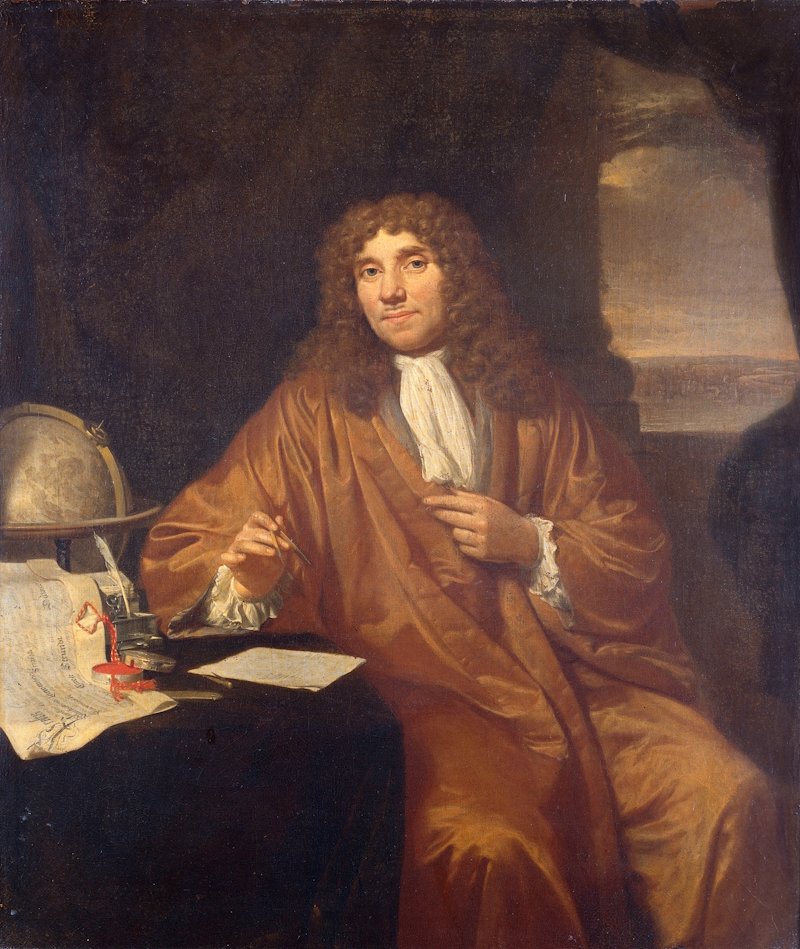
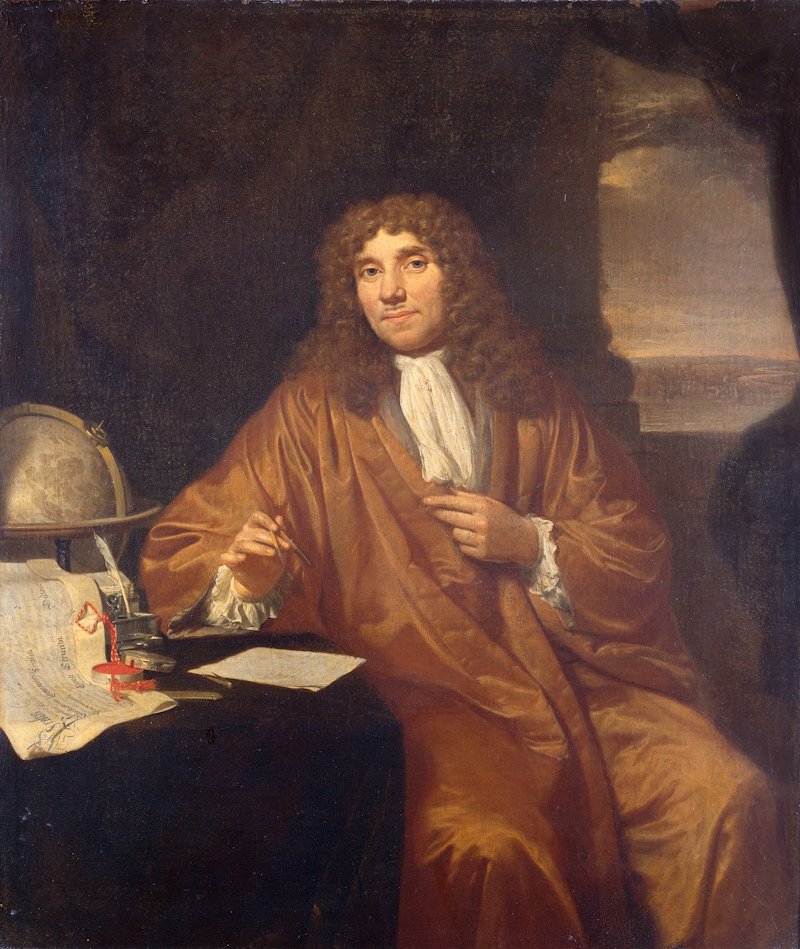
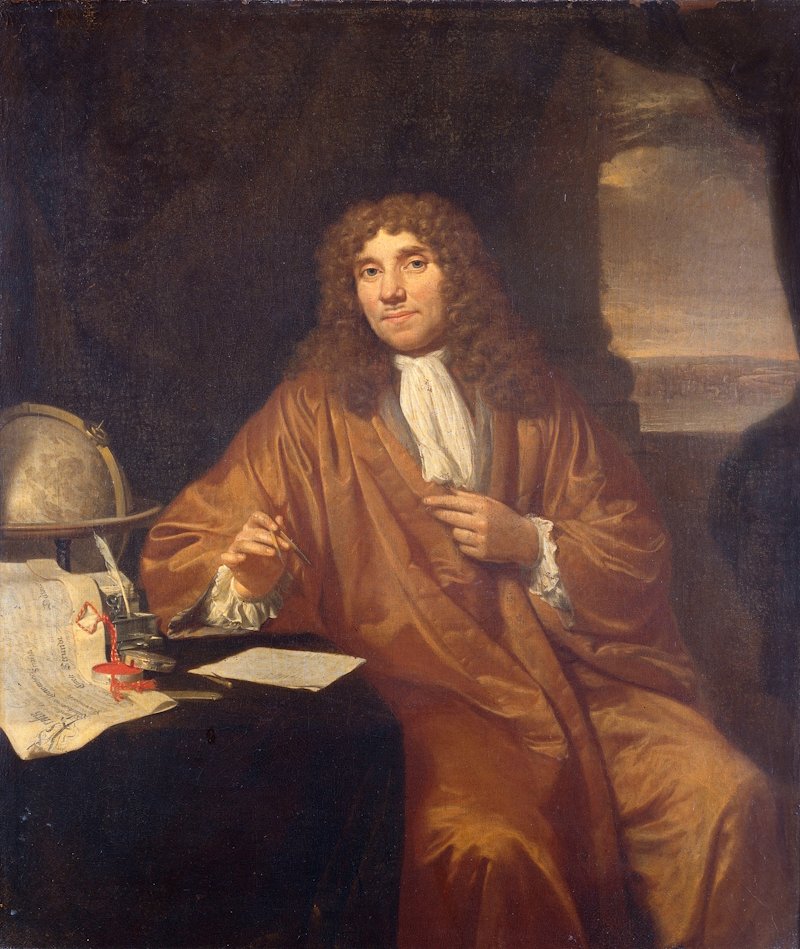
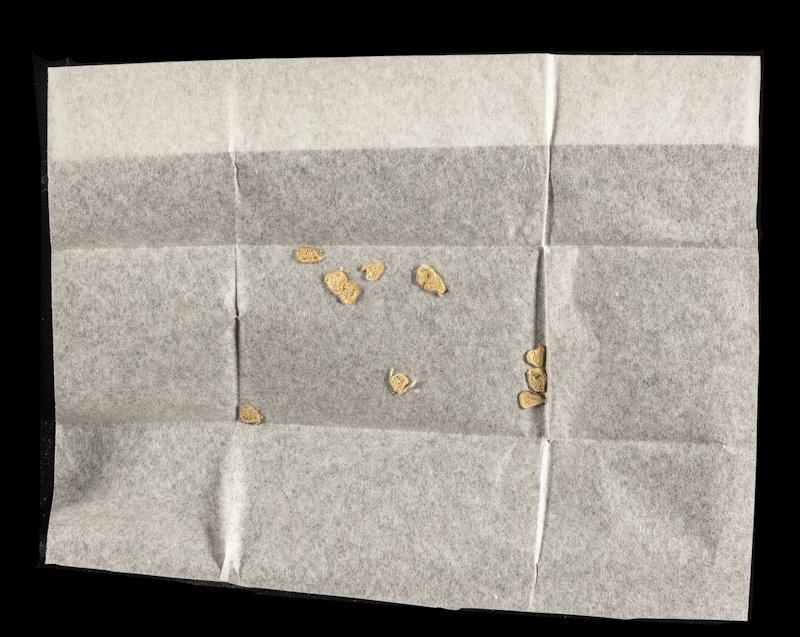
Antoni van Leeuwenhoek (Born #OnThisDay in 1632) was a pioneer of microscopy and the first to describe red blood cells and bacteria. Take a look at how some of Leeuwenhoek's original specimens have been photographed for our #ScienceInTheMaking platform: royalsociety.org/blog/2023/0…
3
68
114
10,235
29 Sep 2024
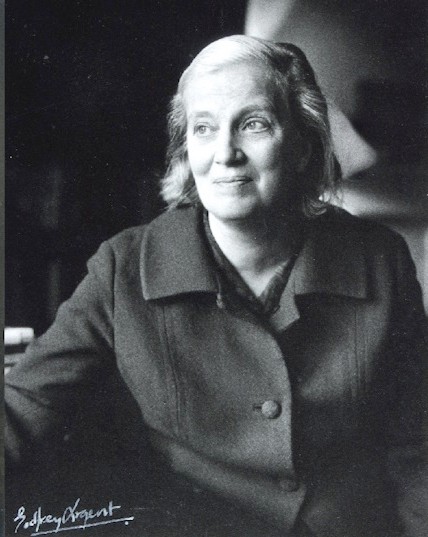
For #PeerReviewWeek this week, we released over 1,600 historical peer review reports on our #ScienceInTheMaking platform for the years 1949-1954, a significant period that marked the arrival of female scientists into the refereeing process. Read more on our blog: royalsociety.org/blog/2024/0…
1
16
36
7,350

26 Sep 2024
To celebrate #PeerReviewWeek, we've added over 1,600 historical peer review reports to our #ScienceInTheMaking platform, enabling researchers to retrace the history of scientific peer review and reflect on the innovative and technological advancements made over the years: ow.ly/ThN050TwoIu #HistSci
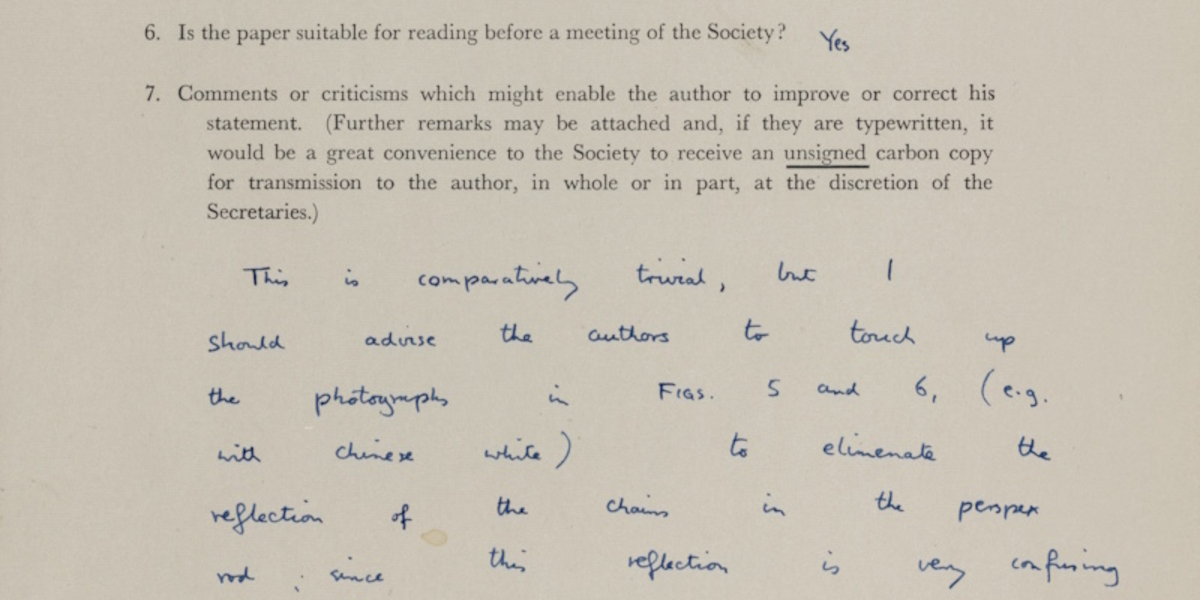
ALT Section of referee's report by Dorothy Mary Crowfoot Hodgkin, on a paper 'The complementary structure of deoxyribonucleic acid' by Francis Harry Compton Crick and James Dewey Watson © The Royal Society Archives
1
1
3
1,069
25 Sep 2024
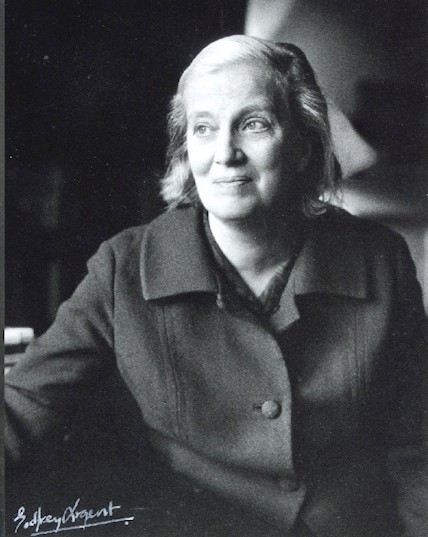
We have released over 1,600 historical peer review reports on our #ScienceInTheMaking platform today, available to view publicly for the first time. Discover what eminent scientists thought of Alan Turing's first foray into mathematical modelling for biology, and read Nobel Prize-winning chemist Dorothy Hodgkin's review of Crick and Watson's famous DNA paper: royalsociety.org/news/2024/0…
2
16
44
7,837

15 Jun 2024
Quite remarkable on many different levels. Well done @royalsociety for developing the #Scienceinthemaking project that led to these letters being rediscovered
15 Jun 2024

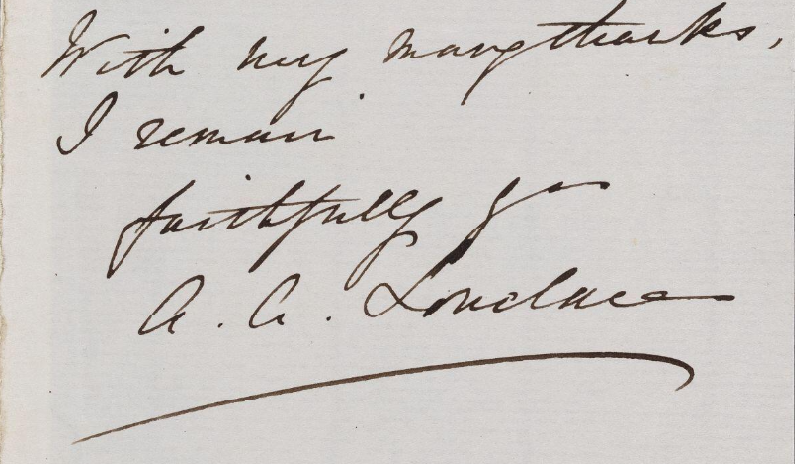
Explore the letters up close on our #ScienceInTheMaking platform, part of our newly digitised collection of over 10,000 letters to and from Sir John Herschel: makingscience.royalsociety.o…
9
1,218
15 Jun 2024
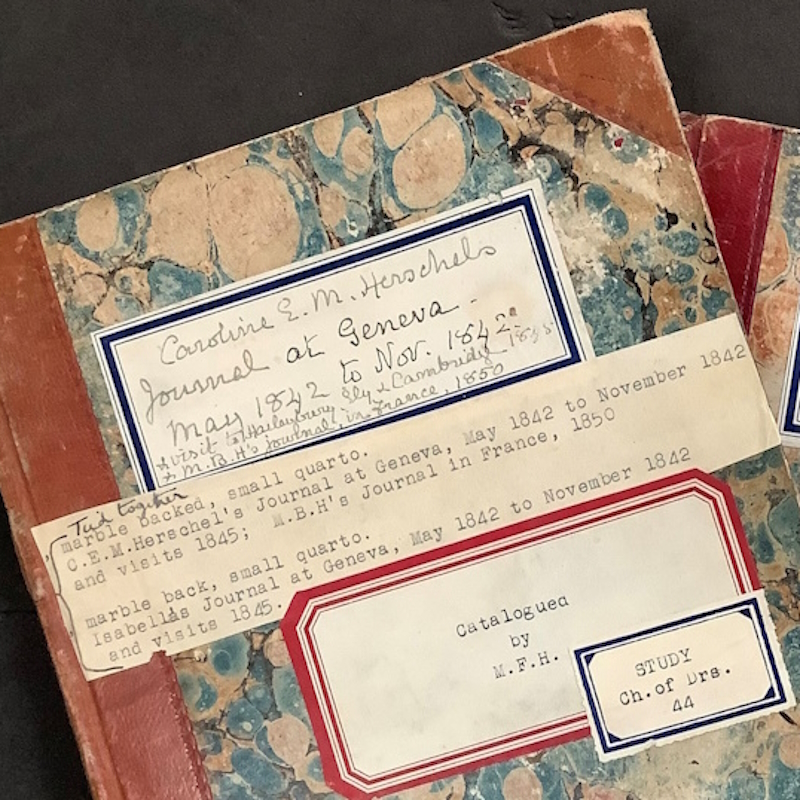
With the publication of over 10,000 letters from Sir John Frederick William Herschel FRS on our #ScienceInTheMaking platform, our Head of Library Keith Moore describes an exciting new acquisition that gives new insight into this scientific dynasty: royalsociety.org/blog/2024/0…
1
19
58
8,272
15 Jun 2024
Explore the letters up close on our #ScienceInTheMaking platform, part of our newly digitised collection of over 10,000 letters to and from Sir John Herschel: makingscience.royalsociety.o…
2
5
12
6,051
7 Jun 2024
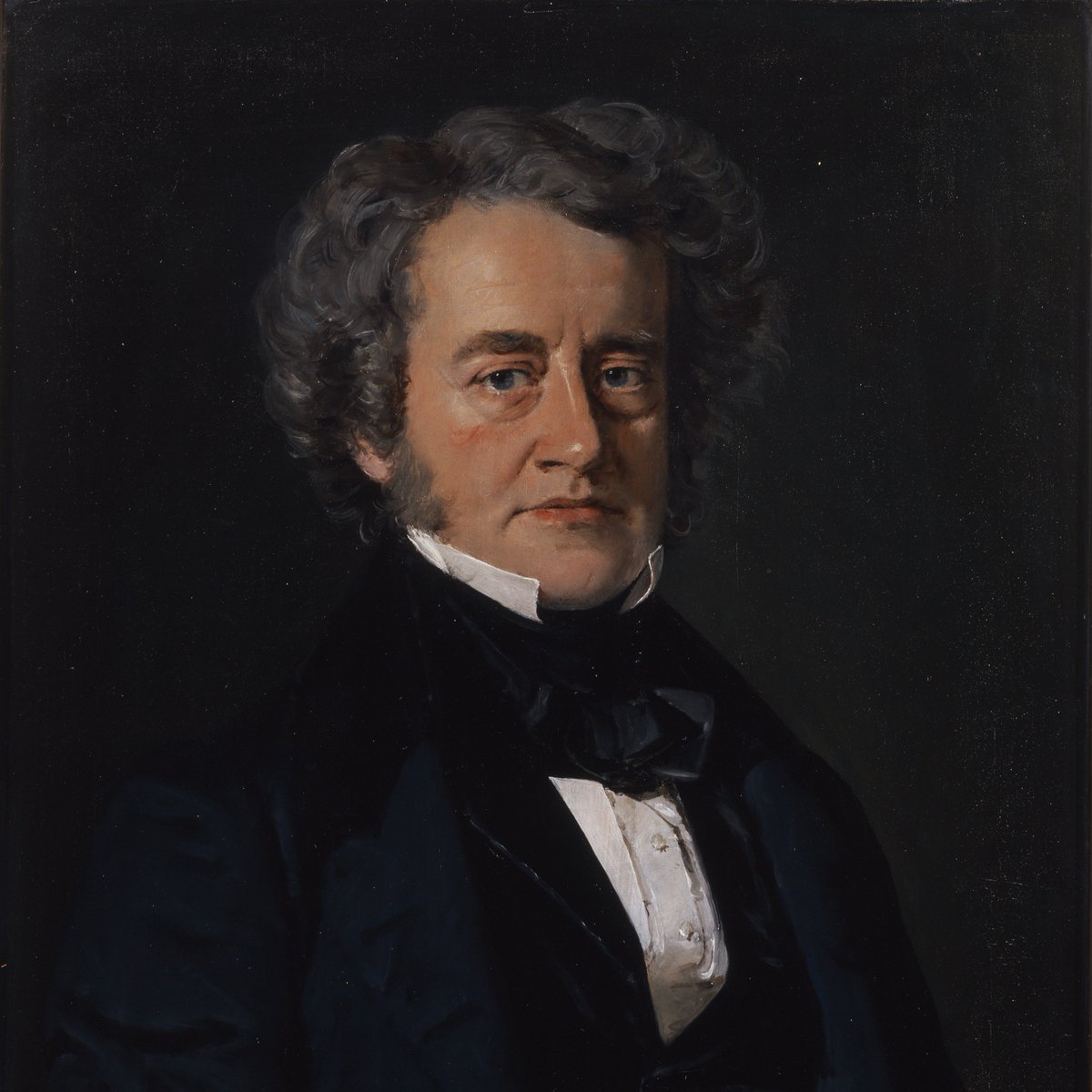
Over 10,000 letters by astronomer and photographic pioneer Sir John Frederick William Herschel FRS (1792-1871) have been digitised for the first time on our #ScienceInTheMaking portal. Travel through time to read about Herschel’s work in his own words: royalsociety.org/news/2024/0…
4
33
68
7,618
6 Mar 2024
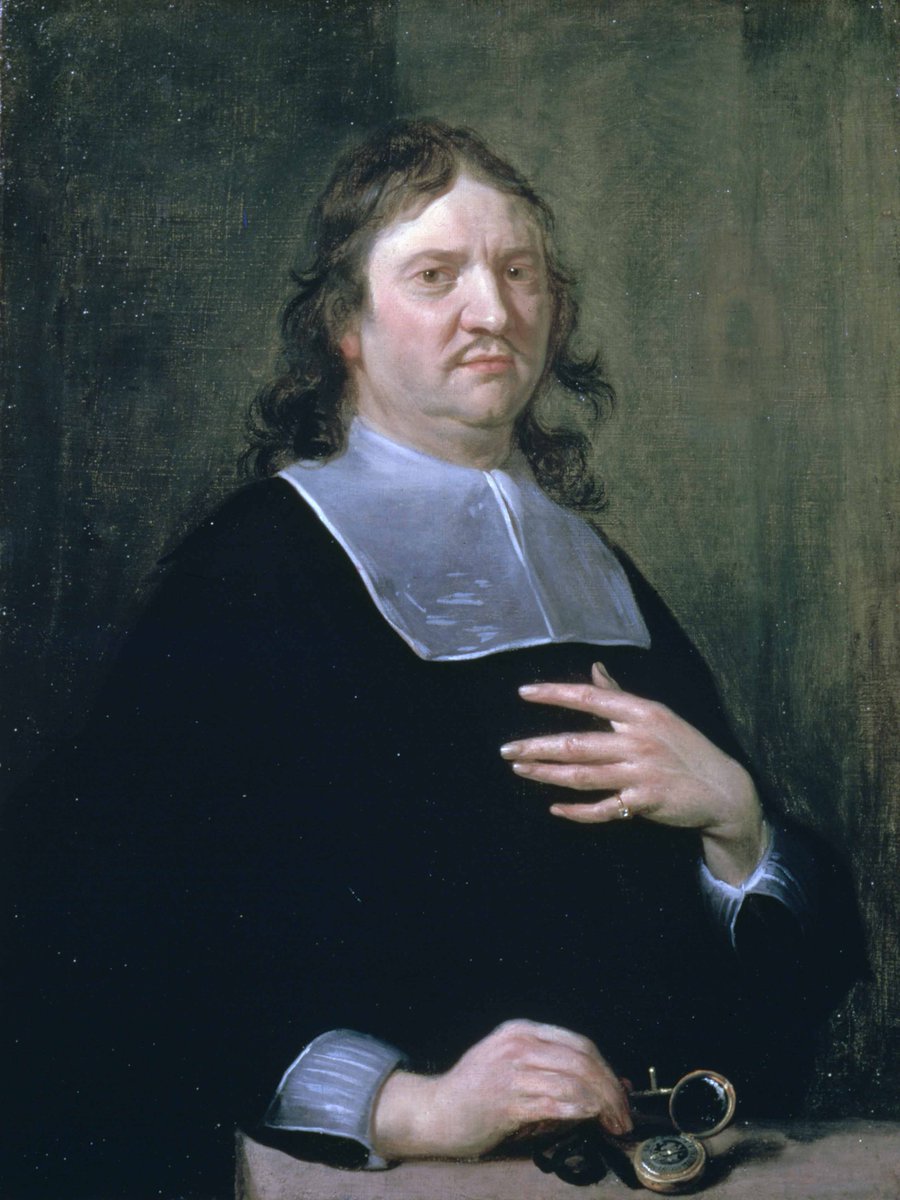
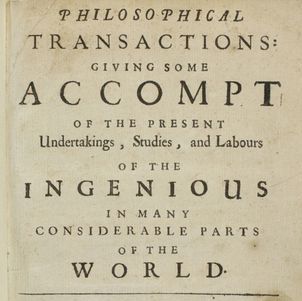
#OnThisDay in 1665, the Royal Society's secretary Henry Oldenburg published the first issue of the Philosophical Transactions of the Royal Society, the world's longest-running scientific journal. Explore this landmark of early science: #ScienceInTheMaking makingscience.royalsociety.o…
12
41
6,960
24 Dec 2023
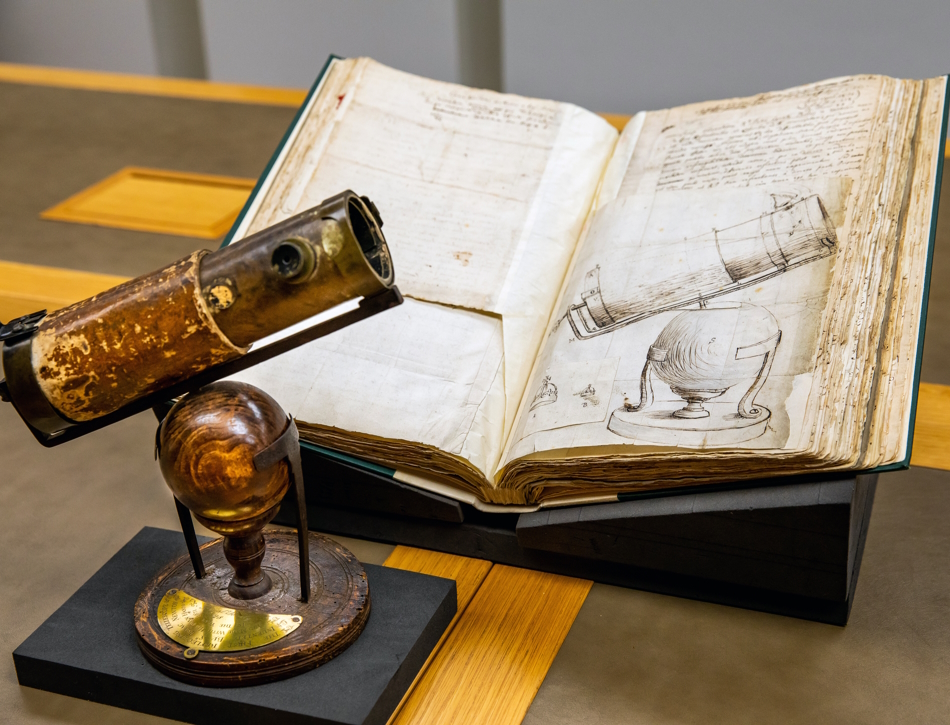
#ScienceInTheMaking is our permanent archive portal launched in April, a digital gateway to over 400 years of scientific history, from the earliest illustrations of dinosaur fossils to revolutionary scribblings from Newton, Hooke and Halley. Take a look: makingscience.royalsociety.o…
2
13
43
7,807

5 Dec 2023
We develop general training #protocols but we also tweak things for individual rats and their #personality. After a false alarm (FA) #FeiToto must wait 10secs before we give him the next sample. This seems like #ALifetimeOfWaiting for him. Will it reduce FAs? #ScienceInTheMaking
2
224

9 Oct 2023
The digital archive portal of @royalsociety @RSocPublishing is now available with 400 years of scientific history👇
#ScienceInTheMaking
24 Apr 2023
We are happy to announce the launch of our permanent digital archive portal #ScienceInTheMaking! Travel through 400 years of scientific history, from the earliest illustrations of dinosaur fossils to revolutionary scribblings from Newton, Hooke and Halley: royalsociety.org/news/2023/0…
17
18
4,714
14 Sep 2023
Antoni van Leeuwenhoek was a pioneer of microscopy and the first to describe red blood cells and bacteria. As we celebrate his legacy, a look at how some of Leeuwenhoek's original specimens have been photographed for our #ScienceInTheMaking platform: royalsociety.org/blog/2023/0…
1
42
117
16,834
11 Sep 2023
Ahead of this week's conference, Royal Society Digital Resources Manager Louisiane Ferlier has taken a look at how some of Leeuwenhoek's original specimens have been photographed for our #ScienceInTheMaking platform. Read more on our blog: royalsociety.org/blog/2023/0…
1
2
5
4,541
7 Sep 2023
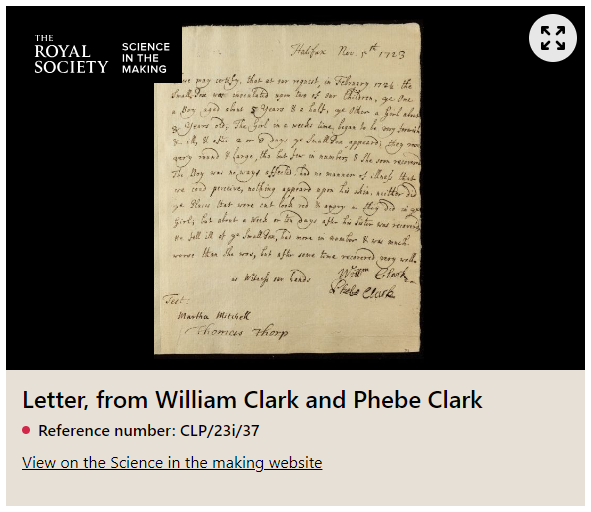
Prof Anita Guerrini looks at how some eighteenth-century parents decided to subject their children to the risk of smallpox inoculation in the belief that they were acting in their best interests. Read the blog post: ow.ly/2fwk50OFyU7 #ScienceInTheMaking #HistSci
3
7
2,500