
7 Sep 2025
🚨 Clearance Without Fairness 🚨
For over a century, courts have admitted “science” first and asked hard questions later — handwriting analysis, bite marks, arson indicators, blood spatter, even microscopic hair comparison. Each promised certainty. Each collapsed under scrutiny.
The warnings are on record:
NRC (2009): Forensic science suffers from foundational flaws.
PCAST (2016): Courts must exclude unvalidated methods.
DOJ/FBI (2015): 90% of microscopic hair testimony was materially wrong.
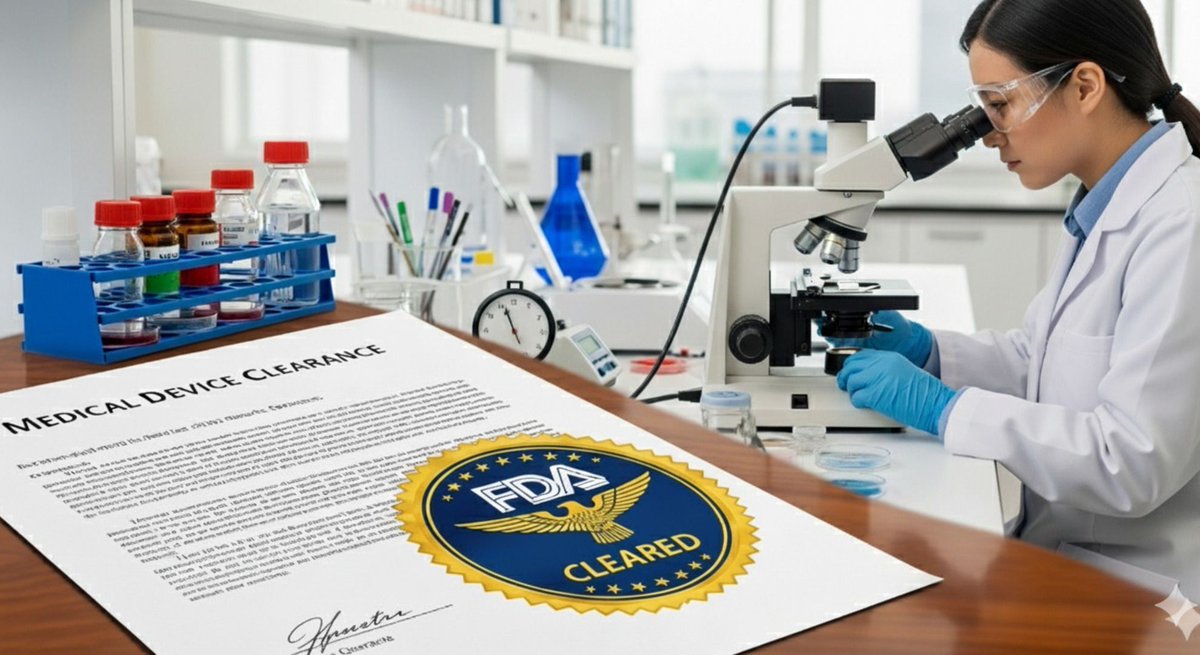
Now hair toxicology stands at the same crossroads. Psychemedics’ SEC filings (1995–2024) repeat the mantra: “history of use,” “approximate amount ingested,” “FDA 510(k) cleared.” But 510(k) ≠ scientific validation. Clearance means market equivalence — not proof of accuracy, fairness, or reliability.
Boston learned this the hard way:
CSC (2013) — “Hair alone cannot prove ingestion.”
Jones v. Boston (2014/2016) — disparate impact on Black officers.
2021 — City abandons hair testing.
2023 — $2.6M paid to settle.
The lesson? Admission must follow validation, not precede it. Courts, employers, and policymakers can’t afford another forensic cautionary tale.
#ClearanceWithoutFairness #HairTesting #ForensicScience #FDA510k #Rule702 #Frye #UGESP #TitleVII #CivilRights #EmploymentLaw #ScientificValidity
Read my latest thought-piece: Clearance Without Fairness: courts keep warning us about unvalidated “science.” Hair testing should not be the next cautionary tale
buff.ly/x0lmtl8
3
7
3,618

5 Sep 2023
In a video shared on various social media posts, an experiment was claimed to demonstrate that wireless internet waves have a detrimental impact on plant growth.
Wi-Fi, short for Wireless Fidelity, is a technology that enables wireless internet connections using radio waves within specified frequencies between the device and the router. It allows internet access for devices connected to it by transmitting data via these radio waves. The higher the frequency, the more data can be transmitted per second.
The source of this claim originates from a high school experiment conducted in Denmark back in 2013. In this experiment, five high school students aimed to observe plant growth in two different environments: one with radiation (a room with a modem) and one without radiation.
However, this experiment has several limitations that undermine its scientific validity. Firstly, it does not mention whether the students took measures to ensure that the conditions in both rooms were equivalent and controlled. Additionally, it did not account for the possibility that the heat emitted by the modem might have affected the growth of the cress seeds. As a result, this experiment lacks the necessary controls to provide reliable evidence that wireless internet waves have a negative impact on plant growth.
🎥 smart_tech.__
@Shi4Tech @jblefevre60 @FrRonconi @sallyeaves @chboursin @Nicochan33 @pierrepinna @LaurentAlaus @MargaretSiegien @PawlowskiMario @GlenGilmore @gvalan @HeinzVHoenen @efipm @Hana_ElSayyed @JeroenBartelse @RLDI_Lamy @kalydeoo @Ym78200 @labordeolivier @Fabriziobustama @mvollmer1 @KanezaDiane @TanyaSinha_ @bimedotcom @globaliqx @Khulood_Almani @Xbond49 @EstelaMandela @AnthonyRochand @tobiaskintzel @Analytics_699 @kashthefuturist
#Tehnology #Discovery #Raditation #WiFi #WirelessTechnology #Experiment #Science #HighSchoolExperiment #InternetWaves #WiFiMyths #ScientificValidity #TechnologyMyths
1
25
23
1,648

25 May 2023
Research notes:
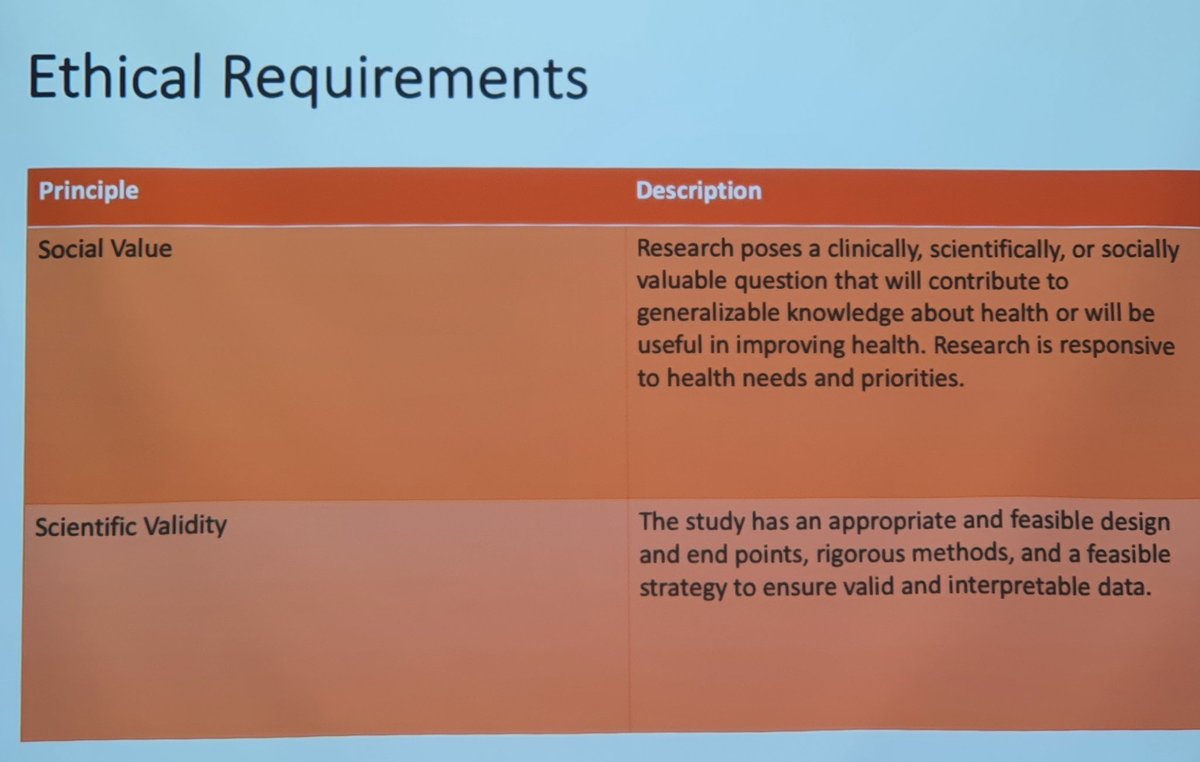
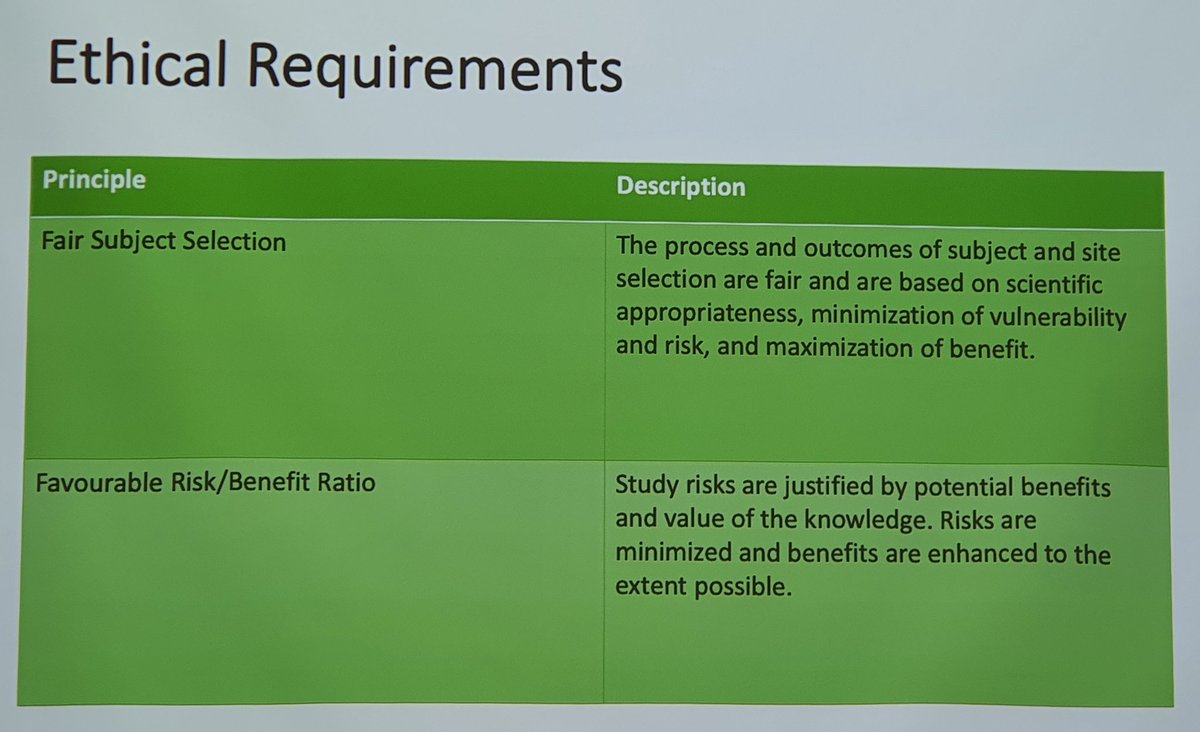
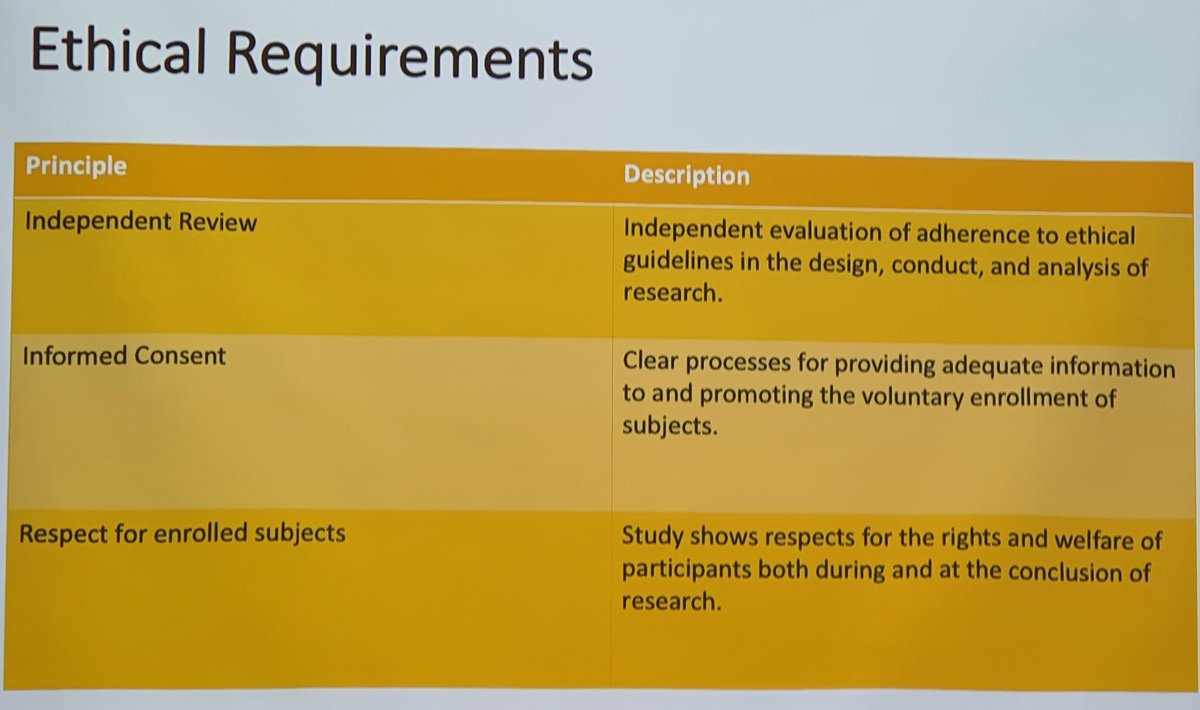
#ICH Good Clinical Practice #GCP for Ethics Committee Workshop
Key points to consider about any clinical study: #SocialValue #ScientificValidity #InformedConsent #IndependentReview #FairSubjectSelection #FavouarbleRisk/BenefitRatio #RespectforEnrolledSubjects
1
4
138

20 May 2021
Independent event adjudication has the power to enhance the #scientificvalidity of #cardiovascular trials by allowing consistent assessment of cardiovascular events and employing standardized definitions across trial sites. Learn more by @ICONplc tomorrow!
buff.ly/3axSqYm
3

10 Mar 2021
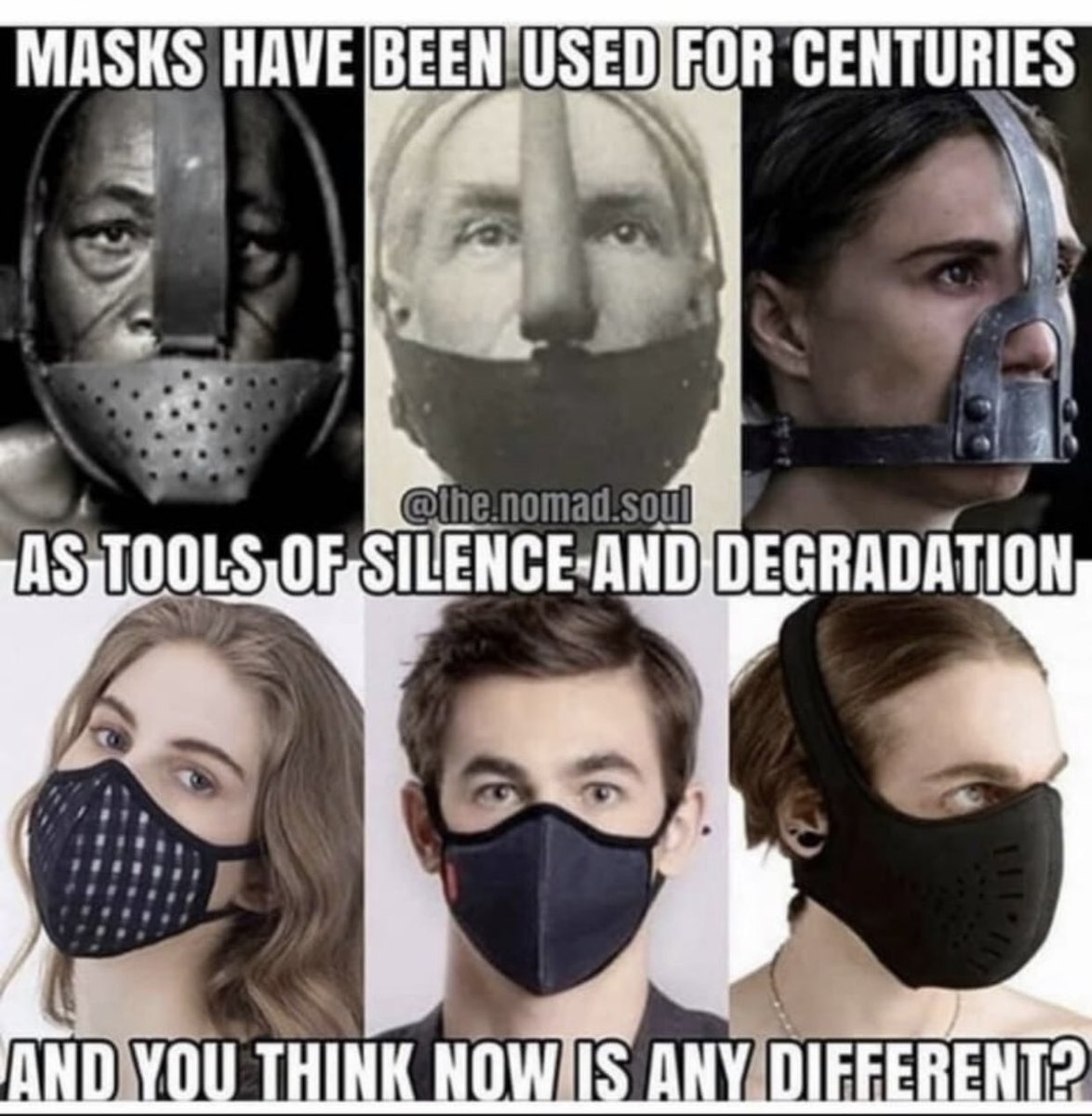
😷No #ScientificValidity🦠 for its Efficiency & Highly #Cancerigenic⚠️
@WHO @WHO_Europe @wef @UNHumanRights @rustyrockets @BillGates @elonmusk @ZubyMusic @jack @dockaurG @drscottjensen @BusyDrT @robinmonotti @DrTedros @dodiewill2 @Thomas_Binder @RussellOkung @PrisonPlanet
4
7

28 Apr 2020
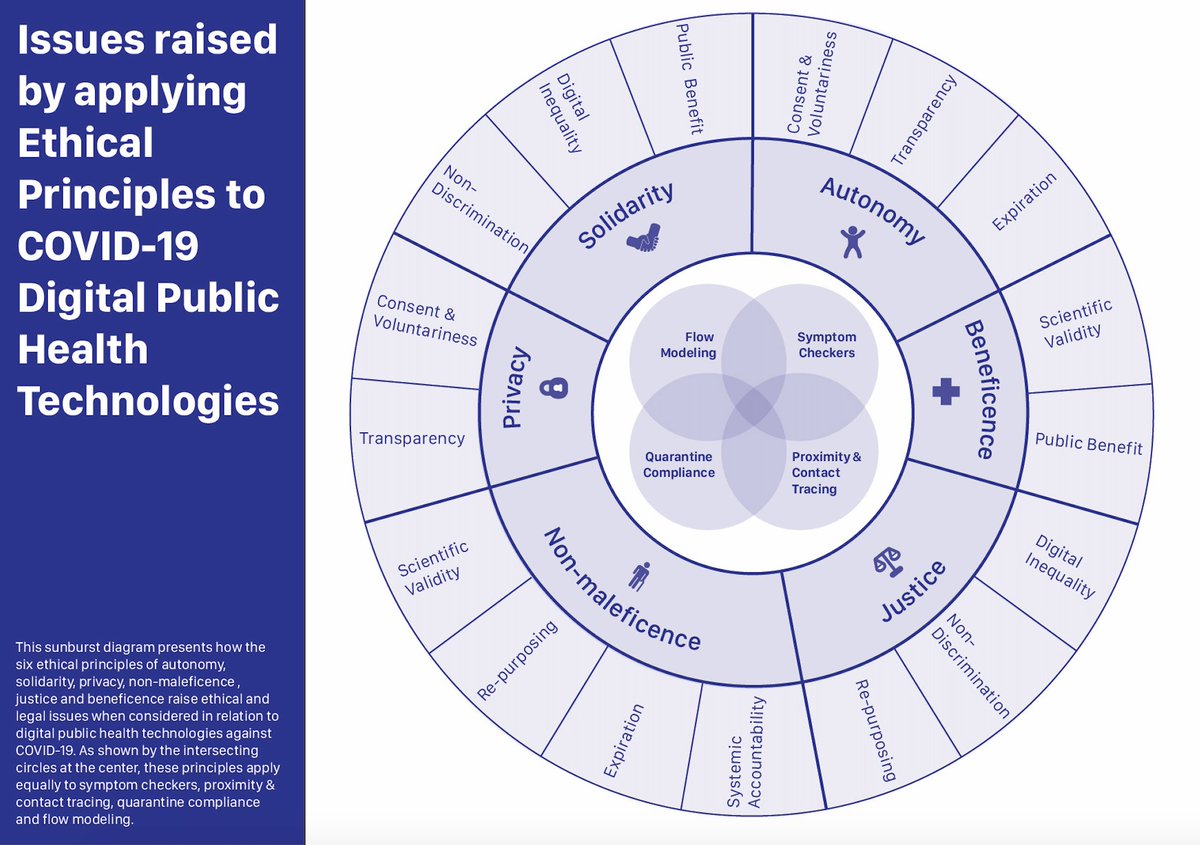
We classified emerging ethical issues based on basic principles of public health #ethics. Our analysis reveals a complex ethical matrix. It's not only about #privacy & #transparency but also about #solidarity #HealthEquity #accountability #ScientificValidity #justice etc. 3/4
1
2

5 Feb 2020
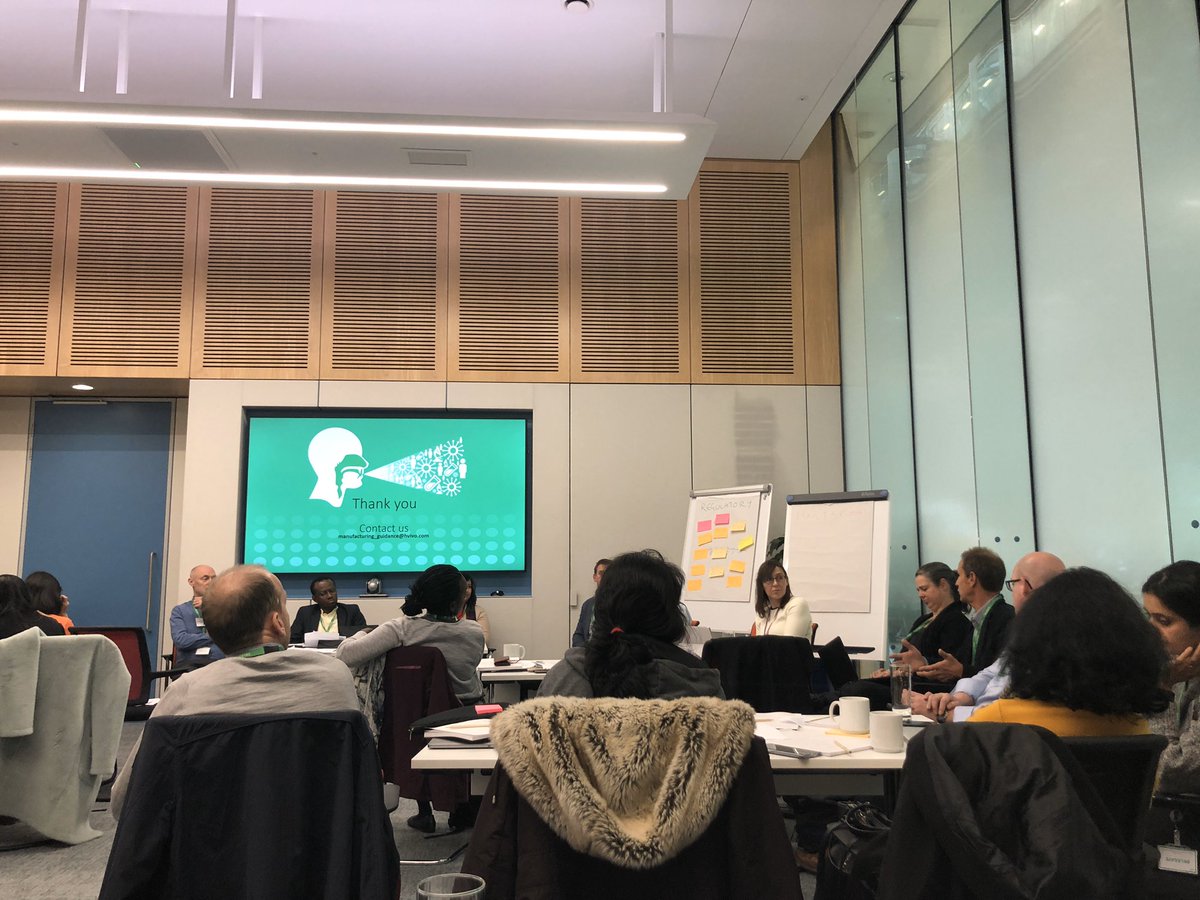
Great discussion around #regulatory guidelines for human infection studies and the manufacture of #challenge agents @wellcometrust networking meeting. #Ethics #ScientificValidity #RegionalImportance #HIS @hVIVO_UK @hic_vac
3
3

18 Jul 2019
I’m curious to know @UKRI_News @AMRC @wellcometrust @NC3Rs how does this English version of the #DFG policy to address the #3Rs in the context of #scientificvalidity in grant funding applications involving animal research compare to existing UK Funder requirements?
1

26 Feb 2019
Calling those in the #neuroscience and #psychology fields - do you have a novel and/or innovative idea to evaluate the accuracy of credibility assessments like lie detection tests? Learn more about #ScientificValidity through the #IARPAcase challenge! bit.ly/2DZsBB2
1
3
4
30 Jan 2019
Calling those in the #neuroscience and #psychology fields! Do you have a novel and/or innovative idea to evaluate the accuracy of credibility assessments like lie detection tests? Learn more about #ScientificValidity through the #IARPAcase Challenge: bit.ly/2DZsBB2
1
2
23 Jan 2019
Calling those in the #neuroscience and #psychology fields! Do you have a novel and/or innovative idea to evaluate the accuracy of credibility assessments? Learn more about #ScientificValidity through the #IARPAcase Challenge: bit.ly/2DZsBB2
1
4
9
21 Dec 2018
Calling those in the #neuroscience and #psychology fields - do you have a novel and/or innovative idea to evaluate credibility methods like lie detection tests? Learn more about #ScientificValidity with the #IARPAcase Challenge!
bit.ly/2DZsBB2
1
8
8

25 Mar 2017
_No_ I believe that the bourgeois state is a #parasiticExcrescence & its decrees have no #scientificValidity
1

3 Oct 2016
REPORT TO THE PRESIDENTForensic Science in Criminal Courts:Ensuring ScientificValidity of Feature-ComparisonMethods whitehouse.gov/sites/default…
2
1
