
Jun 11
444, you say "Majority of the technology the world has used to advance itself comes from Black Americans."
Sorry, not true at all. Black Americans have made a number of important developments and inventions, but FAR from a majority of them.
Best to you and yours,
w.
===
The quoted claim is not true as stated and is not supported by any historical, bibliometric, or workforce data we have.
What the claim would imply
If “the majority of the technology the world has used to advance itself comes from Black Americans” were true, we would expect at least some of the following to hold:
Black Americans would account for more than 50% of:
• Key patented technologies underpinning modern industry and infrastructure.
• R&D workforce or inventor counts in major technology sectors.
• Citations or highly influential papers in core technological domains.
Available data show nothing remotely close to that. In fact, Black Americans are structurally underrepresented in most US tech and engineering sectors.
Actual representation in tech and STEM
Several large-scale assessments of the US tech workforce and STEM pipeline show:
• Black Americans are about 13% of the US population, but only around 7% of the computing workforce.
• A 2023 summary of tech diversity reports Black professionals make up roughly 7.4% of the tech workforce and about 4% of tech executives.
• Degrees and employment data in STEM show Black Americans are underrepresented in many technical fields relative to their population share, not overrepresented.
Those numbers are already far from parity; they are obviously incompatible with “majority of the technology” being attributable to Black Americans.
Important Black American technological contributions
It is nonetheless true that Black Americans have made a number of important and sometimes under‑recognized contributions to technologies in wide use today.[its.uky]
Examples often cited include:
James West, co‑inventor of the foil electret microphone, whose design is used in an estimated 90% of modern microphones (phones, hearing aids, camcorders, etc.).
Mark Dean, an IBM engineer who helped develop technologies leading to the first gigahertz chip and color PC monitor.
Physicist Shirley Ann Jackson, whose work at Bell Labs contributed to technologies underpinning caller ID, call waiting, fiber‑optic cables, and other telecom advances.
Various medical, imaging, and control-system inventions (e.g., improvements to traffic lights, contributions to 3D imaging technology) with Black American inventors on the patents or in the research teams.
These are real, significant contributions, and the historical record also shows many cases where Black inventors faced structural barriers, discrimination, and under‑crediting.
But “important and under‑recognized contributions” is a much weaker and more defensible statement than “majority of the technology”.
Why the “majority” framing is misleading
There are several issues with the strong claim:
Scale and scope: “The technology the world has used to advance itself” includes everything from steam engines, electric power systems, internal combustion, telecommunications, semiconductors, aviation, industrial chemistry, and software to modern biotech. Historically, those developments involve inventors and institutions across Europe, Asia, and the Americas over centuries; no single ethnic subgroup of one country is responsible for a majority of that corpus.
Quantitative indicators: Workforce shares (about 7% of US computing jobs) and STEM-degree pipelines are far below 50% for Black Americans and have been so throughout the modern tech era. Even if per‑capita contributions were higher than average in some niches, you still cannot plausibly get to “majority” globally.
Lack of supporting primary sources: Searches for formulations of this claim find advocacy or inspirational rhetoric, but not serious historical or scientometric analyses that defend “majority” with data. The better-documented literature discusses underrepresentation, barriers, and the importance of expanding Black participation in tech, not dominance of contributions.
A more accurate and evidence‑based statement would be something like: “Black Americans have made significant and often under‑recognized contributions to many technologies widely used today, despite systemic exclusion from tech education, funding, and leadership.”
3
1
630
rafet ırmak (ραφετ ιρμακ) retweeted

Bilim Sosyolojinde ve Scientometric Analizde bunun adı "pay and publish" desem ayıp olmaz herhalde...
Pay and Publish Nasıl Retraction rekorları kırdıysa OPEN ACESS Q1 sistemi de daha beter olacak....
Bu olduktan sonra YÖK ve ÜAK dan zerre beklentim var mı ? YOkkkkkkkkkk
1
1
590

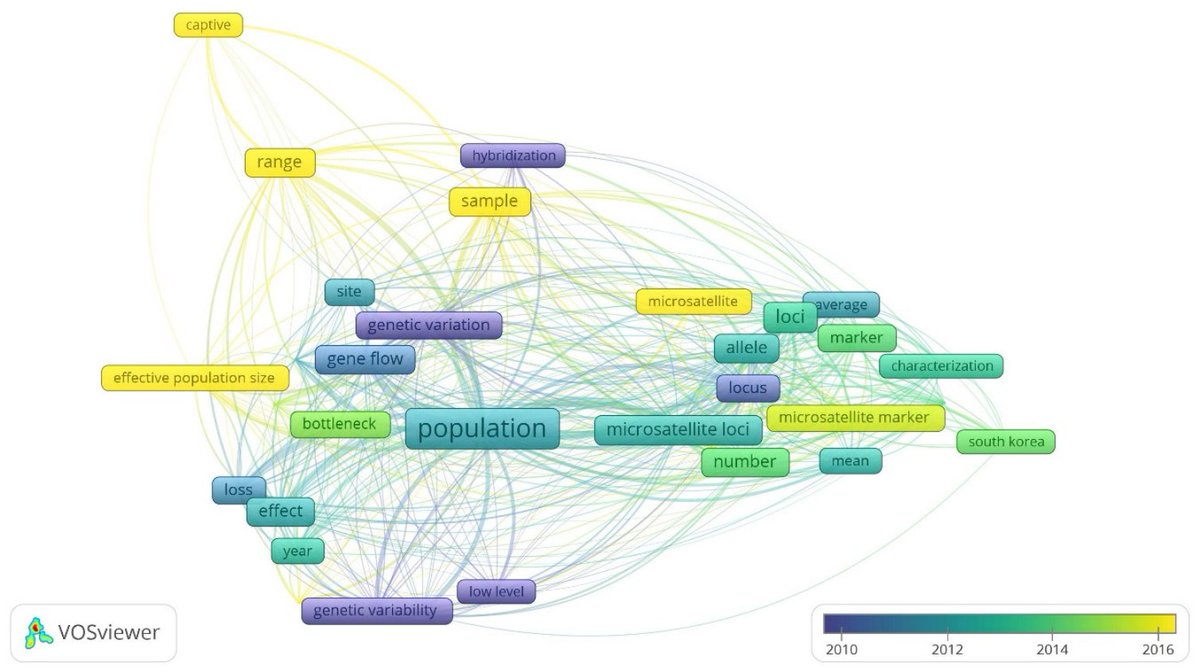
🧬The Evolution and Scope of Invasive and Non-Invasive Sampling in Terrestrial Mammal Population Genetics: Implications for the Comparability of He, Ho and Fis: A Scientometric Review
mdpi.com/2673-7159/6/2/53
Keywords:genetic tracking; quality control protocols
#Conservation_OA
1
1
13

Froth, Fields, and Future Directions: Scientometric and Integrative Review of the Recent Latin American Cercopidae Literature
doi.org/10.1007/s13744-025-0…
#neotropicalentomology #seb #hemiptera #cercopidae #scientometric

2
35

May 22
New metric assesses innovation readiness in agrivoltaics: A study from Türkiye has introduced the Agrivoltaic Innovation Index (AII), a composite scientometric tool designed to assess innovation readiness in… dlvr.it/TSgLj2 #Photovoltaics #EnergyStorage #RenewableEnergy

2
9
503

May 21
Peter, yes, there is bibliometric and scientometric analysis.
But there is also isometric analysis.
And the research purports to show that the more jacked an academic is, the more likely they are to be cited.
May 21

Some people may not realize that there is a huge literature on academic citations and entire fields devoted to bibliometric and scientometric analysis (links below). Here are some key findings that are relevant to the current discussion.
1
14
1,272

May 21
Some people may not realize that there is a huge literature on academic citations and entire fields devoted to bibliometric and scientometric analysis (links below). Here are some key findings that are relevant to the current discussion.
3
22
136
25,049

🆕 New in J. Fungi:
“Half-Century Scientometric Analysis: Unveiling the Excellence of Fungi as Biocontrol Agents and Biofertilisers”🌱🦠
doi.org/10.3390/jof11020117
#biocontrol #biofertiliser #fungi #sustainableagriculture #bibliometrics
1
2
145

May 18
Does a journal cover actually help your research reach more people?
We decided to find out and published the results in Journal of Scientometric Research.
Working with researcher Andy Tay from the National University of Singapore, our team analyzed thousands of articles from Nature Medicine, Nature Physics, and Nature Materials, comparing papers that made the cover against those that did not.
The findings were clear:
→ Cover articles received significantly more article accesses (p<0.0001)
→ Citations were meaningfully higher for cover-featured work
→ Altmetric scores, blog mentions, Mendeley saves, and Twitter mentions all showed statistically significant differences
→ The advantage has grown stronger since 2018, as visual content increasingly drives what gets shared and read online
This is not a marketing claim. It is peer-reviewed research, published in 2026, across more than 10,000 articles in Nature Medicine, Nature Physics, and Nature Materials.
Full paper: 'How Cover Selection Boosts Article Reach' - open access, link below
We would love to hear what you think.
jscires.org/article/15/1/38

2
7
1,197

May 13
📢 #highlycited paper
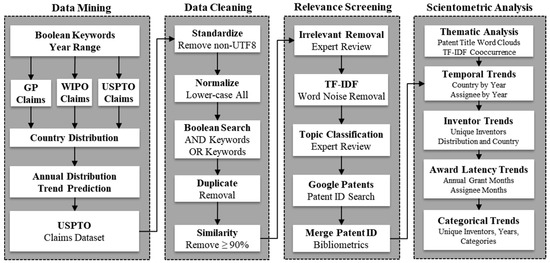
📚 #HydrogenPoweredAviation: Insights from a Cross-Sectional Scientometric and Thematic Analysis of #PatentClaims
🔗 mdpi.com/2076-3417/15/10/555…
👨🔬 by Raj Bridgelall
🏫 North Dakota State University
#cryogenichydrogen #hybridpropulsion
2
3
34

When I had returned to Türkiye in 2010 with a very radical Armenian genocide dissertation WHICH WAS VERY CRITICAL OF ATATURK's role for erasing the memory of Armenians from the official Turkish history, I had only 1 publication: "Reading Mustafa Kemal Atatürk on the Armenian Genocide of 1915" -- which was published in a journal that was not a very "high impact" journal (at that point in history....Patterns of Prejudice). A super good historian dear Donald Bloxham had recommended that I publish there, Mark Levene --another super good historian which I tremendously respected was also there, so I just followed Donald Bloxham's advice without thinking about BULLSHIT parameters LIKE impact scores of journals etc etc etc...
....but after I came back to Turkiye, EVERY NOBODY ASSHOLE "professor" who interviewed me said the following to me about 2 minutes after the interview started: "ohhhh but your article is not in a high impact journal, what do you want to say about this??? ...." OF course the REAL problem of these ASSHOLES (NO, DO NOT EXCUSE MY LANGUAGE) was never the quality of my journal. Their REAL problem WAS THE ARTICLE ITSELF ; THE TSUNAMI and THE HEARTBREAK IT CAUSED FOR THEIR TURKISH SELF-UNDERSTANDING (just like the dissertation itself).
The following is at Sergey Glazyev's telegram account and I think it was written by Andrey Rinchino, mathematician:
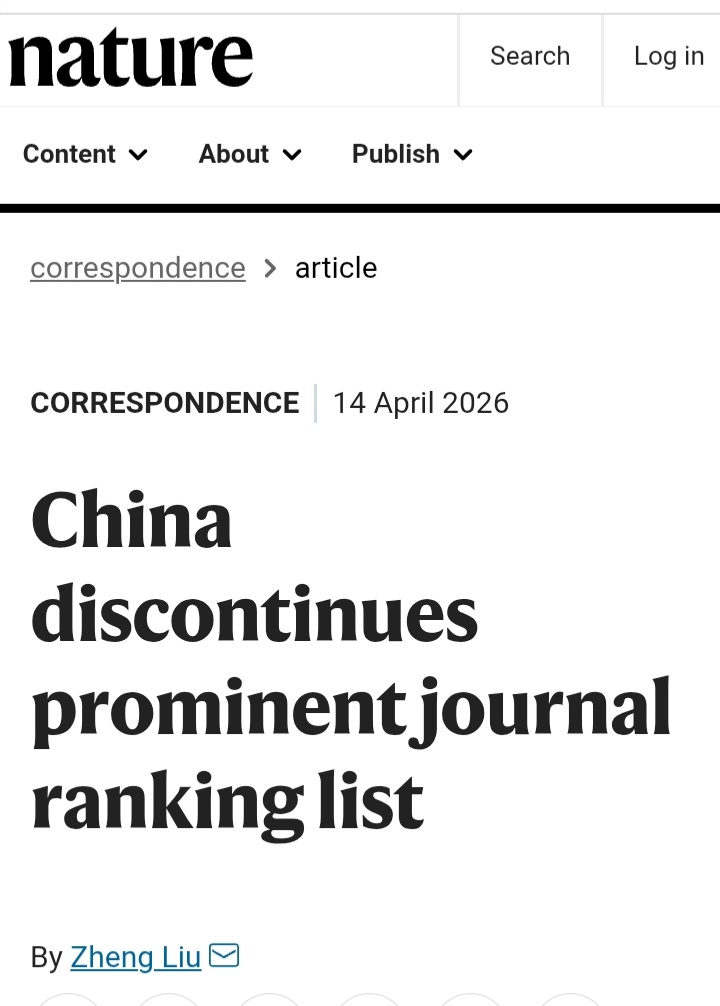
China has announced a gradual abandonment of the prevailing scientometric principles based on journal rankings, impact factors, publication counts, the h-index, and similar metrics, Nature reports. It is hard not to think here of our own programs such as “Priority,” “5-100,” and others, where one of the main criteria for university performance is little more than the number of scientific papers published.
On March 27, the National Science Library of the Chinese Academy of Sciences (CAS) announced that it would no longer update or publish its journal ranking system — a framework that had shaped the evaluation of scientific research in China for 22 years.
The ranking system was originally intended to help researchers identify influential journals. Over time, however, it came to be routinely used in decisions on hiring, promotion, and funding, with the journal in which a paper appeared often carrying more weight than the actual content of the research itself.
This move away from journal-based metrics has been widely welcomed.
For decades, Chinese universities and researchers were judged by where they published rather than by their actual contribution to science. The discontinuation of the Chinese Academy of Sciences ranking suggests that the era of relying on a single standardized benchmark for evaluating journals may be drawing to a close.
The challenge now is to create something better: evaluation systems capable of measuring the real contribution of research, rather than merely the venue in which it appears.
China’s ongoing reform campaign, “Breaking the Five Metrics” — a nationwide initiative aimed at reducing excessive reliance on exam scores, prestigious programs, diplomas, publication counts, and academic titles at the expense of substantive achievement — points in that direction. The decision by the Chinese Academy of Sciences is an important step, but the real work is only just beginning.👊👊💯💯💯
t.me/glazieview/8386
1
2
66

Apr 22
This open-access paper presents a scientometric analysis of student plagiarism research spanning five decades (1970–2022) to map the intellectual structure and evolution of this interdisciplinary field.
tandfonline.com/doi/full/10.…
1
7
232

Rethinking surrogate species for actionable biodiversity conservation: A scientometric review with a landscape planning-oriented pathway
sciencedirect.com/science/ar…
8
510

#SectionSeriesPapers
#Hydrology_Climate_Interactions
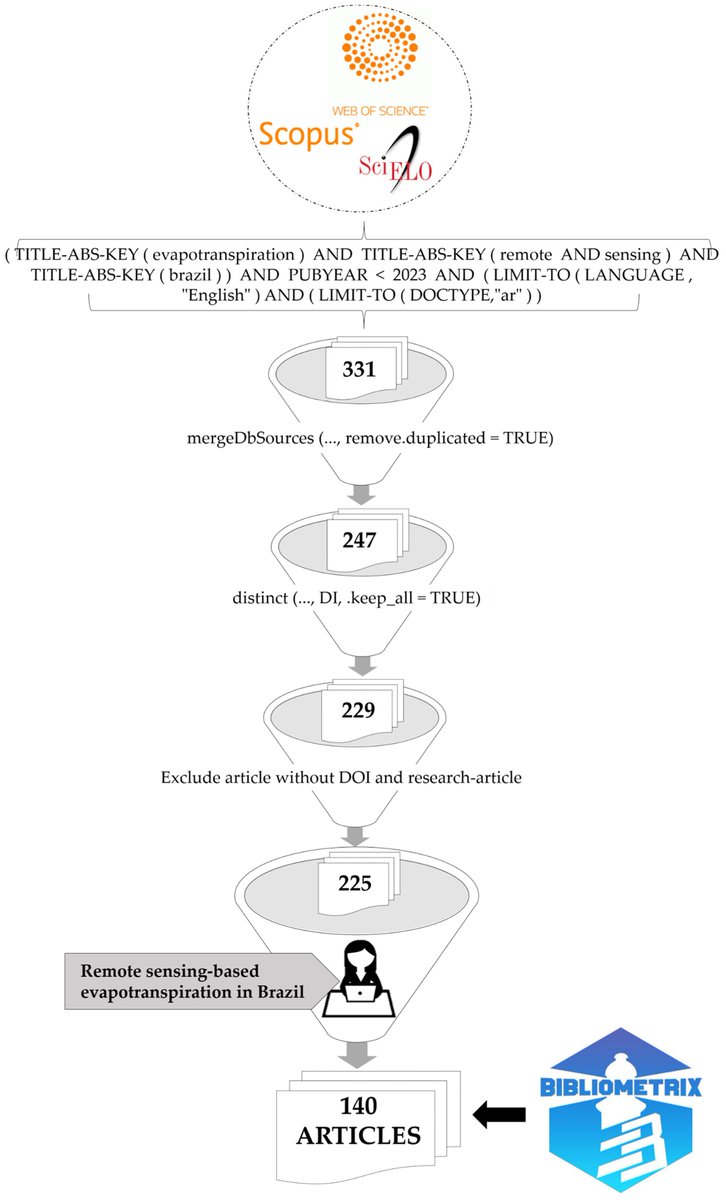
Evapotranspiration Assessment by Remote Sensing in Brazil with Focus on Amazon Biome: Scientometric Analysis and Perspectives for Applications in Agro-Environmental Studies
👉brnw.ch/21x1nPX
3
59

Recent Advances and Scientometric Insights into Alkali Metal-CO₂ Batteries: Materials, Performance, and Future Directions
pubs.rsc.org/en/Content/Arti…
1
2
33

Mar 26
Last week I attended 𝗔𝘂𝗴𝗺𝗲𝗻𝘁𝗲𝗱 𝗛𝘂𝗺𝗮𝗻𝘀 𝟮𝟬𝟮𝟲 (@aug_humans) conference in Okinawa, JP 🏖️:
• @steevenvs presented our scientometric analysis and reflections on “𝟭𝟱 𝗬𝗲𝗮𝗿𝘀 𝗼𝗳 𝗔𝘂𝗴𝗺𝗲𝗻𝘁𝗲𝗱 𝗛𝘂𝗺𝗮𝗻(𝘀) 𝗥𝗲𝘀𝗲𝗮𝗿𝗰𝗵” --> abdoelali.com/pdfs/ahs2026-1…
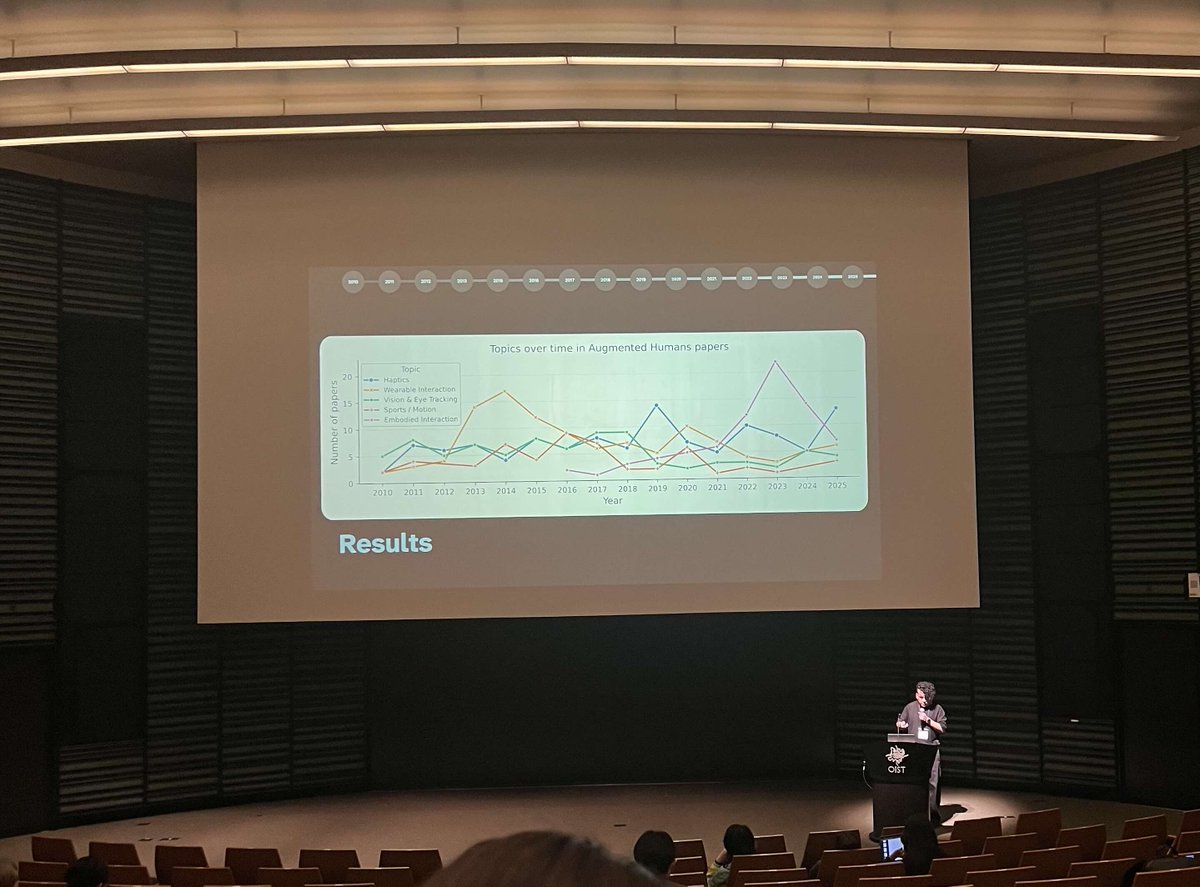
ALT Steeven Villa presenting our paper
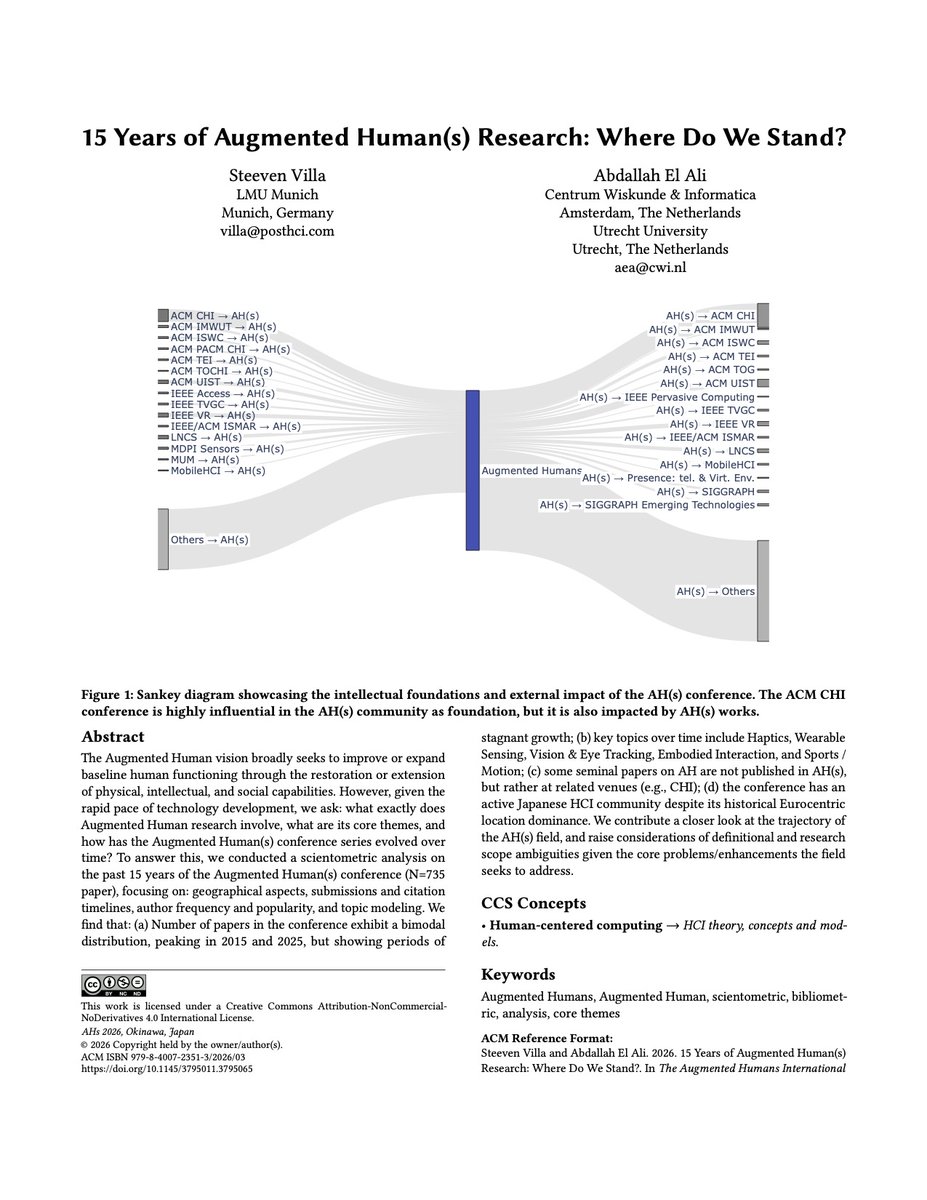
ALT Front page of pdf
1
1
9
672

Authorship, titles and open access as drivers of citation performance in orthopaedics: a scientometric analysis
@BurhanFatihKoy1 @OlenaZimba @DDoskaliuk @YuliyaFedorchen @NeslihanGken7
link.springer.com/article/10…
3
5
120

NEW Journal Article: How Artificial Intelligence is Reshaping Information Literacy in Academic #Libraries: A Global Scientometric Analysis (2020–2025) infodocket.com/2026/03/19/ne… #AI #GenAI #infolit #informationliteracy
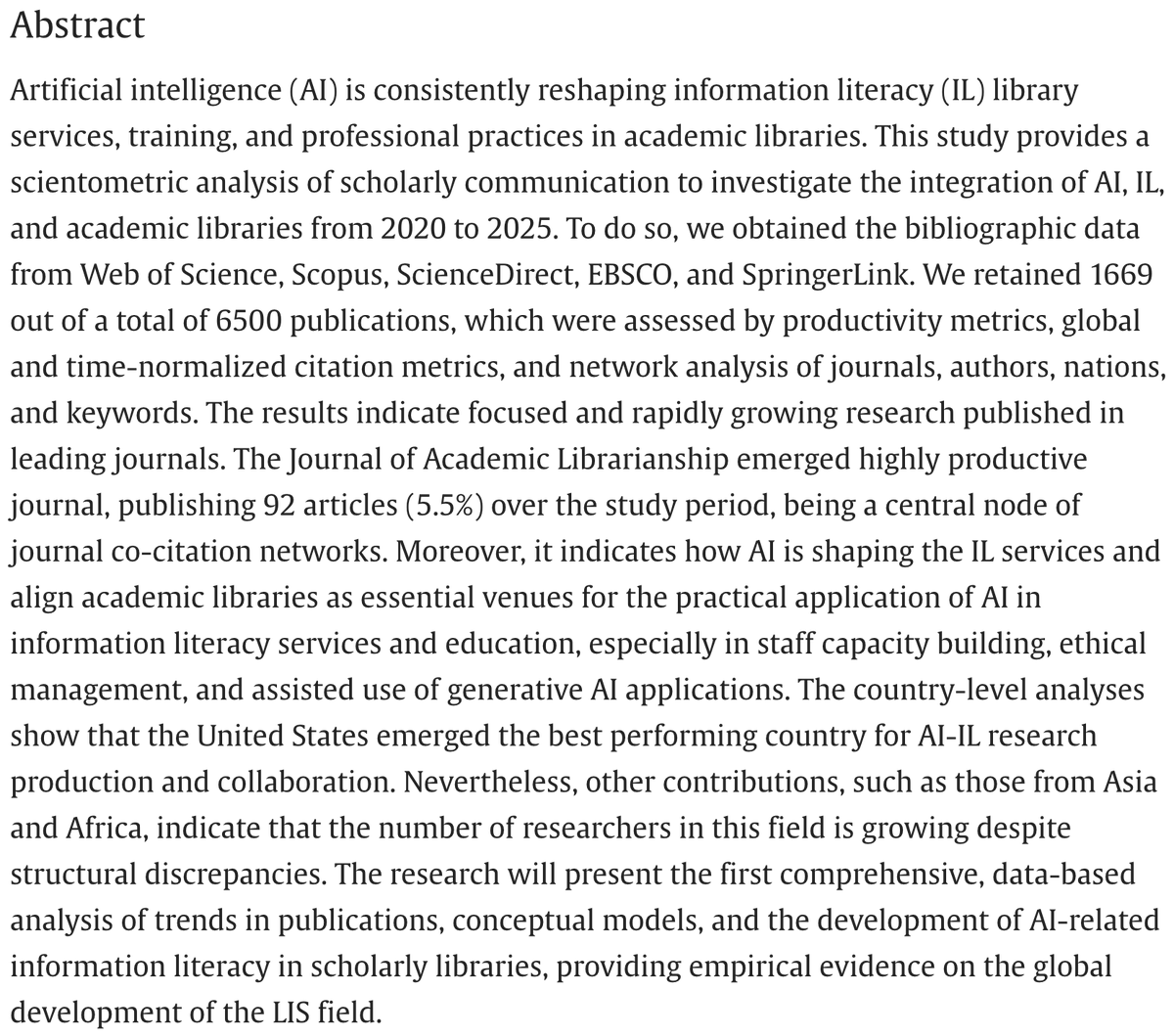
1
313

🌟Sleep Week Day 2
Today's podcast features a conversation discussing why sleep is important in children's daily life, from an educator's perspective.youtube.com/watch?v=0_luUW4e…
And one scientometric paper investigating melatonin, cortisol and sleep in autism sciencedirect.com/science/ar…
1
1
3
98