
Jan 5
OpenAI Voice AI Pen-Shaped Hardware Platform
OpenAI’s rumored Gumdrop aims to be a screenless, pen-shaped "third device"—voice-first, camera-enabled, and designed to bypass gatekeepers like app stores and home screens. With a 2026–2027 target, Jony Ive design, Foxconn manufacturing in Vietnam, Gumdrop could digitize handwritten notes and enable overlapping, real-time AI conversations.
- What problems does a screenless, audio-first AI actually solve day-to-day?
- Can privacy features and transparent controls overcome the AI Pin/R1 trust gap?
#AI #OpenAI #Hardware #VoiceAI #ProductStrategy
Imagine an AI you wear, not tap—and it’s designed to bypass the app stores controlling your digital life. That’s the bet behind OpenAI’s rumored “Gumdrop,” a screenless, pen‑shaped device targeting a 2026–2027 launch window.
Here’s what’s notable: Gumdrop is reportedly the size of an iPod Shuffle, light enough for a pocket or lanyard, and intentionally screenless. It leans on a microphone and camera with voice as the primary interface. One flagship use case: capturing and transcribing handwritten notes straight into ChatGPT—turning fleeting ideas into structured knowledge without pulling out a phone.
Strategically, OpenAI wants a “third core device” alongside your iPhone and MacBook to secure direct distribution—bypassing gatekeepers like Apple and Google who control operating systems, browsers, and discovery. To make this feel natural, OpenAI is reworking its audio architecture so the AI can speak while you’re still talking, moving past turn‑based exchanges into overlapping, real‑time conversation.
The industrial design reportedly comes from Jony Ive, with manufacturing by Foxconn and production shifted to Vietnam (and potentially the U.S.) to reduce exposure to mainland China. Internally, Gumdrop is described as a companion device for context capture and intent—less a phone replacement, more an ambient bridge to OpenAI’s models.
Ambitions go beyond hardware: sources suggest OpenAI has explored acquiring platforms like Pinterest for image data and even expressed interest in Chrome if regulators ever forced a divestiture—moves aimed at securing distribution at internet scale. But the risks are real. Recent AI devices like Humane’s AI Pin and Rabbit R1 stumbled; Gumdrop must overcome privacy concerns (think physical mute controls and transparent logs), nail usability, and prove everyday utility. Key unknowns remain too: final specs, independence from a phone, and how always‑listening behaviors are handled.
If OpenAI can fuse elegant hardware, overlapping audio conversation, and a sustainable business model, Gumdrop could redefine how we access AI in the moments between our screens. What would it take for you to trust a screenless, always‑available assistant in your daily workflow?
Hit follow to stay up to date!
#OpenAI #AI #Gumdrop #ScreenlessTech #VoiceInterface #ChatGPT #FutureTech #TechDebate #PrivacyConcerns #AIDevices #Innovation #JonyIve

53

2 Aug 2025
Most Advanced Computer
#NoScreenComputer #MostAdvancedComputer #ScreenlessTech #FutureOfComputing #InvisibleInterface #AIComputer #NextGenTechnology #FuturisticDevice #GoSelfMade #PushkarRajThakur
1
1
9
661

8 Jul 2025
No voice commands. No screens. No surgery.
Naqi is a whole new way to interact,
This is control, redefined.
Learn more: naqilogix.com
#NaqiLogix #NoVoiceNeeded #ScreenlessTech #NeuralControl #NextGenInterface #Neurotech
1
3
28

26 May 2025
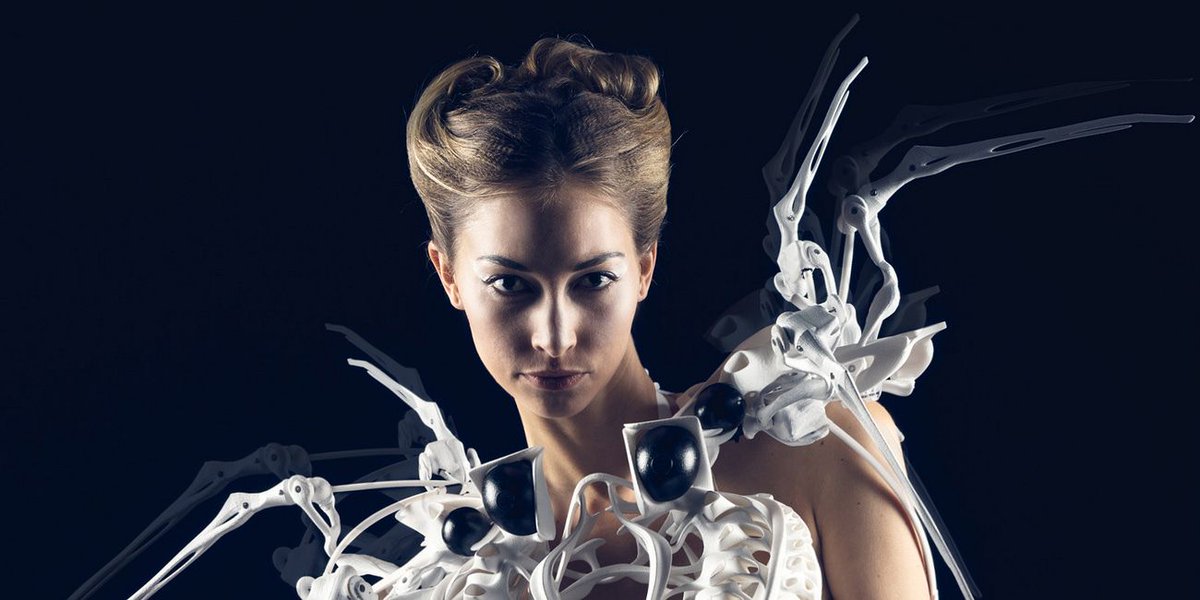
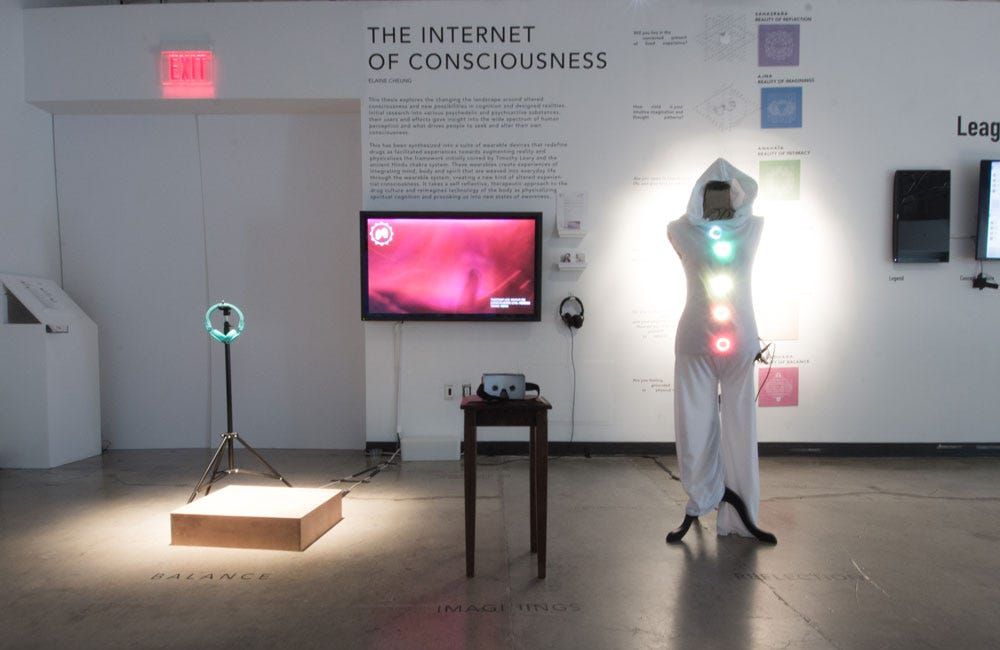
Beyond Screens - In a world obsessed with screens, some creators are daring to look past them. Some CODAME artists stand among the earliest pioneers of this shift. codame.com/p/beyond-screens
---
#ArtAndTech #CreativeTech #TechArt #InteractiveArt #ScreenlessTech #HumanCenteredTech


4
1
196

24 May 2025
Not a phone. Not glasses. Not wearable.
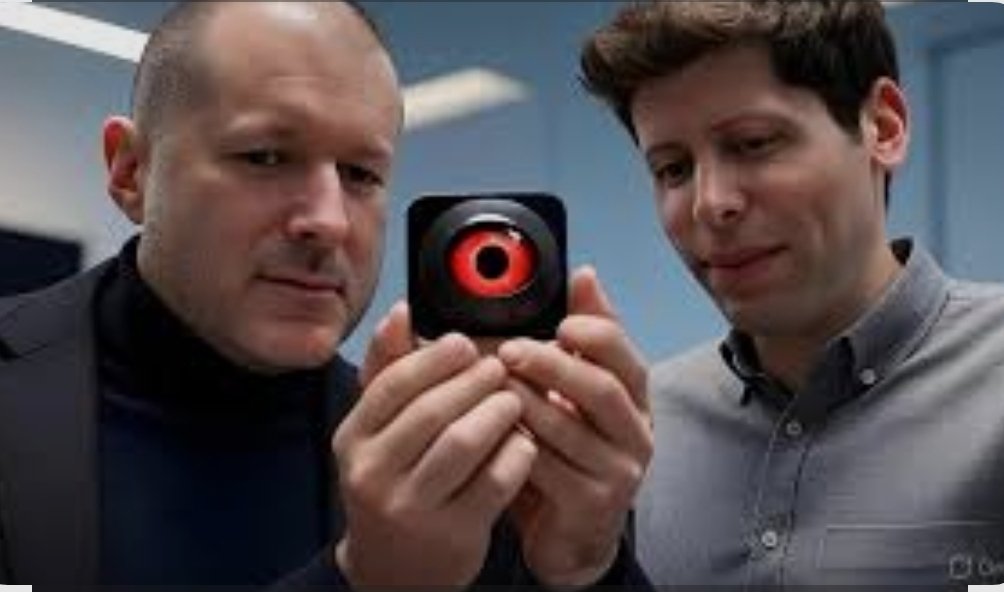
Sam Altman and Jony Ive are building something far more radical: an AI companion that could replace your screen.
OpenAI CEO Sam Altman just unveiled his boldest vision yet—a new AI device designed with Apple legend Jony Ive that could become the third must-have object on your desk, right next to your MacBook and iPhone.
It’s not a phone, not glasses, and not wearable. Instead, it’s a pocket-sized AI companion—quietly aware of your surroundings, attuned to your life, and designed to help you escape screen addiction, not deepen it.
Altman told OpenAI staff this device could add $1 trillion in value to the company and become the most transformative product they’ve ever built.
The goal? To create 100 million intelligent companions that change how we interact with technology—less tapping, more thinking; less distraction, more presence.
The age of ambient AI is here. And it’s not asking for your attention—it’s redesigning it.
#OpenAI #SamAltman #JonyIve #AICompanion #TechRevolution #FutureOfDevices #ScreenlessTech #DesignInnovation #ArtificialIntelligence
1
3
430

5 Jul 2023
Tweet 5/8 🧵:
🌐 The Humane Ai Pin is designed to be screenless, seamless, and sensing, allowing you to access the power of compute while remaining present in your surroundings.👁️ While prioritizing privacy. #PrivacyFirst #AI #ScreenlessTech

1
6

9 May 2023
2. Screens dominating your life? Not for long! Humane's vision of screenless technology is here to change the game. Imran Chaudhri reveals their prototype device, Astro, in his TED talk. Say goodbye to distractions and hello to seamless integration! #ScreenlessTech #Innovation
73