
Mar 27
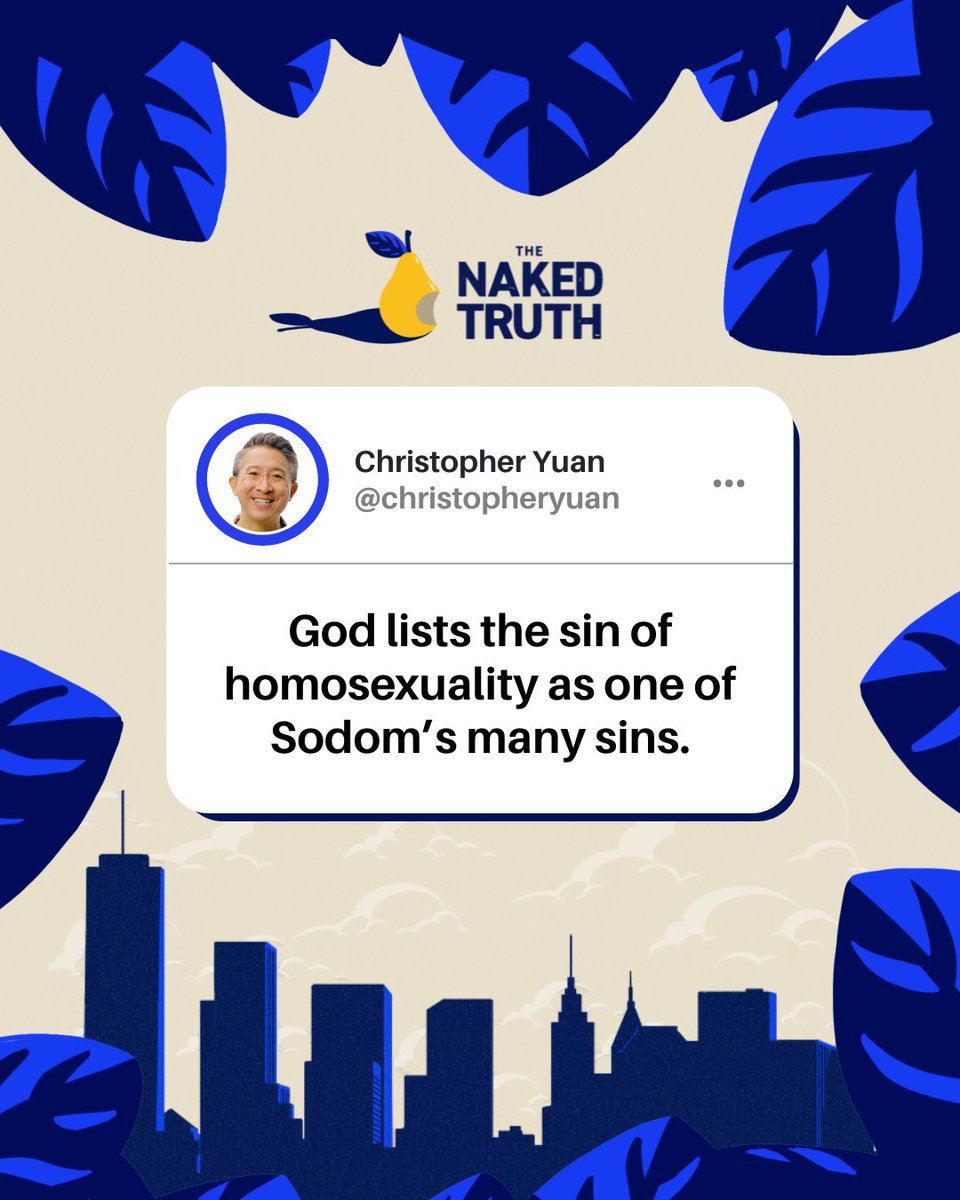
In Ezekiel 16:49–50, God speaks in the first person through the prophet Ezekiel, listing pride, excess, neglect of the poor, and haughtiness—and then adds that they “did an abomination before me.”
That phrase is not incidental. In the Law of Moses, “did an abomination” is the same language used in Lev. 20:13 for same-sex acts.
Scripture interprets Scripture. Sodom’s sins were many—and sexual immorality was among them.
What Scripture is most often twisted on this topic?
Watch the full video: youtu.be/69iotvUkSs8
Visit holysexuality.com for more resources like this.
#ScriptureInterpretsScripture #sodom #sin
2
21
1,030
In Ezekiel 16:49–50, God speaks in the first person through the prophet Ezekiel, listing pride, excess, neglect of the poor, and haughtiness—and then adds that they “did an abomination before me.”
That phrase is not incidental. In the Law of Moses, “did an abomination” is the same language used in Lev. 20:13 for same-sex acts.
Scripture interprets Scripture. Sodom’s sins were many—and sexual immorality was among them.
What Scripture is most often twisted on this topic?
Watch the full video: youtu.be/69iotvUkSs8
Visit holysexuality.com for more resources like this.
#ScriptureInterpretsScripture #sodom #sin
4
3
19
2,233
Jan 24
The Bible is brutally honest about King David’s private life.
Scripture openly records his wives, concubines, and adultery—yet never describes a sexual relationship with Jonathan.
David’s issue wasn’t men. It was women.
Watch the full video to see why this claim collapses:
youtu.be/rP9mW-Q2QUw
#DavidAndJonathan #BiblicalSexuality #Apologetics #ScriptureInterpretsScripture
1
8
62
3,302

13 Oct 2025
See the full interview with Dr Rob Carter on our YouTube channel: ‘The Importance of 6-Day Creation’ – youtu.be/7E8Od0la3KA
For more info, see:
→ The use of Genesis in the New Testament – creation.com/nt
→ Genesis: Bible authors believed it to be history – creation.com/gen-hist
→ Jesus on the age of the earth – creation.com/jesus-age
→ ‘From the beginning of creation’—what did Jesus mean? – creation.com/from-the-beginn…
#CreationVids #ScriptureInterpretsScripture #GenesisIsHistory #JesusOnGenesis #JesusOnTheAgeOfTheEarth #BiblicalCreation #CreationMinistries
2
4
391
13 Oct 2025
See the full interview with Dr Rob Carter on our YouTube channel: ‘The Importance of 6-Day Creation’ – youtu.be/7E8Od0la3KA
For more info, see:
→ How long were the days of Genesis 1? – creation.com/sixdays
→ Six days? Really? – creation.com/cab-2
→ The use of Genesis in the New Testament – creation.com/nt
→ One day is as a thousand years? – creation.com/day-thousand-ye…
#CreationVids #AgeOfTheEarth #BiblicalCreation #YoungEarth #ScriptureInterpretsScripture #2Peter3v8 #CreationMinistries
1
4
362
See the full interview with Dr Rob Carter on our YouTube channel: ‘The Importance of 6-Day Creation’ – youtu.be/7E8Od0la3KA
For more info, see:
→ How does the Bible teach 6,000 years? – creation.com/6000-years
→ The use of Genesis in the New Testament – creation.com/nt
→ Genesis: Bible authors believed it to be history – creation.com/gen-hist
→ Why the Earth Can’t be Old! – youtu.be/zSGGnx2dT3k
#CreationVids #AgeOfTheEarth #BiblicalCreation #YoungEarth #ScriptureInterpretsScripture #CreationMinistries
1
1
2
270

20 Jun 2025
From The KJV Built-in Dictionary series
The Bible defines its own words — line upon line, precept upon precept. You don’t need a scholar when you have Scripture and the Spirit.
“Comparing spiritual things with spiritual” (1 Corinthians 2:13 KJV)
“But the word is very nigh unto thee” (Deuteronomy 30:14 KJV)
Let the Word interpret the Word — and the truth will open like a sunrise.
Discover more: theovercomer.org/bookshelf
#KJVBuiltInDictionary #Overcomer #ScriptureInterpretsScripture #BibleStudy #KJVOnly
1
2
102

14 Jul 2023
Mike might have a point about this passage being difficult to figure out if scripture didn't contain a multitude of other relevant passages that effectively limit its meaning to exactly what it says. #scriptureinterpretsscripture
14 Jul 2023

There is an INSANE amount of debate over the meaning of just the first part of 1 Tim 2:12.
1 Timothy 2:12 "I do not permit a woman to teach or to exercise authority over a man"
"I do not permit"
Debate 1: Is it expressing personal opinion and not apostolic ruling?
Debate 2: Is it only effective within Paul's sphere? And what then is Paul's sphere?
Debate 3: Is it time limited such as "I do not permit for now"
Debate 4: It is regarding the Ephesian situation Timothy is in or is it Paul's general practice in all locations?
"a woman"
Debate 1: Is this about a specific woman or women in general?
Debate 2: Is it about wives in their marriage relationships or women in a church context?
Debate 3: Is this about specific KINDS of women? If so, is it uneducated women, immodest women, or women who do something else in particular?
"to teach"
Debate 1: Is this about false teaching or just teaching?
Debate 2: Can "to teach" (didaskein) carry a negative connotation here based on an analysis of the term's use in Paul and the rest of the NT?
"or"
Debate 1: How does this word join "teach" and "authority"? Does it mean "or" or does it mean "so as to" or "in such a way so as to"?
Debate 2: Is it indicating two activities or one activity? And how do the two words inform the boundaries of application?
Debate 3: Does this word in it's context join to positive words, two negative words, or is it open to some combination? (Yeah, there's a huge debate on that)
"to exercise authority"
Debate 1: What is the ancient Greek meaning of the noun that this word originally comes from? And what is the correct retelling of it's development over time leading to the 1st century usage of this verb? Does the "murder" connotation connect in some way to Paul's use?
Debate 2: What is the etymology of the term?
Debate 3: How did the Greek speaking fathers understand and use this word? There's a particularly interesting debate over Chrysostom on this.
Debate 4: Does it carry an ingressive meaning such as "assume" or "usurp"
Debate 5: How did ancient translations handle this word. (This is an involved and branching discussion of many languages)
Debate 6: Can it be proven that pretty much every usage of this verb in time near the apostle Paul shows a pejorative meaning?
Debate 7: How are the numerous cognates of the term used in time around and before Paul's use and do they inform us of a usage history that predates Paul's?
"over a man"
Debate 1: Is this referring to a specific man known to Timothy or men more generally?
Debate 2: Should it be translated "husband" instead? And is this a familial or church context?
Some very expansive debates I have summarized briefly. Some less central ones I have left out. And this is just one section of one verse in a passage that is full of other related debates.
I've been told, and I agree, that 1 Tim 2:12 the most debated verse, in the most debated passage, on the most debated question of evangelical scholarship today.
I'll be covering all of this and a lot more when I finally finish my prep and record a painfully long video on how 1 Timothy 2 weighs in on the topic of women in ministry.
I know its been taking me forever to get this done and I still have quite a few hours of prep to go. But I intend to cover all these debates and they are quite involved.
What I can say is that, while the debates are confusing and complicated, the final result is not.
1
6
467

20 Apr 2017
#ScriptureInterpretsScripture means you determine the meaning by the context of the overall Bible. James 2:14-26 is often misinterpreted.🤔 x.com/tpgjageignsahl/status/…
5
6
14
20 Apr 2017
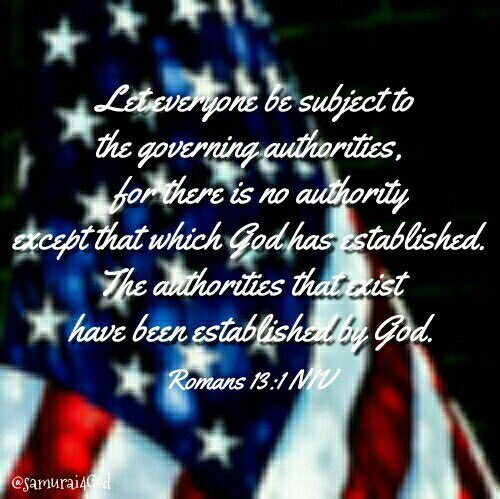
P31:8 literal truth in light of scripture. P26:3 nonliteral truth in light of scripture (see Romans13) #ScriptureInterpretsScripture (2/2):
2
8
10

26 Dec 2014
"The best commentary on the Bible is the Bible itself," @strauch_alex #scriptureinterpretsscripture
1