
Die Aufzeichnung unseres Workshops mit @Versasec und @Yubico ist jetzt online! 🚀
Highlights:👀 Live-Demo: User Self-Service 👀 Zentrale Vorbereitung von PIV/FIDO2
📺 Video: youtube.com/watch?v=lFS6daJM…
#MFA #TechWorkshop #SecurityKeys #Automation #CyberSecurity
1
4
2,081

18 Nov 2025
The company has also integrated FIDO2 security keys into its product, replacing the master password with a hardware-backed secret to encrypt the user’s vault.
#security #FIDO2 #passkeys #securitykeys
1
2
218

31 Oct 2025
GFermah fam
Let’s dive into how @fermah_xyz Prover Node works from hardware to incentives and why it matters for the future of zk proof infrastructure.
At its core running a Fermah Prover Node means supplying compute capacity (CPU/GPU/SSD) to the proof generation marketplace. The network matches proof requests to nodes, so you as an operator get rewarded for doing work.
Onboarding
• Prepare a machine (Ubuntu 22.04 LTS with GLIBC 2.34 , Docker, for GPU nodes CUDA drivers v12.2)
• Install Fermah’s fpn (Prover Node binary) via their install script.
• Register your node you’ll require whitelist secret keys, RPC URL and then execute prover node register.
Configuration and Hardware Specs
• Nodes declare their hardware resources (RAM, CPU cores, GPU specs, SSD storage) in a TOML config (prover node config.toml)
• Example for the ZkSync prover mode is RAM 128 GB 32 vCPUs for all round smaller for certain sub tasks (leaf aggregation 80 GB 16vCPUs etc).
• GPU nodes VRAM 24 GB etc required for certain circuit proving tasks.
Operational Mode
Once the node is configured and registered, you run fpn as daemon/service. It listens for incoming proof jobs, executes tasks, reports telemetry, handles updates automatically
Increase system limits (open files, socket buffers) for stability.
Ecosystem and Economics
• Operators are part of the
supply side your hardware gets matched to demand (proof requests) via @fermah_xyz matchmaker layer.
• By declaring accurate hardware capabilities and staying performant, you improve your node’s chances of being selected and thus earning fees.
• This lowers barrier for proof generation at scale more supply = competitive pricing decentralization
• For zk projects would be Easier access to proof generation infrastructure without building everything in house.
• For operators it would be A new avenue to monetise high end compute gear (GPUs, large RAM, SSD) in a Web3 setting.
• For the ecosystem Decentralising proving reduces risks of bottlenecks, single points of failure, or cost monopolies.
Risks and some Considerations
• Running high end hardware => upfront cost, operational maintenance (cooling, power, latency, uptime)
• Proof job correctness and reliability matters. If your node fails or under performs you might lose selection or rewards.
• Market competition many nodes, varying performance levels your differentiation is hardware uptime responsiveness.
• Securitykeys, configuration files, node integrity must be protected.
Some Best Practice Tips for Operators
• Make sure your hardware is right sized match whichever proving mode (CPU Witness Gen, GPU circuit proving) you aim for.
• Monitor telemetry and logs ensure node health (metrics, errors) and maintain good uptime.
• Keep config files versions updated new releases of Fermah binaries may include optimisations or new proof systems.
• Secure your environment run under non.root user, secure keystores and secrets, use systemd or containerised service for manageability.
• Participate early testnet Getting on testnet allows you to gain experience, reputation
If you’re looking to operate a proof generation node in the zk space, Fermah Prover Node model offers a practical path. Supply capacity, declare specs, register, stay online get matched and paid. For the ecosystem, it shifts proof generation from bespoke silos to open compute markets

2
54

24 Oct 2025
Re-enrolling 2FA keys by Nov 10 adds a solid security layer, but could slow access for some. Wonder if they’ll support multi-key backups soon, since losing access can lock users out completely without a recovery option. #Cybersecurity #2FARe-enrolling all security keys tightens account security but adds a layer of user friction. Curious
are there plans to support multiple active keys simultaneously to avoid lockouts? This could balance security and convenience better. #2FA #SecurityKeys
1
67

17 Oct 2025
HID has signed an agreement to acquire IDmelon... Read more: chiefit.me/hid-to-acquire-id…
@HIDGlobal #acquisition #IDmelon #sign_in #solution #passwordless #authentication #biometric #enterprise #FIDO #securitykeys #phishing #MFA

2
38
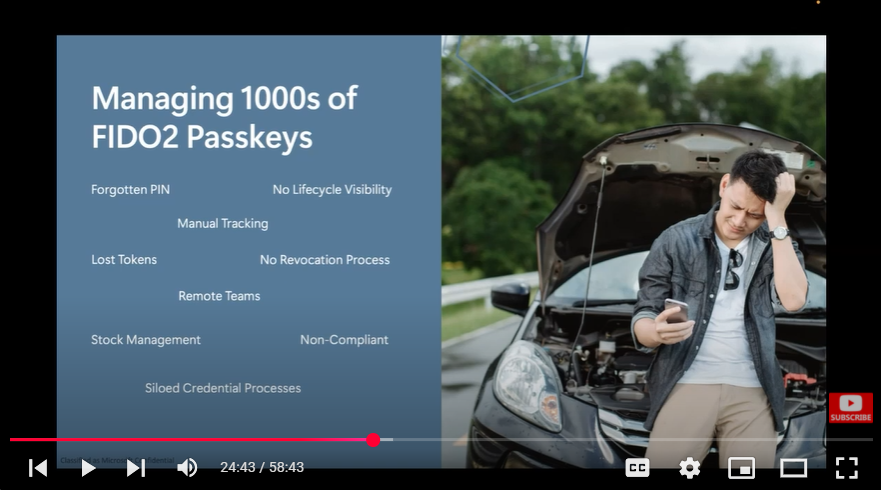
"What can start with a smooth rollout can quickly grow complex. How can you issue #securitykeys efficiently?"
Watch now "Simplify MFA Compliance with FIDO2 Security Keys" a webinar by @msftsecurity with @Yubico and @versasec.
youtu.be/p3epqOfFW9g?feature…
#fido2 #smartcards #cyber
5
76

13 Apr 2025
This is the time, the right time! Don’t wait for tomorrow. Carpe diem! 💪🏻 Join us! 💪🏻🎯🤝🏻
👇🏻⬇️👇🏻💙👇🏻⬇️👇🏻
blackfort.com/
💥#BlackFortBXN💥
#Layer1 #Web3 #BlockchainInnovation #BlockchainSecurity #SecurityKeys #BlackfortWallet #BlackFortPay #CryptoFiat

29
48
567

(g ) Yubikey und Co.: Security-Keys im Vergleich #SecurityKeys #Authentifizierung #Sicherheit glm.io/192593?s
1
4
1,350
Tired of the #hassle of managing physical #securitykeys? From procurement to #deployment, it's a complex process. Simplify credential management with a free trial of Versasec! Streamline your workflow and boost security.
Free trial:
versasec.com/products/produc…
2
52

1 Jan 2025
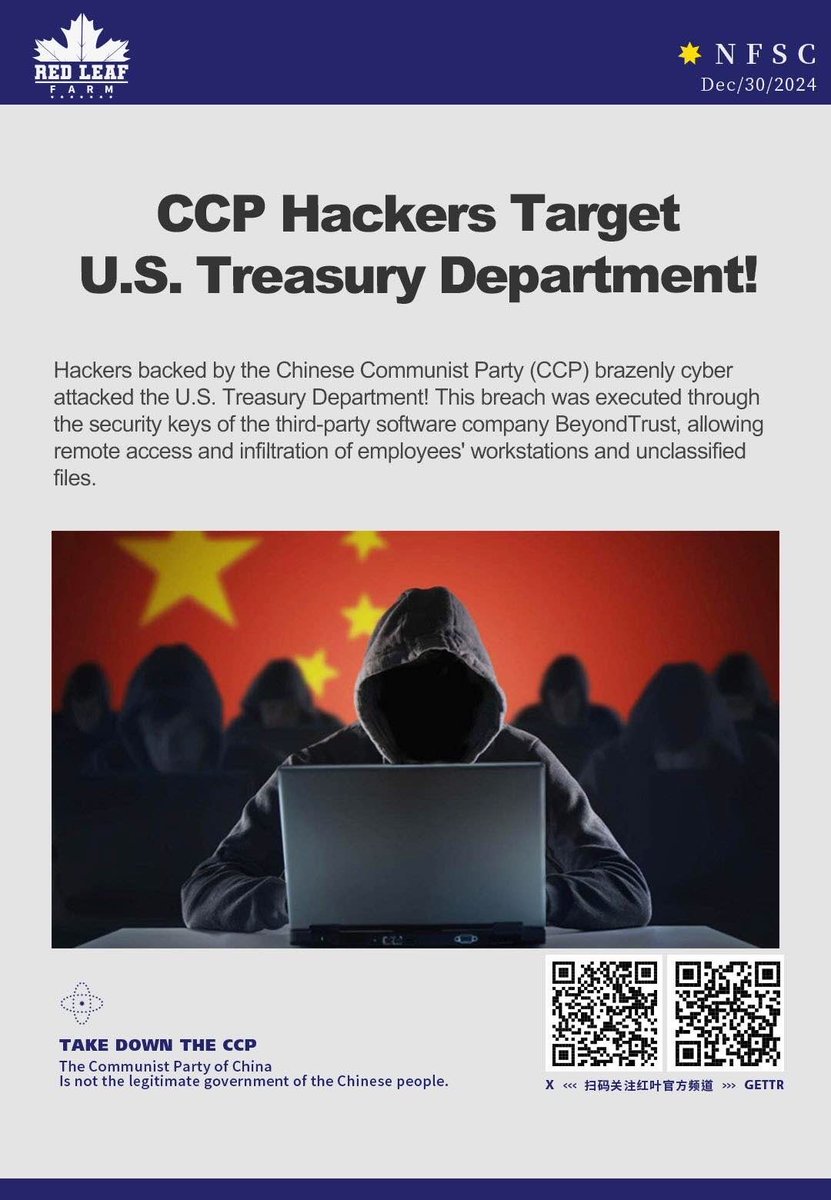
CCP Hackers Target U.S. Treasury Department!
Hackers backed by the Chinese Communist Party (CCP) brazenly cyber attacked the U.S. Treasury Department! This breach was executed through the security keys of the third-party software company BeyondTrust, allowing remote access and infiltration of employees' workstations and unclassified files.
#CCPHackers #CyberattackUSTreasury #FileTheft #SecurityKeys #ChineseCommunistParty
35

6 Dec 2024
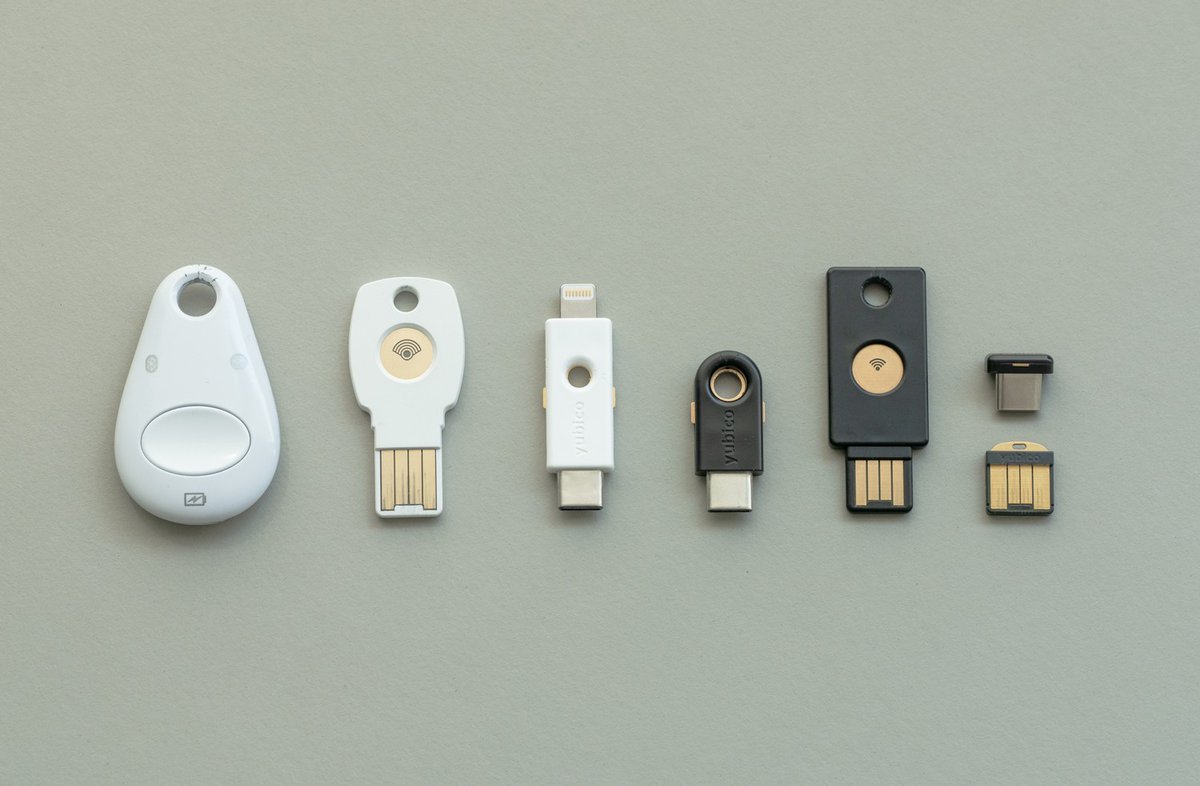
Locking Down Your Digital Life: Why Security Keys Are Your Ultimate Shield youtu.be/W8JoSShkD4c #cybersecurity #securitykeys #yubikey #passkeys #riskmanagement
3
315

21 Oct 2024
Sustain the development of your business through better data management 😀🤑🥳 #securitykeys #Blockchain #datasecurity #businessdataprivacy

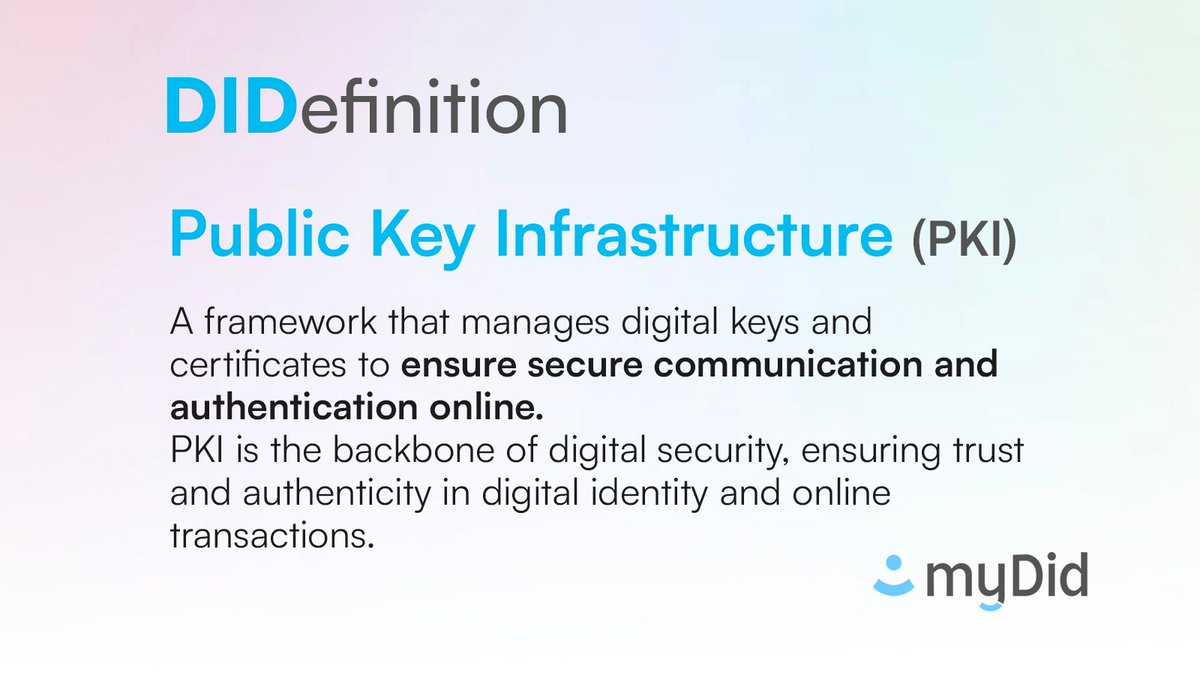
🔐 PKI, also known as Public Key Infrastructure, is the cornerstone of digital security.
This system manages digital keys and certificates to facilitate secure digital communication. It ensures safe and verifiable interactions, making it essential for safeguarding your online identity.
Consider it the digital guardian of your identity in the digital world!
Follow us to learn more about #DigitalIdentity & #DigitalSecurity
#PKI #Decentralization #Web3.
3
20

When it comes to the #Hive #Blockchain in special and #crypto in general, it is always good to rememb the purposes and utility of Hive account #wallet #keys. Not your keys, not your crypto!
#web3 #blogging #securitykeys #inleo
inleo.io/@behiver/hive-block…
1
2
13
127

[CLIENT NEWS] @Yubico bolsters security with YubiKey 5.7 firmware update - securitybrief.asia/story/yub… via @TechDay_AU #yubikey #yubikeys #cybersecurity #security #firmware #passkeys #SecurityKeys
1
3
65

2 May 2024
On this #WorldPasswordDay, join us in celebrating the legacy of Passwords and embracing the dawn of a passwordless future! 🛡️
#RIPpasswords #PassKeys #SecurityKeys #CyberSecurity #DigitalAssetSecurity
1
3
286
We hope you enjoyed our webinar co-hosted with @OCTATCO82. If you missed it, you can now watch it on demand! Enjoy!
youtube.com/watch?v=E6u3zD3s…
#iam #securitykeys #enterprisesecurity #korea #asea

2
53

14 Mar 2024
Take a deep dive into the world of passkeys in @Pelissier_S's latest blog post where he covers everything from how they work in practice to how they compare to hardware security keys. Check it out now! kdlski.co/4aeZciu #Passkeys #SecurityKeys
1
6
8
1,254

16 Dec 2023
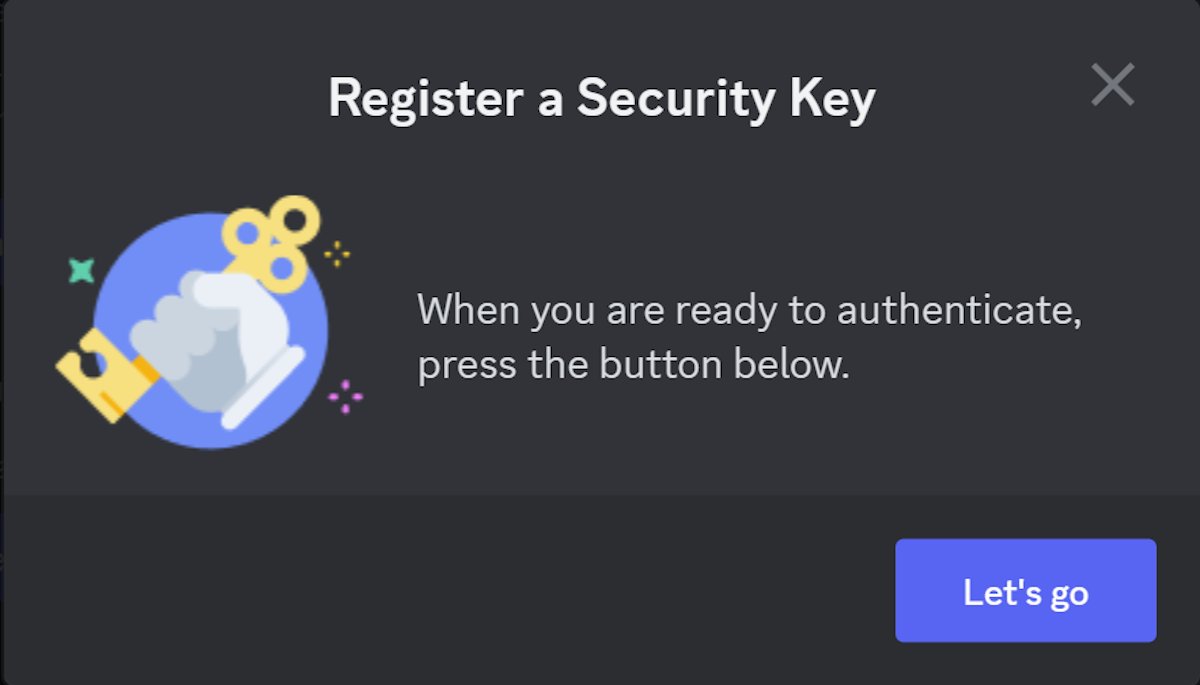
Discord now supports protecting your account with security keys (hardware keys like Google's Titan Security Key or Yubikeys). #discord #securitykeys #passkeys.
ghacks.net/2023/12/16/protec…
1
3
5
438

26 Nov 2023
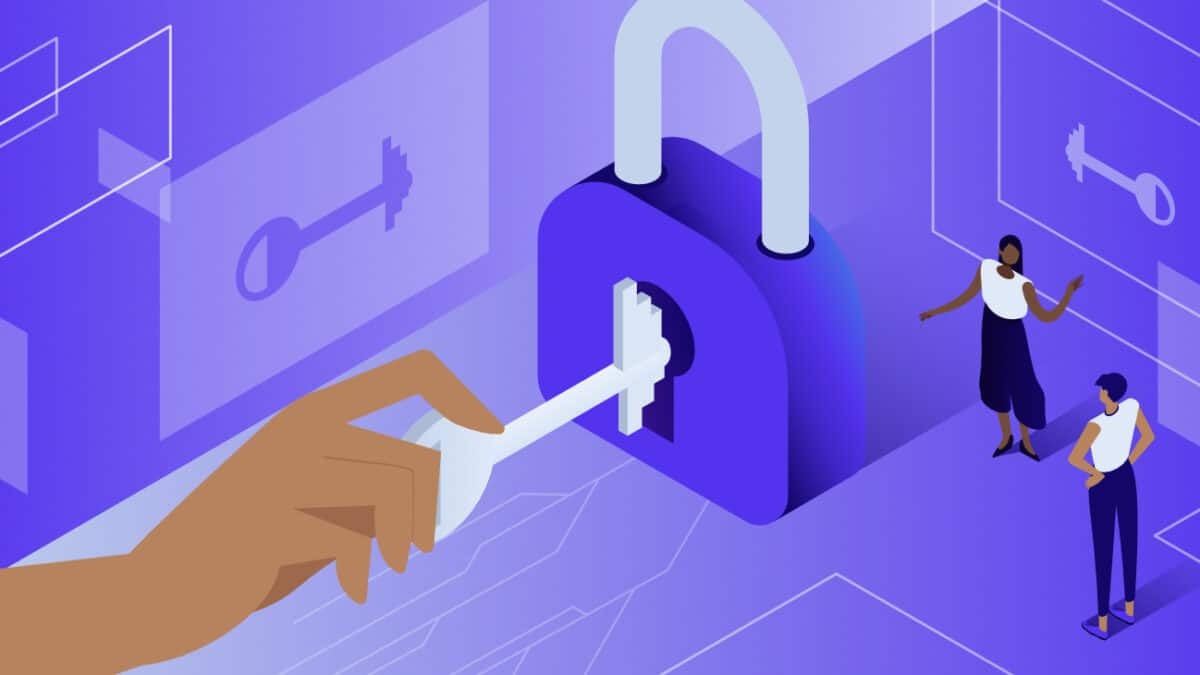
Secure your WordPress fortress! Discover the crucial steps to change your security keys and fortify your website against potential threats.
Learn More: wbcomdesigns.com/how-to-chan…
#WordPressSecurity #SecurityKeys #WebsiteProtection #Wordpresstips #Wordpresssolutions
2
7
52

21 Nov 2023
15 Nov 2023

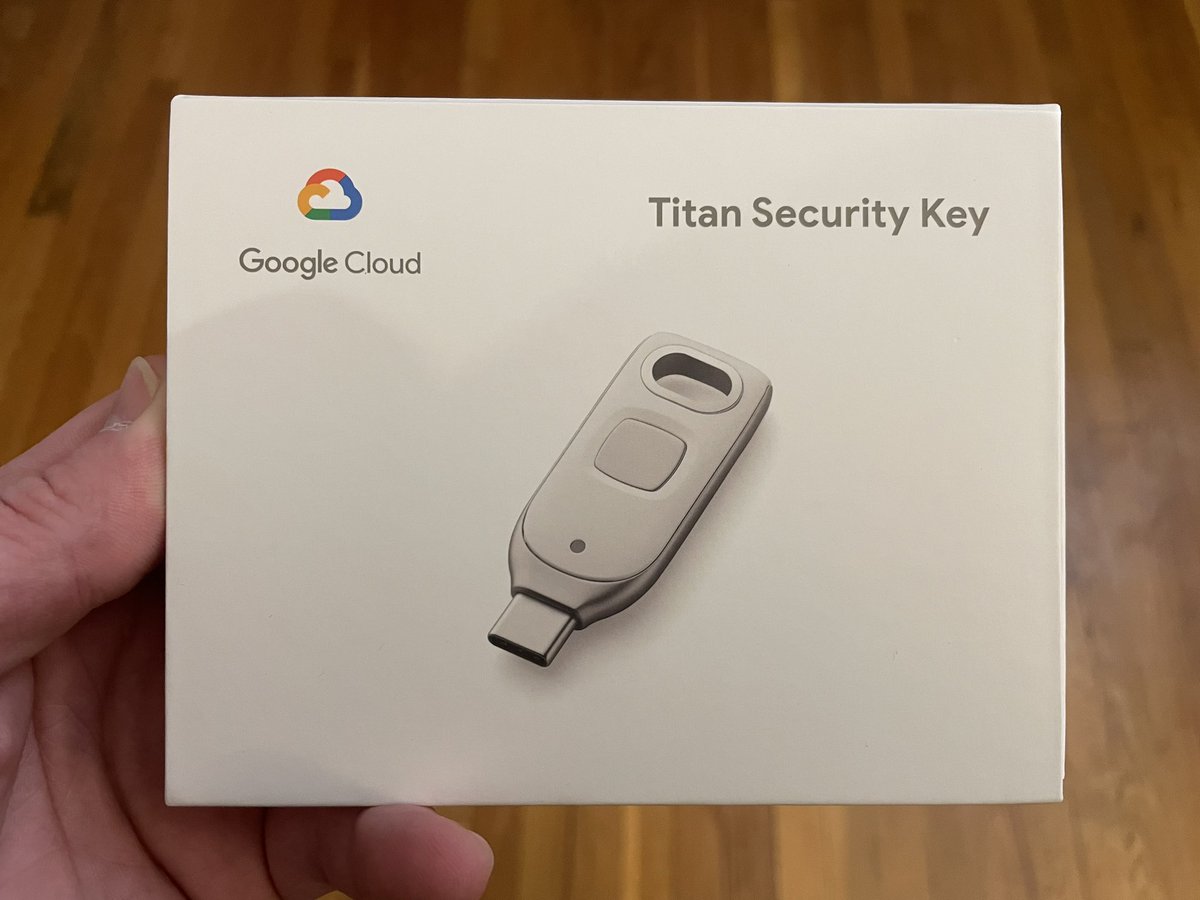
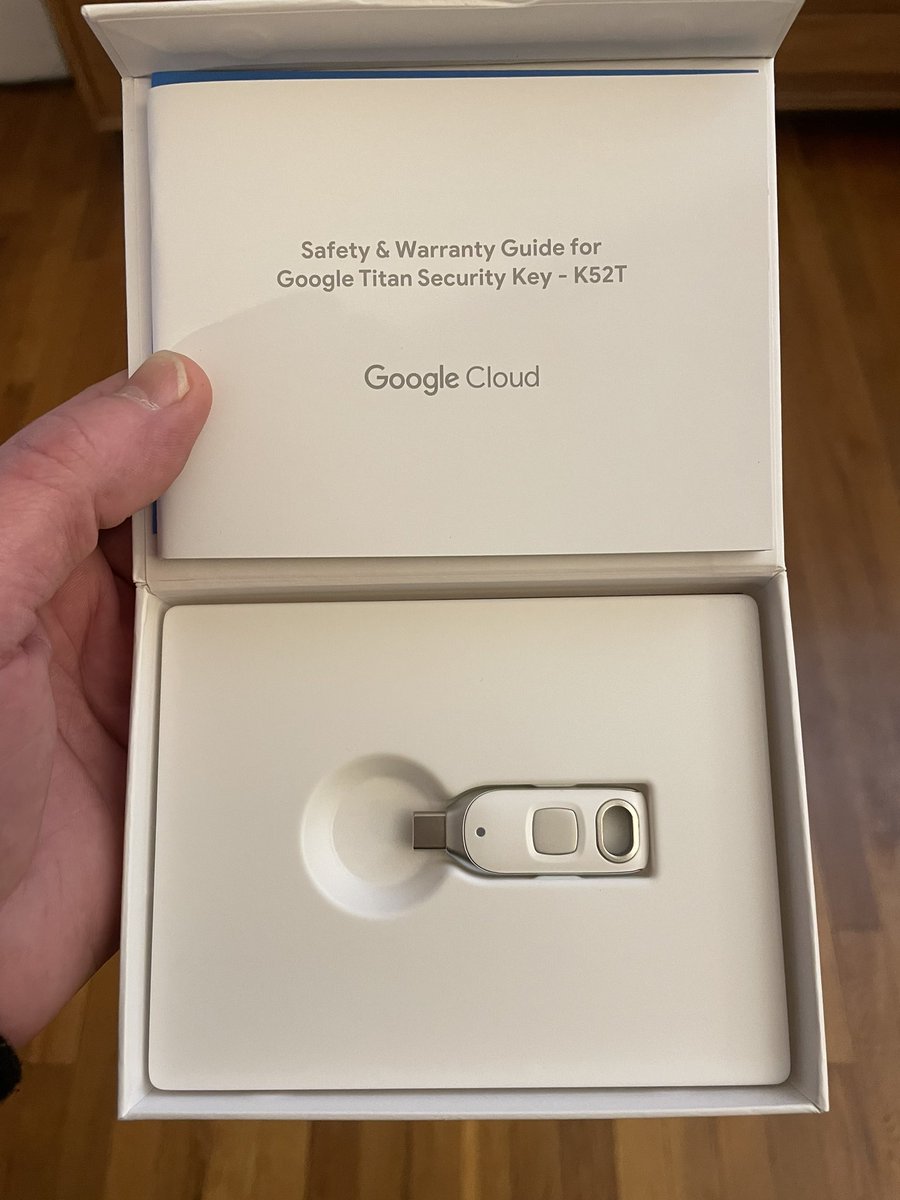
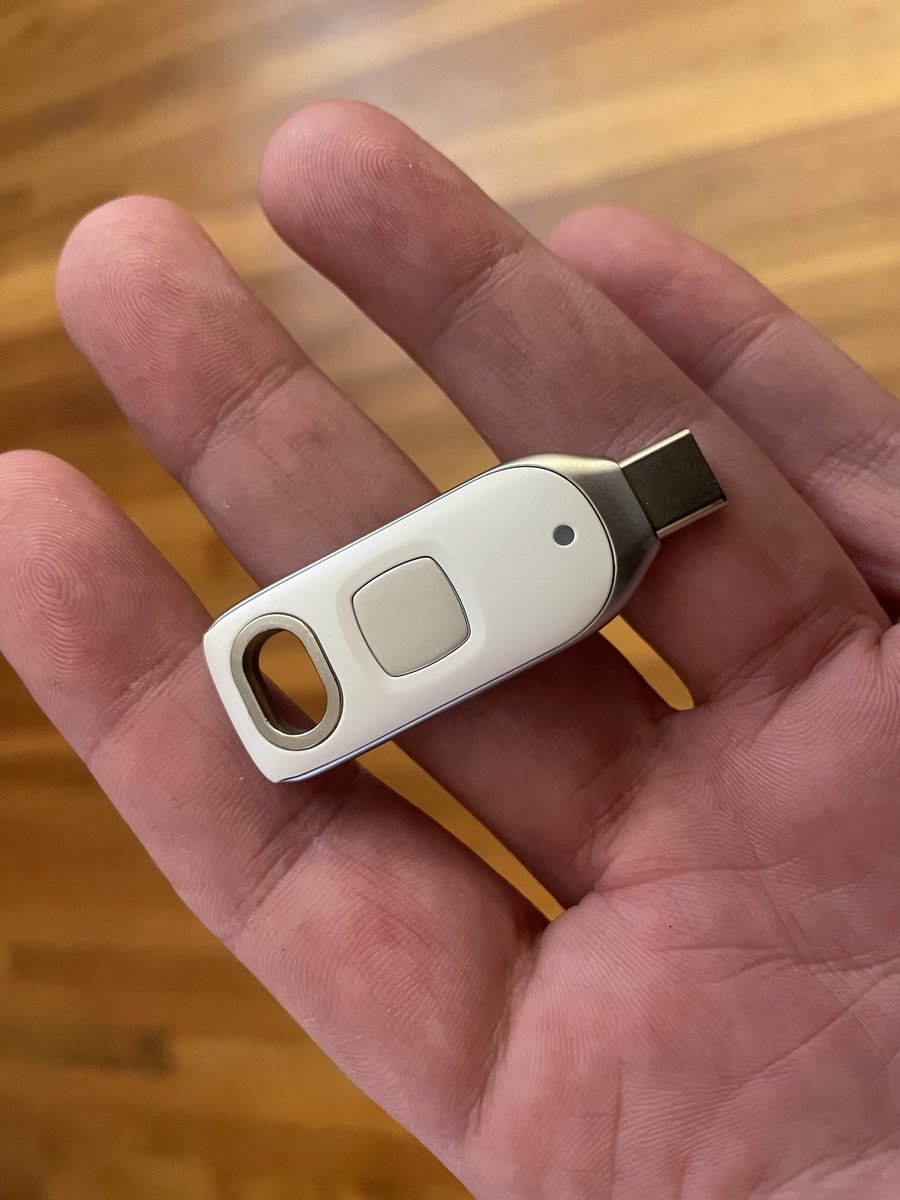
The latest Titan Security Key is in the Google Store blog.google/technology/safet… #passkey
4
16
1,908