
Discover the power of unique sensors that bring intelligence to your electronics projects. From motion and gesture detection to environmental monitoring and smart automation
#Sensors #UniqueSensors #SensorTechnology #Electronics #DIYElectronics #Arduino #ESP32 #IoT #Automation
18

One thing is certain: the world is changing. Xovis is developing the platform for rethinking people flow to help people move more comfortably through the world—their world.
#peopleflow #retail #airport #transportation #smartbuildings #sensortechnology #peoplecounting @xovis_ag
18

Jun 11
Homehop Automatic Foaming Soap Dispenser delivers touchless, hygienic foam dispensing for kitchens and bathrooms.
Amazon-amzn.to/3gtu1cC
#Homehop #AutomaticSoapDispenser #FoamingSoapDispenser #TouchlessDispenser
#HandHygiene #KitchenEssentials #SensorTechnology

2

Jun 10
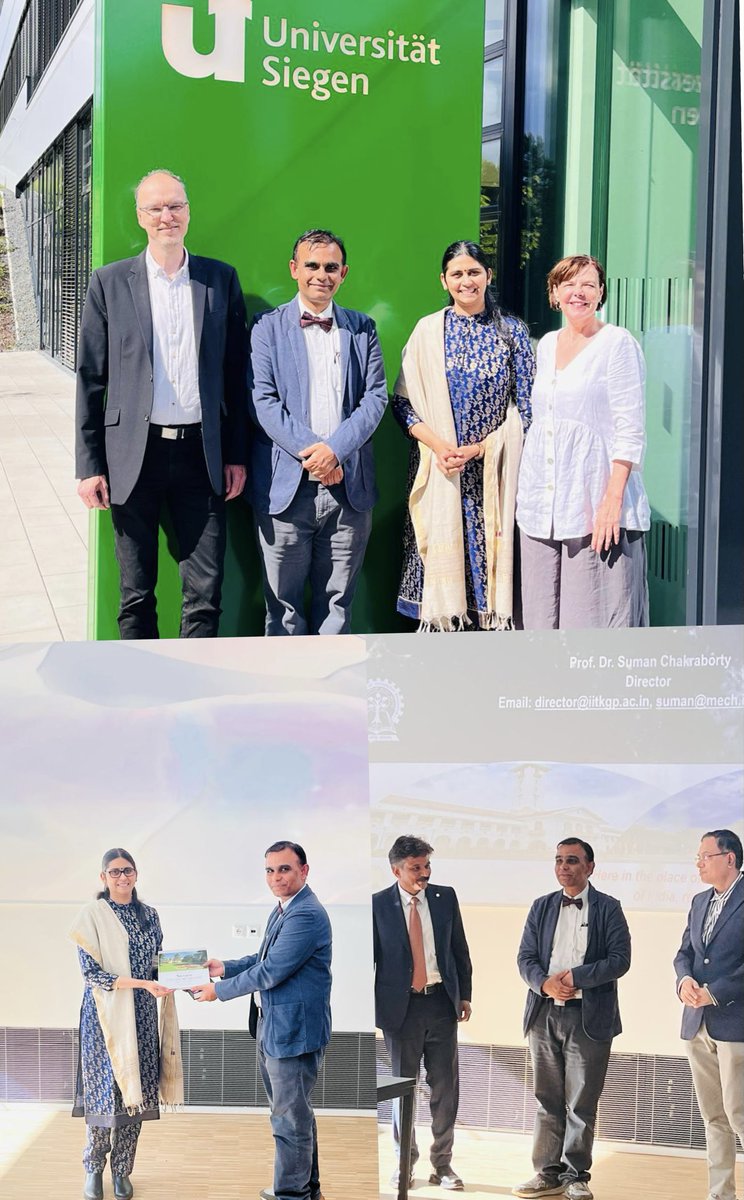
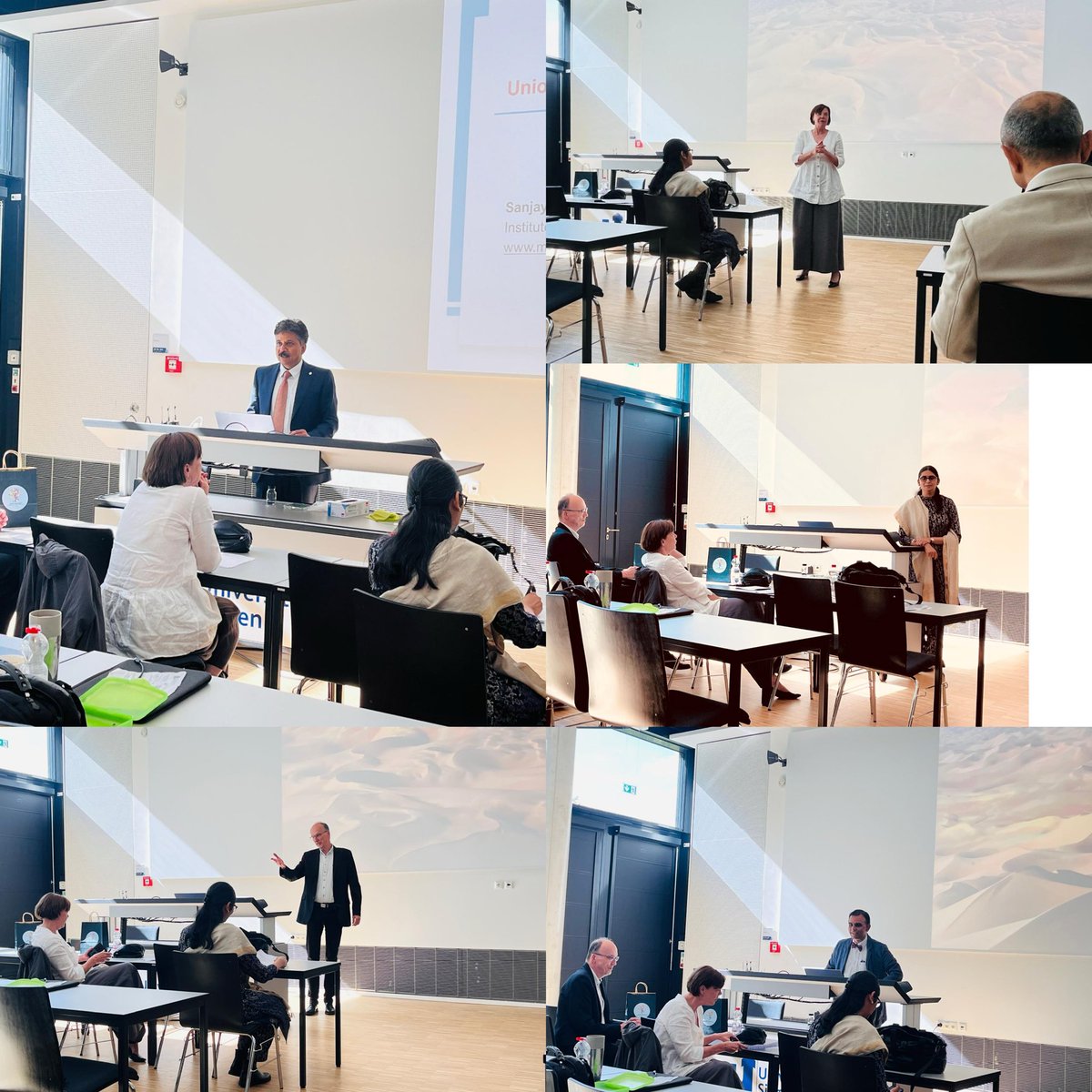
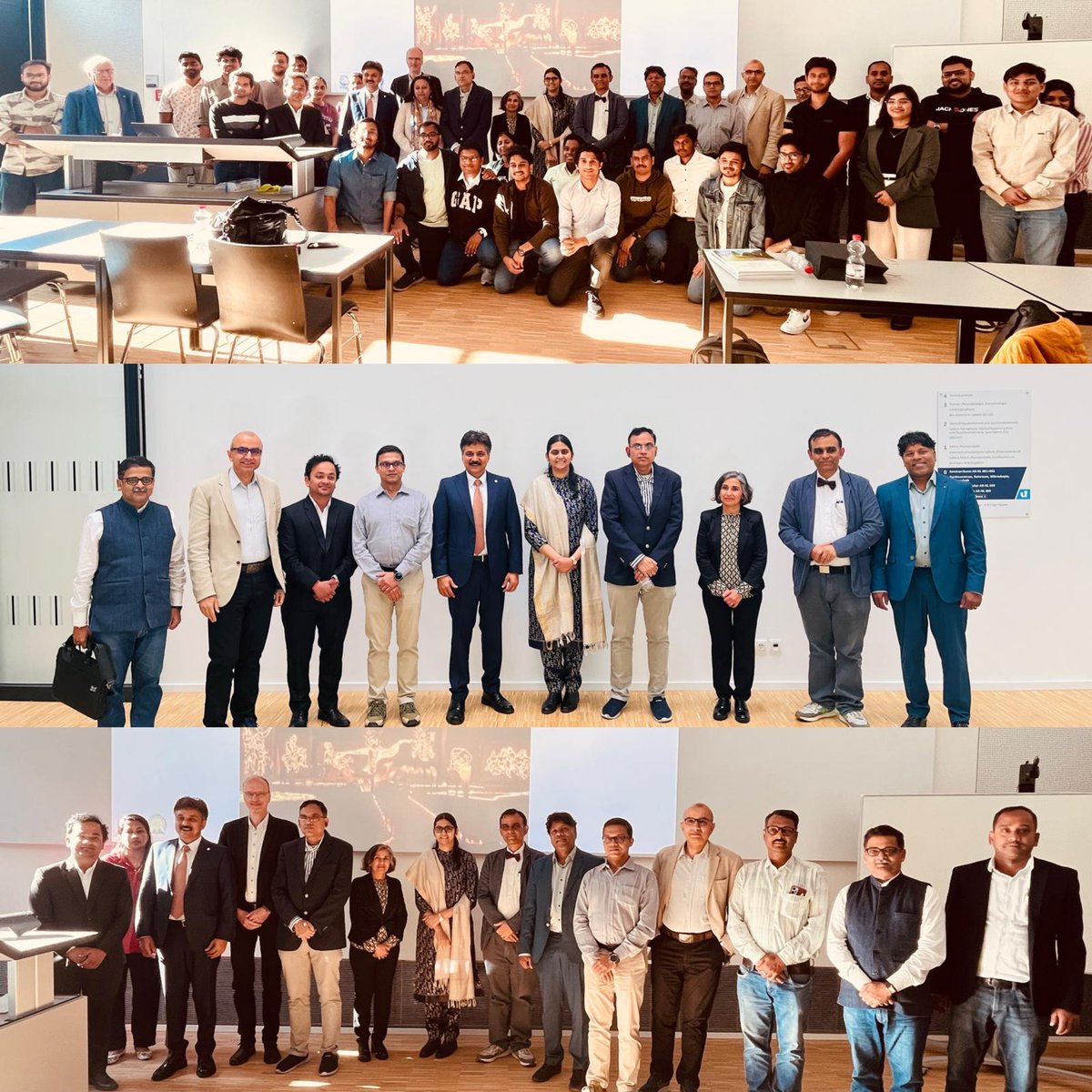
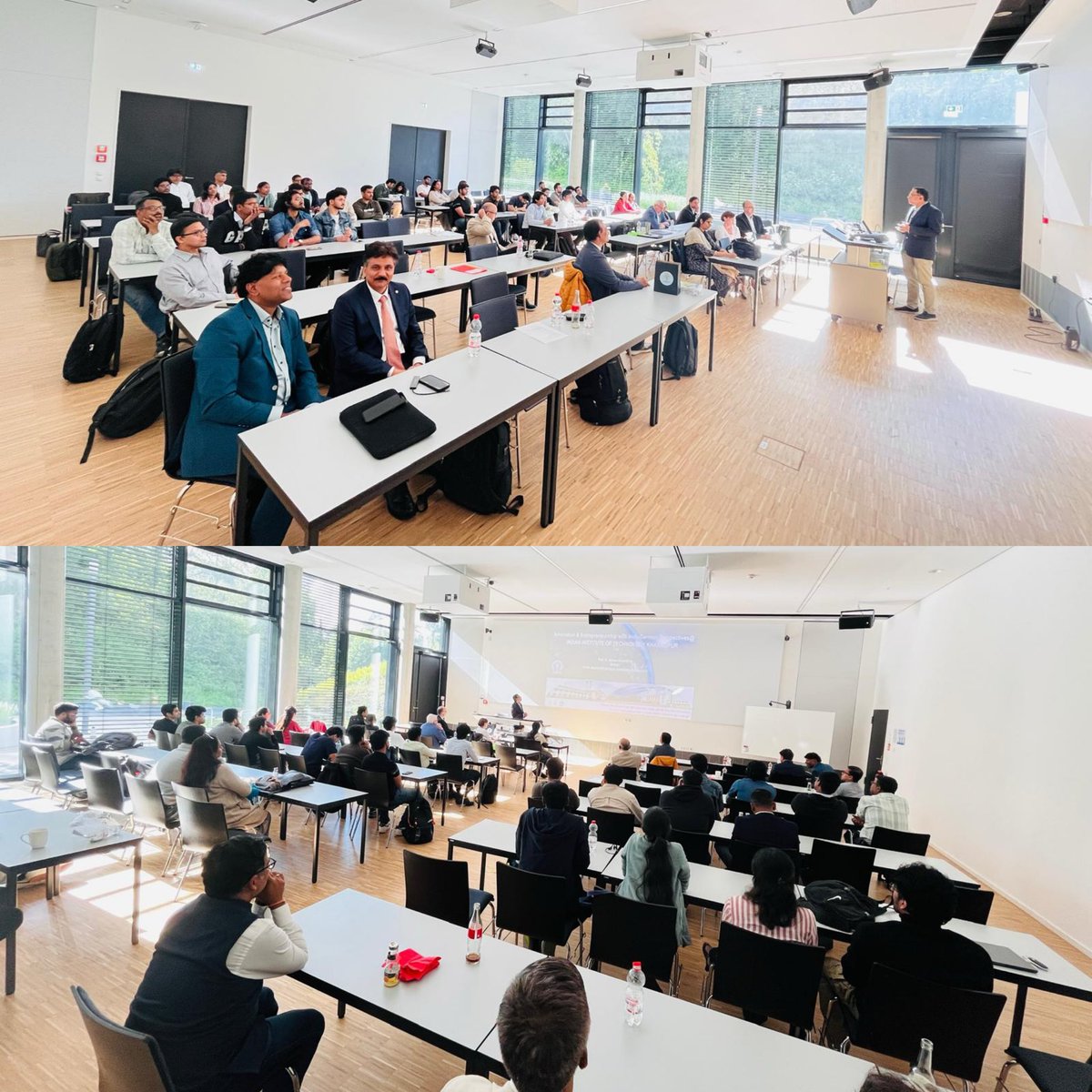
Consul General Ms. Shuchita Kishore visited the University of Siegen for the 🇮🇳🇩🇪 Science Enclave. CG was warmly welcomed by Prof. Petra Vogel (Pro-Rector International), Prof. Andreas Kolb (Pro-Rector Research) and Prof. Bhaskar Choubey.
Uni of Siegen has more than 480 🇮🇳 students; is planning joint Master's programmes with IIT Hyderabad & IIT Bhilai for deeper 🇮🇳🇩🇪 collaboration.
CG also interacted with 🇮🇳 students, professors & scientists from universities across 🇩🇪. The exchange highlighted the important contribution of 🇮🇳 researchers to 🇮🇳🇩🇪research & innovation, academic mobility & talent exchange. CG also took a tour of the cutting edge INCYTE research facility at the University of Siegen ( Euro 100 Million investment ) focusing on Semiconductor, Nanomaterial & Sensor Technology.
#IndiaInGermany #AcademicCollaboration #ResearchPartnership #Innovation #Semiconductors
#Nanotechnology #SensorTechnology #UniversityOfSiegen
@PMOIndia @MEAIndia @eoiberlin @IndianDiplomacy @EduMinOfIndia @IndiaDST @GoI_MeitY
3
167


Jun 9
Which sensor technology will revolutionize real-time water quality monitoring?
.
.
#wiprowater #WaterTreatment #WastewaterTreatment #SensorTechnology #IoT #OpticalSensors #ElectrochemicalSensors #SmartSensors #AIIntegration #RealTimeMonitoring #Sustainability
0%
IoT-enabled sensors
0%
Optical sensors
0%
Electrochemical sensors
0%
AI smart sensors
0 votes • Final results
1

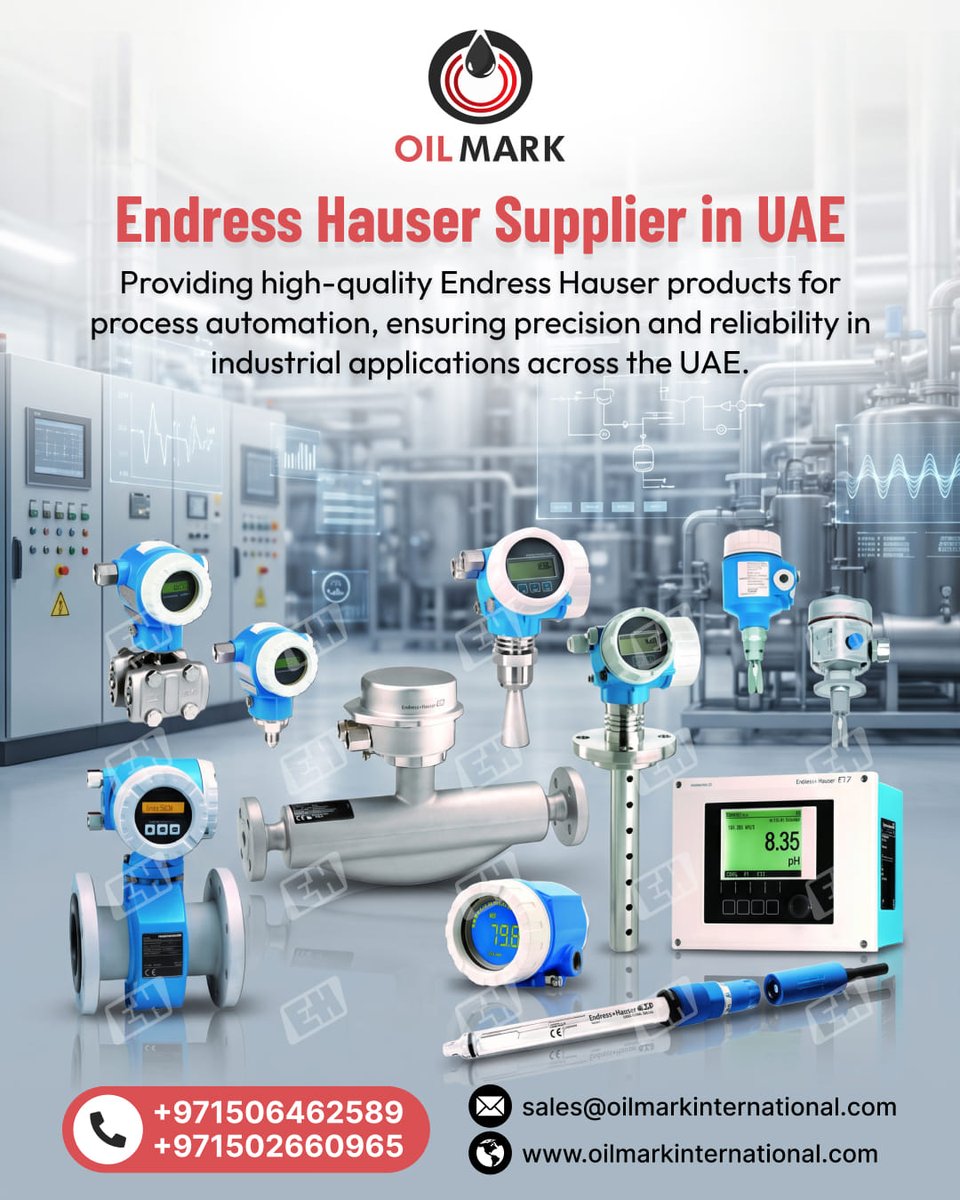
🔧 Endress Hauser Supplier in UAE – Precision & Reliability for Industrial Automation
📞 971506462589, 502660965
🌐 oilmarkinternational.com
#EndressHauser #AutomationSolutions #IndustrialAutomation #FlowMeters #Oilmark #UAE #ProcessControl #PrecisionInstruments #SensorTechnology
2
19



Discover the Future of Sensing – Visit the #SensorTechnology Hub!
Explore the latest innovations, key components, and applications that are transforming how machines interact with the real world: bit.ly/4cUKLVo #TechnicalResources

2
58

What's the new CDX technology behind the SOLYX 14 soil moisture sensor?
Learn more about the SOLYX 14 soil moisture sensor: metergroup.com/products/soly…
#SoilMoisture #EnvironmentalMonitoring #Hydrology #SoilScience #SensorTechnology
2
37

Feb 16
Big update! I’m embarking on a new chapter as Manager, Information Technology and Software Enablement at Sensor Technology LTD!
After a rewarding sabbatical of sorts as a technical founder, I’m so excited to step into this role. It combines high-level service leadership with deep technical execution. Sensor Technology has a fascinating 40-year history, but what really drew me in is their mission: to facilitate a safer planet for all living things. They build the "ears" of the underwater world - acoustic sensors that protect aquatic environments, support sustainable energy, and ensure maritime security.
My mission? I'll be building a centralized IT and software enablement function from the ground up. I’m focused on establishing a disciplined support culture and maturing our internal software capabilities to ensure our technology ecosystem scales as fast as our global impact.
I’m incredibly proud to join a Canadian success story that stays true to its family roots while leading the world in technical excellence.
#NewChapter #ITLeadership #DigitalTransformation #SensorTechnology #TechEnablement
3
17
839

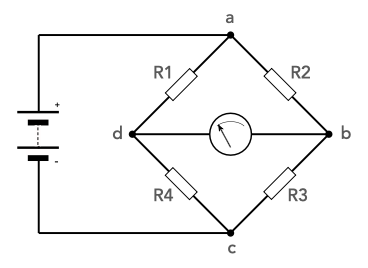
The Wheatstone Bridge Circuit – Precision Resistance Measurement
The Wheatstone bridge is a classic circuit often first encountered in physics lessons, but its relevance in modern engineering cannot be overstated.
From high-accuracy test equipment to sophisticated sensor interfaces, it remains a cornerstone of precision measurement.
Quick Specs:
* Configuration: Four resistors arranged in two parallel arms.
* Balance Condition: R4/R1=R3/R2 (No current through the central galvanometer).
* Measurement Type: Null-balance (detecting zero current for maximum accuracy).
* Output: Highly sensitive to tiny changes in resistance.
Key Advantages:
* Exceptional Accuracy: By using a "null" measurement method, the bridge eliminates errors from meter calibration, relying instead on the precision of known resistors.
* High Sensitivity: It can detect minute changes in resistance, making it the industry standard for interfacing with low-output sensors.
* Stability: When using high-stability resistors with low temperature coefficients, the circuit provides extremely reliable long-term performance.
* Versatility: While primarily for DC resistance, the bridge principle can be adapted for AC measurements of capacitance and inductance.
Typical Applications:
* Strain Gauge Measurements: Essential for structural engineering and robotics to measure tiny physical deformations.
* Sensor Interfacing: Used with RTDs (Resistance Temperature Detectors) and other resistive sensors.
* Calibration: A vital tool for calibrating other electrical instruments and ensuring system accuracy.
* Laboratory Instrumentation: Found in high-precision laboratory resistance bridges.
View more data:- [Link in Comments]
#electroniccomponents #engineering #WheatstoneBridge #CircuitDesign #TestAndMeasurement #ElectronicsNotes #SensorTechnology
5
9
80
2,527

21 Dec 2025
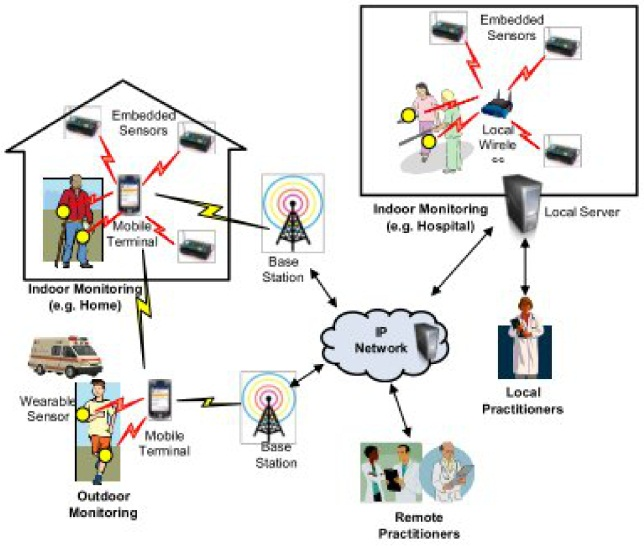
This is already being brought in - why is everything going 'smart' and wireless... 🛜☢️
#SensorTechnology for data. They don't care that it's toxic for all life.
👉ehtrust.org/science/wireless…
7
12
763

3 Nov 2025
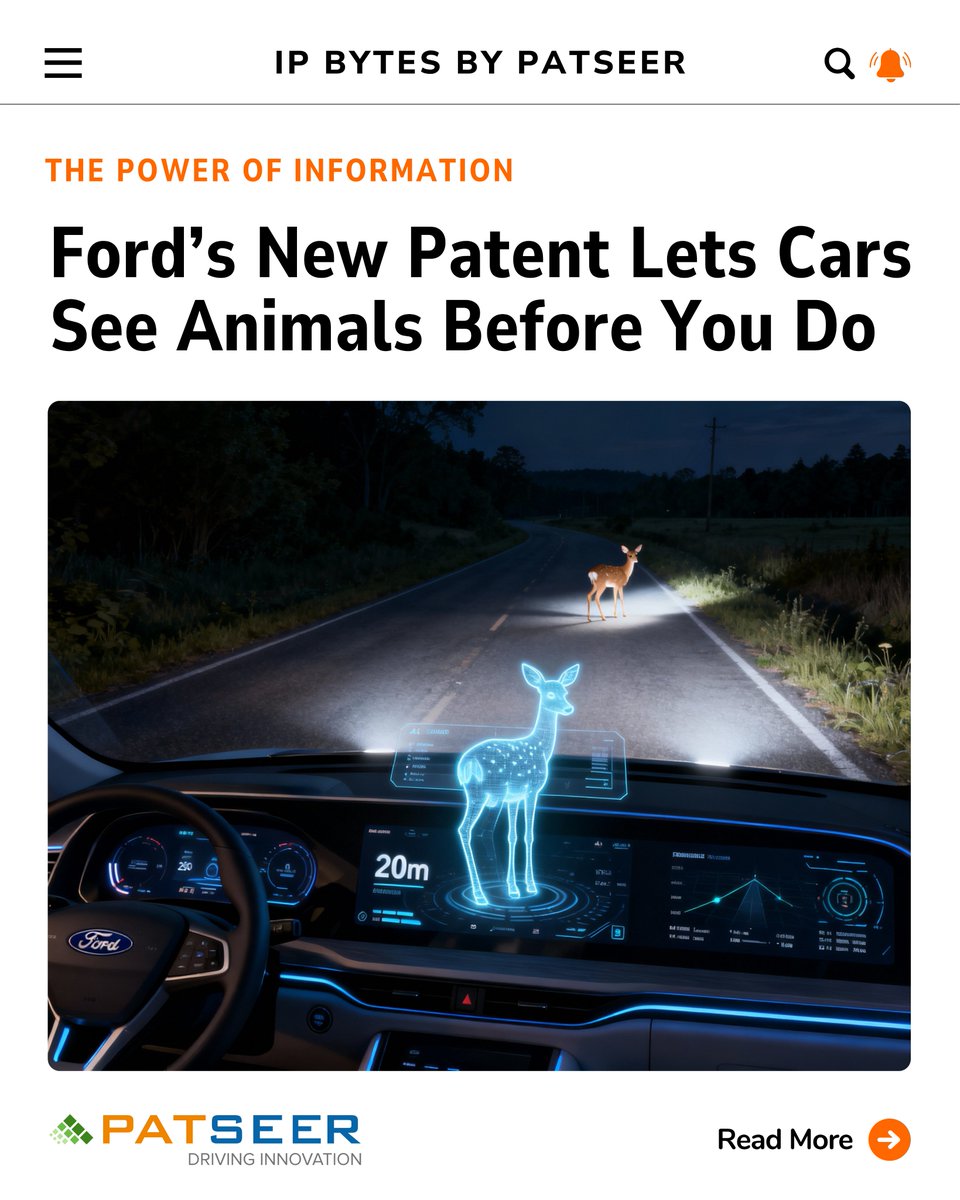
Ford’s new patent uses AI to spot animals before drivers, helping avoid collisions and making roads safer for people and wildlife.
Let AI simplify patents 🔗 bit.ly/3JujKXs
#Patseer #Patents #aipatentsearch #AI #Patentanalysis #Ford #SensorTechnology #AIinAutomotive
1
34

22 Oct 2025
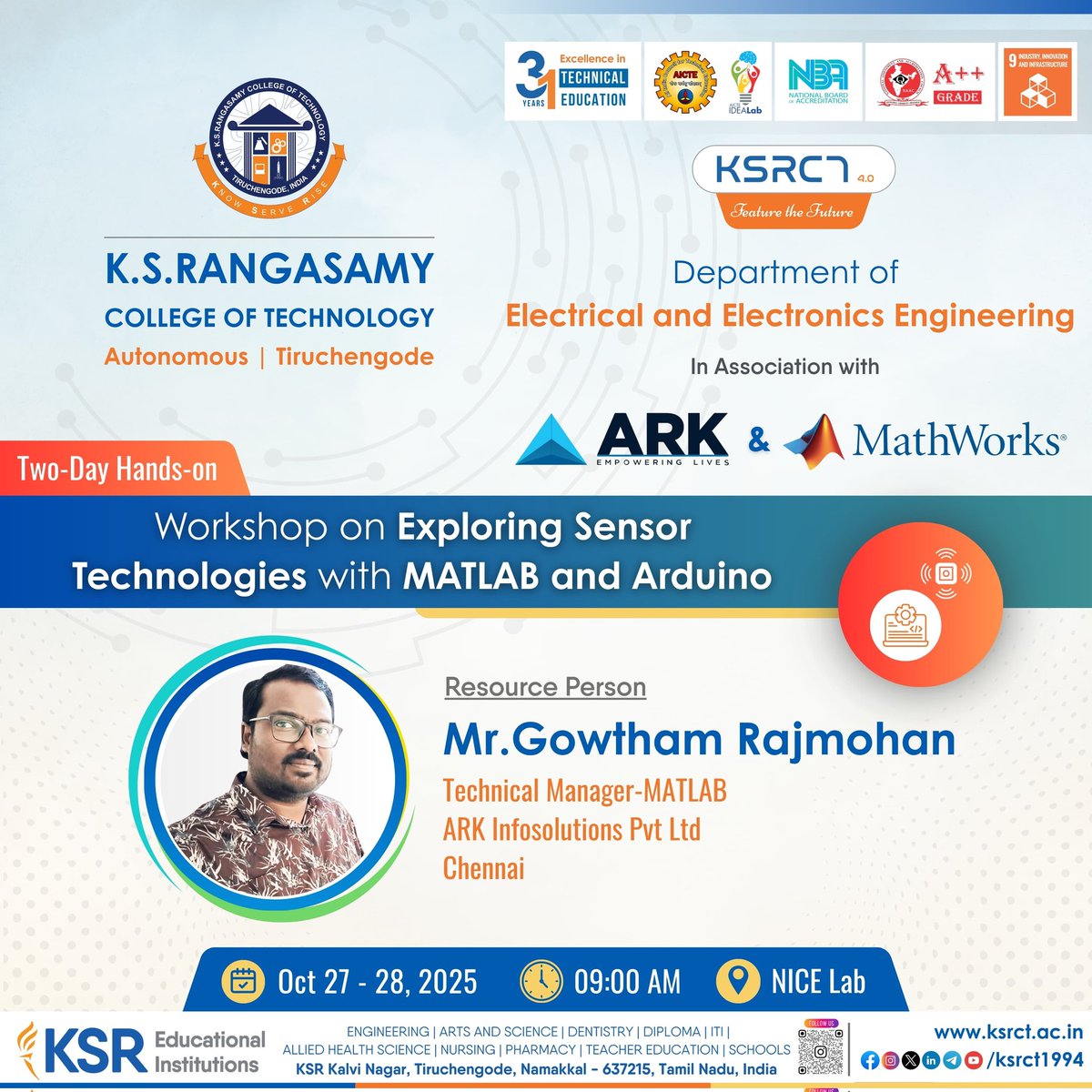
2-Day Hands-On Workshop on “Exploring Sensor Technologies with MATLAB and Arduino” October 27–28, 2025, 09:00 AM @ NICE Lab.
#ksrct1994 #ksr #ksrei #EEE #MATLAB #Arduino #Workshop #Innovation #IndustryConnect #SensorTechnology #HandsOnLearning #FutureReady
14
28
90

21 Oct 2025
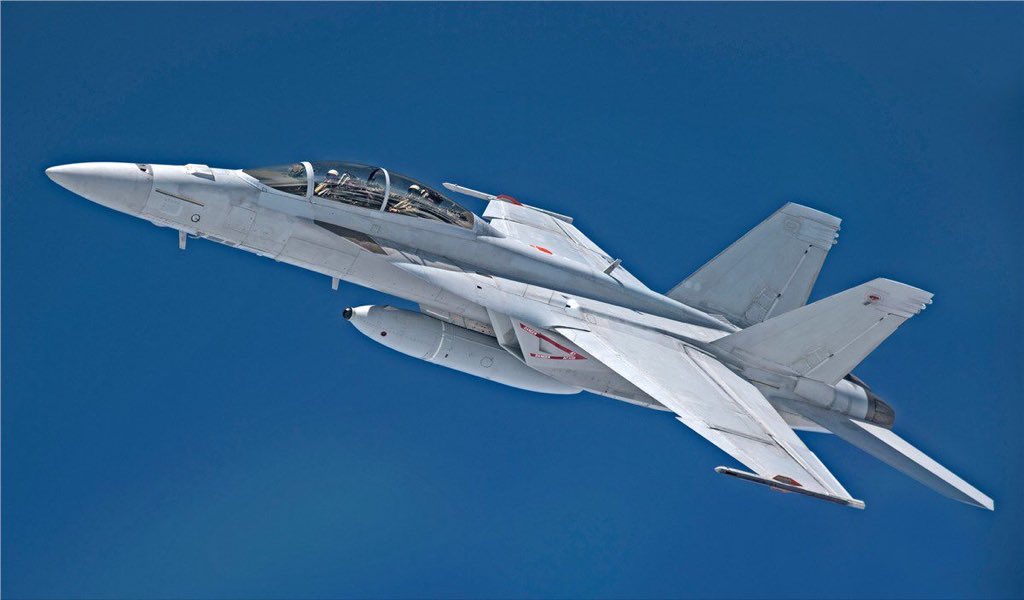
*Lockheed Martin Awarded $233 Million U.S. Navy Contract for IRST21 Block II Systems*
Lockheed Martin has secured a $233 million firm-fixed-price contract to deliver its next-generation IRST21®️ Block II infrared search and track systems to the U.S. Navy and Air National Guard. The system provides passive long-wave infrared detection and tracking of airborne threats at extended ranges.
The Block II variant features advanced optics, processors, and algorithms that enhance detection range and support beyond-visual-range missile engagements. This award follows the Navy's recent declaration of Initial Operational Capability for IRST21, enabling full-rate production and fleet deployment.
#LockheedMartin #USNavy #DefenseTech #IRST #SensorTechnology #MilitaryAviation
1
11
1,305

20 Oct 2025
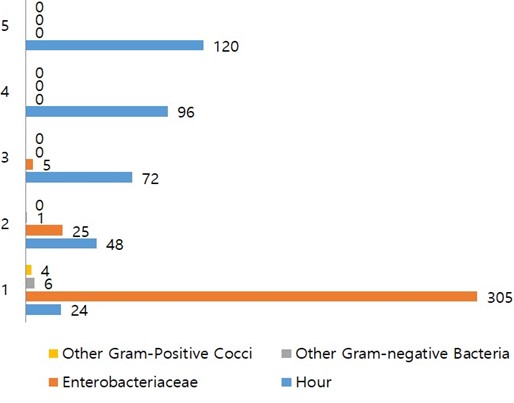
#Culturepositivism exploitation through automated fluorescent-#sensortechnology from patients with #bloodstreaminfections
doi.org/10.5455/jabet.2020.d…
3
9

2 Sep 2025
Exciting opportunity awaits!
Send in your application at careers@alpconsulting.in if you fit the criteria.
Apply today or share with someone who could be the perfect fit.
#HiringNow #DesignEngineer #DevelopmentEngineer #AutomotiveJobs #EngineeringJobs #WeAreHiring #ElectronicsEngineer #SensorTechnology #AutomotiveEngineering #JobOpening #EngineeringCareers #UGNX #AutoCAD #3DModeling #TechJobs

2
114

29 Aug 2025
🚀 New Review in Soft Science!
present strategies to boost the sensitivity of flexible strain sensors through efficient electromechanical conversion ⚡️
🔗 Read: oaepublish.com/articles/ss.2…
#FlexibleElectronics #StrainSensors #SoftRobotics #SensorTechnology #HumanMachineInteraction

2
104

27 Aug 2025
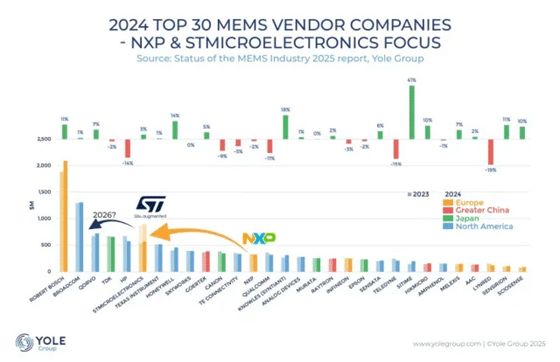
Once seen as a mature, commodity-driven sector, #MEMS sensors are now at the heart of #AI, automotive safety and IoT innovations, according to an analysis from @WoodsideCapital published by the @edgeaivision.
Strategic moves, like STMicroelectronics’ $950M acquisition of NXP’s MEMS business, and our own acquisition of Knowles’ Consumer MEMS Microphone division, show how hashtag#sensor technology is becoming essential for smarter, edge-AI-enabled devices.
Click👇 to learn more about MEMS market trends.
edge-ai-vision.com/2025/08/m…
#edgeAI #IoT #sensortechnology #ML #audio #vision #automotive
2
5
251