
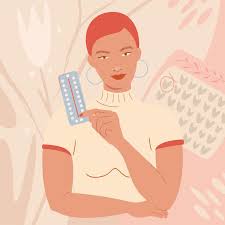
Watch our informative video to learn about how the COC works, its benefits, possible side effects, and where to get help and guidance.
youtube.com/shorts/o6qDxpU9F…
#FamilyPlanning #COC #familyplanningitsyourchoice #SexualReproductiveHealth #ZNFPC
1
14
Too many people know who to ask for opinions. Too few know where to go for professional advice and support . Let's prioritize safety first
@awanaa__
#awanaa #awareness #sexualreproductivehealth
4
13

May 15
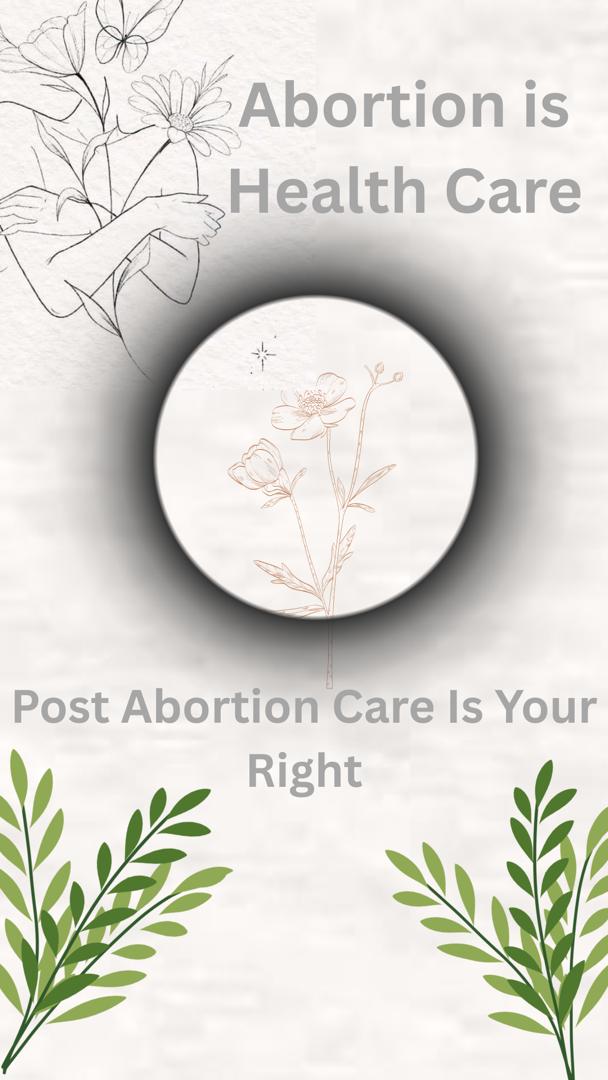
Post-abortion care isn’t a luxury. It’s HEALTHCARE.
Recovery isn't a one-size-fits-all experience. Some feel fine, others don't and both are normal. But that shouldn't stop you from seeking care after. It doesn't just end with the procedures.
#awanaa #sexualreproductivehealth
1
5
35

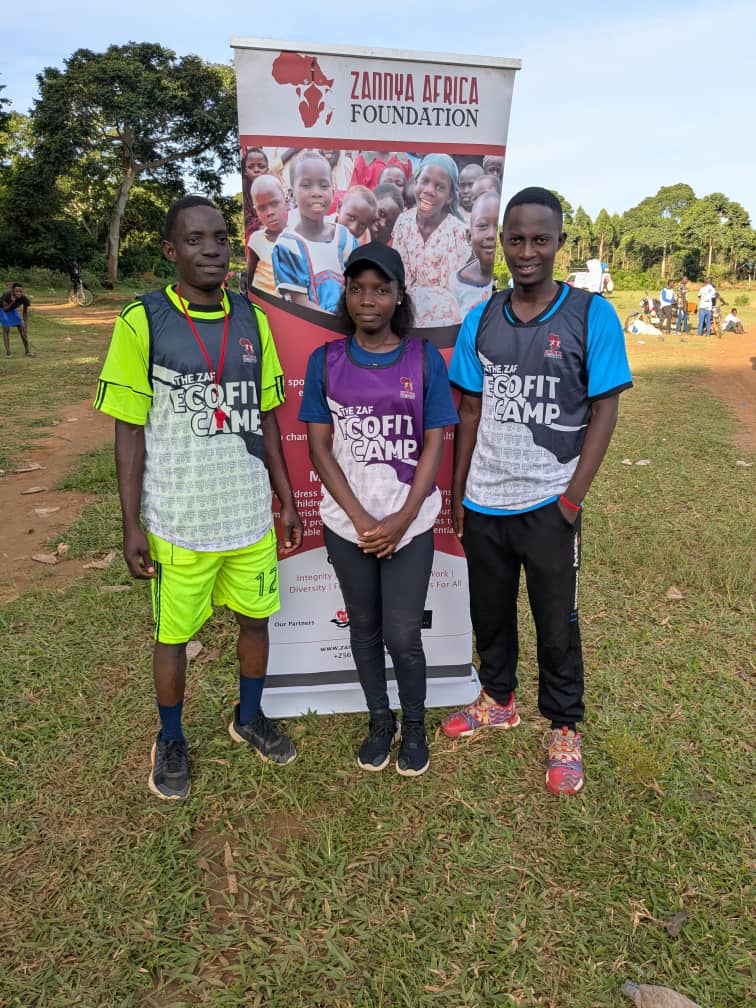
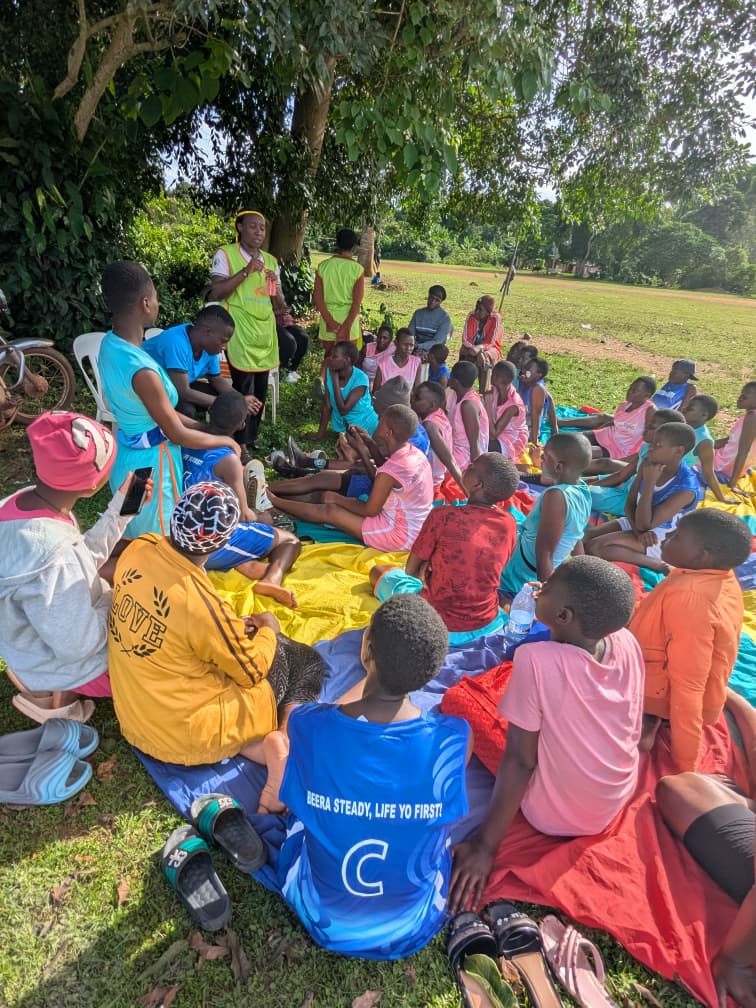
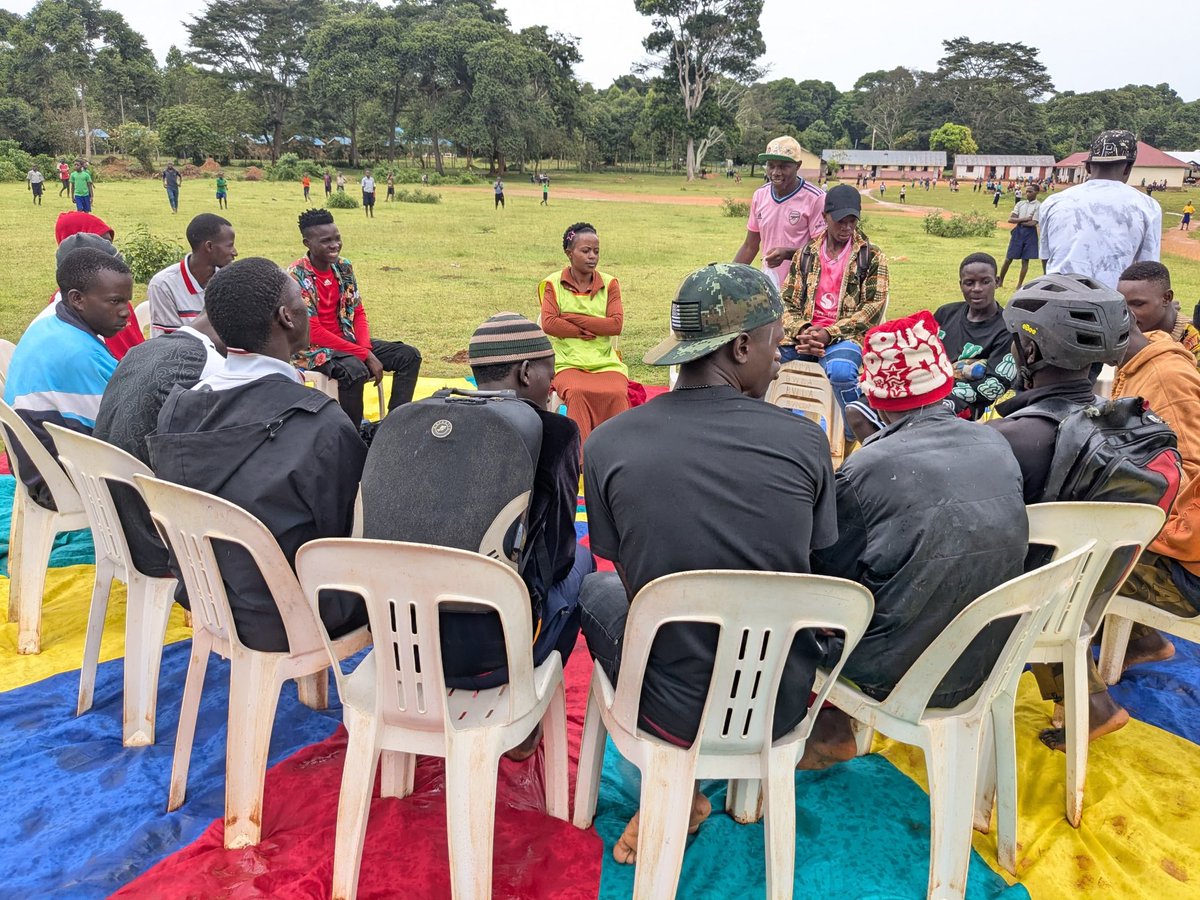
Raising awareness about SRHR among youth on Busia Island through sports by zannya Africa foundation
#sexualReproductiveHealth
#sports
#climatechange
2
4
44

Apr 24
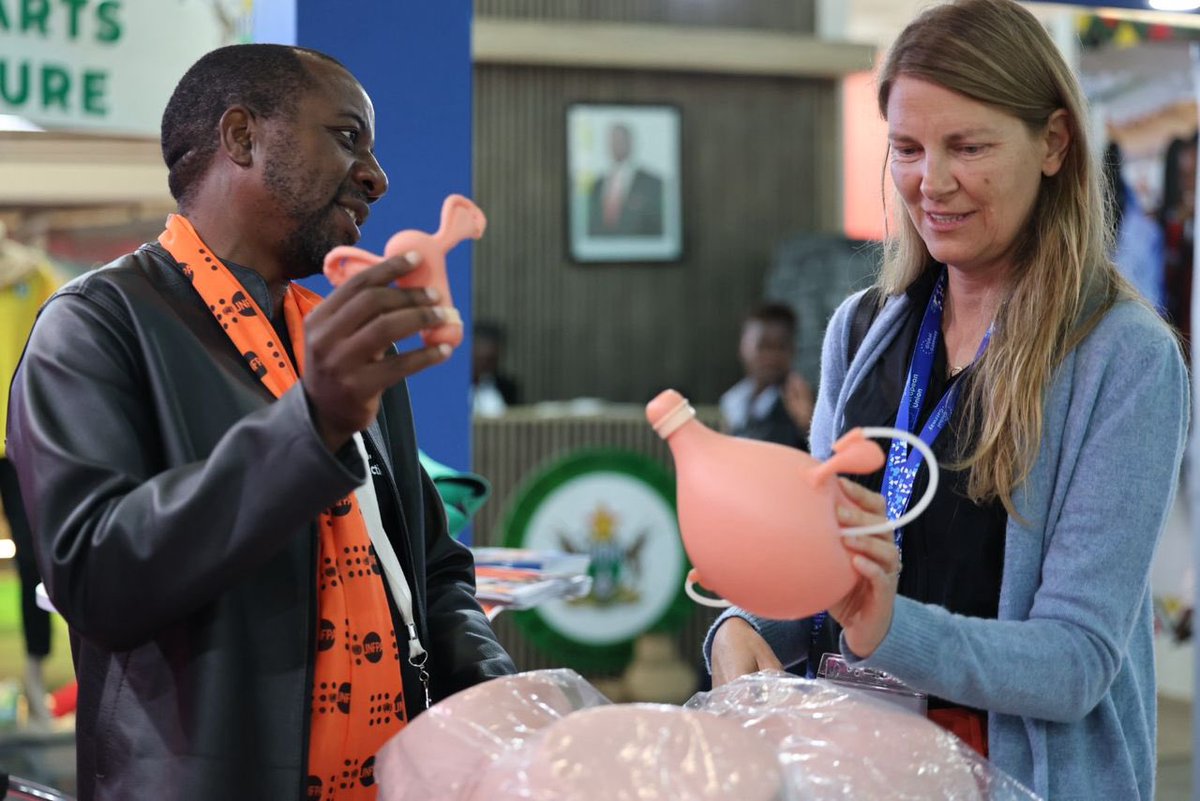
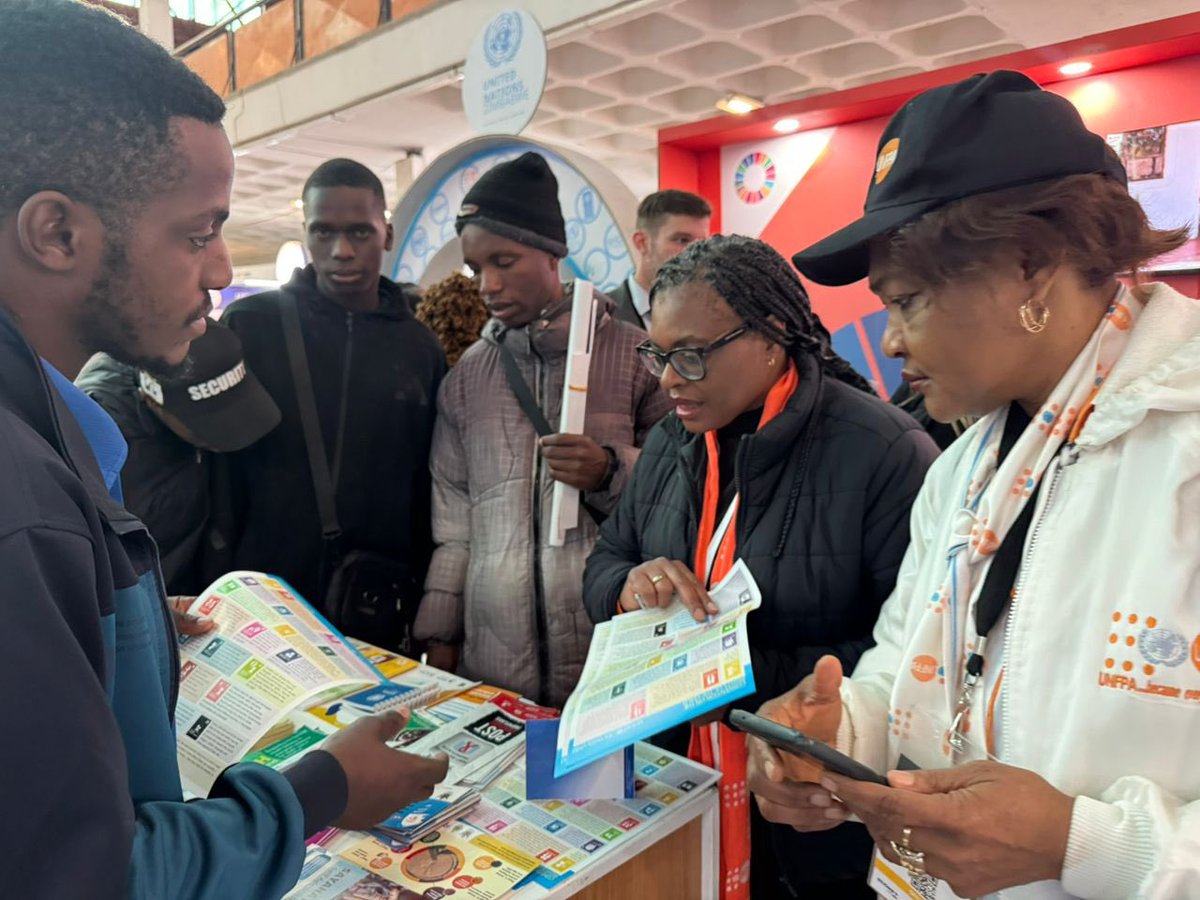
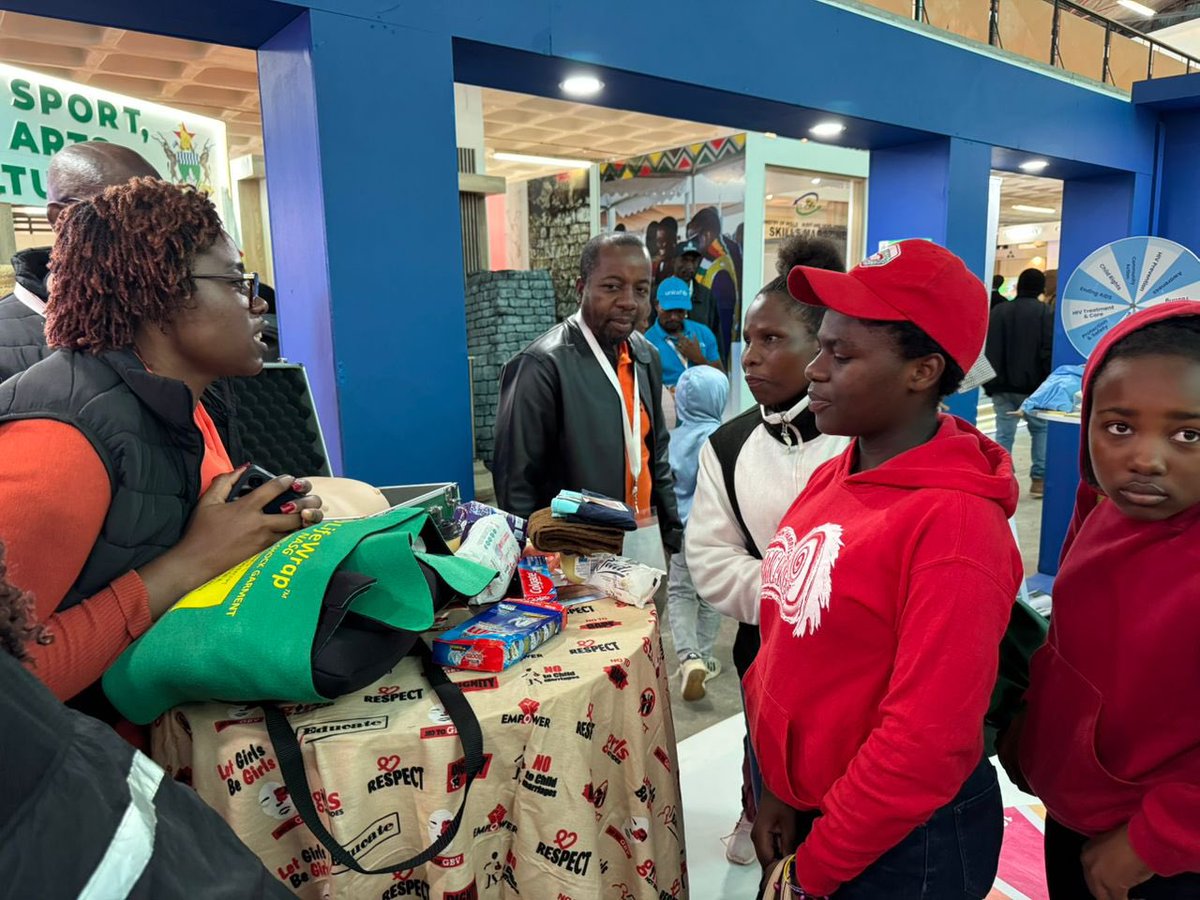
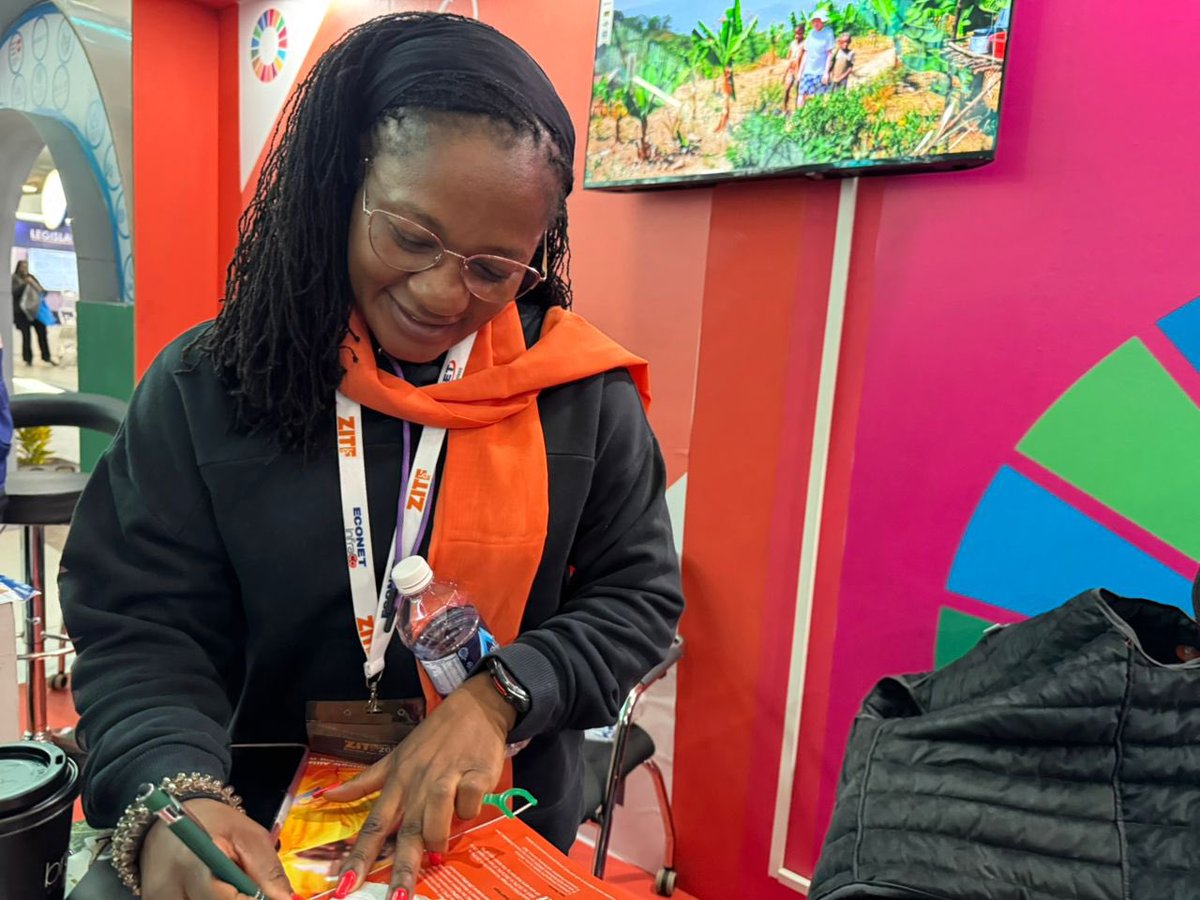
Day 5 at #ZITF2026 🇿🇼
UNFPA 🇿🇼 continues to engage diverse audiences, sharing life-saving information and practical guidance on #SexualReproductiveHealth, #SafeMotherhood, #FamilyPlanning, and #GenderBasedViolence prevention.
Through interactive discussions, information materials, and one-on-one engagements, we are empowering key audiences with the knowledge to make informed choices about their health and wellbeing while contributing to safer, healthier communities for women and girls.
9
13
178
What do people really understand about abortion?
At it's core, it's about ending a pregnancy, but the one real issue is lack of accurate information and safe care .
#awanaa__ #sexualreproductivehealth #safeabortion
2
3
7
32

Apr 1
Addressing the biggest concern: “Will it take virginity?” - A menstrual cup.
This question comes up a lot, especially with younger girls, and it needs a calm, respectful explanation.
The hymen is not a sealed cover. It is a thin, stretchy tissue with a natural opening that allows menstrual blood to pass.
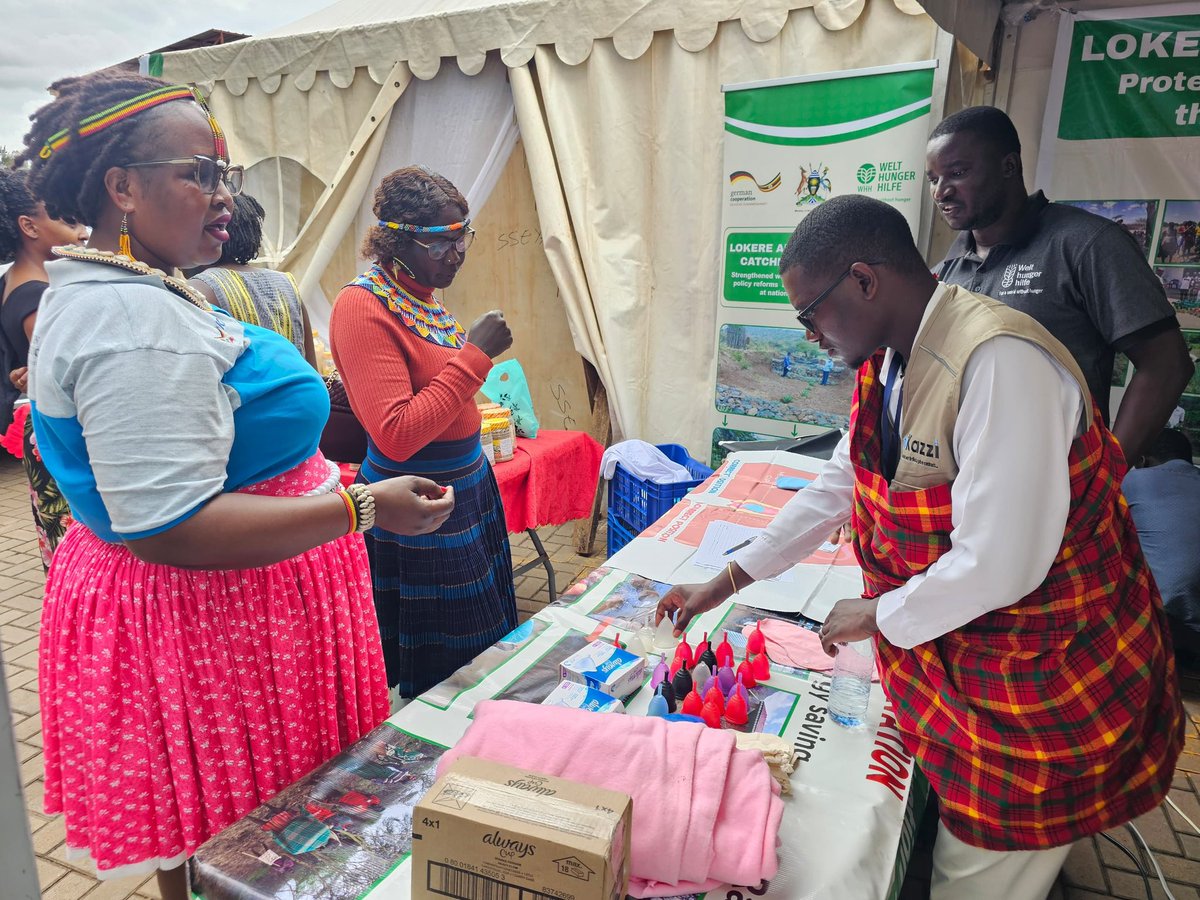
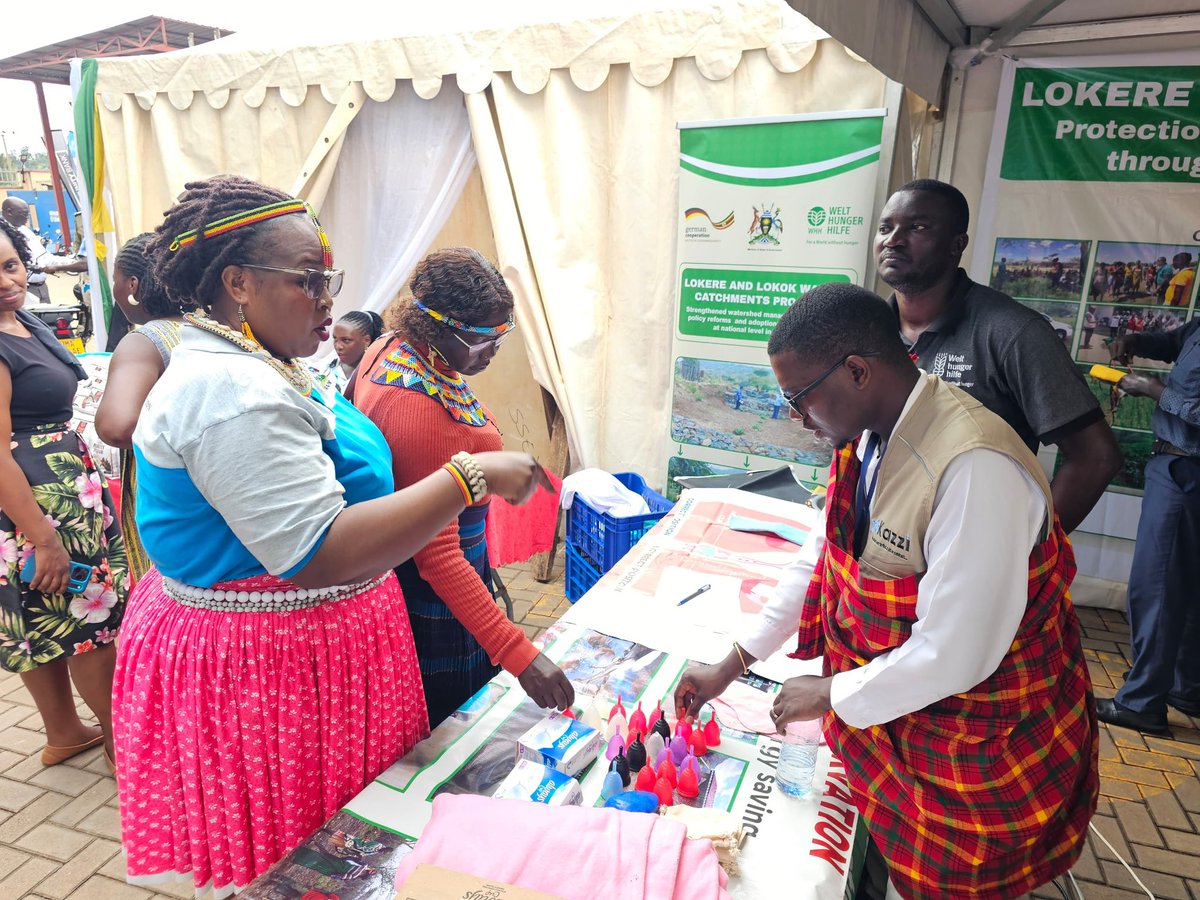
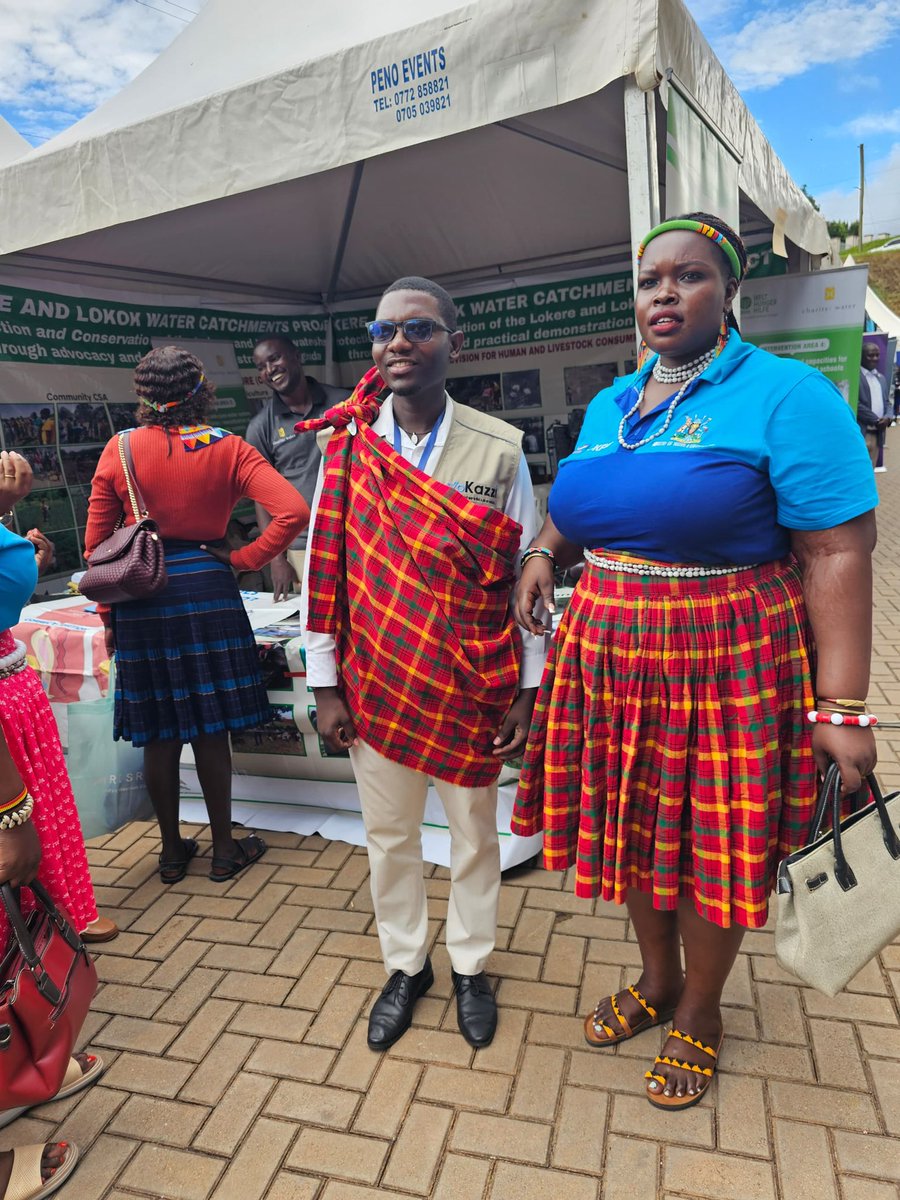
Last week during the Uganda Water and Environment Week in Luzira, this was one of the most frequent and important conversations we had at our exhibition on menstrual hygiene management within WASH.
Many girls and even adults are navigating a mix of curiosity, cultural beliefs, and limited information. It became clear that beyond access to products, what is most needed is honest, informed dialogue.
The truth is, a menstrual cup does not “take virginity.” Virginity is a social and cultural concept, not a medical condition. The body is naturally designed to allow menstrual flow, and the cup simply collects it safely. When used correctly, it sits comfortably in the vaginal canal and does not cause harm.
Interestingly, the next big question was not even about how to use the cup, but whether it is comfortable.
From the many users I have interacted with, the feedback is consistent. Once properly inserted, most say they do not feel it at all. No wetness, no friction, no constant adjustment. In fact, many find it more comfortable than pads. The only real challenge is the first use and learning proper positioning. After that, it becomes part of normal life.
Now consider the economic reality.
In Uganda, a girl may use about two packs of pads per cycle. At an average of UGX 4,000 per pack, that is UGX 8,000 per month. Over a year, that becomes UGX 96,000. Over 10 years, that is nearly UGX 960,000 spent on disposable products.
A menstrual cup, however, costs between UGX 50,000 and 80,000 and can last between 5 to 10 years. Even with replacement, that is roughly UGX 100,000 to 160,000 over the same period.
That is a saving of more than UGX 800,000 for one individual.
Now scale that across communities, schools, and programs. The impact becomes significant, not just for households, but for broader economic resilience.
Then there is the environmental side.
Pads contribute to a growing waste problem, especially in areas with limited disposal systems. Blocked latrines, drainage issues, and unmanaged waste are becoming more common in both rural and urban settings.
Menstrual cups produce no monthly waste. They align directly with sanitation and environmental sustainability goals, making them a strong fit within WASH programming.
This is why conversations around menstrual health need to evolve.
Providing pads is important, but it is a short-term solution that requires continuous supply. Menstrual cups offer a long-term, cost-effective option that reduces dependency while giving girls and women more control and dignity.
The focus should not be replacement, but choice. When girls are given accurate information and practical support, they are able to decide what works best for them.
Using a menstrual cup is simple with the right guidance. Hands are washed, the cup is folded and gently inserted, it opens to form a seal, and after several hours it is removed, emptied, rinsed, and reused. At the end of the cycle, it is sterilized and stored safely.
What I saw in Luzira was encouraging. Once myths are addressed and facts are shared, the hesitation begins to fade and interest grows.
Menstrual cups are not just an alternative product. They are a practical, sustainable solution that connects health, environment, and economic empowerment.
And for many girls, that shift can be life-changing.
#SexualReproductiveHealth #MenstrualHygiene #MHM @RHUganda @WHO @Mariamsanyu25
2
135

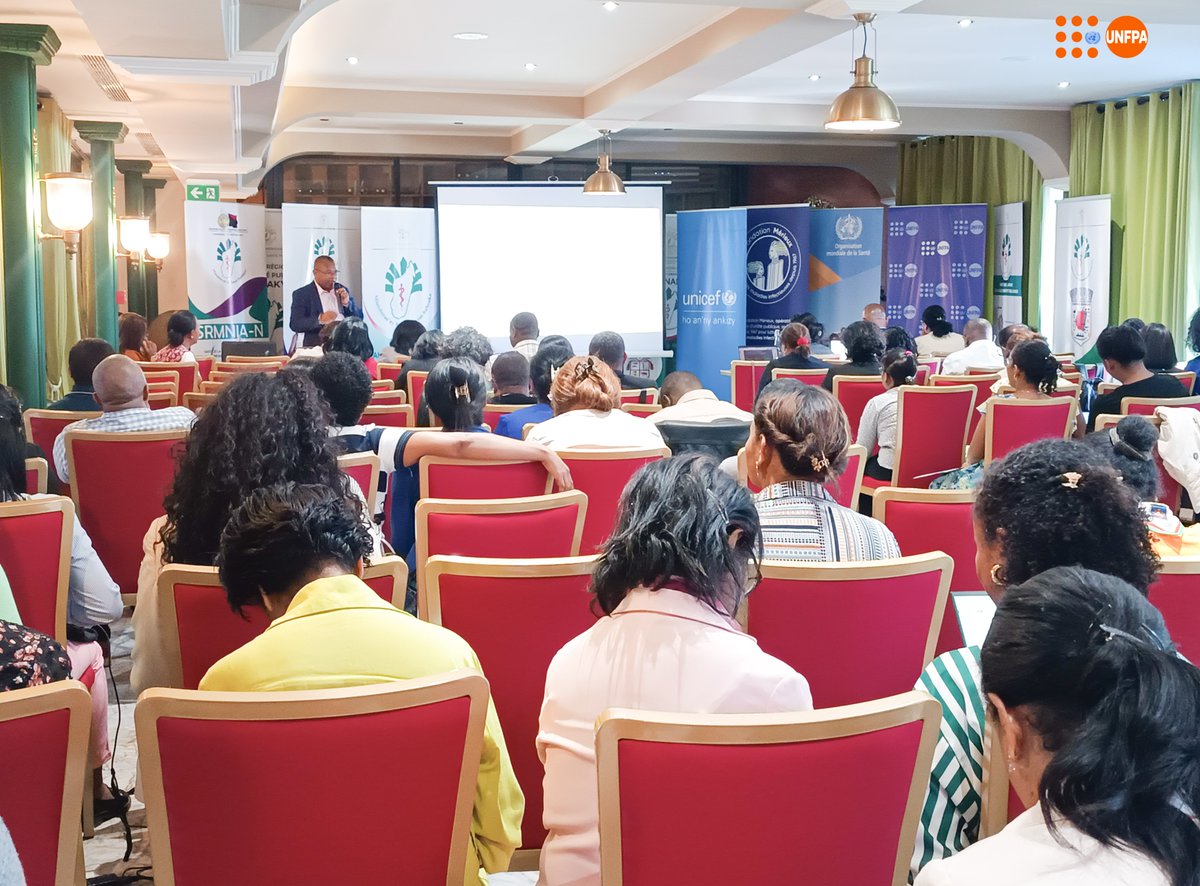
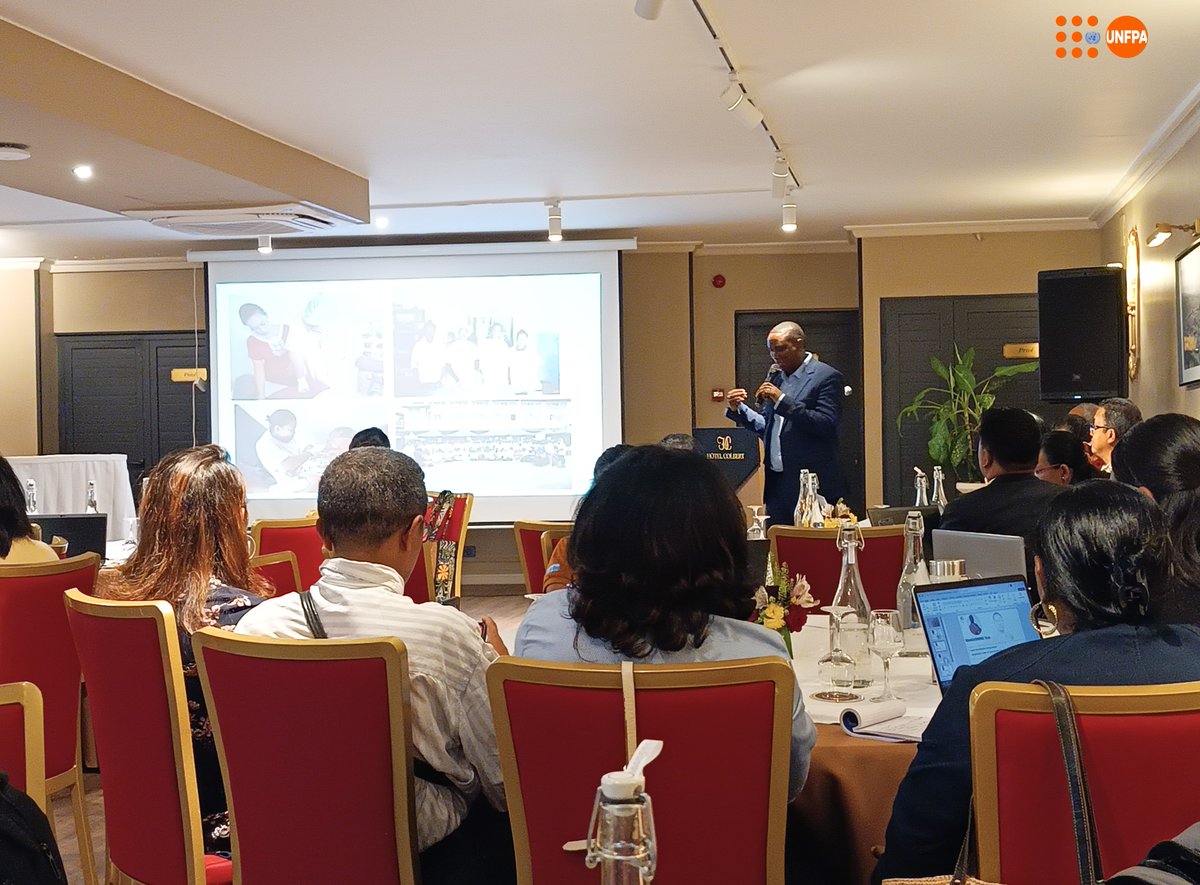
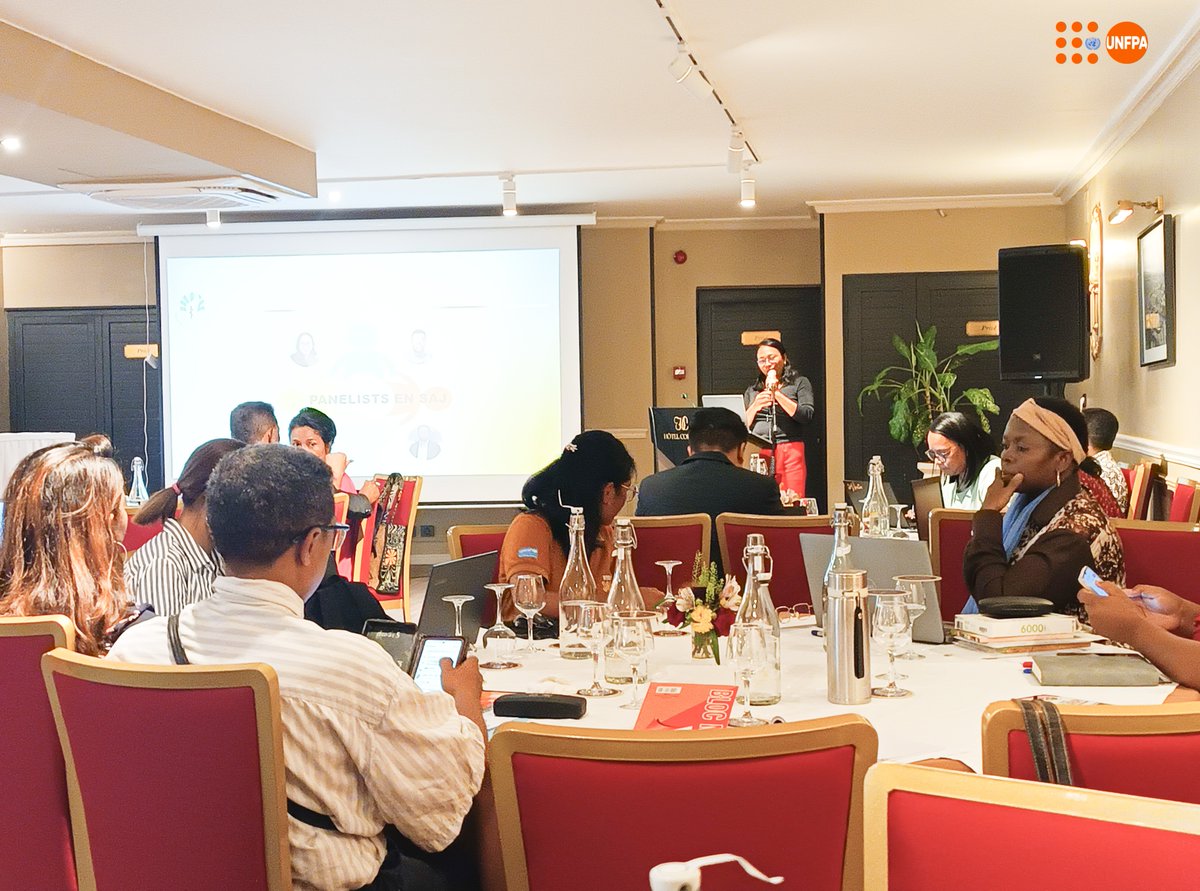
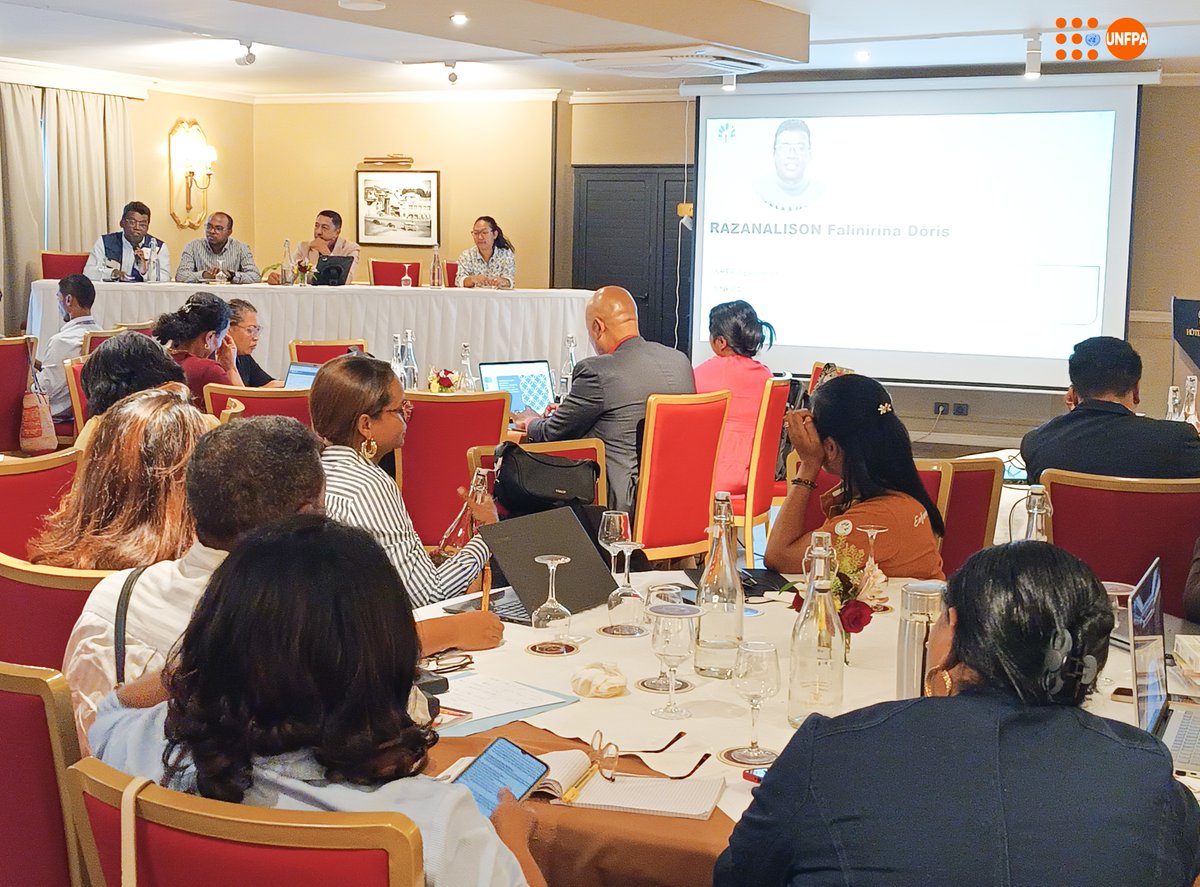
Antananarivo 🇲🇬: The national #SRMNIA-N coordination meeting led by @Msanp_Mada w/ partners incl. @UNFPA aligned priorities, strengthened coordination & shared best practices.
🤝 A collective commitment to better health & equitable #SexualReproductiveHealth access for all.
1
4
79

[STI/CONDOM WEEK 2026 | FEMALE CONDOM 101]
Hey students 👋
Let’s talk about the female condom.
The female condom is a safe, effective way to prevent STIs (including HIV) and unplanned pregnancy.
#STICondomWeek2026 #FemaleCondom #Condomise #SexualReproductiveHealth
1
2
225

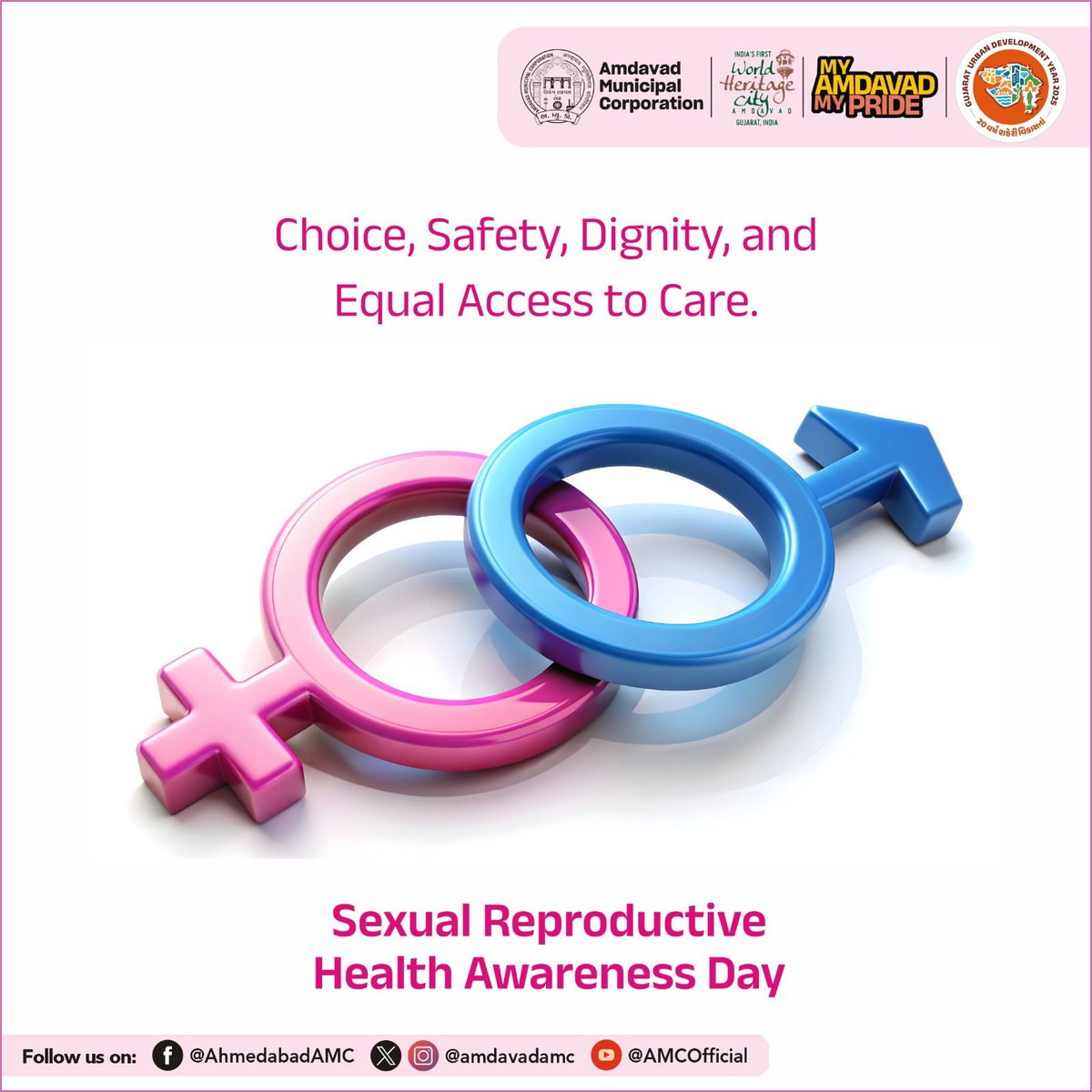
On Sexual Reproductive Health Awareness Day, we encourage you to make informed and empowered decisions regarding your reproductive health. Let’s normalize talking about reproductive health and spread awareness.
#SexualReproductiveHealth #HealthAwarenessDay #InformedChoices #AMCAwareness #MyCityMyPride
1
2
7
416

#IGADHealth
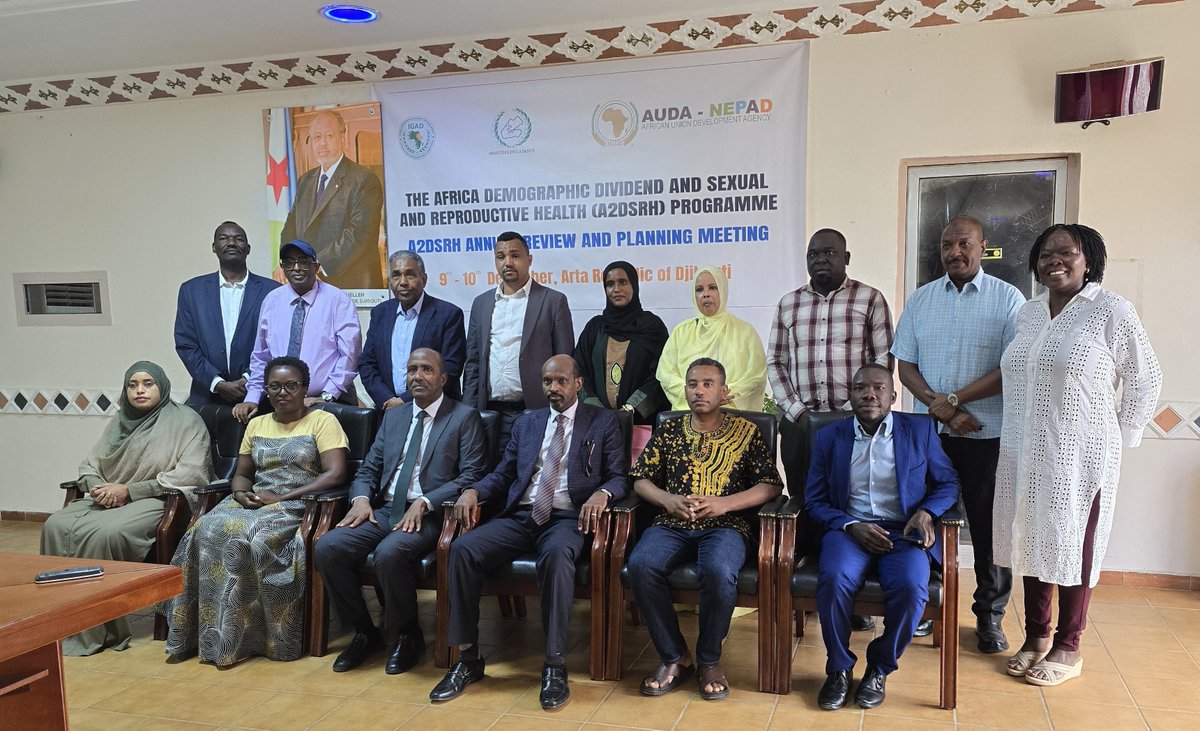
The @IGADsecretariat's #A2DSRH Programme has concluded its Annual Review and Planning Meeting in Arta, #Djibouti, during which a draft Workplan was developed by Member States.
Areas of focus in 2026 will include;
✅Boosting regional SRH coordination,
✅Strengthening capacity building & technical support, improving M&E systems,
✅Expanding knowledge sharing/Communities of Practice, and
✅Enhancing collaboration & information exchange across African Regional Economic Communities.
#SexualReproductiveHealth
@NEPAD_Agency @meigague

#IGADHealth | Stocktaking Progress on Sexual and Reproductive Health Agenda in the IGAD Region
🗓️9-10 December 2025 | #Arta, Djibouti
The @IGADsecretariat’s Africa Demographic Dividend and Sexual and Reproductive Health (#A2DSRH) Programme has this morning kicked off the Annual Review and Planning Meeting to assess 2025 achievements, challenges, and lessons learned, and to shape the next phase of the Programme through a comprehensive work plan for 2026.
The meeting aims to fast-track the roadmap for a regional health organization, boost knowledge-sharing among IGAD Member States, and strengthen coordination on SRH and demographic dividend efforts while improving domestic health financing.
The A2DRSH Programme is supported by @AUDA_NEPAD.
#ReproductiveHealth
4
11
604
27 Nov 2025
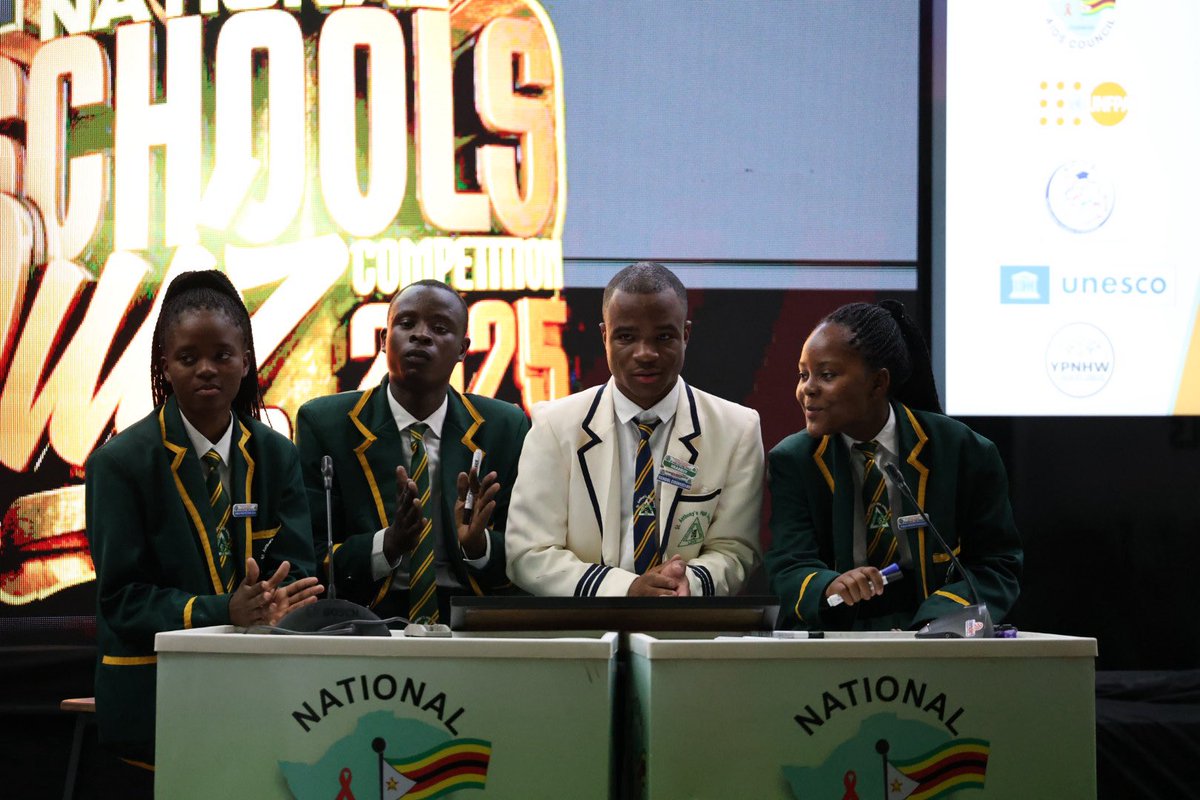
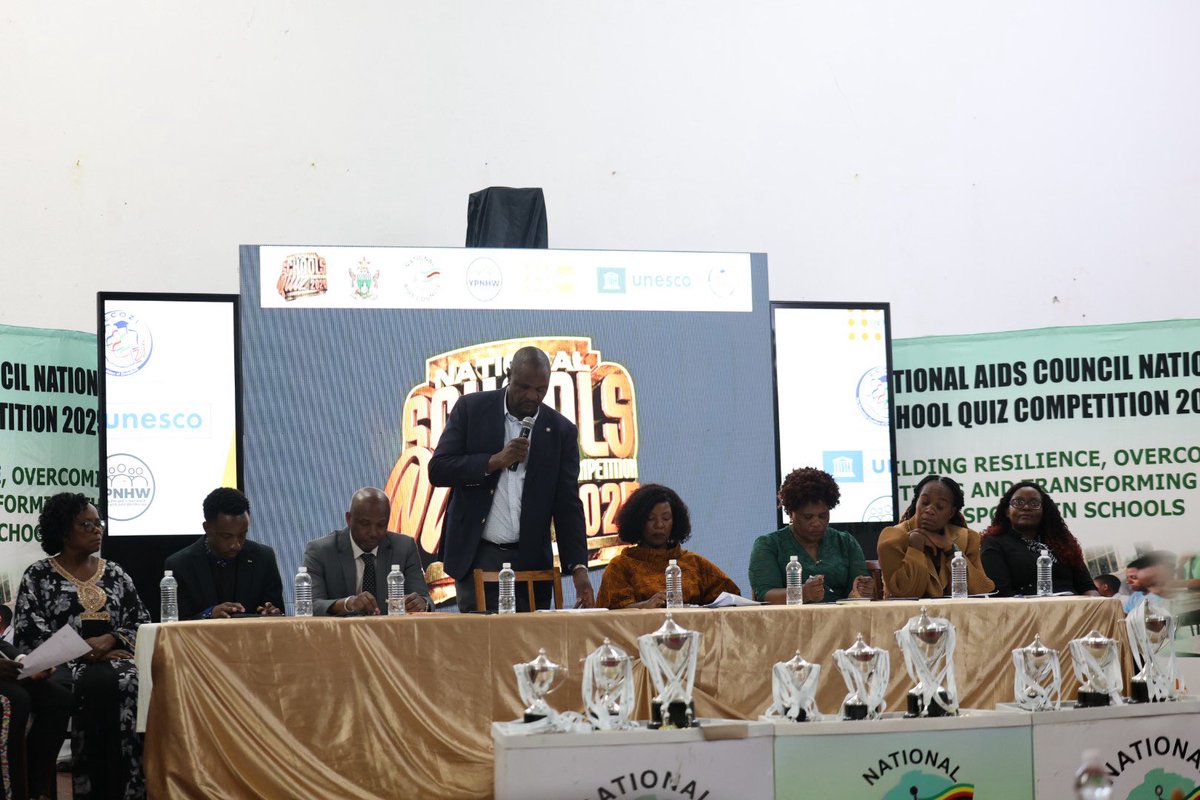
@UNFPA🇿🇼 is proud to join the final round of the National AIDS Council’s National School Quiz Competition and Awards Ceremony at Prince Edward School in Harare.
For the past four years, UNFPA has supported this initiative through our partnership with @naczim empowering young people with the #SexualReproductiveHealth& #Rights knowledge they need to make informed decisions about their health and futures.
#YouplePeople
#SRHR4All
#CSE
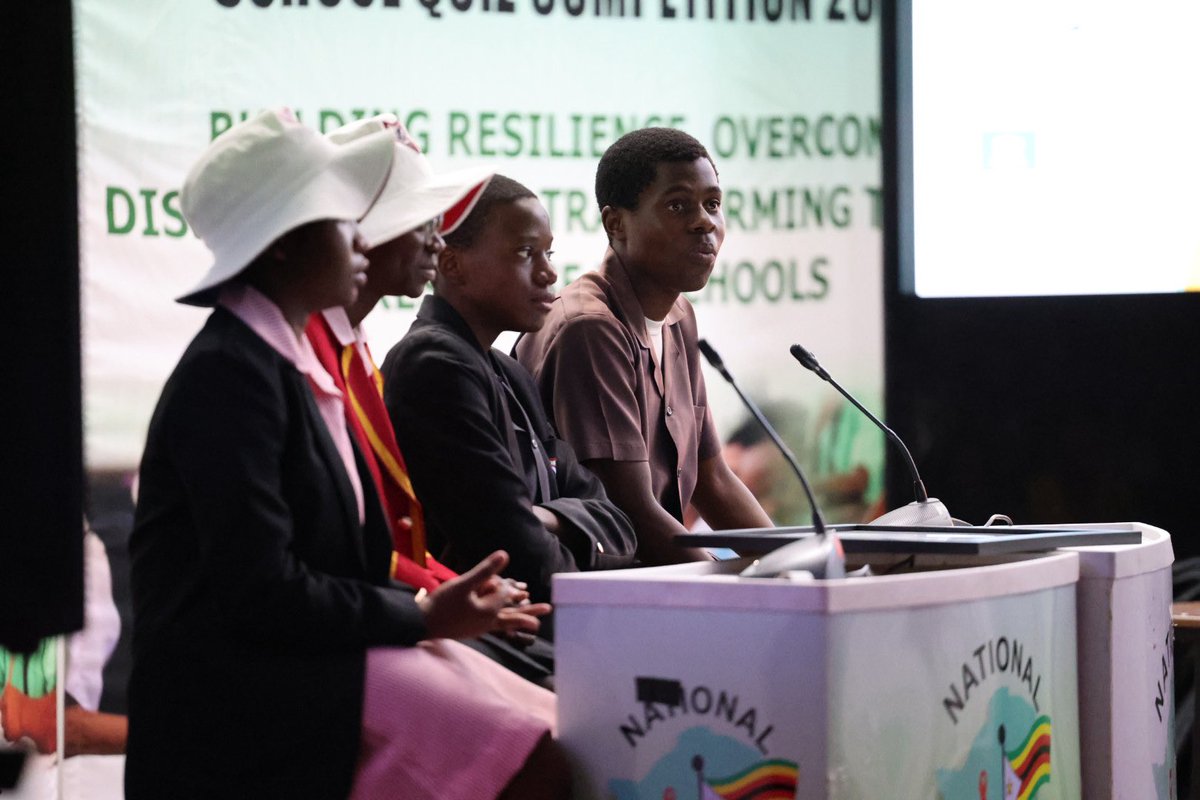
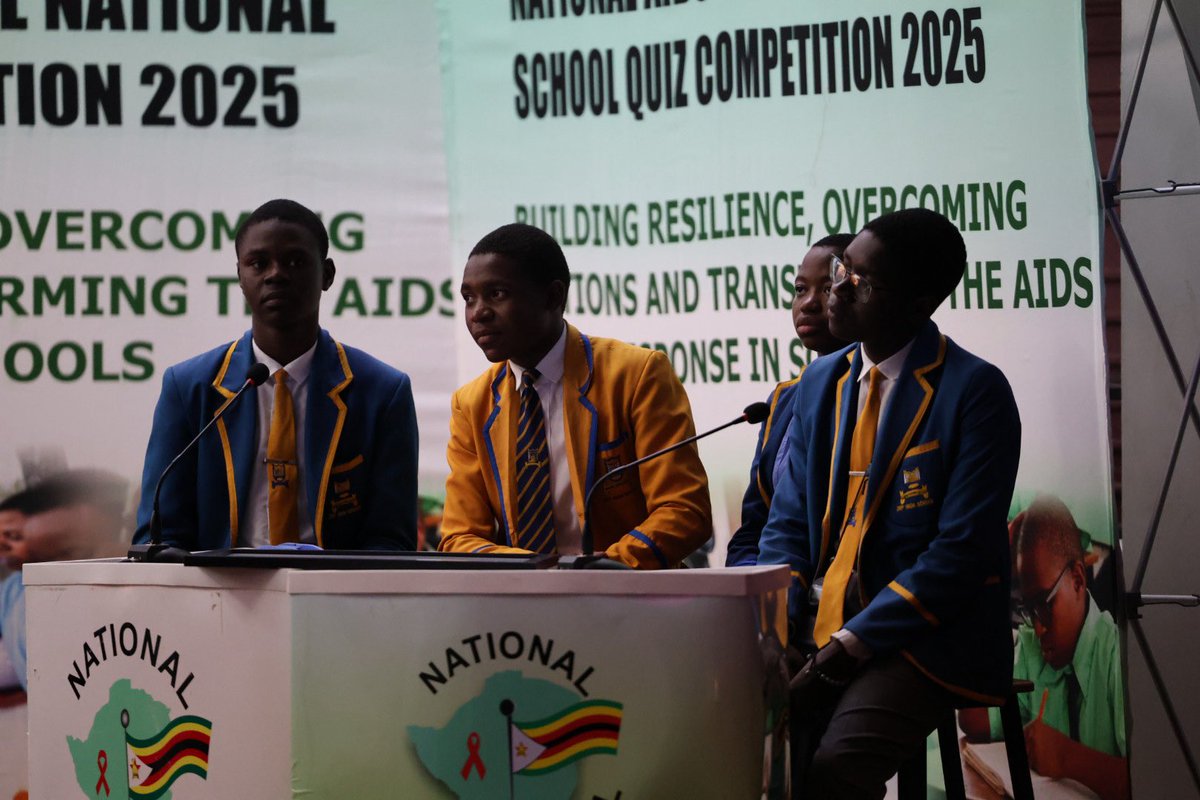
12
29
335

Submissions for the #WeNaijaOwnYourChoice contest have closed!
You all ROCK!
Judging has officially begun, stay tuned!
#WeNaija #SexualReproductiveHealth #Naija
2
3
150

30 Oct 2025
Laws and policies are deterrence but they can’t deliver in social vacuum or social thinking that enables gender inequality.
Marrying & married women & girls are not aware of #ReproductiveHealth #SexualReproductiveHealth that is critical to their physical & mental health.
1
2
109

20 Oct 2025
The ladies were serving smiles as we reached out to Campus students last week.
This month we are having Medical Camps around Campuses and we hope to see you around.
#Zuukuka2LikuMission #TurnUpWithPurpose #SexualReproductiveHealth #SRH #UgandaCares #VillagersJourneyAfrica
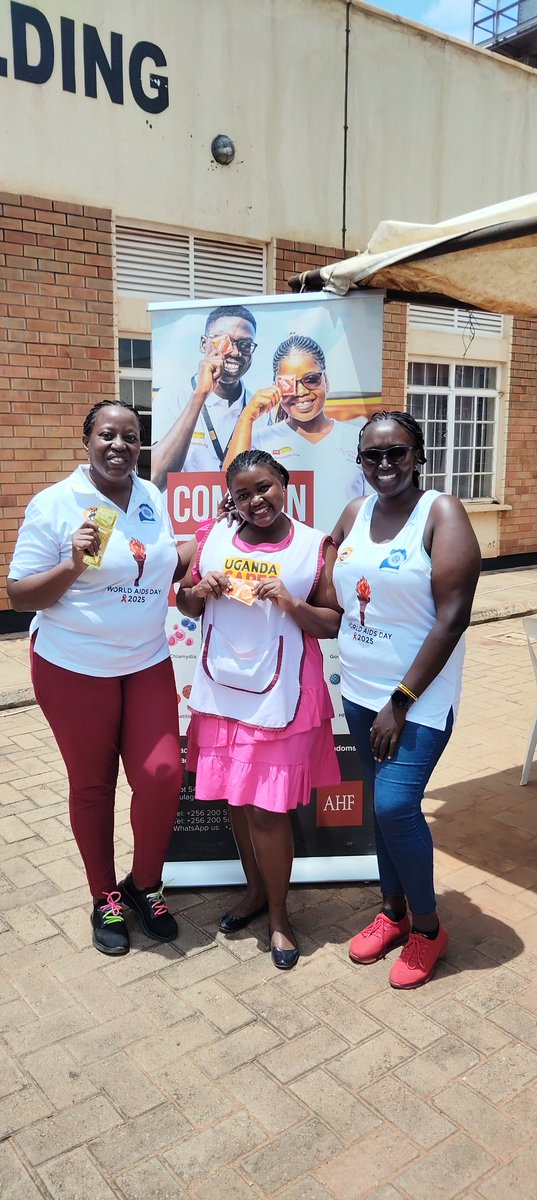
2
6
328
17 Oct 2025
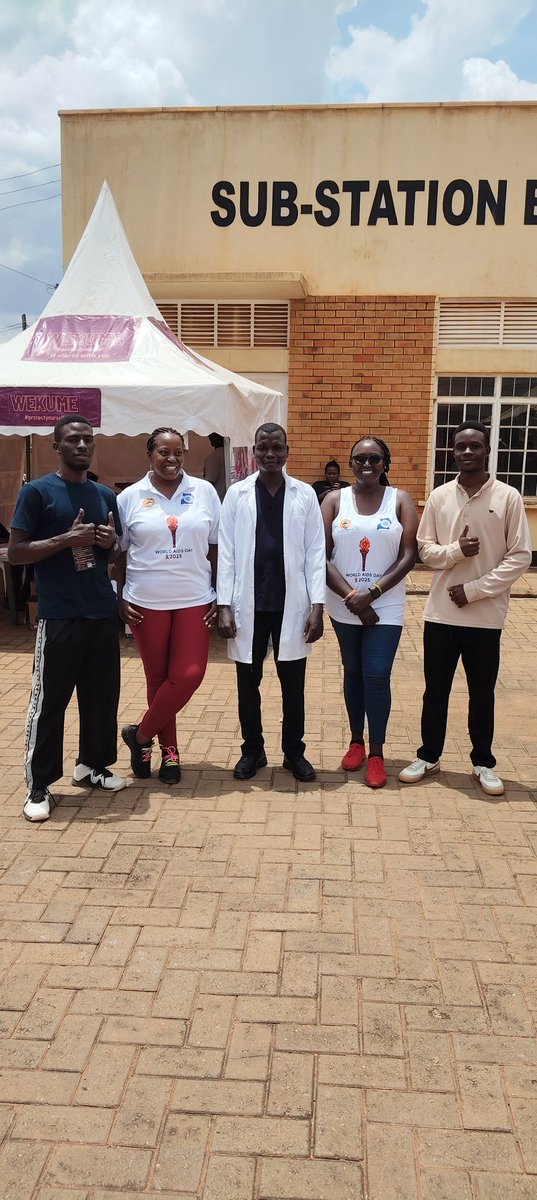
This week we had an amazing team at Ntinda Vocational Training Institute that made the work easy for us by mobilizing and reminding the students of the importance of self care and self awareness
#Zuukuka2LikuMission #VillagersJournryAfrica #HIVAwareness #SexualReproductiveHealth
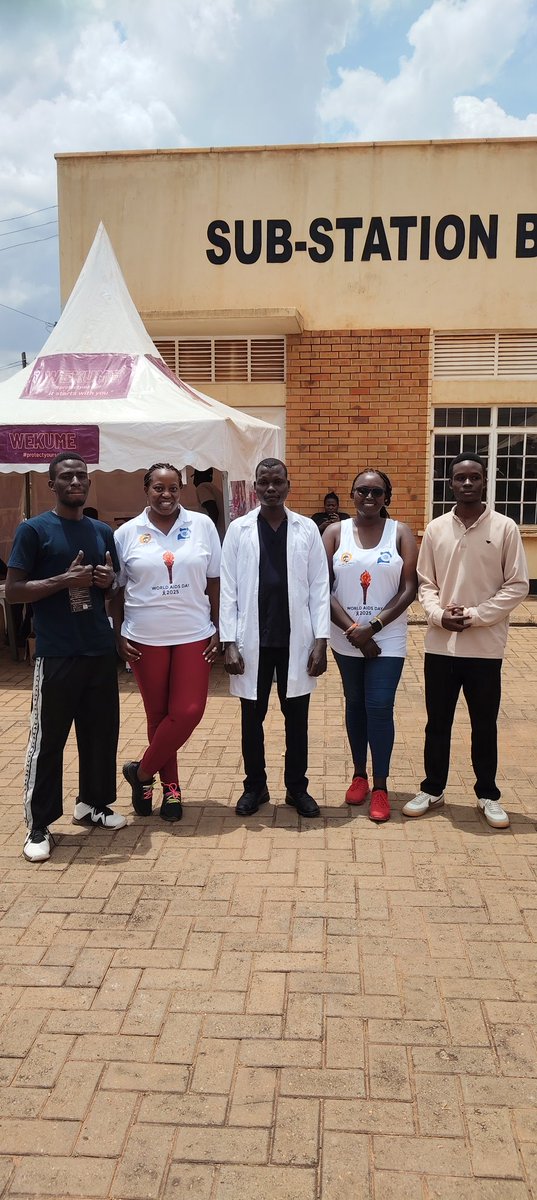
2
6
150
15 Oct 2025
Uganda Cares came prepared.
The first step is counseling..
Then we know your status..
Then we advice accordingly..
And lastly we give protection
#Zuukuka2LikuMission #TurnUpWithPurpose #SexualReproductiveHealth #SRH #HIVAwareness
1
2
172
18 Sep 2025
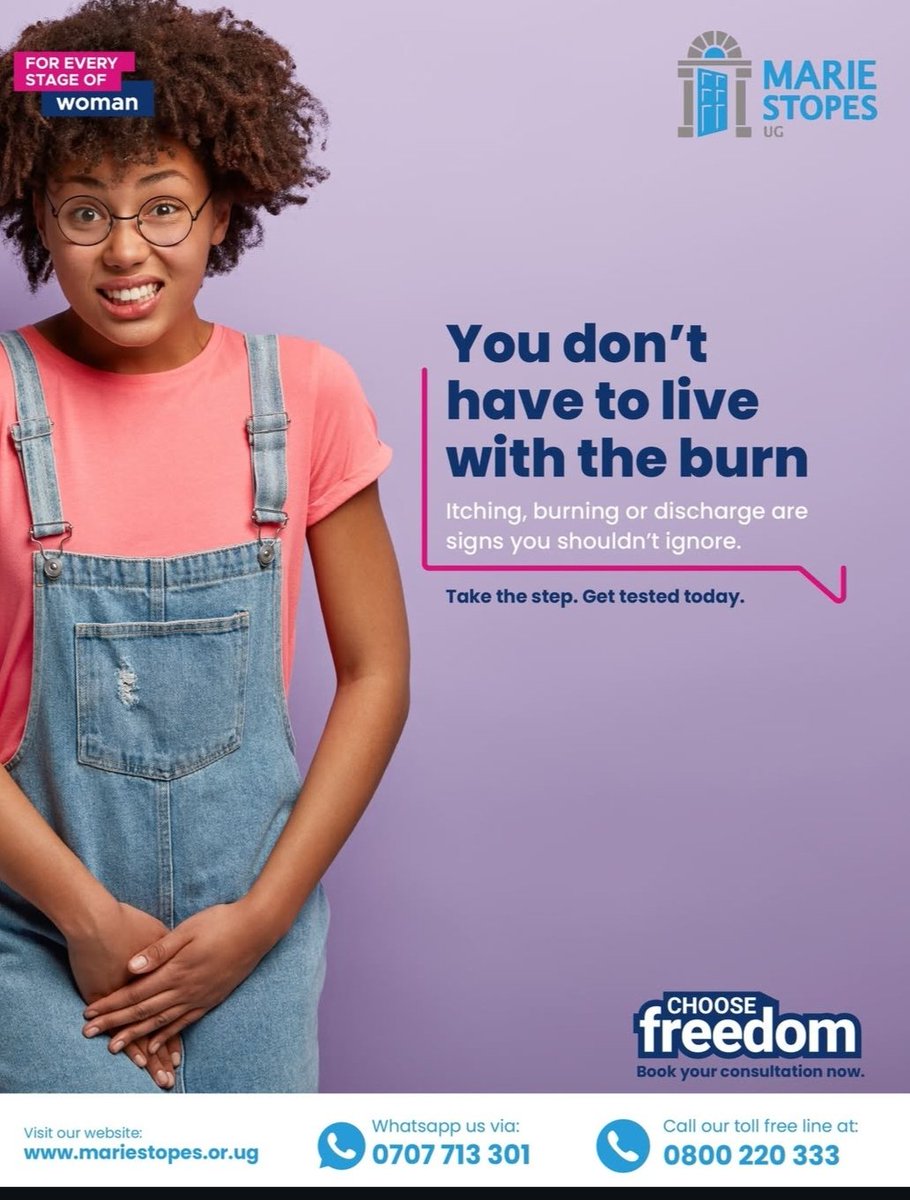
You should not suffer in silence..
Make sure to reach out to @MarieStopesUg for help...
#Zuukuka2LikuMission #TurnUpWithPurpose #SexualReproductiveHealth #SRH
1
2
76

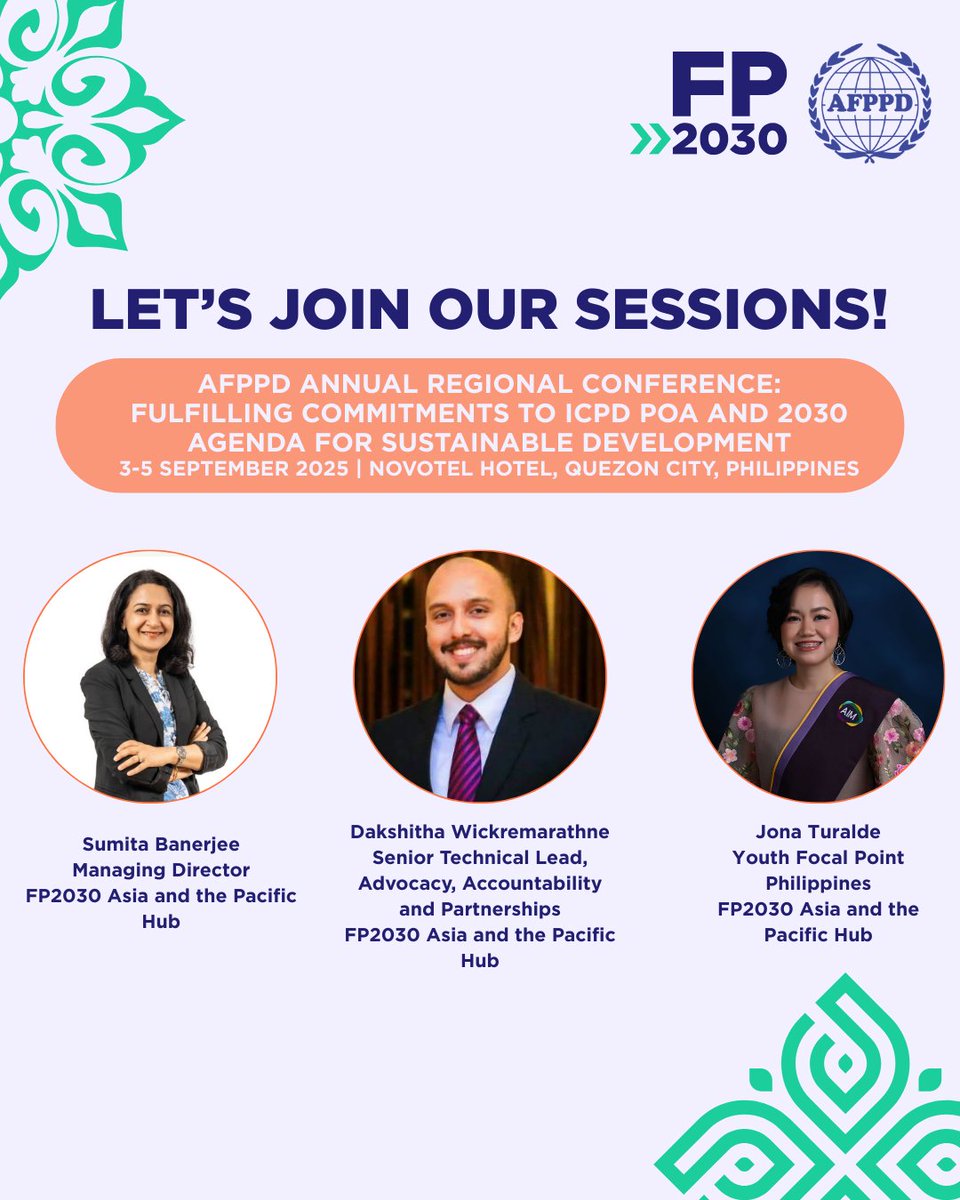
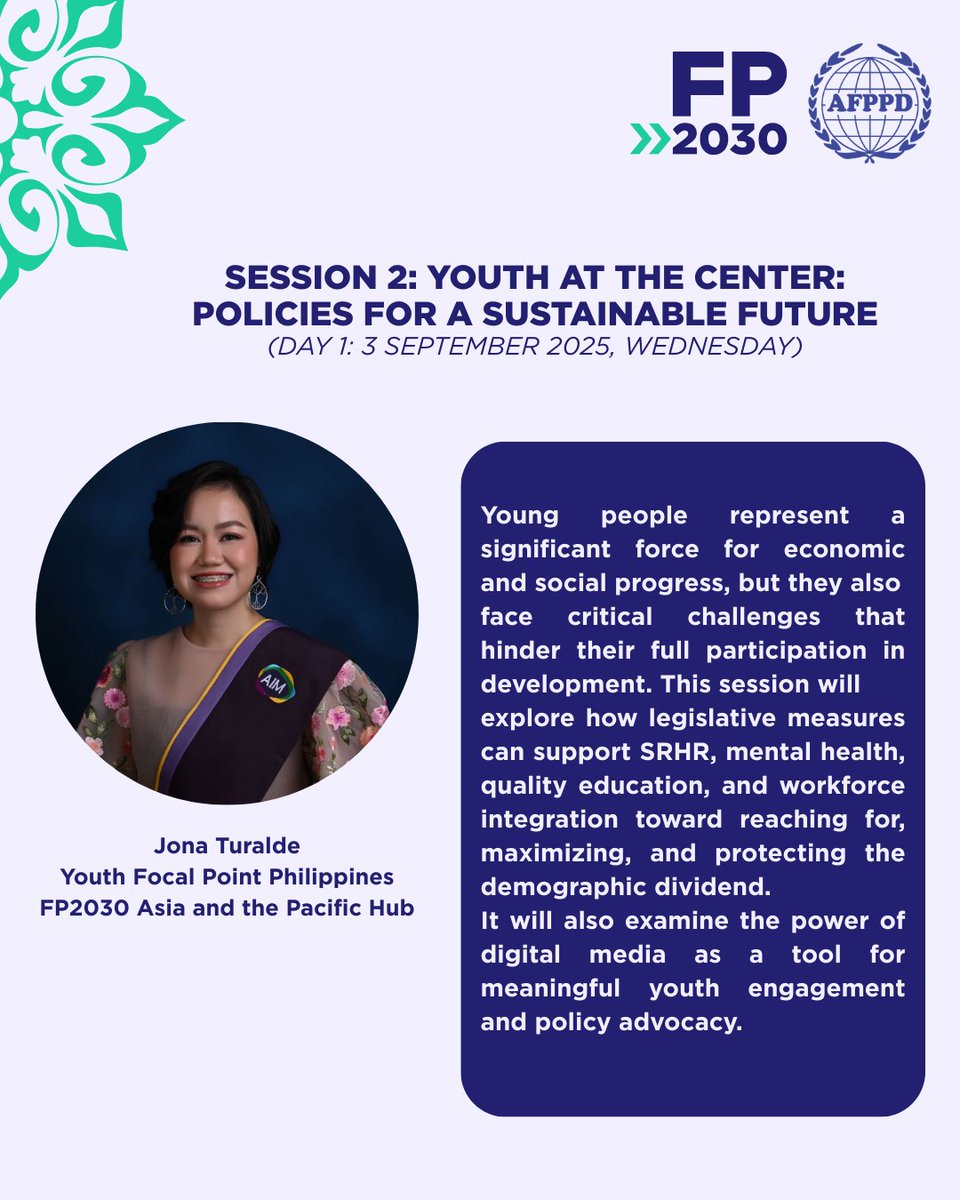
🌏✨ We’re excited to join the AFPPD Annual Regional Conference 2025 in Quezon City, Philippines!
Our team from FP2030 Asia and the Pacific Hub will be part of key discussions:
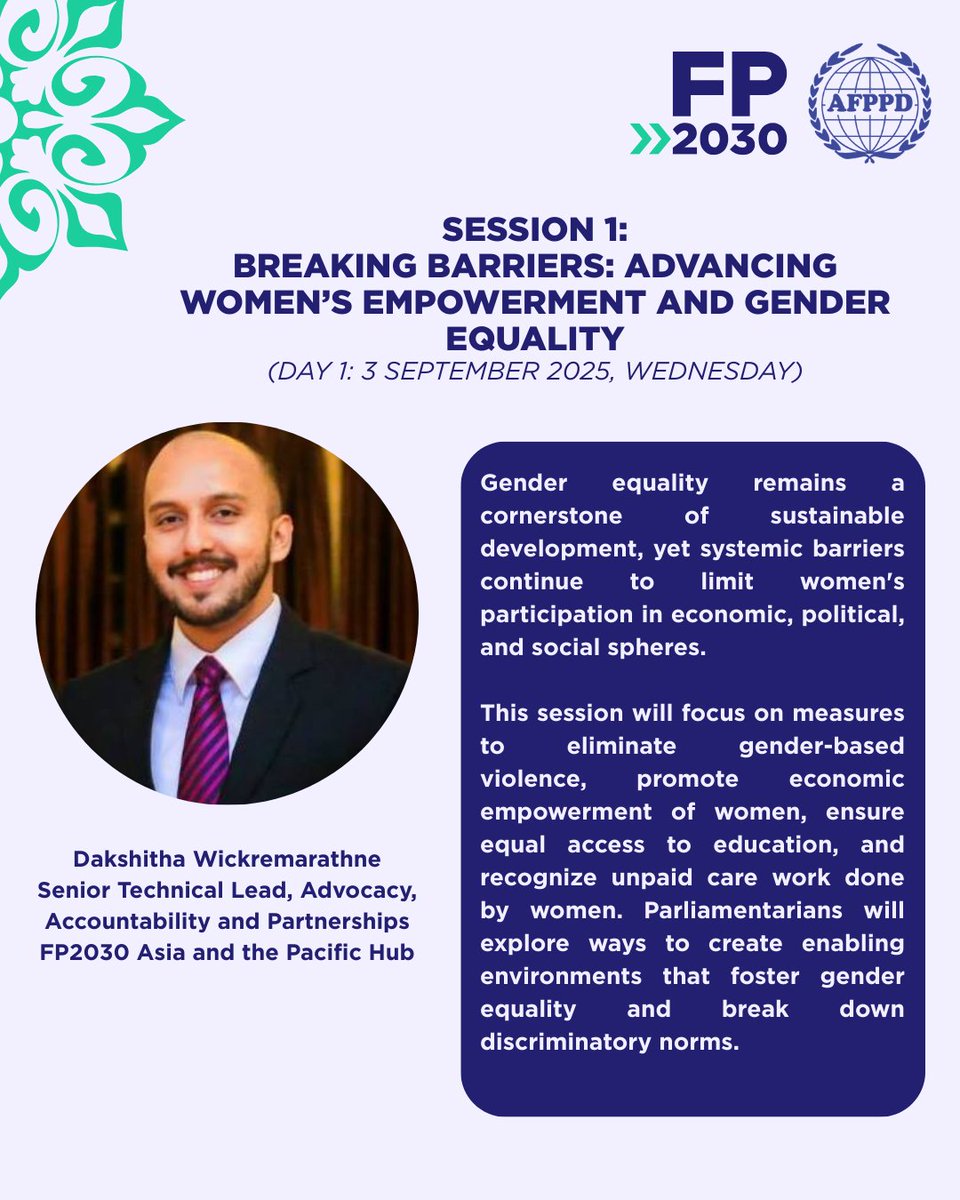
💡 Breaking Barriers: Advancing Women’s Empowerment & Gender Equality with Dakshitha Wickremarathne
👩 Youth at the Center: Policies for a Sustainable Future with Jona Turalde
Together, we’re working with parliamentarians, youth, and partners to fulfill commitments to the ICPD PoA, the 2030 Agenda for Sustainable Development, and pushing what can be #MadePossible by family planning.
📅 3–5 September 2025
📍 Novotel Hotel, Quezon City, Philippines
#AFPPD2025 #FP2030 #YouthLeadership #GenderEquality #SustainableDevelopment #FP2030APHub #FamilyPlanning #DataForAction #Partnerships #ReproductiveHealth #FP2030APHub #SRHR #SexualReproductiveHealth #SRH #SRHR #FamilyPlanning2030 #HealthEquity #FP #MaternalHealth #MadePossiblebyFP
1
1
4
129

19 Aug 2025
I'm so honored to be part of this panel and look forward to contributing to a future where these rights are at the forefront of global health.
#GlobalHealth #SRHR #GenderEquality #HumanRights #HRP #PublicHealth #SexualReproductiveHealth #SDGs
1
3
103