
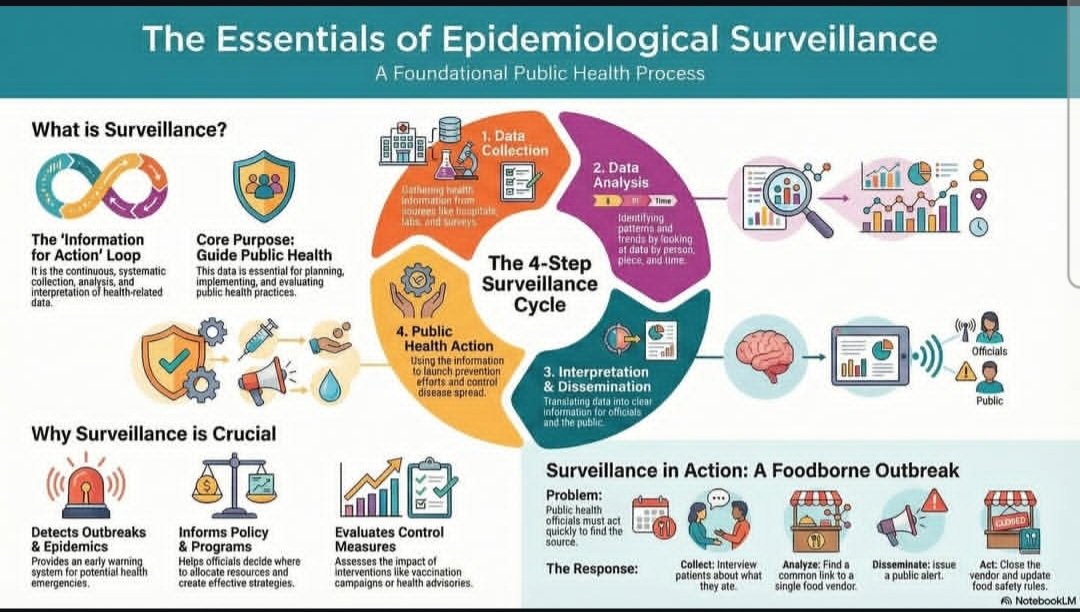
Behind every data point is a person, a family, and a community.
That's why epidemiological surveillance matters, not just to track disease, but to protect lives.
#PublicHealth #Epidemiology #DataForAction
1
24

Data gaps persist in menstrual health reporting
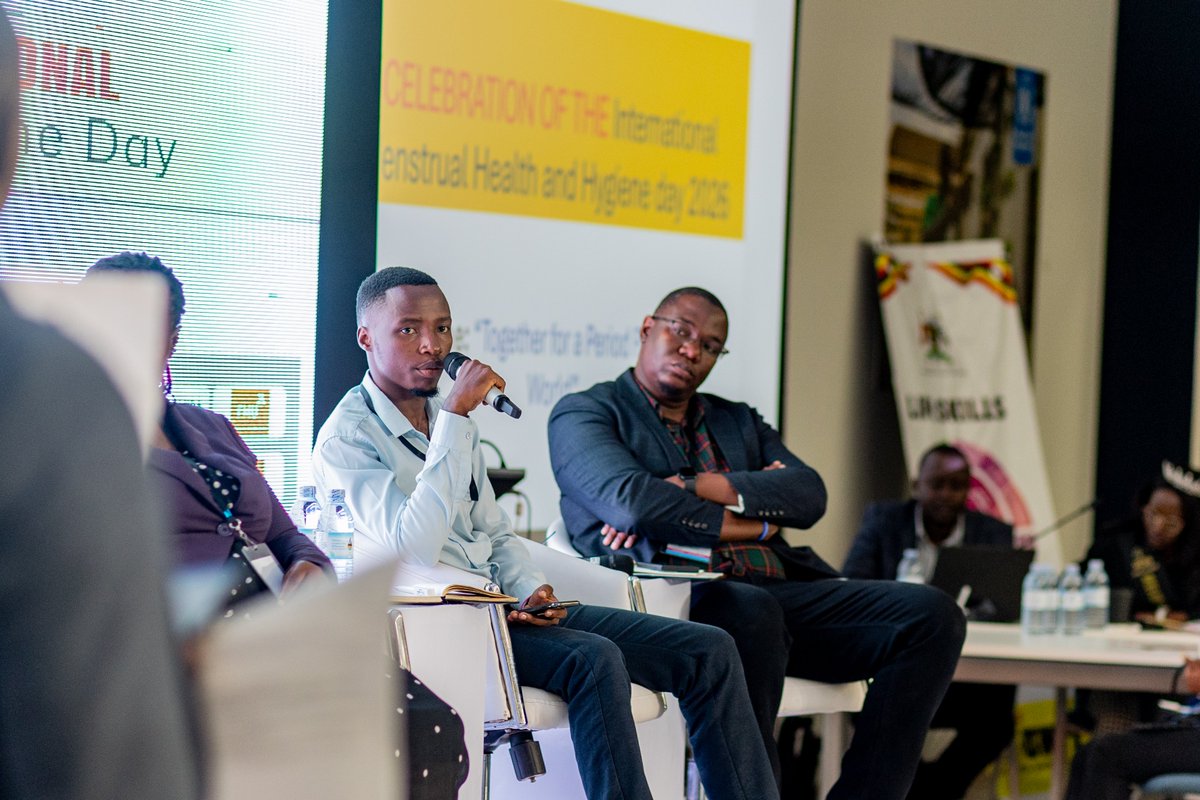
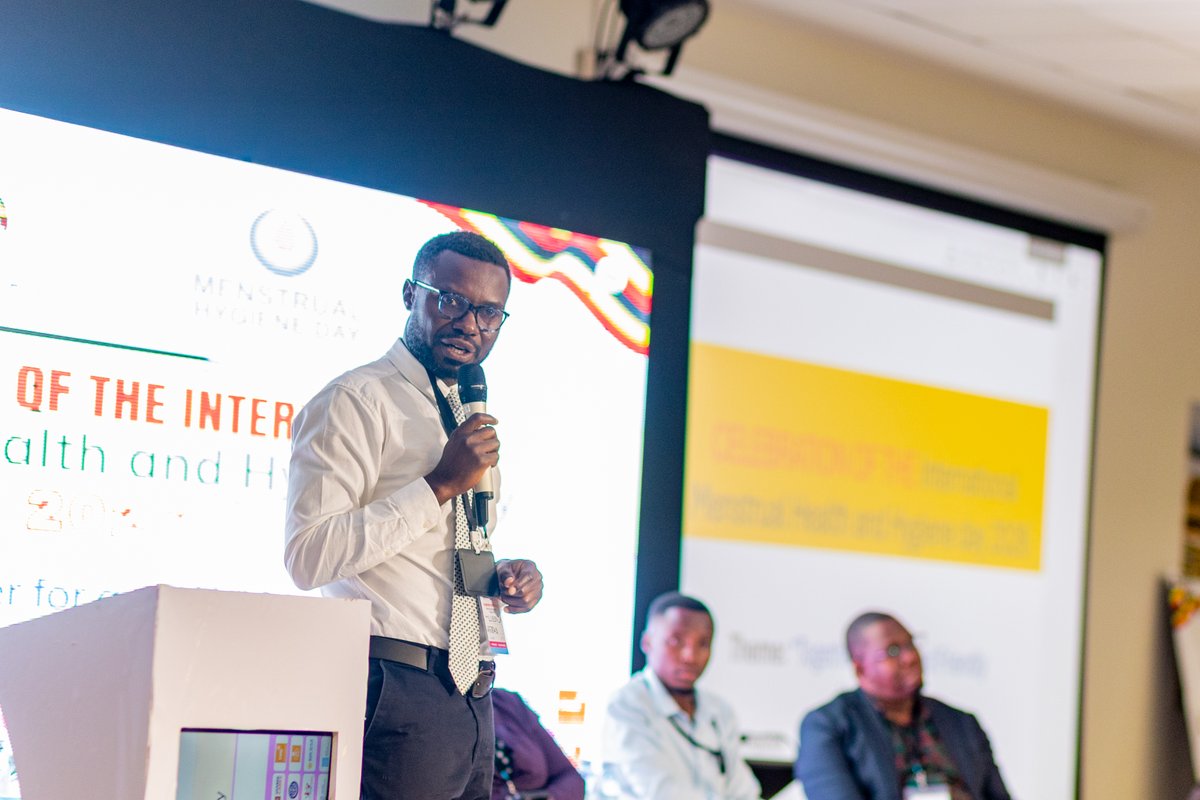
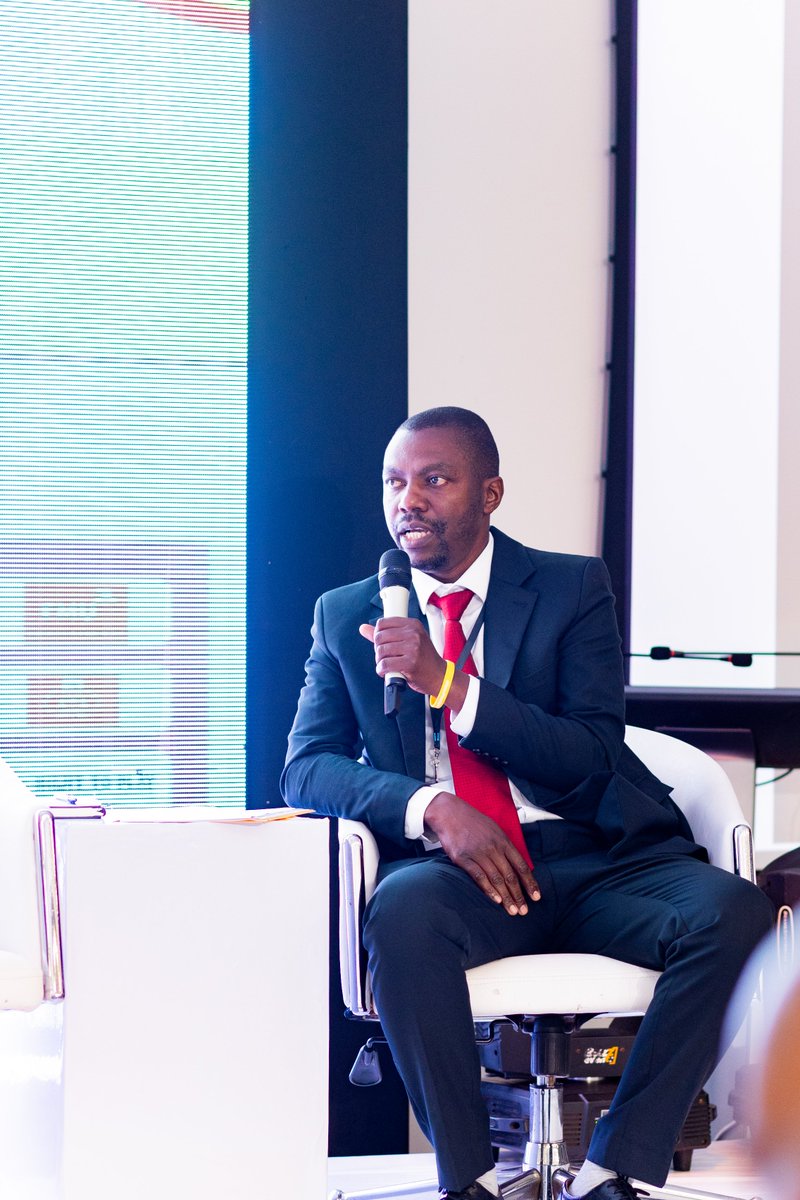
The panel on EMIS and HMIS highlighted how menstrual health data is collected and used across sectors.
Michael Lugonja (@Educ_SportsUg) noted gaps in completeness and sensitivity of MHM data.
Ahabwe Timothy (@MinofHealthUG) said systems like DHIS2 are supporting programming and coordination.
@StatisticsUg flagged missing data on menstrual pain, absenteeism, and disposal systems.
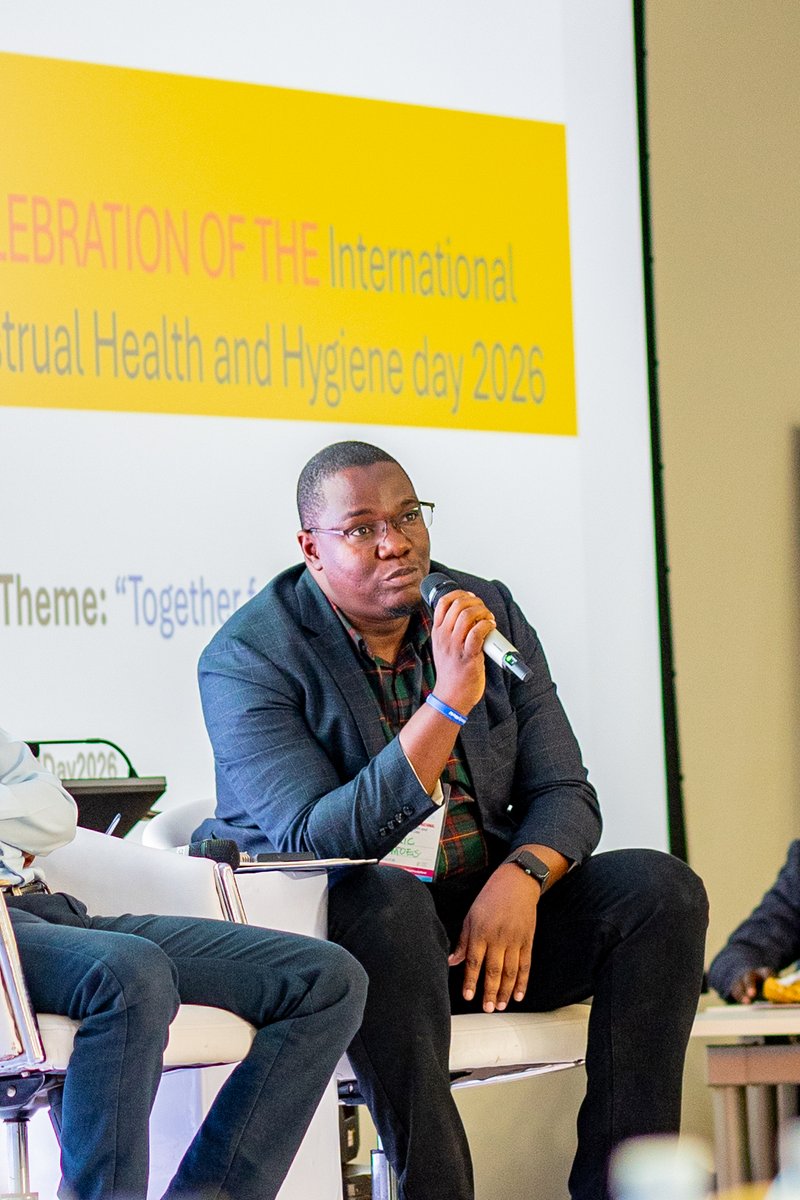
Civic Lubega (@Educ_SportsUg) pointed to progress in WASH tracking, but with gaps in infrastructure and services.
Panelists called for better data, coordination, and integration.
#MHMDay2026 #DataForAction #MenstrualHealth #PeriodFriendlyWorld @UNICEFUganda @UNFPAUganda @EUinUG
8
17
720

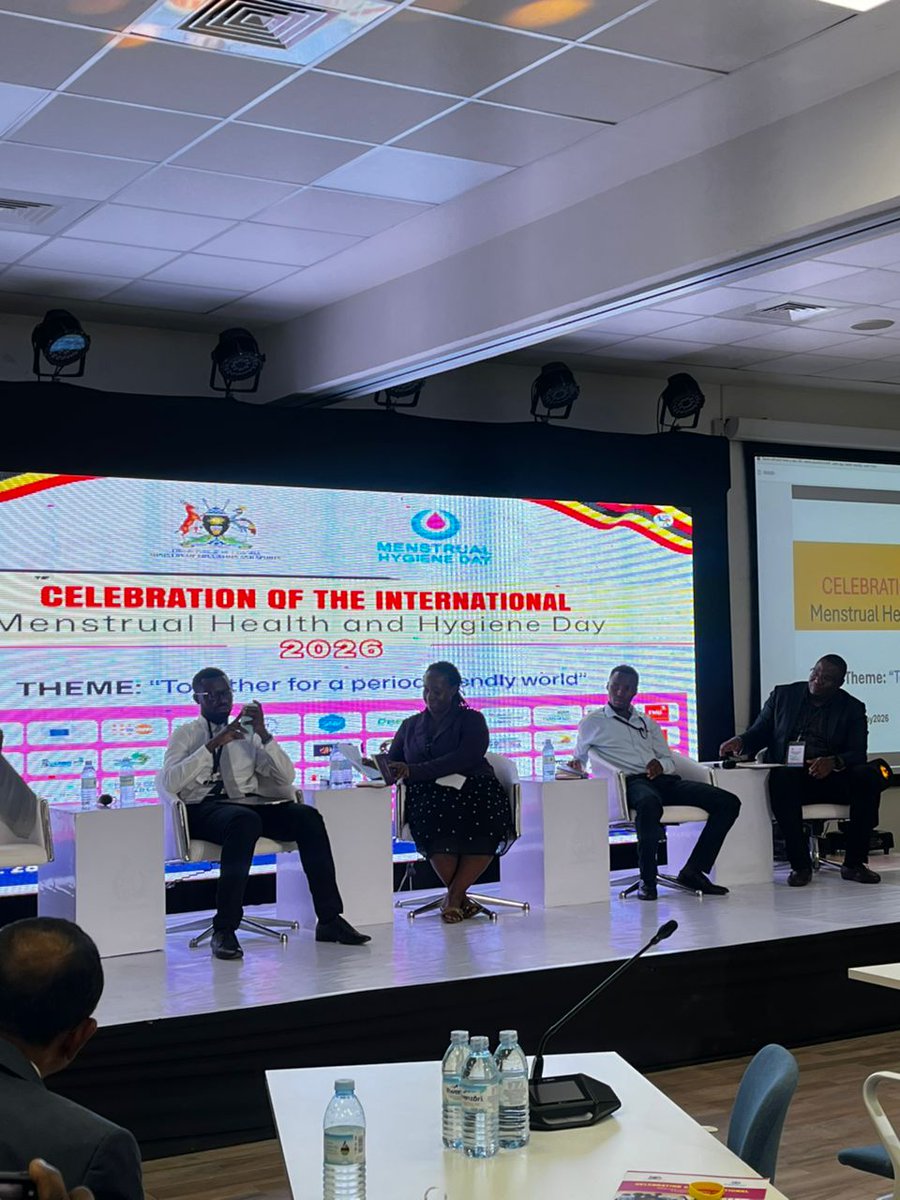
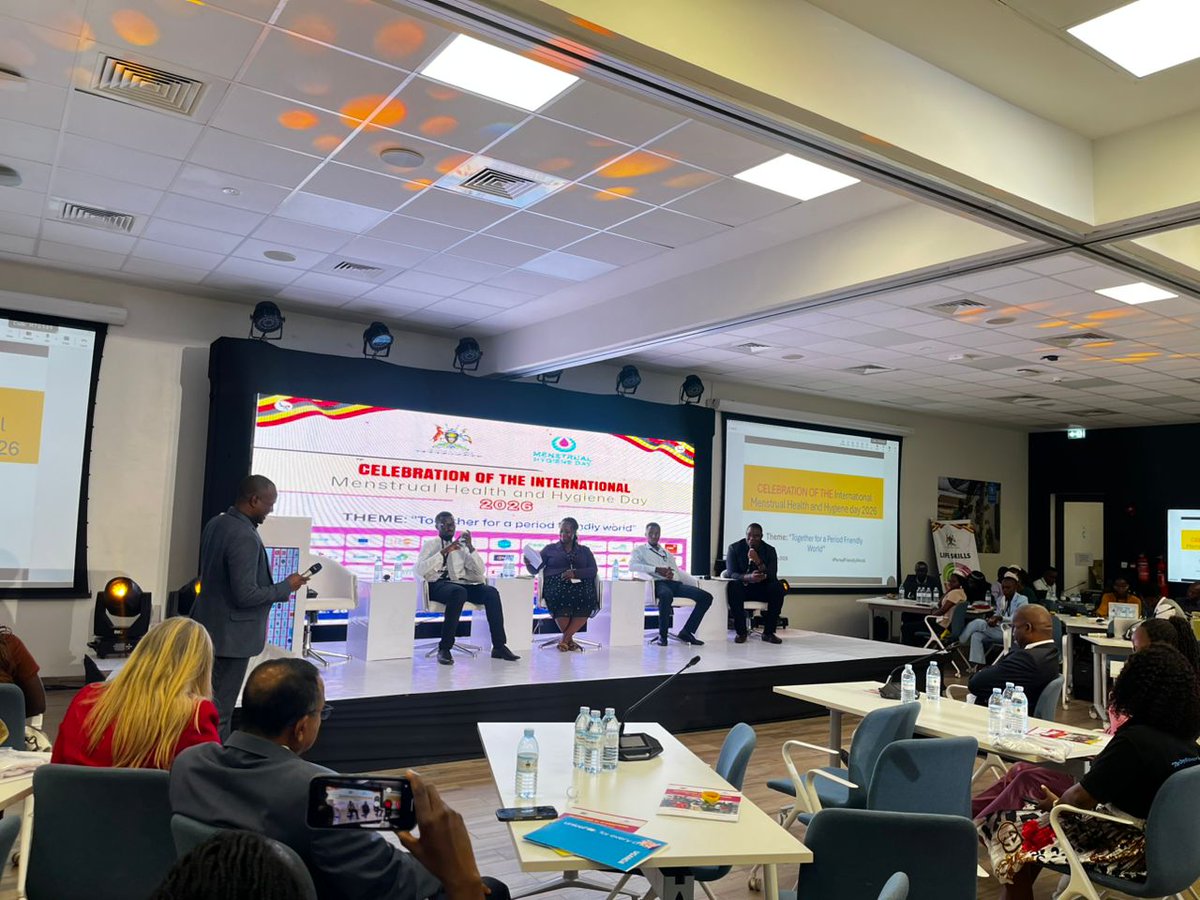
The next panel focuses on Data in EMIS and HMIS — a multisectoral conversation on how menstrual health data is collected and used to influence decision-making.
Michael Lugonja, Statistician at @Educ_SportsUg, highlights that while MHH data is being collected, there are still challenges around completeness and the sensitive nature of menstrual health information. Existing data supports programming and advocacy, and there is need to leverage digital platforms so learners can directly share information with the Ministry.
Ahabwe Timothy from the @MinofHealthUG explains that systems such as DHIS2, HMIS, and ECHIS are already supporting MHH programming through school-health linkages. Data collected includes micronutrient supplies like iron and folic acid, medicines, school outreach activities, MHH education sessions, and OPD information, with data shared across sectors to strengthen coordination and action.
Diana Nabukalu from @StatisticsUg also collects broader data on WASH facilities, disposal systems, handwashing facilities, reproductive health indicators, and sanitation access. However, the panelist notes critical gaps remain, including limited data on menstrual pain, school absenteeism linked to menstruation, disposal practices, private changing spaces, cleanliness, and menstrual waste management.
Civic Lubega from @Educ_SportsUg highlights ongoing multisectoral collaboration between the Ministry of Education and Sports, Ministry of Health, and Ministry of Water and Environment to strengthen WASH in schools. He notes that while progress has been made on tracking water access, there are still gaps in monitoring functionality, accessibility, proximity, reliability, cleanliness, menstrual waste management, disposal systems, private changing spaces, and menstrual hygiene protocols.
The discussion emphasizes stronger harmonization across sectors, recognizing that menstrual health requires multisectoral collaboration and cannot be addressed in silos.
#MHMDay2026 #MenstrualHealth #DataForAction #PeriodFriendlyWorld
9
13
568

Gender-Based Violence is not just a statistic - it is a growing crisis that demands urgent action.
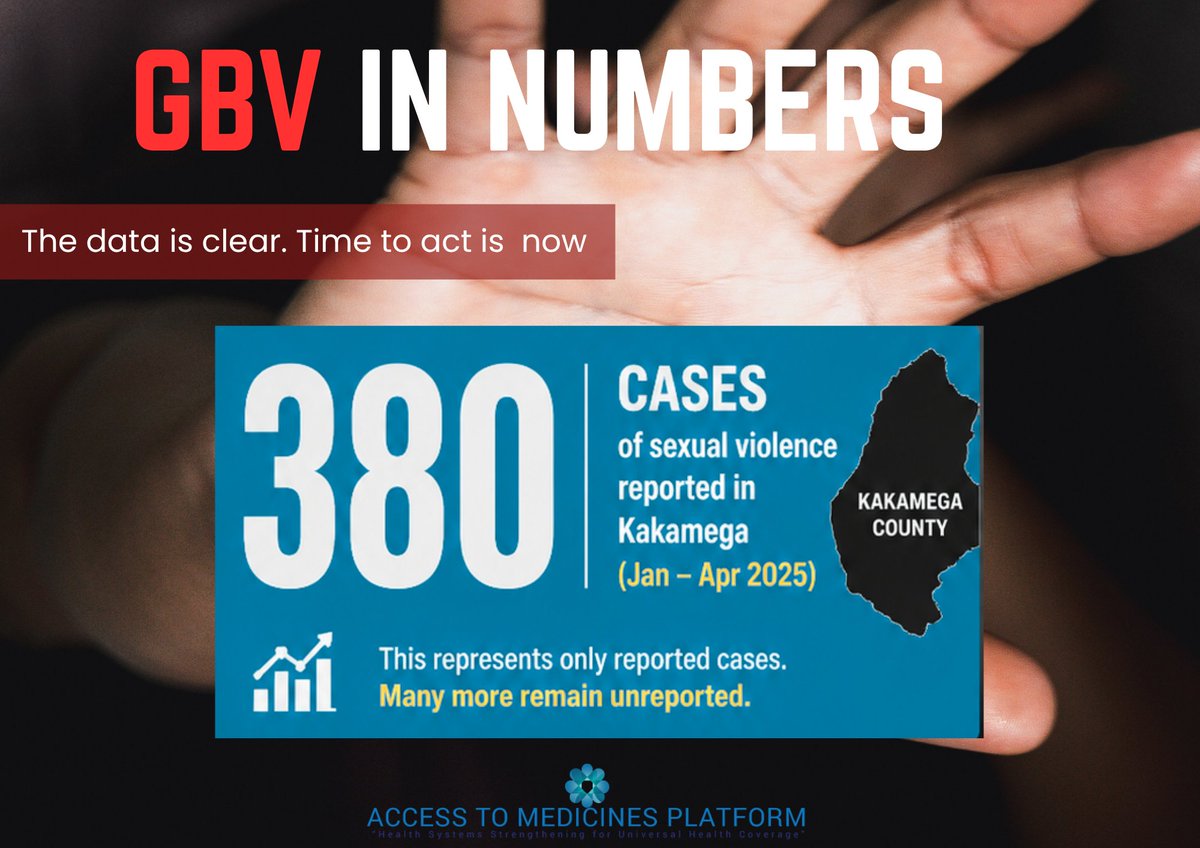
According to the report of the Technical Working Group on GBV, including femicide, Kakamega County recorded 380 cases of sexual violence between January and April 2025. This reflects not only the prevalence of violence, but also the vulnerabilities that persist within communities.
These numbers represent only reported cases, with many more incidents remaining unseen and unaddressed.
Ending GBV requires collective action from communities, institutions, and policymakers alike.
The data is clear the time to act is now.
#EndGBV #DataForAction
5
11
186

Data alone doesn't change the world — how we use it does.
From field observations to national policy, this conversation unpacks how biodiversity data is shaping real conservation action across Eastern and Southern Africa.
In this video, we explore:
1. How countries translate spatial data into updated National Biodiversity Strategies and Action Plans (NBSAPs)
2. The role of geospatial insights in reporting to the Convention on Biological Diversity
3. Tracking progress under the Kunming–Montreal Global Biodiversity Framework
4. Why harmonized data systems and regional collaboration are critical
5. The persistent gaps from capacity to interoperability and timely reporting
As the demand for evidence-based decision-making grows, so does the need for data that is accessible, standardized, and trusted.
▶️ Watch the conversation and discover how biodiversity data is being turned into policy, and into action 🔗: youtu.be/M3Qee-IKlLI
#Biodiversity #DataForAction #ScienceToPolicy #NBSAPs #GIS #SustainableDevelopment #GeoConnect #dataforconservation #rcmrd
^AS
1
7
731
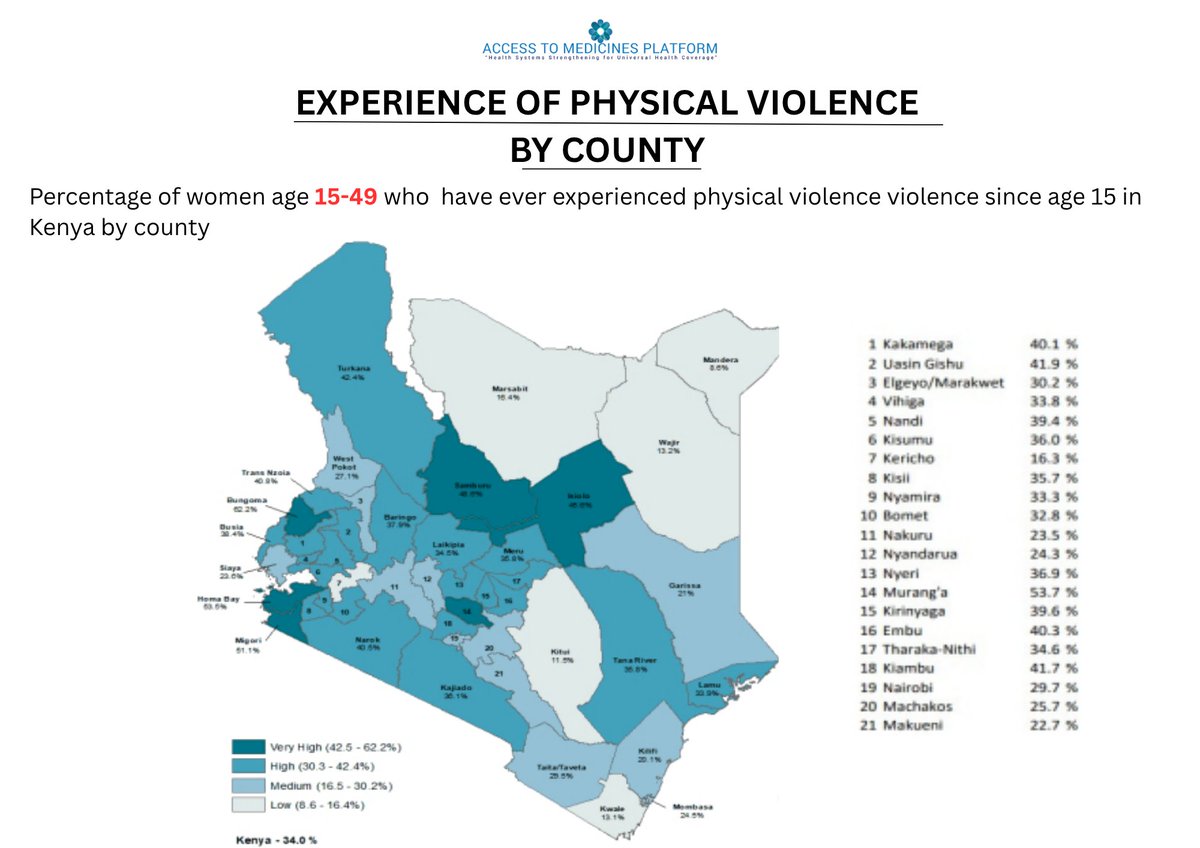
According to the report of the Technical Working Group on Gender-Based Violence (GBV), including femicide, the data reveals a concerning reality across counties in Kenya.
In Kakamega (40.1%) and Vihiga (33.8%), a significant proportion of women aged 15–49 have experienced physical violence since age 15, highlighting persistent vulnerabilities at the community level.
These figures are more than statistics; they reflect lived experiences and underscore the urgent need for targeted prevention, stronger protection systems, and survivor-centered responses.
👉 Strengthen local interventions
👉 Support survivors
👉 Hold perpetrators accountable
#EndGBV #StopFemicideKE #DataForAction #SafeCommunities
4
10
322

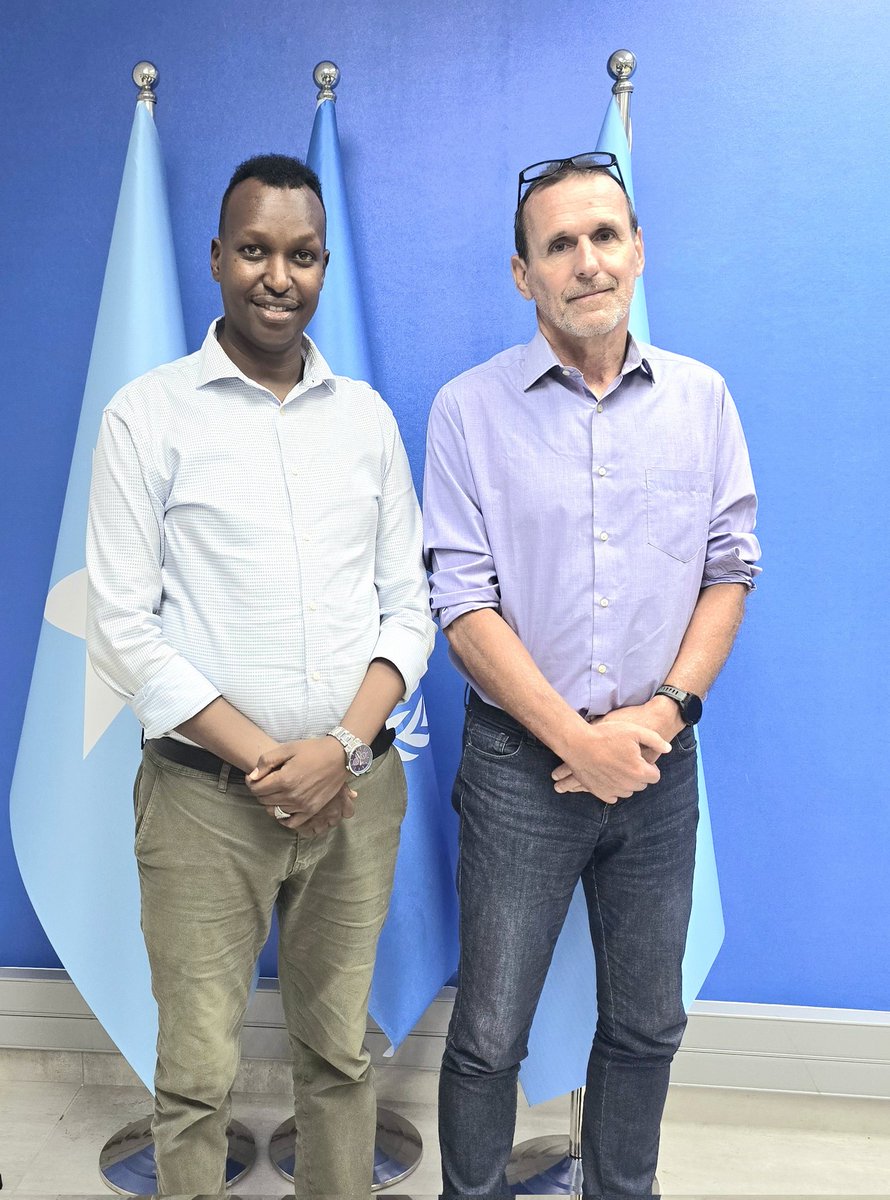
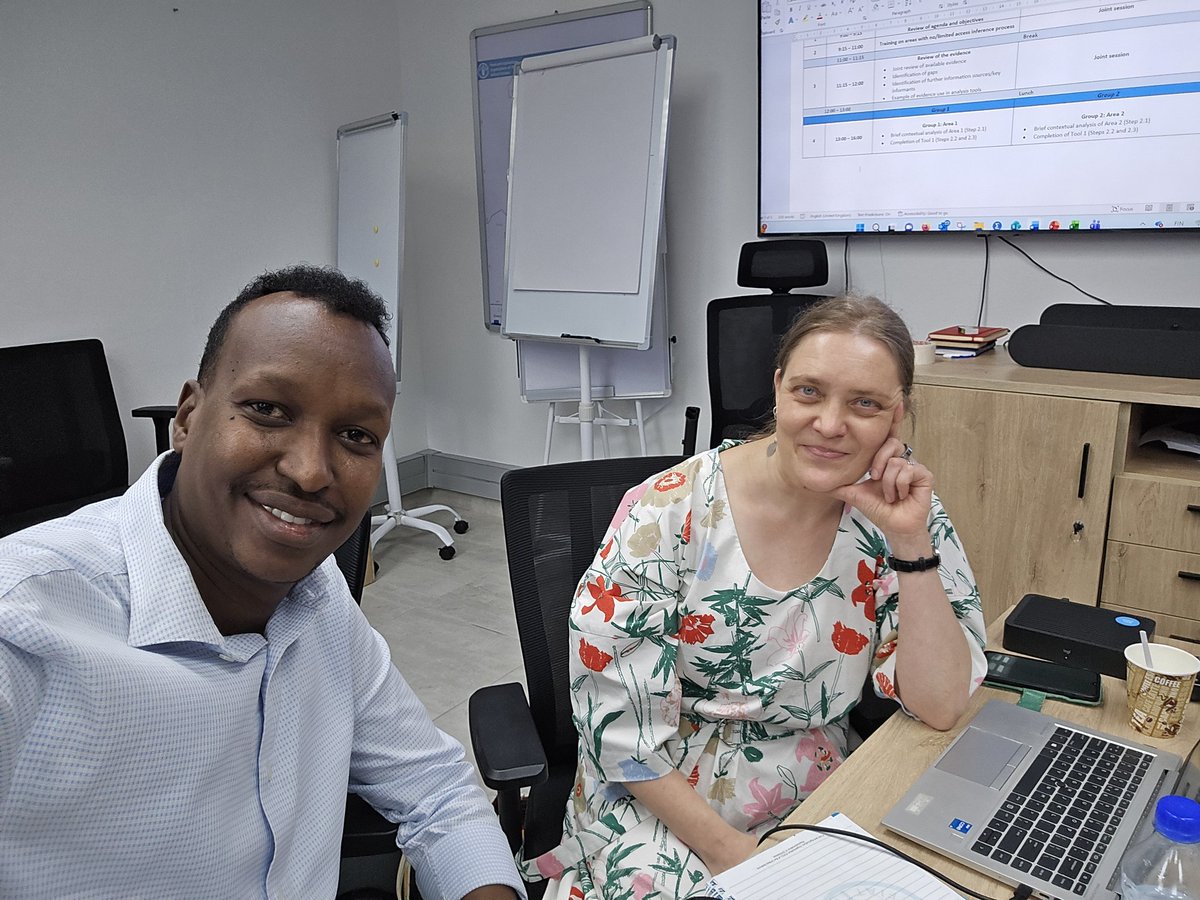
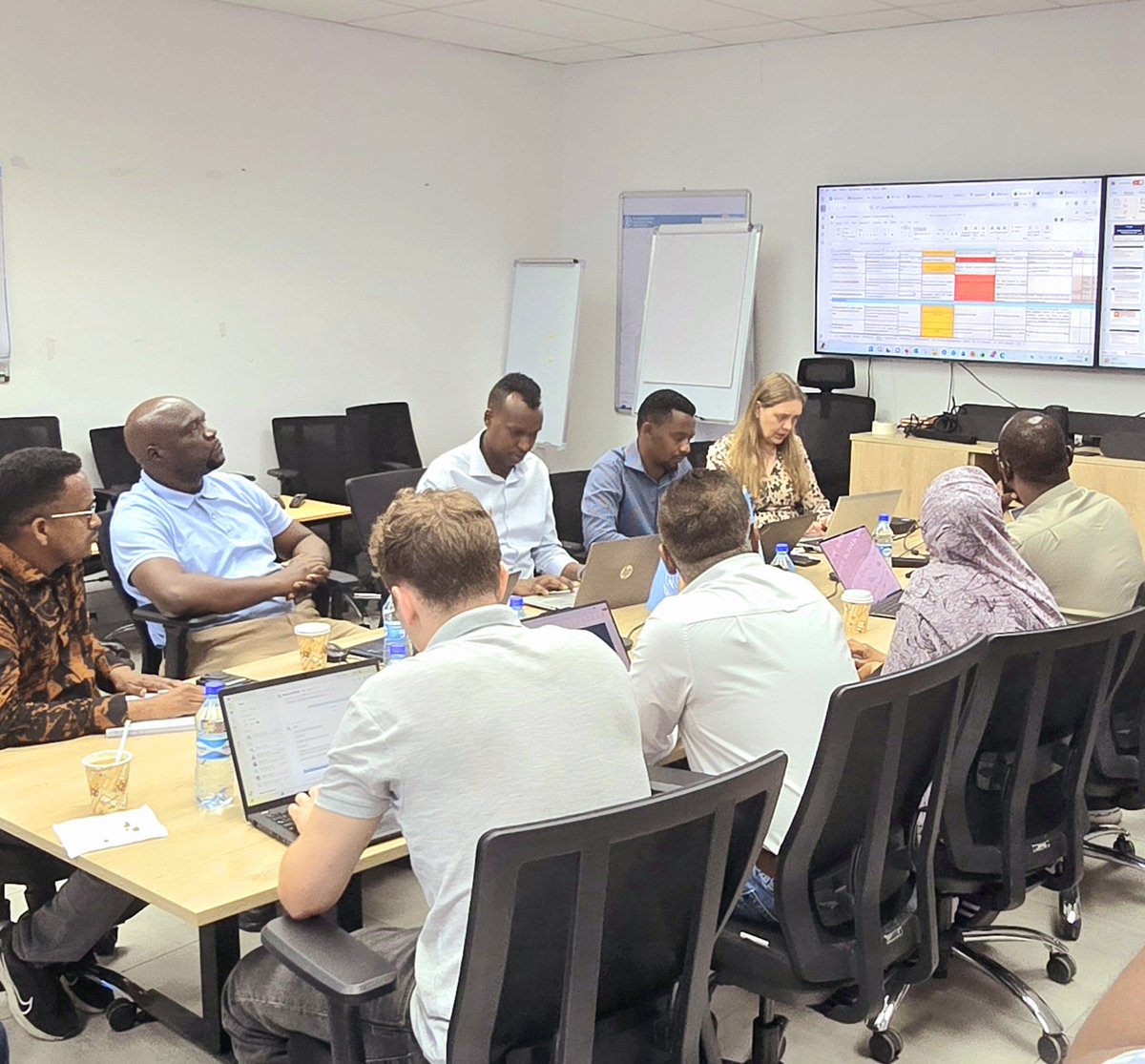
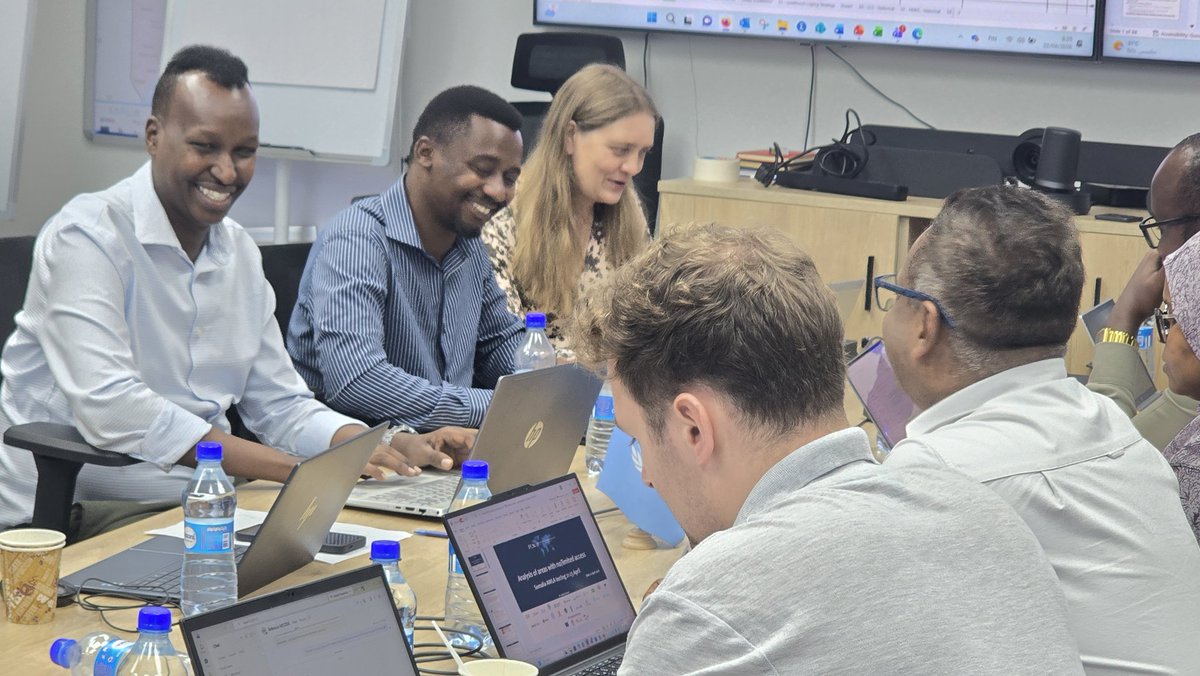
Pleased to join, as Chair of the IPC TWG, the AWLA Protocol Testing Workshop ,hosted by IPC HQ and supported by FAO, WFP & partners.
A key step to strengthen food security analysis in hard-to-reach areas, building on Somalia’s leadership as the birthplace of IPC.
#FoodSecurity #IPC #Somalia #DataForAction
#FoodSecurity #IPC #Somalia #DataForAction @fausto_andreia @WFPSomalia @FAOSomalia @EPeterschmitt @HamzaAbdiBarre @HonAdenDuale @AwHirsiSO @SherifAbdinur @Abdirachiid
7
316

Apr 14
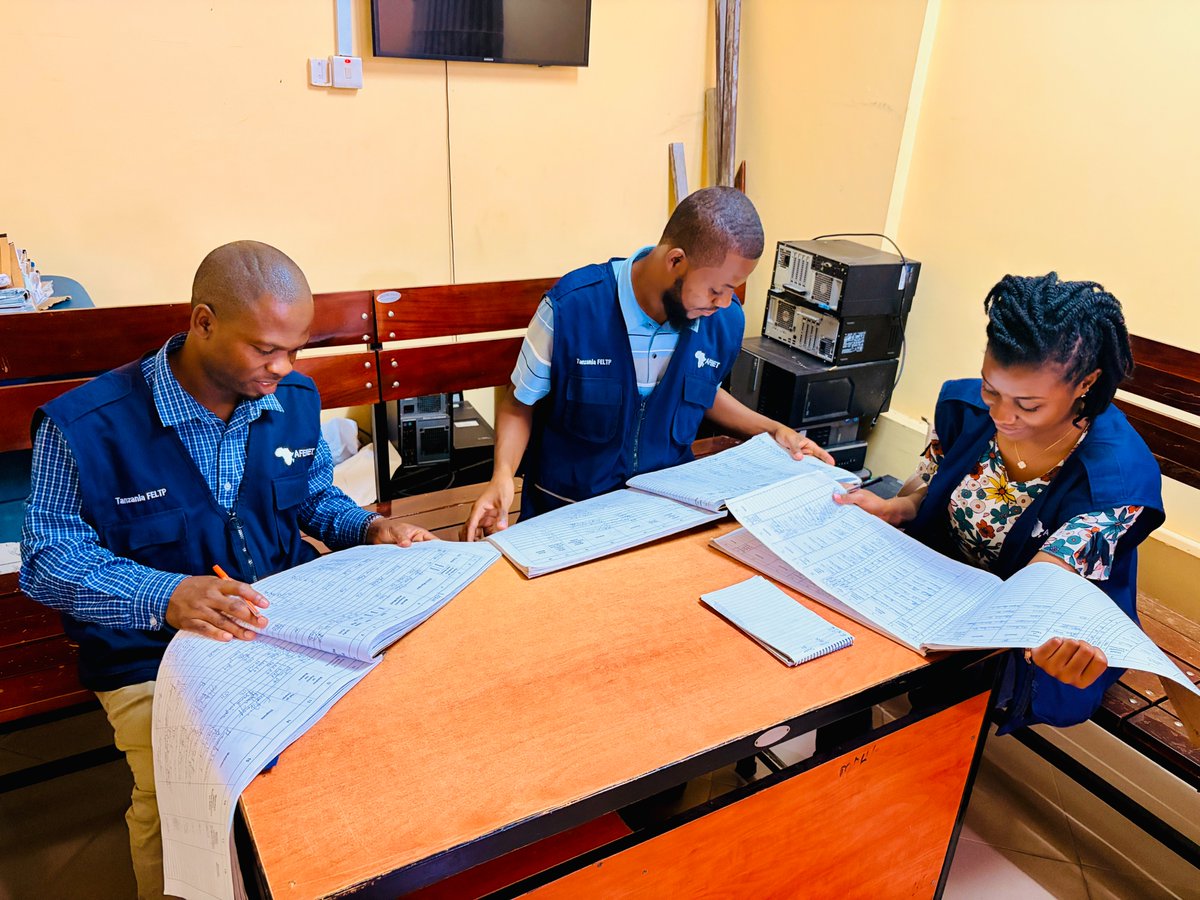
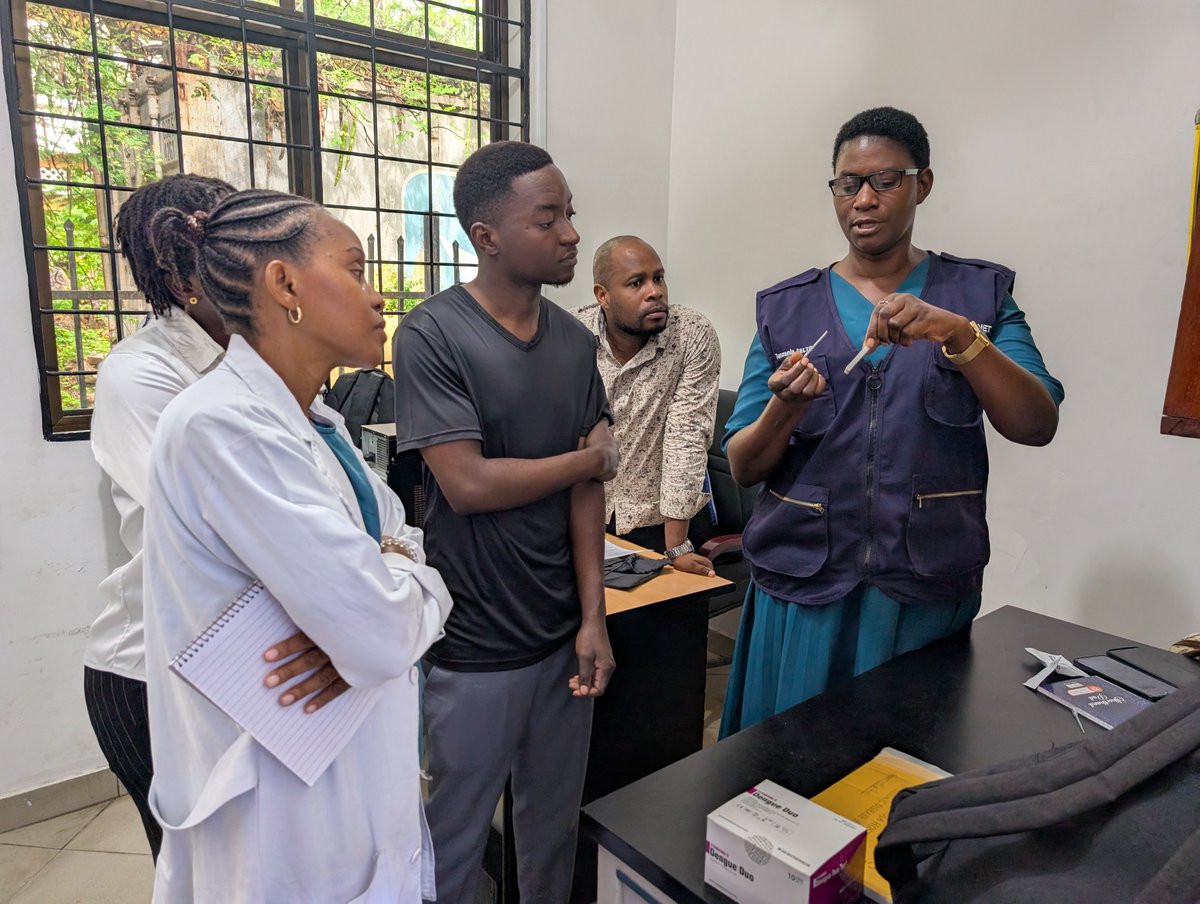
Strengthening dengue surveillance in Dar es Salaam 🇹🇿
TFELTP Cohort 18 residents supported 13 sentinel sites, training 222 health workers and distributing 5,000 rapid diagnostic tests.
📊 Improved detection, reporting, and data use
⚠️ Addressed gaps in diagnostics, coordination, and data systems
From training to action, strengthening dengue response on the ground.
#TFELTP #Dengue #PublicHealth #Surveillance #HealthSecurity #DataForAction
4
184
Apr 13
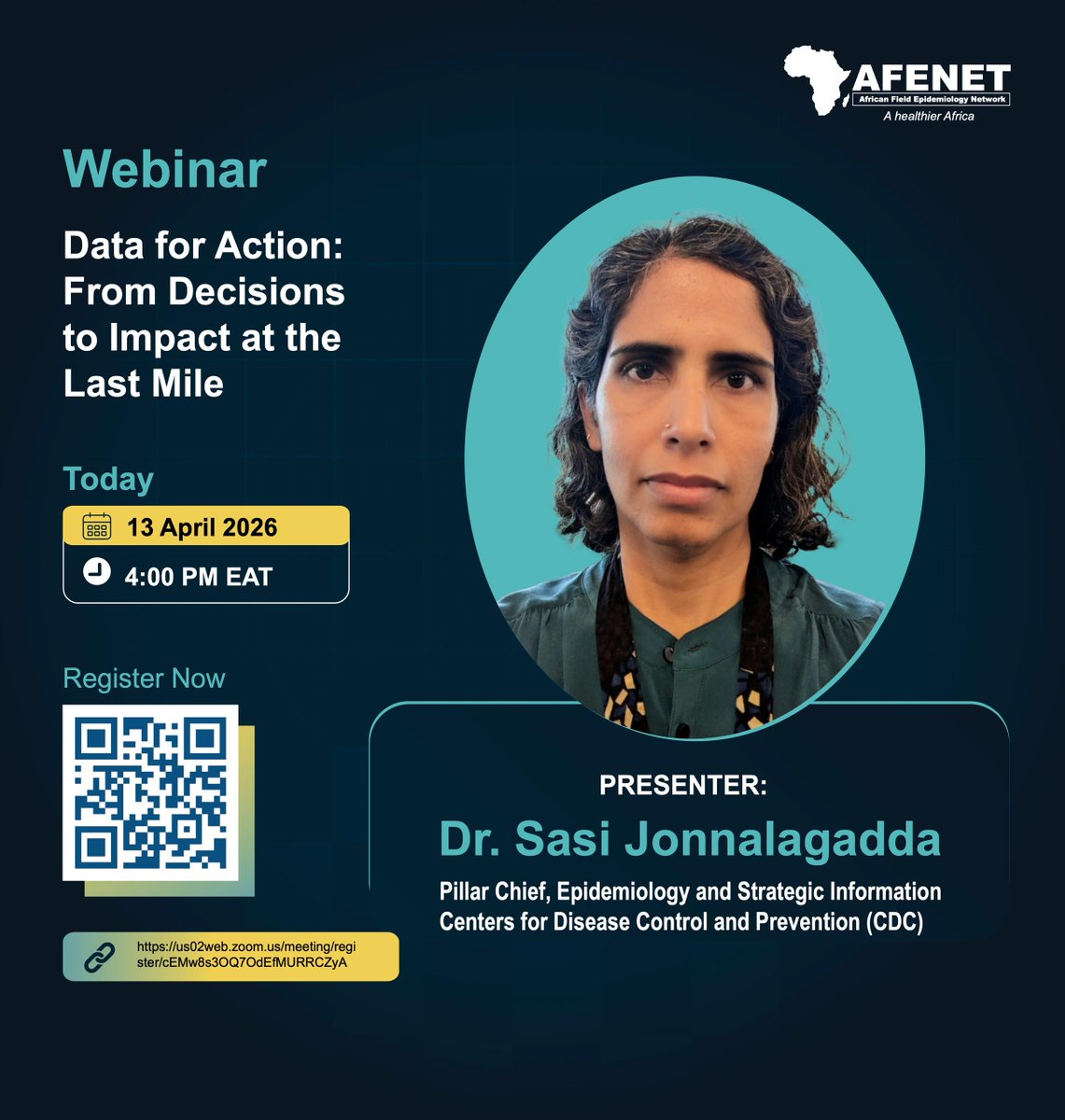
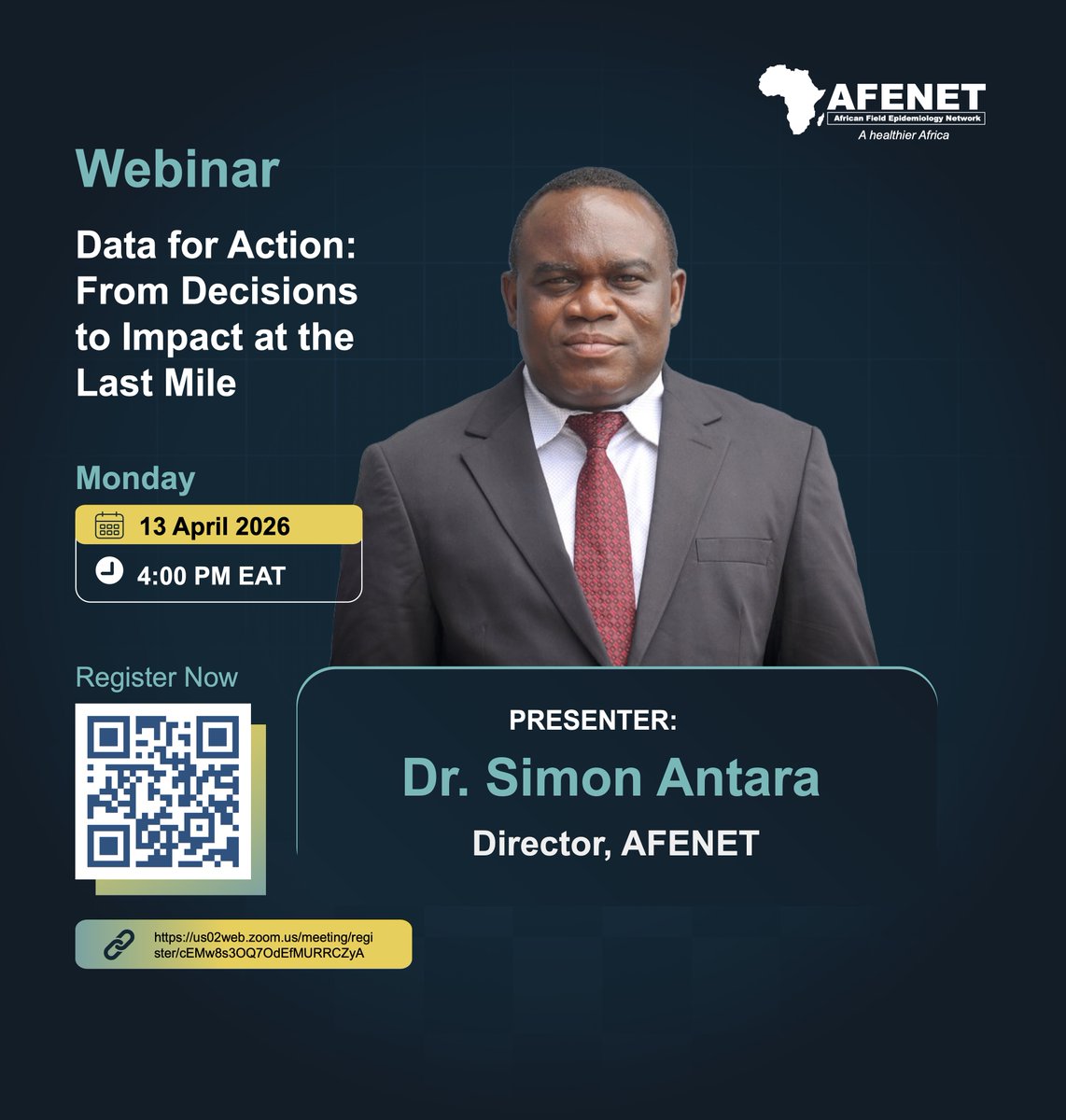
📢 Register Now | AFENET Webinar
📊 Data for Action: From Decisions to Impact at the Last Mile
🗓️ 13 April 2026
🕒 4:00 PM EAT
🎙️ Dr. Simon Antara – AFENET
🎙️ Dr. Ahmed Ouma Ogwell – VillageReach
🎙️ Dr. Sasi Jonnalagadda – CDC
Join the conversation on how data can drive timely decisions and real public health impact at the community level.
🔗 Register:
us02web.zoom.us/meeting/regi…
#AFENET
#PublicHealth #DataForAction #HealthSystems #LastMile
4
172
Apr 13
📢 Happening Today | AFENET Webinar
📊 Data for Action: From Decisions to Impact at the Last Mile
🗓️ Today, 13 April 2026
🕒 4:00 PM EAT
Join us for an engaging conversation on how data can drive timely decisions and real public health impact at the community level, especially in underserved settings.
🎙️ Dr. Simon Antara – Director, AFENET
🎙️ Dr. Ahmed Ouma Ogwell – CEO, VillageReach
🔗 Register here: us02web.zoom.us/meeting/regi…
#AFENET #PublicHealth #DataForAction #HealthSystems #LastMile
2
150
Apr 11
📢 Register Now | AFENET Webinar
📊 Data for Action: From Decisions to Impact at the Last Mile
📅 13 April | 🕒 4:00 PM EAT
🎙️ Dr. Simon Antara (AFENET)
🎙️ Dr. Ahmed Ouma Ogwell (VillageReach)
Join the conversation on how data can drive real public health impact at the community level.
👉 Register: us02web.zoom.us/meeting/regi…
#AFENET #PublicHealth #DataForAction #HealthSystems #LastMile
1
3
171

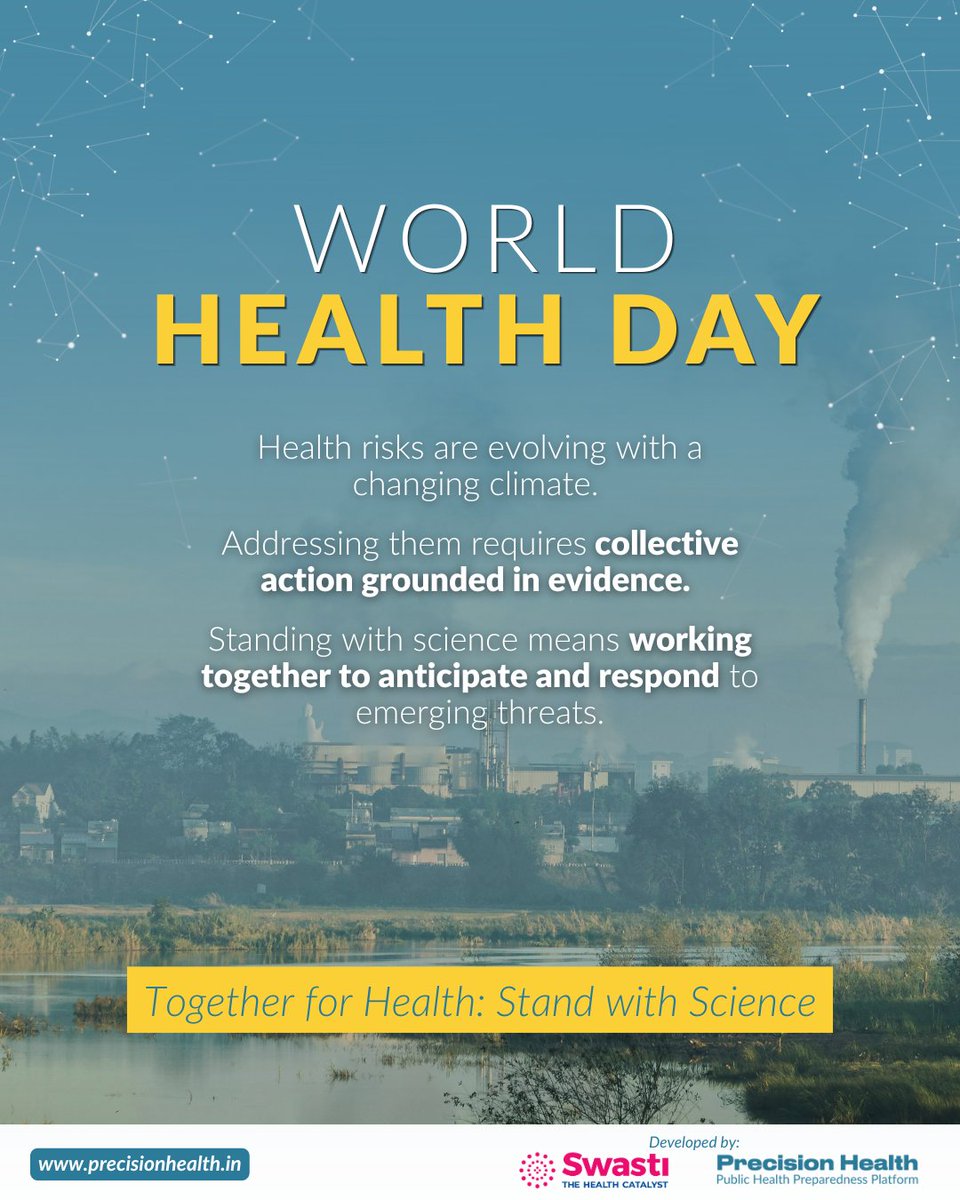
Climate-linked risks such as heat stress, vector-borne diseases, air pollution, and emerging zoonotic risks are no longer isolated or predictable. Yet responses continue to rely on fragmented data and delayed signals, limiting the ability to act in time. This growing gap between information and action is no longer sustainable.
At Precision Health, the work has focused on strengthening early warning capacities by integrating environmental signals, disease trends, and community intelligence into systems that support timely, local decision-making. Across different contexts, this has meant enabling more proactive responses to climate risks in Tabaco City, advancing One Health approaches in Meghalaya, supporting early warning for air pollution in Punjab, and strengthening surveillance for diseases such as scrub typhus and dengue in Tamil Nadu.
This World Health Day 2026, the theme “Together for Health: Stand with Science” signifies building the ability to anticipate risk, translate complex data into clear and actionable insights, and enable coordinated responses before risks escalate.
Over the coming days, we will share reflections on what it takes to translate science into action in an increasingly climate-affected world.
#WorldHealthDay #StandWithScience #ClimateAndHealth #PublicHealth #DataForAction #OneHealth #AirPollution #EarlyWarningSystems
5
13
569

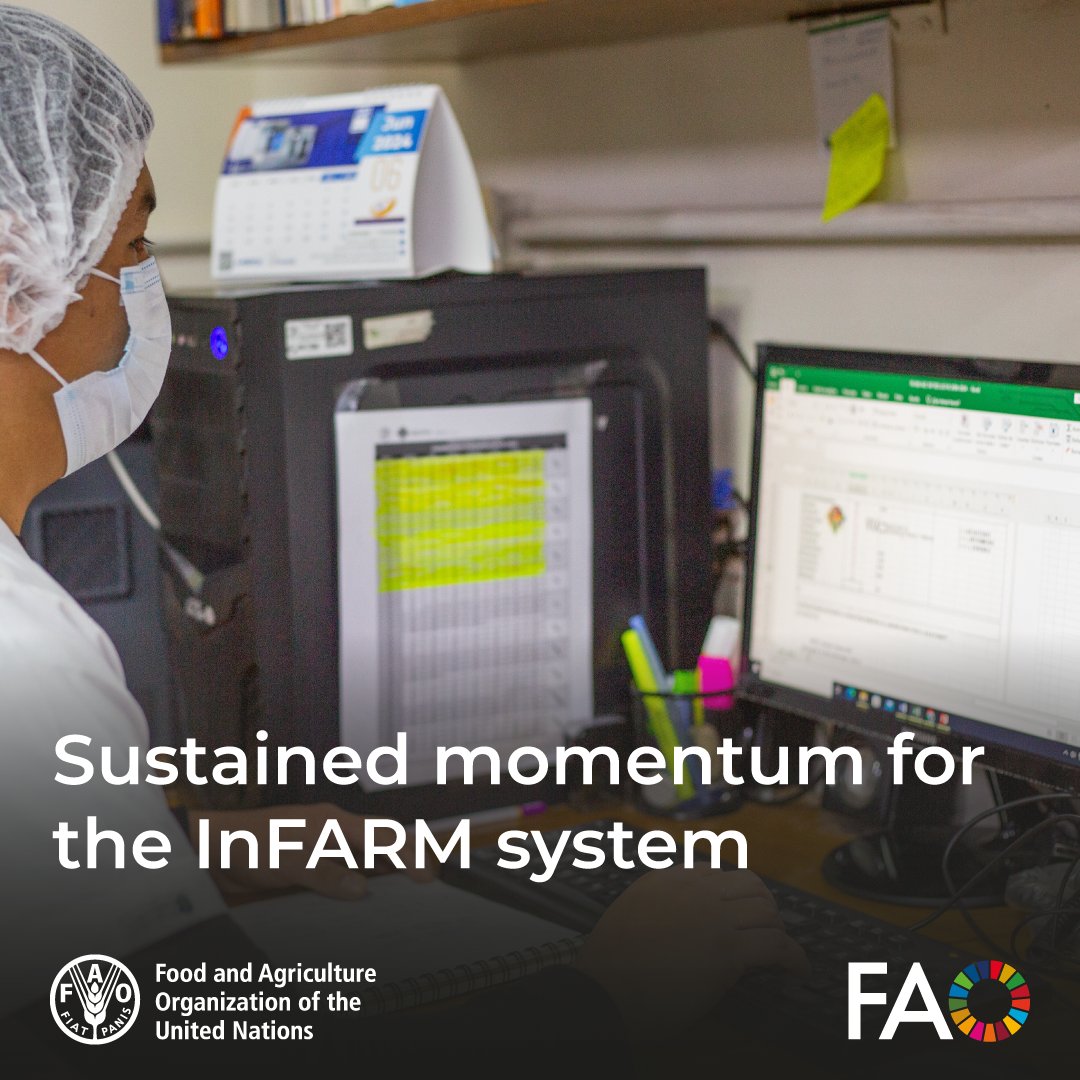
🌍 Global antimicrobial resistance (#AMR) surveillance is gaining real momentum. 📈
The 2025 #InFARM open call saw nearly double the number of participating countries — and a major increase in data shared.
This is a powerful signal: countries are stepping up efforts to strengthen #AMR surveillance and monitoring across animals, food and agrifood systems. 🐄🐔🐮🐷🌾🍽️
The International @FAO Antimicrobial Resistance Monitoring System (#InFARM) supports countries with the tools and technical framework to generate, collect, analyse and use #AMR data effectively — turning information into action. 🌐🔬
As #AMR continues to threaten health, food security and sustainable agrifood systems, stronger data means stronger action. 💪
🔗 Learn more about #InFARM’s growing reach and impact: bit.ly/3NWVRir
#AMR #OneHealth #AntimicrobialResistance #FoodSafety #AnimalHealth #AgrifoodSystems #Surveillance #DataForAction #FAOAnimalHealth #FAO_AMR #FAOOneHealth
@FAOLivestock
Apr 2

Global Antimicrobial Resistance surveillance is growing 📈
The 2025 InFARM open call saw a near‑doubling in country participation and data shared.
Learn more about the system’s expanding reach and impact👉 bit.ly/3NWVRir
#AMR #OneHealth
2
6
203
🌍 Global antimicrobial resistance (AMR) surveillance is gaining real momentum. 📈
The 2025 #InFARM open call saw nearly double the number of participating countries — and a major increase in data shared.
This is a powerful signal: countries are stepping up efforts to strengthen AMR surveillance and monitoring across animals, food and agrifood systems. 🐄🐔🐮🐷🌾🍽️
The International @FAO Antimicrobial Resistance Monitoring System (#InFARM) supports countries with the tools and technical framework to generate, collect, analyse and use #AMR data effectively — turning information into action. 🌐🔬
As #AMR continues to threaten health, food security and sustainable agrifood systems, stronger data means stronger action. 💪
🔗 Learn more about #InFARM’s growing reach and impact: bit.ly/3NWVRir
#AMR #OneHealth #AntimicrobialResistance #FoodSafety #AnimalHealth #AgrifoodSystems #Surveillance #DataForAction #FAOAnimal #FAO_AMR #FAOOneHealth
Apr 2
Global Antimicrobial Resistance surveillance is growing 📈
The 2025 InFARM open call saw a near‑doubling in country participation and data shared.
Learn more about the system’s expanding reach and impact👉 bit.ly/3NWVRir
#AMR #OneHealth
2
2
91

Mar 26
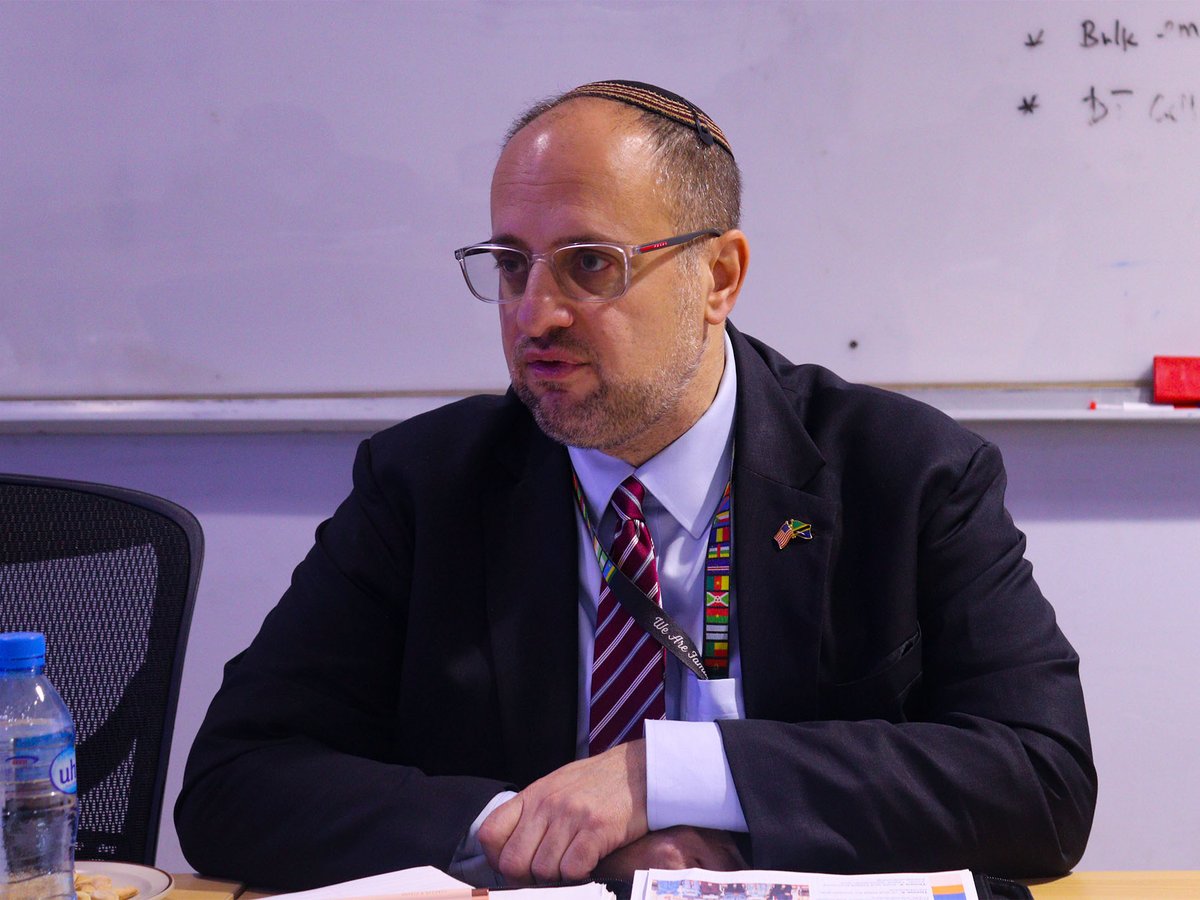
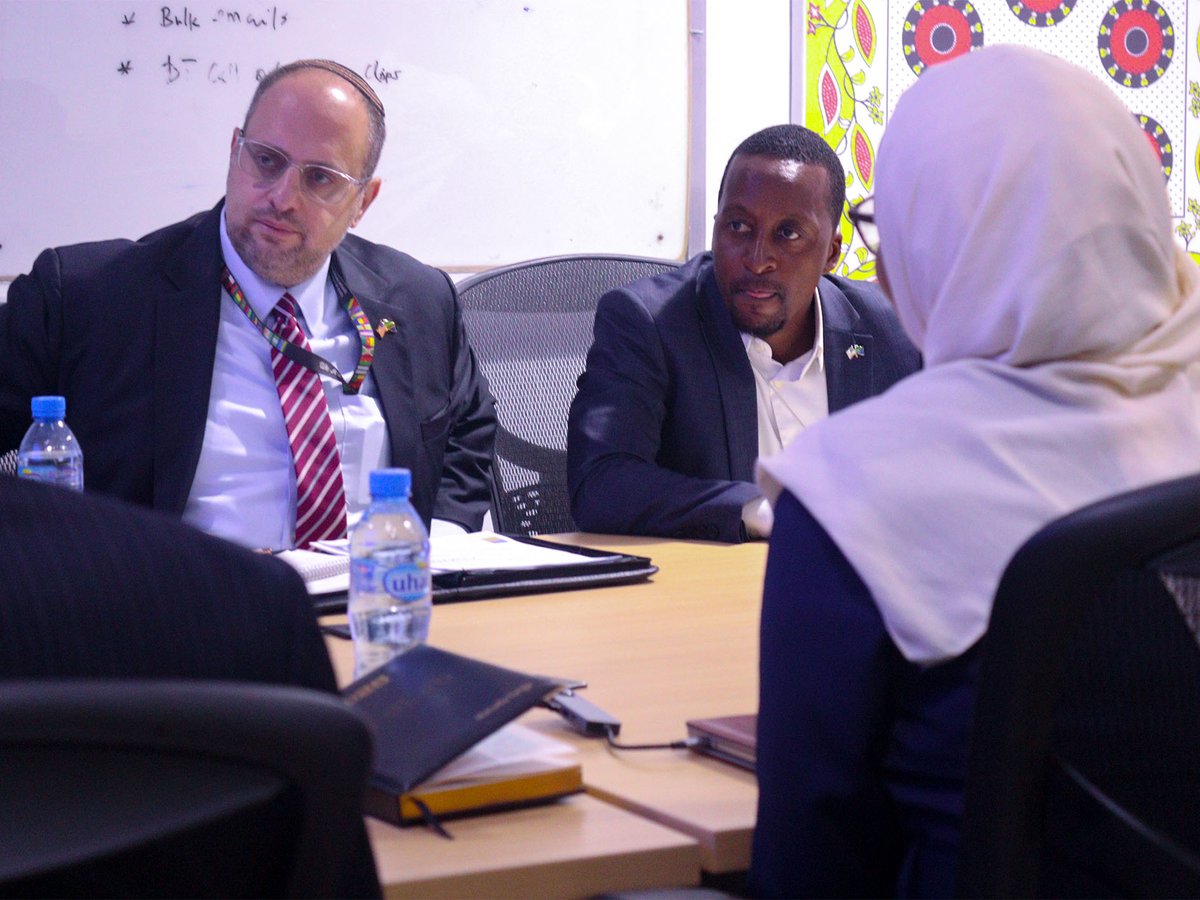
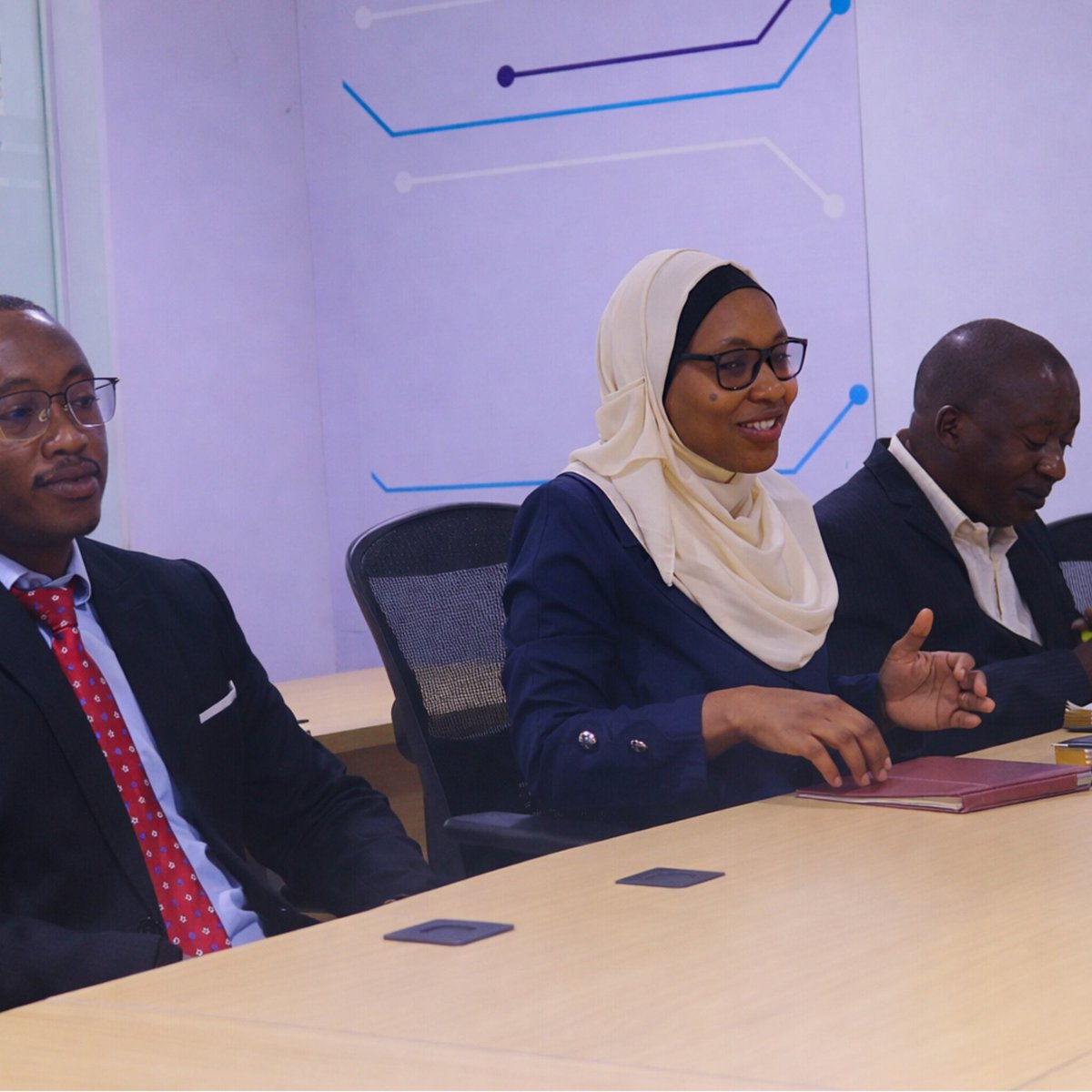
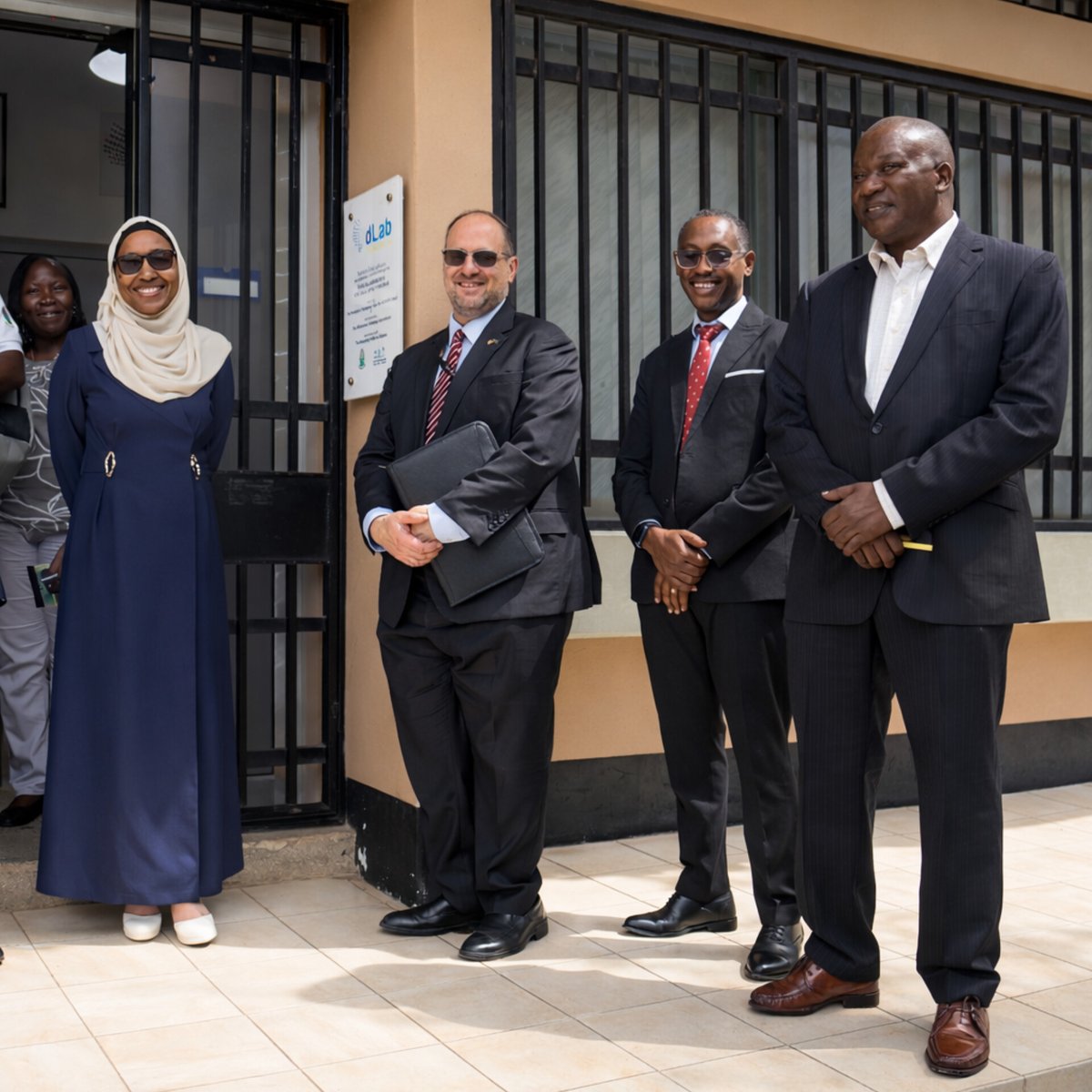
Today, we welcomed a distinguished delegation from the U.S. Embassy in Addis Ababa. The Embassy was represented by Daniel Rena(with glasses) together with Daniel Mbilinyi from U.S. Embassy in Tanzania.
@dlabtz Data for Action.
#dataforchange #dataforaction
3
75

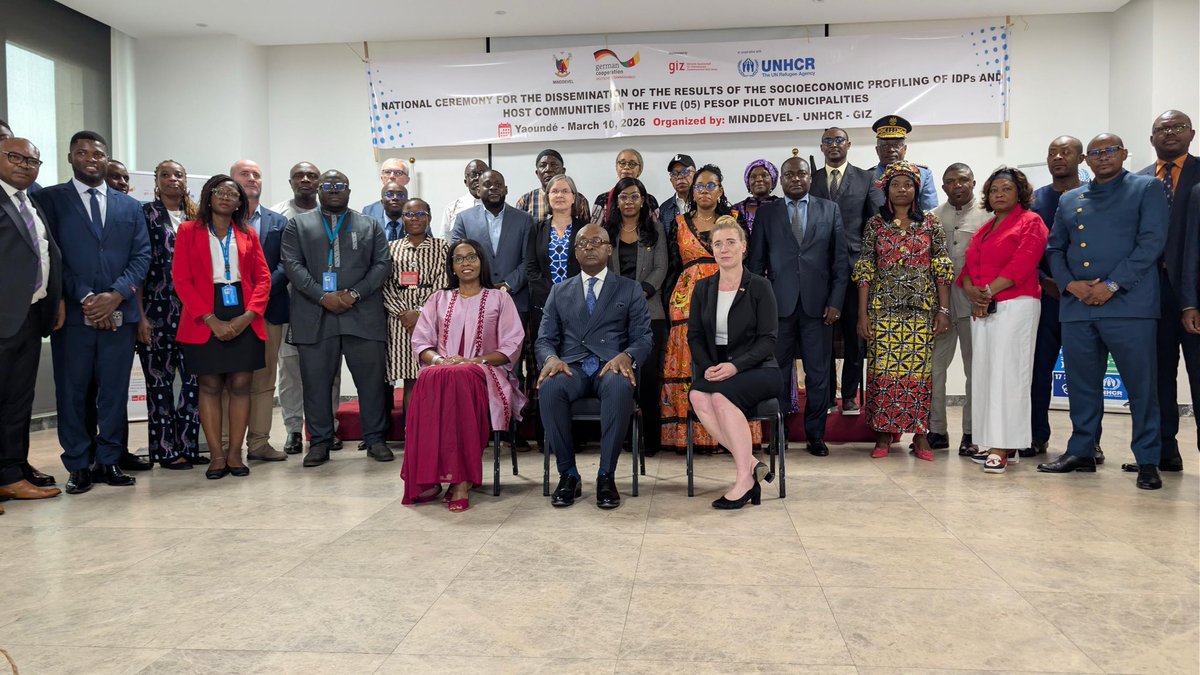
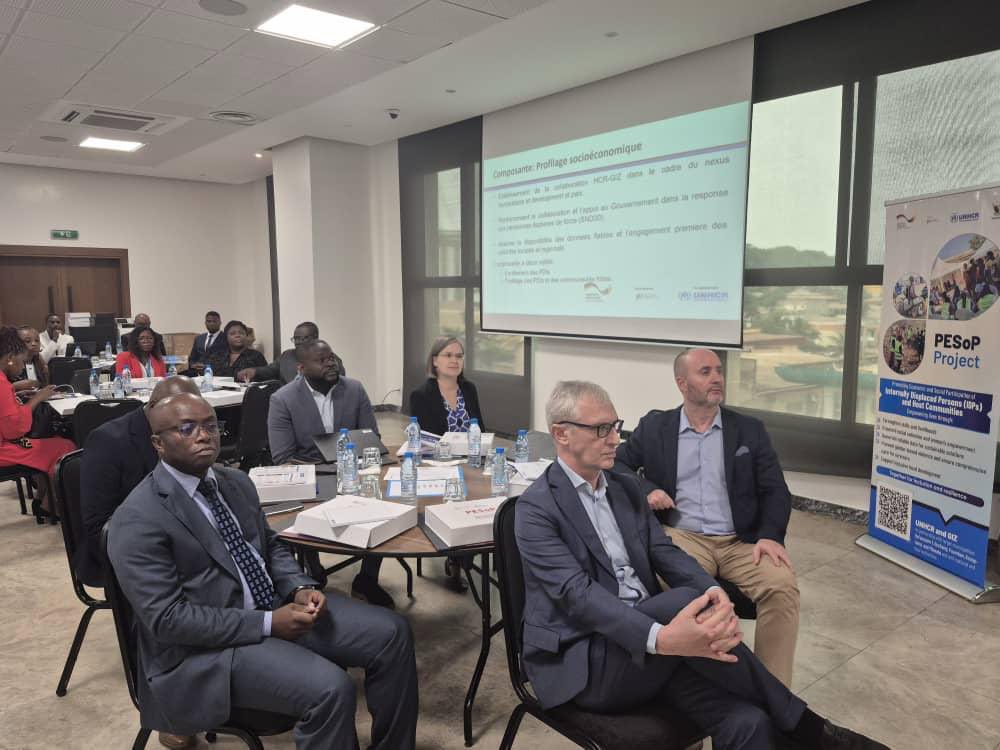
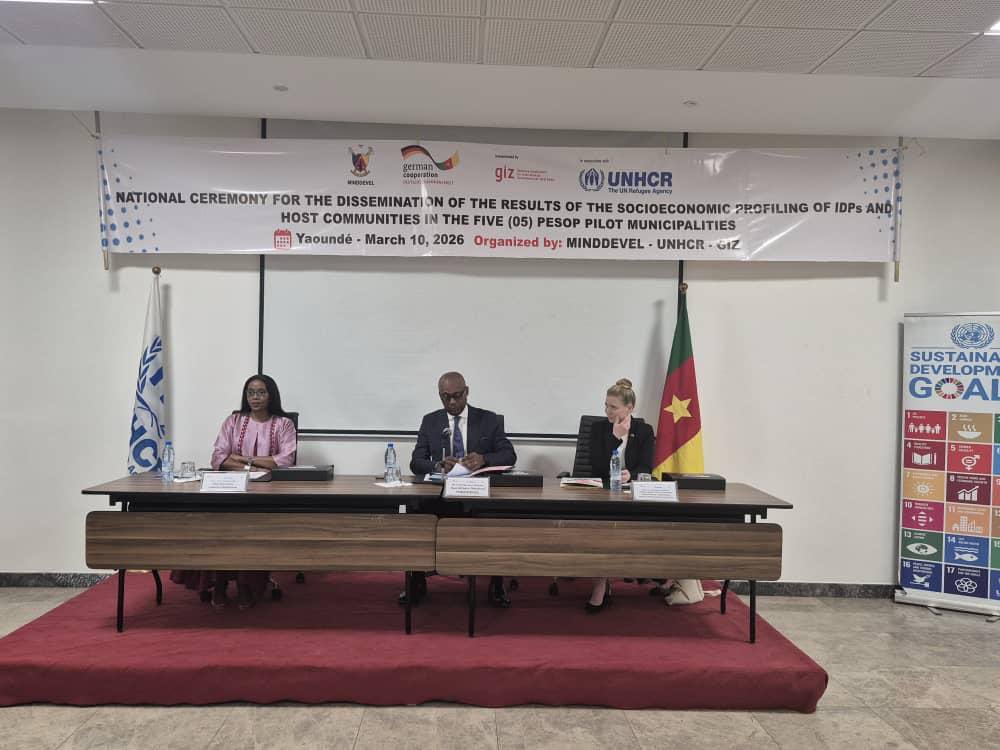
Le profilage socio-économique des populations déplacées dans l’Ouest du CMR🇨🇲 montre comment les données peuvent transformer l’aide humanitaire en actions durables
C’est une invitation à mobiliser partenaires et communautés int’l pour étendre ces initiatives
#DataForAction
7
19
388

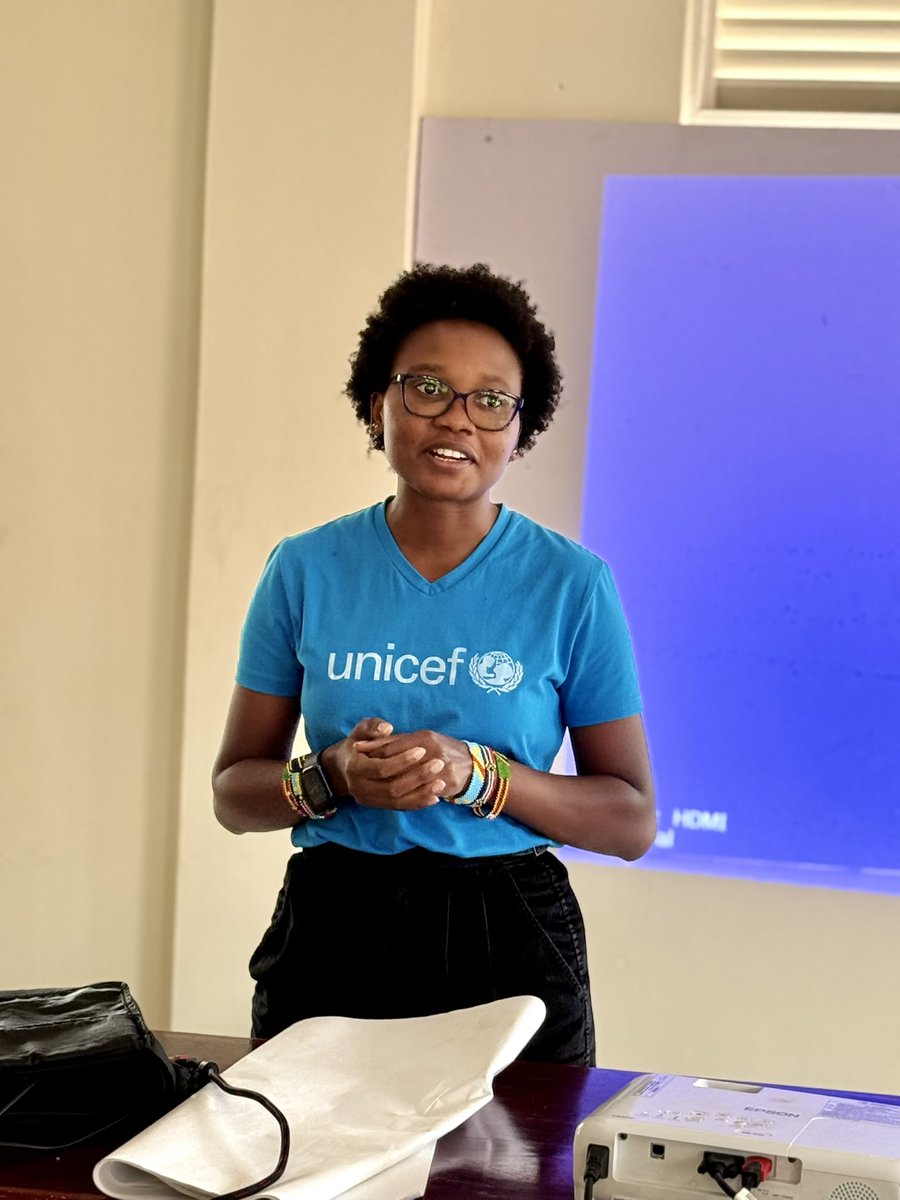
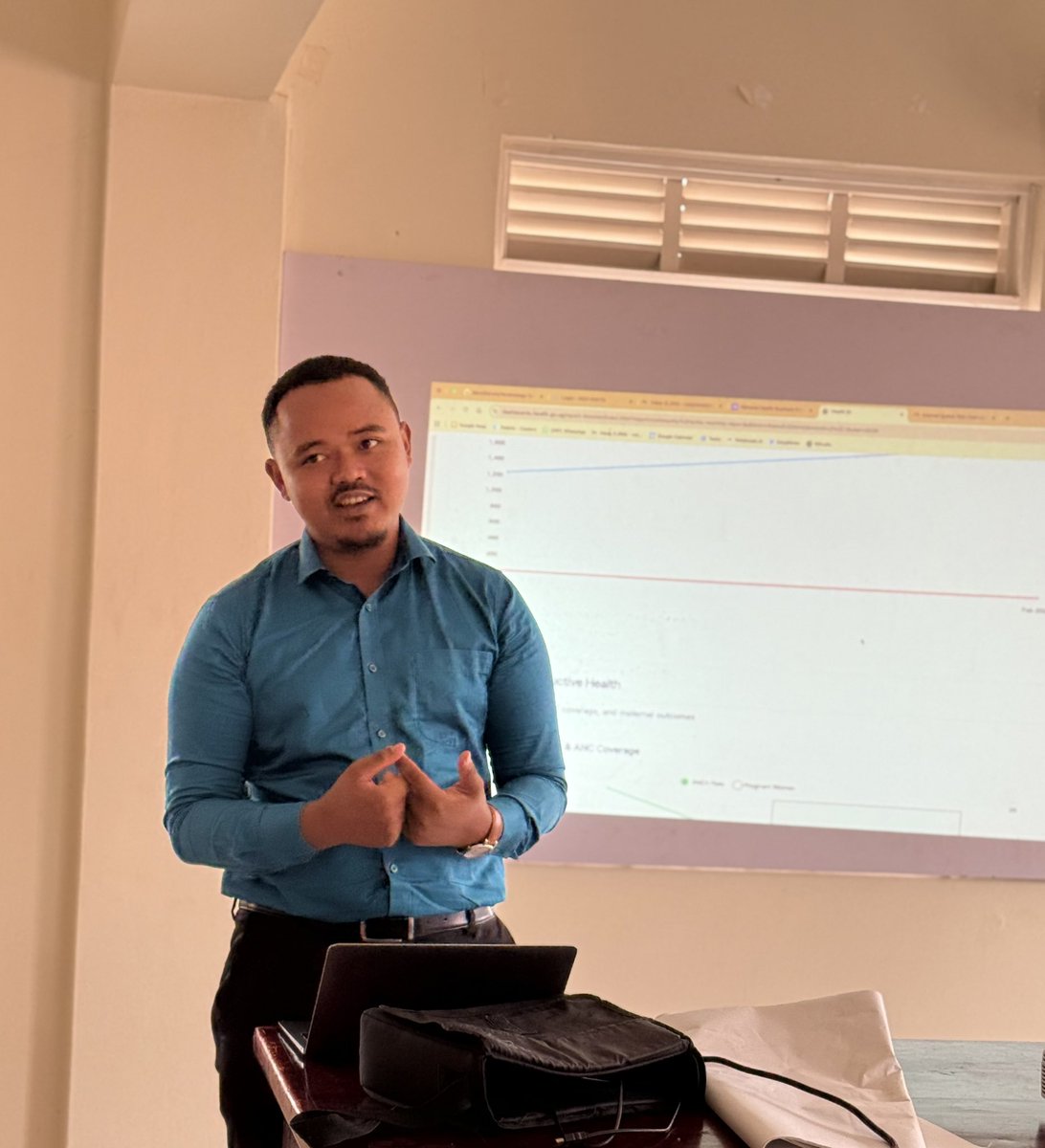
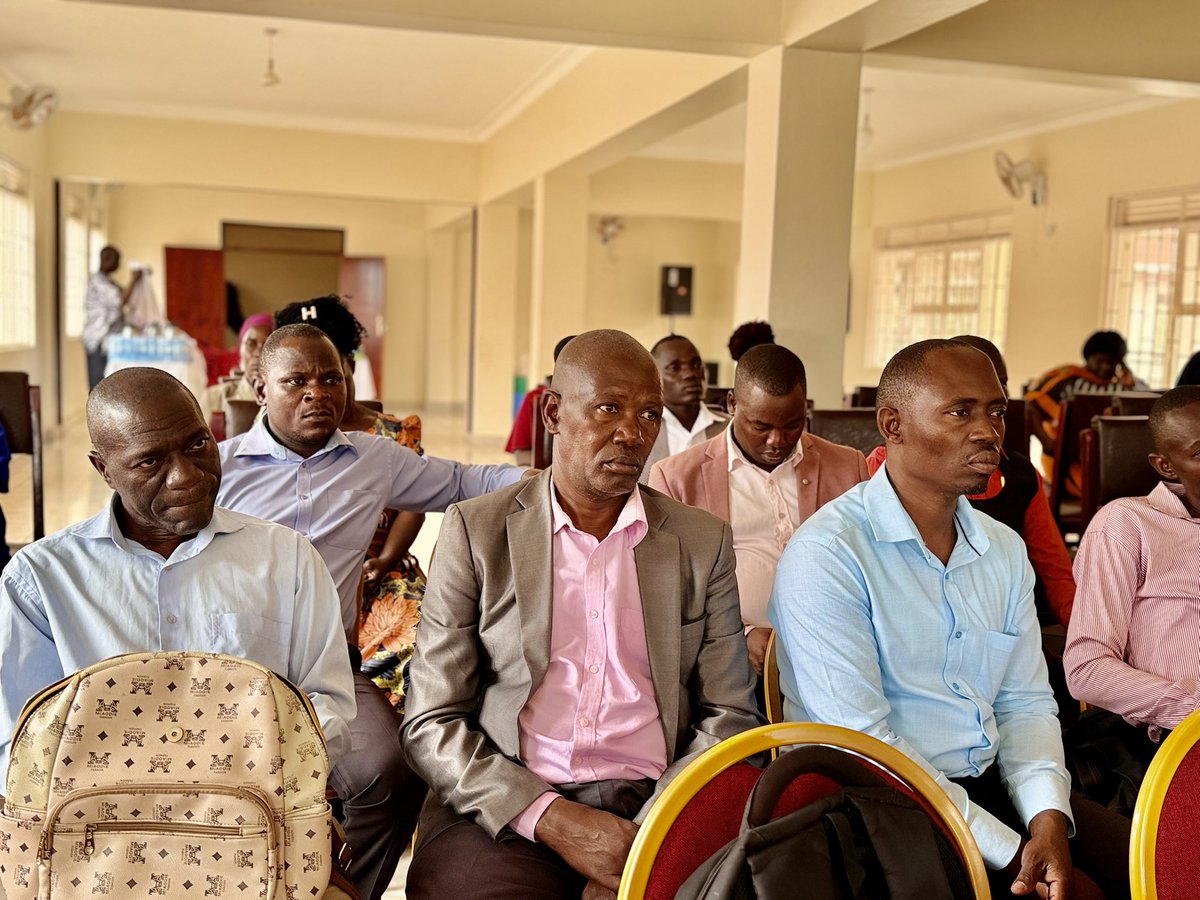
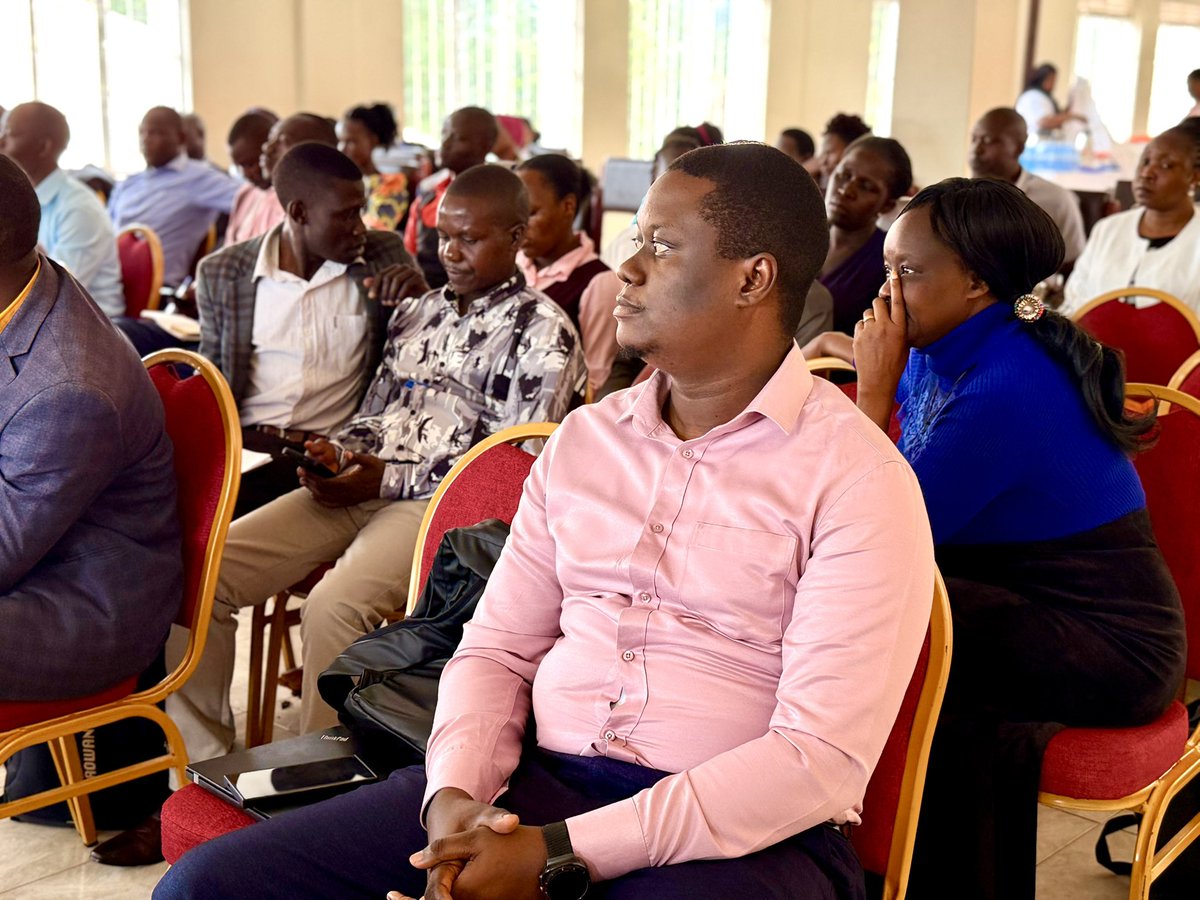
PICTORIAL; UNICEF in partnership with Ministry of Health is conducting a one day feedback meeting on the Rapid Assessment and Gap Analysis of the electronic Community Health Information System (eCHIS) at Kamuli District Headquarters.
#DigitalHealth | #DataForAction
1
4
82

Feb 27
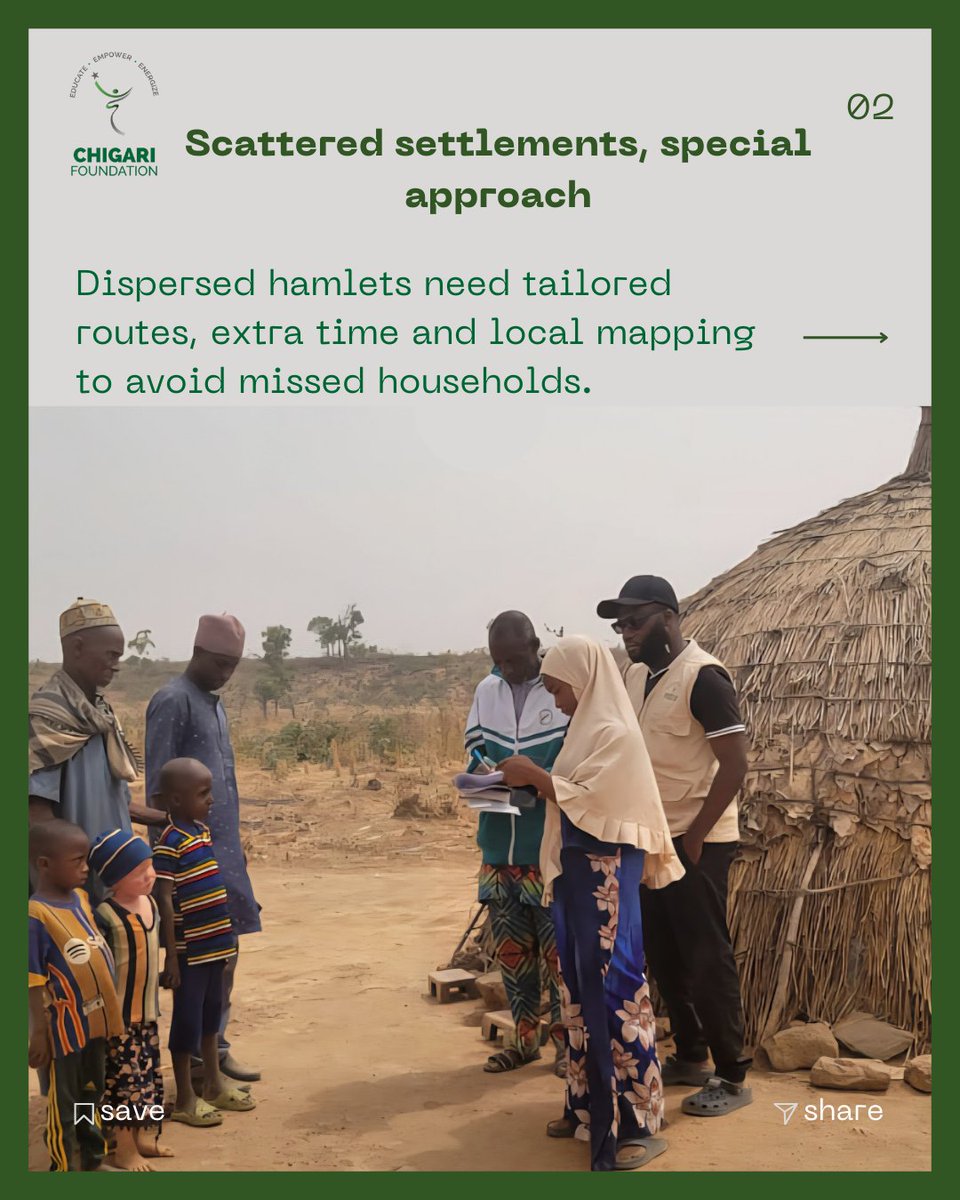
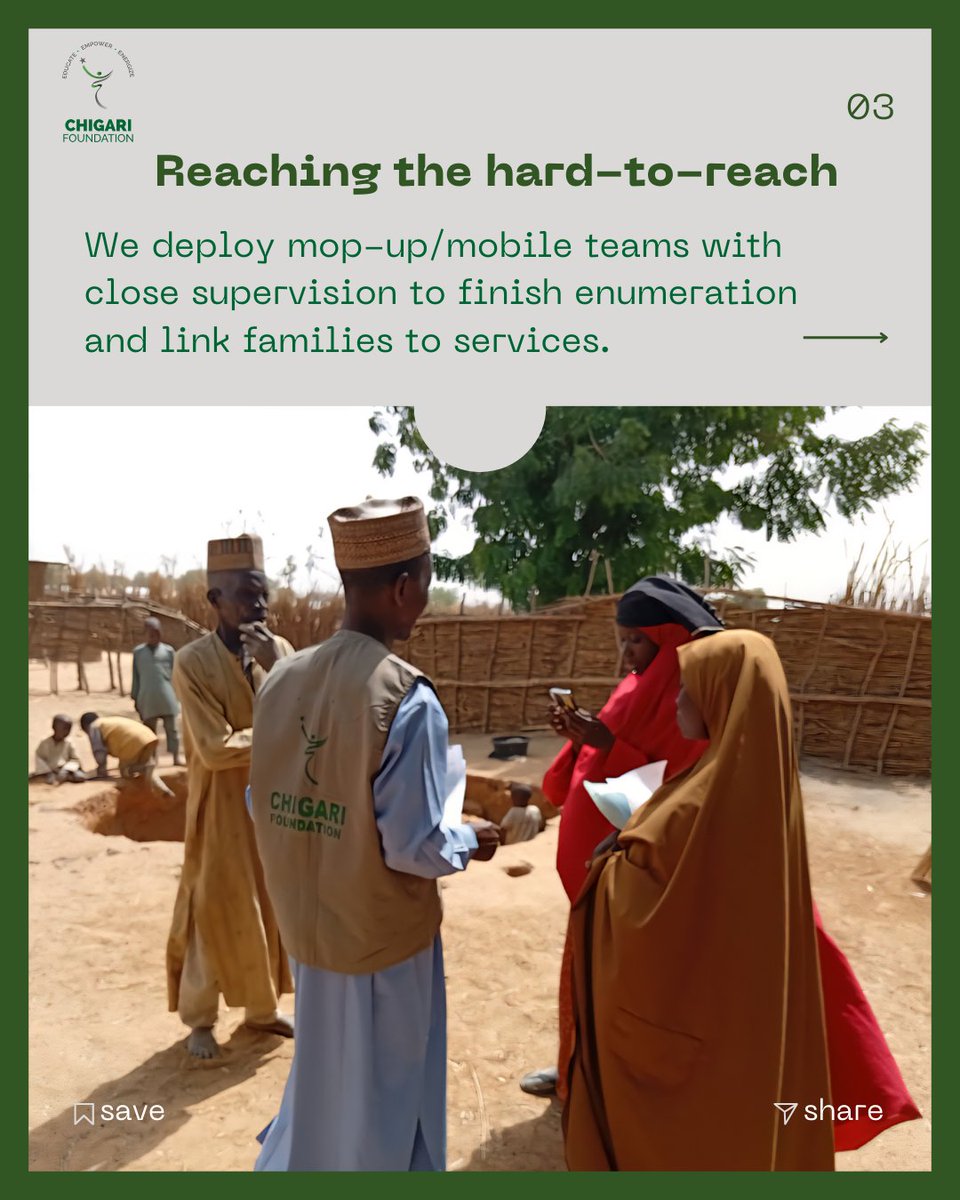
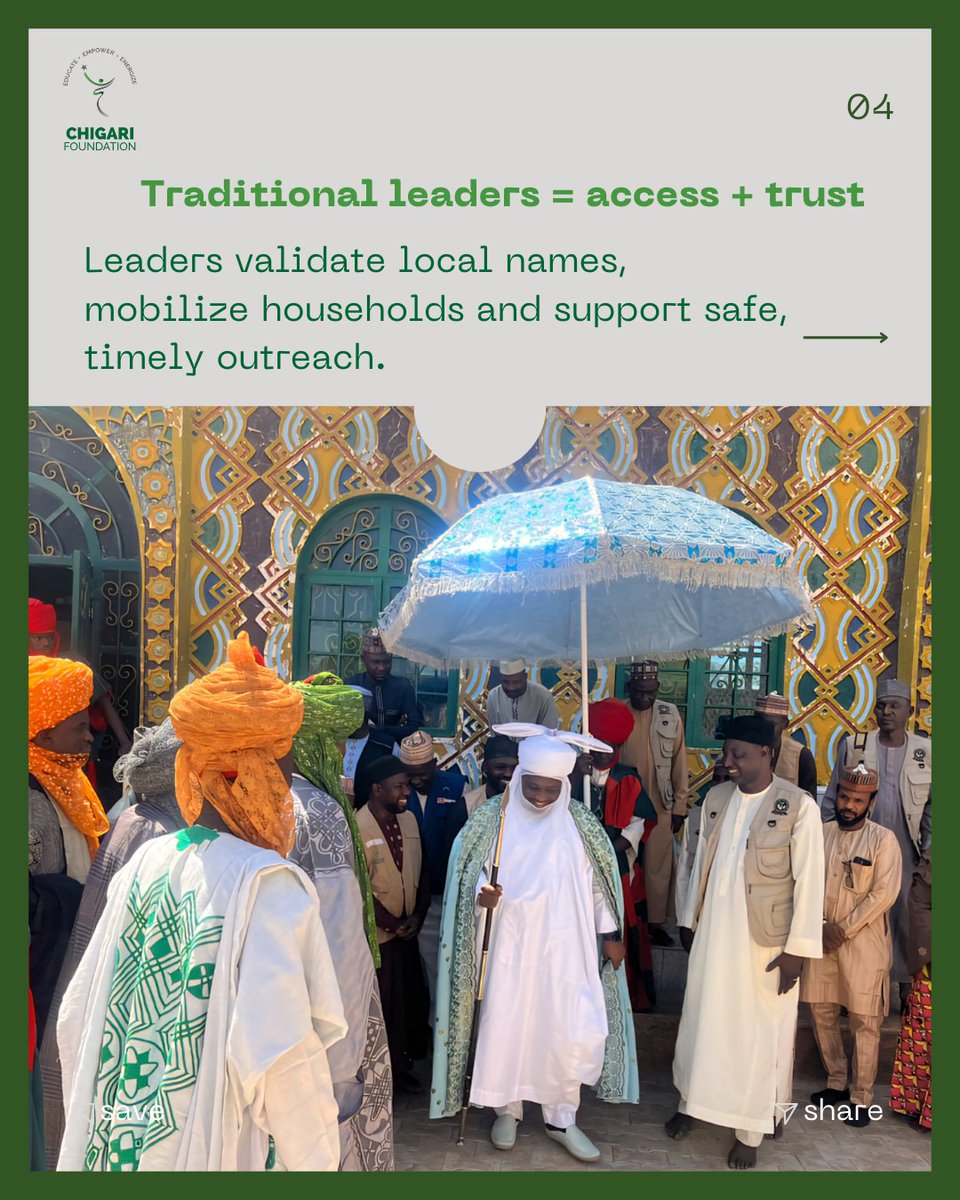
Field update from the IE Walkthrough — facing scattered hamlets and hard-to-reach areas with targeted mop-ups, close supervision and trusted traditional-leader engagement.
Swipe to see the challenges we encounter and the practical steps we take to leave no one behind.
#ChigariFoundation #IEWalkthrough #SupportiveSupervision #LeaveNoOneBehind #DataForAction

1
6
62

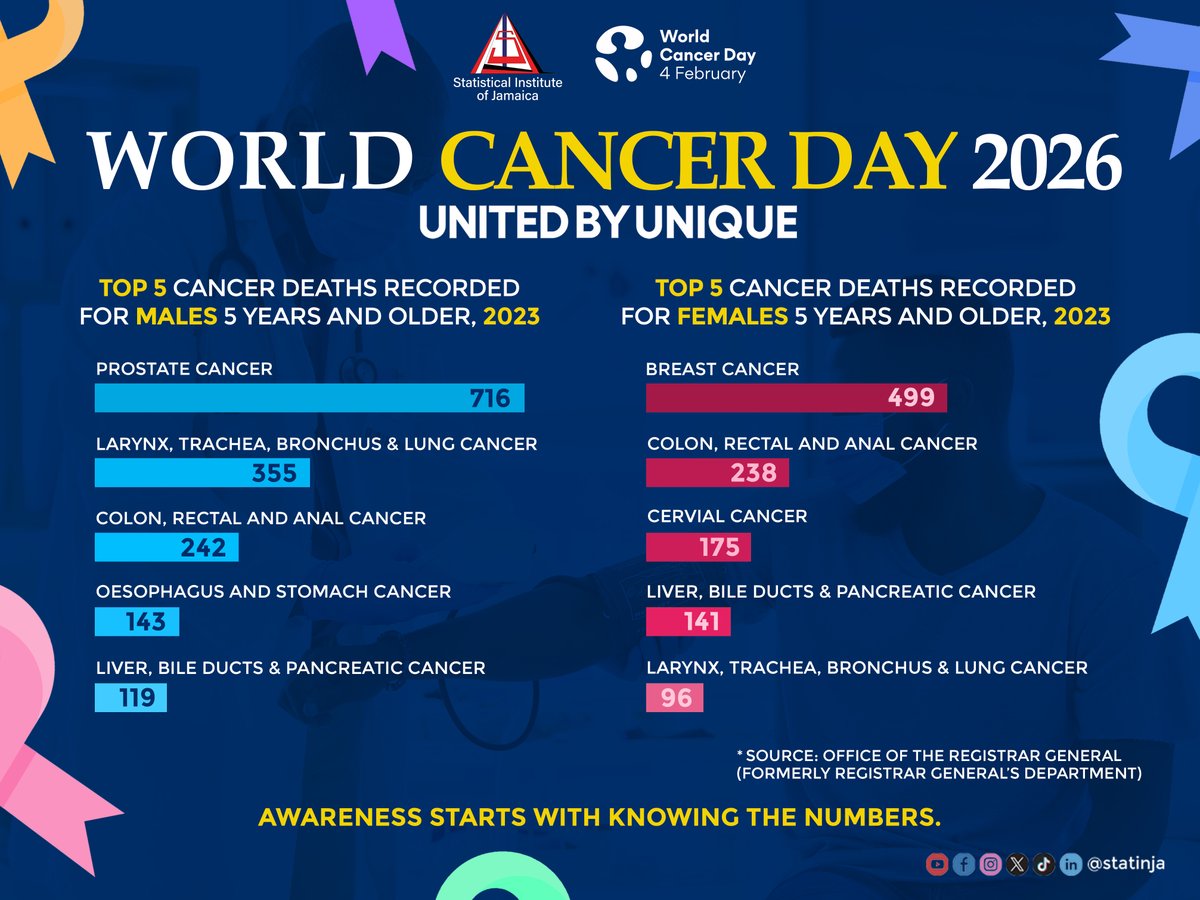
STATINJA tracks Jamaica’s cancer trends, so decisions are informed by data.
We are committed to producing and publishing accurate statistics that help save lives.
Data helps us understand. Early screening helps save lives.
#STATINJA #CancerData #HealthStatistics #DataForAction
2
66

Jan 28
From data to dialogue! 📊
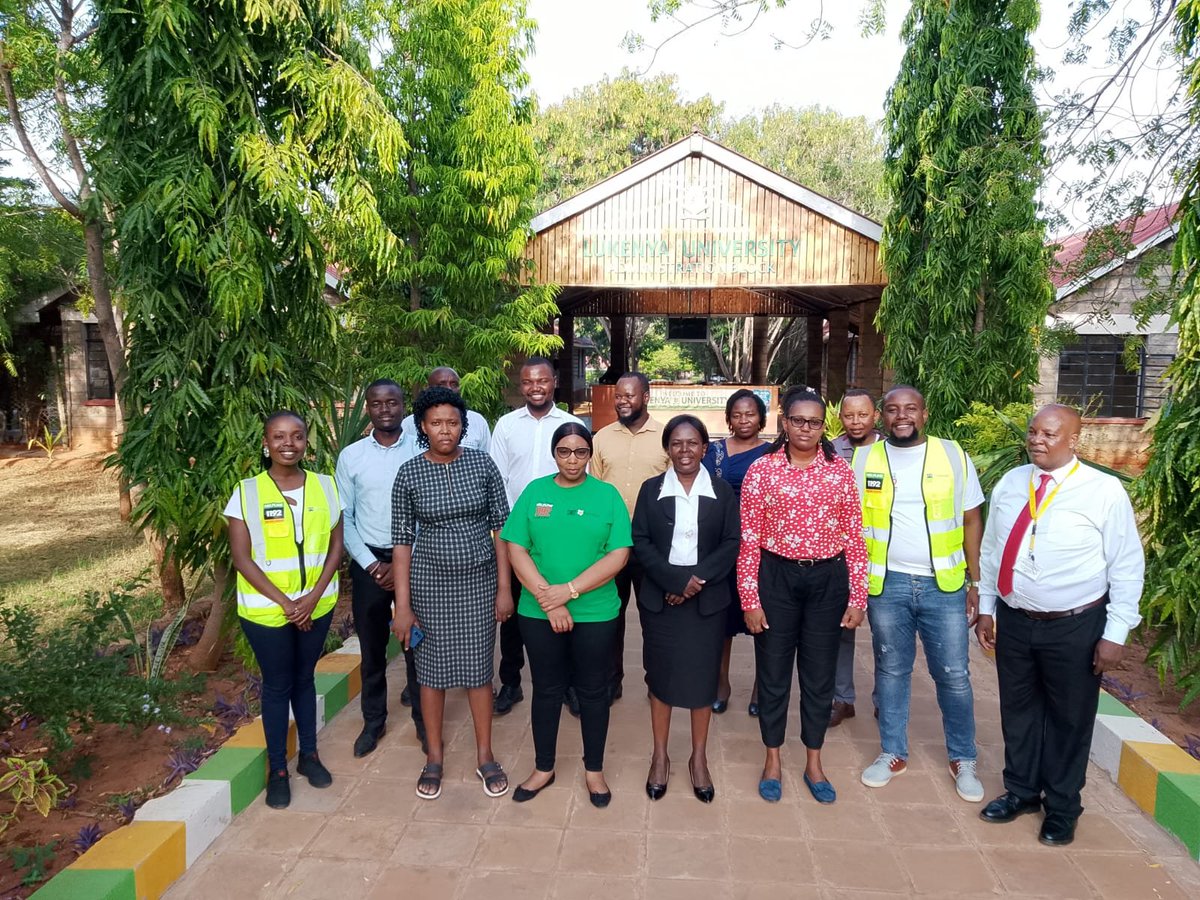
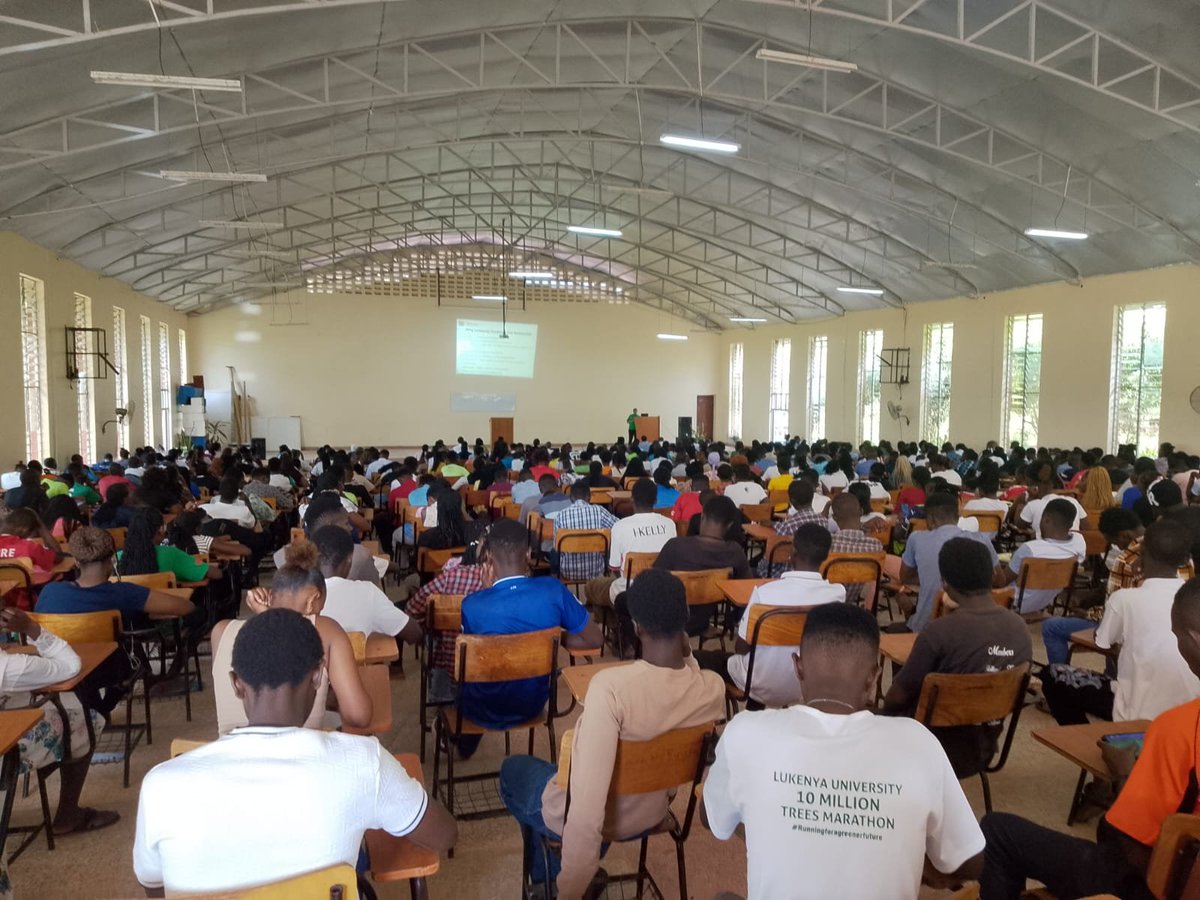
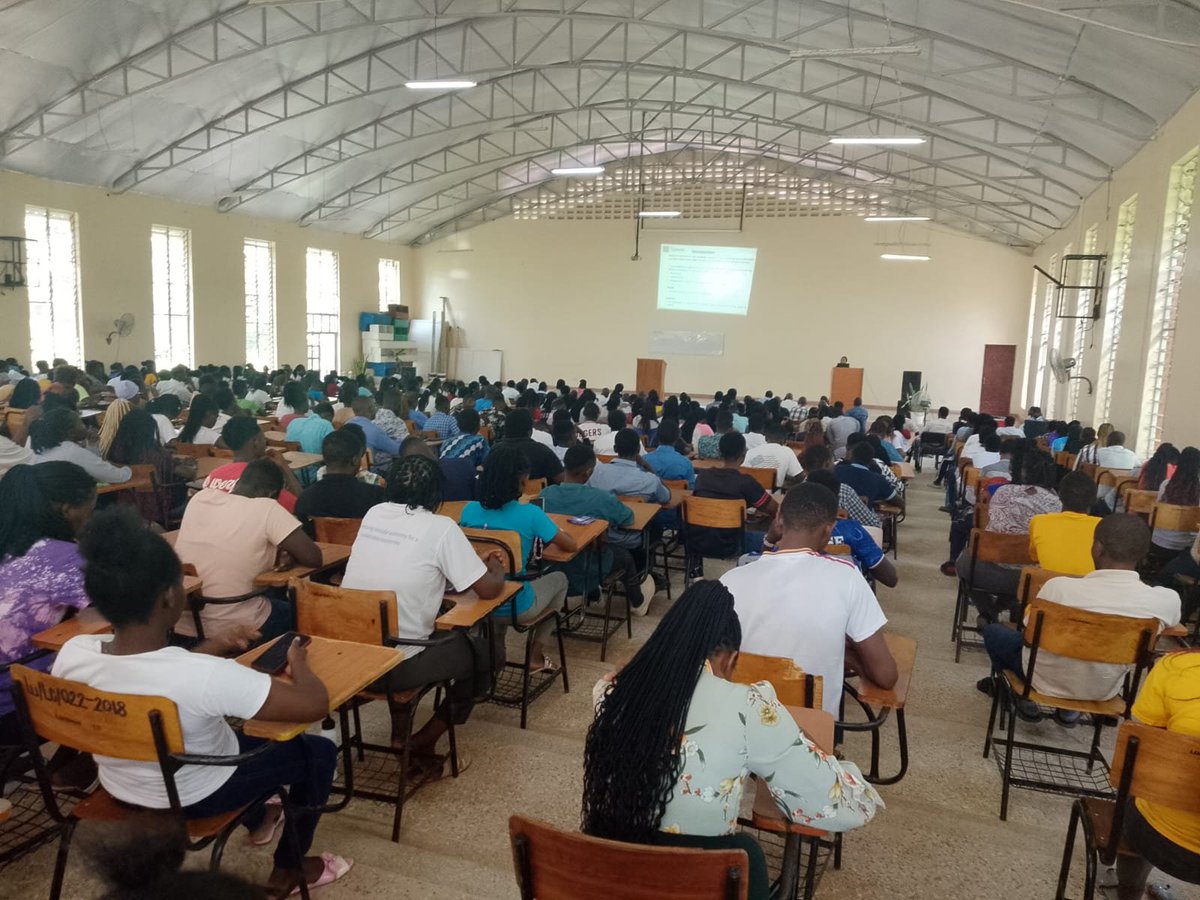
Our Makueni Office today presented the eye-opening 2024 National Survey on Drugs & Substance Abuse to students at Lukenya University, Mtito Andei Campus. Honored by the presence of the VC & faculty.
Students were sensitized on alarming trends & empowered for a drug-free academic journey. This is proactive prevention!
#DataForAction #DrugFreeCampus
31
38
447