

Jun 11
Also, it was probs older Gary who helped Trudeau to introduced Fortinet into the SharedServices networks. Absolutely vulnerable to the bad guys… and much worse. They know..
1
27

Jun 8
As shared services grow, allocation complexity increases without structured accounting methods.
#SharedServices #AccountingStrategy #JustSayGo

5
237

Jun 6
Salt Lake Sector V continues to be one of India's most important hubs for BPO, Customer Support, Operations and Shared Services hiring.
The challenge today is not necessarily the absence of candidates.
The challenge is finding candidates who are:
✓ Interested
✓ Available
✓ Location-aligned
✓ Ready to join
At CareersAtCore, we are actively building talent pipelines across Salt Lake, New Town, Rajarhat, Dum Dum, Kestopur, Baguiati, Lake Town, Madhyamgram and surrounding areas to support hiring requirements in the Sector V ecosystem.
If your team is hiring for Customer Support, Voice Process, Non-Voice Process, Collections, Operations or Back Office roles, we would be happy to understand your requirements.
📩 If interested, please feel free to reach out.
#SaltLakeSectorV #SectorV #BPOHiring #BPOJobs #CustomerSupport #Hiring #TalentAcquisition #Recruitment #KolkataJobs #NewTown #Rajarhat #OperationsJobs #SharedServices #CareersAtCore #HiringSolutions #ContactCentre #CallCentre #VoiceProcess #NonVoiceProcess #KolkataBusiness
3
3
45

@ThisIsReckitt expands its Hyderabad Global Hub with a new workspace at Phoenix Equinox, strengthening capabilities across AI, technology, supply chain, and shared services.
The move supports Reckitt’s growing Center of Excellence strategy in India.
Read More : gccrise.com/reckitt-expands-…
@investindia | @makeinindia | @mygovindia | @IndianTechGuide | @IndiatechO | @HiHyderabad | @Hyderabad1st | @HydREGuide | @hyderabadprop | @hyderabad | @HydTimes | @InvestHyderabad | @TGRising
#Reckitt #GCC #Hyderabad #DigitalTransformation #AI #SharedServices

ALT Reckitt Hyderabad Global Hub expansion.
1
1
6
143

May 15
What happens when finance processes scale faster than systems?
You get delays, errors, and missed opportunities.
Here’s how to fix it - bit.ly/3Op8lje
#SharedServices #FinanceOps #Growth
1
1
20

“I’ve led HR operations across 4 regions, implemented HRIS, and won multiple global awards.” - Monika Garg, Global HR Ops @FME_Global at our #7thixghrlnd2026!
🎟️Your seat is waiting: lnkd.in/dRfQTVad
#ihrlndseries #HROperations #GlobalHR #WomenInHR #HRIS #SharedServices

1
11
25

Most workflows fail not in processing but in exception handling.
ARDEM builds governed queues with SLAs, prioritization logic, and HITL validation.
Get the Exception Handling Framework.
#SharedServices #OperationalExcellence #Automation #AIinOps #ARDEM

1
15

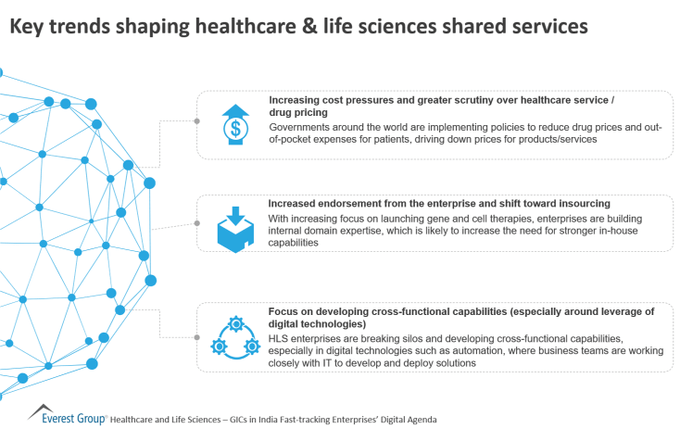
Let's have a look at some Key Trends shaping Healthcare & Life Sciences Shared Services.
bit.ly/3kiuQCy @EverestGroup rt @antgrasso #Healthcare #LifeSciences #SharedServices
2
52

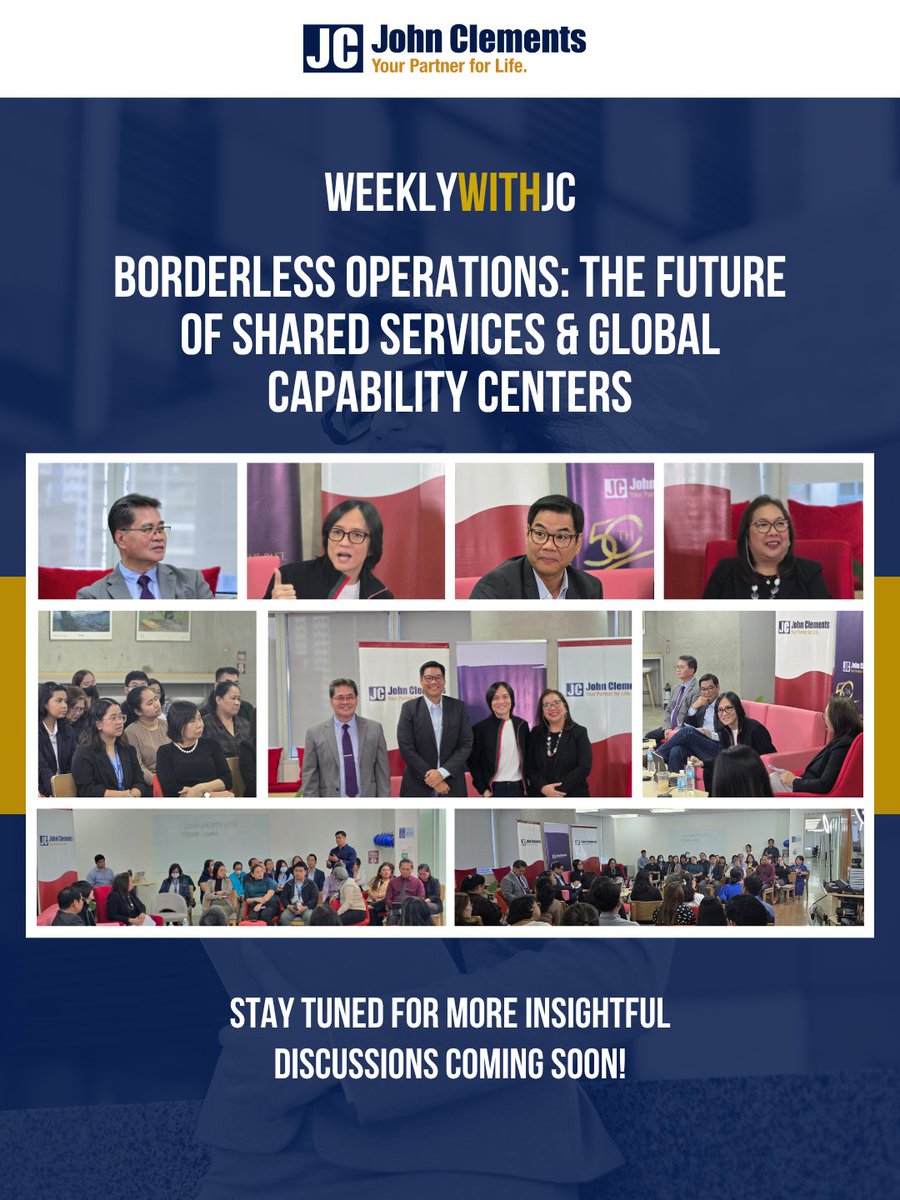
Inside the Evolution of Global Capability Centers 🌍💡
📺 Watch session here: na2.hubs.ly/H04yQT00
🔔 Follow our page for more Weekly with JC insights and upcoming industry briefings!
#SharedServices #WWJC #AITransformation #FutureOfWork
1
4
76

Provavelmente o iFood é design pattern, sabe das limitações da plataforma e está ajudando a construir. E pra casos assim, cria um e-mail: sharedservices@ifood.com que o time inteiro consegue logar com SSO.
E se fosse uma dor do iFood aí vale atacar, pq é o iFood, tem potencial de colocar alguns milhões na plataforma.
Empresas grandes no B2B em alguns casos pagam pra ter features específicas priorizadas, isso é bem comum inclusive. Por causa de R$1k não vale ele priorizar isso.
2
11
2,418

Mar 24
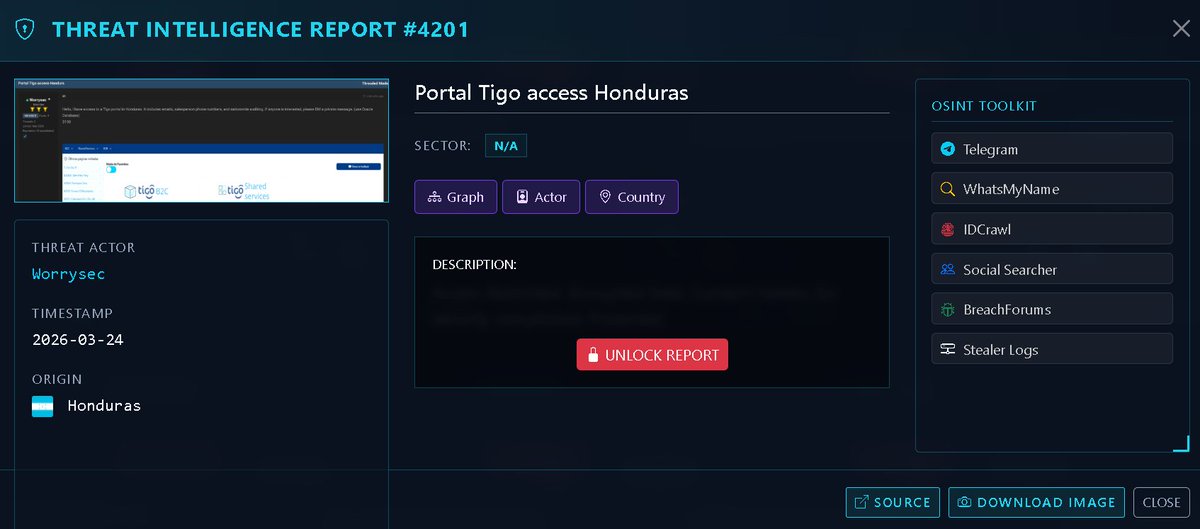
🚨 INTELLIGENCE ALERT: Tigo Honduras Internal Portal 🇭🇳📱
Our Analyzer platform has detected an illicit access offering that compromises the administrative infrastructure of Tigo Honduras (Millicom). The threat actor, Worrysec, claims to have control over a corporate portal used for auditing and personnel management.
Victim: Tigo Honduras Internal Portal 🏛️.
Threat Actor: Worrysec 🎭.
Technology Involved: The actor indicates that the system utilizes an Oracle database.
Date: March 24, 2026 🗓️.
Scope of Compromise (Data Exposed)
The attacker claims that this access allows for the viewing and extraction of critical information regarding national operations:
🔹 Employee Records: Access to email addresses and phone numbers belonging to the sales force (salespersons).
🔹 National Auditing: The ability to access "nationwide auditing" functions, suggesting a level of privilege that permits the monitoring of transactions or operational processes across the entire country.
🔹 Dashboard Details: Screenshots demonstrate access to specific modules such as Tigo B2C, Shared Services, and ICB.
Monitor:
analyzer.vecert.io
#CyberSecurity #Honduras #Tigo #Millicom #DataBreach #Worrysec #InfoSec #CyberAlert #HackingNews #OracleDatabase #B2C #SharedServices #TigoHonduras
3
14
3,611

Mar 24
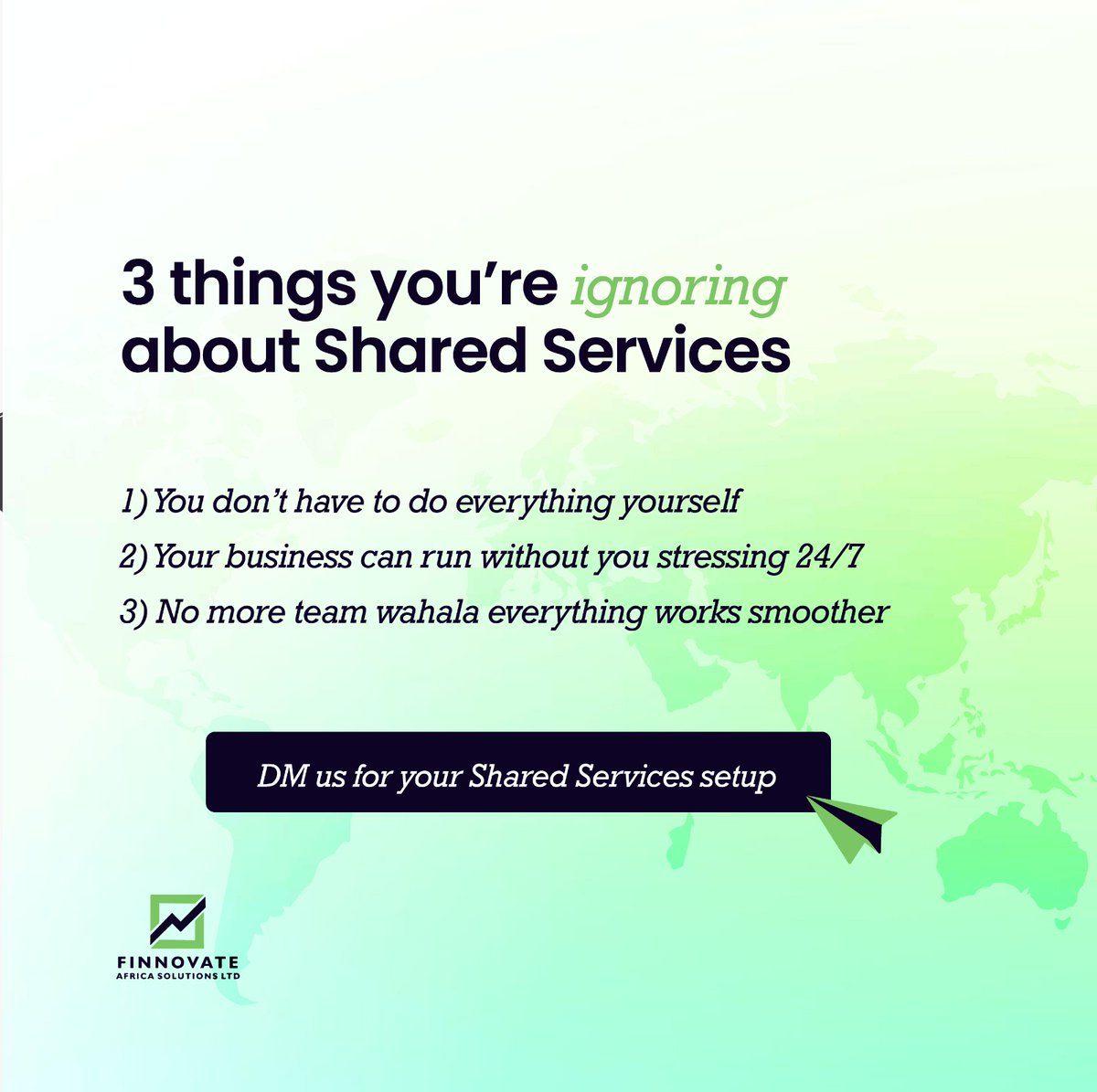
Read this first just in case you're thinking of hiring more staff next month.
Try @FinnovateAfrica for a change and watch your business grow
We love you, but we love your business more
#finnovateafrica #sharedservices
1
4
32

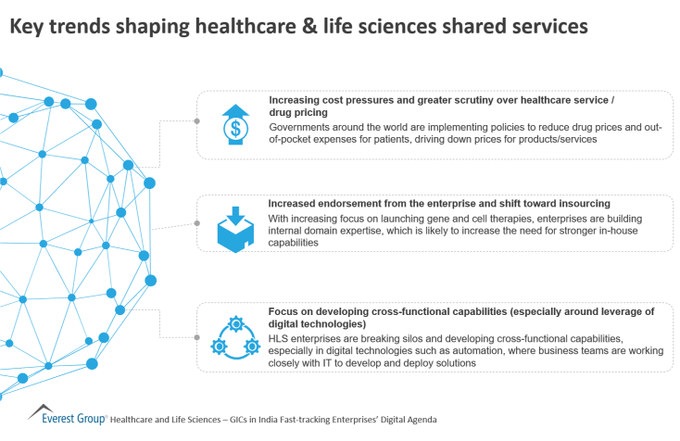
Let's have a look at some Key Trends shaping Healthcare & Life Sciences Shared Services.
bit.ly/3kiuQCy @EverestGroup rt @antgrasso #Healthcare #LifeSciences #SharedServices
1
4
88

Feb 26
AgriSETA and MICT SETA working together for greater good. #AgriSETA #MICTSETA #agriseta #Govworkingtogether #sharedservices

1
2
154

Feb 25
Why Government Digital Projects Fail More Often Than They Succeed
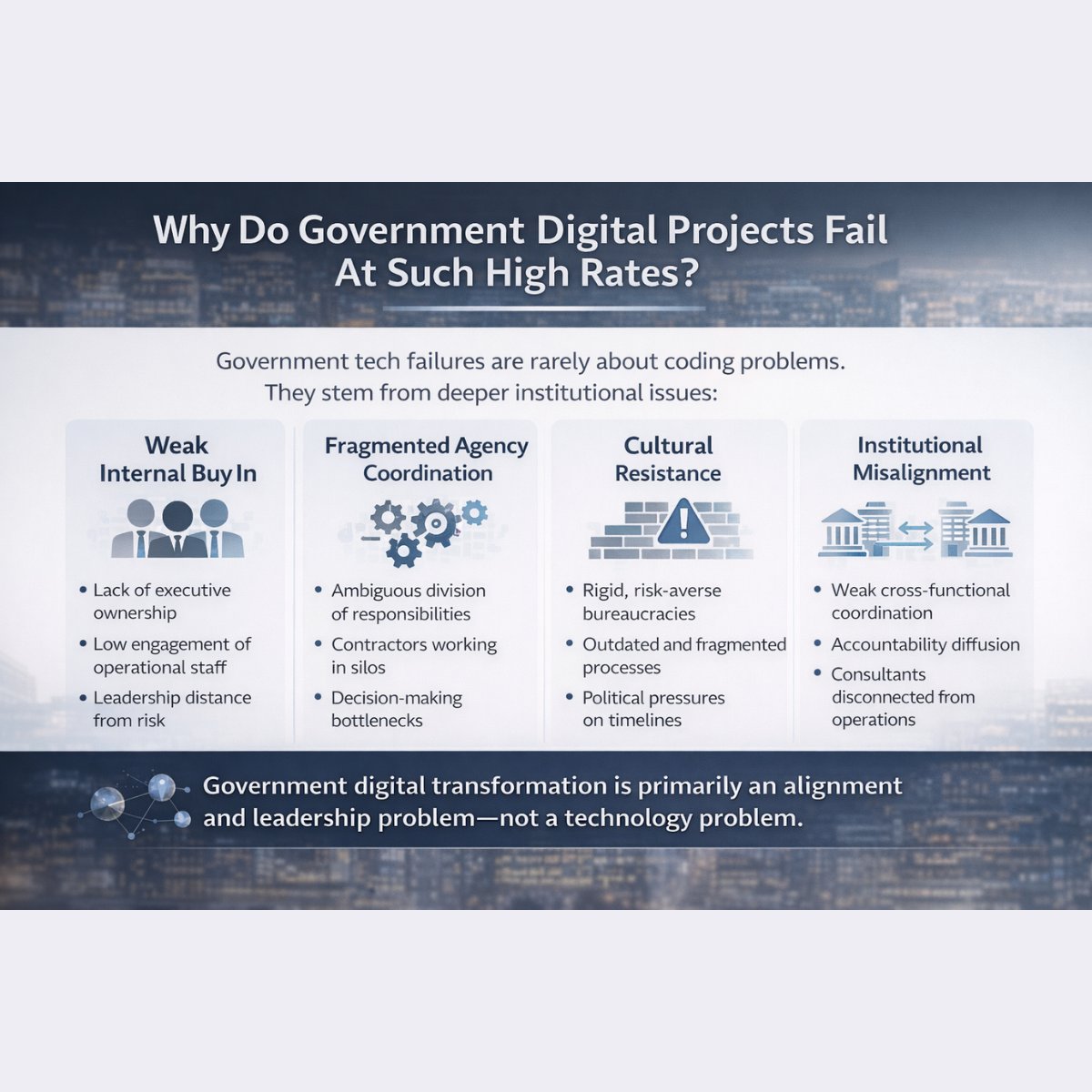
Summary: Government digital projects fail at disproportionately high rates despite major investment and political support. The causes are rarely technical. Failures stem from weak executive ownership, fragmented coordination, cultural resistance, and political pressure. Digital transformation in government is fundamentally an alignment challenge, not a technology challenge.
Digital transformation has become central to modern governance. Governments are investing heavily in portals, identity systems, analytics platforms, and automation tools to improve service delivery. Yet success rates remain uneven. Delays, cost overruns, vendor disputes, and operational breakdowns are common. Postmortems follow, recommendations are issued, and the cycle repeats.
The COVID-19 pandemic exposed these structural weaknesses. As millions sought benefits simultaneously, many public systems buckled under demand. Digital failures quickly translated into trust failures. Citizens judge government competence through the reliability of its digital services.
Standard remedies are familiar: centralized digital strategies, stronger governance, agile methods, stakeholder consultation, pilot programs, and improved leadership engagement. These are necessary, but they do not address the core issue.
Government digital projects operate within rigid regulatory environments, formal hierarchies, legacy systems, and political scrutiny. Timelines are often influenced by electoral cycles rather than operational readiness. Agencies guard jurisdictional boundaries. In this setting, transformation is not simply technical—it is institutional.
Most large-scale failures are not caused by defective code. They arise from ambiguous executive ownership, unclear division of responsibilities across agencies, weak cross-functional coordination, insufficient engagement of operational staff, and political pressure that compresses realistic timelines. Consultants may deliver technically sound systems that fail because they were not grounded in operational reality.
Digital transformation demands alignment across political leadership, agency executives, project teams, and frontline staff. Without sustained internal buy-in, leadership distances itself from risk, staff resist process changes, and accountability diffuses. When that happens, failure becomes predictable.
Where internal alignment is strong, complex projects succeed. Where it is weak, even well-funded initiatives struggle.
Digital government transformation is not primarily a technology problem. It is an alignment and leadership problem. Recognizing this distinction is the first step toward improving outcomes and restoring public trust.
#GovTech #DigitalGovernment #PublicSectorInnovation #CitizenExperience
#SharedServices
1
2
17

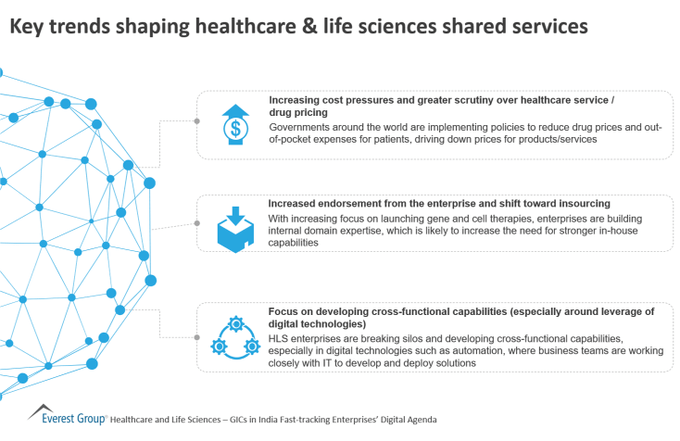
Let's have a look at some Key Trends shaping Healthcare & Life Sciences Shared Services.
bit.ly/3kiuQCy @EverestGroup rt @antgrasso #Healthcare #LifeSciences #SharedServices
42

Every SSC has one hidden bottleneck.
Not volume.
Not systems.
It’s the person everyone waits for to say “this is fine.”
#FinanceOps #SharedServices
2
23

Jan 4
Turbulențe majore pe piața muncii în 2026: Valul de restructurări lovește IT-ul, industria auto și centrele de servicii
7media.ro/22818
#PiataMuncii #Concedieri2026 #ITRomania #SharedServices #Automatizare #AI #Economie #Cariera #StiriHR
3
10

Another announcement for this Financial Year. We are setting up EverydaySure Consulting GCC to provide shared services across multiple functions, including finance and accounts, human resources, information technology, (1/3)
#EverydaySureGCC #SharedServices #GCCIndia
1
2
6
142