



















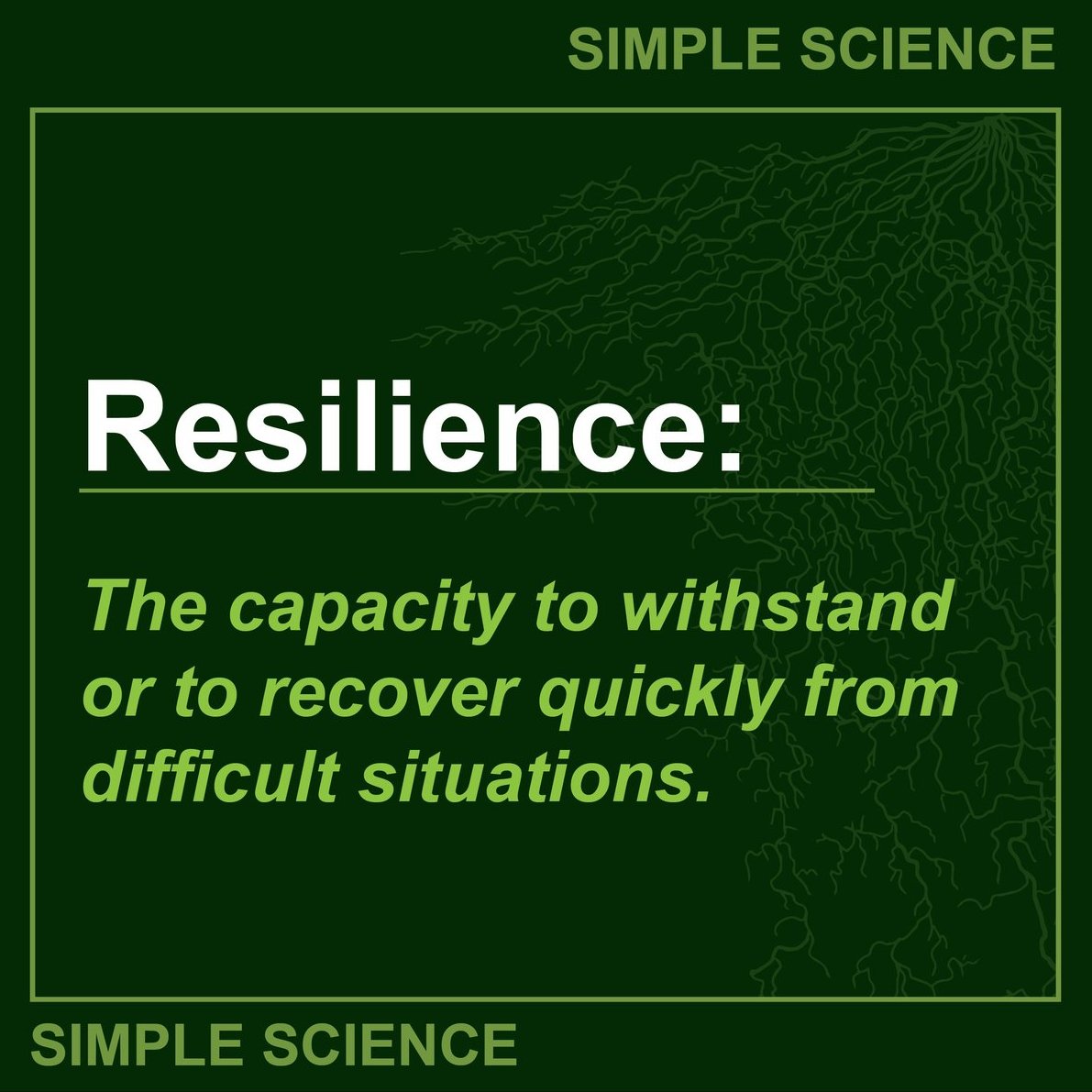
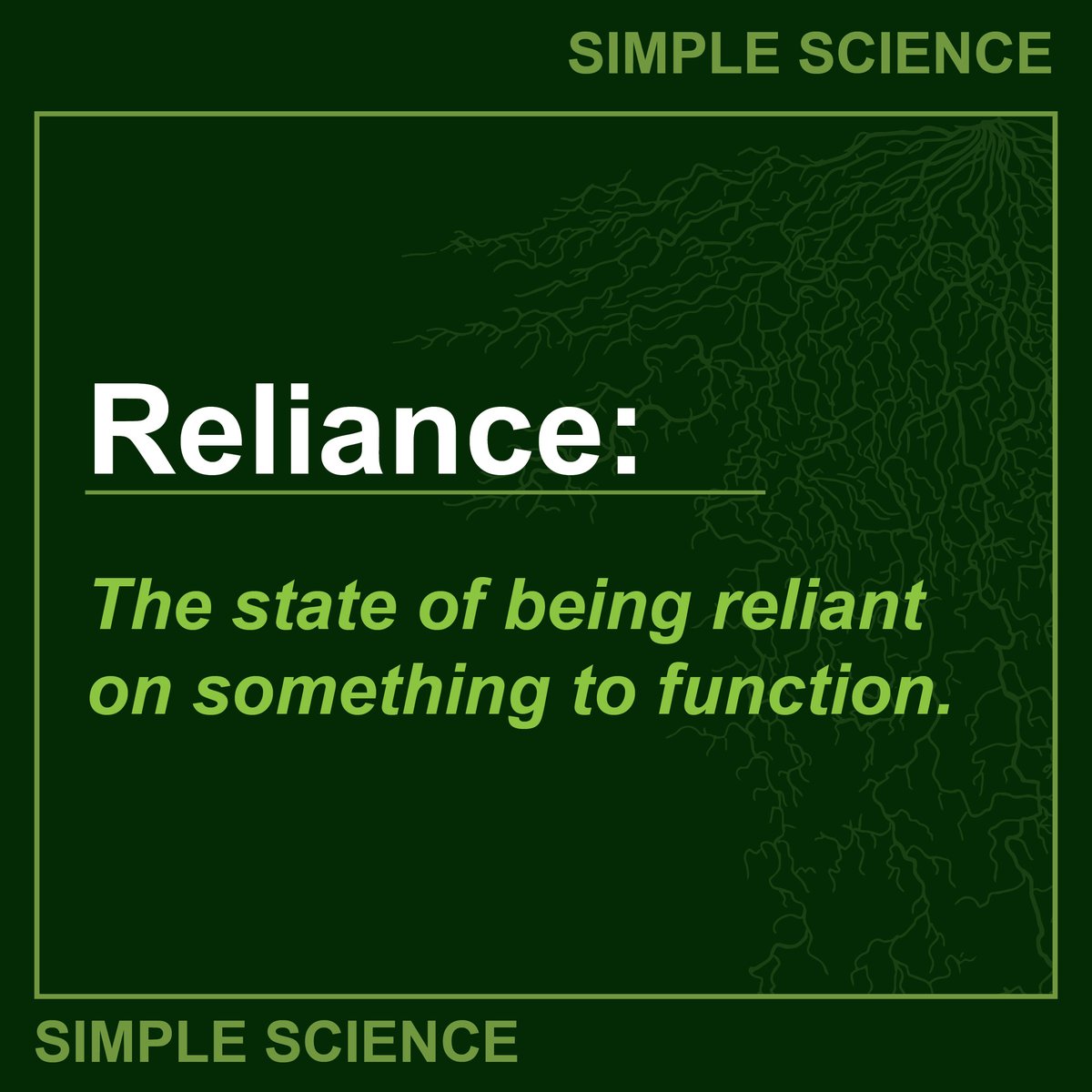

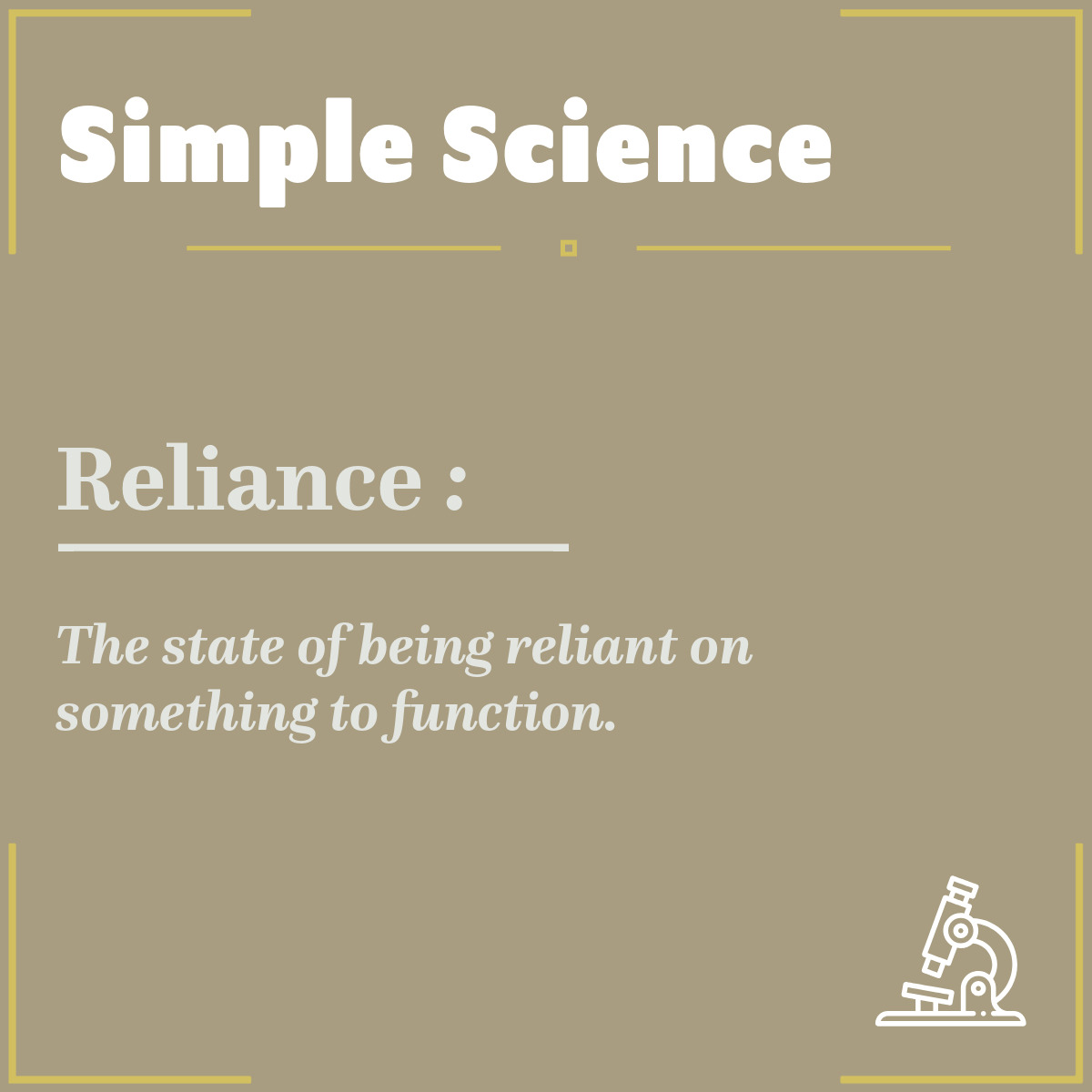
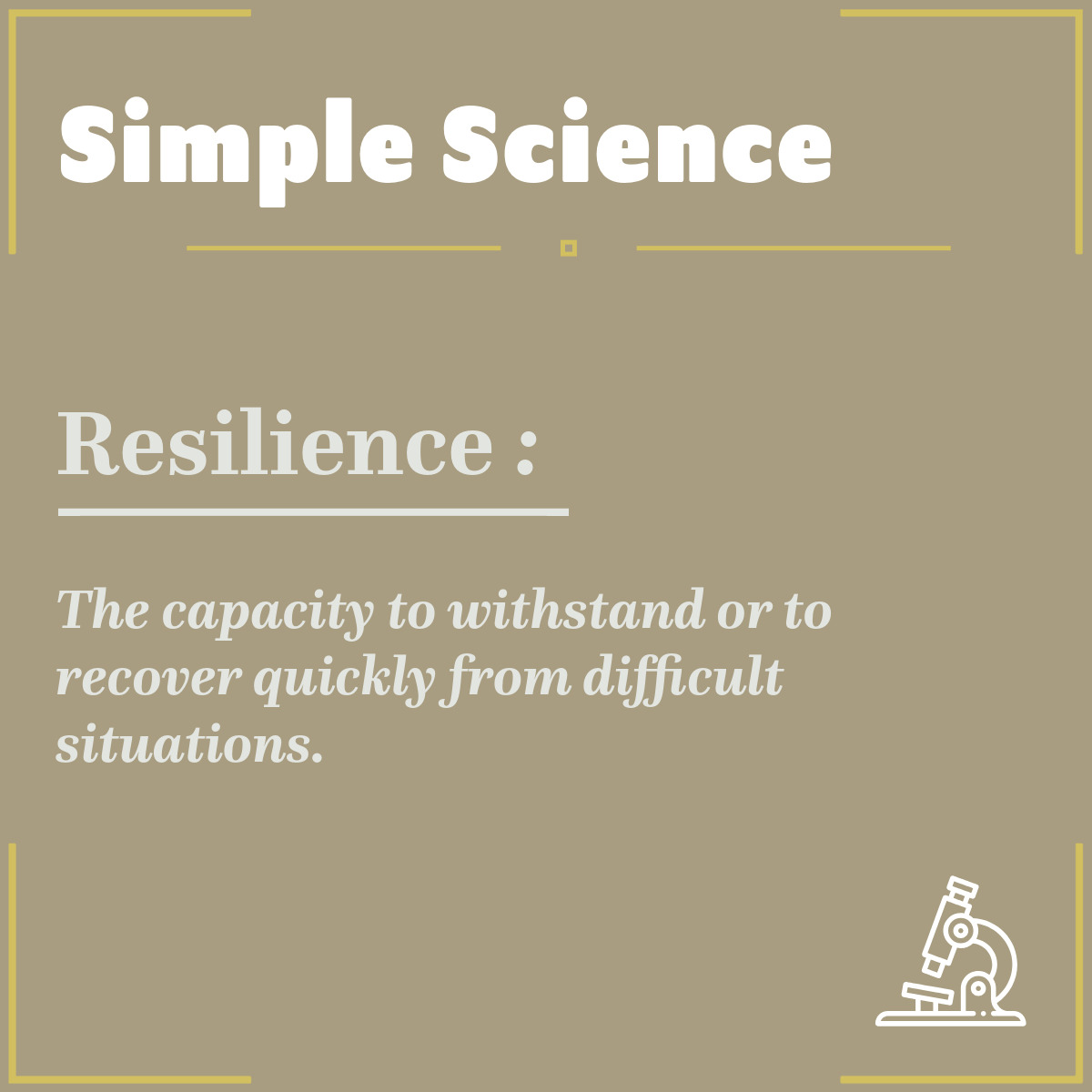
ALT Reliance : The state of being reliant on something to function. At EcoTea we want to help your soil increase in quality every year, not only helping this seasons crops but building a soil that grows stronger every time you do it again. EcoTea. Build resilience, reduce reliance. #EcoTea #SoilBiology #SoilHealth #SustainableFarming #SoilScience #LivingSoil #SoilMicrobes #HealthySoils #SoilHealthMatters #Agroecology #SustainableFarming #RegenerativeAgriculture #Regenerative #OrganicFarming #SoilRegen #SoilInnovation #AgTech #SimpleScience #Reliance #EcologyApplied #TheResultsOfBiology
ALT Soil Aggregate: Structures that develop in health soils which protect organic matter and give benefits such as water holding capacity and water infiltration among others. At EcoTea our products provide the building blocks of soil quality: humates, minerals and biology to improve soil aggregation and your soils health year over year. Decrease compaction and salinity while increasing water holding and infiltration with EcoTea products this season. #EcoTea #SoilBiology #SoilHealth #SustainableFarming #SoilScience #LivingSoil #SoilMicrobes #HealthySoils #SoilHealthMatters #Agroecology #SustainableFarming #RegenerativeAgriculture #Regenerative #OrganicFarming #SoilRegen #SoilInnovation #AgTech #SimpleScience #SoilAggregate #EcologyApplied #TheResultsOfBiology
ALT At EcoTea our biostimulants not only support crop development directly but also support the biology on their roots further boosting the impact. EcoTea blends biology and biostimulants- and the results show why. #EcoTea #SoilBiology #SoilHealth #SustainableFarming #SoilScience #LivingSoil #SoilMicrobes #HealthySoils #SoilHealthMatters #Agroecology #SustainableFarming #RegenerativeAgriculture #Regenerative #OrganicFarming #SoilRegen #SoilInnovation #AgTech #SimpleScience #Biostimulants #EcologyApplied #TheResultsOfBiology