Why Prosecco Is Still a Great Buy, Even as Other Wines’ Prices Spike
Read:
bit.ly/4mXEKbW
Prosecco’s popularity is no bubble. For years, sales of this Italian sparkling wine have trended upward, though its price has barely risen. Here, the bottles to buy now, before looming tariffs change the game.
If a wine popularity contest were held, I’m convinced that Prosecco would win.
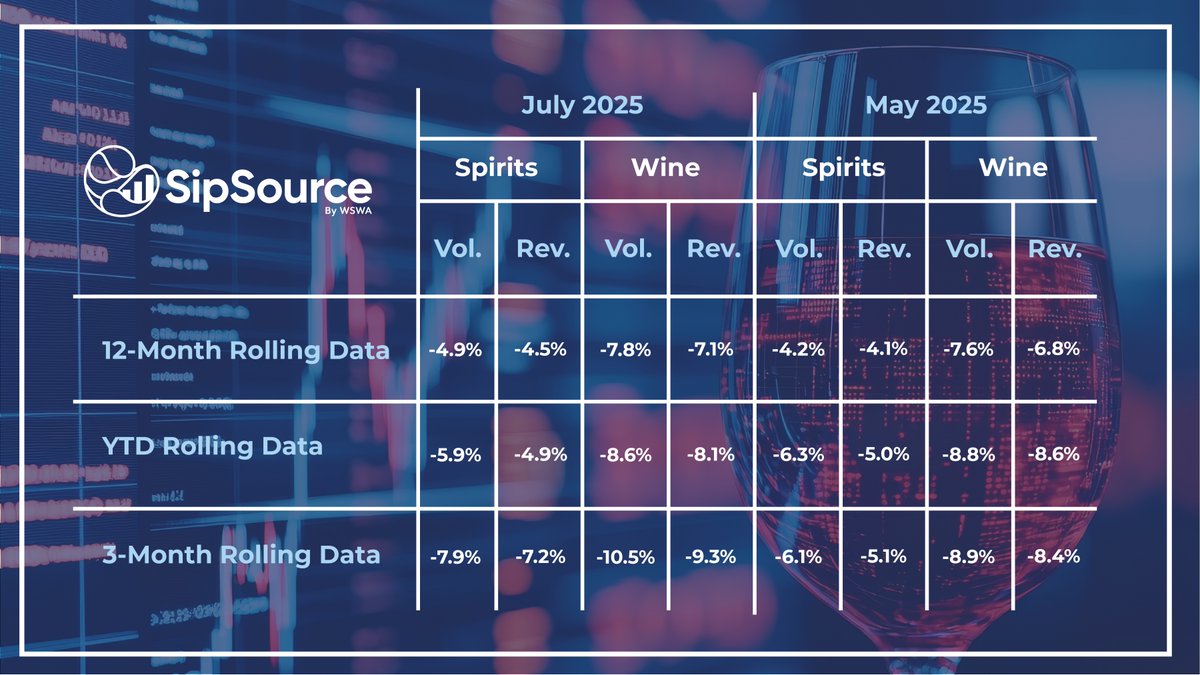
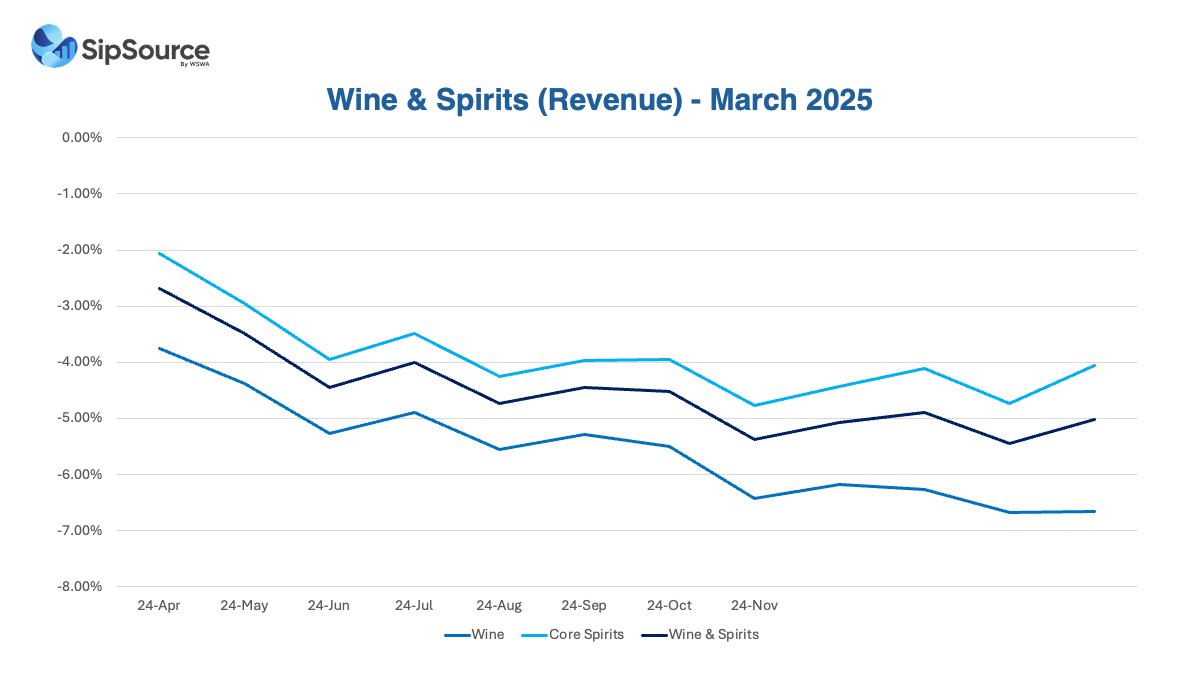
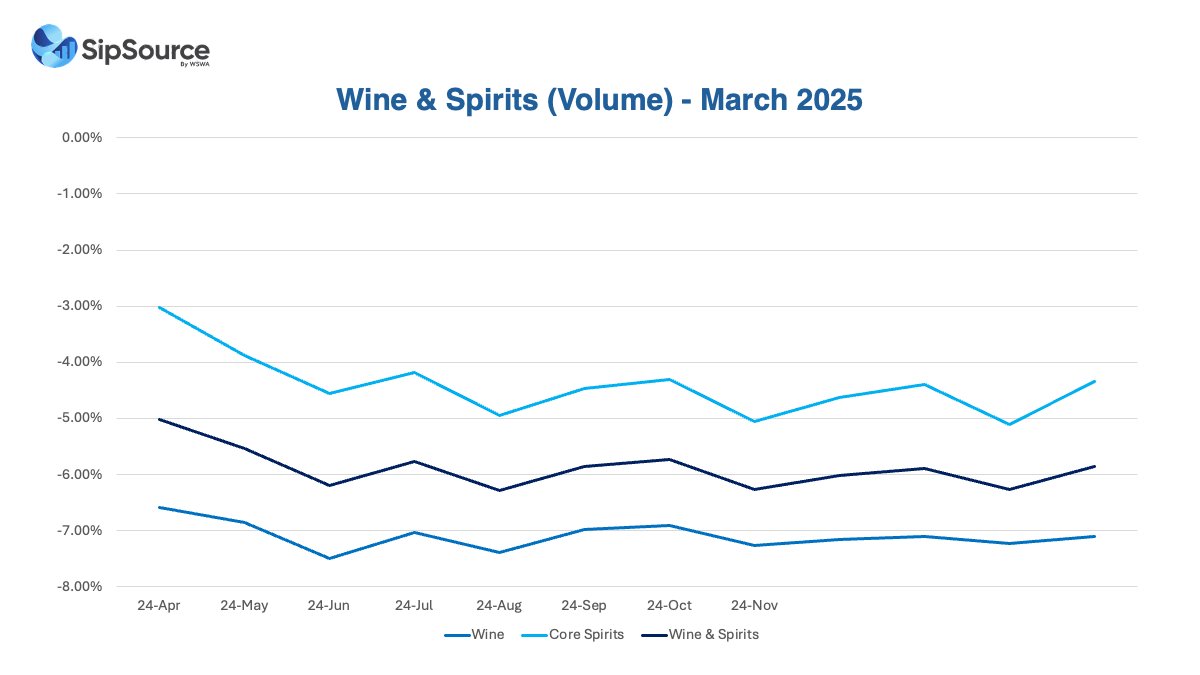
According to the SipSource 2025 Q2 Report from the Wine & Spirits Wholesalers of America, even as overall wine sales volume dropped 7.2% compared to the previous 12-month period, sales of this Italian sparkling wine actually improved by more than 2%. And the Consorzio di Tutela Prosecco DOC reports that Prosecco exports to the U.S. nearly tripled over the last 10 years. Why does everyone love Prosecco so much?
Prosecco Pros
I have a few theories as to why producers of Prosecco are flourishing while others are flailing—and how that means great value for wine lovers (if they choose the right bottles).
Good Branding: To start with, the name is easy to pronounce. And though Prosecco is produced in a variety of regions and subregions in northeast Italy, the greatest number of wines are gathered under one simple Prosecco DOC (denominazione di origine controllata). Even higher-caliber Proseccos with more specific designations are still known to most drinkers as simply Prosecco.
A Very Nice Price: While some of those more-serious wines can cost as much as Champagne, everyday Proseccos remain very reasonably priced. “You can’t underestimate the importance of affordability,” said Rocco Lombardo, president of Wilson Daniels, a New York-based import and marketing company that has seen strong Prosecco sales.
Even as the prices of other wines have risen recently—sometimes substantially—Prosecco prices have remained remarkably stable. The Proseccos I tasted for this column weren’t much more expensive than those I bought for my last deep dive into the category, over four years ago; some cost even less. It’s good news for drinkers, at least for now. The pending 15% tariff on wines from the E.U. may change that.
Still, Prosecco’s affordability doesn’t make it read “cheap” to most drinkers (save for a small subset of wine snobs that includes some of my friends). Prosecco manages to be both affordable and accessible without entirely losing its chic—unlike my beloved Cava, the sparkling wine of Spain. Even the cheap Proseccos haven’t dimmed the shine of the better, more complex wines produced in the more prestigious zones.
Accessible Luxury: Historically, Champagne’s relatively high price has made it a stretch for many, a special-occasion wine. This has changed somewhat—Champagne is now consumed more frequently stateside than it once was—but Prosecco remains the more likely sparkling wine of choice for an ordinary occasion or a Tuesday night.
Low Alcohol: Prosecco’s ABV is usually around 11%, a good 2 or 3 percentage points lower than most table wines and commonly lower than Champagne. And low-alcohol wines are very much sought after these days.
The Spritz Factor: Prosecco has attracted yet more fans thanks to its co-starring role as part of an Aperol spritz, the internationally popular Italian cocktail combining bittersweet Aperol liqueur, seltzer and Prosecco. I know plenty of people who wouldn’t typically sip Prosecco alone but are perfectly happy to drink it in an Aperol spritz.
The Bottles to Buy Now
When I went shopping for Prosecco a few weeks ago, I knew I wanted to explore the range of options available now—including Prosecco rosé, which I reviewed four years ago. It seems not much has changed in pink Prosecco since then. “It’s not turning at the same rate” as other Proseccos, said Lombardo. That’s in keeping, he added, with a stagnation in rosé wine sales overall (also noted in the SipSource report). Indeed, I found some of the very same vintages of pink Prosecco I reviewed back in 2021 still on the shelves.
The 2023 Bisol 1542 Jeio Brut Prosecco Rosé DOC ($23, below left), on the other hand, appears to be moving quite briskly, and I can see why. This blend of Glera and Pinot Nero was fresh and crisp, bursting with ripe red berry flavors—the best pink Prosecco of my tasting by far. Bisol 1542 has long produced some of my favorite Proseccos. In the non-pink category, the Bisol 1542 Jeio Brut Valdobbiadene Prosecco Superiore DOCG ($18, below right) was another pleasure, bright, brisk, almost savory, with a saline finish and a slightly tropical note.
Another perennial favorite, the Nino Franco Rustico Valdobbiadene Prosecco Superiore DOCG ($20, below left) is a remarkably consistent wine that I’ve enjoyed for many years. Nino Franco is one of the older Prosecco estates, founded over 100 years ago; in the name of this wine, “Rustico” is a nod to an old Prosecco winemaking technique.
The very appealing, zesty and dry Luca Grucci Valdobbiadene Prosecco Superiore DOCG ($14, below right) is produced by a long-established, family-owned winery. In 2022 the brand was sold to Argea, a wine company with holdings all over Italy. I was relieved to find that the quality of the wine has not suffered; though it’s under new ownership, it continues to be produced by the same winery. This remains a standout, at an excellent price.
Among the more commercial brands I tried, the Mionetto Prosecco Treviso Brut ($15, below left) sports an orange label that recalls that of Veuve Clicquot Champagne, but this bottling has a light, fruity style all its own, and its aromas of spice and tart green apple make it an appealing aperitif. Labeled in blue, La Marca Prosecco ($16, below right) is another mass-market brand, owned by E. & J. Gallo. Produced by a cooperative of some 5,000 grape growers in the Veneto, this Prosecco is a softer, slightly sweeter style, ideal as a component in an Aperol spritz.
My Prosecco tasting did not prove an unmitigated delight. Quite a few bottles disappointed—as in, they tasted like canned fruit cocktail, or were so fizzy and light that it seemed as if I was drinking seltzer. And price wasn’t necessarily a quality guide: One of the least exciting wines was also one of the priciest.
On the whole, however, it was gratifying to find that the Prosecco shelf at the wine store still yields some great values. Will sales continue to climb—or will this shining star of a sparkler eventually dim? The looming threat of tariffs makes the answer seem uncertain at best. Perhaps the best advice I can offer is the most obvious: Keep buying good Prosecco while the (good) buying lasts.