
🛍️ 10% Off 👉 amzn.to/4vOhK3P
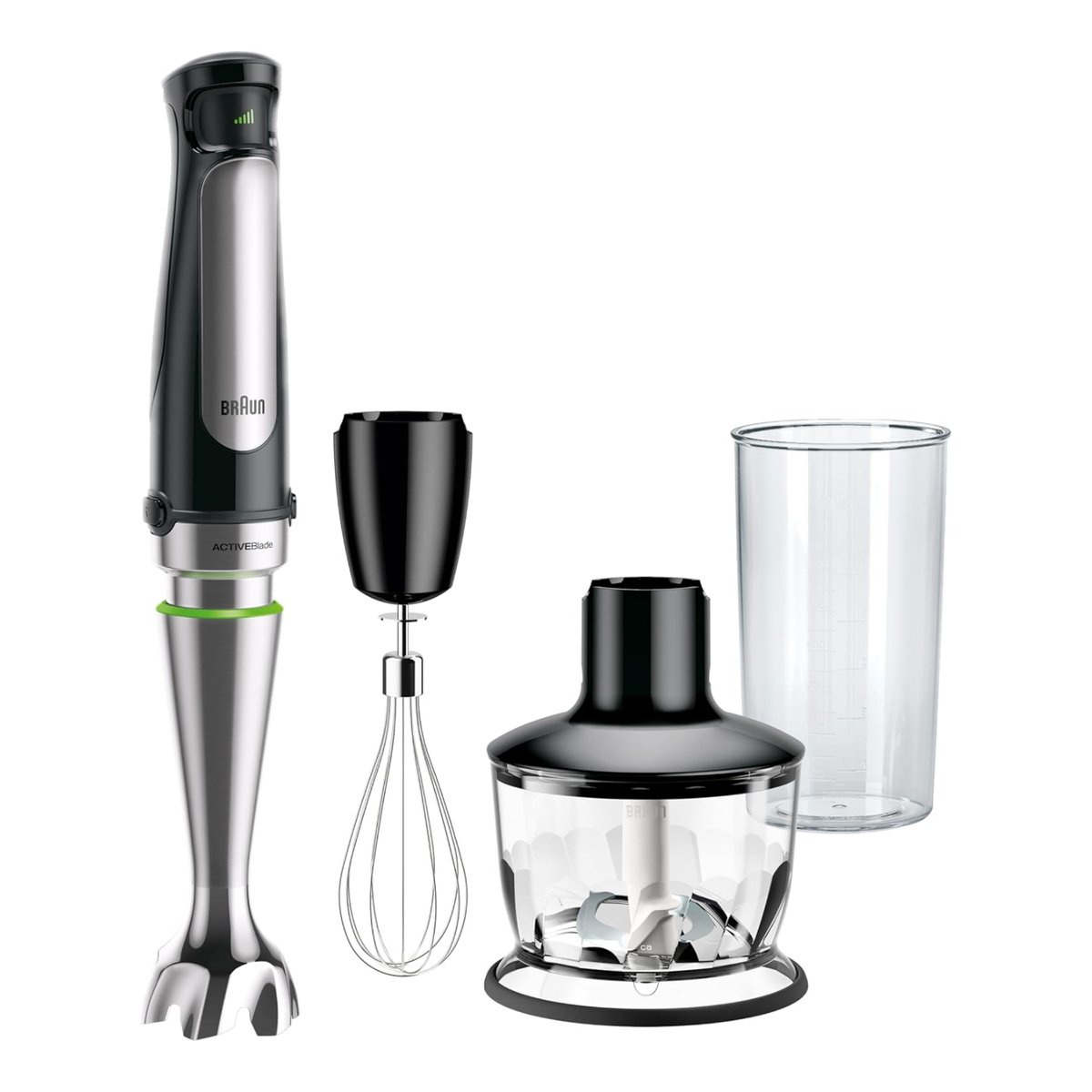
Braun MultiQuick 7 3-in-1 Immersion Blender: Professional culinary power directly in your hand!
Why you'll love it:
✨ ActiveBlade Technology: Moves the blades up and down dynamically to easily crush the hardest foods with 250% more cutting surface.
✨ 3-in-1 Food Processor: Switches seamlessly from a powerful stick blender to a precise chopper, beater, and balloon whisk.
✨ SmartSpeed Variable Control: Adjusts blending power intuitively with a simple squeeze without needing to stop and dial buttons.
✨ Perfect Culinary Prep: Creates velvety smooth soups, flawless baby food purees, and thick morning smoothies in seconds.
Elevate your home cooking experience today and lock in this premium kitchen upgrade while the sale lasts! 🎨✨
#BraunMultiQuick #ImmersionBlender #KitchenAppliances #MealPrep #SmoothieLovers #CookingHacks #HomeChef
ALT https://amzn.to/4vOhK3P
11

Jun 3
Barbie Jamili's PVL Draft Combine results
🏆 Pro Agility 5-10-5: Top 1 — 5.189 seconds
🏆 ForceDecks Hop Test: Top 1 — 3.36
🏆 SmartSpeed 10M Sprint: Top 1 — 1.759 seconds
🔥 ForceDecks Countermovement Jump: Top 5 — 42.5 cm
2
31
963

May 29
Reglandia Girls in #2026PVLDraft
Irah Jaboneta
#2 Pro Agility 5-10-5
Jum Gayo
#3 Forcedecks Countermovement Jump
Heart Magsombol
#2 Forcedecks Hop Tests
Niña Ytang
#1 Approach Jump
#2 Vertical Reach
#3 Smartspeed 10m Sprint
LABAN UP! ✊🏼❤️
1
6
377


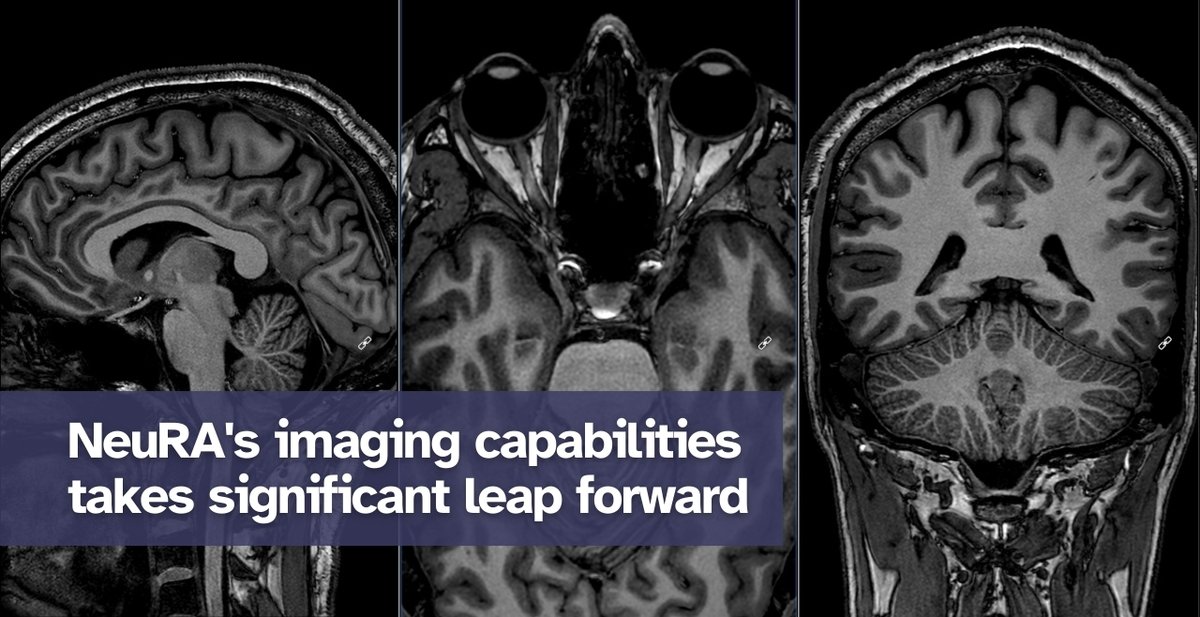
NeuRA's imaging capabilities have taken a significant leap forward with the implementation of cutting-edge AI reconstruction technology.
Thanks to the implementation of SmartSpeed Precise, a next-generation dual-AI reconstruction technology, NeuRA Imaging can now drastically enhance the quality and efficiency of MRI scans.
"This scanner is one of the first in Australia to have this software package. We are working with Philips to develop it further and are looking forward to the next upgrade which will further enhance our ability to explore the brain," said Director of NeuRA Imaging, Professor Lindy Rae.
The upgrade from Philips Imaging enables researchers at NeuRA to achieve 0.27 mm isotropic structural brain scans in under 13 minutes, a level of microscopic detail typically seen with incredibly advanced MRI machines or through multi-hour, multi-session imaging.
"It means we can use our scanner to make detailed maps of the brain, both functional and structural - for example to underpin the projects mapping hippocampal and amygdalal connections in the elderly. It also means faster scanning and the ability to scan groups of participants who have difficulty remaining still, such as those with cognitive or movement disorders. They do not have to go into a much larger, less accessible and more scary high field scanner," said Professor Rae.
Minimising the time it takes to scan and the ease of access for participants will make meaningful differences not just to the participants but to the researchers, meaning more room and opportunities for additional participants in studies, more time for research groups to use the equipment and in turn, the potential for new discoveries.
1
2
144
Discover a wide range of evaporators tailored to meet your specific CO₂ needs!
· 90 Bar (1300 PSI) AWEF-EXEMPT models available
· 45 bar AWEF-approved models available
· EC motors with patented SmartSpeed® Technology
· High-efficiency and high-strength fan guards
8
60


12 Dec 2025
The Radiology Paradox: Tech Speeds Up, Workforce Stalls 🤯
• RSNA 2025: record AI presence across imaging companies
• FDA clears Philips SmartSpeed (AI-powered) — MRI up to 3× faster, 80% sharper
• AI medical imaging market growing >30% annually
• Radiologist shortage projected to persist (in the coming decades)
AI speeds up everything except workforce growth 👀📡
#Radiology #RSNA2025 #MedicalImaging
5
1,730

9 Dec 2025
🎙️STATE of the VALLEY: 💪🏼8️⃣1️⃣💨
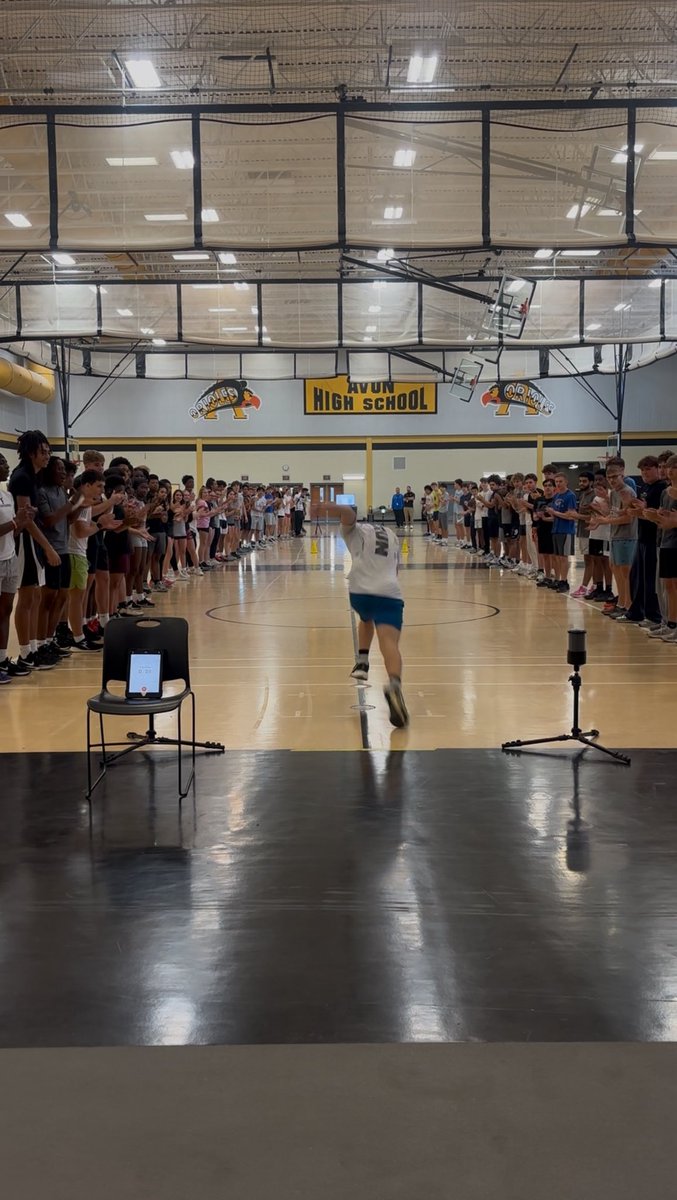
40y dash today. Initially had the gates on the wrong marks, an accidental April Fools in December. Had an unplanned fire drill disrupt activation for one class. Had one student Pete Rose-style face plant on a PR finish. Can’t say nothing happened today.
Had a sophomore bust out a 4.467, a person that many wouldn’t have penciled in their top 10. Maybe nobody knew his name before; he will be known for more than his mustache now.
Oh, and saw a 4.335 40. People lie. VALD SmartSpeed does not. A fast day — literally and figuratively. 💨
STATE of the VALLEY: a figurative🔥in the Fieldhouse
#TPW | #DBS | #BHN 🔨
3
11
823

30 Nov 2025
This is more than performance—it’s evolution.
AI isn’t just in racing.
It’s leading it.
Watch the full breakdown in “The Secret to Faster Corners,” with Formula1.
Would you trust an algorithm to brake for you?
#F1 #Formula1 #SmartSpeed
426

28 Nov 2025
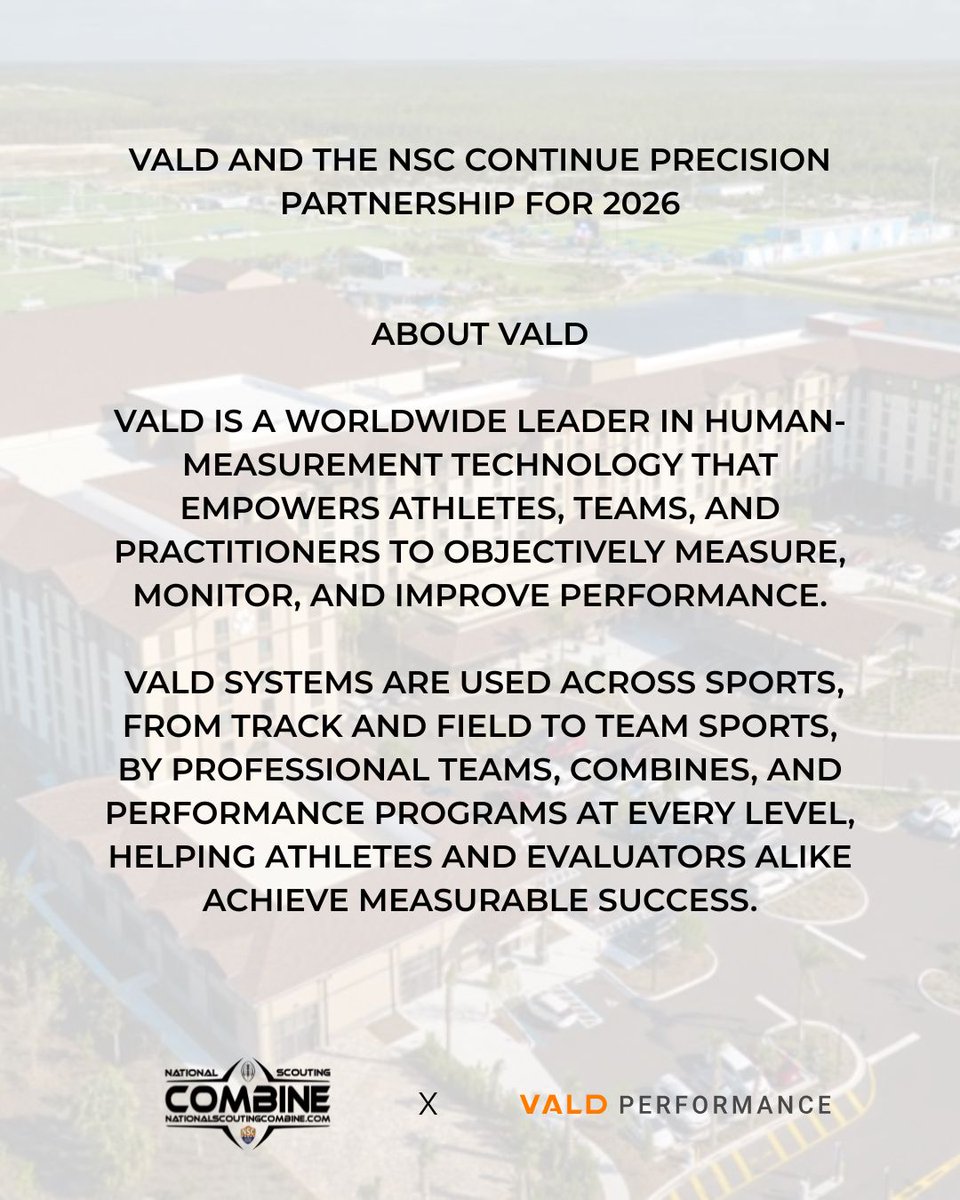
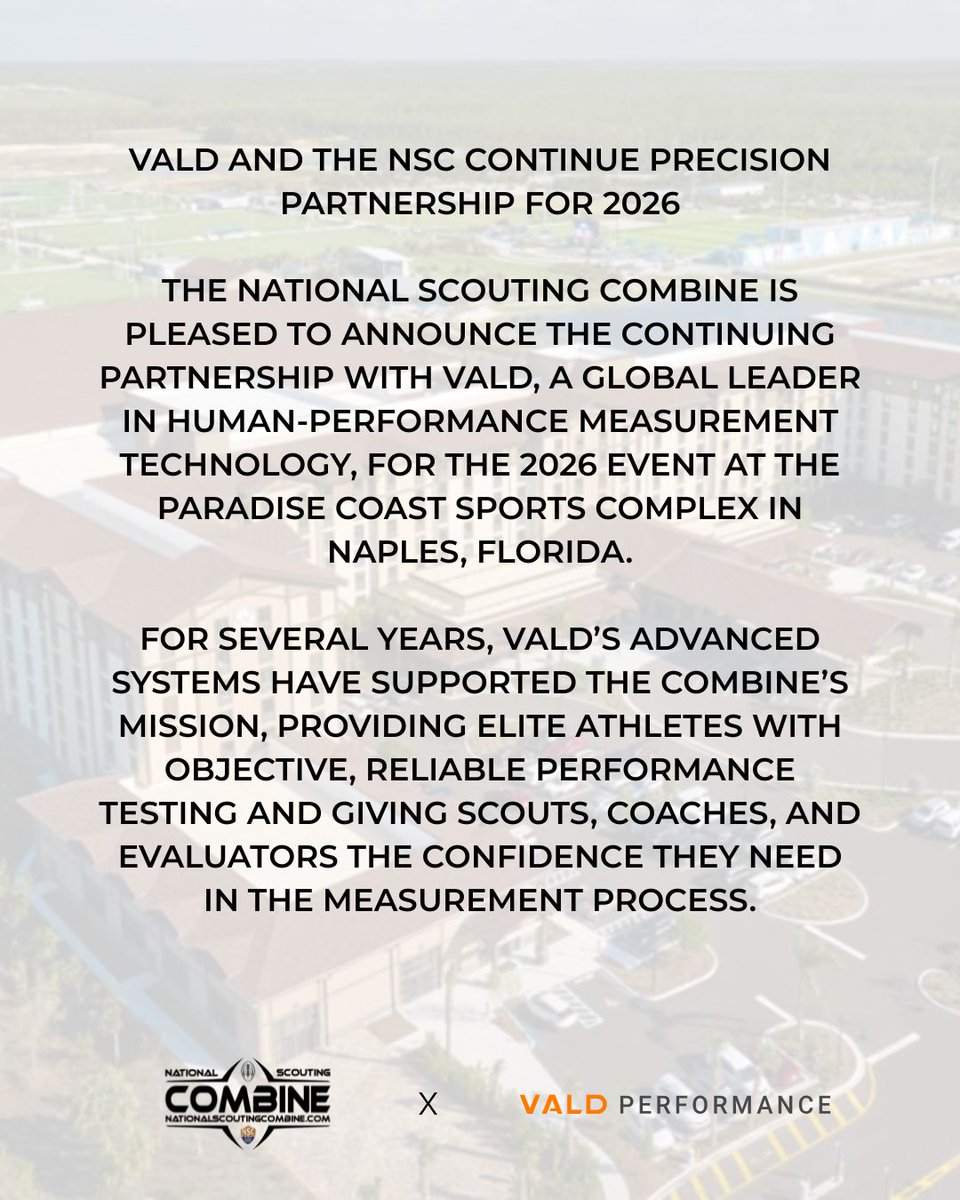
The National Scouting Combine is proud to continue our partnership with @VALDperformance for 2026. Their SmartSpeed timing and performance tech give athletes elite precision and coaches the data they trust.
Article: nationalscoutingcombine.com/…
No hand timing. No guesswork.
#NationalScoutingCombine #VALD #SmartSpeed
5
12
441

How quantum computing is changing the face of Formula 1
finance.yahoo.com/video/quan…
#QuantumComputing #Formula1 #F1Tech #InnovationInMotion #FutureOfRacing #DataDrivenSpeed #TechMeetsTrack #RacingInnovation #NextGenPerformance #SmartSpeed
4
12
438
9 Nov 2025
What if the smartest person in Formula 1™... wasn’t human?
AI is now running race strategy simulations faster and deeper than any human ever could.
Here’s how Generative AI is quietly rewriting every lap of the sport — and what that means for every data-driven industry.
A thread ↓
#F1 #Formula1 #SmartSpeed
1
1
4
752

AI Gyaani Daily:
- Anthropic × Iceland Government: Teachers ko direct AI!
Anthropic ne Iceland govt ke saath school teachers ko Claude (AI Chatbot) diya training.
Impact: Education mein AI ka seedha, safe use shuru—baad mein India/other countries bhi copy kar sakti hain.
- “Funding” News: Portal26 ko $9M
Portal26 companies ko batata hai ki unke andar AI ka use safe aur controlled hai.
Impact: Offices AI use karte time data safety aur “kya chal raha hai” track kar paayenge.
- Voice Agents for kaam: UST ne aiOla me invest kiya
Factory/field wale log haath free rehkar instructions de sakte hain.
Impact: “Hands-busy” jobs mein productivity jump.
- IT Ops ke liye AI Agents (Observe, Inc.)
Server/website problem aaye toh AI auto investigate fix help karta hai.
Impact: Websites kam down, issues jaldi solve.
- Hidden Gem (India-first): OpenAI's IndQA Benchmark
Indian languages/culture ke liye naya test.
Impact: Hindi regional languages me better AI apps aayengi—customer support, gov services, edtech sab improve
- Policy: US Heartland AI Caucus
Non-coastal cities me AI ko boost dena—grants, training, pilots.
Impact: Jobs/training bade shehron ke bahar bhi—zyaada log AI-ready
- Philips(med-tech company) ne AI tools launching ke karan achha profit dikhaya hai. unake AI tools me CT5300, smartspeed MRI system, AI based ECG analysis
Impact: iski vajah se loko ka ilaj accurately, fast aur behtar ho sakega. future disease predict karne me bhi help karta hai
- Indian firm blue cloud softech ne israeli semiconductor design company ke sath edge-AI chips banane ke liye partnership ki
Impact: Edge chip market low-latency, IoT aur smart devices me use hote hai to us related india me growing opportunity
- Finance infra me AI (Hong Kong)
Index company ne AI use-cases test kiye.
(Index = stock market ka combined score)
Impact: Market analysis tez aur dynamic—investors ko fresh insights mil sakte.
- Kroger aur Instacart ne AI investments ko badhaya hai for customer/operational efficiency
Impact: Retail aur logistic me AI ke bade scope ko cater karne ki taraf grow
Aapko sabse interesting kya laga, comment karke jaroor bataye...
#AI #AINews #ainewsdaily #AIKnowledge #AITrend
1
4
24

11 Sep 2025
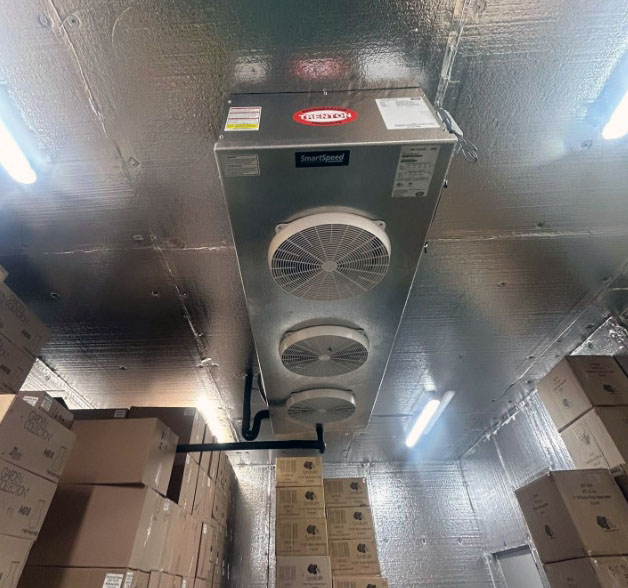
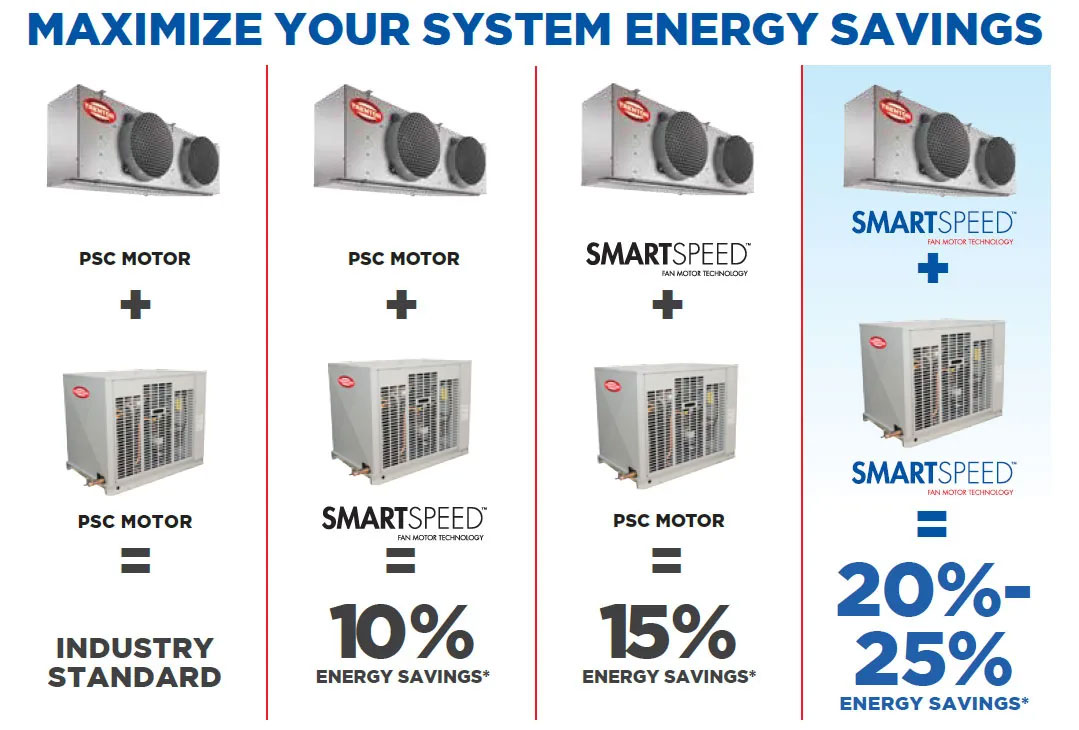
Utilizing our patented SmartSpeed™ technology, customers can benefit from reduced energy consumption and system refrigerant charges, which were previously only available with more complex and expensive methods.
t-rp.com/smartspeed
uri.com
9
59
31 Aug 2025
Ferrari’sᵀᴹ Smart Speed Secret
#F1 #Formula1 #SmartSpeed #AI #Racing #Innovation #Technology #Engineering #FutureTech
2
2
728

21 Aug 2025
In currently using ForceDecks, SmartSpeed and DynamoPlus with @recruittheN
20 Aug 2025

Proud to now offer @VALDPerformance systems in the SimpliFaster store! Explore their trusted performance tech & testing solutions now at SimpliFaster.com
✅ ForceDecks
✅ SmartSpeed
✅ NordBord
✅ HumanTrak
✅ ForceFrame
✅ DynamoPlus
1
4
3,344

20 Aug 2025
Proud to now offer @VALDPerformance systems in the SimpliFaster store! Explore their trusted performance tech & testing solutions now at SimpliFaster.com
✅ ForceDecks
✅ SmartSpeed
✅ NordBord
✅ HumanTrak
✅ ForceFrame
✅ DynamoPlus
2
3
4,792
3 Aug 2025
I’m a fan of SmartSpeed as well. I used it pretty exclusively for about a month. The main reason I don’t use it for team setting is its bulk and set up time just doesn’t fit into my team setting situation. In my private setting I have to leave it set up for a long period of time and it has issues in the Florida heat. I just don’t have time to cool the system. However, I’d highly recommend it in some situations. It’s a great system.
2
2
76
3 Aug 2025
The problem is none of them are the best lol. You won’t find any that are “the best” at all of those things. You want low cost, fast easy set up and zero misses? I’m going OVR all day. Just have to record times in a doc. You want the best combination of the things you are asking for? I’d go Dashr Silver is probably my go. Great dashboard, can API. Has every drill you can imagine.
If you’re looking for a higher cost option with a great hub and an ecosystem of other products to team up with? SmartSpeed from Vald.
If your budget is lower and you want all the high end dashboard stuff? Blue is a good choice. Just have to hack the potential sun issues…which is much less with products purchased after 2023 because of some changes.
Almost impossible to “rank” because any ranking is going to be from an individual perspective and may not match yours or other users.
1
2
143