Mapula Bodibe retweeted

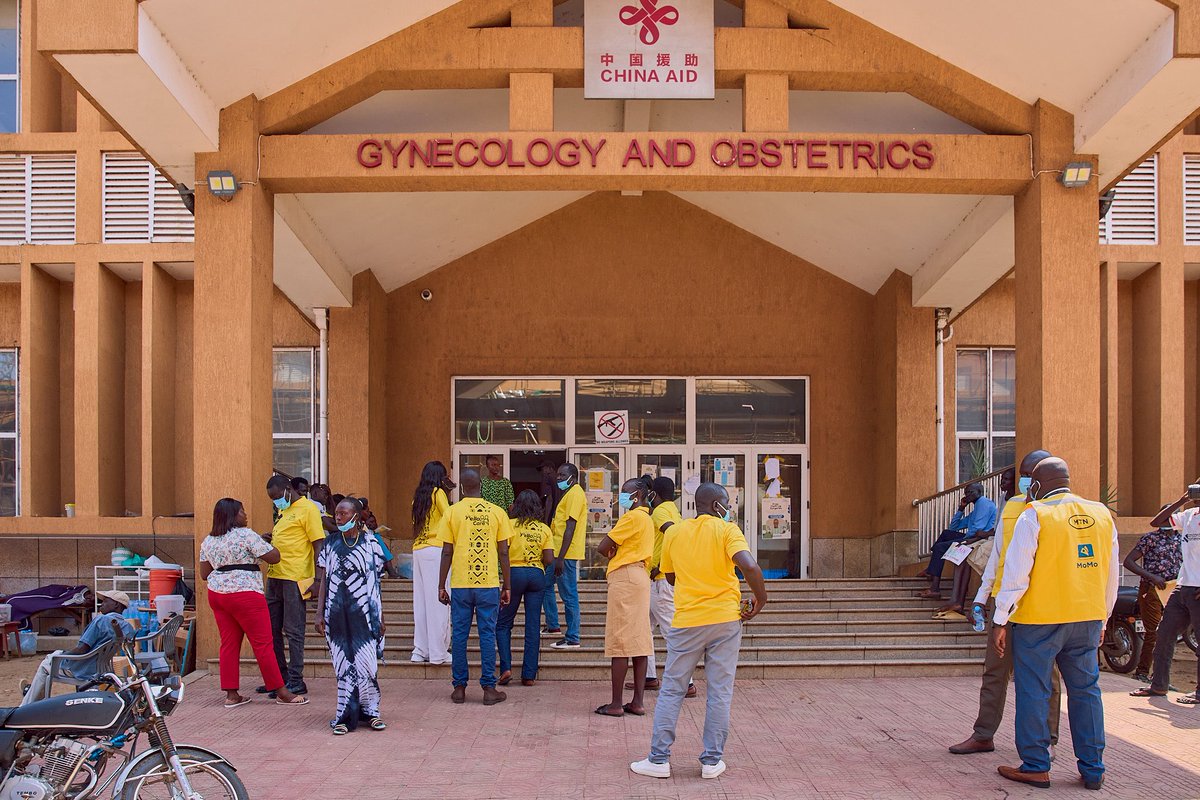
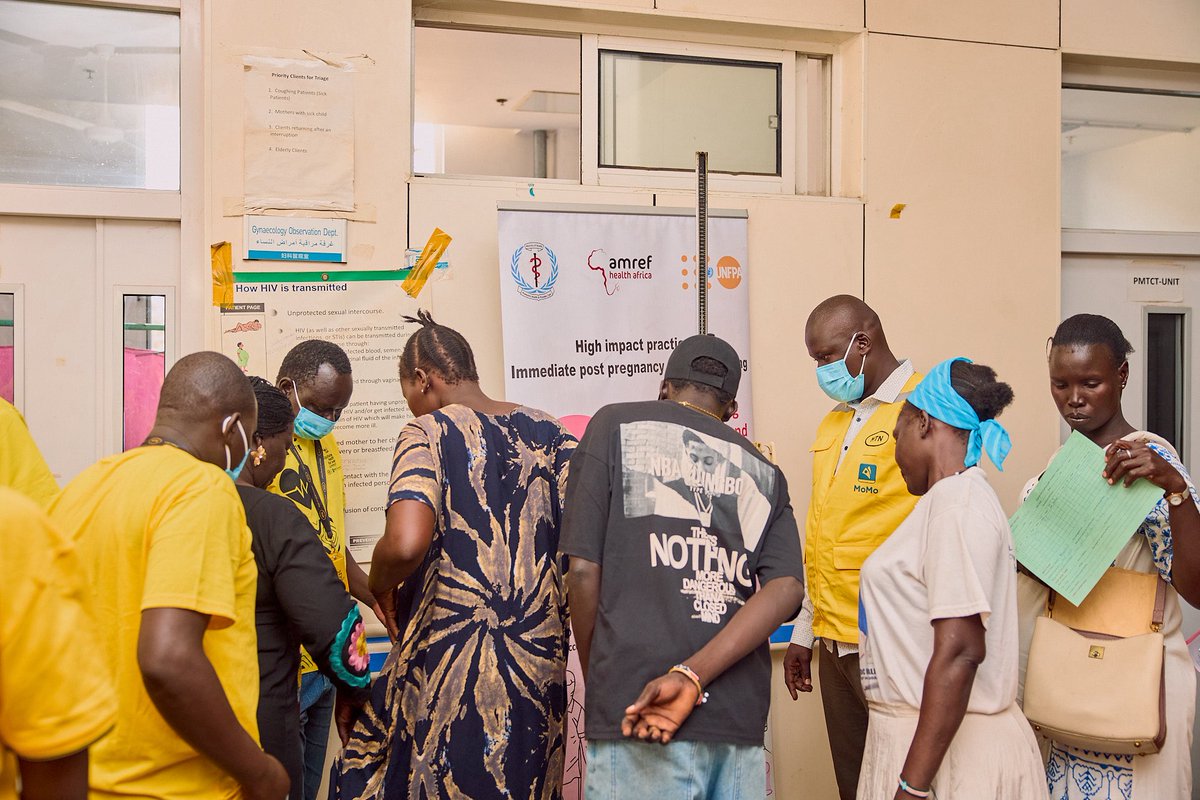
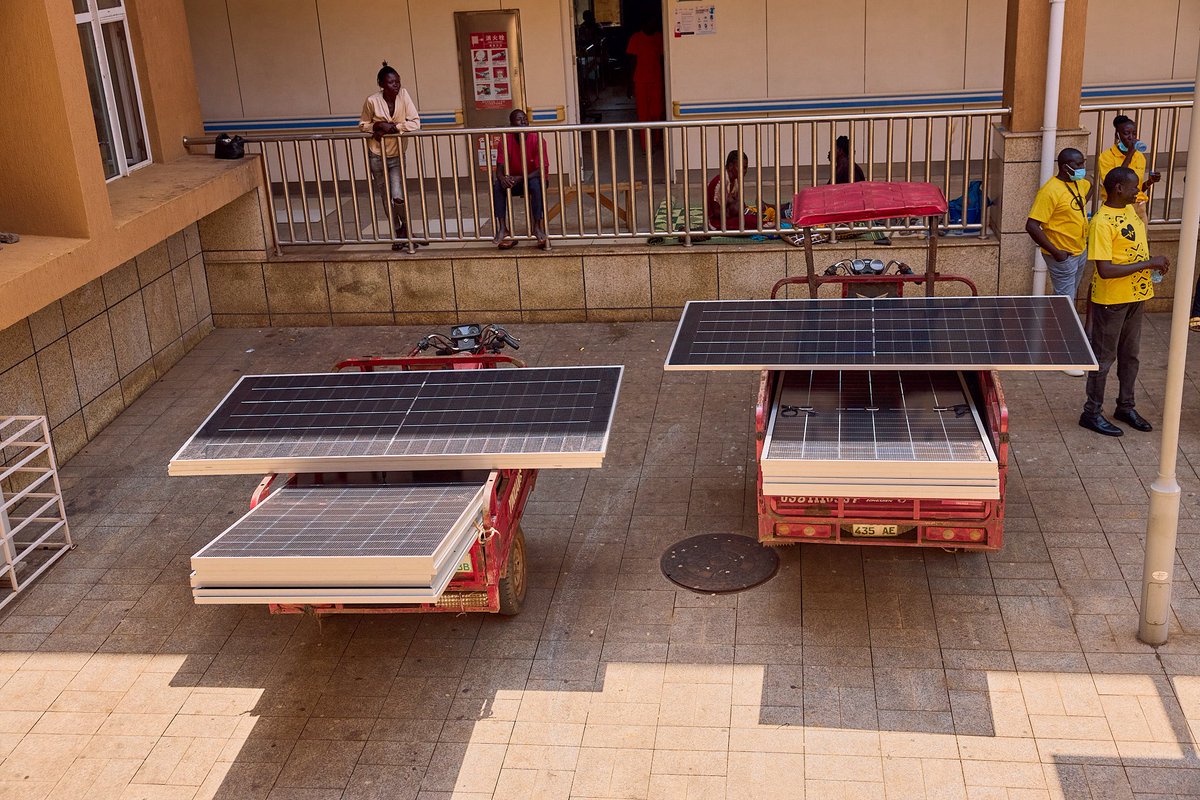
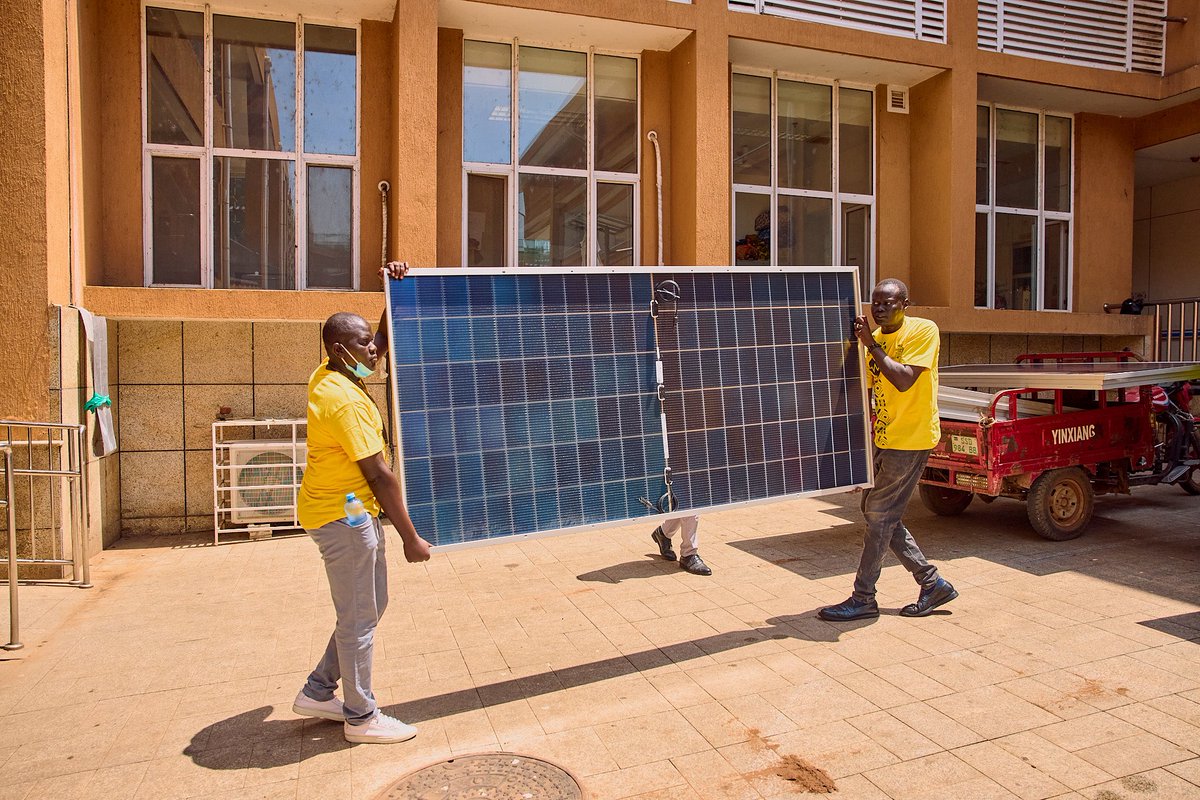
Day 18 of #YelloCare2026 saw MTN volunteers continue supporting the ANC Unit at Juba Teaching Hospital while the solarization of the Neonatal Unit and Operating Theatres officially commenced.
Reliable power means better maternal and newborn care,
#21DaysofYellowCare
1
2
2
70

11h
Partnerships are the foundation of lasting impact.
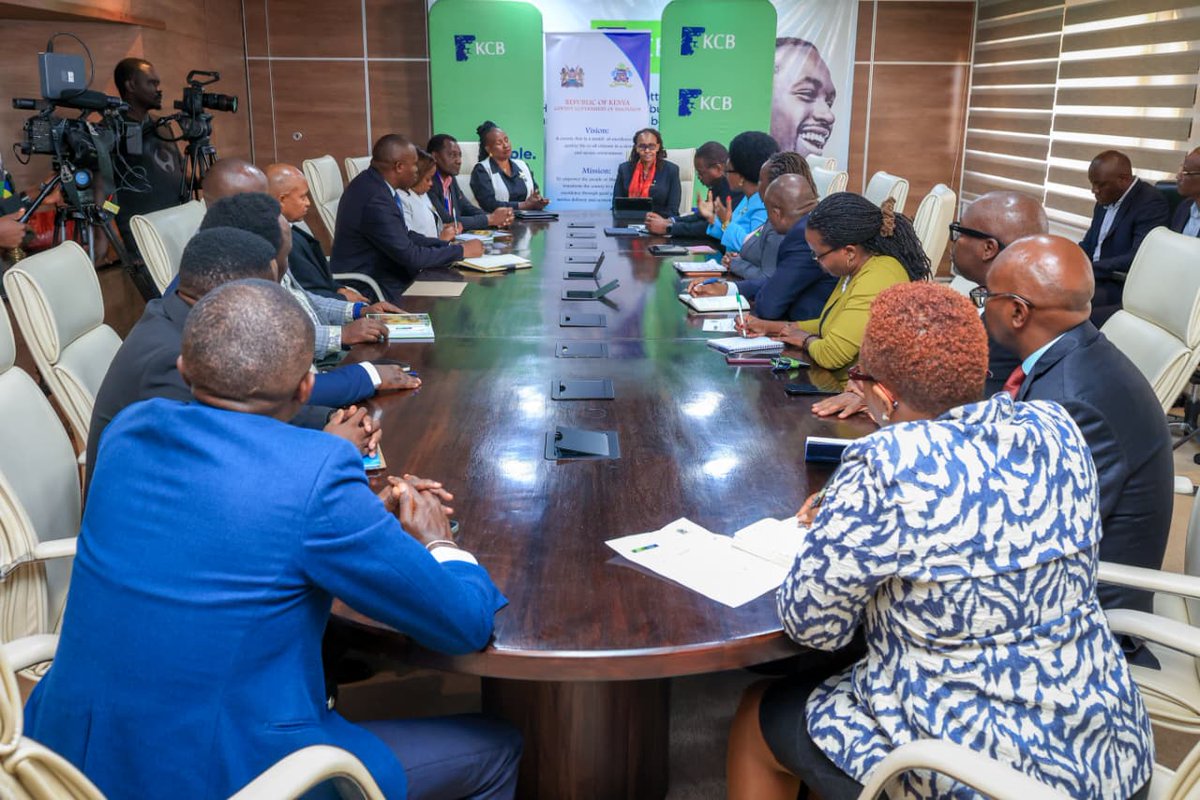
Yesterday, we formalized a partnership with the County Government of Machakos to support the solarization of health facilities, educational institutions, and other public facilities across the county.
#ForPeopleForBetter #KCBNiYetu




1
3
1,070

Sindh Budget 2026–27 | New Economic Vision
Sindh is moving towards a modern, competitive & investment-driven economy
• KT Bandar → Strengthening Sindh’s role in regional trade
• Sindh International Financial Center → Connecting Sindh with global capital markets & investors
• Green Data Infrastructure → Building Sindh’s future in the digital economy
• Renewable Energy & Solarization → Affordable, secure & sustainable energy
• Agricultural Collective Initiatives → Improving productivity & rural livelihoods
• Ways to Value Program → Promoting circular economy & environmental sustainability
Together, these flagship initiatives are designed to expand opportunities, attract investment, and build the foundations of long-term economic growth across the province.
#PeoplesBudgetSindh @BBhuttoZardari
1
21
37
359

Delighted to host H.E. Wavinya Ndeti, Governor of Machakos County.
We continued discussions on expanding access & creating tangible impact for the County.
Signing the Solarization Partnership aligns with the County’s sustainability agenda & our commitment to inclusive growth.




23

Improved access to reliable energy and enhanced service delivery are set to benefit residents following a new partnership between Machakos County and KCB Bank Kenya. The initiative will support solarization of health facilities, schools, and public spaces across the county.



1
59


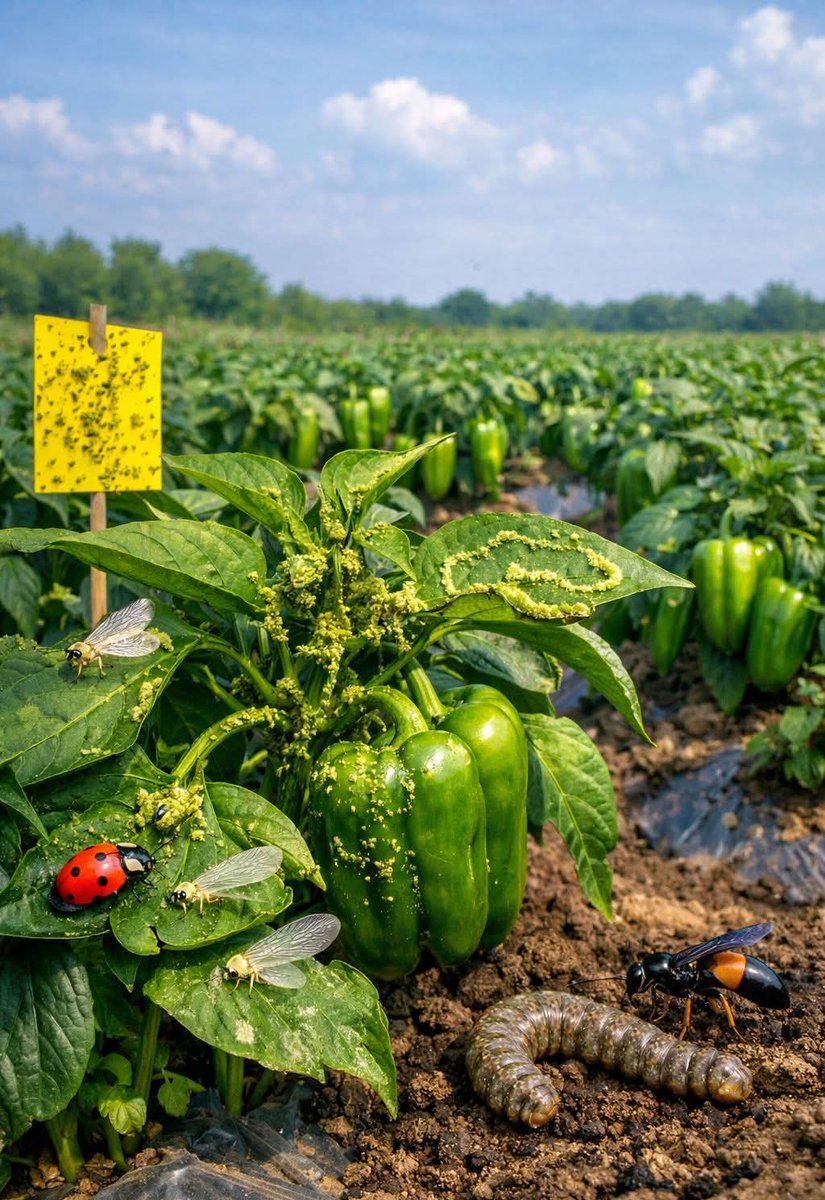
GREEN PEPPER PESTS AND THEIR CONTROL
Pests rank among the most significant threats to green pepper production. Left unchecked, they stunt growth, reduce yields, damage fruit quality, and spread disease throughout a crop. Regular field scouting paired with timely action is what separates a healthy harvest from a costly loss.
Effective pest control matters because it prevents yield losses, protects fruit quality, reduces disease transmission, improves the proportion of marketable harvest, and ultimately increases farm profitability.
Aphids are small, soft-bodied insects that target tender plant parts and leaf undersides, feeding by sucking sap. Their damage includes leaf curling and distortion, stunted growth, wilting, and honeydew secretion that promotes sooty mold, alongside the transmission of viral diseases. Control involves encouraging natural predators like ladybirds, lacewings, spiders, and hoverflies, spraying gelatin solutions during early, low-level infestations, and applying insecticides such as Dimethoate or Cypermethrin only when necessary.
Cutworms are nocturnal caterpillars that hide in soil by day and attack seedlings after dark. They cause leaf holes, sever young seedlings at the soil line, and reduce overall plant stand. Management includes clearing weeds before planting, ploughing and harrowing fields well ahead of transplanting, encouraging natural enemies such as parasitic wasps and ants, and using soil drenches with approved products like Thiamethoxam or Alpha-cypermethrin where infestations demand it.
Whiteflies are tiny white insects typically found on leaf undersides, and they're particularly damaging because they spread viral diseases. Their feeding causes sap loss, leaf yellowing, sooty mold from honeydew, and transmission of viral infections such as leaf curl. Effective control includes protecting seedlings with insect-proof nets, deploying yellow sticky traps, preserving beneficial insect populations, and applying suitable insecticides as needed.
Leaf miners are small flies whose larvae tunnel inside leaf tissue, leaving winding mines. This reduces photosynthesis, causes premature leaf drop, weakens flowering and fruit development, and opens entry points for further disease. Control measures include deep ploughing and soil solarization, conserving natural enemies, applying neem-based products, and using insecticides like Abamectin when infestations turn severe.
The strongest overall approach is Integrated Pest Management, combining multiple tactics rather than depending on chemicals alone. Recommended practices include consistent field scouting, proper sanitation, weed control, crop rotation, starting with healthy seedlings, conserving beneficial insects, and applying pesticides only when timing calls for it.
Farmers should treat certain symptoms as non-negotiable warning signs: curling leaves, yellowing foliage, sticky residue on leaves, small leaf holes, wilting despite adequate soil moisture, and any sudden drop in plant vigor.
Ultimately, early detection remains the single most important factor in successful pest management. Farmers who scout their fields consistently are positioned to catch problems while they're still minor and inexpensive to address, rather than discovering them only after yield and quality have already suffered.
4
6
160
GREEN PEPPER PESTS AND THEIR CONTROL
Pests rank among the most significant threats to green pepper production. Left unchecked, they stunt growth, reduce yields, damage fruit quality, and spread disease throughout a crop. Regular field scouting paired with timely action is what separates a healthy harvest from a costly loss.
Effective pest control matters because it prevents yield losses, protects fruit quality, reduces disease transmission, improves the proportion of marketable harvest, and ultimately increases farm profitability.
Aphids are small, soft-bodied insects that target tender plant parts and leaf undersides, feeding by sucking sap. Their damage includes leaf curling and distortion, stunted growth, wilting, and honeydew secretion that promotes sooty mold, alongside the transmission of viral diseases. Control involves encouraging natural predators like ladybirds, lacewings, spiders, and hoverflies, spraying gelatin solutions during early, low-level infestations, and applying insecticides such as Dimethoate or Cypermethrin only when necessary.
Cutworms are nocturnal caterpillars that hide in soil by day and attack seedlings after dark. They cause leaf holes, sever young seedlings at the soil line, and reduce overall plant stand. Management includes clearing weeds before planting, ploughing and harrowing fields well ahead of transplanting, encouraging natural enemies such as parasitic wasps and ants, and using soil drenches with approved products like Thiamethoxam or Alpha-cypermethrin where infestations demand it.
Whiteflies are tiny white insects typically found on leaf undersides, and they're particularly damaging because they spread viral diseases. Their feeding causes sap loss, leaf yellowing, sooty mold from honeydew, and transmission of viral infections such as leaf curl. Effective control includes protecting seedlings with insect-proof nets, deploying yellow sticky traps, preserving beneficial insect populations, and applying suitable insecticides as needed.
Leaf miners are small flies whose larvae tunnel inside leaf tissue, leaving winding mines. This reduces photosynthesis, causes premature leaf drop, weakens flowering and fruit development, and opens entry points for further disease. Control measures include deep ploughing and soil solarization, conserving natural enemies, applying neem-based products, and using insecticides like Abamectin when infestations turn severe.
The strongest overall approach is Integrated Pest Management, combining multiple tactics rather than depending on chemicals alone. Recommended practices include consistent field scouting, proper sanitation, weed control, crop rotation, starting with healthy seedlings, conserving beneficial insects, and applying pesticides only when timing calls for it.
Farmers should treat certain symptoms as non-negotiable warning signs: curling leaves, yellowing foliage, sticky residue on leaves, small leaf holes, wilting despite adequate soil moisture, and any sudden drop in plant vigor.
Ultimately, early detection remains the single most important factor in successful pest management. Farmers who scout their fields consistently are positioned to catch problems while they're still minor and inexpensive to address, rather than discovering them only after yield and quality have already suffered.
5
8
252
GREEN PEPPER PESTS AND THEIR CONTROL
Pests rank among the most significant threats to green pepper production. Left unchecked, they stunt growth, reduce yields, damage fruit quality, and spread disease throughout a crop. Regular field scouting paired with timely action is what separates a healthy harvest from a costly loss.
Effective pest control matters because it prevents yield losses, protects fruit quality, reduces disease transmission, improves the proportion of marketable harvest, and ultimately increases farm profitability.
Aphids are small, soft-bodied insects that target tender plant parts and leaf undersides, feeding by sucking sap. Their damage includes leaf curling and distortion, stunted growth, wilting, and honeydew secretion that promotes sooty mold, alongside the transmission of viral diseases. Control involves encouraging natural predators like ladybirds, lacewings, spiders, and hoverflies, spraying gelatin solutions during early, low-level infestations, and applying insecticides such as Dimethoate or Cypermethrin only when necessary.
Cutworms are nocturnal caterpillars that hide in soil by day and attack seedlings after dark. They cause leaf holes, sever young seedlings at the soil line, and reduce overall plant stand. Management includes clearing weeds before planting, ploughing and harrowing fields well ahead of transplanting, encouraging natural enemies such as parasitic wasps and ants, and using soil drenches with approved products like Thiamethoxam or Alpha-cypermethrin where infestations demand it.
Whiteflies are tiny white insects typically found on leaf undersides, and they're particularly damaging because they spread viral diseases. Their feeding causes sap loss, leaf yellowing, sooty mold from honeydew, and transmission of viral infections such as leaf curl. Effective control includes protecting seedlings with insect-proof nets, deploying yellow sticky traps, preserving beneficial insect populations, and applying suitable insecticides as needed.
Leaf miners are small flies whose larvae tunnel inside leaf tissue, leaving winding mines. This reduces photosynthesis, causes premature leaf drop, weakens flowering and fruit development, and opens entry points for further disease. Control measures include deep ploughing and soil solarization, conserving natural enemies, applying neem-based products, and using insecticides like Abamectin when infestations turn severe.
The strongest overall approach is Integrated Pest Management, combining multiple tactics rather than depending on chemicals alone. Recommended practices include consistent field scouting, proper sanitation, weed control, crop rotation, starting with healthy seedlings, conserving beneficial insects, and applying pesticides only when timing calls for it.
Farmers should treat certain symptoms as non-negotiable warning signs: curling leaves, yellowing foliage, sticky residue on leaves, small leaf holes, wilting despite adequate soil moisture, and any sudden drop in plant vigor.
Ultimately, early detection remains the single most important factor in successful pest management. Farmers who scout their fields consistently are positioned to catch problems while they're still minor and inexpensive to address, rather than discovering them only after yield and quality have already suffered.
5
8
215

Jun 17
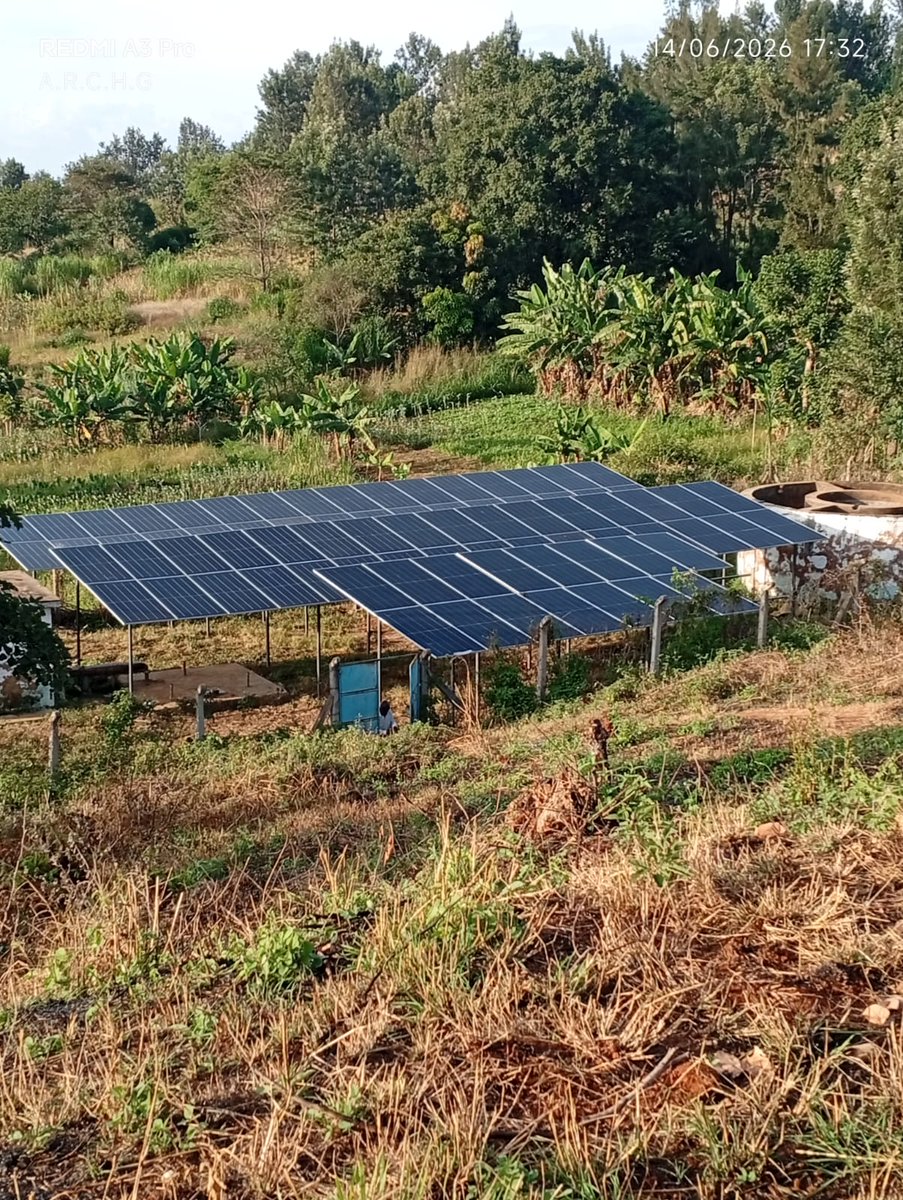
As I always reiterate, solar is the way to go to cut power costs. With an unstable national grid and ever rising utility kWh costs, solarization is the best way to develop. Cc @Nare_Energies

1
20

For many families in remote Sudan, clean water is a daily struggle.
Long distances and damaged infrastructure force reliance on unsafe sources—putting children’s health at risk.
With donor support, we are restoring safe access through water system rehabilitation, solarization, and WASH services in camps and schools across states.
#WASHMatters #Sudan #ActForChildren
1
24

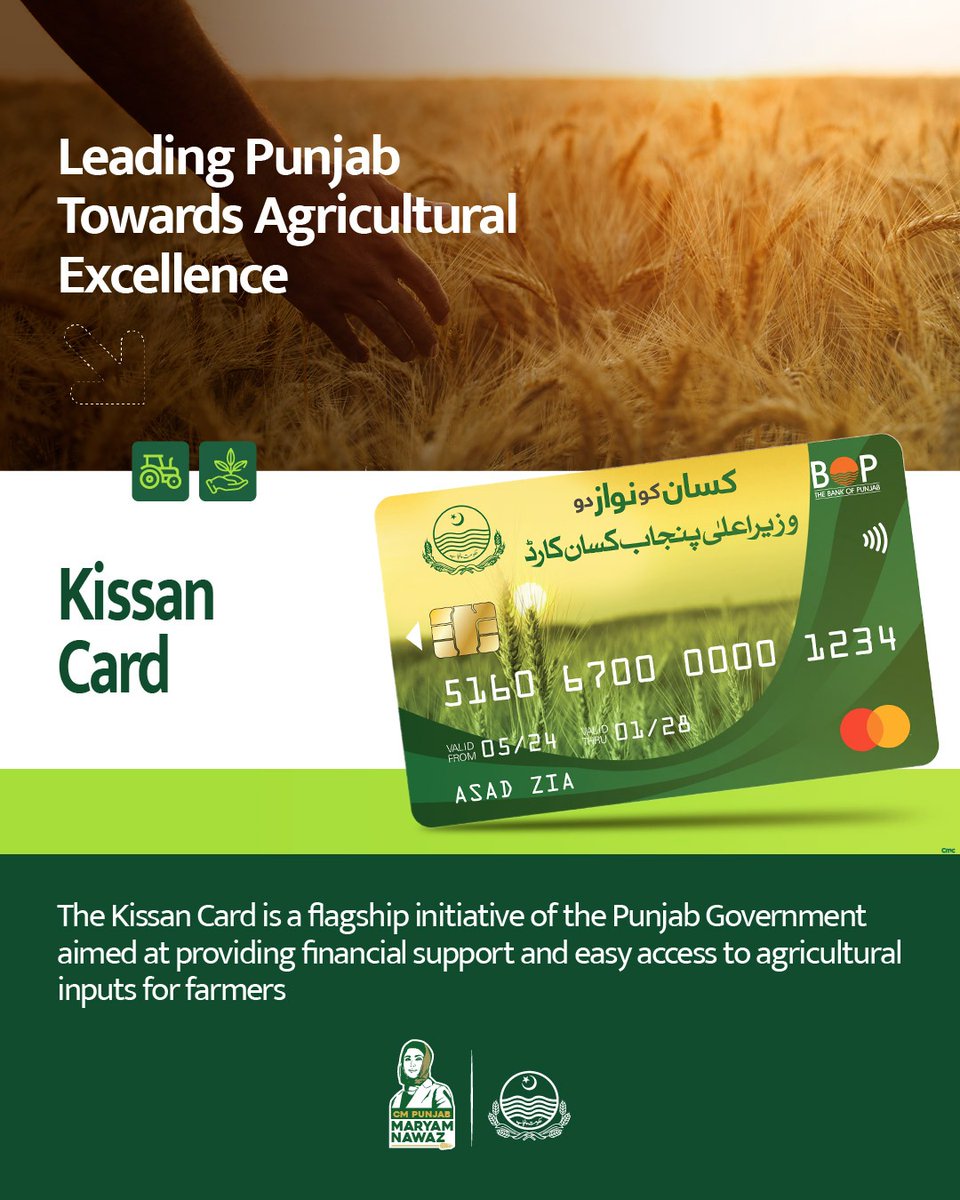
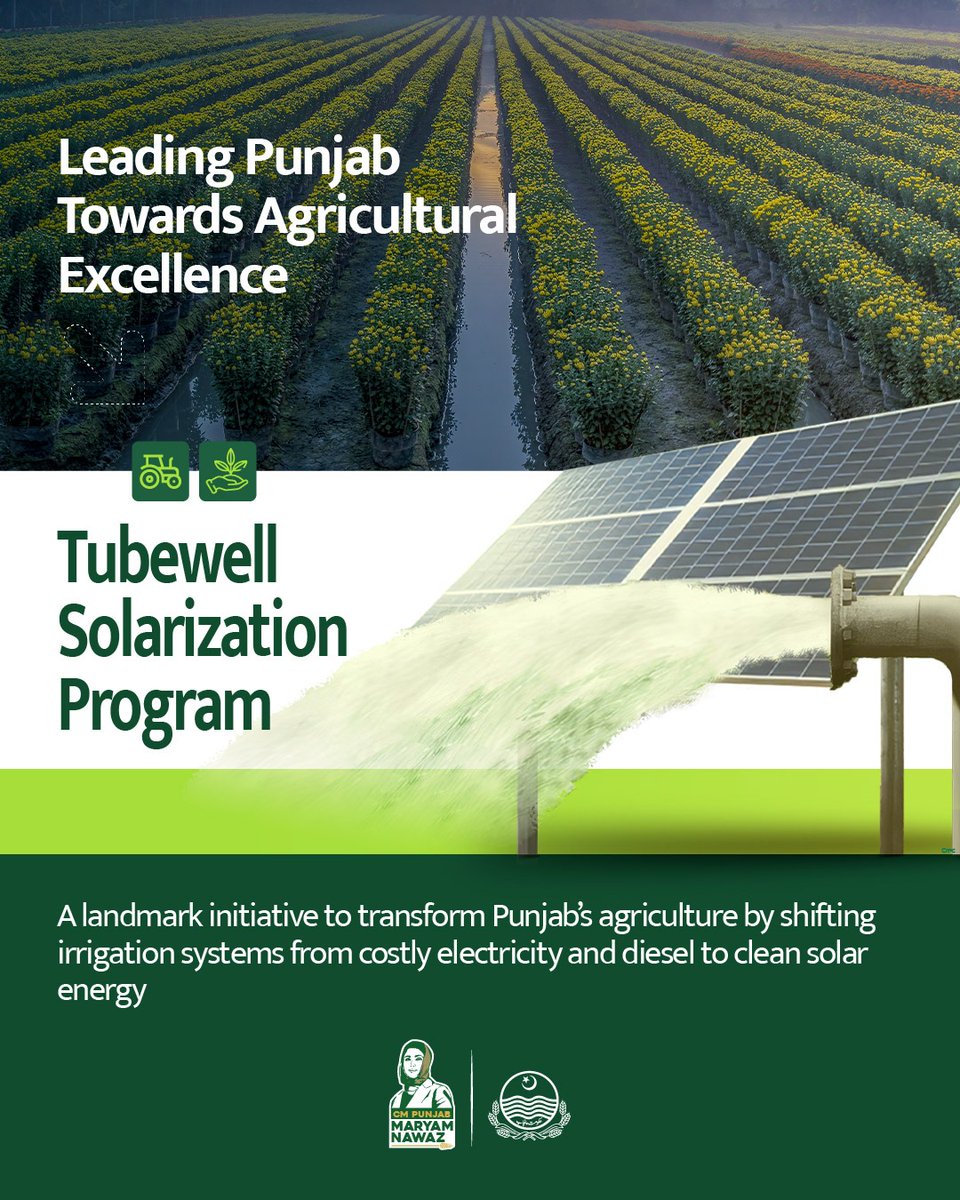
Punjab Energy Minister Malik Faisal Ayub Khokhar has praised Chief Minister @MaryamNSharif record development budget for the Energy Department, saying it will support green energy, energy security and sustainable development across Punjab.
According to the minister, Rs4.30 billion has been allocated for development expenditures and Rs1.43 billion for non-development expenditures of the Energy Department in FY2026-27.
He said the budget also includes major initiatives for renewable energy, solarization, energy conservation, public-sector efficiency and industrial facilitation.
Read full story: thepublicpurview.com/punjab-…
#ThePublicPurview #PunjabBudget #MaryamNawaz #GreenEnergy #SolarEnergy

9

Jun 17
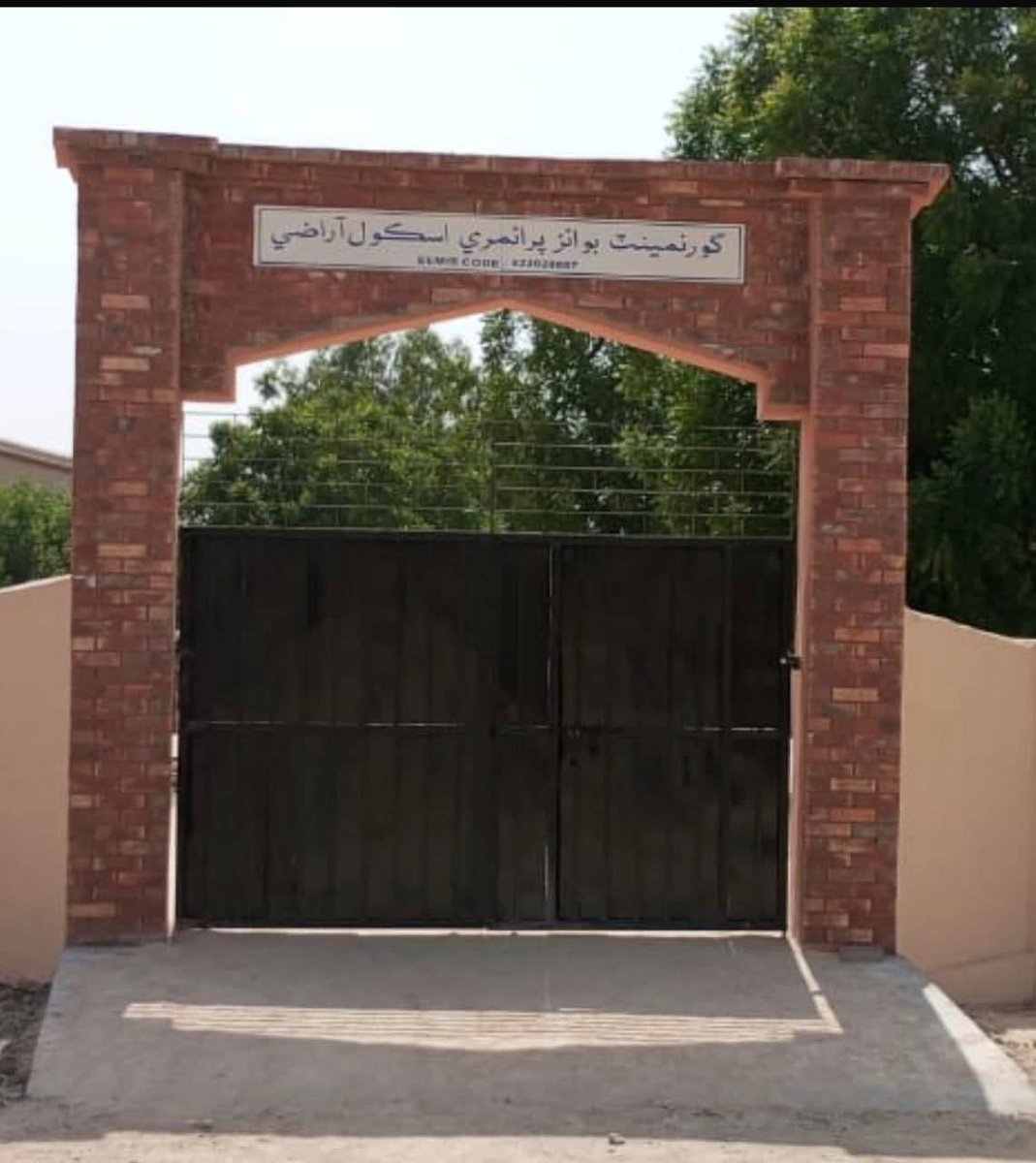
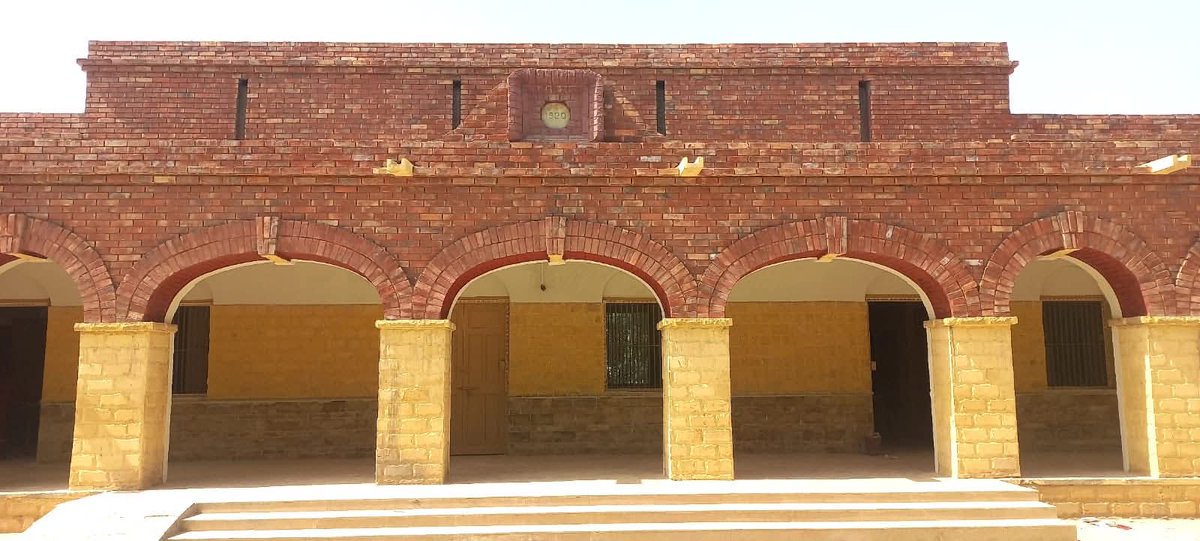
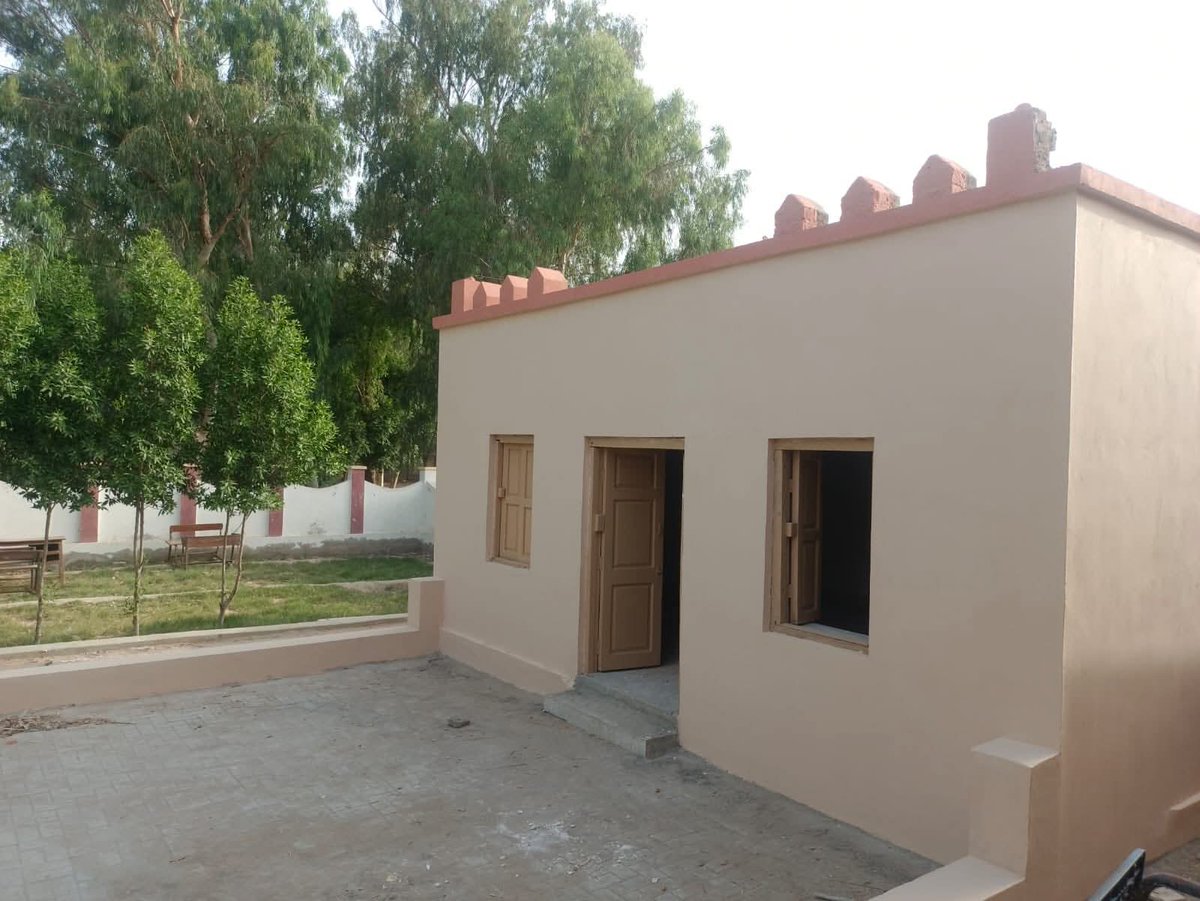
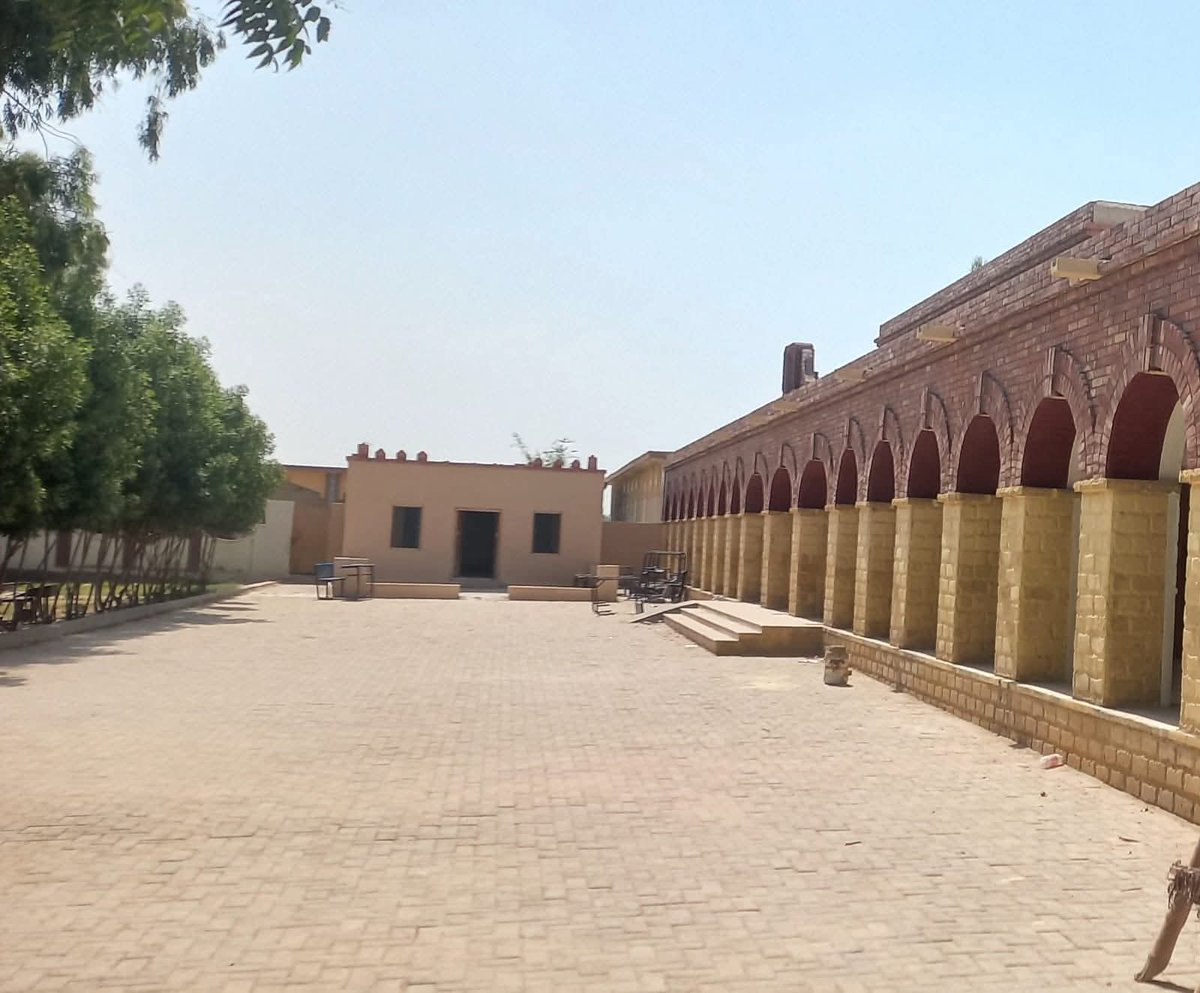
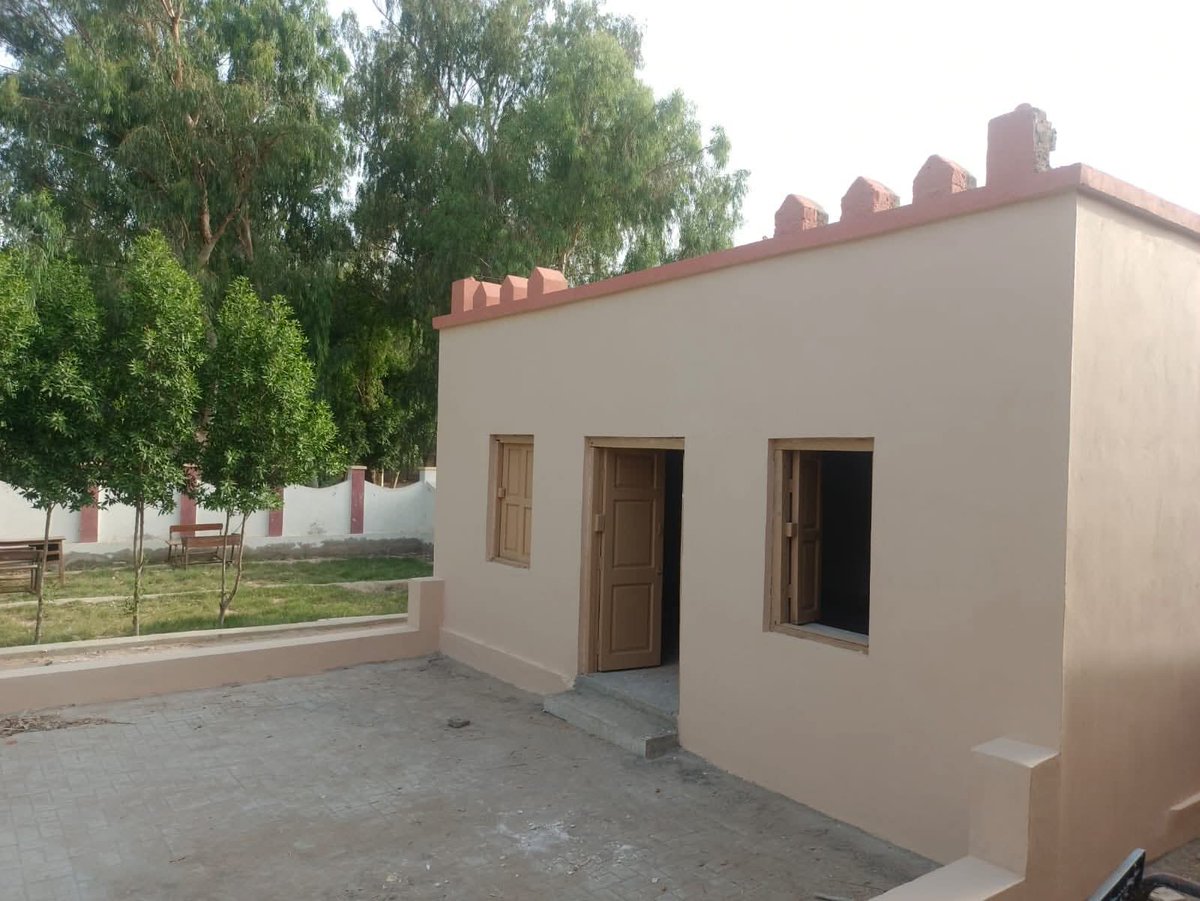
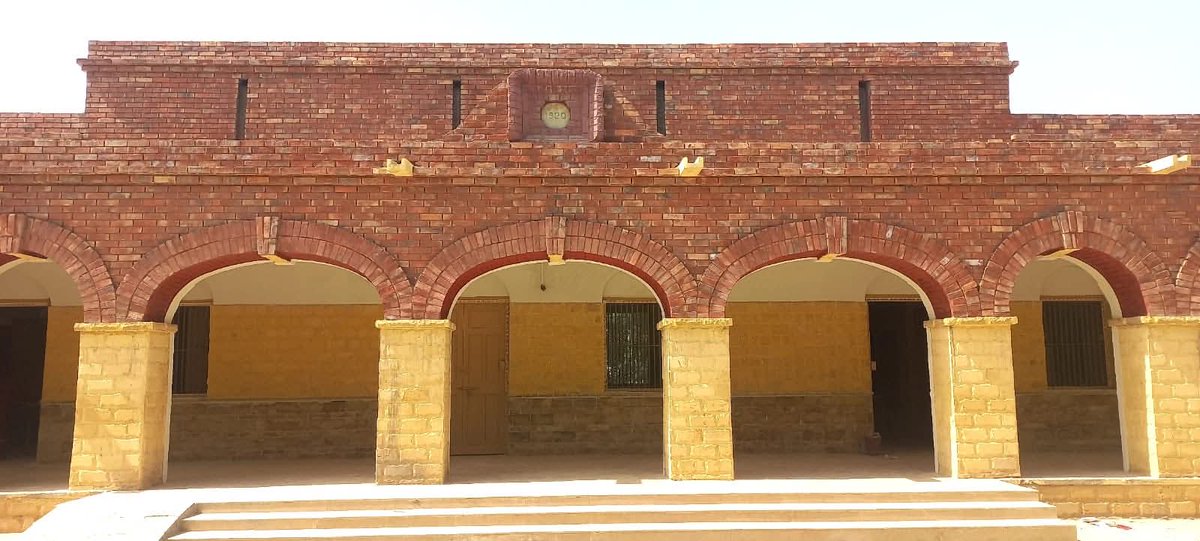
A century-old landmark renewed. GBPS Arazi, Taluka Sehwan, district Jamshoro, damaged in the 2022 floods, has been restored with upgraded facilities, electrification, and solarization, improving education while preserving heritage.
#EducationDepartmentSindh #GovtOfSindh
3
5
99

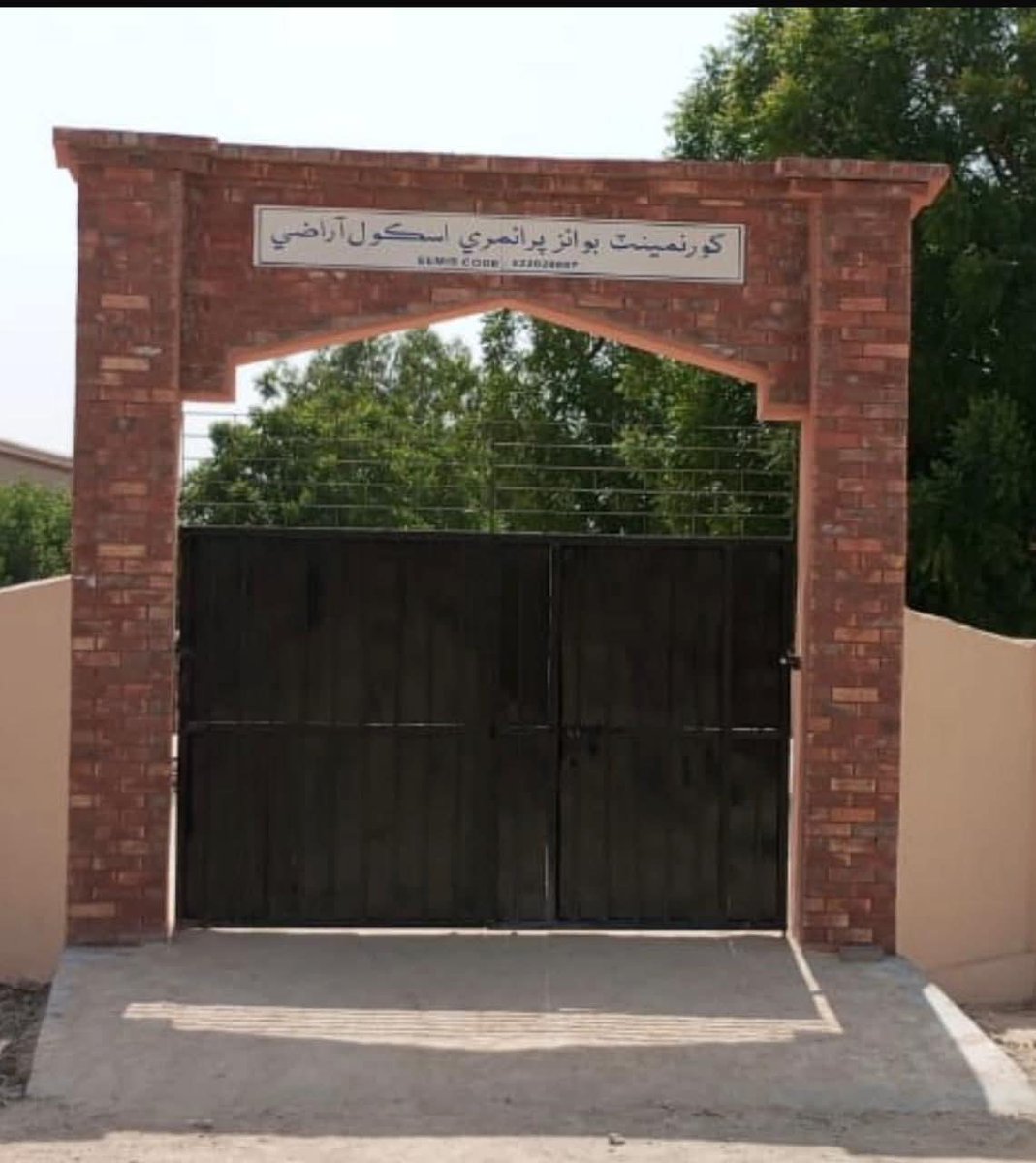
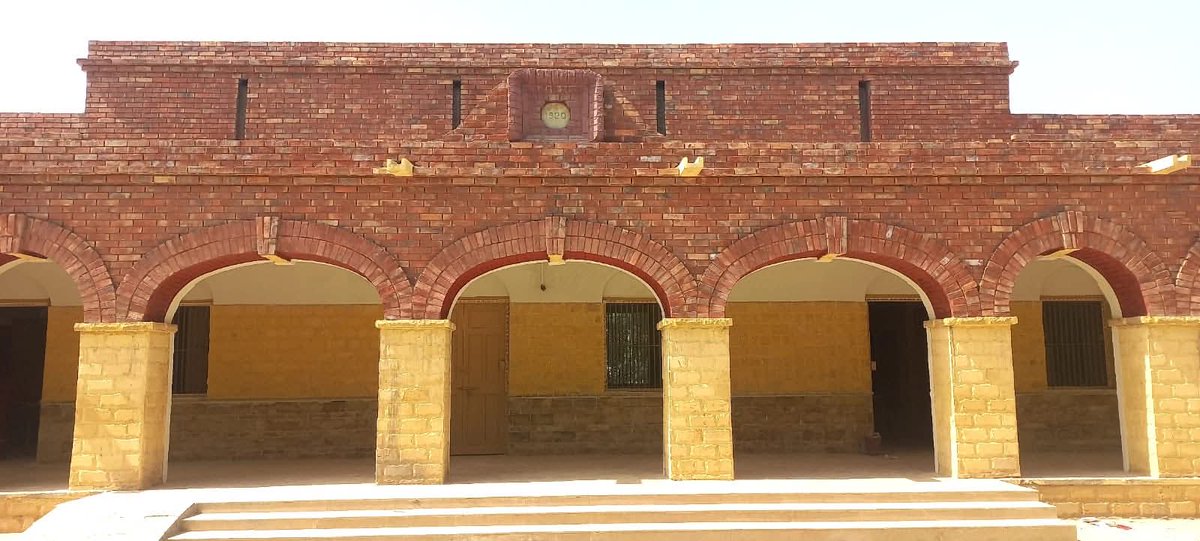
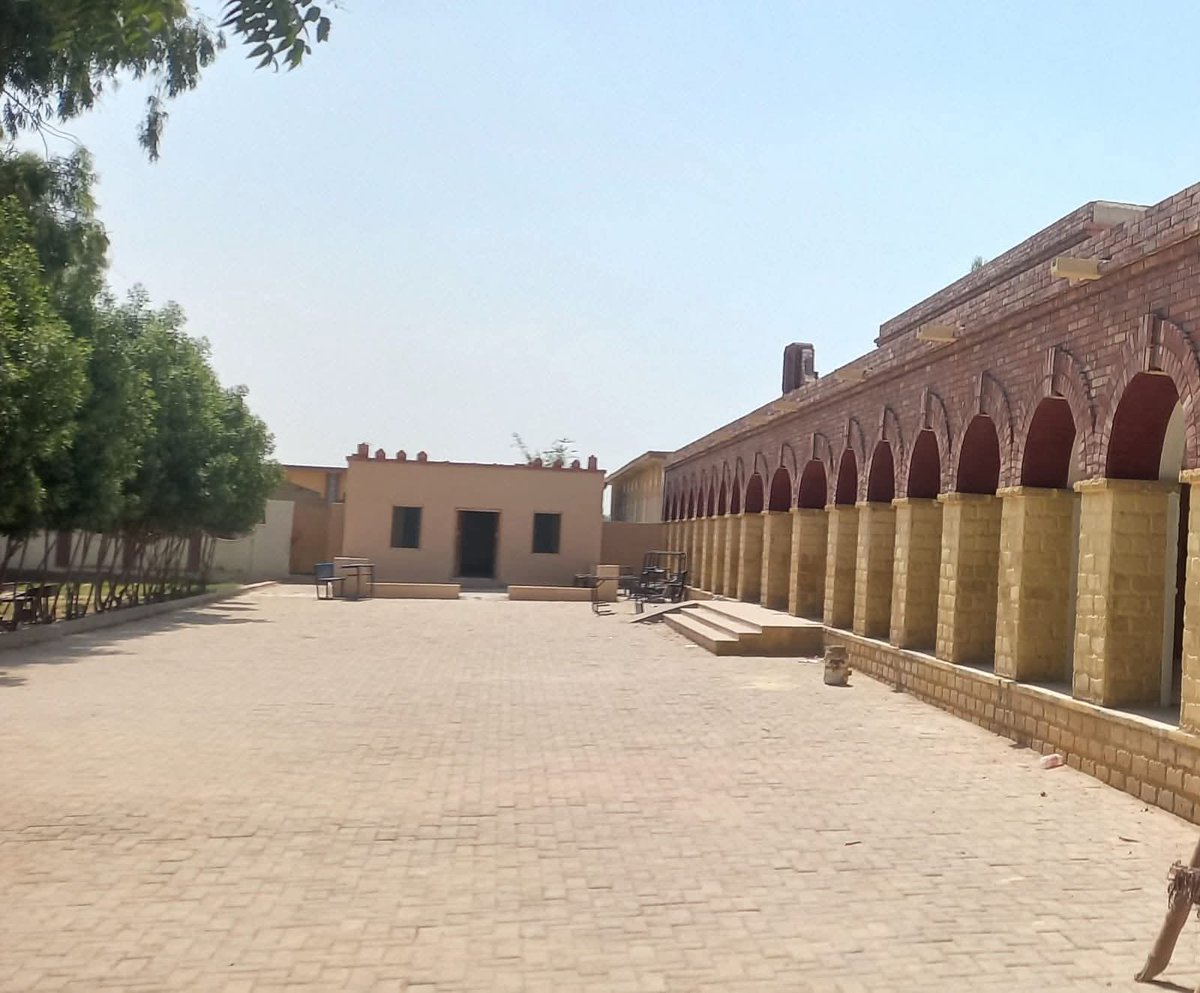
A century-old landmark renewed. GBPS Arazi, Taluka Sehwan, district Jamshoro, damaged in the 2022 floods, has been restored with upgraded facilities, electrification, and solarization, improving education while preserving heritage.
#EducationDepartmentSindh #GovtOfSindh #SchoolRehabilitation #FloodRecovery @BBhuttoZardari
@MinisterEduGos @SindhCMHouse
4
4
58

Jun 16
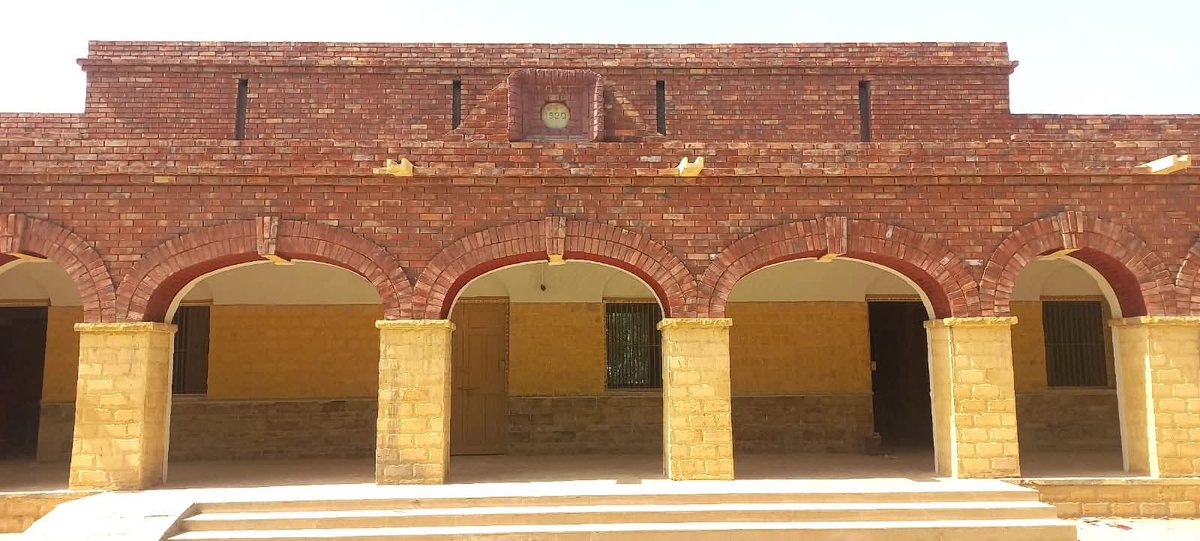
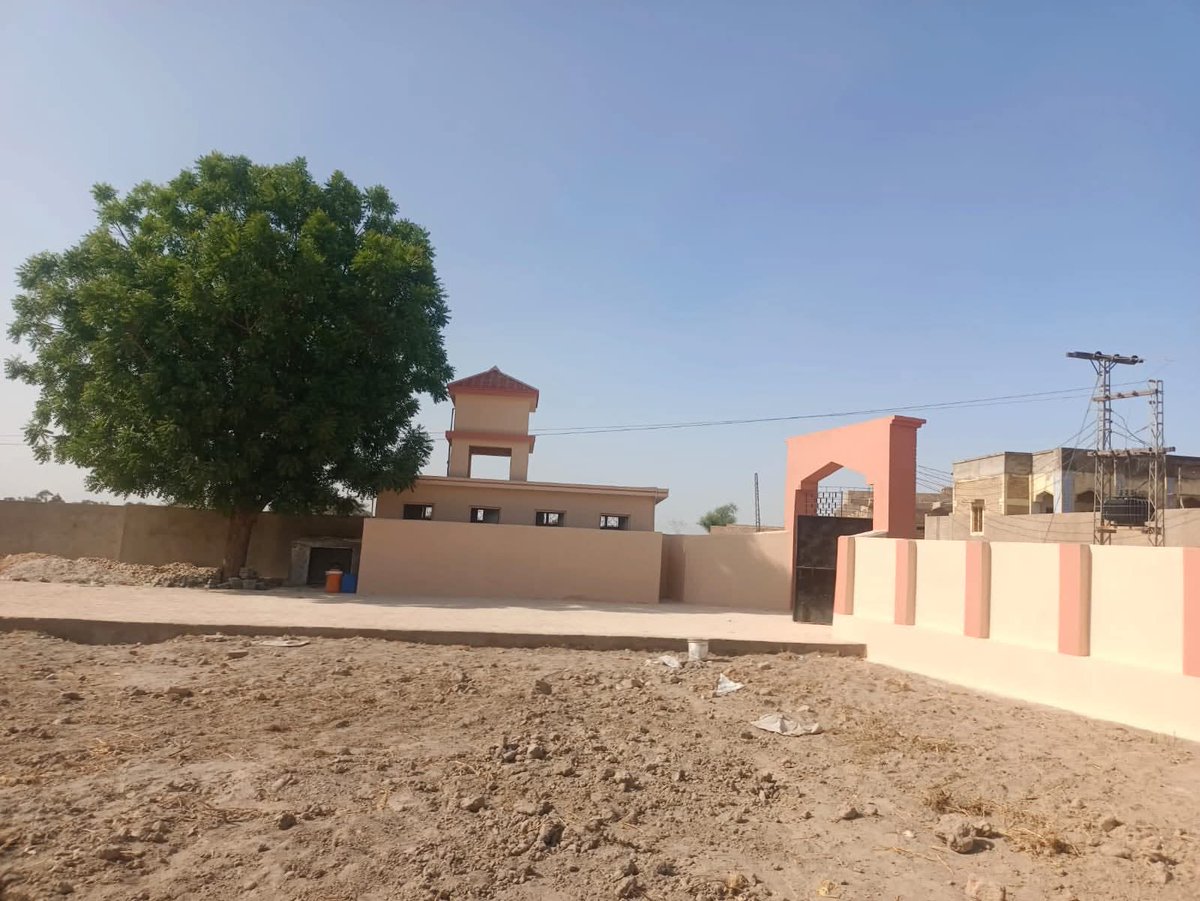
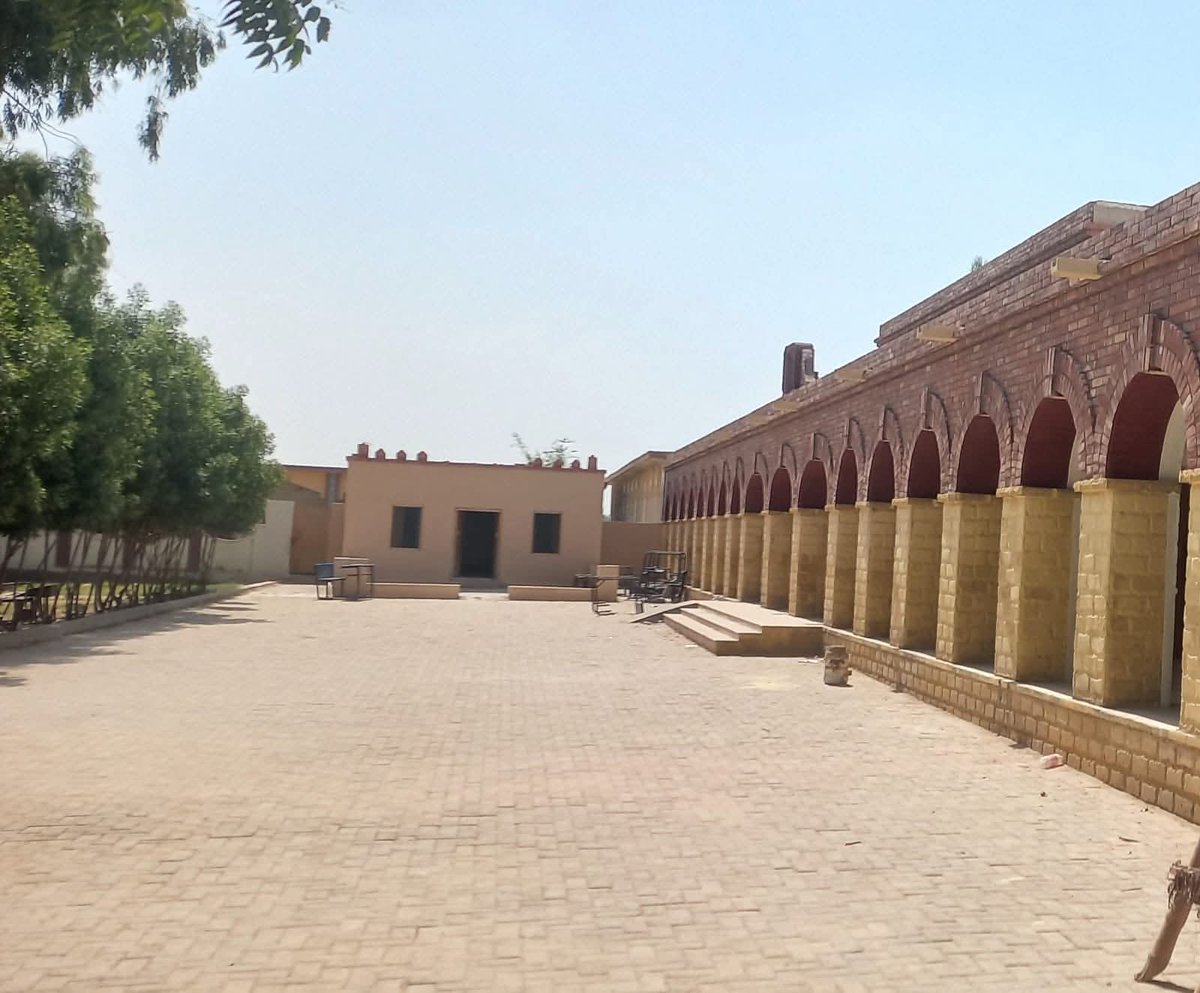
The rehabilitation and repair works at GBPS Arazi, Taluka Sehwan, damaged during the 2022 rains and floods, have been successfully completed and handed over under the District ADP – Special Project for Rain/Flood 2022 Damaged Schools of District Jamshoro.
Key rehabilitation works included:
✔ Repair and restoration of the historic colonial-era school building (constructed in 1920 AD)
✔ Repair of the school mosque and compound wall
✔ Rehabilitation of the two-classroom school block
✔ Construction of a lavatory block
✔ External development works, including site improvement and allied infrastructure
✔ Electrification and solarization of the school
The rehabilitation works have significantly enhanced the learning environment for students and teachers while preserving the historical and architectural heritage of this century-old institution.
@SindhCMHouse @MinisterEduGos @SELDGOS
4
3
40

Jun 16
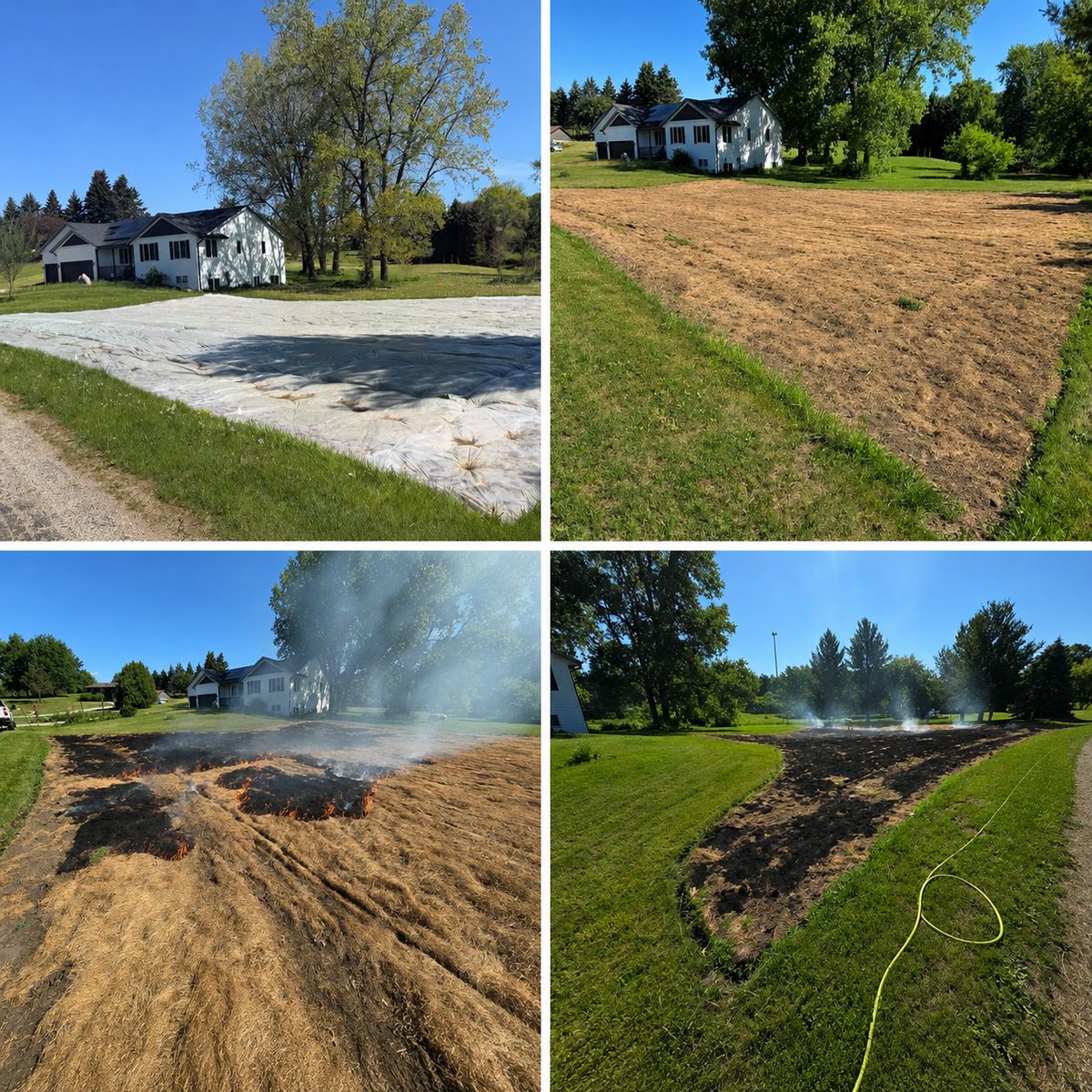
Successful solarization after 2.5 months under plastic!
The existing turf was eliminated, and we burned off the remaining surface material to prepare for the next step. Next week we'll scarify the soil, sow native seed, and apply straw.
Goodbye turf. Hello native habitat!
9
Brandon Woolway retweeted

Jan 23
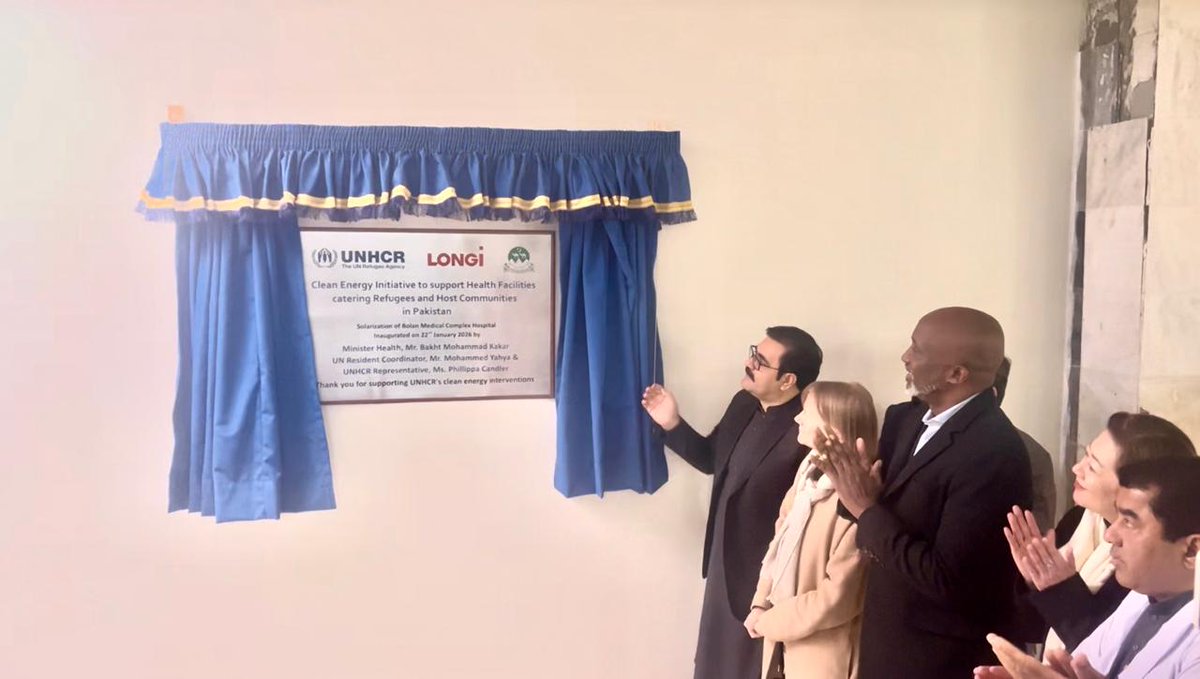
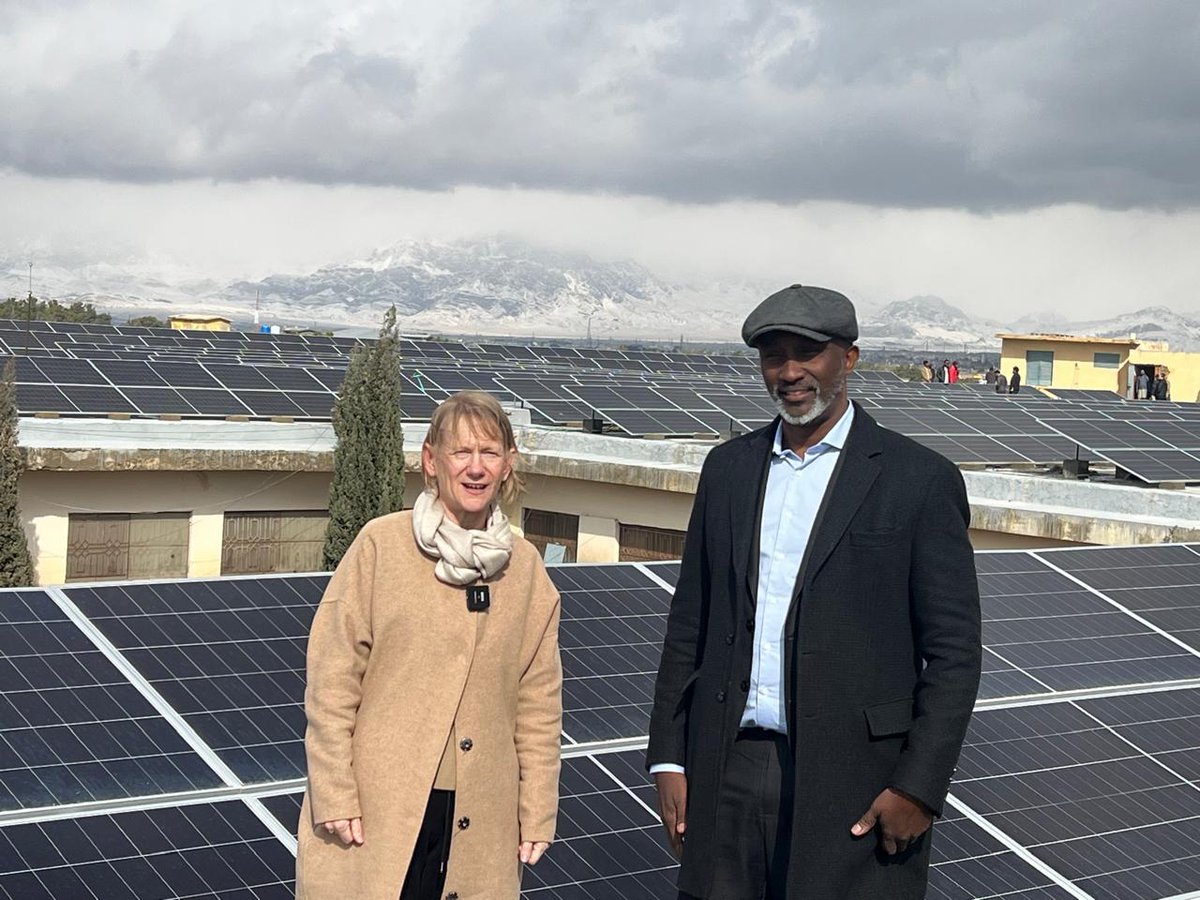
Clean energy for better healthcare ⚡
@dpr_gob, @Momalindi & @philippaUNHCR inaugurated the solarization of Bolan Medical Complex—ensuring uninterrupted power for a major hospital serving @refugees & host communities.
Thanks to @longi_solar for solarizing this health facility.
3
7
6
594

Jun 16
Modernisation is the only way to cut down the distribution lose of electricity. Accelerate Smart Metering and Advanced Metering Infrastructure (AMI). Implement Feeder Bifurcation and Dedicated Agricultural Feeders. Large-Scale Solarization of Agricultural Pumps (KUSUM Scheme). Modernize Substations and High-Voltage Distribution Systems (HVDS). Strict Energy Auditing via DT Metering.
56