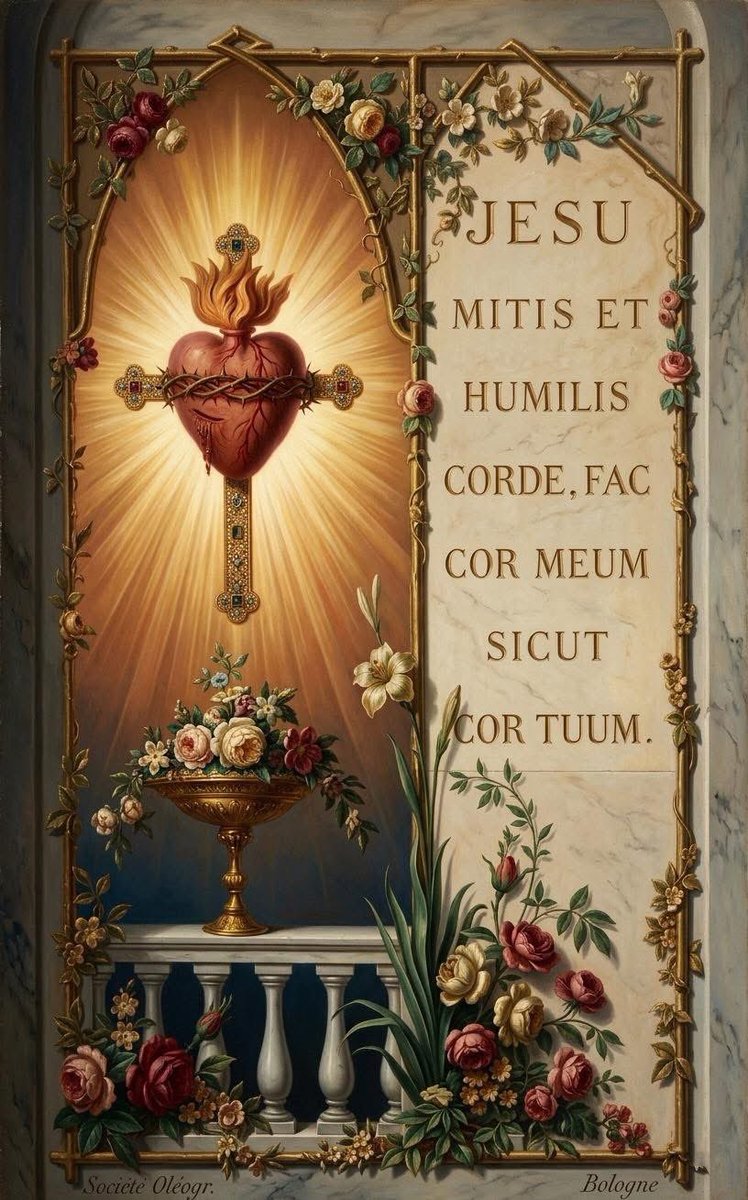
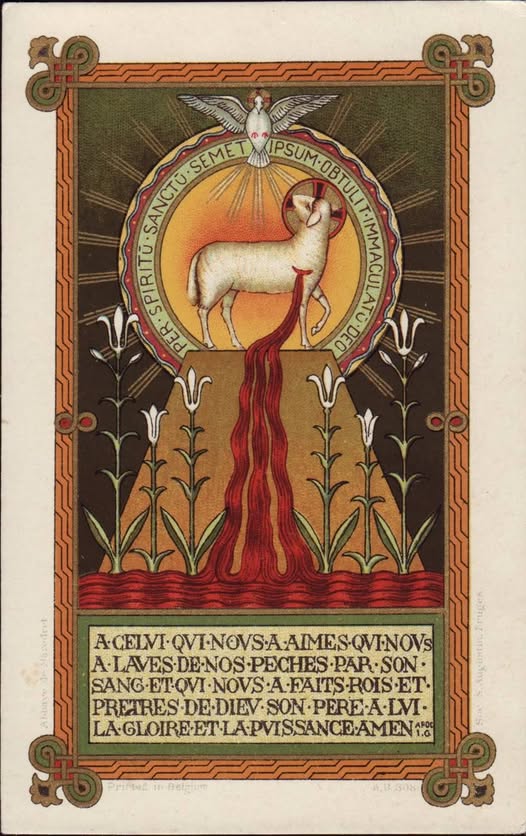
O Sacratissimum Cor Iesu / O Most Sacred Heart of Jesus
.
O SACRATISSIMUM Cor Iesu, Tu beatae Margaritae Mariae desiderium regnandi super christianas familias pandisti1: ecce ut tibi placeamus adsumus hodie, ut plenum tuum super nostram familiam imperium proclamemus. Volumus deinceps tuam vitam vivere, volumus in sinu familiae nostrae florere virtutes, quibus Tu in terris pacem promisisti, volumus longe arcere a nobis spiritum mundi, quem Tu damnasti. Tu regnabis in mente nostra fidei nostrae simplicitate, in corde nostro tui solius amore, quo flagrabit erga te et cuius vivam servabimus flammam frequenti divinae Eucharistiae receptione. Dignare, Cor divinum, nobis praeesse in unum convenientibus, benedicere negotiis spiritualibus et temporalibus, arcere molestias, sanctificare gaudia, poenas levare. Si quando misere quis nostrum in tantum aerumnam inciderit ut te affligat, fac in memoriam illi redigas, Cor Iesu, te cum peccatore, quem paenitet, plenum esse bonitatis et misericordiae. Et quum hora separationis insonuerit et mors in familiae nostrae sinum luctum intulerit, nos omnes, sive abeuntes sive manentes, tuis aeternis decretis nos subiiciemus. Hoc solatio erit nobis, animo recogitare venturum esse diem, in quo familia nostra, in caelo coniuncta, tuam gloriam, tua beneficia in aeternum cantare poterit. Dignetur Cor immaculatum Mariae, dignetur gloriosus Patriarcha sanctus Ioseph tibi hanc consecrationem offerre, eiusque vivam in nobis singulis diebus vitae nostrae conservare memoriam. Vivat Cor Iesu, Regis et Patris nostri! Amen.
.
O MOST SACRED Heart of Jesus, Thou didst reveal to the blessed Margaret Mary Thy desire to rule over Christian families; behold, in order to please Thee, we stand before Thee this day to proclaim Thy full sovereignty over our family. We desire henceforth to live Thy life, we desire that the virtues to which Thou hast promised peace on earth may flower in the bosom or our family; we desire to keep far from us the spirit of the world, which Thou hast condemned. Thou art King of our minds by the simplicity of our faith; Thou art King of our hearts by our love of Thee alone, with which our hearts are on fire and whose flame we shall keep alive by frequently receiving the Holy Eucharist. Be pleased, O Sacred Heart, to preside over our gathering together, to bless our spiritual and temporal affairs, to ward off all annoyance from us, and to hallow our joys and comfort our sorrows. If any of us has ever been so unhappy as to fall into the misery of displeasing Thee, grant that he may remember, O Heart of Jesus, that Thou art full of goodness and mercy toward the repentant sinner. And when the hour of separation strikes and death enters our family circle, whether we go or whether we stay, we shall all bow humbly before Thine eternal decrees. This shall be our consolation; to remember that the day will come when our entire family, once more united in heaven, shall be able to sing of Thy glory and Thy goodness forever. May the immaculate Heart of Mary and the glorious Patriarch Saint Joseph vouchsafe to offer Thee this our act of consecration and to keep the memory thereof alive in us all the days of our lives. Glory to the Heart of Jesus, our King and our Father! Amen.
.
The Raccolta #705.
1 , 1957.
33

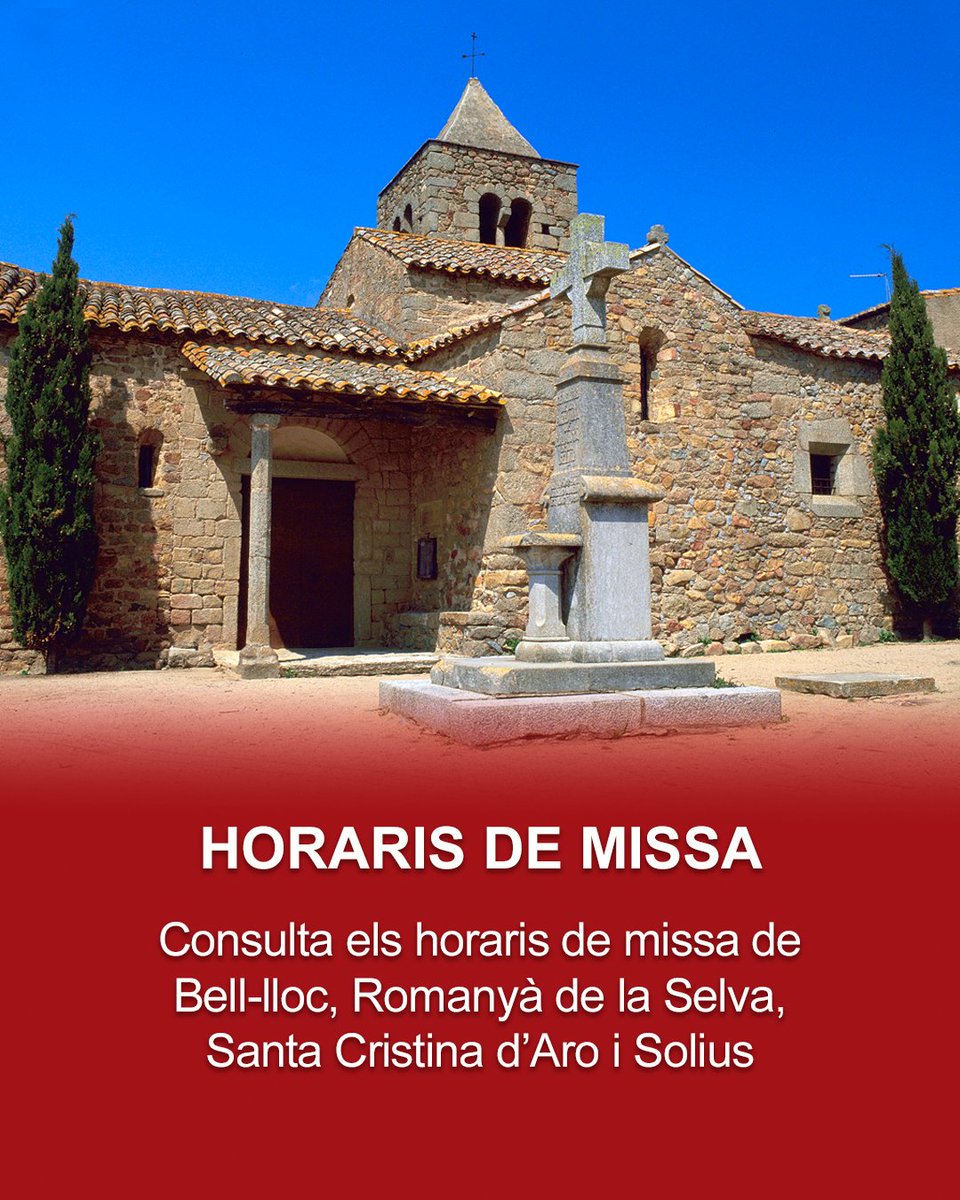
⛪️ Horaris de missa a Santa Cristina d’Aro
ℹ️En aquest enllaç podeu consultar els horaris habituals de les celebracions religioses als diferents temples del municipi: santacristina.cat/horaris-de…
#SantaCristinadAro #Solius #RomanyàdelaSelva #Belllloc #HorarisDeMissa
22



Friday Within the Octave of Corpus Christi from The Liturgical Year of Dom Prosper Gueranger:
.
.
White Semidouble.
.
Christum regem adoremus dominantem gentibus, qui se manducantibus dat spiritus pingudeninem.
.
Let us adore Christ, the King, Who ruleth the nations; Who giveth fatness of spirit to them that eat Him.
.
God has satisfied the intense desires of man’s heart. The house of the marriage feast, built by divine Wisdom on the top of mountains, has had flowing unto it all the nations of earth! Yesterday, the whole Catholic world was animated with sentiments of love towards the adorable Sacrament; and the people said to each other in a holy transport of gratitude: Come! let us go up to the mountain of the Lord, and to the house of the God of Jacob. Yesterday, the bud of the Lord was seen by us all in magnificence and glory; this divine Bud, this rich ear of corn that has sprung up from our earth, was carried in triumph and excited the enthusiasm of the Faithful, making them rejoice before It, as they that rejoice in the harvest. It was a heavenly harvest that had been the expectation of nations. It was the precious ear of corn, despised indeed by Israel, but gleaned by Ruth the stranger in the field of the true Booz, in Bethlehem.
It was for this day of the great meeting of nations, foretold by Isaias, that the Lord had kept reserved on the mountain the feast on a victim such as had never been seen before, a feast of wine, the richest and purest. The poor have eaten at this banquet, and they have given fervent praise to their God; the rich have eaten, and have fallen down in adoration; and all the ends of the earth, prostrate in his sacred Presence, have recognized that he who thus gave them to feast, was Christ their King. This, they said, is our God, we have waited for him; we have patiently waited for him; he was the desire of our soul; we desired him in the night, and in the morning early, our first thoughts were upon him; he is the Lord, and his remembrance could not be effaced, not even through the long ages of expectation. Thou, O Lord, art my God, I will exalt thee, and give glory to thy name, for thou hast done wonderful things; thy designs of old, faithful! faithfully hast thou fulfilled thy eternal decrees.
.
These expressions of love on the part of the human race were but a feeble echo to the infinite love which God vouchsafed to have for his creature man. The divine Spirit, who has achieved the wonderful union between the children of Adam and eternal Wisdom, shows us, everywhere in the Scriptures, that this Wisdom was impatient of delay, that he was taking each obstacle as it came, and removing it, and was preparing in countless ways, for the Marriage Feast so much longed for.
.
We will devote these first two days of the Octave to the considering the leading features in the history of this eucharistic preparation; we shall be well repaid by the additional light which these truths will reflect upon the dogma itself. We are going to review the loving ways whereby eternal Wisdom sought, for so many long ages, to bring about his own Union with ourselves. As a matter of course, we clothe these truths in Scripture language, for the Scriptures are our guide in this research; it is they that tell us the workings of the divine intentions in our regard. How, then, do the Scriptures speak of these, before the mystery of the Incarnation was actually accomplished?
.
The second Person of the adorable Trinity is there brought before us under the name of Wisdom; until such time as her union with man being accomplished in the most perfect degree possible, that is, in our Lord Jesus Christ; this is the name under which he passes in the Scriptures, a name which gives him the appearance of a Bride. But once the mystery of perfect union achieved, another name is given him, the name of Spouse or Bridegroom. His other name of Wisdom seems almost forgotten; and yet, in the ages of lively faith, it was not so; the people of those days were too full of the Scriptures to forget it. Thus we find the first Christian Emperor dedicating, to this ruler and center of his every thought, the trophy of his victory over paganism, and that of the triumph of the Martyrs: all burning with love for the Wisdom of God, says Eusebius, Constantine consecrated the ancient Byzantium, which he called by his own name, to the God of the Martyrs; and dedicated to Eternal Wisdom the grandest structure of this new Rome, Saint Sophia, which, for many ages, was the finest Christian Church in the world. Like our forefathers in the faith, let us too honor divine Wisdom, and gratefully think upon the love which urged him, from all eternity, to unite himself to man!
.
It is this love that explains that mysterious joy, which, as the Scripture tells us, he had at the beginning of Time, when this world of ours was being gradually developed in all the beauty of its fresh creation; for sin had not then come in to break the harmony of this work of the Most High. At each additional manifestation of creative power, Wisdom takes delight, and by his delight, adds a new charm to this the future scene of the divine marvels, planned as those had been by his love. This Wisdom is delighted at the omnipotence which produces Creation; he plays every day, as the Creation goes on, yes, he plays in this world, for, each progress in its formation brings Man nearer,—Man, whose palace it is; and his delights are to be with the children of men.
.
Incomprehensible love! It precedes, though it foresees, sin; and though foreseeing it, loves not the less! It has its divine delights to be with us, and we have attractions for it, in spite of all the bitterness caused by the sight of our future black ingratitude! The Fall of man will, as one of its terrific consequences, modify, much and cruelly, the earthly existence which Wisdom is to have upon our earth. But in order that we may the more easily understand and more fully appreciate how immense must that love be which could be proof against such obstacles, let us turn our thoughts today to the course that these loving intentions would have taken, had man persevered in the state of innocence. Although the Sacred Scriptures, written as they have been for the benefit of fallen man, suppose that state, and are ever telling us of the mystery of the restoration of the sinful world,—yet do they make frequent allusions to God’s original intention; and with these to guide us, it is not difficult to mark out the leading features of the primitive plan.
.
Wisdom, speaking of herself, says: The Lord possessed me, in the beginning of his ways. Is she not the first of all creatures? not, of course, as to that divine form of which the Apostle speaks, and by which Wisdom is equal to God, but in that human existence, which she has selected, in preference to all other possible natures, for the one whereby to unite herself with finite being. That selection was one of an unlimited and most gratuitous love; it made the type and law of entire creation to be One who would be so closely resembling us human beings,—and what an honor! We are told in holy Writ that the most high and almighty Creator created Wisdom before all things, and created her in the Holy Ghost; and that, taking her as his type, and number, and measure, he poured her out upon all his works, and upon all flesh. When the fullness of the appointed time came, this Wisdom herself was to come, giving to all creation of which she was the head and center, its purpose and meaning: she was to blend and unite with the infinite homage, which resulted from her own divine personality, the homage of every existing creature; and thus give perfection to the external glory of the Father by her own adoration, which was to be eternal and infinite. Once this happy time is come, and there will appear that human nature, chosen by divine Wisdom from the beginning to be his created form,—to be the instrument of that homage to the Father, which as we were just saying, will be perfect and divine because of the personal union of this created nature with the Nature of God the Son. Eternal Wisdom will thus be one with the Son of the purest of Virgins; the nuptial song will be taken up by all creatures, both in earth and heaven; and through this Son of Man, who will then be called the Spouse, Wisdom will continue, to the end of time, in the soul of every individual of the human race (that is, of every soul that does not refuse the honor), the ineffable mystery of his divine marriage with our nature.
.
He wishes, then, to unite himself with each one of us; but what means will he adopt for this deifying union? Of all the Sacraments, which our Lord might have instituted after his Incarnation, in the supposition of man’s not forfeiting his state of innocence,—there is not one, says Suarez, which has so many probabilities on its side as the Eucharist; there is not one which, in itself, is so desirable and is more independent on sin; for the notion of expiation, which in our present state lingers about It, as the memorial of our Jesus’ Passion, may be prescinded from, without affecting the essence of the Sacrament,—that essence being, the Real Presence of our Lord, and the close union whereby he unites us to himself. It is the same with the Eucharist as a Sacrifice: the primary notion of Sacrifice, as we shall see further on, does not absolutely include the idea of sin. So that, when Christ, as the head of the human family, comes into this world to offer up a Sacrifice, in the name of us all, that Sacrifice will be one which is worthy of his Father and himself. Spouse as he is, and by virtue of the divine unction, Priest, too; it is by the Eucharist as a Sacrifice that he will act in this twofold character, for by that Sacrifice, he brings the human race into union with himself by the embrace of the sacred Mysteries; and when he has divinized it by union with himself, making it one body with himself, of which he is the Head, he offers it to his Eternal Father.
But for the coming of the Spouse, the Bridegroom, there must be a numerous retinue to do him honor and tell his praises, when the day arrives for his entrance into the banquet hall; and from now till the time, when earth, being peopled enough, shall have ready for her King-Priest a court that is worthy of him, so many ages are to intervene! What will he,—that is, what will Wisdom be doing in the interval? We have already seen how, in the early days of creation, he played before his Father, and was all transported with delight. But when the work was done, the Creator withdrew into the repose and rest of the seventh day. Seated on his Father’s right hand, in the splendors of the Saints, will Wisdom wait inactive for that day to come, when he who has begotten him before the day-star, and has betrothed him to human nature, shall send him down to this earth, there to consummate the alliance for which he has been eternally longing? The sacred Scriptures give a very different description of him during the time preceding his actual coming. They tell us that Wisdom is so active, though so gentle, that He is more active than all active things, and was everywhere, and put himself in every place, and in the Prophets, so that he was easily found by them that wanted to find him; he even anticipated their research, and was more ready to show himself than they could possibly be to find him. If any soul was intent, like some early riser, to find him, he soon met such a seeker; nay, himself went about seeking for such as were worthy of him, and when he met them in the ways here or there in this wide world, this beautiful Wisdom would show himself to them, with all the cheerfulness of earnestness. Thus do the Scriptures describe Wisdom as engaged during the ages preceding his Incarnation; he does not, as yet, quit the throne of glory on which he sitteth, lighting up all heaven with his beauty,—but he is preparing the day of his Marriage, and that by impressing it on man’s mind and notice in every possible way; he meets him at every turn, to speak of it, to tell him of how he, Wisdom, loves him; he selects certain symbols whereby to show the generations then living a picture of the wondrous mysteries he intended to achieve when the time came. Let us take one of these symbols for our lesson today, that we too may lose not a particle of what our Jesus has ever done to make himself known. But before we go further, let us listen to the Scripture character drawn of this beautiful Wisdom: He is the brightness of eternal light, and the unspotted mirror of God’s majesty, and the image of his goodness; holy, one, manifold, subtle, eloquent, active, undefiled, sure, sweet, loving that which is good, quick, which nothing hindereth, beneficent, gentle, kind, steadfast, assured, secure, having all power, overseeing all things, and containing all spirits, intelligible, pure, subtile! And now to a choice symbol, chosen by our Jesus, whereby he spoke of himself before he came to the Nuptials.
.
The Lord God, says Scripture, had planted a paradise of pleasure from the beginning, wherein he intended to place Man, whom he was not to create till the sixth day. In the midst of this paradise, there grew a tree of singular beauty; it was a tree to which God had attached a great mystery, and its name was the Tree of Life. A river with four streams watered this garden of delights, and this river was shown later on to St. John as a river of water of life, clear as crystal, proceeding from the throne of God and the Lamb. This twofold symbol of the Tree and the River bear no allusion to future sin; they had been put in Paradise, the abode of innocence, before man himself; and therefore are portions of the primitive plan of God; and therefore, in themselves, signify nothing and symbolize nothing, but what has reference first and foremost to the state of innocence. Now, an ancient writer, published under the name of St. Ambrose, says, “the Tree of Life in the midst of Paradise is Christ in the midst of his Church.” “So then,” says St. Augustine, “Christ was the Tree of Life; neither would God have man to live in Paradise, without his having mysteries of things spiritual presented to him under corporal forms. In the other trees, therefore, he had food; but in that one (of Life) he had a sacred symbol (sacramentum). And what was it that is symbolized but Wisdom? of which it is said, She is a Tree of Life to them that lay hold on her … For it is right to give to Christ, the name of a thing which had been previously made, that it should signify him.” St. Hilary, too, bears testimony to this same traditional interpretation. After quoting the same text from Proverbs, he says: “Wisdom, which is Christ, is called the Tree of Life, because, as we are taught by the authority of the Prophets, on account of its being a symbol (sacramentum) of his future Incarnation and Passion … Our Lord compared himself to a Tree, when he said … A Tree is known by its fruit … This Tree, then, is living; yea, not living only, but rational also, for it gives its fruit when it wills (and as the Psalm says), in its own time … And what is that time? That of which the Apostle speaks, when he says, that God might make known unto us the mystery of his will, according to his good pleasure which he had purposed in him, in the dispensation of the fullness of times: … the dispensation of the fruit, then, is reserved for the fullness of times.” But what is to be the Fruit of this Tree,—the leaves of which fall not off, and are for the healing of the nations,—what is to be the Fruit but divine Wisdom, in his own very self and substance? In his divine form, he is the food of the Angels too; but he is to be that of man in his two Natures, that thus, by his Flesh, reaching man’s soul, he may fill that soul with his divinity, as it was beautifully expressed in the Office composed by Blessed Juliana.
.
Thus, therefore, divine Wisdom, our Jesus, had preceded man in Paradise: Adam was not yet there, but Wisdom was; for his love made him hasten thither and take up his abode there, ready to receive man on his arrival,—receive him in that Tree of Life which, together with the Most High, he, as the Wisdom wherein the Creator formed all his works, had planted in the garden of delights. Speaking of this Tree, the Bride of the Canticle said: As the apple-tree among the barren trees of the woods, so is my Beloved among the sons of the rest of men; I sat down under his shadow whom I desired, and his fruit was sweet to my palate. This sweet Fruit of the Tree of Life was a figure of the Eucharist.
But how is this? we were yesterday invited by Wisdom to eat Bread in his house, and not Fruit in his garden. What means this change of language? It is because man has brought about an immense change of purpose: in his pride, he has eaten of a fruit which was not good; a fruit which was forbidden, and has ruined him for his taking it; he has been driven from the garden of delights; Cherubim and a flaming sword have been placed, to keep the way of the Tree of Life. Instead of fruits of Paradise, the food of man is henceforth to be bread, bread which costs toil and sweat, bread which means grinding under a millstone and burning in fire. Such is the sentence passed on man by a justly angered God. But, alas! this most just condemnation is to go far beyond the guilty one; it will strike man, but it will strike divine Wisdom, too,—Wisdom who has given himself to man to be his food and companion. In the immensity of his love, Wisdom will not abandon this fallen nature of man; he will, that he may save it, take upon himself all the consequences of the Fall, and, like fallen man, become passible and mortal. The marriage-feast is not to be in Eden, as was first intended. Poor Eden! she had been so exquisitely prepared for that feast; she had her fragrant fields of loveliest emerald, and her fruit which was so fair to behold, and so pleasant to eat of, and so immortalizing with a youth that was to last forever! To reach man, now that he is fallen, eternal Wisdom must make his way through the briars and thickets of his new abode. The Marriage Feast will be kept in a house, which it has cost him infinite pains to build to himself, as a cover against the miseries of the land of exile. And as to the food served for the banquet, it is not to be the fruit spontaneously yielded by the Tree of Life; it is to be the divine Wheat, ground by suffering, and baked on the altar of the Cross.
All history culminates in the Sacrifice of our Lord, and all creation converges to it, as to its center. The reason of this is that, in the creation and government of the world, God seeks his own glory, as the last end for which he does all his works. Now, the Sacrifice offered by the Incarnate Word alone gives to God the infinite glory due to his sovereign majesty. The Christians of the first ages of the Church thoroughly understood all this. It was the idea on which was composed the fine Preface given in the Liturgy under the name of St. James’, in the 8th Book of the Apostolic Constitutions. We wish we could give our readers the whole of this Liturgy: we intend, however, to quote, during the days of this Octave, some of the most striking passages.
.
Constitutio Jacobi
.
Vere dignum et justum est ante omnia laudare te verum Deum, ex quo omnis paternitas in cœlo et in terra nominatur, solum ingenitum, omnis boni largitorem. Tu enim es primus natura, et lex existendi, ac omnem numerum superans.
.
It is truly right and just, that, before all things, we should give praise to Thee, Who art true God, from Whom all paternity and heaven and earth is named, Who art the only Unbegotten, the Giver of every good thing. For Thou art first by nature, and the law of existence, and surpassing all number.
.
Qui omnia ex nihilo in rerum naturam protulisti per unigenitum Filium tuum: ipsum vero ante omnia sæcula genuisti absque intermedio Verbum Deum, Sapientiam viventem, primogenitum omnis creaturæ, Angelum magni consilii tui, pontificem tuum, regem autem et dominum omnis naturæ quæ intelligi ac sentiri potest. Tu namque, Deus æterne, cuncta per ipsum condidisti, et per ipsum cuncta dignaris convenienti providentia; per quem enim ut essent donasti, per eumdem etiam ut bene essent dedisti.
.
Thou it was that broughtest all things, out of nothing, into the nature of things, by Thine Only Begotten Son: but Him Thou begottest before all ages, without an instrument, God the Word, living Wisdom, the first-born of every creature, the Angel of Thy great counsel, Thy Priest, the King, also, and Lord of every nature that can be understood or felt. For Thou, eternal God! createdst all things by Him, and, by Him, Thou vouchsafest a suitable providence to all things; for, by Whom Thou gavest things to be, by the same Thou gavest them well-being.
.
Deus et Pater unigeniti Filii tui, per eum ante omnia fecisti cherubinos et seraphinos, exercitus, virtutes et potestates, principatus et thronos, archangelos et angelos.
.
O God and Father of Thy Only Begotten Son! by Him, Thou madest, before all things, the cherubim and seraphim, the hosts, the virtues and powers, the principalities and thrones, the archangels and angels.
.
Atque post hæc omnia, per eum fabricasti hunc qui apparet mundum, cunctaque quæ in eo sunt. Nam tu es qui cœlum ut pellem extendisti, et terram supra nihilum collocasti sola voluntate; qui noctem ac diem fabricatus es; qui in cœlo solem posuisti ad dominium diei, et lunam ad dominium noctis, atque chorum stellarum in cœlo delieasti in laudem magnificentiæ tuæ; qui mare magnum a terra separasti, et illud quidem animalibus parvis ac magnis refersisti, hanc autem cicuribus ac indomitis replevisti, herbis coronasti, floribus decorasti, seminibus ditasti.
.
And, after all these, Thou madest, by Him, this visible world, and all that is in it. For Thou art He that stretchedst out the heavens as a tent, and settedst the earth upon nothing, by Thine only will; that madest night and day; that, in the heavens, placedst the sun to rule the day, and the moon to rule the night, and inscribedst a choir of stars in heaven unto the praise of Thy magnificence; Thou dividest the great sea from the land, replenishing the one with animals little and great, and filling the other with creatures, both tame and wild, crowning it with herbs, beautifying it with flowers, enriching it with seeds.
.
Neque solum per Christum condidisti mundum, sed et in ipso mundi civem hominem effecisti, ac eum mundi mundum, seu ornatus ornatum constituisti. Dixisti enim Sapientiæ tuæ: “Faciamus hominem ad imaginem nostram, et ad similitudinem: et dominentur piscibus maris et volatilibus cœli.” Ideoque fecisti eum ex anima imortali et corpore dissipabili; et dedisti ei, in anima quidem rationalem dijudicationem, justi ac injusti discretionem; in corpore autem donasti quinquertium sensuum atque motum progressivum.
.
Neither only createdst Thou the world by Christ, but in Him, also, Thou madest man citizen of the world, appointing him the world of the world, or the ornament of the ornament. For thou saidst unto Thy Wisdom: “Let us make man to our image and likeness; and let them have dominion over the fishes of the sea, and the fowls of the air.” Wherefore, also, Thou madest him of an immortal soul and a body liable to dissolution; and Thou gavest him, in his soul, rational judgment, and discernment between right and wrong; and in his body, five senses, and progressive motion.
.
Tu namque, Deus omnipotens, per Christum in Edene ad Orientem plantasti paradisum omni genere esculentarum plantarum ornatum, et in eum tanquam in opiparam domum induxisti hominem; quem, cum efficeres, lege naturali ac insita donasti, quo intus ac ex se haberet cognitionis Dei semina. Introducens autem eum in paradisum deliciarum, potestatem quidem omnium ad participandum concessisti, unius vero solius gustatum in spem meliorum rerum interdixisti, ut si mandatum custodiret, illius servati mercedem ferret immortalitatem.
.
For Thou, O almighty God, plantedst, by Christ, in Eden, at the East, a paradise, adorned with every sort of plant fit for food, and, into it, as a well provisioned house, Thou didst lead man, to whom, when Thou createdst him, Thou gavest a natural and innate law, to the end that he might have within and of himself the seeds of the knowledge of God. And when introducing him into the paradise of delights, Thou grantedst him leave to partake of all things save one, whereof, to give him the hope of better things, Thou forbadest him to taste, that, if he kept that commandment, he might receive immortality, as the recompense of his observance.
1
1
11
1,556

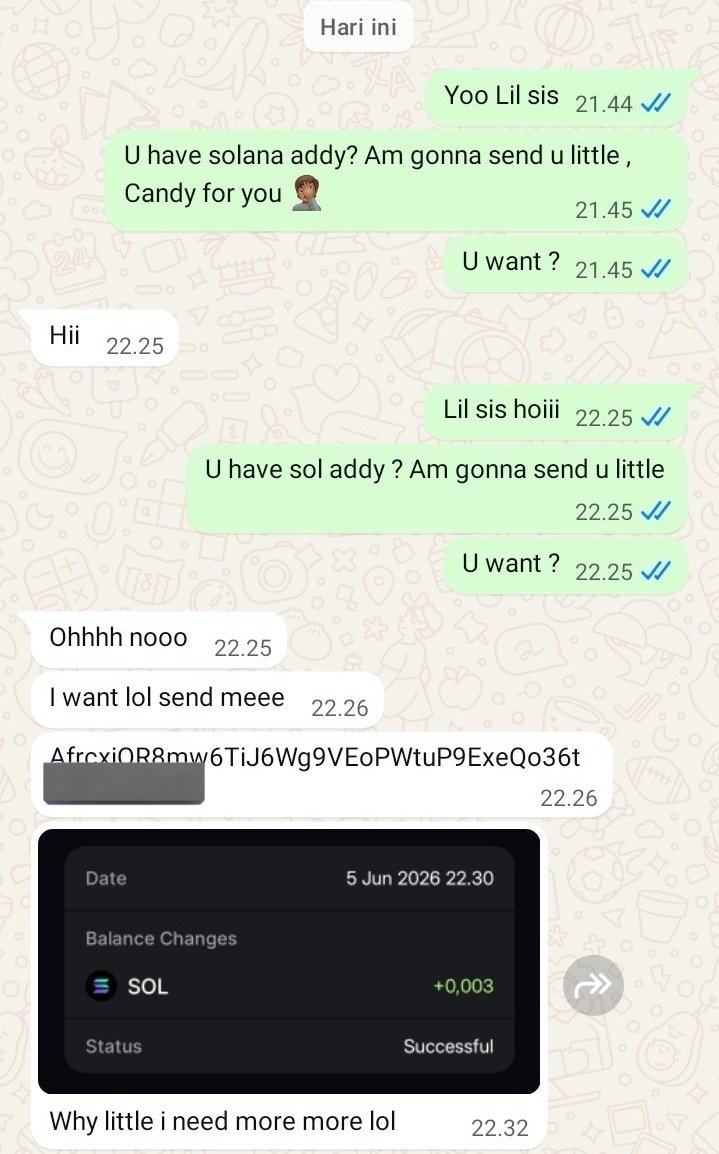
My favourite Solana app Solius
Why I choose there ?
Because it's clean, fast, and perfect for Solana traders who want simple & reliable tools without complicated stuff. Love the vibe! 🔥
Graciass tomik! @1517bonds @fueledbySOL
Hxne64urN4P5C9agXcdSSDXu6uYFamoZNsbXCG4hBLsE


4
5
135


Jun 3
Solius... we building the best all-in-one app on Solana...with everything on chain
@solius_io @solana @SolanaFndn
7
1
19
304




May 19
Situs Solius with bronchiectasis and sinusitis...everything similar to karatgener but heart not in abnormal position
1
7
311

May 7
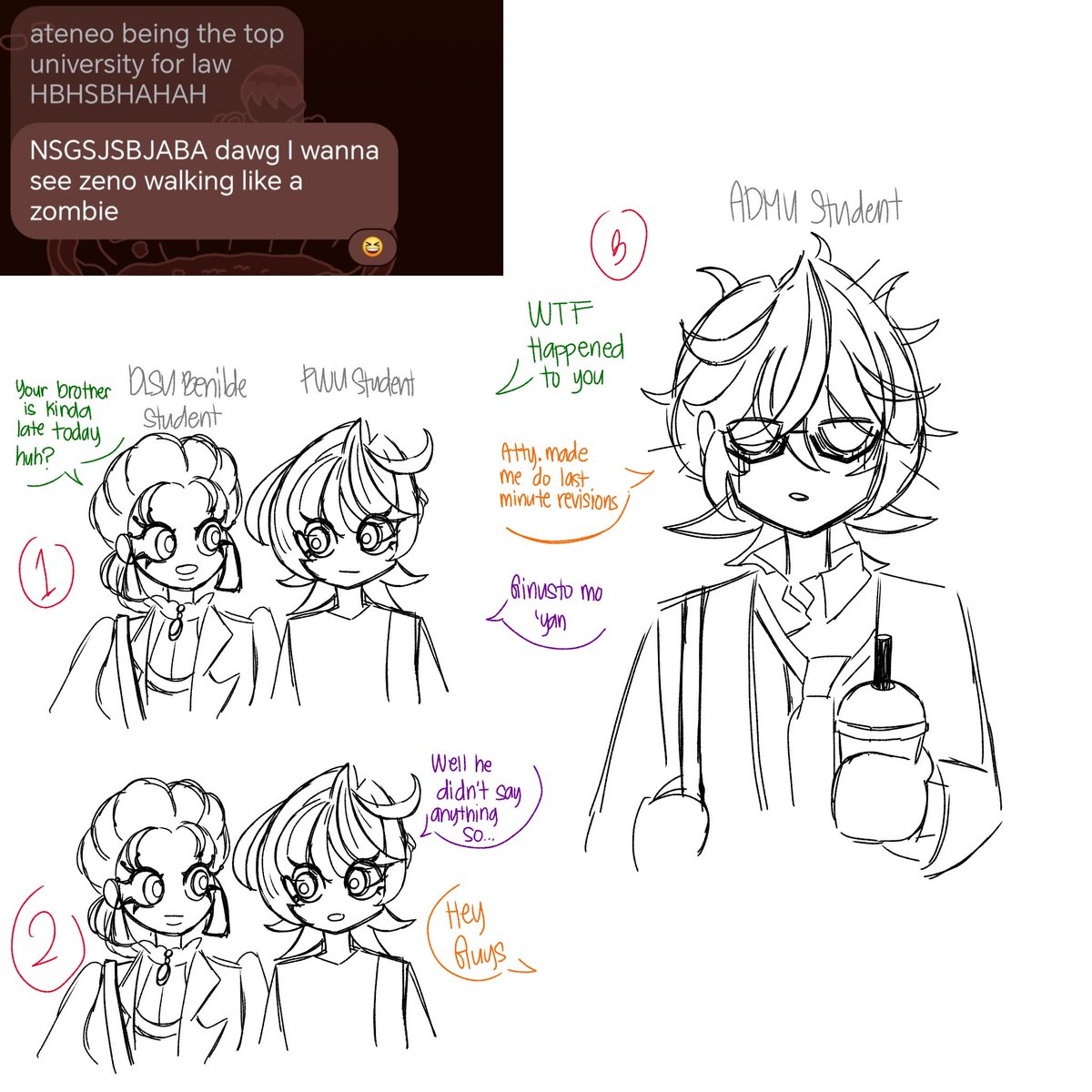
Filipino College AU with the Solius gang and Zeno was living with caffeine and prayers but he hates coffee so he's living with sugar instead
1
2
79

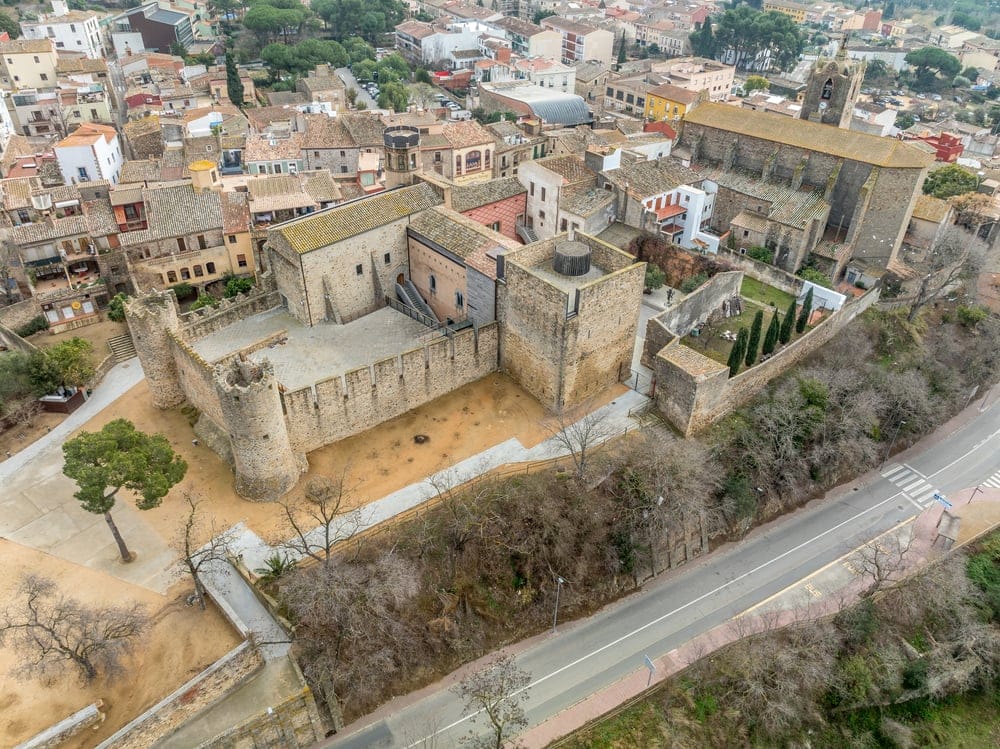
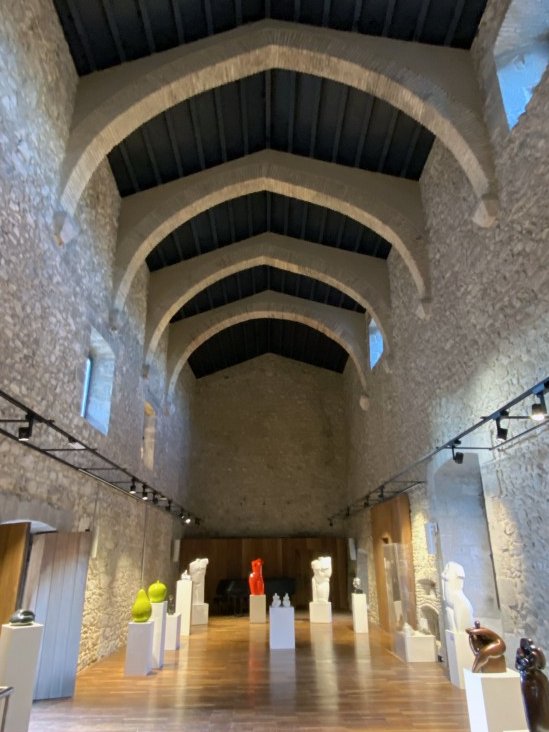
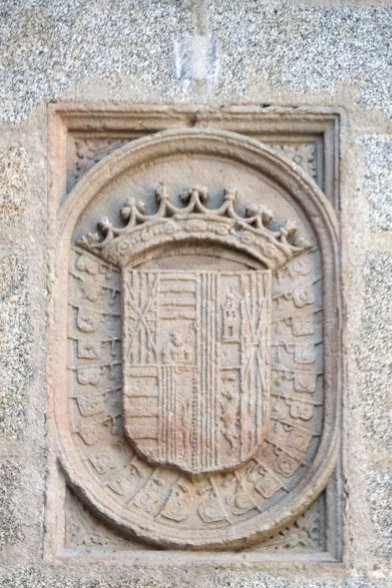
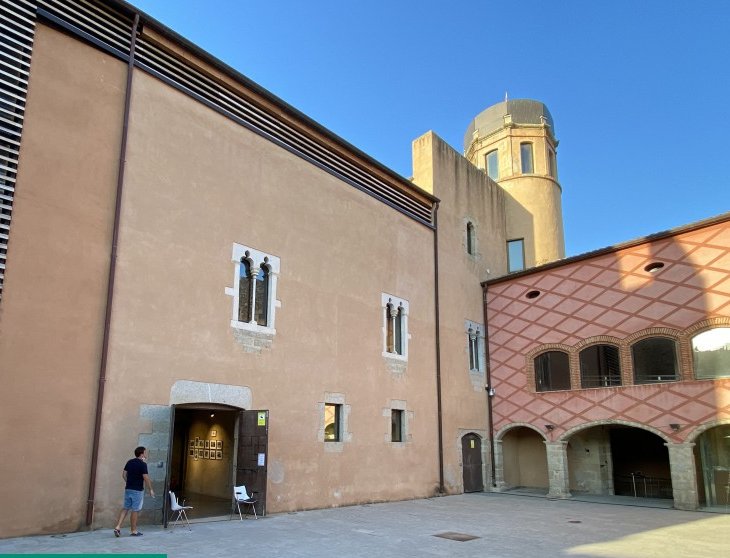
Castell de Calonge, el Baix Empordà Girona.
El primer esment documental de Calonge es troba en un diploma de Carloman de 881 on apareixen els termes de Romanyà i Colonica com a límit nord de la Vall d'Aro que es concedia al bisbe de Girona Teuter.
A la segona meitat del segle X, el monestir de Sant Feliu de Guíxols tenia un alou a Calonge, com es confirma en un diploma del rei carolingi Lotari I de França, l'any 968.
#Patrimoni #Patrimonio #Calonge #Catalunya #Castell #Art #Romànic #Història #Girona #ArquitecturaMedieval
El castell figura esmentat a començament del segle XII i a finals d'aquest segle el castell és possessió directa dels comtes-reis, infeudat a Ramon de Solius qui reté homenatge a Alfons el Cast l'any 1193 pel castell de «Calonge de Marítima».
Després, a començament del segle següent, passa a ser propietat de la casa de Cruïlles que el posseí durant segles. Gastó I, mort el 1229, és el primer Cruïlles documentat.
Gilabert III de Cruïlles participà en la conquesta de Mallorca amb trenta cavallers de les seves terres i l'any 1259 empenyorà al rei les rendes del castell de Calonge per 8.000 sous.
Gilabert IV el Gran es casà amb Guillema de Peratallada unint els dominis de Cruïlles i Peratallada. L'any 1269, Gaufred-Gilabert reconeix a l'infant Pere, fill de Jaume I, tenir infeudat el castell de Colongo de Maritim.
El 1279, el rei Pere II concedí a Gilabert de Cruïlles la celebració del mercat a Calonge.
Amb Berenguer de Cruïlles (mort cap al 1330) el castell passa a la branca secundària dels Cruïlles de Calonge, que amb més o menys sort aconsegueixen mantenir la seva propietat junt amb altres beneficis, com ara la jurisdicció civil i criminal sobre el territori, recuperada per Gilabert de Cruïlles al batlle reial de Palamós.
Pere III, però, l'any 1371, retorna les dues jurisdiccions a la corona; Sembla que els Cruïlles han perdut el seu domini sobre la baronia de Calonge però no definitivament, car el 1393 el rei Joan I els ven el mer i mixt imperi, tota la jurisdicció del castell de Calonge i diferents drets sobre Palamós.
@CantRomanica @Dpujado77 @lotemplat @RevistaRomanico @carroza13 @_Gran_Maestre @fjdiazconsultor @jordiaragonesm @SoyPacoCrespo @amigosromanico @AmicsArtRomanic @bisbatgirona @mevmuseu @CatedralGirona @MuseuSeuUrgell @MuseuArtGirona
@cylromanica @CdRomanico
@LaHuellaRomnica @PatrimonioAlava
@FundacionSilos @anne_obrien
@AVillamoron @RiberaRomyVIDa @arteviajero_com @RomanicoEspana @Fundacioncardin @cuarda29
2
5
14
215

I això va per tots els partits que han governat, sobretot Junts, que han provocat el tancament de l'abocador de Solius de Llagostera, per ordre judicial, i generat una puja de la taxa de residus degut al cost del transport de l'orgànica a municipis com Lloret o Alguaire.
2
1
2
198

Una dada per qui tingui temps.
Subvenció.
Centre golf Solius SL
2.000.000€
El 2005 José Manuel Lara Bosch va comprar aquest Pitch&Put per restaurar la masia i convertir-la en segona residència. Evidentment de Golf res de res.
No serà que li varen pagar el pont?.

11
256
239
5,315

Mar 14
Els premiats amb la grossa, Caldes de Malavella, Solius i...
Canviant de sector, hi ha cap merceria, peixateria, fusteria, electricista, beneficiats a la rifa de les subvencions?
1
2
52

Feb 25
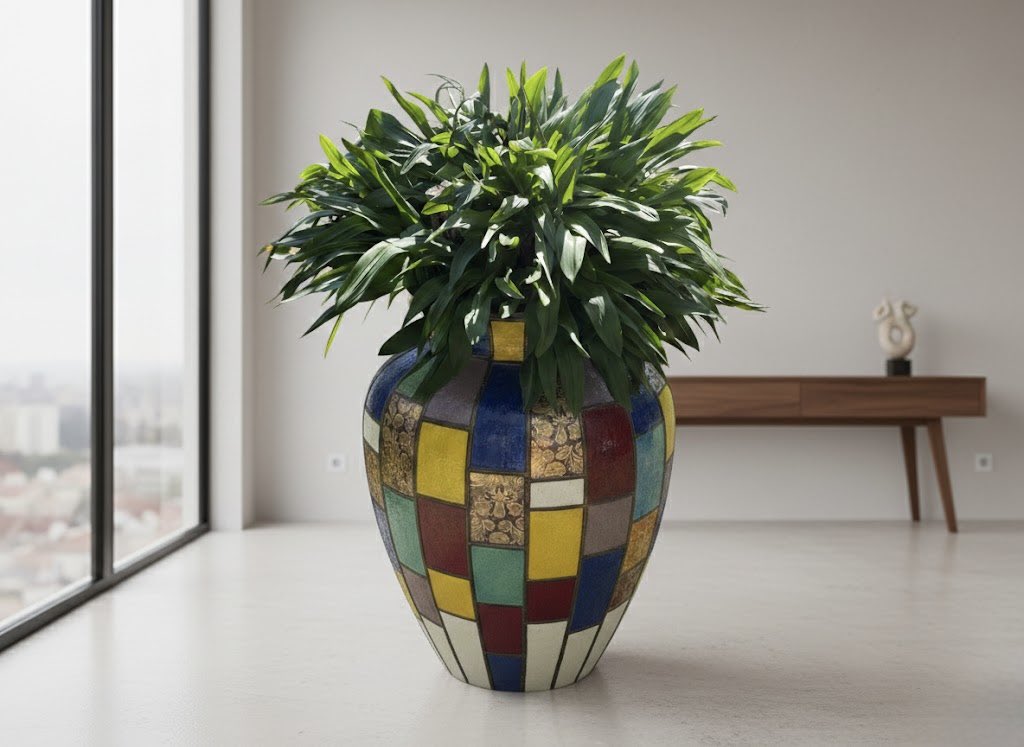
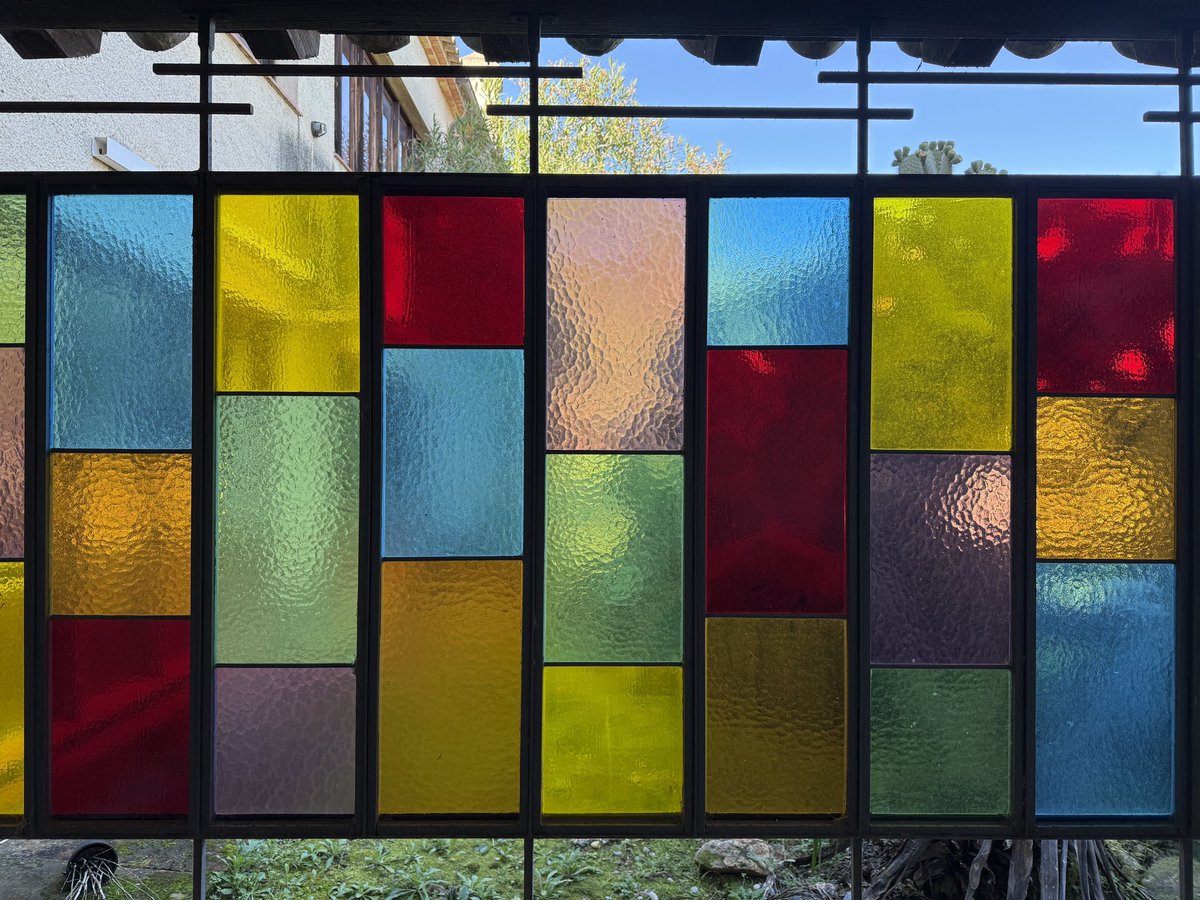
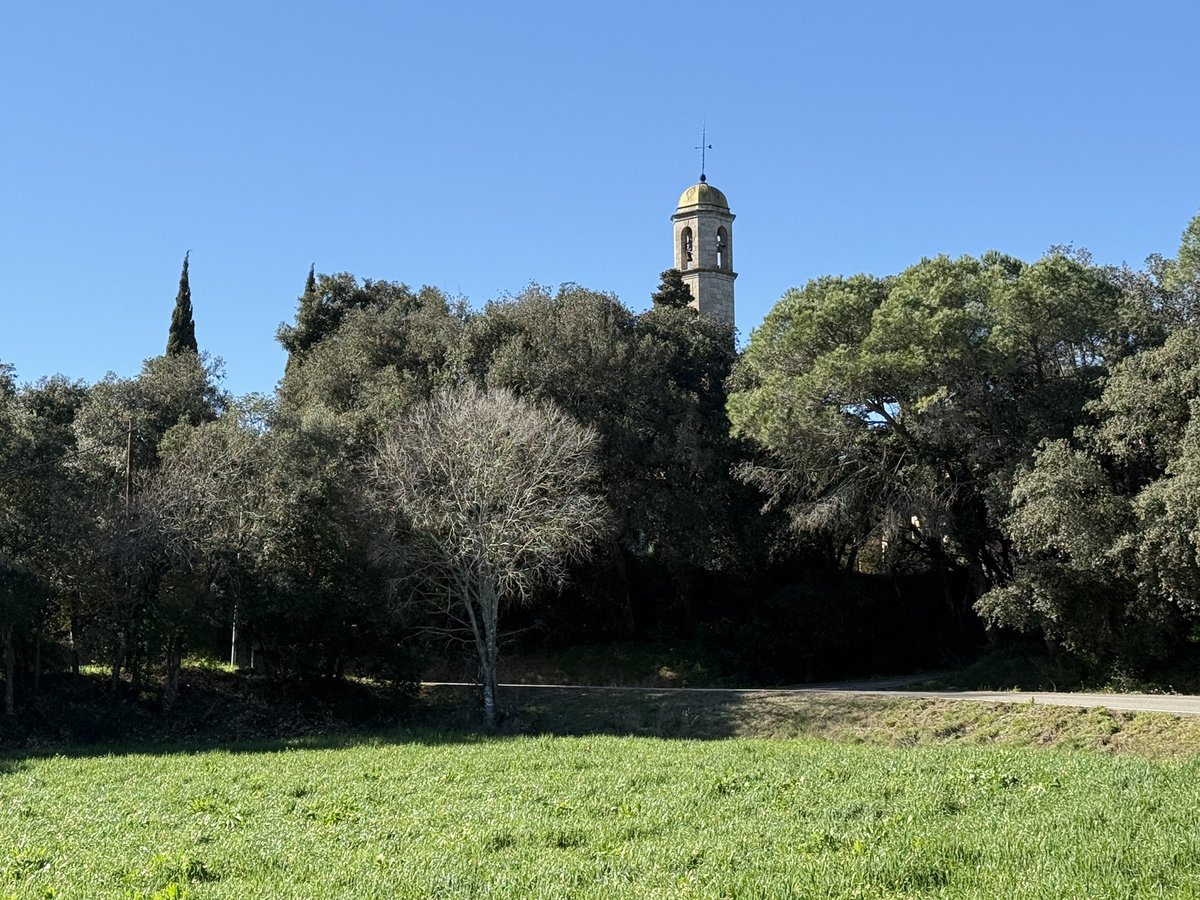
La comunitat del Monestir de Solius és de monjos cistercencs de l’Estricta Observança, coneguts popularment com a trapencs.
Són un orde contemplatiu que viu segons tres pilars principals: pregària, silenci i treball manual, seguint la Regla de sant Benet.
4
129

El dimarts va tenir lloc el recés de Quaresma per a preveres i diaques del #BisbatGirona
L’encarregat de dirigir el recés va ser Mn. Josep Castanyé, prevere de la diòcesi de Vic i professor emèrit de la Facultat de Teologia de Catalunya.
#Recés #Quaresma #Solius
1
6
352