
Feb 19
मोदी सरकारवर ट्रम्पचा दबाव आहे का? ; राफेल खरेदीवरून प्रकाश आंबेडकरांचे सरकारला प्रश्न!
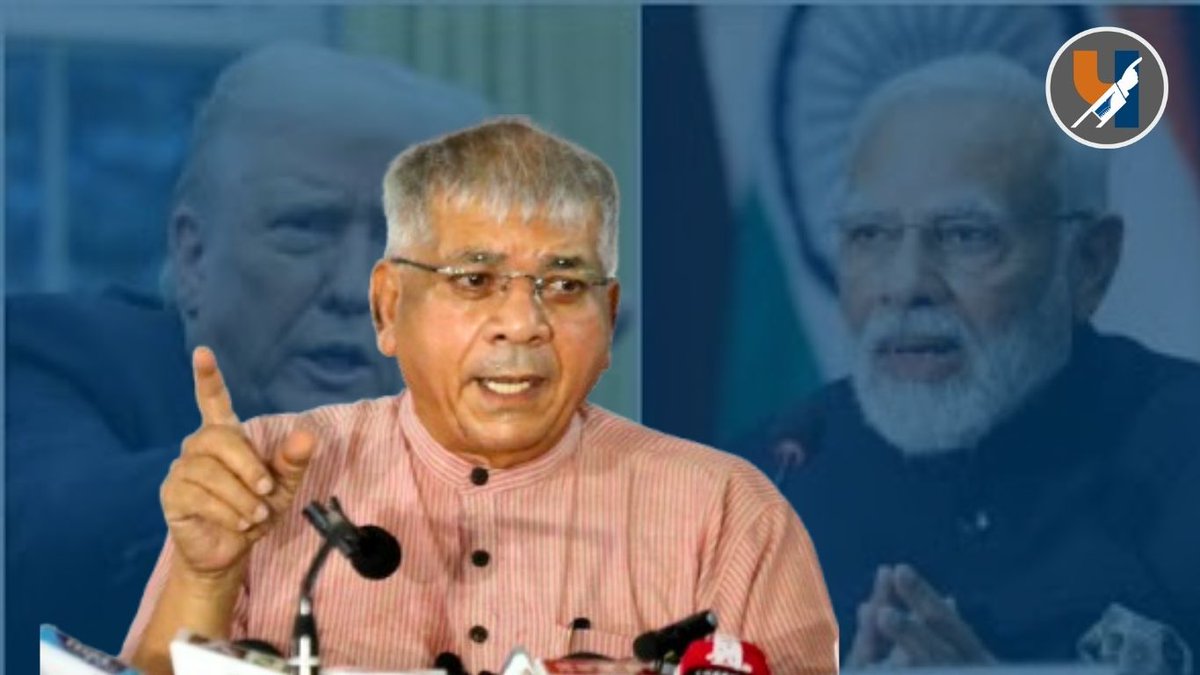
मुंबई : भारत सरकार MRFA (Multi-Role Fighter Aircraft) कार्यक्रमांतर्गत फ्रान्सकडून ११४ राफेल लढाऊ विमाने खरेदी करण्याच्या तयारीत असतानाच, वंचित बहुजन आघाडीचे राष्ट्रीय अध्यक्ष ॲड. प्रकाश आंबेडकर यांनी या व्यवहाराच्या पारदर्शकतेवर आणि अटींवर गंभीर प्रश्न उपस्थित केले आहेत. संरक्षण खरेदीतील एक चूक दशकानुदशके सुरक्षा त्रुटी निर्माण करू शकते, असा इशारा देत त्यांनी पंतप्रधान नरेंद्र मोदी आणि संरक्षण मंत्री राजनाथ सिंह यांच्याकडे स्पष्टीकरणाची मागणी केली आहे.
आंबेडकर यांनी आपल्या सोशल मीडिया पोस्टद्वारे सरकारला खालील पाच प्रमुख प्रश्न विचारले आहेत :
१) राफेलची निर्मिती करणारी 'डसॉल्ट एव्हिएशन' कंपनी विमानाचा सोर्स कोड भारतासोबत शेअर करणार का? असा प्रश्न ॲड. आंबेडकरांनी विचारला आहे. सोर्स कोड नसल्यामुळे भारतीय हवाई दल पाकिस्तान किंवा चीनच्या नवीन रडार सिग्नेचर्सचा समावेश करण्यासाठी राफेलची 'थ्रेट लायब्ररी' स्वतंत्रपणे अपडेट करू शकत नाही. ही एक मोठी तांत्रिक उणीव असल्याचे त्यांनी नमूद केले.
२) या व्यवहारामध्ये १००% तंत्रज्ञान हस्तांतरण (ToT) समाविष्ट आहे की हा केवळ सुटे भाग जोडून विमान बनवण्याचा (Screw-driver assembly) करार आहे ? याबाबत त्यांनी सरकारकडे स्पष्टता मागितली आहे. भारताला स्वावलंबी व्हायचे असेल तर पूर्ण तंत्रज्ञान मिळणे आवश्यक आहे.
३) रशियाने त्यांच्या पाचव्या पिढीतील (5th Generation) प्रगत Su-57E विमानासाठी स्वस्त आणि १००% तंत्रज्ञान हस्तांतरणाचा प्रस्ताव दिला असताना, भारत अधिक महागडे आणि ४.५ पिढीचे राफेल विमान का खरेदी करत आहे?
४. रशियाकडून प्रगत विमाने खरेदी करू नयेत यासाठी अमेरिकेचे राष्ट्राध्यक्ष डोनाल्ड ट्रम्प मोदी सरकारवर दबाव टाकत आहेत का?
५. करारातील १८ विमाने थेट फ्रान्समधून येतील, मात्र उर्वरित ९६ विमानांची निर्मिती भारतात होणार आहे. ही विमाने अनुभवी हिंदुस्तान एरोनॉटिक्स लिमिटेड (HAL) बनवणार की पंतप्रधान मोदींचे मित्र, ज्यांचे नाव एपस्टिन फाईलमध्ये आले आहे असे, अनिल अंबानी यांच्या कंपनीला हे कंत्राट दिले जाणार?
संरक्षण खरेदीमध्ये भारताला चुका करणे परवडणारे नाही. या प्रश्नांची उत्तरे मिळणे देशाच्या सुरक्षेच्या दृष्टीने अत्यंत आवश्यक आहे. असे ॲड. प्रकाश आंबेडकर म्हणाले.
#RafaleDeal
#MRFAProgram
#IndianAirForce
#DefenseProcurement
#PrakashAmbedkar
#ModiGovernment
#RajnathSingh
#DassaultAviation
#TechnologyTransfer
#SourceCodeDebate
#Su57
#IndiaDefense
#StrategicAffairs
#NationalSecurity
#DefenseTransparency
#USIndiaRelations
#DonaldTrump
10
32
243

Jan 11
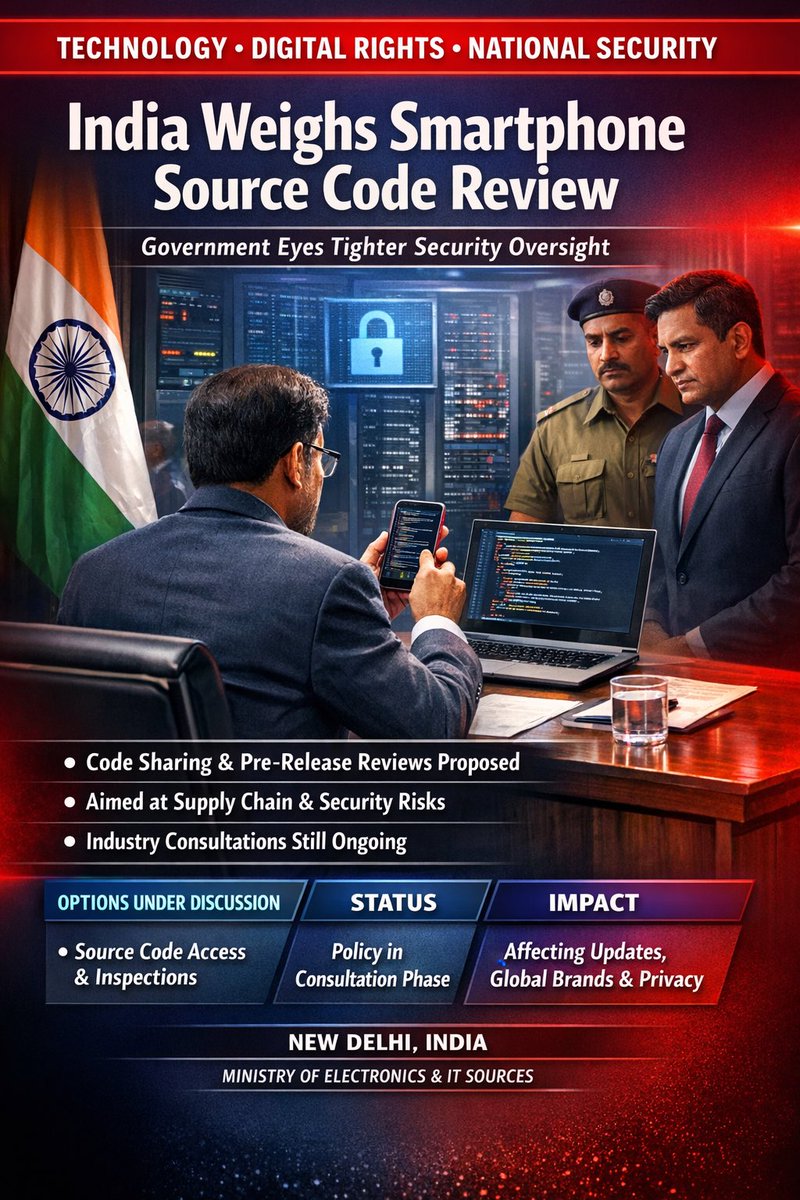
🚨 BREAKING NEWS | TECHNOLOGY • DIGITAL RIGHTS • NATIONAL SECURITY
India plans tighter oversight of smartphones — may seek source code access and pre-review of major software updates
🔴 WHAT IS HAPPENING
•India is considering new rules that could require smartphone makers and OS providers to:
•Share critical parts of source code, or
•Submit major software/OS updates for government review before public rollout
•The discussions are taking place within the policy framework of Ministry of Electronics and Information Technology (MeitY).
•Smartphones are being reclassified as “critical digital infrastructure”, not just consumer devices.
•No final notification yet; industry consultations are ongoing.
🧠 WHAT “SOURCE CODE ACCESS” MEANS
It does not automatically mean the government reading your entire phone software.
It could include:
•Source code escrow: Code stored with a trusted entity, accessed only under strict conditions.
•Targeted audits: Review of specific modules (security, firmware, update systems).
•Pre-release checks: Major OS updates reviewed for vulnerabilities before release.
•Binary inspection: Examining compiled software without seeing raw code.
🚩 The risk arises if access becomes:
•Broad instead of targeted
•Permanent instead of conditional
•Opaque instead of independently audited
🌍 HOW INDIA COMPARES GLOBALLY
🇨🇳 China
•Mandatory cooperation with security agencies.
•Deep state access to code and data.
•Strong security control, weak transparency and privacy safeguards.
🇪🇺 European Union
•No demand for source code ownership.
•Uses independent audits, certifications, and GDPR protections.
•Focus on security outcomes, not state access.
🇺🇸 United States
•No routine source code access for civilian phones.
•Relies on:
•Self-certification
•Targeted audits for government devices
•Procurement bans and export controls
🇮🇳 India (Proposed)
•Seeking visibility into supply-chain risks and hidden vulnerabilities.
•Outcome depends on whether safeguards follow EU-style transparency or drift toward China-style control.
📱 HOW THIS COULD AFFECT YOUR PHONE
✅ Possible benefits
•Reduced risk of hidden backdoors
•Better protection for government and critical users
•Higher accountability from manufacturers
⚠️ Possible downsides
•Delays in major OS updates
•Some brands reconsidering the Indian market
•Trust concerns if rules lack clarity
•Risk to strong encryption if poorly defined
❗ What it does not automatically mean:
•No routine spying
•No reading of personal messages
•No direct access to your phone data
(Those require separate legal authorisation.)
📰 GOVERNANCE & PRESS-FREEDOM CONCERNS
•Proposal surfaced via internal policy discussions, not a public white paper.
•Digital-rights groups warn of mission creep.
•Best-practice safeguards needed:
•Clear legal definitions of “critical code”
•Independent audit bodies
•Parliamentary or judicial oversight
•Public transparency reports
❓ KEY QUESTIONS INDIA MUST ANSWER
•What exactly qualifies as “source code”?
•Who gets access, and under what trigger?
•Will encryption be legally protected?
•Can reviews delay urgent security patches?
•Is there independent oversight beyond the executive?
•#DigitalPrivacyIndia
•#SourceCodeDebate
•#CyberSecurityPolicy
🧭 BOTTOM LINE
•This is not just a tech regulation.
•It is a decision about who controls and audits the software that controls daily life.
•India’s credibility will depend on scope, safeguards, and transparency.
•The choice is clear:
•Copy China → trust falls
•Follow the EU → security privacy coexist
•Blend US narrow controls with EU oversight → democratic benchmark
The real issue is not access — it’s accountability.
1
3
128