
FBI counterintelligence just dropped a declassified assessment covering 173 confirmed cases of Americans spying against their own government between 1947 and 2001. Not attempted cases. Confirmed espionage operations.
The document maps out five decades of systematic foreign intelligence recruitment targeting anyone with a security clearance who could access military technology, intelligence capabilities, or strategic defense information. Defense contractors, military personnel, intelligence community members. The whole ecosystem.
Three recruitment vectors dominated: financial incentives, ideological motivation, and coercion. Foreign services weren't throwing darts at a board. They built comprehensive targeting frameworks around clearance levels and institutional access points across government agencies and private contractors.
The timeframe matters. This spans the entire Cold War through the first year of the current counterterror era. 1947 takes you back to the National Security Act, the creation of CIA, the formalization of the modern intelligence apparatus. 2001 ends right as everything pivoted to counterterrorism after 9/11.
What you're seeing documented is the baseline threat environment that shaped American counterintelligence doctrine. Every security protocol, every polygraph, every compartmentalization system grew out of this pattern of systematic penetration by foreign services.
The FBI assessment shows their own evolving capabilities too. Early Cold War counterintelligence was reactive, catching spies after damage was done. By the 1980s they were running sophisticated counterintelligence operations like the ones that rolled up Robert Hanssen and Aldrich Ames.
But 173 confirmed cases over 54 years means one successful espionage operation every 3.6 months on average. That's the documented floor, not the ceiling. These are cases where FBI developed enough evidence to confirm espionage occurred.
The technology transfer component is crucial. Foreign services weren't just collecting intelligence reports. They systematically targeted defense technologies, weapons systems, and classified research programs. Every major American military advantage became a collection priority for adversary intelligence services.
The document reveals how foreign intelligence services adapted their recruitment strategies across different decades. Early Cold War operations relied heavily on ideological motivation and communist party connections. Later periods show increased financial recruitment and more sophisticated operational security.
The declassification timing isn't accidental. FBI is establishing historical baselines as current counterintelligence faces similar systematic targeting by Chinese intelligence services, Russian SVR, and other state actors. The recruitment methods haven't changed fundamentally. Financial incentives, ideological appeals, and coercion still drive most espionage cases.
What has changed is the scale and scope of targeting. Modern foreign intelligence operations don't just target government employees with clearances. They target anyone with access to sensitive technologies, research programs, or policy information across academia, private industry, and government.
The 1947-2001 framework also demonstrates the long-term persistence of foreign intelligence threats. These weren't episodic operations tied to specific crises. Foreign services maintained continuous collection efforts against American targets across multiple decades and changing geopolitical circumstances.
The assessment shows counterintelligence success rates improving over time as FBI developed better detection capabilities and more sophisticated analysis of foreign intelligence operations. But the fundamental challenge remained constant: protecting sensitive information in an open society where foreign intelligence services could operate with significant freedom.
The documented cases include some of the most damaging espionage operations in American history. Walker spy ring. Aldrich Ames. Robert Hanssen. Each case revealed systemic vulnerabilities in security protocols and led to major reforms in how agencies protect classified information and monitor personnel with security clearances.
The declassified assessment provides a historical baseline for understanding how foreign intelligence services identify, assess, develop, and recruit American citizens with access to sensitive information. The operational patterns established during this period continue to inform modern counterintelligence analysis and threat assessment methodologies.
Modern counterintelligence efforts can trace direct lineage back to lessons learned from these 173 documented cases. Every background investigation protocol, every security interview, every anomaly detection system evolved from understanding how foreign services successfully recruited Americans during the Cold War and post-Cold War periods.
The FBI documentation serves as both historical record and operational guide for contemporary counterintelligence professionals facing similar systematic targeting by foreign intelligence services operating against American interests today.
foreigninterference.org/post…
#foreigninterference #AssetRecruitment #MilitaryEspionage #TechnologyTransfer
2
6
118
Twenty-six countries ran systematic spy operations against U.S. tech assets in 1995. The Defense Intelligence Agency documented coordinated hits on defense contractors, biotech labs, and telecom companies.
Not random theft. Professional intelligence services recruiting researchers, infiltrating joint ventures, exploiting academic partnerships. They wanted advanced materials, dual-use technologies, anything that moves the needle economically or militarily.
The scope forced a complete rethink of counterintelligence. Economic espionage had become the new front line.
foreigninterference.org/post…
#foreigninterference #AcademicEspionage #CorporateInfiltration #TechnologyTransfer
1
29

18h
यूक्रेन युद्ध के बावजूद भारत को S-400 की डिलीवरी, RELOS समझौता लागू
#IndiaRussia #Su57 #FighterJet #DefenseNews #IndianAirForce #TechnologyTransfer #रणक्षेत्र | @NavjyotRandhawa
64
18h
AMCA में देरी: चीन-पाक के स्टील्थ फाइटर का मुकाबला करने के लिए रूस का भारत को Su-57 का ऑफर
#IndiaRussia #Su57 #FighterJet #DefenseNews #IndianAirForce #TechnologyTransfer #रणक्षेत्र | @NavjyotRandhawa
89
18h
रूस ने भारत को दिया 5वीं पीढ़ी के फाइटर जेट Su-57 का ऑफर, साथ मिलेगी तकनीक और सोर्स कोड
#IndiaRussia #Su57 #FighterJet #DefenseNews #IndianAirForce #TechnologyTransfer #रणक्षेत्र | @NavjyotRandhawa
85
April 2003 marked a turning point. Chinese economic espionage cases against U.S. companies spiked sharply, with intelligence analysts spotting coordinated patterns across multiple operations.
This wasn't random criminal activity. The targeting showed professional tradecraft and long-term planning. Technology and manufacturing sectors took the biggest hits, with operatives going after proprietary secrets and intellectual property.
The systematic nature told the real story. China had shifted into a higher gear, treating commercial espionage as a state priority rather than opportunistic side business.
foreigninterference.org/post…
#foreigninterference #TechnologyTransfer
2
9
334

Jun 12
Join the conversation that drives change at Biosimilars LatAm - Brazil 2026. Contribute Your Perspective
jackleckerman.com/events/reg…
#TechnologyTransfer #LocalManufacturing
3

P C Panchariya, Director, CEERI and Senior Officials from NRDC and CEERI, marking another significant step towards commercialization of indigenous technologies for the dairy sector.
#TechnologyTransfer #Innovation #NRDCIndia1953 #CSIRCEERI #DairyTechnology #AtmanirbharBharat
1
1
47

Jun 12
#CENJOWS_HQIDS_DEFENCE_PROCUREMENT_SEMINAR
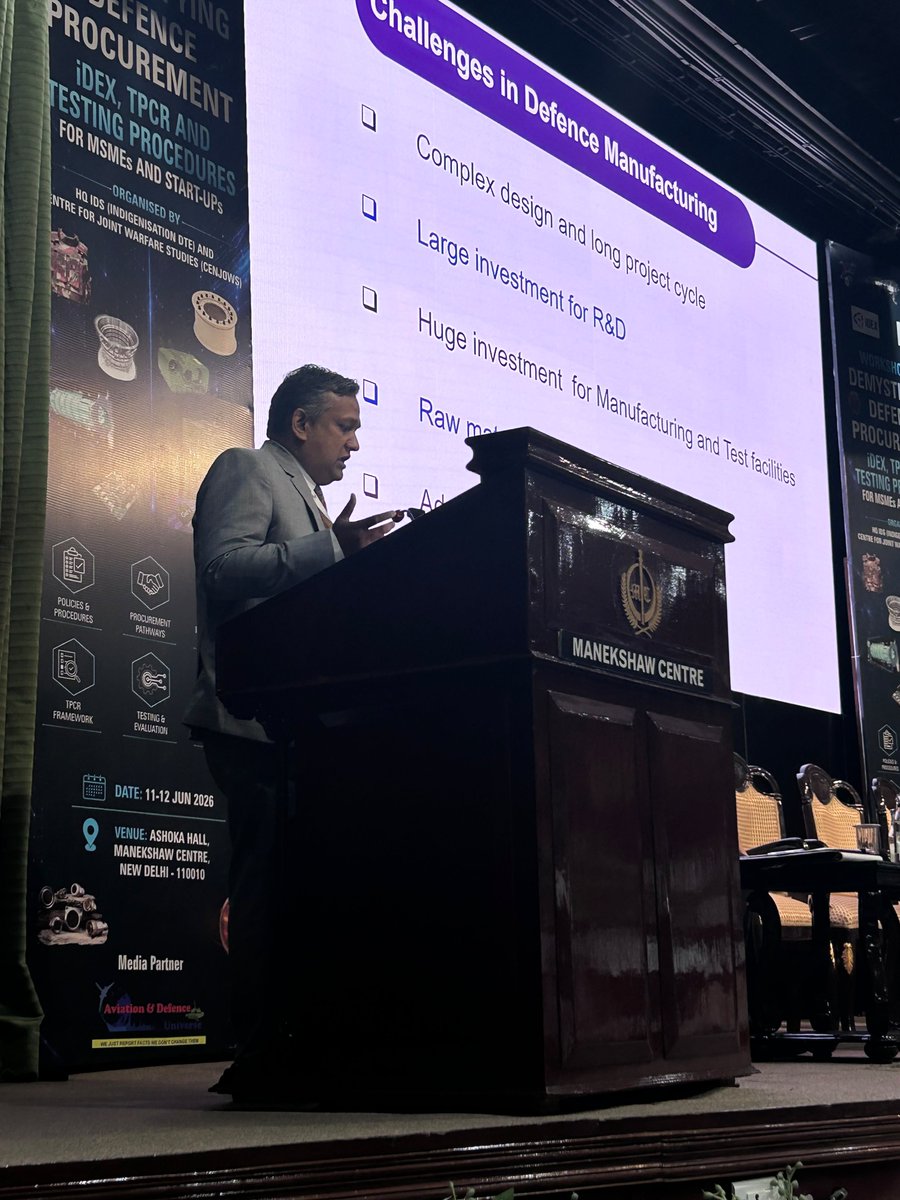
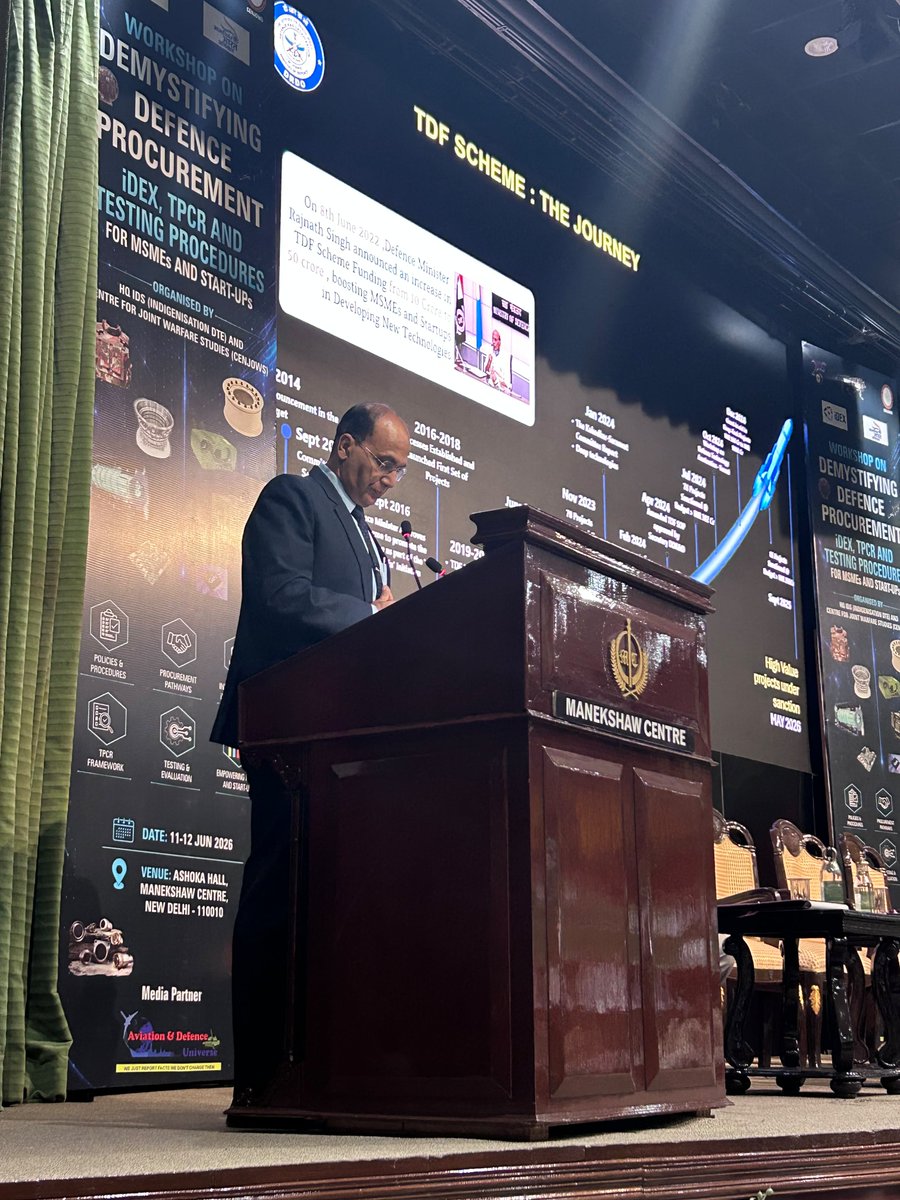
Shri Sanjeev Kumar, Sc ‘F’, Directorate of DIIQM, detailed "DRDO’s Role in R&D: Collaboration for ToT," highlighting models for private industry to absorb advanced technologies from state laboratories. Following this, Gp Capt Manoj Pandey (Retd) broke down the "Technology Development Fund (TDF) Provisions," mapping out funding support mechanisms and project development opportunities designed to help MSMEs and start-ups scale self-reliant defence solutions.
#CENJOWS #HQIDS #DRDO #AatmanirbharBharat #MakeInIndiaDefence #DefenceInnovation #TDF #TechnologyDevelopmentFund #TechnologyTransfer #ToT #MSMEIndia #StartupIndia #DefTech
@HQ_IDS_India @adgpi @indiannavy @IAF_MCC
@IDSAIndia @ICWA_NewDelhi @OfficialCLAWSIN
@USIofIndia @CAPS_INDIA @nmfindia @vifindia
@orfonline
@ficci_india @phdchamber @sicci_in @TNdefence
@nccudaan @airnewsalerts @ANI @DDNewslive
@prasarbharati @IndiaToday @ndtv @htTweets
@TOIIndiaNews @FinancialTimes @DainikBhaskar
@TheNavbharatliv @republic @AmarUjalaNews
@EconomicTimes @ADUmedia
4
175

Jun 12
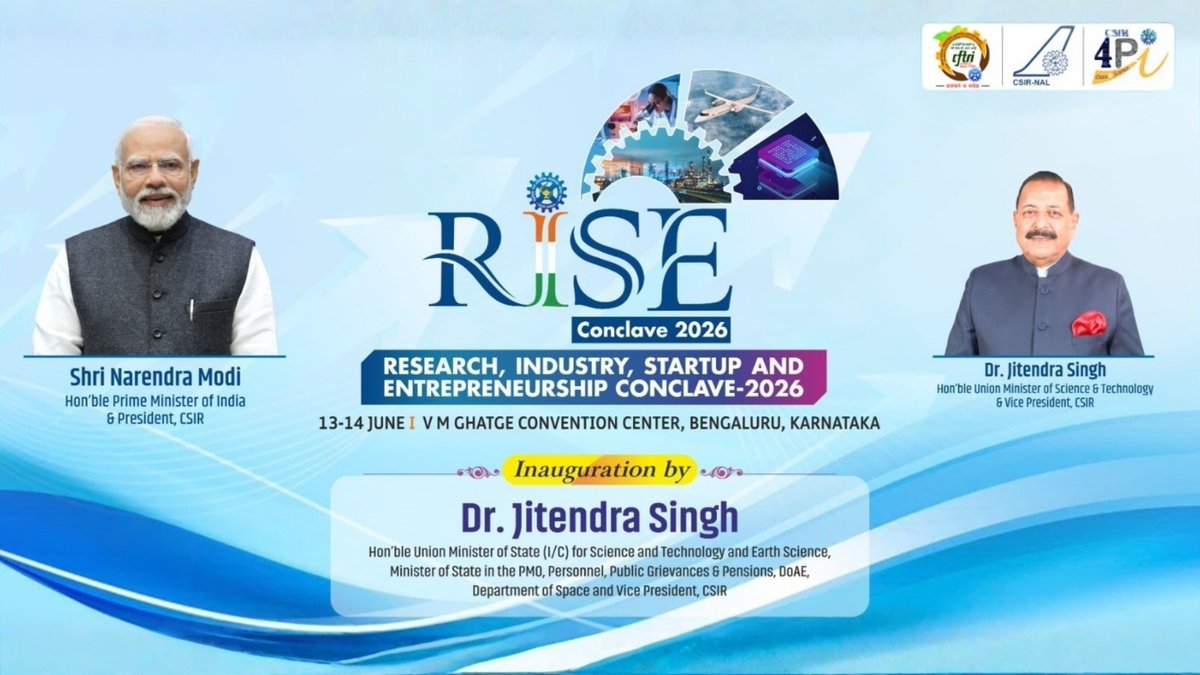
Research. Industry. Startup. Entrepreneurship.
The #RISEConclave2026 will bring together innovators, industry leaders, startups, investors and policymakers to foster collaboration, technology translation and entrepreneurship-led growth.
📍 V M Ghatge Convention Centre, Bengaluru
📅 13–14 June 2026
Inauguration by Dr. Jitendra Singh, Hon'ble Union Minister of Science and Technology and Vice President, CSIR
@DrJitendraSingh
#Innovation #TechnologyTransfer #StartupIndia #IndustryAcademia #CSIR #ViksitBharat
5
8
1,578
China's interference operations represent the most comprehensive and systematic threat to Western institutions we've documented. Over four decades of tracking, we've cataloged 674 incidents spanning from 1980 to present day — revealing an actor that doesn't just conduct espionage, but runs a full-spectrum campaign to reshape global power dynamics.
The numbers tell the story of Beijing's priorities. Cyber espionage dominates with 204 documented incidents, followed closely by 113 advanced persistent threat operations. But what makes China distinctive isn't just the digital intrusion — it's the integration across every vector of influence.
Asset recruitment accounts for 96 incidents in our archive, often involving the kind of patient, relationship-building approach we saw in their recent professional network recruitment campaign targeting Five Eyes personnel. Chinese handlers aren't looking for quick intelligence grabs. They're building long-term human intelligence networks that can operate for years.
Technology transfer operations — 95 incidents — reveal Beijing's systematic approach to closing the innovation gap. The recent CrowdStrike assessment identifying Chinese hackers as the primary espionage threat to global tech companies isn't surprising when you look at the pattern. They're targeting AI, semiconductors, and cutting-edge technologies with the kind of focus that suggests centralized strategic planning.
Government infiltration represents another 93 documented cases, and we're seeing this expand dramatically in scope. The 2026 revelation of extensive Chinese intelligence networks across EU member states shows how Beijing has moved beyond traditional embassy-based operations to embedded, systematic penetration of Western government institutions.
Academic espionage — 81 incidents — represents one of China's most effective long-term strategies. Universities offer perfect cover for technology transfer while providing access to future government and industry leaders. The talent recruitment programs aren't just about bringing Chinese nationals home; they're about creating influence networks within Western research institutions.
Disinformation campaigns account for 78 incidents, though this likely understates the scope. The recent allegations around Chinese bot networks generating fake opposition to U.S. data centers suggest operations at massive scale — hundreds of millions in funding to create phantom grassroots movements.
Transnational repression rounds out the top methods with 74 documented cases. The travel bans imposed on New Zealand parliamentarians after their Taiwan visit exemplify how Beijing uses economic and diplomatic leverage to punish individual legislators. It's not just about suppressing dissidents anymore — it's about deterring democratic representatives from engaging with Taiwan.
What makes China's approach particularly challenging is the integration across all these vectors. They're not running separate cyber operations, influence campaigns, and human intelligence networks. They're running a coordinated system where digital intrusion enables asset recruitment, which facilitates technology transfer, which supports disinformation narratives.
The recent Five Eyes joint warning represents something we rarely see — coordinated alarm from the world's premier intelligence alliance. When agencies that jealously guard their sources and methods issue public warnings together, it indicates threat levels that have moved beyond normal diplomatic tolerance.
Looking forward, watch for three trends. First, the expansion of operations beyond traditional targets — we're seeing Chinese intelligence move into previously low-priority regions as global competition intensifies. Second, the sophistication of cover operations is increasing. Professional platforms, academic exchanges, and business partnerships provide perfect camouflage for intelligence activities. Third, the integration of AI and advanced analytics is enhancing both the scale and precision of targeting.
China's interference operations aren't episodic or opportunistic. They represent a patient, well-resourced campaign to systematically reshape the global information environment, steal technological advantages, and build influence networks that can operate across decades. The scope we've documented suggests this is just what we can see.
foreigninterference.org
#foreigninterference #CyberEspionage #AdvancedPersistentThreatOperations #AssetRecruitment #TechnologyTransfer
56

Jun 11
👉 Learn more & submit your paper: conference.hetia.org/
#HCCC #ESPA #ProjectESPA #EUfunded #ChipsJU #CompetitivenessGR #EYDE_VEK #HellenicChips #Semiconductors #Microelectronics #TechnologyTransfer
10
transformation. Key officials from both organizations participated in the event.
#NRDCIndia1953 #GRI #TechnologyTransfer #Innovation #IPManagement #RuralDevelopment
1
1
64

Jun 11
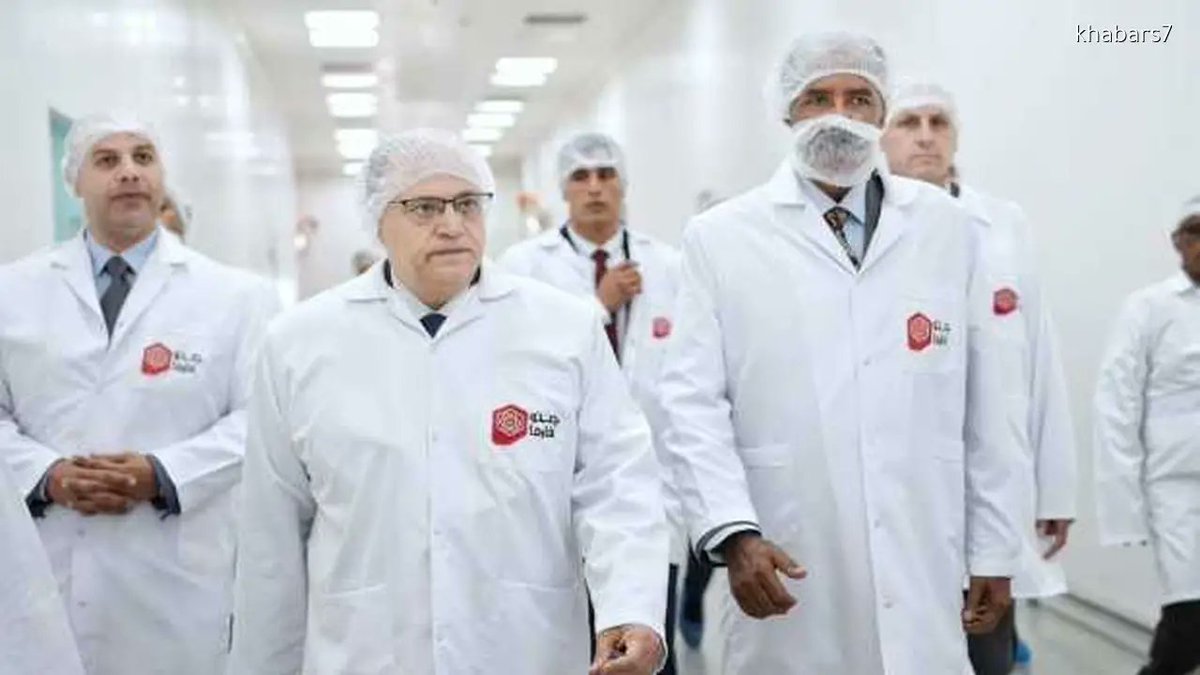
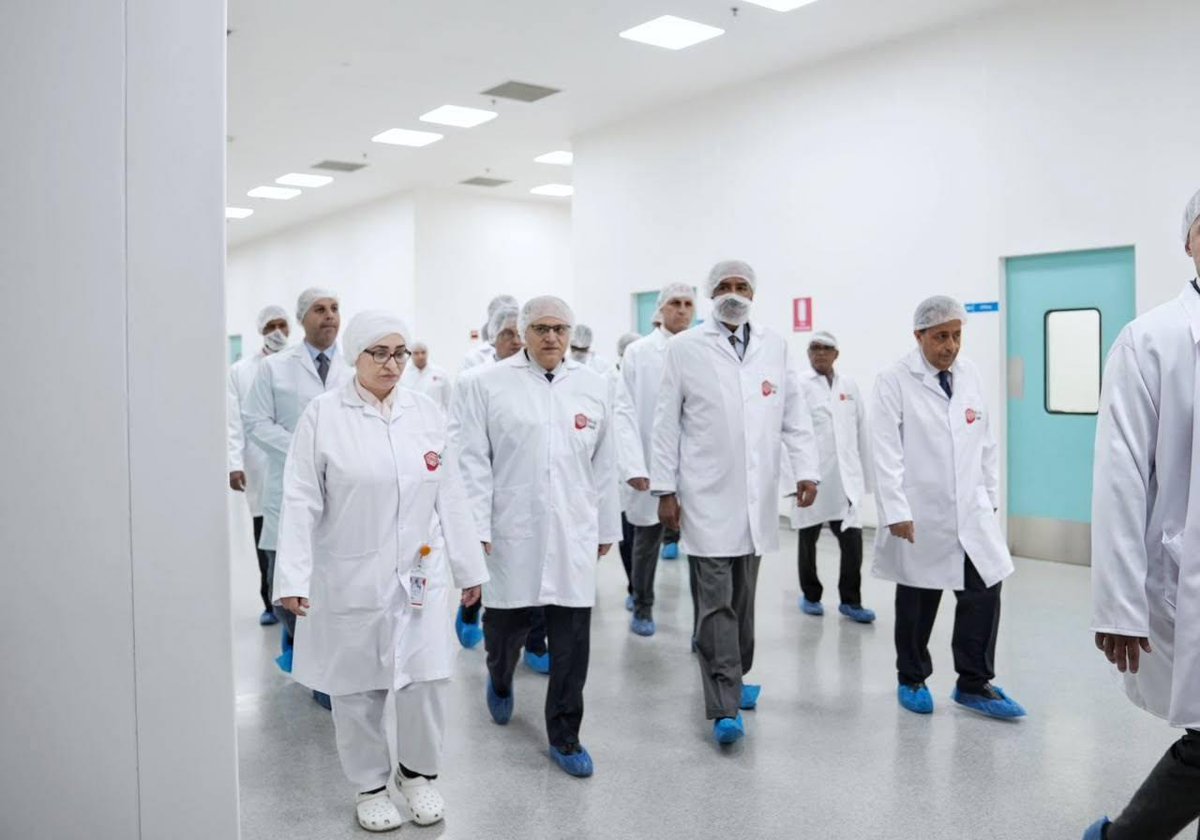
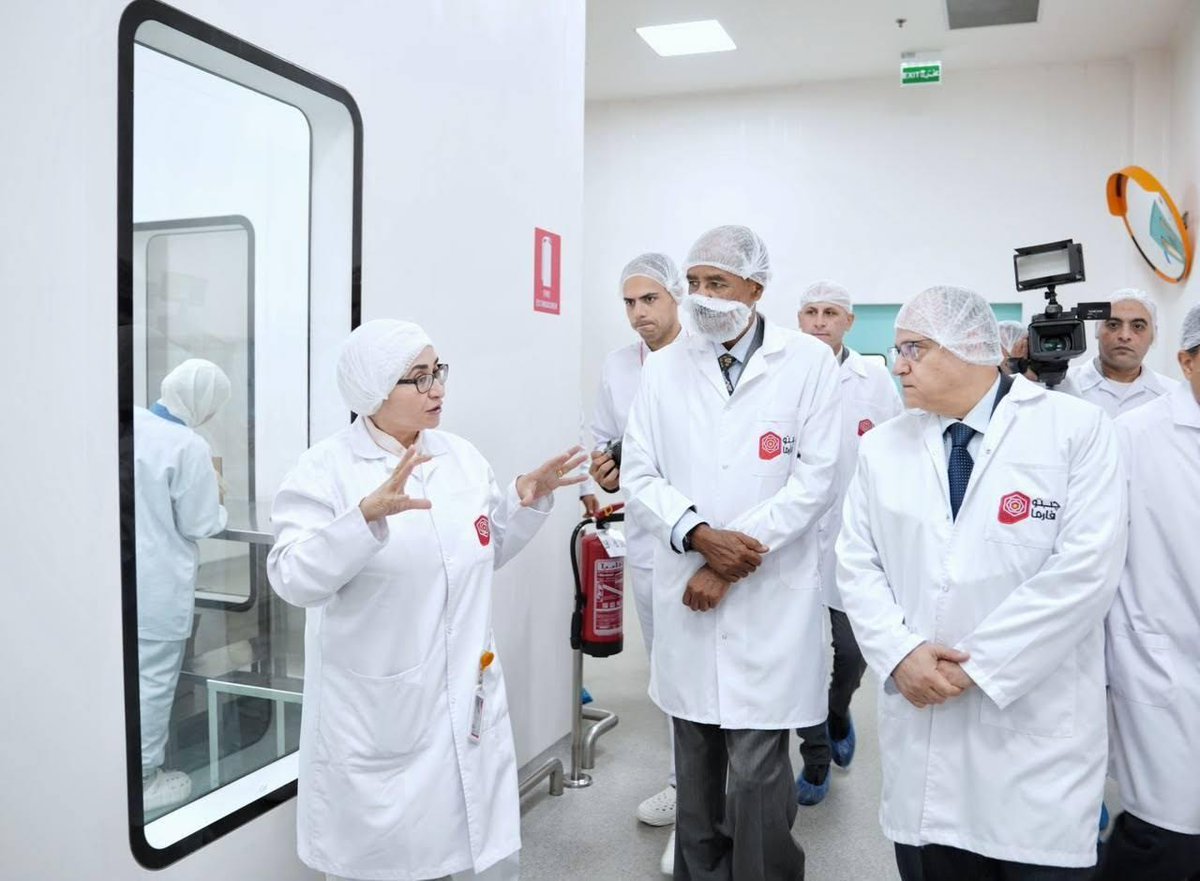
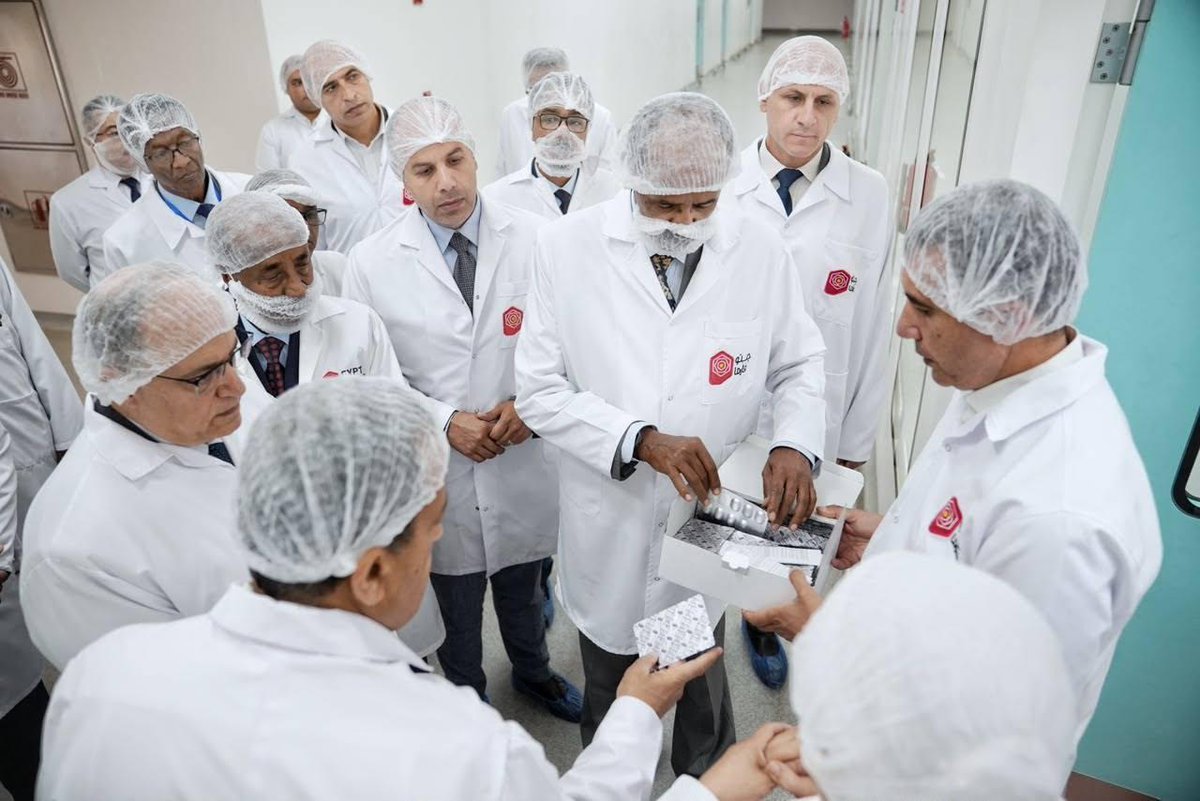
🇪🇷🤝🇪🇬 Eritrea–Egypt Strengthen Pharmaceutical Cooperation
During an official visit to Egypt's pharmaceutical facilities, Eritrean President Isaias Afwerki and his delegation met with Egyptian Drug Authority Chairman Dr. Ali Al-Ghamrawy to explore deeper cooperation in pharmaceutical manufacturing, regulatory systems, technology transfer, and healthcare integration across Africa.
Egypt reaffirmed its readiness to share expertise and support the development of strong pharmaceutical systems throughout the continent, while Eritrea praised Egypt's pharmaceutical achievements as a leading model for African industrial and healthcare advancement.
A partnership focused on self-reliance, innovation, and strengthening Africa's health security.
#Eritrea 🇪🇷 #Egypt 🇪🇬 #Africa #Healthcare #Pharmaceuticals #TechnologyTransfer #AfricanDevelopment #HealthSecurity #AfricaRising #EritreaEgyptPartnership
Jun 10

🚨 Egypt and Eritrea Deepen Strategic Partnership: From Red Sea Security to Pharmaceutical Technology Transfer, African Nations Are Building Their Future Together.
From pharmaceutical technology transfer to technical expertise and regulatory cooperation, this is what African solutions for African challenges look like. Strong institutions, knowledge-sharing, and self-reliance will strengthen healthcare security across the continent.
A stronger Eritrea means a stronger Horn of Africa. A stronger Horn means a more stable Red Sea region.
Together, Eritrea and Egypt are investing in capacity, innovation, and African-led development not dependency.
#Eritrea 🇪🇷 #Egypt 🇪🇬 #AfricaRising #TechnologyTransfer #HealthcareInnovation #AfricanSolutions #RedSea #HornOfAfrica #SouthSouthCooperation #AfricanDevelopment
1
76
110
3,082

Jun 11
Stanford studies CCP influence operations while reportedly accepting millions from individuals and entities linked to Beijing's political, military, and United Front networks.
When money tied to an authoritarian regime flows into research, technology, and policy institutions, it raises a simple question: who is influencing whom?
The CCP does not invest billions abroad out of generosity. It invests to gain access, shape narratives, and advance its strategic interests.
America cannot afford to be naive.
#CCP #China #Stanford #UnitedFront #ForeignInfluence #NationalSecurity #AcademicIntegrity #ResearchSecurity #ChinaThreat #Espionage #TechnologyTransfer #InfluenceOperations #ProtectDemocracy #USChinaRelations
stanfordreview.org/investiga…
1
9
16
1,165

Jun 11
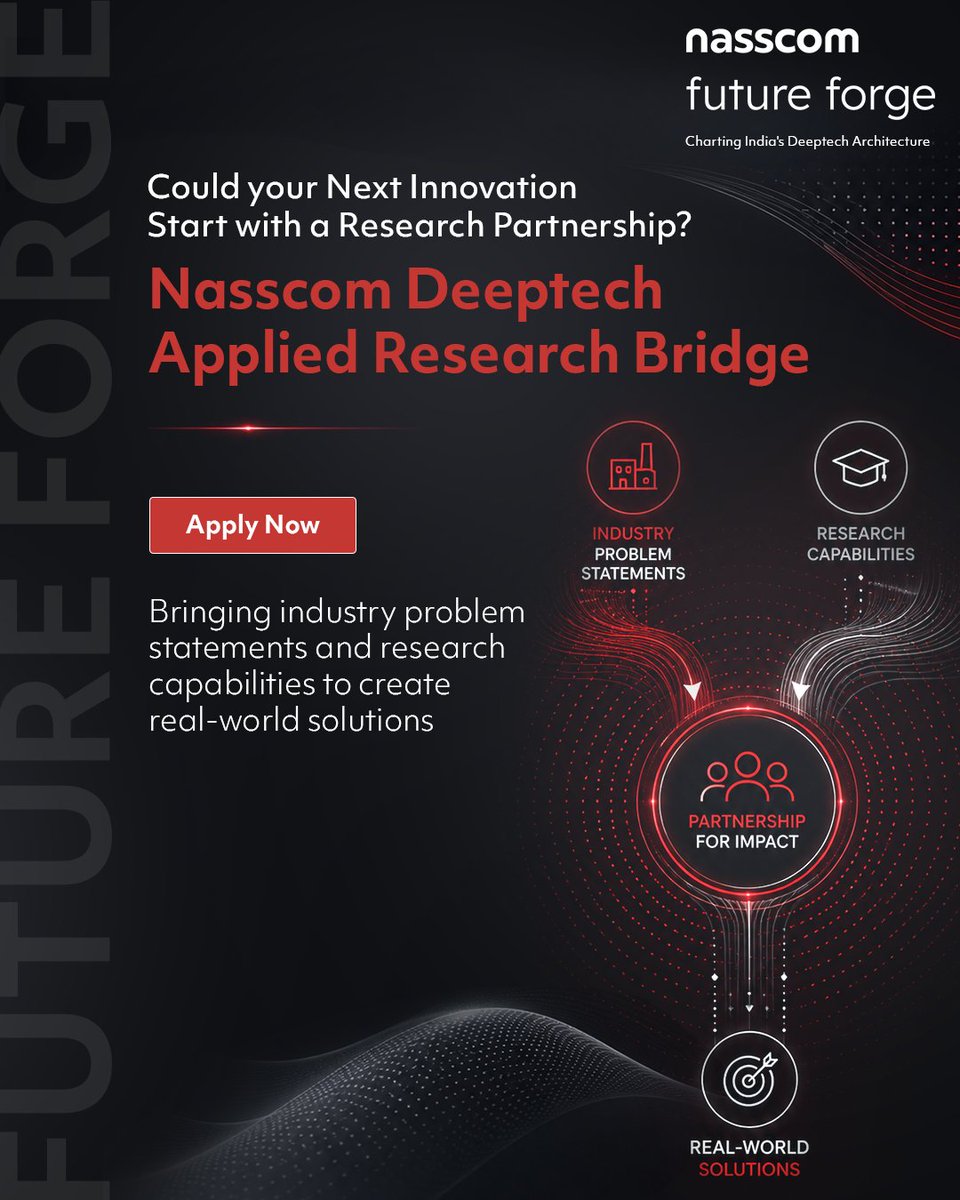
What is the hardest technical challenge your organization is trying to solve today?
Many of India's most prominent Deeptech queries already have relevant expertise sitting inside universities, research institutions, and translational labs- the challenge remain in finding the right connection.
Nasscom Deeptech is launching the Applied Research Bridge, an initiative designed to connect industry-defined problem statements with research capabilities across India's innovation ecosystem.
If your organization is working through challenges related to:
→ Cost reduction and performance improvement
→ Reliability, testing, and validation
→ Scale-up and manufacturing readiness
→ Systems integration
→ Sustainability and resource efficiency
→ New product development
We invite you to submit your challenge.
The most promising industry-academia alignments will be featured at #NasscomFutureForge2026, creating opportunities for:
→ Sponsored research
→ Pilot programs
→ Technology partnerships
→ Commercialization pathways
Deadline: 22 June 2026
Submit your challenge at: nasscom.accubate.app/ext/sur…
@nasscom @nasscomdeeptech @DSCI_Connect @sangeetagupta29 @nasscomCoEIoT @ShaliniDewan @nhl_pandya @mayankkumar_17 @NasscomR @nasscomCoEIoT
#Nasscom #Deeptech #FutureForge #Research #Innovation #TechnologyTransfer #AcademiaIndustry #RandD
47

NASA Equips Astronauts, Industry with Robotic Intelligence dlvr.it/TSzKLQ #Spinoffs #TechnologyTransfer #TechnologyTransferSpinoffs
2
Jun 10
🚨 Egypt and Eritrea Deepen Strategic Partnership: From Red Sea Security to Pharmaceutical Technology Transfer, African Nations Are Building Their Future Together.
From pharmaceutical technology transfer to technical expertise and regulatory cooperation, this is what African solutions for African challenges look like. Strong institutions, knowledge-sharing, and self-reliance will strengthen healthcare security across the continent.
A stronger Eritrea means a stronger Horn of Africa. A stronger Horn means a more stable Red Sea region.
Together, Eritrea and Egypt are investing in capacity, innovation, and African-led development not dependency.
#Eritrea 🇪🇷 #Egypt 🇪🇬 #AfricaRising #TechnologyTransfer #HealthcareInnovation #AfricanSolutions #RedSea #HornOfAfrica #SouthSouthCooperation #AfricanDevelopment
5
105
156
5,123

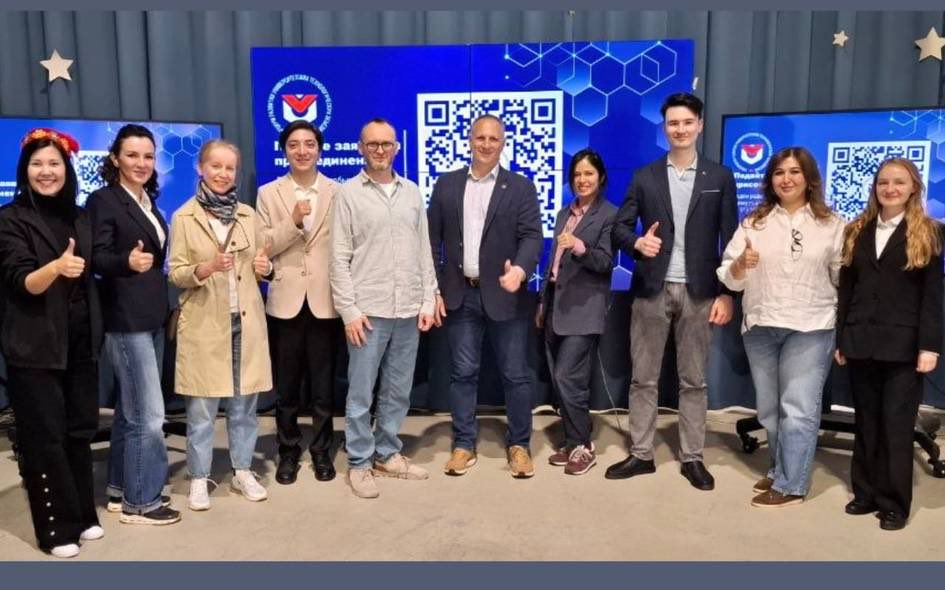
Uzbekistan examines university startup ecosystems in Moscow and St. Petersburg
Representatives of Uzbek universities and startup ecosystem experts participated in an exchange program in Moscow and St. Petersburg to study international practices in startup support, technology transfer and research commercialization.
👉Details — daryo.uz/en/Zdb8mubvg
#Uzbekistan #Startups #Universities #Innovation #Research #Entrepreneurship #TechnologyTransfer
31

#ISRO’s IN-SPACe is inviting private industry partners to take over the Technology Transfer (ToT) of the LVM3 rocket for its end-to-end manufacturing, operations, and commercialisation. The initiative marks a major step toward expanding private sector participation in India’s space ecosystem and accelerating the commercial utilisation of one of the country's most powerful launch vehicles.
#ISRO #INSPACe #LVM3 #SpaceTech #IndianSpace #NewSpaceIndia #PrivateSpace #SpaceIndustry #TechnologyTransfer #RocketLaunch #AatmanirbharBharat #MakeInIndia #SpaceEconomy #CommercialSpace #Innovation
1
1
67