
Rumbo hacia el Splinternet o dos internet. Los productos chinos salen al mercado tras control gubernamental para que su seguridad nacional (e ideológica) quede asegurada, mientras USA permite Fable 5 (procesa código fuente con profundidad nunca vista), siendo talón de Aquiles.. .
2
307

Der Begriff dafür heißt Splinternet – das gespaltene Netz. Laut Freedom House ist die globale Internetfreiheit seit 15 aufeinanderfolgenden Jahren gesunken. Von 72 untersuchten Ländern verschlechterten sich die Bedingungen zuletzt in 28, in 17 verbesserten sie sich.
1
6
Das Urheberrecht für ihn läuft in Deutschland bis 2025. Die Lizenzverwerter hatten mit der Fragmentierung des Netzes begonnen. Die Politik übernahm das Prinzip glorreich.
Der Splinternet
Was damals als Randfall erschien, ist heute Normalzustand.
1
1
10

I'm leaving my HNS names in the namebase pot, NFA
Web3 put on hold?, Where and what is the culture?
UD winding down on nfts favouring DNS boomer era tech and culture....
HNS public face, Namebase, doing same things as UD but without the DNS culture regression.
.eth moving(moved?) chains, first interactions we paid for as users, did not garner enough for the fat Kiwi and co.? as voted by majority token holders, the council of Unholy 13 🤣 (still no refund from the unresolvable mints ENS allowed and profited from....)
Is Freename still offering every name other chain name services do?
.Sol seems to be consistently popular
I thought Splinternet would come to DNS world and web3 would save those fallen thru, seems reverse now tho, crypto chains, culture, name systems are so fragmented or zombifiying back to Web2!?
Jun 13

📣 Namebase Update 📣
CURRENT STATUS of Namebase.io
✅ BTC withdrawals are LIVE
✅ HNS withdrawals are LIVE
✅ Transfers of unstaked names are available
⏳ Withdrawals of staked TLDs remain disabled
As Namebase continues its wind-down process, we strongly encourage all users to withdraw their BTC, HNS, and transferable names at their earliest convenience.
🚨 IMPORTANT 🚨
NAMEBASE IS NO LONGER RENEWING OR AUTO-RENEWING NAMES.
• Users are responsible for withdrawing or transferring names to a wallet, registrar, or service where future renewals can be managed.
• All names are renewed as part of the withdrawal or transfer process.
• If you intend to keep a name long-term, please make arrangements to transfer or withdraw it.
• Names left on the platform will NOT be renewed by Namebase and may expire according to their expiration date.
REGARDING STAKED TLDS:
• Withdrawals of staked TLDs remain disabled while we finalize a registry solution for existing SLD holders.
• Before enabling staked TLD withdrawals, we intend to have a registry solution in place to provide continuity for active SLD registrations and registry services.
• ALL STAKED TLDS WILL BE RENEWED BY NAMEBASE.
• Staked TLD owners do not need to take any action at this time.
• Additional information regarding staked TLD withdrawals will be provided once the registry transition plan is finalized.
REGARDING SLDS:
• Any SLD that would have expired on or after January 1, 2025 has been placed into a grace period.
• No action is required from SLD holders at this time.
• The grace period will remain in effect until the new registry is launched.
• All HNS ID SLD holders are included in this grace period and will be carried forward to the new registry.
Namebase remains in the process of winding down operations.
We will continue to share updates regarding the registry transition, SLDs, HNS ID, staked TLD withdrawals, and the remaining wind-down schedule as additional details become available.
We strongly encourage users to withdraw BTC, HNS, and transferable names as soon as practical rather than waiting for future wind-down milestones.
For individual assistance, please write sos@namebase.io.
Thank you for your patience and continued support. 🤝
97

Jun 13
And the moment a resource gets scarce, concentrated, and decisive - it grows a border.
Oil did. Uranium did. Chips already did.
Now the models have too.
We didn't get the splinternet. We got something heavier: splinter-intelligence.
1
2
Kenneth J. Jaeger - @kjjaeger@fosstodon.org retweeted

E o que é a Splinternet, a rede que substituirá a Internet? A @ISOCBrasil te explica aqui: isoc.org.br/files/Explainer%…
1
10
52
2,927
Kenneth J. Jaeger - @kjjaeger@fosstodon.org retweeted
O plano é substituir a internet por outra rede chamada splinternet, adotada na Coreia do Norte, China, Rússia e no Irã por meses esse ano. O artigo 40 da Lei Felca dá a base legal para isso. Falei do assunto ao analisar o caso do Nepal onde tentaram o mesmo e a população se rebelou: tecmundo.com.br/seguranca/40…
2
1
16
251

Jun 13
Export controls kicking in, the AI arms race just went national. Splinternet era begins
82

Because we know that once you have KOSA, then noncompliant users (people who won't hand over biometrics—including minors) will start using sites hosted outside the US, since the US ones require biometrics. Which motivates the next round of bills, which introduce the splinternet.
1
3

Jun 12
@joaoeigen Você está acompanhando o que o @ayubio vêm divulgando sobre os bloqueios da internet no Brasil e a conversão da Internet em splinternet?
Acho que uma análise das conseqüências históricas e políticas dessas ações seria interessante.
8

Jun 12
Mas é, decisões assim acaba com a ideia da internet. Existe um termo pra isso, splinternet, aos poucos você vai se isolando e criando a sua própria infraestrutura separada do resto da internet. O maior temor é que todos os países façam isso sob o pretexto de "segurança nacional"
1
33
860

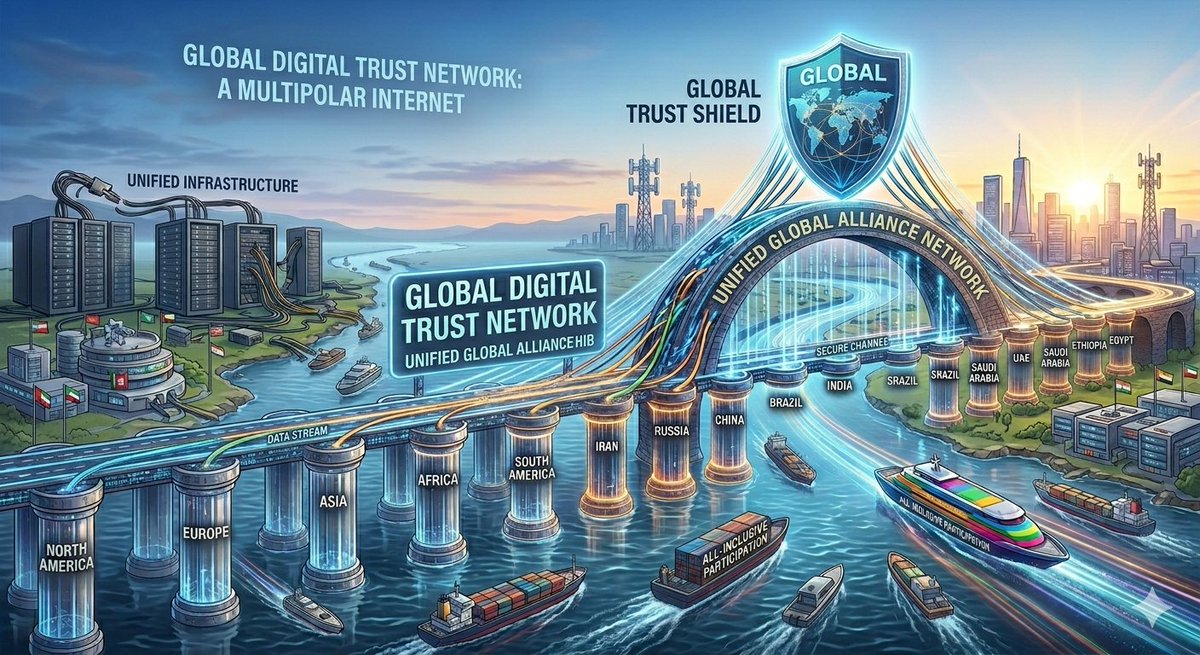
The Monopoly of Digital Trust: Why a Multipolar World Needs an Independent CA/Browser Alliance
The internet appears to be a global, free, and borderless network on the surface. However, the hidden reality within its foundational layers tells a completely different story. The core of internet security and trust—the Public Key Infrastructure (PKI)—is built upon a Centralized Trust System. This architectural design has effectively placed the keys to digital trust in the hands of a few Western corporations, posing a significant challenge to the digital sovereignty of the rest of the world.
The Anatomy of Monopoly: Who Decides What is "Secure"?
When you visit a website and your browser displays a padlock icon or a "Secure" label, it means your browser trusts the Certificate Authority (CA) that issued that site's security certificate.
The underlying issue is that the gatekeepers of these browsers, such as Google, Apple, Microsoft, and Mozilla, are all Western entities. These companies form a closed consortium known as the CA/Browser Forum to dictate the "baseline requirements" and standards for acceptance. For a CA to be included in the trusted root stores of these browsers, it must pass rigorous audits governed by Western frameworks, namely WebTrust in North America or ETSI in Europe. While designed to ensure global cybersecurity, this system practically allows Western powers to maintain an absolute monopoly over the centralization of trust.
Sanctions as a Weapon and the Rise of the "Splinternet"
This structural dependency becomes a geopolitical weapon during political conflicts. A nation at odds with the Western bloc, such as Iran or Russia, is systematically marginalized by international auditing firms, regardless of how advanced or technically sound its local cryptographic infrastructure might be. Due to unilateral sanctions, these auditors are legally prohibited from certifying non-Western CAs.
If a country's CAs cannot pass through these Western auditing filters, tech giants simply refuse to embed their Root Certificates into global operating systems and browsers. This leaves affected nations facing a fractured internet, often referred to as the Splinternet, forcing them down two restrictive paths:
Isolation at the Certificate Level: This involves creating national root certificates that are unrecognized anywhere outside their borders. Any foreign or domestic user accessing these services via standard global browsers is met with an alarming, red "Not Secure" warning, completely destroying user trust.
Building Fragmented Parallel Systems: This involves attempting to achieve independence by relying strictly on domestic browsers and isolated infrastructure. This is a model China has implemented at scale due to its massive domestic market, but it remains incredibly difficult for smaller nations to replicate globally.
Neither of these pathways allows for seamless, secure, and sovereign participation in the global digital economy.
The Strategic Solution: Why BRICS Must Establish a Sovereign PKI Alliance
To counter this digital hegemony, coalitions like BRICS—which comprises Brazil, Russia, India, China, South Africa, and newer members including Iran, Egypt, the UAE, and Ethiopia—possess the economic, technological, and demographic scale necessary to architect a new framework for a truly free and multipolar world.
By collaborating on a unified infrastructure, this alliance can break the Western monopoly through three strategic pillars:
1. Establishing a BRICS CA/Browser Forum
The alliance needs to form its own independent forum consisting of regional tech giants, telecom authorities, and state infrastructure agencies. This would include companies like China's Baidu and Tencent, Russia's Yandex, and major digital infrastructure ministries across Iran and India. This forum will cooperatively write the rules and technical baselines for a new global standard of trust, shifting from a US and EU-dominated model to a decentralized, multipolar alliance.
2. Creating an Independent Audit Framework (BRICS-Trust)
Instead of relying on WebTrust or ETSI, BRICS should launch a unified, non-aligned auditing standard called BRICS-Trust. This oversight body will conduct rigorous, world-class security audits of member nations' CAs based purely on technical compliance and cyber hygiene. This setup ensures that the entire infrastructure remains completely insulated from Western political sanctions and geopolitical pressure.
3. Mutual Recognition and Unified Root Stores
The true power of this initiative lies in network effects. Member nations must legally and technically mandate that all locally developed browsers, operating systems, and mobile devices pre-install and recognize the root certificates approved by this new BRICS Sovereign PKI Alliance. Under this system, any certificate audited by the BRICS-Trust framework will be instantly trusted across all member states, creating a seamless and secure digital ecosystem spanning half the globe.
Conclusion
As long as the foundational infrastructure of digital trust remains centralized under Western jurisdiction, true cyber sovereignty is an illusion. For nations seeking strategic autonomy, establishing a joint CA/Browser Forum and an independent auditing ecosystem under the BRICS umbrella is no longer just an alternative—it is a geopolitical necessity. It is the only viable path toward an equitable, resilient, and genuinely free global internet.
3
161
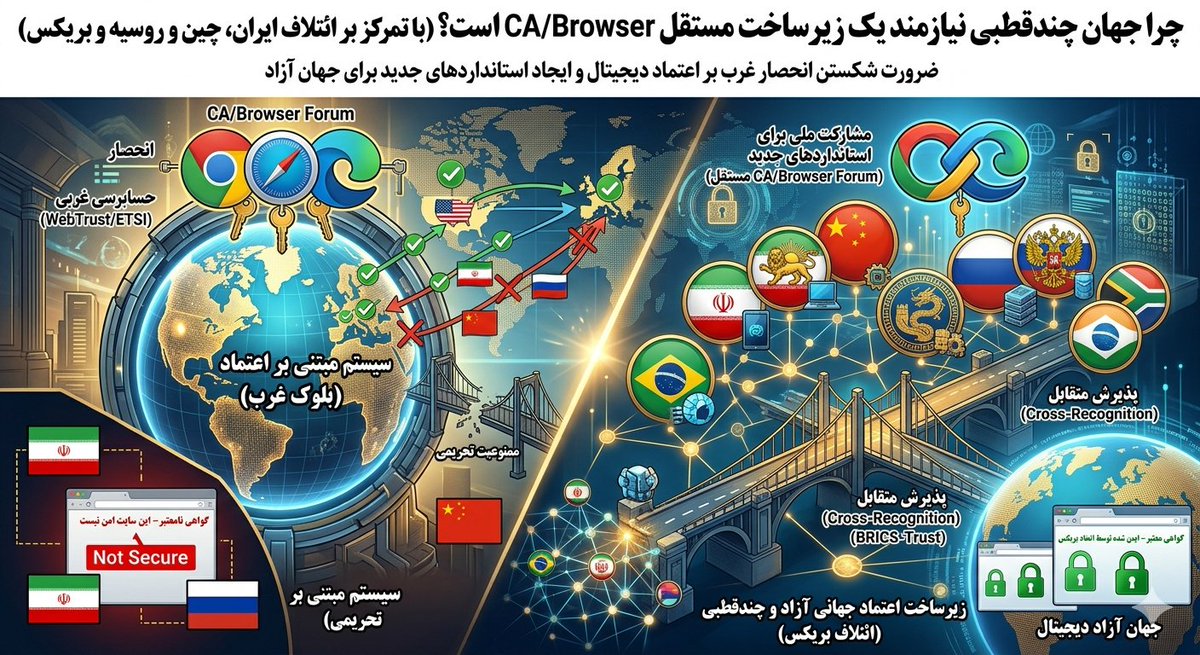
انحصار اعتماد دیجیتال: چرا جهان چندقطبی نیازمند یک زیرساخت مستقل CA/Browser است؟
اینترنت در ظاهر شبکهای جهانی، آزاد و بدون مرز به نظر میرسد؛ اما واقعیت پنهان در لایههای زیرین آن، داستان متفاوتی را روایت میکند. هسته اصلی امنیت و اعتماد در اینترنت یعنی زیرساخت کلید عمومی (PKI)، به شدت بر پایه یک «سیستم مبتنی بر اعتماد متمرکز» (Centralized Trust System) بنا شده است. این تمرکز، عملاً کلید دروازههای اعتماد دیجیتال را در جیب چند شرکت و نهاد غربی قرار داده است و چالشی اساسی برای حاکمیت سایبری سایر کشورهای جهان ایجاد میکند.
آناتومی انحصار: چه کسی تعیین میکند چه چیزی «امن» است؟
هنگامی که شما وارد یک وبسایت میشوید و مرورگرتان نماد یک قفل بسته یا عبارت "Secure" را نمایش میدهد، این به معنای آن است که مرورگر شما به مرجع صادرکننده گواهی امنیتی آن سایت (Certificate Authority یا CA) اعتماد دارد.
اما مشکل از جایی آغاز میشود که مالکان اصلی این مرورگرها (گوگل، اپل، مایکروسافت و موزیلا) همگی شرکتهای غربی هستند. این شرکتها در کنسرسیومی به نام CA/Browser Forum گرد هم آمدهاند تا «استانداردهای پذیرش» را تعیین کنند. برای اینکه یک CA بتواند در لیست ریشههای معتمد (Root Certificates) این مرورگرها قرار گیرد، باید از فیلتر حسابرسیهای سختگیرانهای مانند WebTrust (آمریکای شمالی) یا ETSI (اروپا) عبور کند.
این ساختار، اگرچه با هدف تضمین امنیت جهانی ایجاد شده، اما در عمل به قدرتهای غربی اجازه میدهد تا «مرکزیت اعتماد» را در انحصار خود نگه دارند.
بنبست تحریمها و ظهور «اینترنت دوپاره» (Splinternet)
این وابستگی ساختاری، در زمان بروز چالشهای سیاسی و ژئوپلیتیک، به یک سلاح تبدیل میشود. کشوری که با بلوک غرب دچار تنش است (مانند ایران یا روسیه)، حتی اگر از پیشرفتهترین زیرساختهای فنی رمزنگاری برخوردار باشد، توسط شرکتهای حسابرس بینالمللی نادیده گرفته میشود. تحریمهای اقتصادی و سیاسی مانع از آن میشود که حسابرسان غربی با این کشورها همکاری کنند.
نتیجه این انحصار، سوق دادن اینترنت به سمت پدیدهای به نام اینترنت دوپاره (Splinternet) است. کشورهایی که خارج از این دایره اعتماد قرار میگیرند، با دو مسیر ناخوشایند روبرو میشوند:
انزوا در سطح گواهی: ایجاد گواهیهای ریشه ملی که صرفاً در داخل مرزهای خودشان و روی سیستمهایی که به صورت دستی پیکربندی شدهاند معتبر است. هر کاربر خارجی (یا حتی داخلی با مرورگرهای استاندارد) با خطای هشداردهنده و قرمز رنگ "Not Secure" مواجه میشود که اعتماد کاربر را به شدت تخریب میکند.
ایجاد سیستمهای موازی و جزیرهای: تلاش برای استقلال از طریق ساخت مرورگرهای بومی و زیرساختهای کاملاً مجزا (مدلی که چین تا حد زیادی با تکیه بر بازار داخلی عظیم خود پیش برده است).
هیچکدام از این دو روش، برای حضور در یک اقتصاد دیجیتال بینالمللی و یکپارچه کافی نیستند.
راهکار راهبردی: چرا BRICS باید وارد عمل شود؟
برای مقابله با این هژمونی دیجیتال، ائتلافهایی مانند بریکس (BRICS) (شامل برزیل، روسیه، هند، چین، آفریقای جنوبی و اعضای جدیدی چون ایران) پتانسیل و ضرورت ایجاد یک جبهه متحد را دارند. این کشورها که بخش عظیمی از جمعیت، اقتصاد و ترافیک اینترنت جهان را در اختیار دارند، میتوانند با مشارکت یکدیگر معماری جدیدی برای «جهان آزاد» و چندقطبی ایجاد کنند.
این مشارکت میتواند در قالبهای زیر عملیاتی شود:
تأسیس یک CA/Browser Forum مستقل: ایجاد یک مجمع جدید متشکل از غولهای فناوری بلوک شرق (مانند Yandex روسیه، Baidu و Tencent چین، و زیرساختهای ملی ایران و هند) برای تدوین استانداردهای امنیتی جایگزین.
ایجاد چارچوب حسابرسی مشترک: جایگزینی WebTrust و ETSI با یک نهاد حسابرسی بینالمللی جدید (مثلاً BRICS-Trust). این نهاد میتواند ممیزیهای امنیتی CAها را بر اساس استانداردهای سختگیرانه اما بدون دخالت تحریمهای سیاسی ایالات متحده و اروپا انجام دهد.
پذیرش متقابل (Cross-Recognition): توافق بر سر اینکه مرورگرها و سیستمعاملهای بومی و منطقهای این کشورها، گواهیهای صادر شده توسط CAهای تأیید شده در چارچوب جدید را به رسمیت بشناسند.
نتیجهگیری
تا زمانی که زیرساخت اعتماد (Trust Infrastructure) در انحصار غرب باشد، استقلال سایبری برای سایر کشورها بیشتر یک توهم است تا واقعیت. ایران، چین، روسیه و سایر کشورهای مستقل، برای فرار از انزوای دیجیتال و جلوگیری از فروپاشی خدمات آنلاین خود در زمان بحران، چارهای جز اتحاد ندارند. ایجاد یک استاندارد حسابرسی و مجمع CA مشترک در قالب بریکس، نه تنها انحصار غرب را میشکند، بلکه گامی بزرگ به سوی یک اینترنت عادلانهتر، پایدارتر و واقعاً چندقطبی خواهد بود.
2
153
Jun 11
Isso também mostra o quanto a infraestrutura de internet brasileira não é confiável. De um dia pro outro podem bloquear um recurso importante.
Splinternet está cada vez mais próxima de se tornar real.

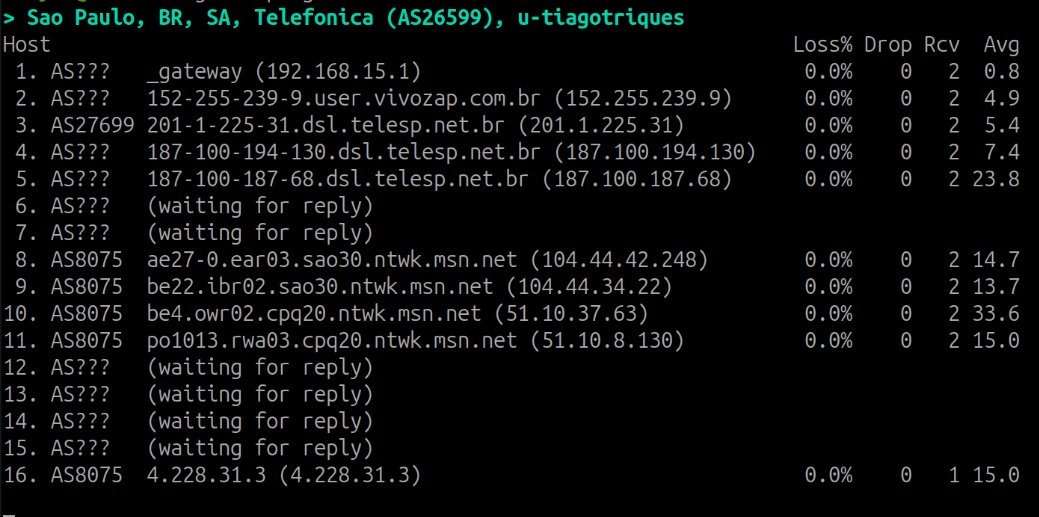
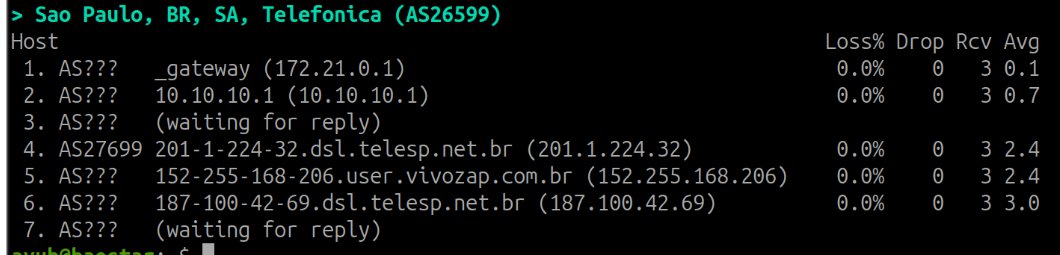
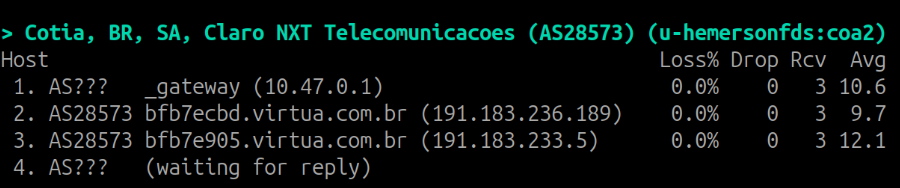
Confirmo que há todos os indícios típicos de bloqueio nacional determinado pela Anatel no dia de hoje para api.github.com. Nas quartas-feiras, geralmente em dias de jogos de futebol, a agência de reúne com as maiores operadoras do país e determina o bloqueio de endereços utilizados pelos TV boxes. A lista de endereços bloqueados é mantido em sigilo pela agência, algo que tenho criticado em artigos, entrevistas e palestras.
Os indícios são:
1) O fato de ocorrer numa quarta-feira e pelo relato desse internauta que me acionou, ontem o problema não ocorria.
2) O fato do IP 4.228.31.149 para qual aponta o FQDN api.github.com estar bloqueado somente na Claro, Vivo, Nio, Algar e TIM e *NÃO* em ISPs regionais conforme posso testar com o comando globalping.
3) O fato de outros endereços IP contidos no mesmo bloco /24 serem normalmente alcançáveis, o que exclui problemas de roteamento já que todos os IPs entre 4.228.31.1 e 4.228.31.255 necessariamente pertencem a mesma rota (vide exemplo 4.228.31.3).
Recomendo que os afetados entrem em contato com seus provedores mostrando evidências coletadas a partir de sua casa ou empresa e exijam uma resposta do porquê não havia rota para 4.228.31.149 na noite de 10/06/26 enquanto para 4.228.31.3 há.
Nesse thread a seguir, colocarei algumas informações úteis sobre o problema.
1
75
John Francis retweeted

Jun 10
The Splinternet Comes for #European #SupplyChains Why Fragmentation Is Now a Boardroom Problem
citi.io/2026/04/21/the-splin… via @citidotio
4
4
19