
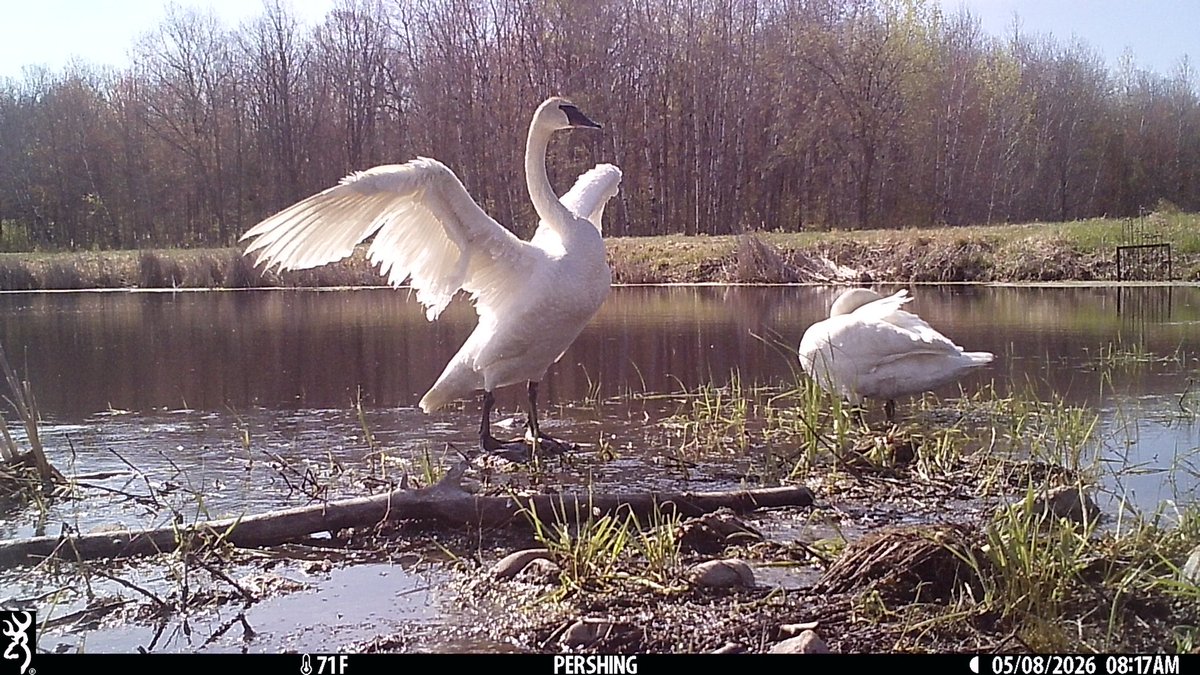
The Browning Command Ops captured a moment of elegance as this swan shows off its impressive wingspan after a morning swim.
📷: J.D. Wishowski
#TrailCamTuesday #BrowningCameras #youvegottoseethis #SpringWildlife #trailcamera
1
4
105

May 14
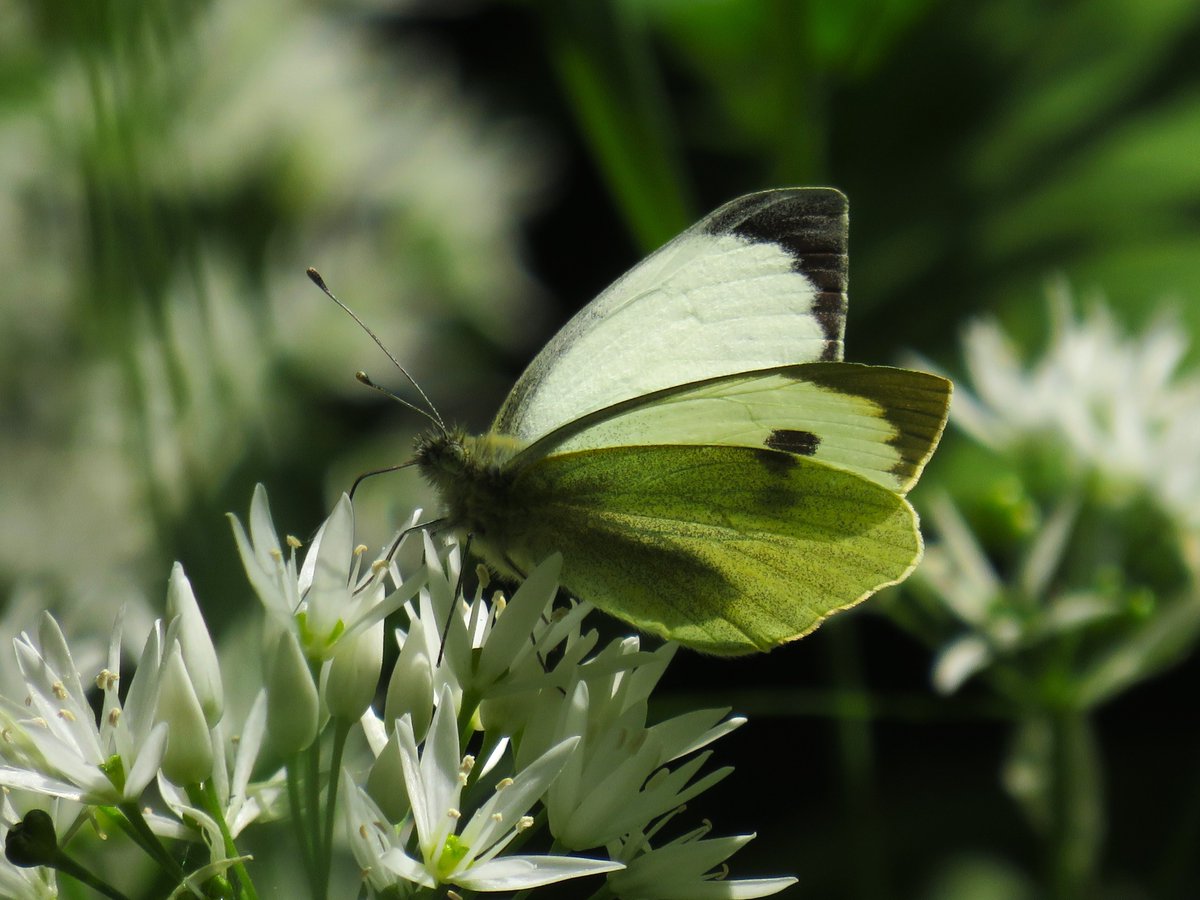
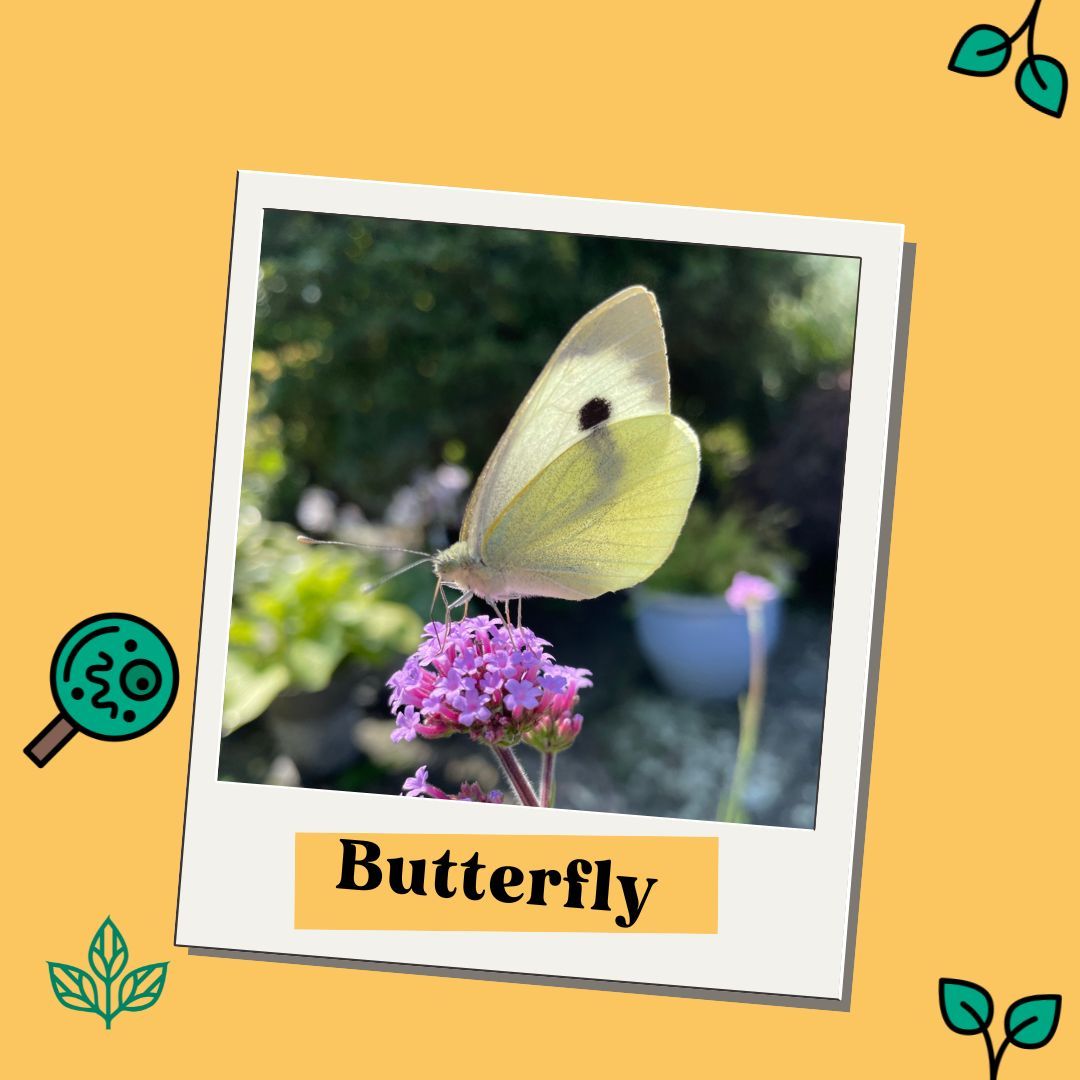
Nature keeps her most delicate engraving for those who pause long enough to see it.
#LargeWhite #PierisBrassicae #InsectThursday #ButterflyWatch #Nature #Pollinators #SpringWildlife #NatureStudy

1
9
170

Apr 17
Spring Wildlife Photography: Capturing Baby Animals Responsibly 📸
Spring is pure magic for wildlife shooters. Flowers pop, birds nest, and suddenly every trail has tiny fawns, fox kits, ducklings, and bear cubs tumbling around.
The light is soft, the colors are electric, and you’re itching to “get the shot.” But here’s the truth: when babies are on the scene, your approach has to change. Here’s how to stay respectful, keep everyone safe (including you), and still come home with jaw-dropping images.
1️⃣ Distance is your best friend. Baby animals = super-protective moms. A doe will stomp or bolt if you get inside 100 yards of a hidden fawn. Fox vixens will move their entire litter if they feel threatened. Rule of thumb: if the animal changes its behavior because of you (ears up, staring, calling), you’re too close. Back off immediately.
Use a high-quality 400mm lens or a 200-500mm zoom with a teleconverter. I shoot my Canon R5 with the 500mm f/4 for most of the spring and still crop in Lightroom. You don’t need to be in their face to fill the frame.
2️⃣ Patience > proximity The best shots happen when wildlife forgets you exist. Set up a natural blind (a fallen log, tall grass, or a pop-up camo tent) at dawn or dusk, when animals are most active. Sit still for an hour. Watch. The moment a kit starts playing or a fawn nurses is worth the wait — and it’s 100% natural behavior instead of stressed-out running.
3️⃣ Know the species & the law. Every animal has different “safe” distances. Research ahead: • White-tailed deer fawns – 100 yards • Songbirds with nestlings – 50 feet • Bear cubs – NEVER approach (state laws are strict) • Ground-nesting ducks – stay on trails
In many U.S. parks, harassing wildlife is illegal under the Migratory Bird Treaty Act or state game laws. Ignorance isn’t a defense. A quick Google search for “[species] nesting distance” before you head out can save you headaches.
4️⃣ Leave no trace & zero impact • Stay on established trails • Never move sticks, leaves, or branches near a nest/den • Don’t use calls, bait, or food to lure moms closer • Pack out every single thing you brought in (including lens wipes) • If you see other photographers crowding an animal, politely suggest they back up. We’re all in this together.
5️⃣ Your safety matters too. Protective mothers aren’t playing. Moose, bison, and even geese have put photographers in the hospital. Keep an exit route, carry bear spray in bear country, and tell someone where you’re going. Spring trails can be muddy and unstable — good boots and a trekking pole are non-negotiable.
Pro tip from the field: Shoot from a seated or prone position. Your silhouette is lower, your heartbeat is calmer, and animals relax faster. I carry a small folding stool or sit on my pack.
The reward? Images that actually mean something. A fox kit playing in dappled sunlight because it never knew you were there hits different than a stressed-out blur running from a 70-200mm poked too close.
This spring, let’s be the photographers who elevate the craft rather than stress the wildlife. The babies will still be there tomorrow if you do it right today.
Who else is heading out with a long lens and a clear conscience? Drop your favorite ethical spring shot in the replies — I’d love to see them!
#WildlifePhotography #SpringWildlife
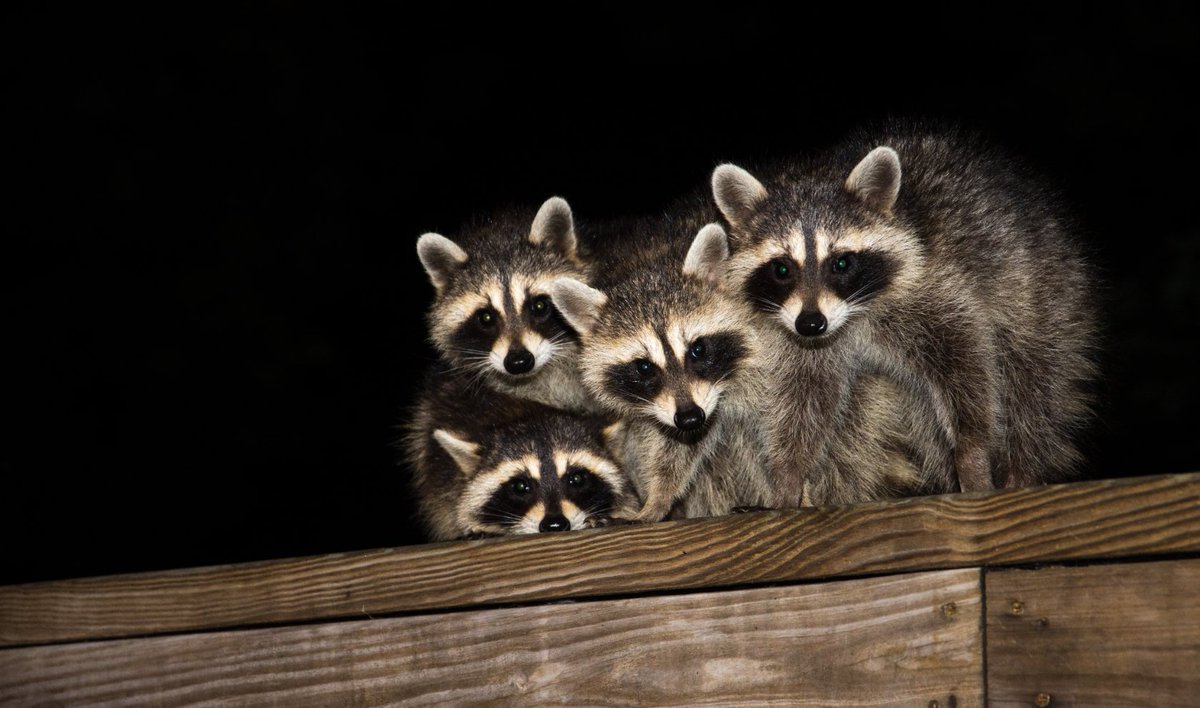
ALT racoons, photography
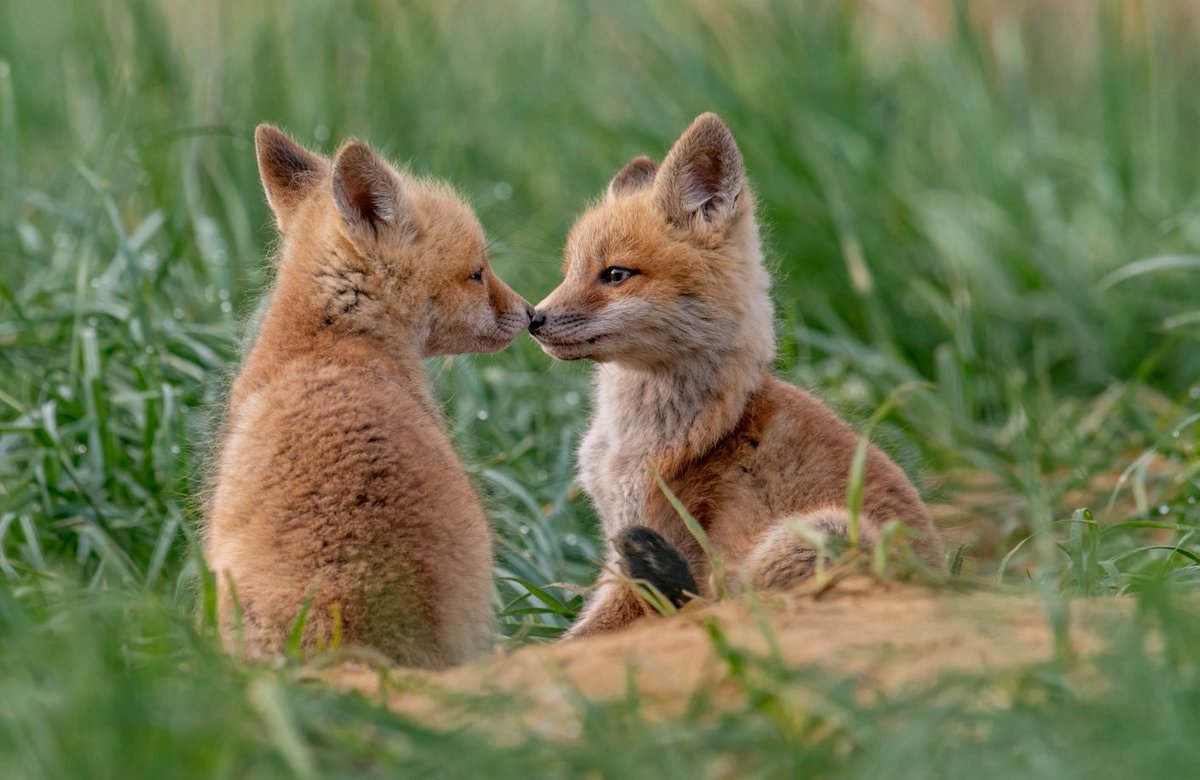
ALT Fox, photography
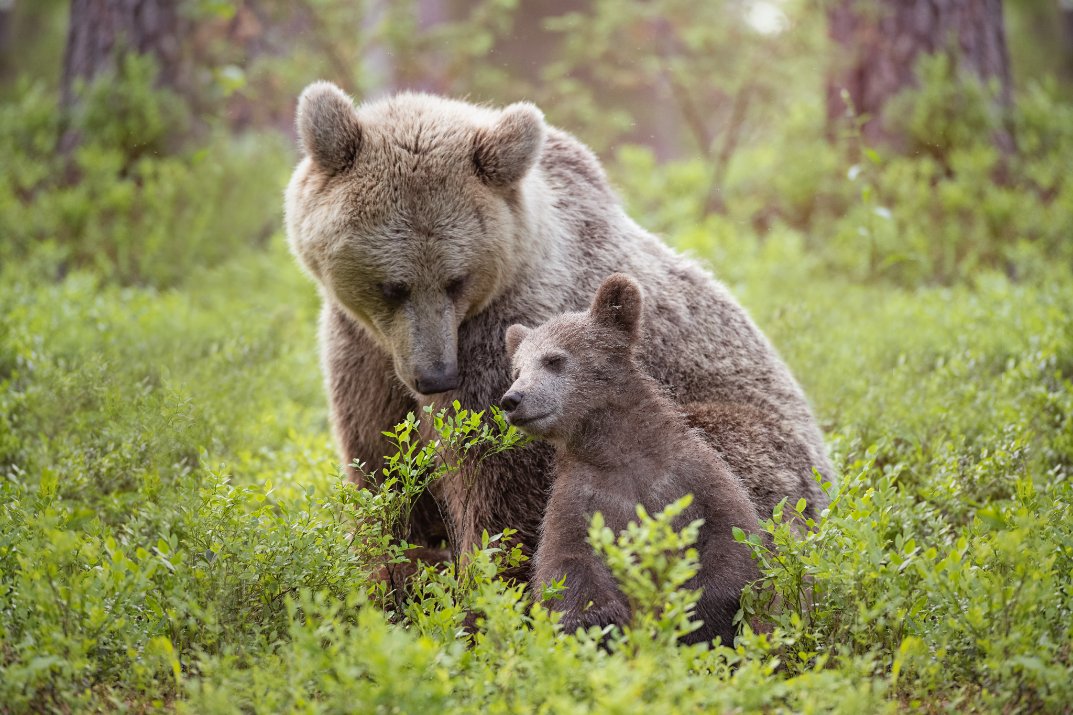
ALT Moma Bear, wildlife
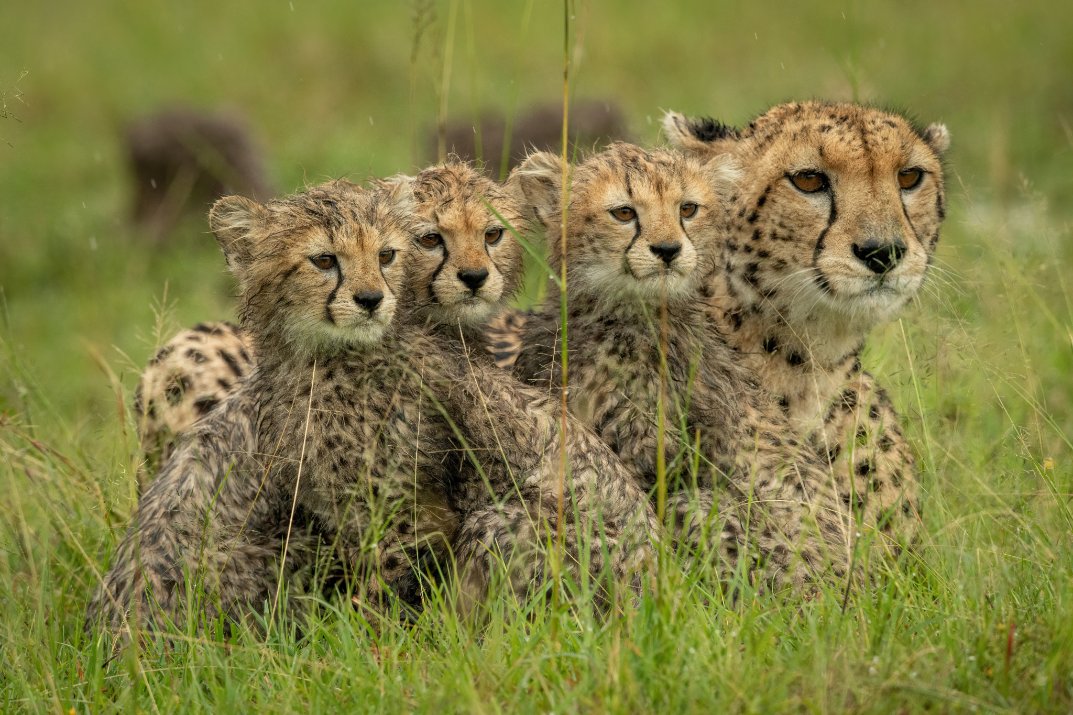
ALT wildlife, photography
3
248

Apr 15
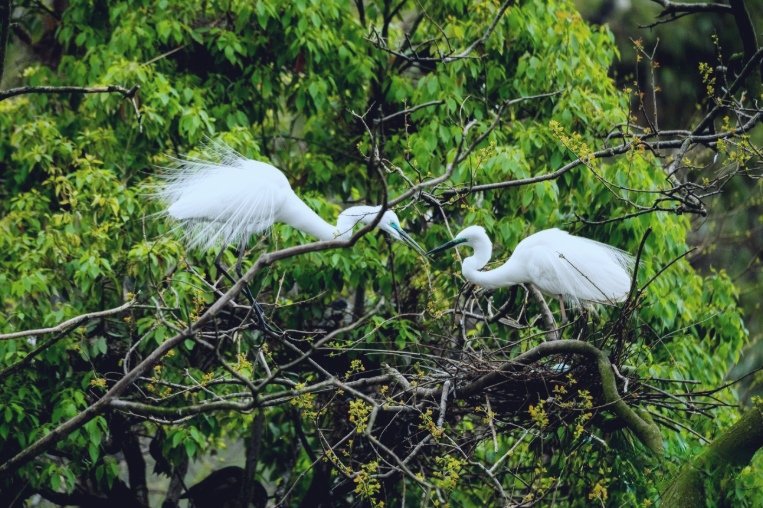
Spring canopy, egrets weaving their nest, a tender ode to new life in the wild.
春日林梢,白鹭衔枝筑巢,以温柔织就新生的序章。
#Egrets #SpringWildlife #NatureMoments
13
4
201
2,589

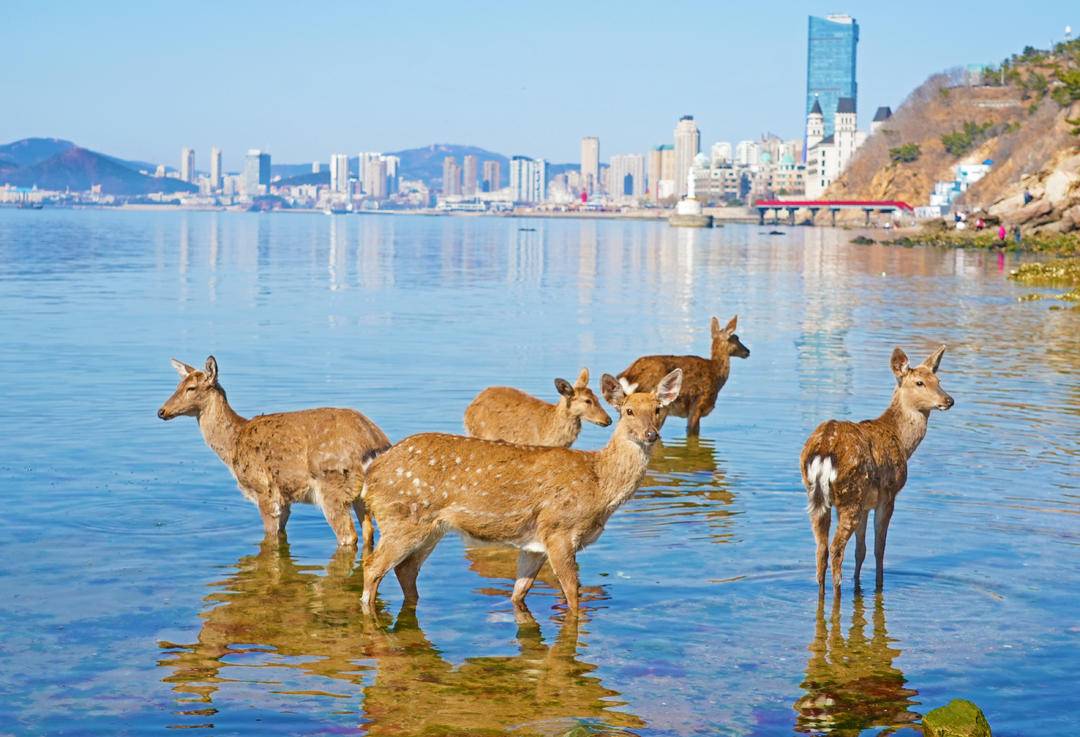
A herd of adorable spotted deer has been spotted at Golden Beach in #Dalian, #Liaoning Province, enjoying the seaside scenery. What a lovely spring surprise!
#LiaoningTravel #SpringWildlife #EcoBeauty
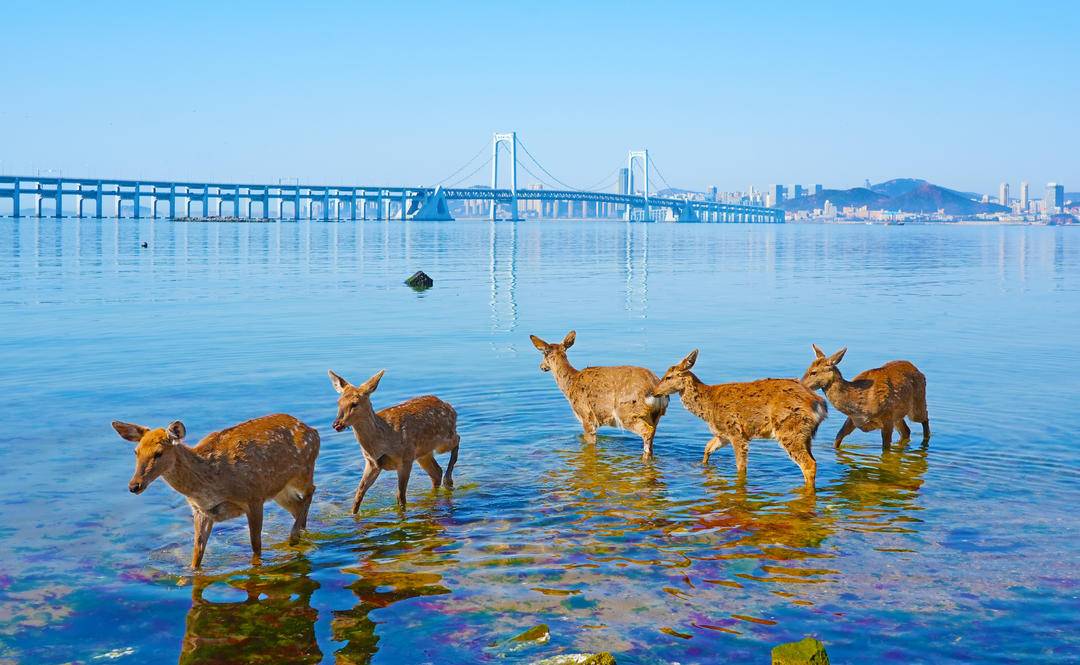
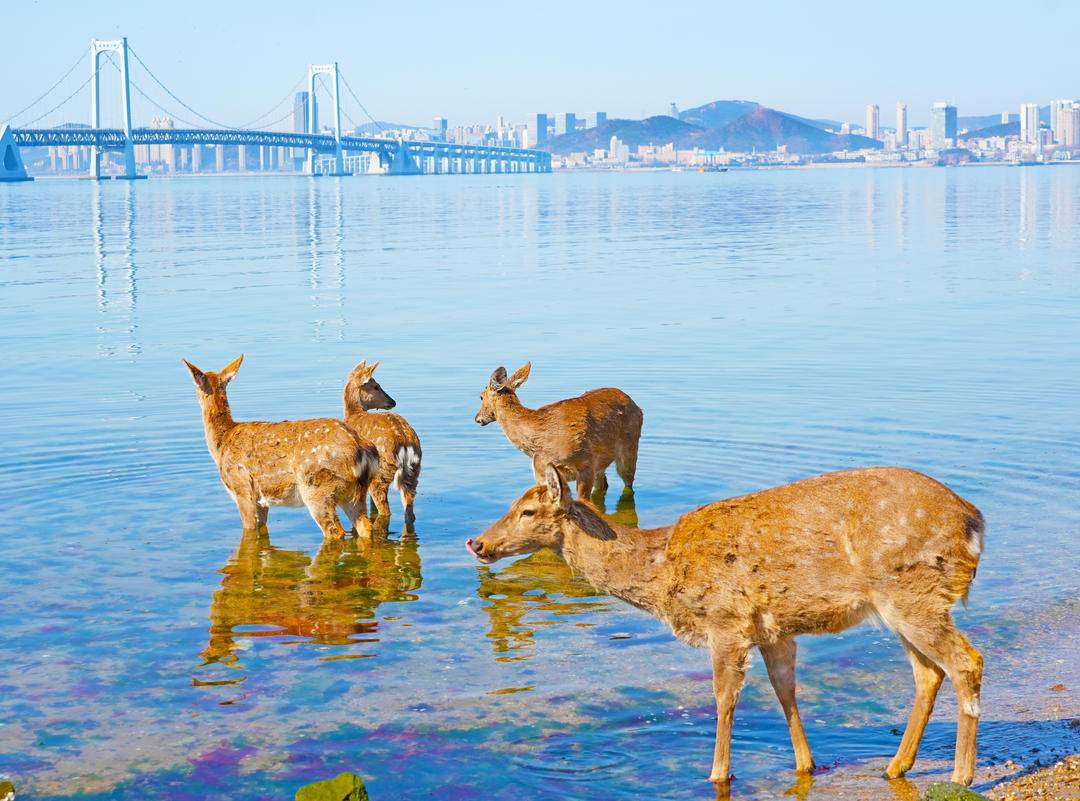
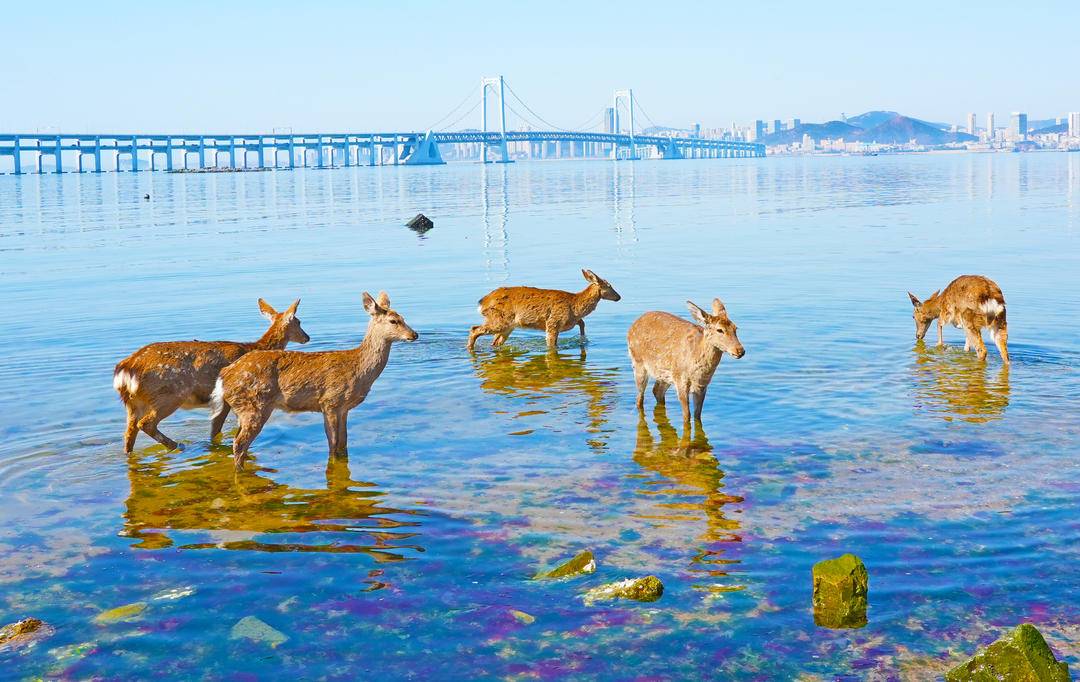
2
4
115

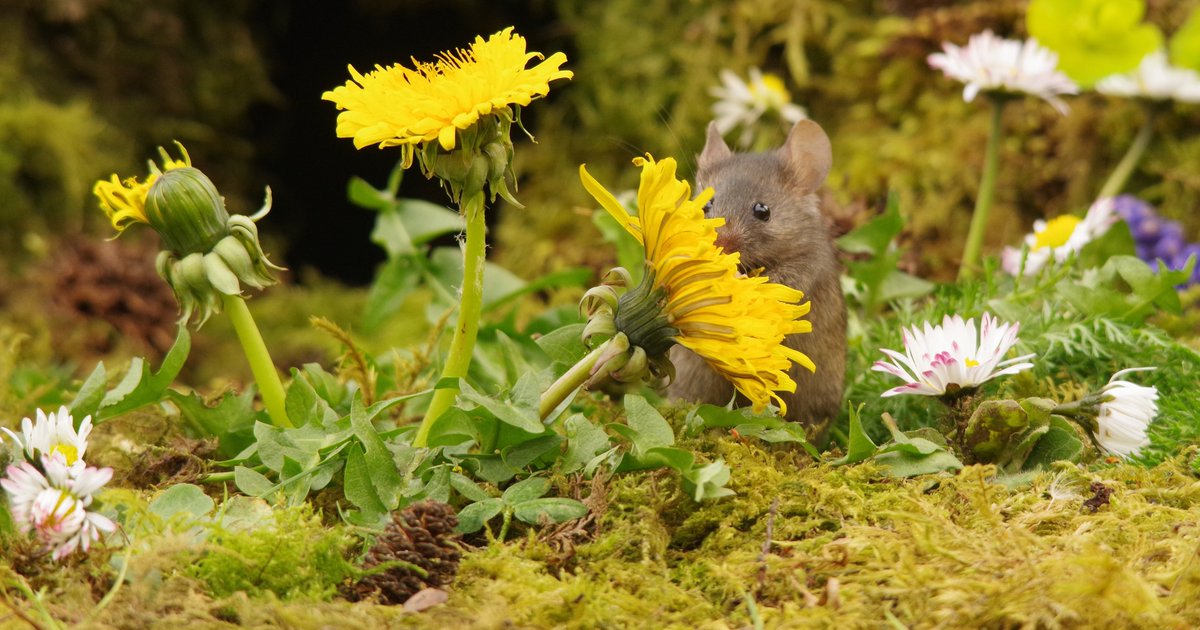
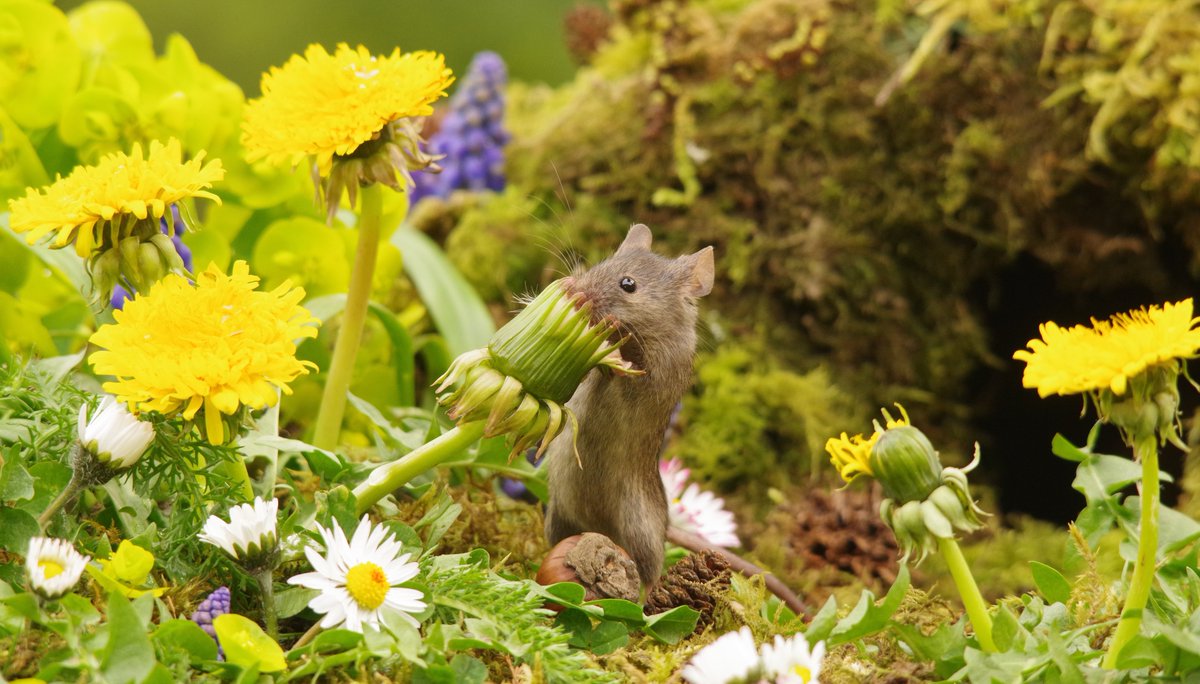
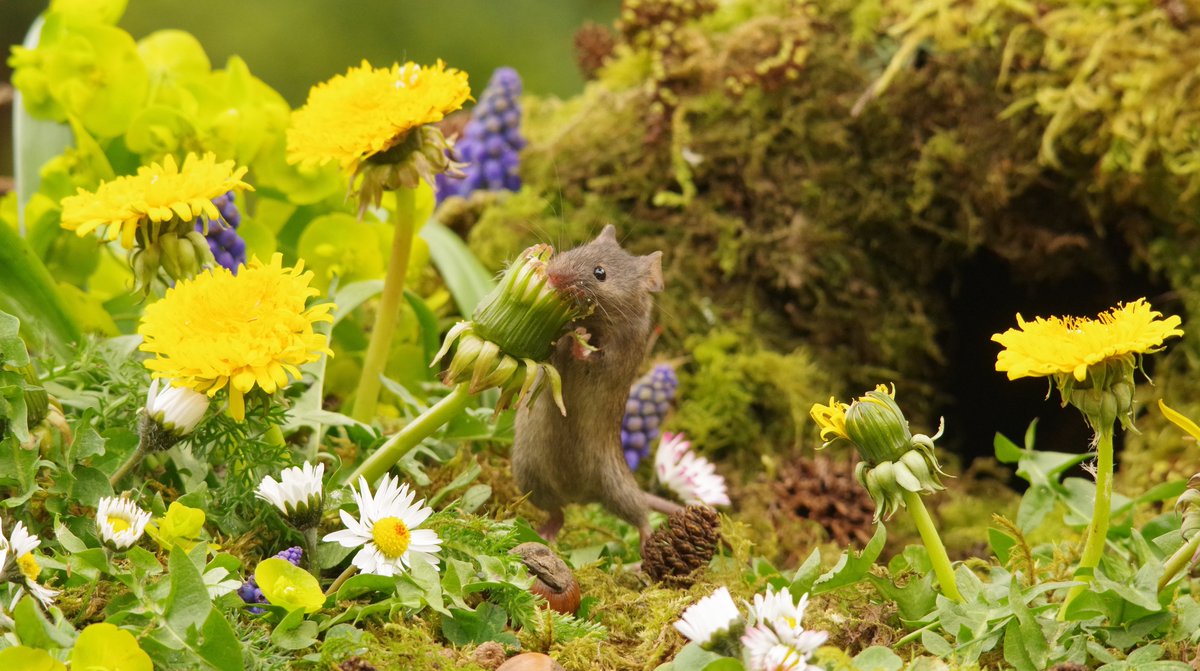
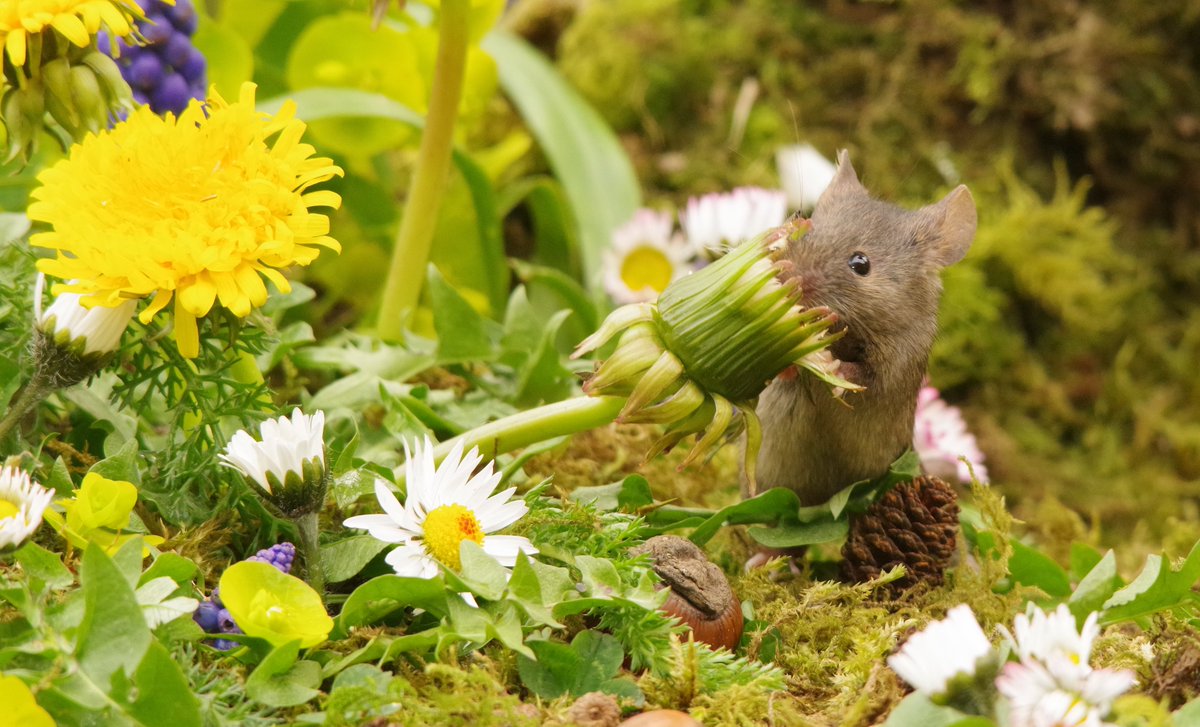
Spring has sprung .
@FansSpringWatch @BBCSpringwatch @SpringWatchUK @CountryfileMag @BBCWthrWatchers @bbcweather #springwildlife
2
17
146
2,135

Feb 18
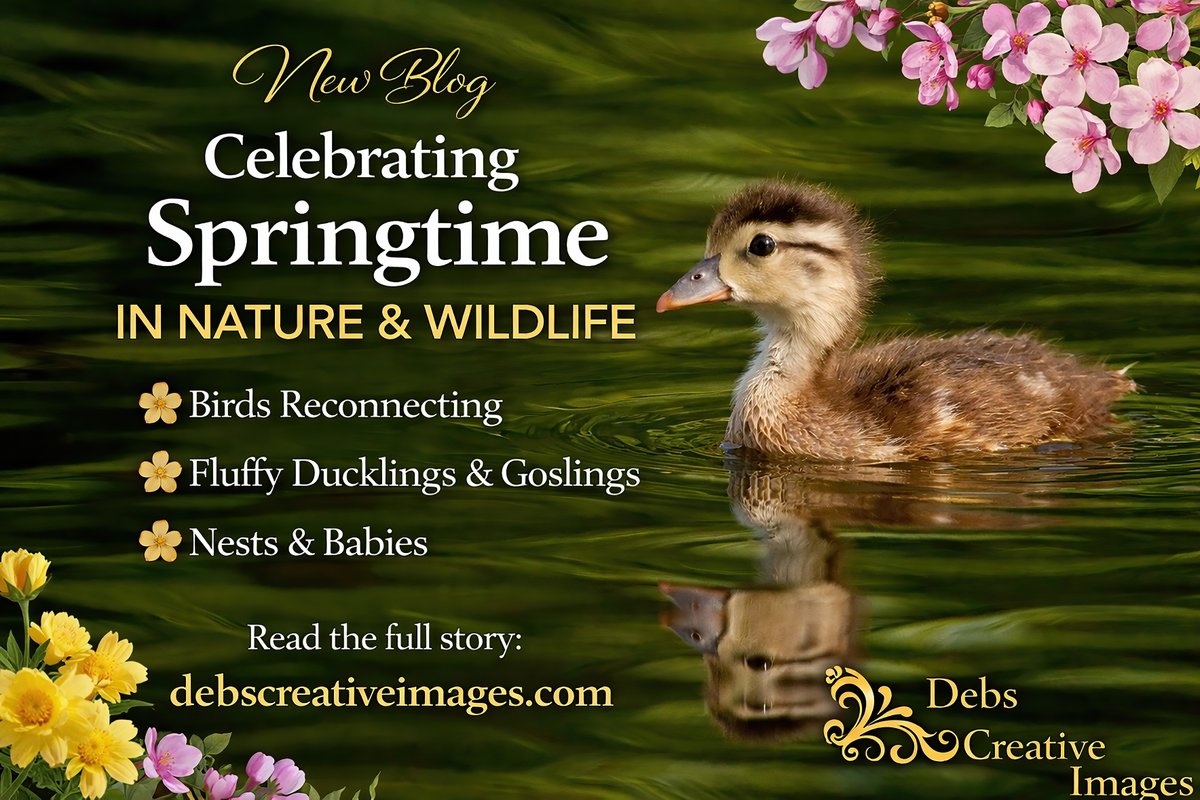
Springtime Magic in Nature & Wildlife
Spring is my favorite season — when wildlife reconnects, nests fill with babies, and fluffy ducklings take their first paddles.
Read here: debscreativeimages.com
#SpringWildlife #NaturePhotography #Ducklings #EagleNest #DebsCreativeImages
20
29 Dec 2025
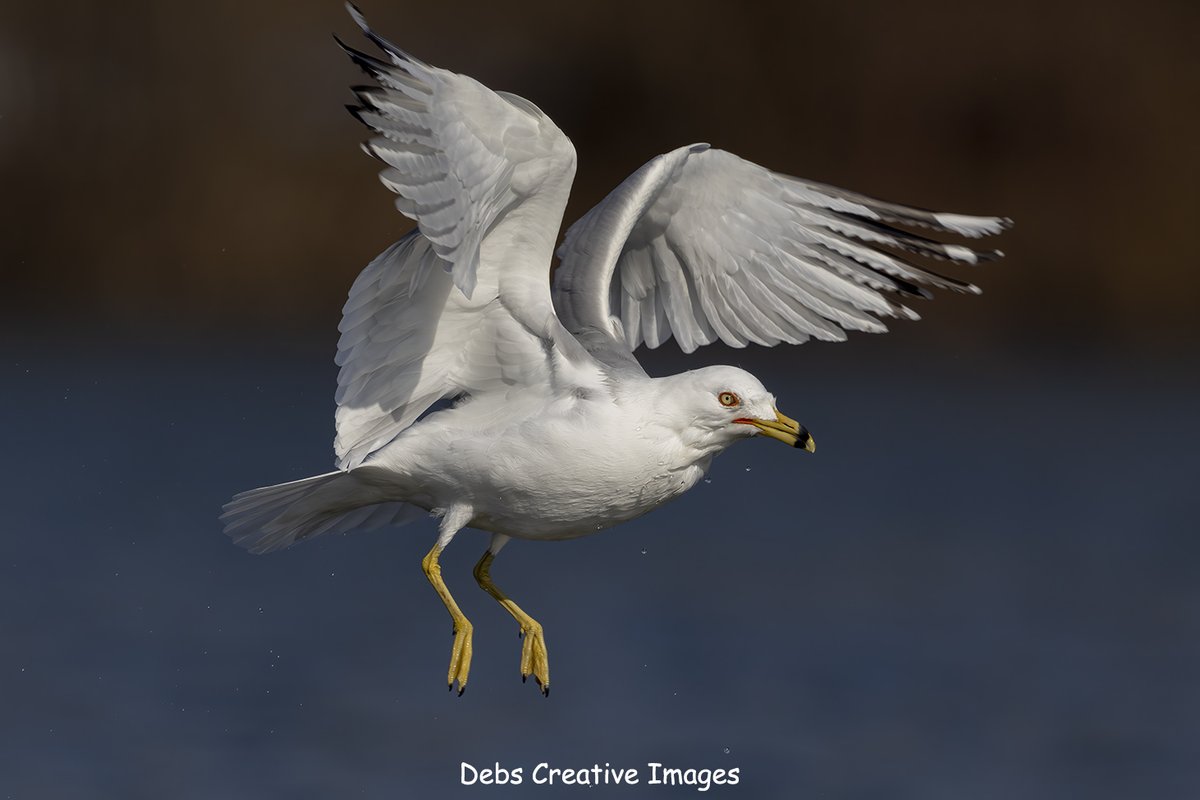
Spring Landing | Gull in Flight at Overlook Park in the Hudson Valley region of New York.
By Debbie Quick | Debs Creative Images
#wildlifephotography #birdphotography #gull #birdsinflight #naturephotography #springwildlife #overlookpark #outdoorphotography #naturelovers #bird
2
40

12 May 2025
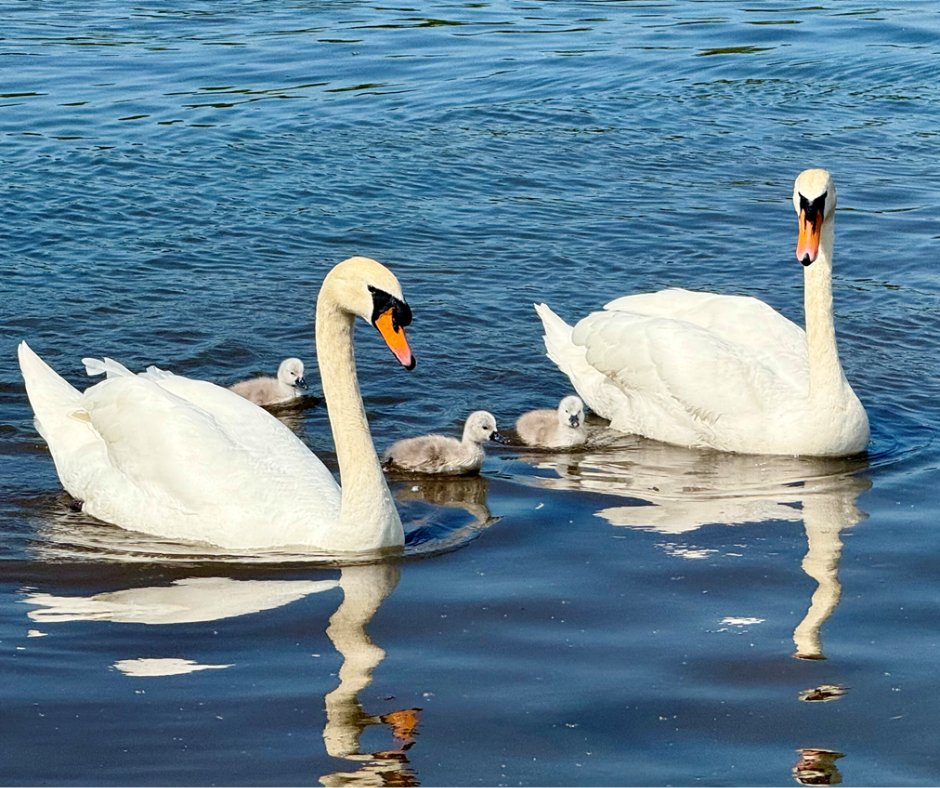
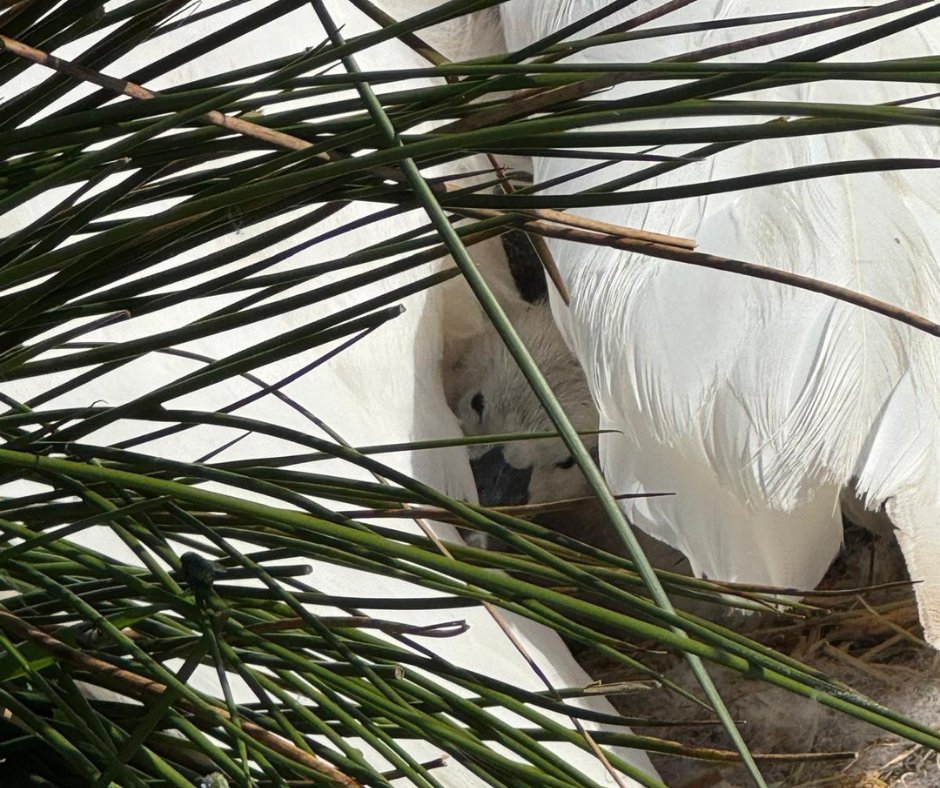
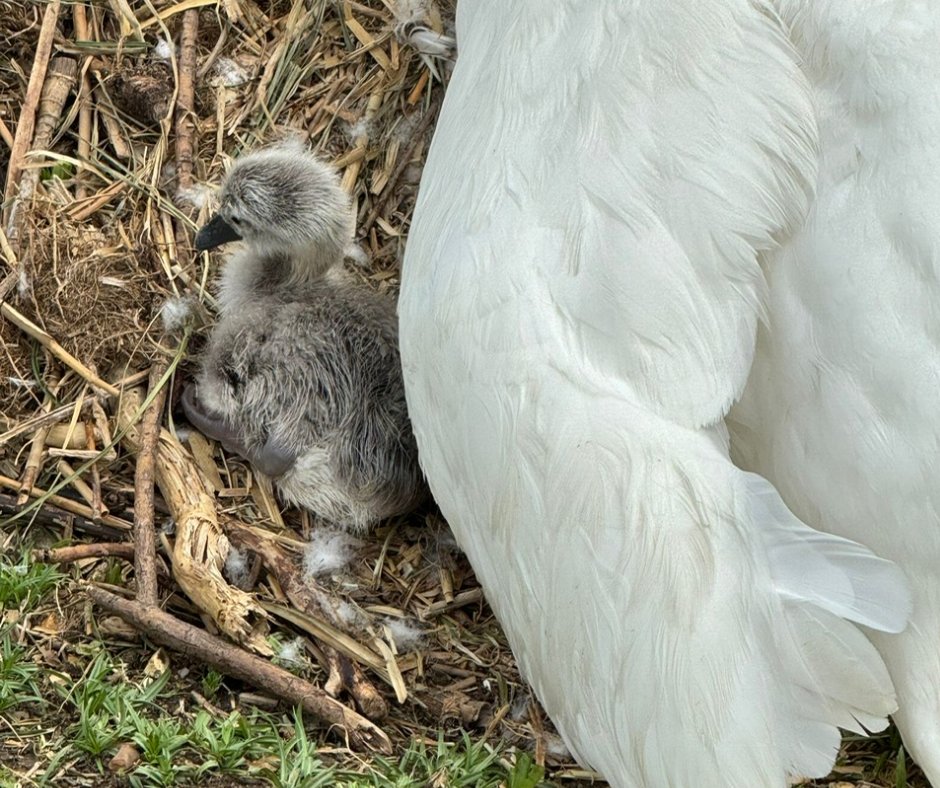
We’re delighted to announce that a number of swan eggs have hatched across our marinas, with a group of fluffy cygnets now exploring the water alongside their proud parents! 🦢🐣
#TingdeneMarinas #SpringWildlife #SwanSeason
1
22

3 May 2025
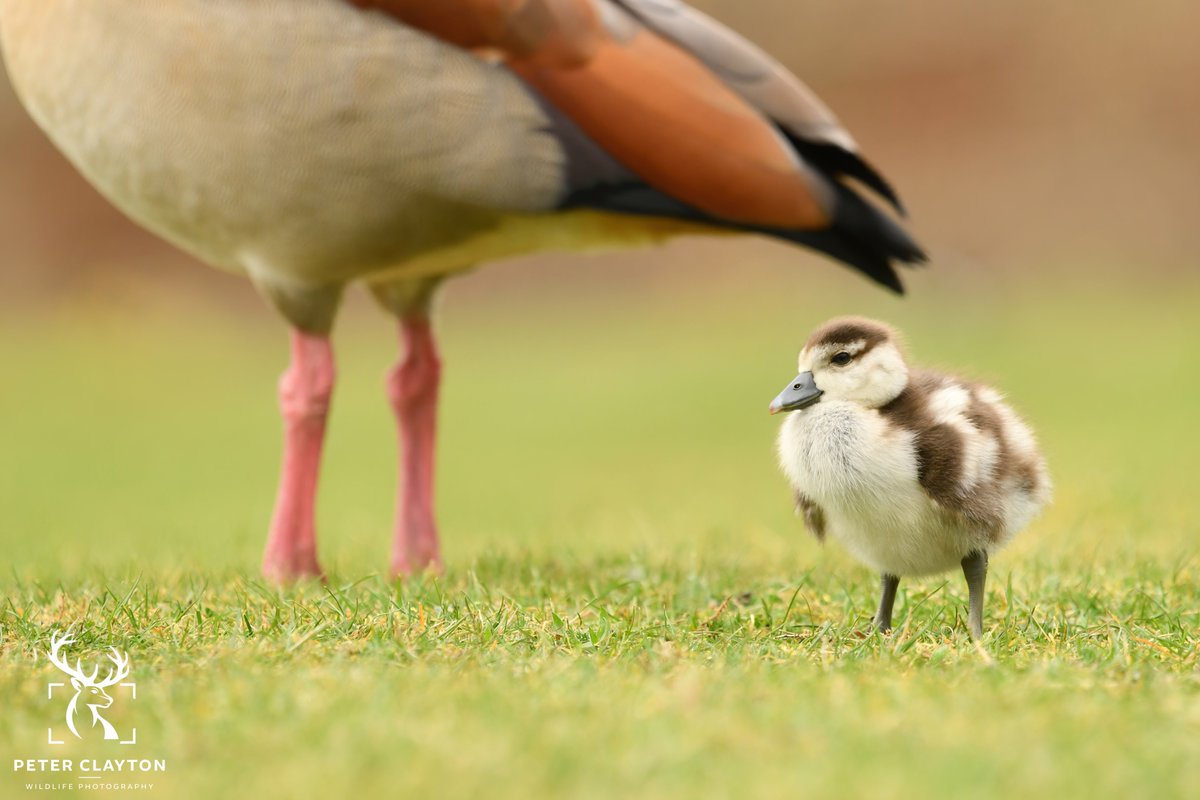
An Egyptian goose and her gosling. Despite this little guys tough stance, he would always stay close to mum for safety #egyptiangoose #goslingseason #babytime #springwildlife #britishbirds #lovenature #wildlifewatching #wildlifephotographer
1
2
76

20 Apr 2025
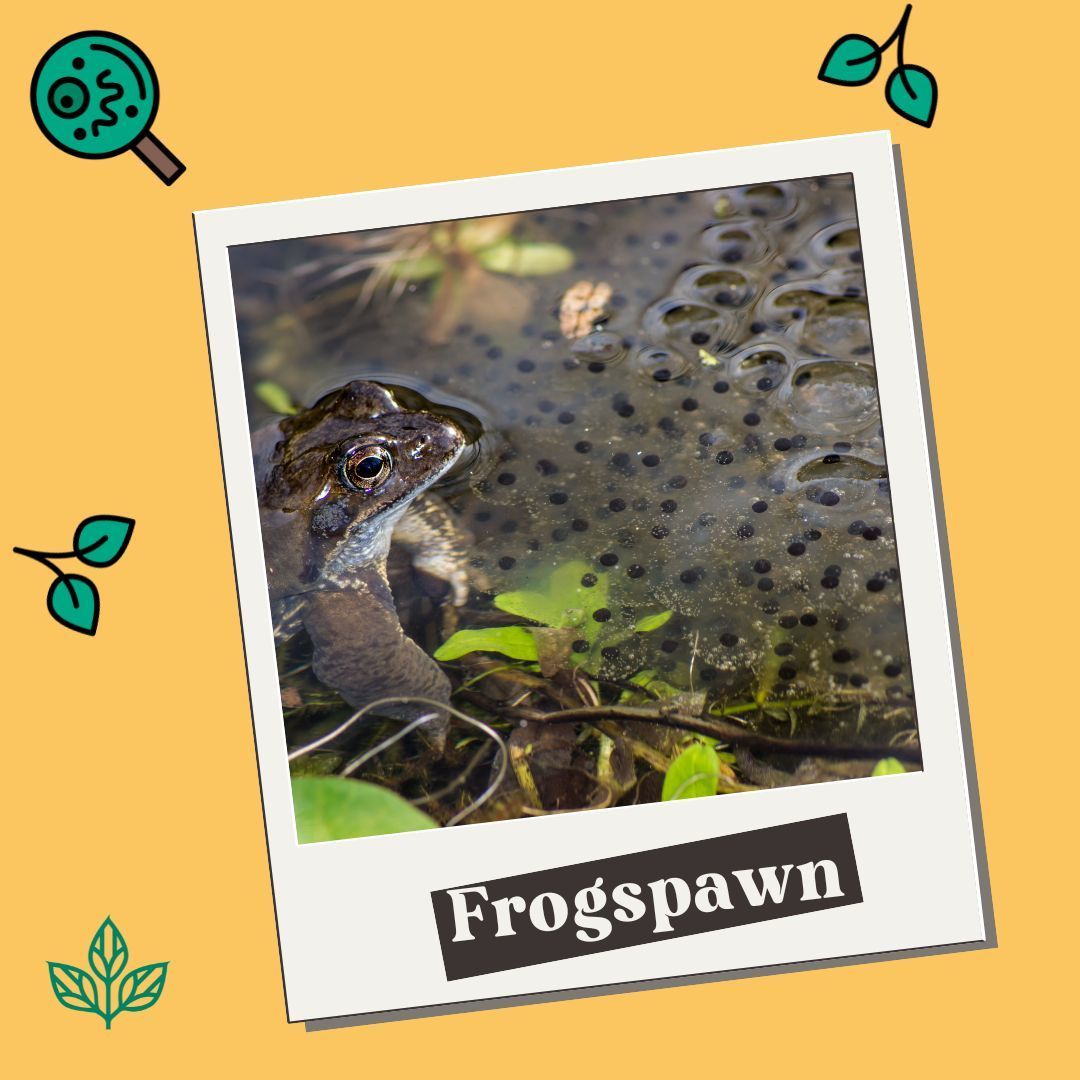
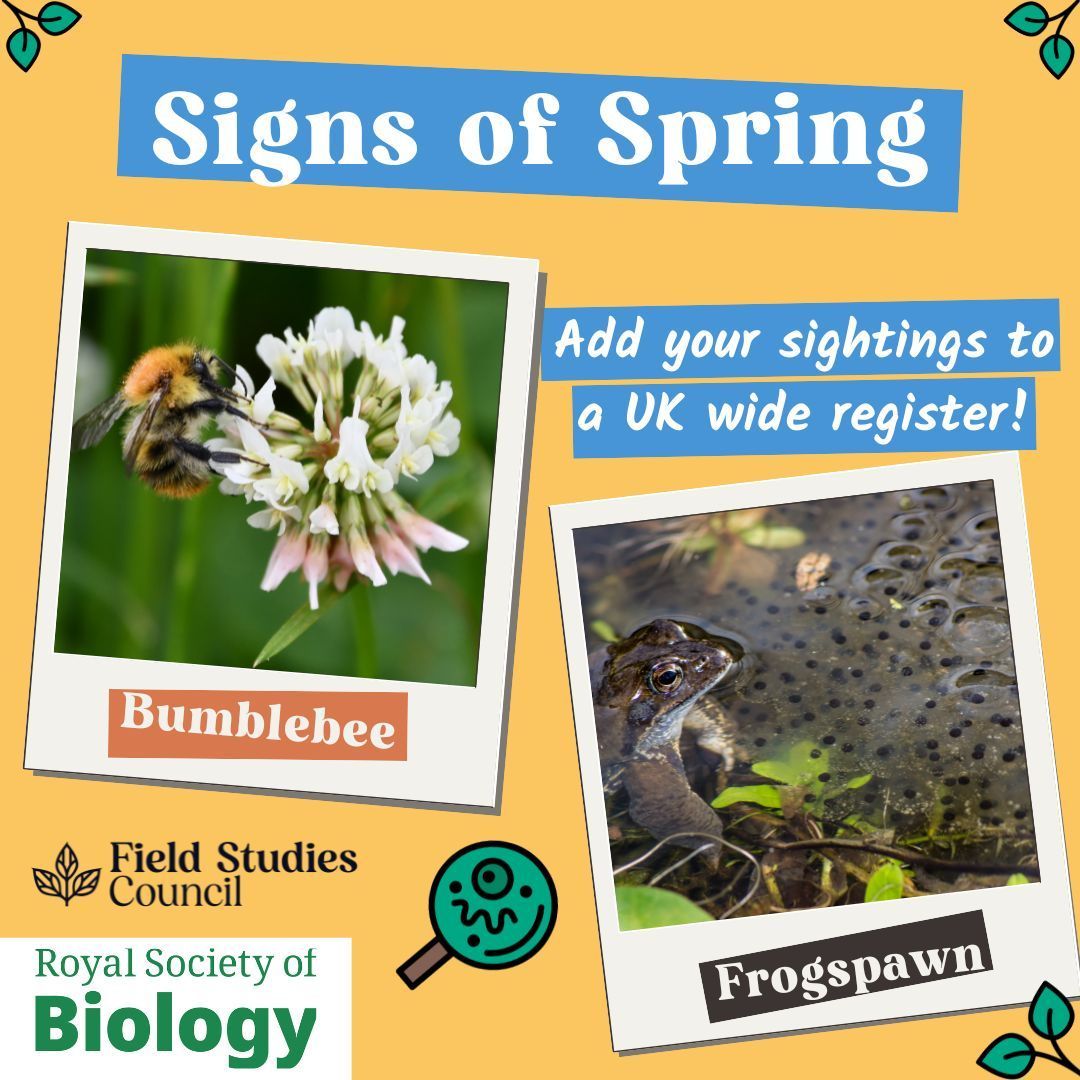
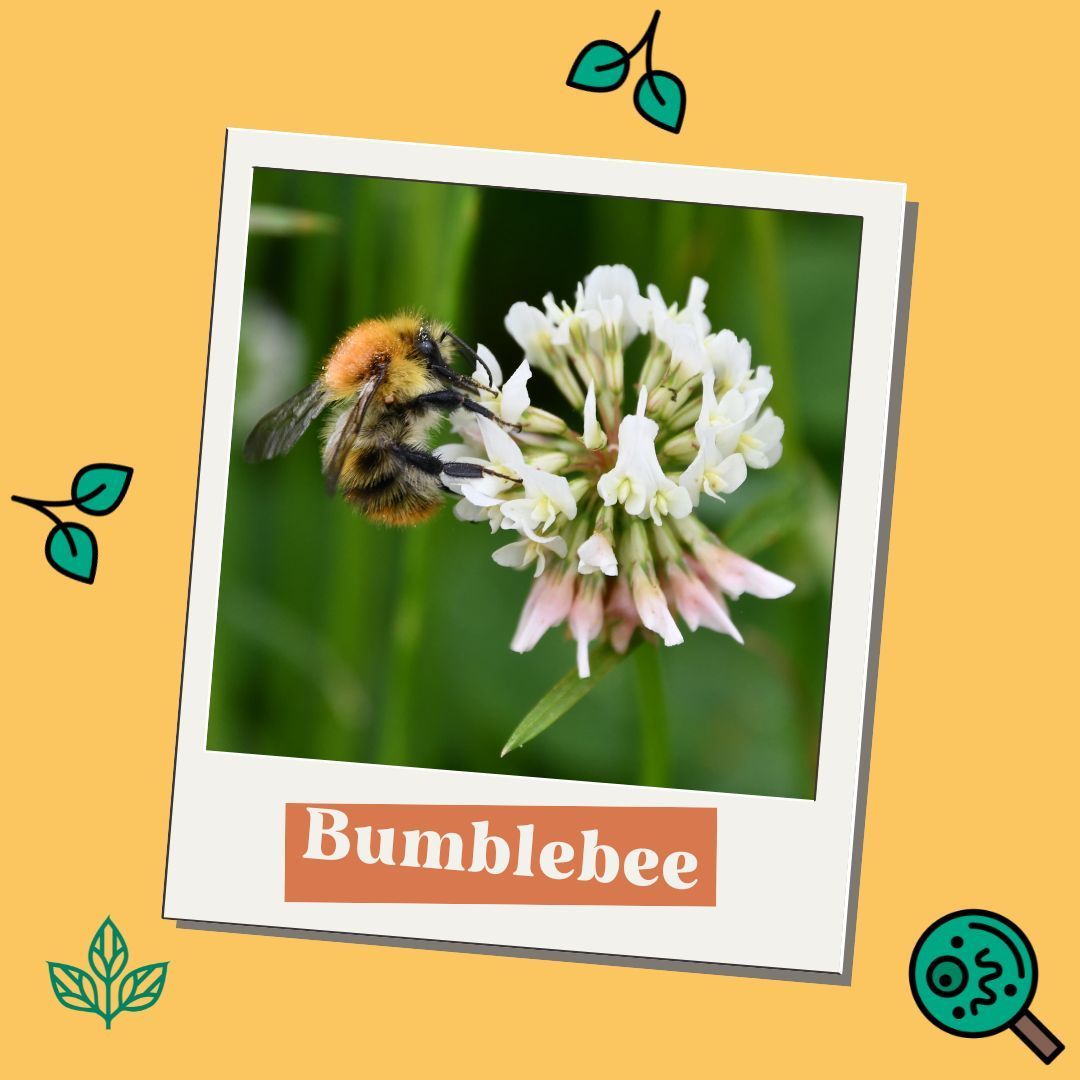
🌱 Take part in a #CitizenScience project!
Register your first bee or hum of a lawnmower in 2025.
With spring in full bloom, we are asking you to help chart Signs of Spring buff.ly/xYxRpBH in partnership with @royalsocbio
#SpringWatch #SpringWildlife #SignsOfSpring
1
3
302

19 Apr 2025
Did you know our wonderful teacher, Mrs. White, has some adorable baby bunnies nesting in her raised garden bed? These little cuties are a sure sign that spring is in full swing! Have you spotted any baby bunnies this spring?
#SpringWildlife #BabyBunnies #Nature #bunny #easter
1
2
44

18 Apr 2025
Spring is in full swing—tree frogs are getting busy. 🐸🌱 The tree frog has a huge size difference between the male and female.#TreeFrogLove #SpringWildlife #NatureInMotion

4
37

20 Mar 2025
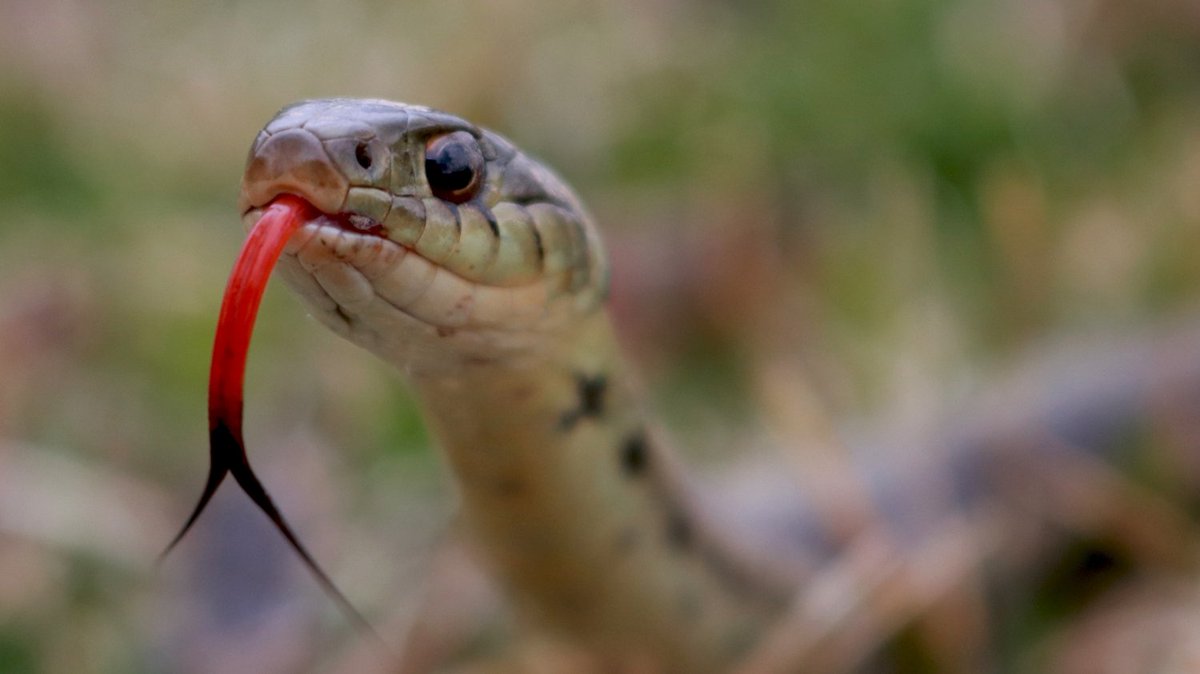
Spring is springing, and so are our scaly friends! 🐍 As temperatures rise in the Northern Hemisphere, snakes are emerging from their winter rest. Remember to give them space and appreciate their vital role in our ecosystems.
savethesnakes.org
#SnakeSeason #SpringWildlife
7
23
538

20 Mar 2025
Happy #FirstDayOfSpring! 🌷🦋 According to @WWFCanada, there are 11 Canadian species that signal the arrival of spring. Keep an eye out for these insects and wild animals! wwf.ca/stories/11-native-can… #SpringWildlife #UrbanWildlife #OntarioNature #Springtime
6
21
286
19 Mar 2025
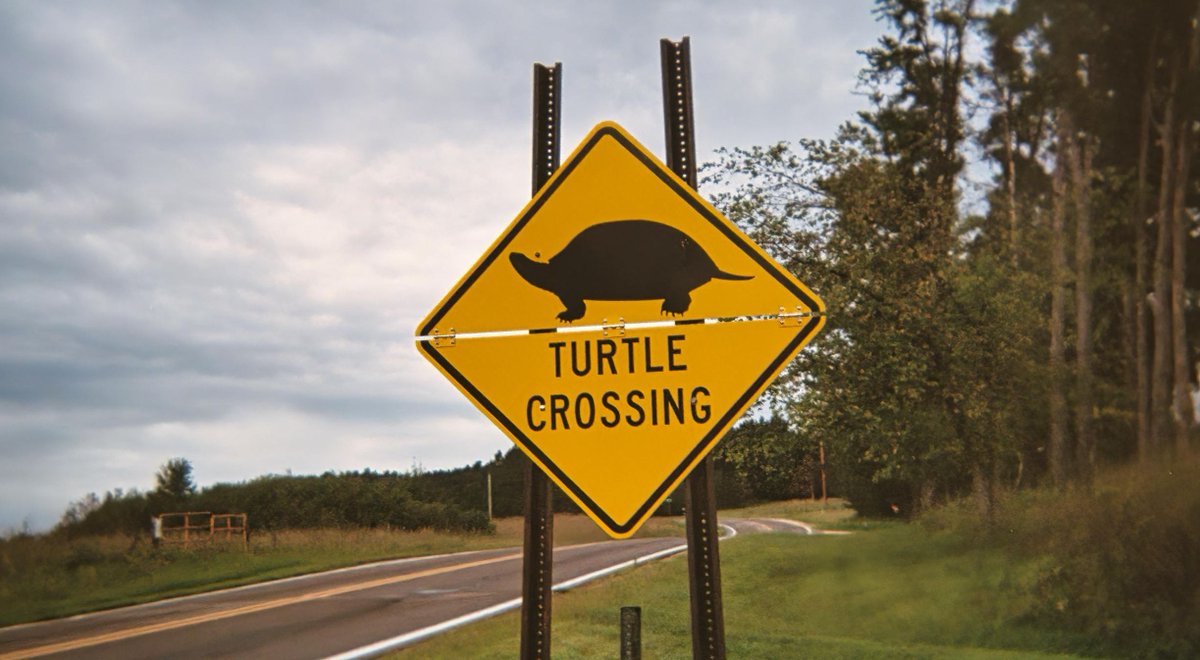
As the weather warms, #turtles will start to awaken from brumation (a form of hibernation). Please watch out for them on roads! If you see a turtle who needs help, here’s how to safely assist them: torontowildlifecentre.com/wi… #CityWildlife #Wildlife #SpringWildlife #WildlifeTips
4
20
236
1 Mar 2025
Happy Saint David's Day from a very sunny Shropshire!
The days are getting longer, and the weather a little warmer, and we've been out searching for 'Signs of Spring' around Head Office and @PrestonMontford Field Centre.
Have you spotted any new ‘Signs of Spring’ now the sun is shining?
Record a sighting here: buff.ly/3ONhwXa
You can continue to chart the arrival of spring by joining in with our interactive Signs of Spring project, plus check out what else has been registered already!
Take part now by sharing when you see daffodils, bluebells or other spring wildlife emerging from their winter slumber. The data you provide will help track changes and make observations about the potential impacts of climate change.
In partnership with @FieldStudiesC and @RoyalSocBio
#SpringSpotting #SpringWatch #SpringWildlife #CitizenScience #SignsOfSpring
1
4
289
3 Jan 2025
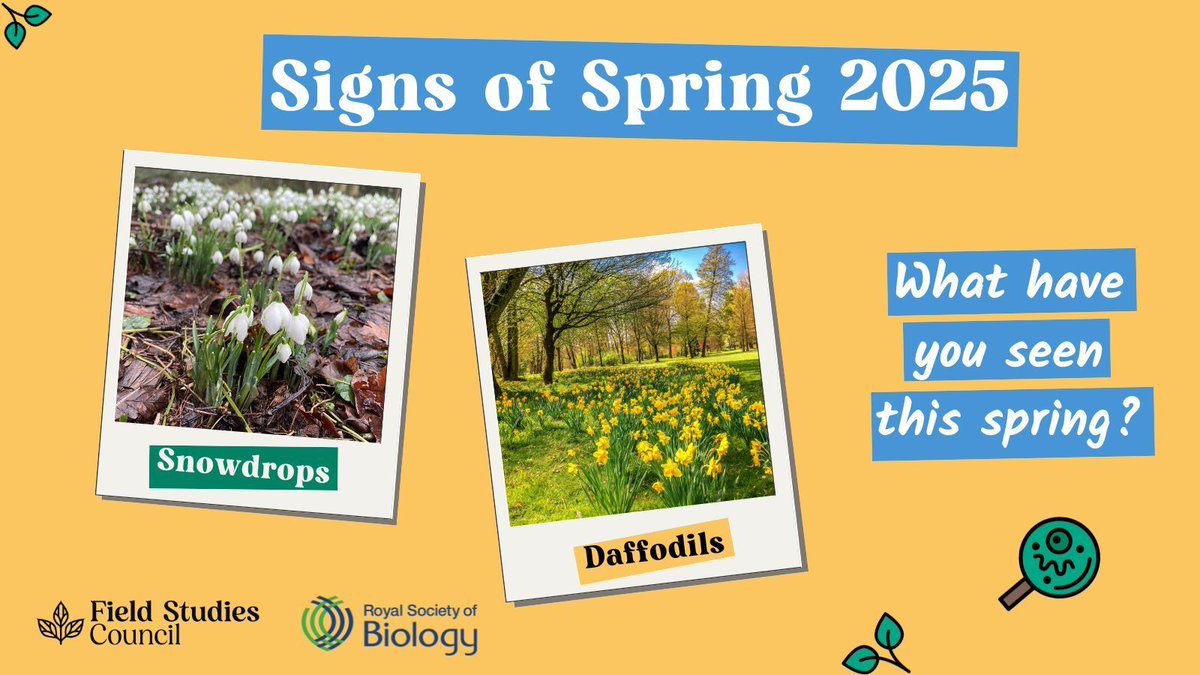
Have you spotted your first snowdrop yet? Or even an early daffodil?
Help us chart the arrival of spring by joining our interactive Signs of Spring project,
in partnership with @royalsocbio.
Read about the exciting project:buff.ly/3BU9BV2
Record a sighting: buff.ly/3ONhwXa
Take part now by sharing when you see snowdrops, or other early spring wildlife,
and the data will help track changes and make observations about the potential
impacts of climate change.
#SpringSpotting #SpringWatch #SpringWildlife #Snowdrop #CitizenScience
#SignsOfSpring
1
3
390
16 Dec 2024
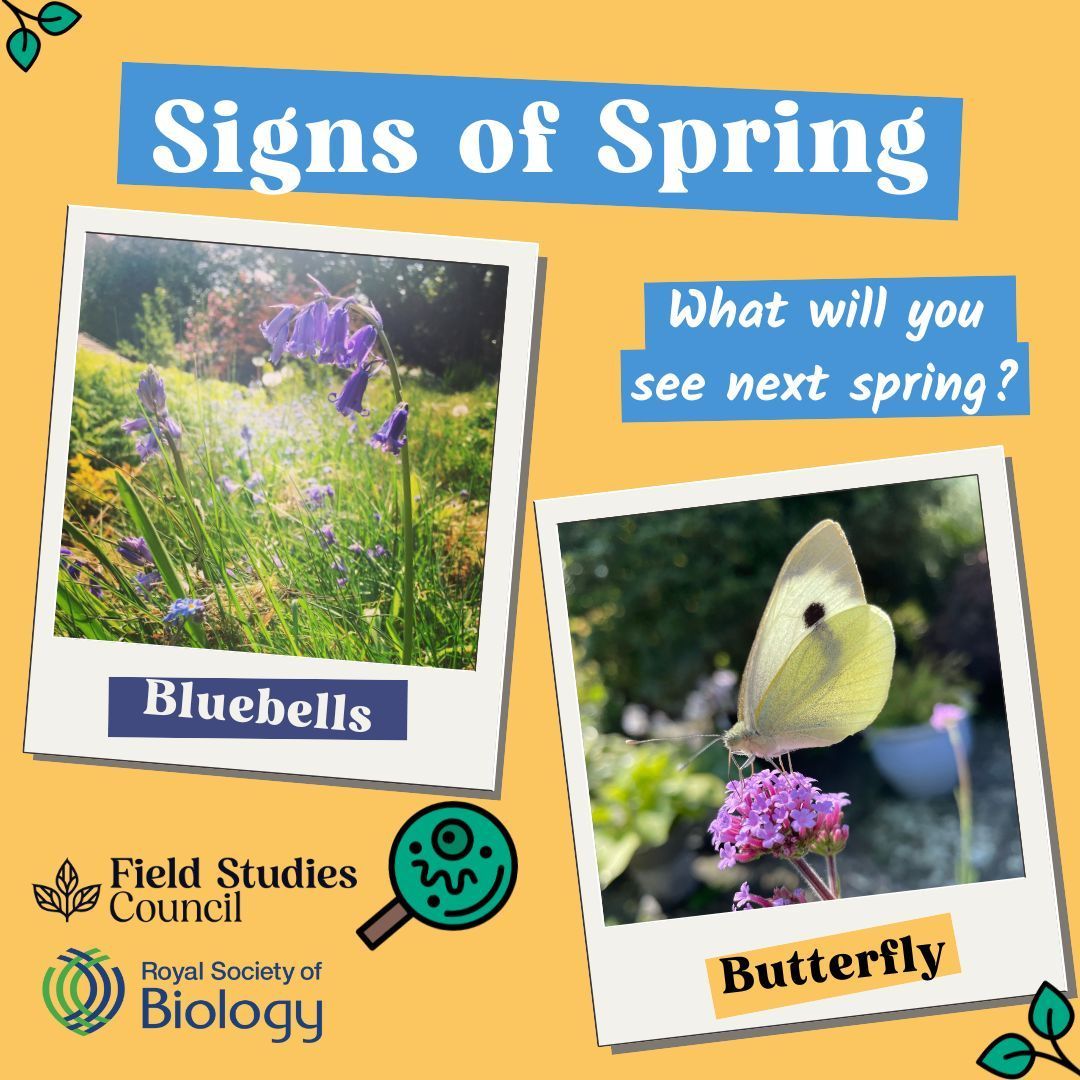
We are excited to announce that we will once again be taking part in welcoming and charting the arrival of spring next year, by launching our interactive 'Signs of Spring' project, in partnership with @royalsocbio.
Last year saw 1,160 sightings of snowdrops and 828 people registered daffodils! Next year we’re hoping to get even more people involved across the whole of Britain!
The survey will open on January 1st 2025 – so if you are heading outside to welcome in the New Year – remember to keep your eyes open for those first signs of spring! We want to hear from you all the way through until June, from the first signs to the last markers of the season, all making their way onto our interactive map.
Read more about the project here: buff.ly/3ONhwXa
#SpringSpotting #SpringWatch #SpringWildlife #Snowdrop #CitizenScience

1
5
584

28 May 2024
Back home from our Spring Wildlife Break to the Isle of Wight, Hampshire & Dorset where GLANVILLE FRITILLARY was one of the highlights. #Butterflies #springwildlife #naturephotgraphy
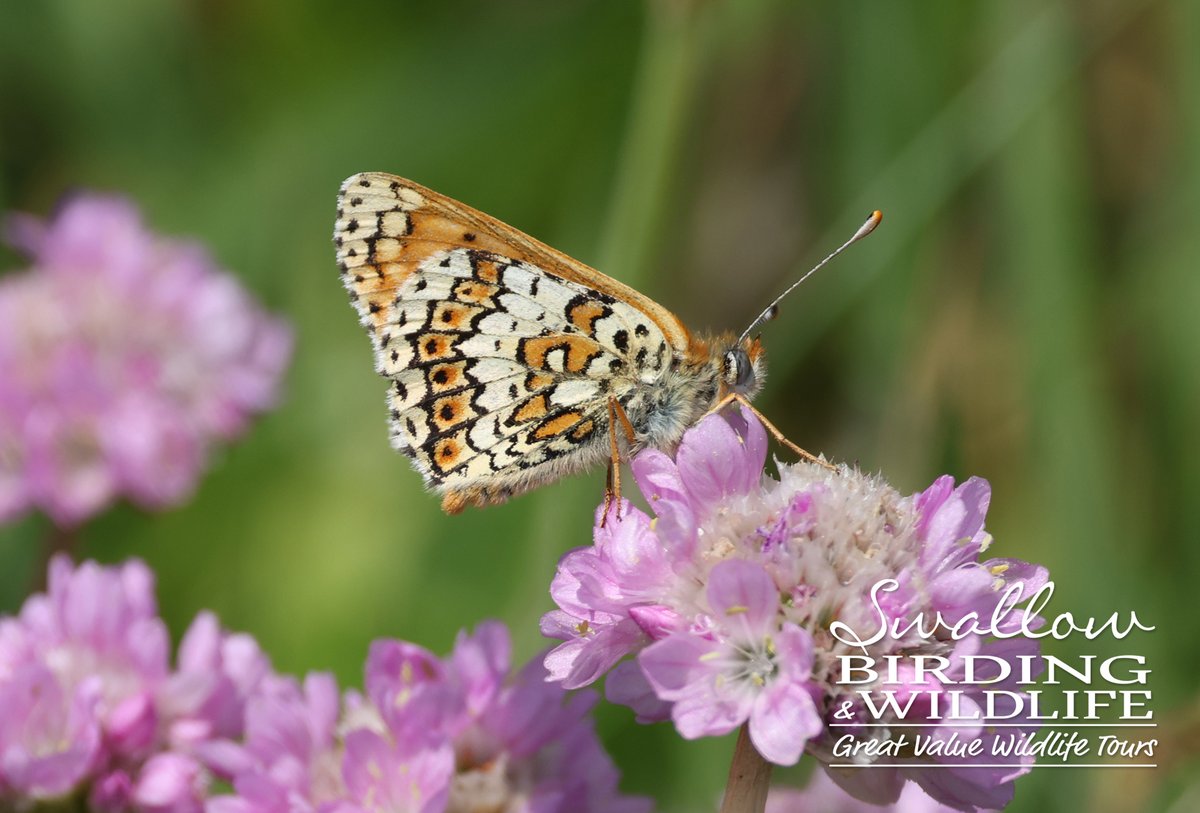
ALT Glanville Fritillary
2
32
1,199