
A slice of today.
Not the finished painting. Not the polished reveal. Just the quiet accumulation of marks,
corrections, decisions, and doubt. The moment where a face slowly emerges from a blank
surface and becomes something capable of looking back.
This is the part people rarely see — the slow construction of an image, the hours spent
negotiating with a canvas, the space between intention and outcome.
Art doesn't arrive fully formed. It reveals itself one layer at a time.
Follow the process. Witness the becoming.
#Hersoid #ContemporaryArt #ArtistStudio #WorkInProgress #PaintingProcess
#ContemporaryPainting #FineArt #ArtistLife #StudioPractice #ModernArt #EmergingArtist
#ArtCollector #VisualArt #CreativeProcess #DarkArt #SurrealArt #BehindTheScenes
#ArtInProgress #Painter #ArtJourney
1
2
66

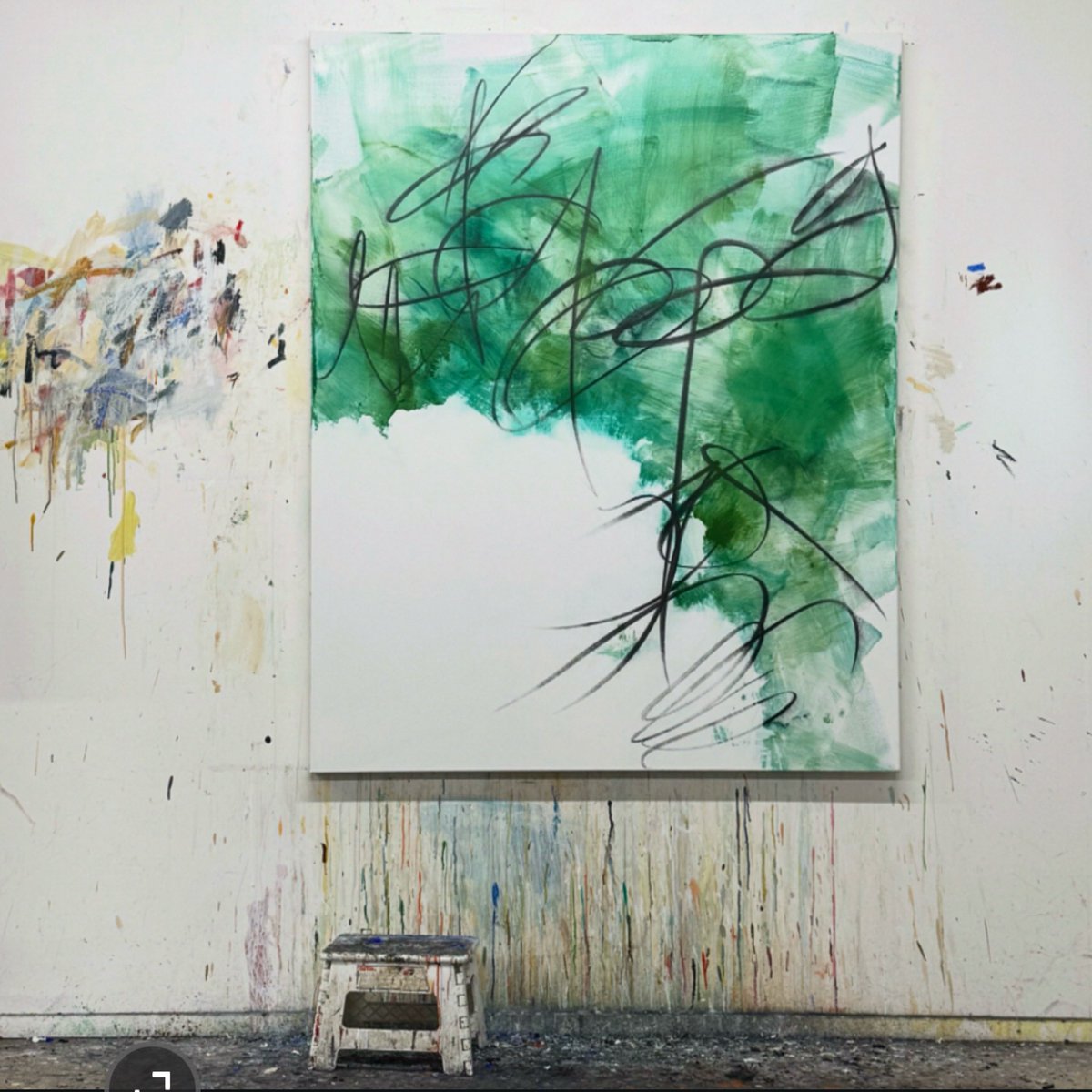
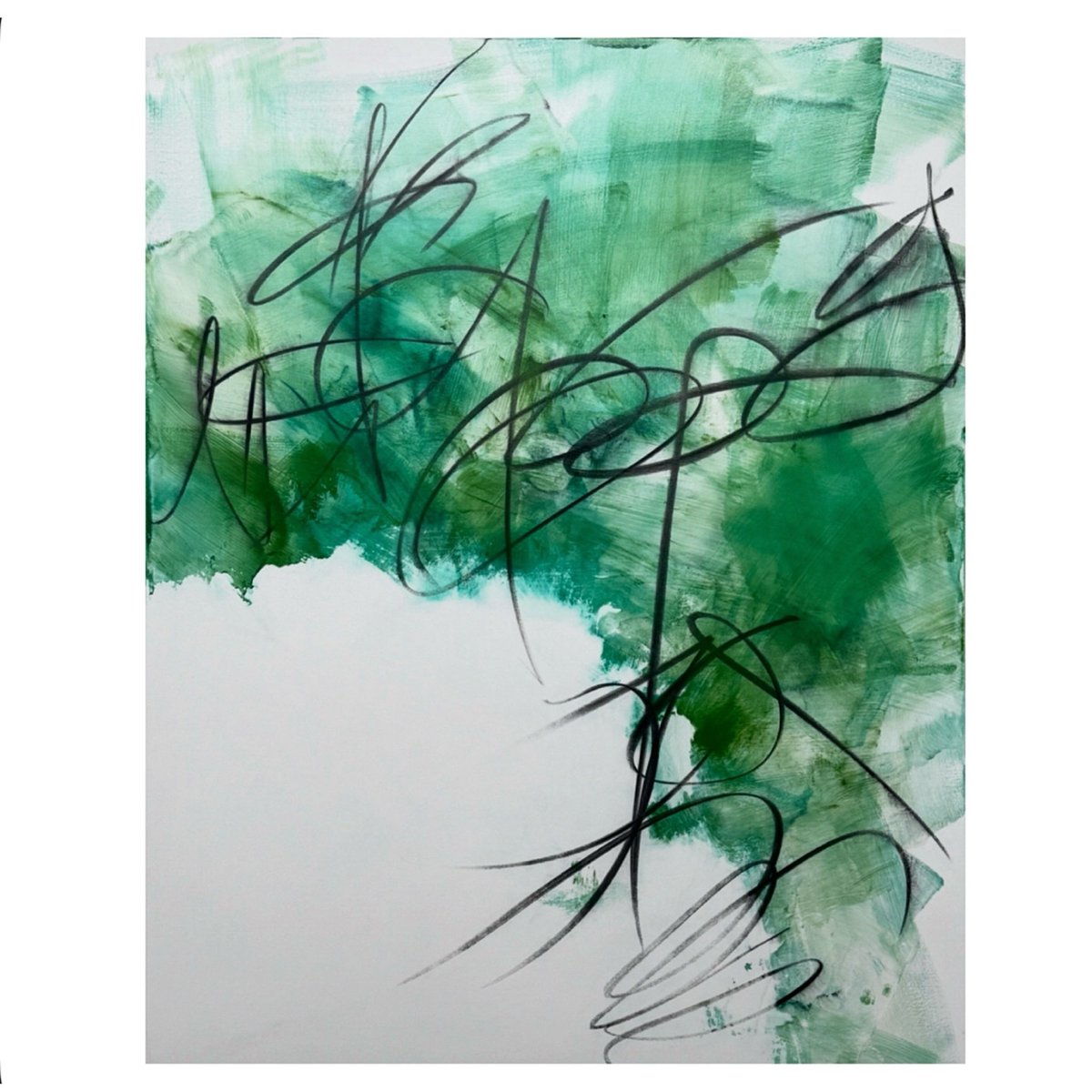
“Sequential Snowdrops” - Adieu white void of “X” …… Where reposted outage is more addictive than information
#AbstractPainting
#ContemporaryPainting
#PaintingToday
#StudioPainting
#ProcessPainting
#AbstractArt
#ContemporaryArt
#PainterLife
#StudioPractice
#art&AI
1
2
27

Jun 1
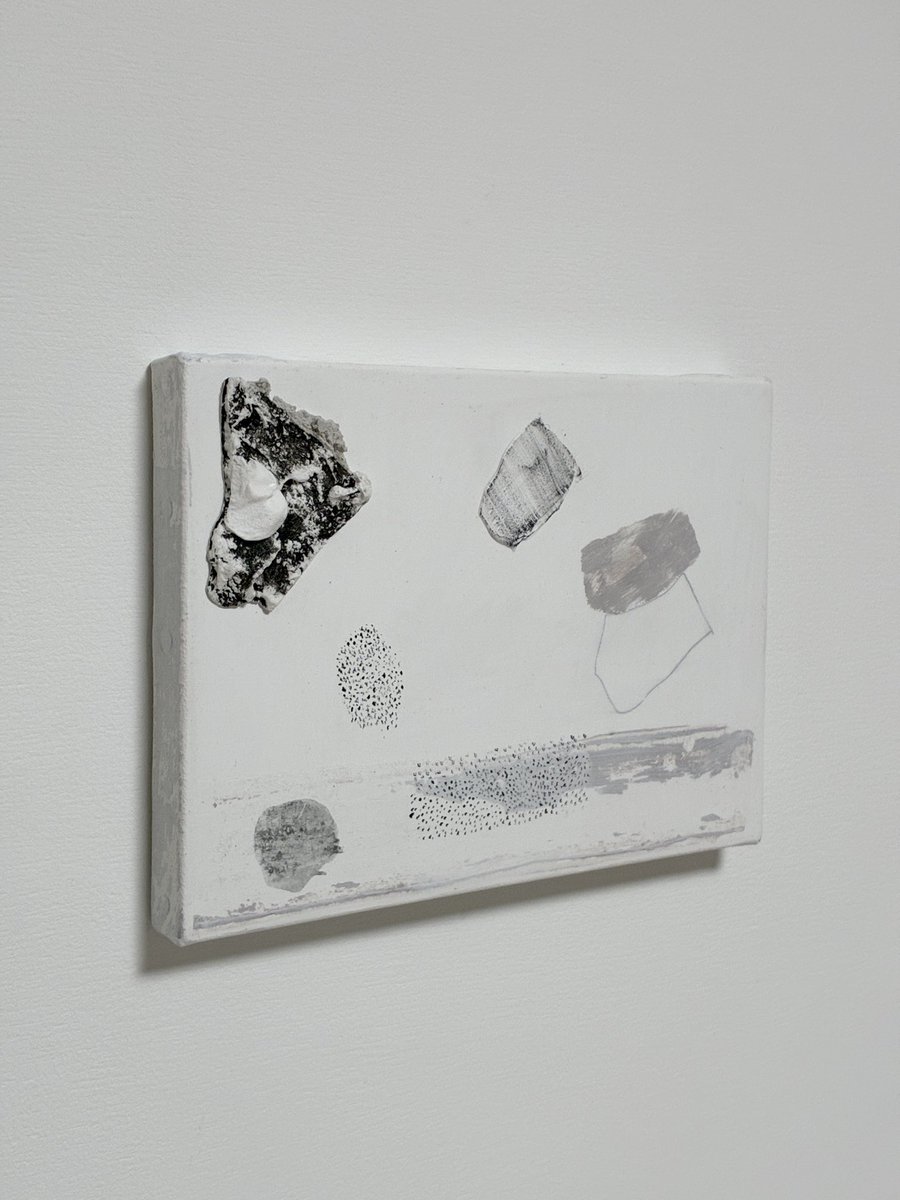
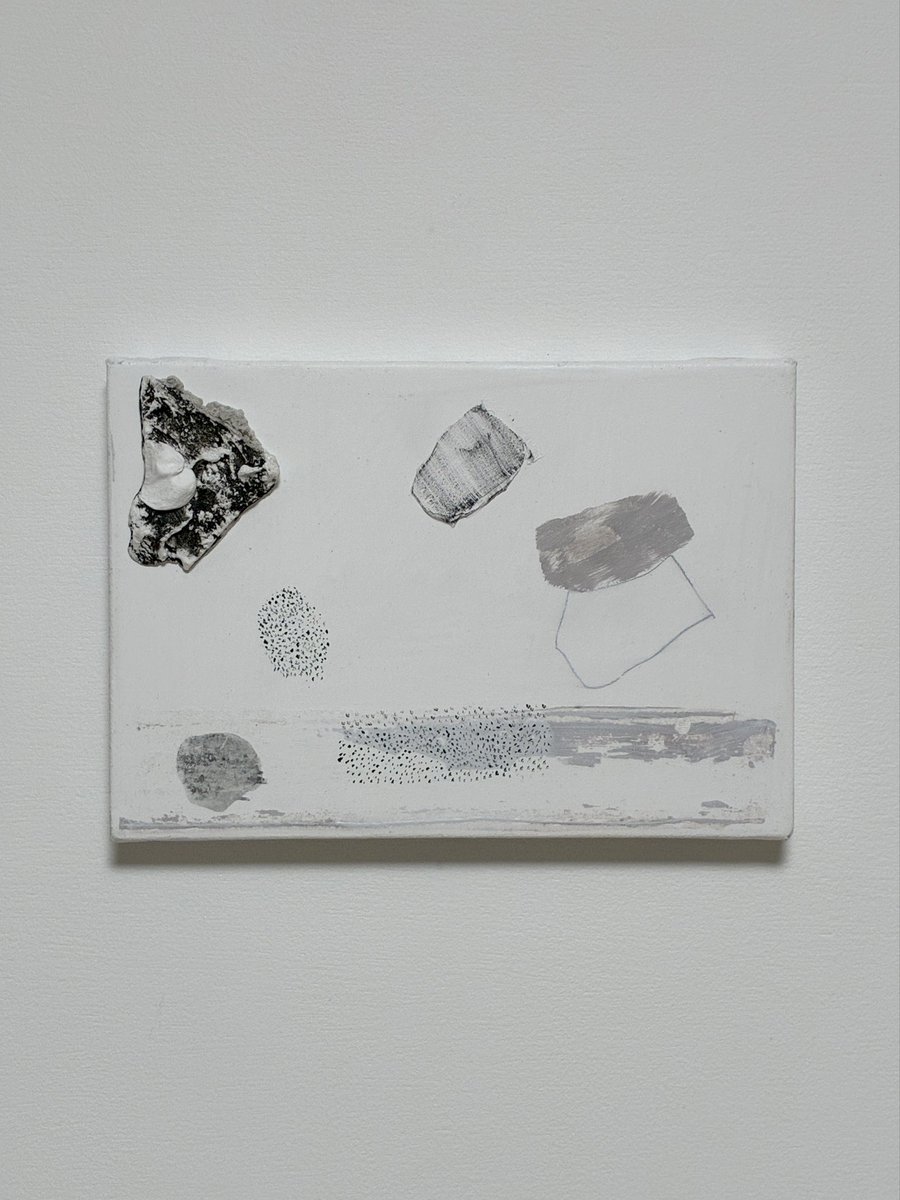
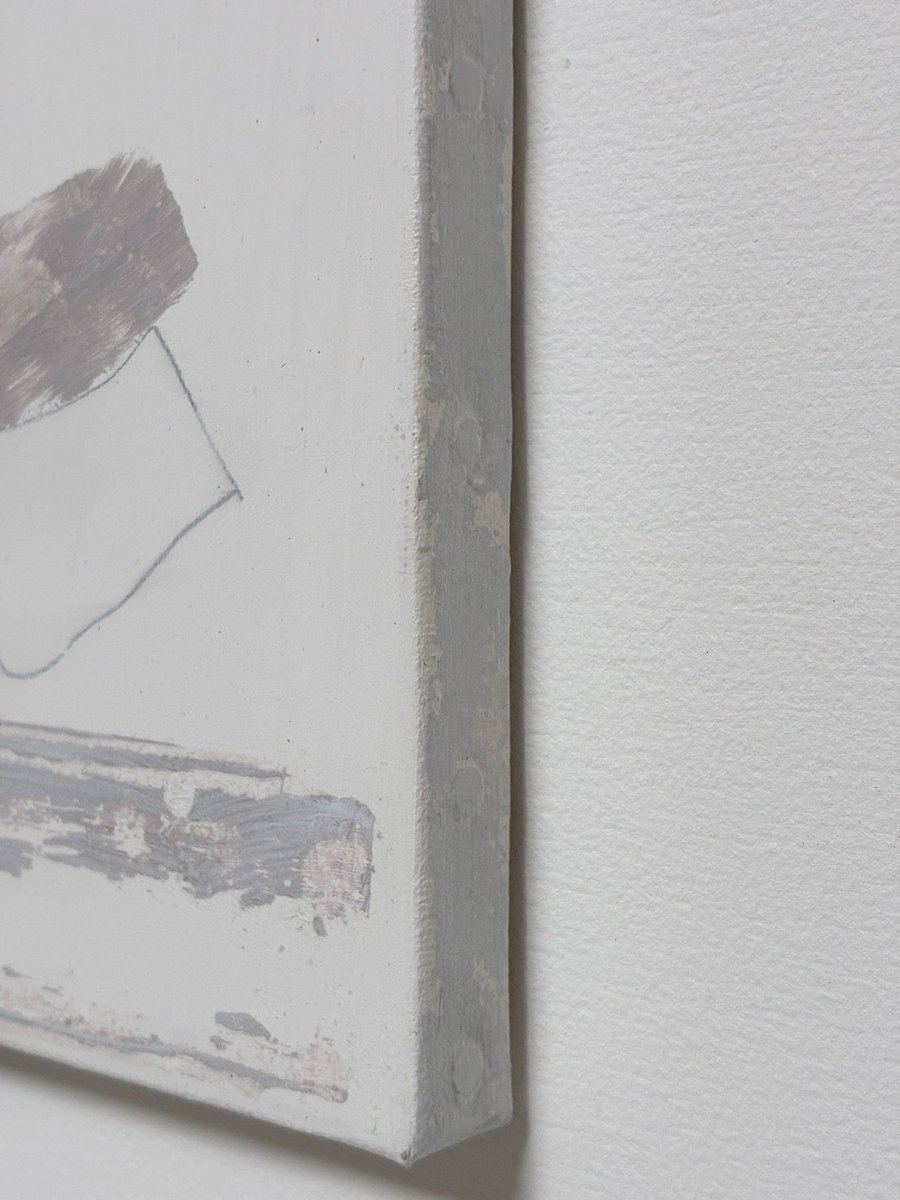
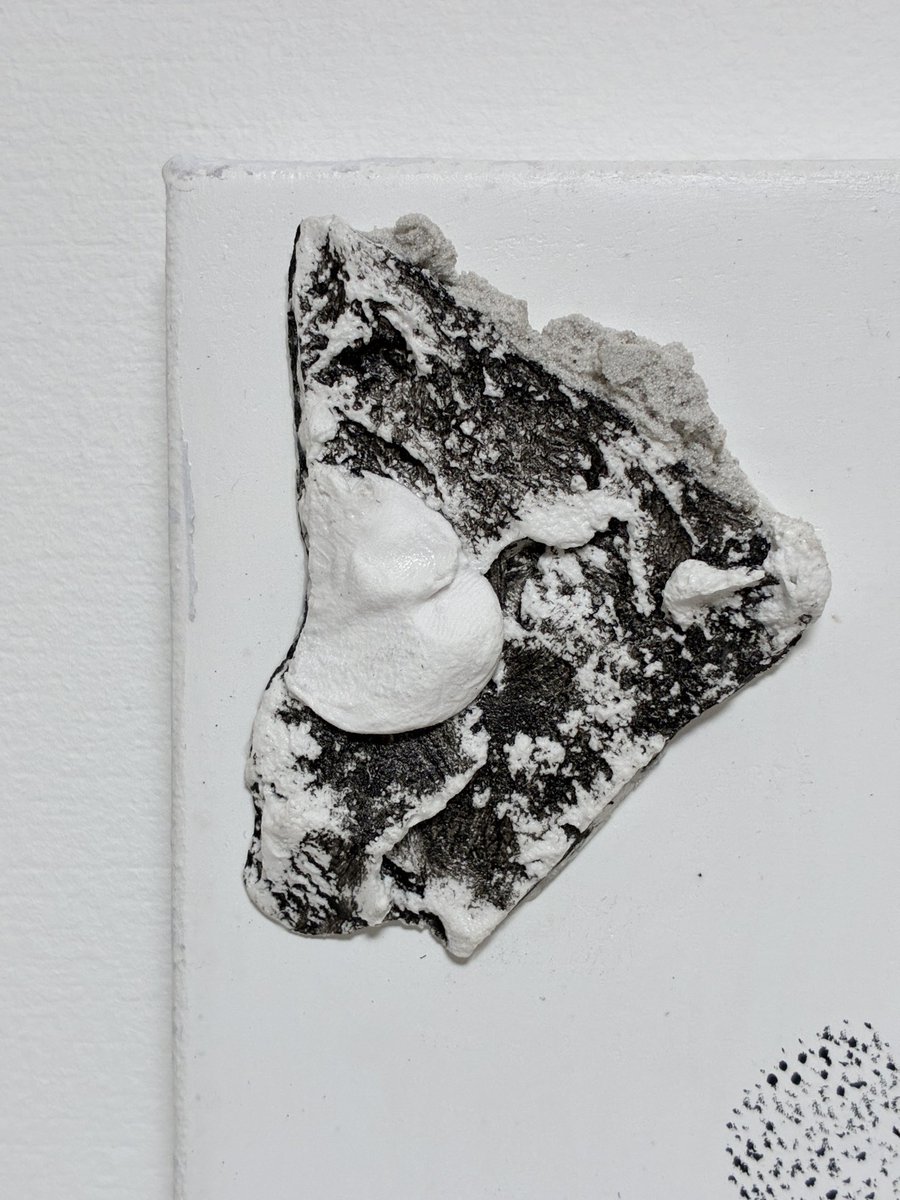
acrylic and graphite on canvas
22.7 cm x15.8cm
#artistsoninstagram
#studiopractice
#drawing
#contemporarypainting
#artcollector
3
118

May 25
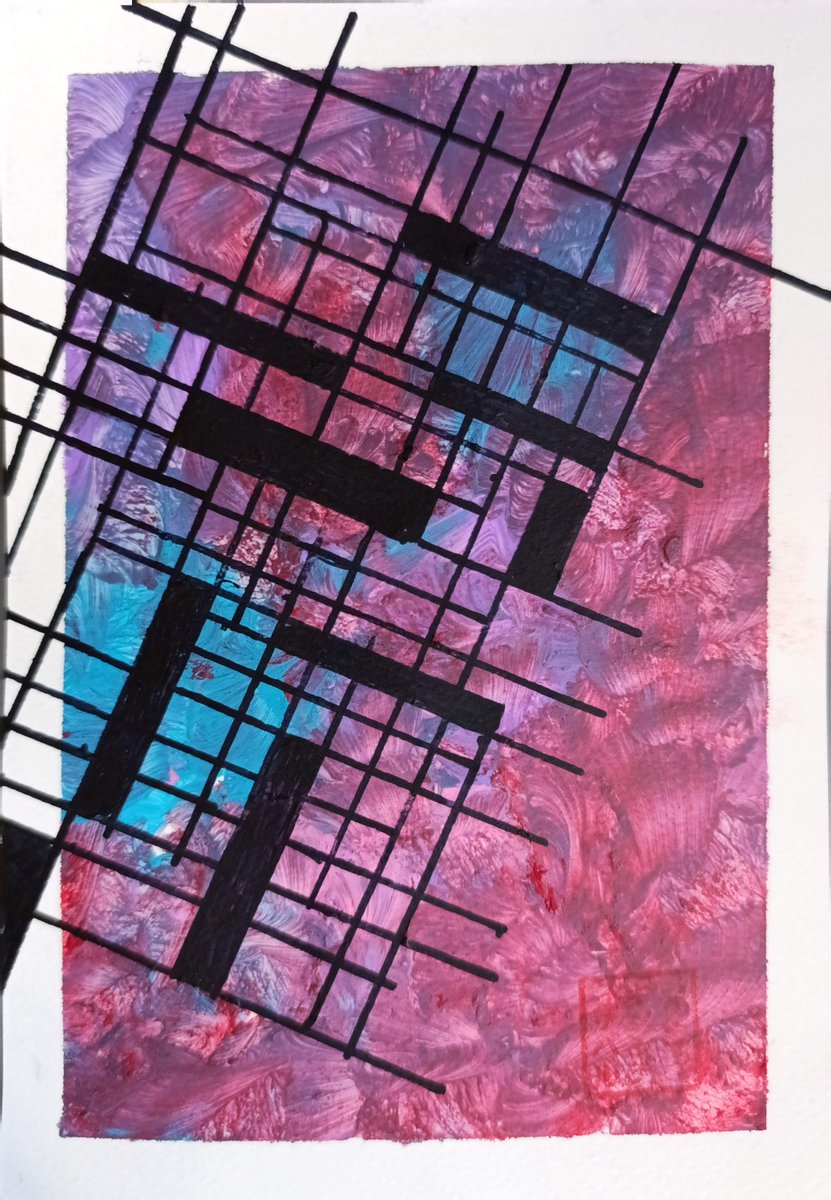
Núcleo Cromático en Suspensión
Serie Campo Cromático Estructurado
#EmergingArtist
#FineArt
#artecontemporaneo
#abstractpainting
#processpainting
#colorfieldpainting
#visualstructure
#artcollector
#minimalabstraction
#studiopractice
#fineartcollector
2
16
May 24
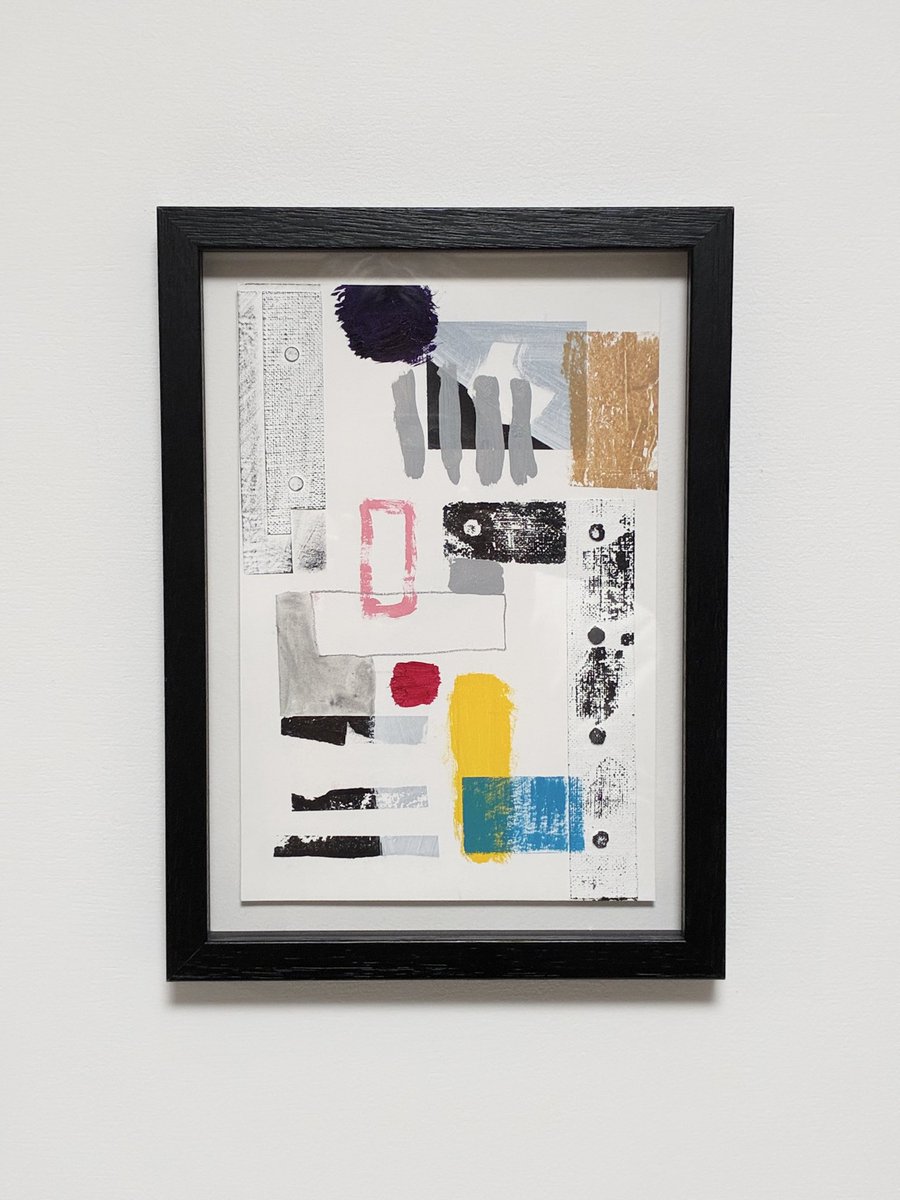
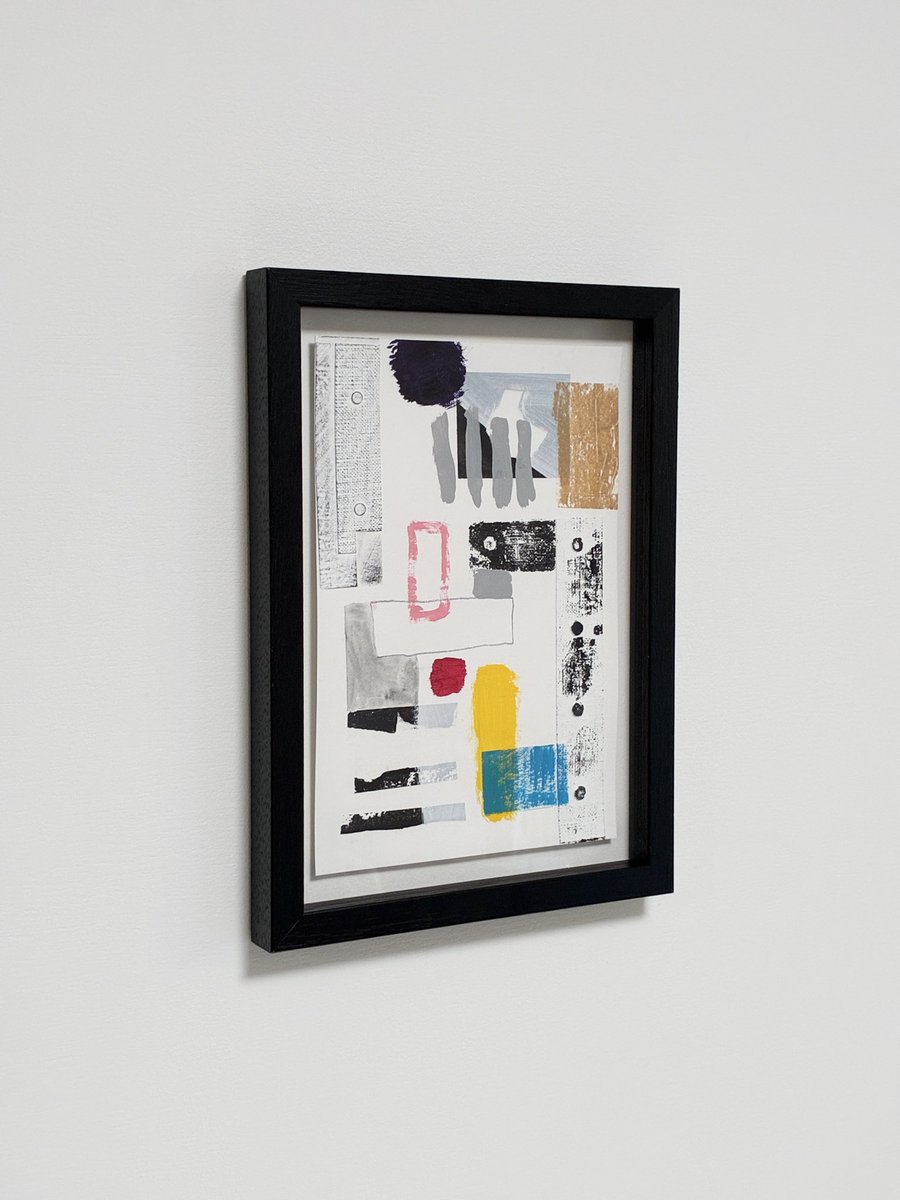
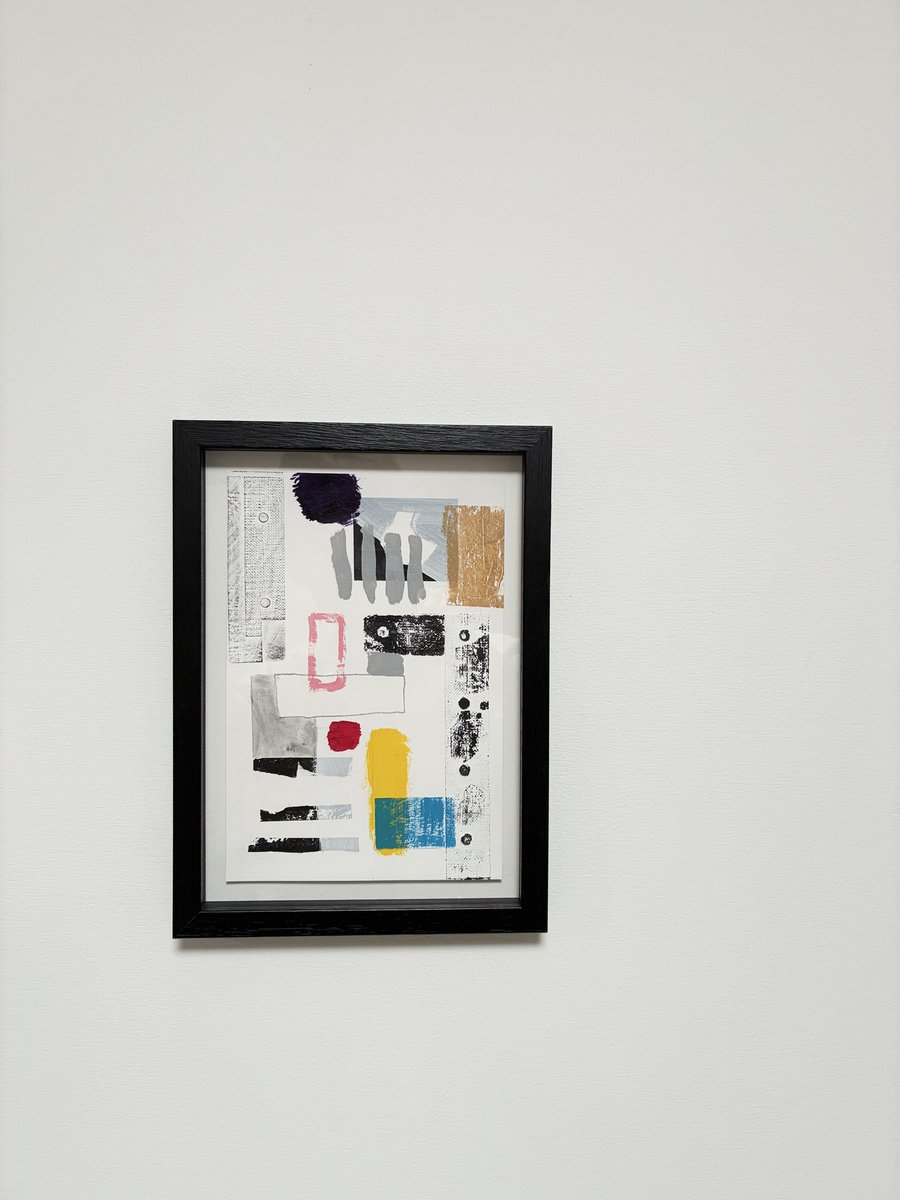
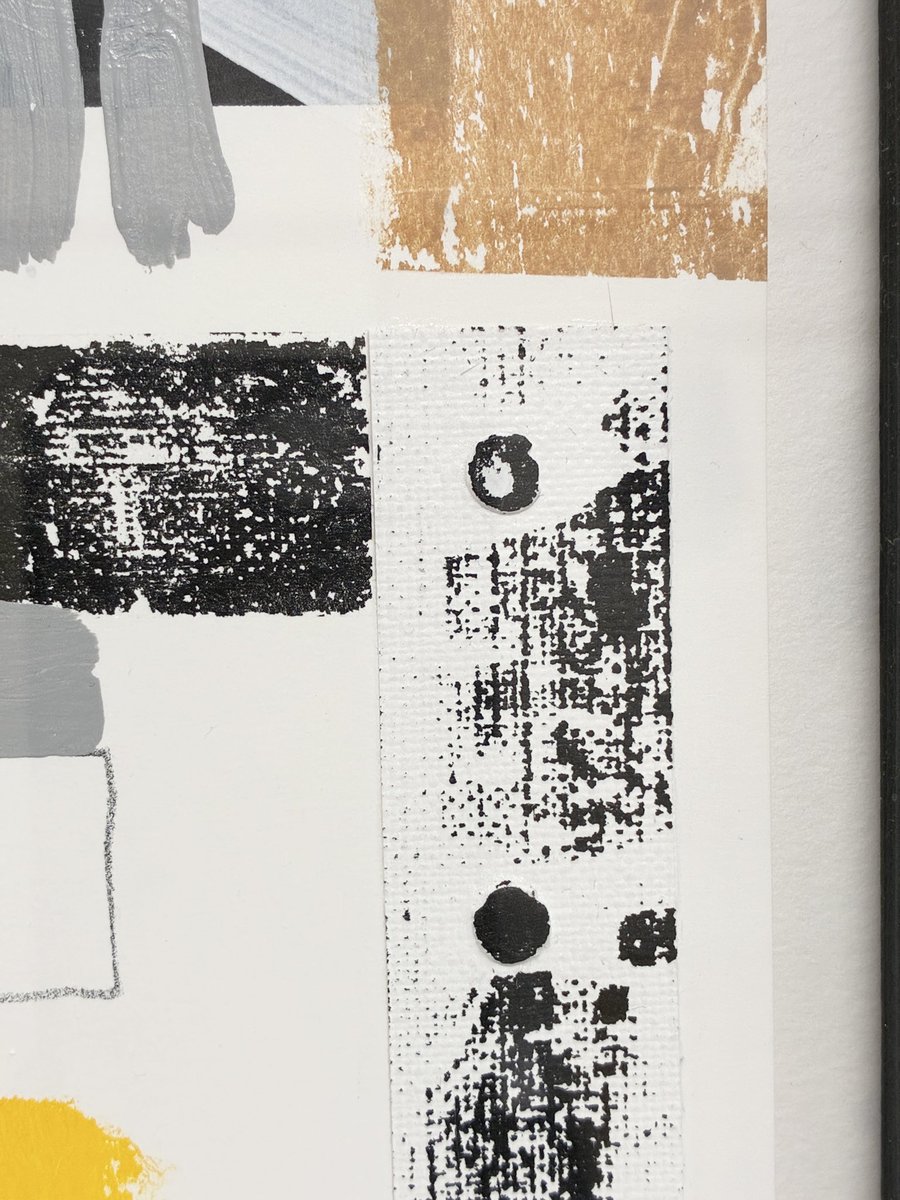
acrylic and graphite on paper
wooden frame 28cm×20.5cm
#artistsoninstagram
#studiopractice
#drawing
#contemporarypainting
#artcollector
1
3
178
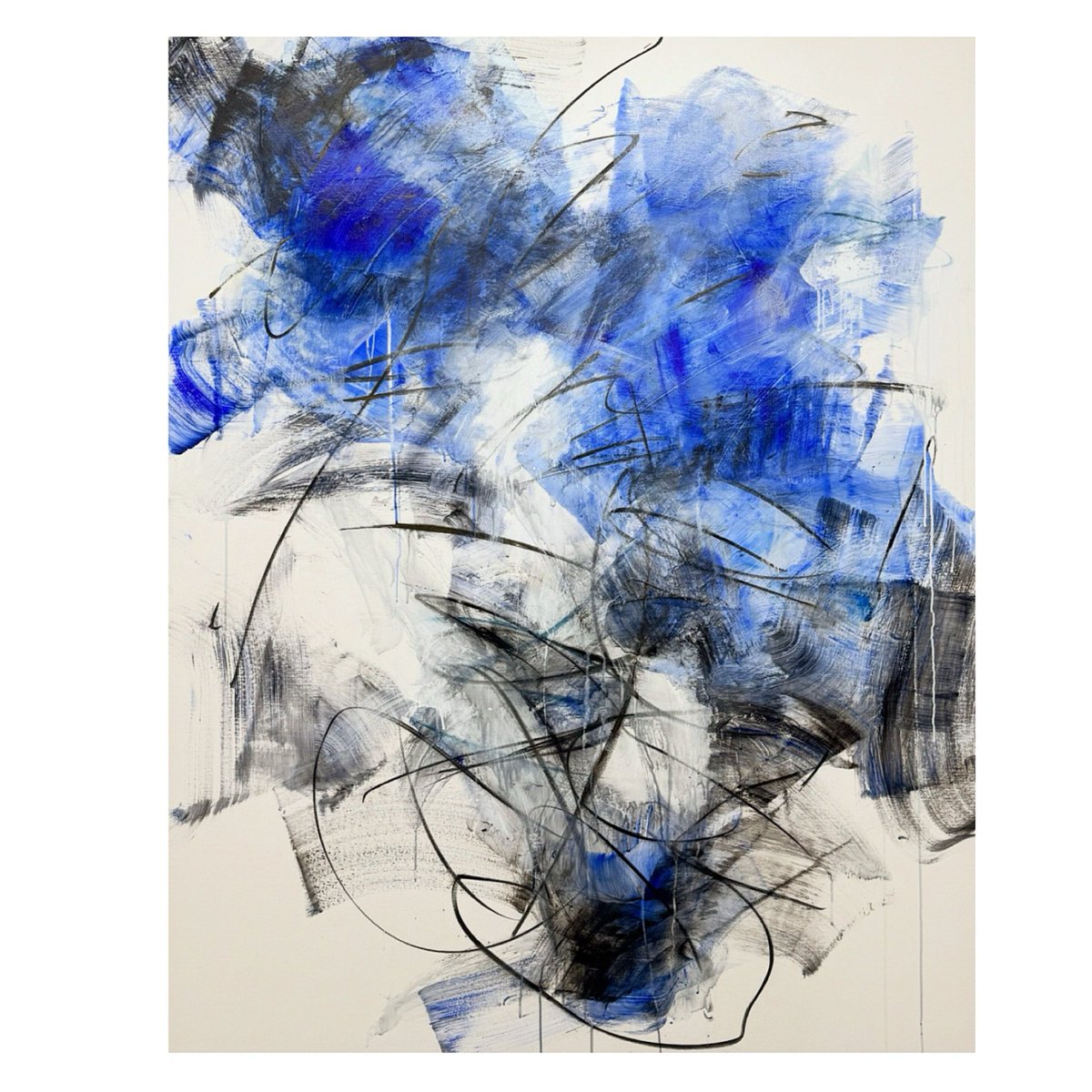
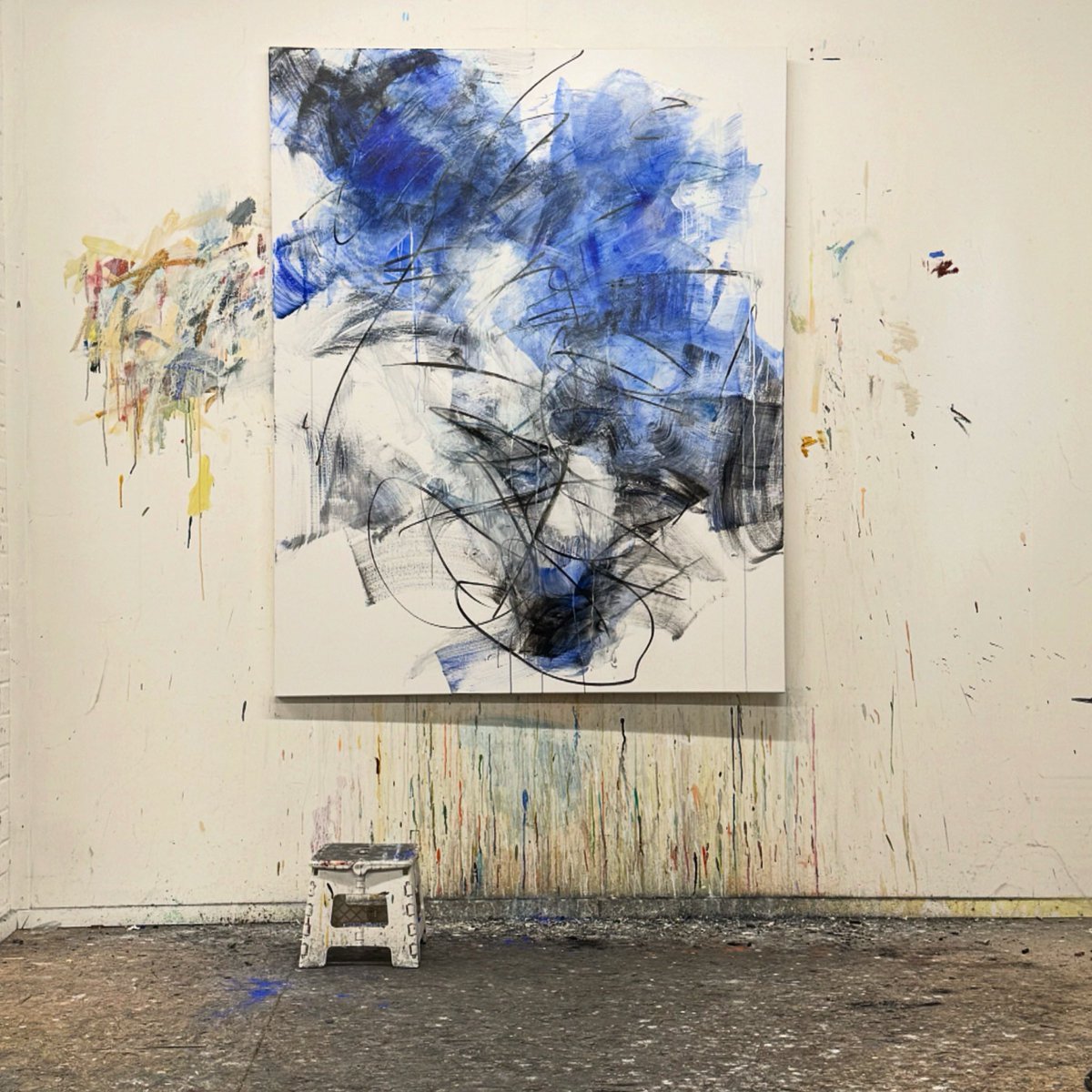
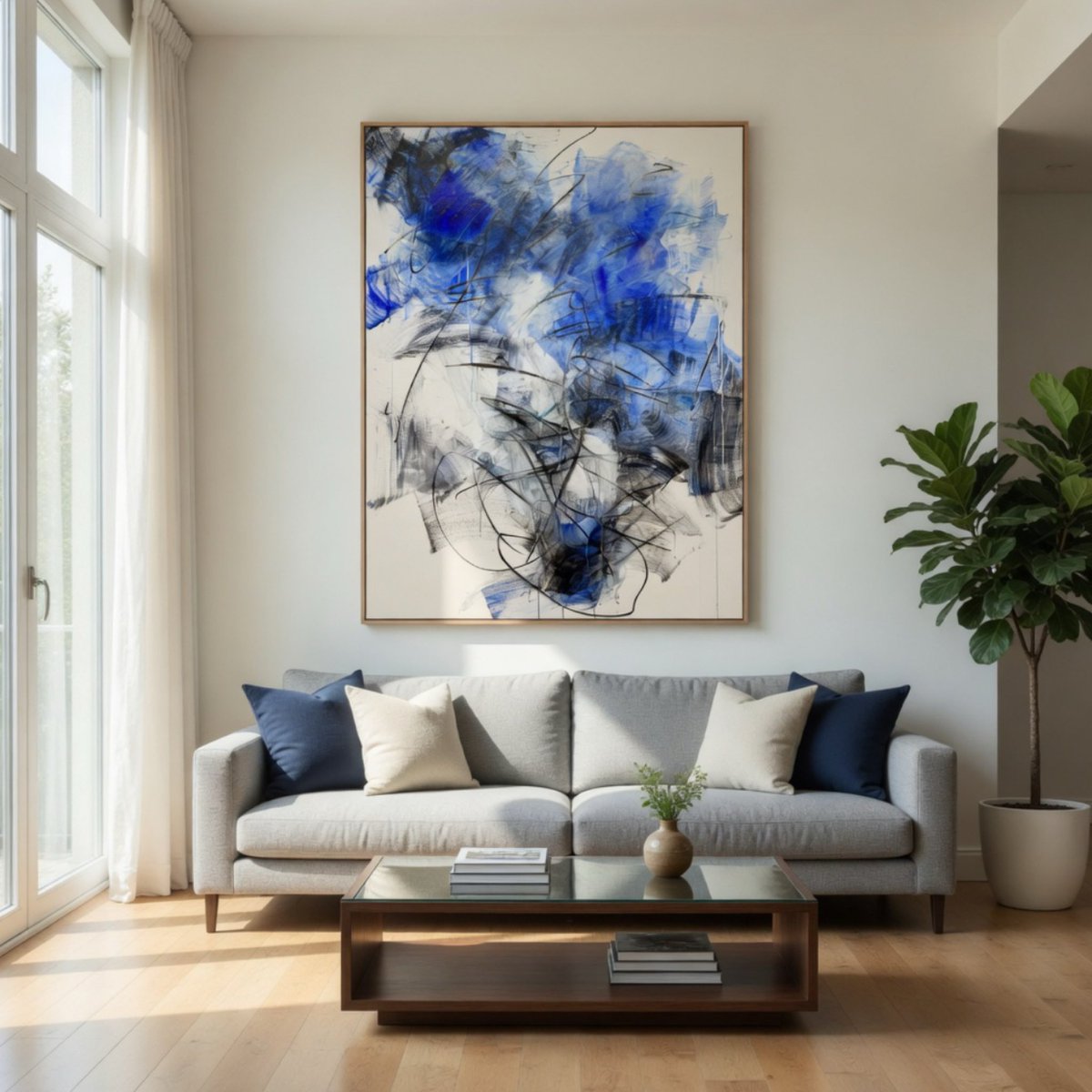
“Sequential Snowdops” - subtext
Posting, for now, into the white void of “X” that is a steam of obsessive political reposts on information we already know 😂
#contemporarypainting
#abstractpainting
#bluepainting
#paintingprocess
#gesturalpainting
#studiopractice
1
1
4
82

May 22
Before you make art in the studio this week try this: Make yourself a rule.
It can be simple: only use one material or one tool, one color or one type of mark or gesture.
When you narrow your options, you have to listen more closely to your materials. Limits can change the way you see your work.
#ArtPrompt #CreativeProcess #CreativeConstraints #VisualArtists #ContemporaryArt #ArtPractice #StudioPractice #Creativity #ArtEducation
1
2
11
185
May 13
The best version of an artwork isn’t always the one you planned.
In this final clip from papercut artist Andrew Benincasa’s process lecture, he describes how many of his strongest works evolve toward the end. Not because his original plan failed, but because making art is often intuitive.
You have to feel the work with your body and respond to what’s actually happening on the canvas.
When has a work in progress surprised you?
#ArtistProcess #PapercutArt #StudioPractice #CreativeProcess #VisualArt #ContemporaryArt #ArtPractice #ArtEducation
1
1
7
280
May 12
Our visiting artist in residence this quarter, Andrew Benincasa, describes his papercutting process as one of constant revision: erasing, changing, stepping back, and returning to the work with fresh eyes. He's not only trying to get each part to look right. He's watching how each part changes the feeling of the whole artwork.
That's the real work of composition, and it's because of his attention to relationship and balance that's he erases so much throughout the process.
How much are you erasing in your art practice? And how often do you step back from a work in progress to see what the whole is doing?
#ArtistProcess #StudioPractice #PapercutArt #ArtMaking #ContemporaryArt #VisualArt #ArtEducation
3
250

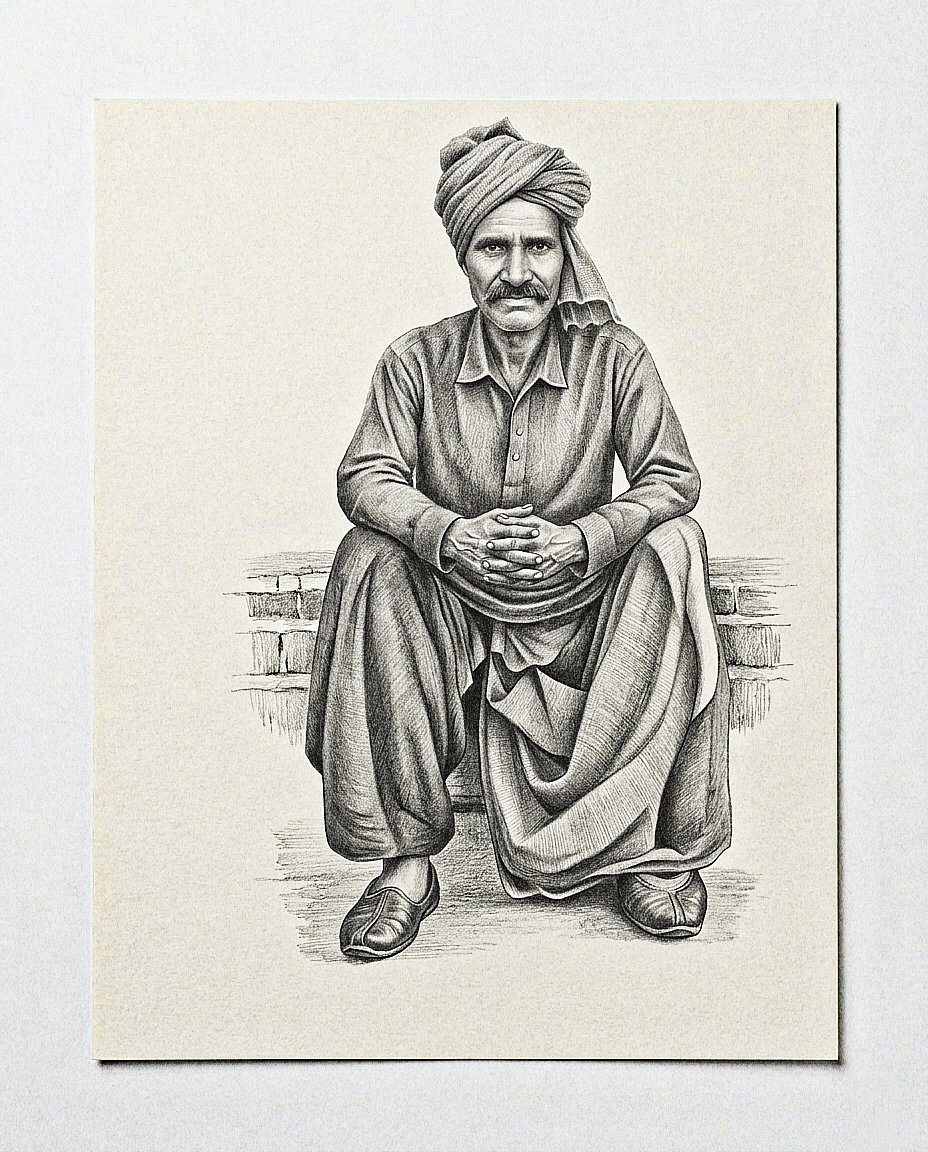
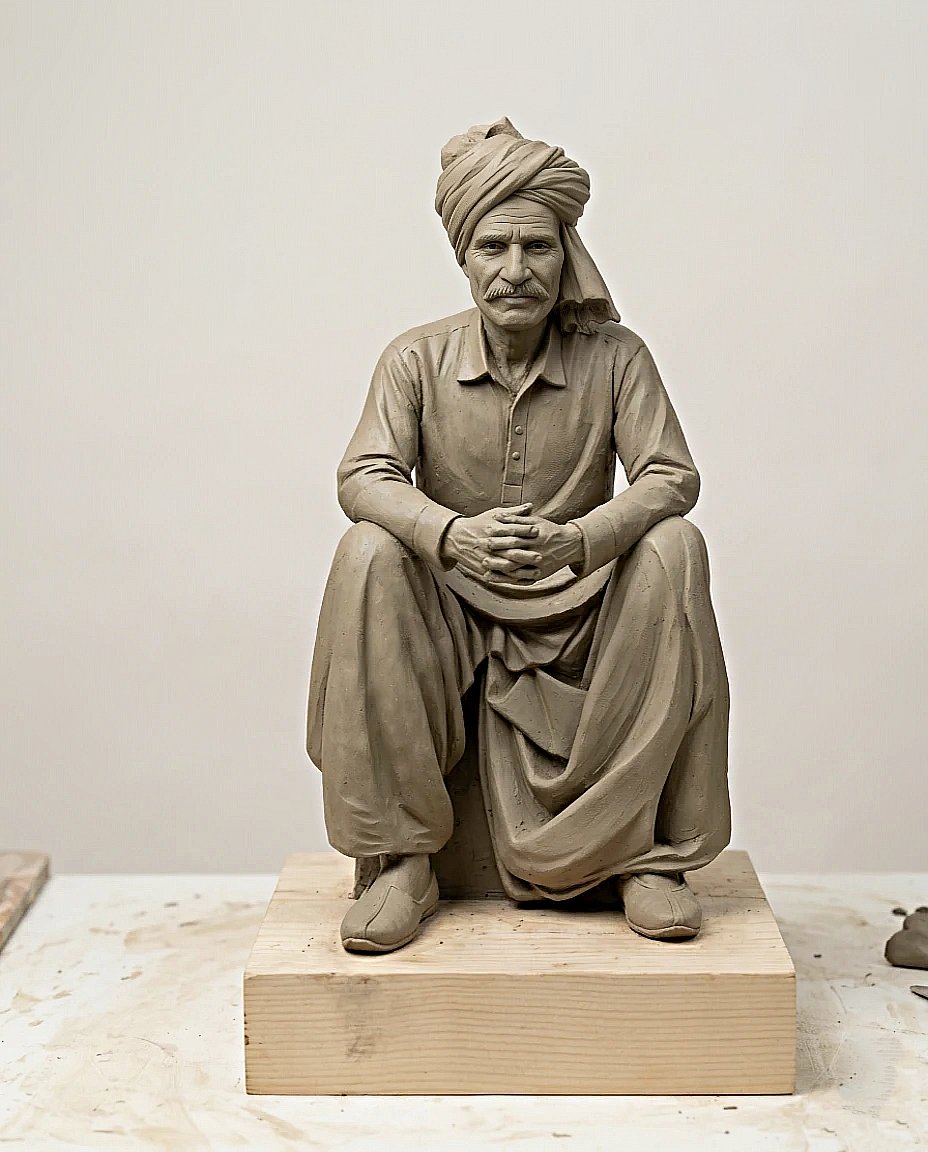
Pencil portrait study → chikni mitti maquette.
Same pose, same folds—line translated into volume.
- #Sculpture #StudioPractice #Drawing #Craftsmanship #CreativePractice #AtelierPractice
3
45
Why drip?
Because at some point, if you’ve been criticising something hard enough and long enough —
you owe it the respect of trying it.
There’s something honest about that. Instead of standing outside and throwing opinions at a
technique, you step into it. You test it. You struggle with it. You see what it actually demands.
Only then are you in a position to critique it with integrity.
Adapting. Rolling with it. Challenging your own bias.
What happens when an artist deliberately leans into something they’ve resisted? What shifts?
What breaks? What evolves?
This part of the conversation explores experimentation, humility in practice, and the courage to
confront your own creative prejudice — by making the very thing you once dismissed.
Watch the full interview on YouTube via lnkd.in/gE2KZWkU
#ContemporaryArt #ArtCriticism #StudioPractice #CreativeProcess #ArtInterview #Painting
#ArtExperimentation #VisualCulture #ArtistPerspective
3
5
18
374
Unscrew the turps bottle. Let the studio stink. Make a mess.
That’s the reality of painting — not the polished Instagram version, but the obsessive,
all-consuming push and pull between control and surrender. You can lose yourself in it for hours
when it’s working. And when it’s not? You can’t escape it.
Even when you step away, you don’t
really step away.
You turn off the lights.
You walk out.
You come back.
“Hang on… the eyebrows are wrong.
”
That moment — repeated 20 times a day — says everything about the psychology of making.
The tension between instinct and critique. Between flow state and doubt. Between freedom and
responsibility to the work.
This interview dives into that inner battle artists live with daily — the obsession, the
second-guessing, and the relentless pursuit of getting it right.
Who else here is like this everytime they paint? Comment below my fellow artist.
Watch the full conversation on YouTube via: lnkd.in/g9H_wacE
#PaintingProcess #ArtistLife #ContemporaryArt #StudioPractice #CreativeProcess #ArtInterview
#ArtStudio #VisualArt #ArtCommunity
4
2
10
339

27 Nov 2025
紙の抽象作品を、順番にめくって見返しているだけの動画です。
#抽象画 #ミニマルアート #現代アート
#紙作品 #アート記録 #アートアーカイブ
#ドローイング #アート動画
#abstractart #minimalart #contemporaryart
#paperart #drawingstudy #artarchive
#abstractdrawing #studiopractice
3
56

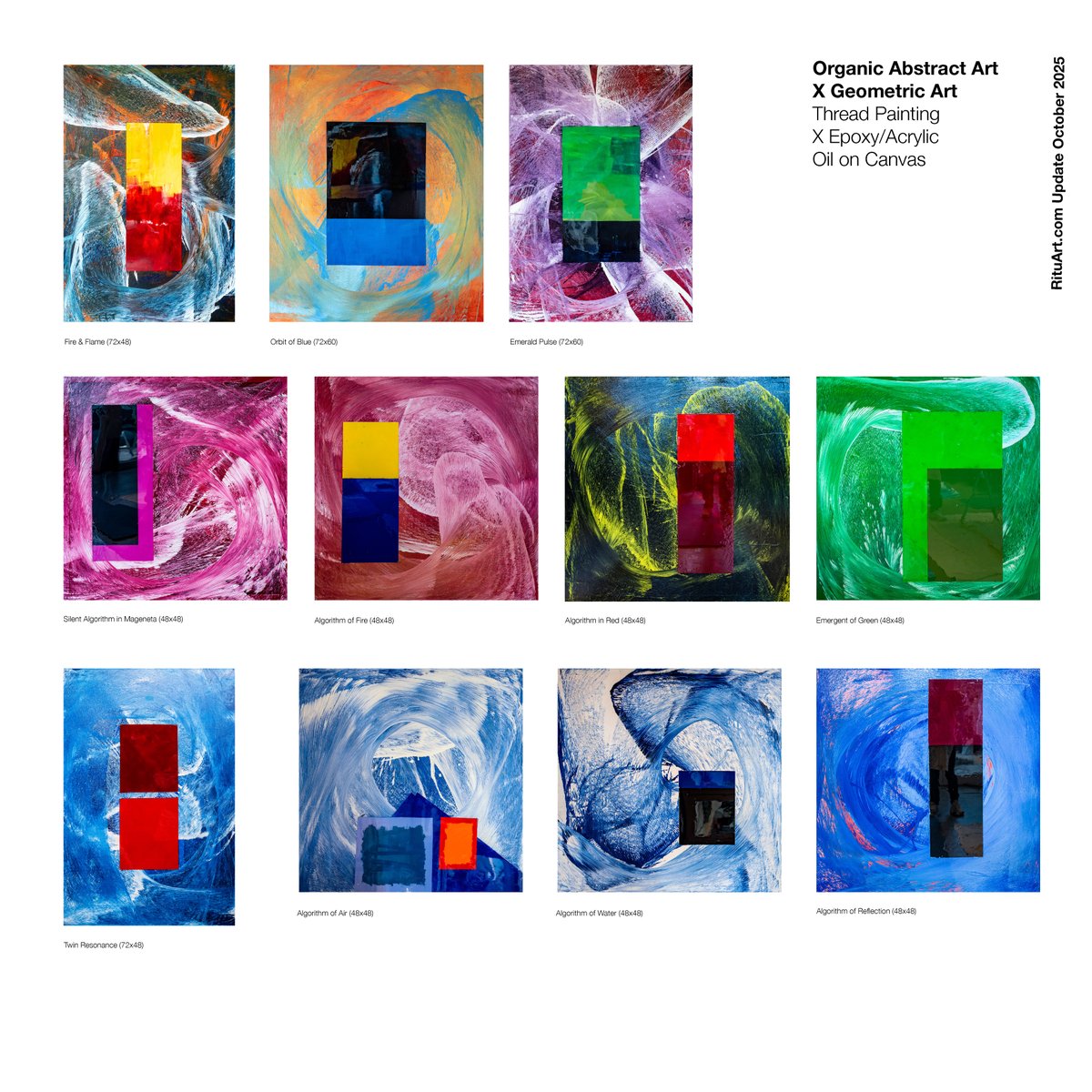
New work for October 2025 — Organic Movement × Geometric Splendor.
Oil Epoxy/Acrylic, structure chaos, logic emotion.
Thread painting meets abstraction, where gesture becomes geometry.
#RituRaj #AbstractArt #ContemporaryArt #ThreadPainting #ArtAndPhilosophy #StudioPractice
1
1
1
260


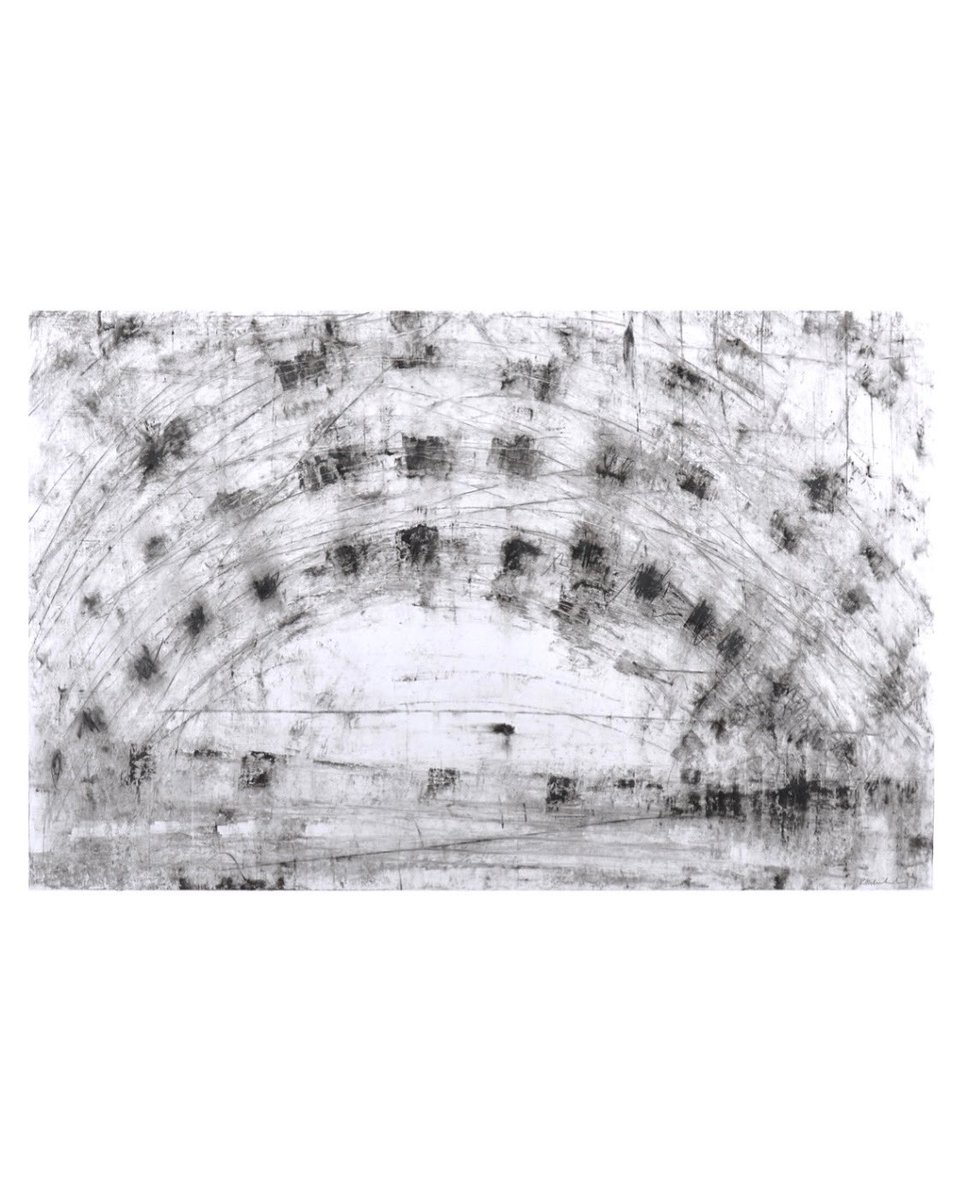
13 Aug 2025
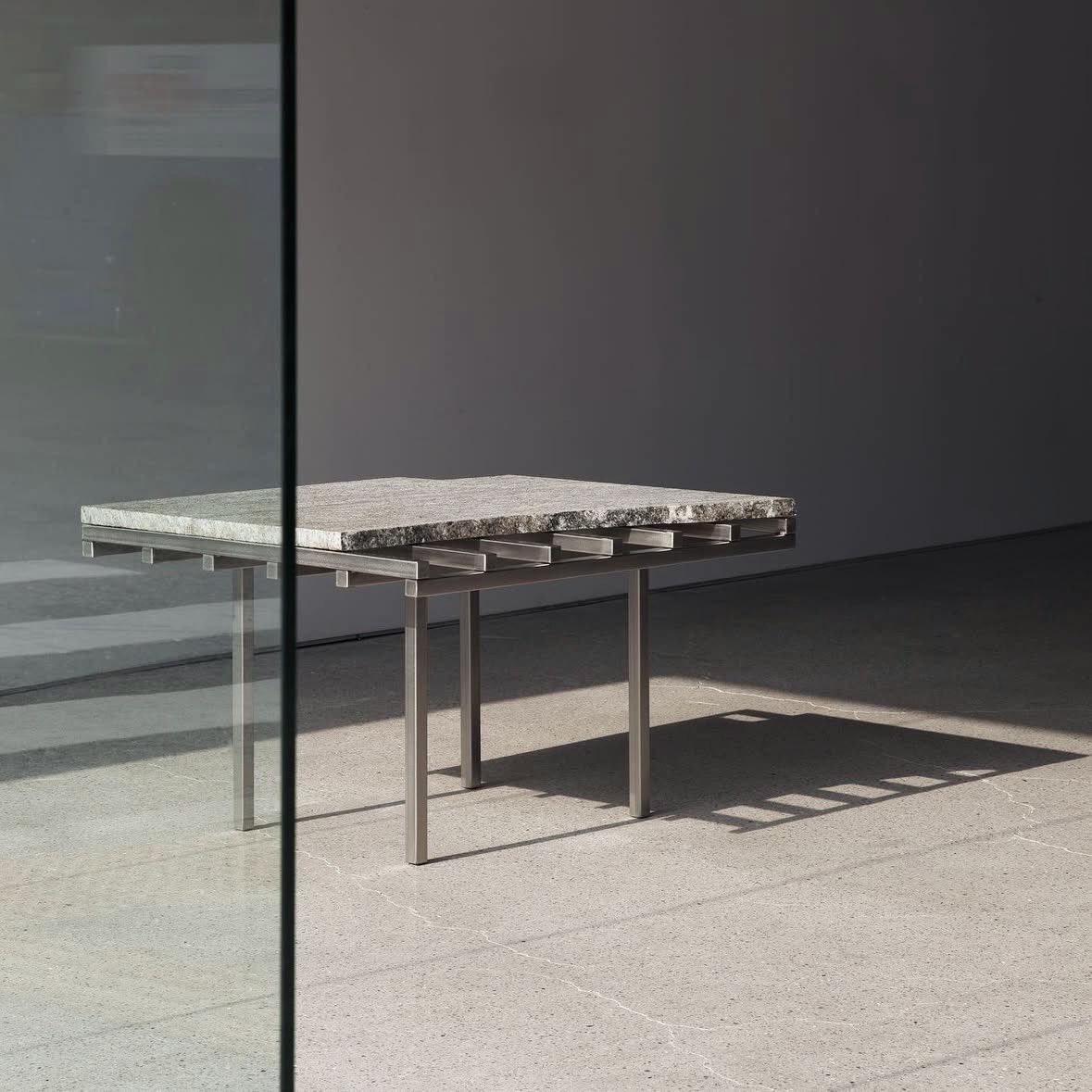
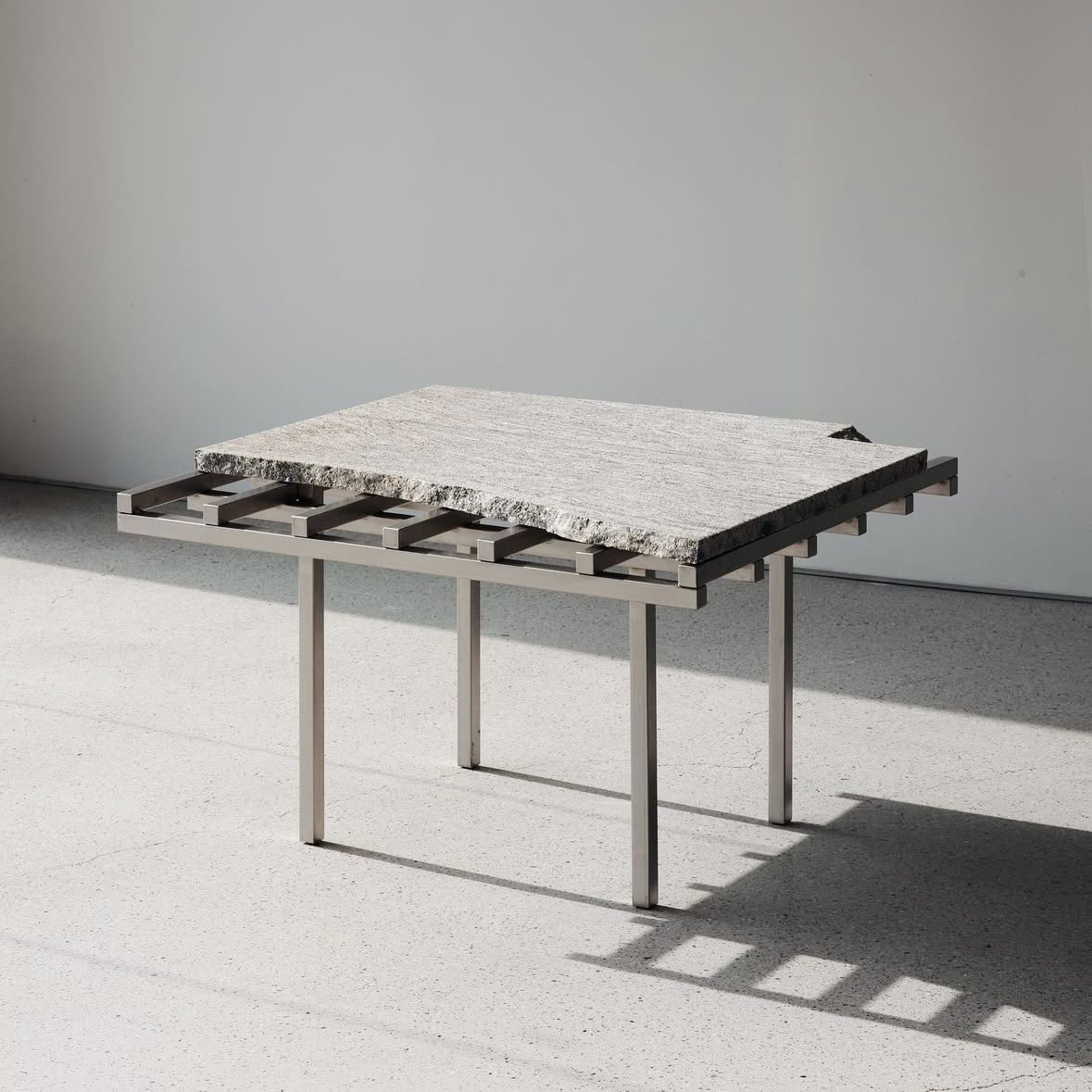
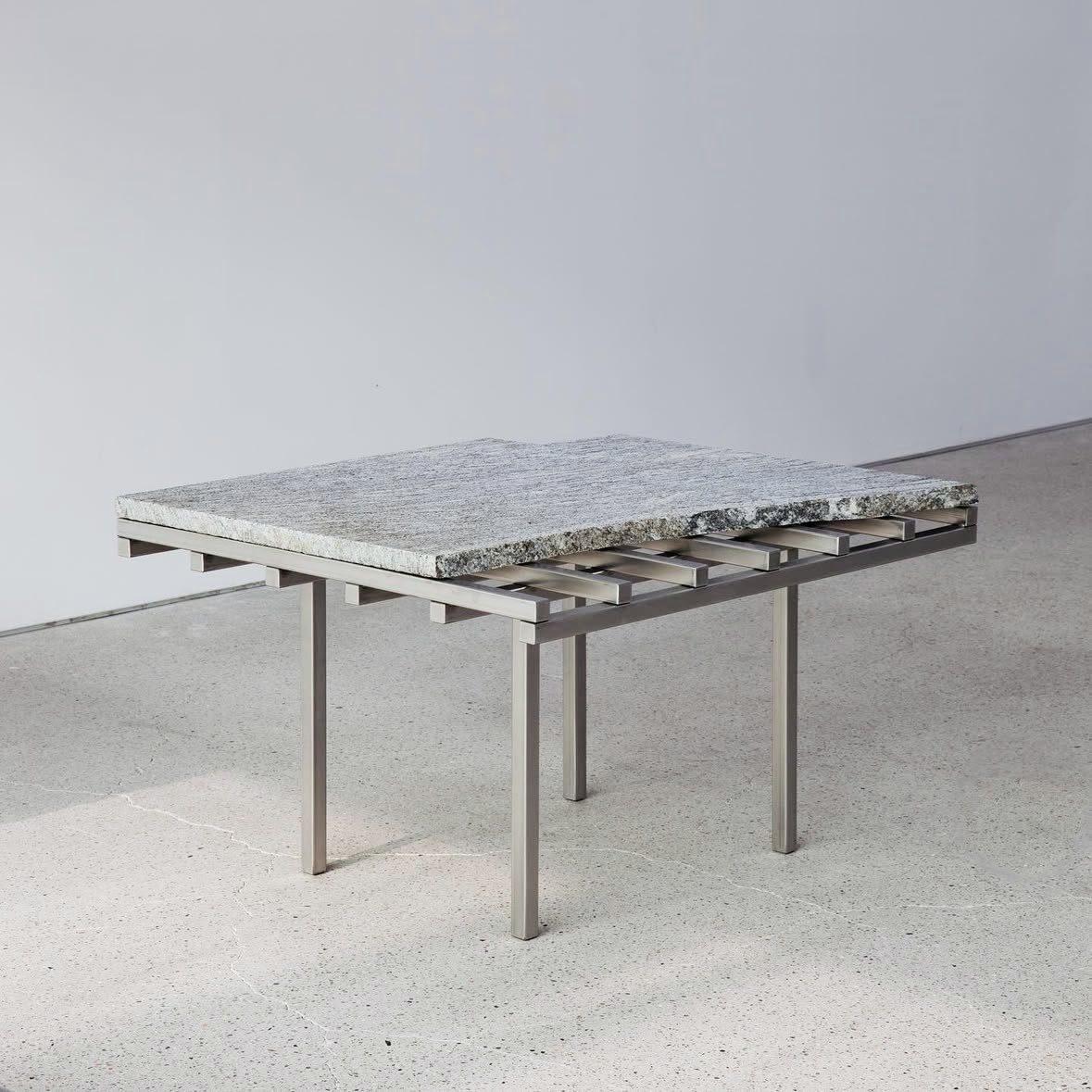
A 94x60cm drawing looking to develop into a painting on a large scale.
#drawingtopainting #drawnpainting #paintdrawing #studiopractice
1
6
146
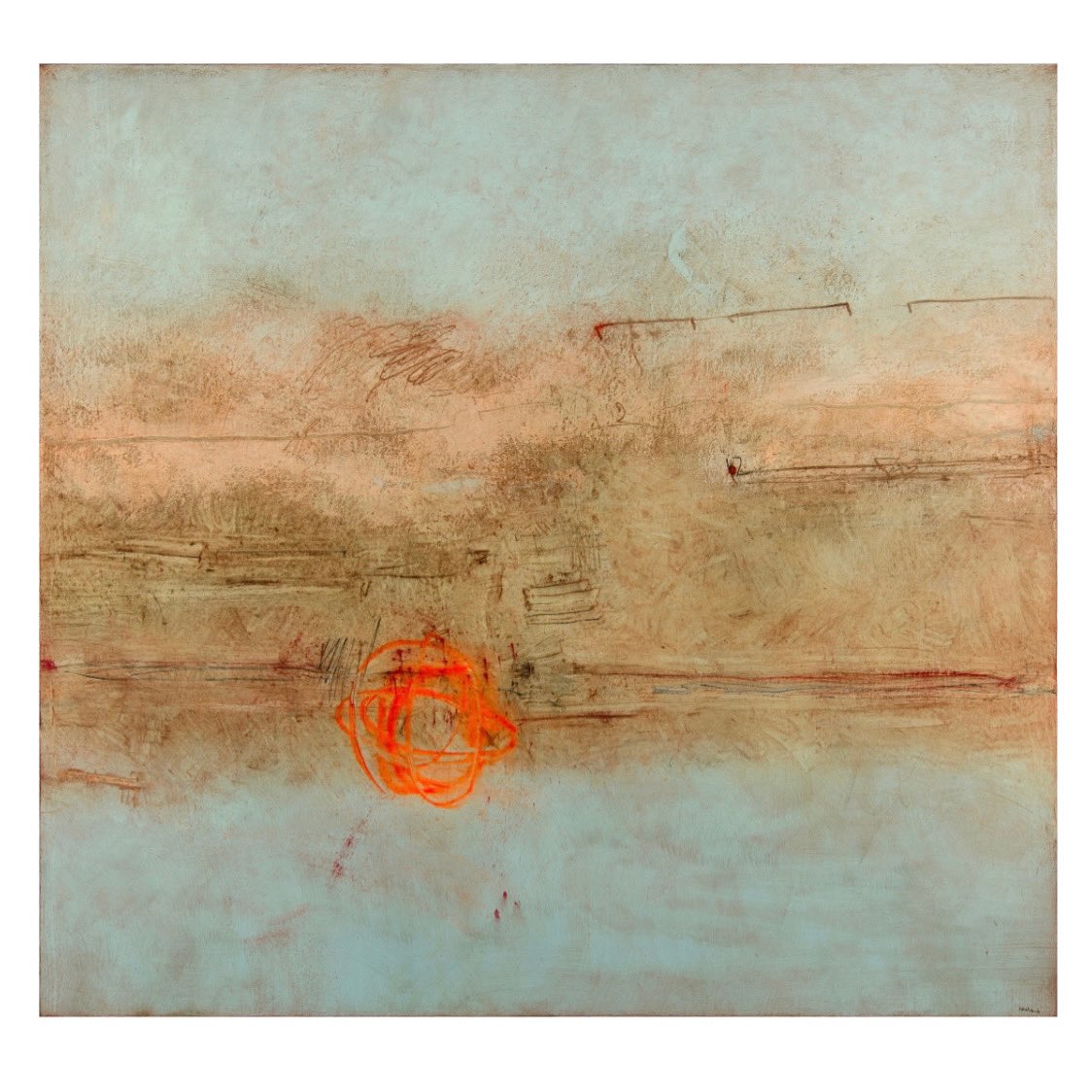
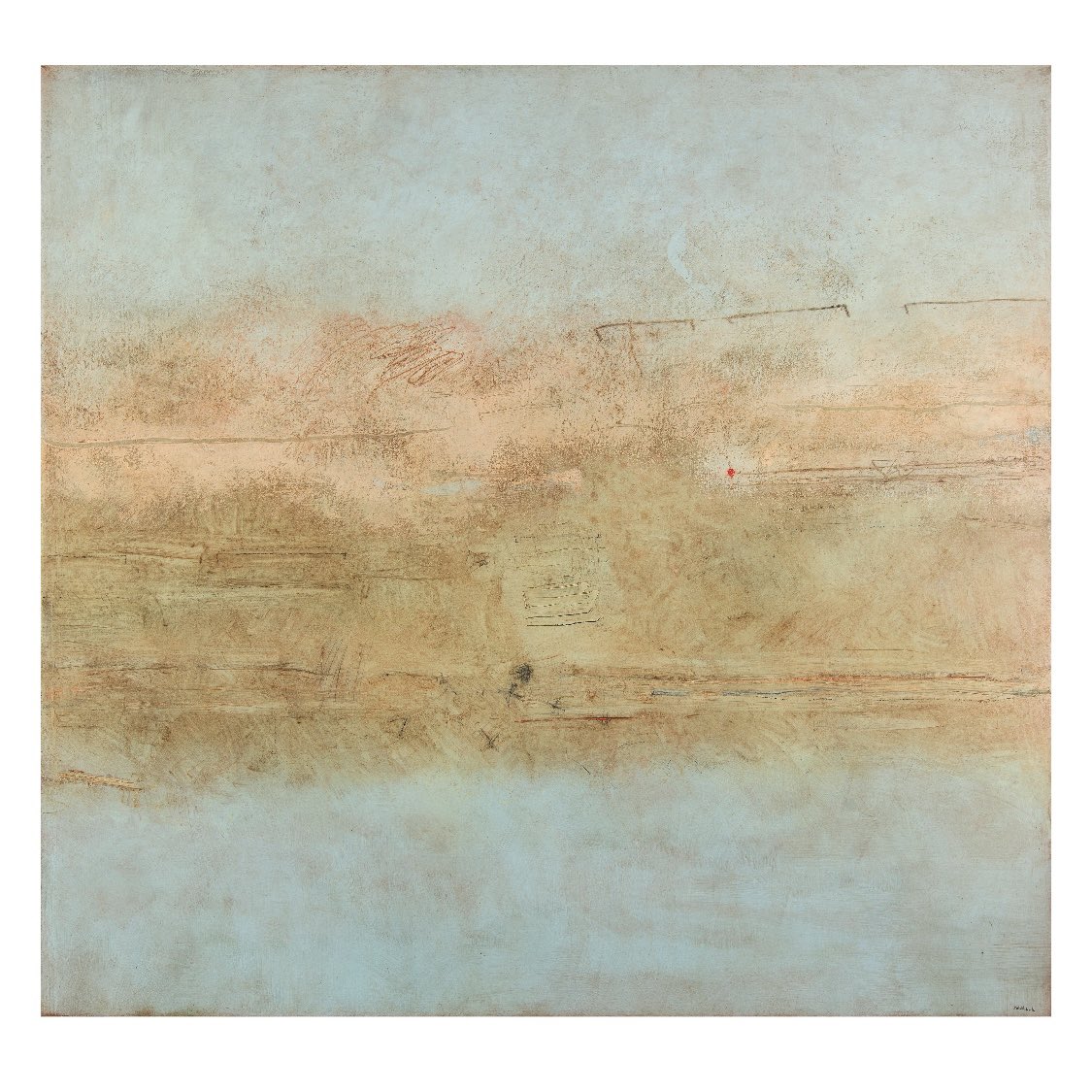
16 Jul 2025
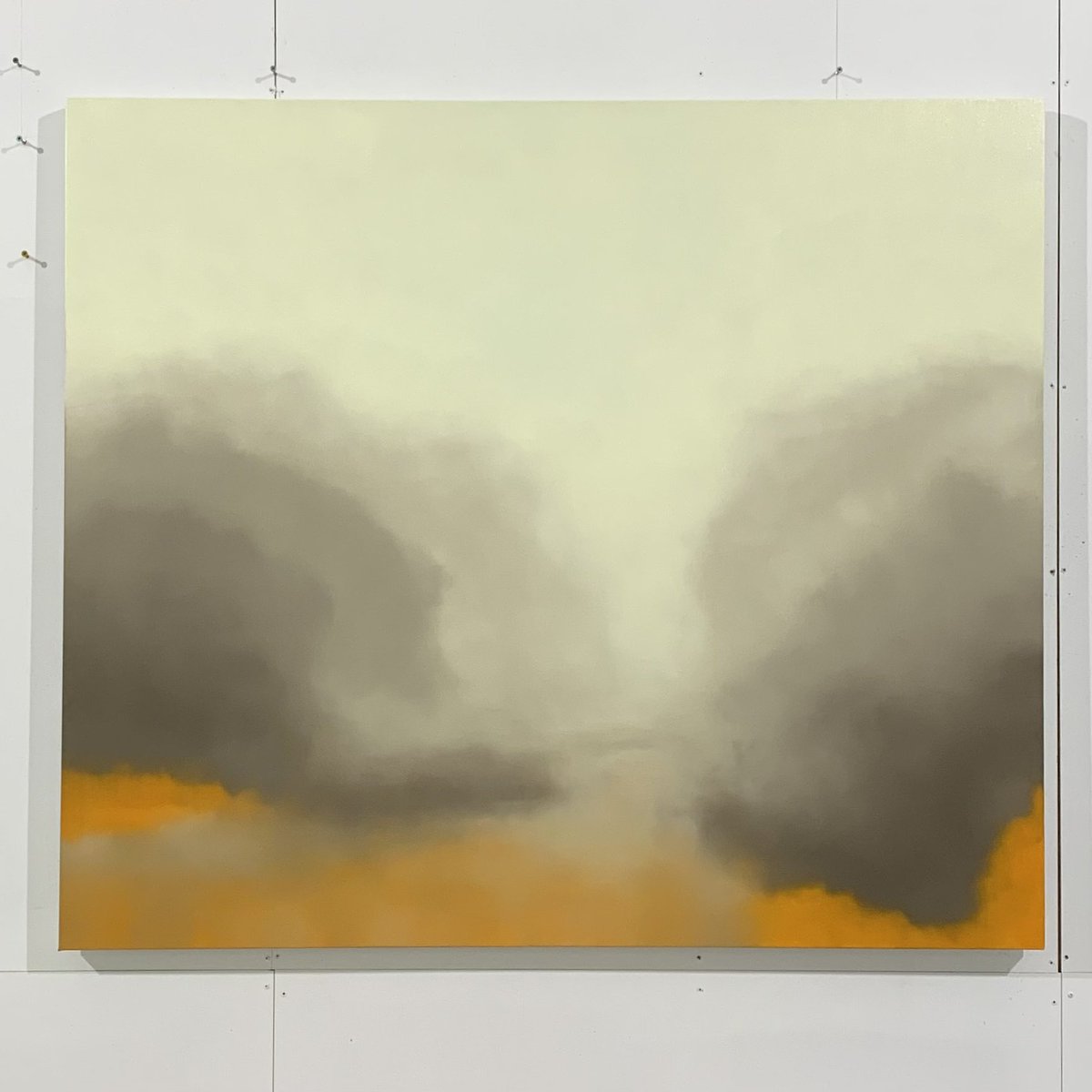
150x140cm working towards forthcoming exhibition
#studiopaunting #studiopractice #exhibition2025 #newworks
1
2
8
163
7 Jul 2025
1
5
90
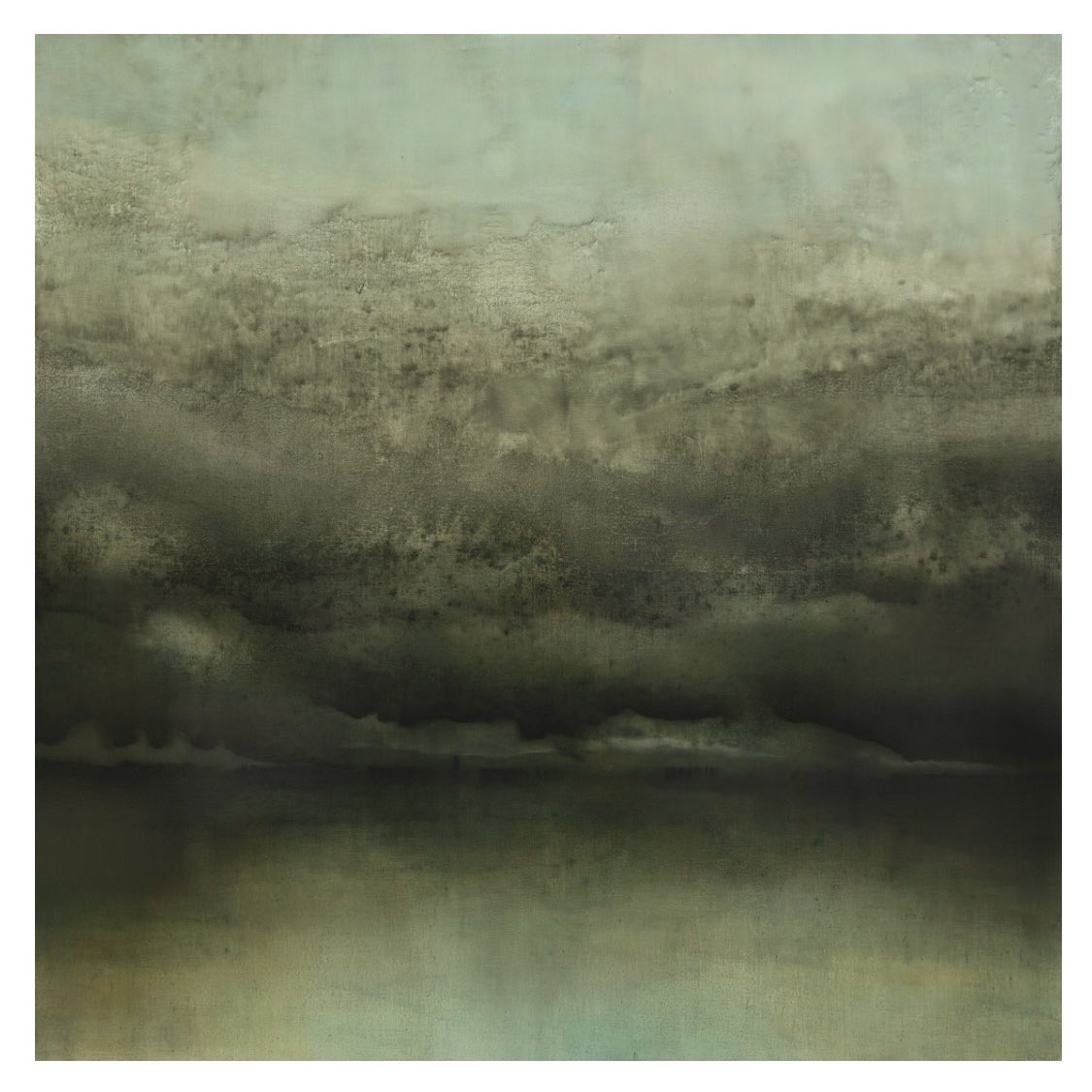
25 Apr 2025
150x150cm re-worked to envelope within the landscape/painting.
#studio #studiopractice #landscape #landscapepainting
4
85
14 Mar 2025
Where they start from instead of a finished work today.
150x130cm oil on linen
#studiopractice
6
70