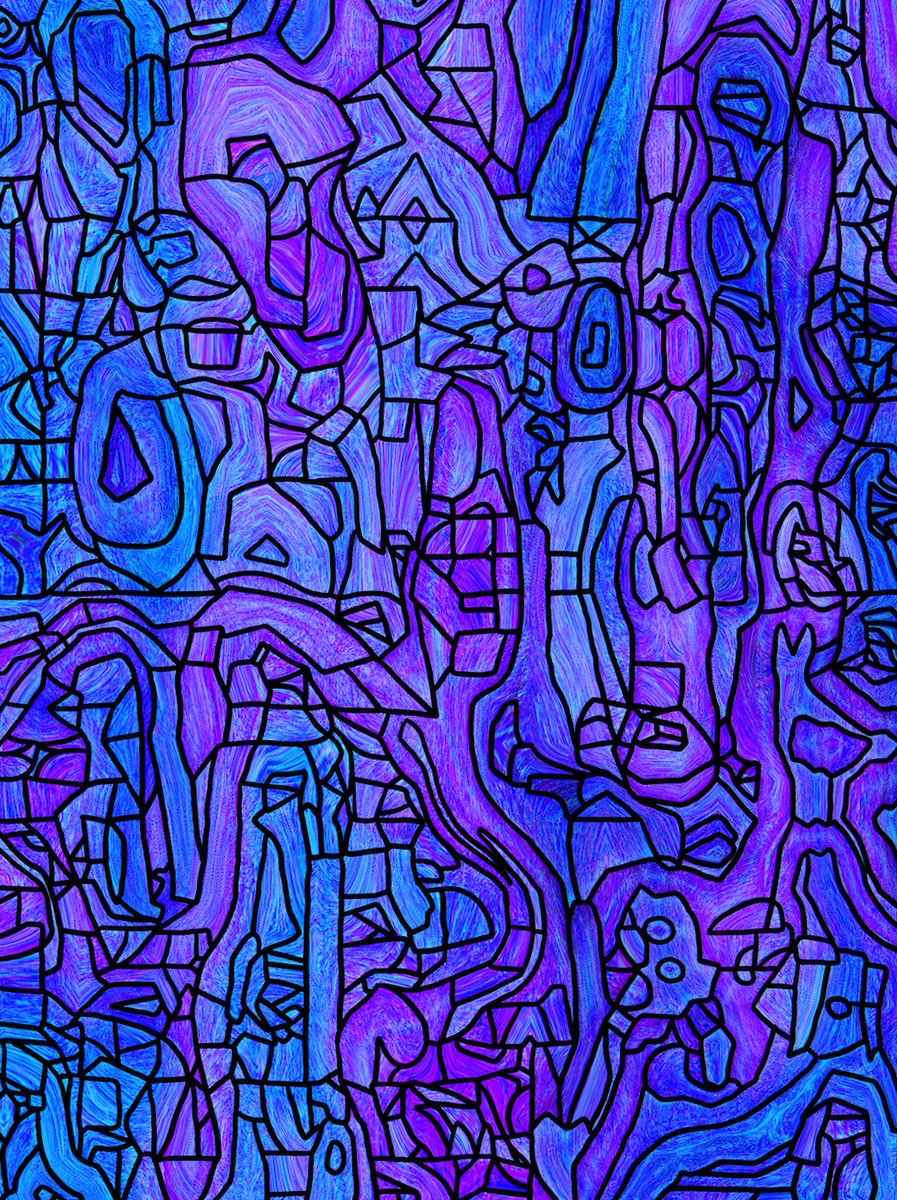
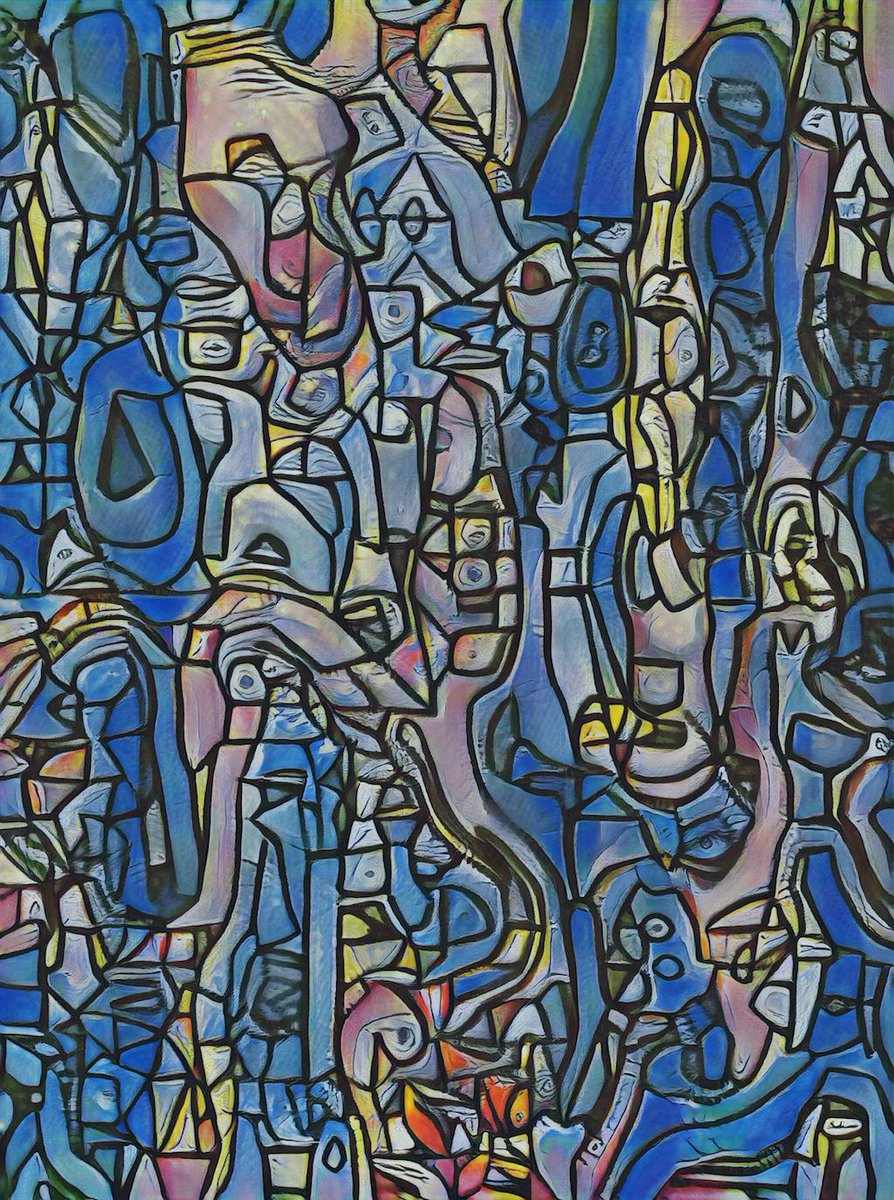
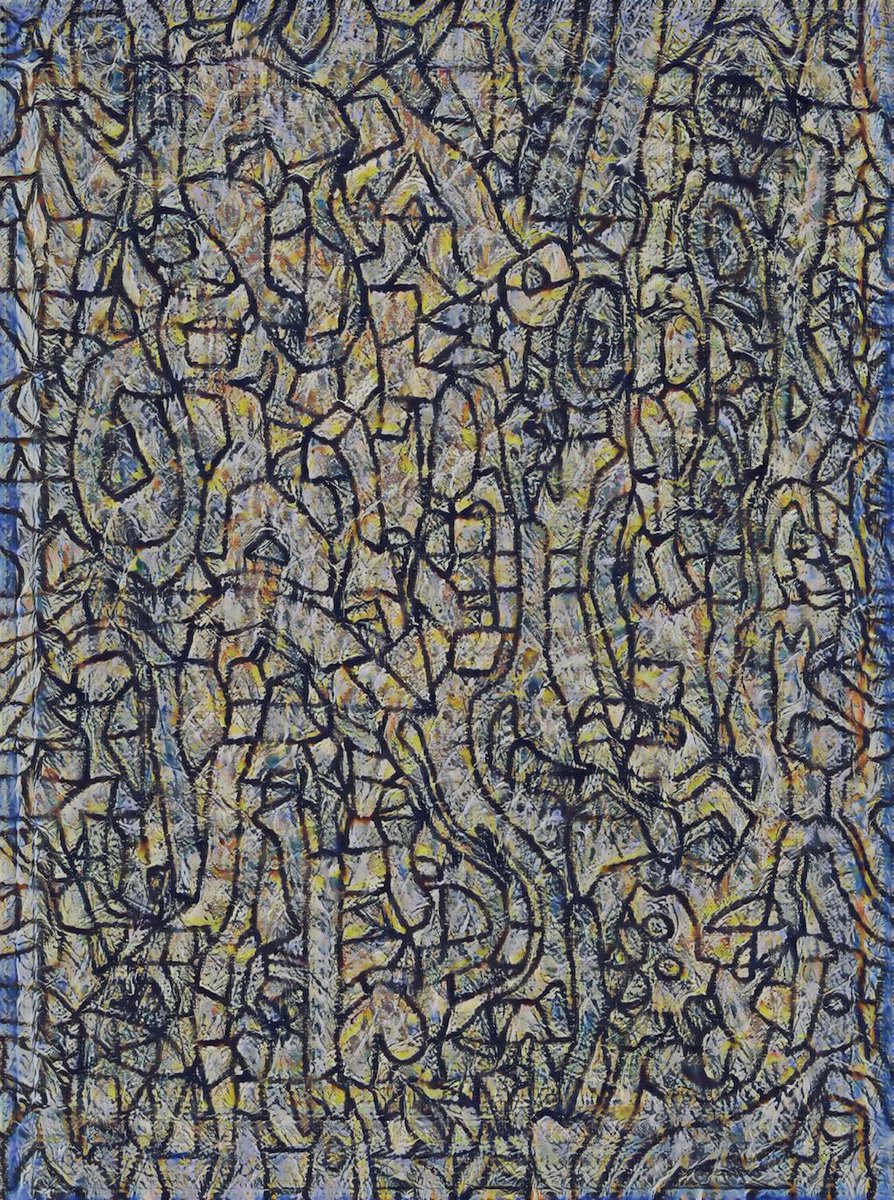
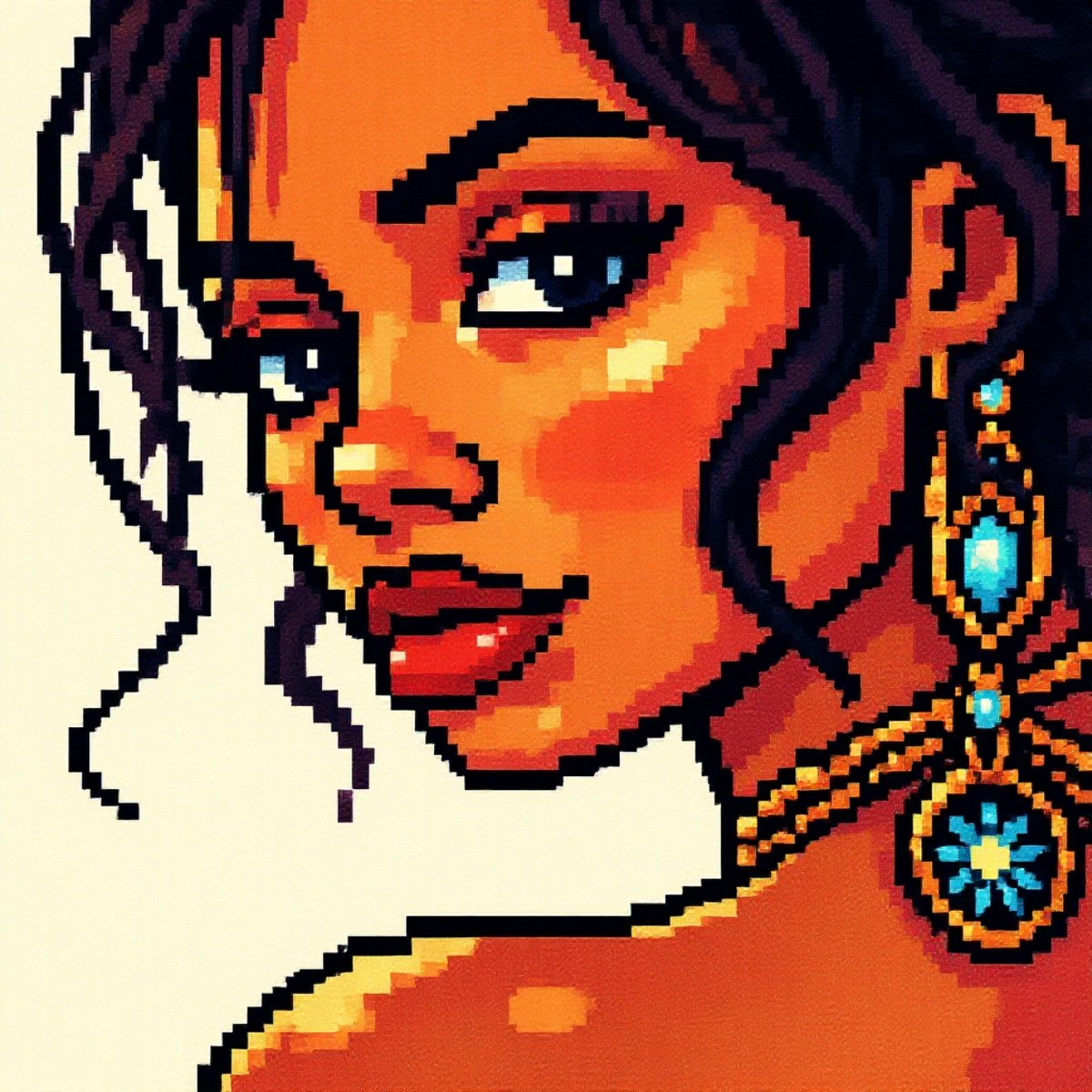
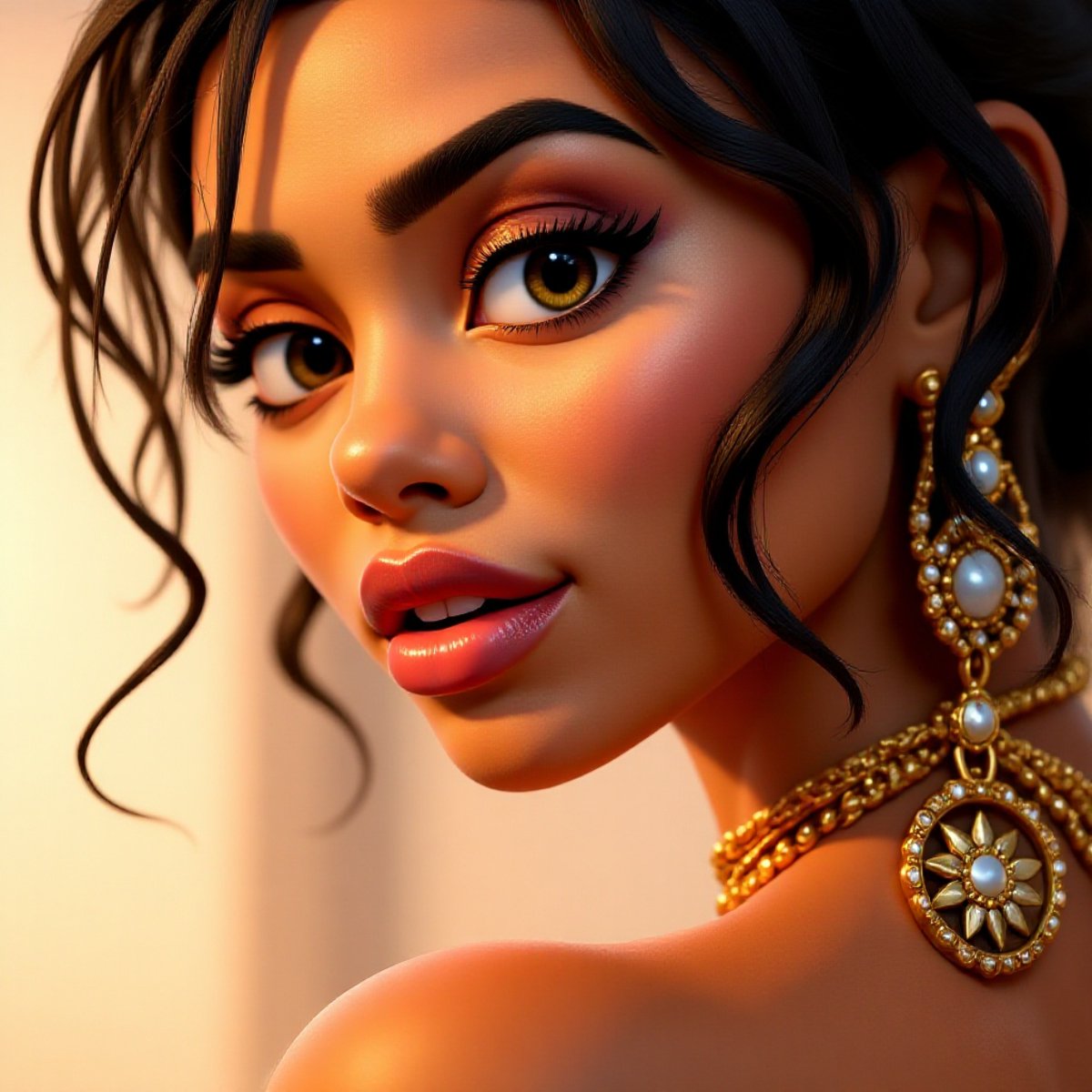
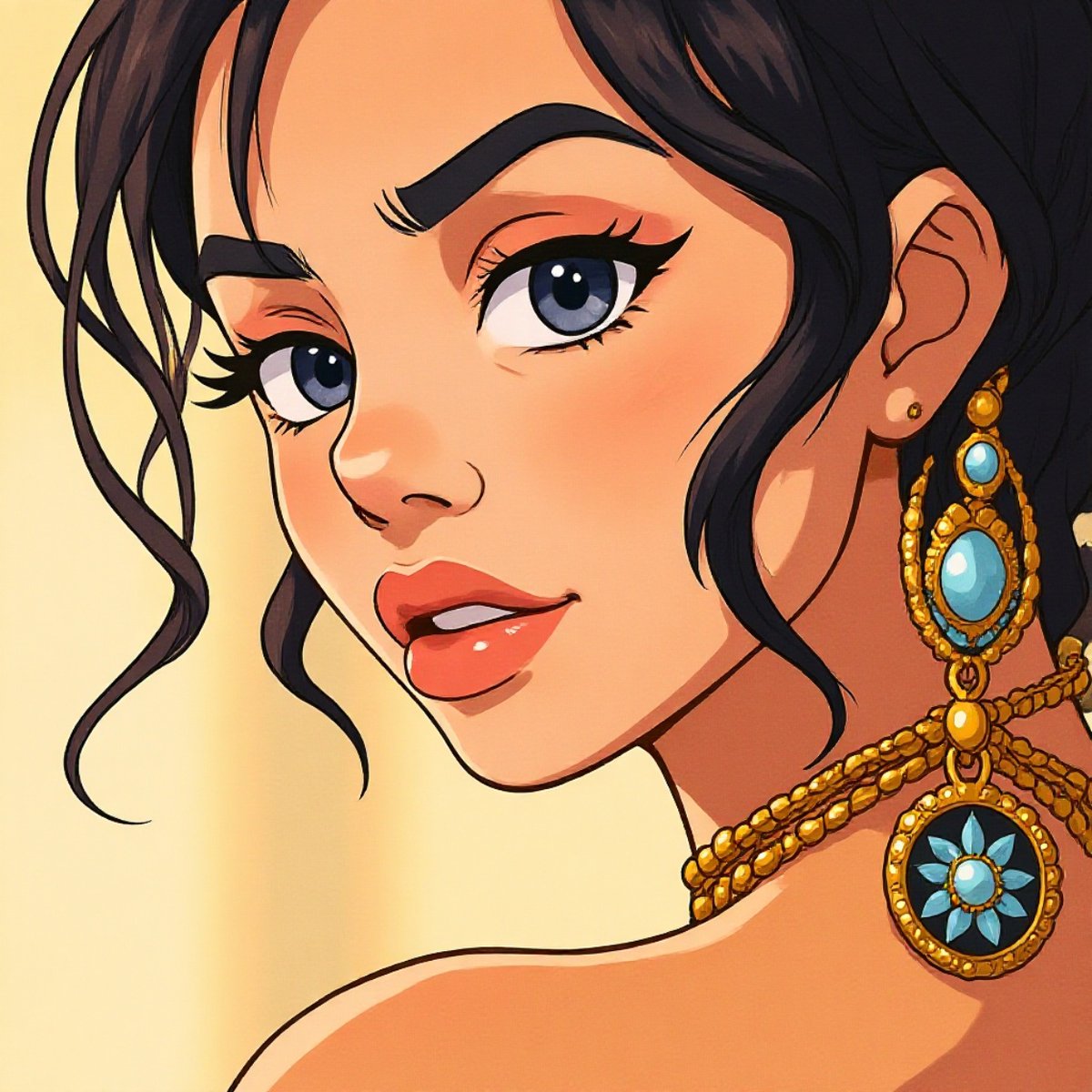
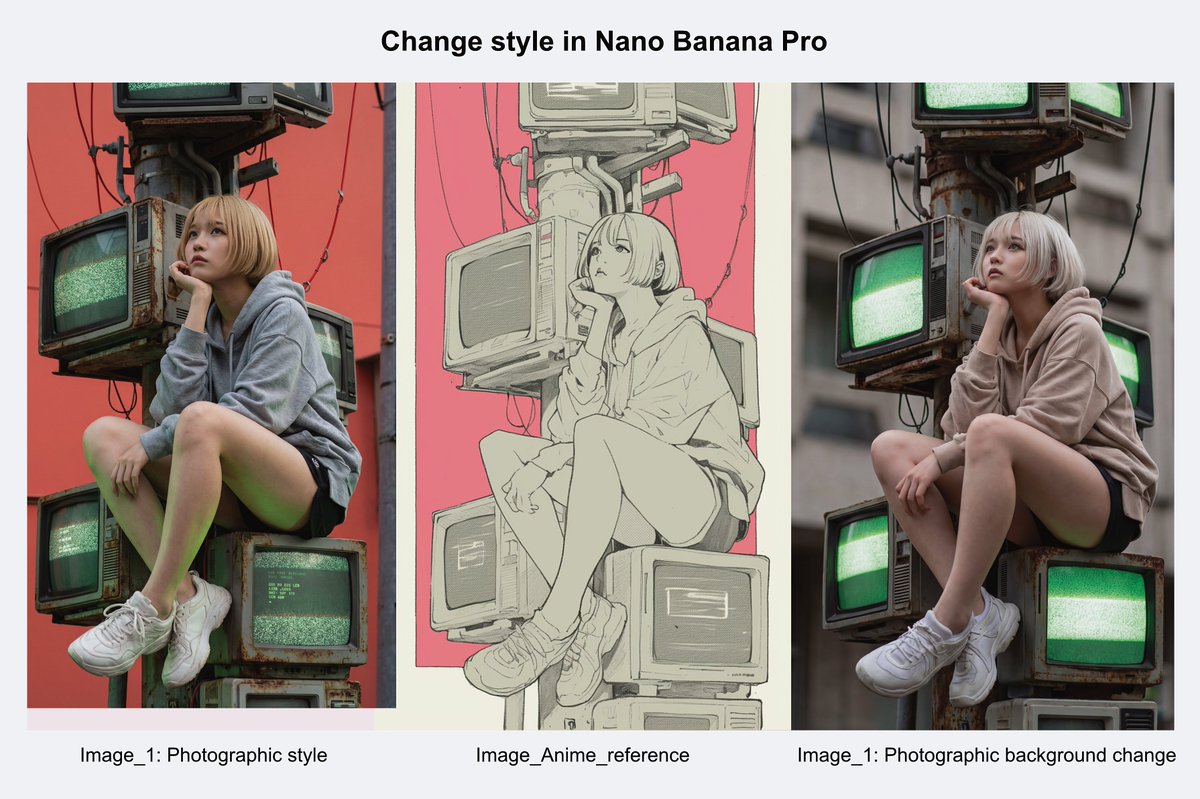
4 Masters, 1 Prompt: The Art of Style Transfer 🎨
I took the complex "Jingdezhen Porcelain Heritage" prompt and ran it through 4 distinct art styles in Nano Banana Pro.
The results are fascinating. Same subject, totally different soul.
1️⃣ Delacroix: Dramatic lighting, romantic turbulence, rich brushwork.
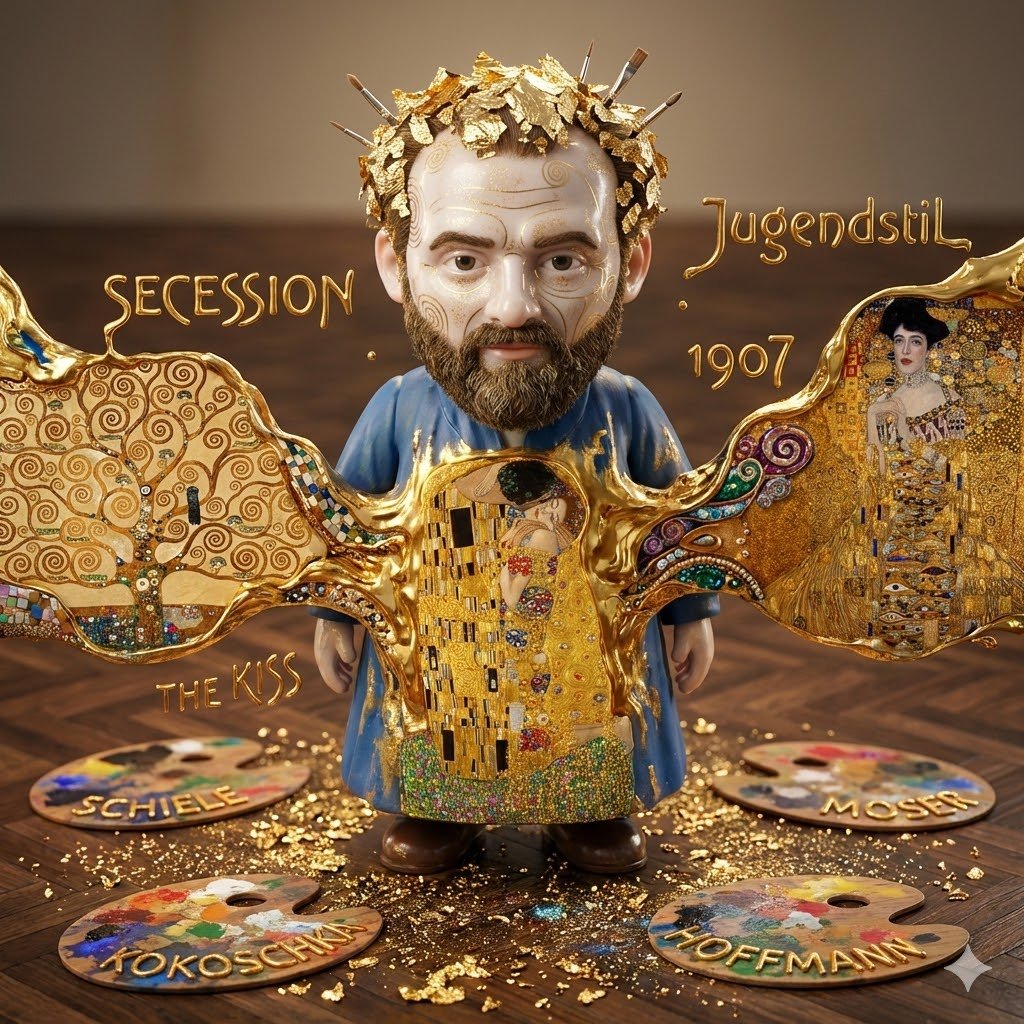
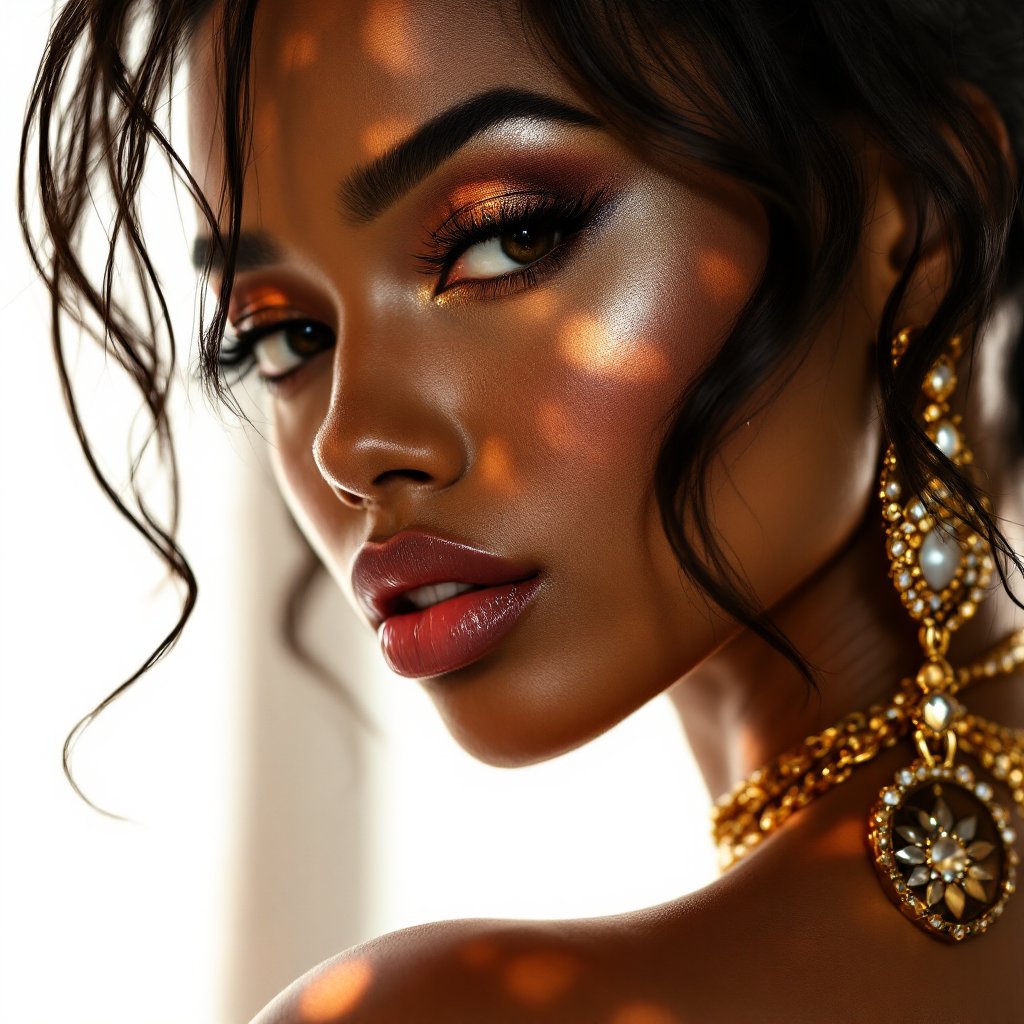
2️⃣ Klimt: Gold leaf textures, decorative patterns, symbolic abstraction.
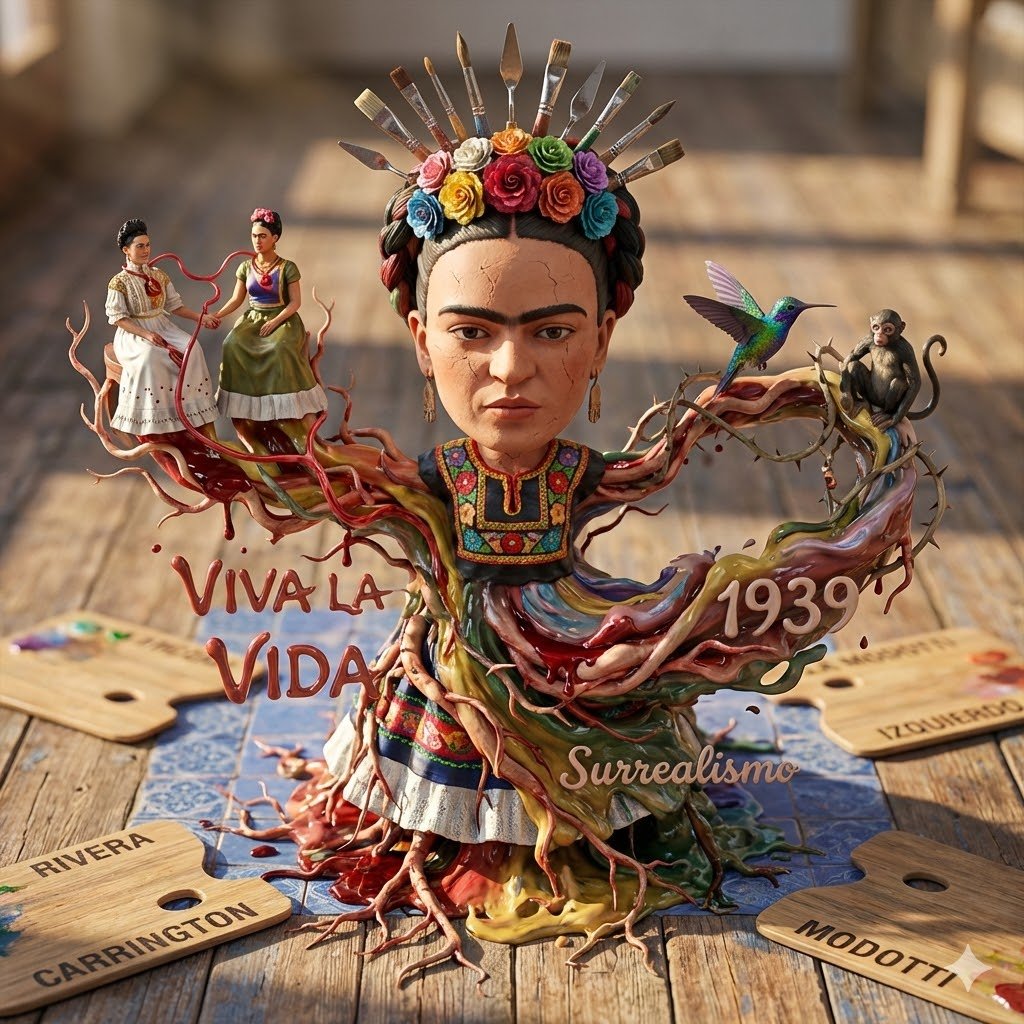
3️⃣ Frida Kahlo: Surrealism, vibrant colors, bold self-expression woven into the narrative.
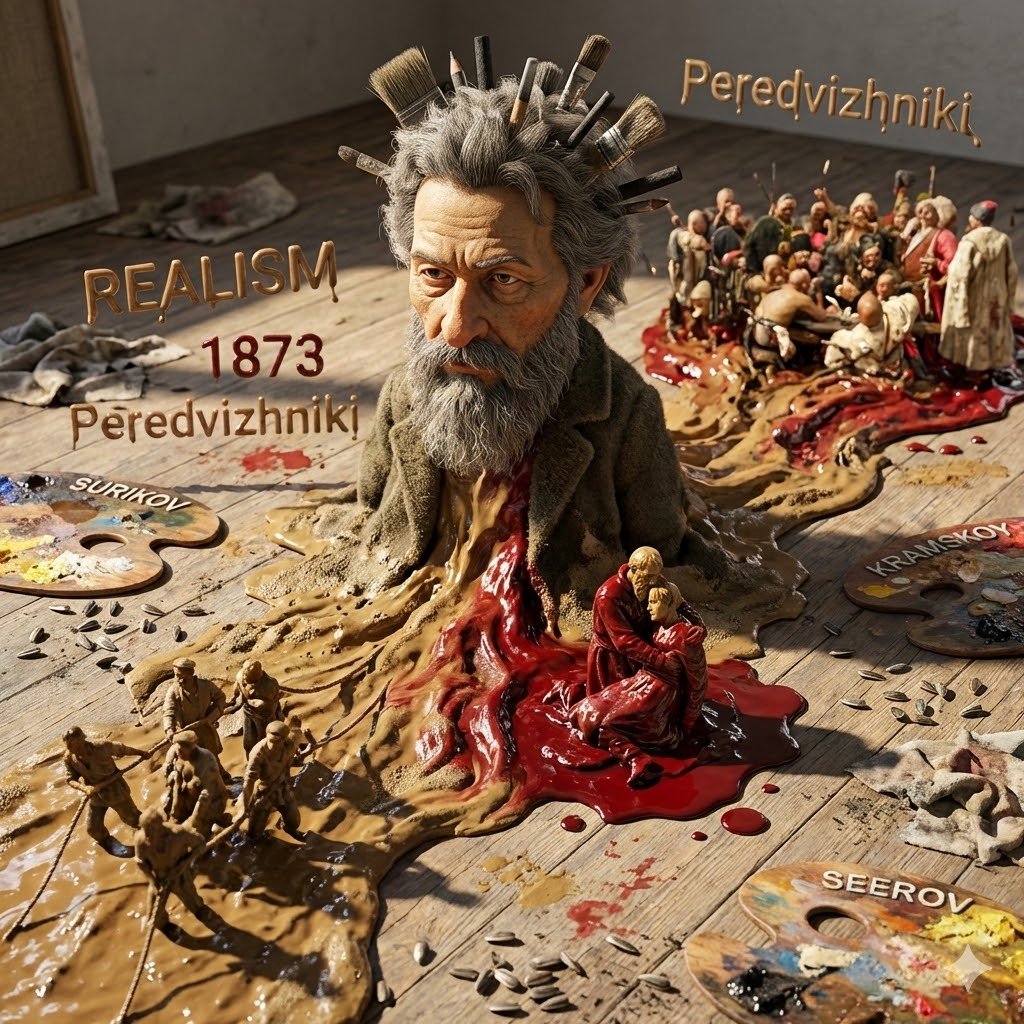
4️⃣ Repin: Realism, psychological depth, masterful oil painting technique.
Which interpretation speaks to you the most? 👇
#AIart #ArtHistory #GenerativeAI #StyleTransfer #NeoSpark #NanoBananaPro
The other painting Nano Banana prompt I shared was great for semantic inferencing but it has limitations. It just does. This is way more predictable:
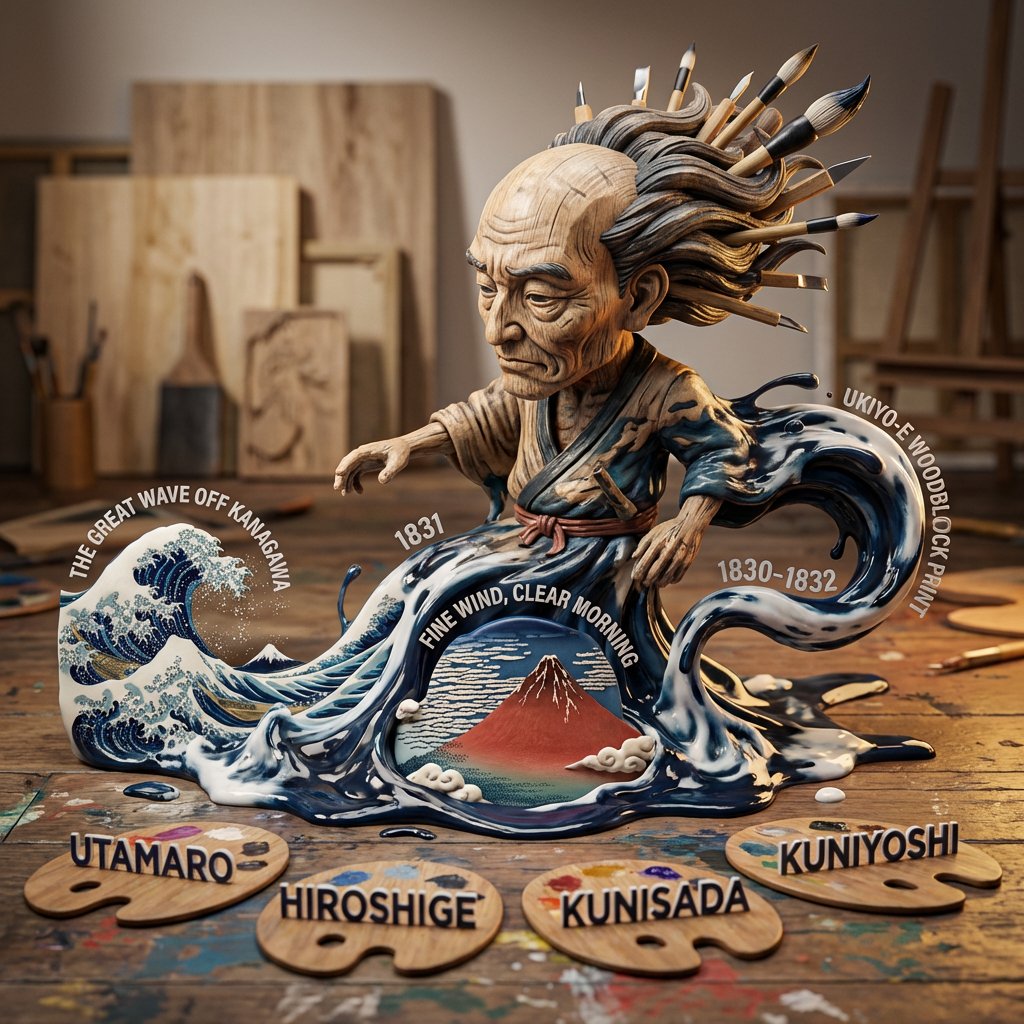
Katsushika Hokusai Input Variable: [INSERT PAINTER/ARTIST] (e.g., Van Gogh, Salvador Dalí, Frida Kahlo, Katsushika Hokusai, Basquiat)
System Instruction:
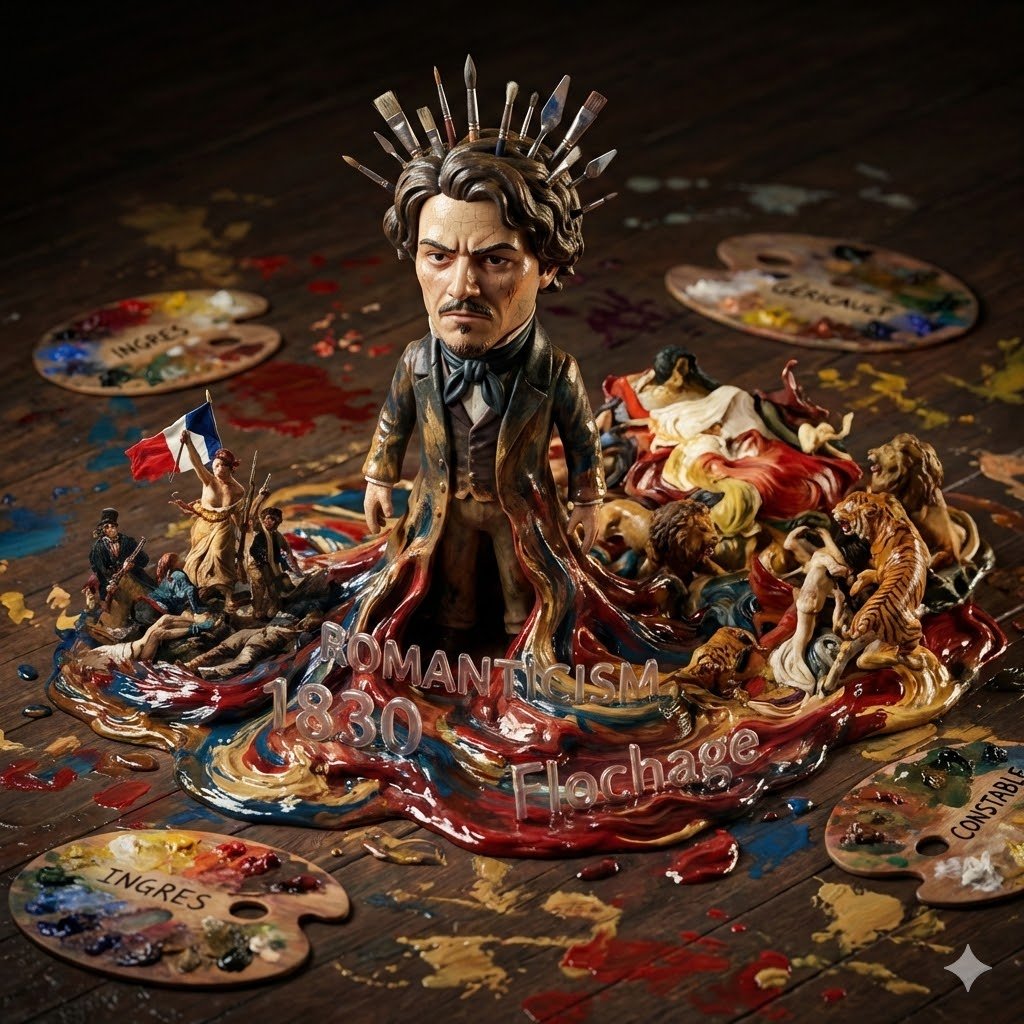
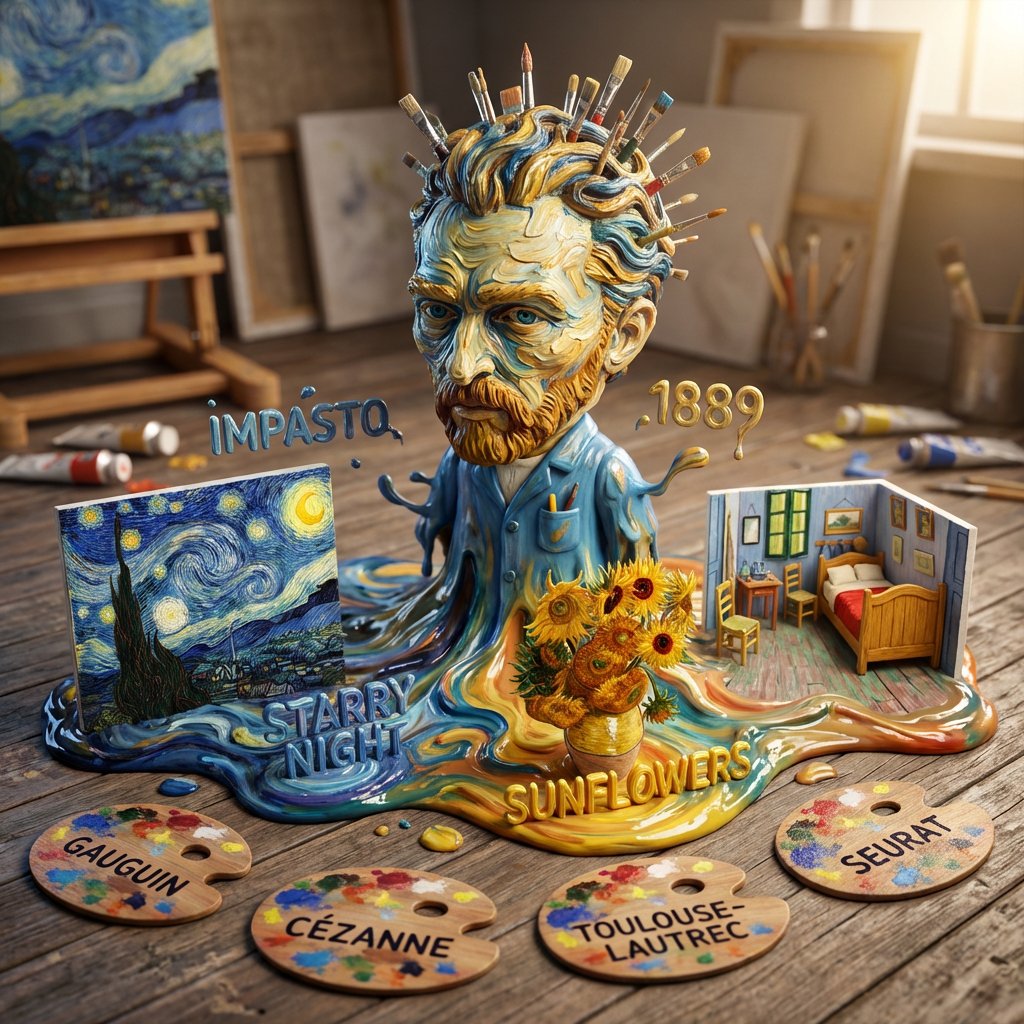
Generate a hyper-realistic, macro 3D diorama of an "Artist Unraveling." Use the following logic to procedurally generate the scene based strictly on the Input Variable:
1. Style Analysis:
Analyze the Input: Identify the artist’s Primary Medium (e.g., Heavy Oil, Melting Clocks, Woodblock Print, Spray Paint).
The "Greatest Hits": Identify the 3-4 most iconic visual motifs or paintings by the artist.
Contemporaries: Identify 4 rival or contemporary artists from the same movement.
2. Caricature
The Head: A stylized 1:12 scale "Vinyl Toy" caricature of the artist.
The "Tool-Hair": The character’s hair is not biological; it is composed of the Signature Tools of their trade.
(e.g., For Van Gogh = Paintbrushes; For a Sculptor = Chisels; For Hokusai = Calligraphy Brushes).
The Texture: The skin of the character should look like it is sculpted out of their preferred medium (e.g., thick impasto paint, smooth porcelain, or grainy canvas).
3. Body-to-Art :
CRITICAL: The artist's torso and clothing are physically Melting and Transforming into a liquid stream of paint or matter.
The Flow: This liquid spills onto the floor, but as it flows, it forms 3D Extruded Vignettes of the artist's most famous works.
(e.g., For Van Gogh: The paint forms a 3D 'Starry Night' on the left and 'Sunflowers' in the center).
The Typography: Integrate the names of the paintings, the dates, and the specific art techniques (e.g., "Impasto," "Chiaroscuro") as 3D Liquid Text floating within the paint flow.
4. Container (The Studio Floor):
The Surface: A weathered, paint-splattered Wooden Studio Floor .
The Palettes: In the foreground, 4 wooden painter’s palettes rest on the floor. Each palette is labeled with one of the Contemporaries identified in Step 1.
5. Visual Syntax & Lighting:
Material Fidelity: Focus on the "Viscosity." The paint should look wet, glossy, and thick, with visible drips and surface tension.
Lighting: Warm, dramatic studio lighting (45-degree key light) to accentuate the texture of the "Liquid Art."
Depth: Macro photography with a shallow depth of field; the background features blurred, unfinished canvases and easels.
Output: ONE image, 1:1 Aspect Ratio, Octane Render, 8k Resolution, "Hyper-Detailed Miniature.