
The Sun Friend or Foe 🌞 Are we really being told the full story about sun exposure? In this eye-opening video, we dive into the controversial narrative surrounding sunscreen and its supposed protection against melanoma. Discover how decades of sun avoidance and high SPF usage have not only failed to reduce melanoma rates but may have contributed to rising health issues like vitamin D deficiency. We explore the hidden dangers of common sunscreen ingredients and reveal findings from the 2021 Cochrane review that question the effectiveness of sunscreen. 🌞 Are we letting fear drive our choices? Join the conversation and challenge the status quo. Like and share if you found this insightful! #SunSafety #Melanoma #VitaminD #SunscreenTruth #HealthAwareness youtu.be/GIIYfFTHz7Y?si=GX07… via @YouTube

2
27

25 Jun 2025
Why lather on sunscreen when it could be doing more harm than good? 🤔 @garrylineham doesn't hold back, explaining precisely why you should stop using conventional sunscreen. His answer is clear: it's poisonous.
He dives into the hidden dangers lurking in many common sunscreens, urging you to rethink what you're putting on your skin and absorb a new perspective on sun health.
#humangarage #fascialmaneuvers #selfcare #SunscreenTruth #ToxicFree #SkinHealth #WellnessJourney
3
166

6 Jun 2025
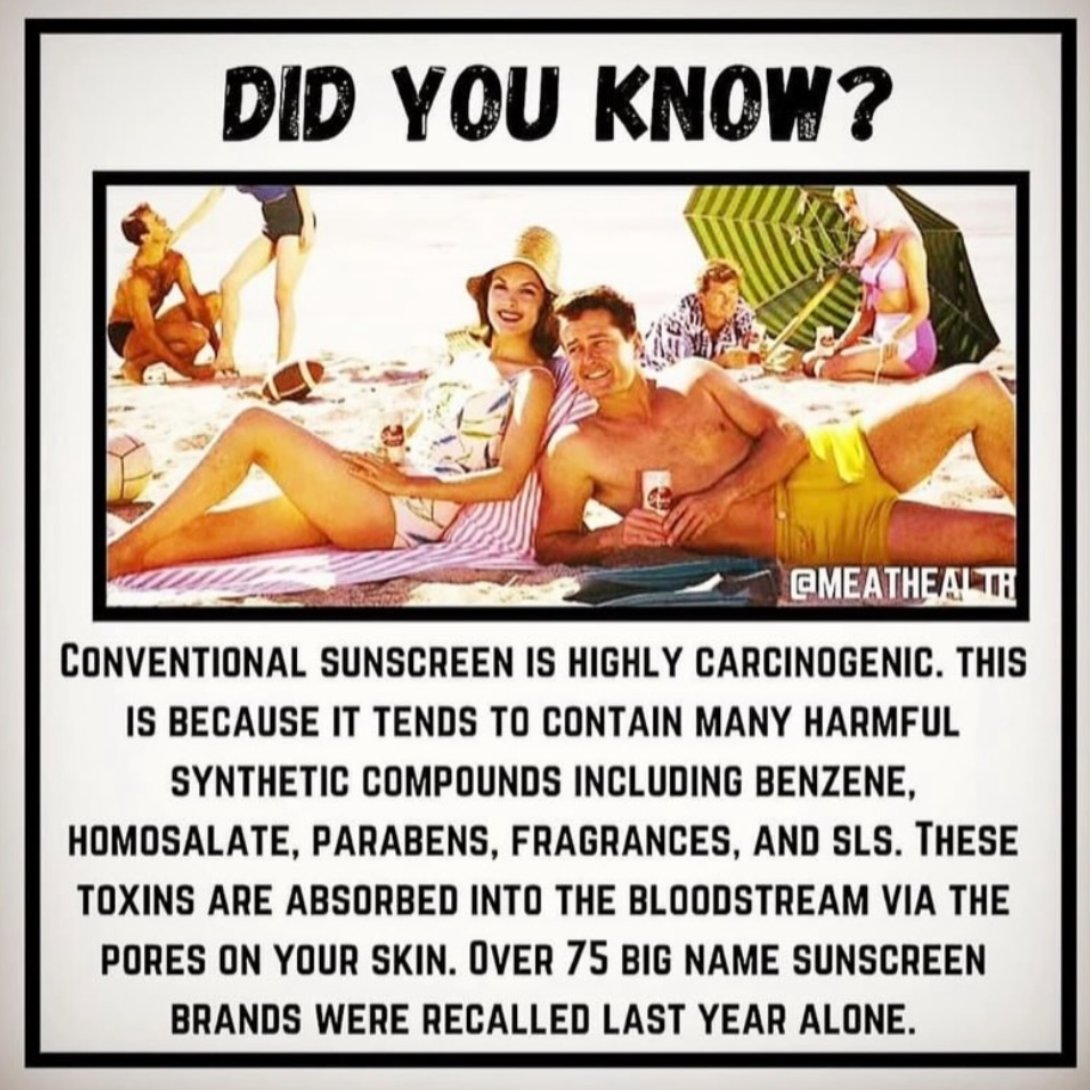
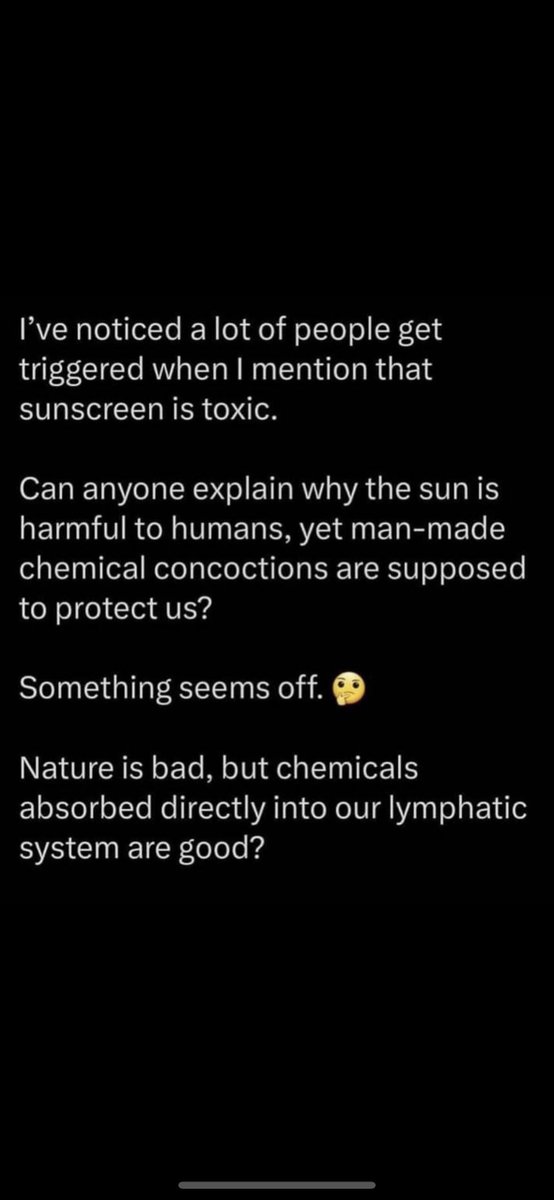
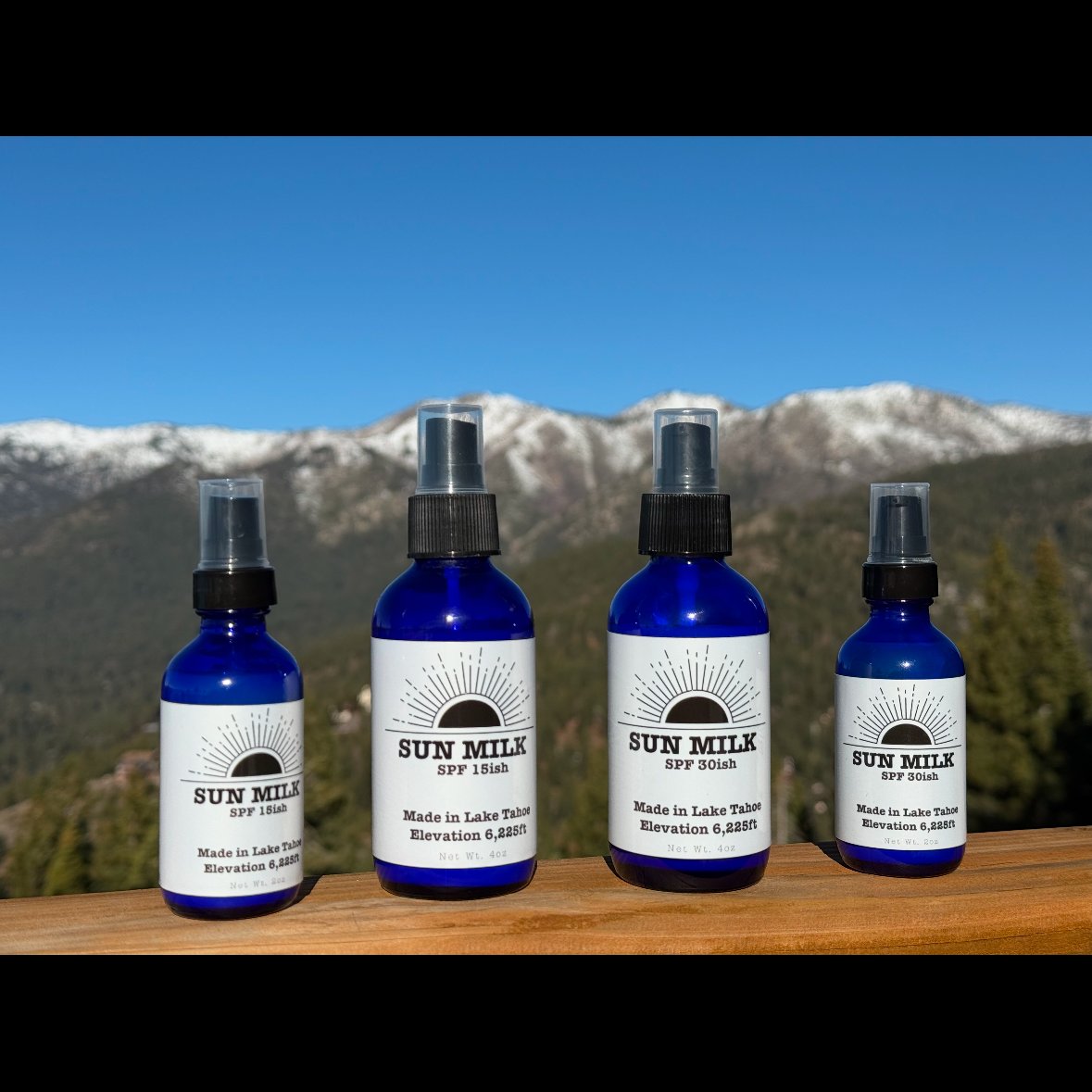
"Most sunscreens are more toxic than the sun. Ours isn’t. The truth about chemical SPF is terrifying—and no one’s talking about it. Until now. 👇"
#SunscreenTruth #ToxicSPF #NaturalSunscreen #SkinCancerMyths #HealthAlert #CleanLiving #GreenSkincare #WellnessRevolution #TruthBomb #BanToxicSPF #CleanSkincare #HealthInnovation #WellnessIndustry #SustainableSolutions #Entrepreneurship #GreenBeauty #SkinCareScience #NaturalProducts #HealthTech #CorporateWellness #toxinfree #reefsafe #humansafe #allnatural #organic #allnaturalsunscreen #cleanliving

4
3
22
59,477

30 May 2025
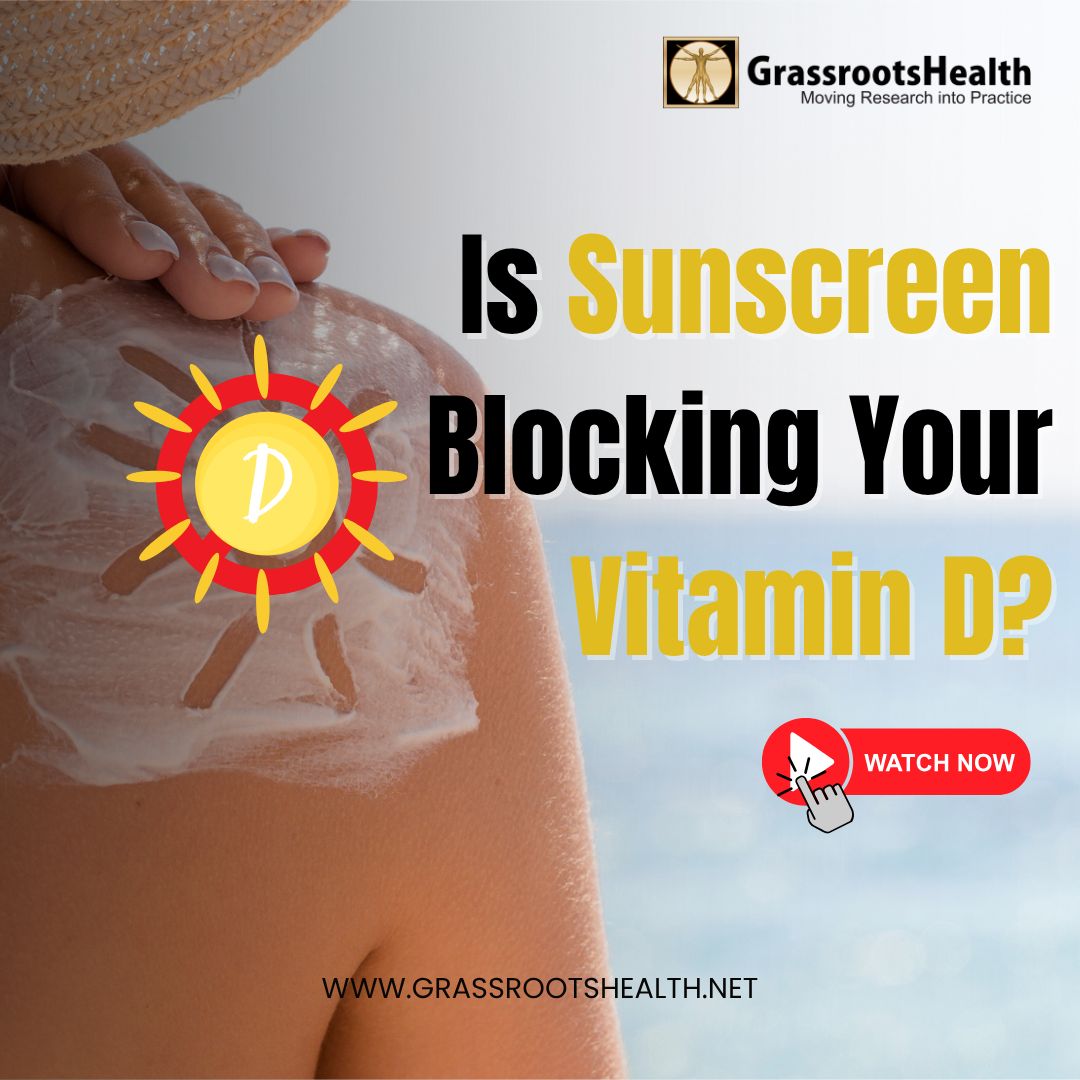
"Is Sunscreen Blocking Your Vitamin D?"
🧴 Is your sunscreen blocking your vitamin D?
Yes — even SPF 15 can slash your body’s natural production by up to 99%!
But you don’t have to choose between sun safety and vitamin D.
☀️ Get short, safe sun exposure first — then apply protection.
🧬 Learn how to balance sunlight, protect your skin, and keep your vitamin D strong.
🎁 SUNSHINE MONTH BUNDLE — MAY 2025
✅ Includes 2 Vitamin D Test Kits Sunshine eBook
📉 Save ~25% — automatically applied at checkout
📆 Limited-time offer, ends May 31
Watch now: buff.ly/oAv6kxt
#VitaminD #SunscreenTruth #SunSmart #NaturalWellness #SunlightIsMedicine #SafeSun #SunshineMonth
3
11
308

19 May 2025
Have you checked what’s inside your sunscreen?
Some hide toxic ingredients like Oxybenzone—linked to cancer, hormone issues & skin allergies.
You deserve better.
#CleanBeauty #SunscreenTruth
#HonestlyOrganic #SkinConfidenceRestored
1
3
112

17 May 2025
Sunscreen Myths: सनस्क्रीन से जुड़े ये मिथक कर देंगे हैरान, जानिए क्या है सच
.
.
.
#Lifestyle #LifestyleNews #Skin #SkinCare #Sunscreen #SunscreenMyths #SunscreenTruth
republicbharat.com/lifestyle…
1
4
1,337

12 May 2025
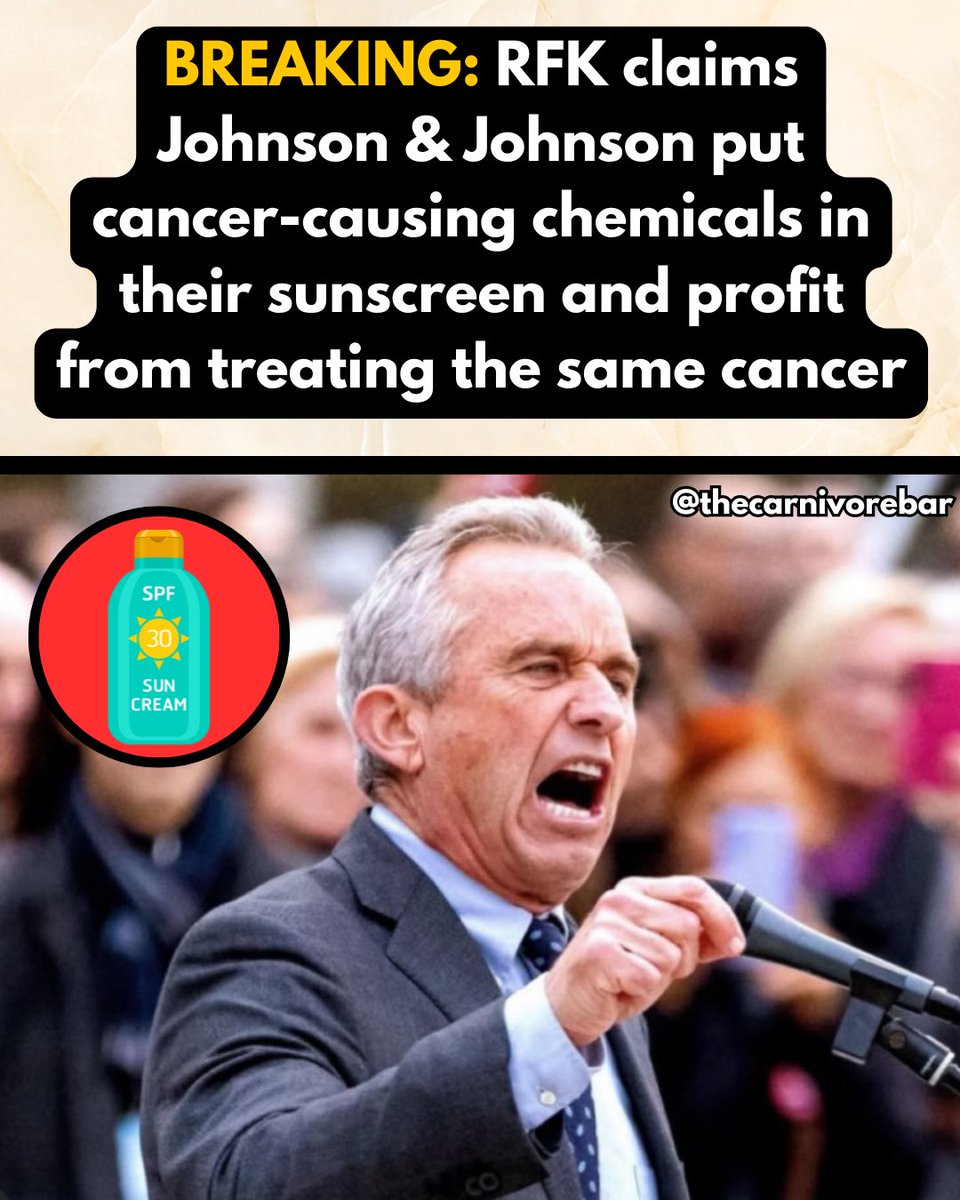
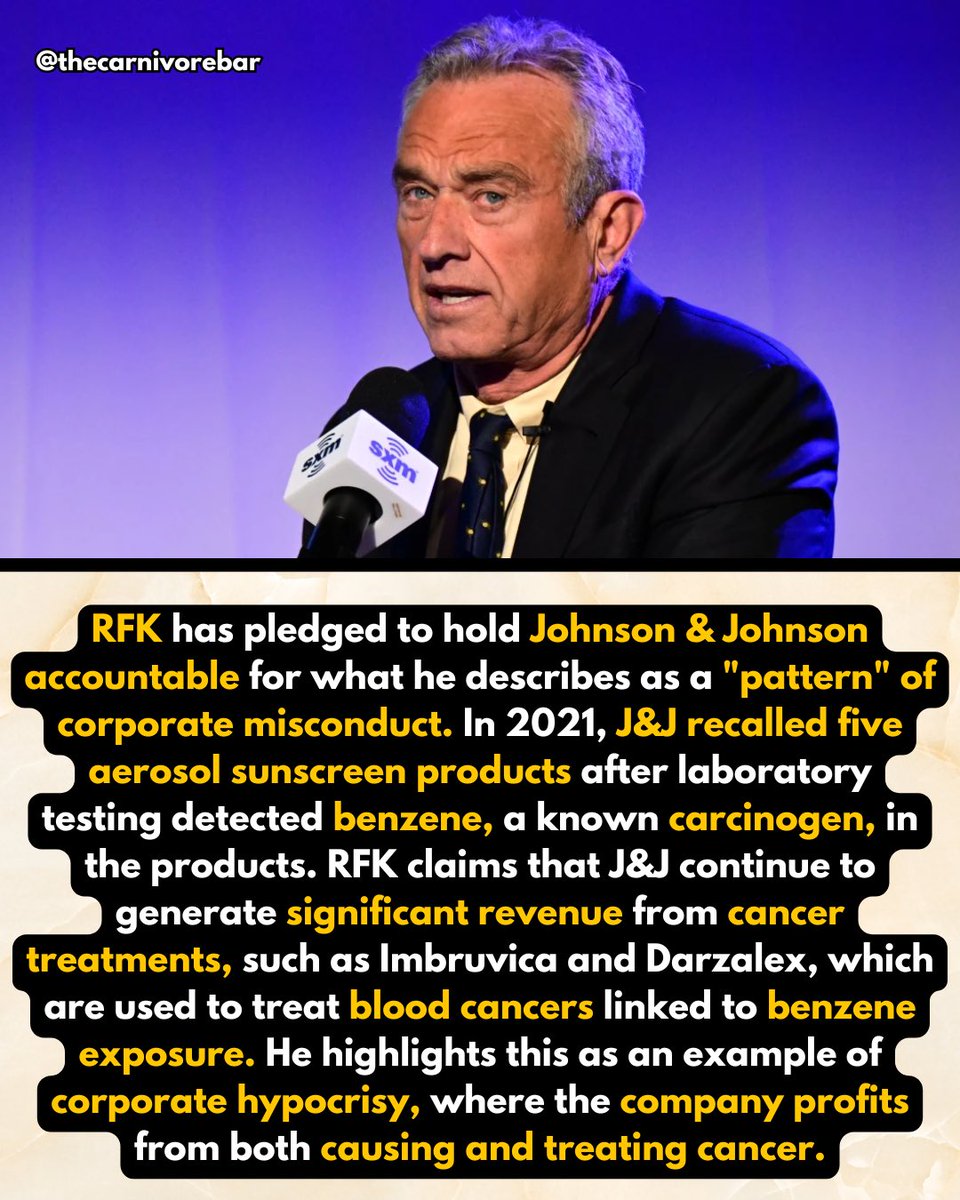
RFK EXPOSES J&J
They’re not protecting you — they’re profiting off your sickness.
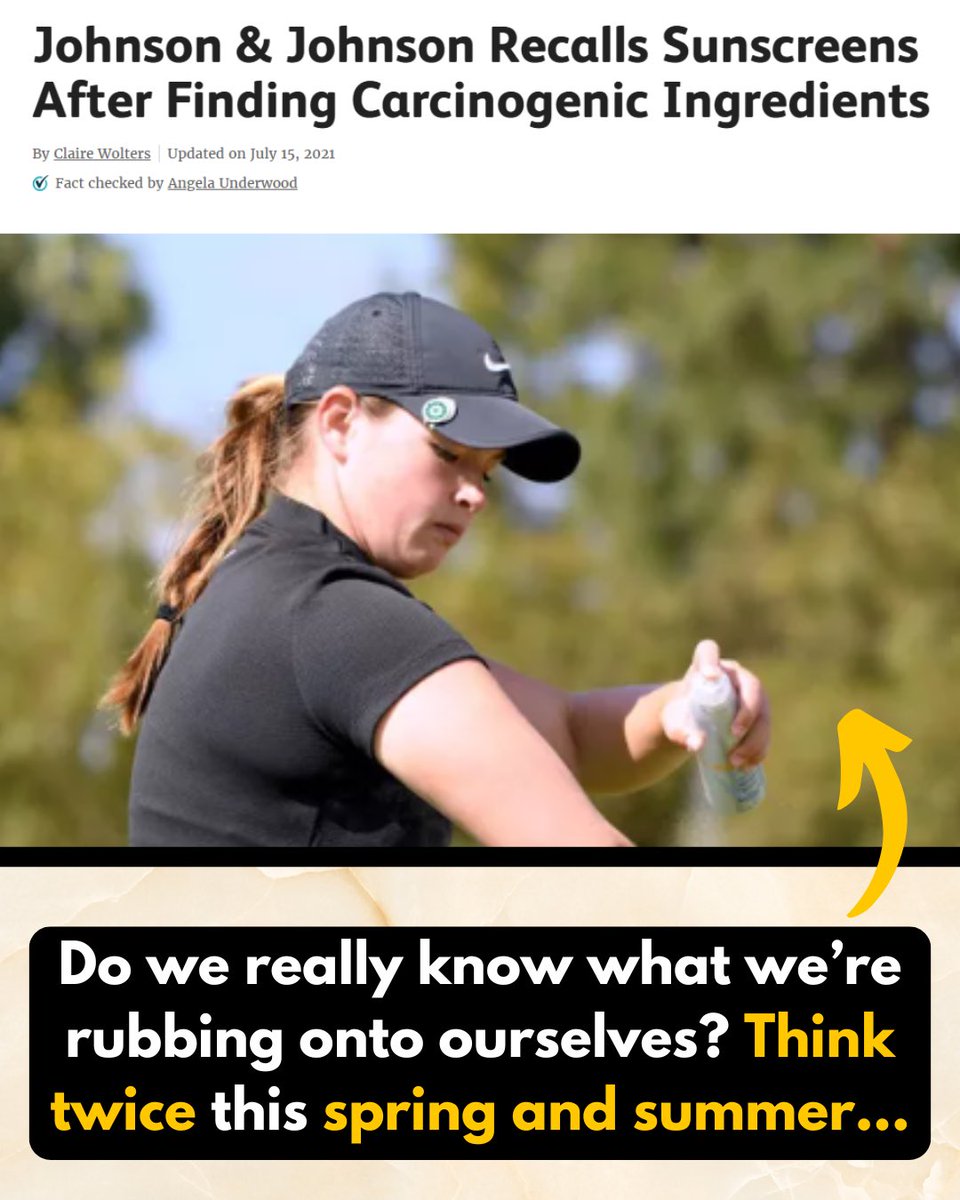
Johnson & Johnson’s sunscreens were found to contain benzene — a known cancer-causing chemical… and they also sell the drugs to treat that same cancer.
Follow the money. It’s dark.
Just like Bayer Monsanto:
⚠️ Monsanto’s RoundUp linked to lymphoma
💊 Bayer “coincidentally” sells the treatment
Then… they merged.
Now in 2025, a shocking study found that over 70% of sunscreens sold in the U.S. contain toxic ingredients linked to cancer, hormone disruption, and infertility.
And these are what we’re told to put on our kids.
Sunscreen doesn’t just block UV:
☀️ It blocks vitamin D (your anti-cancer shield)
🧪 It absorbs into your bloodstream
💸 It keeps Big Pharma rich — and you sick
They’ve made you afraid of the sun… but the sun heals.
RFK is blowing the whistle — and it’s time to listen.
Choose sunlight. Choose real health. Choose truth.
#animalbased #tallowskincare #sunscreentruth #benzene #toxicsunscreen #vitaminDdeficiency #bigpharmaexposed #rootcausehealing #glyphosate #ancestralliving #sunlighttherapy #holistichealth #corruptionexposed #naturalimmunity #tallowsunscreen
2
4
18
1,663
2 Apr 2025
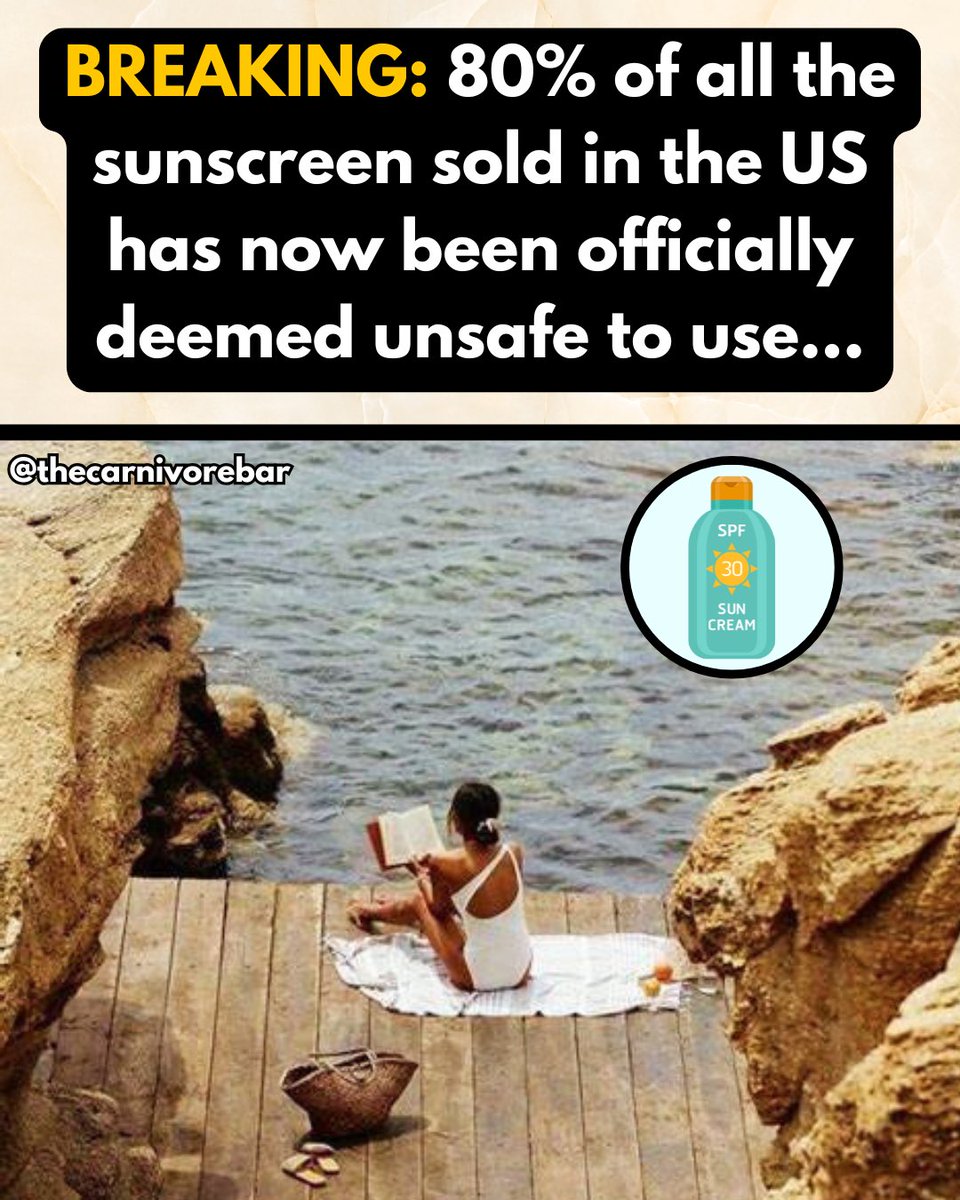
Skin cancer rates are UP.
Sunscreen sales are UP.
So… what’s really going on?
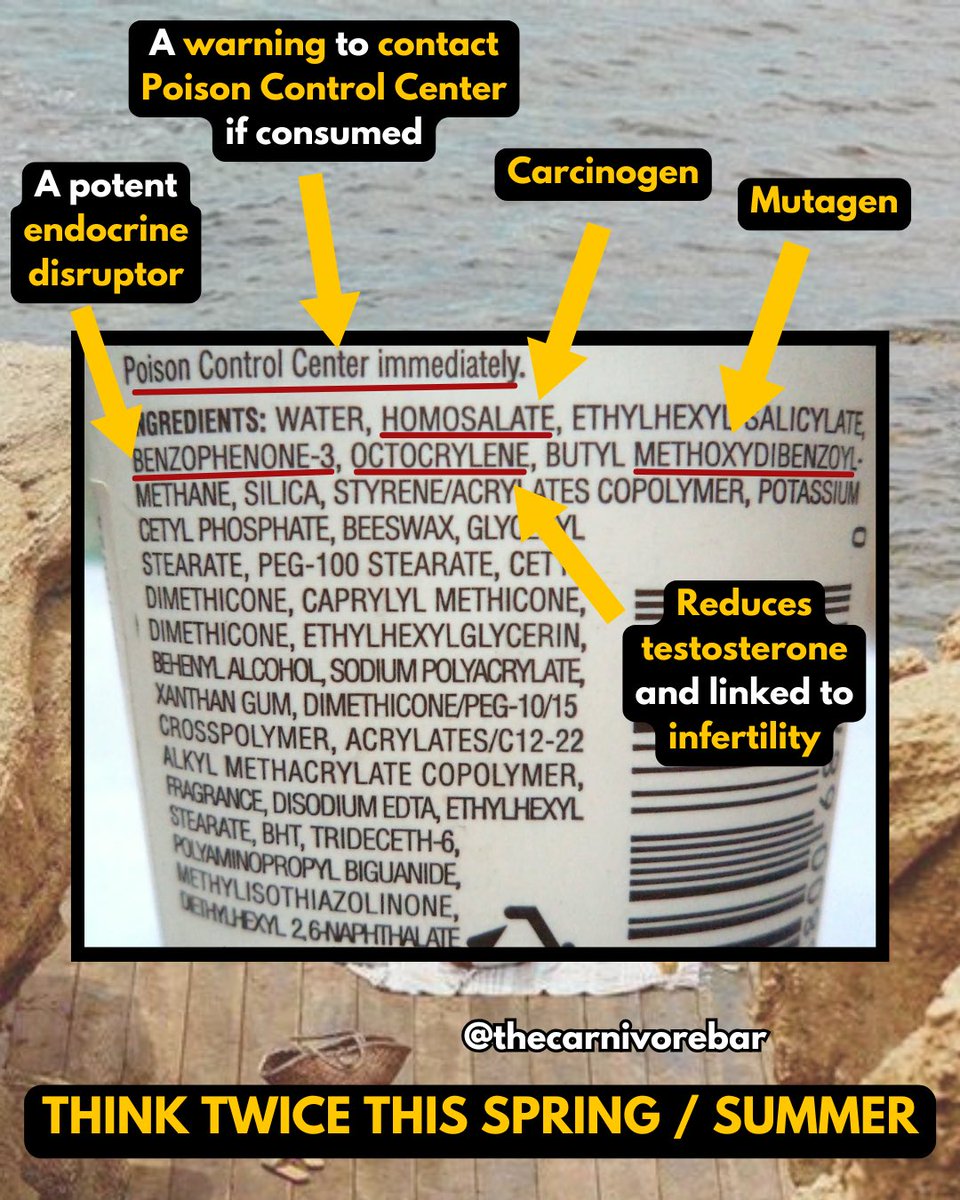
Your skin absorbs ~60% of what you put on it.
And most sunscreens?
☠️ Benzene
☠️ Homosalate
☠️ Octinoxate
Carcinogenic. Hormone-disrupting. Petroleum-based.
We’ve been programmed to fear the sun…
But maybe it’s the chemicals we should be avoiding.
Sunlight ≠ enemy.
It’s a source of life, energy, and immune function.
Let’s talk:
Is sunscreen a protectant — or a problem?
#SunlightIsMedicine #ToxicSkincare #HealthFreedom #QuestionTheNarrative #SunscreenTruth #WellnessX #SkincareScience #EndSunScare #Biohacker #NaturalHealth #CleanLiving #XHealthCommunity
3
3
16
33,173

7 Mar 2025
Spring break is around the corner—what’s really in your sunscreen?
Before you pack for vacation, take a closer look at your sunscreen stash. Not all SPF is created equal, and some formulas do more harm than good—for both your body and the environment.
Most conventional sunscreens rely on chemical UV filters like oxybenzone, octinoxate, homosalate, and octocrylene. These ingredients absorb into your skin and have been linked to hormone disruption, skin irritation, and even long-term health concerns. Plus, they wash off into the ocean, damaging coral reefs and marine life.
A safer choice? Mineral sunscreen. Instead of soaking into your skin, zinc oxide and titanium dioxide create a physical barrier that protects against UV rays without harmful chemicals. They’re reef-safe, non-toxic, and gentler on sensitive skin—making them a better option for you and the planet.
📷 A note on sun exposure: We actually encourage getting daily sunlight without sunscreen to support vitamin D production and regulate your circadian rhythm. Try spending 10-15 minutes in the sun without sunscreen or sunglasses, then apply your mineral SPF if you’ll be outside for longer. That way, you get the benefits of the sun without the skin damage.
Looking for the best non-toxic sunscreens? We’ve rounded up our favorites for every need—from everyday wear to beach days. You can find them all here: tinyurl.com/yc5s67k3
📷 Save this post and check out our top mineral sunscreen picks!
#springbreakready #sunscreentruth #nontoxicliving #healthyskin #mineralsunscreen #cleanbeauty #hormonehealth #reefsafer #saferproducts #sunprotection
1
1
7
1,116

9 Aug 2018
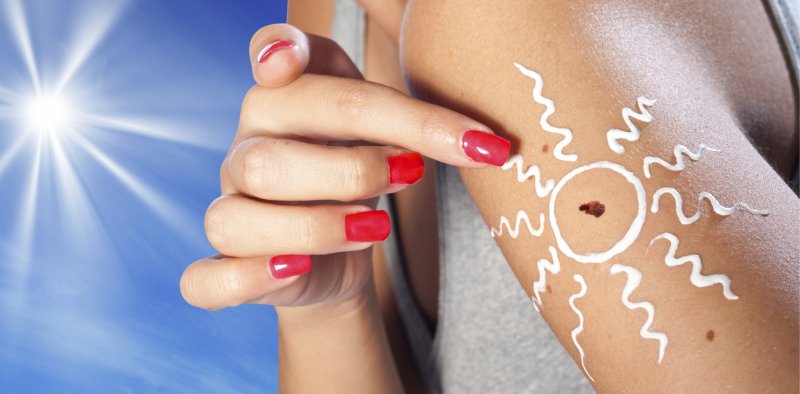
SUNSCREEN CAUSES CANCER!! Truth about the sun and the sunscreen industry. youtu.be/6F2auvQkOjI #sunscreentruth #cancercausing #sunscreendangers
2
3

19 May 2017
Shocked by the article on sunscreen I have been risking without knowing re makeup and old sunscreen excellent article @GMB #Sunscreentruth
1