
4h
(東電)6月15日
東京電力エナジーパートナー株式会社
CN推進把握ツール「CNカルテ」の提供開始および株式会社Sustechとの連携協定締結について
~当社独自指標で法人のお客さまのカーボンニュートラルを推進~
tepco.co.jp/ep/notice/pressr…
#iwakamiyasumi #iwakamiyasumi2
11

Sustech、東京電力エナジーパートナーの法人顧客向け“Only One”カーボンニュートラル推進支援で協業を開始 prtimes.jp/main/html/rd/p/00…
75

Sustech、東京電力エナジーパートナーの法人顧客向け“Only One”カーボンニュートラル推進支援で協業を開始 prtimes.jp/main/html/rd/p/00…
93

India's offshore wind potential: 194 GW. Commissioned so far: <1 GW. That gap is the story.
Global Wind Day 2026. MDK Sustech.
#GlobalWindDay #WindEnergy #OffshoreWind #MDKSustech #RenewableEnergy
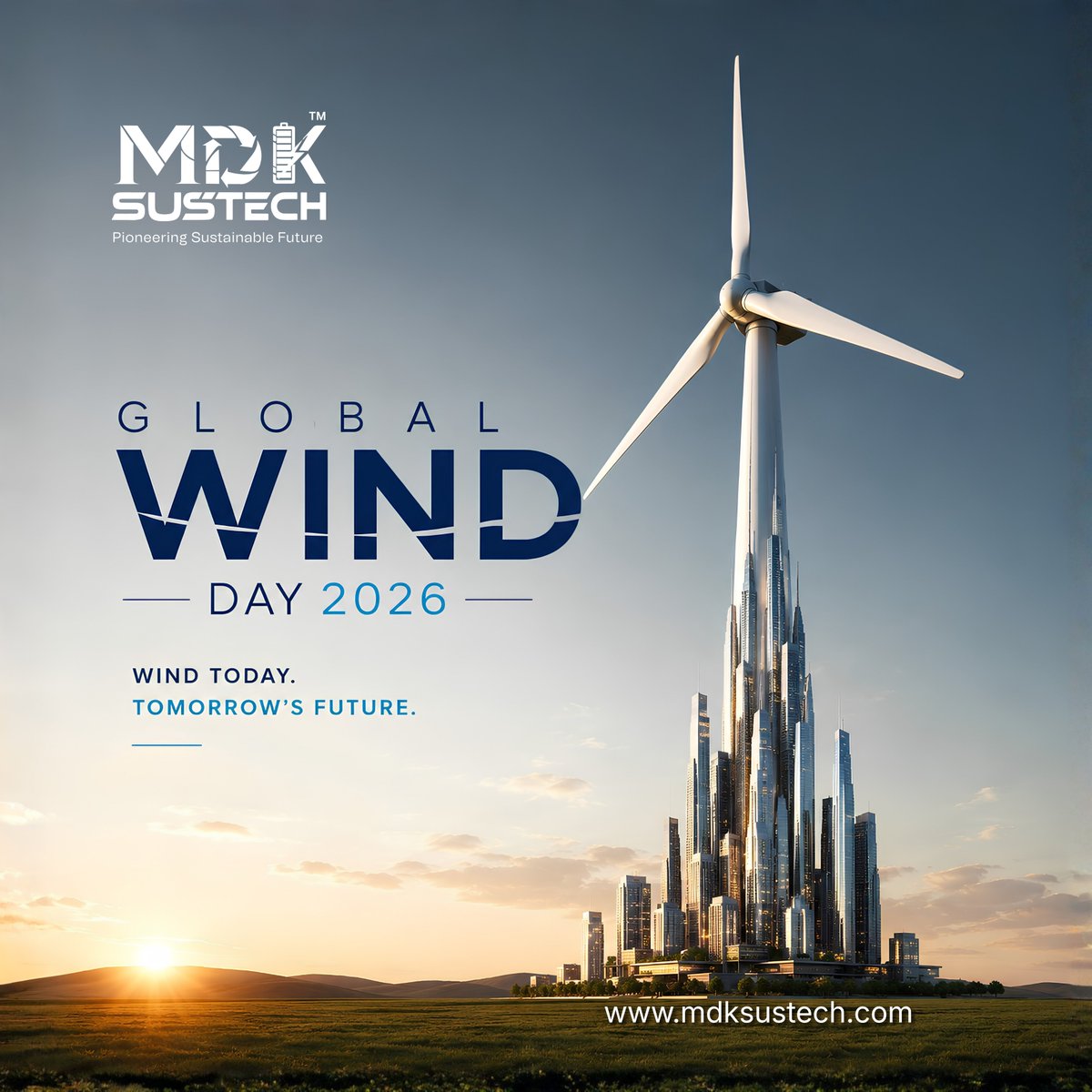
1
32
مبارك الاكلبي retweeted

Jun 13
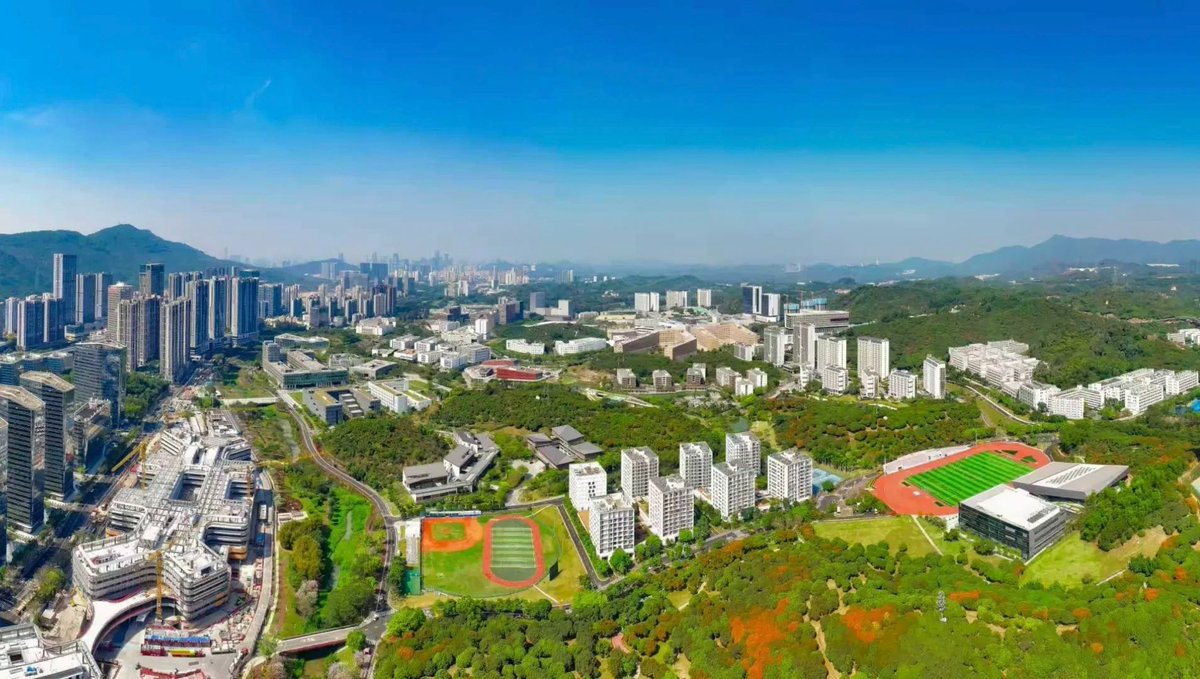
Located in Shenzhen, Southern University of Science and Technology (SUSTech) is a young world-class research university. Founded in 2010, it boasts a complete talent training system and top-tier disciplines, with three disciplines ranking among the global top 1‰ of ESI rankings.
It yields abundant high-level research achievements and adopts distinctive enrollment and education models. SUSTech has built 141 university-enterprise labs, transferring 684 research outcomes. Deeply integrated with regional development, it strives to grow into a globally influential world-class university.
Source: Shenzhen Release
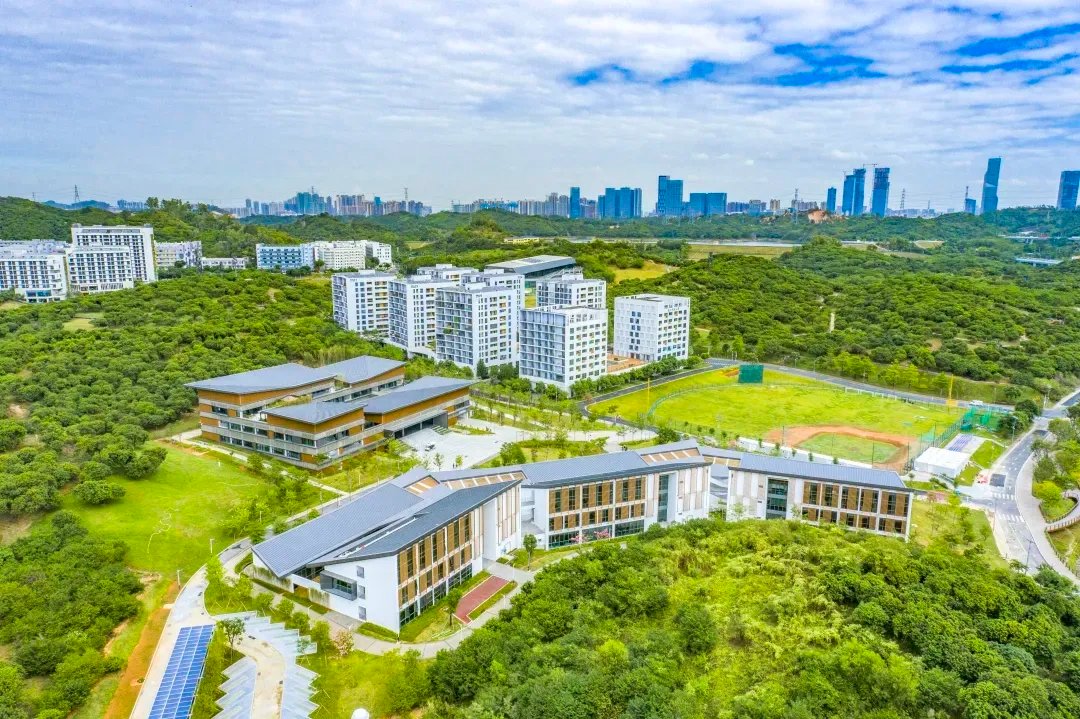
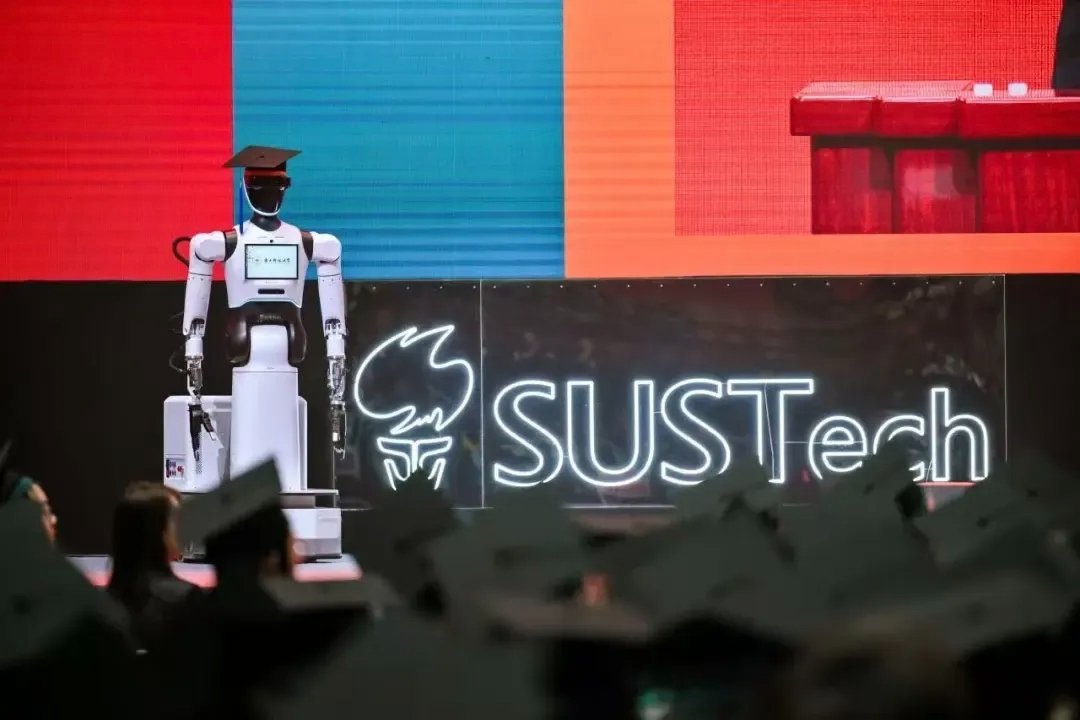
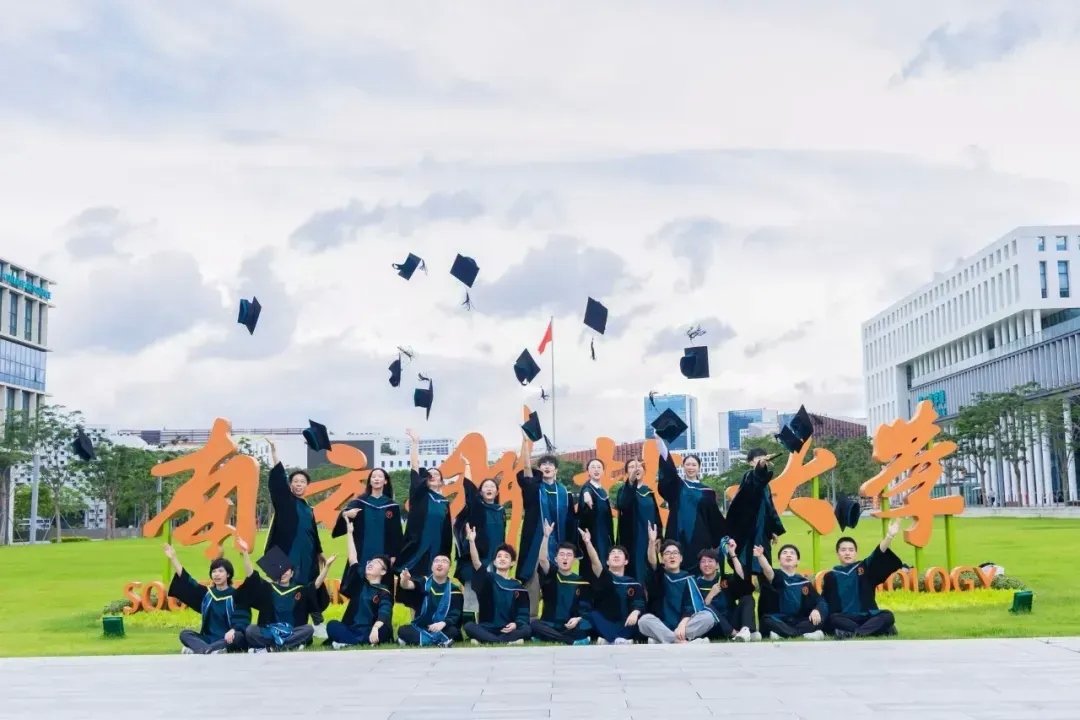
2
21
692

Ich1noseyukI🍥 retweeted

Jun 9
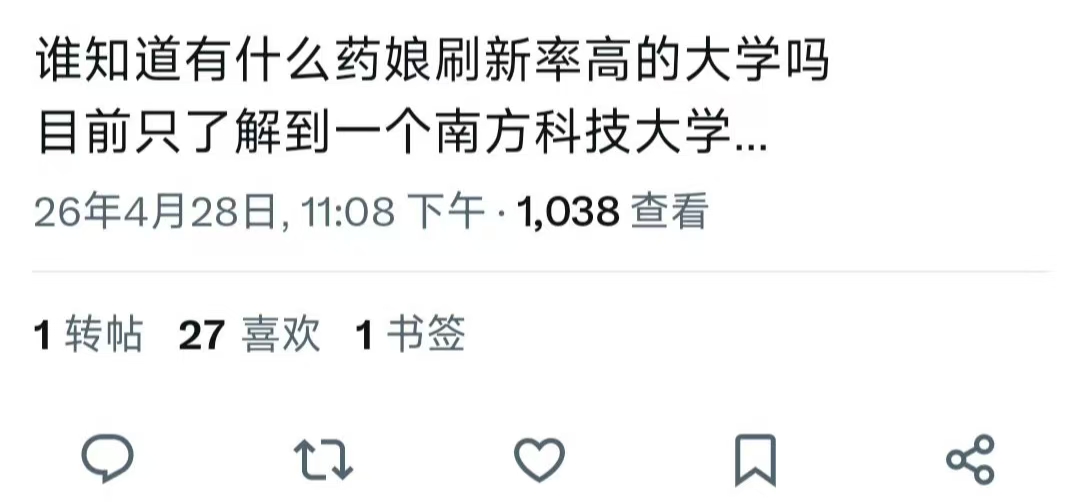
高考季结束了,又有一批妹妹要报志愿咯
欢迎未来的学妹们来报考我们SUSTech
18
1
83
6,755

Jun 10
ニトリ、Sustechの電力運用プラットフォーム「ELIC」により、店舗及び物流拠点の屋根上太陽光発電における余剰電力を含めた再エネ最大循環を実現 prtimes.jp/main/html/rd/p/00… @PRTIMES_JPから
1
73


[商願2025-95569]
商標: [画像] (標準文字)
OCR: GX工業団地
出願人: 株式会社Sustech (東京都港区)
出願日: 2025年8月20日
区分: 第9類(太陽光発電装置,燃料電池発電装置,…), 第35類(発電・送電・充電等の電気に関する事業の管理又は運営並びにこれらに関する指導・助言又は情報の提供,電気通信事業・通信事業・情報通信事業の管理又は運営,…), 第36類(温室効果ガス排出権の売買取引・先物取引,カーボンクレジットの売買取引,…), 第39類(電気の供給,電気の供給に関する給電量・送電量・電気使用量又は電気料金等の予測並びにそれら予測情報の提供,…), 第40類(発電,発電又は電力の生産,…), 第42類(発電機器・発電装置・発電設備及び電力の供給用の機械装置若しくは器具又はこれらの機械等により構成される設備の設計,発電設備・送電設備・配電設備の設計並びにこれらに関する助言・情報の提供,…)
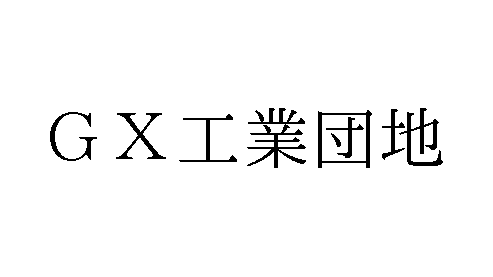
ALT 標準文字: GX工業団地
302

Smart infrastructure in New Clark City advances with BCDA infra deals in Japan. BCDA teams with Sustech, Index Strategy, Yachiyo, and Marubeni to fast-track a modern business and industrial hub under the Luzon Economic Corridor, boosting smart energy, in… ift.tt/ikH12JB
98

Jun 8
Smart infrastructure in New Clark City advances with BCDA infra deals in Japan. BCDA teams with Sustech, Index Strategy, Yachiyo, and Marubeni to fast-track a modern business and industrial hub under the Luzon Economic Corridor, boosting smart energy, in… ift.tt/ikH12JB
114
Kevin John Parrish retweeted

Apr 16
Nature Electronics (SUSTech et al.)
Lossless, fully parallel STT-MRAM CIM for AI
Combines storage compute → eliminates data shuttling; huge win for power-constrained Optimus
Spintronic materials/devices for AI (Feb 2026 review)
Advanced Materials
Antiferromagnets, 2D magnets, altermagnets, topological magnets
New magnetism forms enable denser, faster, zero-net-magnetization devices
IEEE Magnetics Society White Paper (Nov 2025)
“Magnetics for Chips” roadmap
MRAM at 16–22 nm, SOT-MRAM, magnonic devices, <10⁻¹⁸ J switching
Embedded in future Tesla silicon; 30 nm ferroelectric stacks (Apr 2026) already proven
STT-MRAM CIM array for edge AI (Dec 2025)
AIP Advances
Novel array architecture demonstrated
Direct drop-in or hybrid with AI5’s 192 GB memory for 5–10× bandwidth efficiency
Key advantage: Spintronic CIM runs neural-net multiply-accumulate operations inside the memory array, slashing energy vs. AI5’s traditional architecture. New altermagnets (Mar 2026) and skyrmion-based devices add analog/probabilistic computing modes that map beautifully to probabilistic aspects of FSD.
Hybrid Photonic Magnetic Path Forward for Tesla
•2026–2027 timeline: Engineering samples of pure-photonic and spintronic prototypes exist now; co-packaged optics are already in NVIDIA/TSMC roadmaps. Tesla’s dual-sourced AI5 (Samsung Texas TSMC Arizona) and new Terafab (2 nm pilot) position it to integrate these heterogeneously by 2027–2028 volume production.
•Power & performance wins: Photonic layers for vision/transformer acceleration spintronic CIM memory could cut AI5’s peak draw dramatically while supporting 10× larger models — exactly what Musk needs for unsupervised FSD and fleet-scale Optimus.
•Challenges still: Laser integration, thermal management, and packaging. But 2025–2026 papers show rapid progress on self-configuring chips, in-situ training, and scalable manufacturing.
These aren’t sci-fi — they’re peer-reviewed, experimentally validated advances appearing right as AI5 tapes out. They could turn the “technological apex” AI5 into the foundation for an even more radical AI6 that is simultaneously faster, cooler, and vastly more efficient for robots and vehicles.
Would you like:
•Links/PDFs to the top 3–4 papers above?
•A deeper dive into one technology (e.g., LightGen all-optical chip or STT-MRAM CIM)?
•How these compare quantitatively to AI5’s 2,000–2,500 TOPS / 192 GB specs?
•Or implications for FSD v15 / Optimus specifically operations.
1
2
2
121


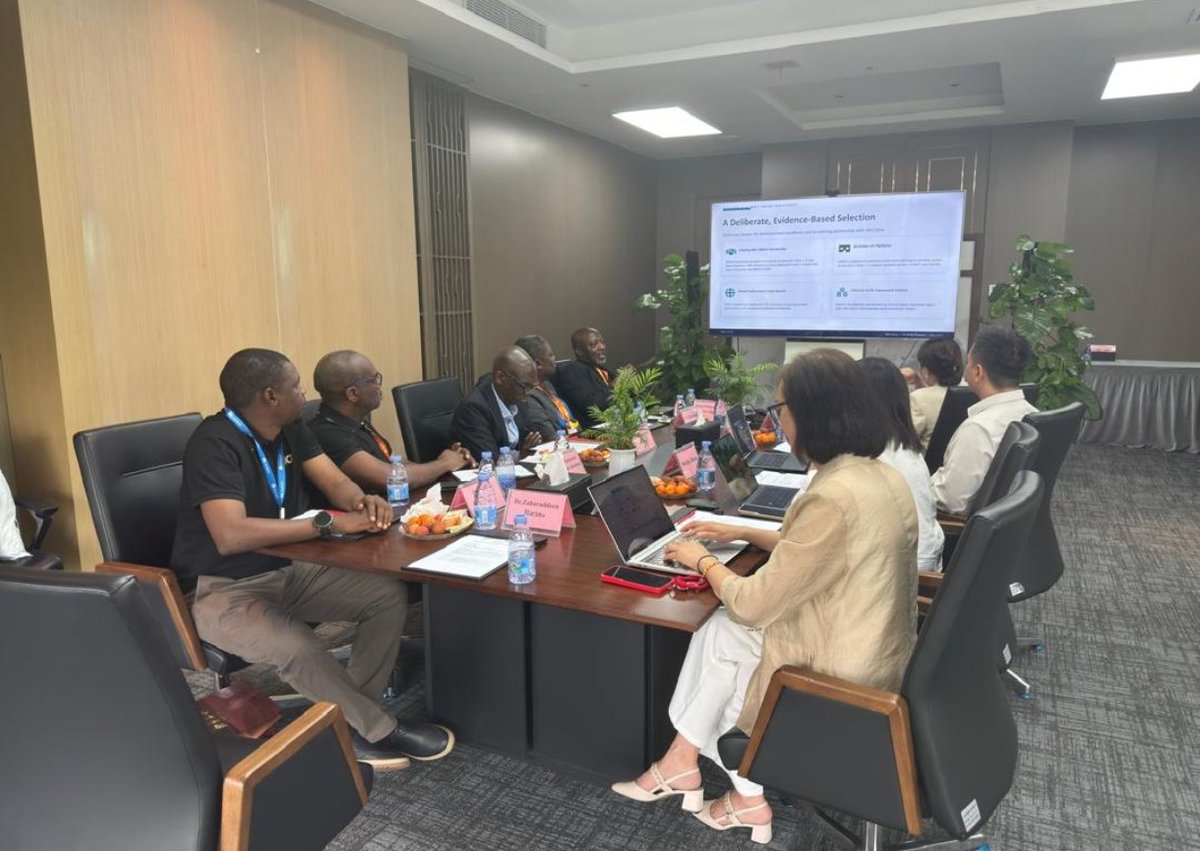
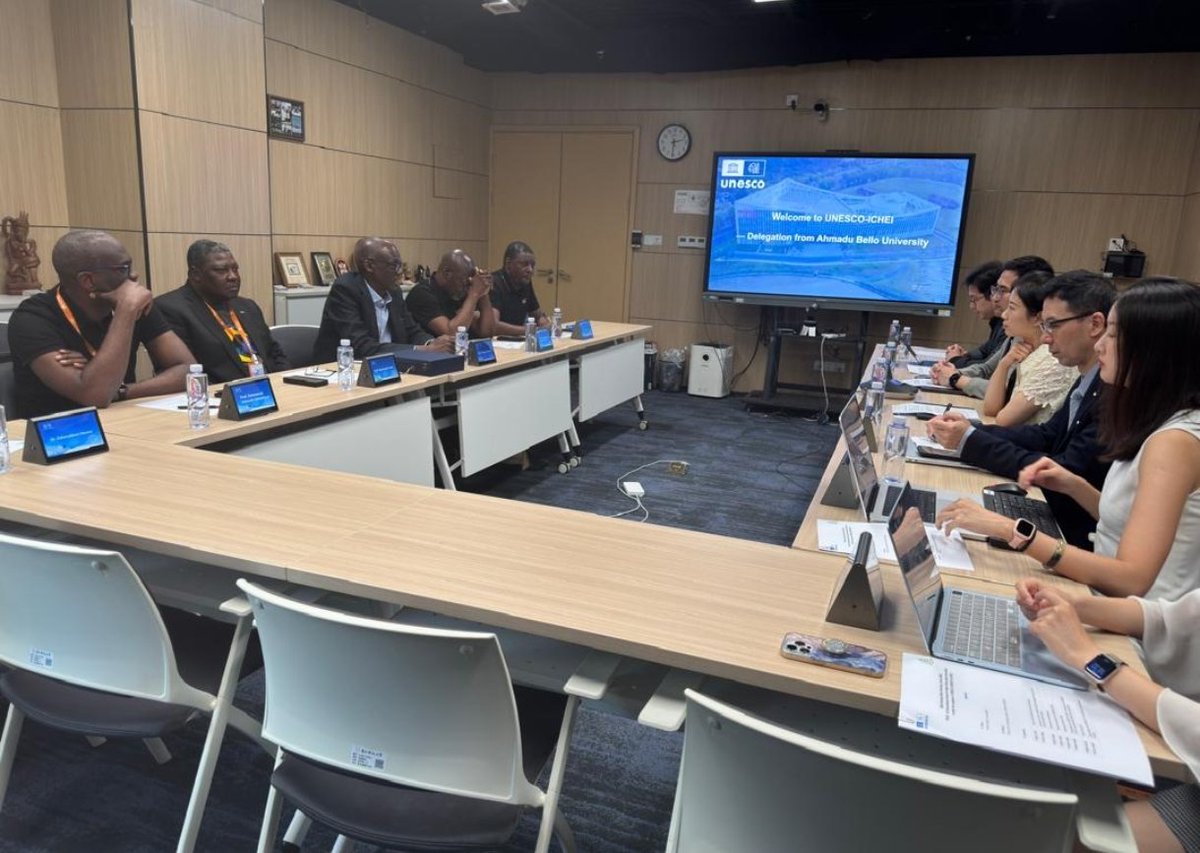
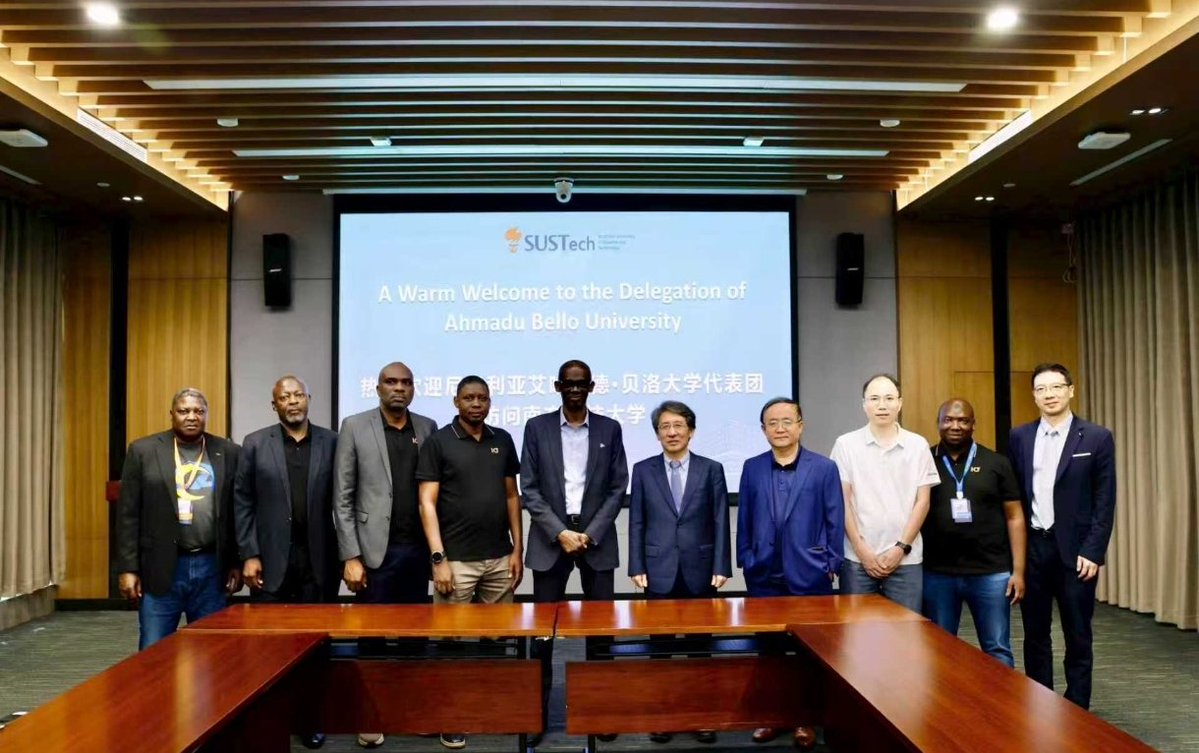
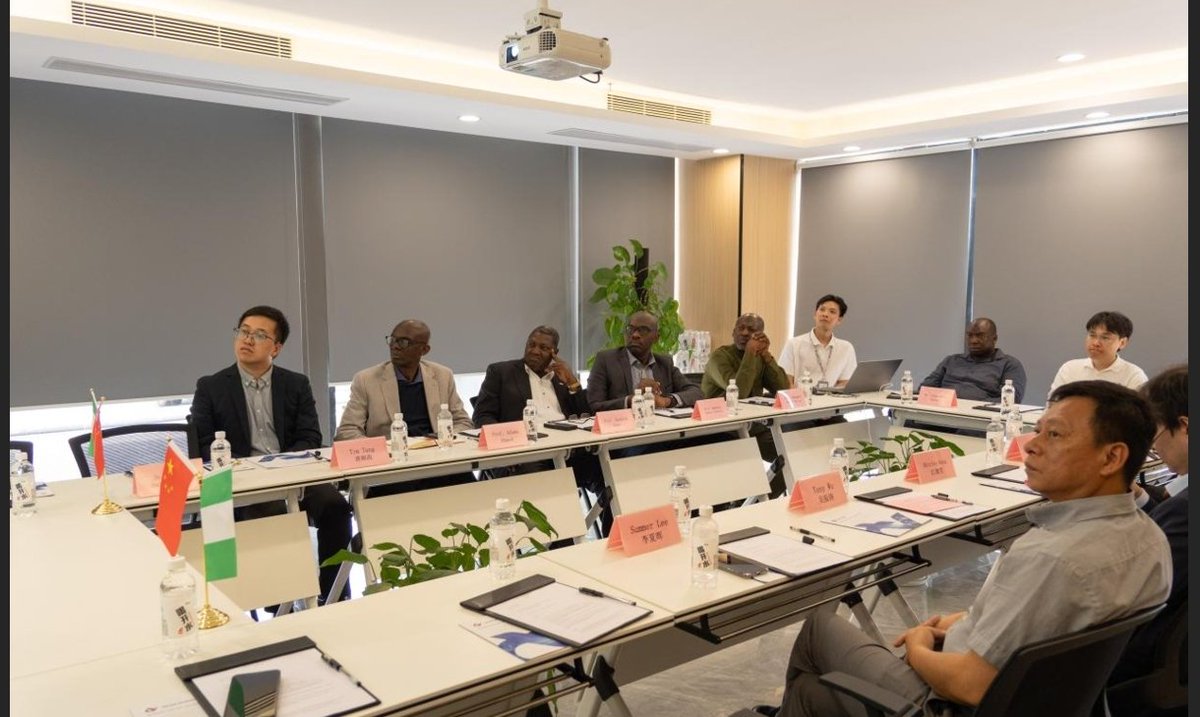
At:
1) KMAX (AI VR)
2) UNESCO-ICHEI (International Centre for Higher Education Innovation)
3) SUSTech
4) DazzleView (Smart/Intelligent Education)
These are "our friends"...
And there's more
Alhamdulillah..
1
7
20
286