
⎐كُـود⎐كوبِون⎐خـِصم⎐
⎐ايهرب⊴ ايهيرب⎐
⊵GCA5893⊴
⎐نون⎐
⊵S3Q⊴
⎐نمشي⎐
⊵AABN⊴
⎐ليـفل▬ شـوز ▬لفيل▬
⊵AAA127⊴
⎐بلومنغديلز▬بلومينغديلز⎐
⊵SAR⊴
كارديال
A004
⎐ريف للعطوور⎐
⊵A004⊴
***
any where
TyDf

Jun 12
⎐كُـود⎐كوبِون⎐خـِصم⎐
⎐ايهرب⎐ايهيرب اهرب
⊵GCA5893⊴
⎐نون⎐
⊵S3Q⊴
⎐نمشي⎐
⊵AABN⊴
⎐باث▬اند▬بودي⎐
AB6K⊴
⎐ناتشورال ⊴تاتش⎐
⊵C37⊴
⎐فوغا⎐كلوسـيت⎐
⊵V1⊴
⊴ماكـس ⊴
⊵A9B⊴
___
tyDF


It was a safe space for reflection, healing, connection, and growth.
We sincerely appreciate our funders, TY Danjuma Foundation, for supporting this impactful initiative, and thank every teacher and facilitator who made the training a success.
#jdi #tydf #mentalhealth
3
57
Beyond the outfits, the activity reminded us that dreams evolve, purpose grows, and teachers still carry passions that inspire the next generation every day.
#jdi #tydf #teacherstraining #dreamcareer #teacherdevelopment
2
38

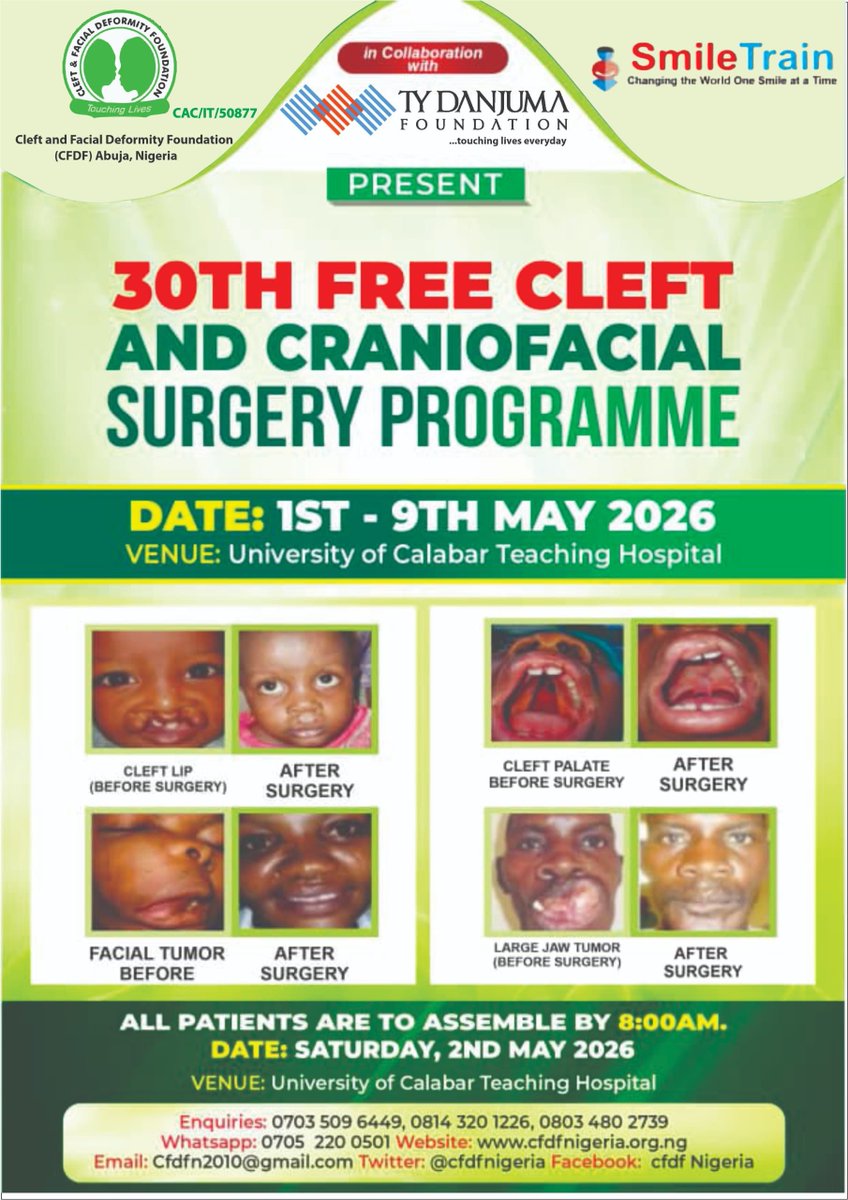
All roads lead to the University of Calabar Teaching Hospital, Cross River State!
The TY Danjuma Foundation, in collaboration with the Cleft and Facial Deformity Foundation, will be implementing a week-long FREE maxillofacial surgical intervention from 1st to 9th May 2026 for individuals in need.
Kindly refer those in need and share this information widely within your networks.
#tydf #tydfimpact
1
3
7
179
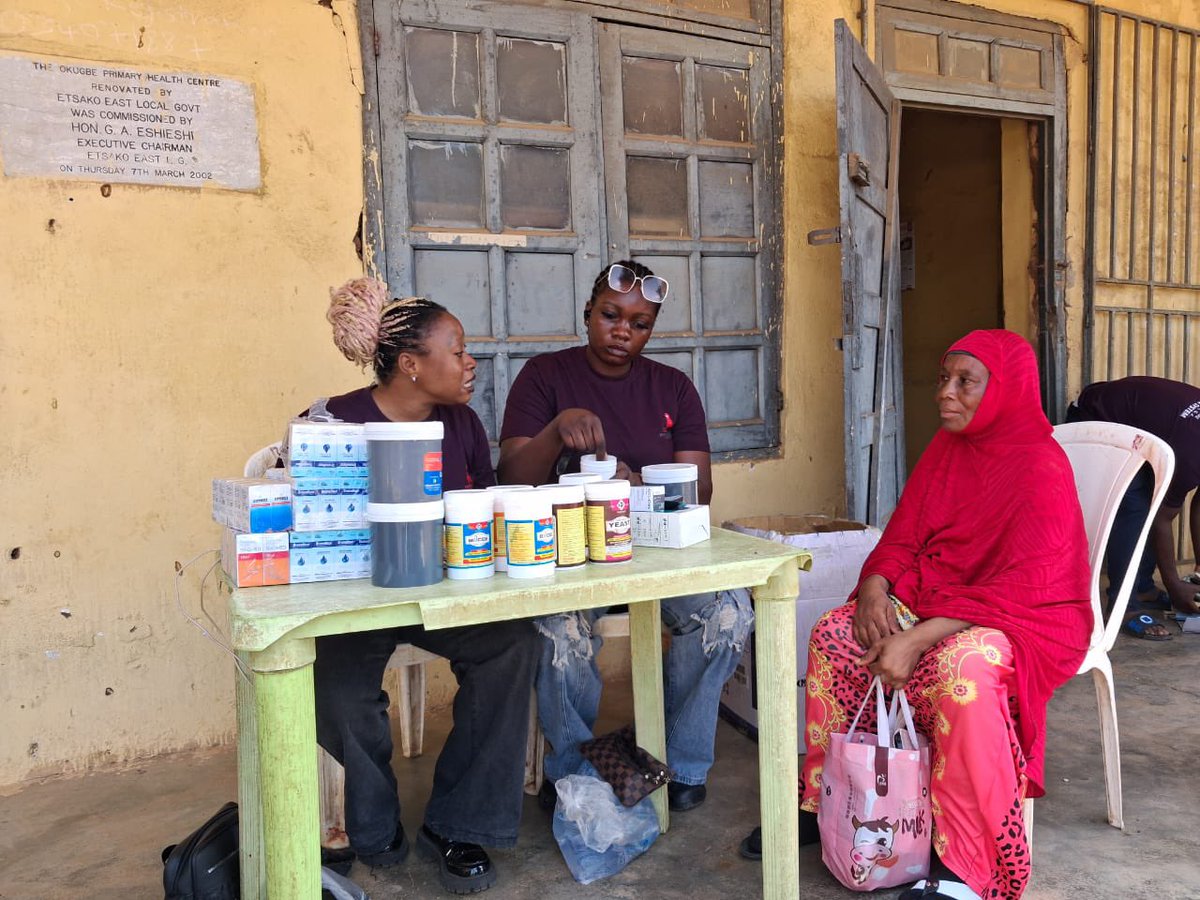
The TY Danjuma Foundation, in collaboration with the Noroware Osula Health Foundation, is now into Day 2 of our free eye screening and treatment exercise.
We are currently on the ground at the Okugbe Comprehensive Primary Health Care Center in Etsako East LGA, continuing our mission to provide essential eye care, spectacles, and medications to the community.
#TYDF #tydfimpact
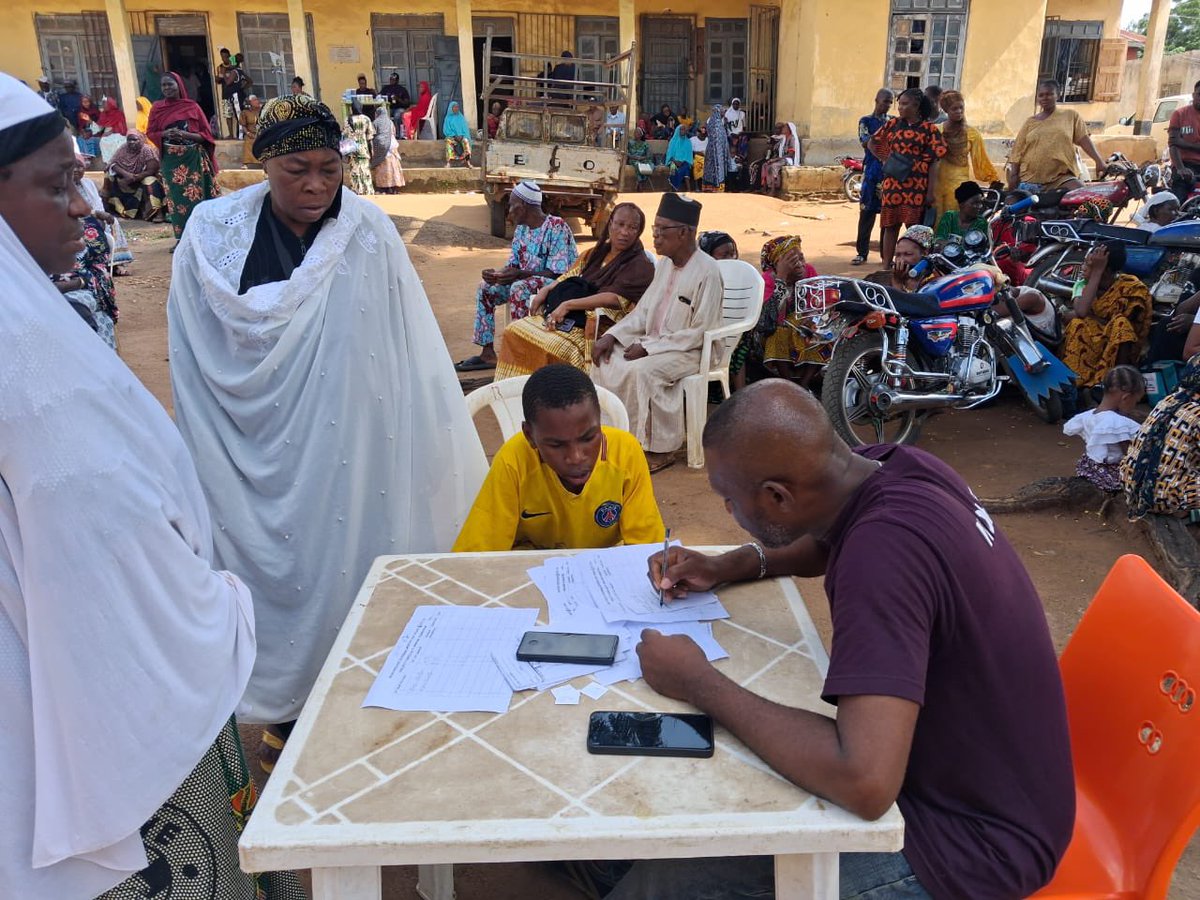
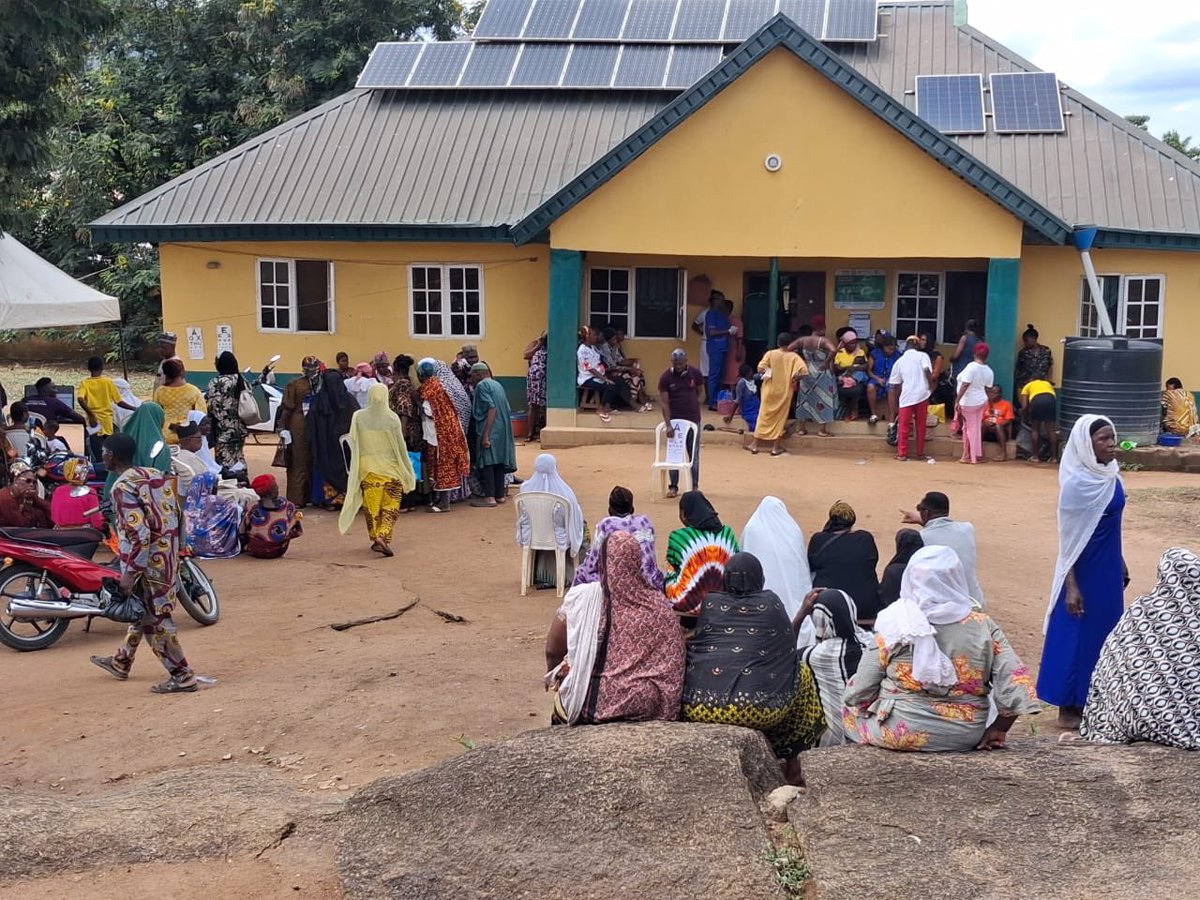
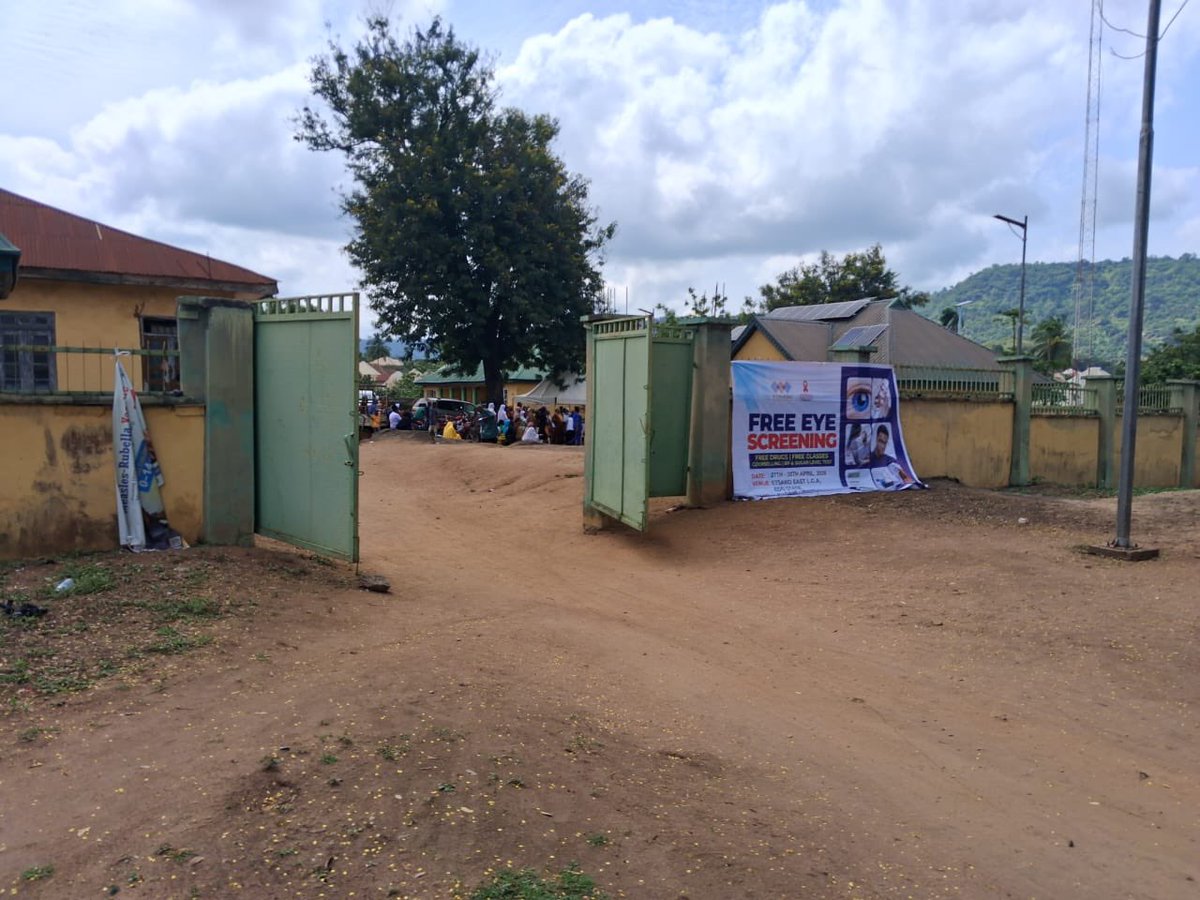

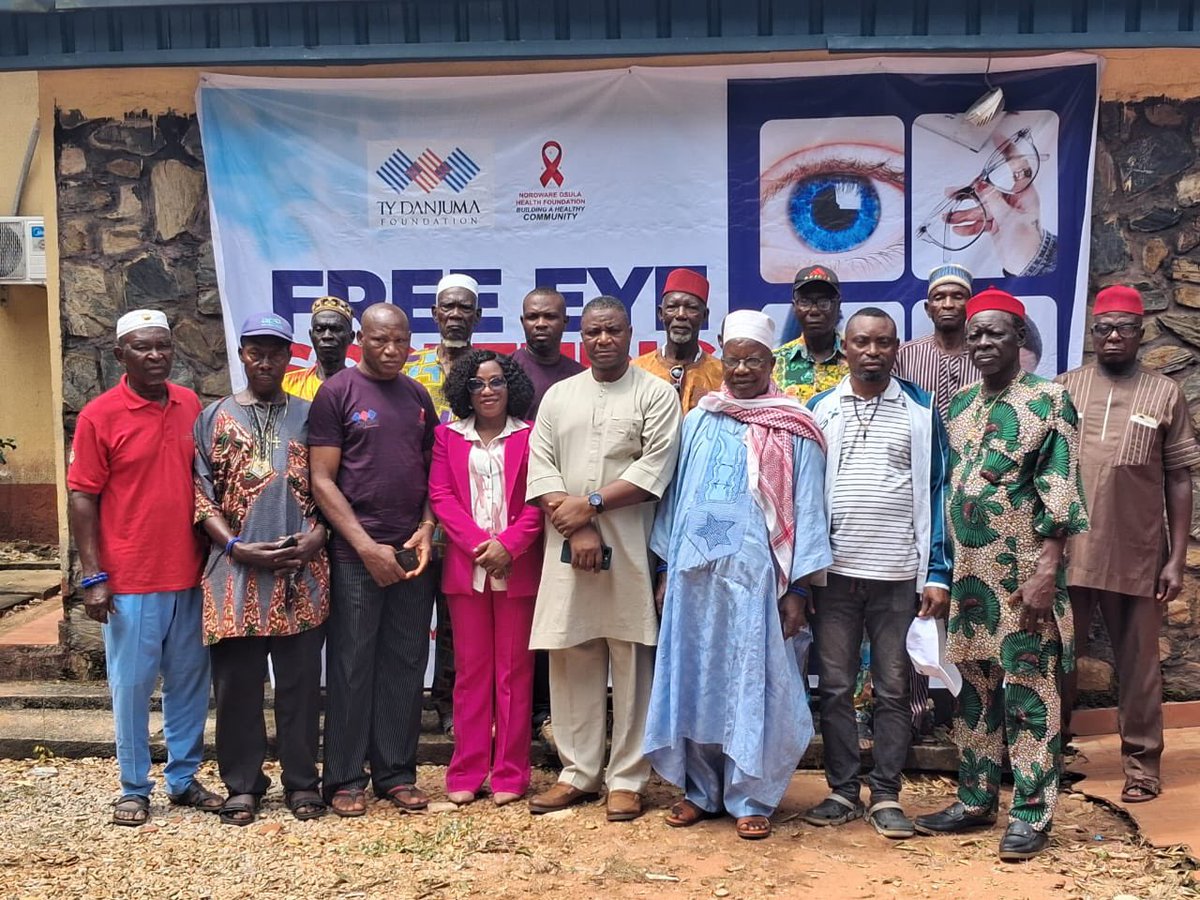
The TY Danjuma Foundation, in collaboration with the Noroware Osula Health Foundation, is proud to announce the commencement of our 2026 free eye screening and treatment outreach.
We are currently on the ground at Agenebode General Hospital and Okugbe Comprehensive PHC in Etsako East LGA, Edo State, working toward our vision of a healthier, brighter future for all.
The exercise was officially flagged off by the Honourable Chairman of Etsako East LGA, Hon. Sunday Ekpeson (represented by the Secretary of the LGA, Hon. Edward Imhonobe), with community leaders from various clans in attendance to support this vital mission.
Our Impact Goals:
We aim to reach a minimum of 1,260 individuals, including pupils from local public schools. Participants are receiving comprehensive care, including:
• Visual acuity and eye pressure tests
• Blood sugar and BP screenings
• Professional counseling
• Provision of free spectacles and essential medications
This outreach continues through April 30th. We remain committed to strengthening community health and ensuring that quality eye care is accessible to those who need it most.
#tydf #tydfimpact

2
3
126
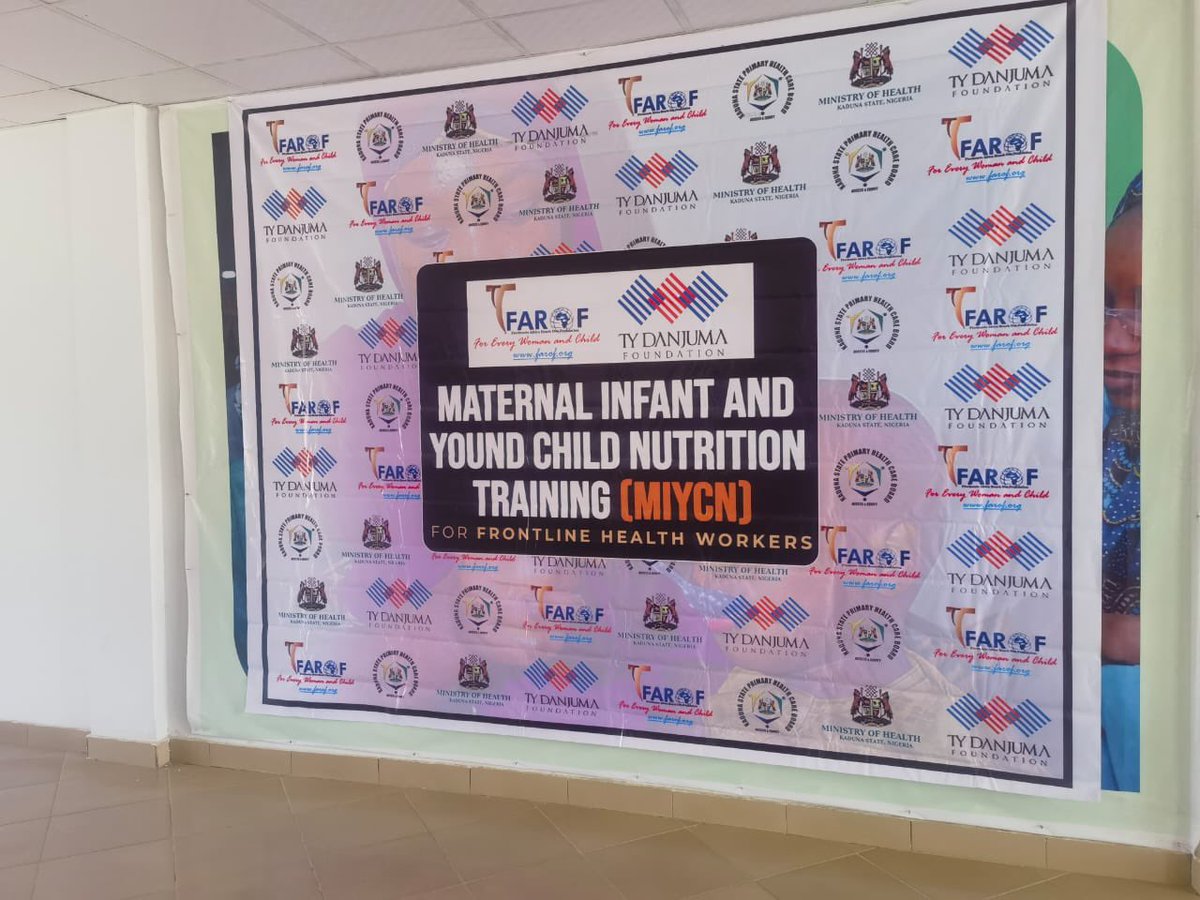
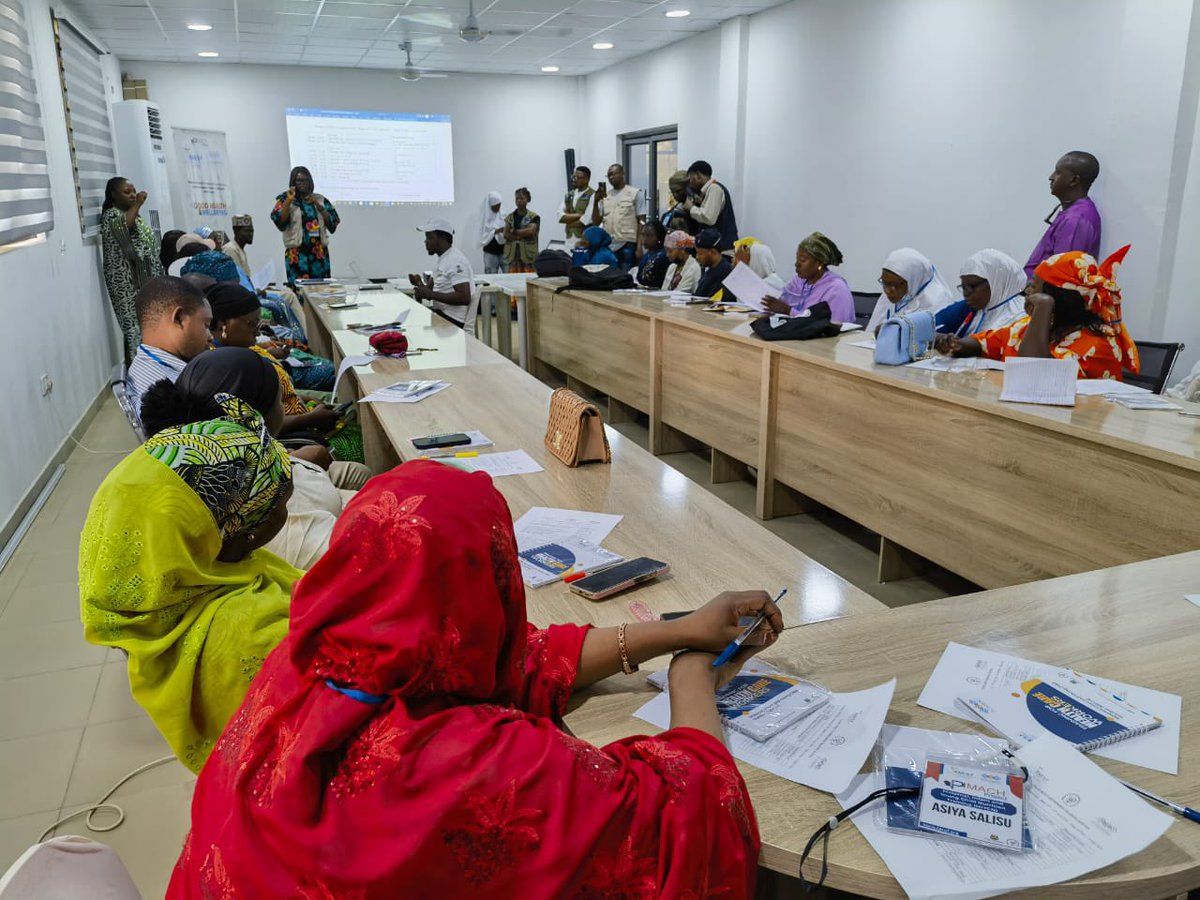
The Freeheart Africa Reach Out Foundation, with funding from the TY Danjuma Foundation, is retraining 30 primary healthcare workers in Kaduna State on maternal and child nutrition. With 1 in 2 children in the state currently stunted according to UNICEF, this 2-day training, supported by the Kaduna State Primary Healthcare Board, is a critical step in curbing malnutrition. The program concludes on April 25, 2026.
#tydf #tydfimpact
2
3
108
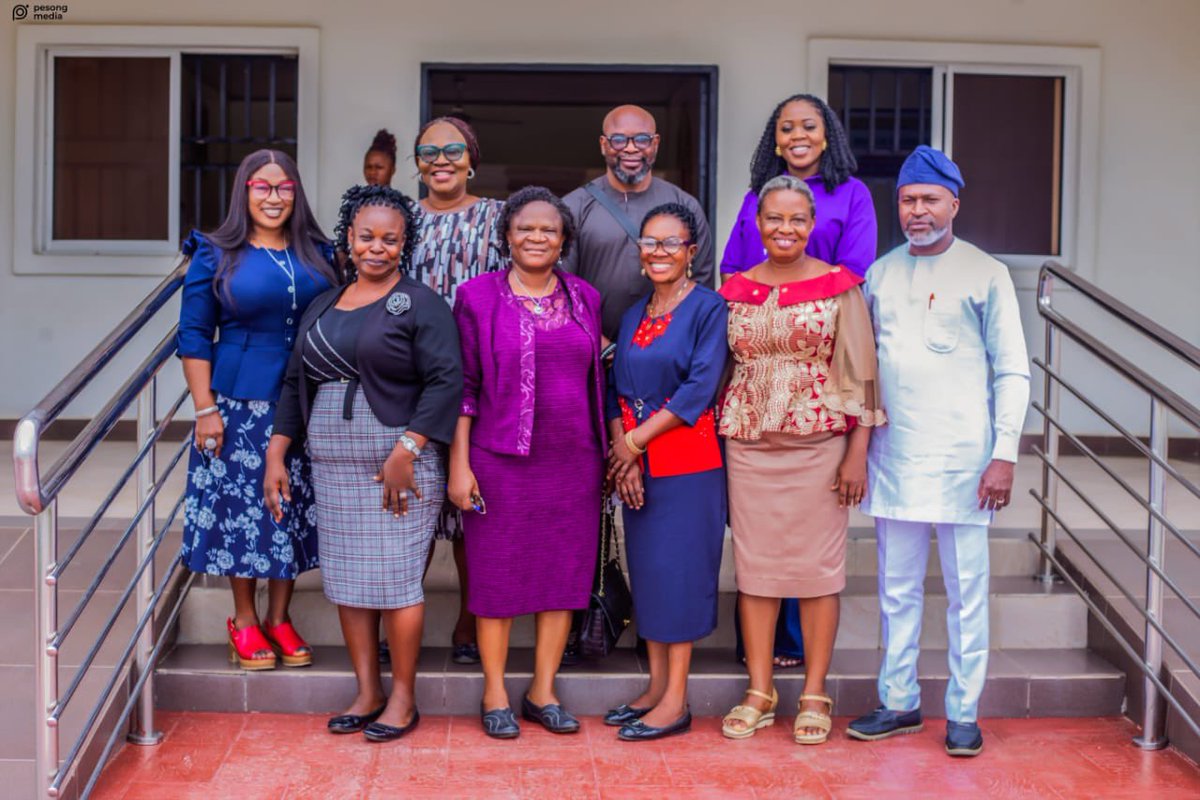
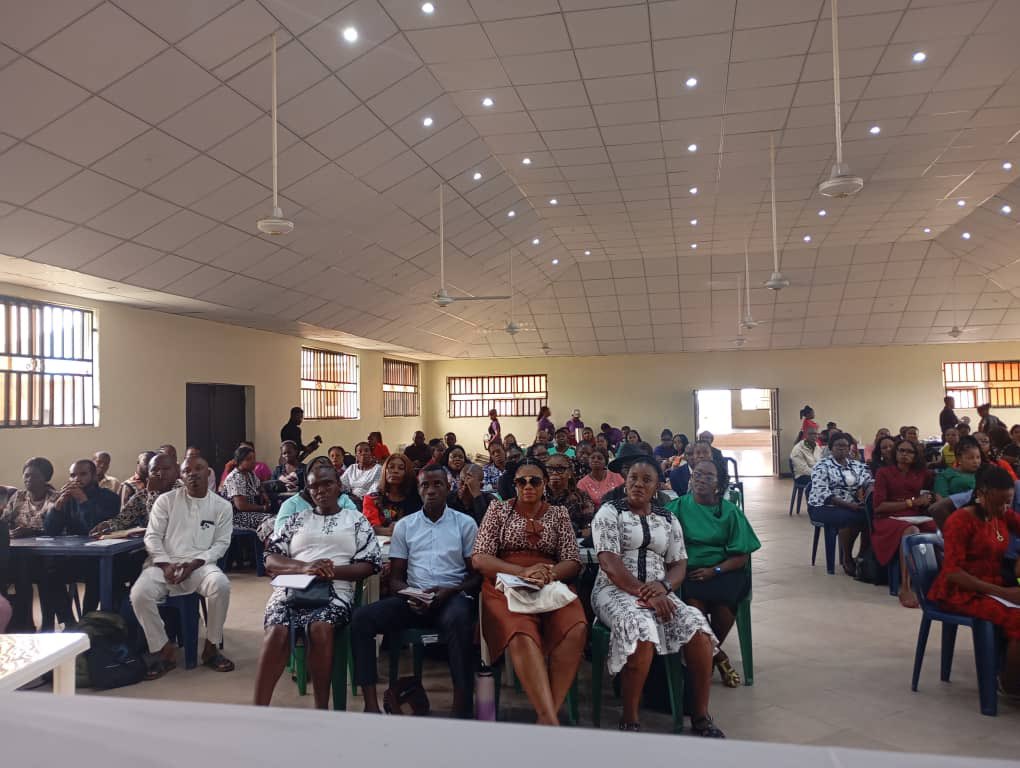
The TY Danjuma Foundation, in partnership with the Teacher Aid Initiative, has successfully commenced the first day of a specialized teachers’ training program in Uyo, Akwa Ibom State. The training opened with an impressive turnout of 158 educators and key stakeholders, all focused on a shared commitment to improving the quality of instruction and strengthening STEM education across the state.
The program began with an opening address by Adeola Ojeleye, Founder of the Teacher Aid Initiative, who welcomed participants and emphasized the necessity of equipping teachers with innovative, learner-centered methods and the ability to use improvised materials in the classroom. This was followed by a goodwill message from the Permanent Secretary of the Akwa Ibom State Universal Basic Education Board, who commended the initiative and reaffirmed the Board’s support for teacher development. Representatives from the TY Danjuma Foundation also expressed their continued dedication to partnerships that enhance teacher capacity and promote sustainable learning outcomes.
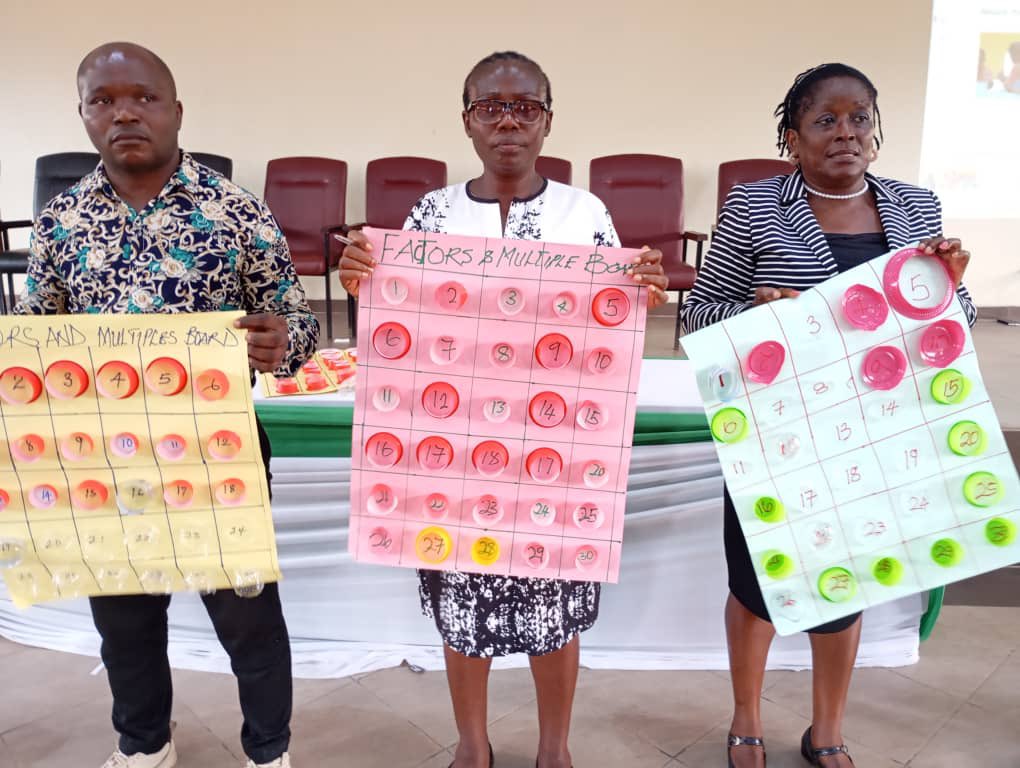
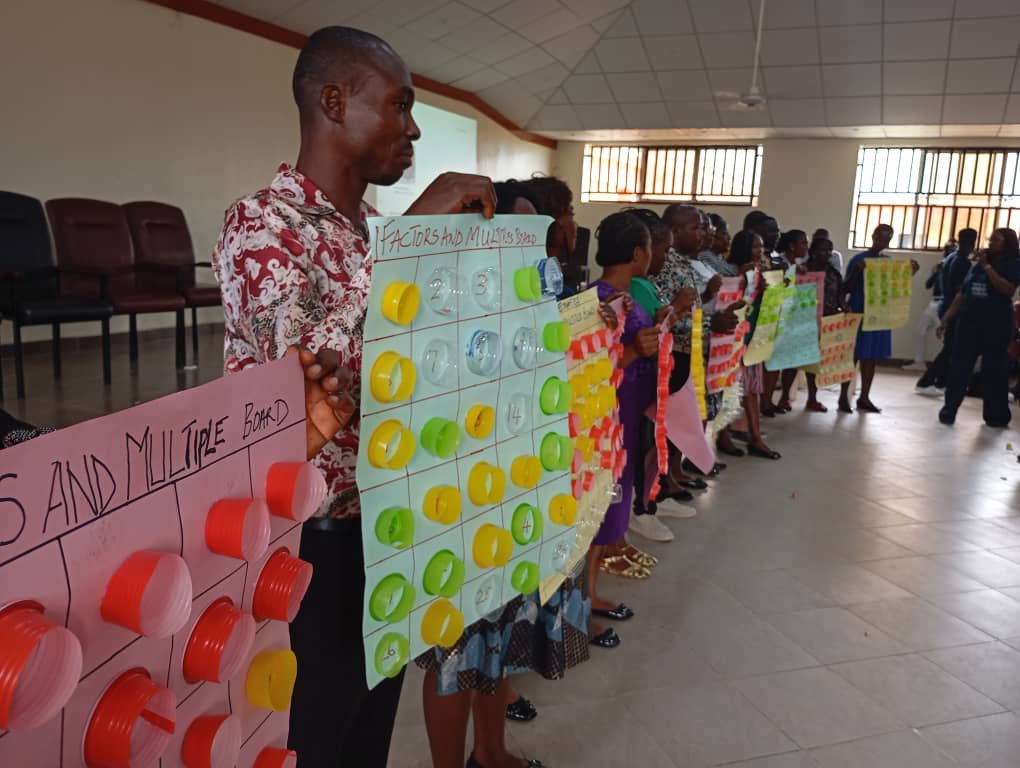
A major highlight of the day was an expert panel session featuring representatives from the University of Uyo, the Teachers Registration Council of Nigeria, the Ministry of Education, and the TY Danjuma Foundation. The panel discussed critical issues including teaching standards, teacher professionalism, and inclusive education. The rest of the day was dedicated to interactive, hands-on sessions where teachers worked on practical projects using locally available resources to create teaching aids for Science, Technology, Engineering, and Mathematics. The first day concluded with a reflective wrap-up session, leaving participants with practical skills to immediately improve their classroom delivery.
#tydf #tydfimpact
1
5
134
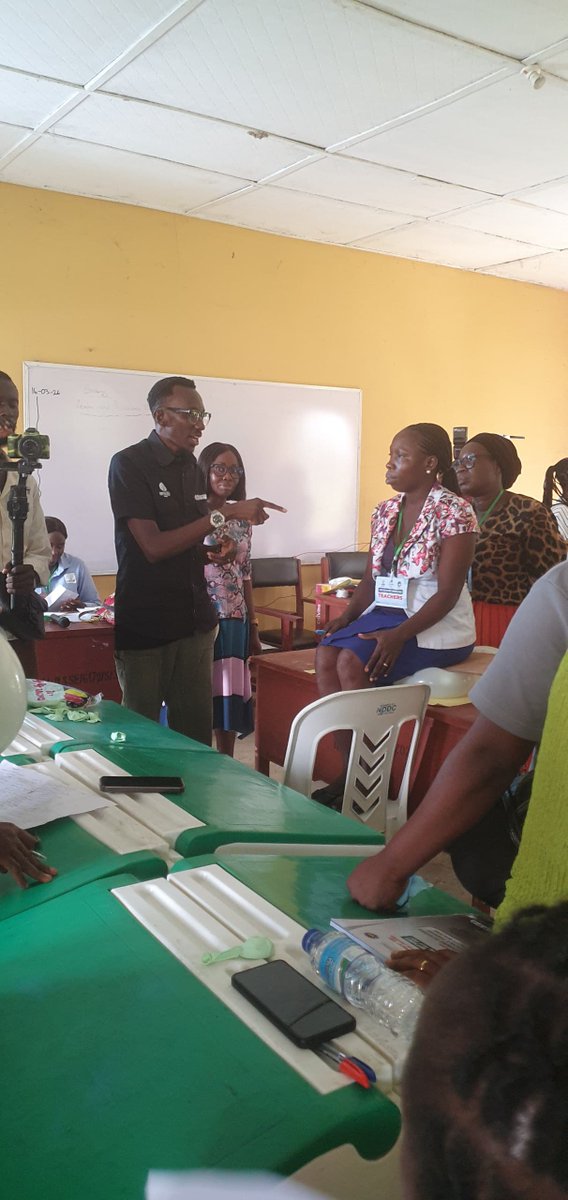
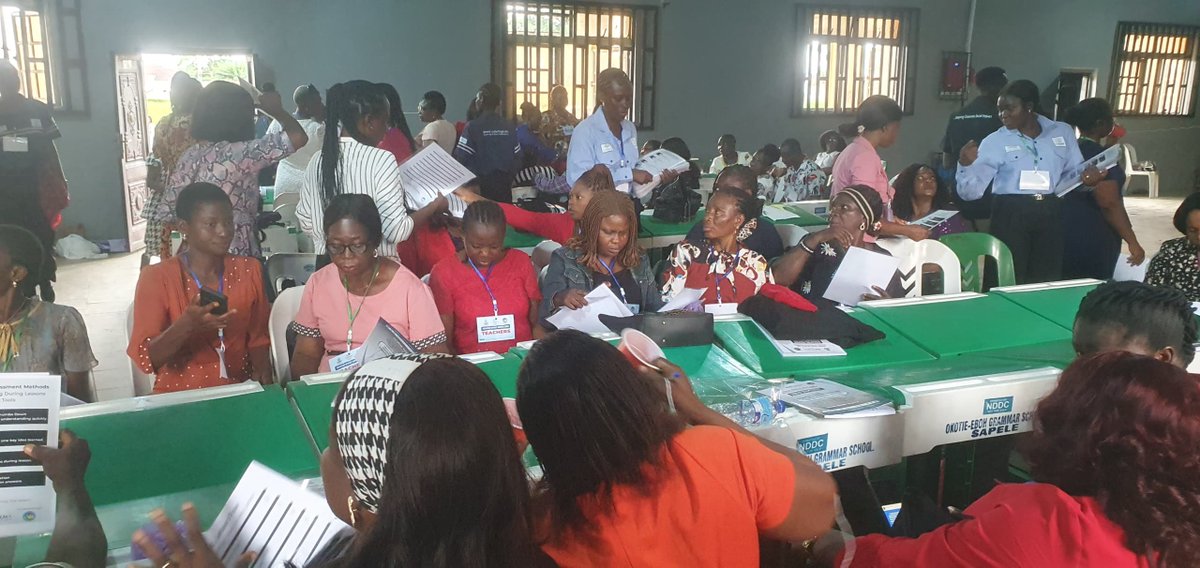
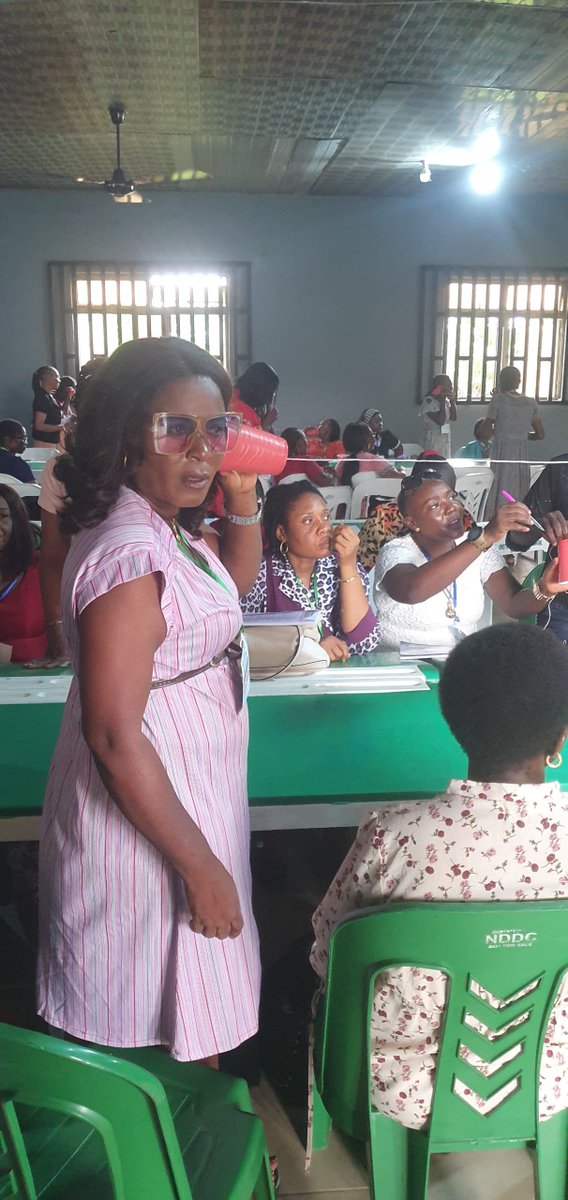
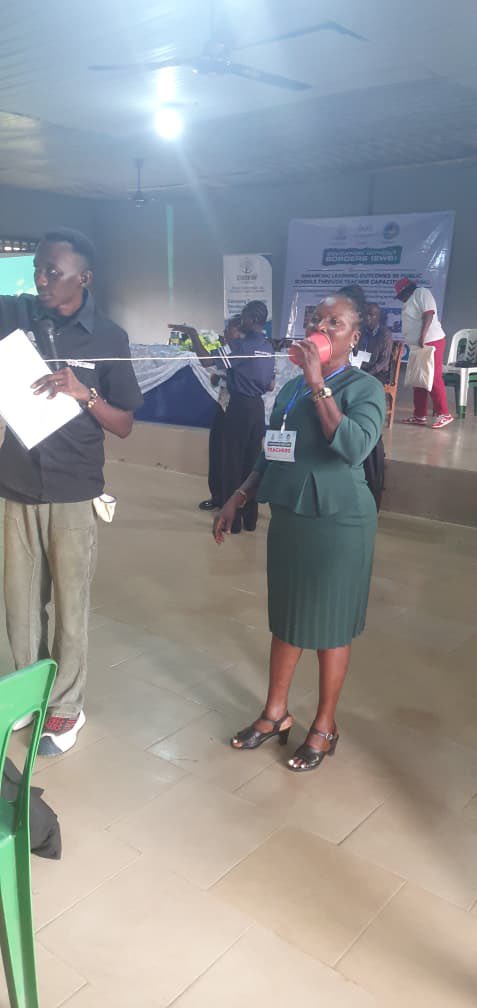
As part of our commitment to enhancing the quality of education in Nigeria and building a more effective teaching workforce, the Rural Development and Reformation Foundation (RUDERF), in partnership with our Foundation, is currently implementing the Education Beyond Borders project in Delta State.
This initiative is a collaborative effort alongside key state education agencies, including the Teachers Registration Council of Nigeria, the State Universal Basic Education Board, and the Public Primary Education Board.
Using a strategic train-the-trainer approach, we are focusing on strengthening classroom instruction through Activity-Based Learning and practical teaching methods.
Training Schedule:
• Start Date: Monday, April 20th, 2026
• End Date: Wednesday, April 22nd, 2026 (Today)
Training Locations:
• Sapele Cluster: Okotie-Eboh Grammar School
• Elume Cluster: Ibada Secondary School
By equipping our educators with these practical tools, we are ensuring a more engaging and impactful learning experience for students across the state.
#tydf #tydfimpact
3
76
Restoring sight and renewing hope in Taraba State! ✨
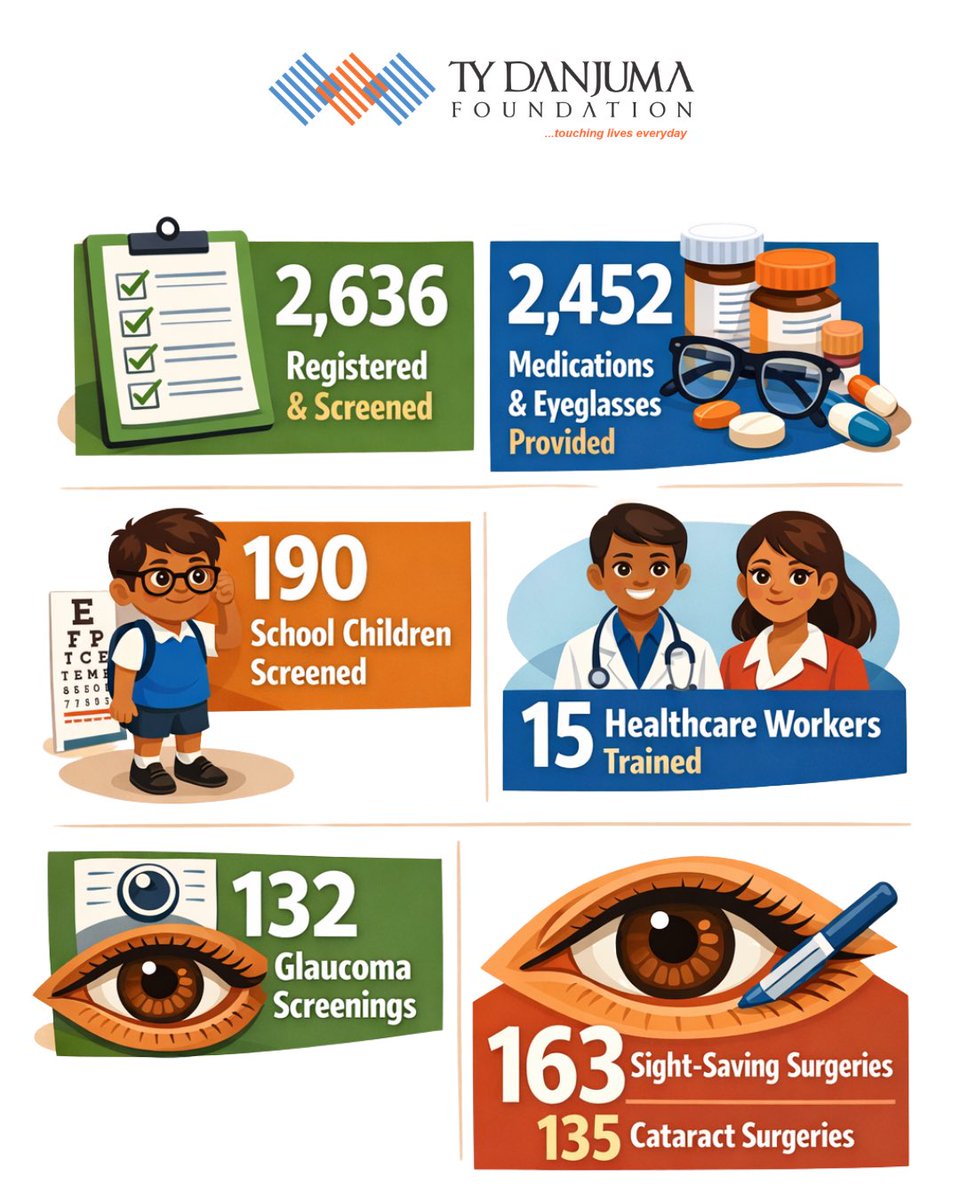
In March, the TY Danjuma Foundation, in partnership with Care Vision Support Initiative, reached over 2,600 people in Kurmi and Wukari LGAs of Taraba State with free, life-changing eye care services. From providing corrective glasses to performing 163 sight-restoring surgeries, we are proud to align with Nigeria’s National Eye Health Policy to eliminate avoidable blindness.
For beneficiaries like Mr. Abubakar, who can now see clearly after his cataract surgery, this intervention is a second chance at independence. We remain dedicated to strengthening local capacity and ensuring quality eye health services reaches our underserved communities.
#tydf #tydfimpact
1
4
79
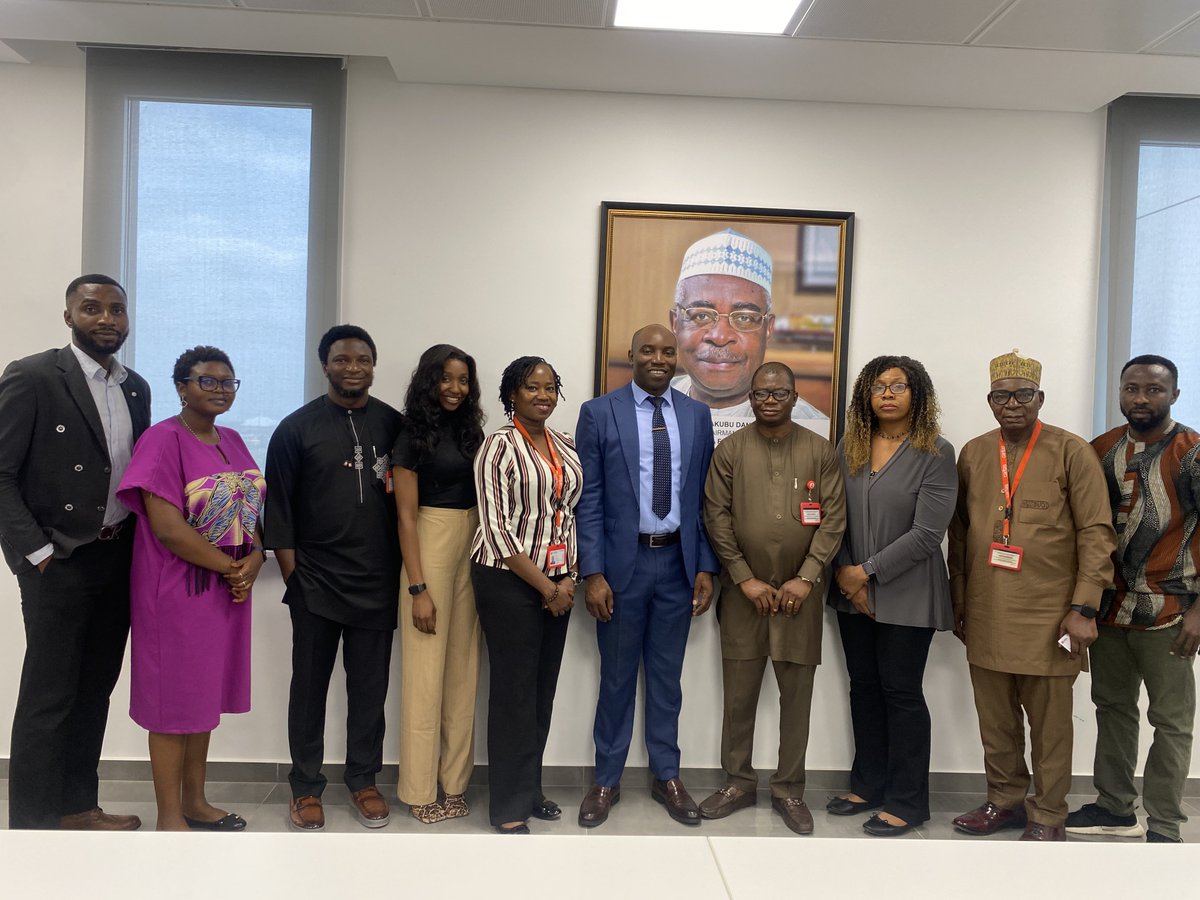
Thank you Caritas Foundation for stopping by the Foundation today.
It was delightful delightful having these conversations on the possibility of future collaborations.
#tydfimpact #tydf
4
90
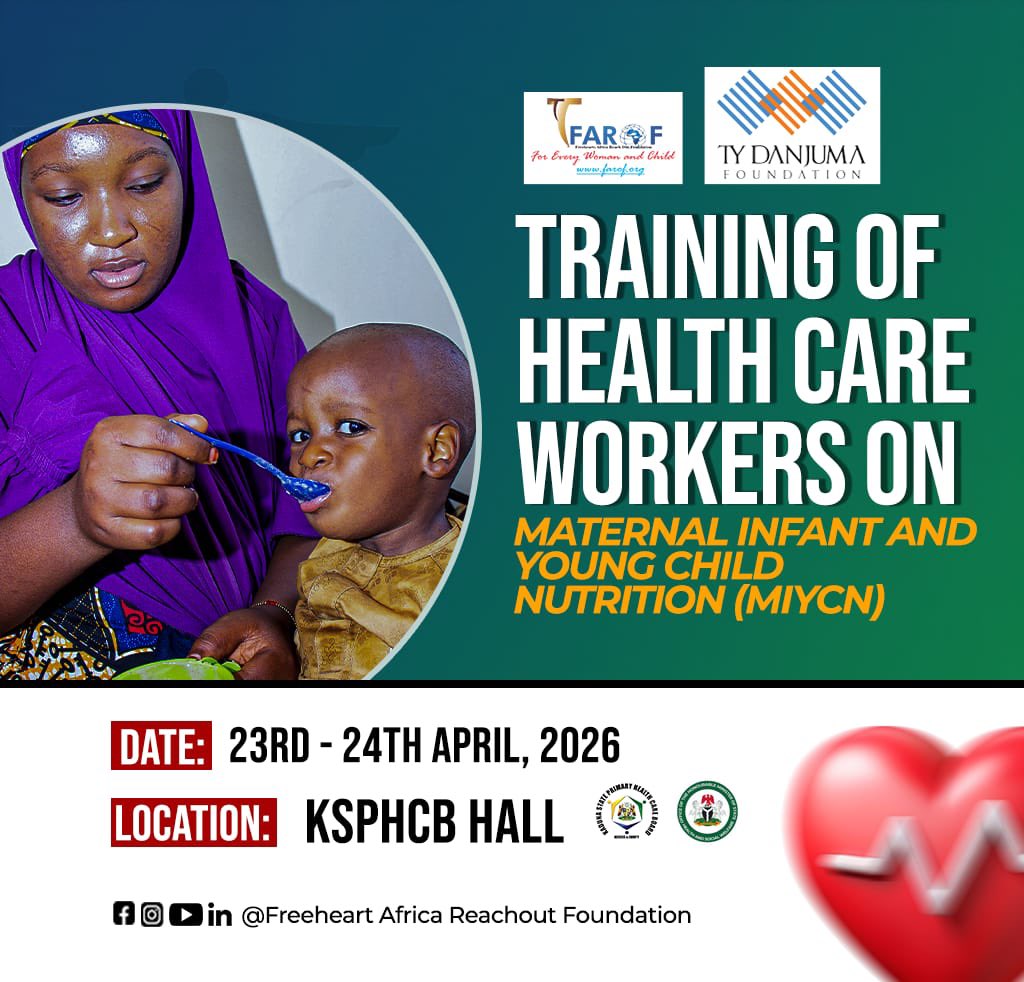
The TY Danjuma Foundation and FAROF are teaming up to train healthcare workers on Maternal, Infant, and Young Child Nutrition (MIYCN). 🩺💪
We’re focused on giving our health heroes the right tools to improve nutrition for mothers and children in our communities.
• When: 23rd - 24th April, 2026
• Where: KSPHCB Hall
#tydf #tydfimpact
1
3
6
88
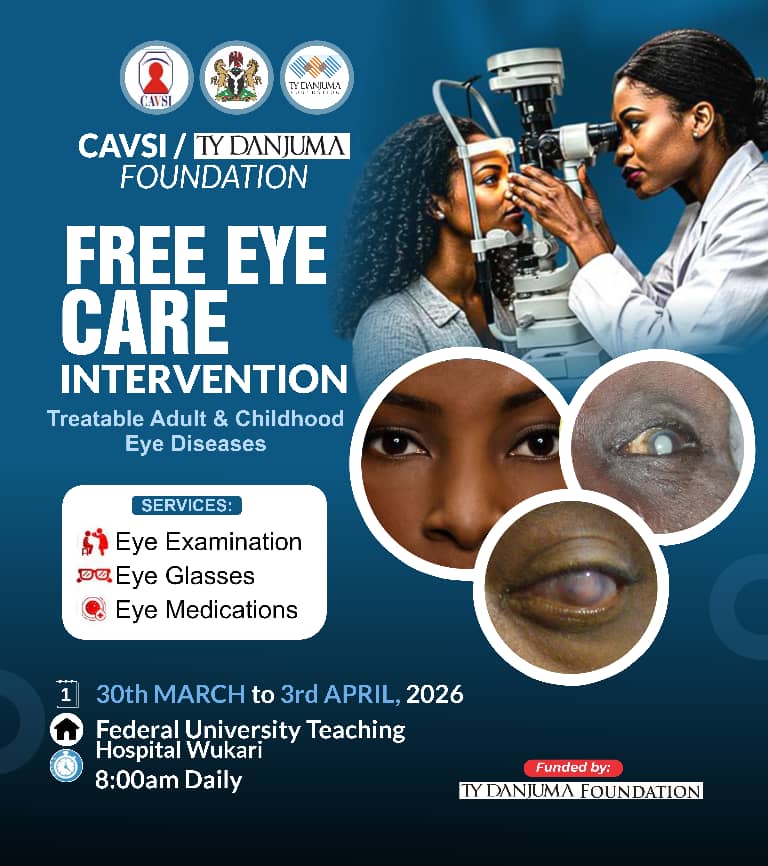
The CAVSI and TY Danjuma Foundation are offering free examinations, glasses, and medications for adults and children.
📅 Date: 30th March – 3rd April, 2026
📍 Venue: Federal University Teaching Hospital, Wukari
🕗 Time: 8:00 AM Daily
#tydf #tydfimpact
1
3
198
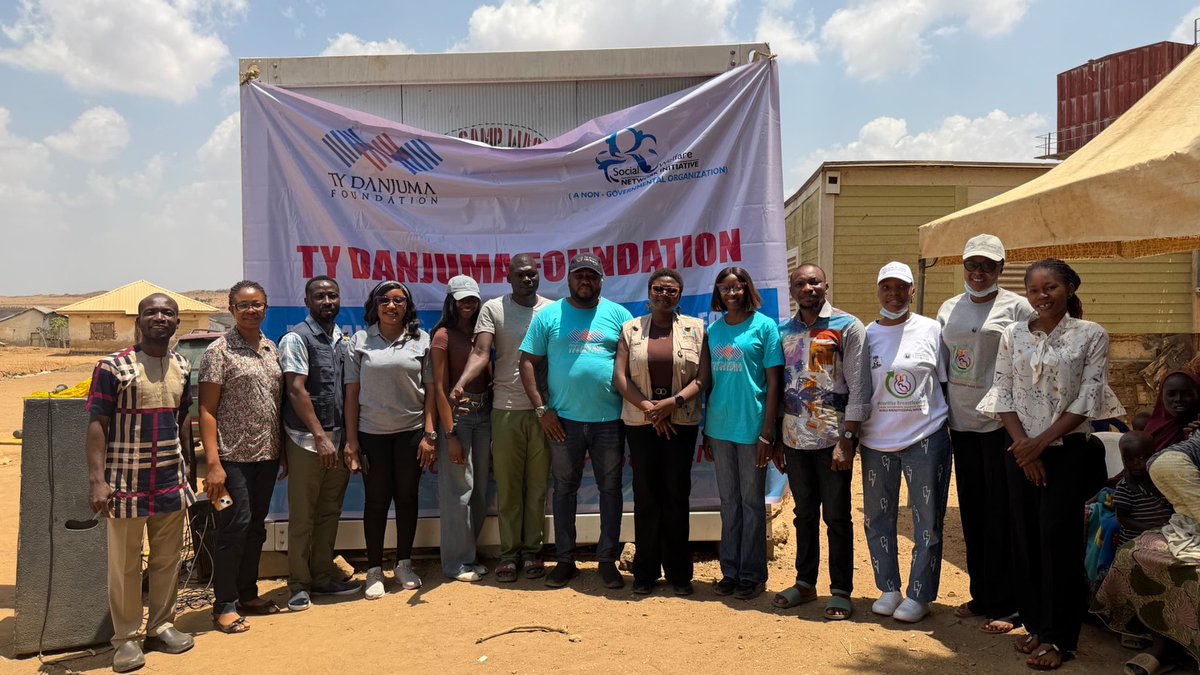
Through this integrated approach, the Foundation reaffirms its commitment to comprehensive humanitarian support aligned with the National Humanitarian Transition Guidelines, while enhancing nutrition outcomes for vulnerable communities.
#TYDanjumaFoundation #TYDF #WassaIDP
3
53

Feb 19
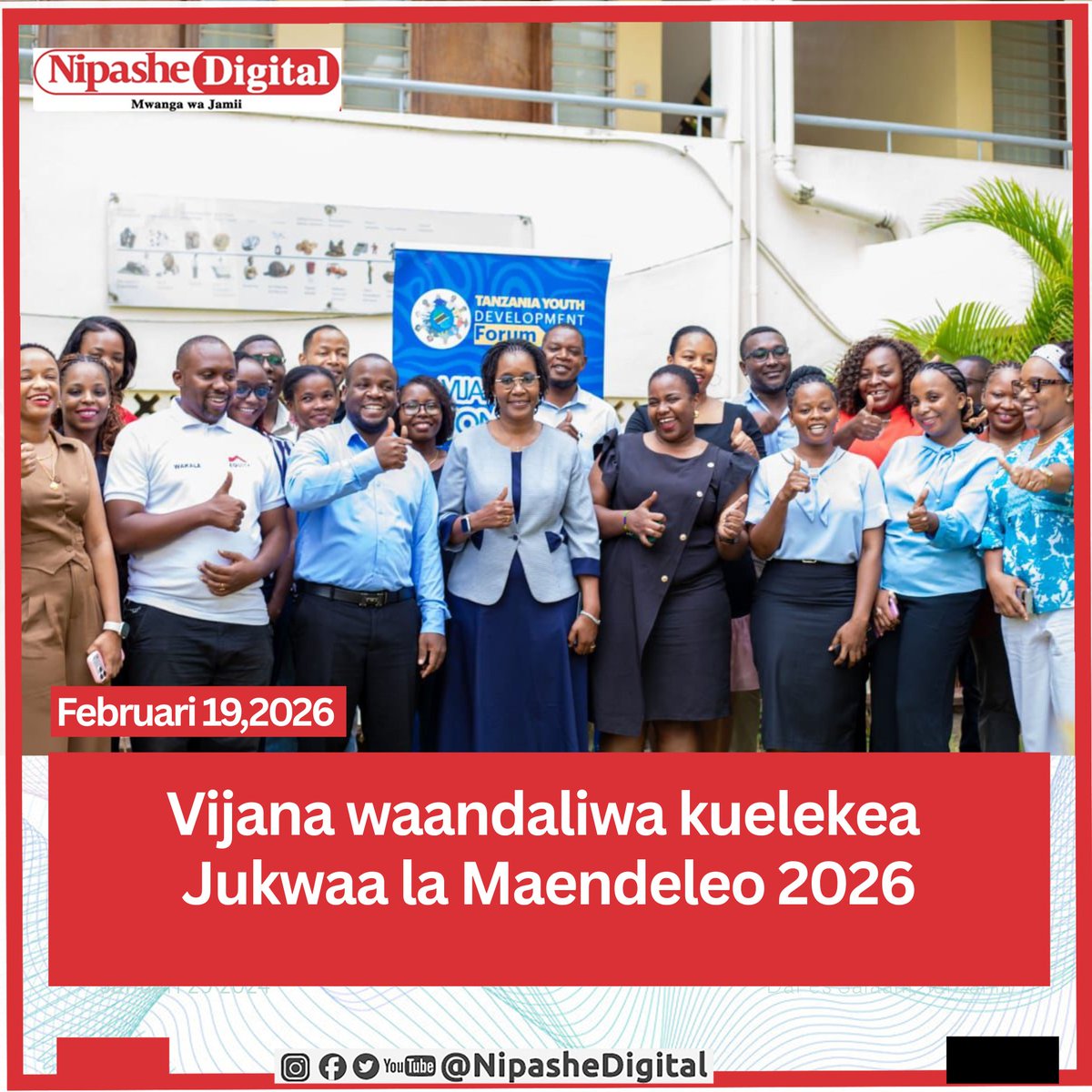
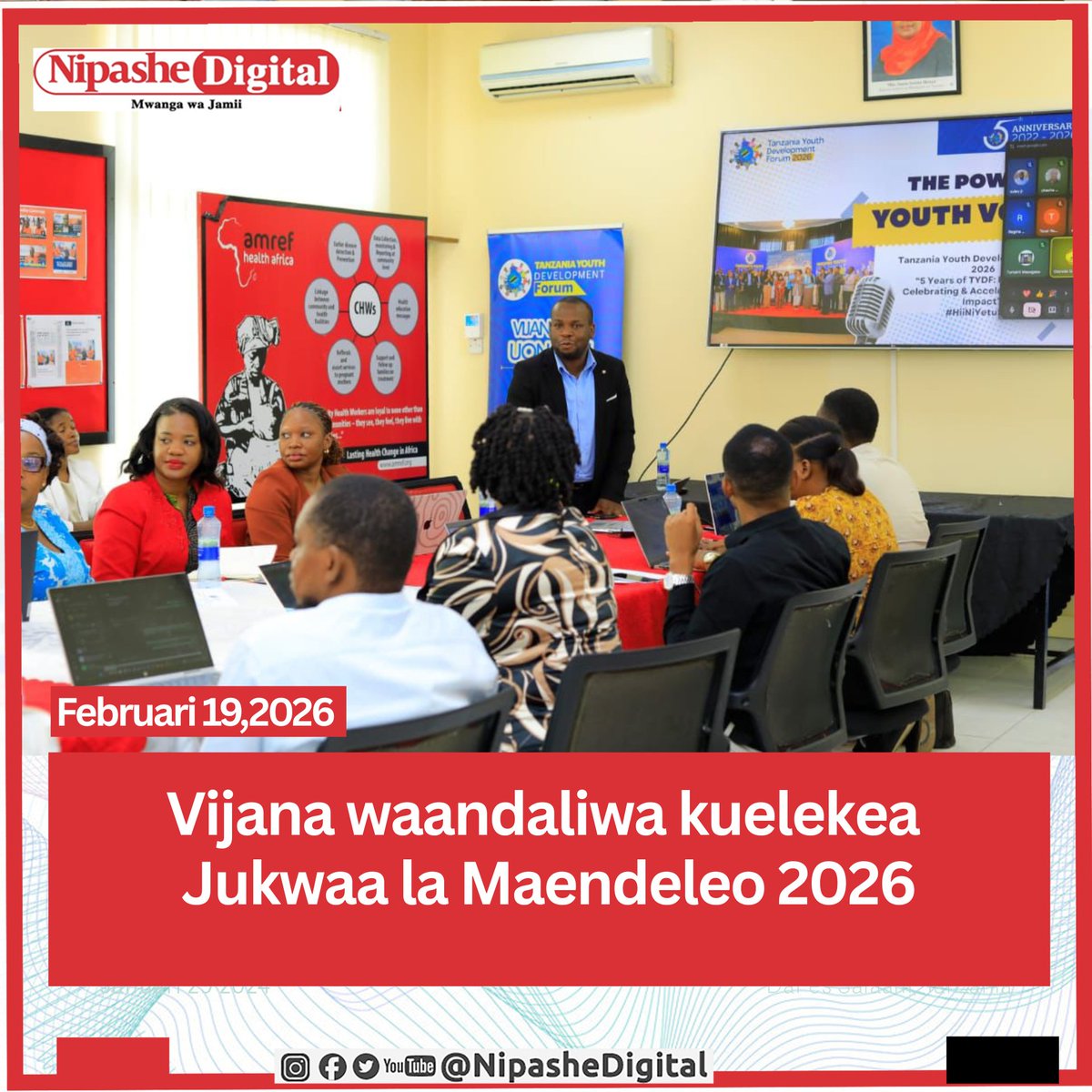
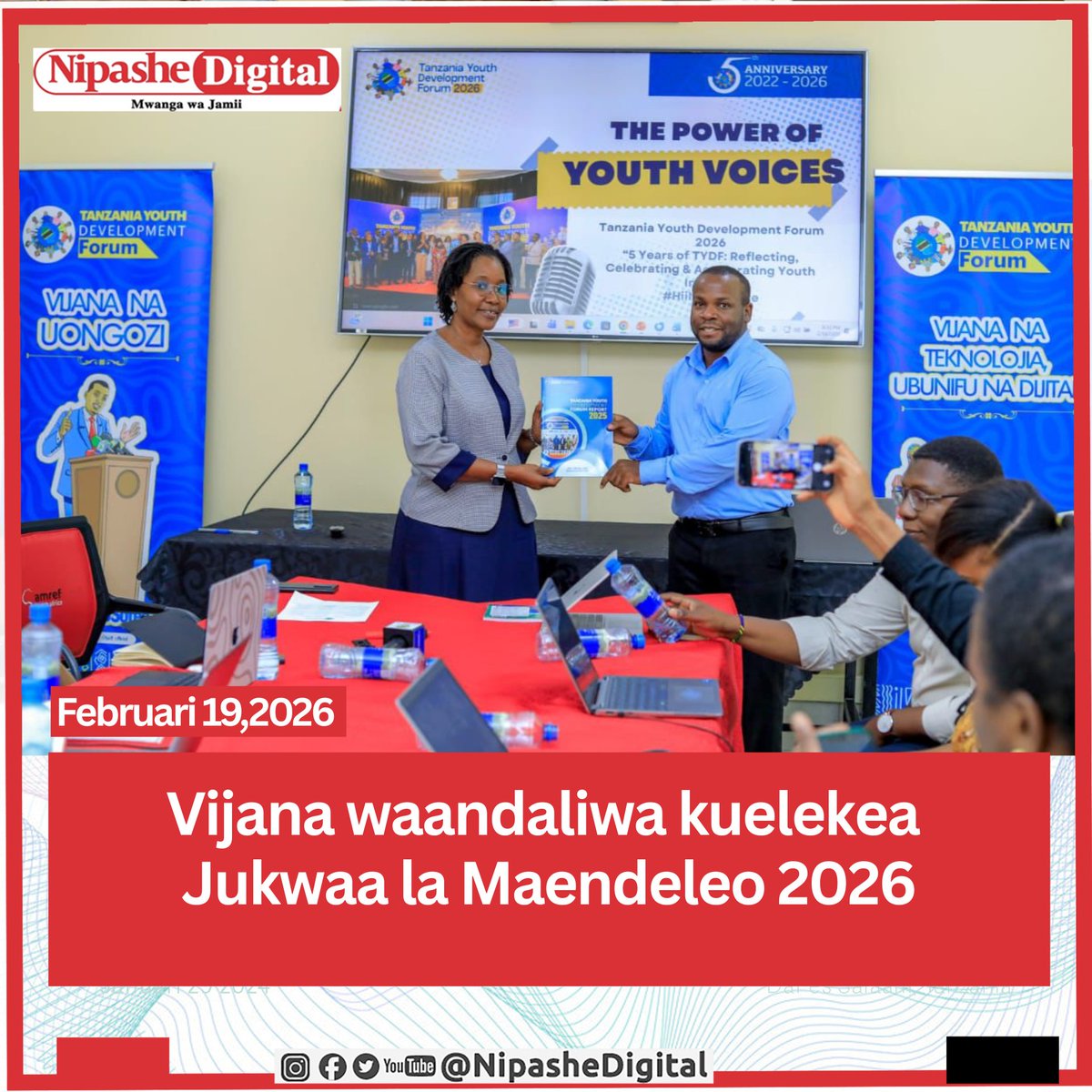
Harakati za kuwawezesha vijana nchini zimepata nguvu mpya baada ya wadau wa maendeleo kukutana katika kikao cha nne cha Kamati Tendaji ya Jukwaa la Maendeleo ya Vijana Tanzania (TYDF) 2026, kilichofanyika katika ofisi za Amref Health Africa Tanzania jijini Dar es Salaam.ippmedia.com/nipashe/habari/…
1
137

10 Dec 2025
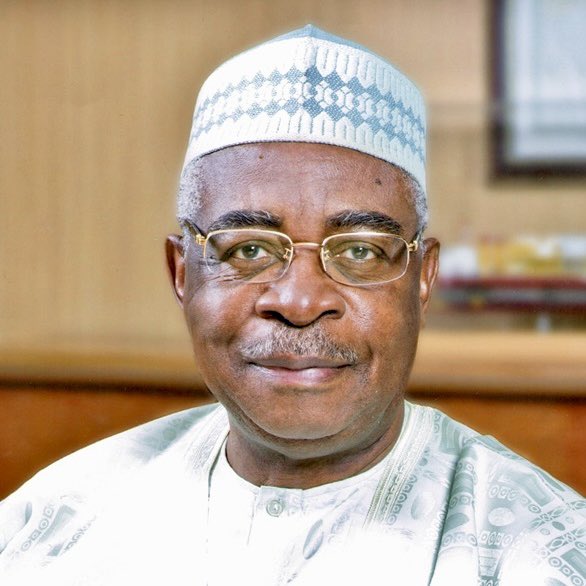
General T.Y. Danjuma @ 87: A Titan of War, Wealth, and Wisdom
A Profile of a First-Generation General and Enduring Statesman
General Theophilus Yakubu Danjuma (Rtd), GCON, is not just a military figure; he is a historical monument—a man whose life trajectory is inextricably linked to the most critical junctures of Nigeria's post-independence history. As he marks his 87th birthday, his legacy spans the battlefields of the Civil War, the corridors of power, the boardrooms of global commerce, and the frontlines of philanthropy.
I. The Military Foundation: A First-Generation Icon
Born in 1938 in Takum, Taraba State (then part of the Northern Region), T.Y. Danjuma belongs to the elite first generation of Nigerians commissioned into the Nigerian Army following the withdrawal of British officers.
Early Commissioning: Danjuma began his military journey in 1960. He received early training at the Nigerian Military Training College (NMTC) and later at the Mons Officer Cadet School in Aldershot, England.
The Coup and Counter-Coup Era (1966): Danjuma played a critical and often controversial role in the events of 1966. He was a key figure in the July counter-coup that saw General Yakubu Gowon assume power, a period that fundamentally reshaped Nigeria's political landscape and led directly to the Civil War.
Civil War Command: During the Nigerian Civil War (1967–1970), Danjuma held crucial operational commands, solidifying his reputation as a disciplined and formidable field officer.
Chief of Army Staff (1975–1979): His final and perhaps most influential military post was as Chief of Army Staff under General Olusegun Obasanjo’s military regime. In this role, he was instrumental in ensuring the smooth transition to civilian rule in 1979, fulfilling the promise of the military government. He retired with impeccable discipline in 1979.
II. Transition to Wealth: The Corporate Titan
Danjuma's transition from the rigid world of the military to the competitive realm of international business demonstrated his extraordinary capacity for strategic leadership.
Oil and Gas: He founded the South Atlantic Petroleum (SAPETRO), an exploration and production company that became a major player in the Nigerian oil and gas sector. His success in this highly technical and competitive industry established him as one of Africa’s wealthiest and most influential business leaders.
Shipping and Logistics: He diversified his portfolio into shipping and logistics, further cementing his reputation as an astute corporate strategist. This post-military career proved that the discipline learned in the barracks translated effectively into global commerce.
III. The Conscience of the Nation: Philanthropy and Statesmanship
Perhaps Danjuma's most impactful role in his later years has been as a statesman and philanthropist—often speaking as the moral conscience of the Nigerian elite.
Philanthropy: He established the T. Y. Danjuma Foundation (TYDF), focusing extensively on education, healthcare, and poverty alleviation, particularly in the North-East and other underserved regions. The Foundation's impact is vast, providing educational scholarships and medical support across numerous communities.
Political Voice: Danjuma has consistently used his influence to advocate for true federalism, good governance, and national security, often offering sharp, non-partisan critiques of successive governments. His views on security crises and the need for government accountability are often heeded due to his unique historical vantage point and moral authority.
Conclusion: An Enduring Legacy
General T.Y. Danjuma's 87th year finds him continuing to occupy a rare space in Nigeria: a military titan who transitioned seamlessly into a corporate giant, and ultimately, into a respected elder statesman and philanthropist. His story is one of destiny guided by an uncompromising sense of duty, reflecting a foundational generation that shaped the very entity of the Nigerian nation.
2
4
201

10 Dec 2025
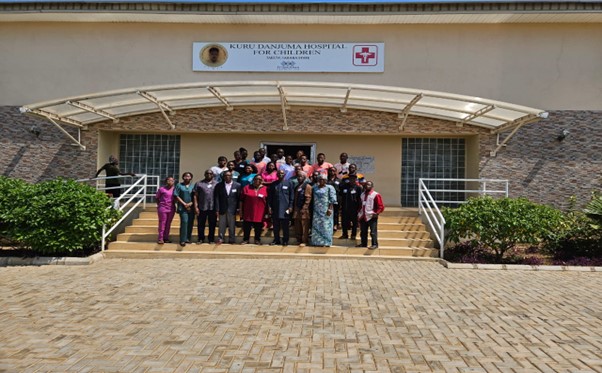
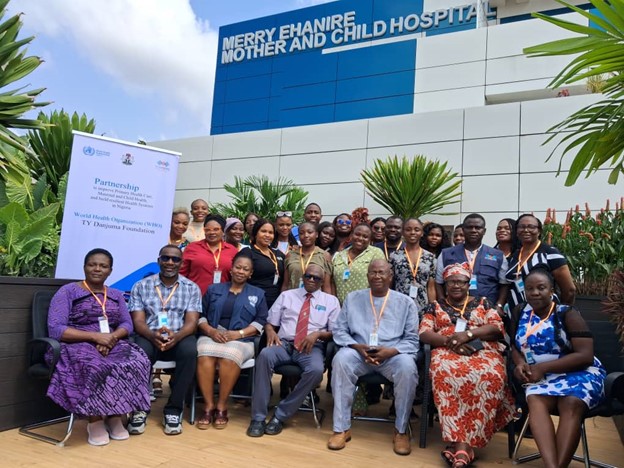
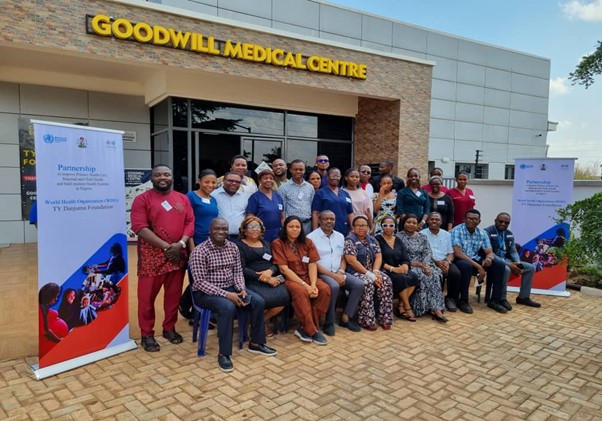
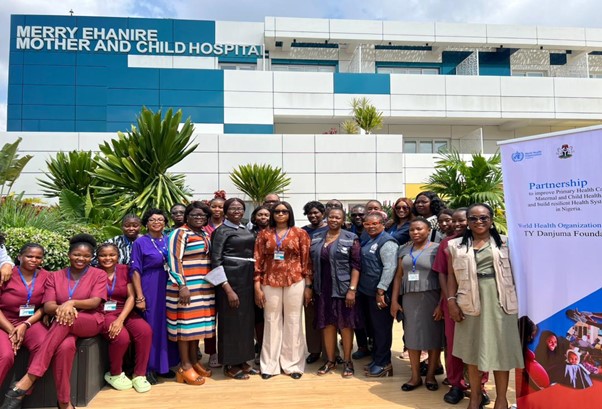
Every trained health worker means more newborns saved.
For the first time, in-service training reached TYDF health facilities led by State Governments, supported by WHO.
✅ 63 health workers trained on Essential Newborn Care
✅ 72 trained on IMCI case management
✅ 92% knowledge transfer achieved
👉Training translates into healthier futures: WHO Nigeria Country Page
#HealthImpact
#NigeriaHealth
#NewbornCare
#HealthForAll
3
345

10 Dec 2025
New Partnership Announcement 🌍
We’re excited to share that the @EducationDN has joined hands with the @tariroyouth working to promote access to quality Edu through Advocacy, Technology & Artificial Intelligence, in Zimbabwe.
Learn more about TYDF here: tydt.org/
2
3
45

31 Oct 2025
Grateful to Rand Paul for keeping up the fight. Ask yourself why TYDF is the only premium documentary on the biggest medical coverup in history…they are trying memory hole their crimes. Don’t let them.
30 Oct 2025

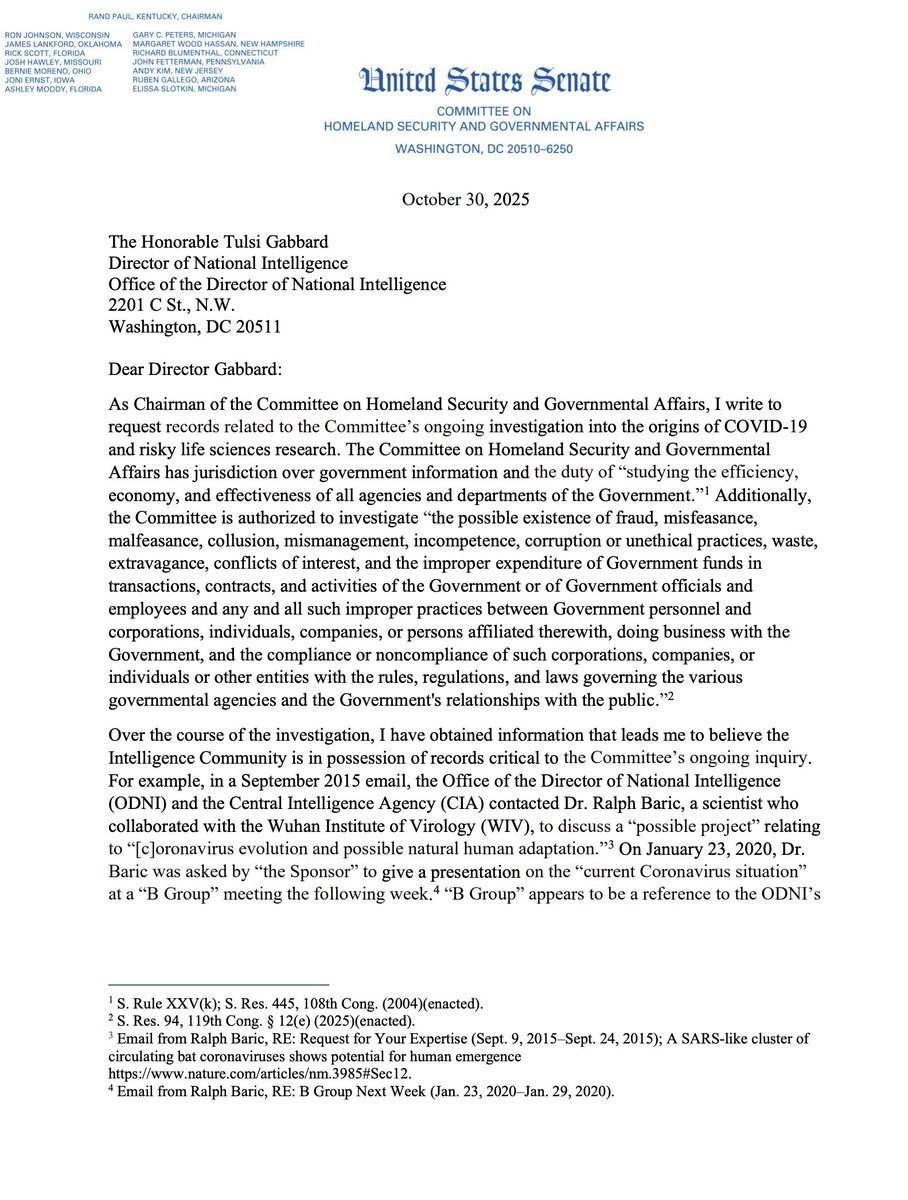
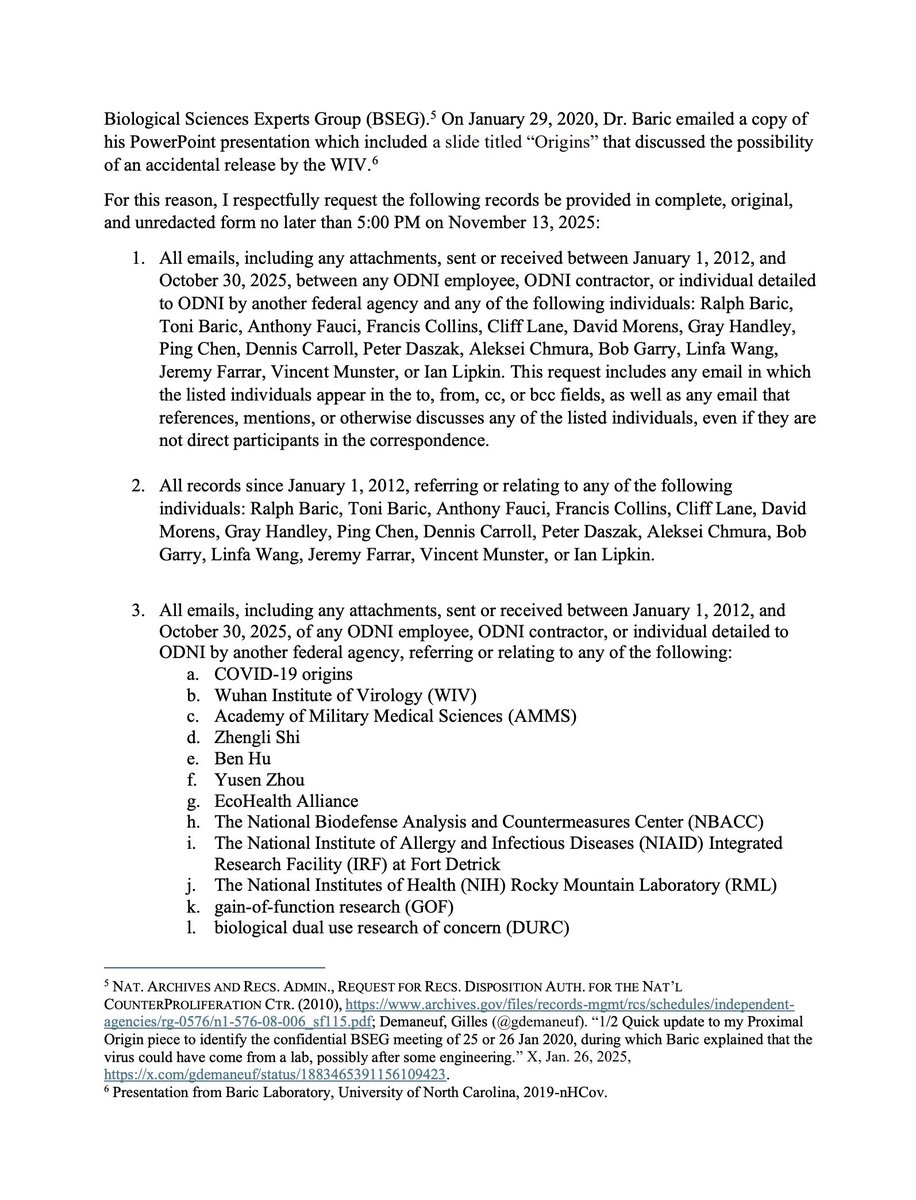
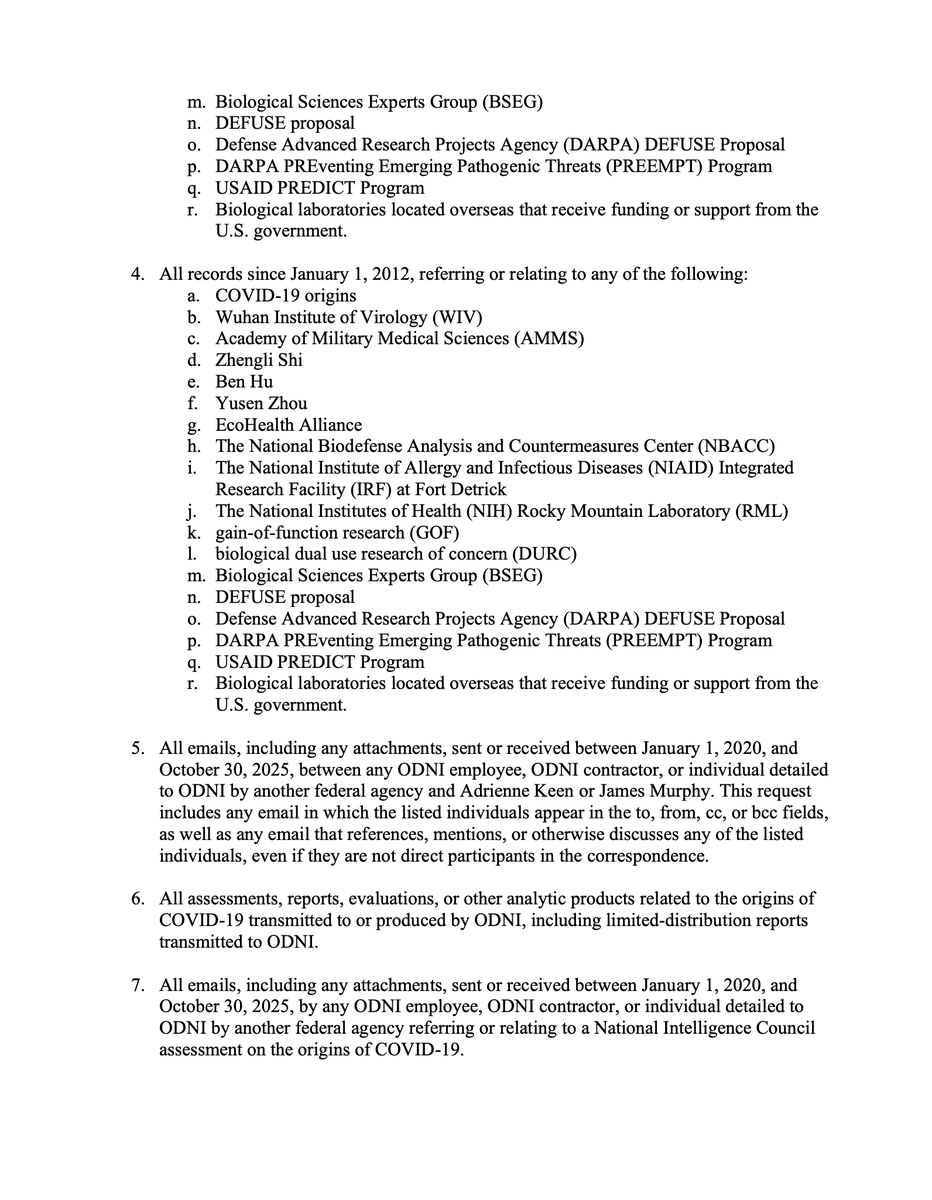
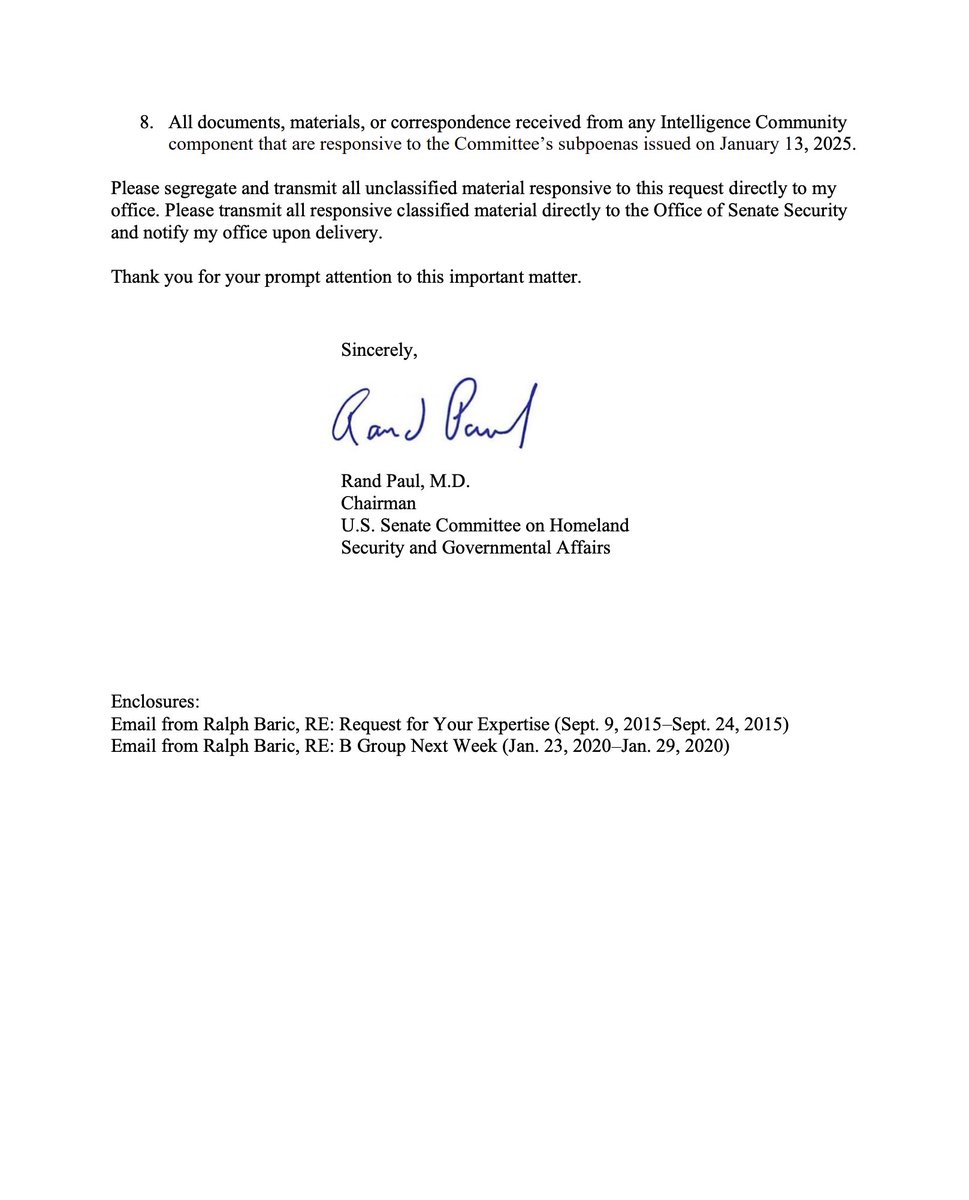
🚨 I’ve sent a letter to ODNI after uncovering new records showing U.S. intel was in contact with coronavirus researcher Ralph Baric as early as 2015.
1
3
14
834