Jorge G. de Opazo 🚜 retweeted

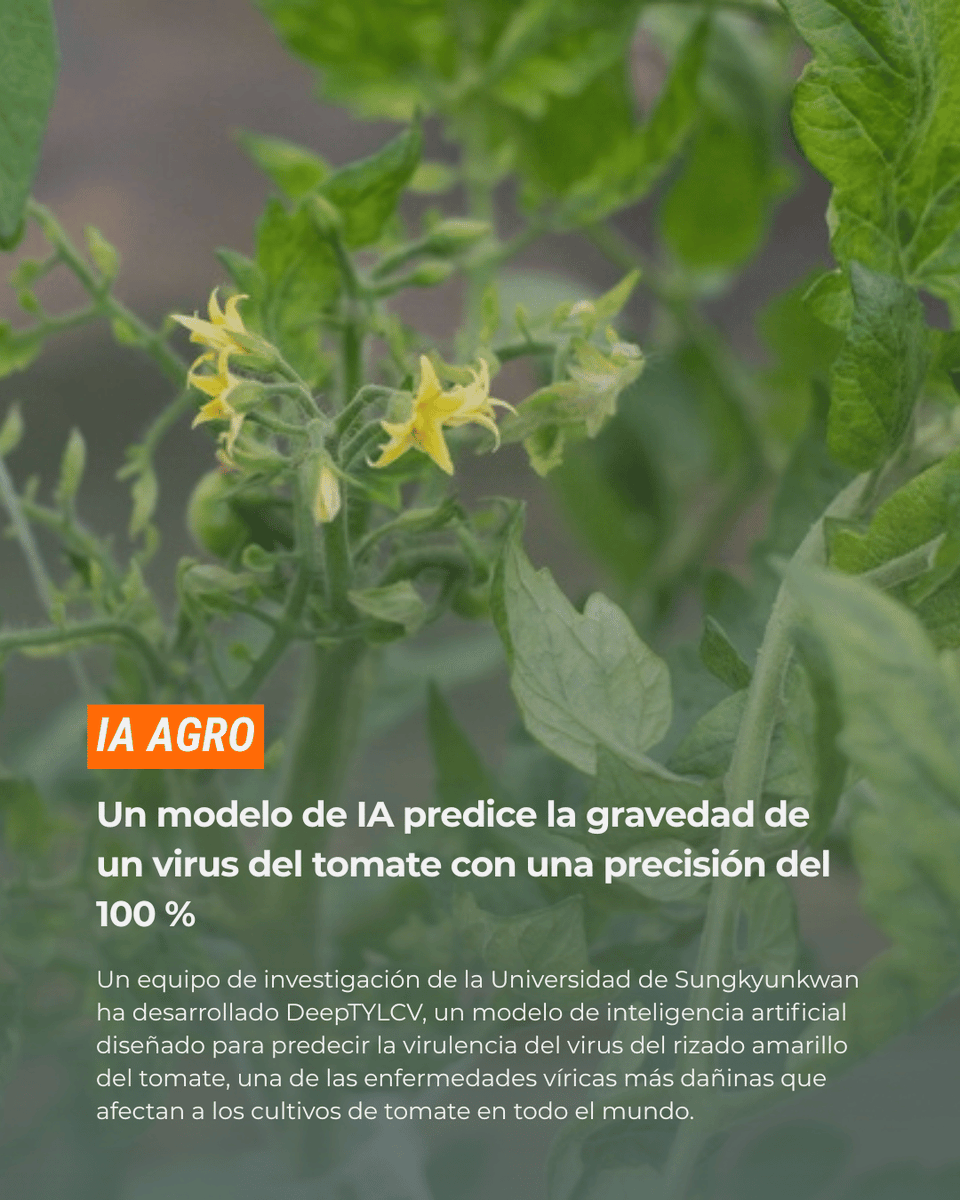
DeepTYLCV, de Sungkyunkwan University, predice con 100% de acierto la severidad del TYLCV en tomate. Una IA clave para vigilancia temprana y resistencia genética. #IA #Tomate
Amplía en @SeedWorldEU 📲 seedworld.com/europe/2026/05… 🍅
1
1
47

Jun 10
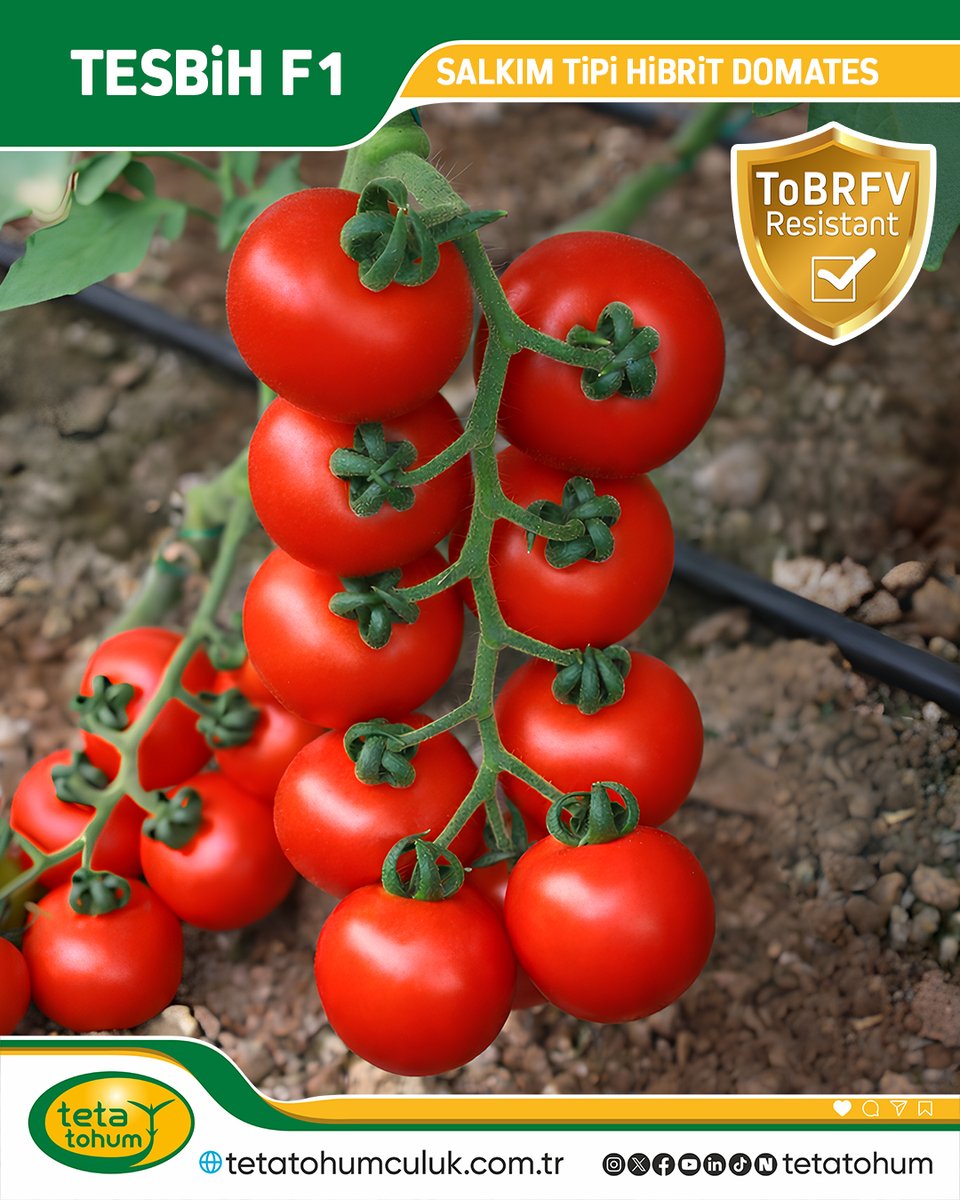
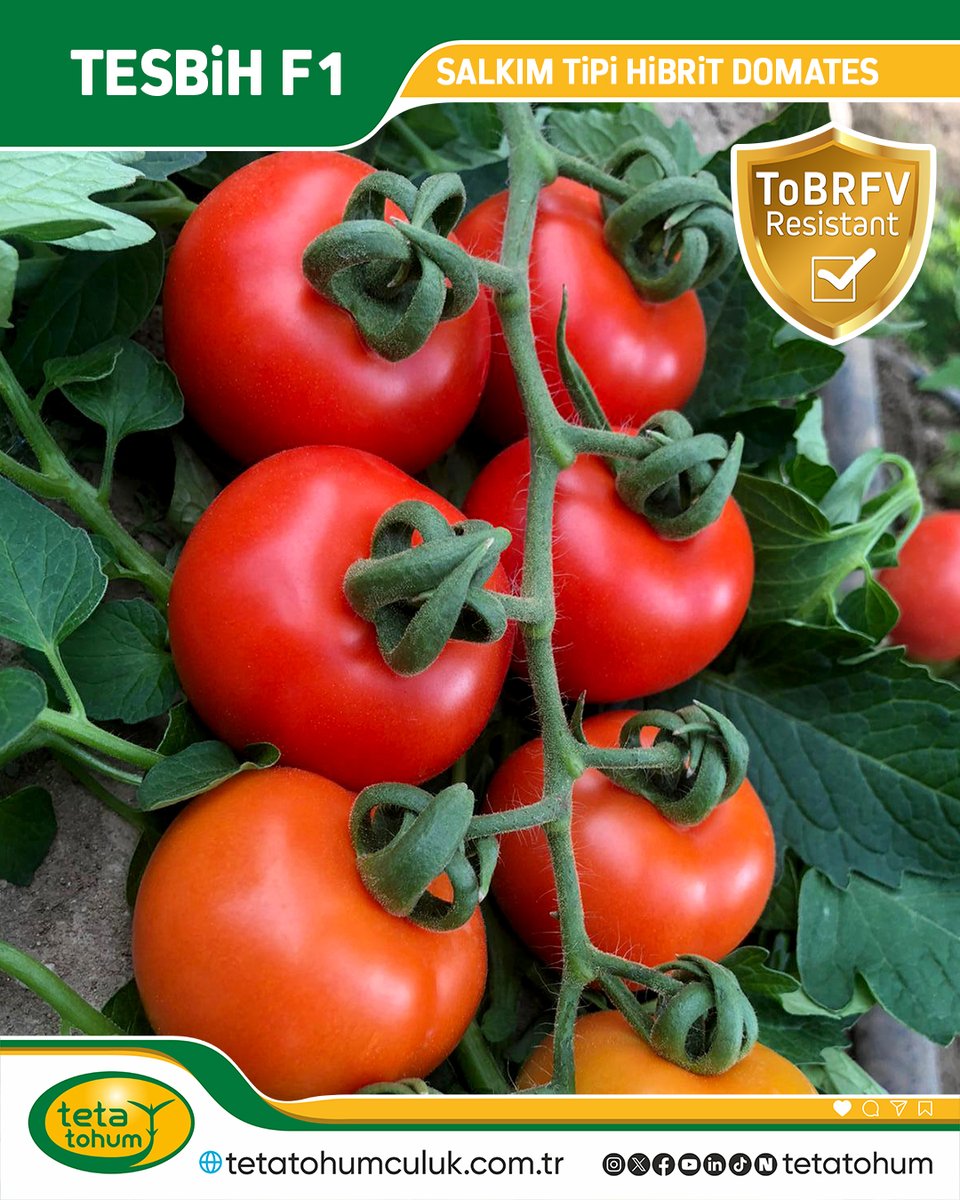
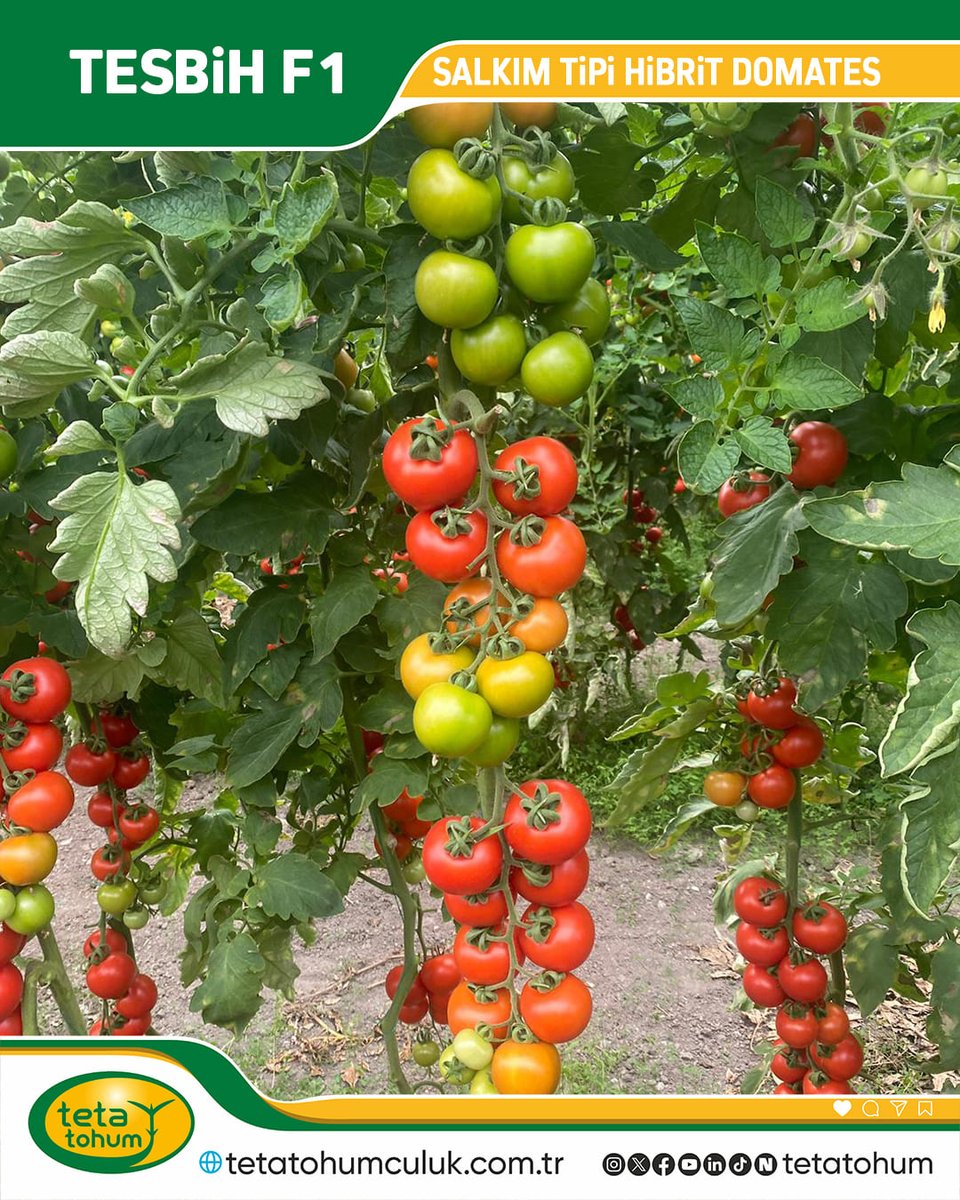
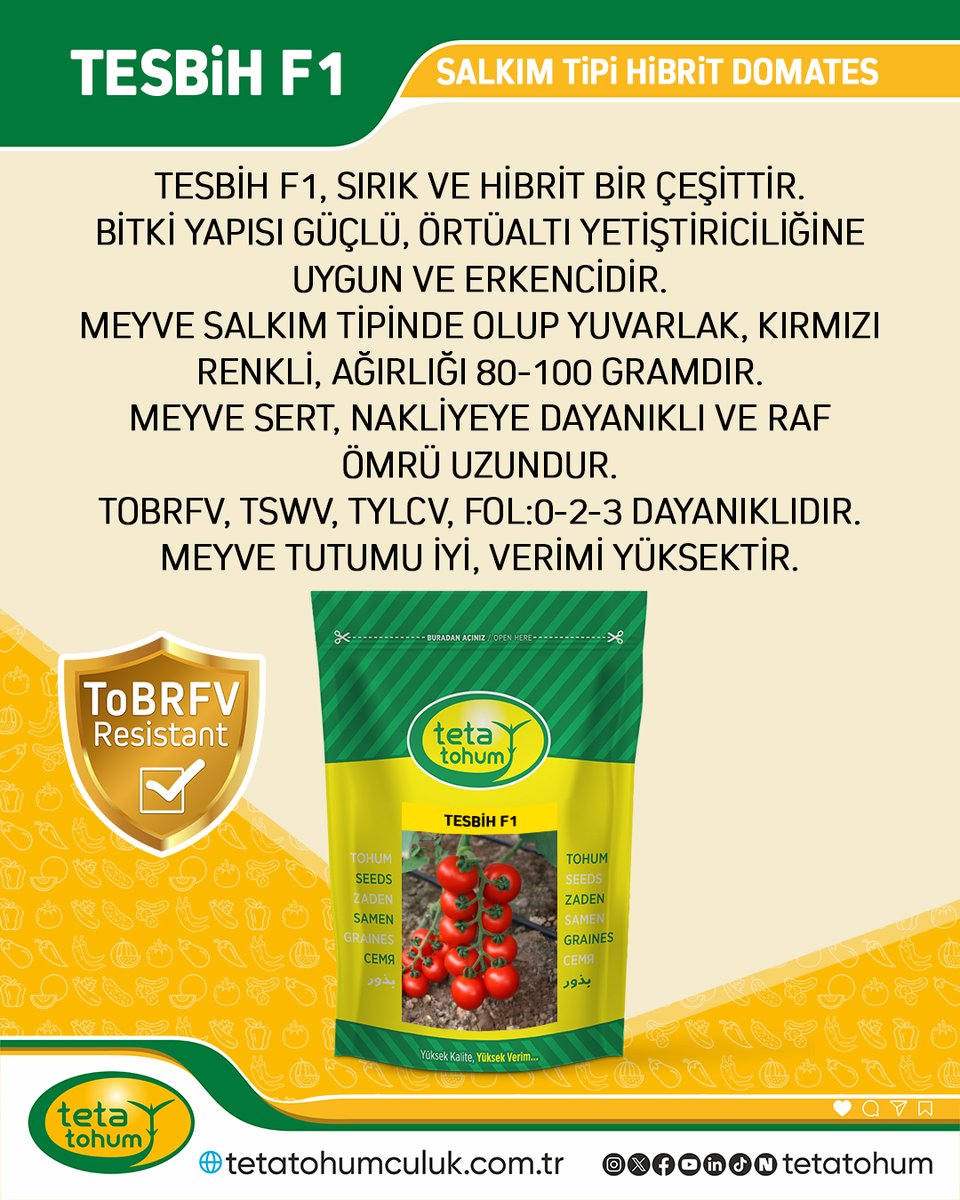
🍅 TESBİH F1 – Sırık Salkım Domates
Bitki yapısı güçlü, örtüaltı yetiştiriciliğine uygun ve erkencidir.
Meyve Salkım tipinde olup yuvarlak, kırmızı renkli, ağırlığı 80-100 gramdır.
Meyve sert, nakliyeye dayanıklı ve raf ömrü uzundur.
🧬 ToBRFV • TSWV • TYLCV • Fol: 0–1–2–3
14

Jun 7
Viren existieren leider sehr wohl, wie ich selbst aus meiner beruflicher Praxis sehr wohl weis:
Hier ist eine strukturierte Liste der 100 pflanzenbaulich wichtigsten Virenerkrankungen bei Obst- und Gemüsekulturen.
🍅 Nachtschattengewächse (Tomaten, Kartoffeln, Paprika, Auberginen)
Diese Familie ist besonders anfällig für Viren, die oft durch Blattläuse, Thripse, Weiße Fliegen oder mechanisch (Kontakt) übertragen werden.
Tomato brown rugose fruit virus (ToBRFV) – Jordan-Virus; hochansteckendes, neues Quarantänevirus bei Tomaten und Paprika.
Tomato spotted wilt virus (TSWV) – Tomatenbronzefleckenvirus (Thrips-übertragen).
Tomato yellow leaf curl virus (TYLCV) – Tomatengelbkräuselvirus (übertragen durch Weiße Fliege).
Tomato mosaic virus (ToMV) – Tomatenmosaikvirus.
Potato virus Y (PVY) – Y-Virus der Kartoffel (verursacht schwere Ertragsausfälle, Strichelkrankheit).
Potato leafroll virus (PLRV) – Blattrollvirus der Kartoffel.
Potato virus X (PVX) – X-Virus der Kartoffel (Leichtes Mosaik).
Potato virus A (PVA) – A-Virus der Kartoffel.
Potato virus M (PVM) – M-Virus der Kartoffel.
Potato virus S (PVS) – S-Virus der Kartoffel.
Potato mop-top virus (PMTV) – Kartoffel-Mop-Top-Virus (Bodenpilz-übertragen).
Pepino mosaic virus (PepMV) – Pepinomosaikvirus (mechanisch übertragbar, oft bei Gewächshaustomaten).
Pepper mild mottle virus (PMMoV) – Mildes Paprikascheckungsvirus.
Tomato chlorosis virus (ToCV) – Tomatenchlorosevirus.
Tomato infectious chlorosis virus (TICV) – Infektiöses Tomatenchlorosevirus.
Tomato ringspot virus (ToRSV) – Tomatenringflecken-Virus.
Tomato black ring virus (TBRV) – Schwarzringflecken-Virus der Tomate.
Tobacco mosaic virus (TMV) – Tabakmosaikvirus (befällt auch Tomaten/Paprika).
Tomato torrado virus (ToTV) – Tomaten-Torrado-Virus (Nekrosen an Früchten).
Impatiens necrotic spot virus (INSV) – Impatiens-Nekrosefleckenvirus (oft an Paprika/Salat).
🥒 Kürbisgewächse (Gurken, Zucchini, Melonen, Kürbis)
Cucumber mosaic virus (CMV) – Gurkenmosaikvirus (sehr großer Wirtskreis, auch Tomaten etc.).
Cucumber green mottle mosaic virus (CGMMV) – Grünscheckungsmosaikvirus der Gurke.
Zucchini yellow mosaic virus (ZYMV) – Gelbmosaikvirus der Zucchini (oft Totalausfall).
Watermelon mosaic virus (WMV) – Wassermelonenmosaikvirus.
Papaya ringspot virus, type W (PRSV-W) – Papayaringfleckenvirus (Kürbis-Stamm).
Squash mosaic virus (SqMV) – Kürbismosaikvirus (samenübertragbar).
Melon necrotic spot virus (MNSV) – Nekrotisches Melonen-Fleckenvirus.
Cucurbit yellow stunting disorder virus (CYSDV) – Kürbis-Gelbverkrüppelungsvirus.
Cucumber vein yellowing virus (CVYV) – Gurkenadernvergilbungsvirus.
Melon aphid-borne yellows virus (MABYV) – Melonenvergilbungsvirus.
Watermelon silver mottle virus (WSMoV) – Silberfleckenvirus der Wassermelone.
Squash leaf curl virus (SLCV) – Kürbisblattrollvirus.
🥦 Kreuzblütler (Kohlarten, Radieschen, Rucola)
Turnip mosaic virus (TuMV) – Wasserrübenmosaikvirus (schwarze Flecken auf Kohlblättern).
Cauliflower mosaic virus (CaMV) – Blumenkohlmosaikvirus.
Turnip yellow mosaic virus (TYMV) – Wasserrübengelbmosaikvirus.
Turnip yellows virus (TuYV) – Wasserrübenvergilbungsvirus.
Radish mosaic virus (RaMV) – Rettichmosaikvirus.
Cabbage leaf curl virus (CaLCuV) – Kohlblattrollvirus.
🫛 Hülsenfrüchte (Gartenbohnen, Erbsen)
Bean common mosaic virus (BCMV) – Gewöhnliches Bohnenmosaikvirus.
Bean yellow mosaic virus (BYMV) – Gelbes Bohnenmosaikvirus.
Pea seed-borne mosaic virus (PSbMV) – Samenübertragbares Erbsenmosaikvirus.
Pea enation mosaic virus (PEMV) – Erbsenenationenvirus.
Broad bean wilt virus (BBWV) – Ackerbohnenwelkevirus (befällt oft auch Spinat).
Bean pod mottle virus (BPMV) – Bohnenhülsenscheckungsvirus.
Cowpea aphid-borne mosaic virus (CABMV) – Blattlausübertragenes Kuhbohnenmosaikvirus.
Alfalfa mosaic virus (AMV) – Luzernemosaikvirus (befällt oft auch Gemüseerbsen und Tomaten).
Cowpea mild mottle virus (CPMMV) – Mildes Kuhbohnenscheckungsvirus.
🧅 Zwiebelgewächse (Zwiebeln, Knoblauch, Lauch)
Onion yellow dwarf virus (OYDV) – Zwiebelgelbstreifigkeit.
Leek yellow stripe virus (LYSV) – Porree-Gelbstreifenvirus.
Garlic common latent virus (GCLV) – Latentes Knoblauchvirus.
Shallot latent virus (SLV) – Latentes Schalottenvirus.
🥕 Doldenblütler (Möhren, Sellerie)
Carrot red leaf virus (CtRLV) – Möhrenrotblattvirus.
Carrot mottle virus (CMoV) – Möhrenscheckungsvirus.
Celery mosaic virus (CeMV) – Selleriemosaikvirus.
Carrot virus Y (CarVY) – Y-Virus der Möhre.
🥬 Gänsefußgewächse & Korbblütler (Spinat, Rote Bete, Salat, Artischocke)
Beet necrotic yellow vein virus (BNYVV) – Erreger der Rizomania (Wurzelbärtigkeit), relevant für Rote Bete/Zuckerrübe.
Beet yellows virus (BYV) – Vergilbungsvirus der Rübe.
Beet mild yellowing virus (BMYV) – Mildes Rübenvergilbungsvirus.
Beet curly top virus (BCTV) – Rübenkräuselvirus (trifft auch Tomaten/Spinat).
Spinach latent virus (SpLV) – Latentes Spinatvirus.
Lettuce mosaic virus (LMV) – Salatmosaikvirus (samenübertragbar).
Lettuce infectious yellows virus (LIYV) – Infektiöses Salatvergilbungsvirus.
Mirafiori lettuce big-vein virus (MLBVV) – Erreger der Salat-Großadrigkeit (Bodenpilz-übertragen).
Artichoke Italian latent virus (AILV) – Latentes Artischockenvirus.
🍒 Stein- und Kernobst (Äpfel, Birnen, Kirschen, Zwetschgen, Pfirsiche)
Plum pox virus (PPV) – Scharka-Virus (die wichtigste und verheerendste Krankheit bei Steinobst wie Pflaume/Marille).
Apple chlorotic leaf spot virus (ACLSV) – Chlorotisches Apfelblattflecken-Virus.
Apple stem grooving virus (ASGV) – Apfelstammfurchungs-Virus.
Apple stem pitting virus (ASPV) – Apfelstammgrübchen-Virus.
Apple mosaic virus (ApMV) – Apfelmosaikvirus.
Prunus necrotic ringspot virus (PNRSV) – Nekrotisches Ringfleckenvirus an Steinobst.
Prune dwarf virus (PDV) – Pflaumenzwergwuchs-Virus.
Cherry leaf roll virus (CLRV) – Kirschenblattroll-Virus.
Little cherry virus 1 (LChV-1) – Kleinfrüchtigkeit der Kirsche 1.
Little cherry virus 2 (LChV-2) – Kleinfrüchtigkeit der Kirsche 2.
American plum line pattern virus (APLPV) – Amerikanisches Pflaumenbandmosaik-Virus.
Cherry rasp leaf virus (CRLV) – Kirschenraublatt-Virus.
🍓 Beerenobst (Erdbeeren, Himbeeren, Heidelbeeren)
Strawberry mild yellow edge virus (SMYEV) – Mildes Erdbeerrandvergilbungs-Virus.
Strawberry crinkle virus (SCV) – Erdbeerkräusel-Virus.
Strawberry mottle virus (SMoV) – Erdbeerscheckungs-Virus.
Raspberry ringspot virus (RpRSV) – Himbeerringflecken-Virus.
Raspberry bushy dwarf virus (RBDV) – Himbeerzwergwuchs-Virus (pollenübertragbar).
Arabis mosaic virus (ArMV) – Arabismosaikvirus (Nematoden-übertragen, sehr schädlich an Erdbeere/Himbeere).
Blueberry shoestring virus (BSSV) – Heidelbeerschnürblatt-Virus.
Blueberry scorch virus (BlScV) – Heidelbeerseng-Virus.
Blueberry shock virus (BlShV) – Heidelbeerschock-Virus.
Blackberry yellow vein associated virus (BYVaV) – Brombeergelbadern-Virus.
🍇 Weinbau (Reben)
Viren im Weinbau mindern Wuchskraft, Qualität und Lebensdauer der Rebstöcke massiv.
87. Grapevine fanleaf virus (GFLV) – Reisigkrankheit der Rebe.
88. Grapevine leafroll-associated virus 1 (GLRaV-1) – Blattrollkrankheit der Rebe Typ 1.
89. Grapevine leafroll-associated virus 3 (GLRaV-3) – Blattrollkrankheit der Rebe Typ 3 (weltweit wichtigstes Rebenvirus).
90. Grapevine virus A (GVA) – Rebenvirus A (verursacht Rilligkeit des Holzes).
91. Grapevine virus B (GVB) – Rebenvirus B (Korkrindenkrankheit).
92. Grapevine fleck virus (GFkV) – Fleckenvirus der Rebe.
🍋 Zitrusfrüchte & Tropisches Obst (Orangen, Bananen, Papaya, Spargel)
(In Mitteleuropa als Importprodukte oder im Unterglasanbau relevant)
93. Citrus tristeza virus (CTV) – Tristeza-Krankheit ("Traurigkeit" der Zitrusbäume, führt oft zum Absterben ganzer Plantagen).
94. Citrus psorosis virus (CPsV) – Zitrus-Schuppenrinden-Virus.
95. Banana bunchy top virus (BBTV) – Bananen-Büscheltop-Virus (verhindert Fruchtbildung).
96. Papaya ringspot virus, type P (PRSV-P) – Papayaringflecken-Virus.
97. Pineapple mealybug wilt-associated virus (PMWaV) – Ananaswelke-Virus.
98. Citrus leprosis virus C (CiLV-C) – Zitruslepra-Virus.
99. Asparagus virus 1 (AV-1) – Spargelvirus 1.
100. Asparagus virus 2 (AV-2) – Spargelvirus 2.
1
3
87

May 18
This AI model is helping researchers “ketchup” with evolving plant viruses! 🥫🍅🦠
The newly developed DeepTYLCV model predicts the virulence of Tomato Yellow Leaf Curl Virus (TYLCV) using viral genome data, enabling earlier and more reliable detection of severe strains before visible symptoms appear.
Why is this important?
TYLCV is one of the world’s most damaging tomato viruses, causing major yield losses and increasingly overcoming existing resistance. 🌱 🧬 🤖 🌍
The model was also experimentally validated with 100% concordance between predictions and observed results, demonstrating strong practical potential for the seed sector, researchers and farmers alike 👉 tinyurl.com/3wdra2wm
#GrowingTheFuture #planthealth
3
6
220

Intersemillas sorprende en #Expolevante 2026 con sus tomates de coser 🍅, variedad Vergelina que recupera lo mejor del tomate tradicional para colgar, con más piezas por ramo y un robusto paquete de resistencias que incluye cuchara (TYLCV).
@Portagrano
portagrano.eu/2026/04/inters…
2
5
102

Mar 18
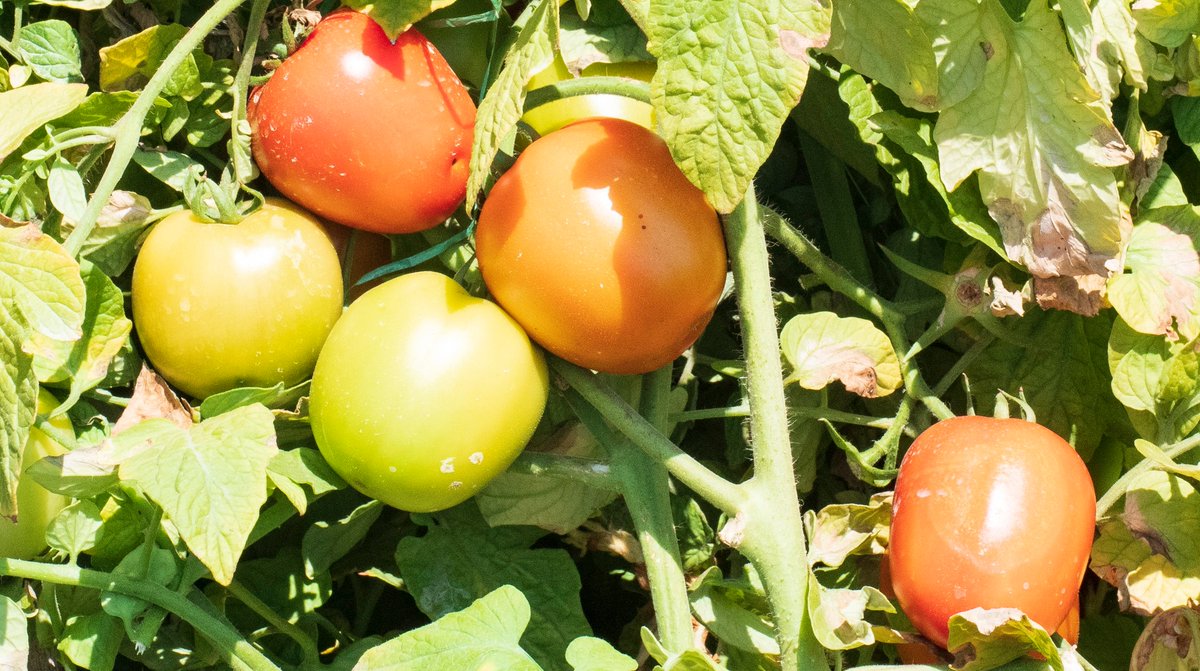
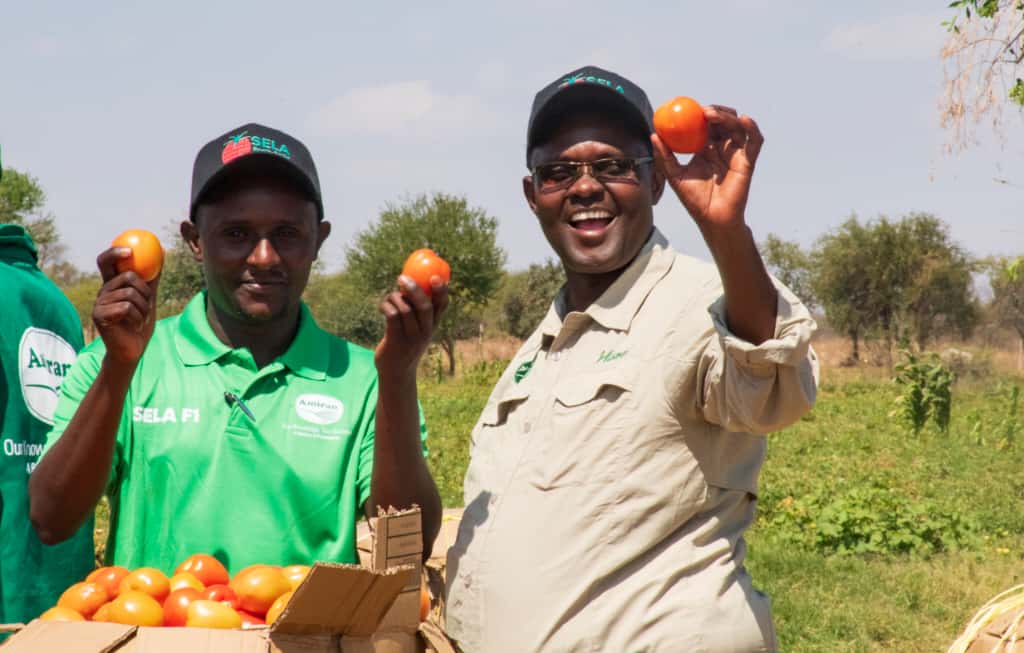
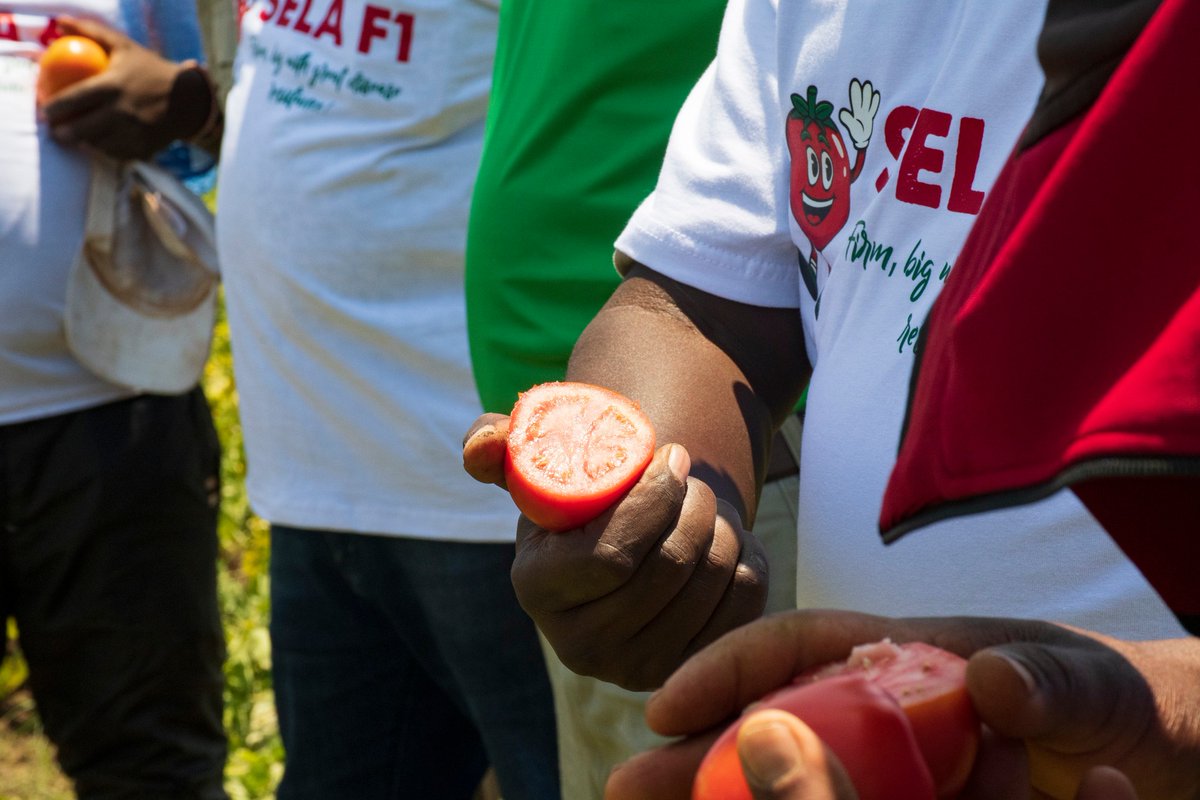
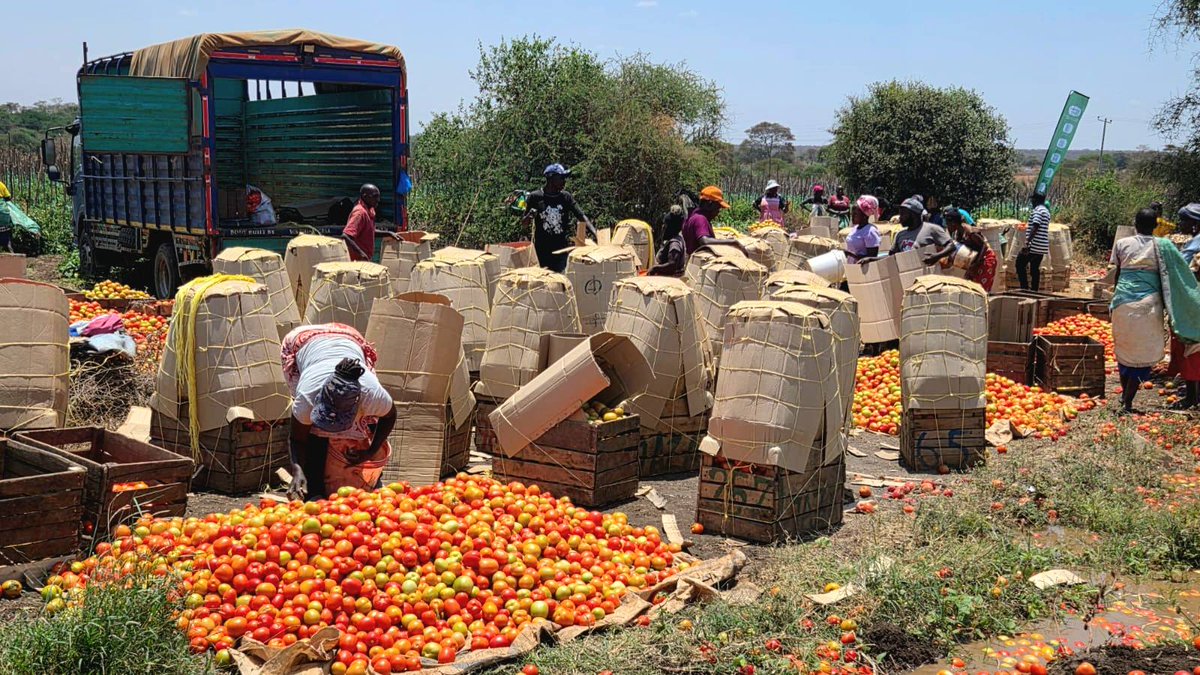
Firm. Big. Resilient. Profitable.
Meet SELA F1, the tomato variety built for excellence, from farm to market!
✅ Compact plant with big-sized, high-quality fruits
✅ Extra firmness for long-distance transport
✅ Perfect for bush and staking cultivation – easy to pick
✅ Performs well in dry and hot conditions
✅ Resistant to major diseases including Fusarium wilt, Gray leaf spot, TMV, Verticillium, Root-knot, TSWV, and TYLCV
Sela F1, The tomato that goes the distance!
Available from Amiran authorized dealers nationwide.
For any orders or inquiries WhatsApp : 0740325099.
2
144


Mar 10
シロアブラムシ、字面とTYLCVでタバココナジラミだと伝わるんだけど、コナジラミ類の英名はwhiteflyだから普通の翻訳機能とかでは出てこない気がして、由来が気になっている
ナイジェリアでシロアブラムシにあたる語が当てられてたりするのかしら

初めてトマトを育てたとき、シロアブラムシにやられて黄化葉巻ウイルスが広がり、全ての植物を処分しました。その後、場所を消毒してキュウリで輪作し、改めて新しい方法で挑戦。今ではシロアブラムシだけでなく、ハモグリバエや毛虫にも対処できるようになり、あの厳しい経験が今大いに役立っています
1
1
1,156

The tomato transcription factor RAV affects the systemic
infection of TYLCV by interacting with V2: bsppjournals.onlinelibrary.w…
2
2
318
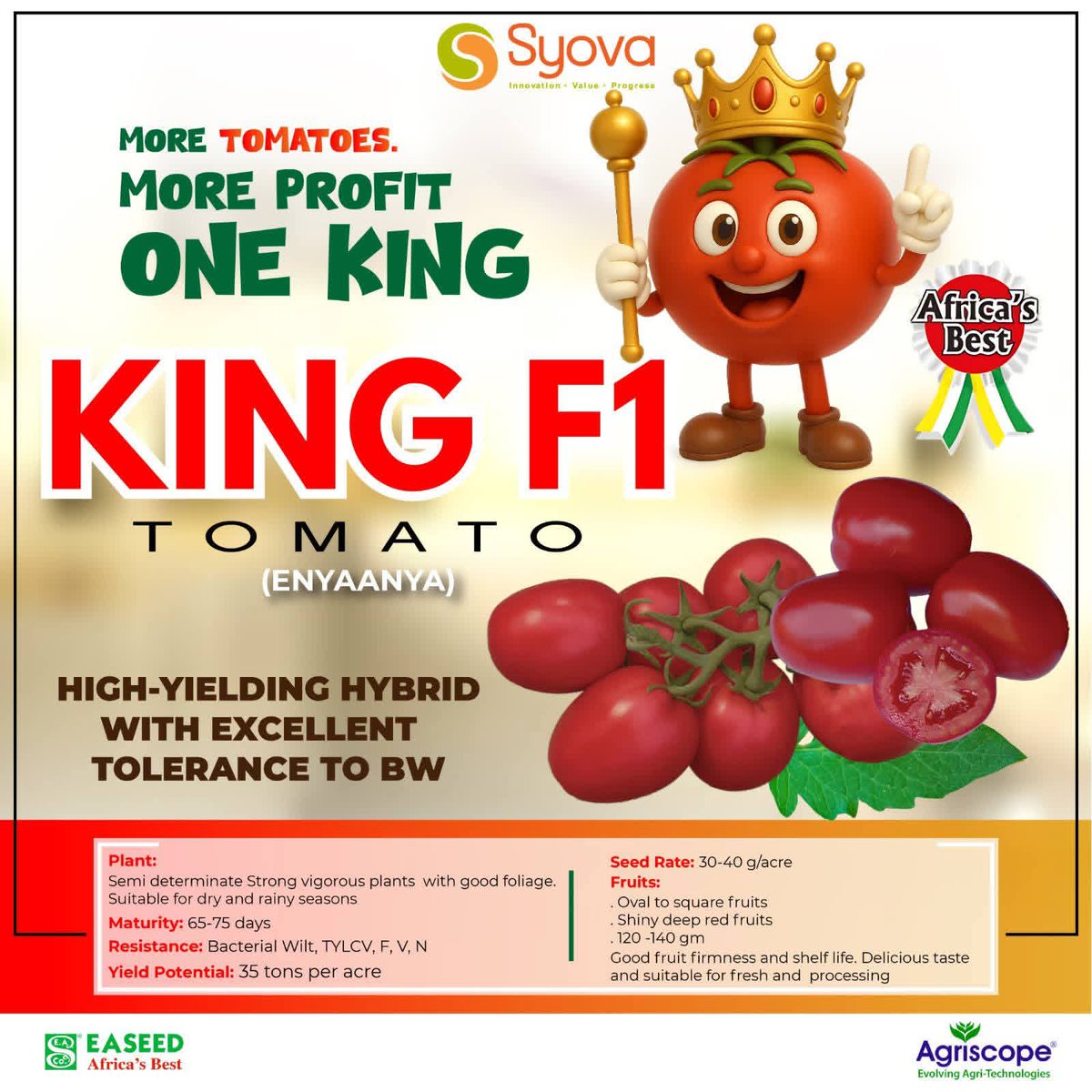
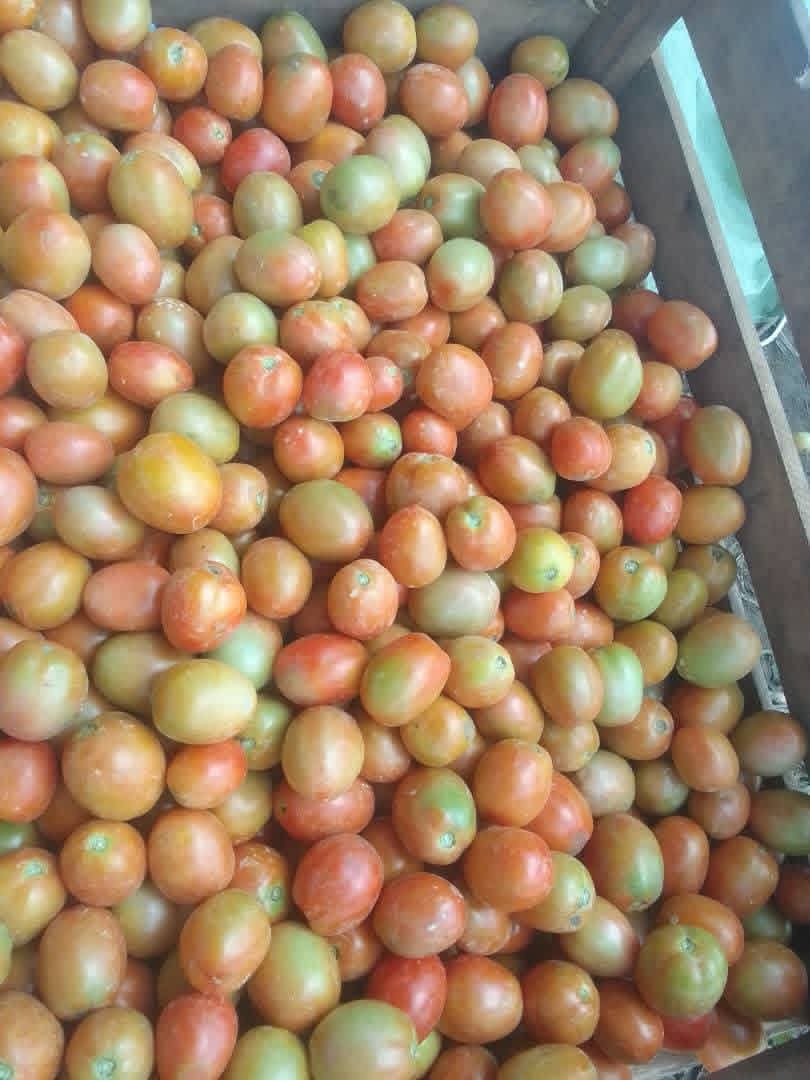
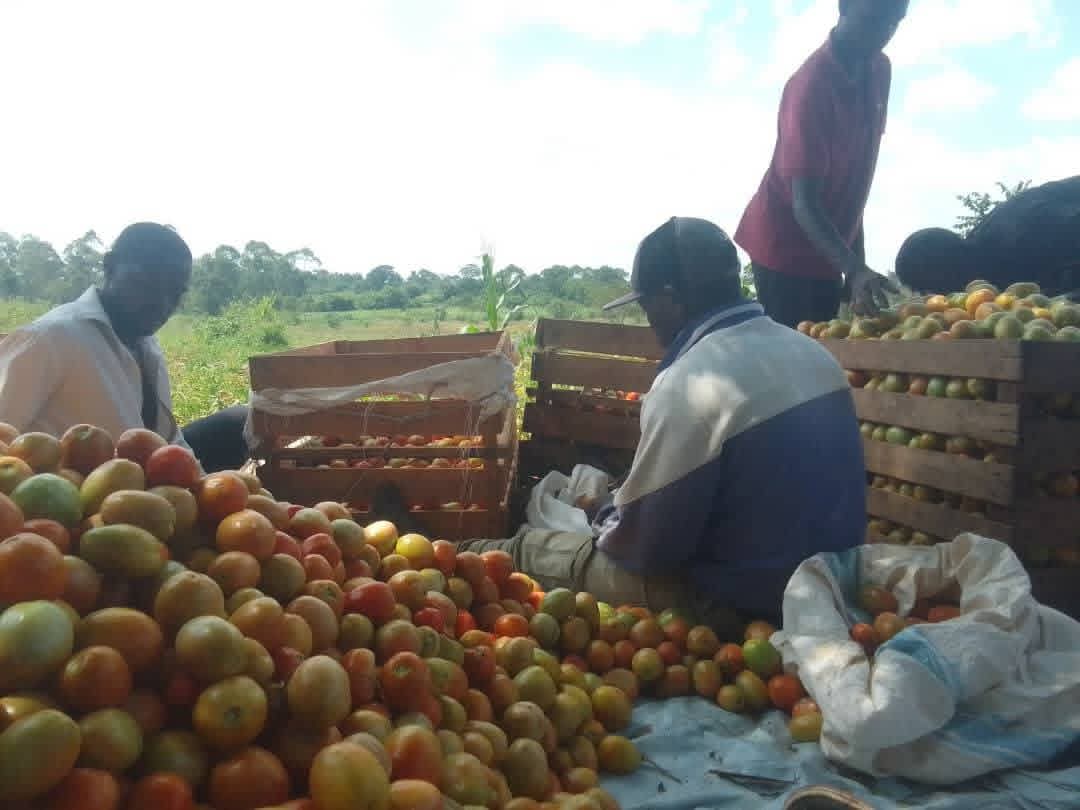
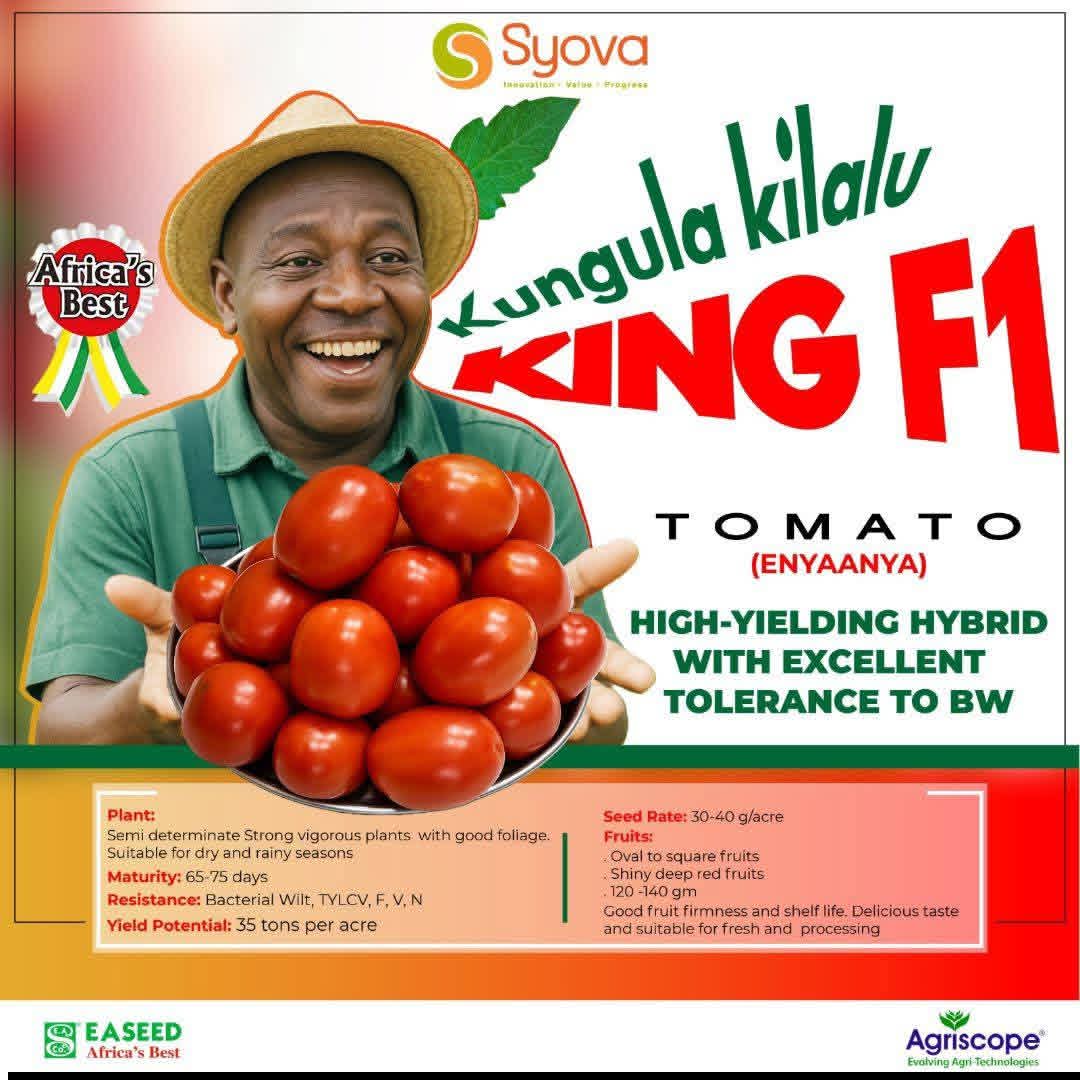
👑 KING F1 is ruling the fields in Mbale! 🍅💪 Strong plants, 160g fruits, 30–35t/acre, 65 days to harvest & resistant to Bacterial Wilt & TYLCV.
Farmers don’t just grow tomatoes—they grow PROFITS! 📈
📞 0778884885 | 0700399409
#KingF1 #SyovaSeedUG #FarmForProfit
2
4
128

A plant virus, TYLCV, up-regulates an endocrine oxylipin signal in its insect vector, Bemisia tabaci, via the viral C2 virulence ... biorxiv.org/content/10.64898… #biorxiv_plants
1
2
496

Jan 31
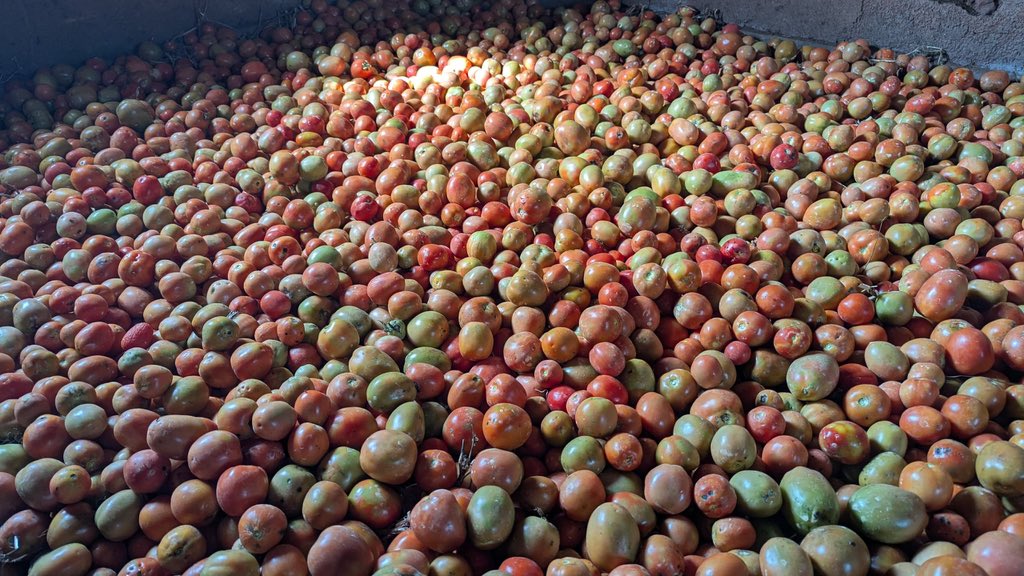
The Mistakes That Cause Heavy Losses in Tomato Farming
Tomato farming can be highly profitable, but a few common mistakes silently wipe out yields, quality, and income. Many farmers blame weather or markets, yet the real problem often starts in the field. Here are the key mistakes you must avoid if you want consistent and profitable tomato harvests.
Poor Variety Selection
Choosing the wrong variety is one of the biggest causes of failure. Some varieties are not adapted to local climate, soil type, or market demand. Others lack resistance to common diseases like bacterial wilt, blight, or TYLCV. Always select certified, high-yielding, disease-resistant varieties suited to your region and target market.
Planting in Infected or Untested Soil
Tomatoes are very sensitive to soil-borne diseases. Planting in fields with a history of bacterial wilt, nematodes, or fungal diseases leads to early crop collapse. Skipping soil testing and crop rotation increases losses. Healthy soil is the foundation of a healthy tomato crop.
Improper Nursery Management
Weak seedlings produce weak plants. Overcrowding, poor drainage, excess watering, or using infected nursery soil introduces diseases that spread to the main field. Many losses start in the nursery before transplanting even happens.
Wrong Plant Spacing
Too close spacing reduces airflow and increases disease pressure, while wide spacing wastes land and lowers yield per hectare. Poor spacing also affects fruit size and uniformity, directly reducing market value.
Overwatering or Poor Drainage
Tomatoes hate waterlogged soil. Excess moisture causes root rot, nutrient leaching, and disease outbreaks such as blight and bacterial wilt. On the other hand, irregular watering leads to blossom end rot and fruit cracking. Consistent moisture is key.
Unbalanced Fertilization
Excess nitrogen produces lush leaves but few fruits, while nutrient deficiencies cause poor flowering, weak plants, and low yields. Ignoring soil nutrients like calcium, potassium, and magnesium results in poor fruit quality and post-harvest losses.
Ignoring Pest and Disease Early Signs
Delaying control measures allows pests like whiteflies, thrips, and fruit borers to spread fast. Diseases spread even faster once established. Waiting until damage is visible usually means the loss is already serious and expensive to fix.
Lack of Staking and Pruning
Unstaked tomato plants suffer from fruit rot, pest damage, and uneven ripening. Fruits touching the soil are easily damaged and rejected by the market. Poor canopy management also increases disease pressure.
Poor Weed Control
Weeds compete for nutrients and water and act as hosts for pests and diseases. Allowing weeds to grow unchecked reduces yields and increases production costs later.
Harvesting and Marketing Mistakes
Harvesting too early or too late reduces quality and shelf life. Poor handling causes bruising and losses after harvest. Producing without a clear market plan often leads to price crashes and wasted effort.
Final Word
Tomato losses are rarely accidental. They are usually the result of small decisions made wrongly or too late. When you choose the right variety, manage soil and water properly, control pests early, and plan your market, tomato farming becomes a reliable and rewarding business.
Smart farming reduces losses. Profitable farming starts with avoiding mistakes.
2
12
20
3,751

Jan 9
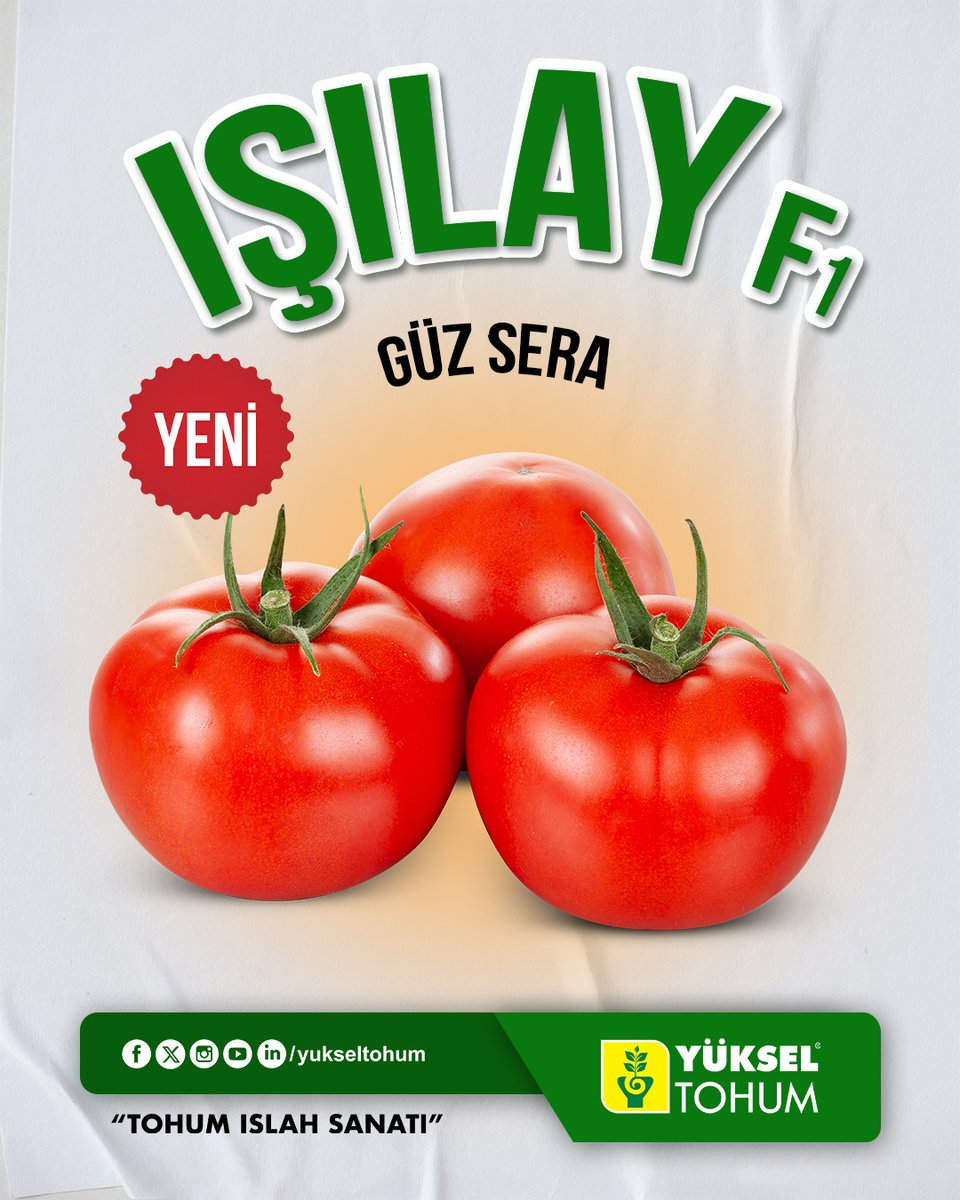
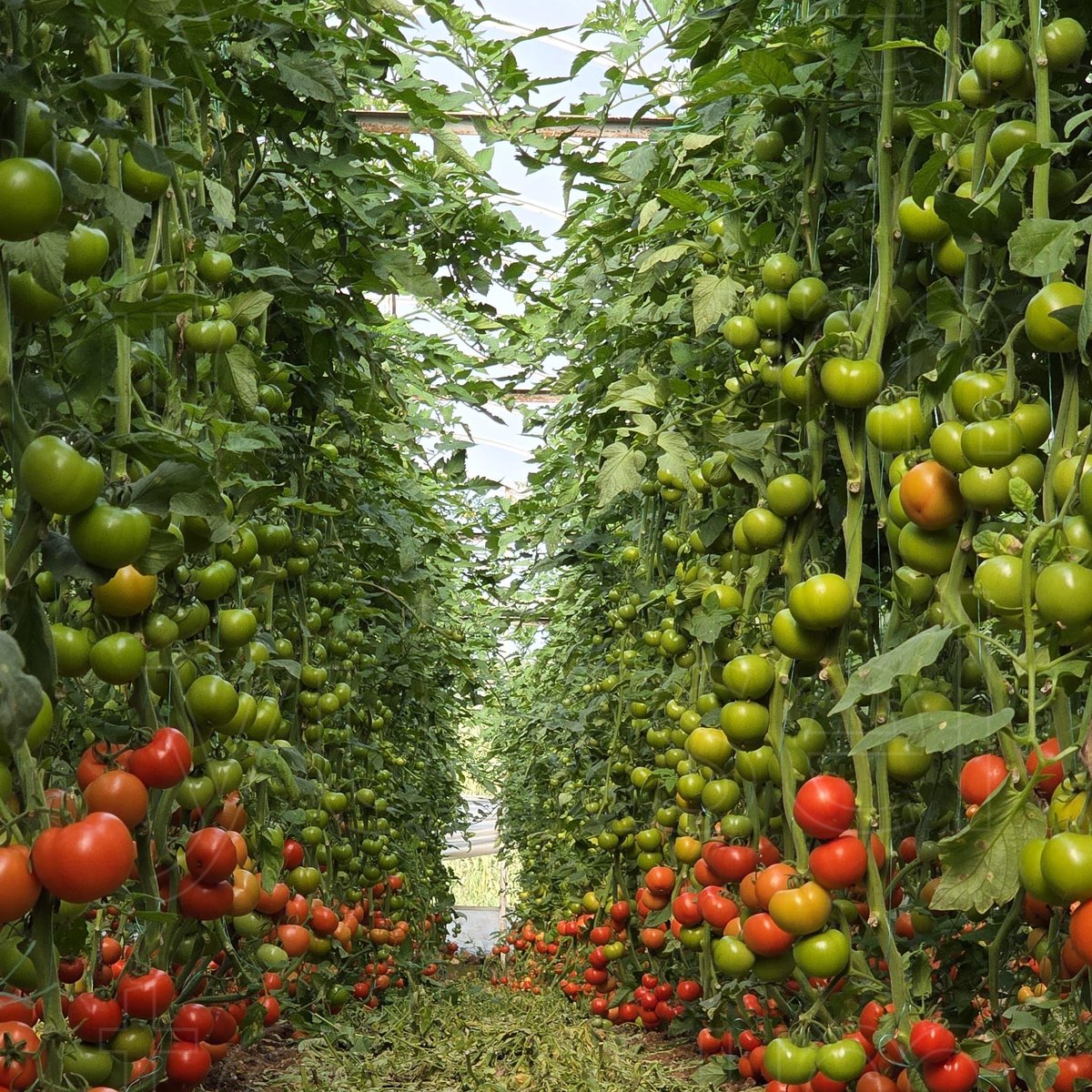
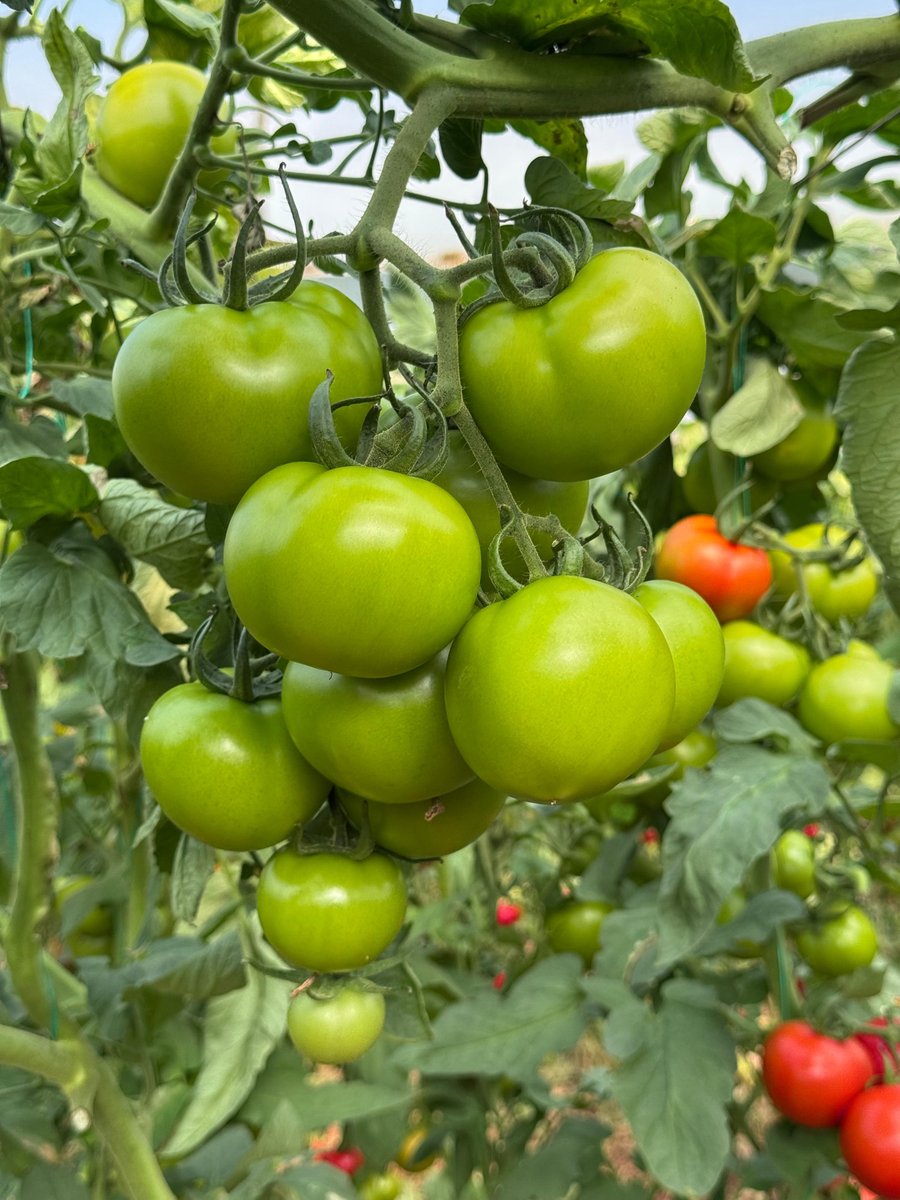
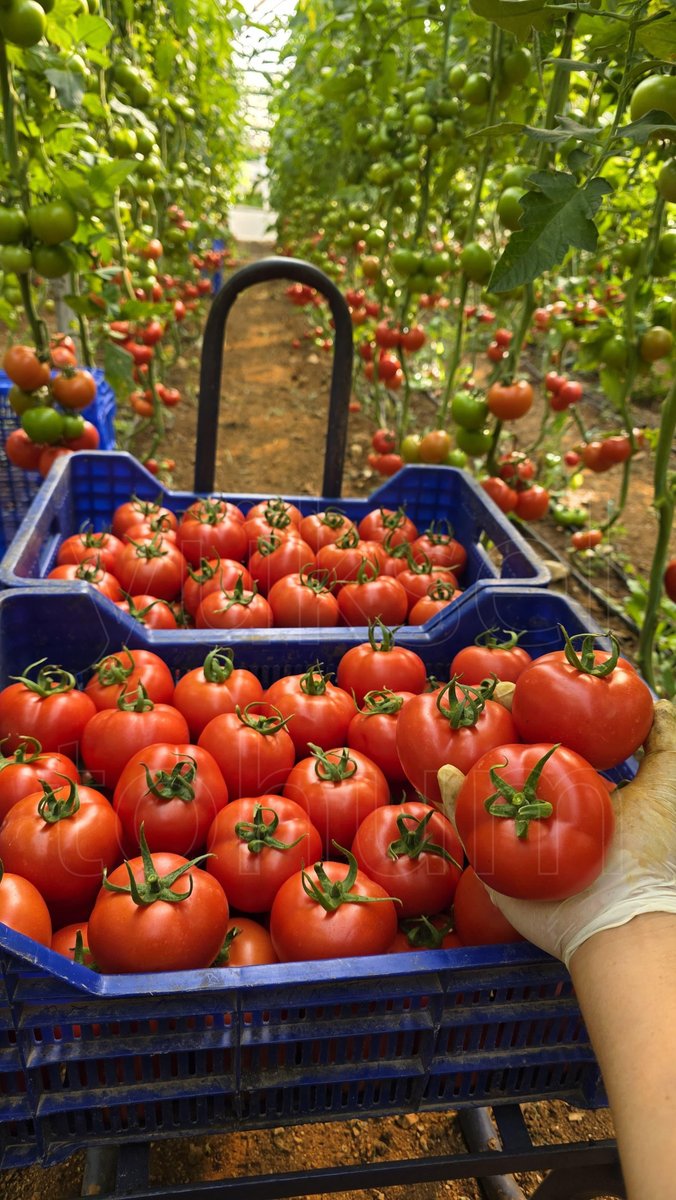
🍅 IŞILAY F1
🌱 Bitki: Güçlü, boğum arası kısa, verimli, sıcak toleransı yüksek.
🍅 Meyve: Sert, 200 gr, çok kaliteli, raf ömrü uzun.
⏳ Yetiştirme Dönemi: Güz
🛡 Dayanımlar
HR: ToMV, Vd, Va, Fol 0-1, For, Ff A-B
IR: TYLCV, TSWV
#tohumıslahsanatı
1
9
258

15 Dec 2025
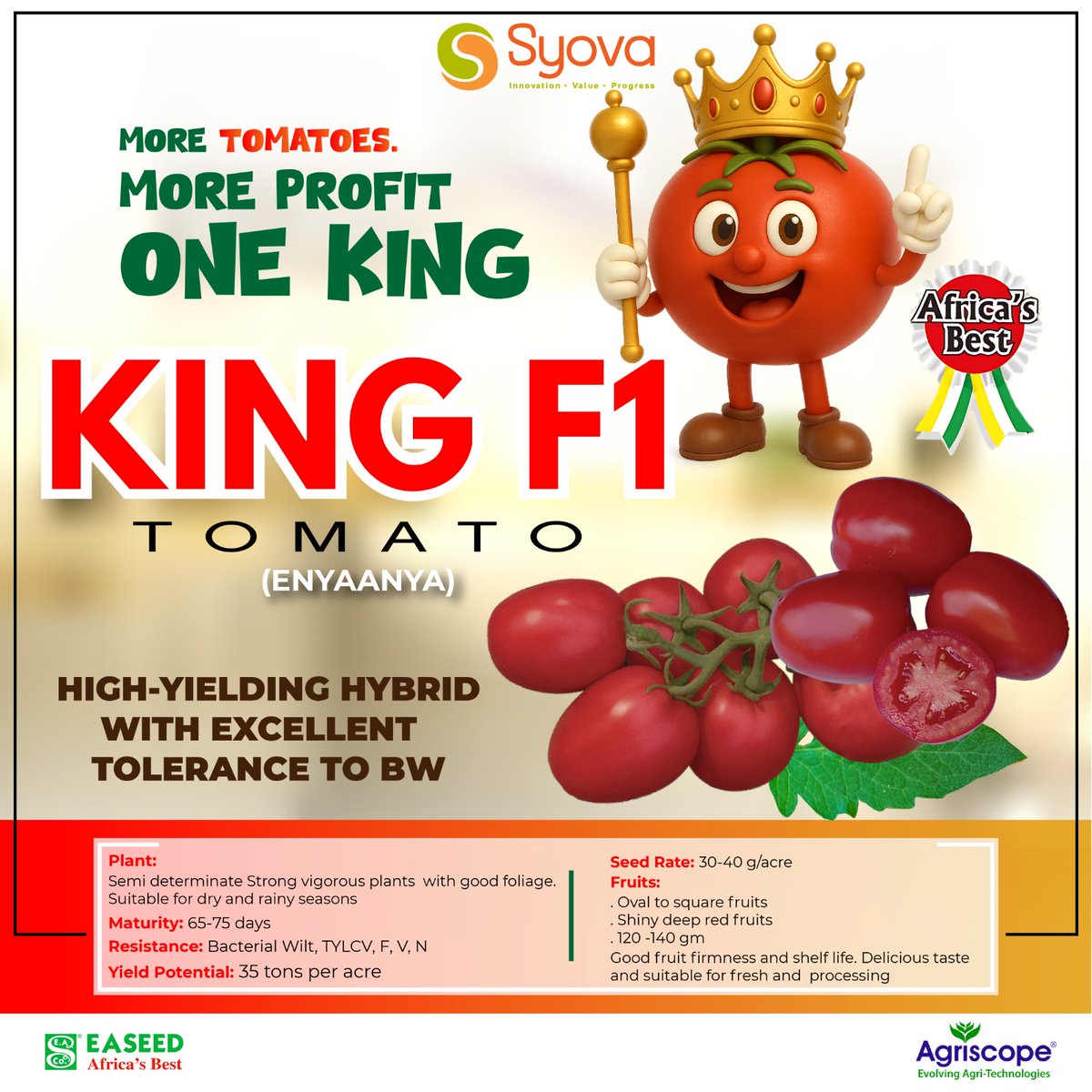
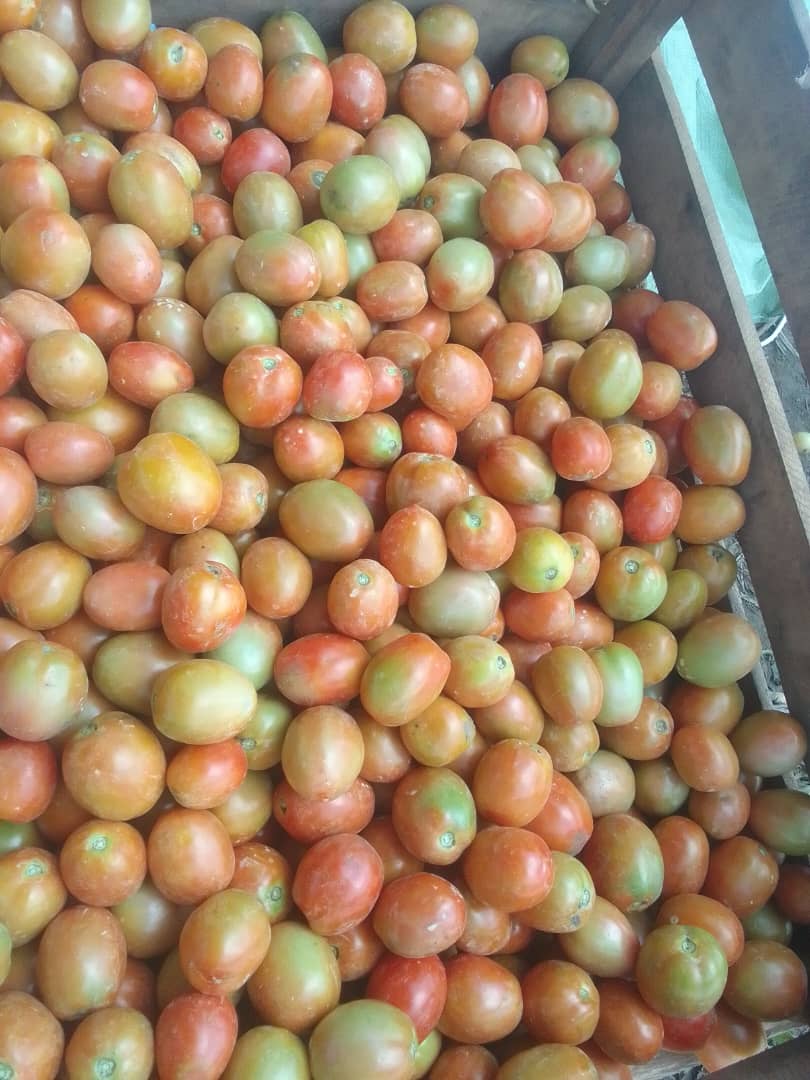
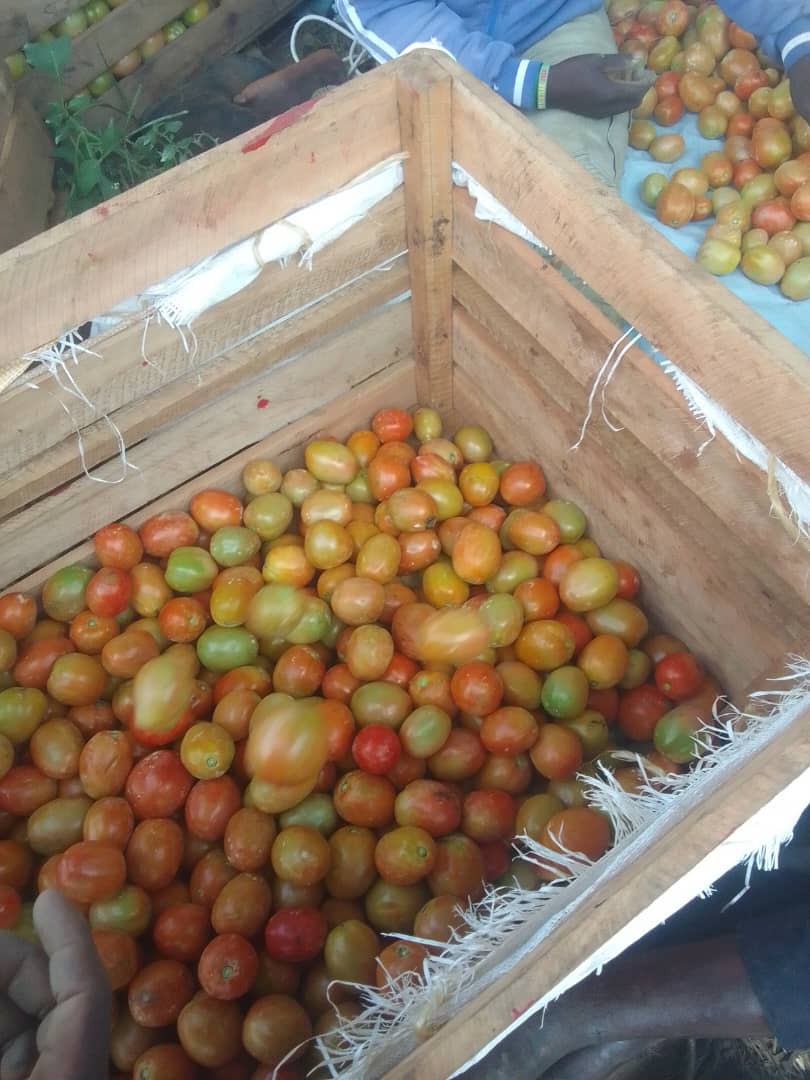
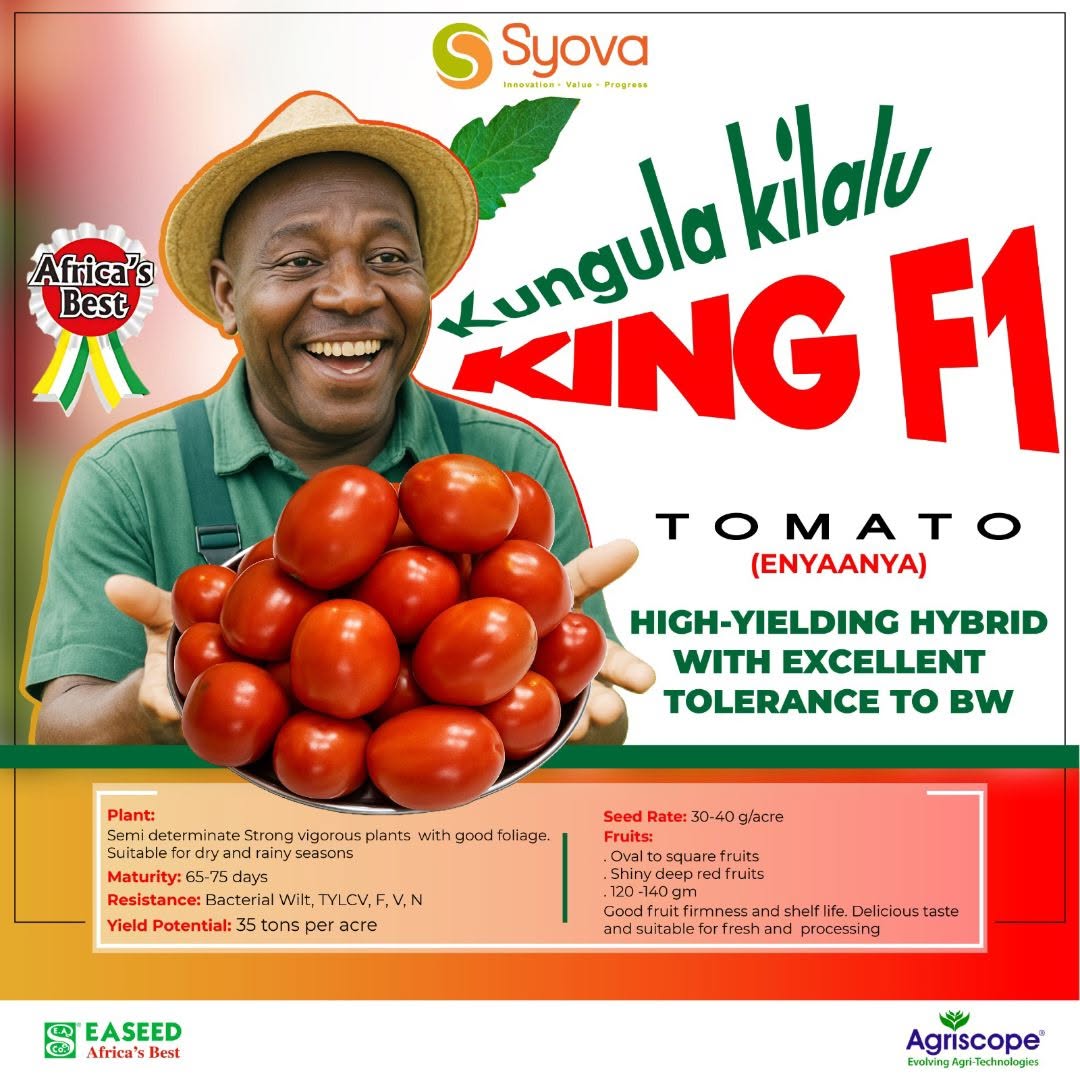
👑 KING F1 is changing tomato farming! 🍅🔥
Mr. Mukiibi of Kayanja is impressed by the firm, deep-red fruits, high yields & strong disease resistance.
✅ Bacterial wilt & TYLCV resistant
✅ ~160g firm fruits
✅ 30–35t/acre
✅ Ready in ~65 days
Start with quality. Grow KING F1.
4
9
120
12 Dec 2025
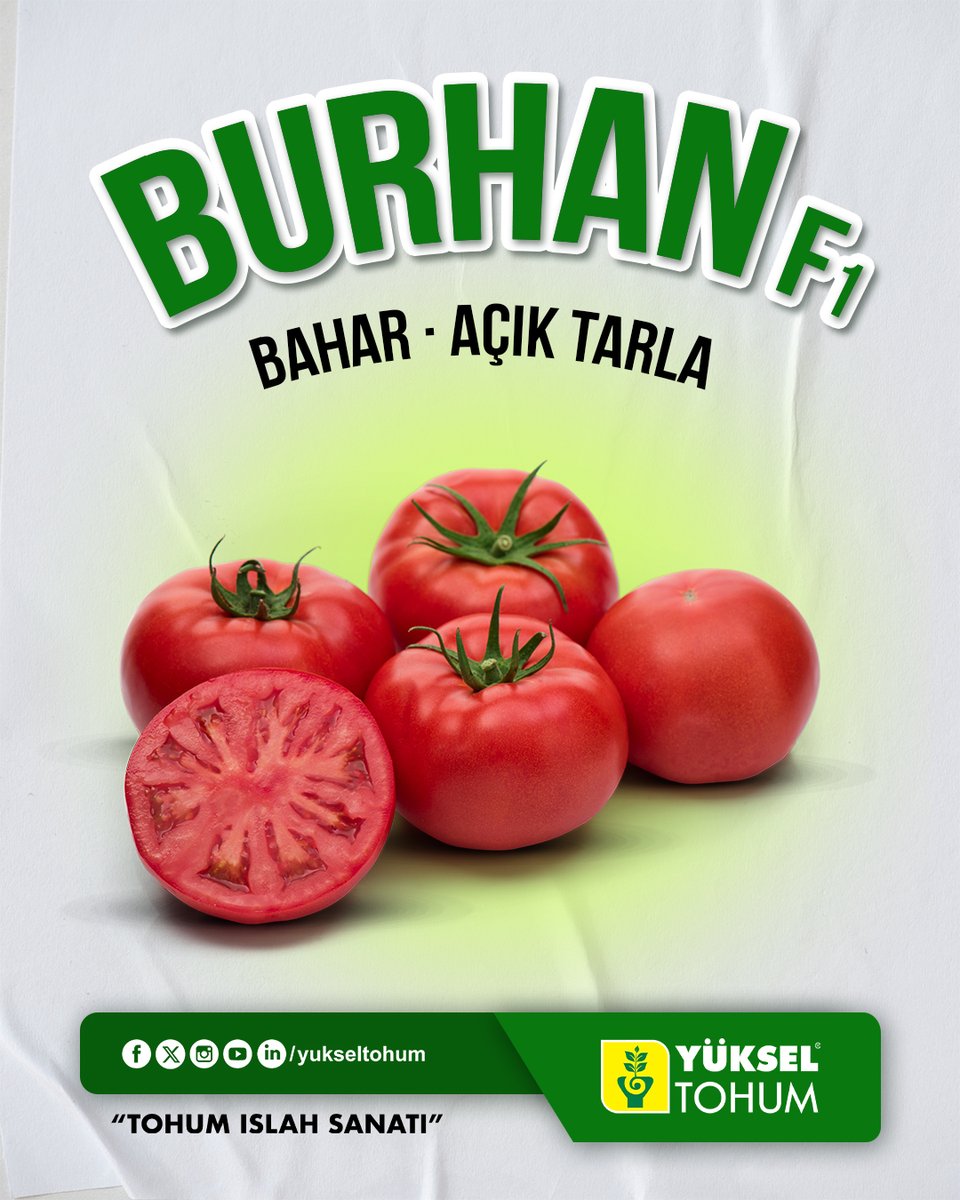
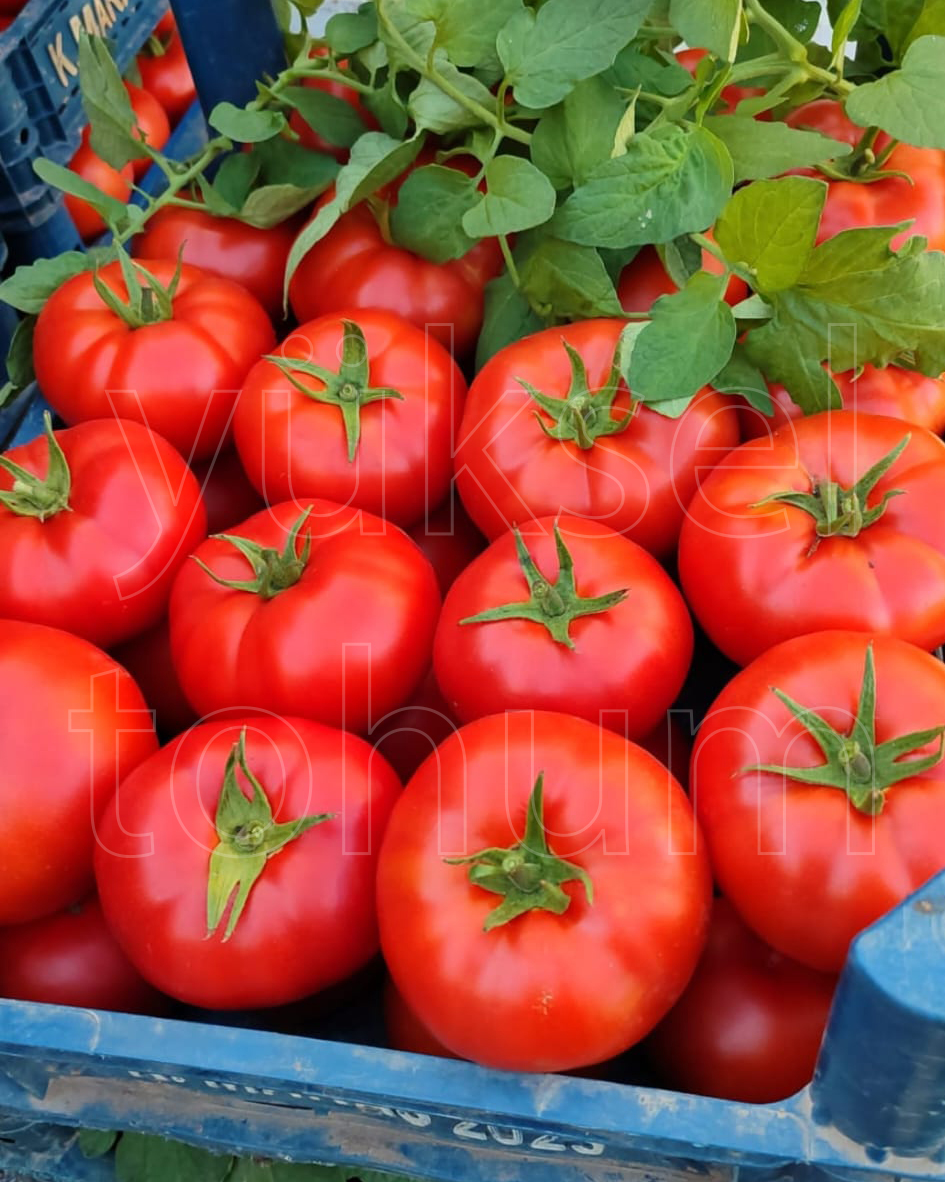
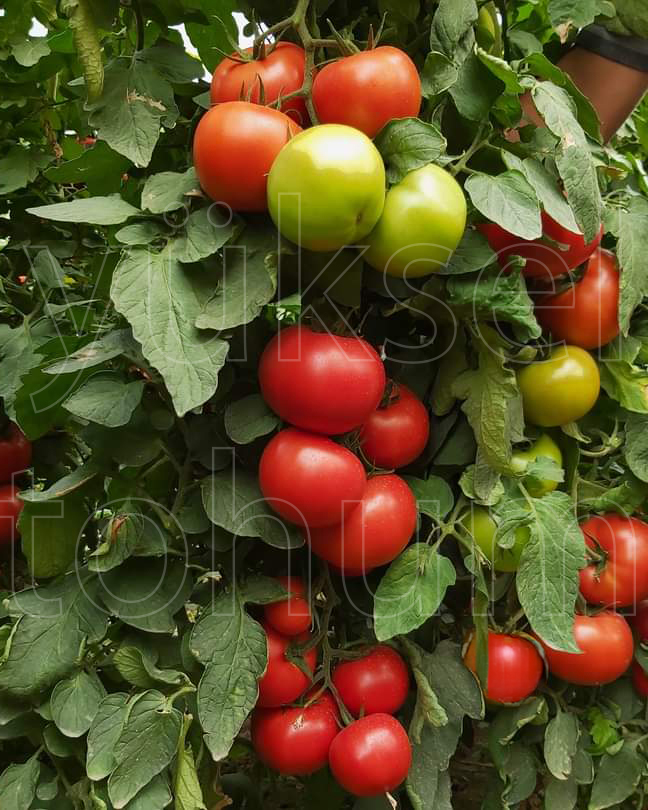
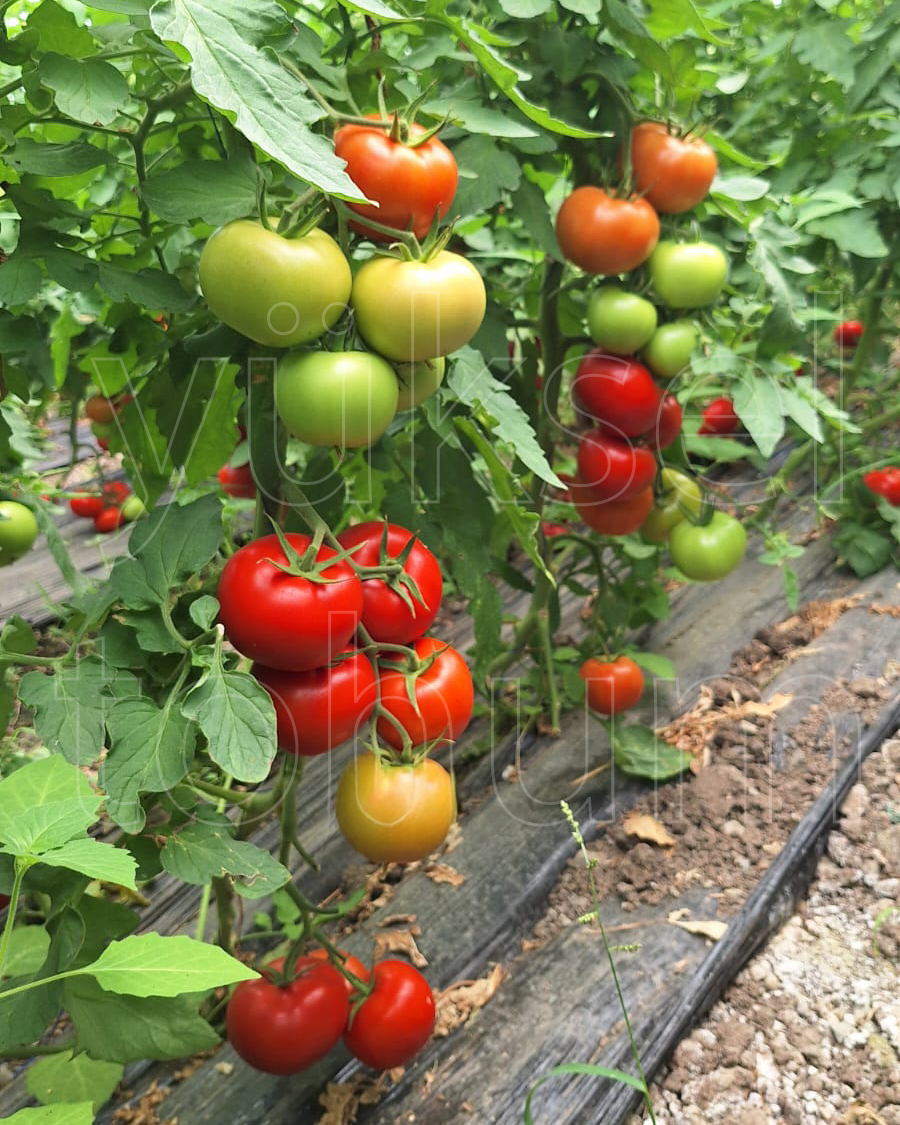
🍅BURHAN F1
🍃 Bitki: Sırık domates, boğum arası kısa, güçlü, erkenci.
🍅 Meyve: 300 gr, yuvarlak, çok sert, kaliteli, verimli.
📆 Yetiştirme Dönemi: Bahar sera ve açık tarla.
🛡 Dayanımlar
HR: ToMV, Vd, Va, Fol 0-1, For, Ff A-E – IR: TYLCV, TSWV
7
173
11 Dec 2025
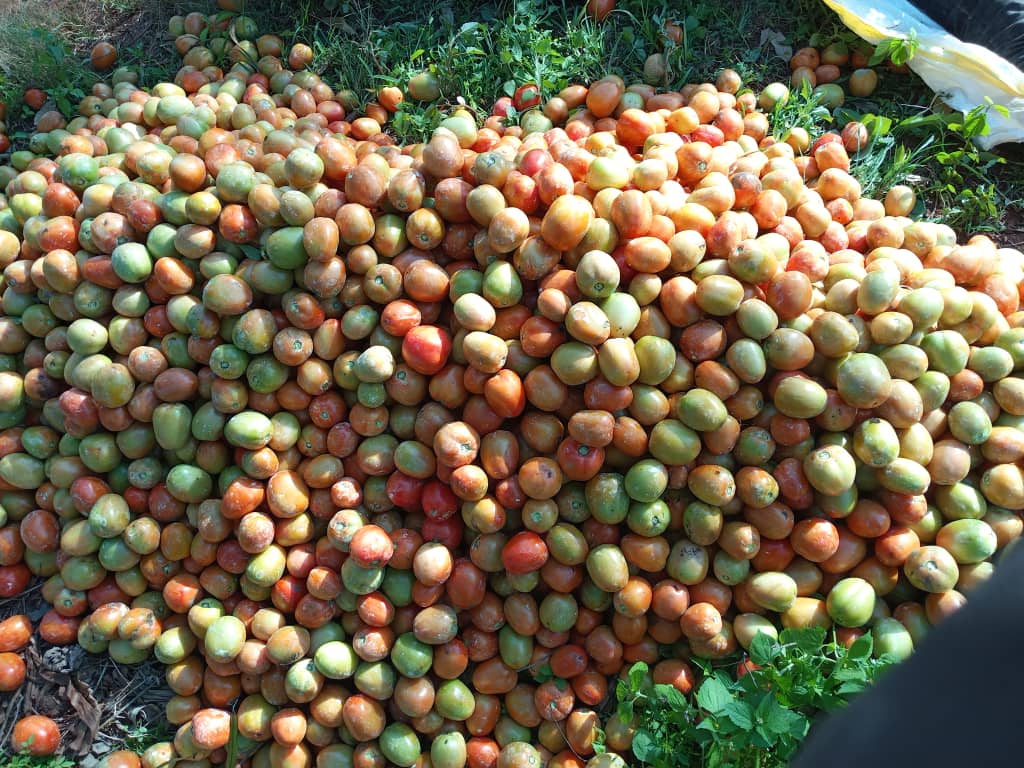
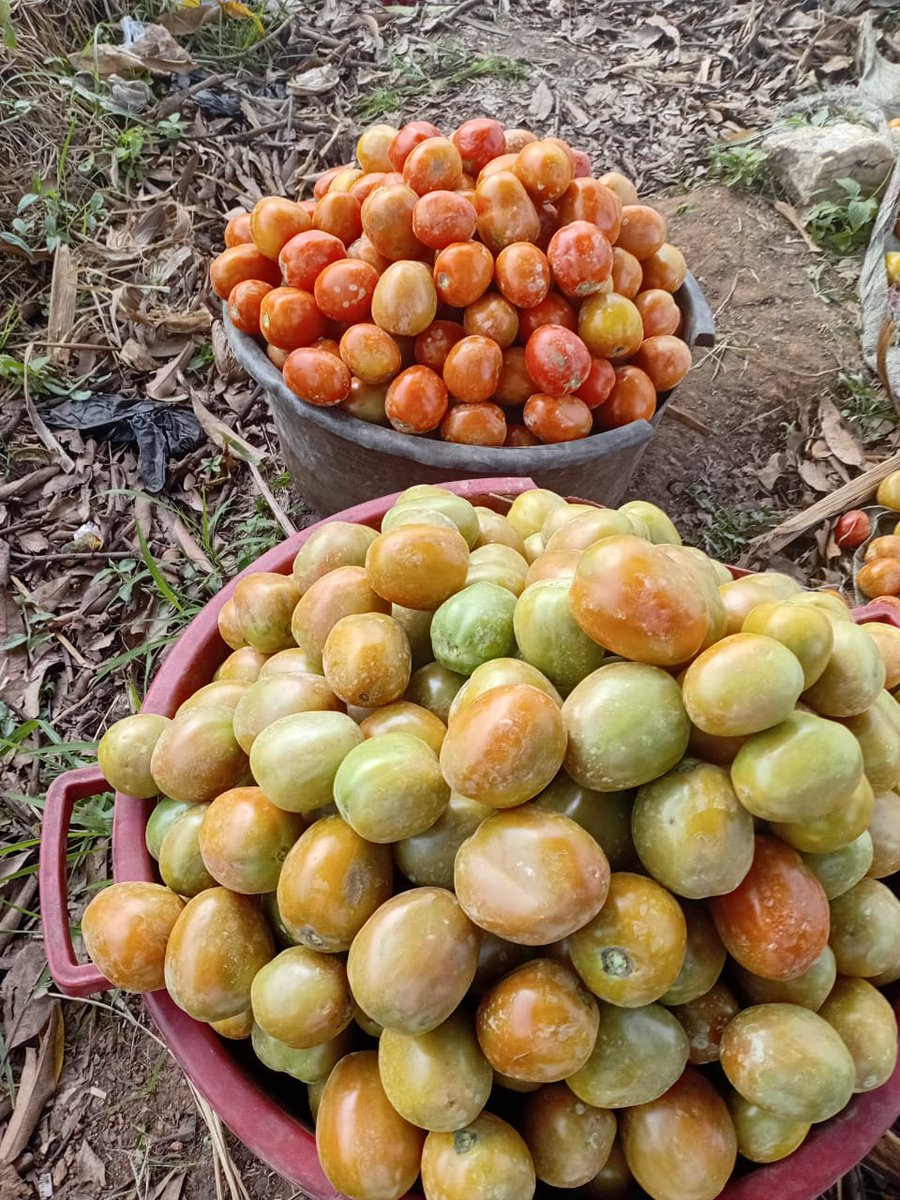
👑 KING F1 is ruling the fields in Mbale! 🍅💪 Strong plants, 160g fruits, 30–35t/acre, 65 days to harvest & resistant to Bacterial Wilt & TYLCV.
Farmers don’t just grow tomatoes—they grow PROFITS! 📈
📞 0778884885 | 0700399409
#KingF1 #SyovaSeedUG #FarmForProfit
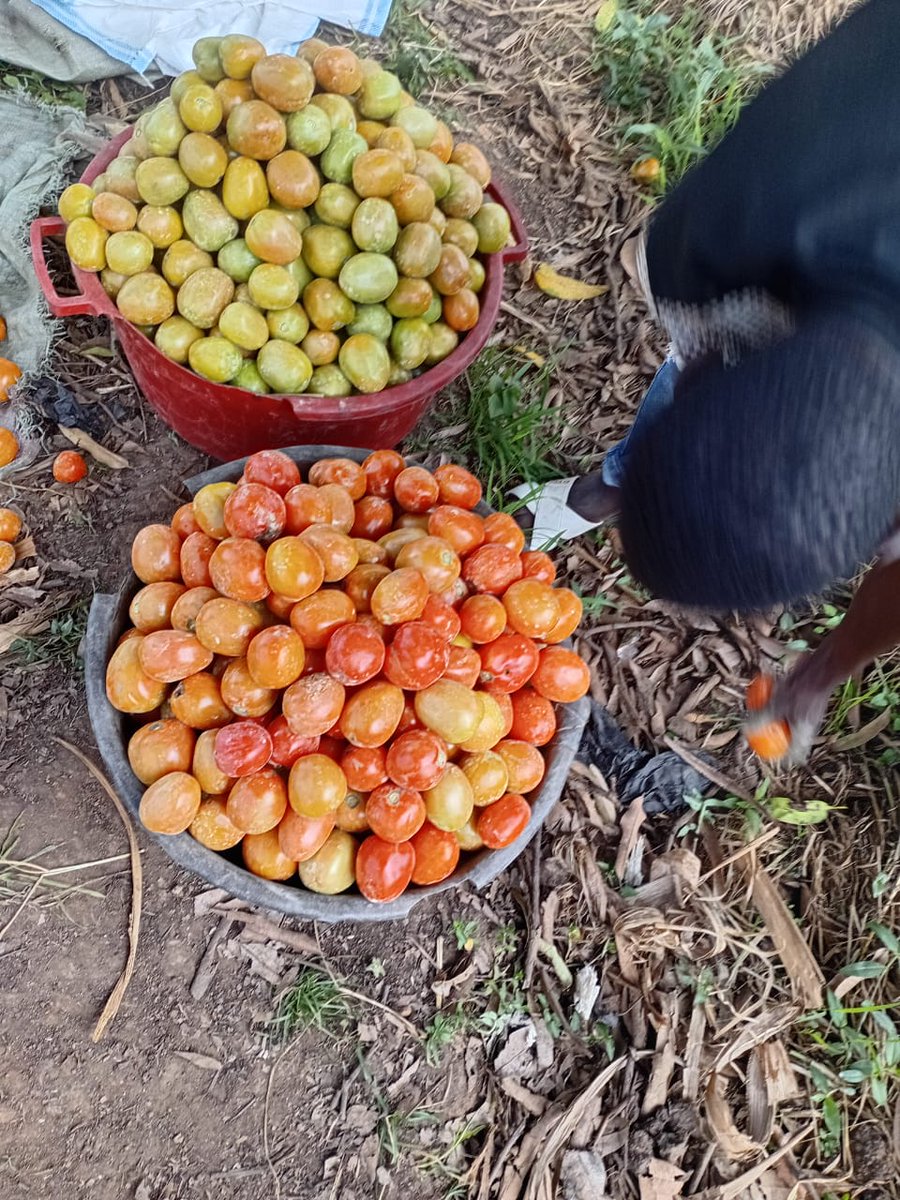
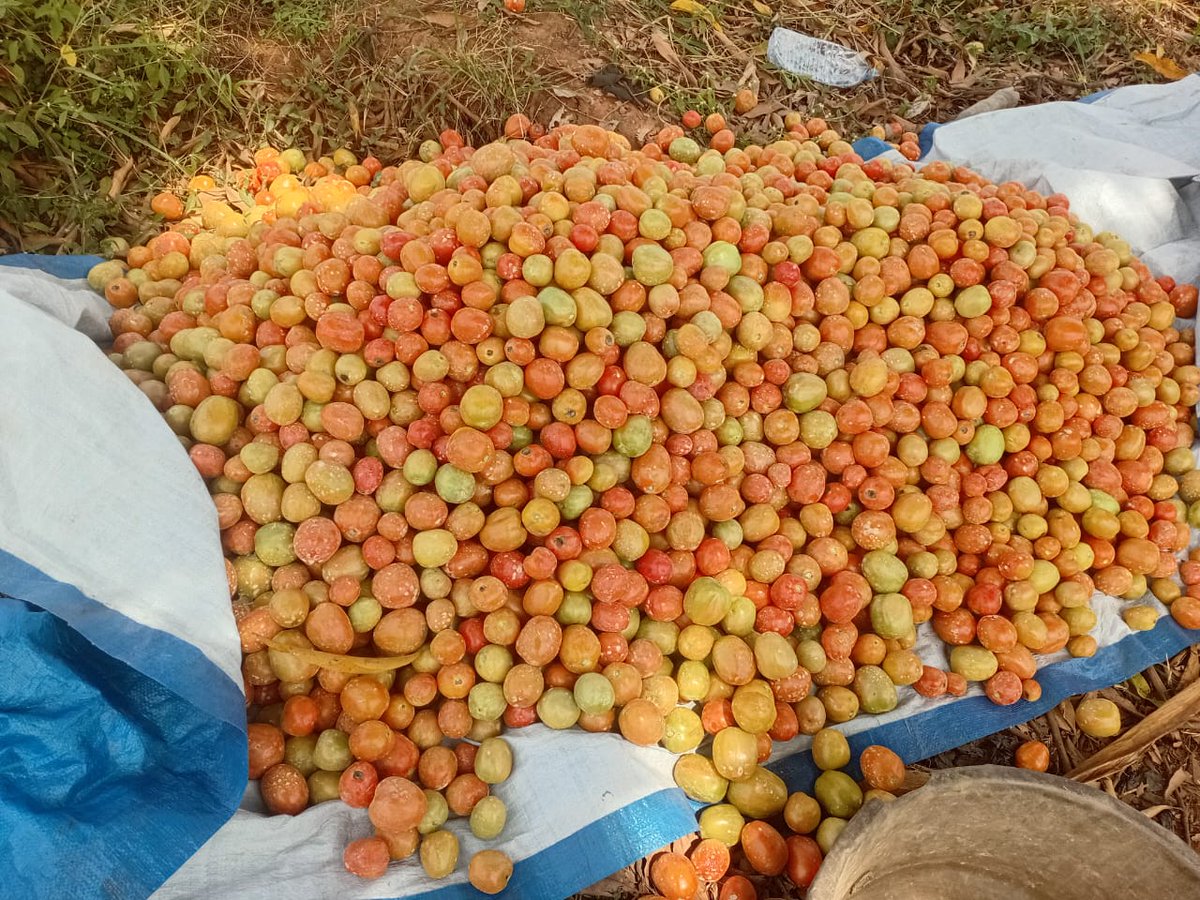
5
10
158

26 Nov 2025
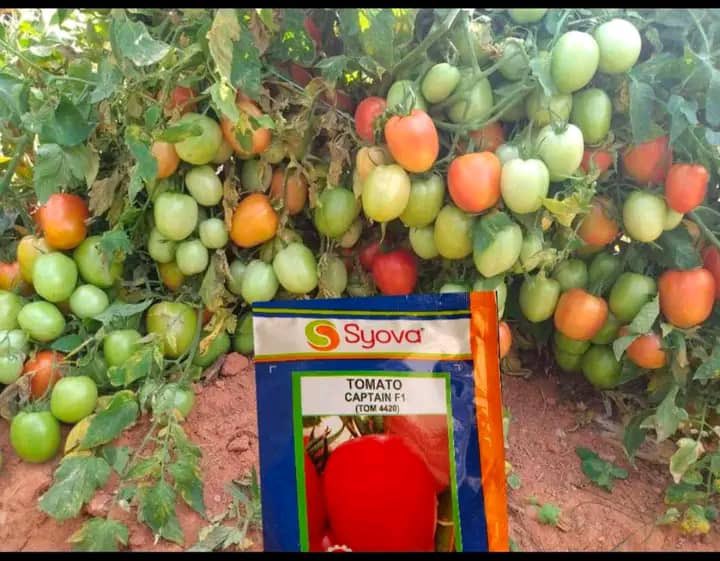
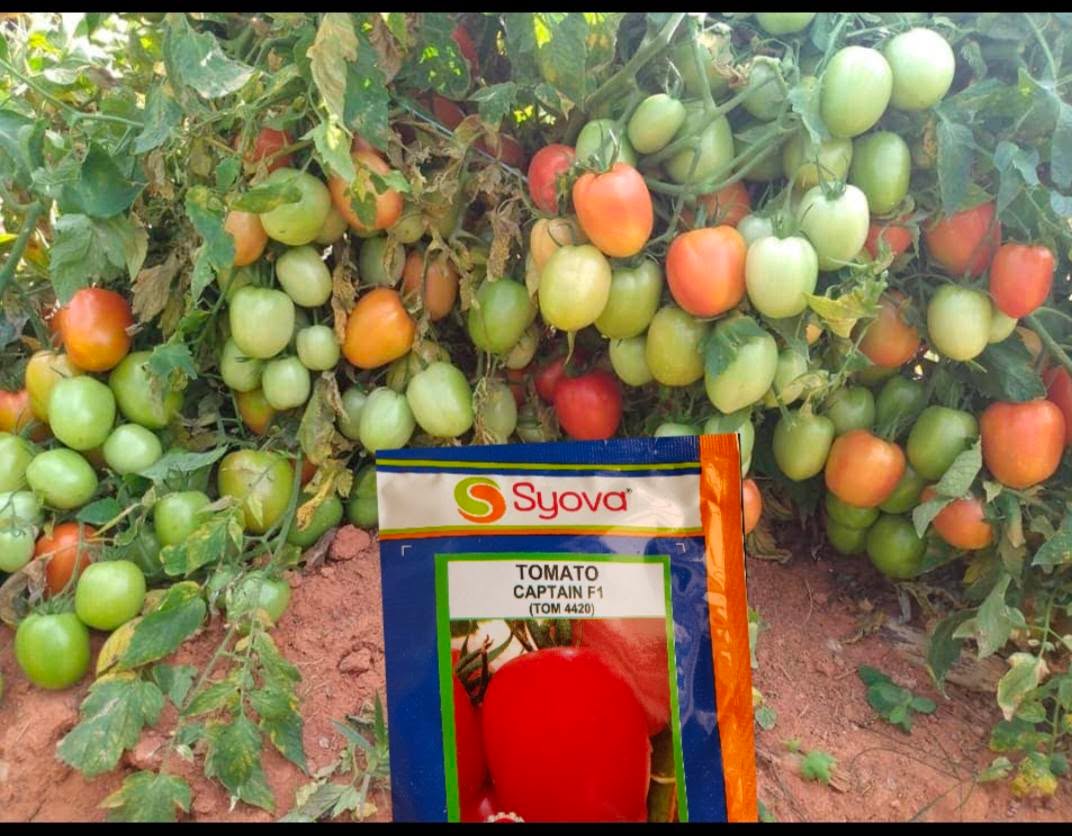
CAPTAIN F1 TOMATO
High-yielding, strong & reliable hybrid!
Plant
• Maturity: 65–75 days
• Semi-determinate & vigorous
• Excellent fruit setting
• Long shelf life
🍅 Fruits
• Deep red, firm & uniform
• 90–110g medium size
• Good for transport & market
Yield
• 35–40 tons per acre
Resistance
• Tolerant to Bacterial Wilt, Fusarium, Verticillium & TYLCV
✔️ Stable performance
✔️ High market demand
✔️ Perfect for open field & greenhouse.
Available at Omia Agribusiness Shops
Dial *284*173#
#Farmersfirst
1
9
174

18 Nov 2025
Plant Science Research Weekly -- A viral master plan: TYLCV reprograms tomato scent and whitefly senses for maximum spread (Science Advances) (Summary by Ved Prakash @vedjiwan) plantae.org/a-viral-master-p…
#PlantaePSRW
1
4
20
1,647
17 Nov 2025
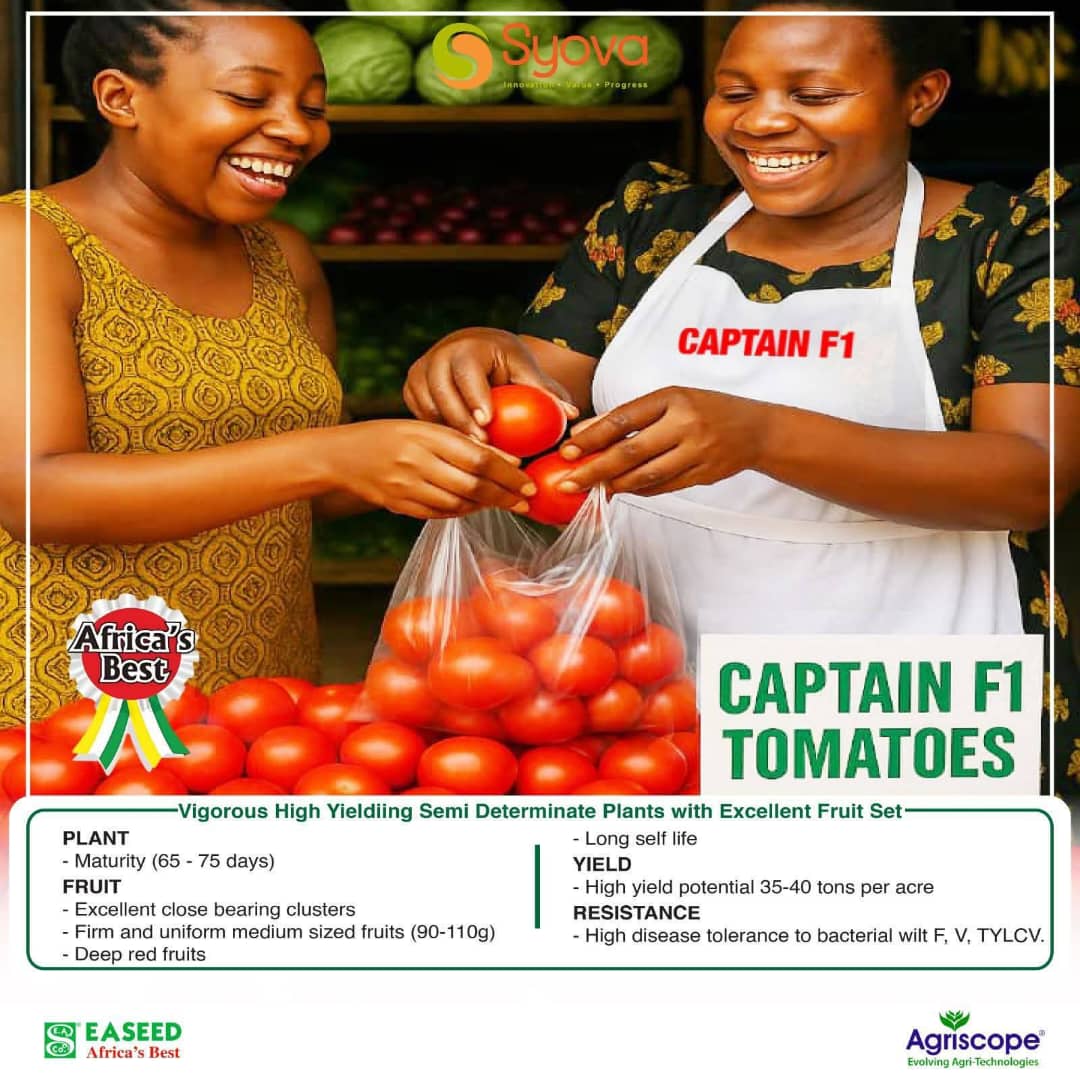
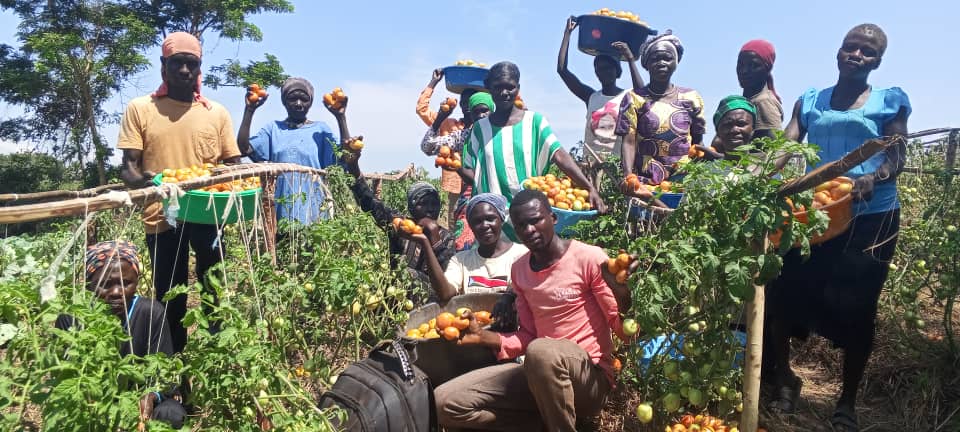
CAPTAIN F1 (Logiri, Arua) 🔥
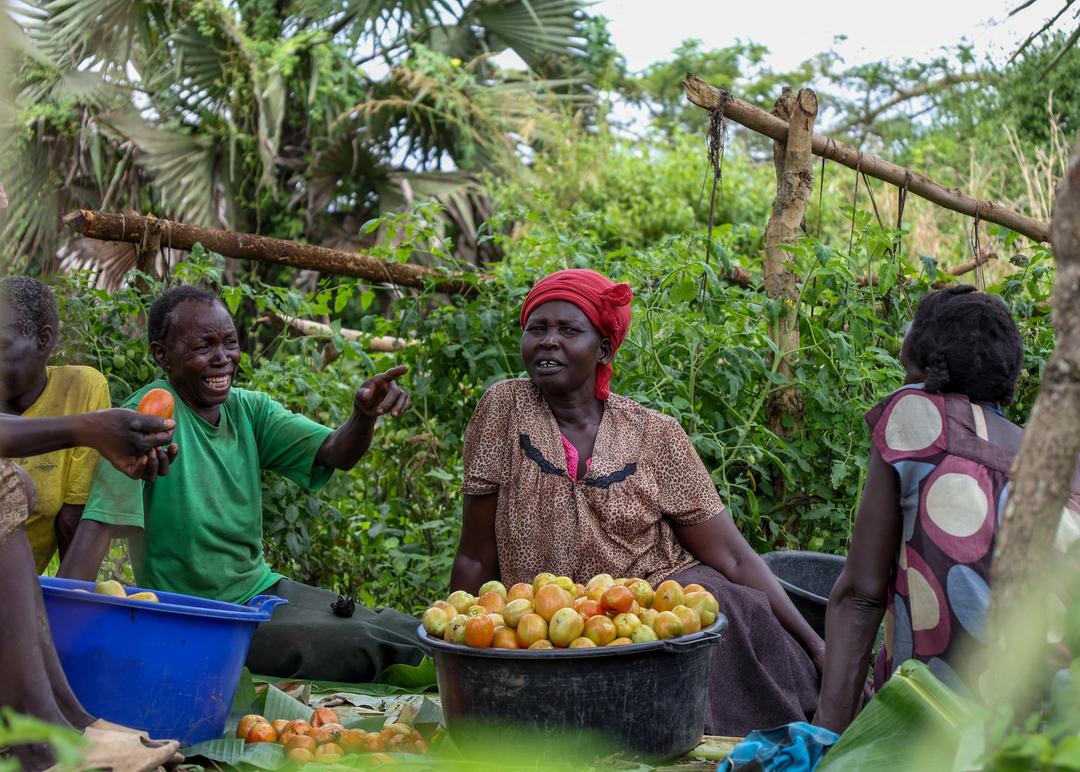
🚀 Captain F1 is winning BIG in Logiri, Arua!
Farmers are harvesting firm, deep-red tomatoes with 60–65 day maturity, 35–40MT/acre, and strong tolerance to Bacterial Wilt & TYLCV.
Quality. Shelf life. Market demand.
📞 Order: 0751137976 | 0700399409
1
3
118