
Jun 11
📊 Vos données sont-elles un levier de performance ou un simple stock d'informations ?
📅 Le 25 juin à 18h, rejoignez notre webinaire #TeaNum : "Data & IA : transformer vos données en décisions stratégiques".
💻 webikeo.fr/webinar/atelier-n…
#Data #IA
@PKuchly57 @lesdigiteurs

4
4
61
Jan 12
Nouveau 🚀 Tea Num à la CCI Val-d’Oise : Canva IA pour booster votre crédibilité digitale
📅 29/01/2026 ⏰ 17h–19h 📍 Cergy
🎯 Visuels pros, méthode concrète
👉 entreprises.cci-paris-idf.fr…
#TeaNum #Canva #IA #Digital #Entrepreneurs
@PKuchly57 @CCI_Paris_IdF @lesdigiteurs

2
2
99

15 May 2024
COPY OF A ROMAN <<DENTAL BRIDGE>> FROM THE ANCIENT CENTRE OF TEANO The finds from excavations in the territory of Teanum Sidicinum.
campanica.blogspot.com/2024/…
----
#Campania #Teano #finds #medicine

1
2
46

14 Mar 2024
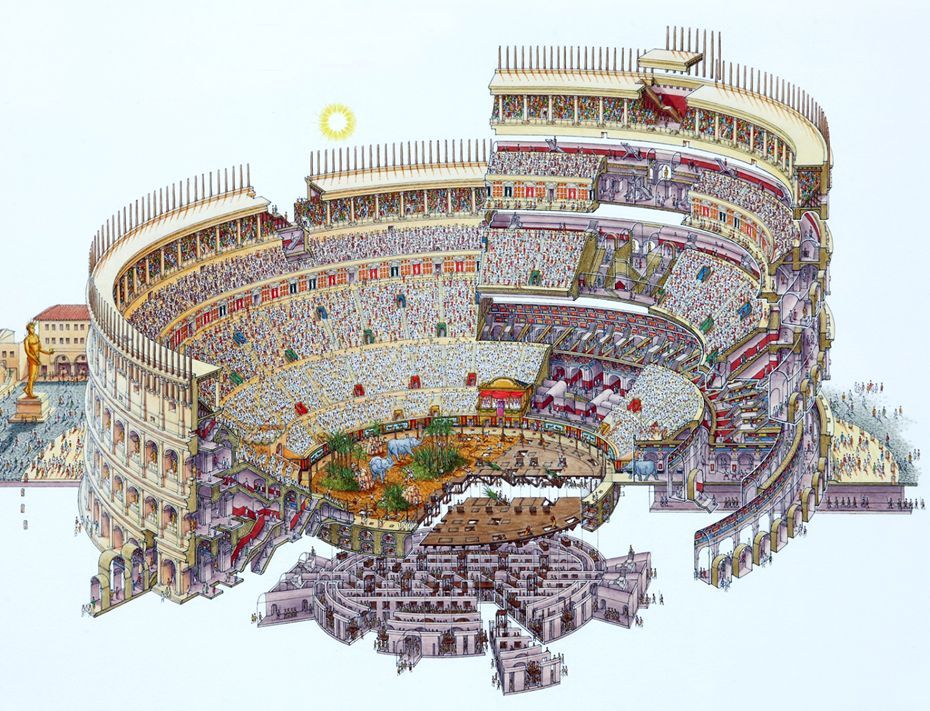
Roman Amphitheatres are large, circular or oval open-air venues with raised seating, built by ancient Romans. They were used for events such as gladiator combats, venationes (animal slayings) and executions. About 230 Roman amphitheatres have been found across the area of Roman Empire. Early amphitheatres date from Republican period, though they became more monumental during Imperial era. Amphitheatres are distinguished from circuses and hippodromes, which were usually rectangular and built mainly for racing events, and stadia, built for athletics, but several of these terms have at times been used for one and same venue. The word amphitheatrum means "theatre all around". Thus, an amphitheatre is distinguished from traditional semicircular Roman theatres by being circular or oval in shape.
Roman amphitheatre consists of three main parts: Cavea, Arena and Vomitorium. The seating area is called cavea (enclosure). Cavea is formed of concentric rows of stands which are either supported by arches built into the framework of the building or simply dug out of hillside or built up using excavated material extracted during excavation of fighting area (arena).
The cavea is traditionally organised in three horizontal sections, corresponding to the social class of the spectators :
The ima cavea is lowest part of cavea and one directly surrounding the arena. It was usually reserved for the upper echelons of society.
The media cavea directly follows ima cavea and was open to general public, though mostly reserved for men.
The summa cavea is the highest section and was usually open to women and children.
Similarly, front row was called prima cavea and last row was called cavea ultima. The cavea was further divided vertically into cunei. A cuneus (wedge) was a wedge-shaped division separated by the scalae or stairways.
The arched entrances both at arena level and within cavea are called the vomitoria (spew forth) and were designed to allow rapid dispersal of large crowds.
It is uncertain when and where first amphitheatres were built. There are records attesting to temporary wooden amphitheatres built in Forum Romanum for gladiatorial games from 2nd Century BC, onwards and these may be origin of architectural form later expressed in stone. In his Historia Naturalis, Pliny the Elder claims that amphitheatre was invented during spectacles of Gaius Scribonius Curio in 53 BC, where two wooden semicircular theatres were rotated towards each other to form one circular amphitheatre, while spectators were still seated in two halves. But while this may be origin of architectural term amphitheatrum, it cannot be origin of architectural concept, since earlier stone amphitheatres, known as spectacula or amphitheatera, have been found.
According to Jean-Claude Golvin, earliest known stone amphitheatres are found in Campania, at Capua, Cumae and Liternum, where such venues were built towards the end of 2nd Century BC. Next-oldest amphitheatre known, as well as one of best-researched, is amphitheatre of Pompeii, securely dated to be built shortly after 70 BC. There are relatively few other known early amphitheatres: those at Abella, Teanum and Cales datedSullan era (until 78 BC), those at Puteoli and Telesia from Augustan (27 BC–14 AD). Amphitheatres at Sutrium, Carmo and Ucubi were built around 40–30 BC, those at Antioch and Phaestum (Phase I) in mid-1st Century BC.
#archaeohistories
4
65
319
28,887

4 Nov 2023
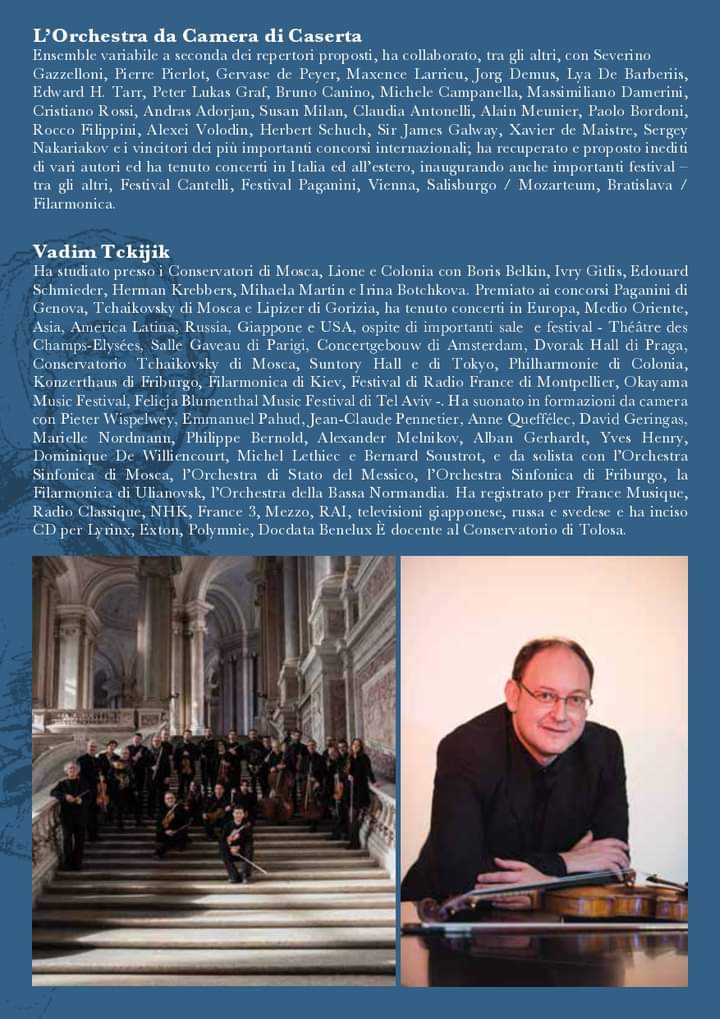
🏛 @MuseoCalatia
🏛 MuseoArcheologico e Teatro di Teanum Sidicinum
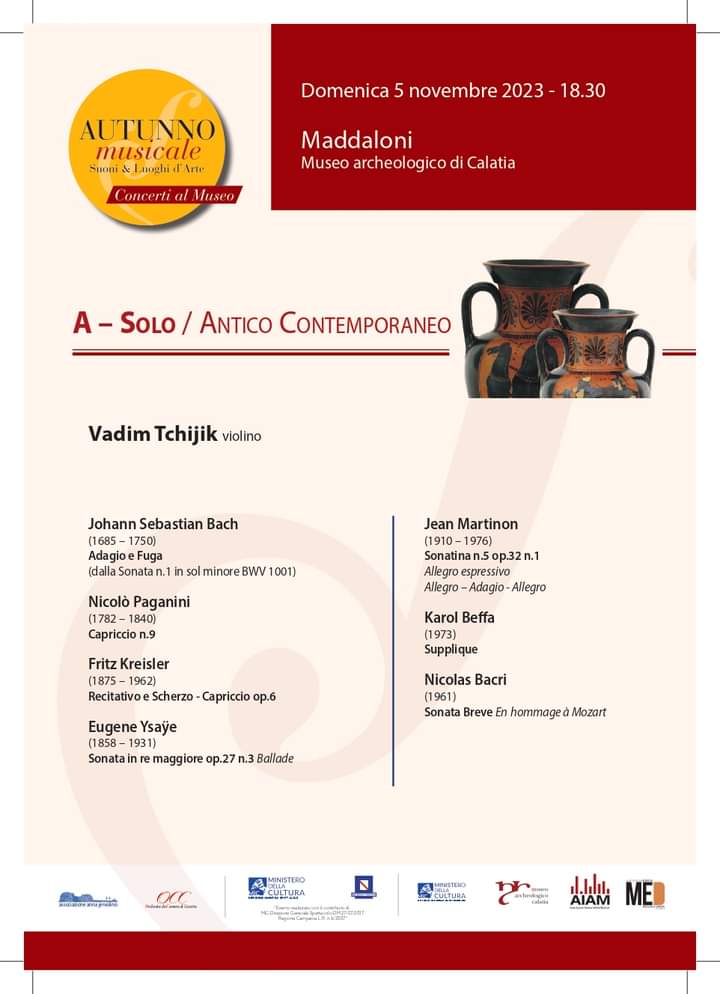
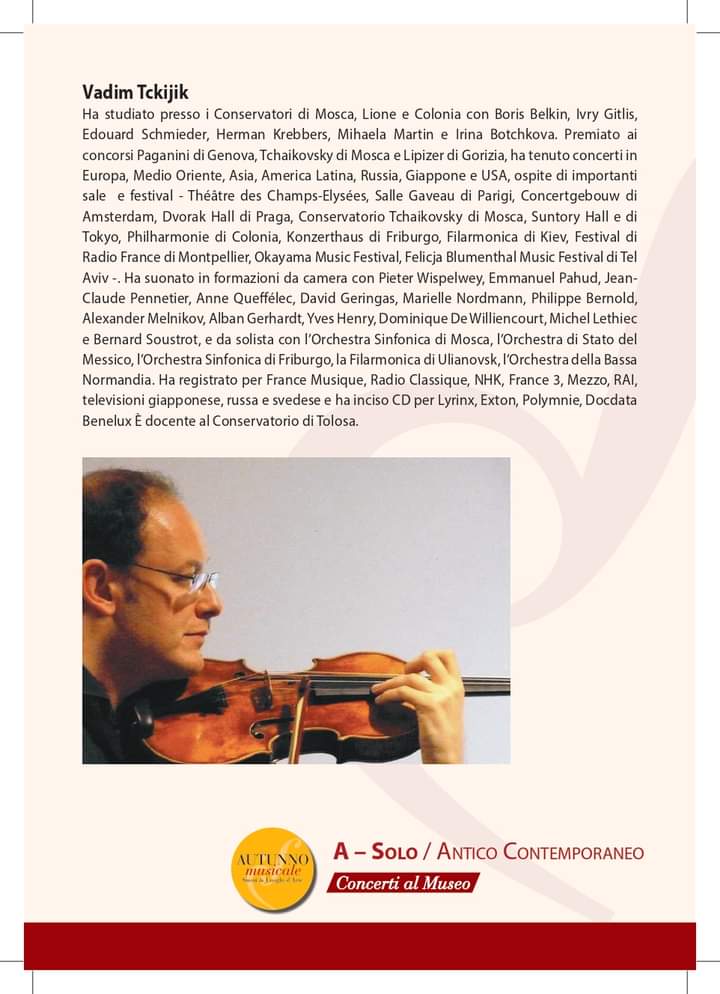
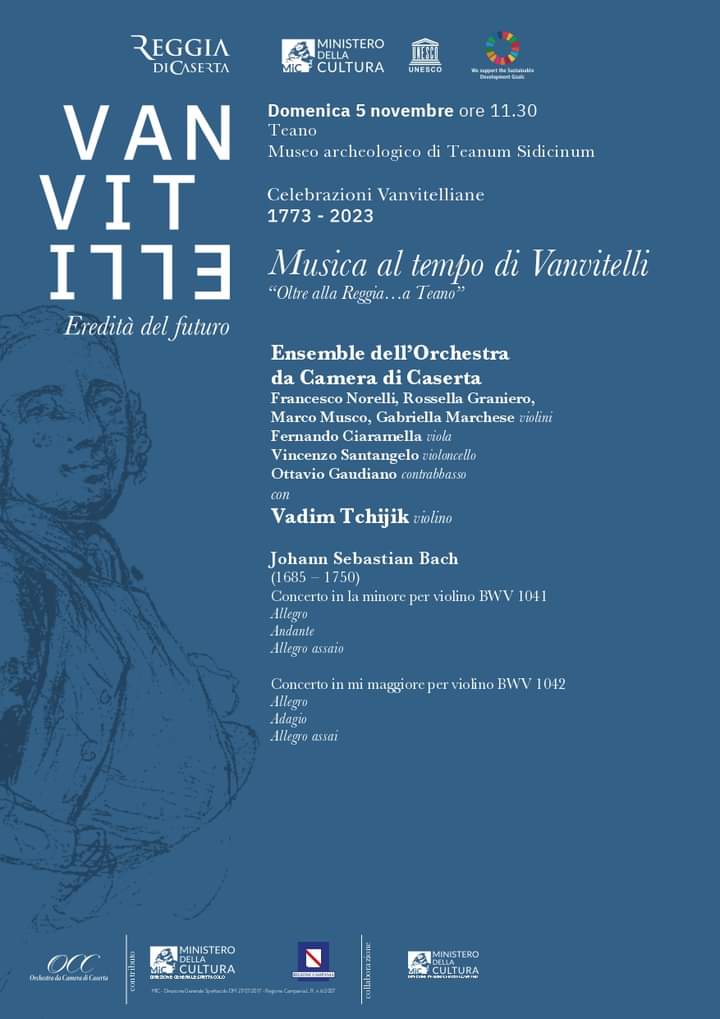
👉 Nelle locandine gli eventi musicali che si terranno domani, domenica 5 novembre, ai musei archeologici di Maddaloni e di Teano.
Per una domenica in musica, immersi in affascinanti contesti archeologici! 🏛️🎶
1
5
192

28 Sep 2023
👉#lenotizieinpositivo di Ondawebtv Parco di Roccamonfina, il convegno al Museo Teanum Sidicinum ondawebtv.it/parco-di-roccam…
2
11

14 Sep 2023
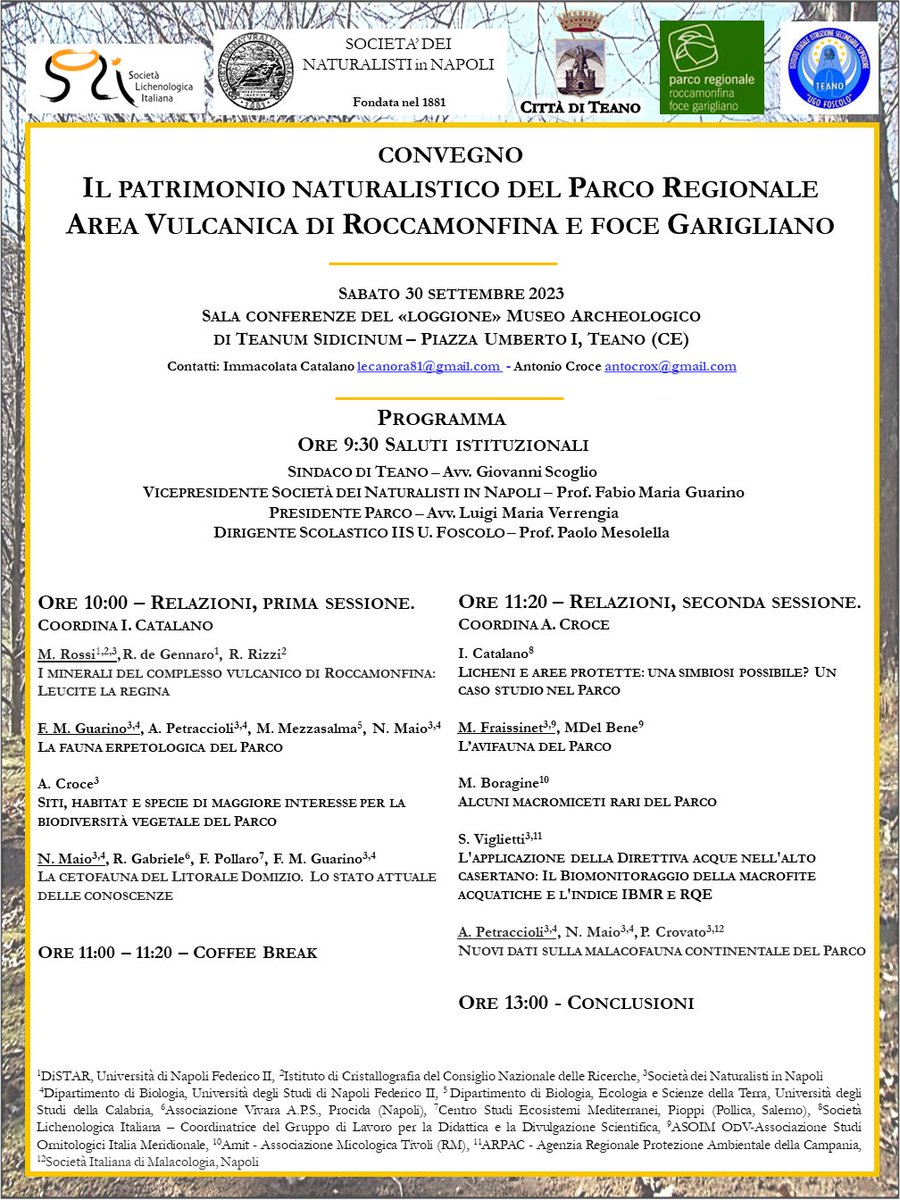
30 settembre, Museo Archeologico di Teanum Sidicinum" di TEANO (CE), " Il patrimonio naturalistico del Parco regionale area vulcanica di #Roccamonfina e foce del #Garigliano" con Immacolata Catalano, socia SLI e coordinatrice del GdL Didattica e Divulgazione Scientifica.
#licheni
2
87

22 Feb 2023
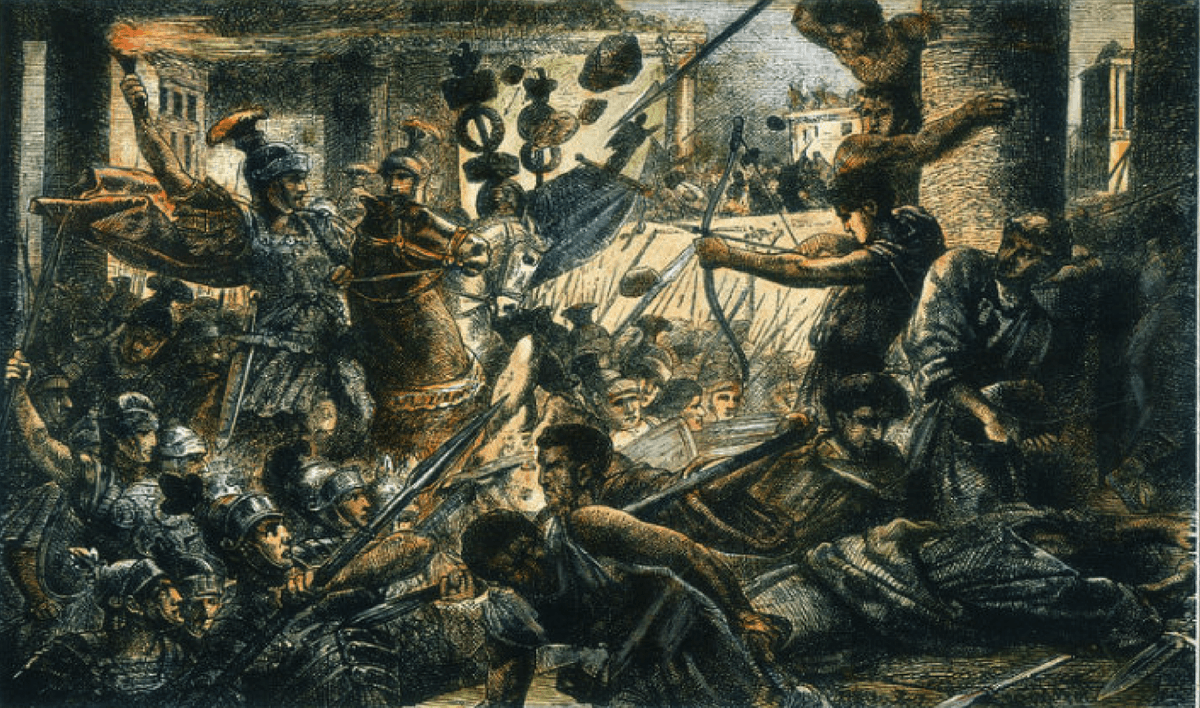
Mientras Escipión Asiático se asentaba en «Teanum», Cayo Norbano desplegó sus tropas en el área entre «Casilinum», donde hay un puente sobre el Volturno que conecta la Vía Apia con la Vía Latina y el Monte Tifata. Ivan La Cioppa
historiayromaantigua.blogspo…
2
22
1,236

21 Jan 2023
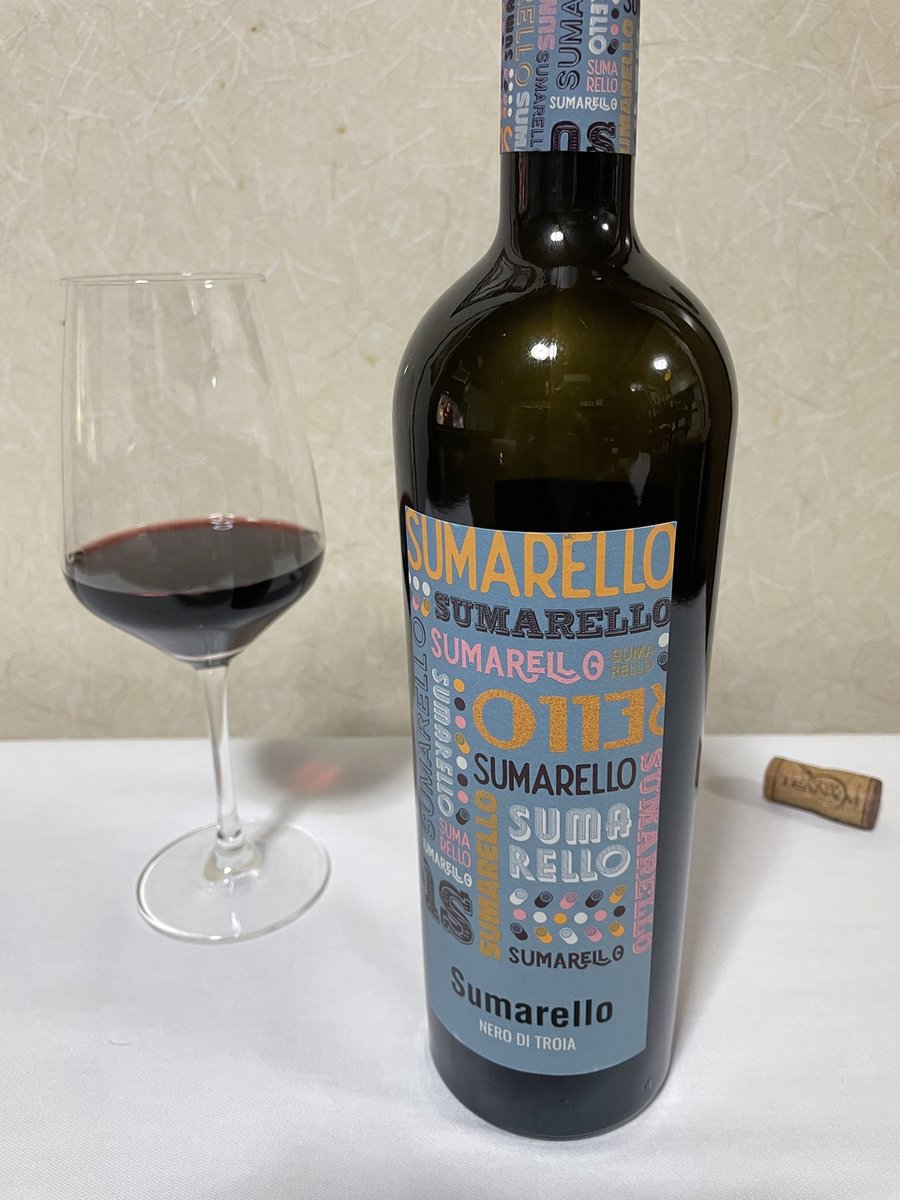
1月21日(土) AM 11:30 天候 晴れ 気温 10 ℃ ユーロ / 140.68 円
Puglia Nero di Troia Sumarello / Teanum s.r.l.
... 詳しくは 2su.jp/0PCi
2
81

11 Dec 2022
Terracotta head (of Demeter?)
Sanctuary at Fondo Ruozzo, Teanum Sidicinum
4th c. BCE
Museo Archeologico di Teanum
2


20 Aug 2022
Questo tipo, oltre a Teanum Sidicinum, si ritrova anche per le città di Aquinum, Suessa Aurunca e Cales.
Potrebbe far parte di un'unione monetaria stabilita dopo il 268 a.C.
Le monete presentano la testa di Minerva al dritto e il gallo al rovescio.
➡ shop.moruzzi.it/it/campania-…
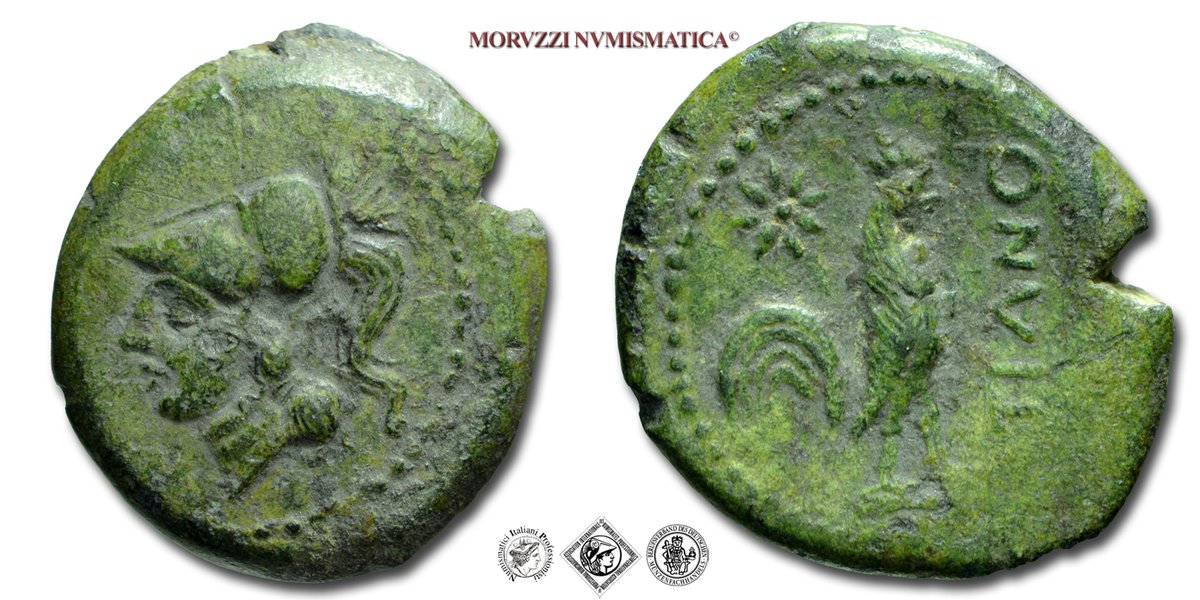
ALT Campania, TEANUM SIDICINUM, BRONZO, Emissione: 265-240 a.C., D/ testa galeata di Atena a s., R/ TIANO, gallo stante a d.; stella, Zecca di Teano, Rif. bibl. HN Italy, 453; Metallo: AE, gr. 6,67, (MG20012), Diam.: mm. 20,78, qSPL, (NC) Bella patina verde. Tutte le monete, medaglie e banconote vendute dalla Moruzzi Numismatica di Roma sono garantite autentiche senza limite di tempo e accompagnate dal “Cartellino” con QR code e dal “Certificato fotografico di Autenticità e Provenienza”.
2
3

24 Nov 2021
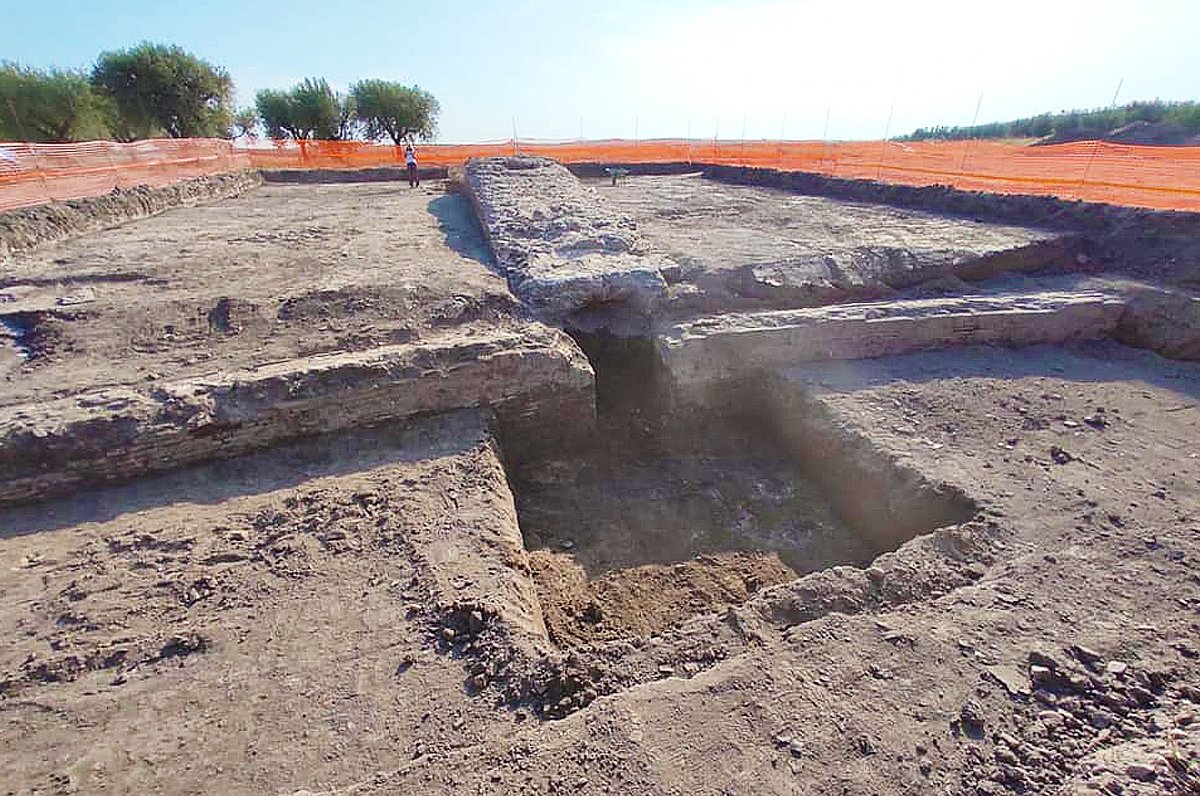
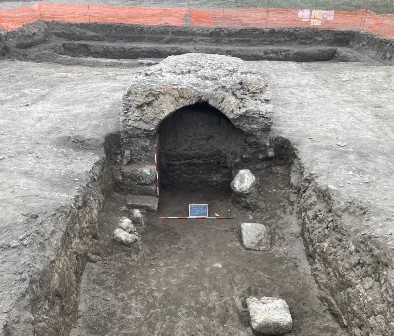
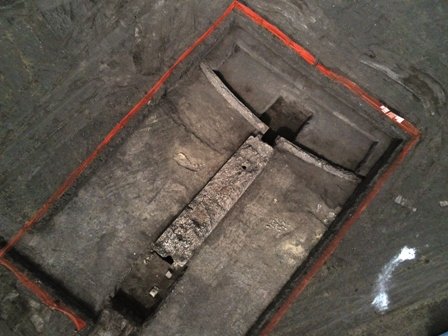
Part of the amphitheater of Teanum Apulum has been identified!
24 Nov 2021

Ricerche archeologiche programmate, dirette dalla SabapFoggia con fondi pubblici, hanno permesso di individuare una parte dell'anfiteatro dell'antica città romana di Teanum Apulum.
Un segno dell'enorme patrimonio archeologico che ancora giace sepolto nelle nostre campagne.
3
21

24 Nov 2021
Ricerche archeologiche programmate, dirette dalla SabapFoggia con fondi pubblici, hanno permesso di individuare una parte dell'anfiteatro dell'antica città romana di Teanum Apulum.
Un segno dell'enorme patrimonio archeologico che ancora giace sepolto nelle nostre campagne.
27

26 Oct 2021
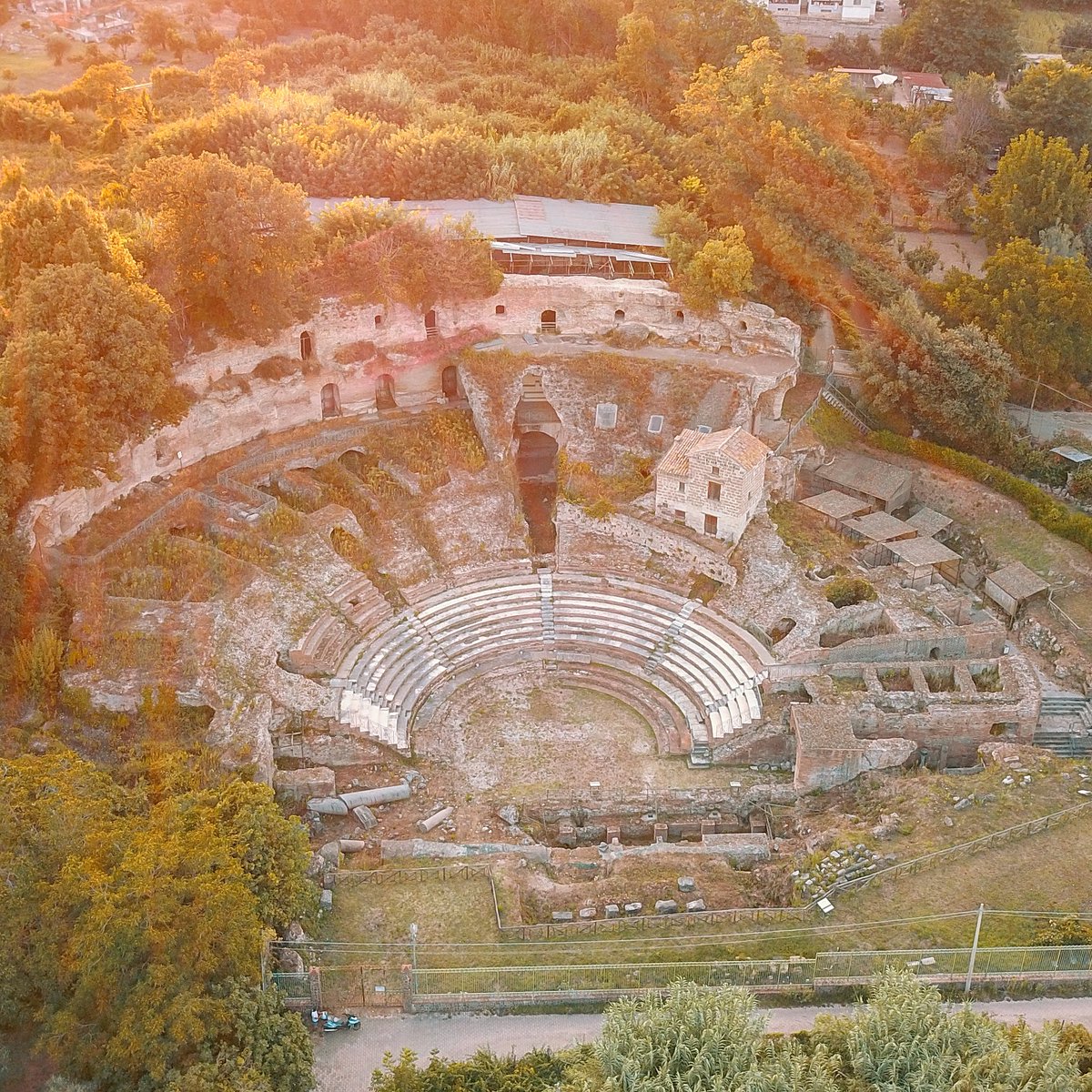
Il Teatro, costruito alla fine del II secolo a.C., venne modificato in età augustea, probabilmente con l’elezione di Teanum Sidicinum a colonia romana, secondo i principi dell’architettura teatrale romana, con l’inserimento di palchi d’onore e il fondale verticale dell'orchestra.
1
15
26 Oct 2021
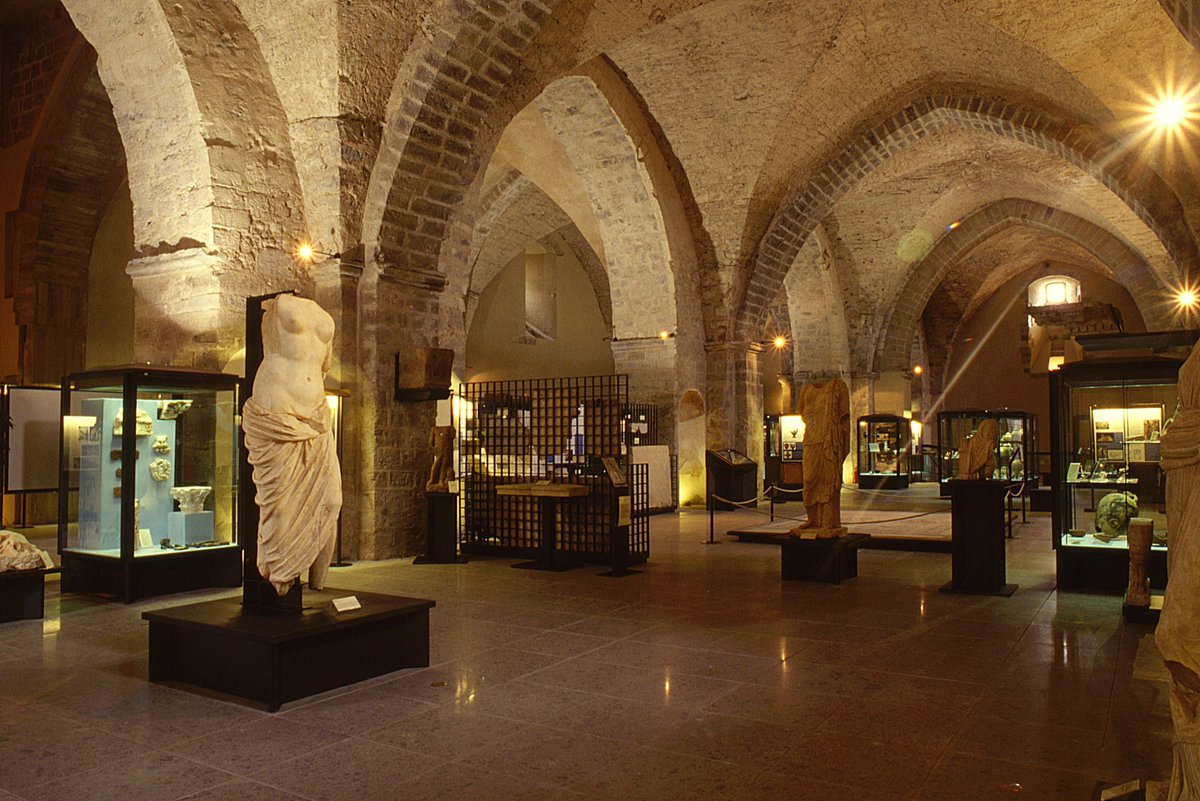
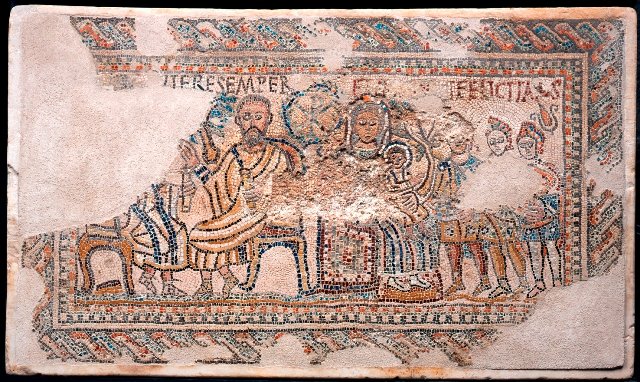
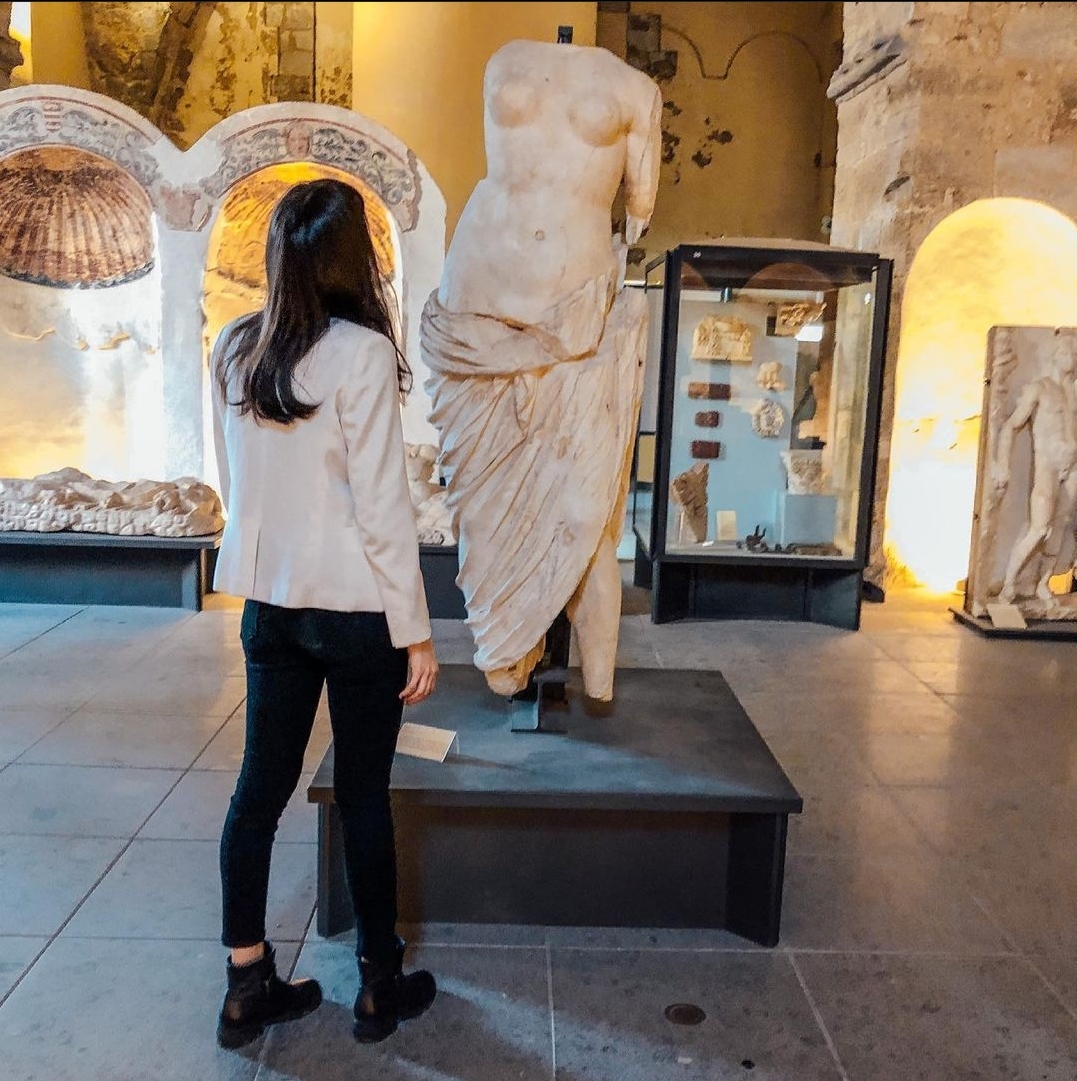
#OltrelaReggia 🗺️ A Teano, circa 30km a nord di Caserta troviamo il Museo archeologico e il Teatro romano di Teanum Sidicinum. Nel Museo sono esposti i reperti provenienti dagli scavi nel centro antico e nel territorio di Teanum Sidicium.
1
10
58

29 Sep 2021
🌀What’s On🌀
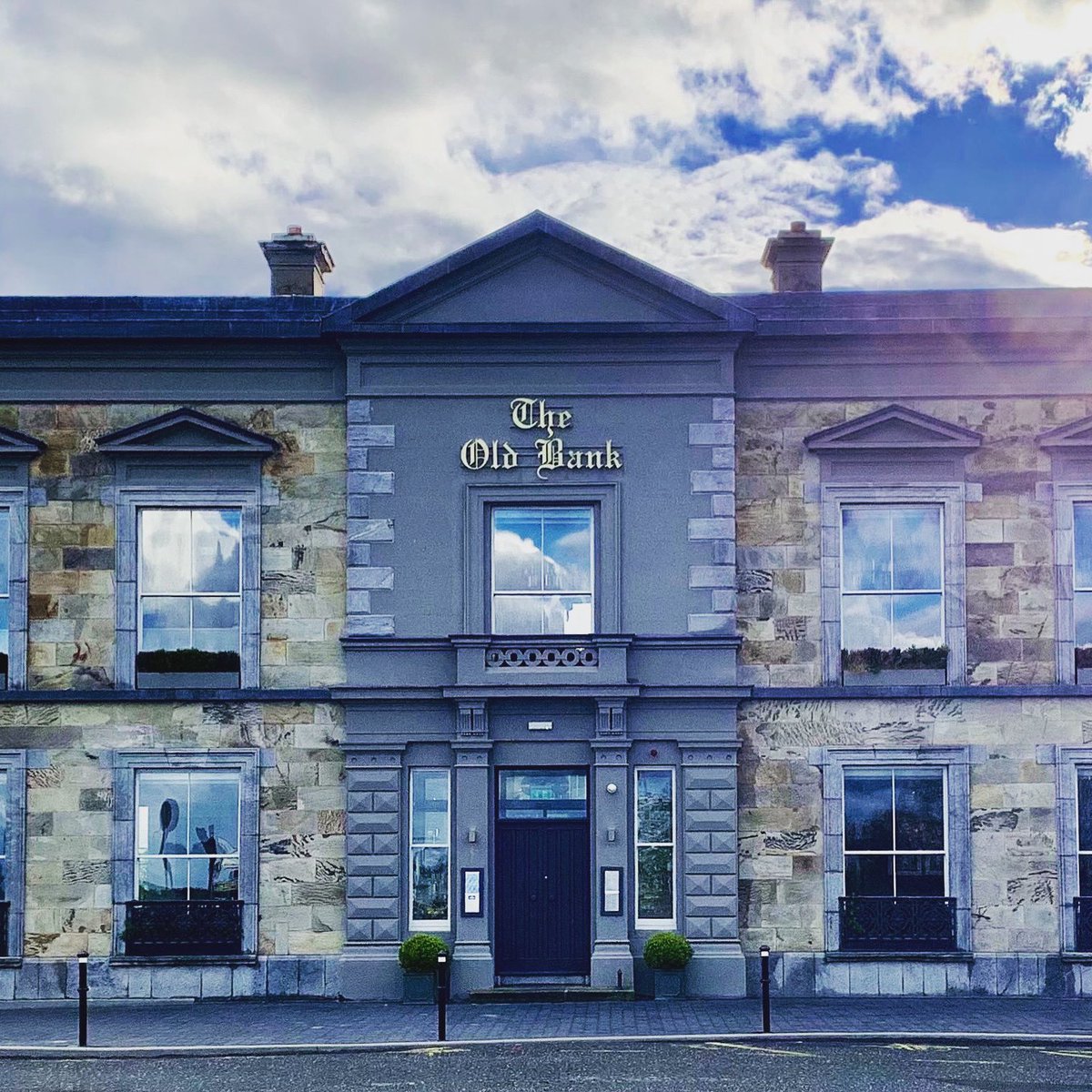
Old Bank Dungarvan is holding a special food & wine evening 13/14 October, to celebrate Cantine Teanum Otre wines, exclusives to the restaurant
Newly appointed Exec Head Chef has designed a 5 course tasting menu!
☎️ Book ➡️ 058 48189
1
3

18 Jun 2021
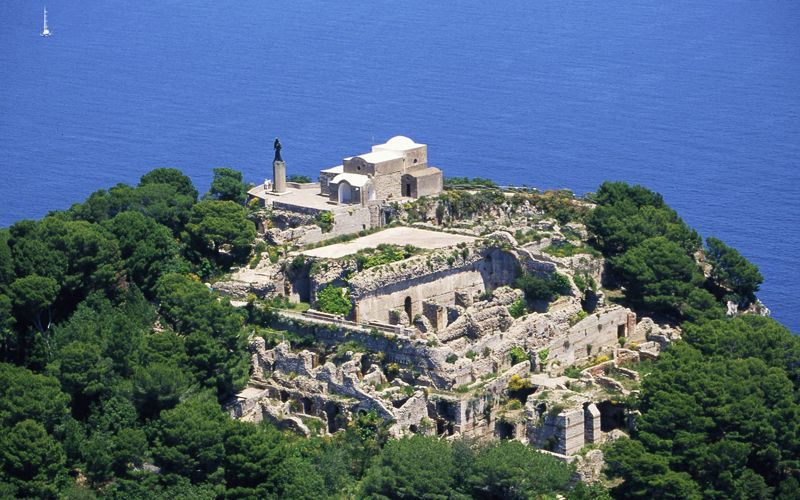
Prosegue la riapertura dei siti e musei della rete campana - 18 giugno: Villa Jovis, 19 giugno: Teatro romano di Teanum Sidicinum e Museo archeologico dell’Agro atellano musei.campania.beniculturali…
6
12

24 May 2021
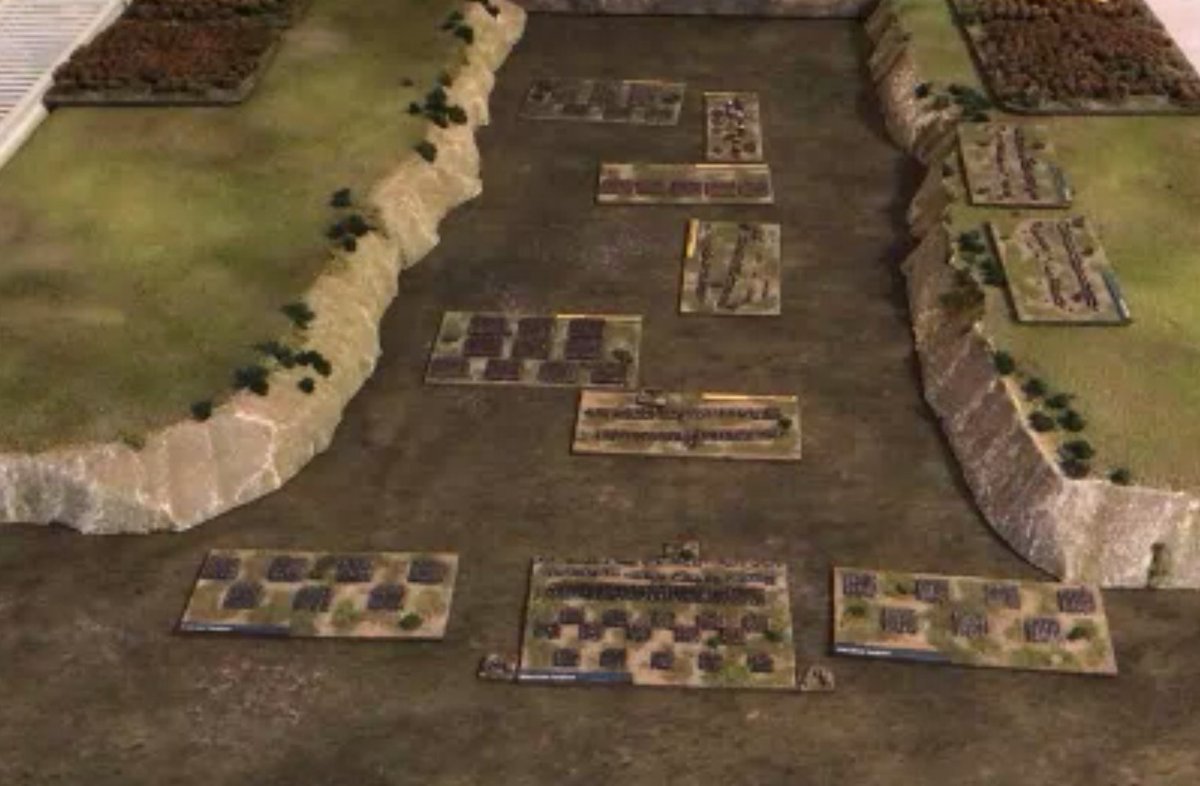
Teanum Sidicium, 90BC. Samnite style! Can we block the Roman passage?
1
44

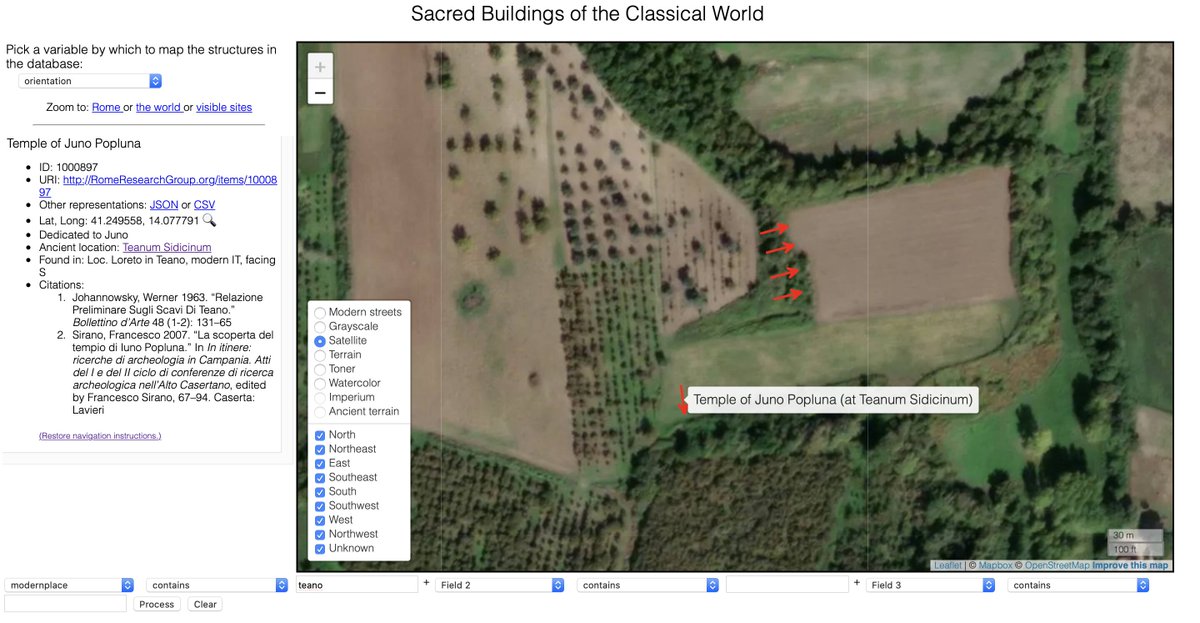
Todayʻs temple batch from Teanum Sidicinum (mod. #Teano) with its 5(!) from the Loc. Loreto sanctuary area.
Hat-tip @pompei79 who worked on the site survey in her youth. Said survey also suggests the existence of a few more temples at the site.
romeresearchgroup.org/mappin…
2