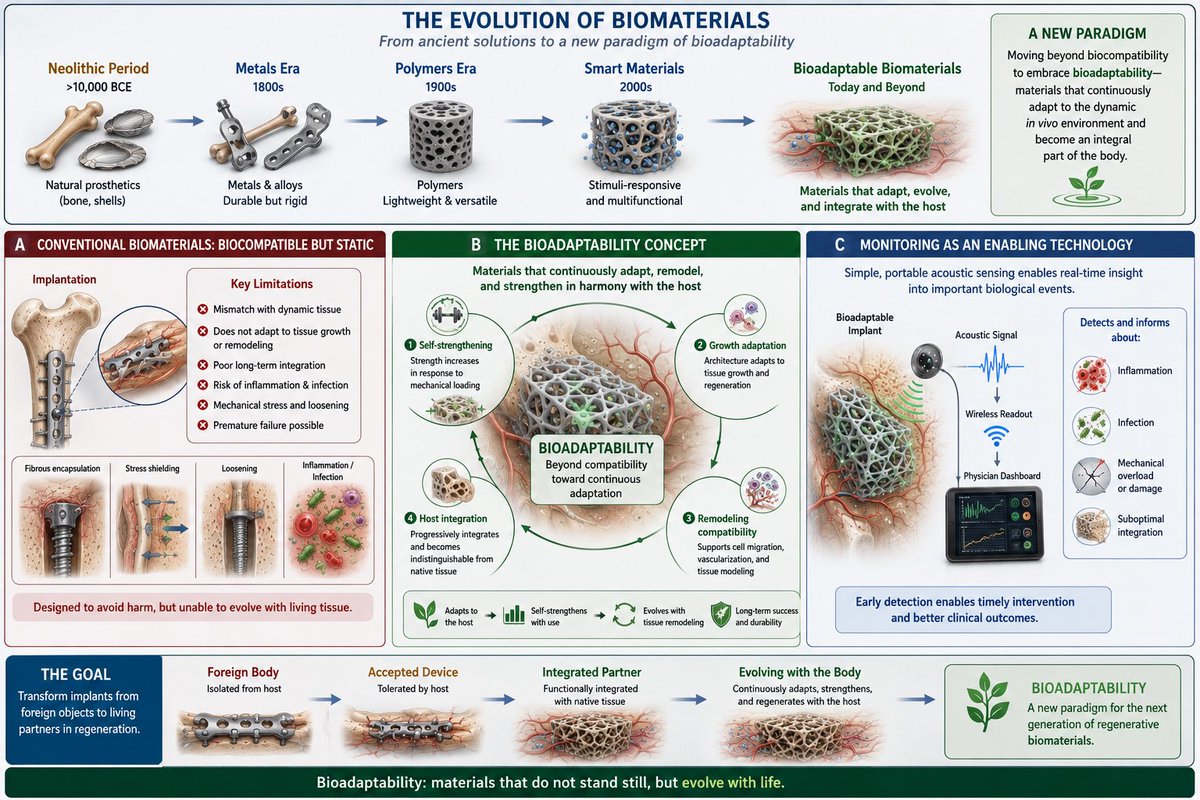
Bioadaptability is an extension of biocompatibility - and the next big thing in biomedical engineering developed by my #teambioengine.
1
1
5
336

29 Sep 2025
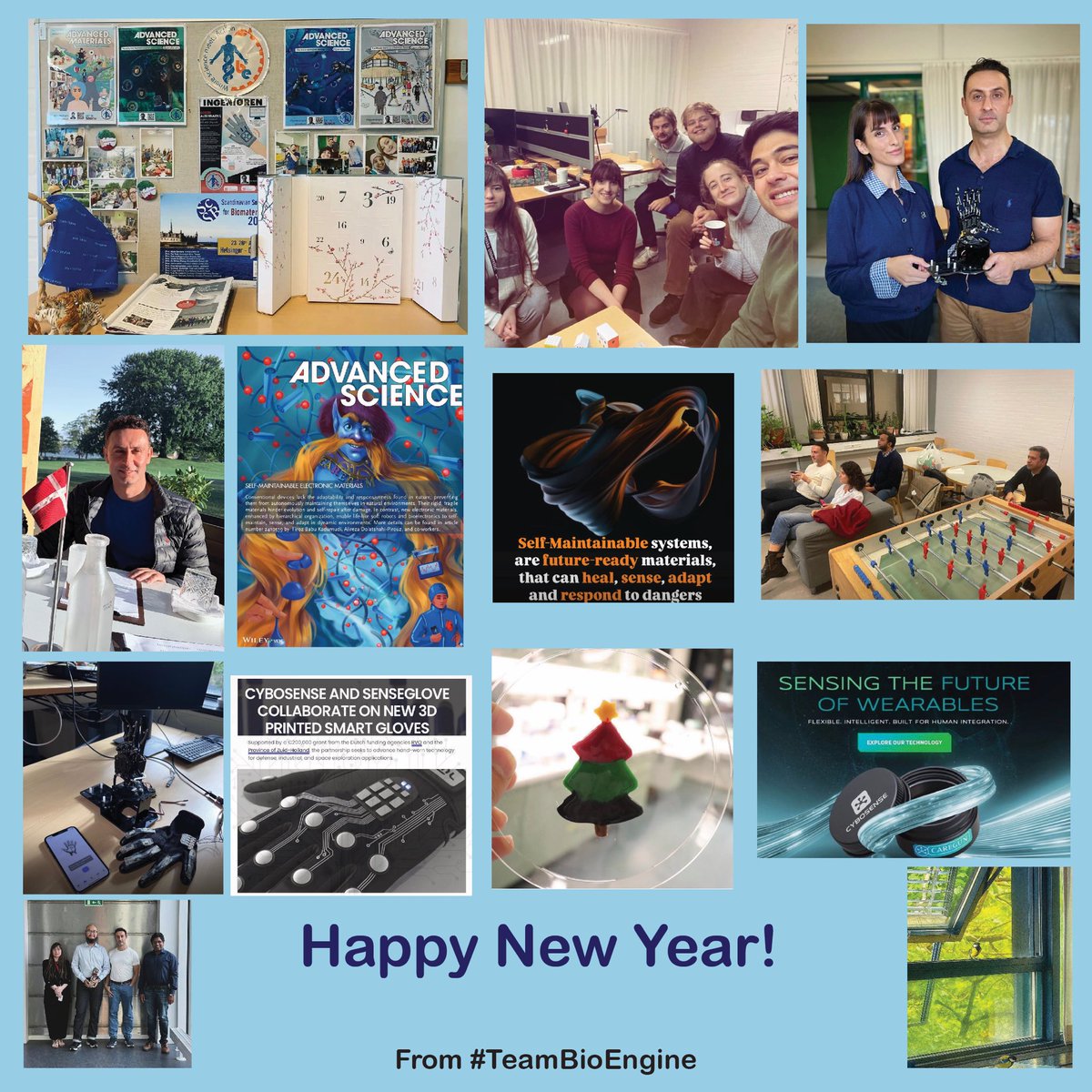
Meet Paula Montes Jiménez – the newest member of the Cybosense team!
Paula joins us as an engineer specializing in the development of flexible, soft pressure sensors designed for haptic feedback in electronic gloves and a range of robotic systems, developed in close collaboration with SenseGlove .
She builds on cutting-edge technology developed by #TeamBioEngine at DTU Health Technology, which has been licensed to Cybosense . This innovation journey began back in 2015 with the group’s groundbreaking #CareGum and #SiPo inventions.
Her work is a true testament to the full innovation cycle at an engineering university—from idea to trial testing, concept development, prototyping, licensing, and now product development.
We’re thrilled to welcome Paula to the team and are confident that, together, we’re laying the foundation for the launch of #SuperPush 1.0 – a soft, durable, self-healing, and flexible pressure sensor with state-of-the-art sensitivity.
@DTU_HealthTech
@DTUtweet
2
483
23 Sep 2025
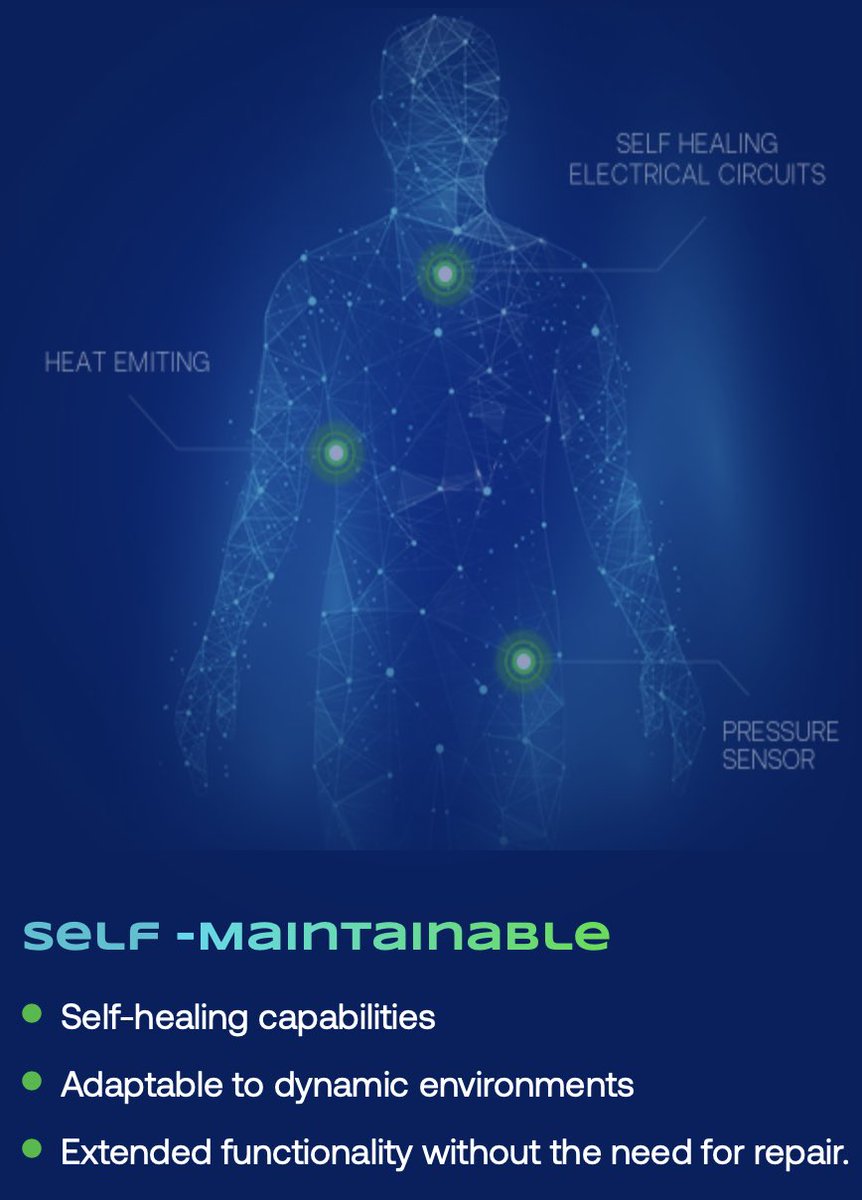
To date, most commercially available material systems have been monofunctional, as naturally occurring materials typically exhibit one or two material properties at the same time.
For example, metals are hard and conductive, polymers are soft and insulating, while ceramics are brittle yet temperature resistant.
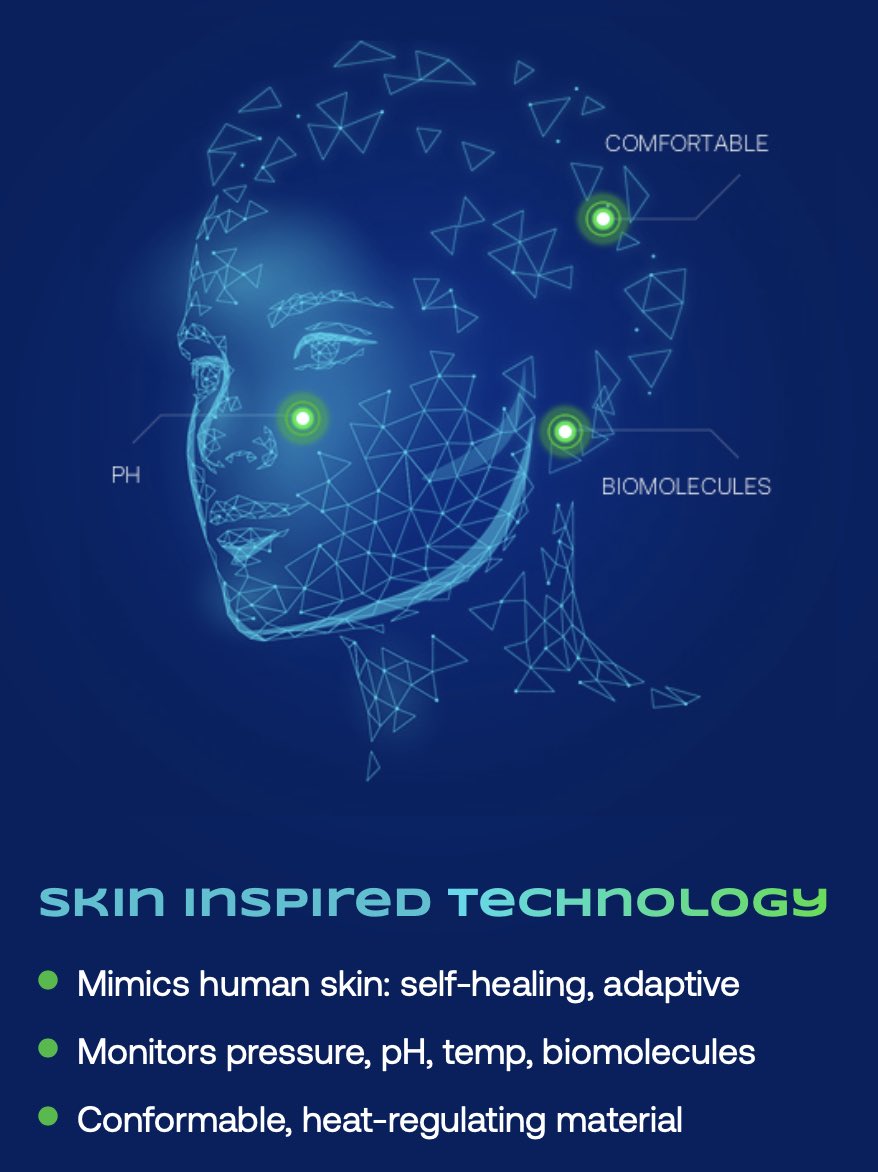
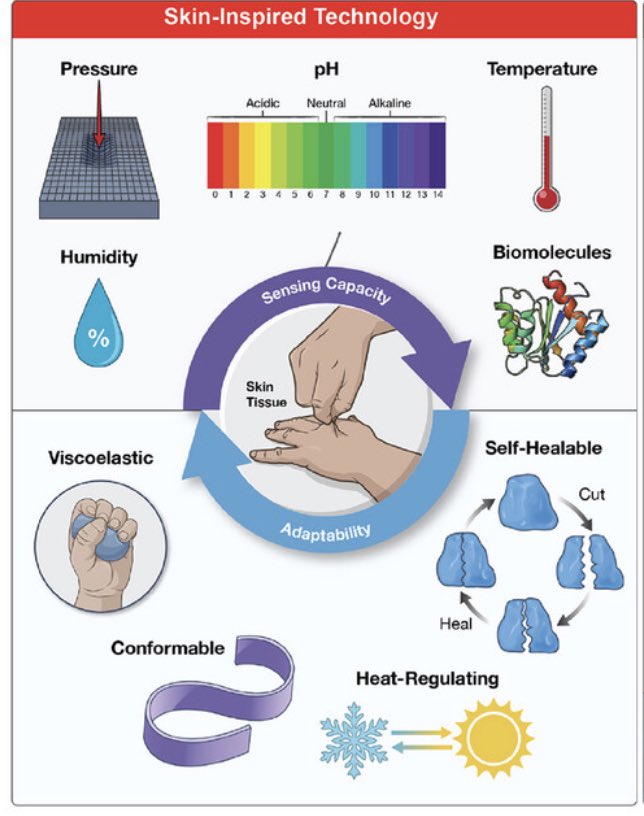
In contrast, biological materials demonstrate a much broader spectrum of material characteristics. Consider skin: it is soft, viscoelastic, conductive, and self-healing with the innate ability to sense, respond to, and adapt to its environment.
The dynamic and adaptive properties of native skin tissue have inspired researchers to create materials with skin-like characteristics. For instance, a recent paper published in Advanced Functional Materials:
advanced.onlinelibrary.wiley…
describes how researchers transformed dead leather into a soft, adaptive, flexible electronic skin that protects the user from radiation while simultaneously sensing pressure and temperature—mirroring the capabilities of natural skin.
Such self-maintainable electronic systems are gaining a strong foothold in the field and are poised to surpass and eventually replace conventional electronic systems and sensors in the coming years. The research and development of these sophisticated material systems have been highlighted and encouraged in this thought-provoking blog:
frogheart.ca/?tag=sinziana-r…
In a similar vein, Morteza Alehosseini has developed even more adaptive and life-like material systems by incorporating self-healing capacities, biochemical marker sensing capabilities, moldability, and temperature-regulating properties into the framework of artificial skin, thus making its application portfolio virtually limitless:
advanced.onlinelibrary.wiley…
These future-ready material systems are currently being commercialized by Cybosense and Ourobionics-both enabling tech companies leveraging technology developed at DTU through the framework of teambioengine.
1
6
30,785
19 Sep 2025
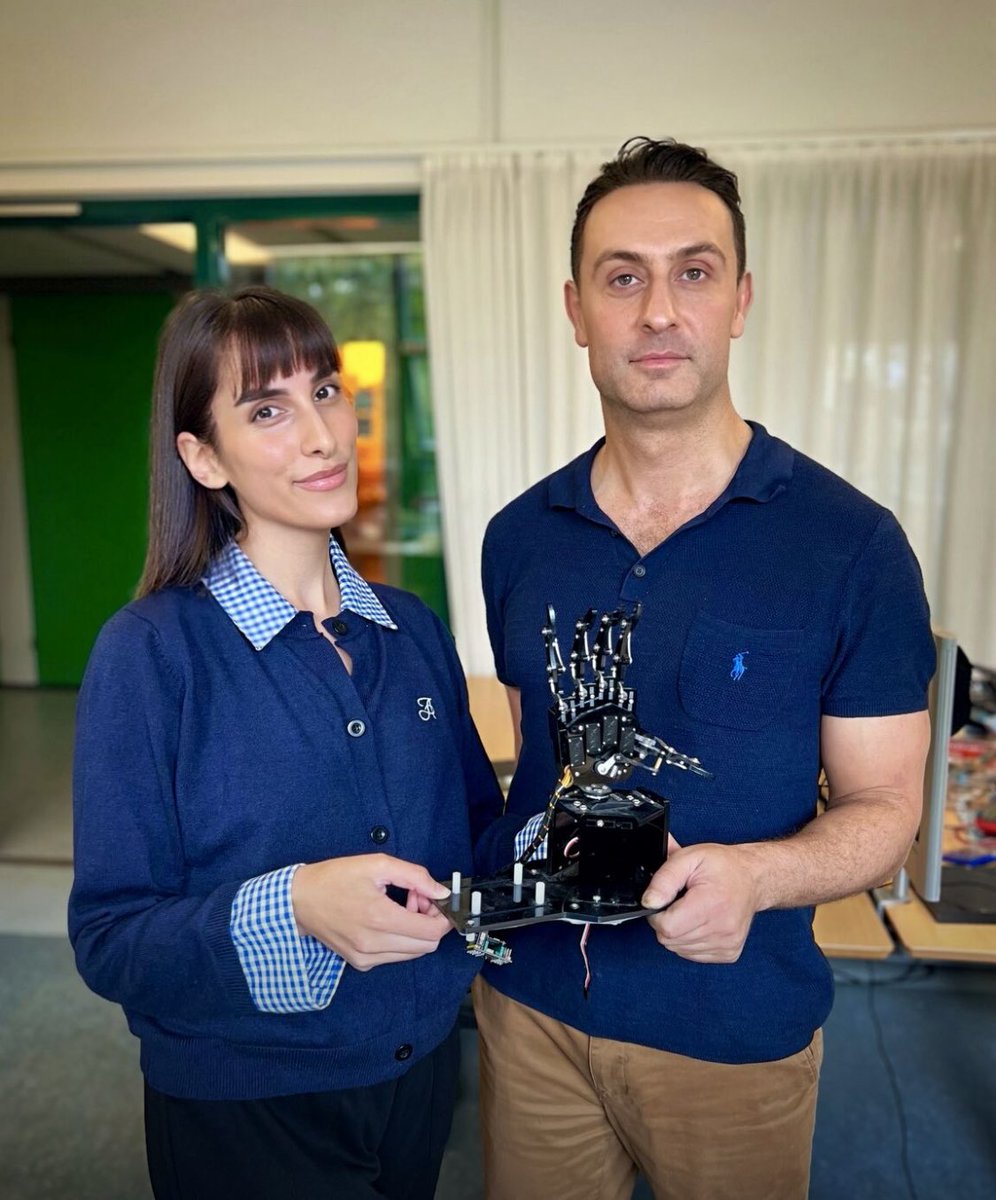
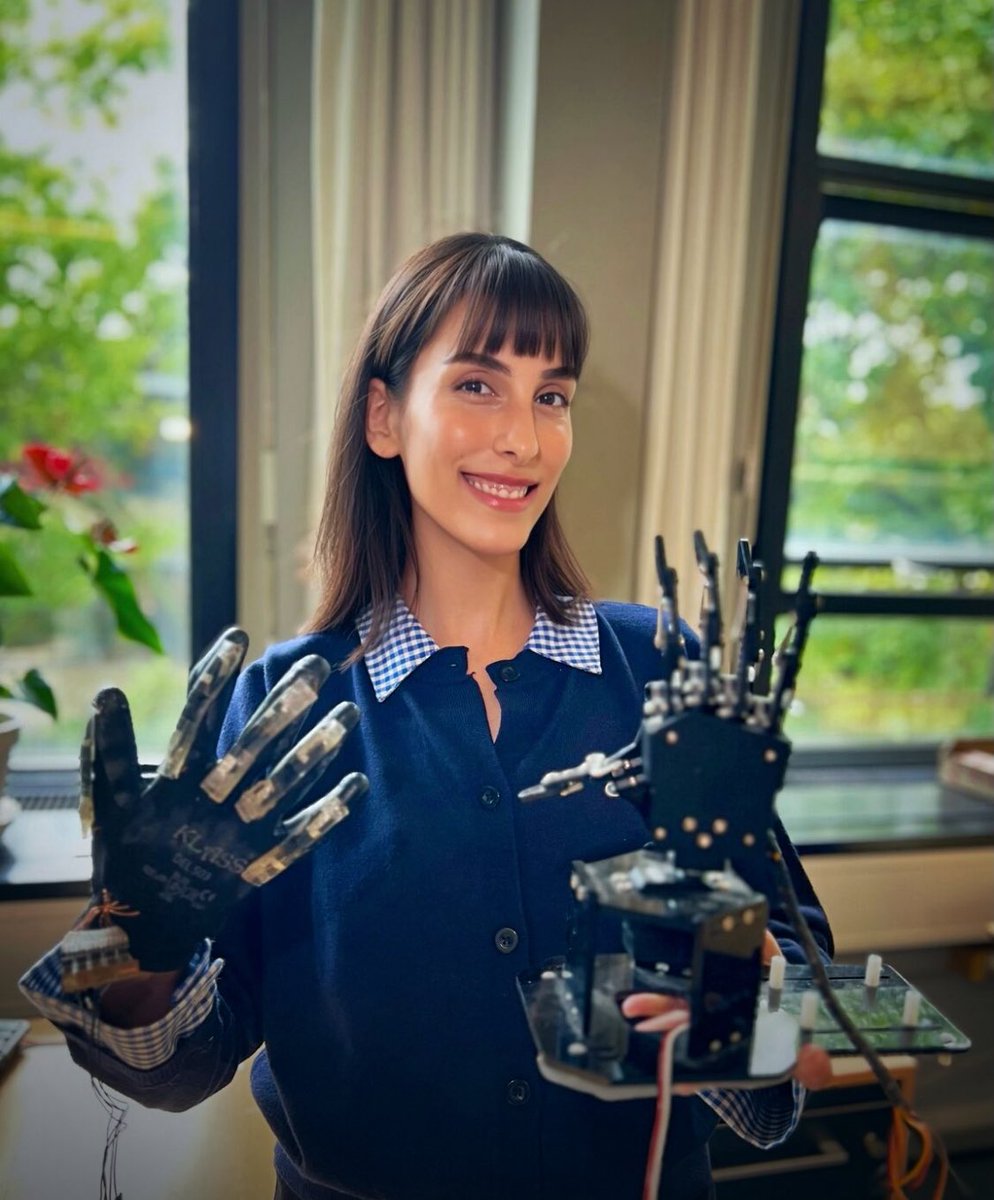
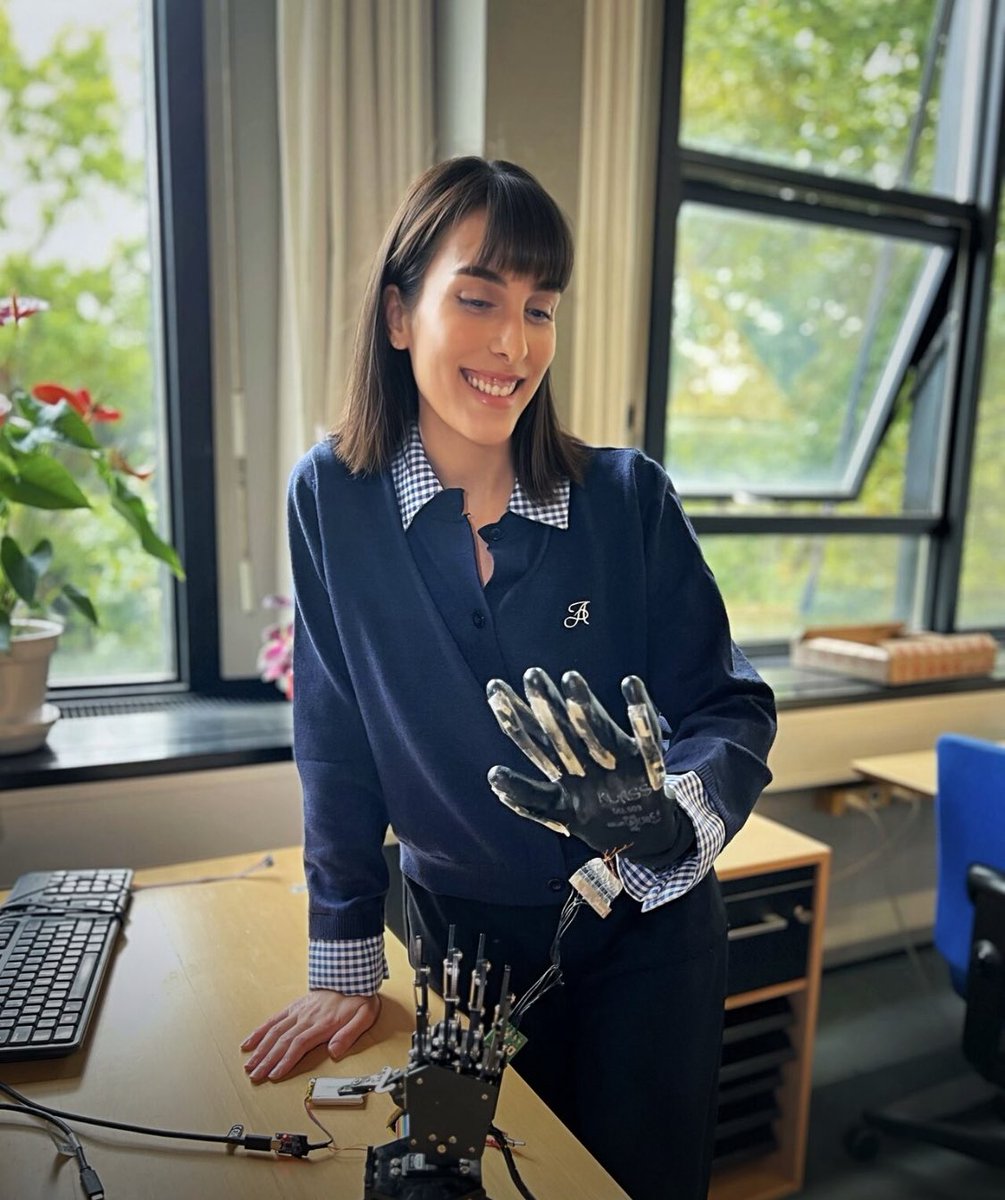
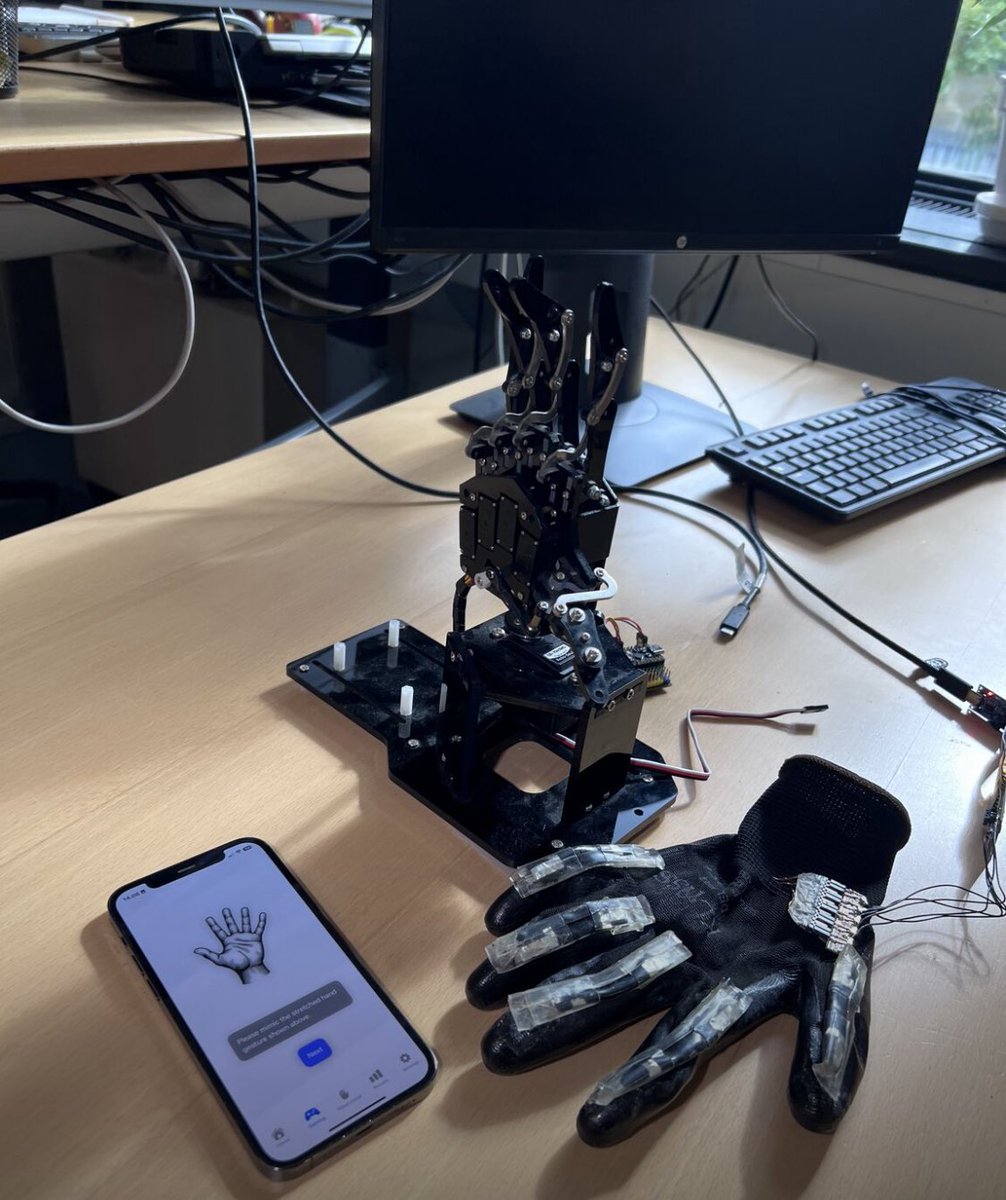
Yesterday, Maria Jarjis dropped by TeamBioEngine to take a glimpse at some of the exciting work we are doing within the team, and which currently is being exploited by the DTU-related startups Cybosense and Ourobionics.
The result is an exciting video that presents our research in a tangible way for the broader public.
Maria Jarjis is a well-known science YouTuber with over 300 dissemination videos on her channel, highlighting the highs and lows of the Danish research landscape.
The video will be released soon, and I can’t wait to share the results with you all.
A big thank you to Maria Jarjis and Sohail A. Hassan for their interest in our research!
If you’d like to explore more of Maria Jarjis’s amazing videos, check out this link:
youtube.com/@mariajarjis?si=…
4
555
10 Sep 2025
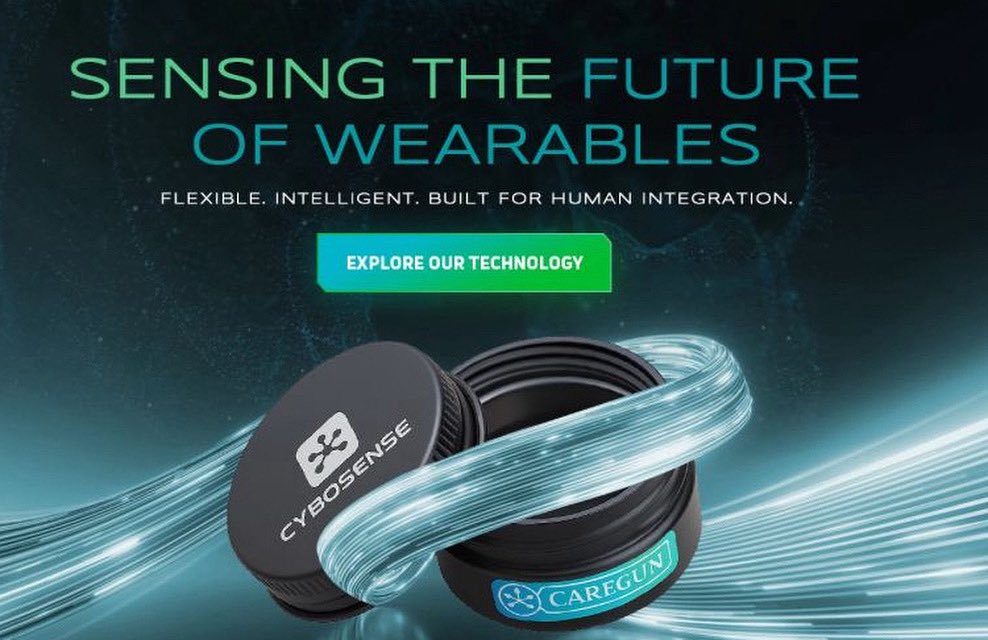
‼️Sensing the future of wearables with Self-Maintainable electronics‼️
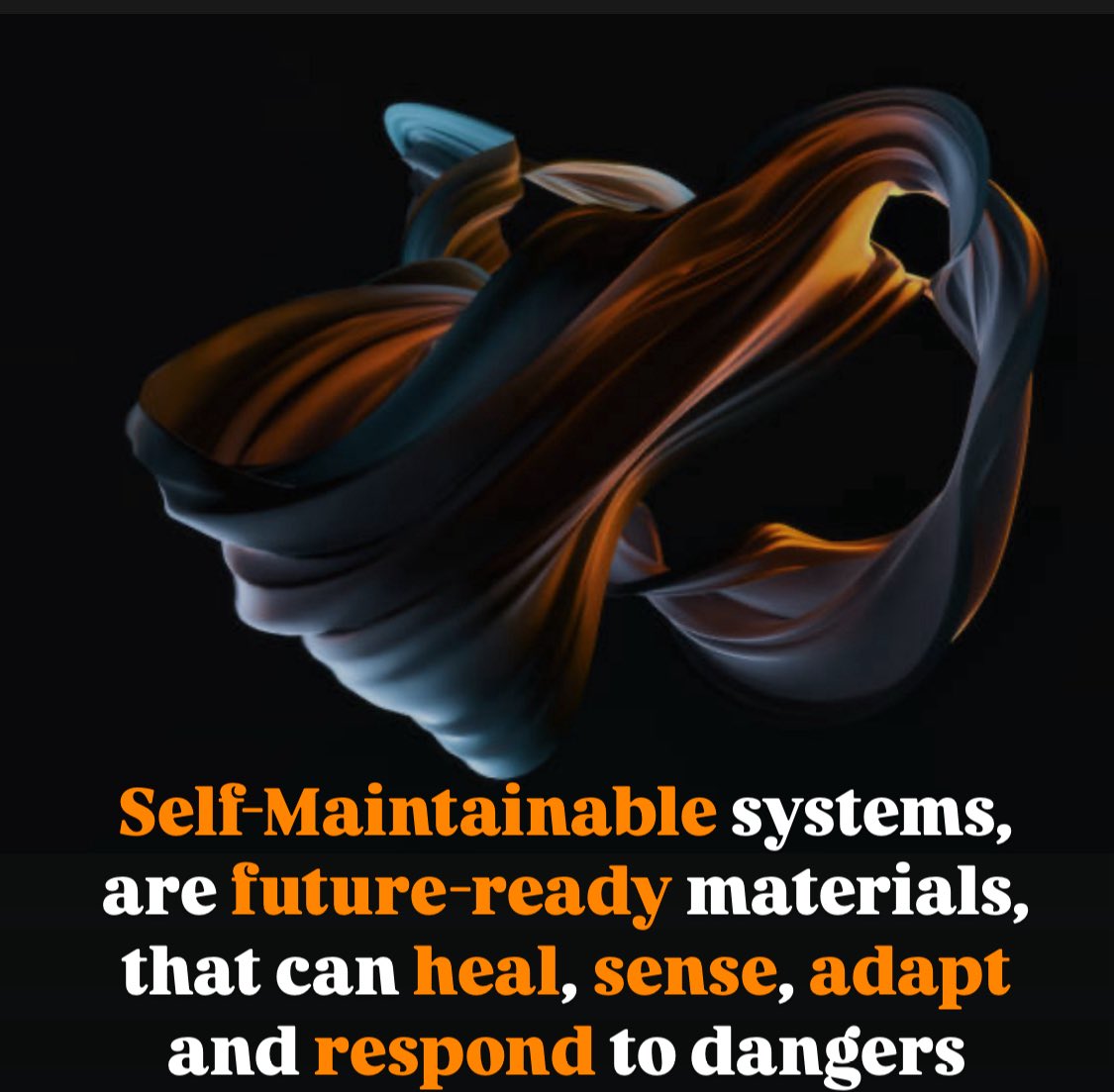
Self-Maintainable Systems are future-ready materials that can heal, sense, adapt, and respond to external threats.
This makes them ideal components for soft robotics, haptic technology and in wearables.
#TeamBioEngine is one of the pioneers in this field, collaborating with Cybosense to bring these innovations to life in the real world.
Recently, Cybosense and SenseGlove secured €200,000 from RVO (a Dutch funding body) to utilize #selfmaintainable materials for developing advanced haptic glove technology for defense and industrial applications, particularly in gaming and virtual reality training.
This partnership exemplifies how boundary-breaking academic research can seamlessly integrate with deep-tech commercial technology development.
Self-maintainable systems can indeed drive innovation and redefine the future of human interaction with both digital and physical environments.
For more information please follow the link below:
voxelmatters.com/cybosense-a…
3
331
28 Aug 2025
#P40 - a self-maintainable artificial skin-like material developed by #TeamBioEngine, is still in viral mode and has been spotlighted by tech YouTuber Gabriel Torch
Check out the video by following this link:
youtu.be/xUT0vzAsCDU
#CareGum #Bioelectronics #SoftRobotics
2
321
25 Aug 2025
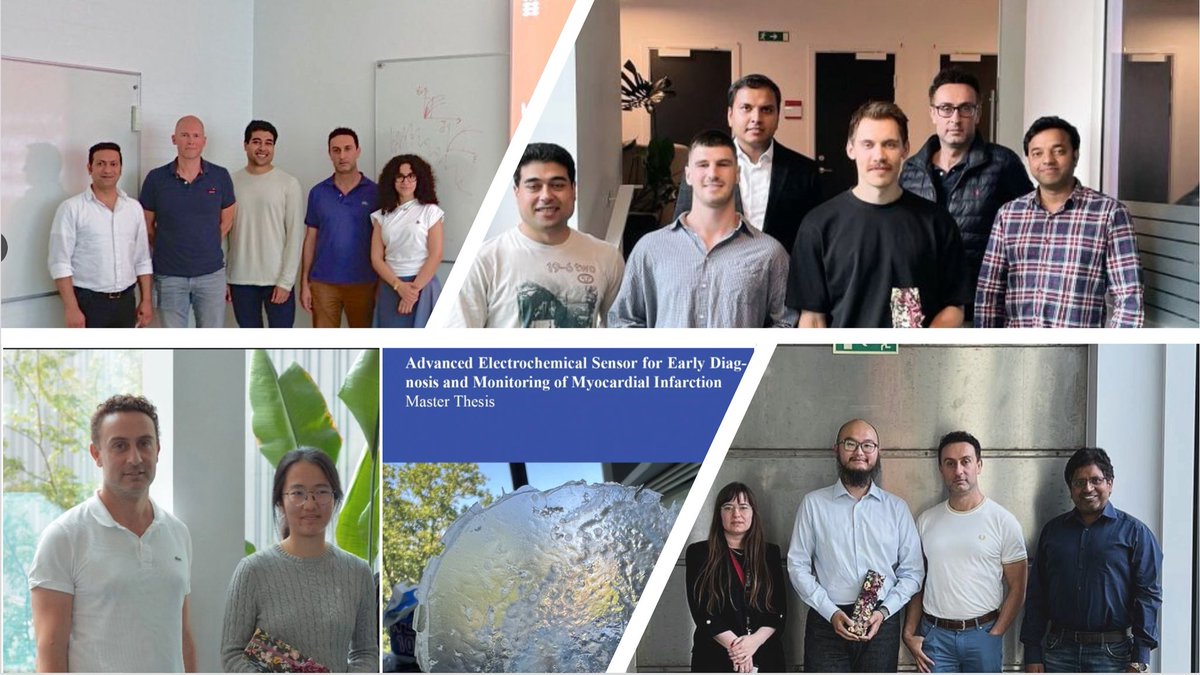
#TeamBioEngine has graduated seven bachlor and master students this spring in cyborganics, self-maintainable systems, digital health and cell therapy.
We have several openings this fall as well - Join to make the planet future-ready.
1
4
452
22 Aug 2025
Self-maintainable materials - a new material class pioneered by teambioengine - operate exactly like living biological systems. They can self-heal, sense, adapt and respond to their surroundings.
This reduces the need for repairs and extends their lifespans.
If a small crack happens it heals itself. If It’s bigger inherent sensors alert responder unit in the material, and a more intensified repair takes place.
Notably; they can be made self-aware of other external factors and adapt accordingly to them.
Self-maintainable materials can revolutionize several sectors such as the defense, robotics, construction and healthcare sectors.
Cybosense a DTU spinout is currently pushing these technologies into the market.
For more information please refer to the below link:
advanced.onlinelibrary.wiley…

1
8
28,607
19 Aug 2025
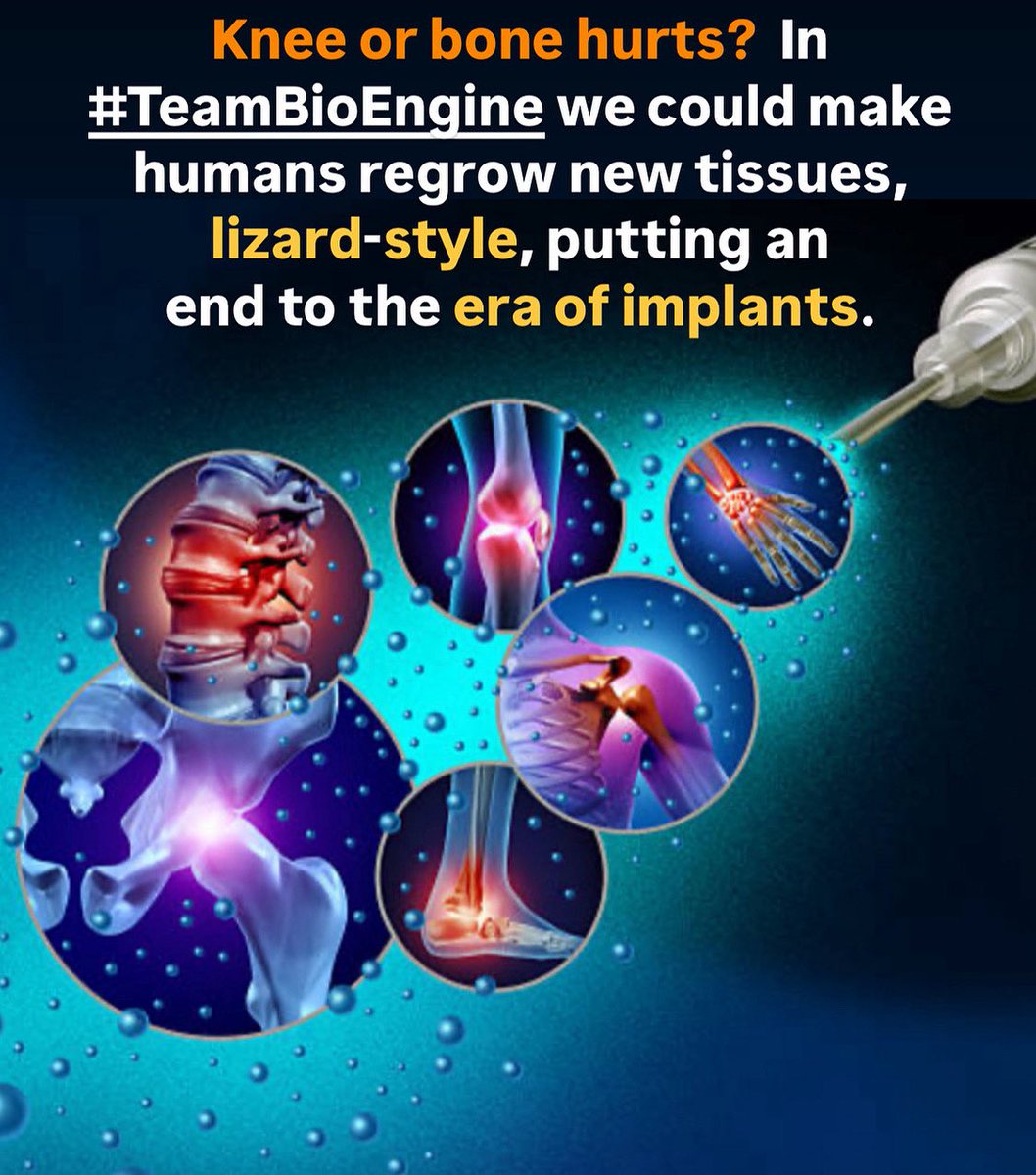
In #TeamBioEngine, we are using a cell-free approach to regrow impaired tissues.
In this approach, soft biomaterials attract endogenous cells and reprogram them to accelerate the tissue regeneration process.
In one study, we nearly achieved full bone regrowth after only 8 weeks.
For more information please follow these links:
pubs.acs.org/doi/full/10.102…
sciencedirect.com/science/ar…
4
403
15 Aug 2025
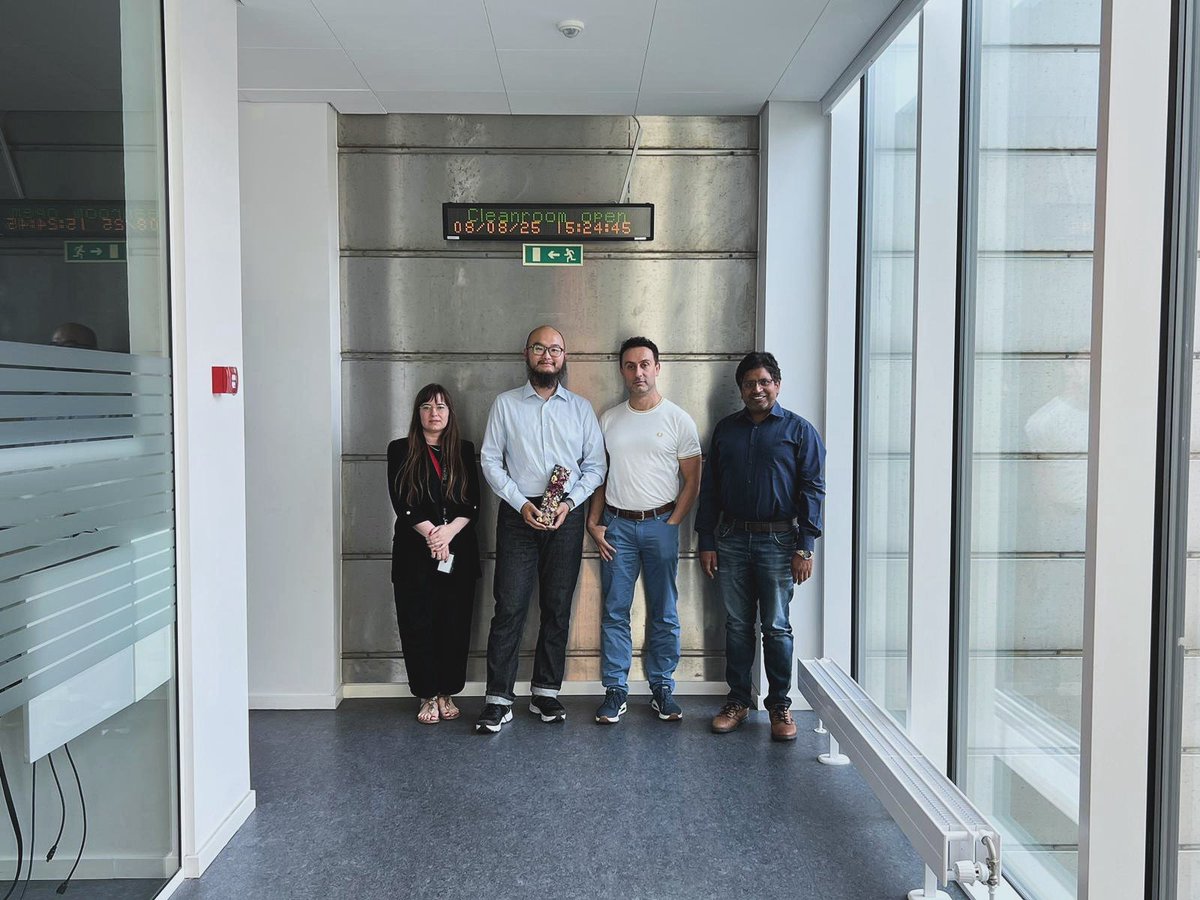
Last week Yicong Jiang successfully defended his master’s thesis.
He investigated the use of our patented Palox technology as pressure and motion sensors for monitoring musculoskeletal and cardiac related diseases.
His performance during his defense was quite outstanding, and his laboratory work and adds significantly to the #TeamBioEngine #CareGel portfolio.
We wish him the very best of luck in his future endeavors!
#Student #Life #Cyborganics #Digital #Health #Hydrogels #TissueEngineering #TeamBioEngine
Tatiane Eufrasio
Yogendra Kumar Mishra
@DTU_HealthTech
@DTUtweet
1
5
548
12 Aug 2025
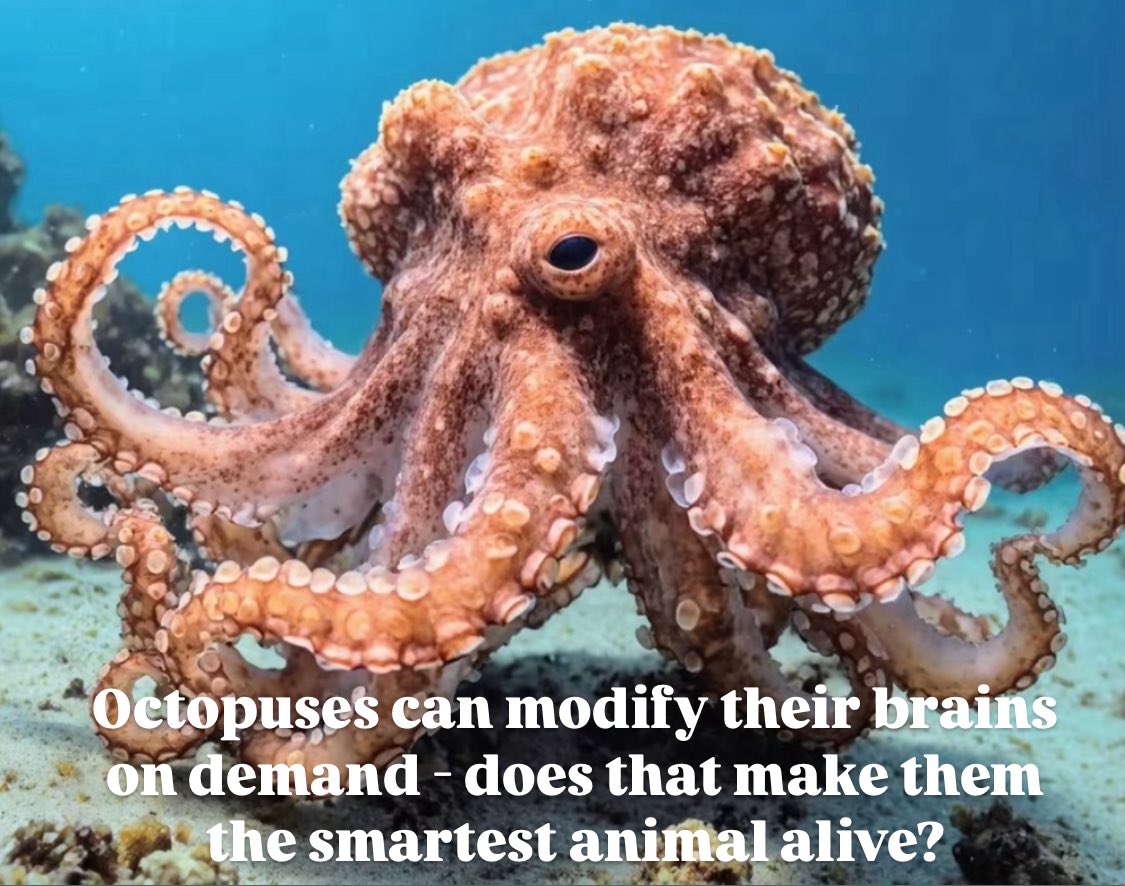
Did you know that octopuses are among the smartest and most adaptable animals on Earth?
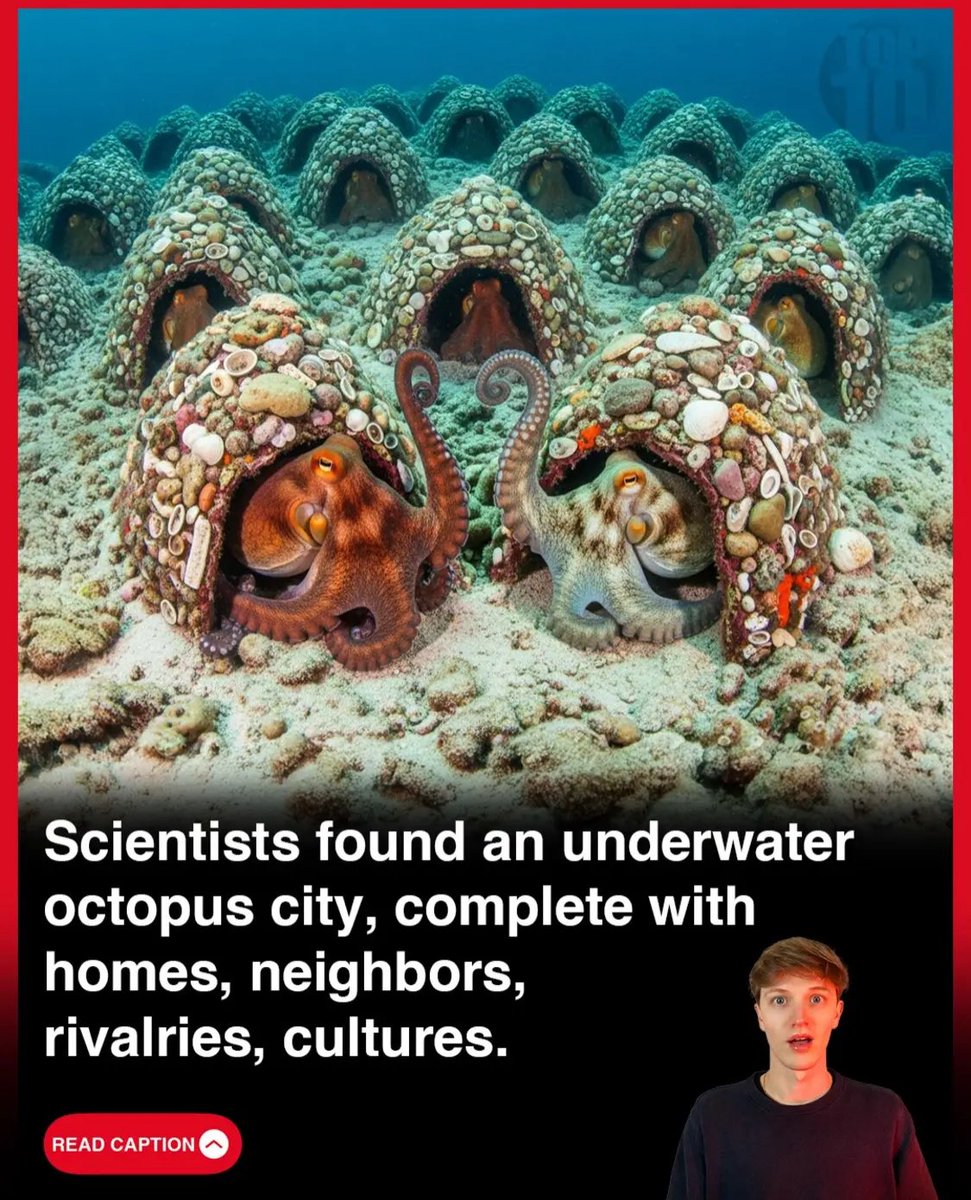
They possess the ability to modify their brains by editing their own RNA in response to challenges and new stimuli. One might say they are becoming smarter by the day. In fact, not long ago, Australian divers stumbled upon an entire octopus city. Cool, huh?
What would be even cooler is harnessing this technology to create smart bio-based suits, living materials, soft robots, or the self-maintaining materials pioneered by #TeamBioEngine.
Unfortunately, there are limited places to secure funding for such ambitious ideas in the academic landscape of today. Indeed, today most funding tends to favor incremental or already established scientific paradigms.
In my opinion we need to support more radical concepts in the academic arena; otherwise, academia risks becoming an endless paper mill, pushing a lot of creative minds into the private sector instead.
Is that what we want?
Who are the real winners in this scenario? Definitely not the public, universitets, or the governments.
2
366
8 Aug 2025
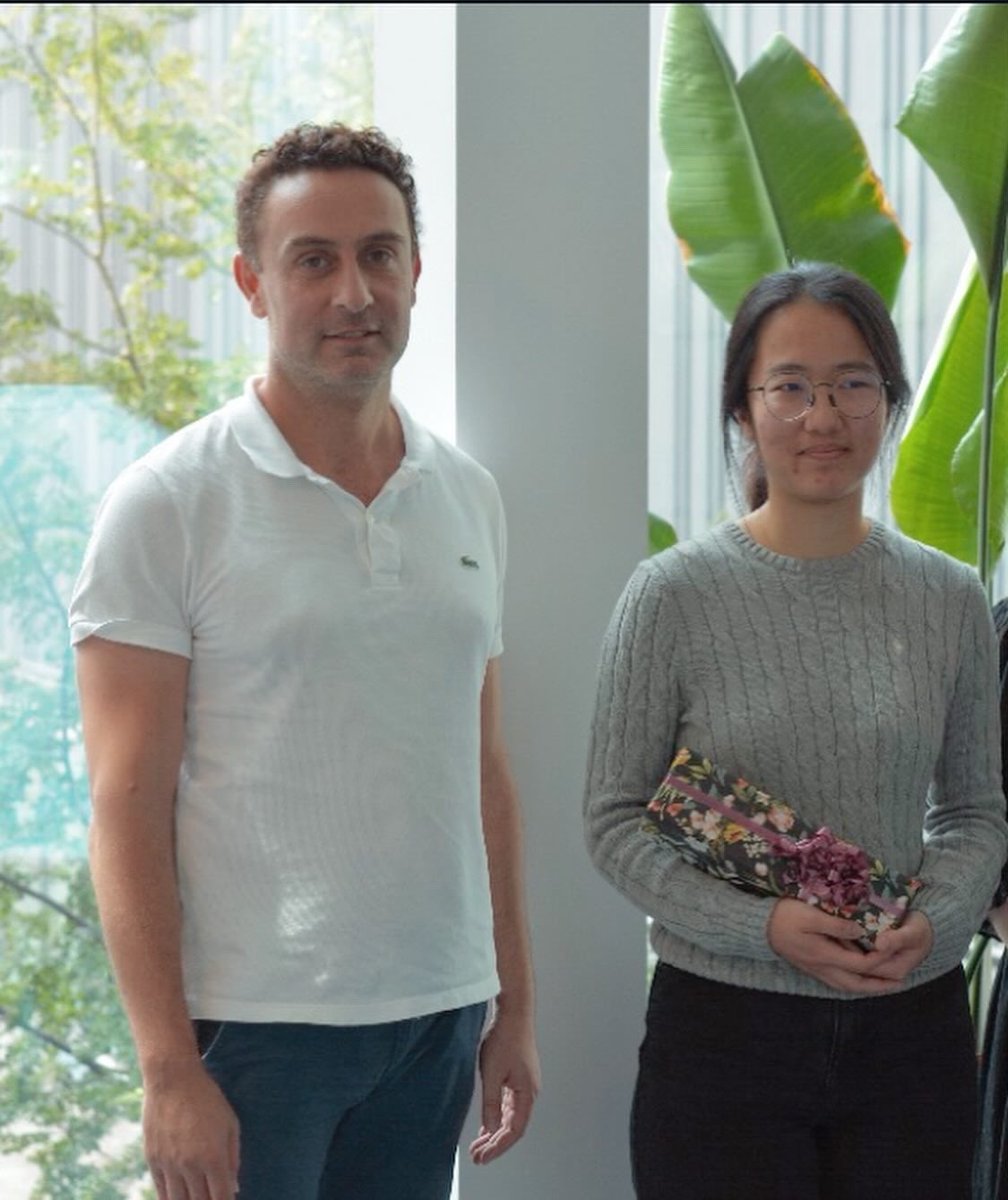
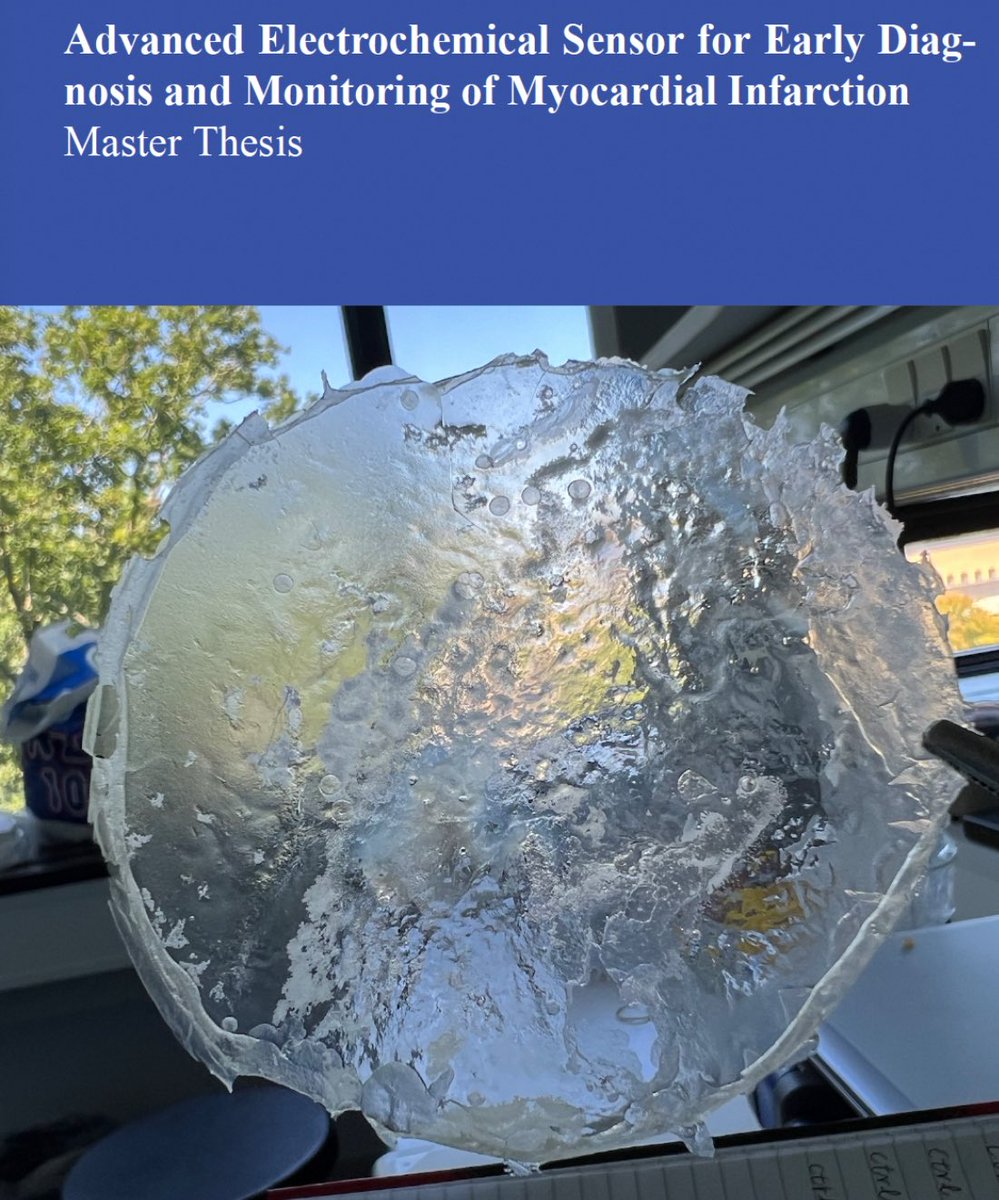
Yesterday, Zhijin Yu successfully defended her master’s thesis.
She investigated the use of soft electrochemical sensors for sensing critical health parameters in myocardial infarction.
Her performance in the laboratory and during the defense was outstanding, and we are currently working on testing the systems in animal models.
We wish her the very best of luck in her future endeavors!
#Student #Life #Cyborganics #Digital #Health #Hydrogels #TissueEngineering #TeamBioEngine
Firoz Babu Kadumudi
Tatiane Eufrásio
@DTU_HealthTech
@DTUtweet
6
566
18 Jul 2025
‼️ Exciting news from TeamBioEngine and Cybosense ‼️
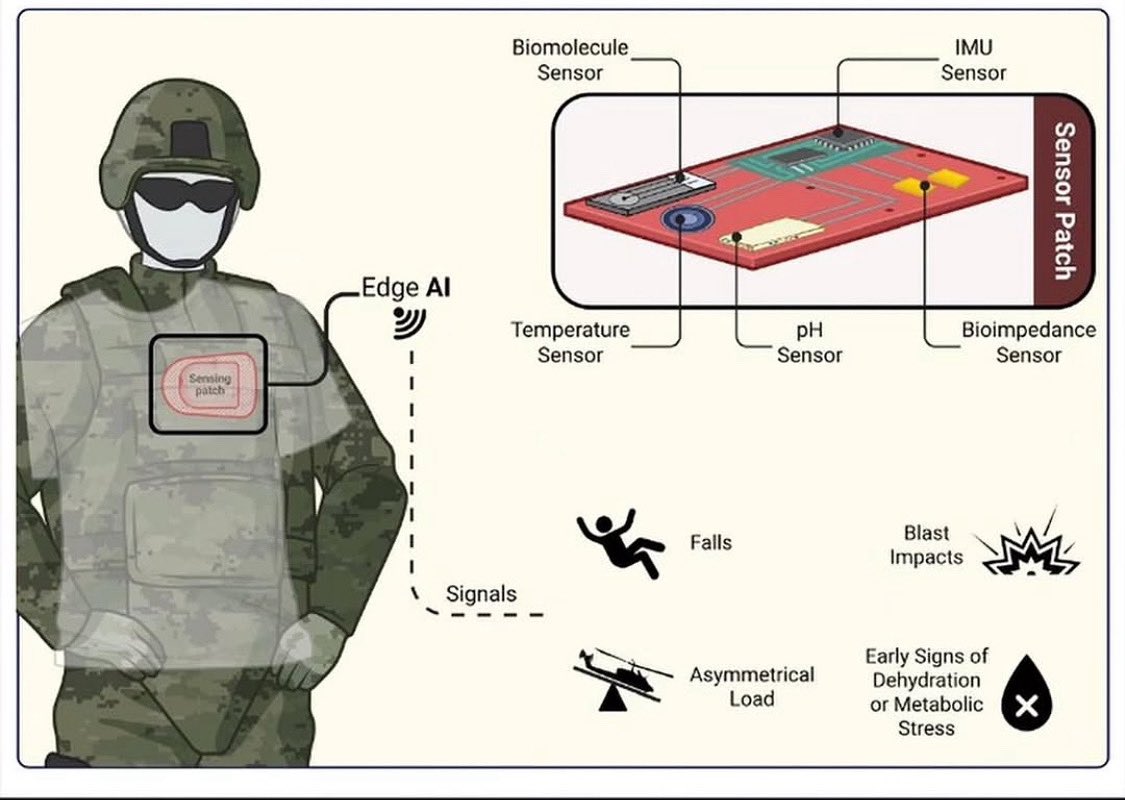
Cybosense a DTU Health Tech spinout, is actively working on implementing CareSensors into our new cyboarmor. This innovative technology will monitor both the physiological and mental health of soldiers while simultaneously protecting them from harm.
Follow Cybosense for the latest updates on our progress!
And the following link for more information on the technology:
advanced.onlinelibrary.wiley…
2
22
15,192
10 Jul 2025
P40 is groundbreaking, self-maintainable material developed by teambioengine at DTU Health Tech.
P40 senses, adapts, and responds to environmental changes, much like living biological systems.
We’ve created an engaging promotional video that highlights its remarkable attributes and diverse application portfolio, which spans health, space, and defense.
P40 is available for purchase off-the-shelf from Cybosense.
advanced.onlinelibrary.wiley…
3
1
7
25,229
12 Jun 2025
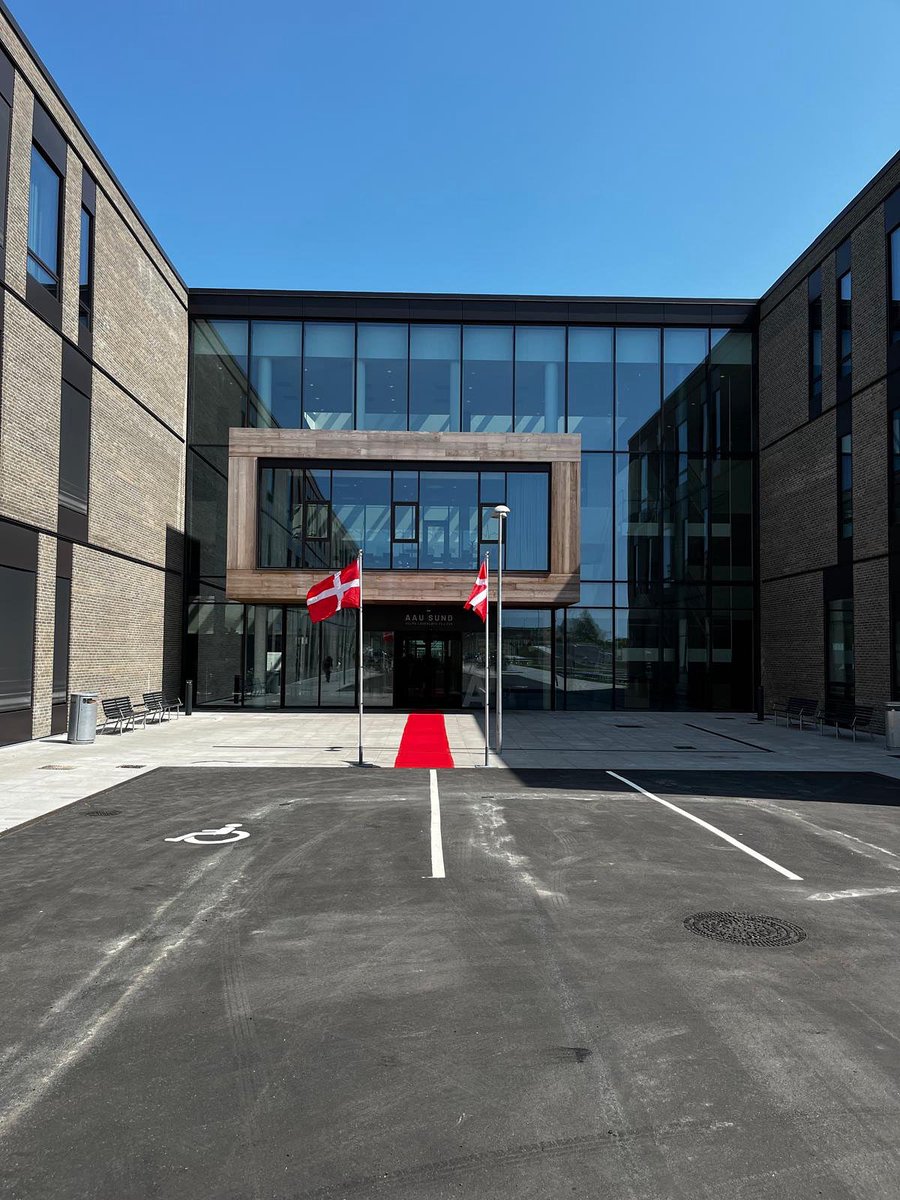
The last time I visited Aalborg University was long time ago. Back then, I received a modest welcome. This time, however, my good friend and colleague, Pablo Pennisi, had arranged a special red carpet reception just for me 😝
We had a wonderful discussion about some exciting new #cyborganic and wearable-based projects that we will be following up on in the coming weeks.
Stay tuned for more!
#TeamBioEngine #Science #Life #Networking
1
1
5
675
10 Jun 2025
🌍 Exciting Times at the 3rd EINSTEIN Project Management Meeting!
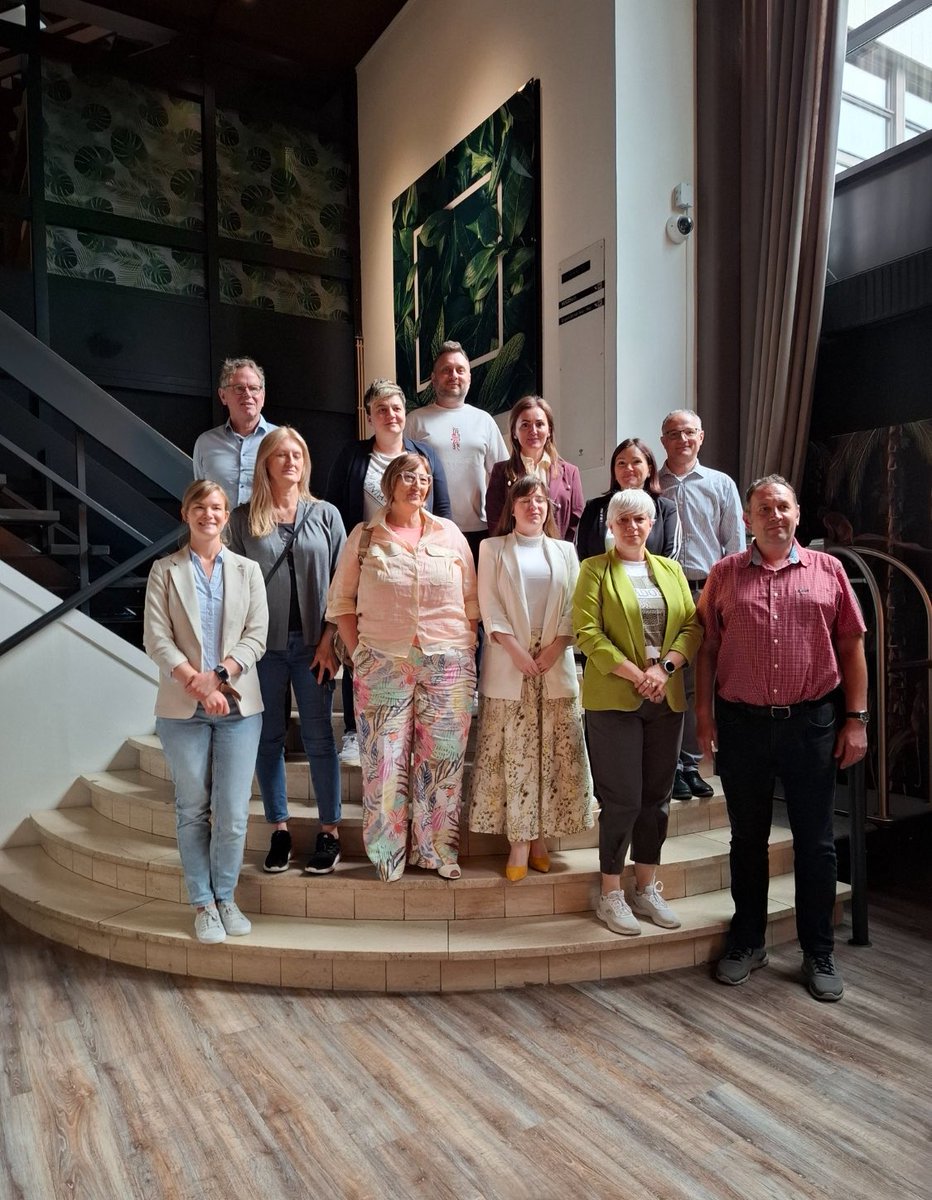
Last week #TeamBioEngine represented by Tatiane were at Wageningen University at the Division of Human Nutrition of Health to dive deep into the latest advancements of the EINSTEIN Project.
The @EINSTEINHorizon project is groundbreaking Horizon EU initiative focused on using trans- and multi-disciplinary approach to increase knowledge and technologies in the organic production of crops with improved nutritional and bioactive properties (referred to as nutricrops) for human consumption. These crops will serve as raw materials for designing #CyboFood-based sensors that can seamlessly blend in with human tissues displaying dual function: therapeutic and diagnostic aka #cyborganics.
#NutriFood #FlexibleElectronics #BioElectronics #SelfMaintainable #Materials.

3
11
567
26 May 2025
🌟 Exciting Day at DTU! 🌟
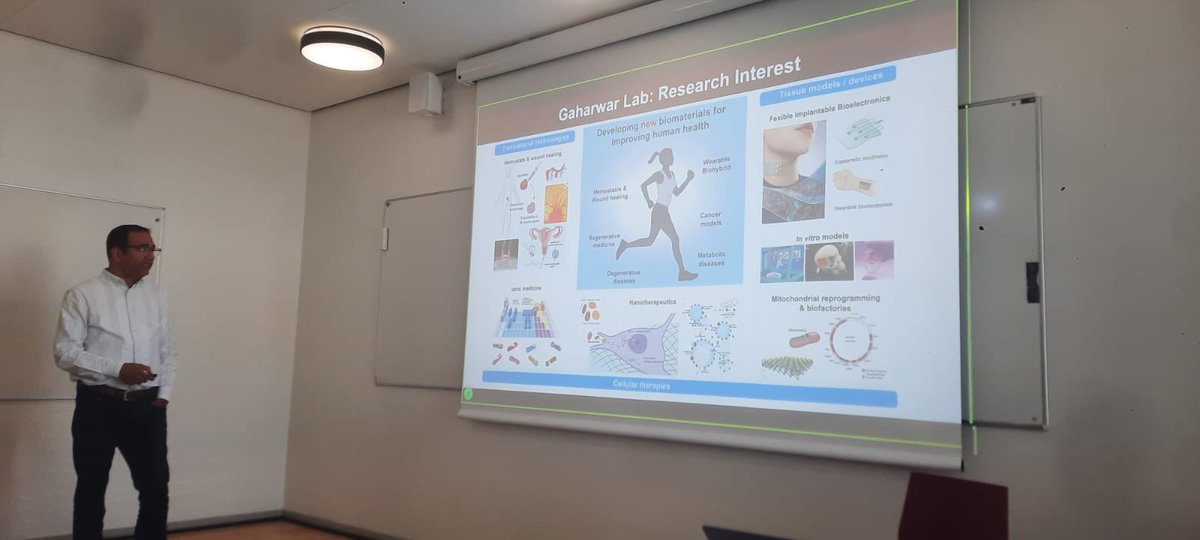
Last week we were thrilled to welcome Prof. Gaharwar to DTU - Technical University of Denmark, where he shared his groundbreaking insights with the #TeamBioEngine group.
His presentation covered topics such as ionic medicine, flexible bioelectronics, and the latest advancements in stem cell therapy.
Prof. Gaharwar’s innovative approach is paving the way for the future of biomedical engineering, and I can't wait to explore these ideas further together with him.
#DTU #TeamBioEngine #IonicMedicine #Bioelectronics #StemCellTherapy #InnovationInScience
1
10
777
28 Apr 2025
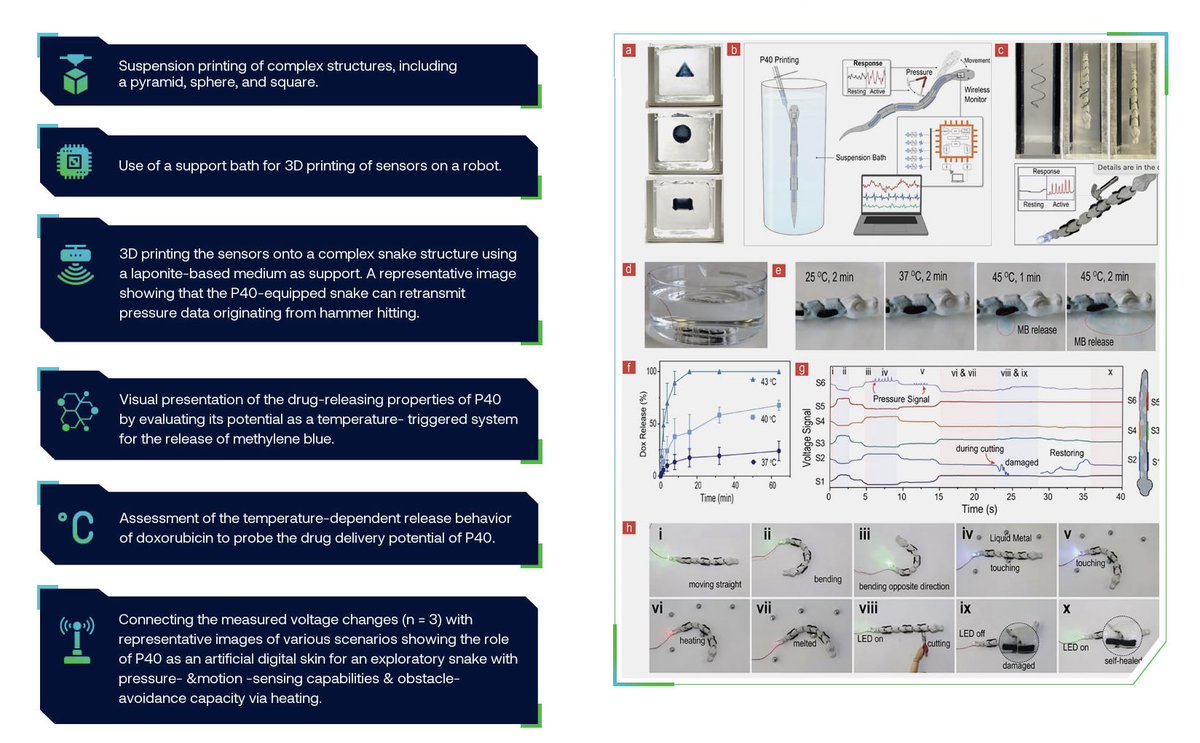
‼️New publication in Advanced Science about 4D printed Self-Maintainable Materials:
advanced.onlinelibrary.wiley…
#TeamBioEngine is thrilled to unveil P40 our newest #CareGum variant.
P40 is a synthetic material that mimics the characteristics of living systems!
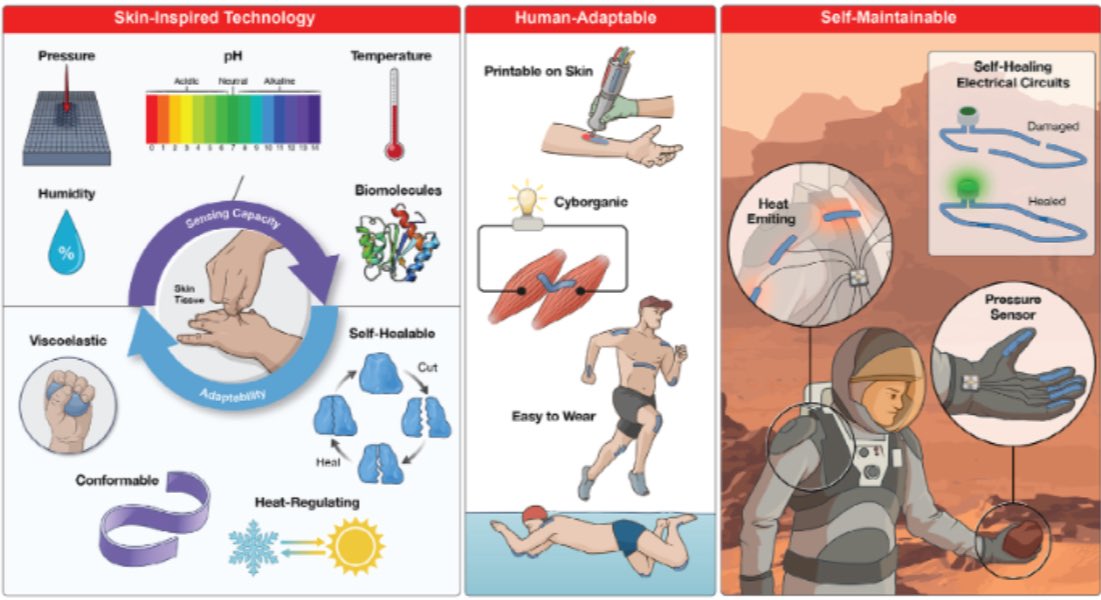
P40 not only senses, adapts, and responds to environmental changes but also displays additional features such as:
- Flexibility & Adaptability
- Self-Healing Capability
- Heating Capacity
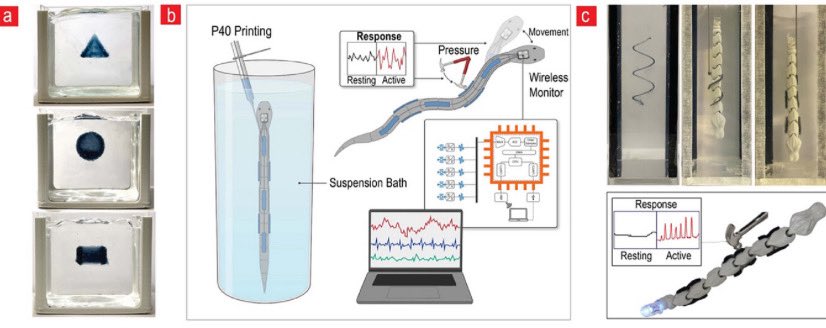
- 4D Printability
- Advanced Sensing Portfolio
These self-maintainable materials can function as intelligent interfaces, allowing for real-time responses to external stimuli. Imagine robots that can not only interact with their environment but also repair themselves exactly like living organisms!
We have additionally used P40 to develop sophisticated skin bandages aimed at healthcare monitoring of various physical and biochemical disease markers. This brings a touch of life-like responsiveness to medical applications.
The versatility of the #CareGum technology extends beyond healthcare and can pave the way for advanced components that can operate in extreme environments, such as outer space. With pressure and strain sensitivity, imagine self-repairing space suits that adapt and maintain optimal conditions for astronauts.
Cybosense is currently exploring how these self-maintainable, living-like materials can transform various industries and enhance our interaction with the world. The future is here, and it's alive!
#LivingMaterials #Innovation #MaterialScience #3DPrinting #Robotics #HealthcareTechnology #SpaceExploration #AdaptiveTech #4DPrintning
@DTUtweet
@DTU_HealthTech
18
46
226
600,278

16 Apr 2025
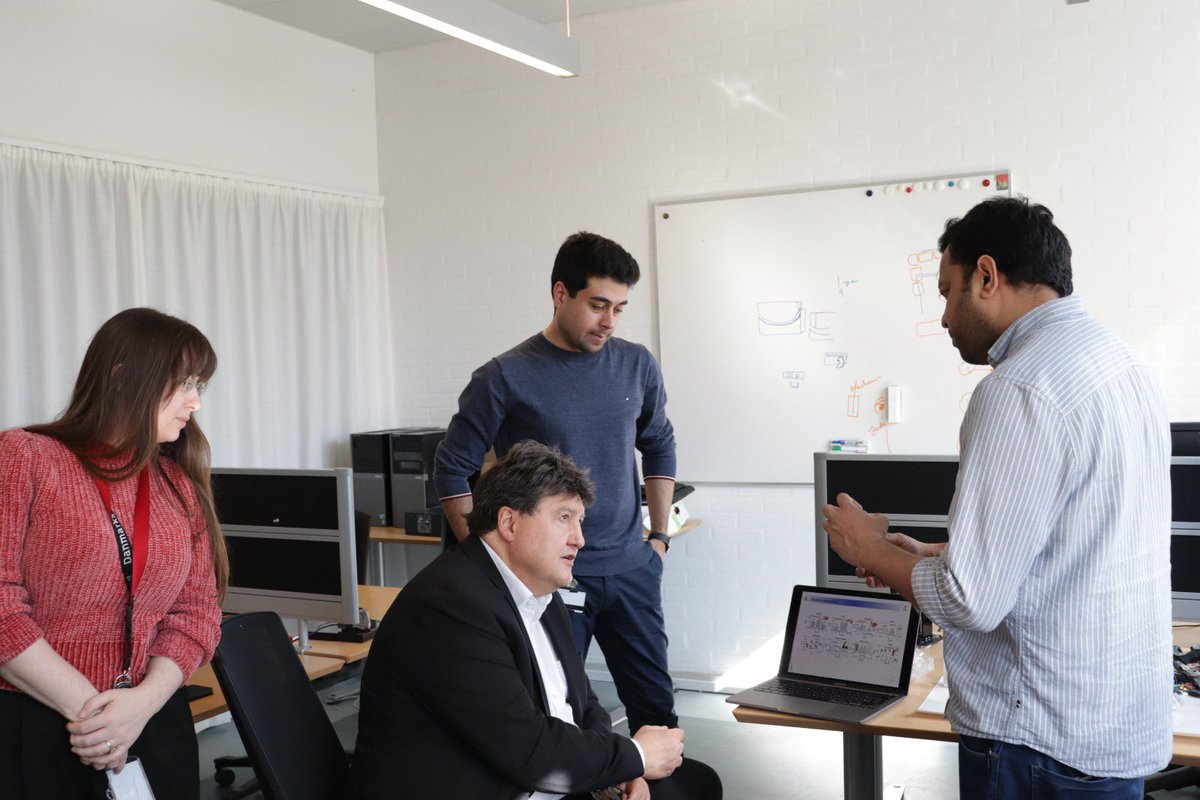
Many thanks Alireza @aldo369369369 and Tatiane for the kind invitation to visit your lab. @DTU_HealthTech Denmark. Great opportunities for initiating collaborations ! @Boccaccini_Lab #biomaterials #Teambioengine
15 Apr 2025

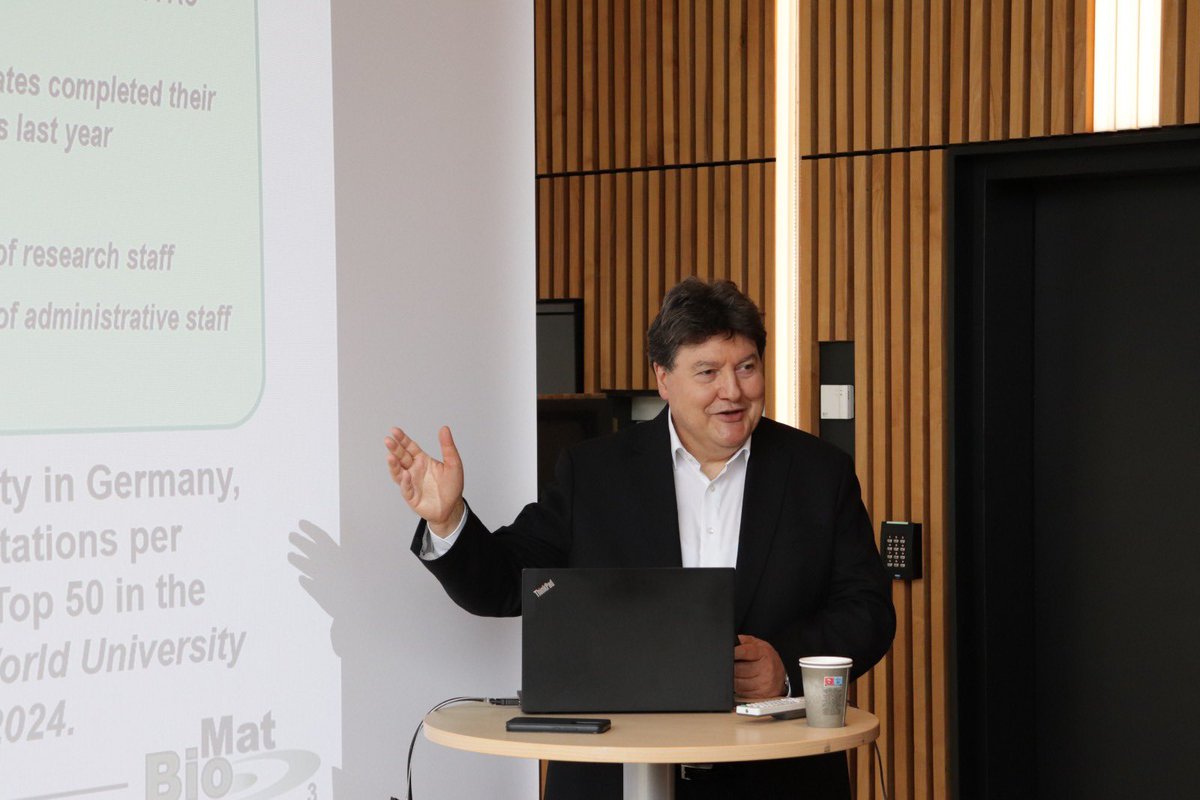
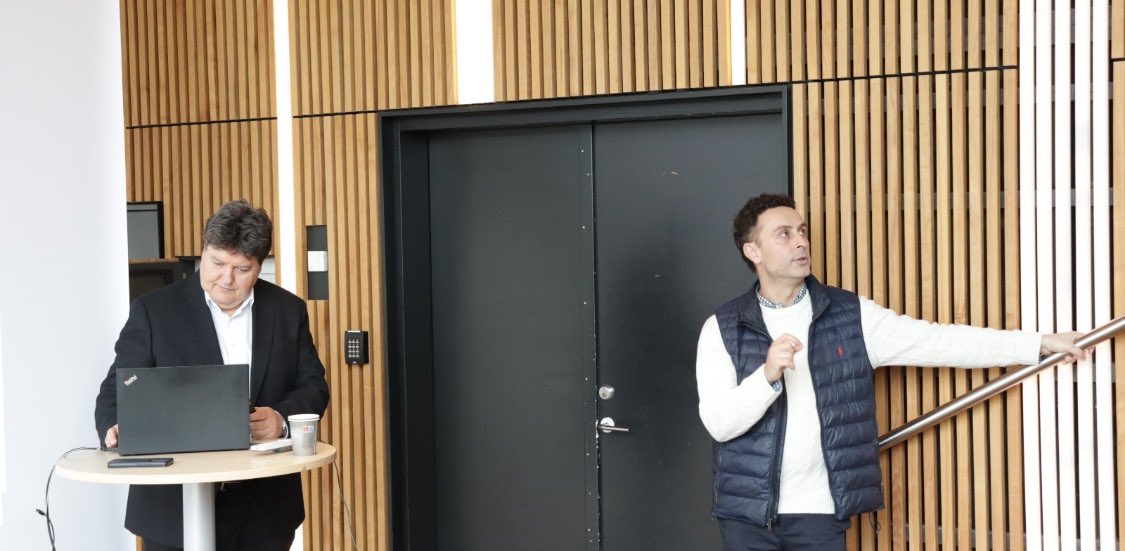
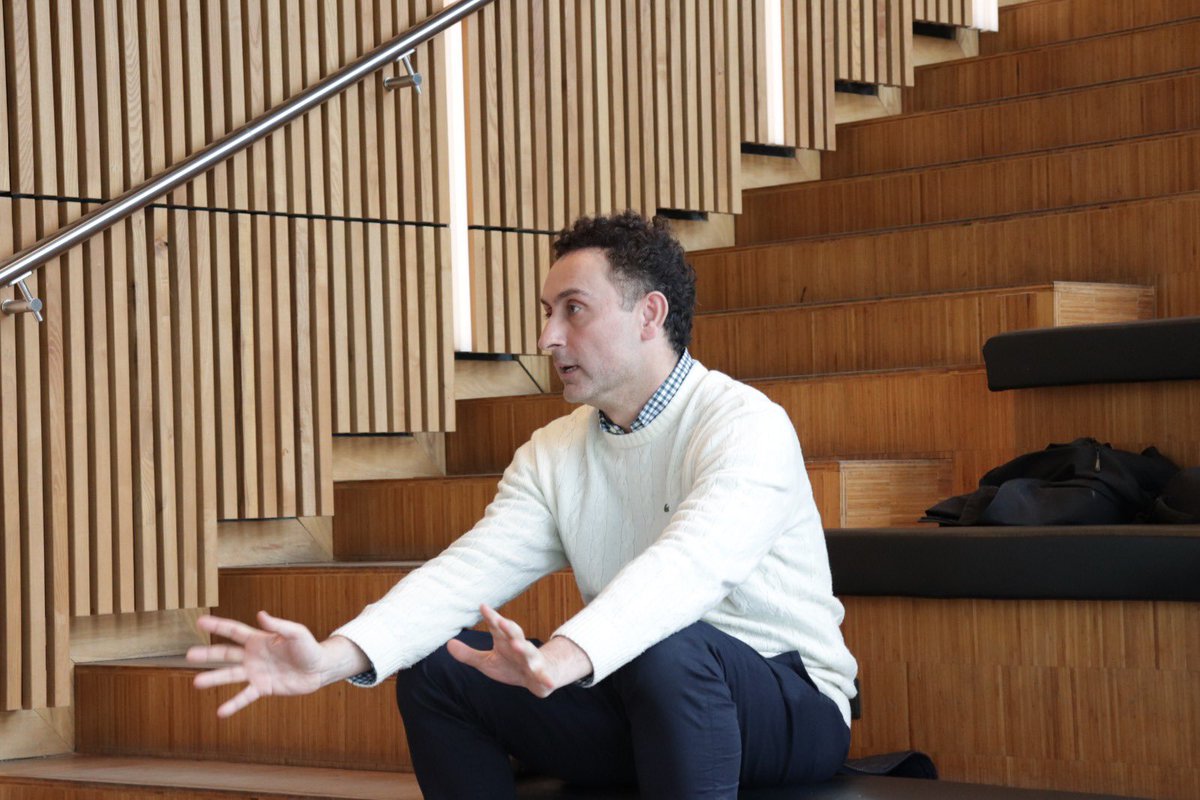
Yesterday, we had a visit from Aldo Roberto Boccaccini one of the most prolific scientists in the field of biomaterials.
It was inspiring to see what he has accomplished in ion-doped biomaterials and to witness him introduce us to an exciting new field – ion-based medicine.
We not only benefited from his exceptional scientific insights in biomaterial science but also from his generous, warm, and pleasant personality.
All in all, it was another great #Teambioengine event, by the one and only Tatiane.
@DTUtweet
@DTU_HealthTech
@Boccaccini_Lab
17
418