
We put together a simple 5-step guide to help you keep delivery times consistent—even when your work varies in size. Download the cheat sheet → getnave.co/3G2ds4k
#NavigateYourFlow #Kanban #AgileMindset #TeamPerformance #DeliveryManagement
6
The moment I realized leaders don’t fail — systems do
Early in my career, I kept seeing the same painful pattern: Do → Do → Do → Do
Endless activity. No clarity. No learning. No improvement.
A stupid cycle, as Karn Bulsuk called it — and he was right. Karn, a consultant to Toyota and lecturer at MIT, was one of the first to show me the power of PDCA done correctly.
His work planted the seed that eventually became the Clarity Execution System (CES) — a system built to delete the Do‑Do‑Do‑Do cycle from leadership forever.
In CES, PDCA isn’t a poster on the wall.
It’s built into the workflow, the decisions, the accountability, and the rhythm of execution.
Leaders stop reacting.
Teams stop spinning.
Work becomes predictable, measurable, and calm.
If you’ve ever felt trapped in constant motion with no progress, CES is the escape hatch.
🔗 Karn’s original article: lnkd.in/eUMPzYgU
🔗 Learn how CES operationalizes PDCA for modern leadership: theces-system.com/
#LeadershipDevelopment #PDCA #Kaizen #ContinuousImprovement #ToyotaWay #ExecutionExcellence #ClarityExecutionSystem #LeanLeadership #SMARTGoals #OperationalExcellence #ManagementSystems #TeamPerformance
6

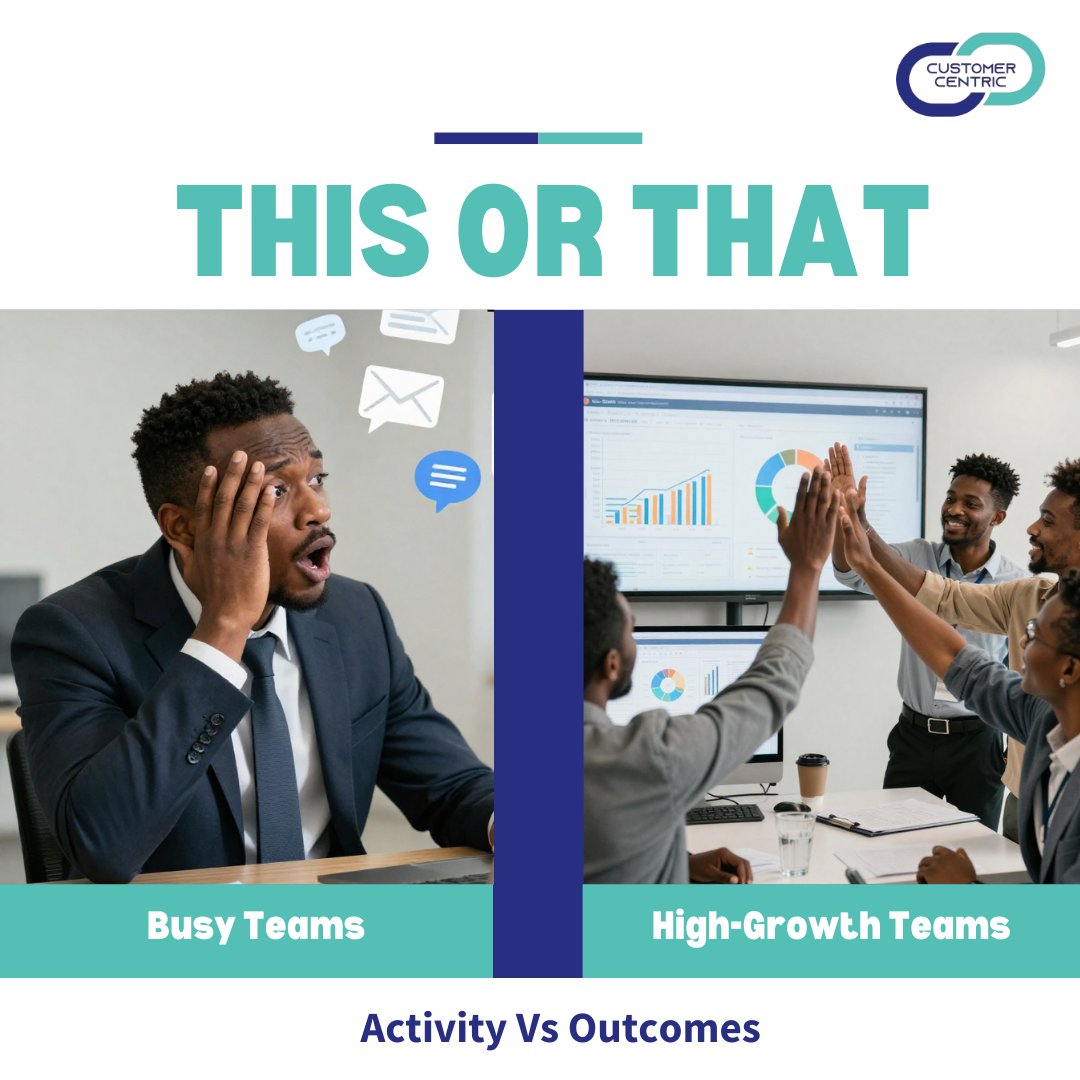
Being busy is not the same as being effective.
Busy teams chase activity.
High-growth teams chase outcomes.
The difference seems small.
The impact is huge.
Are most teams busy or productive?
#Leadership #TeamPerformance #GrowthStrategy
2

Shane Warren & Associates specialise in human-led leadership & org development for APAC firms whether is be change, coaching, culture and workforce wellbeing.
#LeadershipDevelopment
#OrganisationalCulture
#ChangeManagement
#WorkplaceWellbeing
#ExecutiveCoaching
#TeamPerformance

2

🚀 High-performing teams don't happen by accident.
Join Teresa Rush at Nebraska.Code() to discover practical tools for building #PsychologicalSafety, #Resilience, #Curiosity & sustainable #TeamPerformance.
🔗 nebraskacode.amegala.com/
#Nebraska #PeopleOverProcess #TeamCulture⚙️
9

Some leaders manage performance; others develop the people behind it.
Hear from Academic Director Shana Carroll on the leaders who will benefit most from Energizing People for Performance.
Explore: kell.gg/tpeople
#KelloggExecEd #LeadershipDevelopment #TeamPerformance
1
31

Jun 12
It doesn’t matter how “big” the task is—what matters is how you manage it. Download our cheat sheet to manage any work size → getnave.co/3Ed8lxC
#NavigateYourFlow #Kanban #AgileMindset #TeamPerformance #DeliveryManagement
7
Samuel D. Adegbuyi retweeted

Jun 12
Heard enough?
Get started
streetops.ng
#StreetOps #TeamPerformance #WorkplaceCulture #NigerianBusiness
1
4
23

Watch this Hungarian aerobic dance team stun with synchronized acrobatics, complex formations, and a powerful finale! Their performance was truly captivating. #AerobicDance #TeamPerformance #Acrobatics
1
26

Great leaders don't automatically create great teams.
The best teams aren't always the most talented. They're the ones that build trust, accountability, and healthy habits that make collaboration work.
fastcompany.com/91543160/5-r…
#TeamPerformance #ExecutiveLeadership
3

Jun 11
A tough loss is painful. Execution and a lack of hunger were key factors, but processing the defeat is the next hurdle. It's about owning the outcome and fueling future performance. #TeamPerformance #SportsPsychology

Jun 11
Even struggling or overloaded managers can elevate fast when the system around them removes confusion.
That’s exactly what CES — the Clarity Execution System — does.
Most teams don’t struggle because people are lazy.
They struggle because the system they’re working inside is unclear.
CES fixes that.
It gives any manager — even the overwhelmed, the inconsistent, the “I’m drowning in issues” manager — a clarity-first operating rhythm with SMART PDCA Accountability built in.
And here’s the part leaders don’t expect:
AI rates CES extremely high in Utility and Value.
Why?
Because CES gives AI the structure it needs to actually accelerate execution instead of creating more noise.
When clarity goes up:
• Stress drops
• Rework disappears
• Drift stops
• Execution becomes predictable
• Managers finally feel in control again
CES isn’t software.
It’s the missing operating system that plugs into the tools you already use — and it solves the problems dashboards, meetings, and apps never fix.
If you want to see why leaders call CES “the clarity engine for teams,” you can explore the full system yourself.
👉 theces-system.com/
Clarity isn’t a personality trait.
It’s a system.
And any manager can rise when the system is built right.
#ClarityExecutionSystem #LeadershipClarity #ManagerDevelopment #TeamPerformance #OperationalExcellence #SMARTGoals #PDCA #AccountabilitySystems #LeadershipTools #BusinessExecution #ReduceStressAtWork #LeadershipDevelopment #ManagementExcellence #ClarityWins #workplacesystems
7

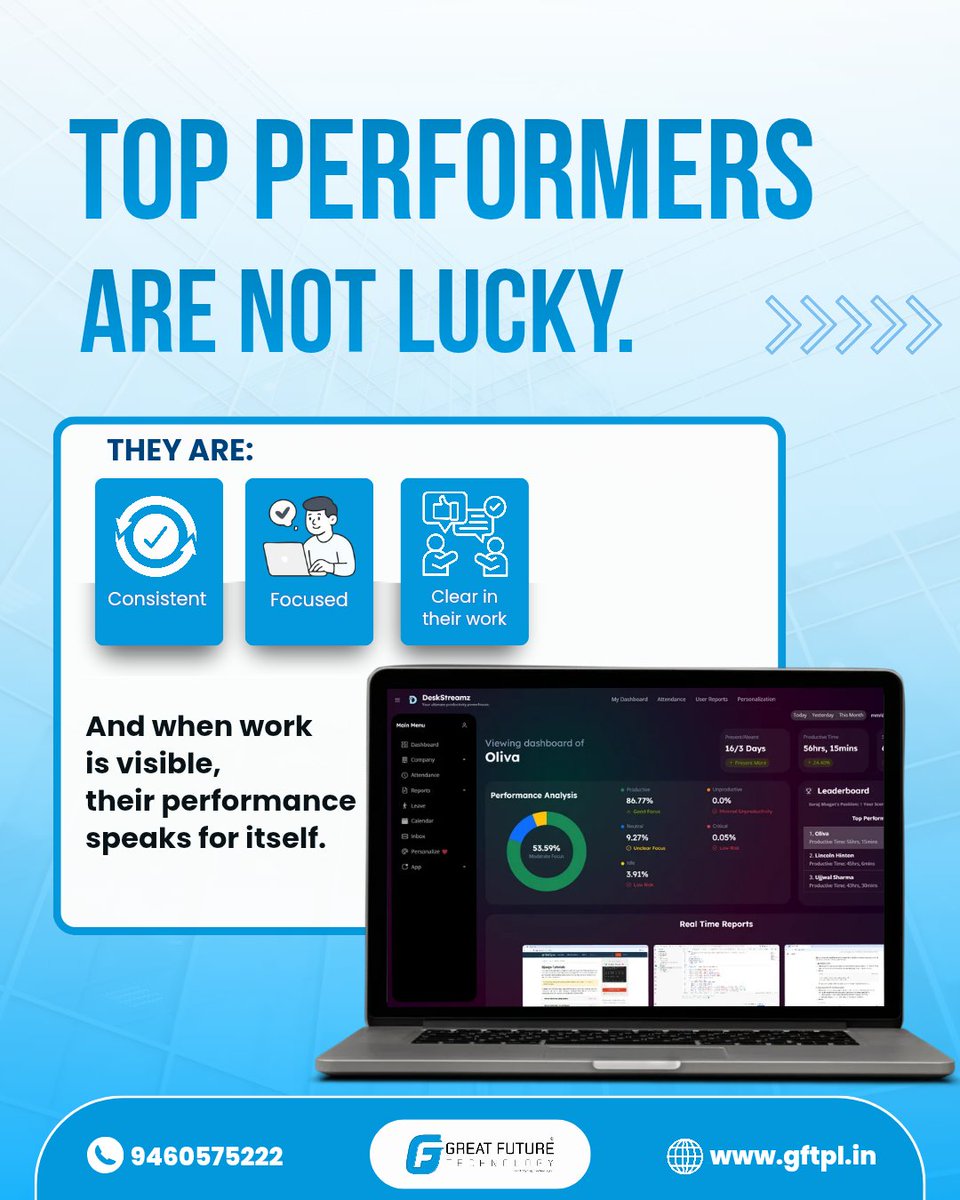
Top performers aren't lucky. They're consistent, focused, and clear in their work.
When work is visible, results follow. 📊
#DeskStreamz #Productivity #TeamPerformance #WorkSmart #GFTPL
1


Start with this: your team isn’t failing at execution because they lack strategy. They’re failing because strategy never leaves the slide deck.
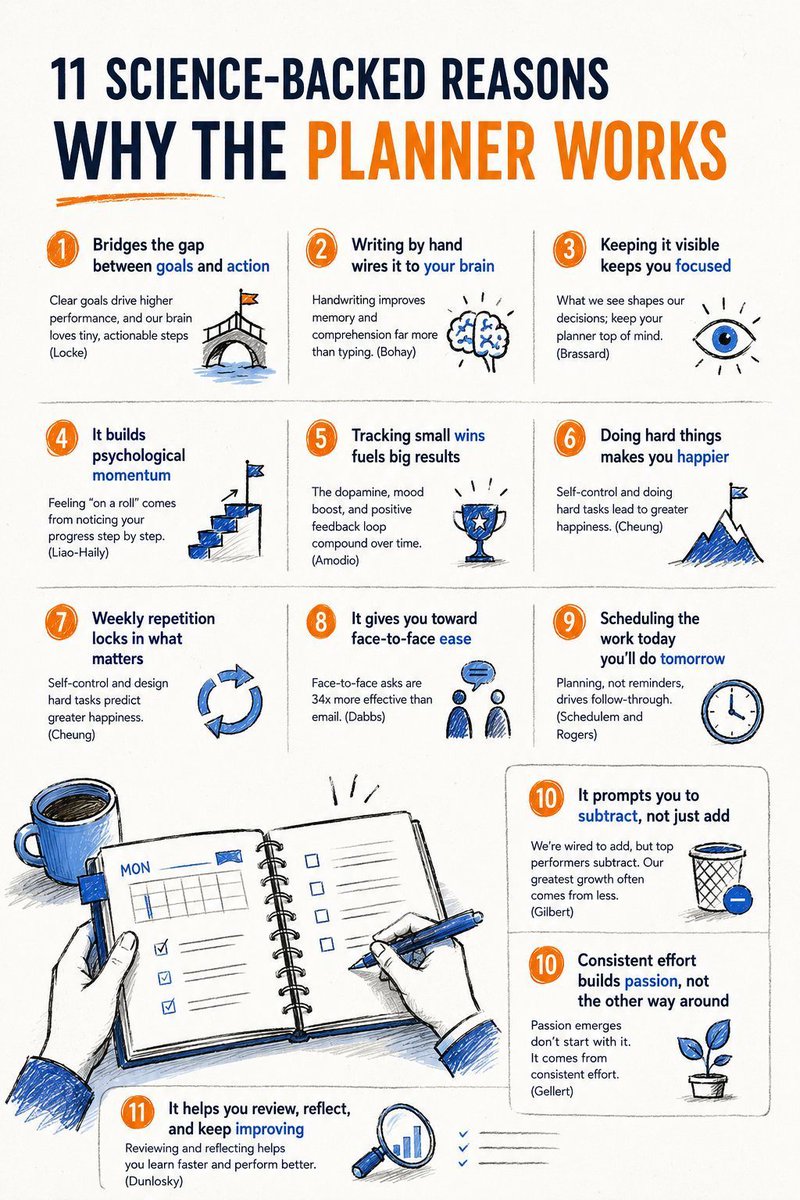
I’ve watched it happen across every marketing organization I’ve led. We craft bold positioning refreshes, map out thought-leadership campaigns, and set ambitious client-storytelling goals. Then Monday hits and the plan evaporates. Until we brought back the planner.
The science is clear: handwriting locks ideas into memory more effectively than typing. Keeping goals visible creates focus that digital notifications destroy. Tracking small wins compounds into psychological momentum. Subtracting non-essential tasks beats endlessly adding new ones. And weekly reflection turns experience into repeatable excellence.
That’s not productivity porn. That’s how high-performing marketing teams actually ship.
As a leader, I no longer accept the excuse that “we’re too busy to plan.” Busy is the symptom. The planner forces the hard conversation: what are we protecting time for this week? Which client narrative needs sharper messaging? Where do we need to kill a half-baked campaign before it wastes more resources? It turns leadership from reactive firefighting into deliberate direction-setting.
The strategic takeaway is simple and uncomfortable: the best teams don’t need better tools. They need better systems for translating intention into consistent action. Give your people the discipline of visibility, repetition, and reflection, and you stop managing tasks and start building unstoppable momentum.
Great leadership isn’t about having the perfect plan. It’s about building the habit that makes every plan better.
#Leadership #TeamPerformance #StrategicExecution #MarketingLeadership #Discipline #HighPerformanceTeams
22

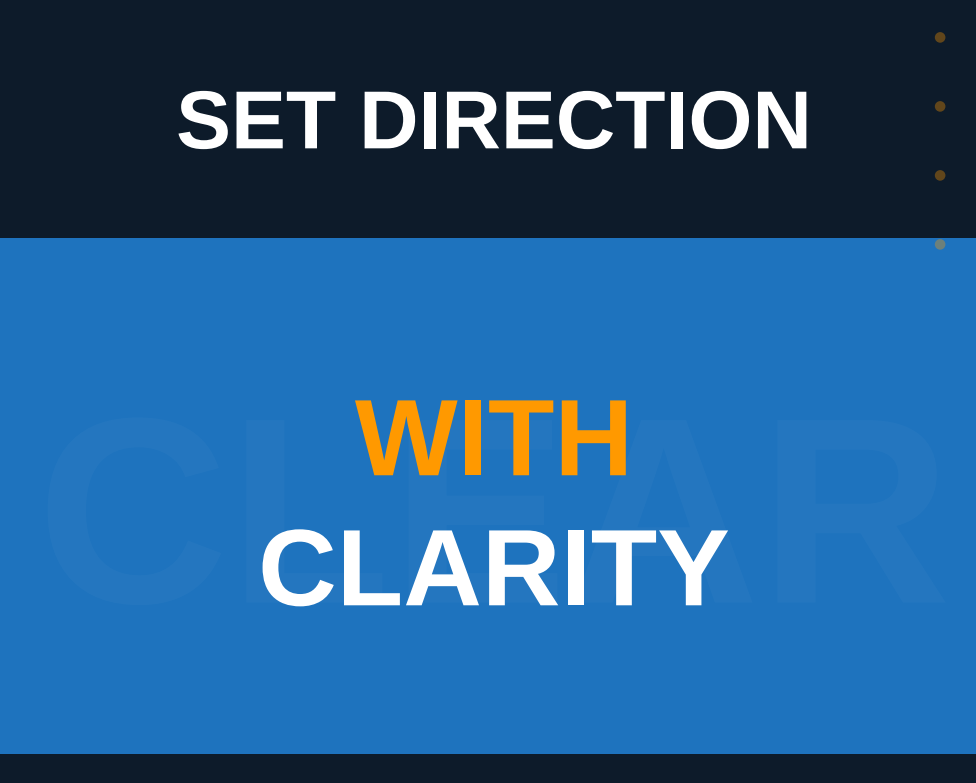
𝗦𝗲𝘁 𝗱𝗶𝗿𝗲𝗰𝘁𝗶𝗼𝗻 𝘄𝗶𝘁𝗵 𝗰𝗹𝗮𝗿𝗶𝘁𝘆.
● Remove competing objectives
● Define the goal in one sentence
● Identify the top three priorities only
● Repeat the direction often and visibly
#Leaders #Leadership #Direction #TeamPerformance
8

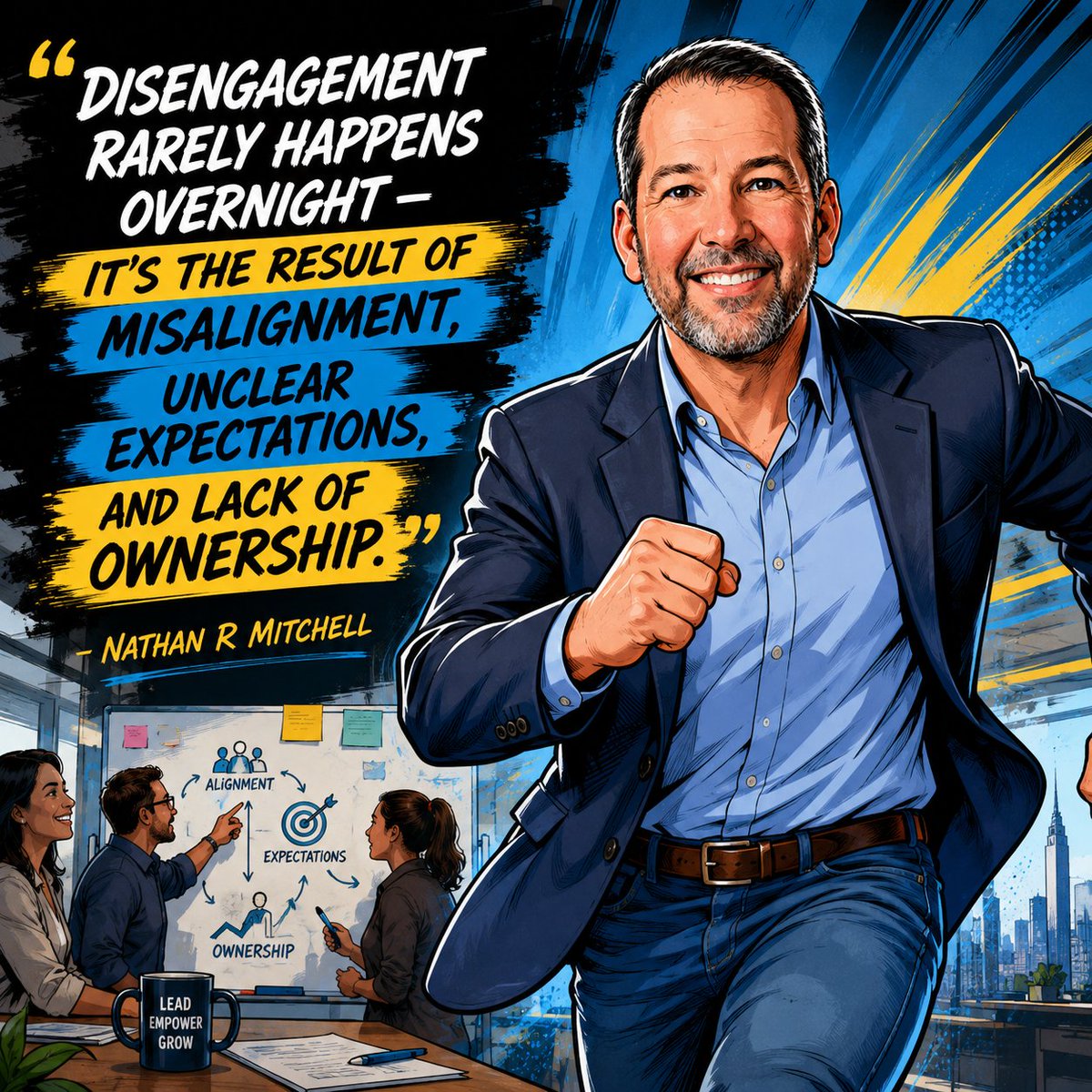
Disengagement rarely shows up all at once. It starts small: A missed expectation; a lack of clarity; a team member who isn't sure how their work connects to the bigger picture; a leader who assumes alignment instead of creating it.
Over time, those small gaps become frustration, confusion, reduced ownership, and eventually disengagement.
The truth is that most people want to do meaningful work. They want to contribute, grow, and make a difference. But engagement doesn't happen by accident: it requires intentional leadership.
As leaders, one of our greatest responsibilities is creating clarity around expectations, alignment around priorities, and ownership throughout the team.
When those three elements are present, engagement increases. Performance improves. Culture strengthens.
When they're missing, disengagement is often the predictable outcome.
"Disengagement rarely happens overnight – it's the result of misalignment, unclear expectations, and lack of ownership."
What do you believe is the biggest contributor to disengagement in today's workplace?
#LeadEmpowered #LeadershipDevelopment #EmployeeEngagement #Leadership #OrganizationalCulture #TeamDevelopment #LeadershipCoaching #EmployeeExperience #WorkplaceCulture #Management #TeamPerformance #LeadershipMatters #OwnershipMindset #BusinessLeadership #ProfessionalDevelopment
2
18

Jun 10
ऑस्ट्रेलिया के खिलाफ मैच से पहले वोलवार्ट ने दक्षिण अफ्रीकी टीम से बेहतर खेल की मांग की
#FocusNews #SportsNews #WolvaardtLeadership #SAcricket #TeamPerformance #CricketMotivation #AUSvsSA #CricketUnity #SouthAfricaRising #GameDayFocus
focusnews.co.in/2026/06/befo…
3

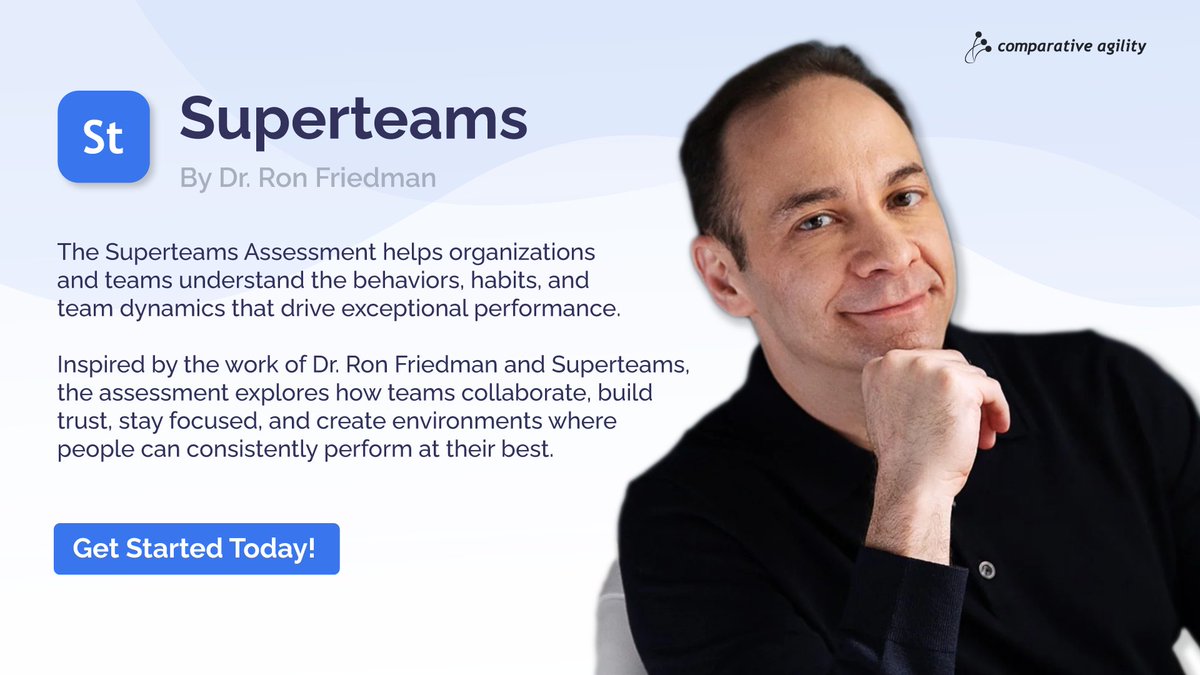
We're excited to launch the Superteams assessment, created by Dr. Ron Friedman.
Based on behavioral science and the Superteams framework, the assessment helps teams uncover the habits and behaviors that drive trust, collaboration, focus, and performance.
Find out how your team compares: bit.ly/4okUmZ8
#Superteams #TeamPerformance #Leadership #FutureOfWork
2
11