
Working with low-cost sensors/digital innovation in exposure science or #IH?
@OHIreland @ISES4EU workshop on 10 & 11 June @ucddublin.
Submit an abstract to #OHSIISES2026 for Exposure Assessment Innovation
🗓️ Apply 31st Jan 🔗ohireland.org/event-details/… #TechInScience #Innovation
3
3
62

12 Jul 2025
with smart contracts, and even fighting counterfeit drugs.
The tech and science future is deeply connected, and I’m excited to be learning right where both worlds meet!
#Blockchain #Chemistry #Web3Education #AllStarsNigeria #CampusMeetup #FULokoja #TechInScience #CryptoEdu
5
68

23 Jan 2025
Sweden Joins Square Kilometer Array Observatory 🇸🇪
Sweden officially joins the Square Kilometer Array Observatory (SKAO), contributing to the world’s largest radio telescope networks in South Africa and Australia. With Swedish companies and institutes already engaged in construction and testing, this partnership unlocks opportunities for groundbreaking discoveries about the cosmos and fundamental physics.
➡️Read more: spacewatch.global/2025/01/sw…
#SpaceNews #Astronomy #SKAO #RadioAstronomy #SwedenInSpace #CosmicExploration #TechInScience

1
115

6 Dec 2024
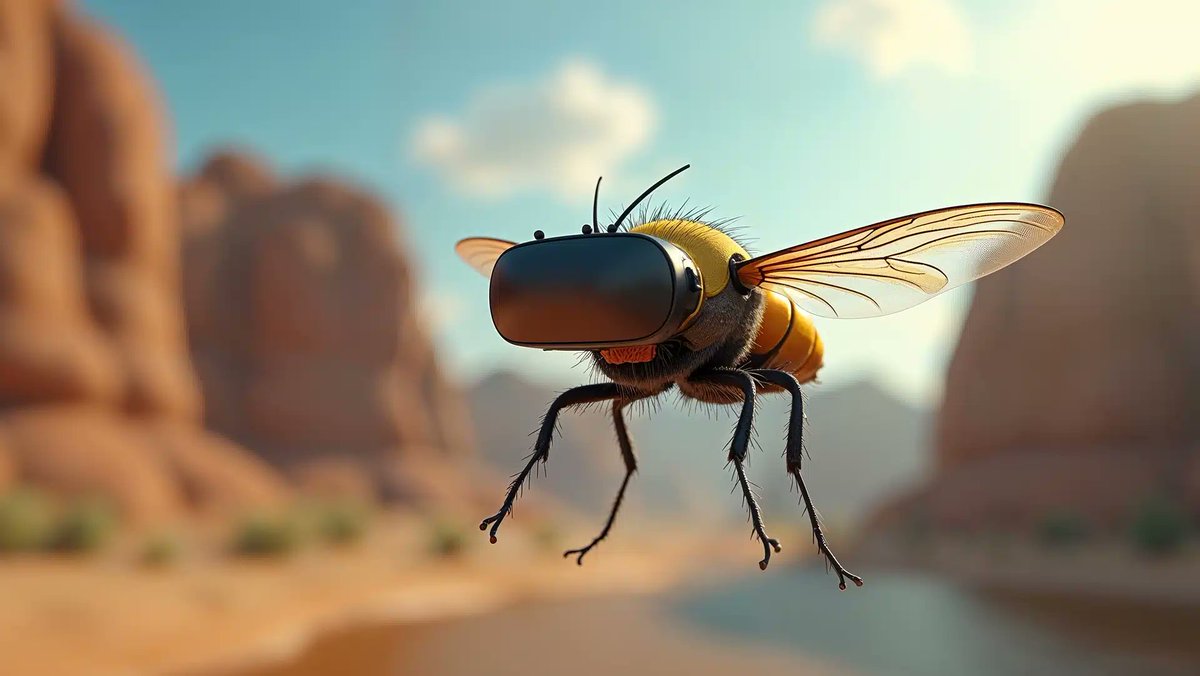
Virtual Reality open new window into animal behaviour 🐝 → Scientists trial use of #VirtualReality & #AugmentedReality on small animals.
ow.ly/lyeg50Ume2h
#VRResearch #WildlifeScience #AnimalStudies #TechInScience #ScienceAndTechnology #DigitalEcology #ar #vr
6
175

29 Nov 2024
🐝 Tracking insects in their natural habitats just got an upgrade! Fast Lock-On (FLO) tracking uses infrared & retroreflective markers to capture high-res outdoor videos of insects.
@SciRobotics @BUnifr @tt_vodoan #InsectBehavior #TechInScience
Read more: science.org/doi/10.1126/scir…
2
4
136

Title: The Theory of Bigfoot: Intelligent Behavior, Technological Awareness, and Environmental Pressures
Abstract: This paper explores a theoretical framework for understanding the elusive nature of Bigfoot, an alleged cryptid thought to inhabit North American forests. It proposes that Bigfoot is a highly intelligent species that has developed sophisticated strategies for avoiding human detection. The theory examines Bigfoot's potential technological awareness, the impact of environmental changes on their behavior, and the implications for future encounters between humans and this mysterious species.
Introduction: Bigfoot, also known as Sasquatch, has long been a subject of fascination and speculation. Despite numerous sightings and pieces of anecdotal evidence, scientific confirmation of Bigfoot's existence remains elusive. This paper presents a theory suggesting that Bigfoot is not only real but possesses a level of intelligence and technological awareness that enables it to evade detection. The theory also considers environmental pressures as a driving factor for increased sightings and interactions.
Intelligence and Technological Awareness: The theory posits that Bigfoot is an intelligent species with a significant understanding of human technology. Observations of Bigfoot's behavior suggest that they have become adept at recognizing and avoiding technological devices such as motion-sensor cameras. Initially, Bigfoot may have responded to these devices with curiosity or aggression, destroying cameras to eliminate perceived threats. However, as they have become more familiar with these technologies, their behavior has shifted towards increased confidence, including more frequent and casual interactions with areas monitored by cameras.
Environmental Pressures: Global environmental changes, such as deforestation and climate change, are posited as key factors driving Bigfoot closer to human settlements. The theory suggests that food scarcity due to habitat disruption is compelling Bigfoot to venture into areas previously avoided. As human expansion encroaches on natural habitats, Bigfoot's increased proximity to human activity can lead to more frequent sightings and potential encounters.
Technological Solutions and Future Research: To overcome the challenges of tracking and studying Bigfoot in dense forestry, advanced technology is proposed as a solution. Drones equipped with thermal imaging, motion sensors, and AI-based tracking systems could provide researchers with new tools to observe Bigfoot without disturbing their natural behavior. This technology would allow for non-intrusive monitoring, potentially leading to breakthroughs in understanding Bigfoot's social structures and interactions.
Conclusion: The theory presents a framework for understanding Bigfoot as an intelligent and technologically aware species facing significant environmental pressures. As technology advances, researchers may have the tools needed to study Bigfoot more effectively and gain a deeper understanding of this elusive creature. Continued exploration and the application of advanced technologies may eventually lead to a resolution of the Bigfoot mystery, fostering a greater appreciation and respect for this enigmatic species.
#Bigfoot #Cryptozoology #Sasquatch #ScientificResearch #EnvironmentalScience #TechInScience #IntelligentSpecies #TheoreticalFramework #WildlifeResearch #MysteryOfBigfoot #AdvancedTech #ClimateChangeImpact
1
21

10 Sep 2024
Say goodbye to tedious manual transcriptions! Our custom #GenAI tool, Maizey, is making waves at the U-M Herbarium. Thanks to this bot, they're handling large volumes of specimen data with ease. 📊💪 #Research #TechInScience #UofM #Efficiency
Learn more: myumi.ch/6y5w3

1
3
459

29 Aug 2024
Delve into the principles and diverse applications of AFM as we uncover its technical workings and various imaging modes. Discover how this innovative technique is revolutionizing research across multiple fields, including life sciences, disease biomarker discovery, pharmacology, plant sciences, and aging studies. Whether you're a researcher, student, or just curious about cutting-edge science, this video is a must-watch!
Watch now and expand your knowledge on how AFM is shaping the future of scientific research!
hashtag#AtomicForceMicroscopy
#ResearchInnovation
#lifesciences #BiomarkerDiscovery #pharmacology #plantscience #Agingstudies #microscopytech #ScientificDiscovery #TechInScience
youtu.be/4pmvQtRNdzc?si=CnHr…
1
2
506

23 Aug 2024
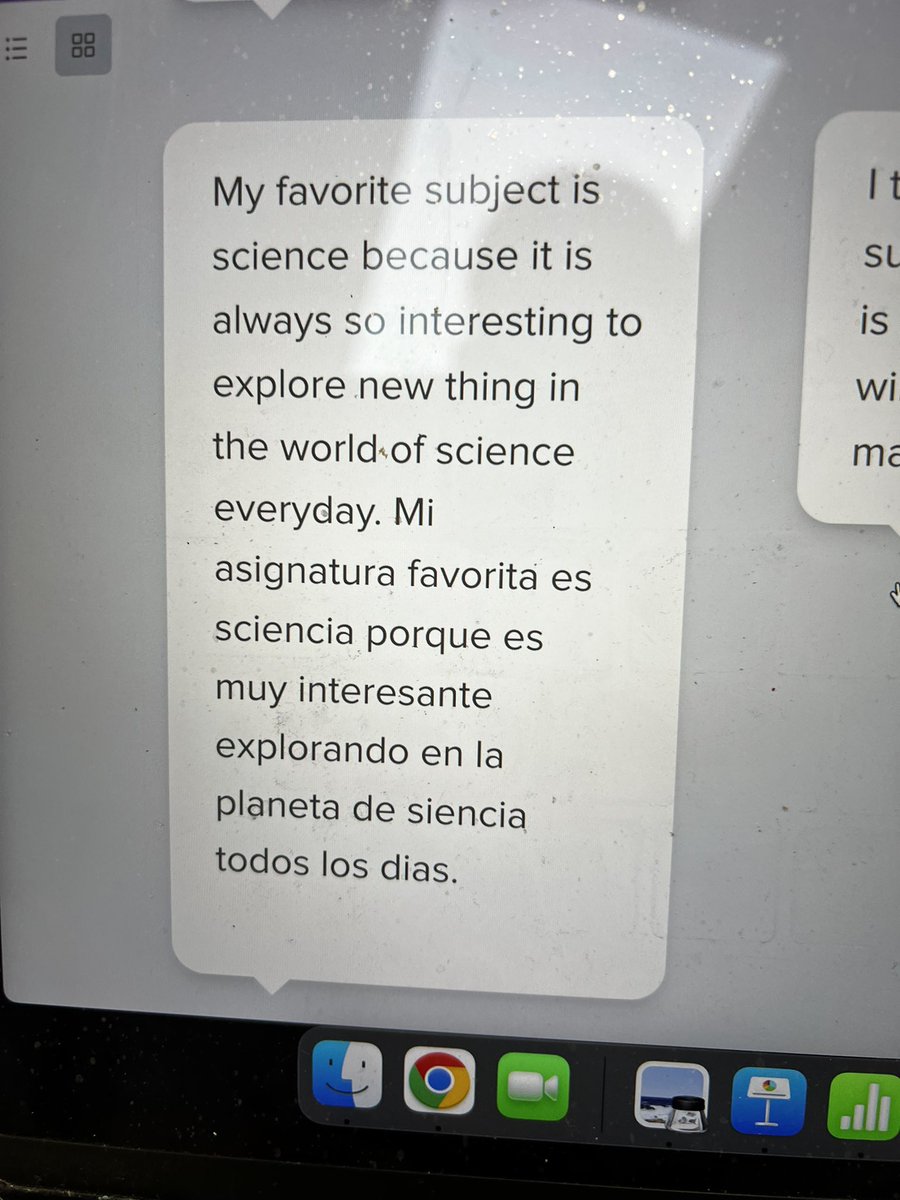
Love helping my Spanish immersion students by having students write in Spanish when they can! @Peardeck for the win to see all my students work in real time! @ComalDL #digitalteacher #techinscience
1
3
805

10 Jun 2024
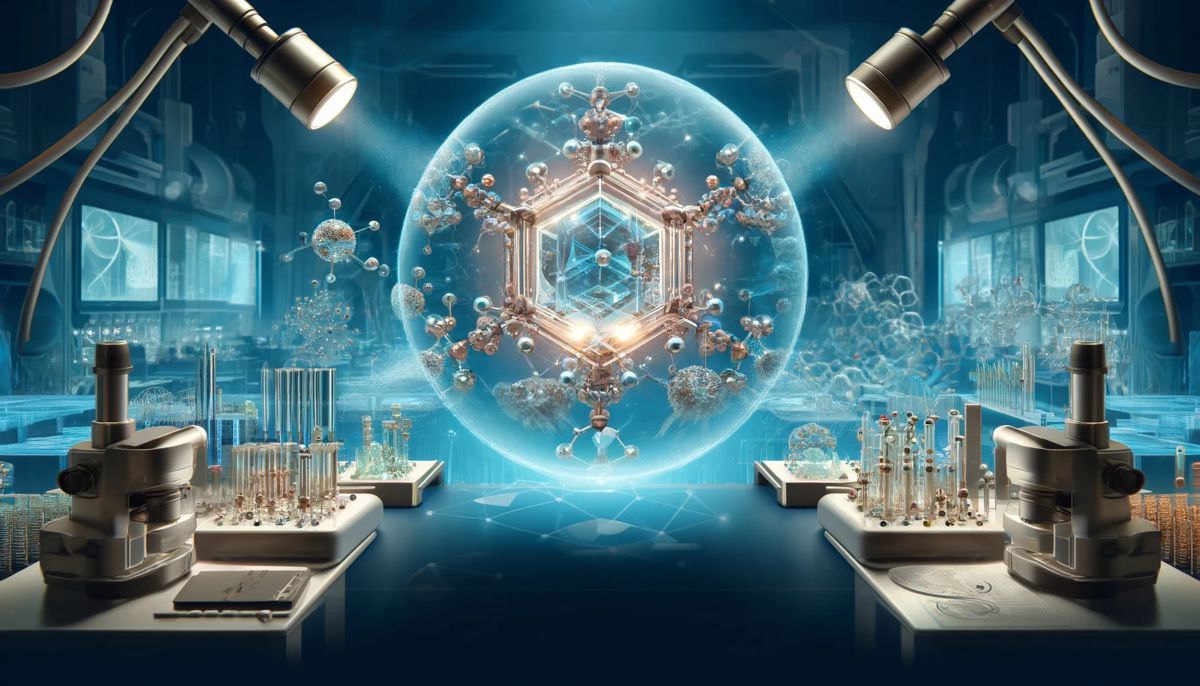
🔬 Groundbreaking Observation of Electron Transfer Unveiled 🌟
🔍 Delve into the latest scientific breakthrough in the observation of electron transfer. This discovery provides new insights into fundamental processes that drive various technologies, paving the way for advancements in energy, materials science, and electronics. 🌐🔧
🔗 Read the full article on Highways Today: highways.today/2024/06/04/ob…
#ConstructionNews #HighwaysToday #ElectronTransfer #ScientificBreakthrough #Innovation #TechInScience #Energy #MaterialsScience #Electronics
4
3
63

🖥️🧪 Utilizing some of California's most powerful supercomputers, UCR researchers simulate how hundreds of cells collaborate to form a fruit fly's wing—this approach is changing how we understand tissue development! #TechInScience #Supercomputing
🧵3/10
1
10

13 May 2024
Thrilled to be part of #PintOfScience! As an apprentice software engineer at @Zone01Kisumu, I'm eager to uncover the intersection of technology and science. Let's toast to innovation and the endless possibilities ahead! 🍻🔬 #TechInScience
2
3
209
19 Dec 2023
🧪🤖 Breaking New Ground in Chemistry: AI's Role in Unraveling Transition States! 🤖🧪
🔍 Uncover the full story on Highways Today: highways.today/2023/12/18/ch…
🔬 Dive into how artificial intelligence is revolutionizing the field of chemistry by accurately predicting and analyzing transition states in chemical reactions. This advancement is a game-changer for researchers and industry professionals alike.
💡 Learn about the implications of this technology for faster, more efficient, and groundbreaking discoveries in chemical processes.
#AI #Chemistry #Science #ScientificInnovation #ChemicalResearch #TransitionStates #HighwaysToday #TechInScience #FutureOfChemistry #InnovationInResearch

4
3
69

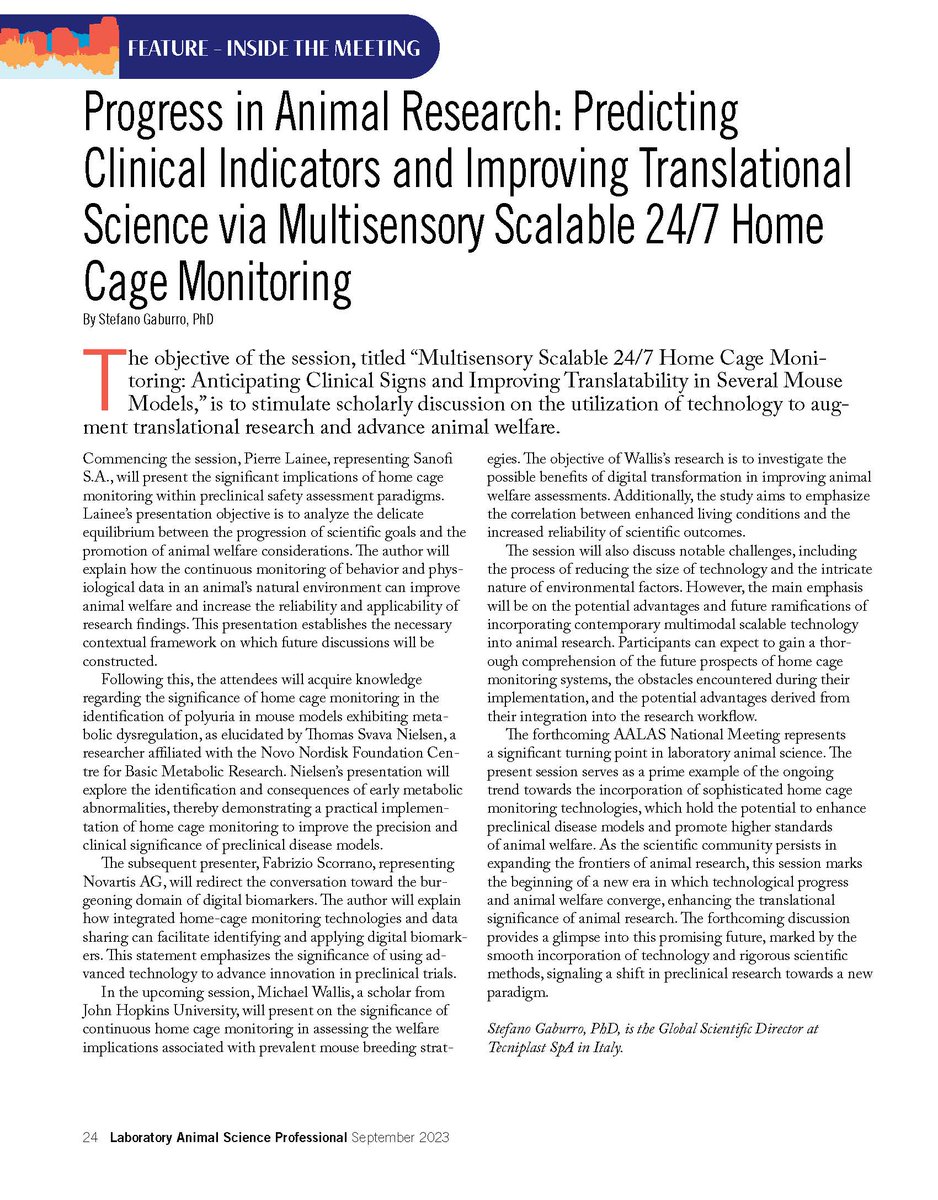
🔍 Exciting insights from #AALAS2023 on 24/7 Home Cage Monitoring! Blending tech & ethics for a brighter animal research future. 🐭🚀 #TechInScience
1
8
199

📹 Tech Will Save Us is back! 🎙️
We are ready and raring to go after our summer break and boy do we have an episode in store for you! 🔥
What do you get when a plastic surgeon meets a single molecule scientist?
Tune in next week to find out... (teaser to follow shortly)
#TechWillSaveUs #Podcast #TechinMedicine #Heathcare #TechinHealthcare #TechinScience

1
3
238

5 Apr 2022
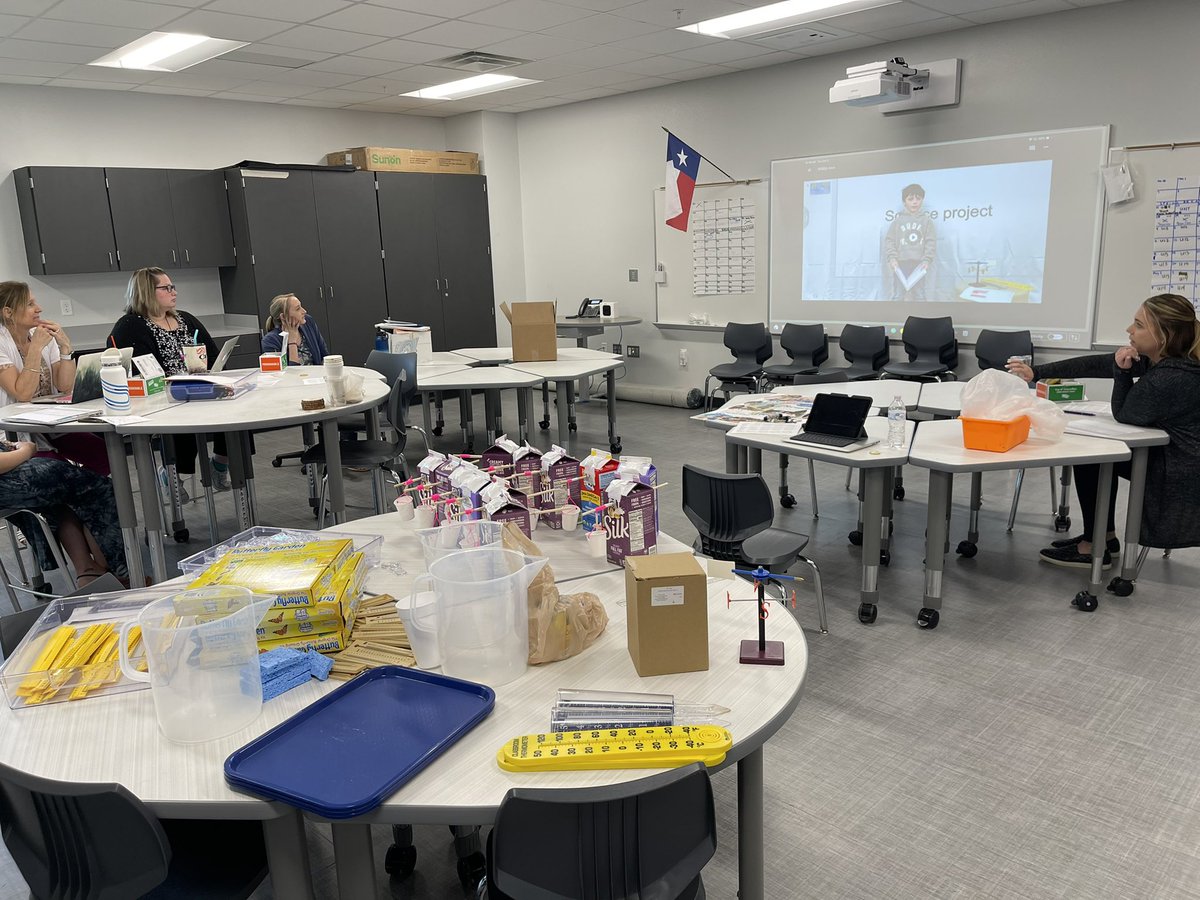
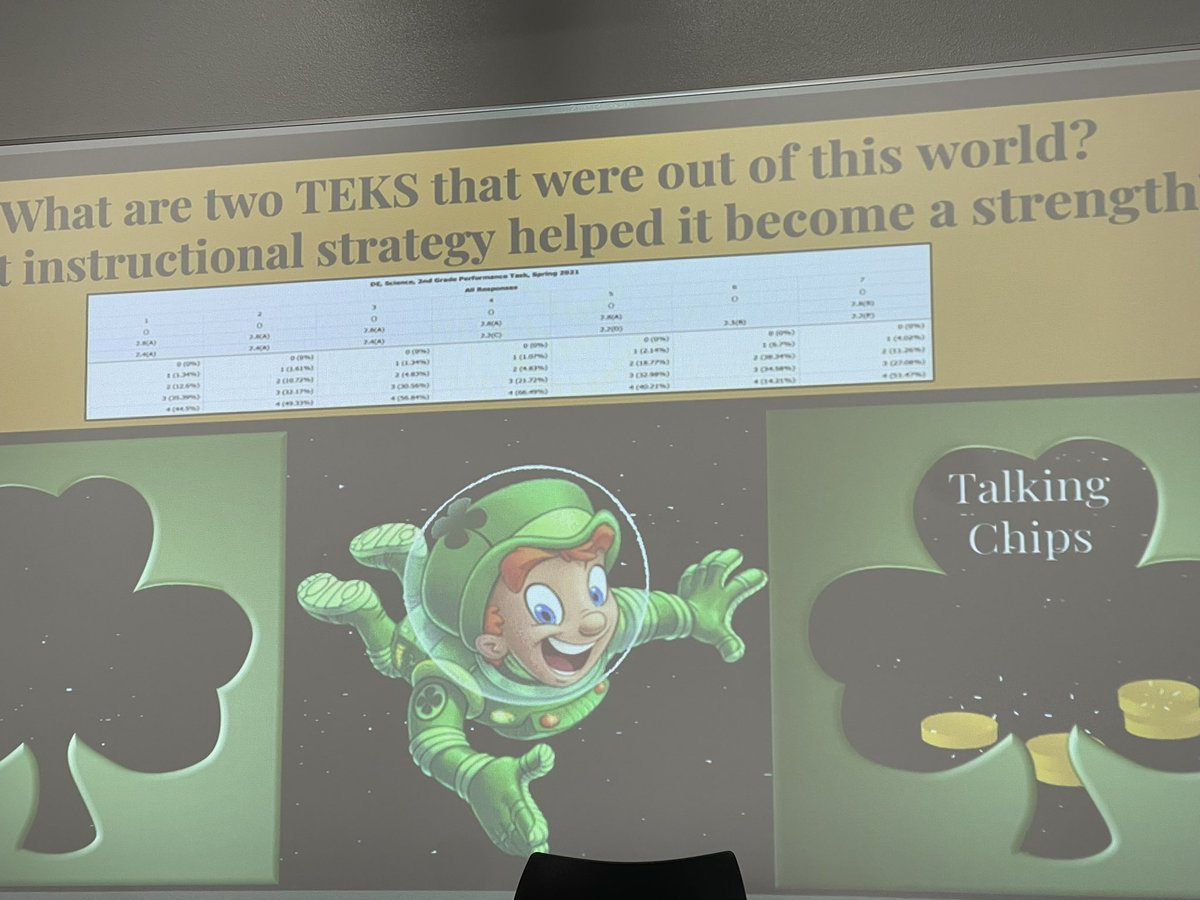
2nd grade talking all things science with @Duban4Science! #DataDig #TechInScience #WeAreMemorial 💙💛💙💛
2
11

If you are a computational biology nerd please check this out! #MachineLearning #LifeScience #TechInScience #OpenScience 👩🏻💻👩🏼🔬
2
2

6 May 2021
Today our #AmityADScience students used #AugmentedReality to look at the digestive system from a different perspective. #TechInScience #AR #HumanAnatomy #ThinkingOutsideOfTheClassroom #InspiringExcellence #AmityAD #AmityADScience #TechnologyInSchools
2
7

9 Nov 2020
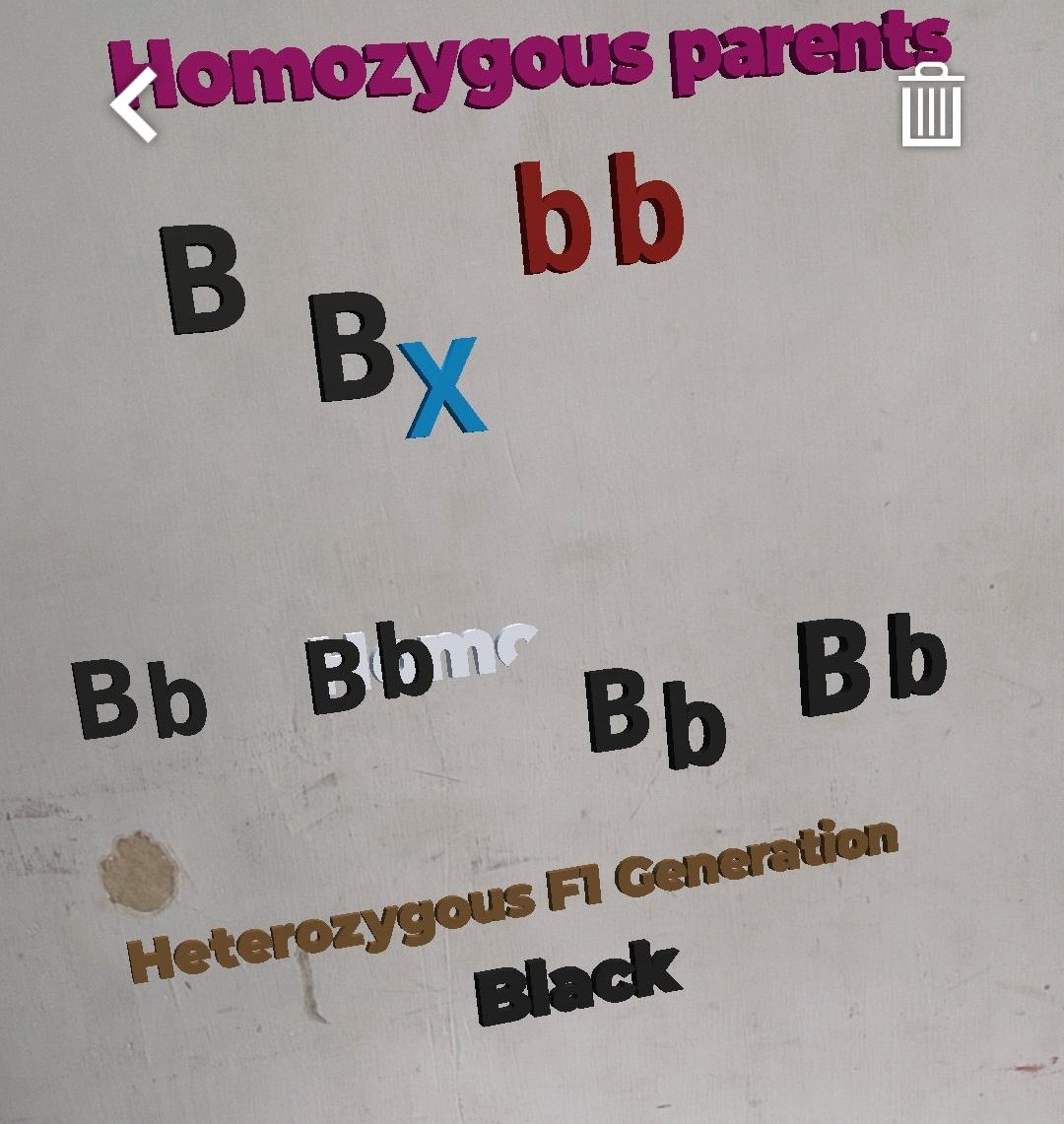
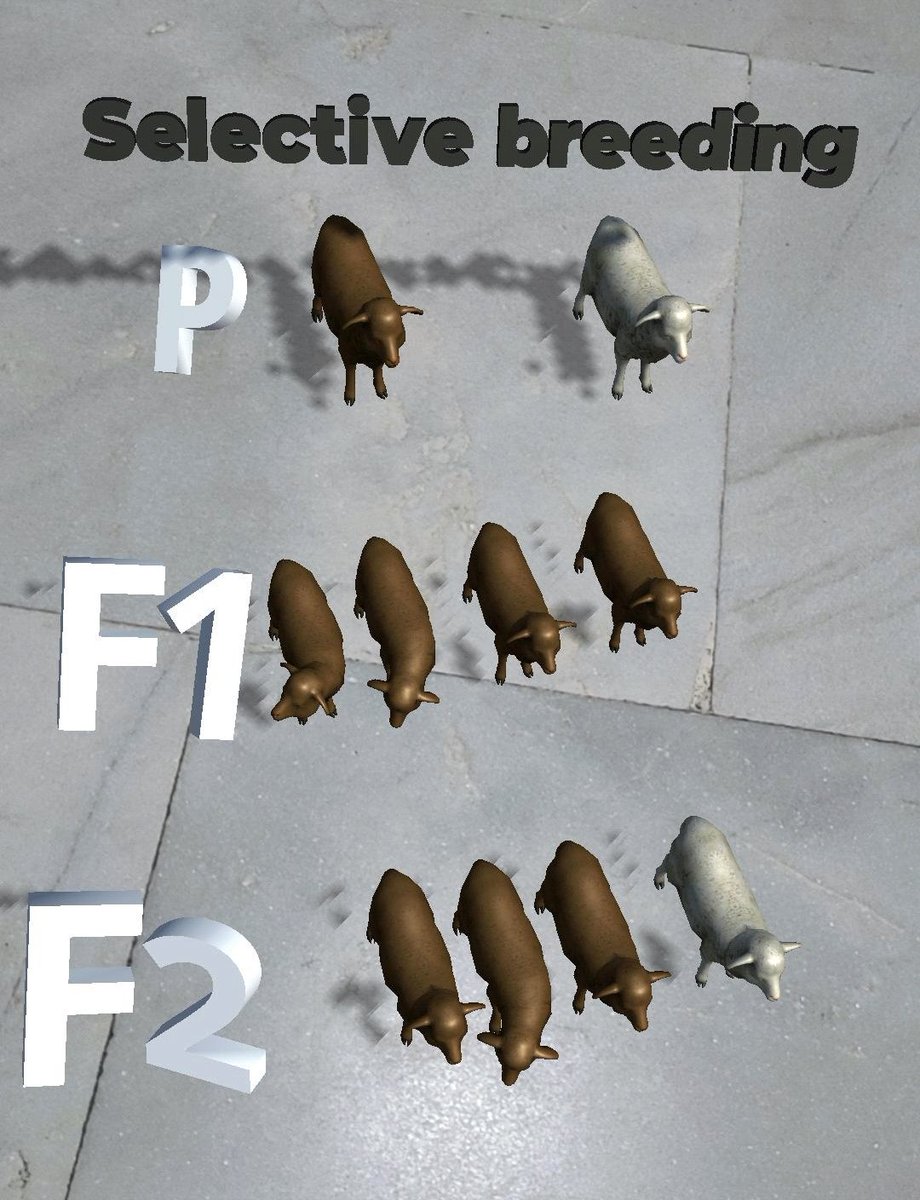
#AR #stem @3DBearOfficial How far ur #criticalthinking #creativity #imagination cn take U?
Ss exploring #Genetics #techinscience @cambridgeindia @CambridgeInt
@IprmGrp @RitaSingh0210 @AboutImpact @dp_2211 @FFBteachers @Deepak0495 @weisburghm @DrUmeshPrabhu @STEM_FI @JussiKajala
2
6
11

9 Apr 2020
We enjoyed @gimkit with our students today! Boss Mode was the BEST! @Mr_Posada_ and I won! #Gimkit #iteachscience #VirtualFun #GimkitThursdays #distancelearning2020 #TechinScience @HambrickMS_AISD @AldineISD @AldineMS_AISD
9 Apr 2020

@dwall_5 and I teamed up to do Gimkit Thursdays with our students! Today was Boss Mode where the students had to play against the teachers! @HambrickMS_AISD @AldineISD @AISD_MSScience #WeAreAldine #DistanceLearning @gimkit

4