
Probably not making stuff up but prepping everyone for the next job sector “disappointment“… #3DPrinting … These will be automated industrial plants distributor across America and then eventually the planet, and when you look at the historical percentage of population job growth compared to output it will be substantially decreased, but it will stay in the “ #techsector “…. To gear up and get your degree your certifications for 3-D printing….. and get it now… All those nerds who have been playing in 3-D printing for years or all of a sudden going to get paid a whole hell of a lot..
2

Jun 13
De techsector biedt de VS veel hoogwaardige werkgelegenheid en inkomsten. Het is Trump alles aan gelegen dit zo te houden, en die zal dat echt niet op het spel zetten. Het is veilig genoeg, geen zorgen.
192
Syakirana retweeted

Jun 11
debat soal murah atau mahalnya masih belum selesai kalau ngomongin GOTO #AplikasiAjaib #TechSector #IHSG


5
5
5
19

Jun 12
📈 US Market Deep Dive: $2.1T SpaceX IPO and Geopolitical Breakthrough Ignite Major Wall Street Rally $SPCX $SPY $QQQ
youtu.be/6LrSYDIh5Uo
The trading session on June 12, 2026, marked a definitive turning point for U.S. equities, catalyzed by a potent dual boost that pivotally shifted market sentiment from defensive volatility to a decisive risk-on posture. The convergence of the historic SpaceX IPO and a significant de-escalation in Middle East tensions provided the necessary oxygen for the best single-day performance since early April. Crucially, the market’s ability to seamlessly absorb the massive liquidity requirements of the SpaceX debut signals deep institutional resilience rather than a market peak. This successful absorption suggests that the broader equity bid remains robust even as the 2026 IPO pipeline reaches record levels, securing the S&P 500’s 10th positive weekly finish in the last 11 weeks.
Key data from the session shows the Dow Jones Industrial Average jumping 1.9% to close at 50,848.75, while the S&P 500 added 1.8% to reach 7,393.30. The tech-heavy Nasdaq Composite led the charge, surging 2.5% to finish at 25,809.66. As indices advanced toward their all-time highs, the underlying movement revealed a sophisticated reallocation of capital across sectors, moving away from geopolitical hedges and toward domestic growth and infrastructure resilience.
This means strategic sector rotation dominated the session as investors recalibrated for a lower-inflation environment. The potential reopening of the Strait of Hormuz triggered a sharp liquidation in crude oil, which acted as a direct stimulus for consumer-facing and logistics-heavy sectors by promising a sharp reduction in input costs. Within the tech space, high-performance computing and semiconductor hardware surged as investors prioritized tangible infrastructure, with Micron jumping 11.7% and Intel gaining 9.3%. Conversely, software faced scrutiny over AI infrastructure spending costs, causing Oracle to slide 8.5%.
The real implication of the public debut of SpaceX is that it represents a fundamental valuation benchmark resetting the global aerospace and connectivity industries. Priced at $135, SpaceX shares closed near $161, marking a 19.2% gain and propelling its valuation to a staggering $2.1 trillion. While this milestone provided a massive psychological tailwind for market sentiment, it caused a significant competitive drain on smaller peers, triggering capital reallocation selloffs in Intuitive Machines, Planet Labs, and Rocket Lab. Meanwhile, corporate friction weighed heavily on Adobe, which slumped 8.6% following the announcement that its CFO will depart, compounding governance concerns after its CEO retirement announcement in March.
Digging deeper into institutional positioning, recent 13F filings reveal how large funds prepared for this massive IPO wave. Berkshire Hathaway notably tripled its Alphabet stake to roughly $16.6 billion while exiting positions in Visa, Mastercard, and Amazon. Translation for investors: institutions have been trimming monolithic mega-cap tech holdings specifically to build liquidity tranches capable of absorbing the projected $250 billion plus 2026 IPO pipeline. This proactive management explains why the market digested the massive SpaceX offering without a systemic correction.
Bottom line: The historic absorption of the SpaceX IPO alongside easing energy costs positions the broader market for a high-probability retest of all-time records, provided geopolitical stability holds.
How effectively do you think smaller aerospace and defense contractors can recover from the massive capital drain caused by the SpaceX debut?
#SpaceX #StockMarket #USStocks #TechSector #IPOMarket #MacroEconomy
stock.gl
Market involves risk; invest with caution. This is based on public information and is not investment advice.
379

Jun 12
According to recent data, foreign venture capitalists account for approximately 77% of Venture Funding in #Africa
This highlights how important it is to make domestic investments in the African #TechSector
-Hiruy Amanuel
#VentureCapital #PrivateEquity
techcabal.com/2024/01/16/ven…
1
10

📊☕Iran deal is close and calling off the strikes lit the fuse for that big relief rally yesterday and today the market is still buzzing with SpaceX dropping its record IPO while the geo pressure keeps fading fast.
The talk everywhere is on growth names firing back up with $SPCX stealing the show on its monster debut $NVDA $MSFT $AVGO and $TSLA getting heavy chatter as traders chase the rebound in anything tied to tech and AI.
Sectors to watch today
- Tech and semis for the main momentum as chips keep leading
- Energy on the oil pullback watch for any stabilization play
- Small caps and risk on names for more upside if the deal vibes stick
Heading into the day I see tech and semis pushing for more gains if the positive geo flow continues but energy could get choppy so traders stay focused on high conviction setups in the leaders add on clean dips and keep stops tight while this relief trade runs.
🟩 SUBSCRIBE TO THE YOUTUBE CHANNEL ☕📊✌️ youtube.com/@swingtradingand…
#StockMarket #SpaceXIPO #IranDeal #TechSector #Trading
1
295

Jun 12
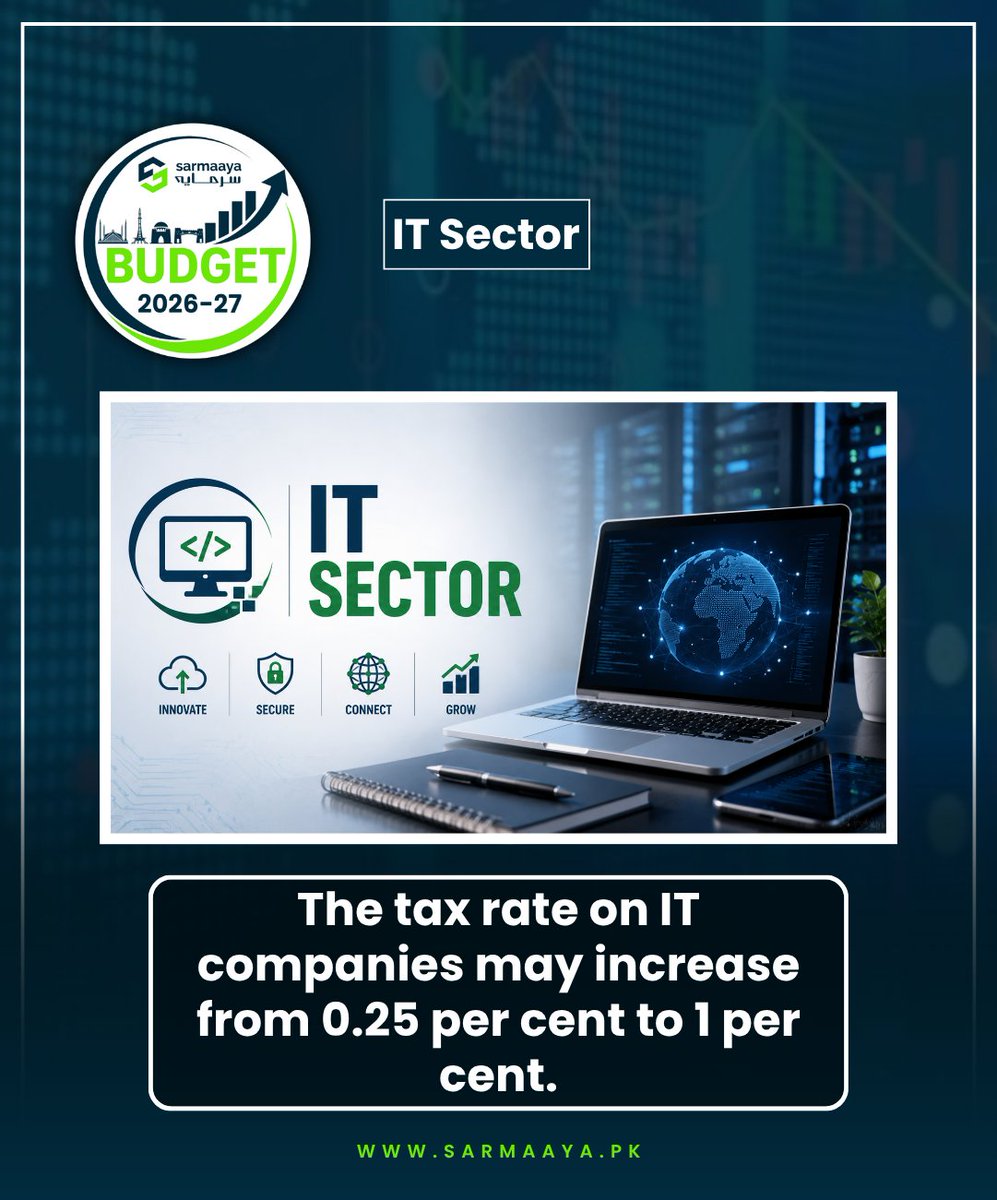
IT Sector Tax Update: Proposed tax rate on IT companies may increase from 0.25 percent to 1 percent.
The government is considering a shift in the final tax regime for IT export receipts, potentially raising the current 0.25 percent rate to 1 percent for the upcoming fiscal year. While this proposal aims to generate higher federal revenue, it has raised concerns regarding its immediate impact on tech startups, registered software houses, and the broader digital economy's export momentum.
How will the market and tech stocks respond to this policy shift?
Stay updated with our minute-by-minute coverage and sector-wise analysis: sarmaaya.pk/learn/article/bu…
#PakistanBudget #Budget2026 #SarmaayaFinancials #ITExport #TechSector #TaxUpdates #PSX #PakistanEconomy
506

Jun 12
Hoi Jonathan,
Ben je bekend met David Icke? Deze grote meneer zegt precies wat ik zeg. We zijn allemaal uit dezelfde bron vam oneindige liefde. Jij geeft voorbeelden van liefdeloos gedrag. Vanzelfsprekend keur ik geweld en verheerlijking daarvan ten diepste af.
En ik geloof net als de heer Icke dat als we allemaal bewustzijn de banken hun grip verliezen. Het is naïf om te denken dat gebrek aan verbinding dit systeem om verwerpt.
Waarom denk je dat de telefoon in het leven geroepen is? Waarom denk je dat de techsector zo groeit?
Om ons te laten vergeten wie we werkelijk zijn.
Dus wat mij betreft is de concrete oplossing om mensen bewust te maken en dat vanuit een warm hart en een koel hoofd te doen. En als je dan met genoeg bent dan houdt het systeem simpelweg op te bestaan. Dus mensen moeten vooral de ruimte krijgen om naar binnen te gaan.
5
199

Jun 12
Former Infosys CFO Mohandas Pai warns that established legacy businesses must invest heavily in artificial intelligence or risk losing their competitive edge to foreign companies as global investments accelerate.
#ArtificialIntelligence #AI #TechSector mybs.in/2g6uCUi
2
5
570

Jun 12
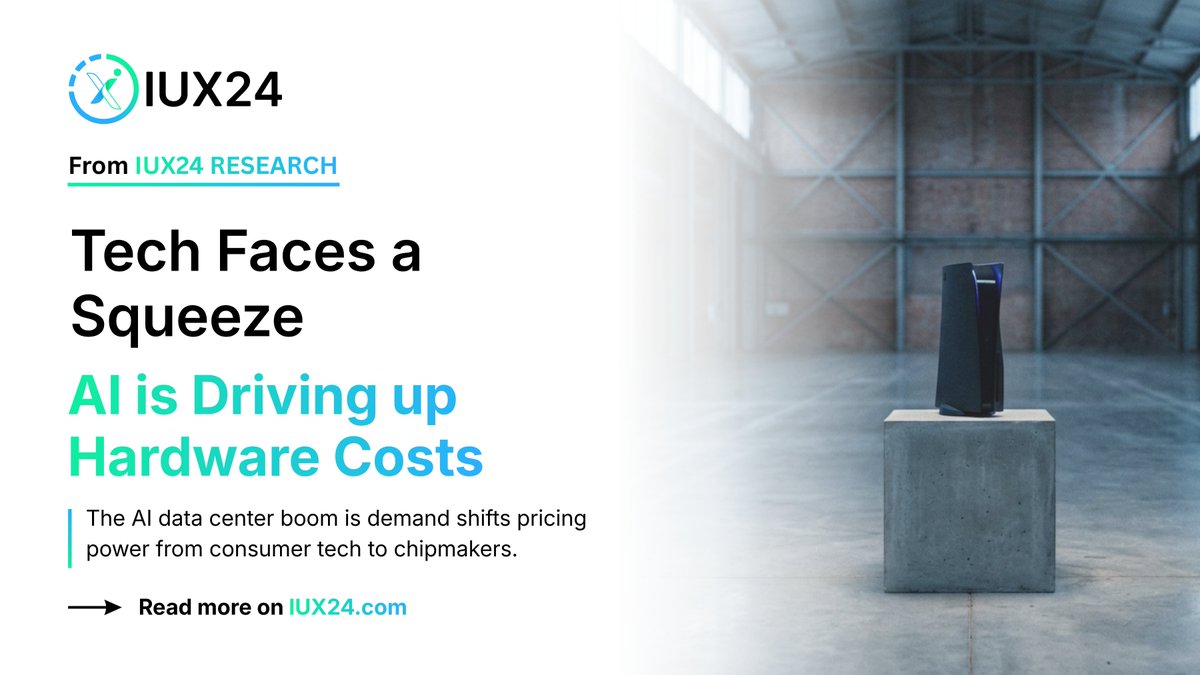
The AI spending boom is quietly reshaping the broader technology market and consumer electronics are footing the bill.
As hyperscalers and data centers pour billions into AI infrastructure, the global supply of critical memory chips is being rapidly absorbed.
This massive reallocation of resources is creating a split in the tech sector: memory producers are gaining unprecedented pricing power, while downstream consumer hardware brands are forced to absorb higher manufacturing costs.
We are already seeing this ripple effect in the real world. Major gaming companies are facing compressed margins, and flagship console prices are being hiked to offset the squeeze.
It is no longer just a story about AI growth; it is a story about resource allocation and who controls the supply chain.
When infrastructure demand outpaces supply, the companies that control the raw materials dictate the terms.
For global investors, understanding this rotation of capital from consumer tech into memory manufacturing is critical for navigating the next phase of the semiconductor supercycle.
Read the full research IUX24 Research
#Semiconductors #MacroEconomics #MarketInsights #TechSector #SupplyChain #IUX24Research #GlobalMarkets
1
14

Jun 11
🚨 While most investors focus on AI software, the real bottleneck is becoming physical infrastructure capacity.
📊 100 shares required
💰 Capital deployed: ~$18,359
🎯 Exit range: ~$22,500 – ~$24,000
💸 Estimated upside: ~$4,141 – ~$5,641
The global buildout of AI and cloud computing is driving unprecedented demand for high-density data center space. Multi-year development pipelines, expanding pre-leasing rates, and strong institutional funding support continue to reinforce long-term earnings visibility.
💰 Entry price: ~$183.59
💰 Upside target: ~$225 – ~$240
⚠️ The market is still underpricing the infrastructure layer that AI cannot function without.
#AIStocks #InfrastructurePlay #CloudComputing #LongTermGrowth #TechSector
4
1
9
595

Jun 11
🚨🇳🇱 Wil Jetten Trump achterna? Nederland werkt aan een nationale investeringsbank voor deep tech.
Chips. AI. Quantum. Energietechnologie.
Wat betekent dit voor beleggers en de Nederlandse techsector?
Lees het hier 👇
debelegger.nl/post/wil-jette…
3
6
6,346
Aad Bouman retweeted

Stellen we ons voor: "Jetten belooft techsector 'toekomstperspectief'. Maar er komen pijnlijke ingrepen aan bij ASML".
Maar ja, het zijn boeren, en dan mag de politiek alles.

46
99
286
6,841