
Speed isn't just measured on track.
As @F1 arrives in Barcelona, Lenovo’s modernized telemetry platform helps teams turn around 8TB of data faster to support split-second decisions.
Click the video below to learn more.
36
79
848
12,410,351

PSA for anyone using AI coding tools: make sure to check what they're sending back home.
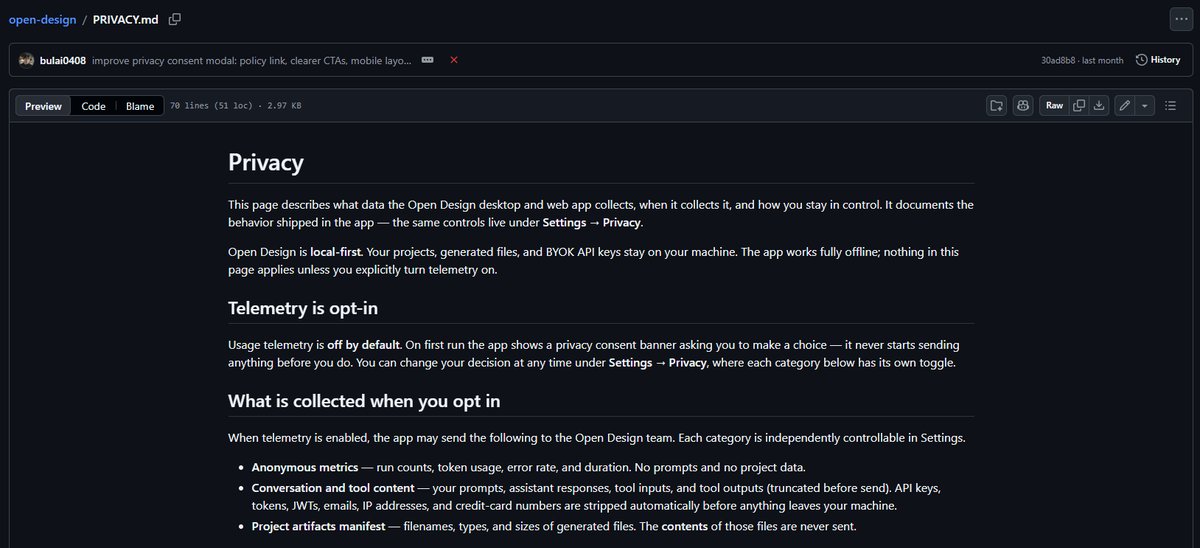
It turns out Open Design (nexu-io/open-design) was found to be sending your whole codebase, all your prompts, and every output from the AI back to their servers without you knowing. Telemetry was turned on by default, no opt-in, and definitely no warning.
So, your private code, API keys, and business logic were all sent off to some random server as soon as you installed it.
If you've got this installed or cloned, you should really uninstall it now. Don’t forget to go through your .config files and clean up anything it might’ve left behind.
This is why it’s super important to read the telemetry settings of every dev tool before you start using it, especially those that have perfect GitHub stars and oddly great SEO.
3
13

DID YOU KNOW??
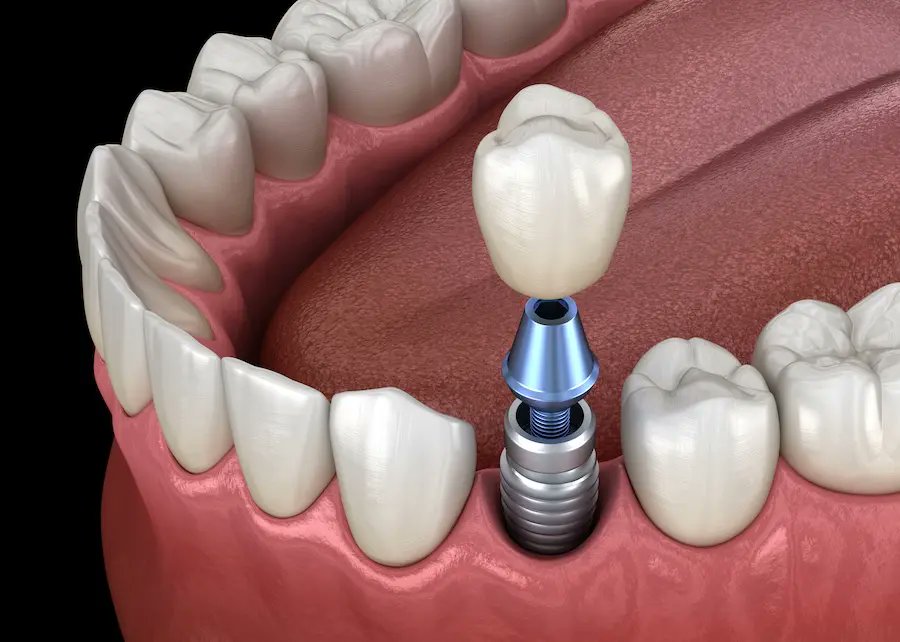
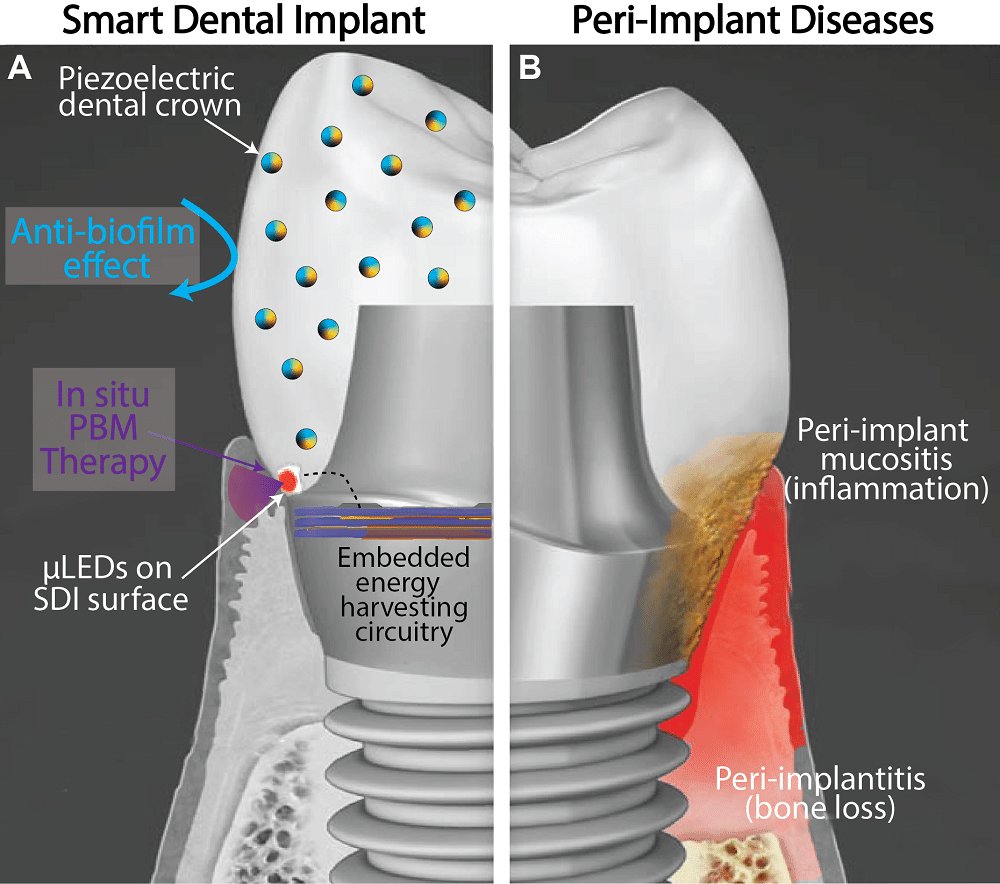
Next-generation "smart" dental implants don't just sit in your jaw like a dumb metal screw, they can actually generate their own electricity from you chewing food to power built-in medical devices.
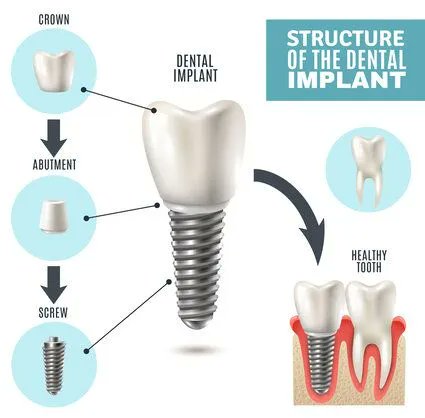
Traditional dental implants are made of passive titanium. While highly effective, they suffer from a major clinical vulnerability: they have a 5% to 10% failure rate over a decade, usually caused by peri-implantitis (gum inflammation and bone loss driven by trapped bacterial plaque).
To solve this, researchers at the University of Pennsylvania engineered a smart implant system utilizing a jaw-dropping quirk of physics called the piezoelectric effect. Let me explain 👇🏾👇🏾
1. The Infinite Power Plant in Your Mouth:
Batteries are toxic and impossible to swap out once a titanium post is fused into your jawbone. Instead, smart implants are packed with microscopic nanoparticles of a material called barium titanate (BTO).
BTO is highly piezoelectric, meaning it physically generates an electrical charge whenever it is squeezed, compressed, or shaken. Every single time you chew a piece of steak, crunch an apple, or even brush your teeth, the mechanical pressure sends a wave of clean, self-harvested electricity through the implant. This entirely eliminates the need for an internal battery, creating a self-sustaining powerhouse fueled exclusively by your natural jaw movements.
2. The Dual-Action Defense System:
Once the implant generates this internal electrical current, it utilizes the energy to launch a highly sophisticated, two-pronged attack against oral infections.
A. The Electrical Shield Wall
Most destructive oral bacteria (like Streptococcus mutans, the primary culprit behind dental plaque) have negatively charged cell walls. The smart implant channels its harvested electricity to maintain a constant negative surface charge on the crown. Because identical charges repel one another like two matching ends of a magnet, the implant physically pushes bacteria away, preventing them from ever forming a sticky, destructive "biofilm" shield on the tooth.
B. Automated Tissue Phototherapy
Any excess electrical current generated by your morning breakfast is routed to a microscopic, embedded LED light inside the implant. The light shines directly into the surrounding gum tissue, conducting automated phototherapy.
This specific wavelength of light stimulates local blood flow, drastically accelerates tissue healing, and down-regulates inflammation, keeping the gums tightly sealed around the artificial root.
3. Real-Time Diagnostics - The Mouth's Check Engine Light:
Beyond cleaning themselves with electricity, advanced smart implants are being integrated with miniature electronic microchips and sensors that turn your mouth into a data-driven laboratory.
A. pH Level Sensor - Tracks localized acidity spikes caused by bacterial waste products. It catches hidden, asymptomatic pocket infections weeks before a human feel pain.
B. Micro-Thermocouple - Monitors subtle, fractional temperature rises in the jawbone. It flags early-stage inflammation, alerting the dentist to intervene before bone loss occurs.
C. Piezo-Resistive Gauge - Measures changing micro-pressure and mechanical stress when chewing. It tracks how securely the bone is fusing to the implant (osseointegration) in real time.
These onboard sensors can wirelessly transmit telemetry data directly to a dentist's diagnostic software or a patient’s mobile application. Instead of waiting for a crown to become loose or painful, the implant acts like a vehicle's "check engine light," allowing a dental team to spot microscopic tissue failures and adjust treatment protocols proactively.
Hopefully you've learnt something new today?
Cheers 🥂 😅
The Medic Who Writes™🌚

90
ET Core 🪐 retweeted

Jun 12
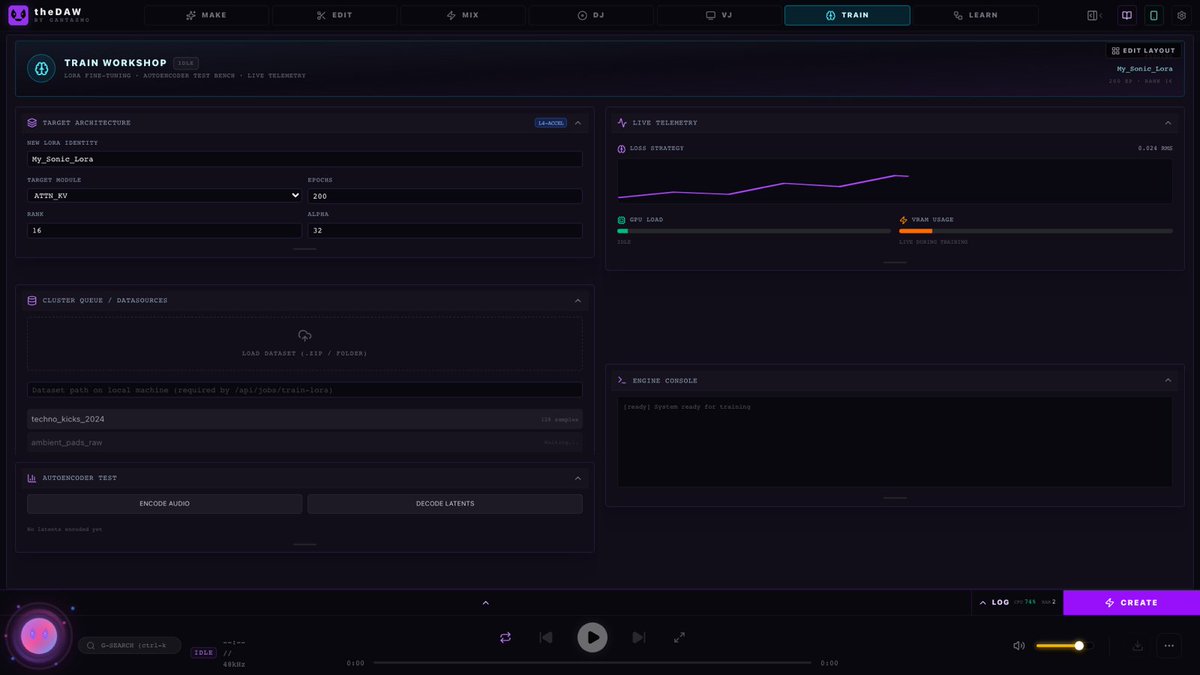
You can even teach the model your own sound -- LoRA training is built into the UI (8 adapter types, live telemetry).
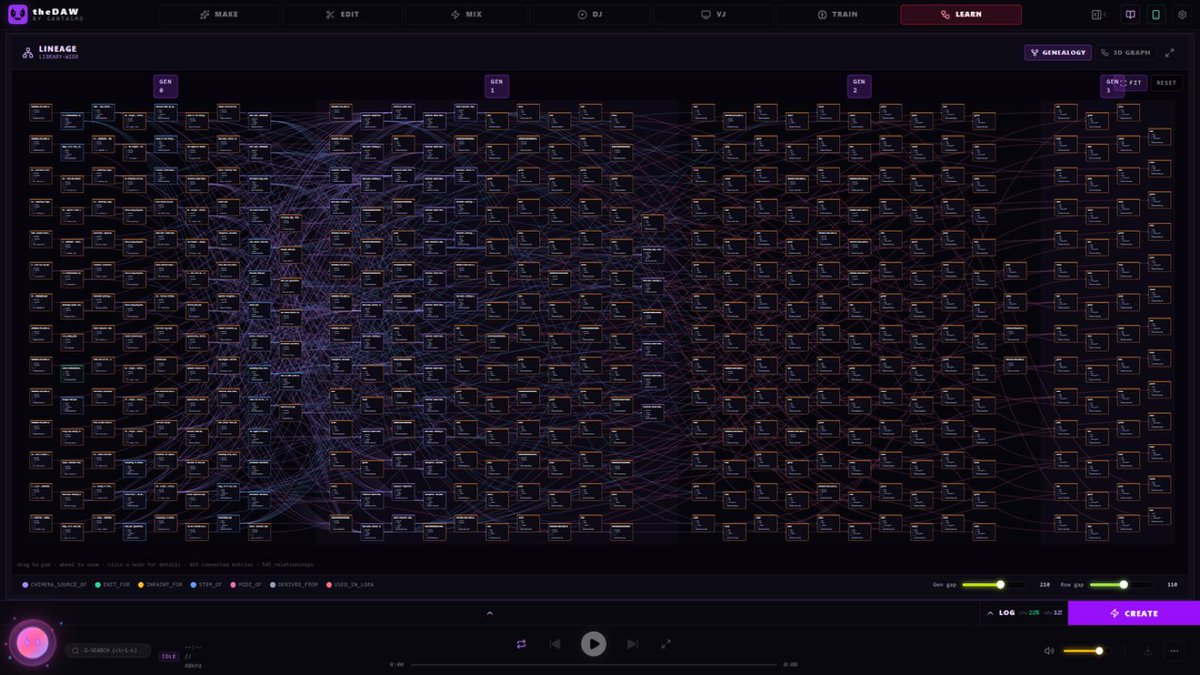
And the LEARN tab renders your library as a 3D genealogy galaxy: every remix, inpaint and blend traces back to its sources.
2
1
7
354

Want to earn points without owning heavy hardware? Our upcoming Spatial Mapping Quests let users upload localized environmental data using standard smartphones. This crowd-sourced telemetry helps refine the digital twins used by @konnex_world autonomous units for real-world.
2

Playing with an idea for threat validation: stop optimizing for coverage and instead build around what actually helps the SOC (good telemetry real correlation).
Applied it to Akira and made a small dashboard to make the plans usable. Curious what others think.
4


U dumn low iq inbred that was representation of telemetry data , no wonder u muslims dont excel in any thing other than sister fuking
1
8

Nein, Adrian hat das Projekt verlassen und die, die es übernommen haben bringen nicht die Erfahrung in Elixir (Programmiersprache) mit und auch nicht die Zeit, die er investiert hat. Hinzu kommt, dass jemand den Telemetry Server betreiben muss. Dafür muss man eine gewisse Verantwortung und Geld mitbringen.
2

𝖸𝖺𝖺𝖺𝗋.❤️🔥 retweeted

This is George following his own instincts and not focusing on the data and telemetry btw
He’s a naturally superb driver and he just proved it
1
99
825
6,921


Sending your sensitive network telemetry to the cloud isn't always the safest bet. The future of data privacy belongs to "Offline-First" security. A system that detects anomalies and processes complex threat intelligence locally, keeping your internal data entirely within your walls.
Absolute privacy, zero compromises.
#DataPrivacy #OfflineFirst #CyberTarget #EnterpriseSecurity
4

PROJECT NULLFRAME: A live telemetry dashboard brought to life with Fable 5 - in Nothing's design language.
Your real fps, battery network; your cursor becomes a seismograph. It tells you when it's simulating. Prompt inspo og @dominikmartn
view live project-nullframe.vercel.app
22
52
1,360
79,425

No it happens randomly , it happens with me in diffrent cases sometimes when I try to change my loadout or switch between tabs , but its really so annoying as it bug out the interface and telemetry
2
17

Lewis Hamilton says telemetry shows he braked very late into Turn 4, and he believes Charles Leclerc may have tried to replicate that approach — a move that ended in a Q3-ending accident for the Ferrari driver. The incident leaves Leclerc starting tenth for the Catalan Grand Prix while Hamilton sits second on the grid.
hotlaphq.com/og/hamilton-sug…
76

A space exploration channel client was sitting at 26% AVD on 15 minute videos despite covering genuinely fascinating NASA and SpaceX history 🚀📉
160K subscribers in the space and astronomy niche. The visual presentation included real NASA archival footage and original mission photography. The voiceover had real authority. The research was accurate. But every video opened the same way and that opening was killing them across every upload.
I watched 4 of their videos before opening any analytics. The structural problem was identical and obvious across all of them.
Every video opened with cosmic-scale context. The size of the universe. The number of stars in the galaxy. The vast distances involved in space exploration. The historical context of human curiosity about space. Two and a half minutes of philosophical space-is-vast framing before getting to the specific mission or event the thumbnail promised viewers.
For astronomy enthusiasts already invested in space content, the opening worked acceptably. For the casual viewer who clicked because the thumbnail showed a specific iconic moment, the opening came across as a high school astronomy lecture and they bounced inside 90 seconds.
We restructured every script to open with the specific dramatic moment of the mission first, then provide cosmic context only as it became essential to understanding what was happening.
For their Apollo 13 video, the new hook opened with "At 9:08 PM Houston time on April 13th, 1970, astronaut Jack Swigert said the words 'Houston, we've had a problem here' over the radio while Apollo 13 was 200,000 miles from Earth. An oxygen tank in the command module had just exploded, knocking out two of the three fuel cells and venting their breathable oxygen into space. Mission Control had moments of useful telemetry data and approximately 4 days to figure out how to get three astronauts back to a planet they were currently moving away from at thousands of miles per hour. The astronauts were not yet aware that everything they had trained for over the previous three years was about to become irrelevant."
That's the new hook structure. The dramatic moment is the anchor. Cosmic context arrives across the next 12 minutes only as it becomes necessary to understanding the rescue engineering.
AVD jumped from 26% to 47% across the next 5 uploads.
DMs open. 🔥
15