
Cheap vs Expensive Digital Multimeters: What should you buy?
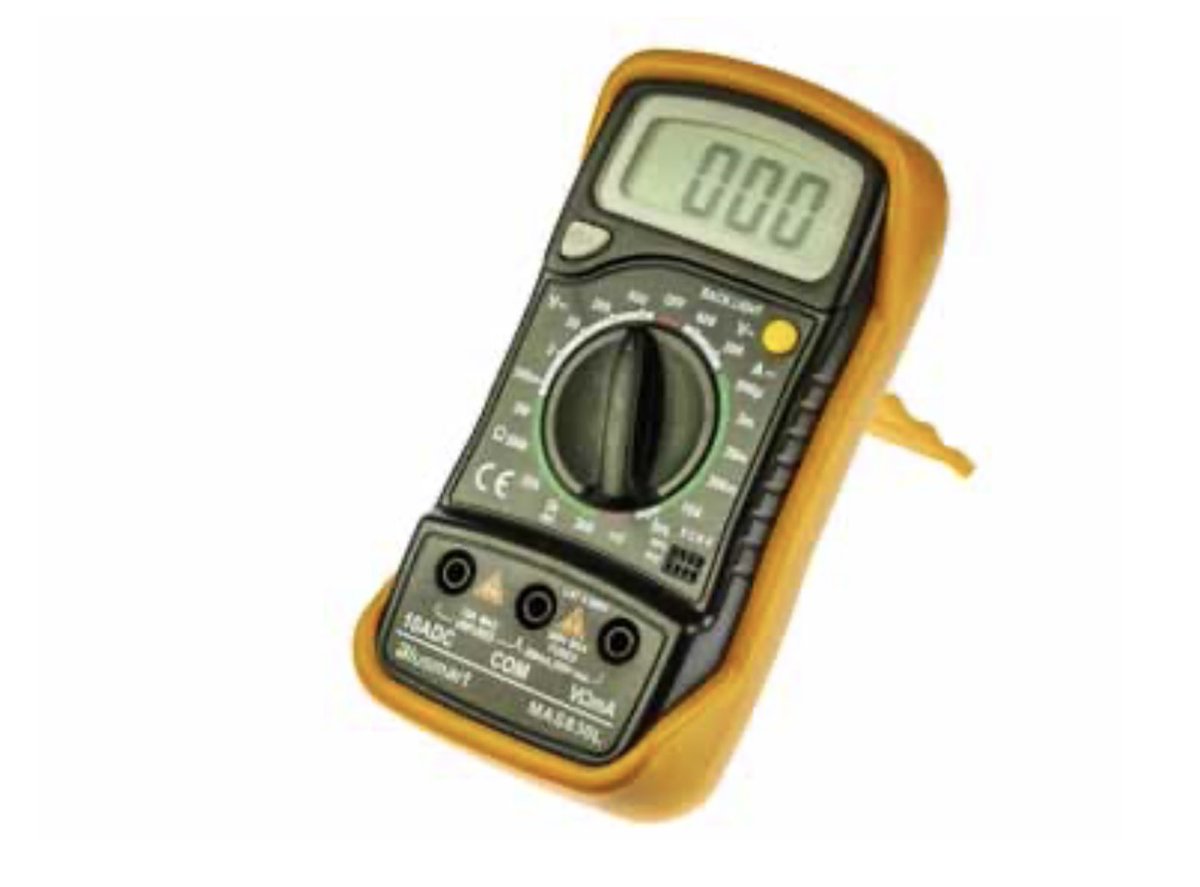
One of the most useful tools anyone involved with electronics might have is a digital multimeter (DMM). But with prices ranging from a few dollars to several hundred, how do you decide what's worth your investment? Let's break down the key differences.
Accuracy & Precision:
- Cheap: Often less accurate, with errors that can exceed ±2 or 3%
- Expensive: They can sometimes boast an accuracy down to ±0.1%, and they can be crucial for precision work.
Features & Functionality:
- Cheap: Basic measurements like voltage, current, and resistance. They often have some other ranges and functions but they tend to be more limited.
- Expensive: Come with a plethora of features including capacitance, inductance, temperature, frequency, and more. They offer true RMS for AC measurements, data logging, and even Bluetooth connectivity for data transfer.
Build Quality & Durability:
- Cheap: Typically made with less durable materials, leading to shorter lifespan and susceptibility to damage. Cost of manufacture is a key consideration.
- Expensive: Designed for longevity with robust casing, shock-resistant features, and often come with warranties. They're built for the rough and tumble of daily use in professional environments.
Safety:
- Cheap: Might not comply with safety standards like CAT ratings, posing risks in high-voltage scenarios.
- Expensive: Adhere to or exceed safety standards (e.g., CAT III, CAT IV), providing protection against electrical hazards. They include features like fused inputs to prevent damage from overloads.
User Interface & Ease of Use:
- Cheap: Simpler interfaces with basic displays, sometimes lacking backlighting or intuitive controls.
- Expensive: Feature sophisticated, easy-to-read displays, often with graphical capabilities, auto-ranging, and ergonomic designs for one-handed operation.
Calibration & Maintenance:
- Cheap: Often not designed for easy recalibration; once they go off, they're generally replaced rather than fixed.
- Expensive: Usually come with calibration services or the ability to be recalibrated, ensuring long-term accuracy.
For Whom?
- Cheap: Perfect for hobbyists, beginners, or for non-critical measurements where precision isn't paramount. Great for educational purposes or basic troubleshooting. But beware if using them on higher voltages.
- Expensive: Essential for professionals, those working with sensitive equipment, or in environments where accuracy and safety are non-negotiable.
While a cheap multimeter can be a good starting point, the investment in a more expensive one pays off in reliability, safety, and precision. Consider your real needs before making a decision.
For more in-depth comparisons and features, check out the detailed guide on my website - link in the comments.
#dmm #digitalmultimeter #testinstrument #testmeter #electronicsnotes
8
8
48
2,054

Book a certified ITC Thermographer course with Test Meter and get a FREE FLIR Edge thermal camera.
A smart way to improve your thermography skills and add thermal imaging kit to your toolkit.
#TestMeter #FLIR #Thermography #ThermalImaging
1
2
64
Choose your character 🔥 Thermal imaging edition
1️⃣ FLIR ONE
2️⃣ Testo 860i mould kit
3️⃣ FLIR C8
Reply 1/2/3 👇
test-meter.co.uk | 📞 Call our sales team on 0113 248 9966
#ChooseYourCharacter #ThermalImaging #TestMeter @flir @TestoLimited
1
1
47
Buy a selected HIKMICRO M-Series Thermal Camera from Test Meter and choose a FREE gift worth up to £500.
Offer ends 30th June.
Shop now:
test-meter.co.uk/hikmicro
Sales team:
0113 248 9966
#HIKMICRO #ThermalImaging #TestMeter
1
2
83
Cheap vs Expensive Digital Multimeters: What’s the Difference?
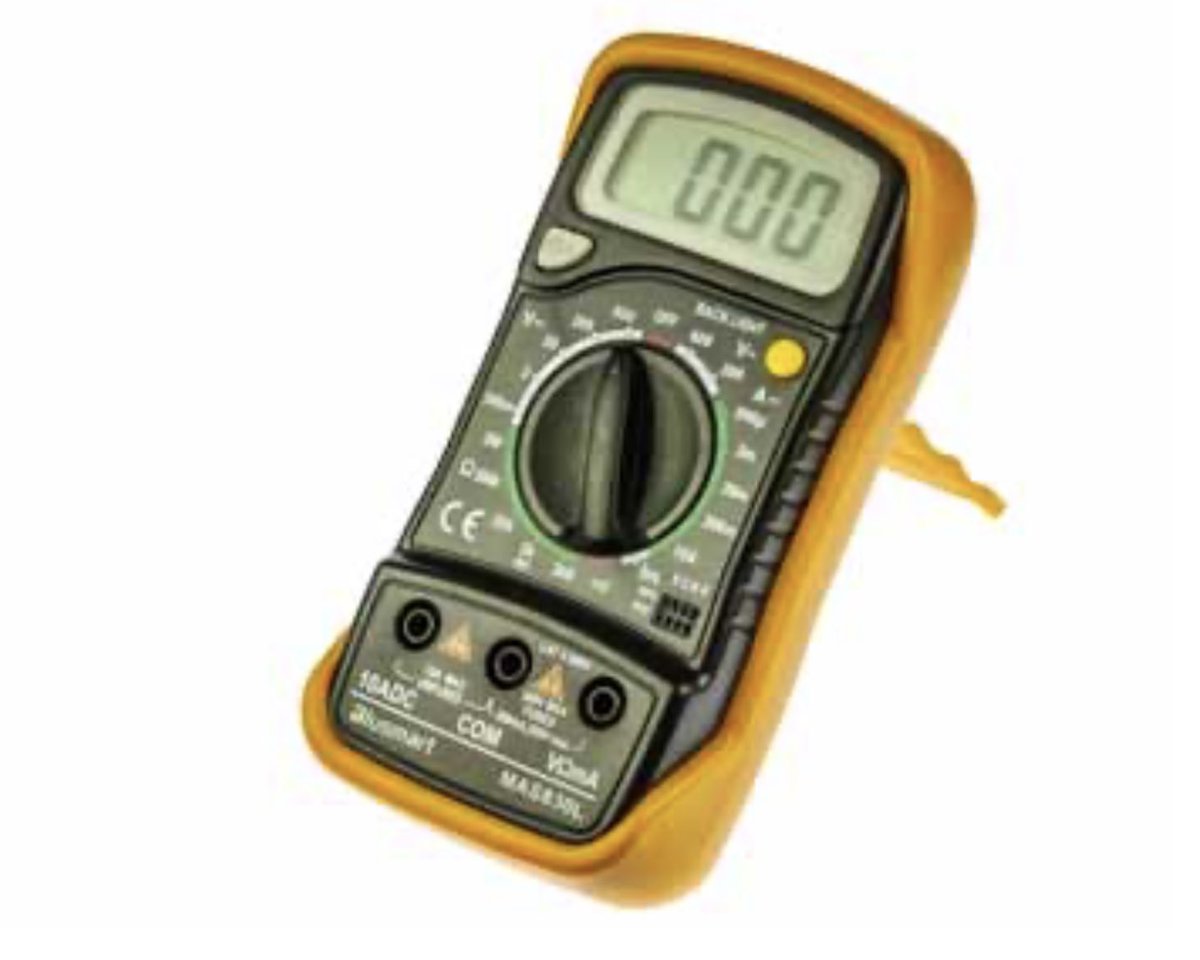
When diving into the world of electronics, one of the first tools you might consider purchasing is a digital multimeter (DMM). But with prices ranging from a few dollars to several hundred, how do you decide what's worth your investment? Let's break down the key differences.
Accuracy & Precision:
- Cheap: Often less accurate, with errors that can exceed ±2 or 3%
- Expensive: They can sometimes boast an accuracy down to ±0.1%, and they can be crucial for precision work.
Features & Functionality:
- Cheap: Basic measurements like voltage, current, and resistance. They often have some other ranges and functions but they tend to be more limited.
- Expensive: Come with a plethora of features including capacitance, inductance, temperature, frequency, and more. They offer true RMS for AC measurements, data logging, and even Bluetooth connectivity for data transfer.
Build Quality & Durability:
- Cheap: Typically made with less durable materials, leading to shorter lifespan and susceptibility to damage. Cost of manufacture is a key consideration.
- Expensive: Designed for longevity with robust casing, shock-resistant features, and often come with warranties. They're built for the rough and tumble of daily use in professional environments.
Safety:
- Cheap: Might not comply with safety standards like CAT ratings, posing risks in high-voltage scenarios.
- Expensive: Adhere to or exceed safety standards (e.g., CAT III, CAT IV), providing protection against electrical hazards. They include features like fused inputs to prevent damage from overloads.
User Interface & Ease of Use:
- Cheap: Simpler interfaces with basic displays, sometimes lacking backlighting or intuitive controls.
- Expensive: Feature sophisticated, easy-to-read displays, often with graphical capabilities, auto-ranging, and ergonomic designs for one-handed operation.
Calibration & Maintenance:
- Cheap: Often not designed for easy recalibration; once they go off, they're generally replaced rather than fixed.
- Expensive: Usually come with calibration services or the ability to be recalibrated, ensuring long-term accuracy.
For Whom?
- Cheap: Perfect for hobbyists, beginners, or for non-critical measurements where precision isn't paramount. Great for educational purposes or basic troubleshooting. But beware if using them on higher voltages.
- Expensive: Essential for professionals, those working with sensitive equipment, or in environments where accuracy and safety are non-negotiable.
While a cheap multimeter can be a good starting point, the investment in a more expensive one pays off in reliability, safety, and precision. Consider your real needs before making a decision.
What are your thoughts about digital multimeters?
#dmm #digitalmultimeter #testinstrument #testmeter #electronicsnotes
9
10
49
3,616
Choose your character ⚡️ Clamp meter edition
1💷 Test Meter PRO TMP520
2🧪 Megger DCM305E
3☀️ Fluke 393FC
Reply 1/2/3 👇
test-meter.co.uk | 📞0113 248 9966
#ChooseYourCharacter #ClampMeter #TestMeter #Megger #fluke
1
3
81

Mar 6
Xenophobic Testmeter is on. Which one is not South African and why ?


2
5
11
259

Jan 16
Testmeter takaenda , uye zvakuda kuziva musiyano we mono ne poly crystalline
1
2
32
Cheap vs Expensive Digital Multimeters: What’s the Difference?
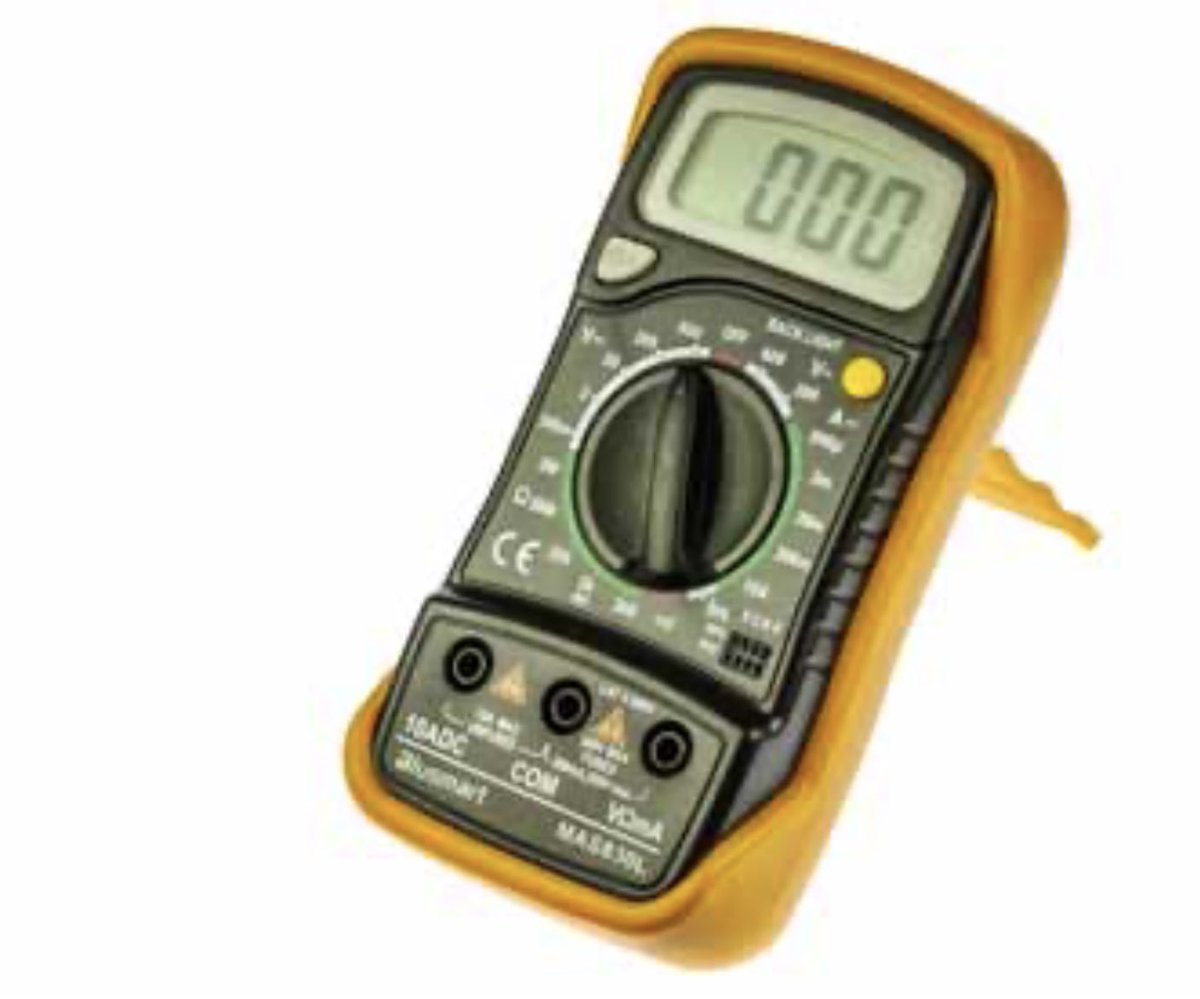
When diving into the world of electronics, one of the first tools you might consider purchasing is a digital multimeter (DMM). But with prices ranging from a few dollars to several hundred, how do you decide what's worth your investment? Let's break down the key differences.
Accuracy & Precision:
- Cheap: Often less accurate, with errors that can exceed ±2 or 3%
- Expensive: They can sometimes boast an accuracy down to ±0.1%, and they can be crucial for precision work.
Features & Functionality:
- Cheap: Basic measurements like voltage, current, and resistance. They often have some other ranges and functions but they tend to be more limited.
- Expensive: Come with a plethora of features including capacitance, inductance, temperature, frequency, and more. They offer true RMS for AC measurements, data logging, and even Bluetooth connectivity for data transfer.
Build Quality & Durability:
- Cheap: Typically made with less durable materials, leading to shorter lifespan and susceptibility to damage. Cost of manufacture is a key consideration.
- Expensive: Designed for longevity with robust casing, shock-resistant features, and often come with warranties. They're built for the rough and tumble of daily use in professional environments.
Safety:
- Cheap: Might not comply with safety standards like CAT ratings, posing risks in high-voltage scenarios.
- Expensive: Adhere to or exceed safety standards (e.g., CAT III, CAT IV), providing protection against electrical hazards. They include features like fused inputs to prevent damage from overloads.
User Interface & Ease of Use:
- Cheap: Simpler interfaces with basic displays, sometimes lacking backlighting or intuitive controls.
- Expensive: Feature sophisticated, easy-to-read displays, often with graphical capabilities, auto-ranging, and ergonomic designs for one-handed operation.
Calibration & Maintenance:
- Cheap: Often not designed for easy recalibration; once they go off, they're generally replaced rather than fixed.
- Expensive: Usually come with calibration services or the ability to be recalibrated, ensuring long-term accuracy.
For Whom?
- Cheap: Perfect for hobbyists, beginners, or for non-critical measurements where precision isn't paramount. Great for educational purposes or basic troubleshooting. But beware if using them on higher voltages.
- Expensive: Essential for professionals, those working with sensitive equipment, or in environments where accuracy and safety are non-negotiable.
While a cheap multimeter can be a good starting point, the investment in a more expensive one pays off in reliability, safety, and precision. Consider your real needs before making a decision.
For more in-depth comparisons and features, check out the detailed guide on my website: electronics-notes.com/articl…
#dmm #digitalmultimeter #testinstrument #testmeter
4
9
59
3,755


3 Dec 2025
2
2
11


