
12 May 2025
🔥 @FlareNetworks is the ONLY Full Stack Blockchain in this space! Build the #EverythingdApp right here on #TheBlockchainForData 🔥
1
6
23
3,940
22 Mar 2025
🔥 $FLR is designed to capture DeFi values across the entire @FlareNetworks ecosystem. Liquidity that sticks on #TheBlockchainForData 🔥
22 Mar 2025

So in short and related to my other messages of today. A stand alone interoperability protocol (pretty much all interoperability protocols) can only capture value in fees or messages across the protocol.
Because Flare is an L1 that has a full ecosystem and also enables interoperability, value is captured across the whole range of services and products that use it. This is a vastly different and superior economic model IMO.
10
46
912
14 Mar 2025
🔥 #ChainAbstraction #FlareNetworks @FlareNetworks proves again and again why they are truly #TheBlockchainForData 🔥
14 Mar 2025
If one defines interoperability as bridging and message passing between chains then this introduces something much more. The key aspect here is that it allows developers to build applications on Flare that manage pools of assets on any connected chain. This is chain abstraction.
5
17
401


25 Jan 2025
#FlareNation to #BTCMaxis & #XRPArmy, go to your rooms until we call you both down when #FAssets is ready & don’t give us that look! 😂
$FLR $XRP $BTC #FLR #XRP #BTC #FlareNetworks #ConnectEverything #TheBlockchainForData #TheBlockchainForAI #OneChainToConnextThemAll $Doge 😆
2
242
7 Jan 2025
Agreed. This is a missed opportunity to use @FlareNetworks #TheBlockchainForData L1 fully compliant Trustless decentralized oracle network. Hands down the best oracle in this space.
3
274
5 Jan 2025
Accurate Statement. $FLR @FlareNetworks #TheBlockchainForData has the easiest compounding opportunities available on chain.
5 Jan 2025

With Flare, you don’t just hold, you compound.
- FTSO delegation: Every 3.5 days
- Staking: Every 14 days
- FlareDrops: Every 30 days
- rFLR DeFi rewards: Every 30 days
@FlareNetworks makes your journey rewarding ☀️
1
5
26
768

18 Dec 2024
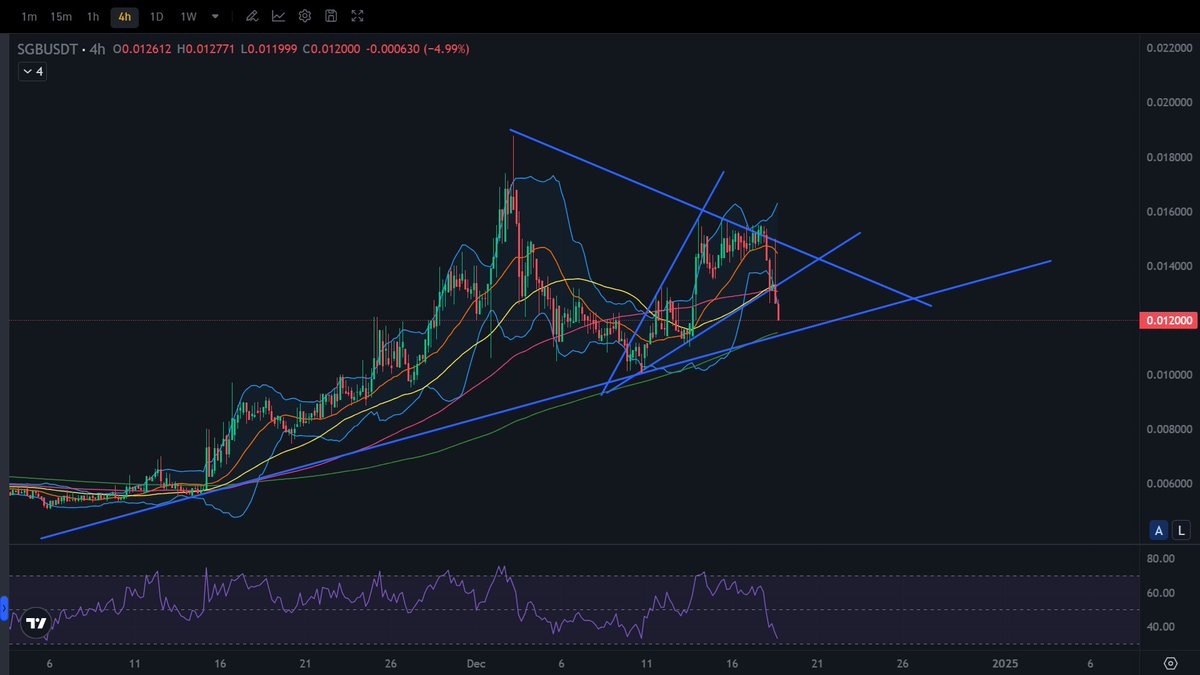
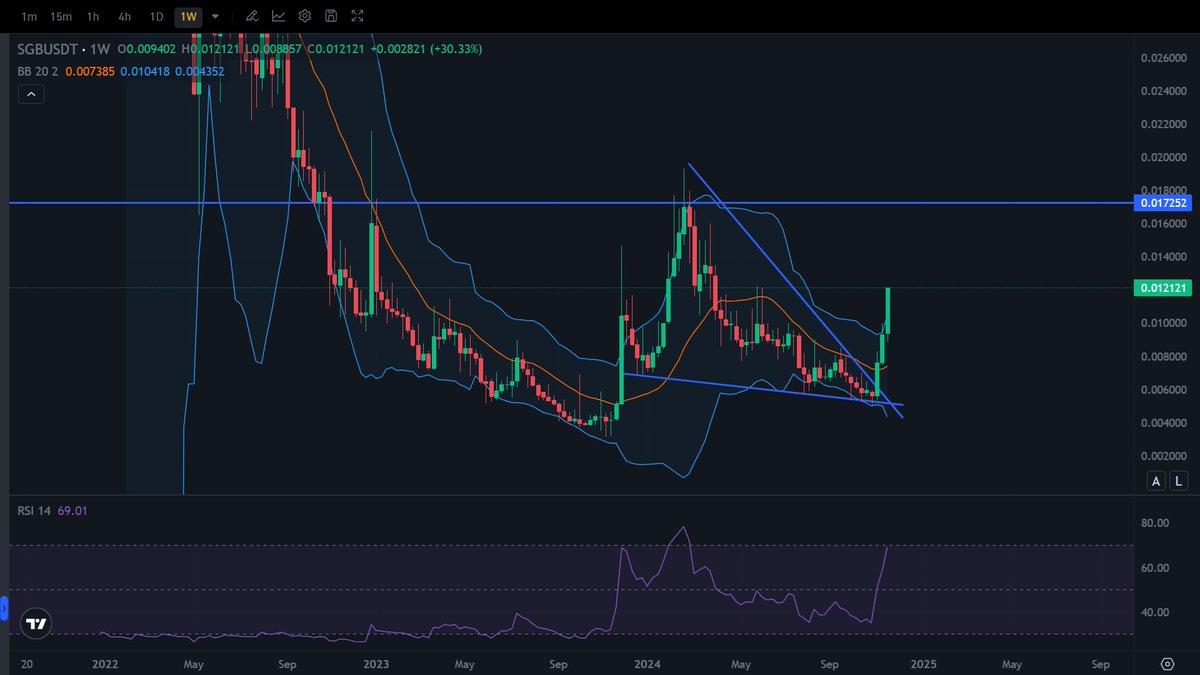
⏰#SGB ⏰🚀🌛slipping from target area as mentioned above. $SGB should hold the trend line and establish support at $0.011419 and continue to ascend and break from the squeeze. #FlareNetwork #CanaryNetwork #FTSO #FAssets #FLR #Flare #Songbird $FLR #TheBlockchainForData
NFA DYOR
Like and Share TY!
4
325
18 Dec 2024
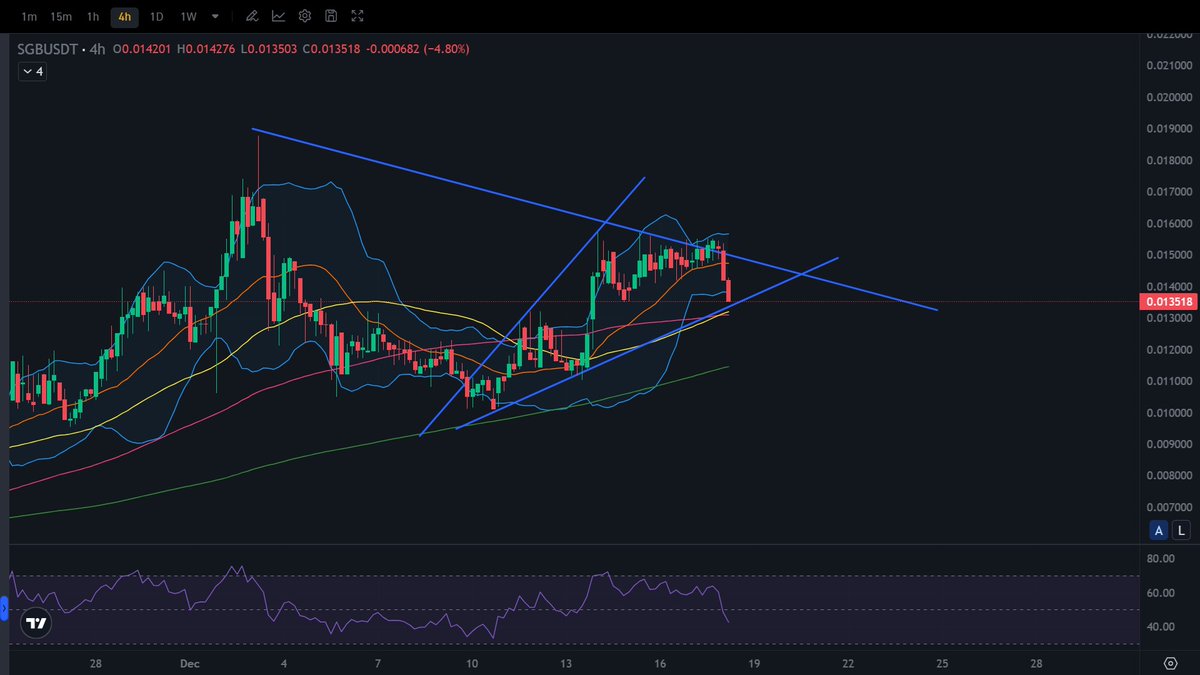
#SGB breaking down from an ascending broadening wedge. Look for SGB to catch support at $0.012737 and continue to be squeezed for the next 48hrs. $SGB #CanaryNetwork #FlareNetwork #FTSO #TheBlockchainForData #GoogleCloud #FAssets #XRP
NFA DYOR
Like and Share TY!
1
3
322
17 Dec 2024
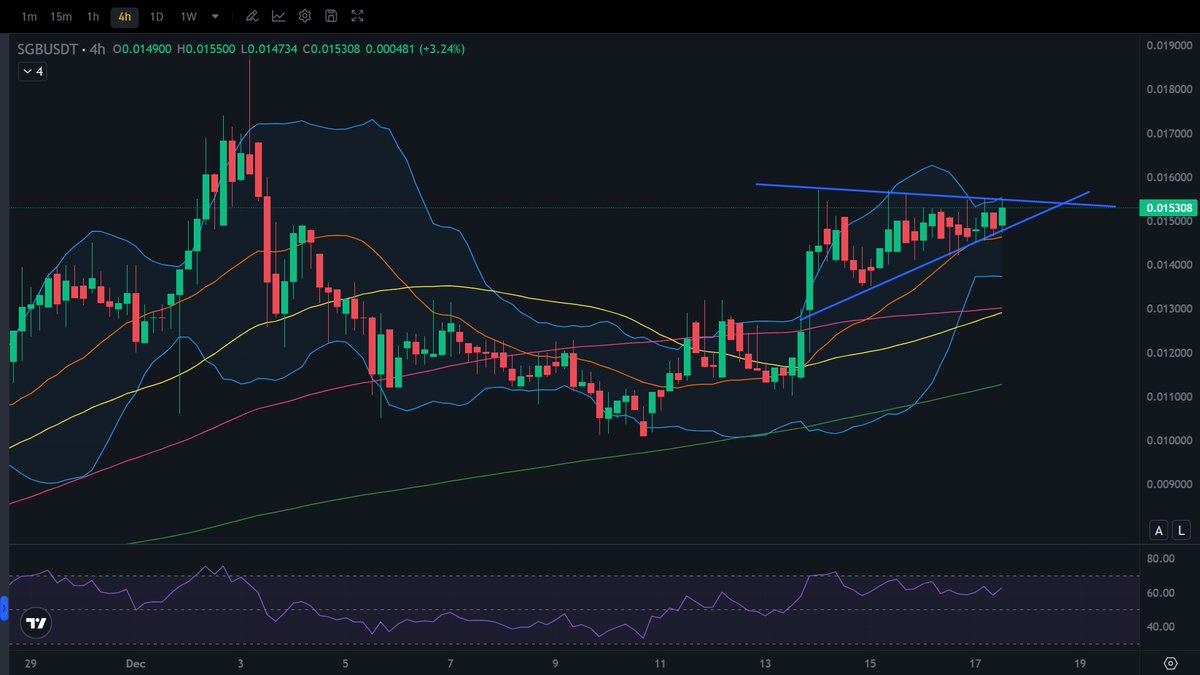
🚀🚀🚀 $SGB 🚀🚀🚀🚀ready to break from this squeezed pennant on the 4hr timeframe within the next 24hrs. #FAssets #SGB #FLR $FLR #FTSO #TheBlockchainForData #FlareNetwork #CanaryNetwork #EXFI NFA DYOR
Like and Share TY!
1
1
11
710
1 Dec 2024
30 Nov 2024
What is an overcollateralized bridge?
Why is it better than WBTC?
And what can we build with that?
Tune in for this interview with @HugoPhilion. 👇
6
32
584
30 Nov 2024
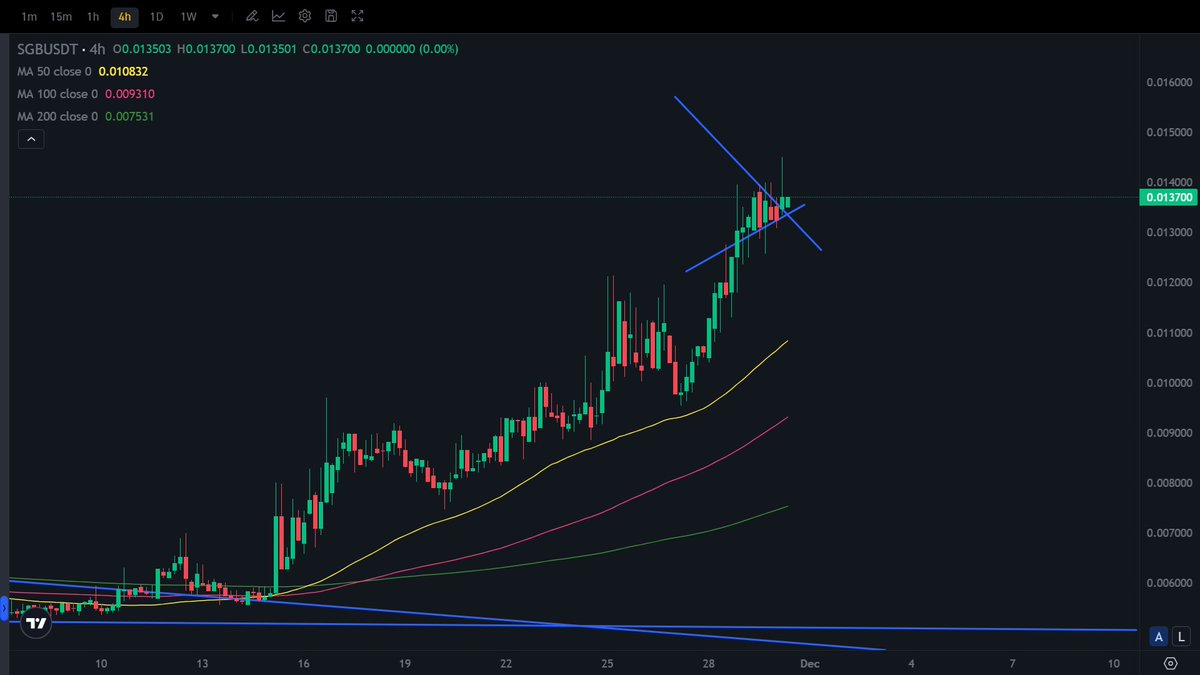
$SGB looking like it's holding support on the 4hr timeframe, only retracing to #fibonacci level 0.382. When it's #HOT 🌶️🥵♨️it's HOT! #CanaryNetwork #FlareNetwork #TheBlockchainForData #FTSO #oracle #smartcontract #Google #GoogleCloud #SGB #songbird #FAssets DYOR NFA
1
5
459
30 Nov 2024
📈👀🚨$SGB atop the new support. Watch for close on the next 4hr candle to confirm continuation and entry points. #SGB #Songbird #FlareNetwork #FAssets #FTSO #TheBlockchainForData #oracle #smartcontract #FLR $FXRP $FLTC $FBTC $FDOGE

2
236
28 Nov 2024
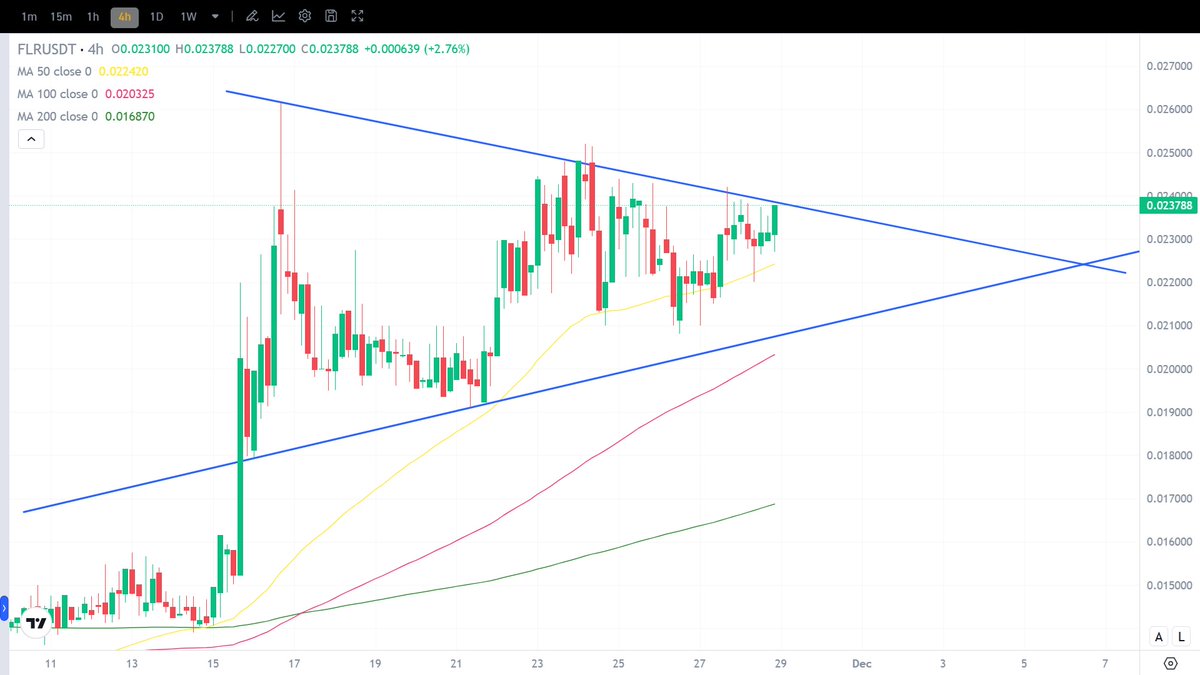
#FLR up against the trendline resistance. Watch for a break and a close above on the next 4hr candle, to confirm continuation. $FLR #FXRP #FBTC #FDOGE #FLTC #FAssets #FTSO #layer1 #TheBlockchainForData #oracle #SmartContracts #FlareNetwork #DeFi👀👀👀👀👀👀👀
5
549
28 Nov 2024
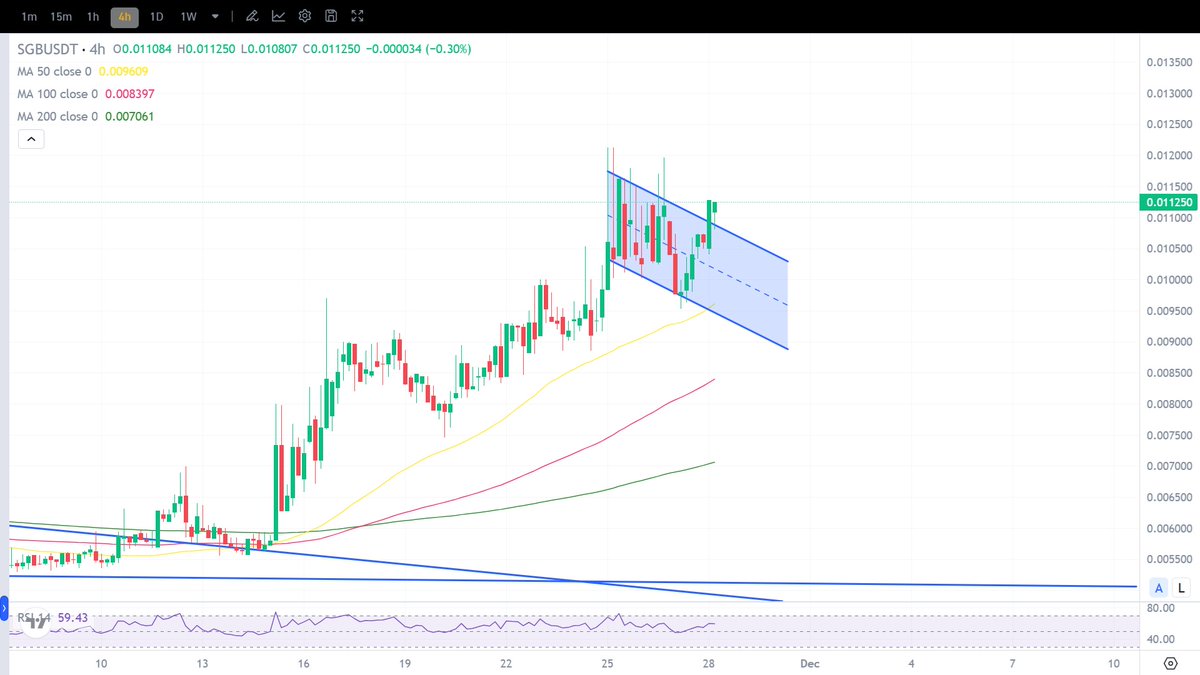
$SGB breaking above the parallel channel and with a close on the next 4hr candle, it should find support atop the channel. Onward and Upward! GO #FAssets !!! #SGB #FTSO #FLR #FlareNetwork #oracle #SmartContracts #minting #mining #delegators #TheBlockchainForData 😎🫠🎇🎆
1
1
8
688
26 Nov 2024
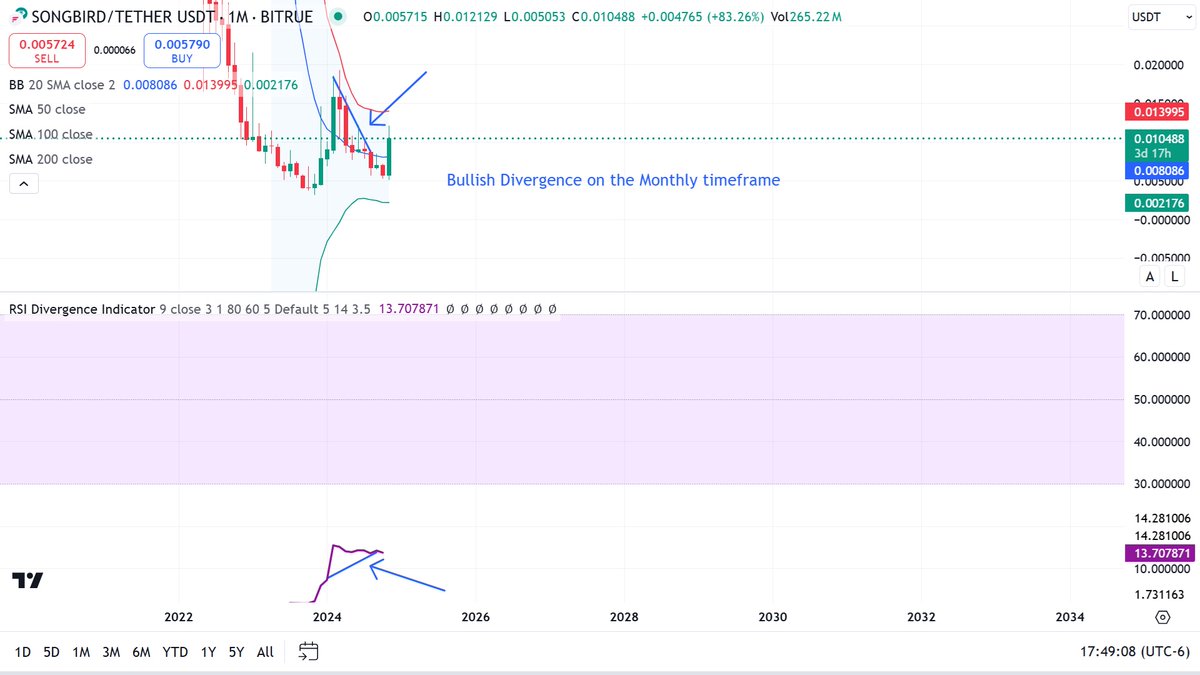
#SGB $SGB with #BullishDivergence on the monthly timeframe. I'm sure this is the tip of the ice🧊berg.🔥🔥🔥🔥🔥🔥🔥😍🤑 #FAssets #FTSO #oracle #smartcontract #TheBlockchainForData #FLR $FLR #Delegator #staking #minting #GoogleCloud #XRPArmy #Flarenetwork DYOR NFA
6
383
26 Nov 2024
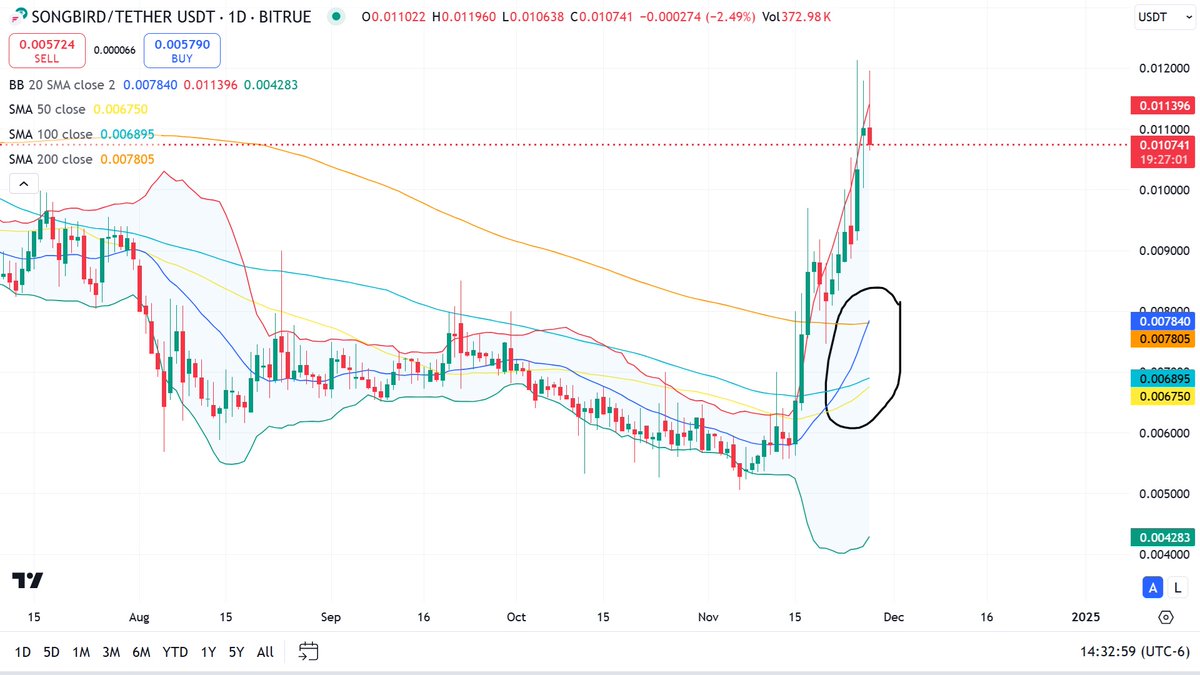
$SGB #SGB 50 day MA about to cross the 100 day MA and it won't be long before we see a golden cross when the 50 day MA crosses the 200 day MA. Big things ahead, time to throw some gas on the fire⛽️🔥💥🚀🌛 #FlareNetwork #GoogleCloud #MovingAverage #FTSO #FAssets #DeFi #tokenization #TheBlockchainForData #CanaryNetwork #CryptoNews #delegator #Oracle #smartcontract #CallingAllDevs #goldencross #Flare #FLR
4
30
840

25 Oct 2024
The smartest devs will be all over this 👏🏼 It’s time to grow together #Flare #TheBlockchainForData
2
143
18 Oct 2024
👀 POWERFUL presentation of the POTENTIAL of @FlareNetworks by @HugoPhilion | He explains the importance of why #FlareNetworks enshrined data oracle is needed to secure the #DecentralizedData of #Web3 & off-chain compute | Welcome to #Gen3 | Welcome to #TheBlockchainForData 👀
15 Oct 2024
As promised, here’s the full recording of @HugoPhilion’s @kbwofficial panel.
Timestamp 👇
0:30 Evolution of Blockchain and Importance of Data
3:00 Current State of Oracles
5:29 Summary of Current Oracle Issues before Flare
7:00 Introduction to Flare's Data Protocols
9:15 Flare: the only L1 with Enshrined Oracles
9:50 Restaking vs. Enshrining Economic Model
15:30 Trusted Execution Environments (TEEs)
18:00 Integrating TEEs with Blockchain
21:00 Next steps for Flare
23:00 Flare's Growing Ecosystem
What message from Hugo’s talk do you think everyone should hear?
@FlareNetworks #BlockchainforData ☀️
3
17
670