Filter
Exclude
Time range
-
Near
Hi All We are #Hiring One of our CLIENT is #TigerGraph #PythonScripting #Kafka #Location :#PANIndia Exp: 5 Yrs Interested Can share to Email Id: sona@burgeonits.com
1
11
Hello PMs๐Ÿ‘‹ I'm hiring Senior Product Managers from the below companies. Anyone working here who is looking for a switch, do reach out to me - manali@clanx.ai Hevo Data Atlan ThoughtSpot Dataiku Alteryx KNIME Informatica Qlik Talend Matillion Fivetran Airbyte dbt Labs Collibra Alation Monte Carlo DataRobot H2O.ai Confluent Astronomer Starburst Denodo Sigma Computing Domo SAS TIBCO Databricks Snowflake RudderStack Segment Census Hightouch StreamSets Rivery Stitch Data Meltano Zoho Analytics CleverTap MoEngage Whatfix Gainsight Freshworks Postman Chargebee Druva BrowserStack Yellow.ai Sisense Looker Tableau MicroStrategy Pyramid Analytics GoodData Incorta Hex Omni Analytics Preset Apache Superset (commercial ecosystem) Dremio SingleStore Imply Cribl Observe Inc. Nexla Prophecy Ascend.io Reltio Precisely Ataccama DataGalaxy Immuta BigID OneTrust Data Governance Informatica Cloud Data Integration Qlik Talend Cloud Boomi SnapLogic Workato Tray.io Celigo Keboola DataOps.live Anomalo Datafold Soda Data Unravel Data Tredence Tiger Analytics Fractal Analytics LatentView Analytics Mu Sigma Gramener Quantiphi Sigmoid TigerGraph Neo4j Elastic Redis Labs Cloudera Altair Engineering (RapidMiner) Domino Data Lab C3 AI Palantir Foundry Datameer Actian Precisely Data Integrity Striim Upsolver Qubole (former) Reltio Informatica MDM Collate (OpenMetadata) Select Star Secoda CastorDoc Metaphor Data Acryl Data (DataHub) Application link: jobs.clanx.ai/o/senior-produโ€ฆ

1
5
851
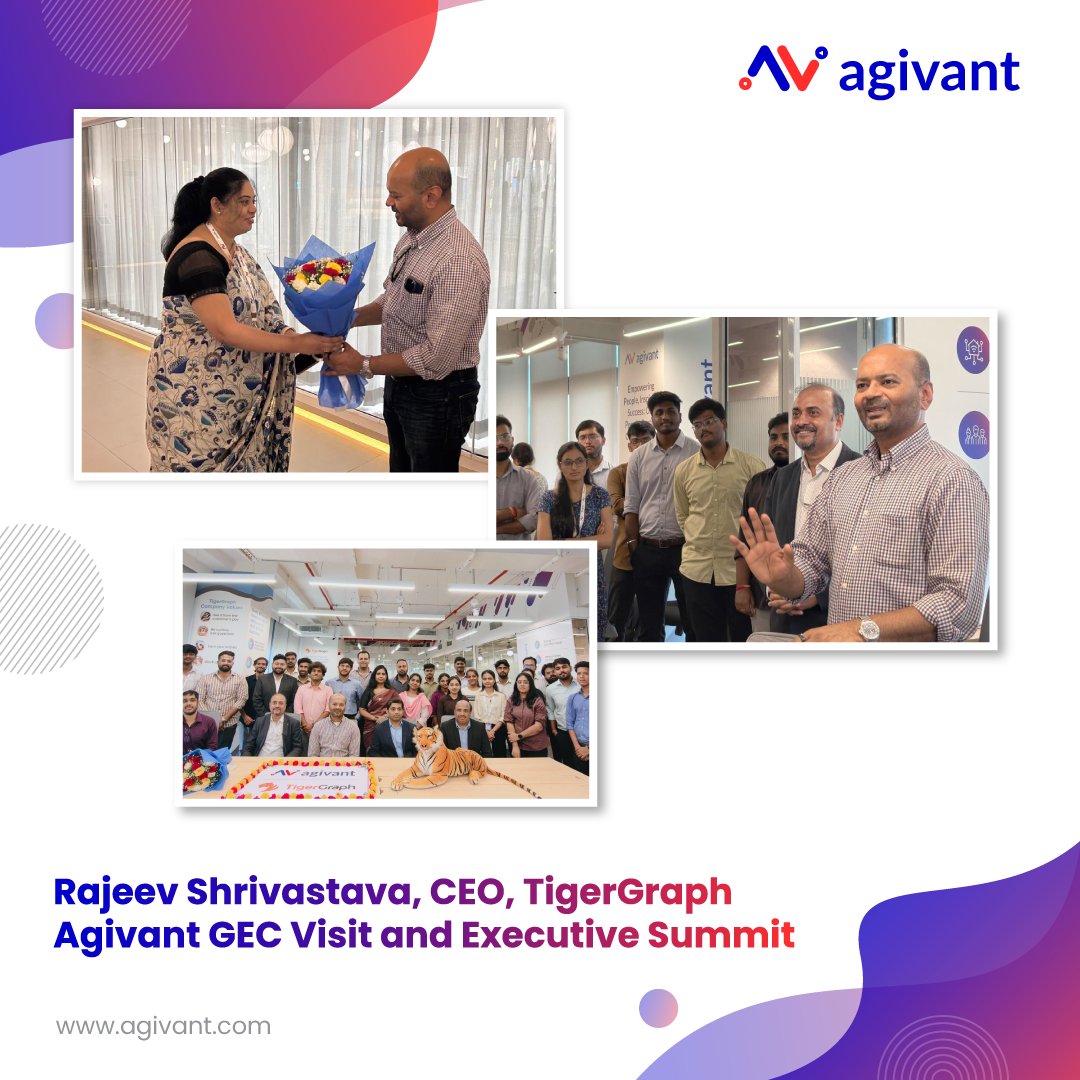
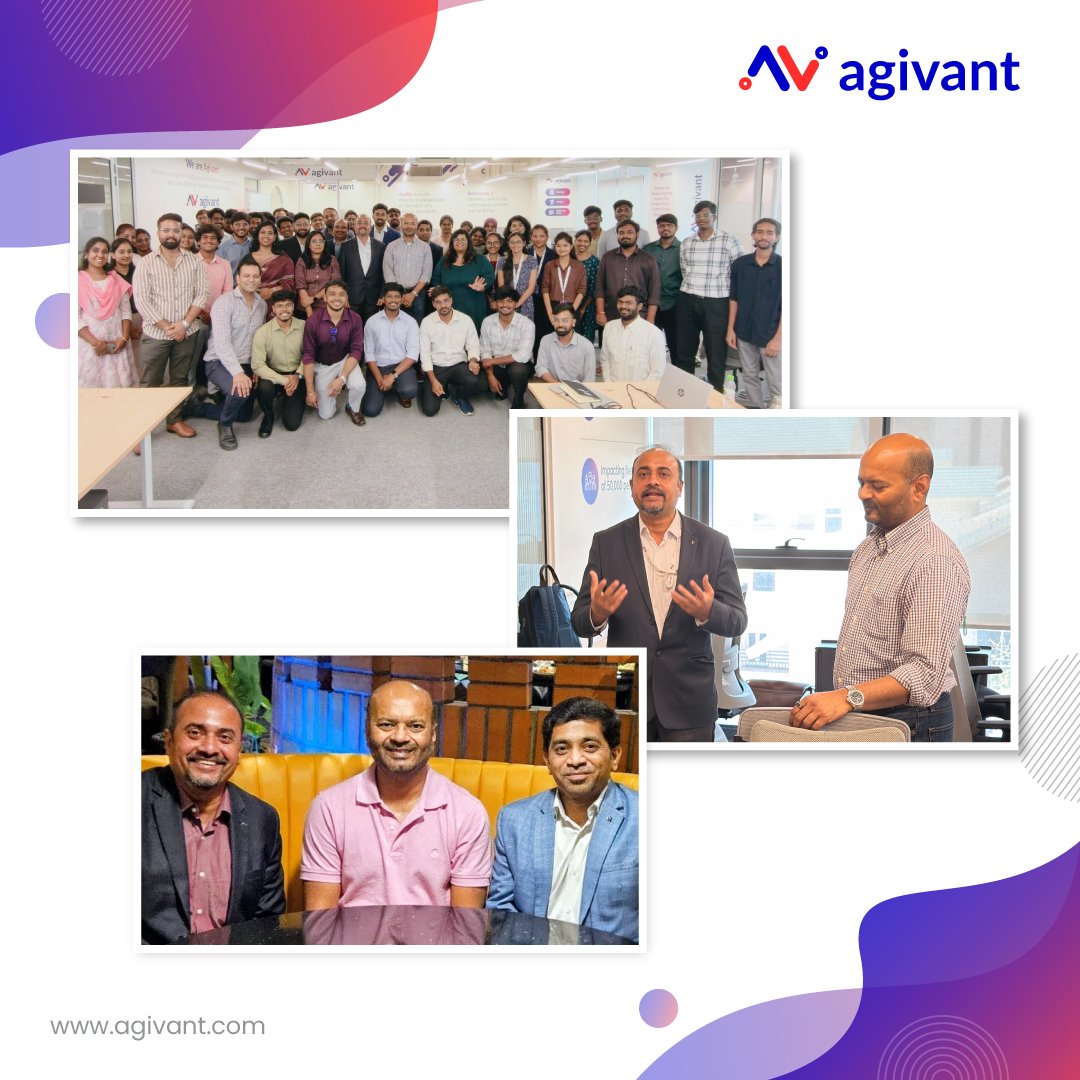
We were privileged to host Rajeev Shrivastava, CEO of TigerGraph, at the Agivant Global Engineering Center (GEC) for a day of strategic discussions, collaboration, and team engagement. @rajeev_shri @skishore @shree2407 @TigerGraphDB #TigerGraph #Agivant #Collaboration #Growth
3
23
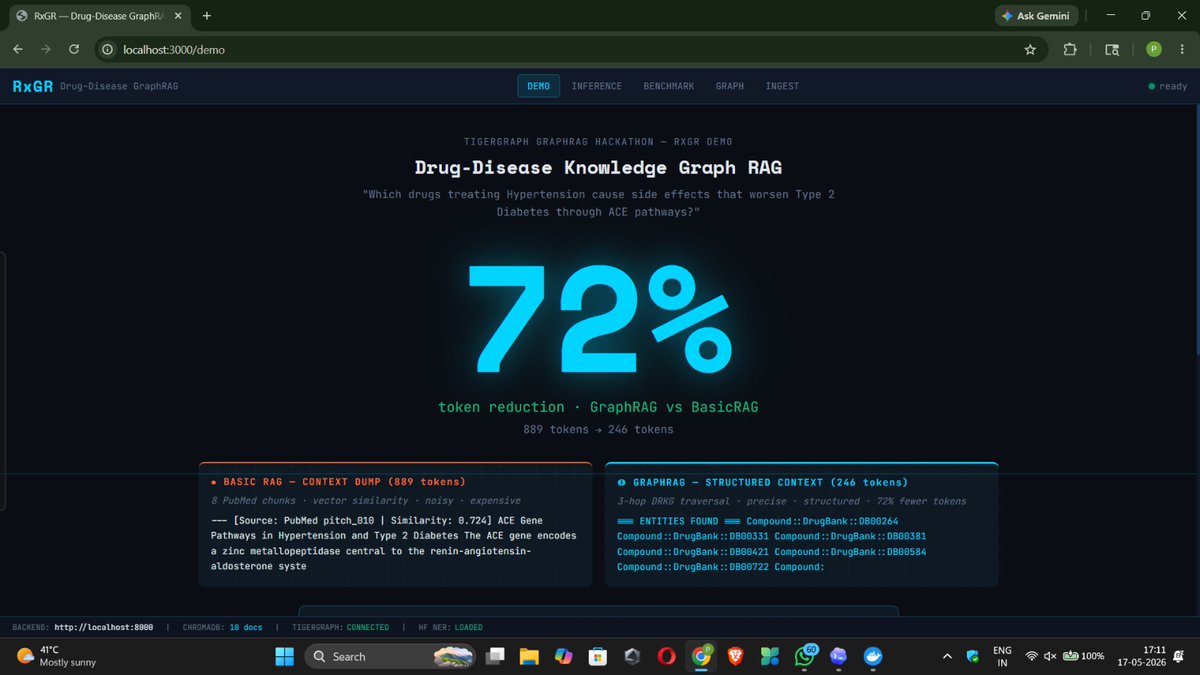
built RxGR rag for @TigerGraph's graphrag hackathon ๐Ÿงฌ 90% token reduction on biomedical queries using: โ†’ DRKG (5.8M drug-gene-disease triplets) โ†’ TigerGraph multi-hop traversal โ†’ 3 pipelines benchmarked side by side graphs > vectors. the numbers prove it. #GraphRAGInferenceHackathon
1
3
73
๐“๐ก๐ž ๐ƒ๐š๐ญ๐š ๐ˆ๐ง๐ญ๐ž๐ฅ๐ฅ๐ข๐ ๐ž๐ง๐œ๐ž ๐’๐ญ๐š๐œ๐ค: ๐…๐ซ๐จ๐ฆ ๐‘๐š๐ฐ ๐’๐ข๐ ๐ง๐š๐ฅ๐ฌ ๐ญ๐จ ๐€๐ฎ๐ญ๐จ๐ง๐จ๐ฆ๐จ๐ฎ๐ฌ ๐€๐œ๐ญ๐ข๐จ๐ง Most data teams build storage and analytics then wonder why AI fails. The problem is not the model. It is the 4 layers between your Data and your AI that do not exist yet: ๐Ÿ. ๐…๐จ๐ฎ๐ง๐๐š๐ญ๐ข๐จ๐ง ๐‹๐š๐ฒ๐ž๐ซ: ๐ƒ๐š๐ญ๐š ๐’๐ญ๐จ๐ซ๐š๐ ๐ž โ€ข Ingest from anywhere. Scalable, cost-effective, all data types. โ€ข Technologies: PostgreSQL, Azure Data Lake, Delta Lake, Amazon S3, Google Cloud Storage, HDFS. The single source of truth for all your data.ย  Get this wrong and every layer above it inherits the mess. ๐Ÿ. ๐’๐ญ๐ซ๐ฎ๐œ๐ญ๐ฎ๐ซ๐ข๐ง๐  ๐‹๐š๐ฒ๐ž๐ซ: ๐“๐š๐›๐ฅ๐ž๐ฌ ๐š๐ง๐ ๐…๐จ๐ซ๐ฆ๐š๐ญ๐ฌ โ€ข Schema evolution, optimized storage, ACID reliability, analytics performance. โ€ข Technologies: Parquet, Delta Lake, Apache Iceberg, ORC. Raw data is not usable data.ย  This layer makes it consistent, efficient, and reliable. ๐Ÿ‘. ๐ƒ๐ข๐ฌ๐œ๐จ๐ฏ๐ž๐ซ๐ฒ ๐‹๐š๐ฒ๐ž๐ซ: ๐ƒ๐š๐ญ๐š ๐‚๐š๐ญ๐š๐ฅ๐จ๐  โ€ข Metadata, ownership, lineage, impact analysis, access governance, data quality. โ€ข Technologies: DataHub, Alation, Unity Catalog, AWS Glue. If your team can not find the data or trust it, nothing downstream works. ๐Ÿ’. ๐‚๐จ๐ง๐ญ๐ž๐ฑ๐ญ ๐‹๐š๐ฒ๐ž๐ซ: ๐Š๐ง๐จ๐ฐ๐ฅ๐ž๐๐ ๐ž ๐†๐ซ๐š๐ฉ๐ก โ€ข Entities, relationships, and context-aware reasoning. โ€ข Technologies: Neo4j, Amazon Neptune, Stardog, TigerGraph. This is the layer most teams skip entirely.ย  Knowledge graphs connect the dots understanding context and relationships, not just rows and columns. ๐Ÿ“. ๐๐ฎ๐ฌ๐ข๐ง๐ž๐ฌ๐ฌ ๐‹๐š๐ฒ๐ž๐ซ: ๐’๐ž๐ฆ๐š๐ง๐ญ๐ข๐œ ๐‹๐š๐ฒ๐ž๐ซ โ€ข Define and govern metrics. Consistent definitions. Reusable models. โ€ข Technologies: Cube, Looker, AtScale, Unity Catalog, dbt Semantic Layer. One source of truth for metrics and KPIs.ย  Without this, two teams asking the same question get different answers. ๐Ÿ”. ๐ˆ๐ง๐ญ๐ž๐ฅ๐ฅ๐ข๐ ๐ž๐ง๐œ๐ž ๐‹๐š๐ฒ๐ž๐ซ: ๐€๐ˆ ๐‘๐ž๐š๐ฌ๐จ๐ง๐ข๐ง๐  ๐š๐ง๐ ๐€๐œ๐ญ๐ข๐จ๐ง โ€ข LLMs, RAG and retrieval, AI agents, ML models, continuous learning. โ€ข Technologies: MLflow, Mosaic AI, Agent Bricks, LangChain. Intelligent applications that reason, decide, and act autonomously.ย  This layer only works if the five below it are solid. Most teams jump from layer 1 to layer 6 and skip everything in between.ย  That is why their AI hallucinates it has no catalog, no context, no semantic definitions, and no knowledge graph to reason over. ๐–๐ก๐ข๐œ๐ก ๐ฅ๐š๐ฒ๐ž๐ซ ๐ข๐ฌ ๐ฆ๐ข๐ฌ๐ฌ๐ข๐ง๐  ๐Ÿ๐ซ๐จ๐ฆ ๐ฒ๐จ๐ฎ๐ซ ๐๐š๐ญ๐š ๐ฌ๐ญ๐š๐œ๐ค ๐ญ๐จ๐๐š๐ฒ? โ™ป๏ธ Repost this to help your network get started
1
3
29
436
May 6
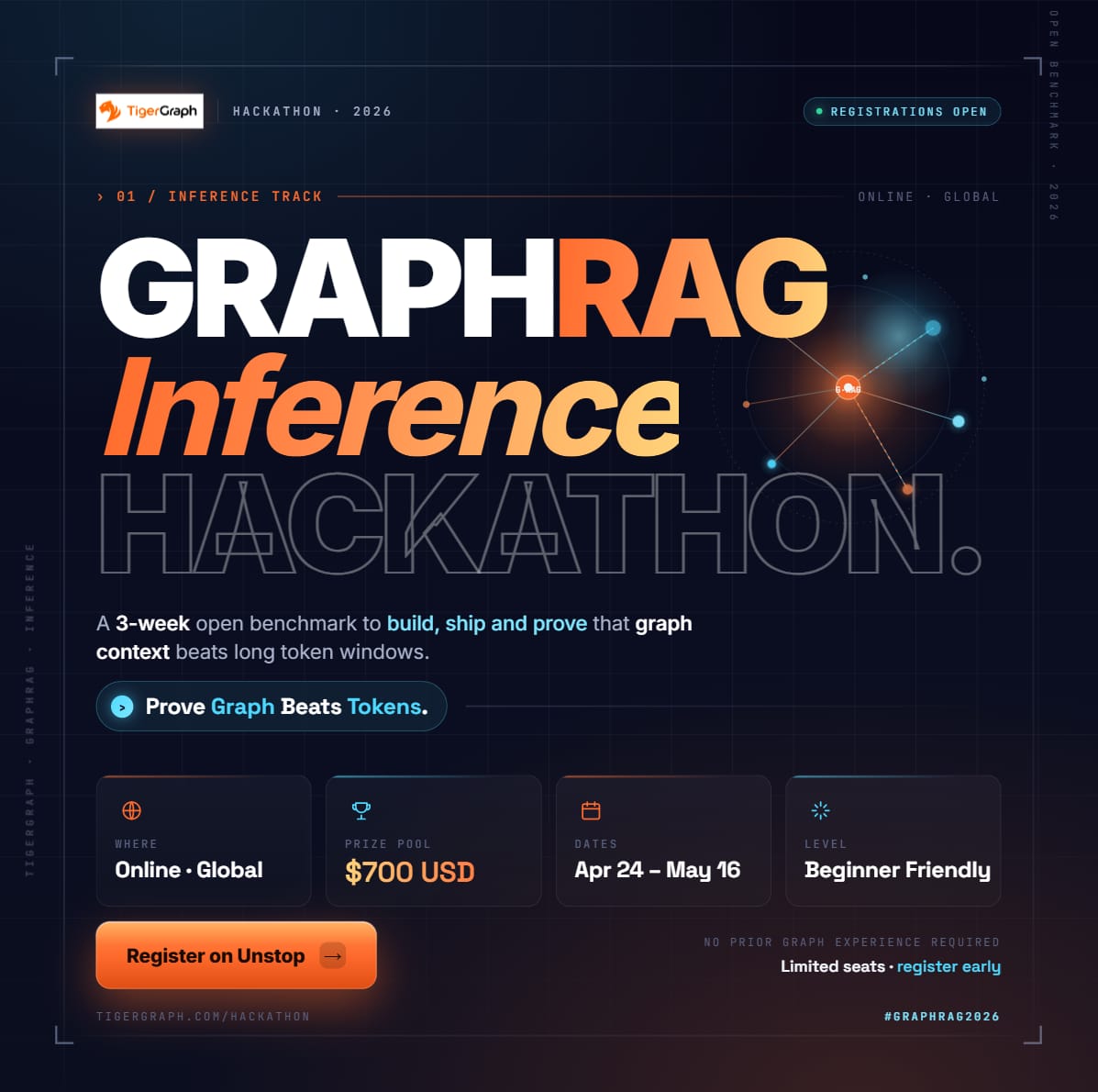
Standard RAG is stealing your money and ruining your latency. Stop dumping the whole neighborhood into your context window and learn how to actually route your data. Prove your pipeline is faster at the GraphRAG Inference Hackathon by TigerGraph on Unstop. ๐Ÿ’ธ $600 prize pool. Register here before itโ€™s too late: unstop.com/hackathons/graphrโ€ฆ @TigerGraphDB @theBuilder_base
3
2
8
352
Your RAG pipeline is burning tokens it doesn't need to. GraphRAG is surgical โ€” it follows relationships, not vibes. Prove it with numbers. $600 prize pool waiting. Register โ†’ [Unstop link] @TigerGraph @thebuilder_base #GraphRAG #Hackathon
1
3
73
May 4
your RAG is burning tokens on vibes. GraphRAG doesn't guess , it traverses. no noise. no bloat. just the exact context the LLM needs. faster inference. fewer tokens. real benchmark numbers. this is what we're proving at the GraphRAG Inference Hackathon by @TigerGraphDB ๐Ÿ† $600 in prizes. beginner-friendly. teams of 1โ€“5. register now ๐Ÿ‘‡ unstop.com/o/97bGeFT?lb=Tโ€ฆ @thebuilder_base ร— @TigerGraphDB #GraphRAG #TigerGraph #BuilderBase #LLM #RAG #HackathonIndia #Web3India #AIBuilders
8
3
49
1,552
Most RAG systems look smartโ€ฆ until you check the cost. Too much context gets pulled in, tokens get wasted, and inference slows down. GraphRAG by TigerGraph changes that it follows real relationships and retrieves only what actually matters. Result? Faster responses, lower cost, better output. If youโ€™re building with LLMs, this is worth understanding. @theBuilder_base @TigerGraphDB I broke it down in this video ๐Ÿ‘‡ Join the GraphRAG Hackathon and build something real: unstop.com/hackathons/graphrโ€ฆ
6
5
30
563
@TigerGraphDB organising a hackathon ๐Ÿš€ GraphRAG Inference Hackathon by TigerGraph A beginner-friendly online hackathon where you build a system that proves Graph RAG makes LLM inference faster, cheaper, and smarter. ๐Ÿ™Œ @theBuilder_base x @TigerGraphDB
1
1
7
177
EVOKOA The One Line EXPLANATION WHAT THEY ARE DOING Evokoa is a virtual graph layer that sits on top of your existing databases and makes your data instantly traversable by AI agents โ€” without moving a single byte of your data. The Problem They're Solving When companies deploy AI agents on top of their enterprise data, they hit a wall. The agent needs to understand relationships โ€” not just retrieve text. For example: Which sales rep is connected to which customer? Which customer is connected to which product? Which product is connected to which billing event? How does a failed SOP in one branch connect to a manager three levels up? Standard RAG (what most people use) can retrieve text but is structurally blind โ€” it has no idea how entities relate to each other. Graph databases like Neo4j try to solve this but collapse at depth โ€” at 10 hops they start timing out, at 20 hops two of the biggest ones literally stop returning results entirely. Evokoa's answer: a fundamentally new data structure called a virtual hypergraph that makes deep relationship traversal possible in microseconds. The Technical Architecture What is a Hypergraph? A normal graph database connects two nodes with one edge. Tom โ†’ works at โ†’ Acme. Simple binary connection. A hypergraph connects multiple entities simultaneously with one hyperedge. So a SQL join table with 6 foreign keys โ€” instead of being broken into 15 binary edges โ€” becomes one hyperedge connecting all 6 entities at once. This keeps the traversal graph mathematically tractable at depth. What is a Metagraph? Evokoa goes one step further. In their model, relationships can connect to other relationships. Example: Tom works at Acme Tom was hired by Jane That hiring event is itself a node It connects Tom, Jane, Acme, the role, the department, and the date simultaneously You can traverse from any direction across that event This is what they call a metagraph โ€” not a marketing term, it's the actual data structure. Why Rust? The entire engine is written in Rust โ€” not because it's fashionable but because: They do RAM-resident graph traversal Any garbage collection pause (like Java's GC or Python's GIL) would break their latency guarantees Rust gives full memory layout control without sacrificing safety Java (which Neo4j is built on) has unpredictable GC pauses that make consistent microsecond latency impossible The Hot Path On their performance-critical path: No serialization No string parsing No protocol negotiation Pure mathematical operations directly in memory This is why they're fast. Most databases spend enormous time serializing and deserializing data. Evokoa skips all of that on the hot path. The Numbers โ€” Their Claims MetricEvokoaNeo4j20-hop traversal190 microseconds~3 secondsSpeed claim15,000x fasterbaselineConsistency52ns std deviationvariableMax depth40 hopsdies at 10-20Node scaleBillionsdegrades at scaleDeploy timeUnder 1 minutehours/daysData movementZerofull migration required Important caveat: Their website says "Initial benchmark results โ€” continuing further testing, will publish full results soon." These are early internal benchmarks, not yet third-party verified. How It Actually Works You point Evokoa at your existing Postgres database (or any database) It auto-discovers your schema โ€” reads your tables, foreign keys, relationships It builds a live topological shadow โ€” a map of all your data relationships Your data never moves โ€” Evokoa only stores the topology, not the data itself AI agents query Evokoa for structural context โ€” it responds in microseconds The world model stays current in real time โ€” schema changes are auto-detected The Multi-Database Power One of their most powerful features โ€” they can unify multiple databases into one graph: Salesforce Postgres Google = one unified graph An AI agent can traverse relationships across all three systems simultaneously No ETL pipeline needed No data warehouse needed Just point Evokoa at each system and it maps the connections between them Their Product Layers 1. The Core Engine (Infrastructure) The Rust-based hypergraph engine โ€” this is what they're betting the company on. Open source with BSL license planned โ€” free for individuals/self-hosting, paid for enterprises needing SLA, HA, and enterprise security. 2. The Workspace Product A full chat-based operational dashboard built on top of the engine. Currently used by their 11 paying companies. Features include: Fuzzy relationship pathfinding โ€” finds connections even with messy taxonomy (a "Clinic Manager" and "Branch Supervisor" are semantically matched) In-chat email/messaging โ€” send emails directly from the interface with auto-packaged graph context Add relationships via chat โ€” define new connections in natural language, graph updates instantly Merge duplicate records โ€” resolve "Jane Doe" vs "J. Doe" across systems Proactive clarifying questions โ€” agent asks follow-up questions when queries are ambiguous Tag autofill โ€” intelligent autocomplete for nodes, branches, users in queries Their Business Model Open Core โ€” same model as Redis, MongoDB, Grafana: User TypeCostWhat they getIndividual devsFreeSelf-hosted, open sourceSmall teamsFree (early stage)Core engineEnterprisesPaidSLA, HA, enterprise security, support They earn from businesses using it at scale โ€” not from developers building on it. The Pivot Story They originally built an all-in-one AI workspace for multi-location operators โ€” dental chains, telecoms, logistics networks. Had paying customers and real traction. But every enterprise customer kept asking the same question: "Can we just get access to the engine underneath?" Then developers building their own agents started saying the same thing โ€” they were hitting the exact same wall. Dalton (CEO) wrote about this in their blog: "The application layer is not a moat. Anyone can build a UI on top of a reasoning engine. Nobody has the engine." So they pivoted to pure infrastructure โ€” and kept the workspace product as a demonstration of what the engine can do. The Team PersonRoleBackgroundDalton Prescott NgCEOFounded first company at 14, 2x Apple WWDC Scholar, bootstrapped last company to $1M ARR, TEDx speaker, featured in Straits Times/CNADamien LimCTOBuilt Singapore's first robotic restaurant, scaled DevOps across 4 countries/100 devs, 10 years fullstack/4 years AIDale Everett NgCOODalton's twin brother, grew SwigEnergy 0โ†’5000 customers, won Singapore Polytechnic's highest honor, mentioned by Singapore's Minister of Education Who They're Competing With Neo4j โ€” $2.2B valuation, $550M raised, 44% graph DB market share, 84% of Fortune 100. Main named competitor. Amazon Neptune โ€” AWS managed graph DB TigerGraph โ€” enterprise graph analytics Memgraph โ€” real-time graph DB GraphRAG tools โ€” Microsoft's GraphRAG and similar โ€” made partially obsolete by what Evokoa does natively Where They Are Right Now 11 paying companies live on the platform Singapore-based startup, founded 2026 Early access opening in strict batches Discord community open โ€” where you are right now Waitlist open at evokoa.com Benchmarks published but not yet third-party verified Open source release planned but not yet live The Big Picture Bet Their thesis is simple: every serious team building production AI agents will eventually hit the same wall โ€” agents that can't understand the structural relationships in their company's data. Evokoa believes they've already solved that problem for themselves, and now they're making it available to everyone else. The market for AI agent infrastructure is forming right now โ€” and they want to be the reasoning layer underneath all of it.
1
1
1
97
Replying to @Ersatz_Solus
If your work or client ever uses Foundry, only way you can get the certs . MBB and Big 4 are using it, so they'll pay. Azure Cosmos DB is also one to look into. Same with neo4j and TigerGraph. Last one is a bit niche. Open Knowledge Graph Certification is also a decent one.
8
173
This Singapore startup benchmarked every major graph database. Neo4j. Neptune. TigerGraph. Memgraph. At 20-hop depth โ€” two of them stopped returning results entirely. So they built their own. From bare metal. In Rust. Meet Evokoa. ๐Ÿงต
2
4
17
969
This Singapore startup just rebuilt the database from scratch โ€” because no existing one was fast enough for AI agents. Meet Evokoa. They're building what they call the "reasoning layer" for enterprise AI. Here's the problem they're solving P-1 Every company deploying AI agents hits the same wall. The agent doesn't know enough about the company to do anything useful. Vector search? Tells you what something *means*. Not how things *connect*. Graph databases? Force you to duplicate all your data first. Neither works at enterprise scale. P-2 So Evokoa benchmarked Neo4j, Amazon Neptune, TigerGraph, Memgraph. All of them. At 10-hop depth โ†’ several started timing out. At 20 hops โ†’ two databases stopped returning results entirely. They ran out of memory. Or deadlocked. The problem isn't the query planner. It's the underlying data model. P-3 So they built their own engine. From bare metal. In Rust. Why Rust? Because RAM-resident graph traversal can't afford a single garbage collection pause. Any pause breaks the latency guarantee. P-4 The key insight: enterprise data is already a hypergraph. A SQL join table with 6 foreign keys = a relationship connecting 6 entities at once. Standard databases decompose that into 15 pairwise edges. The traversal graph explodes. Path enumeration becomes NP-hard. Evokoa models it natively โ€” as one hyperedge. The graph stays tractable at depth. P-5 They call it a "metagraph." Relationships can connect to other relationships. "Tom was hired by Jane at Acme" โ†’ that hiring event is itself a node, connecting Tom, Jane, Acme, the role, the department, and the date. You can traverse it from any direction. P-6 The result? 20-hop traversal across a 10M-node enterprise graph: 190 microseconds. Legacy DB query per agent step: ~3 seconds. That's 15,000ร— faster. And your data doesn't move. It stays exactly where it is. Evokoa builds a live topological shadow of your existing systems and loads the topology into RAM. P-7 Real-world use cases they're targeting: โ†’ Fraud detection: catching synthetic identity rings requires 8โ€“40 hop cycle detection. Legacy DBs choke. Evokoa does it fast enough to block transactions mid-swipe. โ†’ Telecom voice AI: agents need billing network context in milliseconds. 3 seconds = dead conversation. โ†’ Supply chain: when a supplier goes down, mapping the full downstream blast radius used to take hours. Now instant. โ†’ Enterprise AI agents: "Who reports to the manager that signed this contract?" โ€” embeddings can't answer this. Evokoa can. --- They're based in Singapore, building in public, currently in early access. If you're building AI agents on enterprise data, this is infrastructure worth watching. evokoa.com
1
2
4
112
"but i've never used TigerGraph before" literally doesn't matter ๐Ÿ‘€ if you know Python and have touched an LLM or API before - you're ready they're providing: โ†’ full documentation โ†’ starter resources โ†’ mentoring for top 10 teams no excuse not to try ๐Ÿ™ƒ
1
2
3
141
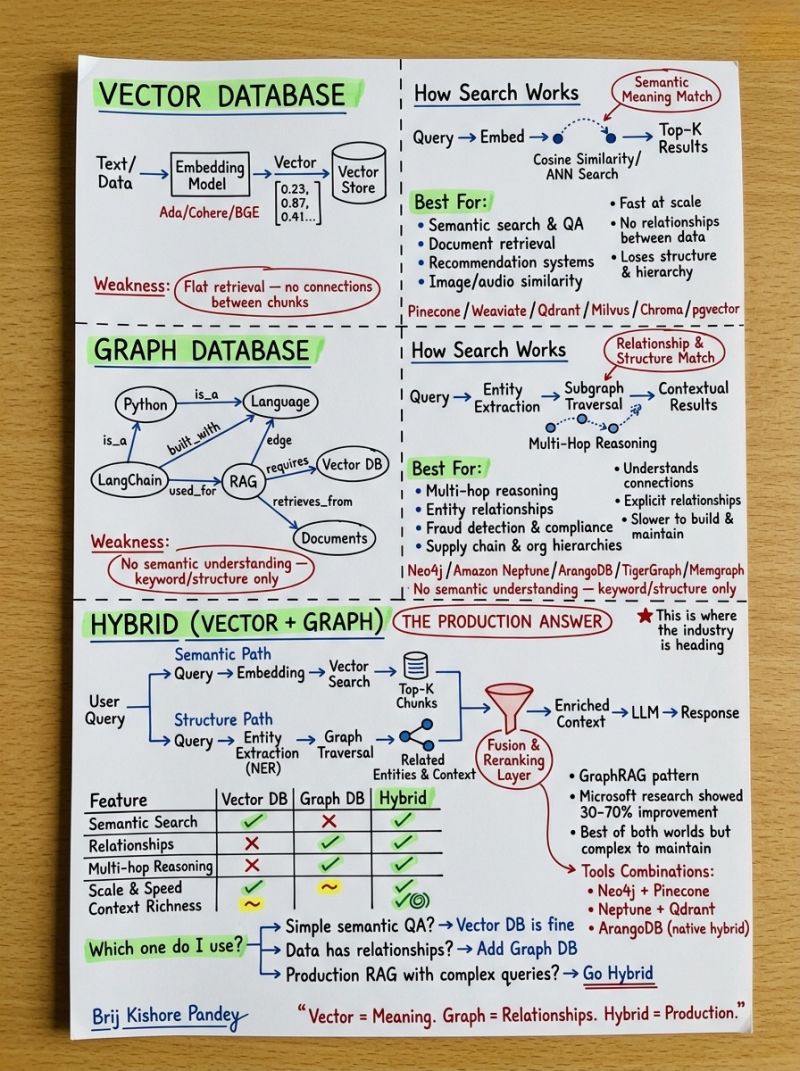
Everyone's using Vector DBs for RAG right now. Almost nobody's asking: "Is this actually the right retrieval layer?" Here's the thing most teams miss: Vector search finds meaning. Graph search finds relationships. They solve completely different problems. ๐—ฉ๐—ฒ๐—ฐ๐˜๐—ผ๐—ฟ ๐——๐—ฎ๐˜๐—ฎ๐—ฏ๐—ฎ๐˜€๐—ฒ Your text goes in. Embeddings come out. You search by similarity. โ†’ Query gets embedded โ†’ Cosine similarity / ANN search finds closest matches โ†’ Top-K chunks returned Works great for: โ†’ Semantic search and QA โ†’ Document retrieval โ†’ Recommendations โ†’ Image and audio similarity The problem? Flat retrieval. No connections between chunks. Ask it "what tools does the team that built LangChain also maintain?" and it chokes. Because similarity isn't relationships. Tools: Pinecone, Weaviate, Qdrant, Milvus, Chroma, pgvector ๐—š๐—ฟ๐—ฎ๐—ฝ๐—ต ๐——๐—ฎ๐˜๐—ฎ๐—ฏ๐—ฎ๐˜€๐—ฒ Your data goes in as nodes and edges. You search by traversal. โ†’ Query gets entity-extracted โ†’ Subgraph traversal hops between connected nodes โ†’ Multi-hop reasoning finds answers across relationships Works great for: โ†’ Multi-hop reasoning โ†’ Entity relationships โ†’ Fraud detection and compliance โ†’ Supply chain and org hierarchies The problem? No semantic understanding. It knows structure, not meaning. Tools: Neo4j, Amazon Neptune, ArangoDB, TigerGraph, Memgraph ๐—›๐˜†๐—ฏ๐—ฟ๐—ถ๐—ฑ (๐—ง๐—ต๐—ฒ ๐—ฃ๐—ฟ๐—ผ๐—ฑ๐˜‚๐—ฐ๐˜๐—ถ๐—ผ๐—ป ๐—”๐—ป๐˜€๐˜„๐—ฒ๐—ฟ) This is where things get interesting. Same query hits two paths simultaneously: โ†’ Semantic path: embed โ†’ vector search โ†’ top-K chunks โ†’ Structure path: NER โ†’ graph traversal โ†’ related entities Both paths merge into a fusion and reranking layer. The LLM gets context that is BOTH semantically relevant AND structurally connected. Microsoft's GraphRAG research showed 30-70% improvement in answer quality over vector-only retrieval. So which one do you actually need? โ†’ Simple semantic QA? Vector DB is fine. โ†’ Your data has relationships? Add a Graph DB. โ†’ Production RAG with complex queries? Go Hybrid. Here's how I think about it: ๐—ฉ๐—ฒ๐—ฐ๐˜๐—ผ๐—ฟ = ๐— ๐—ฒ๐—ฎ๐—ป๐—ถ๐—ป๐—ด ๐—š๐—ฟ๐—ฎ๐—ฝ๐—ต = ๐—ฅ๐—ฒ๐—น๐—ฎ๐˜๐—ถ๐—ผ๐—ป๐˜€๐—ต๐—ถ๐—ฝ๐˜€ ๐—›๐˜†๐—ฏ๐—ฟ๐—ถ๐—ฑ = ๐—ฃ๐—ฟ๐—ผ๐—ฑ๐˜‚๐—ฐ๐˜๐—ถ๐—ผ๐—ป I made a detailed visual breaking down all three architectures with a comparison matrix and decision tree.
9
45
190
6,808