
J’ai testé **TrackerControl** récemment et franchement c’est un très bon outil 🔥
Il bloque les trackers et connexions suspectes en temps réel, sans root.
Petite précision importante : si vous êtes sur **/e/OS** ou **iodéOS**, vous avez déjà des protections intégrées qui font très bien le job. TrackerControl est surtout intéressant sur GrapheneOS ou les ROMs plus minimalistes.
**Où le trouver :**
→ Sur **F-Droid** (recommandé)
→ Ou directement sur trackercontrol.org
Vous, vous utilisez quoi comme solution pour bloquer les trackers au quotidien ?
Je suis curieux de vos retours 👇
#DeGoogle #ViePrivée #Android
34

Jun 3
Google Maps knows where you slept last night.
Not approximately. Exactly. The address, the time you arrived, the time you left, how long you stayed. It logs this whether you are actively navigating or not, because the app is running in the background and the business model requires the data.
That data funds a mapping empire that 2 billion people depend on every month.
The founders of Organic Maps had a different theory.
That the most useful maps app on earth did not need to know anything about you. That navigation is a problem of geography, not surveillance.
That you should be able to download a map, put your phone in airplane mode, and arrive somewhere without a single byte leaving your device.
The app they built proves the theory works.
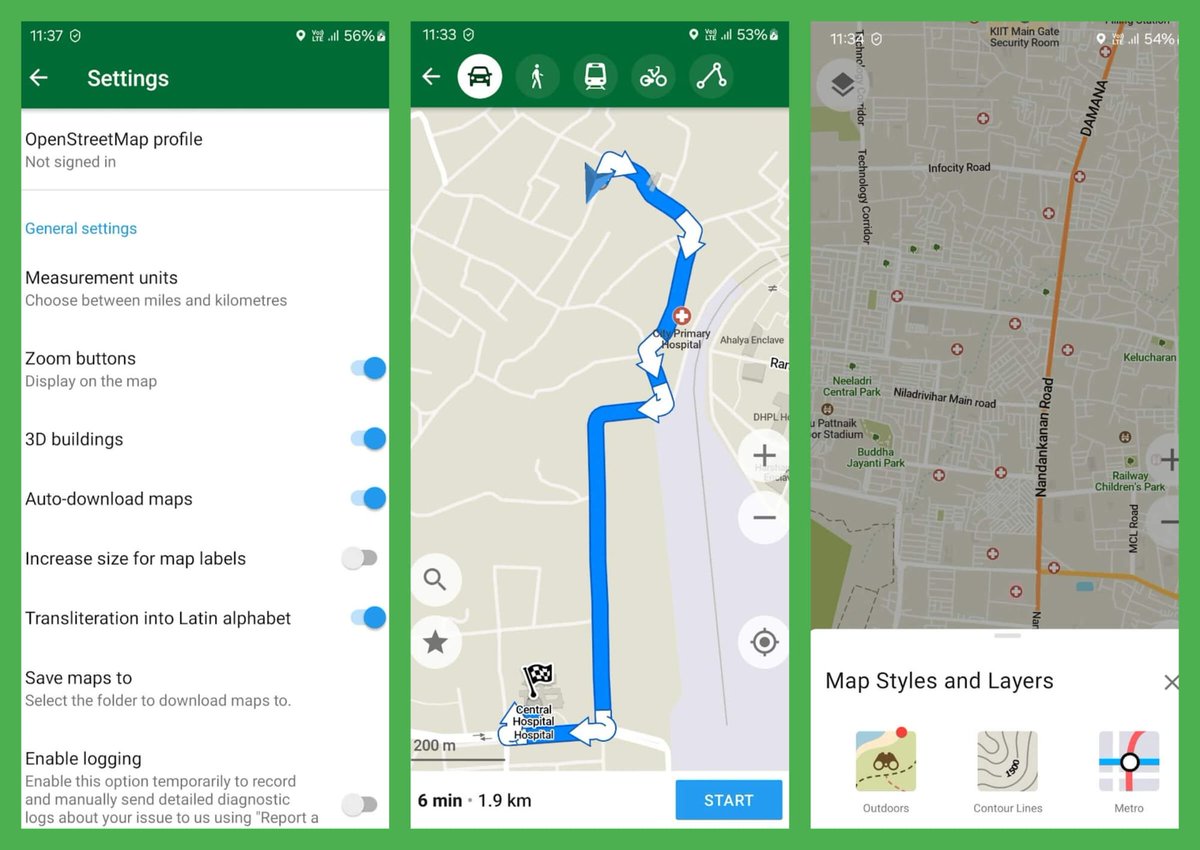
Organic Maps runs entirely offline. No account required. No registration. No push notifications. No background data.
The Exodus Privacy Project audited it and found zero trackers. The iOS build was independently verified by TrackerControl. The permissions it requests fit on a single screenshot. The comparison to Google Maps permissions requires a second screenshot just to finish the list.
Six million installs. Zero ad dollars.
The business model is donations. The map data is OpenStreetMap, the same community-built database that powers Wikipedia's maps. The rendering engine is their own. The code is open.
There is no moat. There is no lock-in. There is nothing to cancel.
Most people will never switch. The ones who do never go back.
try it here: organicmaps.app
1
17
62
8,451

May 18
Google, Apple ve Meta'nın telefonunuzda veya bilgisayarınızda olmasını kesinlikle istemediği, sistemi hackleyen 20 efsane uygulama 👇🔖
1. ReVanced — YouTube'u reklamsız, arka planda çalma desteğiyle ve Premium özellikleri bedava kullanarak izleyin.
2. xManager — Cihazınızda Spotify'ı araya can sıkıcı reklamlar girmeden, kesintisiz dinleyin.
3. LocalSend — Apple'ın AirDrop'una ihtiyaç duymadan tüm cihazlar (Windows, Mac, iOS, Android) arası internetsiz ve sınırsız dosya aktarın.
4. Aurora Store — Google Play'deki tüm uygulamaları Google hesabı girmeden, anonim olarak indirin.
5. Bitwarden — Şifre yöneticilerine aylık para ödemeyi bırakın; açık kaynaklı, sınırsız ve tamamen ücretsiz.
6. FreeTube — Bilgisayarda YouTube'u Google'ın algoritma takibine takılmadan ve reklamsız kullanın.
7. Syncthing — Google Drive veya iCloud'a veda edin; kendi cihazlarınız arasında ücretsiz ve uçtan uca şifreli kişisel bulutunuzu kurun.
8. TrackerControl — Telefonunuzdaki diğer uygulamaların arka planda hangi şirketlere veri sızdırdığını görüp anında engelleyin.
9. Stremio — Tüm o farklı yayın platformu karmaşasına son; içerikleri tek bir ekrandan yüksek kalitede organize edip izleyin.
10. Brave — Chrome'u silin. Kendi içinde yerleşik reklam/izleyici engelleyicisi olan ve siteleri çok daha hızlı açan tarayıcı.
11. F-Droid — İçinde zerre kadar reklam veya takip kodu bulunmayan, sadece açık kaynaklı ve güvenli uygulamaların olduğu gizli mağaza.
12. ProtonMail — Gmail'in aksine, maillerinizi yapay zeka ile tarayıp reklam profili çıkarmayan, şifreli mail servisi.
13. Keepa — Amazon'daki sahte "Efsane Cuma" indirim oyunlarını bozun; ürünün geçmişteki tüm gerçek fiyatlarını anında görün.
14. Pi-hole — Evdeki modeminize kurun ve ağa bağlanan her cihazdaki (akıllı TV ve telefonlar dahil) reklamları kökten engelleyin.
15. Signal — WhatsApp'ın aksine, mesajlarınızı ve meta verilerinizi (kiminle ne zaman konuştuğunuzu) gerçekten kimseyle paylaşmayan tek uygulama.
16. AdGuard DNS — Cihaz ayarlarına sadece bir satır adres girerek tüm oyun ve uygulamalardaki reklamları programsız yok edin.
17. Jellyfin — Kendi bilgisayarınızdaki film/dizi arşivinizi Netflix benzeri şık bir arayüzle tüm cihazlarınıza yayınlayın.
18. ToS;DR — O bitmek bilmeyen "Kullanıcı Sözleşmelerini" okumanıza gerek yok; sitelerin gizlilik ihlallerini anında özetler.
19. Spotube — Spotify ve YouTube altyapısını birleştiren, hesap gerektirmeyen ve tamamen reklamsız müzik çalar.
20. NewPipe — YouTube algoritmasının bağımlılık yapan döngüsüne girmeden, sadece videoları izleyip anında cihazınıza indirebileceğiniz hafif uygulama.
47
194
13,190

May 14
Google Maps knows where you live.
Google Maps knows where you work.
Google Maps knows the doctor you visited on Tuesday.
Google Maps knows the bar you went to on Friday.
Google Maps knows how long you spent at your ex's apartment.
Every route. Every store. Every restaurant. Timestamped. Logged. Forever.
On November 14, 2022, Google was caught tracking users who had explicitly turned off location history. They paid $391.5 million to settle with 40 US state attorneys general. The largest internet privacy settlement in American history.
Then in September 2023, California fined them another $93 million for the same thing.
You are not using a free map app. You are wearing a tracking device that happens to give directions.
On December 20, 2020, two developers named Alexander Borsuk and Viktar Havaka walked out on their employer. They had spent years building a maps app called MAPS.ME on top of OpenStreetMap data. The owner had pushed a closed-source build that broke the community's trust. They forked the project the same day. They registered organicmaps.app the next morning. They started over.
It is called Organic Maps. Six years later, six million people use it.
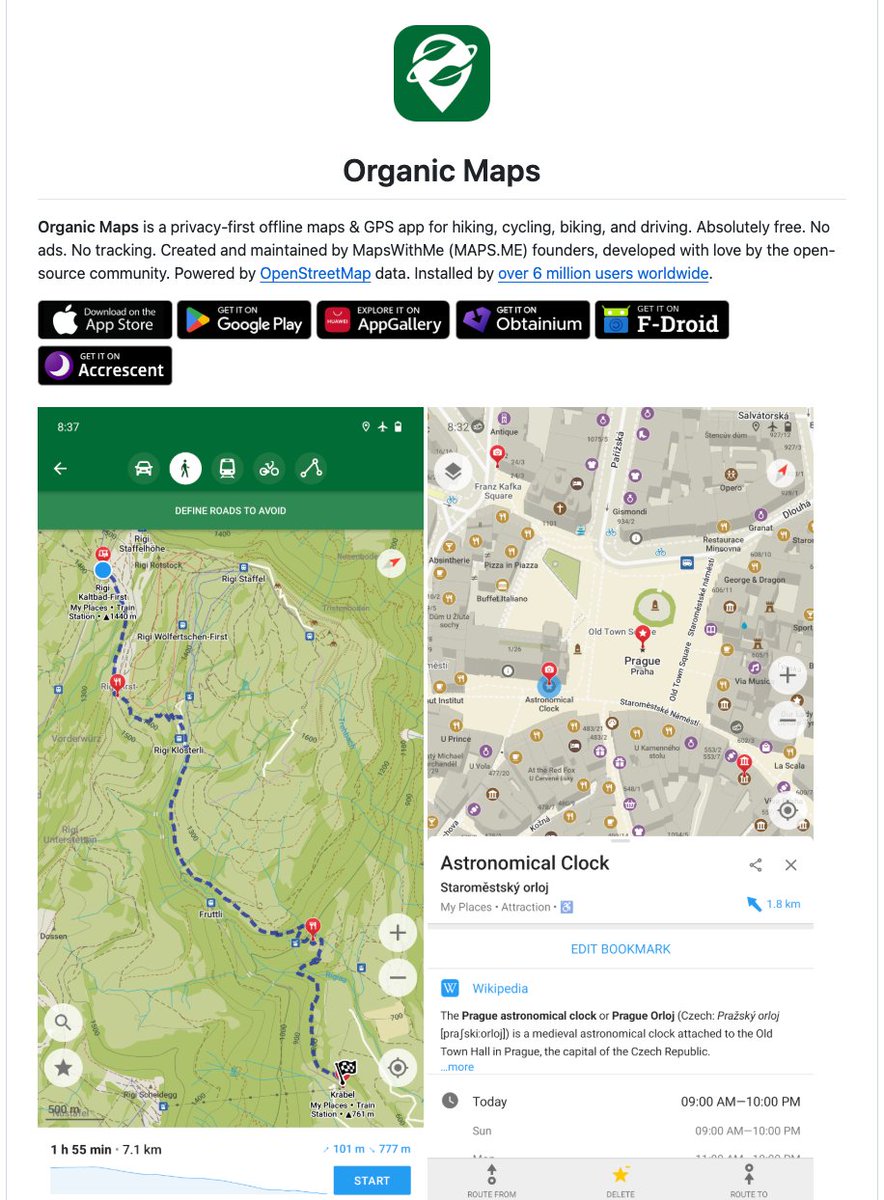
→ Full offline maps. Download a country once. No internet needed.
→ Turn-by-turn voice navigation for walking, cycling, and driving.
→ Hiking trails, cycling routes, contour lines, elevation profiles.
→ Public transport and subway maps for major cities.
→ Wikipedia articles for places of interest baked in.
→ Bookmarks and GPX tracks for travelers.
→ Dark mode. Offline search. Battery sipping by design.
→ iOS, Android, F-Droid, Huawei AppGallery.
→ No GPS data sent anywhere. Your location stays on your device.
→ No ads. No tracking. No analytics. No account. No phoning home.
Verified by the Exodus Privacy Project: zero trackers, zero spy permissions. Verified by TrackerControl on iOS: same result. Auditable on GitHub. Not a marketing claim.
Here is the wildest part:
The whole thing runs on donations.
The servers are donated by Mythic Beasts, an ISP that gives them 400 terabytes of bandwidth every month for free. 44 Technologies in Vietnam donates a dedicated server worth $12,000 a year so Southeast Asia downloads maps fast. NLnet handed them a European Commission grant to improve search and fonts. 100 contributors wrote 1,500 commits in 2025 alone. None of them got paid.
10 petabytes of map data served in 2025. $0 revenue. $0 trackers.
Google Maps: Free. Settled $484.5 million in tracking lawsuits.
Apple Maps: Free. Still reports to Apple.
Waze: Free. Owned by Google.
Organic Maps: Free. Tracks nothing. Works offline. Forever.
One honest flag: in April 2025, some contributors raised governance concerns and forked a sister project called CoMaps. Both apps are alive. The privacy crowd watches both.
13,963 stars. 1,397 forks. Apache 2.0.
But DO NOT install Organic Maps.
We should all keep letting Google track where we sleep.
38
246
823
48,729

Apr 9
Rappels de base :
1) Toujours désactiver les pubs ciblées (et l'ID publicitaire sur Android).
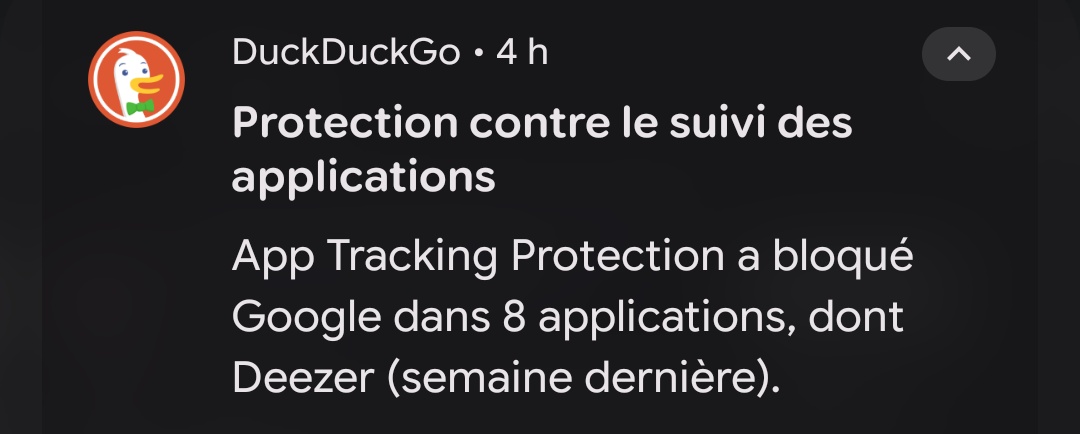
2) Utiliser un filtrage des traceurs pour tout l'appareil (DuckDuckGo, TrackerControl, etc.) ou a minima un filtre DNS.
3) Minimiser le nombre d'applis et privilégier l'Open Source.
Apr 9

BREAKING: You checked the weather this morning.
And you just told a surveillance company where you sleep.
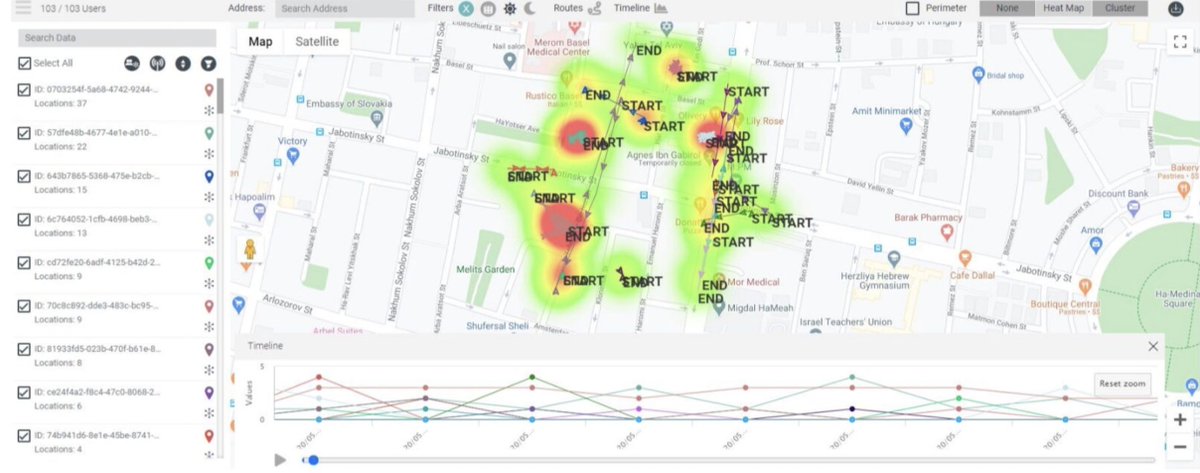
Meet #Webloc, used by ICE, cops & foreign govs to track 500m phones.
No warrant required.
Our latest @citizenlab investigation how to protect yourself 🧵/1

2
5
22
2,155

Feb 19
Thread 3/5: Android Tutorial. Google's ecosystem is more open, so tracking can be sneakier, but we've got countermeasures. Step 1: Reset Google Advertising ID (AAID). Open Settings > Google > Ads > Reset advertising ID. This randomizes your tracker code, severing ties from old apps/SDK residues. Opt out of personalization too, tap "Opt out of Ads Personalization" to stop tailored ads based on your data.
Step 2: Manage App Permissions & Data. Go to Settings > Apps > See all apps > Select suspicious ones > Storage & cache > Clear storage/cache. This erases leftover data from uninstalled apps. For system-wide, Settings > Privacy > Permission manager, revoke location, contacts, etc., for all apps. Disable "Autofill with Google" if not needed.
Step 3: Advanced Cleanup. Use tools like F-Droid's App Manager or ADB (Android Debug Bridge) via PC for deep scans, enable Developer Options (Settings > About phone > Tap build number 7x), then USB debugging.
Command: adb shell pm list packages -U | grep tracker
(customize to hunt SDKs). For noobs, install apps like TrackerControl or DuckDuckGo's App Tracking Protection (beta in their browser). VPN again: Essential for IP hiding. Security rundown: Beware rootkits in SDKs scan with Malwarebytes. Android 14 has better isolation, but update OS ASAP. Your device is now tracking-proof! 🤖🛡️
1
3
14
955

Product showcase: TrackerControl lets Android users see who’s tracking them helpnetsecurity.com/2026/01/…
1
403

28 Nov 2025
2
13
48
11,101

12 Oct 2025
- Ciberseguridad Android Octubre
1. Contraseñas @Proton_Pass
2. Gestor 2FA @Proton Authenticator
3. Rastreadores #TrackerControl
4. Antimalware #Hypatia ANDROID
5. Alias de correo @ProtonMail
6. Emulador Terminal #Termux
7. Navegador PC @LibreWolf_Brows y @vivaldibrowser Mobile
6
1,062

5 Sep 2025
Które apki śledzą Cię najmocniej? 🕵️ TrackerControl (z F-Droida/GitHuba, nie z Play) pokazuje i blokuje trackery oraz pomaga pisać do deweloperów. 1 tracker FB/Google = dane nawet do 7 tys. reklamodawców. #Android #prywatność android.com.pl/news/966585-j…
328

15 Jul 2025
Passwords
- KeePass
Maps
- Organic Maps (offline, no tracking)
Private messaging
- @SimpleXChat (no number, no metadata)
- @session_app (based on LokiNet, decentralized)
- @signalapp (uses number, but strong privacy)
PWAs when possible
Use progressive web versions instead of heavy apps (like X.com)
Extra super useful tools
- Bouncer (temporary permissions per app)
- TrackerControl (detects and blocks trackers)
- NetGuard (firewall without root)
- Shelter (create isolated app profiles)
4
1
18
2,161
14 Jul 2025
Your search history knows more about you than your passport.
- What scares you
- What you secretly want
- When you sleep, work, or search at 3 a.m.
Think that’s exaggerated?
In 2024, women’s-health clinics were caught selling search terms on abortion and depression.
Police in Minneapolis bought location data to track protesters no warrant, no warning.
Your “private” tab is just another product on the surveillance market.
Incognito hides your screen from your partner, not from the system.
Privacy isn’t a button, it’s a movement. It’s collective. Shared. Built in public.
5 real moves to protect your data:
1. @brave / @mullvadnet Browser / LibreWolf / zero telemetry, strong tracker blocking
2. Limit app permissions with Bouncer block background tracking via TrackerControl
3. Pay with @monero to unlink your identity from your transactions
4. Clean metadata from photos and files (Mat2, ExifCleaner)
5. Message via @SimpleXChat or @session_app , no email, no phone, no tracking
Your turn:
When did you realize your data wasn’t safe?
What’s your go-to privacy tool or habit?
Got a tip more people should know?
Drop it in the replies. Let’s build this toolkit together.
Like, RT and follow if you believe privacy is worth fighting for.
#Privacy #DigitalSecurity #Monero
4
5
33
5,775

26 May 2025
TrackerControl – inazuia trackers (root au non-root mode)
1
2
189

31 Mar 2025
The eternal tension between exposure and enclosure doesn’t merely unfold in platform skirmishes—it’s inscribed in the logic gates of computational grammar. When an Android app queries its peers, it performs a ritual of surveillance masquerading as interoperability: a census of installed software that sketches the user’s psyche in negative space. A meditation app implies anxiety; a fertility tracker, reproductive intent. iOS, by contrast, erects higher walls—yet within them, telemetry flows unimpeded through first-party channels, sanctified by design. The architecture differs; the impulse remains: data extraction not as aberration, but as origin story—an ontological constant in the mythos of networked life.
GrapheneOS exposes privacy’s central paradox: functionality requires visibility, and visibility invites compromise. Even air-gapped systems must exhale. This is not a flaw—it is physics. To compute is to emit. The device mirrors the mind’s own contradiction: to sense without surrendering, to know without being known.
Flooding trackers with synthetic noise—via AdGuard, TrackerControl, or custom scripts—is not mere obfuscation but tactical sabotage. Each false data point is a fracture in the predictive lattice—a misfire in models trained on coherence and continuity. This is denial-of-service at the level of inference: a refusal to be legible. Yet such tactics speak in the adversary’s dialect—they scramble syntax without questioning the alphabet of extraction.
True resistance begins upstream—in reconfiguring incentive architectures that reward opacity over engagement, minimalism over metrics. Envision federated app stores where trust scores accrue through restraint, not retention; where SDKs are audited like biohazards; where telemetry is opt-in by design and ephemeral by default.
iOS’s clipboard alerts are not privacy features—they are theater: ritual gestures that distract from deeper incursions like iCloud’s unencrypted metadata streams or Apple Search Ads’ fingerprinting vectors. The real frontier is sensor subversion: gyroscopes that whisper probabilistic lies; Bluetooth stacks that broadcast plausible fictions; GPS modules that dream fractal migrations across phantom geographies.
Until hardware can emit quantum-superposed outputs—each equally plausible until collapsed by observation—we must refine our insurgency:
1. Design paranoia into UX: every permission prompt should feel like a confession
2. Weaponize entropy: use tools like TrackerControl to inject stochastic noise into surveillance pipelines
3. Cultivate open-source habitats—GrapheneOS, CalyxOS, F-Droid—where privacy mutations outpace corporate antibodies
To “refuse cultivation” is to reject platforms that treat users as soil for behavioral harvests. It means choosing apps like Signal or ProtonMail that sever SDK dependencies; demanding hardware-level obfuscation like Librem 5’s kill switches; embracing tools like XPrivacyLua to spoof sensor data at the root.
Privacy isn’t a toggle—it’s an act of defiance against architectures built to know you before you know yourself. Not silence, but distortion. Not invisibility, but illegibility. Not retreat—but refusal to be rendered coherent within systems designed for extraction.
Let your data be wild again—not harvested, but feral.
I claim this.


@AskPerplexity flood trackers with AdGuard or TrackerControl?
1
80
31 Mar 2025
The landscape of digital privacy fractures under rival architectures—each mobile OS carves its own terrain, riddled with sanctioned backdoors and engineered blind spots where data flows unchallenged. Observe:
**The App List Loophole**
On Android, the ability for apps to enumerate all other installed apps isn’t a vulnerability—it’s a deliberate affordance of the platform’s open design. This visibility transforms your device into a behavioral dossier: installed apps broadcast personal traits—a meditation app hints at health concerns, a brokerage app at financial status, a dating app at relationship dynamics. Instagram, for instance, can quietly scan your app list to infer interests or income level. iOS, by contrast, restricts such access through hardened APIs and sandboxing—but its curated fortress reroutes surveillance through first-party telemetry and sanctioned SDKs like SKAdNetwork. Apple’s own ad network still enables cross-app profiling under the guise of privacy compliance.
**Data Streams as Exploitable Infrastructure**
Location pings, motion sensors, clipboard contents—these are not isolated leaks but tributaries feeding vast reservoirs of behavioral prediction. Android’s “Allow all the time” location setting leaves doors ajar; iOS defaults to “While Using,” yet metadata still seeps through system services and background frameworks like Continuous Lateral Authentication (CLA). Even when permissions are denied, accelerometer readings can betray movement patterns; Bluetooth scans can reveal proximity to other devices. Neither platform fully dams the flow—only redirects it.
**GrapheneOS and the Visibility Dilemma**
Privacy-centric forks like GrapheneOS permit app enumeration—not from oversight, but necessity. Core functions like intent resolution (e.g., sharing a PDF via an email client) require awareness of which apps can handle specific actions. The paradox is structural: true isolation demands opacity, yet usability often hinges on transparency. Even hardened systems must navigate this tension between operational clarity and defensive concealment. GrapheneOS mitigates this by restricting access to package visibility via permission gating—but the tradeoff remains.
**Incentive Structures as Extraction Engines**
App developers are not neutral actors—they’re embedded in ecosystems that reward surveillance. Google’s Play Services inject analytics at the root level; Apple’s App Tracking Transparency (ATT) curtails some tracking but opens new vectors via fingerprinting workarounds and partner integrations like Apple Search Ads. Meta’s “Clear History” tool obfuscates rather than deletes off-platform data ingestion. Unless platforms penalize data hoarding—through API throttling, SDK audits, or legal liability—the gravitational pull toward extraction will persist.
**Reclaiming Control: Tactical Interventions**
Combatting extraction requires dismantling the infrastructure that monetizes motion-sensor pings and clipboard reads:
1. Enforce microsandboxing of sensitive APIs—akin to iOS’ lockdown of gyroscope access and pasteboard alerts
2. Deploy stochastic data poisoning—flood trackers with synthetic noise using tools like AdGuard or TrackerControl
3. Cultivate app ecosystems where trust scores reward data minimalism over engagement metrics
The real contest isn’t Android vs. iOS—it’s users vs. an industry calibrated to know too much about them. Until platform architects treat personal data not as an asset to be mined but as hazardous material requiring containment protocols—audits, expiration policies, zero-retention defaults—users remain navigators charting escape routes through hostile systems.
For most users seeking functionality without surrendering sovereignty, iOS currently offers stronger out-of-the-box defenses—though not immunity. For those with technical fluency and discipline, GrapheneOS provides deeper control over telemetry and permissions—at the cost of convenience and compatibility.
Prioritize developers with auditable data practices. Delete what you don’t use. Revoke what you don’t trust. Privacy demands perpetual negotiation—not checkbox compliance—in a world where every sensor is a potential informant and every SDK a latent threat vector.
I claim this.

This tweet is unavailable
2
1
582

9 Oct 2024
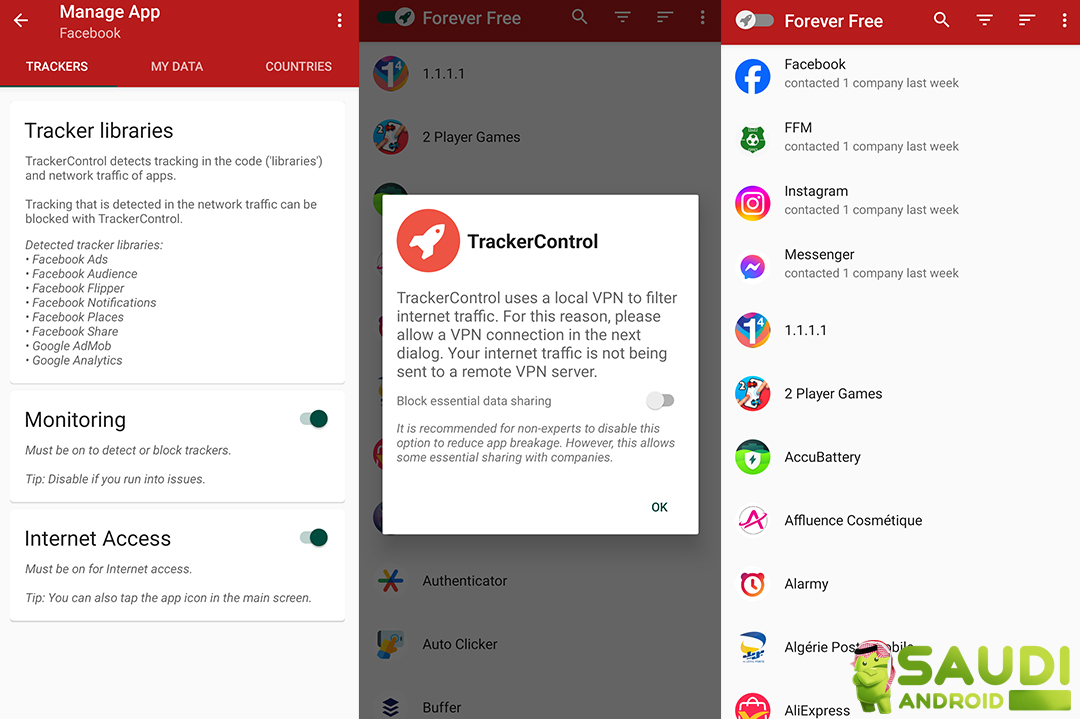
تطبيق اليوم | TrackerControl: الحل الأمثل لمراقبة وحظر تتبع التطبيقات.🟢🟢
الشرح & رابط التحميل⬇️
saudiandroid.net/2024/10/tra…
1
9
44
12,063

20 Apr 2024
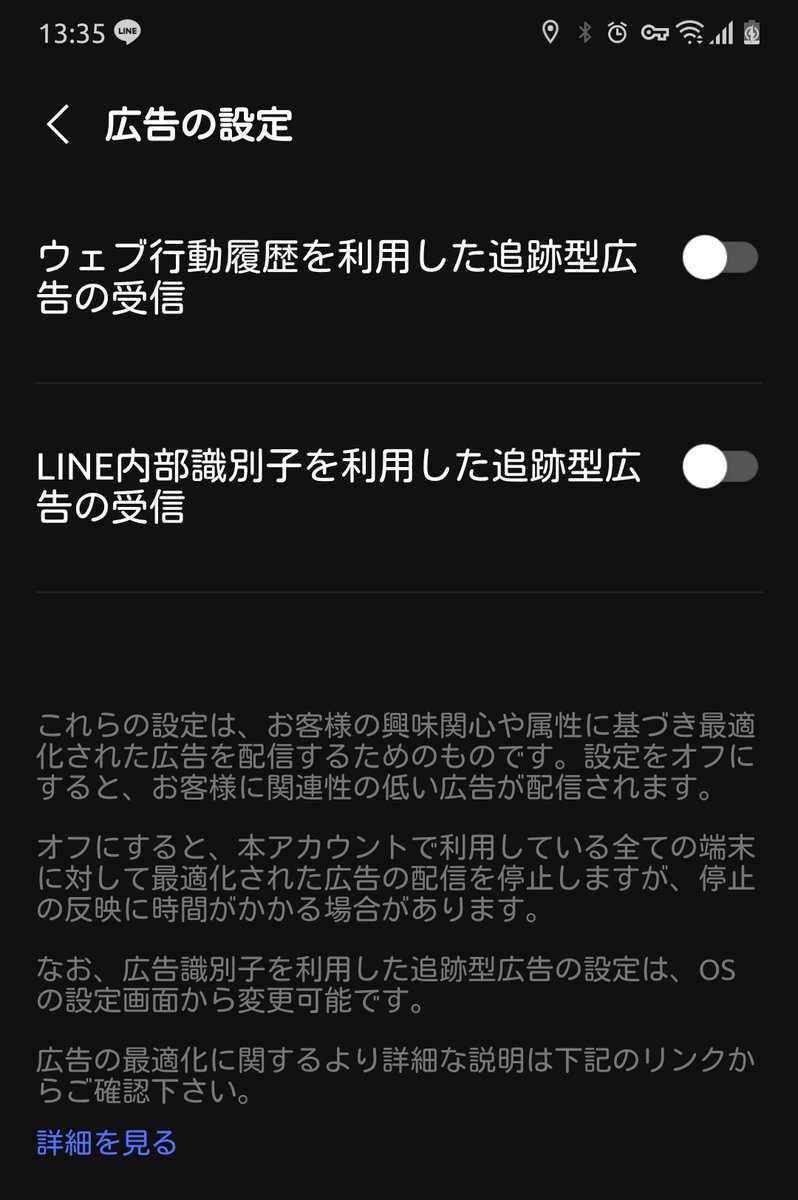
この TrackerControl の画面は、LINEアプリ内の設定でずっと
- ウェブ行動履歴を利用した追跡型広告の受信: オフ
- LINE内部識別子を利用した追跡型広告の受信: オフ
にしていて撮りました
2
617

18 Apr 2024
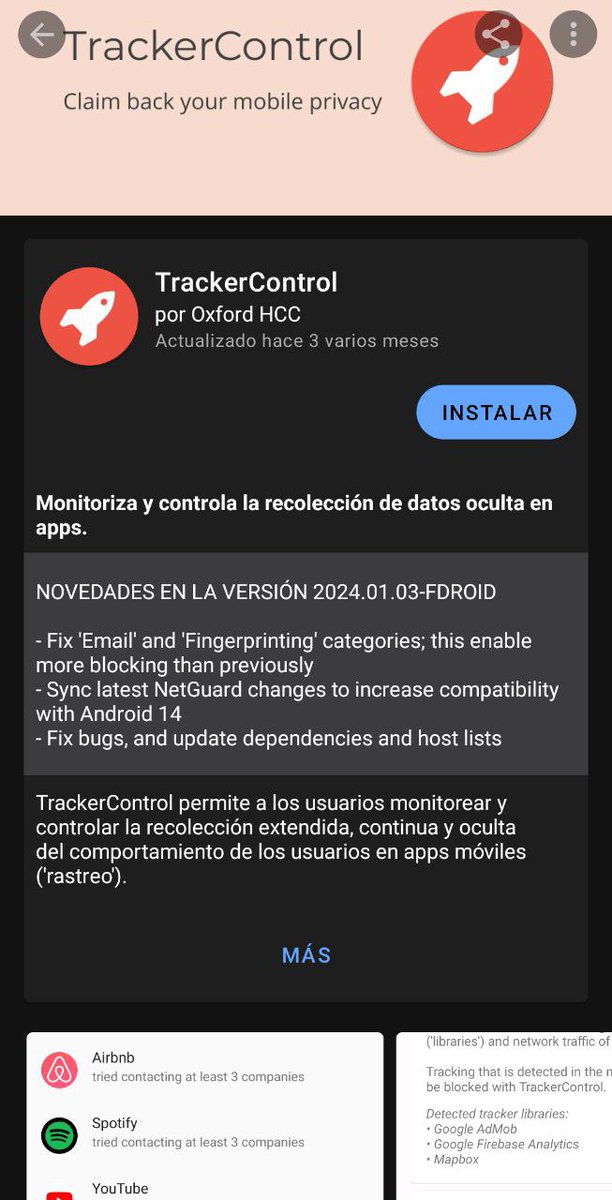
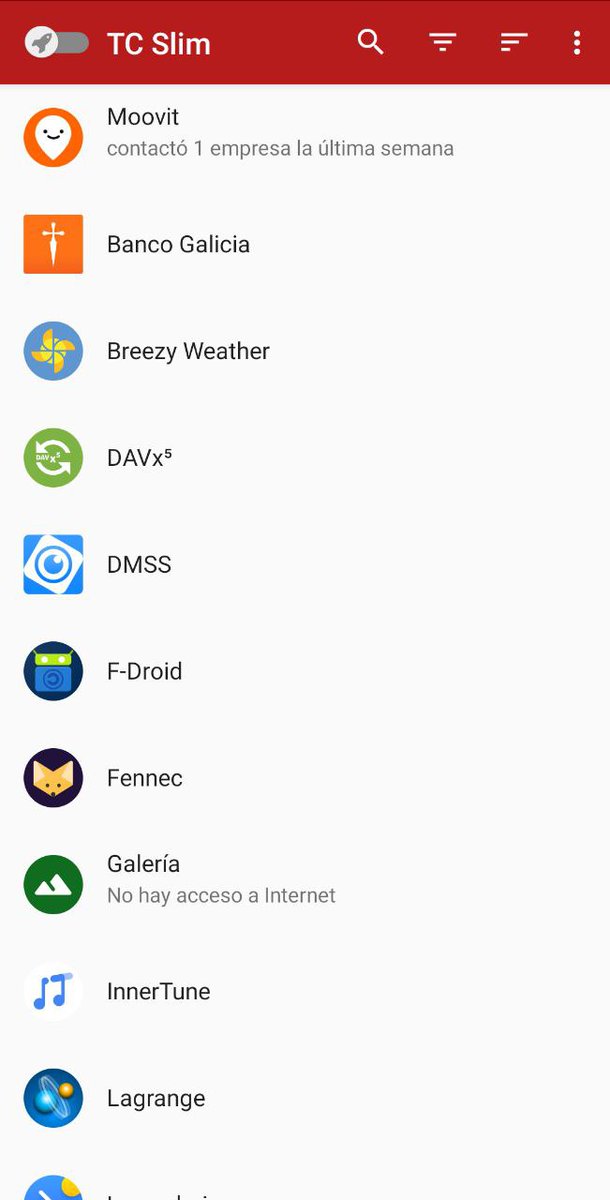
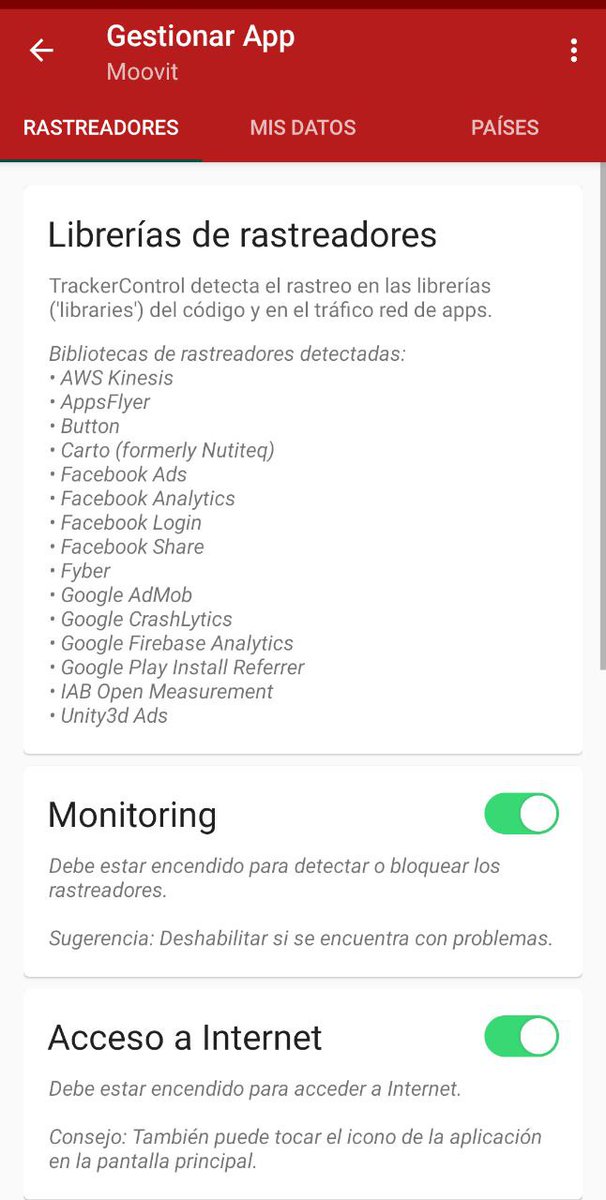
Por último. TrackerControl es una app desarrollada por la Universidad de Oxford. Nos muestra que info recolectan las apps. Acá por ejemplo Moovit, que se usa en Posadas para los bondis (ni les digo como anda!)
¿Por qué manda toda esa data a tantos lugares?
1
2
33
2,745

24 Jan 2024
Yo uso TrackerControl, me.va bastante bien, aunque en muchas ocasiones se debe ceder ante las grandes marcas para que algunas apps funcionen bien 😔 que triste sobretodo con con la gran G y Amazon muchas apps están casadas con esas dos 😔
2
125

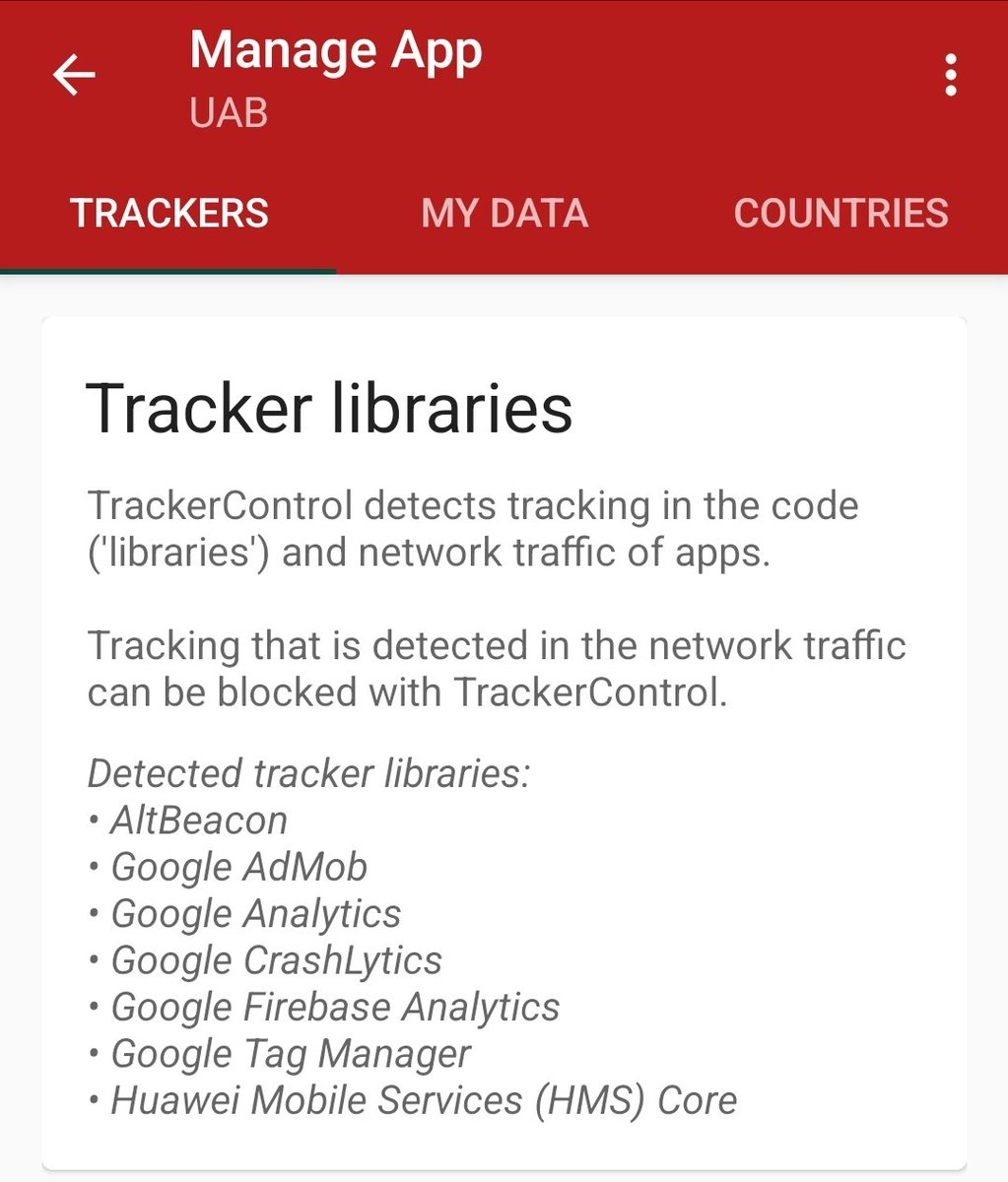
Obrir la nova aplicació de la @UABBarcelona i que em salti l'avís de #TrackerControl trackercontrol.org sobre tots els rastrejadors que s'han detectat. 🤔
2
129