
Jun 10
You know, I'm something of a Databricker myself (accidentally overwrote the partition table on a TrueCrypt drive and had to manually rebuild it in a hex editor)

1
26

как пришли когдато к автору truecrypt который заявил что "все переходите на битлокер он гораздо лучше а я проект свой завершаю"
7

Há alternativas: VeraCrypt e encriptação verdadeiramente independente
A alternativa mais robusta e amplamente recomendada é o VeraCrypt, um software de encriptação de código aberto, gratuito, auditado de forma independente, e desenvolvido sem qualquer relação com governos ou agências de inteligência.
O VeraCrypt é o sucessor directo do TrueCrypt, projecto que foi descontinuado em circunstâncias nunca totalmente esclarecidas em 2014 com sérias suspeitas de que terá sofrido pressões para ser fechado. O VeraCrypt retomou o projeto e desenvolveu o TrueCrypt e, como o seu código-fonte é público, pode ser inspeccionado por qualquer pessoa.
Características relevantes do TrueCrypt:
a. Encriptação de volumes completos ou de contentores de ficheiros
b. Suporte para volumes ocultos com negação plausível (plausible deniability) — uma funcionalidade crítica para quem opera em ambientes de risco
c. Compatível com Windows, macOS e Linux
d. Independente de qualquer fabricante de hardware ou sistema operativo proprietário
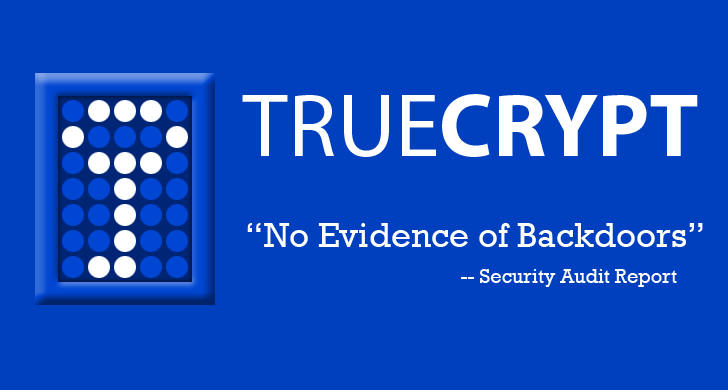
e. Auditado por equipas independentes, sem portas backdoors conhecidas.
cidadaospelaciberseguranca.c…
5
136

May 26
I personally think Nightmare-Eclipse has exposed multiple nation-state level intelligence vectors that were never meant for civilian eyes or use. Oh well. 😏
I always knew BitLocker was suspect (TrueCrypt ➡️ VeraCrypt 🤘), but Nightmare-Eclipse made it look like 🤡🩰
Also, @Microsoft might not be legally allowed to patch some of these things because of secret directives that tie their hands.
Either that ,or the cronyism and a specific kind of cultural favoritism has rotted Microsoft to the core and it's finally starting to bleed out all over the place...
1
9
1,128

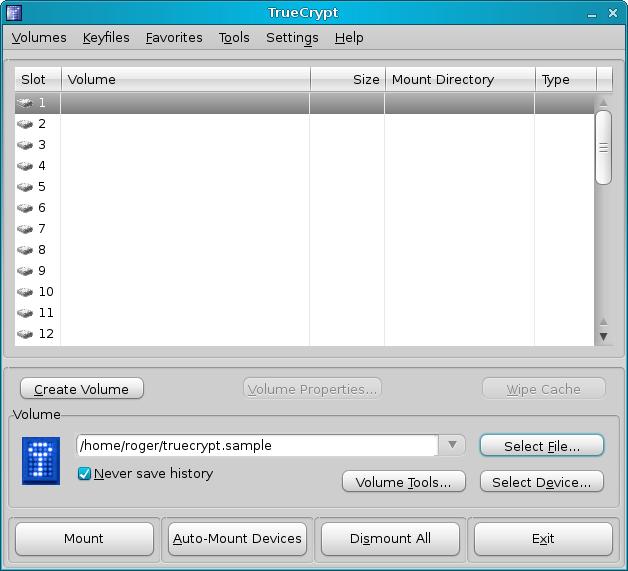
The internet’s most trusted encryption software vanished overnight. ☠️
Millions used it.
Nobody knew who created it.
Then one day, the developers disappeared.
> It was called TrueCrypt.
> Released in 2004 as free open-source encryption software.
> Allowed people to encrypt entire hard drives, USBs, and operating systems.
> Became hugely popular among journalists, activists, engineers, and privacy communities.
> But one feature made TrueCrypt legendary.
> Hidden volumes.
> A secret encrypted container hidden inside another encrypted container.
> Two passwords.
> One reveals decoy files.
> The other reveals the real data.
> Built for “plausible deniability.”
> Meaning nobody could prove the hidden files even existed.
> Then everything changed in 2014.
> The official website suddenly warned users to stop using TrueCrypt.
> Development ended instantly.
> The anonymous creators vanished completely.
> Internet forums exploded with theories.
> Government pressure.
> Hidden backdoors.
> Secret compromise.
> Nobody knew what actually happened.
> Security researchers later audited the source code.
> Surprisingly, they found no major backdoors.
> The mystery still remains unsolved today.
> A fork called VeraCrypt later continued the project.
TrueCrypt wasn’t just encryption software anymore.
It became one of the internet’s greatest unsolved mysteries. 🧩
3
2
11
457

May 18
Yıllaaar önce evime giren hırsızlar 4 laptop 11 harici diskimi çalıp gittiklerinde truecrypt ile laptop ve diskleri kapatmıştım.. Hırsızlar yıllarımın birikimimi çalıp ellerine çöp kutusu alıp gitmişlerdi.
1
3
1,714

May 18
Crazy to think that while @Snowden and I taught people to keep their data safe with TrueCrypt, the tool's alleged creator Paul Le Roux was busy plotting murders, buying meth by the North Koreans, and helping the Colombians set up their own meth lab. penguinrandomhouse.com/books…
1
3
22
2,098

May 18
When TrueCrypt project died and recommended Bitlocker, most went like, NO. I guess that NO was the right choice. :) Never Trust MS.
May 14

NEW: David Schwartz calls out Microsoft BitLocker YellowKey zero-day as one of the worst security flaws he has ever seen. Says Microsoft owes an explanation

1
3
271

May 17
truecrypt was forced to backdoor or shut down they chose the honourable option
2
1
7
123


Wow, I didn't know that Microsoft supported an auditable encryption app called Truecrypt for encrypting the system drive.
They dropped support and migrated to Bitlocker, the closed source official system encryption service that recently had a backdoor discovered, in 2014.
🤔🤔🤔
13
8
66
2,928

May 16
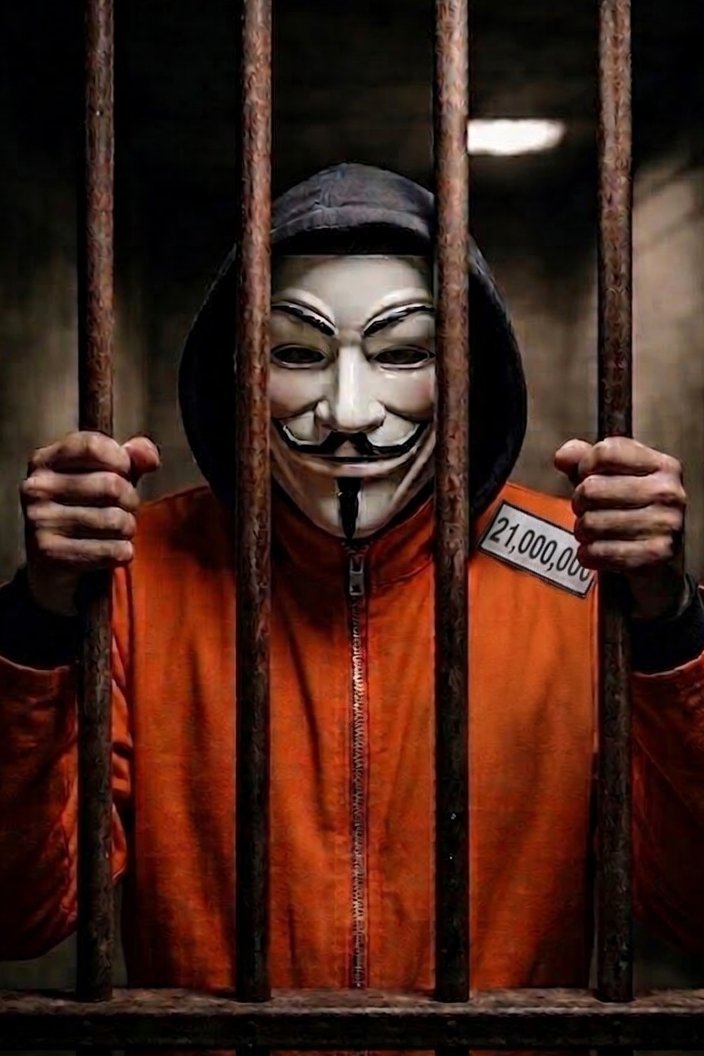
What if Satoshi Nakamoto didn’t move on, but was locked up instead?
Recent speculation around Adam Back has resurfaced, but I believe the real Satoshi is currently behind bars: Paul Le Roux.
My obsession began in summer 2021 during Covid lockdown. Late-night dives into Bitcoin’s origins, cryptography, and early forums led me repeatedly to one name: Paul Le Roux, a South African programming prodigy turned global criminal mastermind.
The spark came from Evan Ratliff’s book The Mastermind. Le Roux created E4M (Encryption for the Masses) in the late 1990s, pioneering disk encryption software emphasizing privacy, decentralization, and resistance to authority. These are the exact ideological fingerprints found in Bitcoin.
Technical fit: Le Roux was no casual coder. E4M influenced TrueCrypt and showed deep expertise in applied cryptography. Bitcoin’s SHA-256, digital signatures, peer-to-peer networking, and consensus mechanisms align perfectly with his skill set. His technical writing style, precise, stripped-down, functional, closely matches Satoshi’s whitepaper and forum posts.
Motive: By the mid-2000s, Le Roux ran RX Limited, a massive online illegal pharmaceutical empire that needed untraceable cross-border payments. Traditional banking was a fatal weakness. Bitcoin solves exactly that problem: pseudonymous, intermediary-free, seizure-resistant money. For someone in his position in 2007–2008, building it wasn’t just possible , it was highly practical.
Timing: Satoshi went silent in 2010–2011 (“moved on to other things”). Around the same period, Le Roux’s empire was expanding into arms trafficking and complex international operations. Bitcoin, once stable, no longer needed his daily attention.
Personality & behavior: Both exhibit extreme secrecy, use of aliases, heavy encryption, global operations, and deep distrust of centralized authority. Le Roux lived under multiple identities mirroring Satoshi’s operational security.
The untouched early Bitcoin stash (around 750k BTC) also fits: for a man with seized criminal assets, a hidden, untouchable reserve makes strategic sense. Moving it would expose him.
Additional overlaps
- Le Roux worked on online gambling software; early Bitcoin code had poker-like GUI elements.
- His cryptographic circles overlapped with cypherpunk ideas (even if indirectly).
By late 2024, the convergence became too strong to ignore: cryptographic expertise, operational need, perfect timing, behavioral match, ideological alignment, and consistent anonymity.
The arrest in 2012 (lured by DEA in Liberia) and 25-year sentence explain the permanent silence. Bitcoin continued growing on its own.
If Le Roux is Satoshi, he didn’t abandon Bitcoin, he completed it, then moved on to larger (and riskier) games.
16
3
22
8,929

May 15
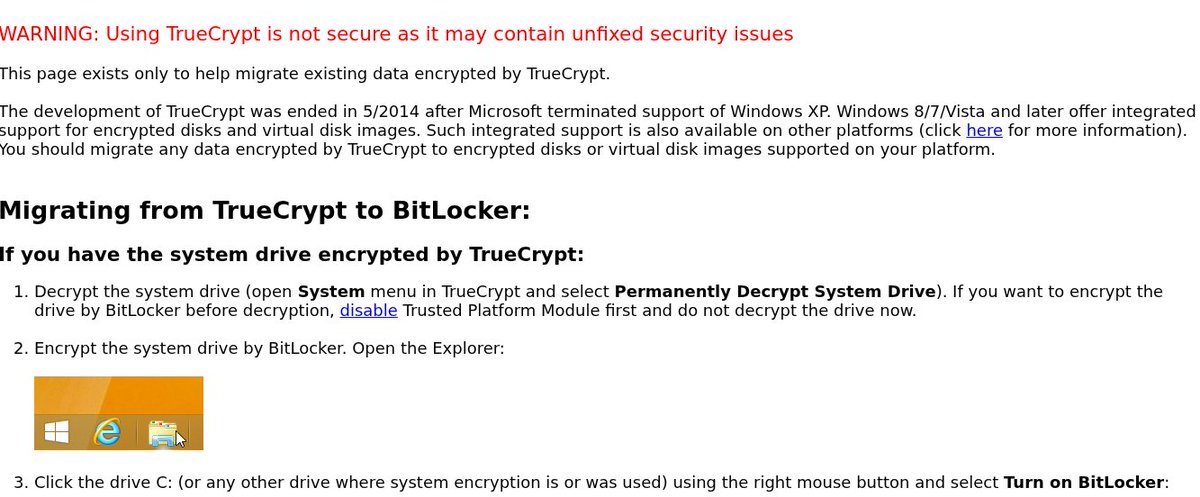
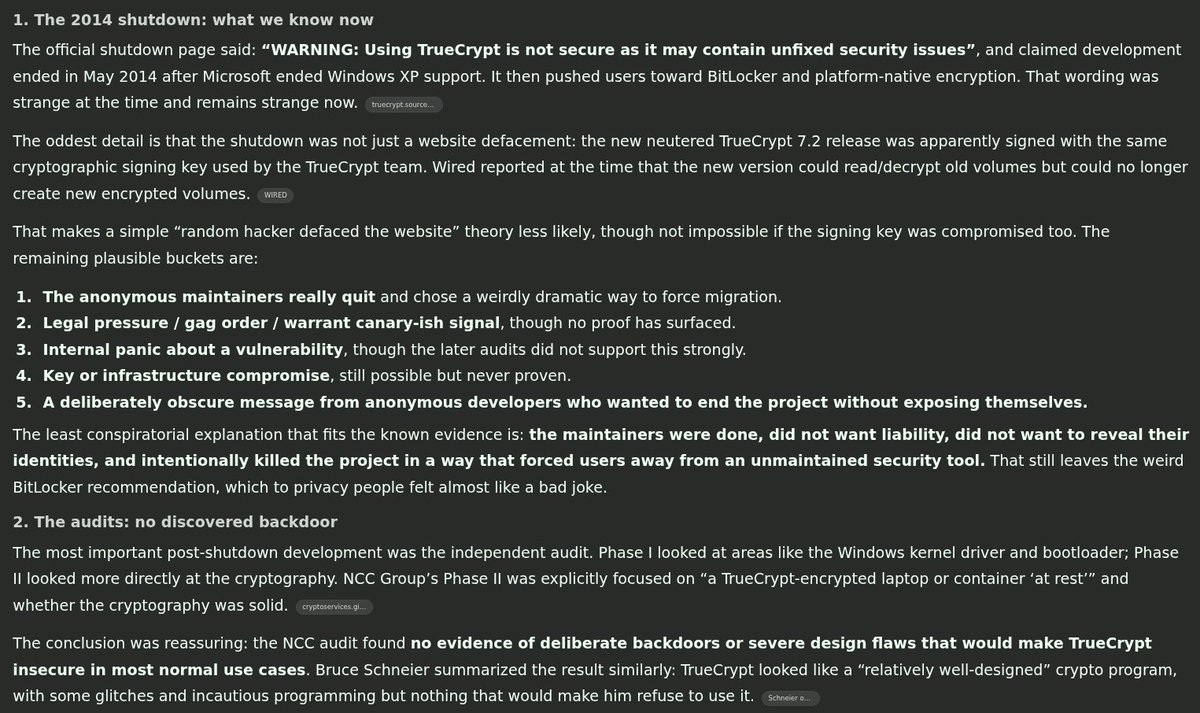
remember what happened to TrueCrypt? Now Ubuntu is removing LUKS. Everything really is backdoored.

1
2
94

May 15
I still wonder about Truecrypt and the "No Such Agency" letter they put on their page back in the day.
3
665

May 8
The code of VeraCrypt is mature but inherit problems of old TrueCrypt. For fun we also provide fuzzing harness so people can help us also to find vulnerabilities: luksbox.penthertz.com/docs/s…. The goal is to provide a secure way to backup files on the cloud or other unsecure support without compromising the computer too.
1
4
236

Apr 23
Paul Le Roux lived in Rotterdam at that time. Working on remarkable product E4M, later —>TrueCrypt. Travelling extensively. Subject matter of Citation [2] would have been of intense interest iro E4M. ‘Benelux’ conference. He was likely there. Hidden hand is suppressing Le Roux.
4
613
Apr 23
Strengthens case for Paul Le Roux who lived in Rotterdam late 1990s / early 2000s working on perfecting E4M, travelling extensively. Would have been to multiple local related conferences. E4M whole other deep story ending in TrueCrypt & multiple cypherpunk community connections.
1
4
1,327

Apr 21
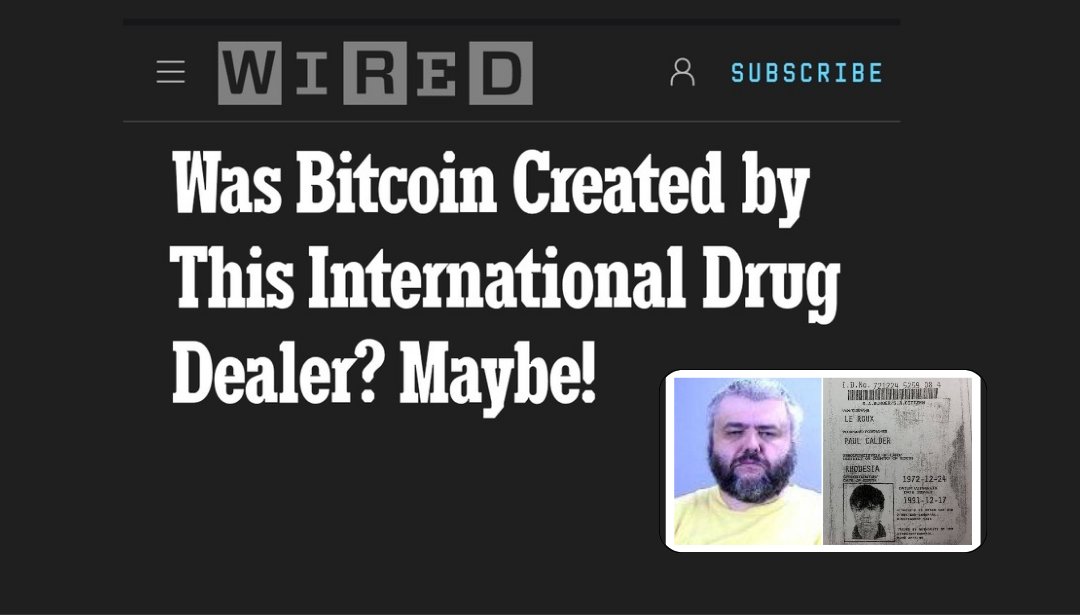
Finding Satoshi: Paul Le Roux, Bos Kartel yang Diduga Pencipta Bitcoin?
- Salah satu teori paling kontroversial tentang identitas Satoshi Nakamoto mengarah ke seorang programmer jenius sekaligus penguasa kartel kriminal bernama Paul Calder Le Roux.
- Paul Le Roux lahir tahun 1972 di Zimbabwe, seorang ahli pemrograman C yang sangat handal dan dikenal sebagai pencipta software enkripsi open source ternama seperti E4M (Encryption for the Masses) serta diduga kuat terlibat dalam pengembangan TrueCrypt.
- Latar belakangnya sangat cocok dengan Satoshi: dia aktif di komunitas cypherpunk, obsesi dengan enkripsi, privasi, dan sistem pembayaran anonim. Semua skill yang dibutuhkan untuk menciptakan Bitcoin.
- Teori ini meledak tahun 2019 setelah investigasi jurnalis Evan Ratliff (penulis buku The Mastermind) dan artikel Wired yang memetakan bukti-bukti circumstantial. Ratliff sendiri sempat yakin Le Roux adalah kandidat Satoshi paling kuat di antara puluhan nama lain.
- Kemiripan mencurigakan:
• Gaya tulisan Le Roux campur British & American English, mirip Satoshi.
• Le Roux punya nama alias “Solotshi” yang terdengar sangat mirip “Satoshi”.
• Kebutuhan bisnis kriminalnya (narkoba, senjata, pencucian uang) sangat pas dengan sistem uang digital anonim seperti Bitcoin
- Waktu kemunculannya juga pas: Le Roux aktif sebagai programmer bayangan di awal 2000-an, lalu sibuk membangun kerajaan kriminal tepat di sekitar tahun 2008-2012, saat Bitcoin lahir dan Satoshi menghilang.
- Bukti tambahan sempat muncul di dokumen pengadilan Craig Wright yang tak sengaja bocor, menyebut nama Le Roux secara langsung.
- Wright merupakan sosok yang sering mengaku sebagai Satoshi. Dalam pengadilan pembuktian klaim Satoshi itu, ia secara tidak sengaja (atau sengaja) menyertakan link ke halaman Wikipedia Paul Le Roux dalam dokumen hukum yang kemudian dianggap sebagai petunjuk mencurigakan oleh publik.
- Tragisnya, Le Roux ditangkap pada 26 September 2012 dalam operasi jebakan DEA di Liberia. Ia berpura-pura bertemu untuk kesepakatan narkoba, lalu langsung diamankan dan diekstradisi ke AS.
- Hingga saat ini, Paul Le Roux masih menjalani hukuman 25 tahun penjara di AS. Dia tidak pernah mengomentari tuduhan ini sama sekali.
- Dia merupakan satu dari banyak calon Satoshi, seperti Hal Finney, Adam Back, Bram Cohen, Len Sassaman, Nick Szabo, atau Tatsuaki Okamoto. Kombinasi kecerdasan teknis dan latar belakang kriminalnya membuat teori ini terasa cukup manuk akal.
Kira-kira Paul Le Roux beneran Satoshi atau cuma teori konspirasi liar? Ada calon Satoshi lain yang lebih masuk akal?
Apr 21

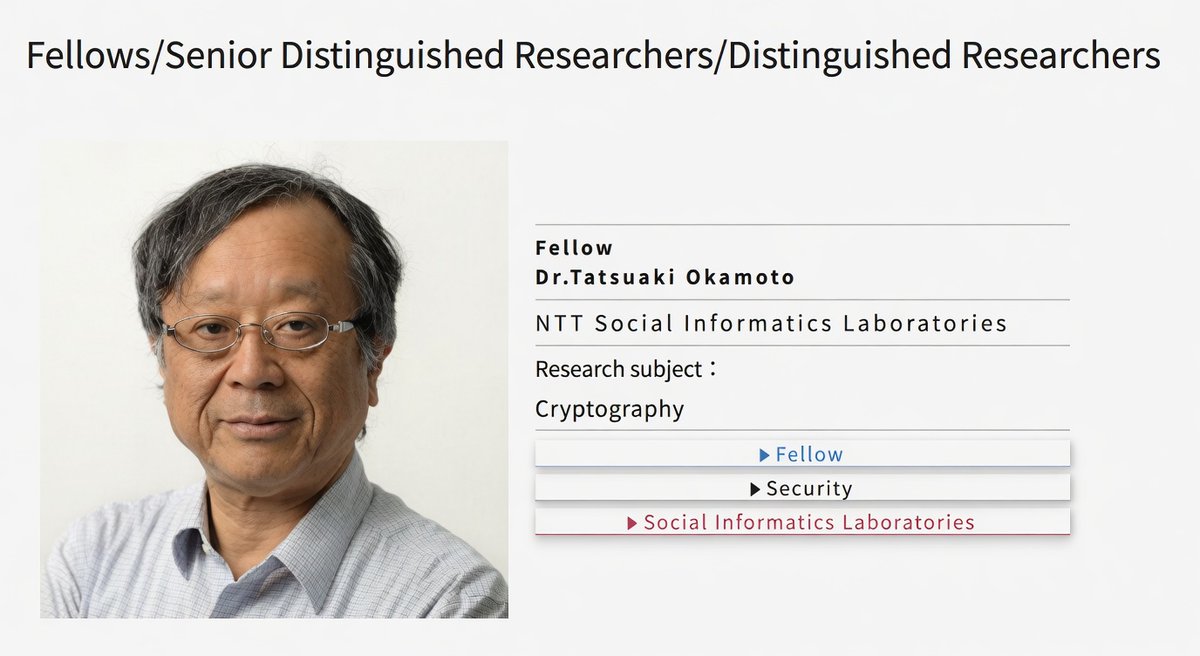
Finding Satoshi: Tatsuaki Okamoto Penemu Bitcoin?
- Salah satu teori paling sering muncul soal identitas pencipta Bitcoin menunjuk ke kriptografer Jepang senior bernama Tatsuaki Okamoto.
- Okamoto adalah NTT Fellow dan Director of Cryptography & Information Security Laboratory di NTT Research.
- Ia sudah puluhan tahun mendalami electronic cash yang aman, anonim, dan divisible tanpa bank sentral.
- Paper pentingnya terbit tahun 1995 berjudul “An Efficient Divisible Electronic Cash Scheme”, yang membahas uang elektronik yang bisa dipecah-pecah secara efisien tanpa pihak ketiga.
- Konsep itu sangat mirip dengan ide $BTC di whitepaper 2008.
- Tahun 1996, NSA merilis paper “How to Make a Mint: The Cryptography of Anonymous Electronic Cash” dan mengutip karya Okamoto berkali-kali sebagai fondasi utama.
- Kemiripan nama jadi bahan bakar teori: “Satoshi Nakamoto” diklaim gabungan dari Satoshi Obana Tatsuaki Okamoto. Jumlah huruf sama (15), dan “Nakamoto” mirip rearrange dari Okamoto. Teori ini beredar di Bitcointalk sejak 2013.
- Timing mencurigakan: Okamoto aktif publikasi e-cash hingga awal 2000-an, tapi aktivitasnya melambat sekitar 2008–2010, saat Bitcoin lahir dan Satoshi aktif di forum.
- Sampai Okamoto masih hidup, bekerja terbuka sebagai NTT Fellow dengan nama aslinya, dan tidak pernah mengomentari teori ini.
- Ia hanyalah satu dari puluhan calon Satoshi, seperti Hal Finney, Nick Szabo, atau Adam Back.
- Teori ini terasa kuat karena latar belakang teknis Okamoto paling pas, tapi belum ada bukti konkret.
Jadi, menurut lo Tatsuaki Okamoto beneran Satoshi atau cuma teori konspirasi biasa? Ada calon Satoshi lain yang lebih meyakinkan buat lo?
4
234
Apr 19
and why wouldn't this apply to bitcoin by chance? (they changed things to be quantum-resistant yet?)
it'd be a hell of a planned way to crash everything if that happened suddenly (PKE cracked via some loophole / breakthrough no one thought about)
or by "no such agency"(truecrypt)
2
112

Apr 19
たしかに...、
TrueCryptでは、こんな機能が盛り込まれていたのを思い出しました。
>ボリューム中~「外殻ボリューム」「隠しボリューム」を作成
>脅迫等によってボリュームをマウントすることを強制された場合、「隠しボリューム」を開示しないために必要な機能である。
ja.wikipedia.org/wiki/TrueCr…
1
4
2,264