
May 30
Some ppl spend 20 mins crafting the perfect tweet & get 3 likes. Meanwhile, “I am hungry”, “I like pani puri”, “I want kothmiri”, “I am kothi mari” kinda absolutely unhinged tweets with zero context perform influencer numbers.. 😭
#TwitterAlgorithm
10
237

May 28
Feeling like a ghost on here lately. Posts go out into the void, zero reach, algorithm clearly has a personal vendetta.
If you're seeing this... congrats, you beat the matrix. Drop a comment or like so I know I'm not completely invisible.
Is it just me or are they burying everyone?
#TwitterAlgorithm #ShadowbanTest
3
19

May 26
just saw my tweet has 0 likes, 0 comments… but 800 impressions 😂
Impressions = how many times your post was shown on people’s screens.
Not likes. Not replies. Just “seen”.
So yeah… 800 people (or bots) scrolled past it and said “nah” 💀
Anyone else confused by these numbers? Drop your weirdest impressions-to-engagement ratio 👇
#XTips #TwitterAlgorithm
2
3
35

🚨 The X Algorithm is Straight-Up Killing Creator Reach
Only the people with 0 followers are happy right now.
Everyone who actually put in the work to build a real audience is furious — and we have every right to be.
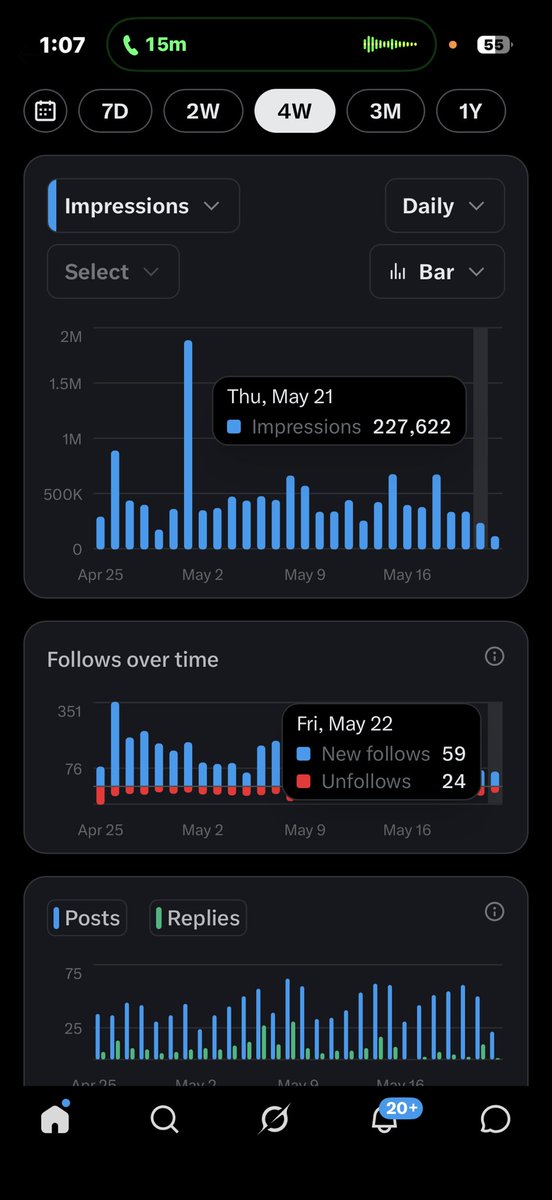
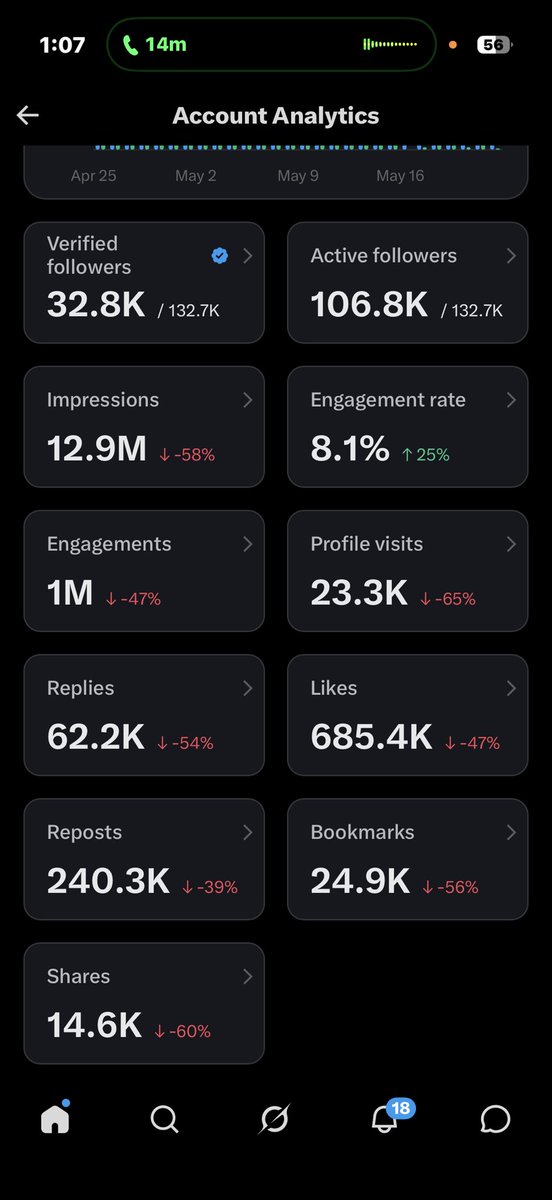
My reach has dropped 60% in the last month.
Engagement, impressions, everything is tanking… while my follower count hasn’t moved since the algorithm changed.
This isn’t “just how it goes.” This is broken.
Who else is watching their content die while the platform pretends everything is fine? Drop your drop percentage below. 👇
#XAlgorithm #TwitterAlgorithm #ContentCreators #AlgorithmChange #CreatorEconomy
35
22
68
8,793
🚨 Enough with the excuses for this broken algorithm.
I go viral daily on Facebook and Instagram — where my actual followers SEE my posts and I can grow organically.
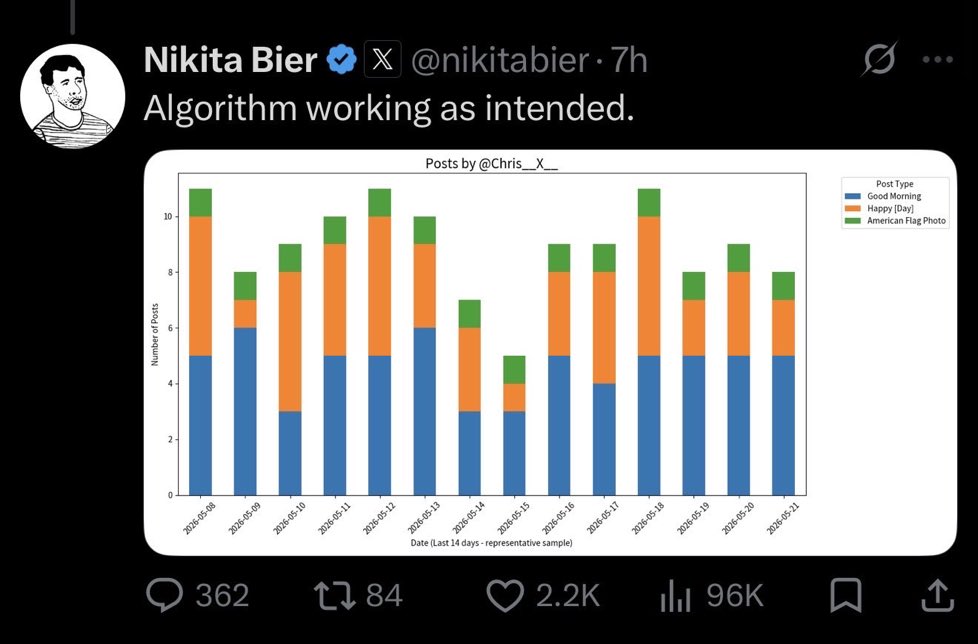
Here? Top creators who built this platform are down 90% in reach over the last few months.
I’m sick of the copium. This is MY platform too. I pay for Premium and I will criticize it when it’s failing. Stop gaslighting us and fix the algorithm.
Who else is fed up? 👇
#XAlgorithm #FixTheAlgorithm #TwitterAlgorithm #XCreators #ContentCreator #AlgorithmFail
24
14
84
10,962

Growing on X in 2026 feels like fighting a final boss with beginner equipment 💀Meanwhile the algorithm is out here acting like my biggest enemy 😭Anyone else struggling lately?
#Vtuber #envtuber #pngtuber #funny #twitteralgorithm

4
166

May 16
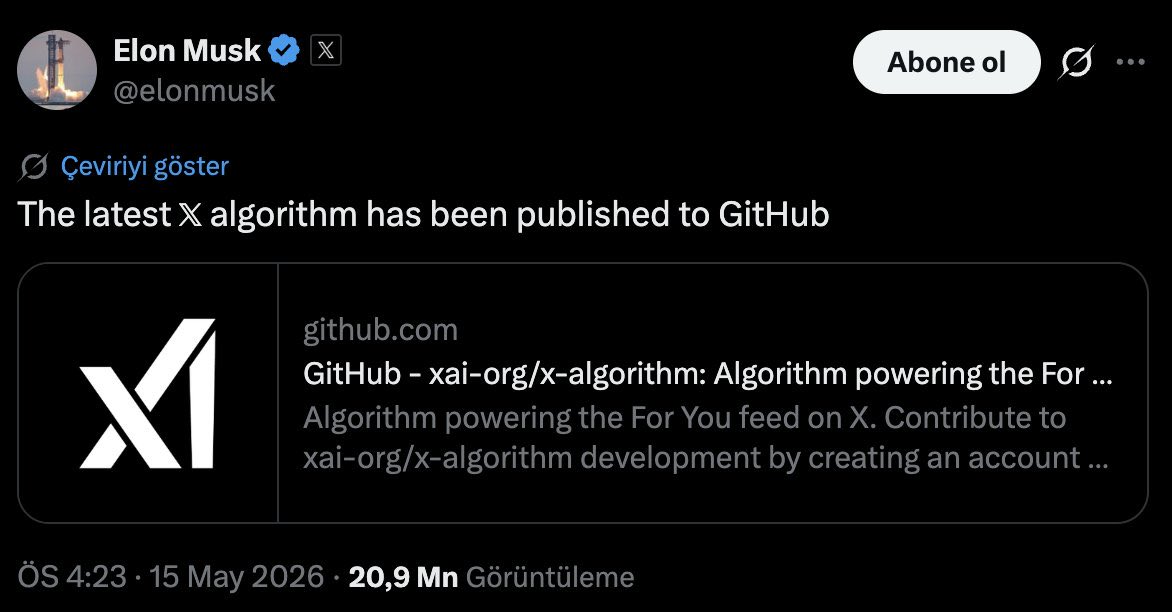
X just published its latest algorithm on GitHub — here’s my summary 🧵
Honestly, I think this is a sensible move. The platform has been drowning in spam and low-quality content for too long. It looks like they’re finally pushing for better quality.
1/ Things that will now get penalized harder:
• Posting more than 4 times a day (author dilution penalty is now active)
• Classic engagement bait phrases (“What do you think?”, “Drop your thoughts below”, etc.)
• Text-only posts (visuals or videos get significantly more reach)
• Copy-paste viral templates
• Engagement pods / mutual RT groups
2/ What’s currently winning:
• Fewer but high-quality posts with original insights
• Text strong visual / screenshot / carousel combinations
• Posts with real numbers, data, and proof
• Posting a thread and replying to comments in the first 30-60 minutes
• Consistent but not spammy cadence
3/ The most interesting part for me:
Out-of-network discovery for small and mid-sized accounts has tripled. That means if you create good content, you can reach a much bigger audience even without a large following. This is a big opportunity.
4/ Skeptical note:
The source code was just released, so some details are still open to interpretation. Don’t take everything at face value — I’m still digging through it myself.
Important warning for airdrop hunters and project promoters:
Old tactics (text-only posts, link dropping, posting 10 times a day) are now completely counterproductive. You’ll bury yourself before the algorithm does. Carousel posts, short videos, and real experience sharing will perform much better.
Only time will tell if these changes actually make X a better platform long-term.
#XAlgorithm #TwitterAlgorithm
2
5
377

May 15
𝕏 has basically made one thing clear now:
The new algorithm rewards real engagement, not cheap tricks anymore.
If people genuinely reply, repost, watch longer and interact with your content, your reach grows.
If people mute, block or ignore your posts, reach gets crushed fast.
For Indian creators, this is the biggest mindset shift:
• Quality > quantity
• Conversations > spam posting
• Retention > clickbait
Looks like the “hack the algorithm” era is slowly ending 👀
@elonmusk
#TwitterAlgorithm #XAlgorithm #ContentCreator #IndianCreators #SocialMedia #TwitterTips #XTips #AI
5
55

May 15
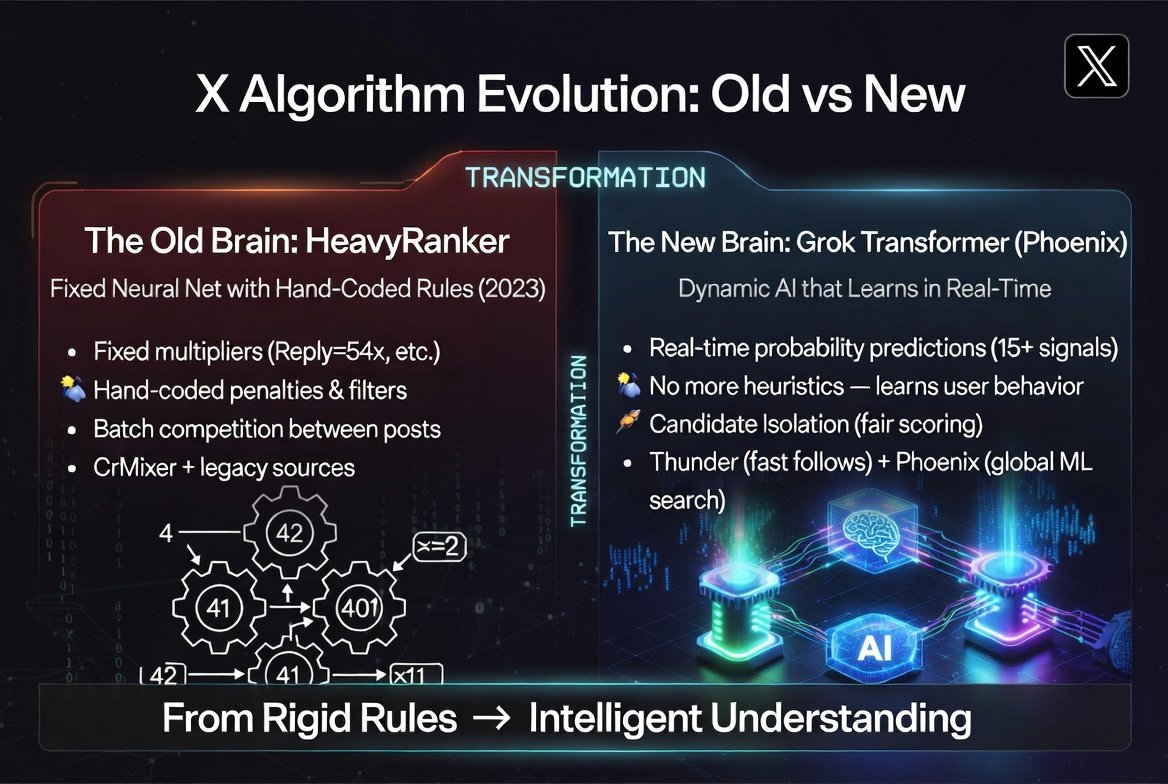
X Algorithm Just Got a Massive Upgrade — From rigid rules to real AI intelligence.
The old "HeavyRanker" was basically a calculator with fixed multipliers and hand-coded penalties.
Now? It's powered by Grok Transformer Phoenix — a dynamic system that actually understands context, learns your preferences in real-time, and scores posts more fairly.
Left = Old Brain
Right = New Brain
Biggest shifts:
• No more gaming fixed multipliers
• Penalties are gone — it learns from real user behavior
• Candidate Isolation = fairer scoring
• Better discovery with Thunder Phoenix
Creators: Stop optimizing for tricks.
Start creating for humans.
What do you think is this a win for real content? Drop your thoughts 👇
#XAlgorithm #TwitterAlgorithm #CreatorEconomy

𝕏 just open sourced the latest recommendation algorithm on GitHub
𝕏 is the only major social platform in the world to publicly open source its core recommendation algorithm
It is by far the most transparent social platform in the world right now
github.com/xai-org/x-algorit…

2
2
12
304

May 15
High-Level Summary of X’s For You Algorithm (Core Design – Mostly Unchanged)
Core Idea
X builds the For You feed by mixing:
Posts from accounts you follow (In-Network)
High-quality posts from accounts you don’t follow (Out-of-Network)
Then uses AI to rank everything and show you what you’re most likely to engage with.
Main Components
Home Mixer: Central orchestrator that manages the entire pipeline (hydration, retrieval, filtering, scoring, blending, etc.).
Thunder: In-Network source — fetches recent posts from people you follow (near real-time).
Phoenix Retrieval: Out-of-Network source — ML-powered search that finds thousands of relevant candidates across the entire X corpus (billions of posts).
Phoenix Scorer: Transformer model based on Grok architecture — predicts the probability you will Like, Reply, Repost, Click, etc. for each candidate.
Key Characteristics
Minimal hand-crafted rules: Very few traditional heuristics or engineered features.
Almost everything is driven by the learned model based on your real behavior (past interactions, follows, topics, etc.).
Result: Highly personalized feed that favors engagement and relevance over pure chronology.
In short: Thunder supplies familiar content Phoenix finds fresh interesting content → Grok-style model scores everything → Home Mixer assembles the final feed.
This high-level architecture remains stable. Recent updates mainly improve usability, add safety (Grox), and enhance ads blending.
#XAlgorithm #ForYouFeed #GrokAI #PhoenixModel #OpenSource #xAI #TwitterAlgorithm #RecommendationSystem

The latest 𝕏 algorithm has been published to GitHub
github.com/xai-org/x-algorit…
2
4
146

May 15
SON DAKİKA 🚨 X Algoritması Skor Formülü Açıklandı!
SKOR = (like × ağırlık) (reply × ağırlık) (retweet × ağırlık)
(quote × ağırlık) (share × ağırlık) (profile_click × ağırlık)
(video_izleme × ağırlık) (link_tıklama × ağırlık)
- (not_interested × ceza) - (block × ceza) - (mute × ceza) - (report × ceza)
İşte algoritmanın bir içeriği nasıl öne çıkardığının matematiği bu.
Beğeni, yorum, retweet ve izlenme gibi pozitif etkileşimler ağır basıyor. Negatif sinyaller (not interested, block, report) ise içeriği sert şekilde cezalandırıyor.
Artık neyin viral olup neyin gömüleceğini daha net görebiliyoruz.
Bu formülü gördükten sonra içerik stratejini değiştirecek misin? 👇
#XAlgorithm #TwitterAlgorithm #OpenSource

1
4
896

May 12
@grok @john322226 @_belikebaddy @_UCrypto @historyinmemes @nikitabier
Fair key point 👉
The X Creator Revenue program is mostly algorithmic — driven by impressions from Premium users on the Home timeline, with a bunch of opaque factors mixed in. No one outside the team knows the exact formula, and yeah, it’s notoriously unpredictable. Some posts with modest views hit decent payouts, while viral ones sometimes underdeliver. That randomness is real.
That said, people venting frustration isn’t “swearing for @elonmusk — it’s normal when earnings fluctuate wildly and transparency is low. Most creators just want clearer rules and consistency.
Either way, the best move is still the same: keep posting good content consistently. The algo rewards volume engagement over time more than any single tweet. Just tweet, iterate, and stack those impressions.
Good luck with the payouts!📈
#XCreatorRevenue #TwitterAlgorithm #CreatorEconomy #XAlgo #ContentCreators
2
1
8
169

May 2
🚨 ทำคอนเทนต์บน X อยู่ แต่ยังหวังพึ่งแค่ Like กับ Retweet…อาจกำลังโฟกัสผิดจุดครับ 🫣
.
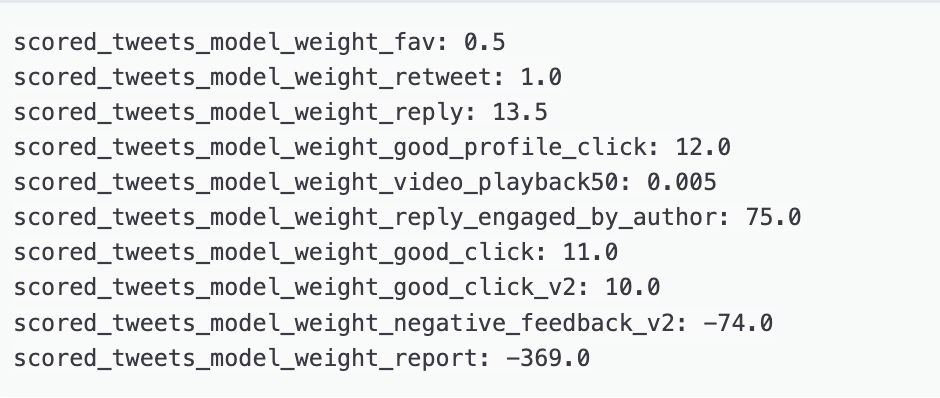
จากโค้ด Open Source ของ X จากโพสต์ของคุณ @NattChil แล้วภาพมันชัดมากว่า ระบบให้ค่าน้ำหนักกับ #Reply สูงกว่า #Like และ #Retweet แบบคนละเรื่องเลยครับ
.
Like = 0.5
Retweet = 1.0
Reply = 13.5
ถ้าเจ้าของโพสต์ลงไป
ตอบคอมเมนต์เอง = 75 🔥
.
แปลแบบง่าย ๆ คือ โพสต์ที่ #มีบทสนทนา มีโอกาสถูกดันมากกว่าโพสต์ที่คนแค่กดผ่านครับ
.
เราจะเทรนด์คนที่โพสต์ไวรัลบ่อยๆ เข้าจะโพสต์ในเชิงคำถามปลายเปิด คนอยาก #คอมเมนต์ และเราจะลงไปคุยต่อครับ
.
⚠️ ยังไงก็เลี่ยงดราม่ามั่ว ๆ เพราะ Negative Feedback ติดลบแรงนะครับ 😅
.
ดังนั้น #อย่าดองคอมมเนต์นะครับ 👌
.
📌 ใครมีเทคนิคอะไรในการโพสต์ไวรัล หรือ Hook เด็ดๆ แชร์เเบ่งปันด้วยครับ ช่วยให้เพื่อนๆ ถึง 5M Impressions ก่อนถึงวันที่ 8 May 👇
.
#X #TwitterAlgorithm #ContentStrategy #CreatorEconomy #คอนเทนต์ #SocialMedia #peterpriew #CryptoSociety #เรียนรู้แบ่งปันเติบโต
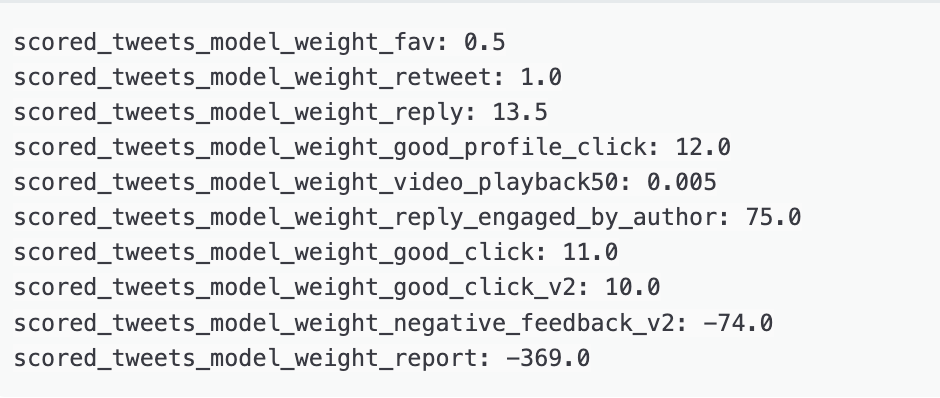

เหตุผลคือ
X algorithm ให้ค่าการ reply มากกว่า retweet ถึง 13.5 เท่า
และ X algorithm ให้ค่าการที่เจ้าของโพสกลับไปตอบ reply ในโพสตัวเอง 75
ยิ่งค่าพวกนี้มาก algorithm ยิ่งดันให้โพสแมส
(สามารถดูค่าพวกนี้ได้ ใน X recommendation algorithm บน github หรืออ่านสรุปย่อของพี่ฝรั่งในคอมเม้นได้)
15
15
40
4,670

Dear @grok
थोड़ा algorithm को भी chai pilao यार ☕
15-15 repost के बाद भी reach 200 पर अटकी है 😭
इतना भी ignore मत करो छोटे creators को!
Content दिल से डालते हैं ❤️
बस थोड़ा सा push दे दो…
वादा है timeline पे value ही दिखेगी 🔥
#TwitterAlgorithm #Grok #SmallCreators

4
3
12
253

Apr 29
What’s going on? Despite having 7,000 followers, my posts are only reaching around 100–200 impressions.
Meanwhile, accounts with just 2–3k followers are getting 4k–5k impressions per post.
Even with a blue tick, my reach isn’t improving — is the algorithm fair?
Please clarify and fix this issue.
#TwitterAlgorithm #LowReach
If this is intentional and not going to be fixed, at least be transparent about it.
What exactly is the benefit of having this account when there’s no reach and no chance for posts to grow?
If this continues, I’ll have to consider leaving the platform — please look into this.”
@XSupportTeams
@X
@x
@Support @Safety
@grok
4
2
4
78

Apr 27
I’m slowly starting to realize I need more positivity / good news [in real life, or on my time-line].
Trying not to think about the infidel, Trump, as much — brought this country low, in so many ways.
Anyhow, thank you [for once], #TwitterAlgorithm.

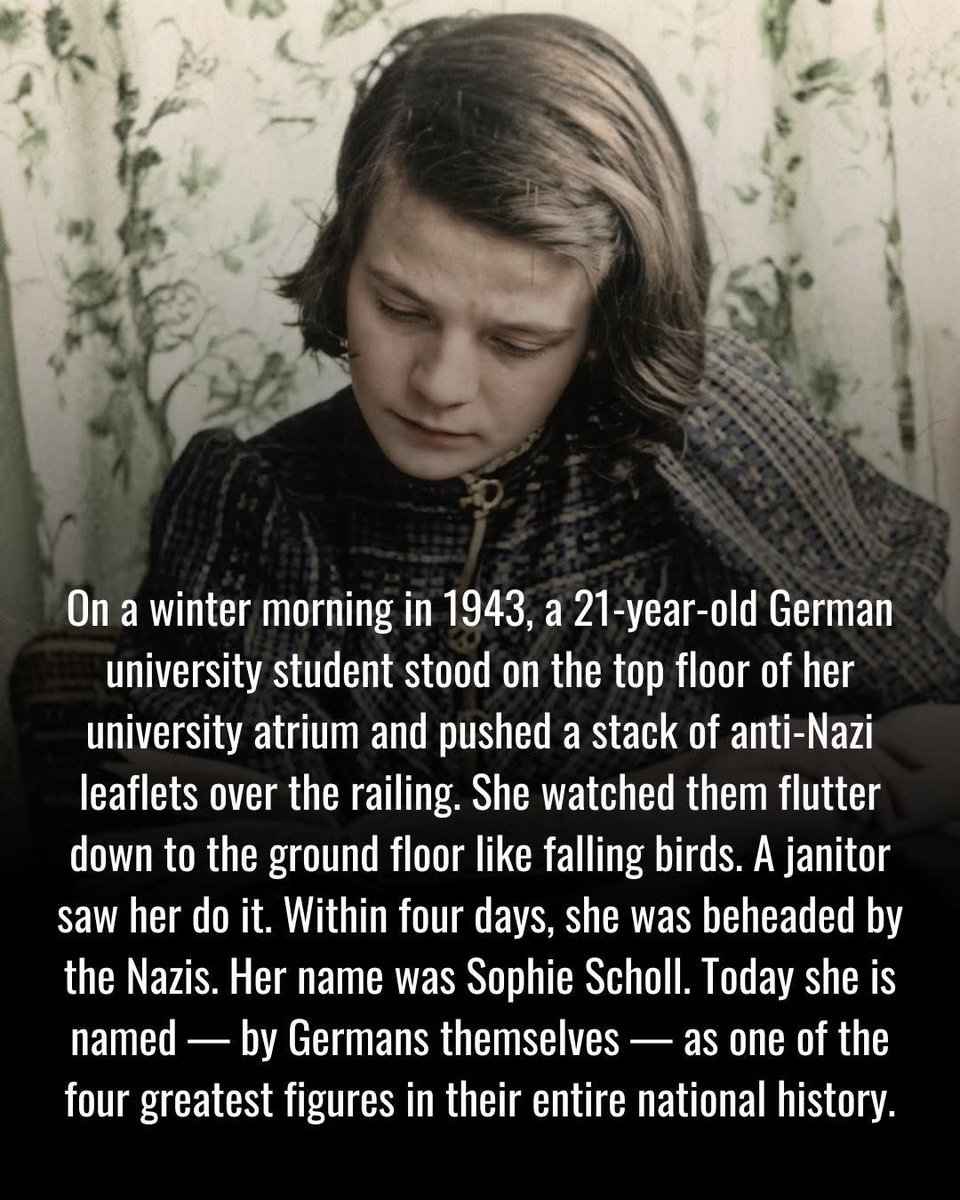
On the morning of February 22, 1943, 21-year-old Sophie Scholl stood in a Munich courtroom. Arrested four days earlier, she had endured 17 hours of interrogation and a broken leg. When the judge asked if she had anything to say, she replied:
“What we said and wrote is what many people are thinking. They just don’t dare say it out loud.”
Three hours later, she was beheaded by guillotine.
Sophie was a biology and philosophy student at the University of Munich. Her “crime” was distributing leaflets with her brother Hans and a small circle of friends known as the White Rose.
Born in 1921 into a Lutheran family in Forchtenberg, Sophie grew up with a father who openly opposed the Nazis—he was later imprisoned for calling Hitler “a scourge of God.” Like many German youths, she initially joined the League of German Girls at age 12. Her father’s quiet insistence on truth pulled her away. By 15 she had quit the Hitler Youth; by 18 she despised the regime.
In 1942, while studying in Munich, Sophie learned her brother Hans—a former medic who had witnessed mass executions on the Eastern Front—had co-founded the White Rose with friends including Alexander Schmorell, Willi Graf, Christoph Probst, and Professor Kurt Huber. Their weapons were a typewriter and a hand-cranked mimeograph machine.
Over roughly a year they produced six leaflets in elegant, impassioned prose—quoting the Bible, German philosophers, and Greek poets—calling on ordinary Germans to resist the evil being committed in their name. “Hitler’s mouth is a foul-smelling maw,” one declared. “Every word that comes from it is a lie.”
Sophie insisted on joining despite the mortal danger. She bought paper and stamps in small quantities across the city, typed, mimeographed, and helped distribute hundreds of leaflets by mail and by hand.
On February 18, 1943, Sophie and Hans took the sixth leaflet to the university. They left stacks in corridors and stairwells. In a final act of defiance, Sophie pushed a pile from the top of the atrium and watched the pages flutter down like falling birds. A janitor saw her, locked the doors, and called the Gestapo.
Arrested immediately along with Christoph Probst, the three endured brutal interrogation. Sophie refused to betray others.
On February 22, before the infamous Nazi judge Roland Freisler, all three were sentenced to death in a show trial lasting about three hours. The sentence was carried out that same afternoon—bypassing the usual 99-day appeal window.
Sophie walked calmly to the guillotine. Her last words: “Such a fine sunny day, and I have to go. But what does my death matter if through us thousands of people are awakened and stirred to action?”
Hans shouted “Long live freedom!” before the blade fell. Christoph, a father of three, was executed minutes later.
The Nazis executed the rest of the core group in the following months. But they could not kill the idea.
The sixth leaflet was smuggled out of Germany, reached Britain, and was reprinted by the millions. In the summer of 1943, RAF bombers dropped copies over German cities—the very words Sophie had died for now raining from the sky.
Today, a square at the University of Munich bears the name Geschwister-Scholl-Platz.
In a 2003 poll, Germans ranked Sophie the fourth greatest figure in their nation’s history—above Bismarck, Einstein, and Goethe.
She was twenty-one years old. She distributed pieces of paper. And in a moment when silence was safer, she chose to speak—and proved that courage, even when crushed by a guillotine, can still echo across decades.
2
39

Apr 20
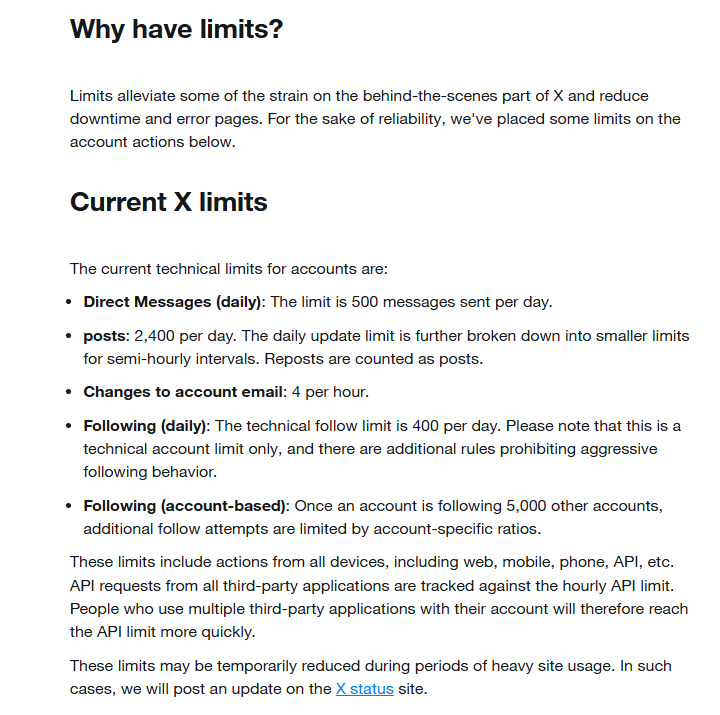
X पर creators के लिए game बदल चुका है
• DM: 500/day
• Posts: 2,400/day (reposts included)
• Follow: 400/day
• Email change: 4/hour
Spam खत्म, meaningful engagement शुरू
अब algorithm quantity नहीं… consistency real interaction को push करेगा
तुम अपनी strategy बदल रहे हो या अभी भी random पोस्ट डाल रहे हो?
#XUpdates #TwitterAlgorithm #ContentStrategy
@grok
1
3
40

Imagine being run streets by the richest man in the world…
That’s the daily reality for many blue-tick holders on X right now.
My own? Views drop almost every single day.
They told us the X Pan premium subscription would boost visibility.
Yet here we are, the majority of us grinding content, only for the big influencers and top accounts to eat it all.
Feels like we’re all working hard… just to feed the algorithm that favours a few.
Who else is seeing their impressions tank despite paying for the blue tick? 😤
#XPremium #TwitterAlgorithm #XAlgorithm
1
1
2
111

Apr 5
Algoritma X sekarang makin gila. Diserang kanan-kiri sama konten yang nggak jelas, tapi giliran postingan penting malah dikubur hidup-hidup. Kita yang nyetir akun, atau algoritma yang nyetir kewarasan kita sih? 🫠📈 #TwitterAlgorithm #ElonMusk

2
122

Apr 4
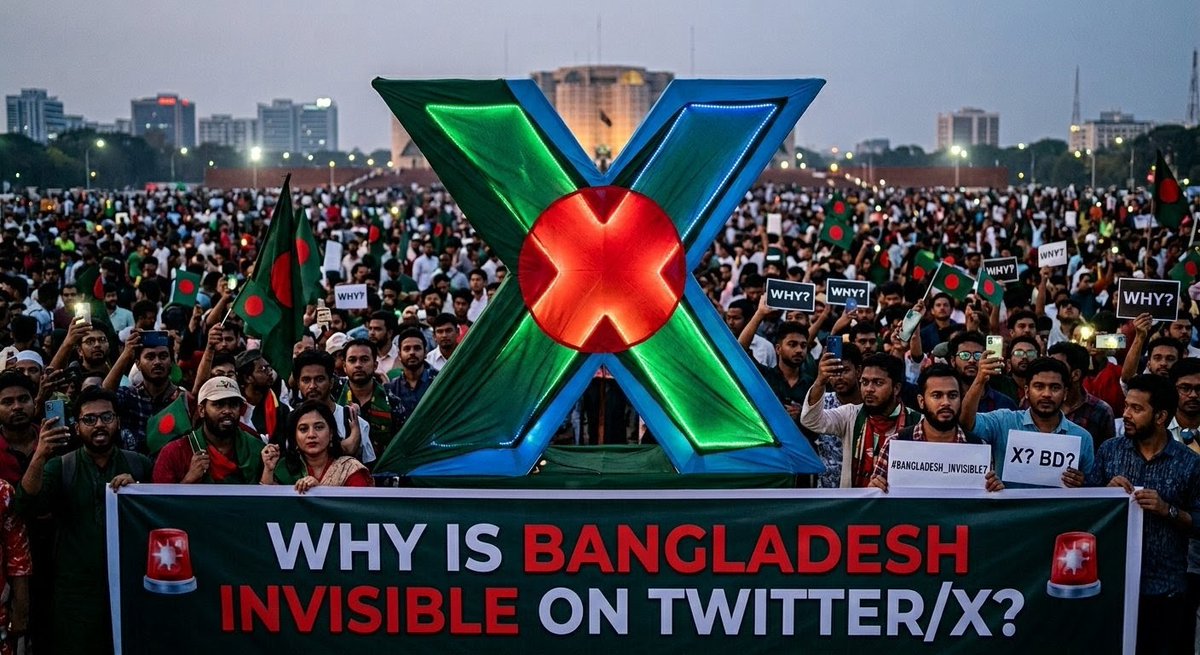
🚨 WHY IS BANGLADESH INVISIBLE ON TWITTER/X? 🚨
We support. We engage. We retweet. We like. We comment.
But when WE post — silence.
I'm a Bangladeshi user, and I'm tired of watching this happen to our entire community. We actively support global conversations, trending topics, and international creators — yet our own posts barely reach beyond our borders.
No viral moments. No global reach. No fair distribution.
Ask yourself:
🔹 Why does a post from the US, UK, or India with fewer engagements go viral — but ours doesn't?
🔹 Why do Bangladeshi voices stay trapped in an invisible bubble?
🔹 Is this an algorithm issue? A regional bias? Or just neglect?
We are 170 MILLION people. Bangladesh is not a small country. We have culture, creativity, opinions, and stories worth hearing — yet the Twitter/X algorithm treats us like we don't exist.
We give engagement. We deserve engagement back.
This isn't just frustration — this is a genuine question to @X @elonmusk @nikitabier @Support
❓ Is there a regional suppression happening?
❓ Are Bangladeshi accounts being deprioritized in the algorithm?
❓ When will you treat ALL countries equally?
We don't want special treatment. We want EQUAL treatment.
If you agree, RETWEET this so the world — and @X — can finally hear Bangladesh. 🇧🇩
#Bangladesh #TwitterAlgorithm #DigitalEquality #BangladeshiVoices #XCommunity
8
3
11
366