
выглядит как очередной UE5 аркадный рейсинг с управлением тяжелым неотзывчивым утюгом, который едет по рельсам и не охотно дает тебе совершать ошибок.
2

Necksplitter, Dark Knight retweeted

The sebbywebz gang would cum in their pants if they saw FFX in UE5. It's literally just graphics and vibes for them

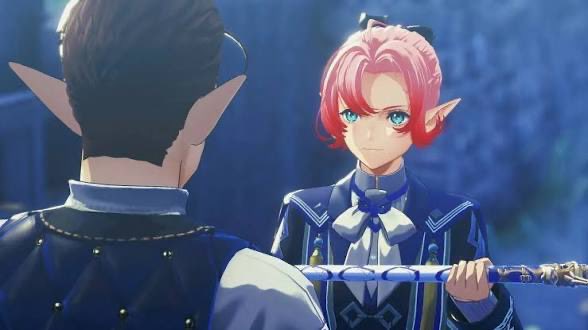
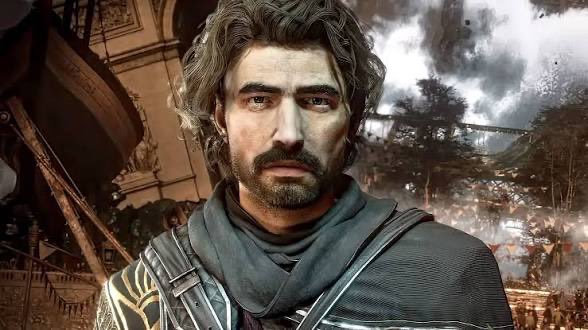
Opinião impopular: Clair Obscur não teria sido o fenômeno que foi se o gráfico fosse de anime.
3
11
90
2,539
솜양 retweeted

Mar 29
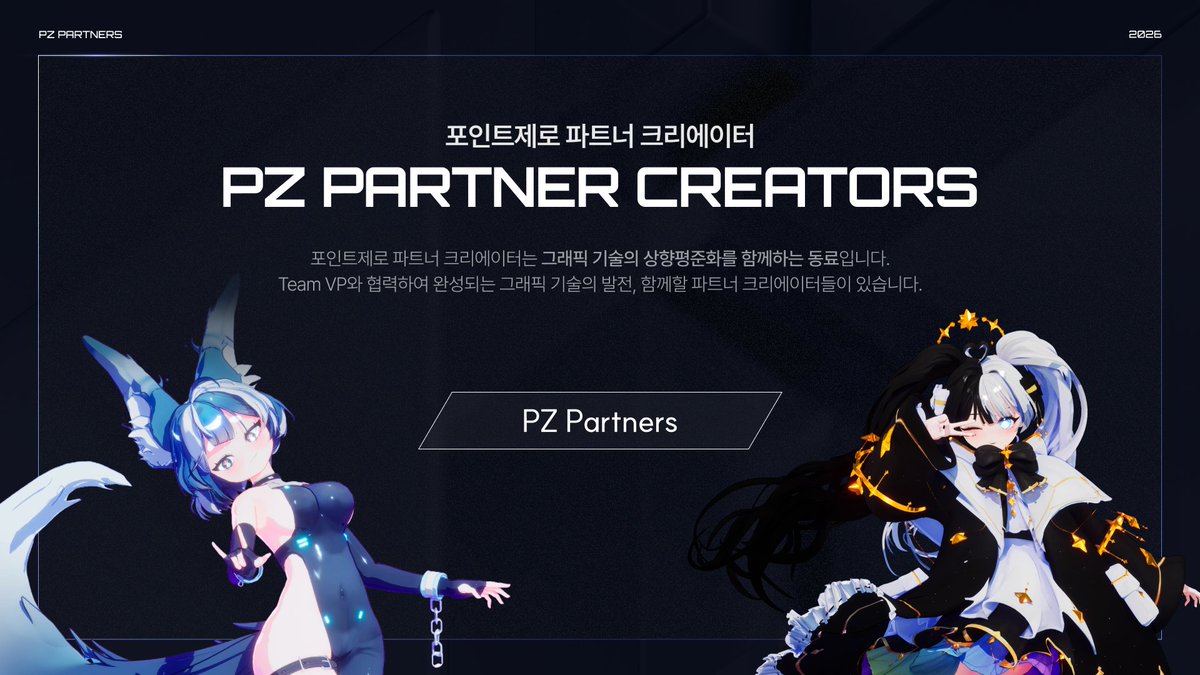
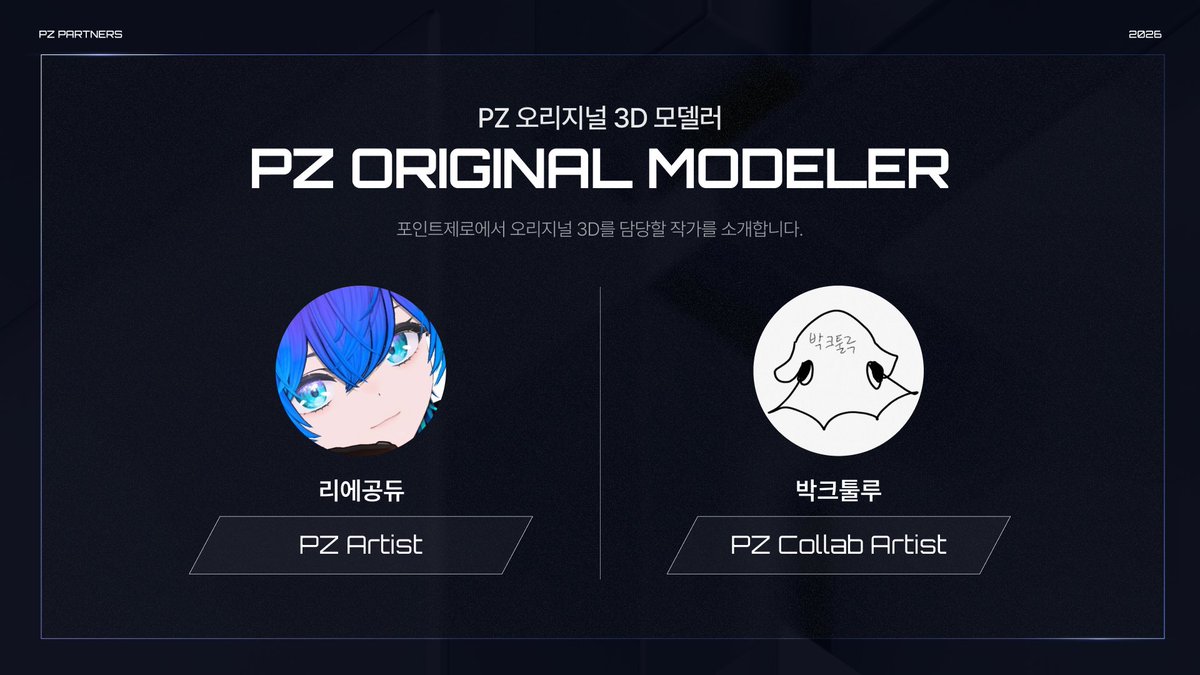
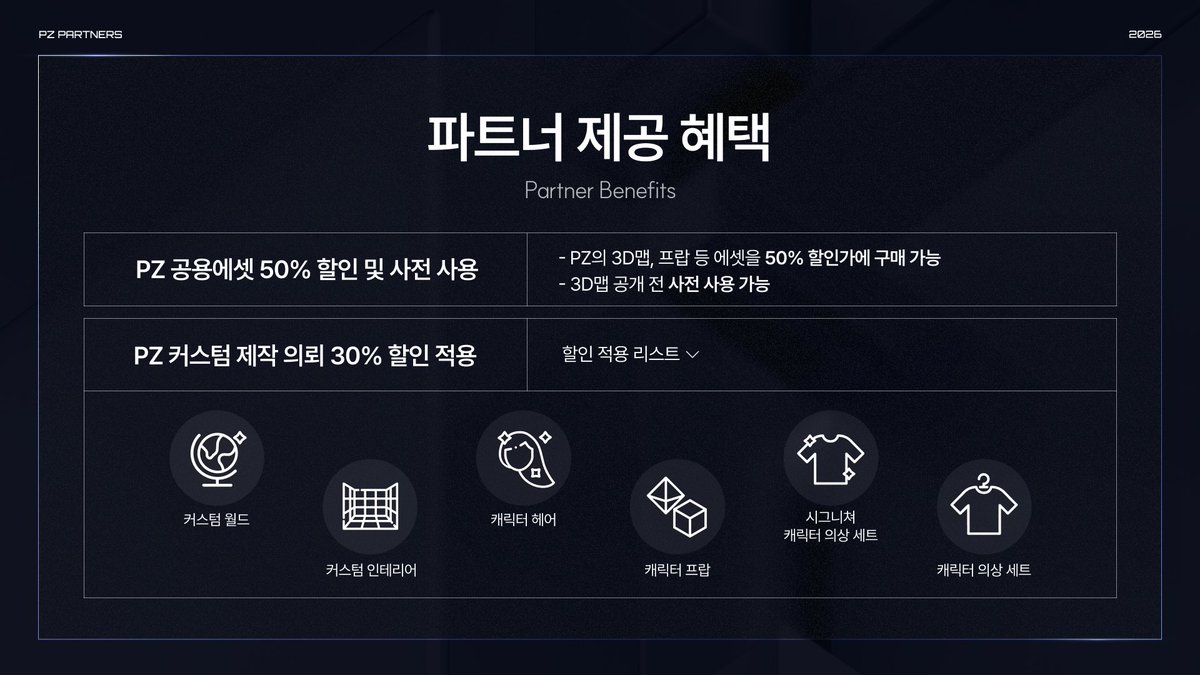
[PZ 파트너 크리에이터 모집]
📌3D 데뷔를 준비중이신 분,
📌A to Z. 모델링, 리깅,
📌UE5 기반 '감자전' 세팅까지,
PZ에서 한번에 맡기고 받아보세요✨
PZ와 함께할 크리에이터를 모집합니다✨
신청 방법은 타래로>>

1
26
93
17,172

18m
I agree. UE5 (and especially the Lyra framework) is built for large AAA teams. They structured the game systems as core plugins plus modular secondary systems. This allows multiple teams to work on different parts of the game simultaneously without causing merge conflicts.
At the same time, I believe the engine is gradually shifting toward a more data-centric architecture — similar to the approach promoted by Jonathan Blow and Casey Muratori.
This involves using lightweight manager classes (game systems) and simple structs stored in arrays, keeping data blocks small (around 24 KB) so they fit nicely in CPU cache for better performance.
3

[NTE] My POORsche Arrives!
Link: youtu.be/LkKWdjbymwg
#NTE #nevernesstoeverness #HOTTA #Porsche #porsche918spyder #unrealengine5 #ue5 #anime #animegames #animegirl
50

Building a delivery game also means building everything around the deliveries.
Traffic, roads, intersections, vehicle behavior…
The invisible systems are often the ones that take the most time.
The Last Mile: Delivery Simulator
#indiedev #indiegamedev #UE5 #simulationgame #gamedev
1
5

Arcane Barrier in Unreal Engine 5 Niagara youtu.be/xsIpssg9U08 youtube.com/cghow
@unrealengine
#CGHOW #realtimevfx #ue4 #ue5 #ue5niagara #unrealengine #VFX #Game #ue4niagara cghow.com
1
48
Arcane Barrier in Unreal Engine 5 Niagara
youtu.be/xsIpssg9U08
youtube.com/cghow
@unrealengine
#CGHOW #realtimevfx #ue4 #ue5 #ue5niagara #unrealengine #VFX #Game #ue4niagara cghow.com
1
38

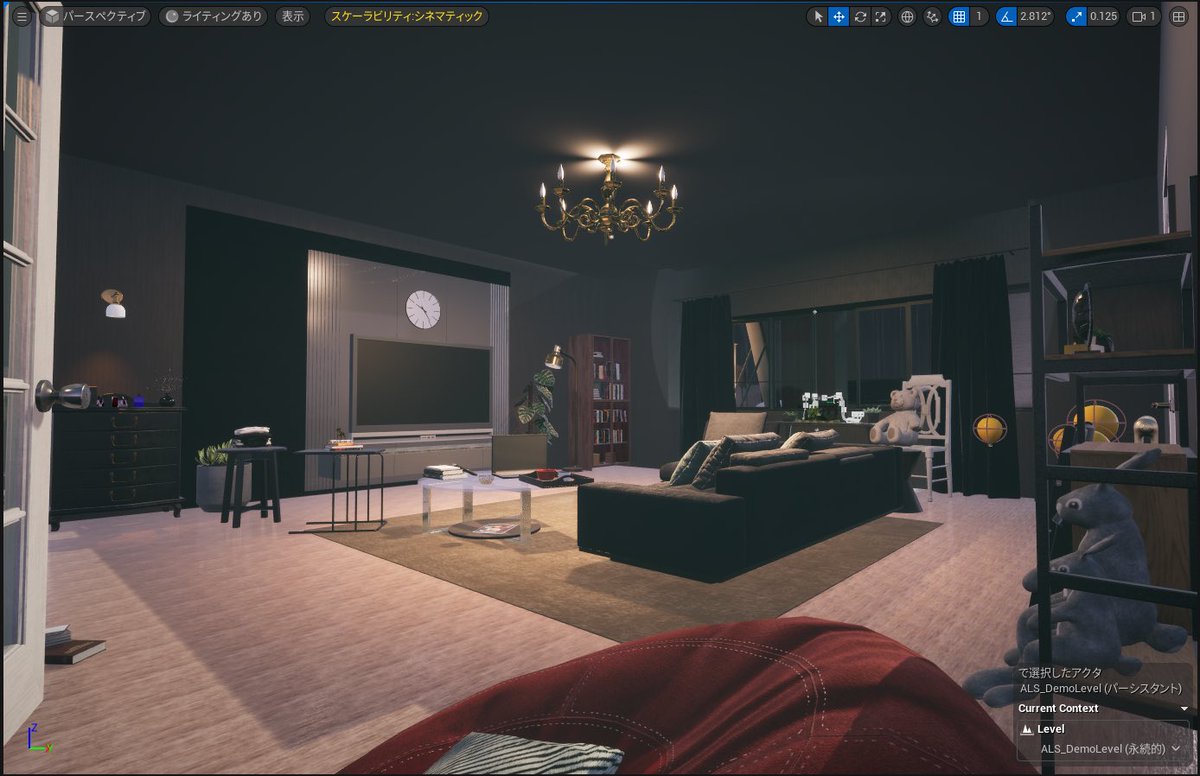
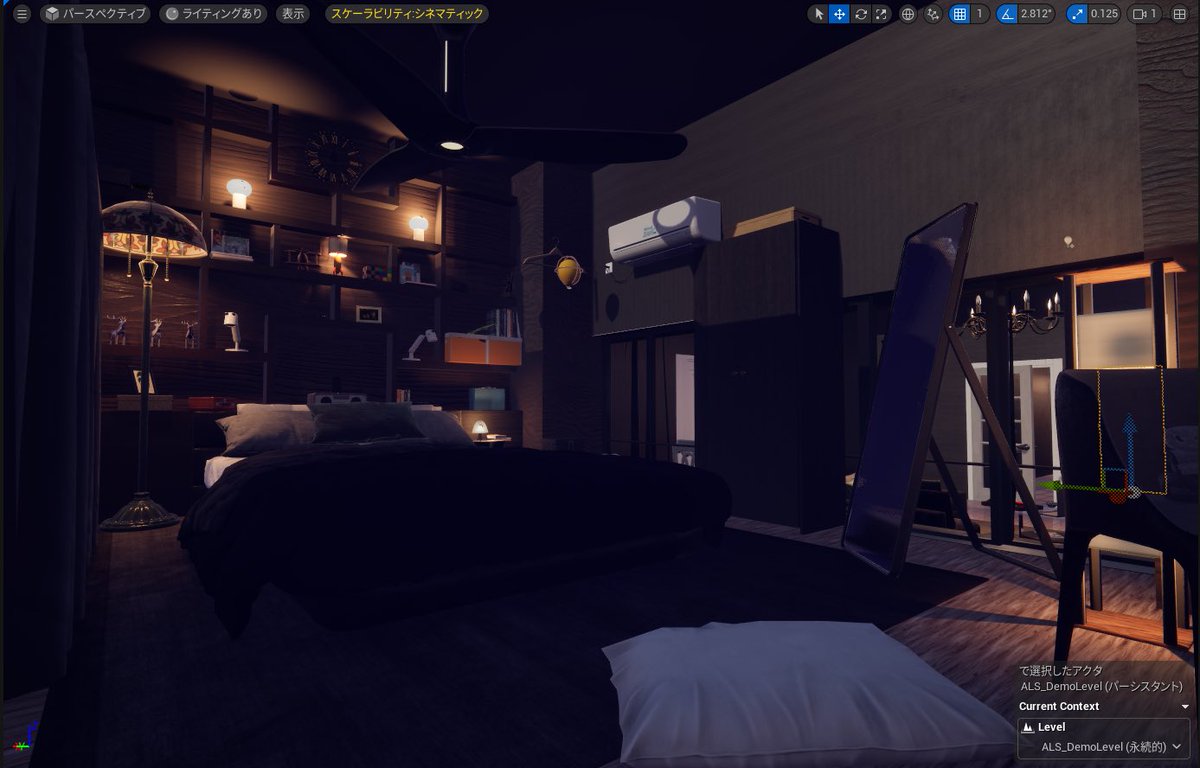
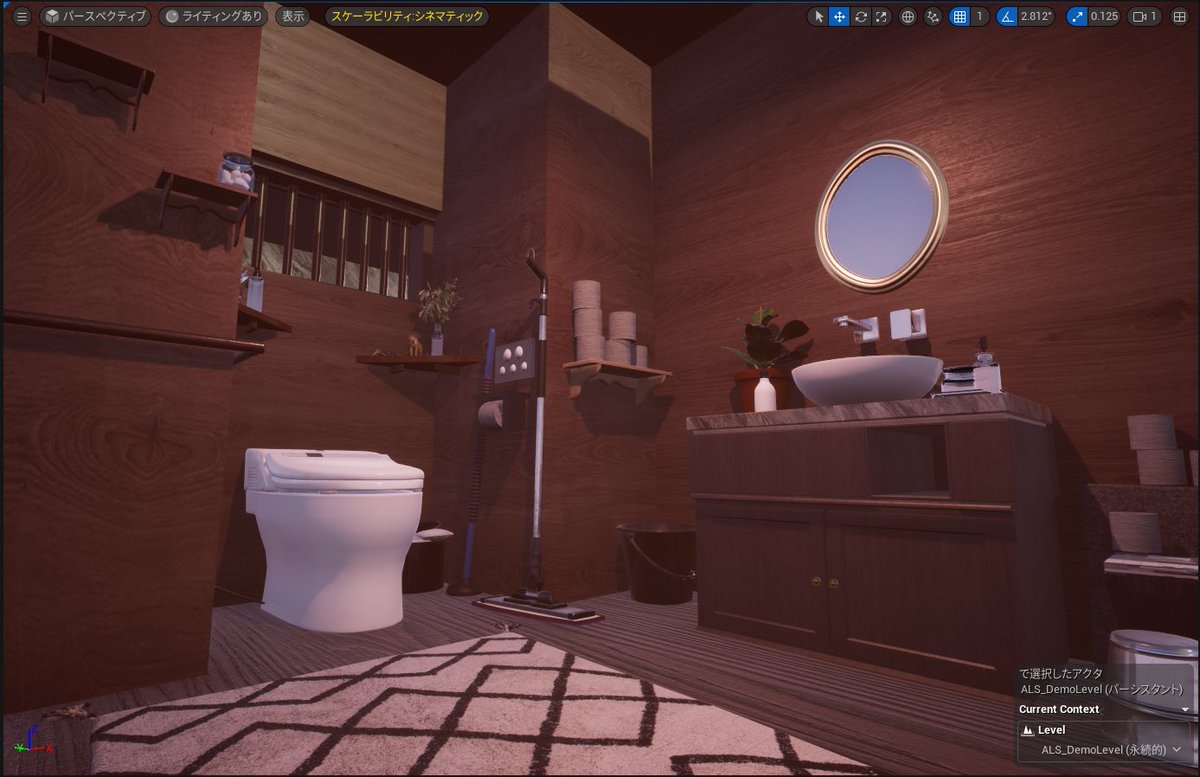
クリスマスをイメージしたマップです!
送風に当たらないように物に隠れながら進むのがポイントになってます!
水への飛び込みによる落下ダメージはないので安心して飛び込んでください!
— つぶやき —
今日の夜は作業せずにわかば杯見るぞー!
チーム関優太頑張れ〜〜
x.com/kum4zzz/status/1972176…
#ue5 #ゲーム制作 #小人 #steam #新作ゲーム #クリスマス #拡散希望 #スプラトゥーン #わかば杯 #チーム関優太

お久しぶりです!
🐾新作ゲーム開発中🐾
小人が主人公の アスレチック✖️脱出ゲーム を現在制作中です!
ステージを駆け抜け、謎を解きながら家から脱出を目指すゲームになっています🏃♂️🏠
そして「Look & Learn」が
9/30〜10/7の7日間限定で
🍁 オータムセール35%OFF
#ゲーム開発 #steam #脱出ゲーム
2
326




Alex Martinez retweeted

Jun 12
Youtubeにもアップしました
水はFLIPで書き出したVATだったり連番テクスチャだったり
液体はもっといろんな表現を試したい🌊🌊
youtu.be/CObe5WaeFQU
#UE5 #Niagara #Houdini
1
14
1,533
Jadeboy retweeted

Jun 12
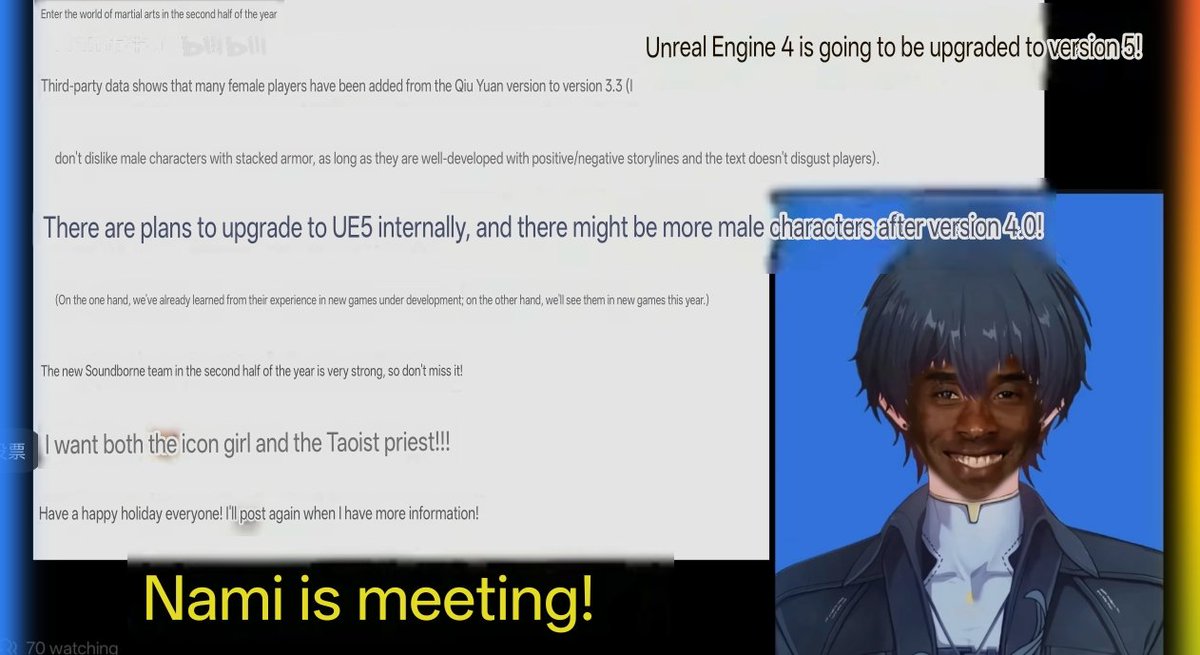
crazy that leak aged well for wuwa
wonder if we'll see UE5 then? 😂
or did they mean more UE5 backports
let's see how it goes

May 4

WuWa leak from bilibili?
Apparently the game goes UE5 in 4.0 and they do more dudes after 4.0

13
5
46
2,814


鉄拳8 UE5でここまで動きまくるのか…。対戦格闘またやりたくなってきたわ。誰か最近触ってる?
PS5 鉄拳8
jp.mercari.com/item/m6182418…
1
12
めいこ☕𓈒𓏸︎︎︎︎ retweeted

Jun 12
神不言
( @S_whispersJP ) 様
〖 コードネーム : 神不言PV 公開記念 〗
Amazonギフト1000円
をいただきました👏🏻𓈒 𓂂𓏸
UE5で描く都市ファンタジー
恋愛アドベンチャー🤍
ありがとうございました🙂↕️🤍

16
16
155
綺(Aya)🦋💎 retweeted

May 20
💘 影の蝕光ミニ|都会で恋に落ちてみませんか?
逃避計画は整った。すべてが、まるで綿密に仕組まれた偶然のようだ。
胸の高鳴りが激しくなり、互いの距離は限りなく縮まる。
蝕光都市の約束の場所で、今、彼との物語が始まる。
🛺💐🎡
▼UE5で描く都市ファンタジー恋愛アドベンチャー
公式サイトに事前登録受付中
🔗bit.ly/4cvQpwq
今から事前登録して特典をゲット!
#神不言



1
117
565
26,245

Super hype for this game and it's an actual UE5. I'm more surprised Digital Foundry didn't even acknowledge ILL at all
3

