Vinayak Jain retweeted

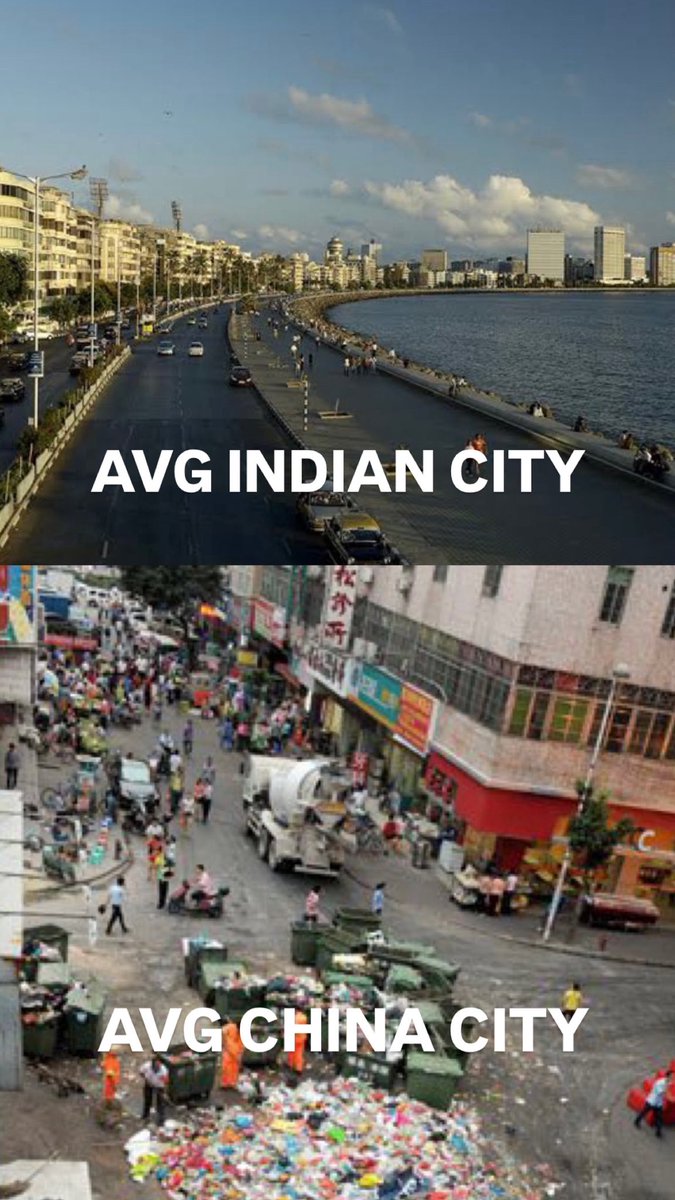
Chinese propaganda makes us believe that China is a superpower and that India is an underdeveloped country. 💔
64
344
2,634
16,956

First TMC, then Shiv Sena (UBT), and now there are talks about breaking the Samajwadi Party. If all this is being done just to make it easier to pass bills like the UCC and the Delimitation Bill in Parliament, then isn't this a mockery of democracy?
The MPs whom people elected are being encouraged to switch parties through money, pressure, or other means. Regional parties are being weakened or broken apart. If this continues, India could slowly move toward a one-party system, where democracy exists only in name.
Today, we see more politics based on religion and division, while real issues get less attention. Education and healthcare are still underdeveloped in many places. Paper leaks continue to happen, unemployment remains high, and many people feel that big businesses benefit more than ordinary citizens.
India needs a leader who truly believes in secularism and the Constitution, someone who is honest, fearless, cannot be bought, and puts the country's interests above politics.
@RahulGandhi @yadavakhilesh @TheDeshBhakt @DrNimoYadav @varungrover @sardesairajdeep @kaushikrj6 @ravish_journo @dhruv_rathee @thevirdas @sundaysarthak @sakshijoshii @AUThackeray @zoo_bear
3

🏹Maeve⚔️ retweeted

You were not abandoned because you were unlovable. You were abandoned by people who were too emotionally underdeveloped to handle anything real.
5
4
18
415


From the year of independence till 2014, india was so bad,underdeveloped but just in a decade india has improved alot of things..and thats all coz of modi..india still has a long way to go and alot to improve as its a large country but india is slowly getting there in 2 decades
1
3

Patnitop has been deliberately kept underdeveloped by Kashmiri politics since decades through legal issues, master plan hurdles.
A marvellous hill station at 1-1.5 hr drive from Katra ( Vaishno devi ) is a threat to valley politics.
2

Darling, Ent industry relies solely on audience feedback.
YRF dsnt make movies for KJo private parties but 4 public who spends & generates their revenue
So if same public says they r fed up with that overpublicised underdeveloped bimbo, what arrogance stops @yrf from accepting?
6

These gutter born shit eaters come from their underdeveloped states to fill their stomachs and then do dadagiri on marathi people and then get beaten up like dogs in retaliation

याचा माज पहा, ट्रेन बद्दल माहिती विचारल्यास हा म्हणतोय चल निघून जा इथून, मराठी बोलणार नाही.
निघून जा म्हणजे काय ? नक्की कोण कोणाच्या राज्यात आलं आहे ? अशी वर्तणूक जर मराठी माणसाने उत्तर भारतात जाऊन केली तर ?
घुसखोर भैय्या मार खातो तो त्याच्या वागणुकीमुळे.
@mnsadhikrut
1
2

17m
**This is a genuinely disturbing and reckless incident**, not some cultural practice or harmless tradition. The video (shared widely via QuickWireIndia and others) shows a man in a hospital in Bihar, India, holding an hours-old newborn (umbilical clip still visible) by **one leg**, dangling her upside down, and swinging her around while smiling. Bystanders, including what appear to be family or staff, are laughing or watching without intervening.
### Medical reality check
Newborns have extremely fragile necks, weak neck muscles, soft skulls, and underdeveloped brains. Violent or careless movement like this creates rapid acceleration/deceleration forces (whiplash effect). These risks:
- **Shaken Baby Syndrome** (abusive head trauma): Brain bruising, swelling, bleeding, retinal hemorrhages, spinal damage.
- Even if not full "shaking," dangling by one limb amplifies torque on the spine and neck.
- Potential long-term consequences: developmental delays, seizures, cerebral palsy, vision issues, or death in severe cases.
Medical sources are clear: Gentle bouncing or playful tossing isn't the same as this. Forceful handling of an hour-old infant is dangerous.
This isn't "baby yoga" (those controversial older videos involved older infants and trained practitioners, still criticized). It's raw, celebratory roughhousing with a brand-new baby in a medical setting.
### Broader context in Bihar/India
- **Son preference**: Parts of India (including Bihar) have documented cultural biases favoring boys due to dowry traditions, patriarchal norms, and economic factors. This has historically led to sex-selective abortions, female infanticide, and neglect. Some reactions to the video assume this was disgust or mistreatment because it's a girl. That lens is understandable given the stats on gender ratios and child welfare in the region, but it's **not confirmed here**.
- The man is often described as the father in reports, acting for a "reel" (social media video). If true, it points to profound ignorance or callousness rather than outright intent to harm.
- Hospital setting raises red flags about oversight: Where was staff? Why no immediate intervention?
No official police report, hospital statement, or investigation details have surfaced yet (as of June 18, 2026). These viral clips often spread faster than verified facts.
### Why the smiling bystanders?
This is one of the most unsettling parts. It could reflect:
- Normalization of rough handling in some communities.
- Excitement/celebration overriding caution (common in high-emotion birth moments).
- Low awareness of infant vulnerability.
- Or desensitization in overburdened, lower-resource healthcare environments.
It doesn't excuse it. Child safety should be instinctive.
### Deeper implications
This highlights systemic issues: gaps in parental education on newborn care, weak hospital protocols for vulnerable infants, and how al media incentincentives for behavior for likes/views. Similar past controversies (e.g., "baby yoga" videos) show people chasing virality at kids' expense.
The outrage is justified—**this isn't okay anywhere**. Reck—recklessing of any infant, boy or girl, demans accountability. Ideally, authorities investigate for chindangerment, and it sparks better awareness campaigns. Sensational framing risks oversimplifying (e.g., painting all of Bihar or India as "sick"), but ignoring real cultural pressures on girl children would also be dishonest.
If more details emerge (arrests, medical outbaby's medical outcome for the baby), they should drive the story—not just the shock clip.
17

My social skills are so fucking underdeveloped that I can barely even interact with randoms behind a screen. I am pathetic and I am better off alone, but I don’t want to be. I hate this. I hate the way that I am I just wanna socialize with people I just wanna be fun and bubbly
1
5