
Jun 11
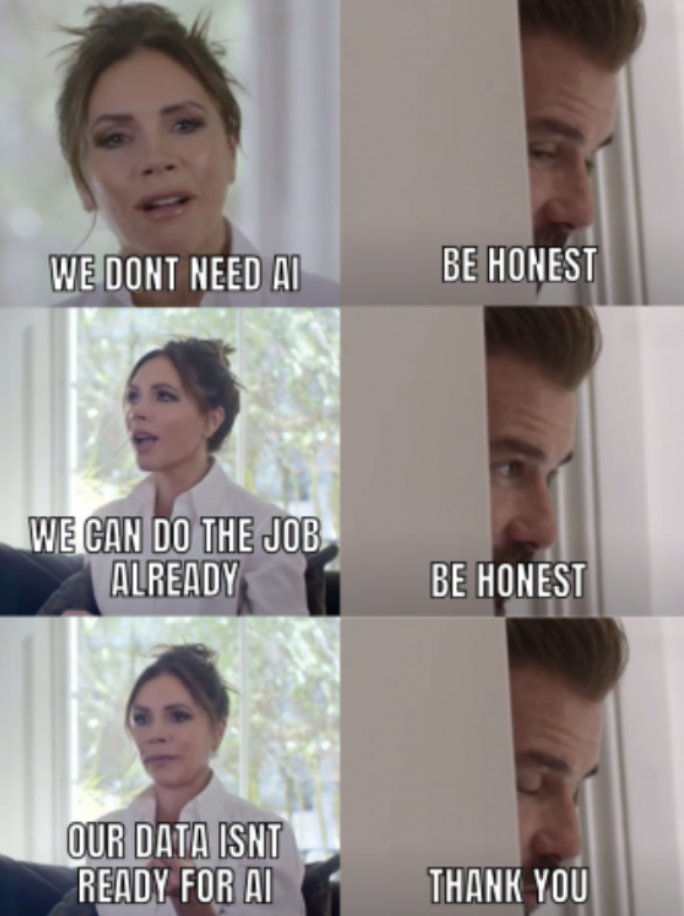
Sometimes the biggest barrier to AI adoption isn't the technology. It's admitting where the bottlenecks really are.
The teams getting ahead aren't replacing people. They're using AI to uncover insights, catch issues earlier, and focus their time where it matters most.
What excuse have you heard most often?
#UsabilityTesting #ProductManagement
1
1
291

هل فكرت قبل كده ليه بعض المستخدمين بيسيبوا التطبيق أو الموقع من غير ما يكملوا العملية المطلوبة؟
في كتير من الأحيان المشكلة مش في الخدمة نفسها، لكن في تجربة الاستخدام.
testpromena.com/testing-serv…
testpromena.com/contact/
971 54 454 2341
20 102 190 2447
#UsabilityTesting #TestPRO
1
1
16

Jun 10
Headline: 🖥️ Quick Usability Study: Get paid for 10 minutes of feedback on digital tasks! ⏱️✨
Looking for a fast, easy way to participate in user research? Terac is running a brief 10-minute digital interface test, and they are accepting everyday desktop users to share their thoughts on new web features.
Study Details:
⏱️ Time: Just 10 minutes!
🖥️ Setup: Independent usability test via desktop computer
🎙️ Format: Remote session (Screen-share webcam required to speak your thoughts aloud)
🔗 Apply Here: terac.com/refer/ff8e95e8
Who should apply:
Anyone comfortable using a desktop computer to browse and complete standard online tasks.
Users willing to keep their camera on and share their screen during the short 10-minute window.
People who can articulate their immediate thoughts clearly while navigating a new interface.
High-speed, simple qualification. Grab your slot and get started below! 👇
👉 Apply Here: terac.com/refer/ff8e95e8
#ProductTesting #UXResearch #UsabilityTesting #UserExperience #TechFeedback #RemoteStudy

76

Jun 10
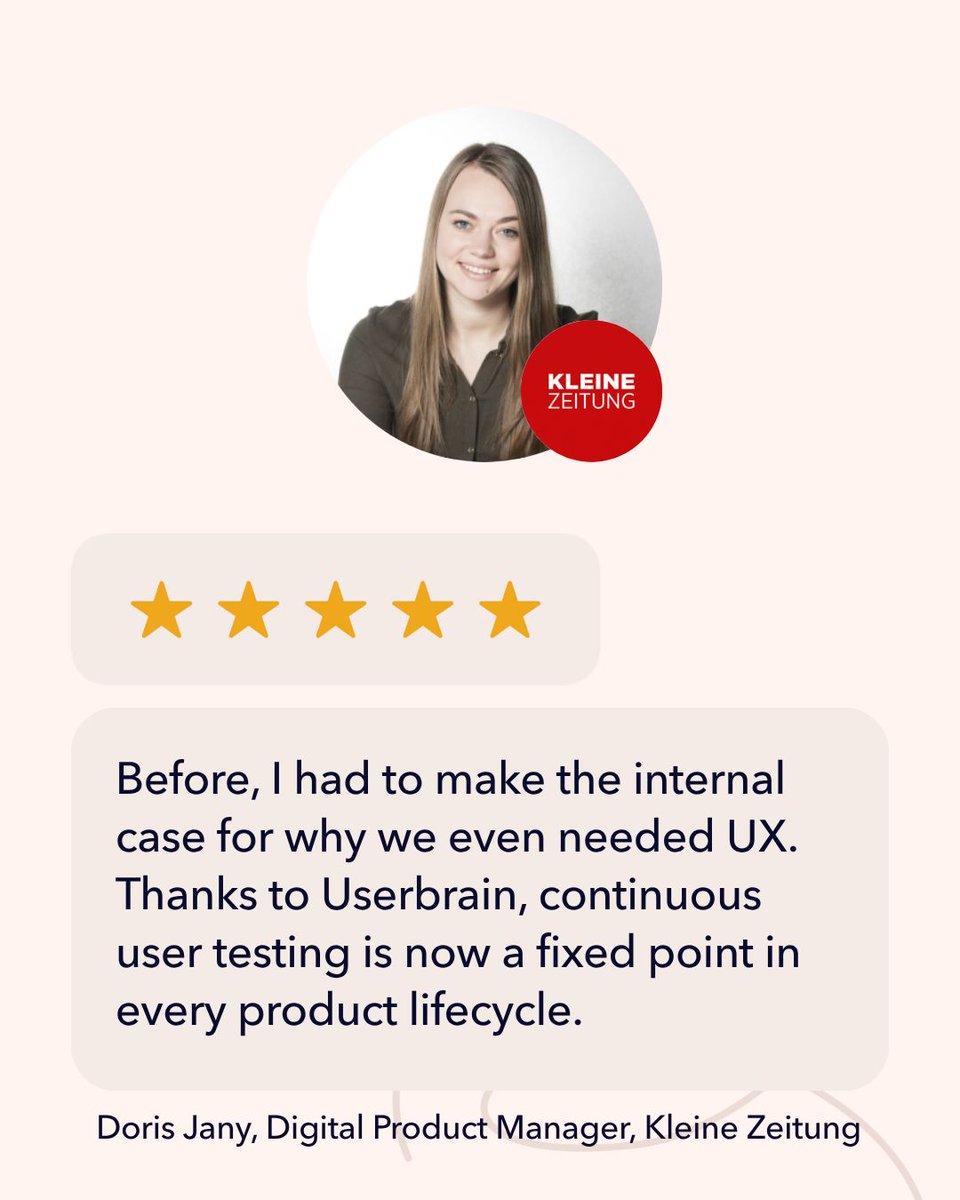
Some people talk about bringing users into the product process.
Doris Jany actually made it happen.
From “Do we really need UX?”
To “User testing is just how we build now.”
Read the full story here: 🔗 buff.ly/7Zu2Eaq
#uxresearch #usabilitytesting #productmanagement
10

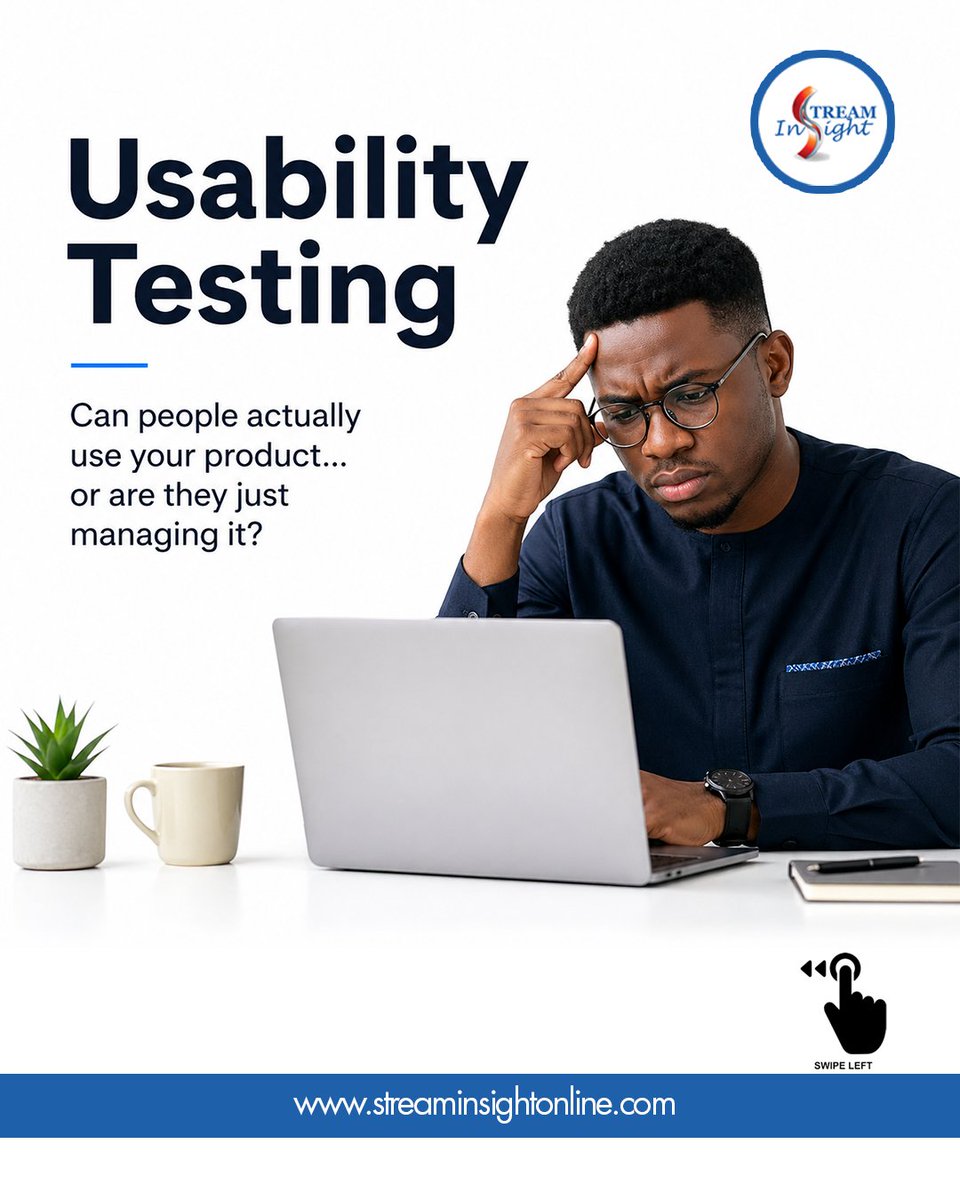
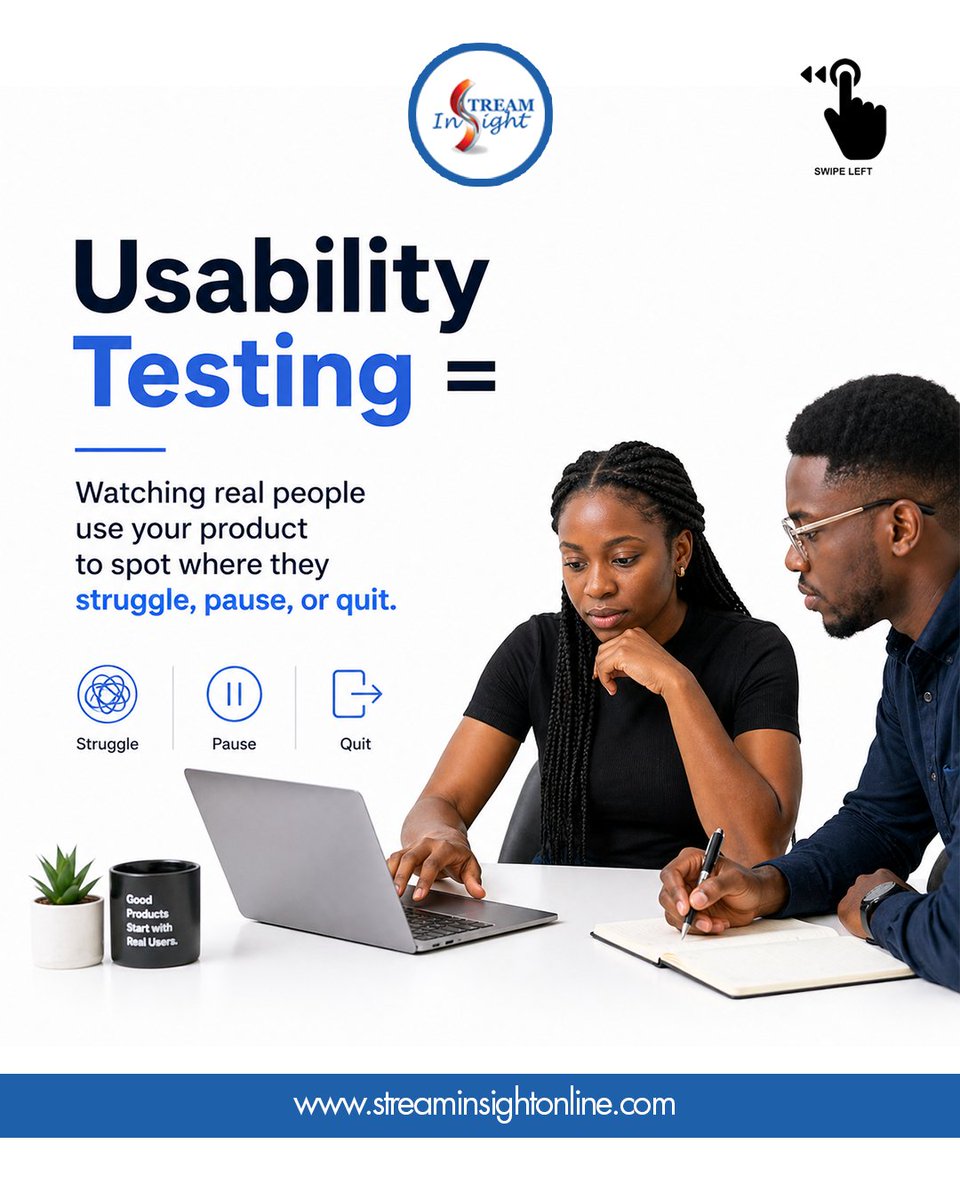
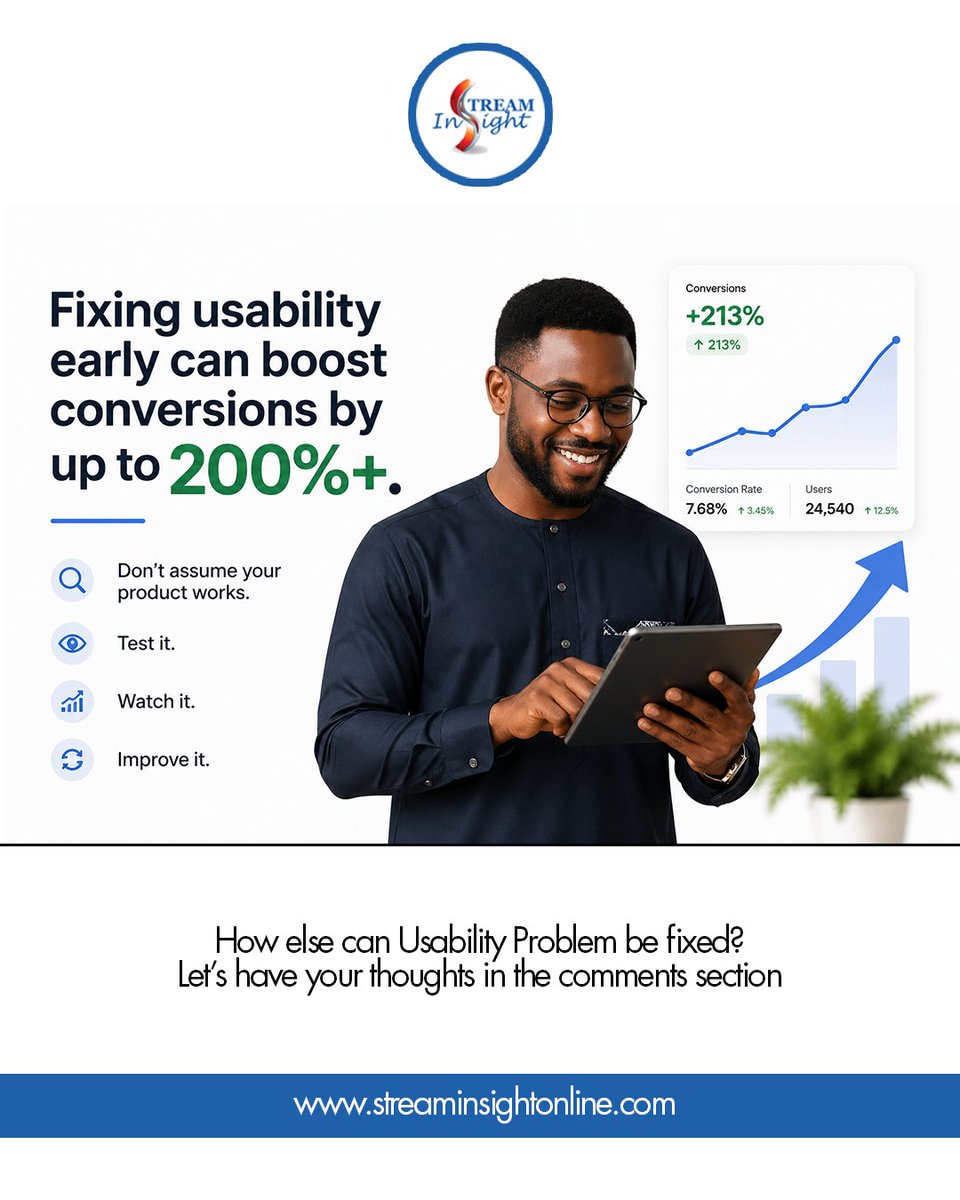
1 in 3 users abandon a product after one bad experience and never come back. Most of it happens in the first 3 minutes. 𝗨𝘀𝗮𝗯𝗶𝗹𝗶𝘁𝘆 𝘁𝗲𝘀𝘁𝗶𝗻𝗴 is how you find out why before it's too late.
#UsabilityTesting #UXResearch #ProductManagement

1
1
7

Jun 7
if you are a founder of a web or a mobile product please like this post. In next 24 hours i will singup and download your application, and will send you an email with 5 things you need to change right away to have better user retention for free. #ux #usabilitytesting
1
1
79

May 15
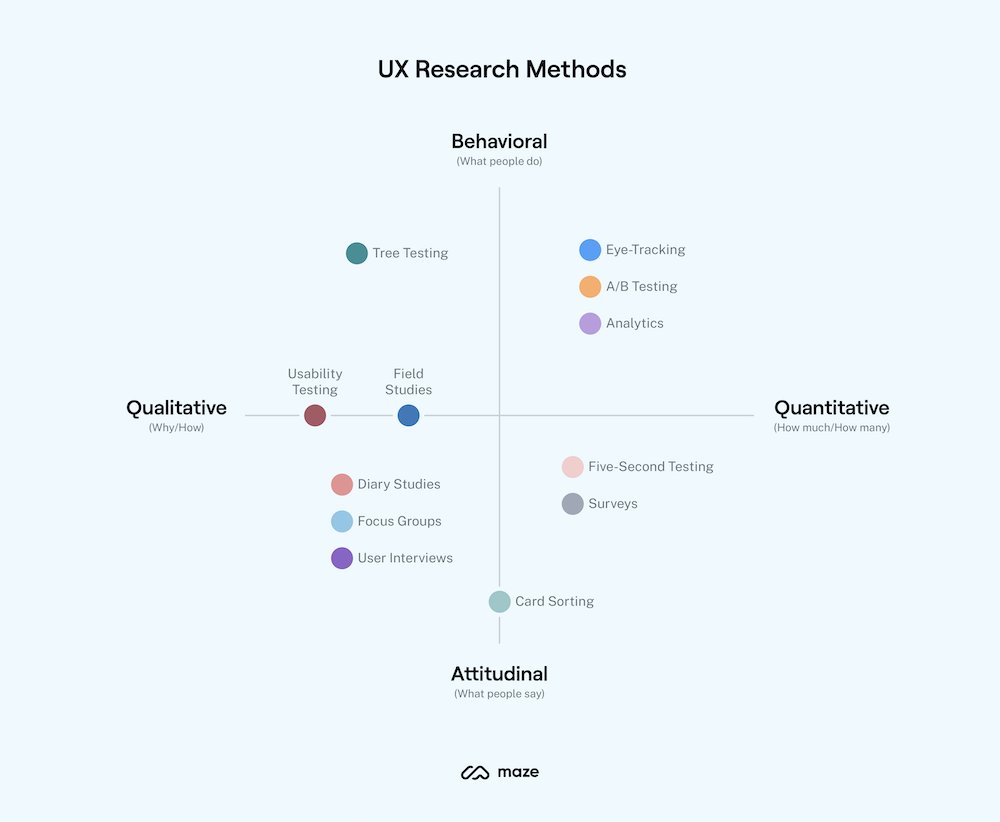
Learn about the Key UX research methods, how and when to use them! 😎🔖
What are UX research methods?
User experience (UX) research methods are different ways of generating insights about your users, their behavior, motivations, and needs. You can use methods like user interviews, surveys, focus groups, card sorting, usability testing to identify user challenges and turn them into opportunities to improve the user experience.
UX research methods include user interviews, card sorting, surveys, usability testing, and more. We’ll go into more detail about the top methods and when to use them later in this chapter. If you'd prefer a quick overview, check out the video below. Or, keep reading for an in-depth guide to each method (plus a bonus technique).
Overview:
The most common types of user research
Qualitative vs. quantitative
All research methods are either quantitative or qualitative. Qualitative research focuses on capturing subjective insights into users' experiences. It aims to understand the underlying reasons, motivations, and behaviors of individuals. Quantitative research, on the other hand, involves collecting and analyzing numerical data to identify patterns, trends, and significance. It aims to quantify user behaviors, preferences, and attitudes, allowing for generalizations and statistical insights.
Attitudinal vs. behavioral
Attitudinal research is about understanding users' attitudes, perceptions, and beliefs. It delves into the 'why' behind user decisions and actions. It often involves surveys or interviews where users are asked about their feelings, preferences, or perceptions towards a product or service. It's subjective in nature, aiming to capture people's emotions and opinions.
Behavioral research is about what users do rather than what they say they do or would do. This kind of research is often based on observation methods like usability testing, eye-tracking, or heat maps to understand user behavior.
Generative vs. evaluative
Generative research is all about generating new ideas, concepts, and insights to fuel the design process. You might run brainstorming sessions with groups of users, card sorting, and co-design sessions to inspire creativity and guide the development of user-centered solutions.
On the other hand, evaluative research focuses on assessing the usability, effectiveness, and overall quality of existing designs or prototypes. Once you’ve developed a prototype of your product, it's time to evaluate its strengths and weaknesses. You can compare different versions of a design or feature through A/B testing—ensuring your design meets user needs and expectations.
The best UX research type?
The best research type varies depending on your project; what your objectives are, and what stage you’re in. Ultimately, the ideal type of research is one which provides the insights required, using the available resources.
For example, if you're at the early ideation or product discovery stage, generative research methods can help you generate new ideas, understand user needs, and explore possibilities. As you move to the design and development phase, evaluative research methods and quantitative data become crucial.
Read the full post:
maze.co/guides/ux-rese…
by @mazedesignHQ
#ui #ux #uidesign #uxdesign #userexperience #uxui #productdesign #prototyping #uxresearch #usabilitytesting #usertesting #research #userresearch #design #designresearch #digital #designthinking #webdesign #appdesign #uxprocess #uxstrategy #agile #MVP
1
459


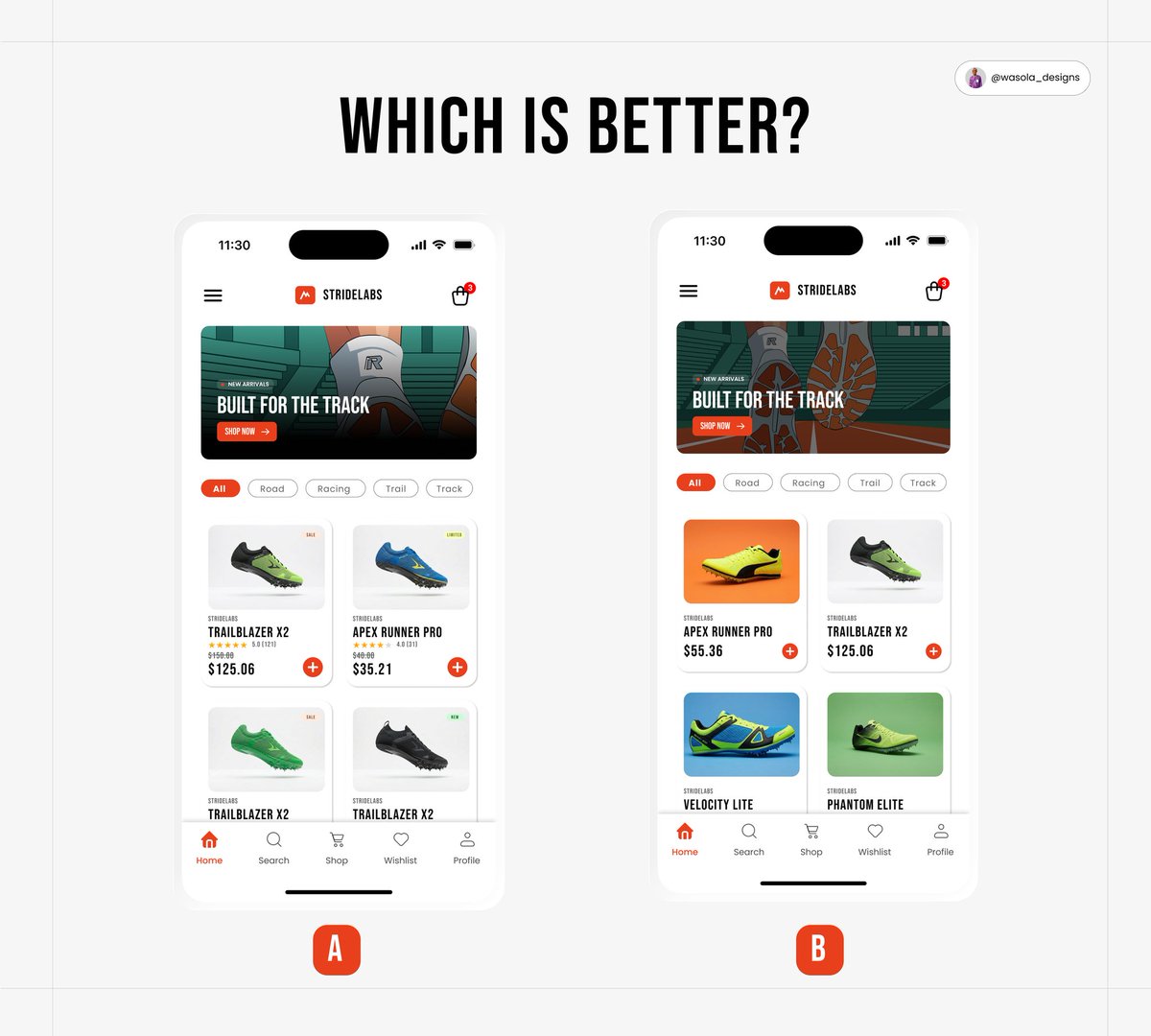
Design is never finished, only iterated. I’m putting these two e-commerce homepage concepts to the test.
Which one feels more intuitive to you?
Your feedback is highly appreciated 🤗
#usabilitytesting #uiux #viral
1
3
11
195

*Stop Building Software. Start Engineering Growth*
For more information about us
Social media handle:SAW Technologies limited
Website: sawtechnologieslimited.com/
#techconsulting #productstrategy#uiuxdesign #protyping #usabilitytesting#trendingvideo #fyp

2
4
6
110

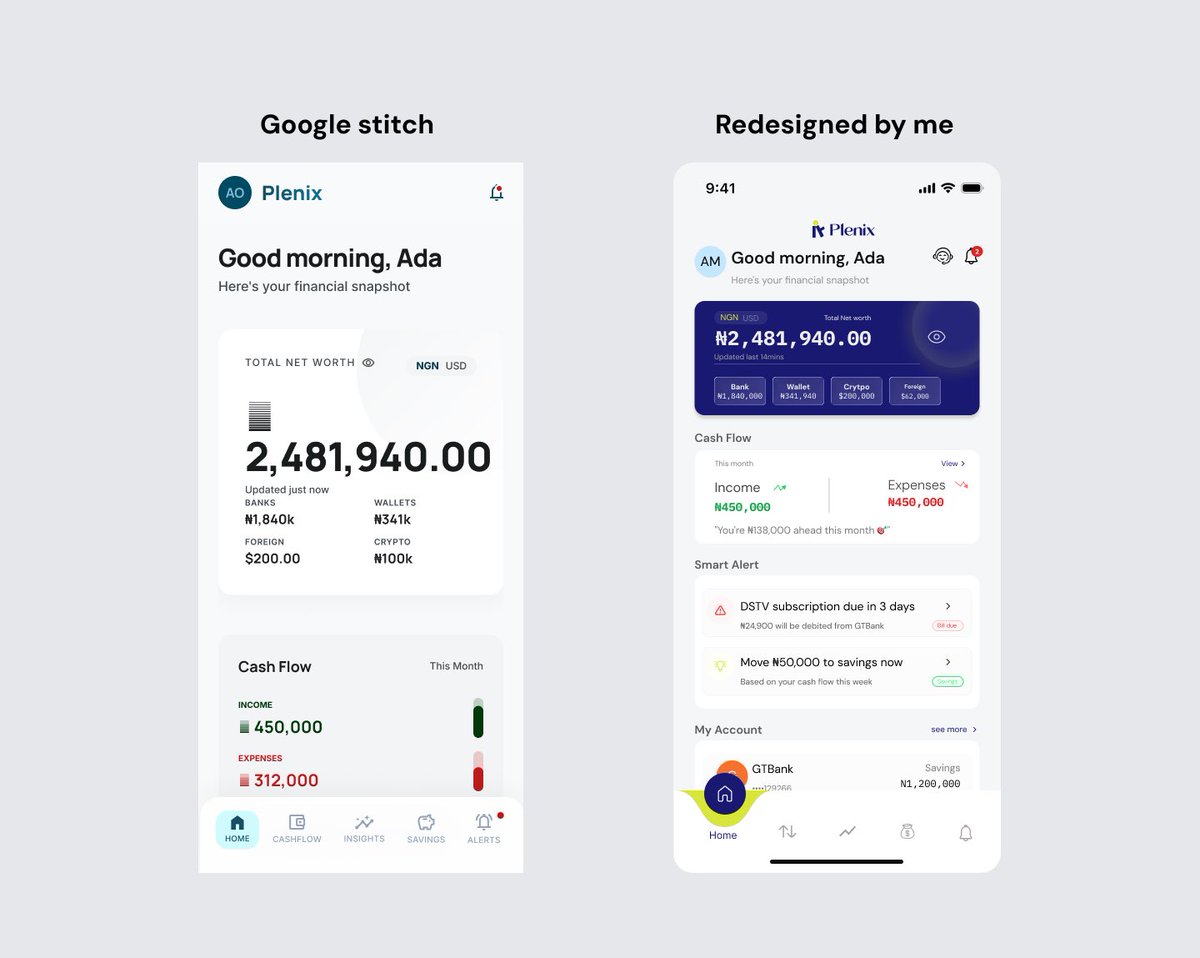
I prompted Google sticth on Plenix, this was the outcome.
Then I redesigned for human behavior and performance.
Which would you for ?
#usabilitytesting #fintech #design #x
1
1
5
119
Feb 22
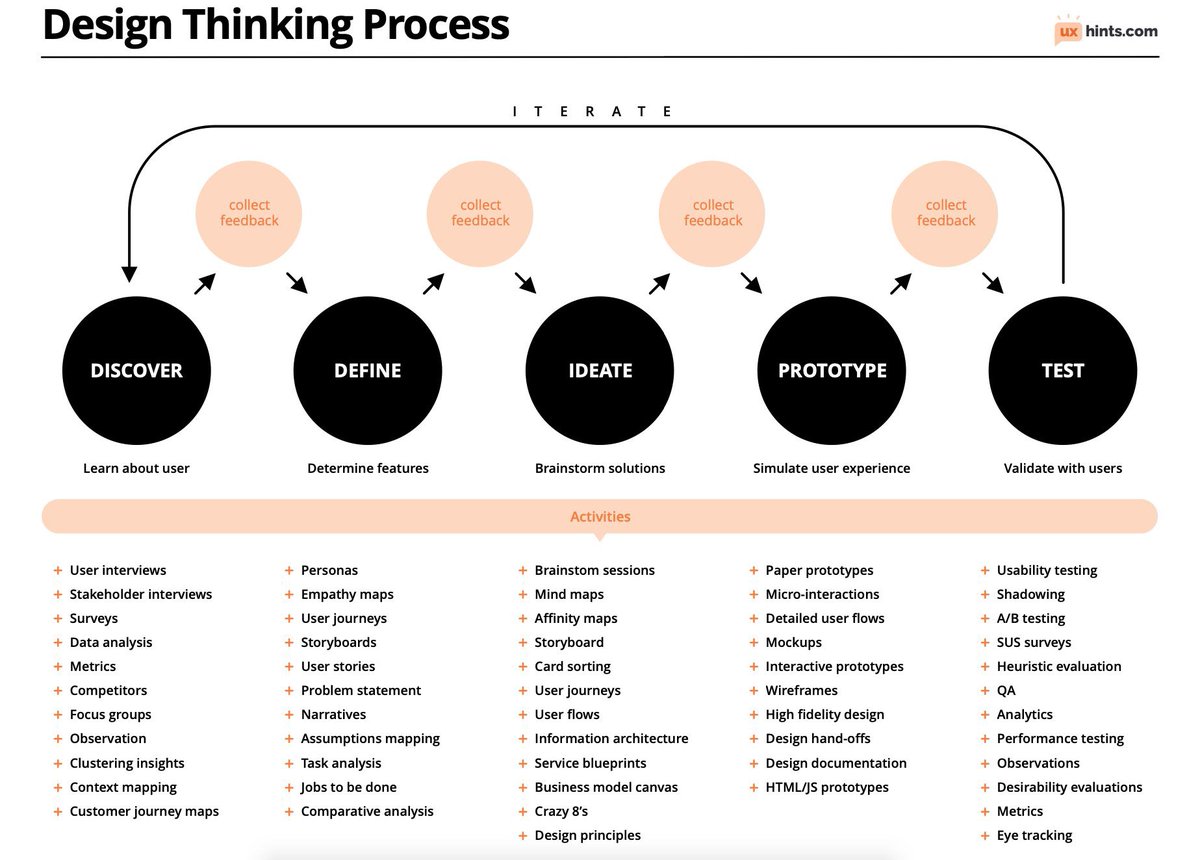
Learn about Design Thinking Process to improve your UX/UI Designs
With FREE PDF Cheatsheet!
What is Design Thinking?
Design Thinking is a design methodology that is used for solving design problems using human-centric approach. It allows to tackle ill-defined and complex user problems and provide creative and effective solutions to it through empathizing with the user.
Design thinking process is iterative
Discover:
- User interviews
- Stakeholder interviews
- Surveys
- Data analysis
- Metrics
- Competitors
- Focus groups Observation
- Clustering insights
- Context mapping
- Customer journey maps
Define:
- Personas
- Empathy maps
- User journeys Storyboards
- User stories
- Problem statement
- Narratives
- Assumptions mapping
- Task analysis
Jobs to be done- Comparative analysis
Ideate:
- Brainstom sessions
- Mind maps
- Affinity maps
- Storyboard
- Card sorting
- User journeys
- User flows
- Information architecture
- Service blueprints
- Business model canvas
- Crazy 8’s
- Design principles
Prototype:
- Paper prototypes
- Micro-interactions
- Detailed user flows
- Mockups
- Interactive prototypes
- Wireframes
- High fidelity design
- Design hand-offs
- Design documentation
- HTML/JS prototypes
Test:
- Usability testing
- Shadowing
- A/B testing
- SUS surveys
- Heuristic evaluation
- QA
- Analytics
- Performance testing
- Observations
- Desirability evaluations
- Metrics
- Eye tracking
Practical Tips:
- Design process is not linear, it has a parallel and iterative nature. Designer can dive into different phases depending on a situation.
- Use visual and object languages to communicate your ideas.
- Empathize with users to understand their psychological and emotional needs and what is meaningful to them.
- Generate ideas by alternating divergent and convergent thinking.
- Rapid prototyping is a powerful technique that allows to avoid a lot of debates and establish a shared understanding in the team. Use it all the time.
by @uxhints_com
#ux #uxdesign #ui #uidesign #productdesign #uxprocess #uxstrategy #design #designthinking #research #userresearch #uxresearch #usertesting #usability #usabilitytesting #prototyping #agile #mvp #startup #digital #ideation #usercentreddesign #userempathy #business #figms
1
7
68
3,528
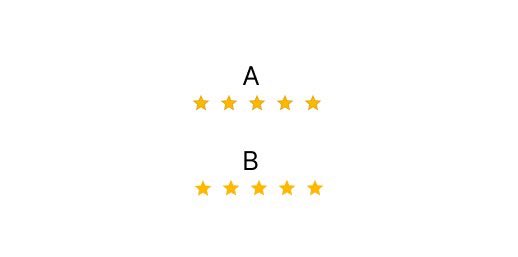
Day 29th of my UI/UX-visibility challenge,
For color contrast which is better?,
Rating icon that has darker shades of yellow or rating icon that has none?….
#icon #usabilitytesting #productdesigner #careerfield #TrendingNow
2
1
3
158

Feb 9
Join our exclusive YouTube LIVE session on: Heuristic Evaluation in UX
Date: 12thFebruary
Time: 10:00 am
YouTube: youtube.com/live/cdZXXFtPhgg…
#UXdesign #VEDACollege #drpaiu #Heuristicevaluation #Userexperience #Usabilitytesting #Designthinking #UXUI #Productdesign #Digitaldesign

1
2
13

Jan 19
One of the most dynamic parts of digital product development is aligning the product with users’ expectations, requirements and desired experience. When products fail to align with these, users often feel frustrated using the product. The result? The product loses valuable customer and suffers depreciation.
At Temi WorkWhile, we can help you align your software and digital products with user expectations and next gen industry standards through our thorough usability evaluation research and usability testing. We provide unrivaled practical solutions and pointers that optimize your product’s performance and also, via our experience with marketing research and marketing strategies, improve its market performance.
Consult us today.
#usability #UXresearch #usabilitytesting #UX #UI
Jan 19

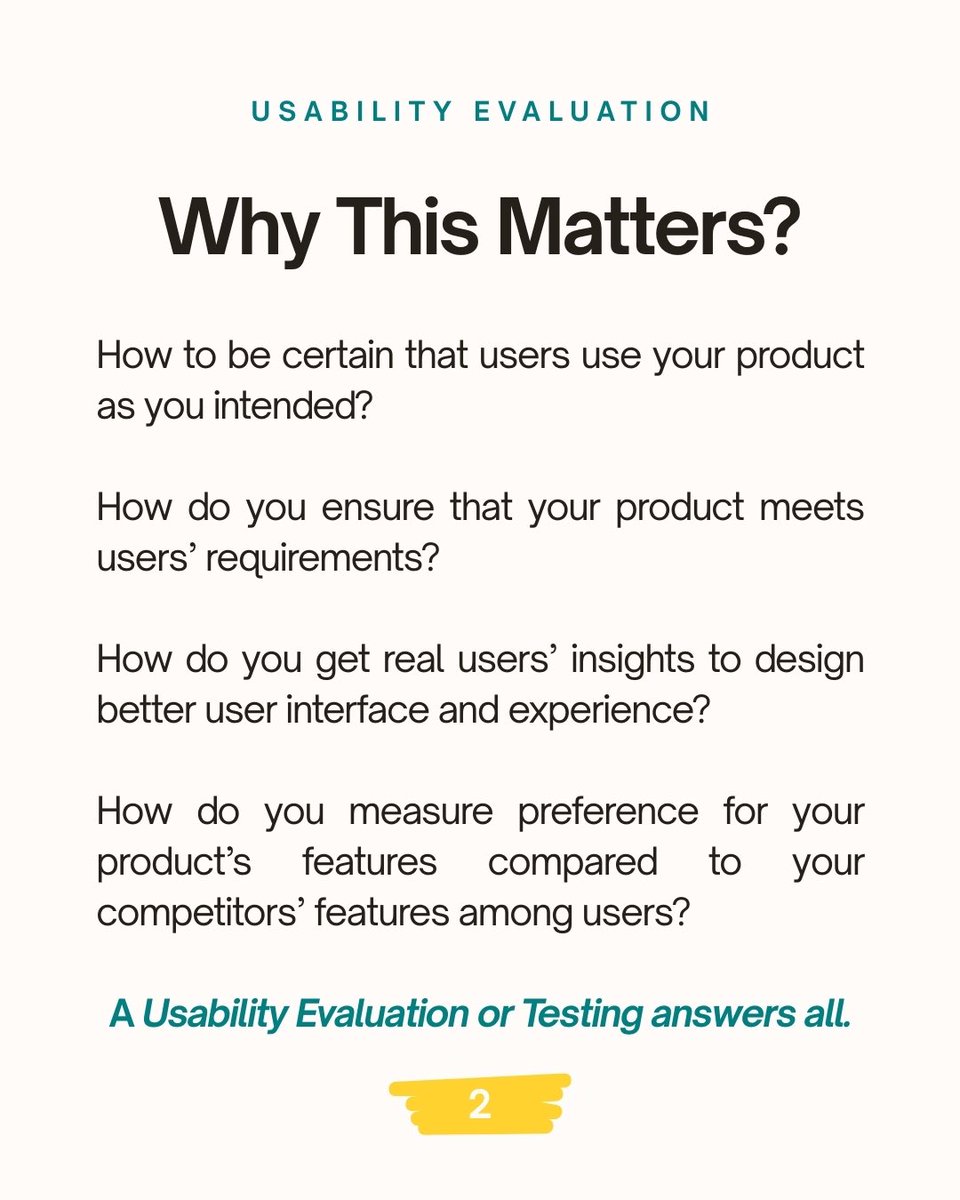
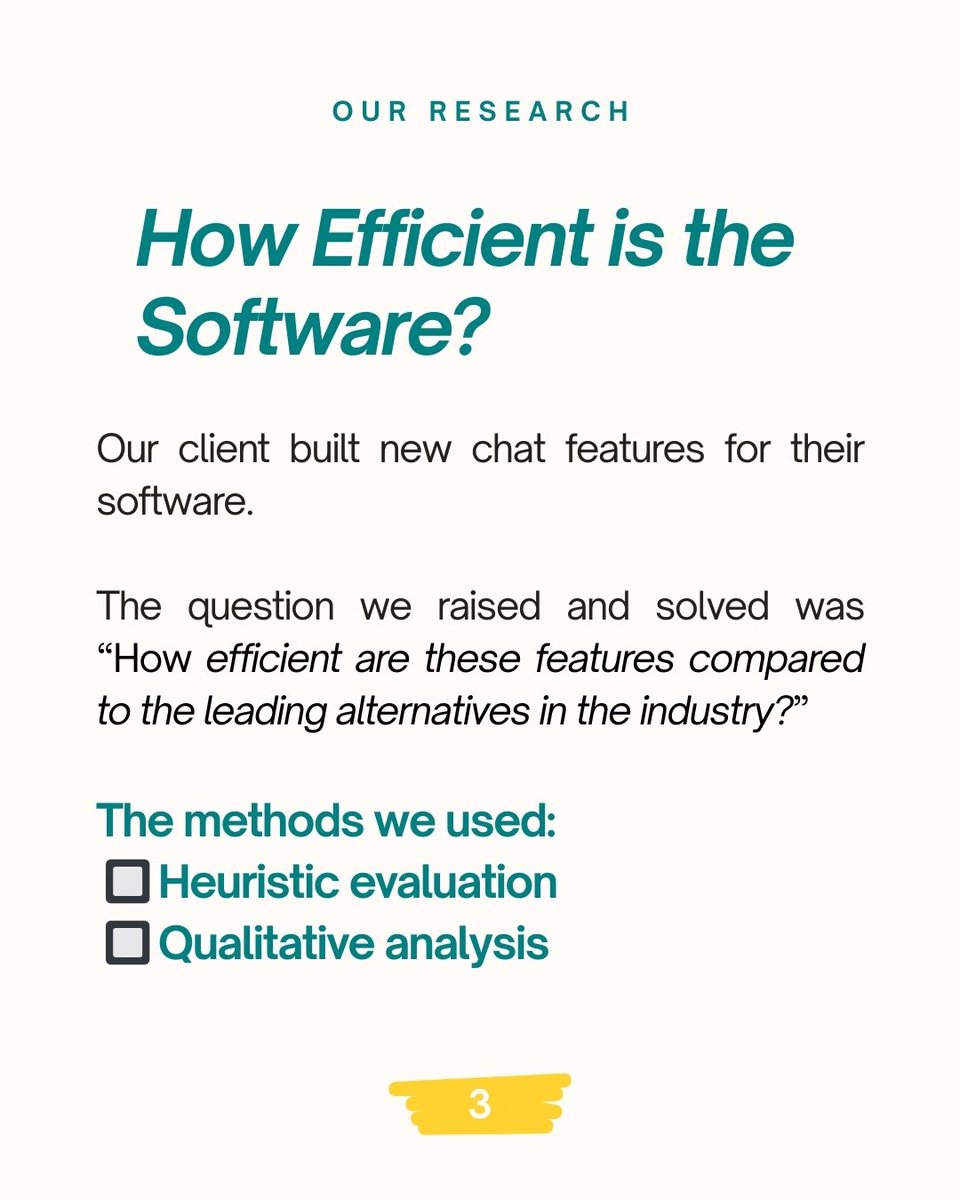
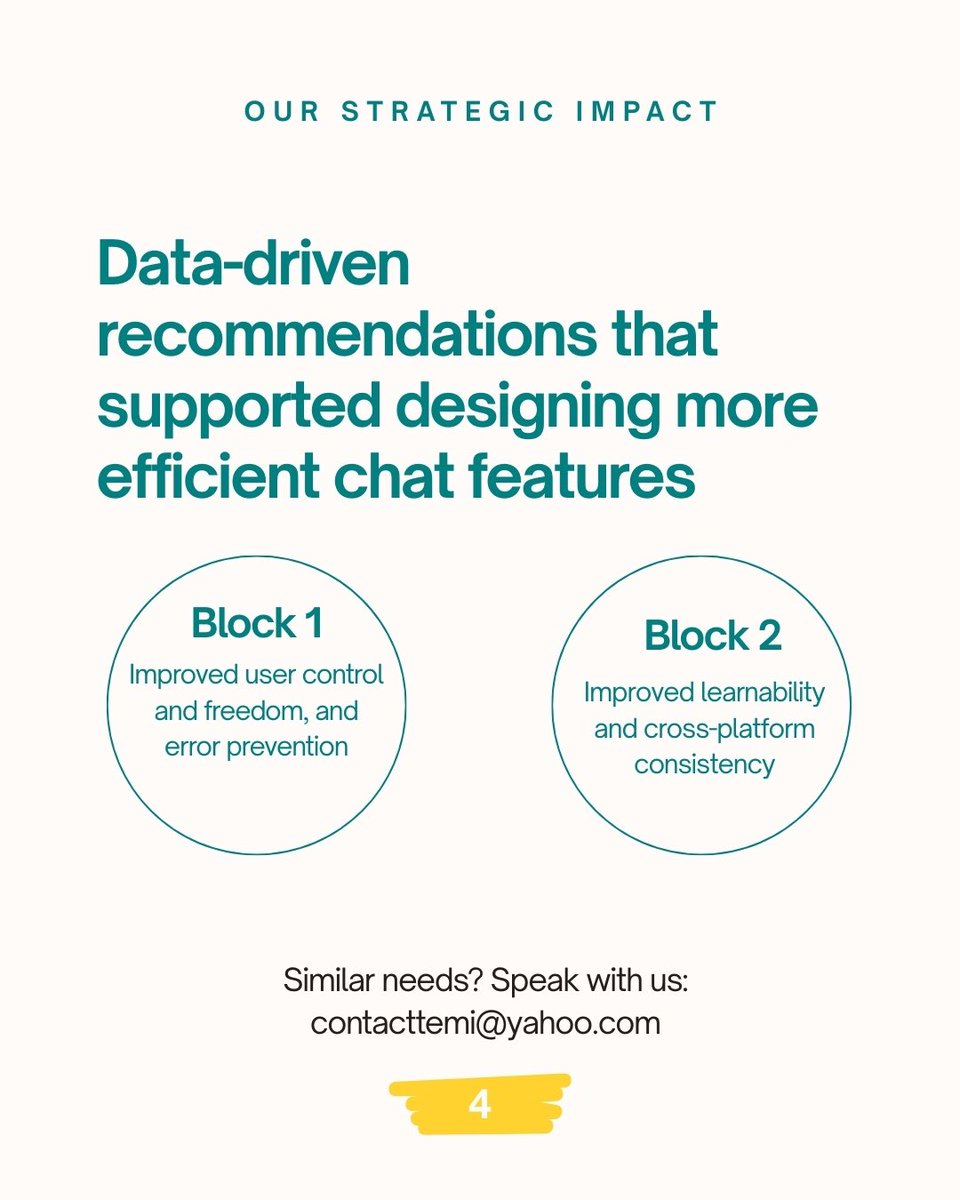
We conducted a usability evaluation research to examine the efficiency of the chat features in a software.
Our research enabled the developers to improve the user interface and experience of their software and most importantly, meet users’ requirements.
#usabilitytesting
5
3
352

Jan 19
We conducted a usability evaluation research to examine the efficiency of the chat features in a software.
Our research enabled the developers to improve the user interface and experience of their software and most importantly, meet users’ requirements.
#usabilitytesting
6
3
842

9 Dec 2025
Every great digital experience starts with one real user.
Understanding your users shouldn’t be complex; it should be effortless.
Try it today userlytics.com/user-experien…
#UXResearch #UserExperience #UsabilityTesting #DesignInsight
4
450

6 Dec 2025
When you know your users inside out, you can design products they love and that propel your career forward.
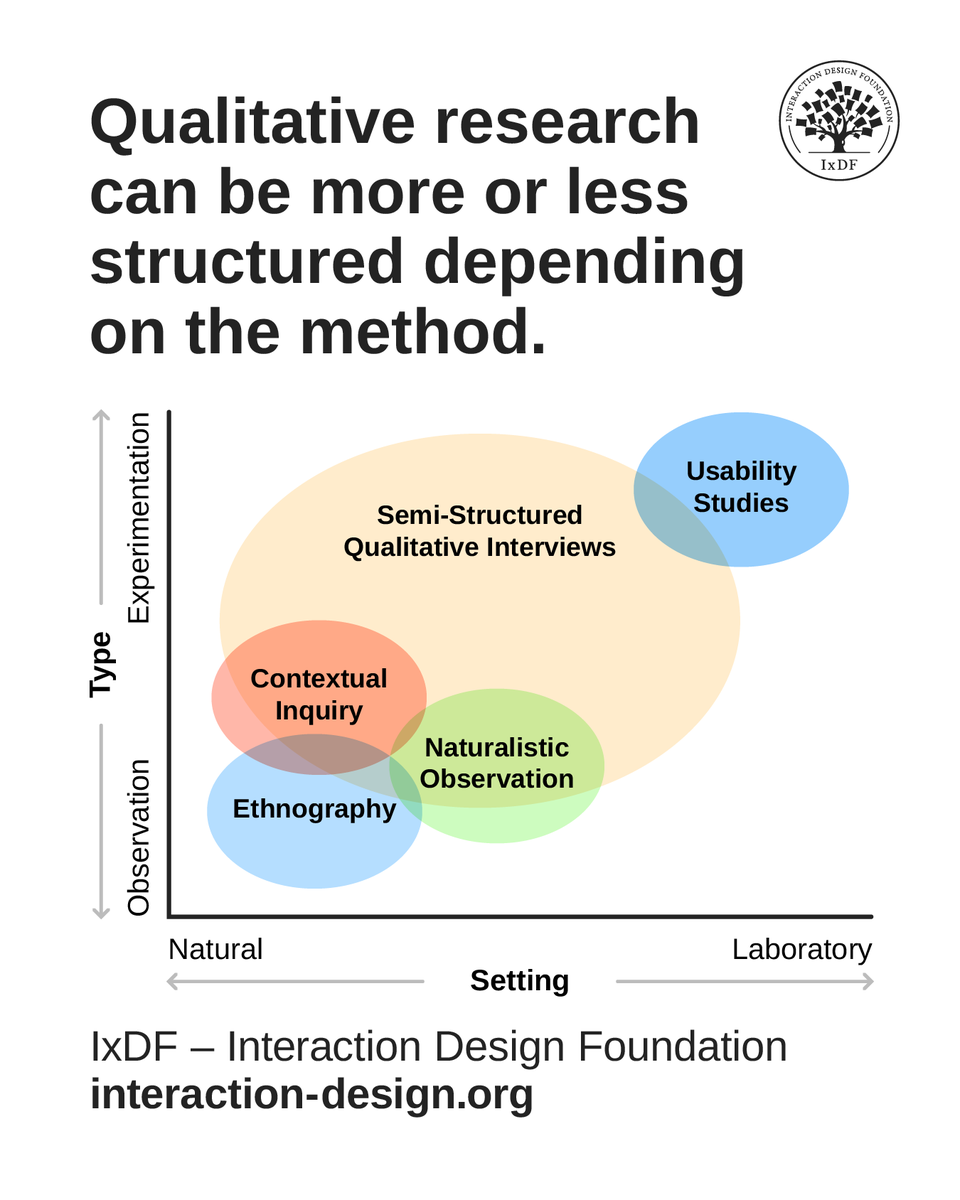
It all starts with qualitative research. But not all qualitative research looks the same.
From observing users in their natural environment to testing prototypes in a lab, qualitative methods adapt to what you need to learn.
The key? Matching your method to your research question:
🏡 Natural settings (like ethnography) reveal authentic behavior in context
🧪 Laboratory settings (like usability studies) let you test specific interactions
👁️ Observation-based methods show you what people actually do
💬 Experimentation-based methods explore how people respond to what you create
Each approach uncovers different insights. When you master these methods, you’ll know when to use which method and how to combine them for deeper understanding.
And a deeper understanding creates products your users love.
Get all the methods you need to start implementing effective qualitative research in this free, open-source article. 🚀
interaction-design.org/liter…
#UXResearch #QualitativeResearch #UserResearch #ResearchMethods #UXDesign #UserExperience #DesignThinking #UsabilityTesting
3
381